
“La Dolce Vita” (1960) is an iconic Italian film directed by Federico Fellini. It is considered one of Fellini’s masterpieces and one of the greatest films in world cinema. The film is a sprawling, episodic exploration of the decadence and disillusionment of post-war Rome, capturing a society in moral decay. Blending drama, satire, and surrealism, La Dolce Vita offers a complex and nuanced portrayal of fame, hedonism, and existential despair.
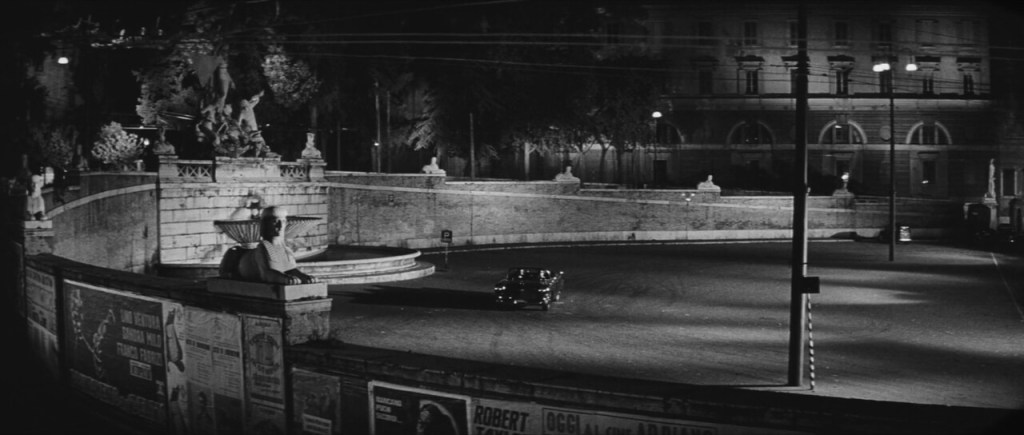
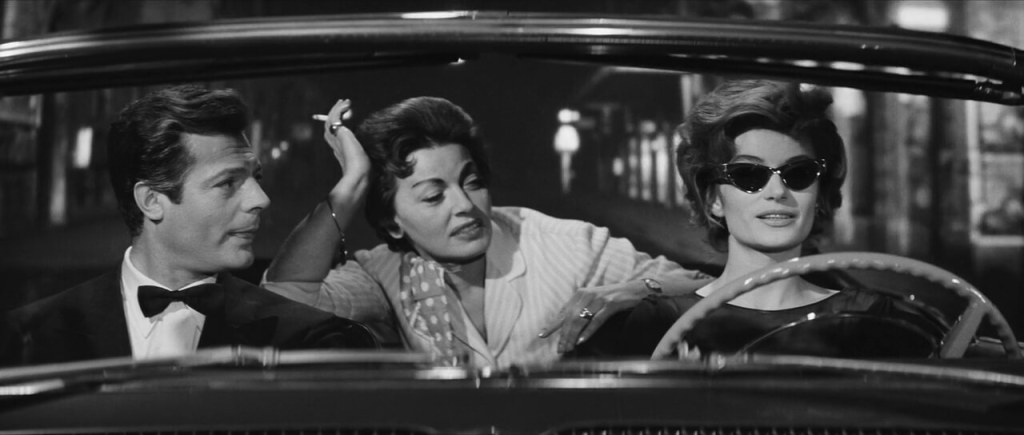
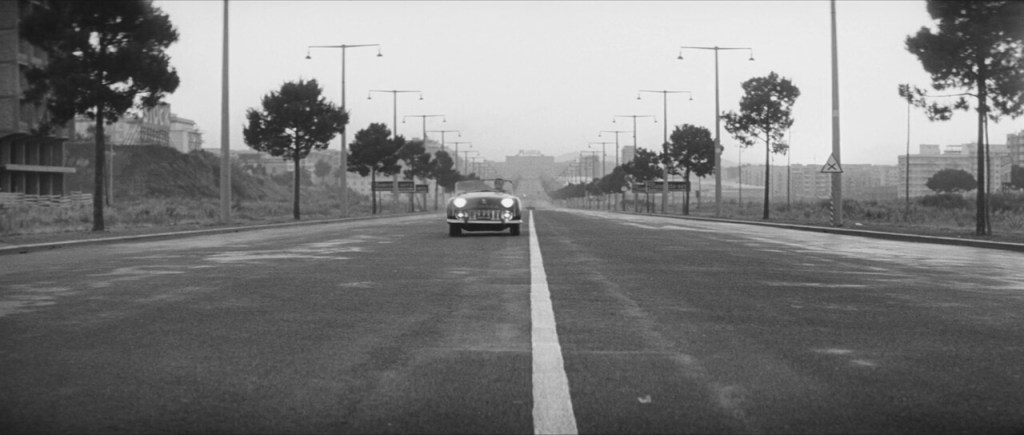

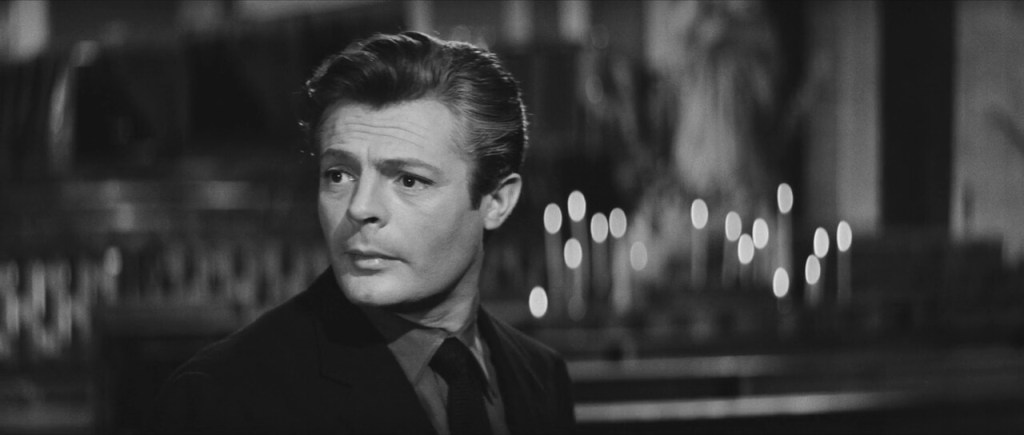
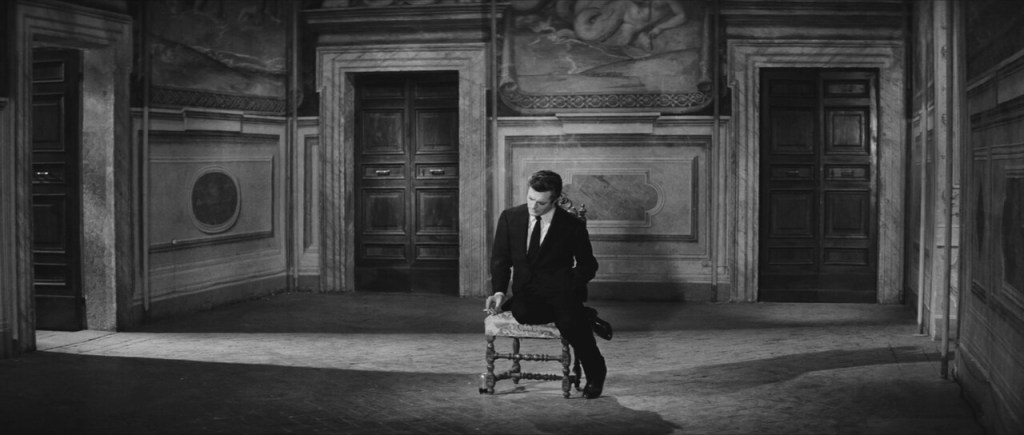
The film follows Marcello Rubini (played by Marcello Mastroianni), a disillusioned journalist and aspiring writer, over seven days and nights in Rome. Marcello covers celebrity gossip and sensationalist news, moving through the city’s glamorous upper echelons and decadent nightlife. As he drifts through these social circles, he struggles with a deep internal crisis, torn between his aspirations for a meaningful life and his attraction to the city’s superficial pleasures.
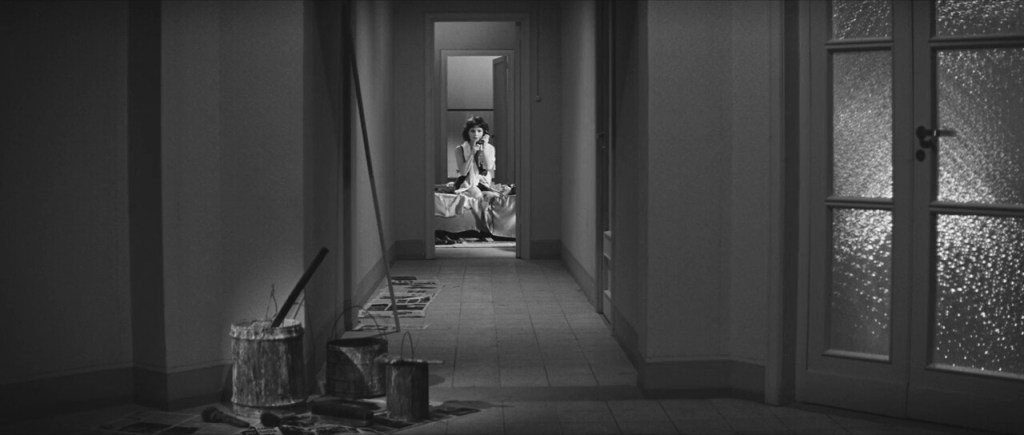
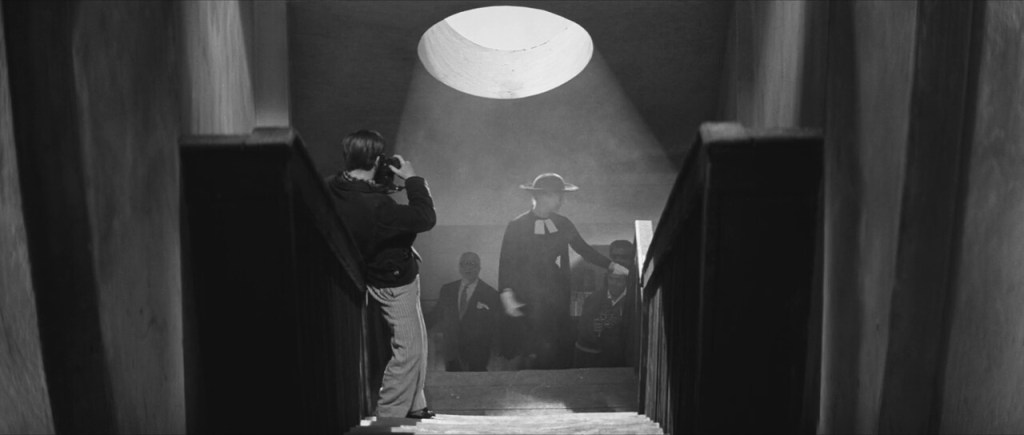
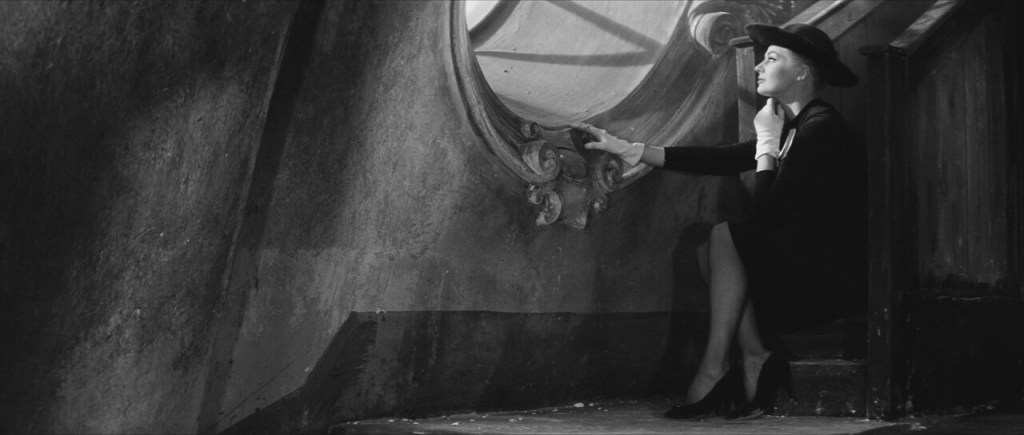
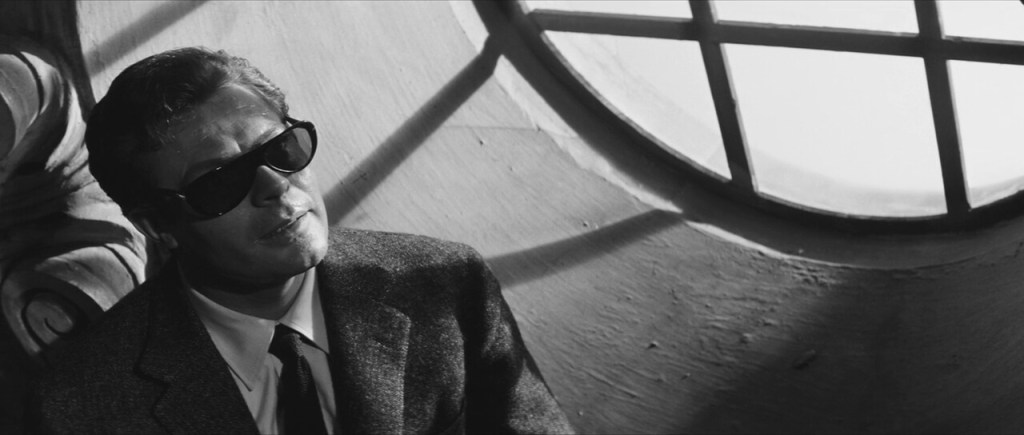
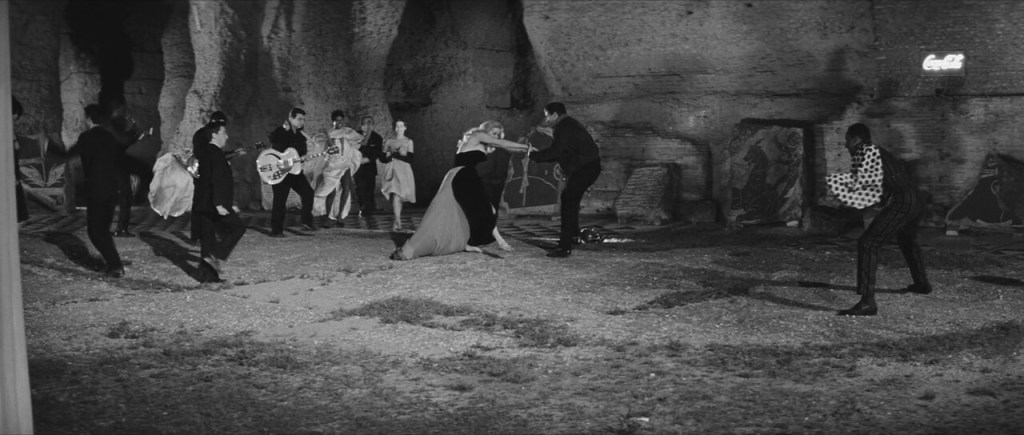
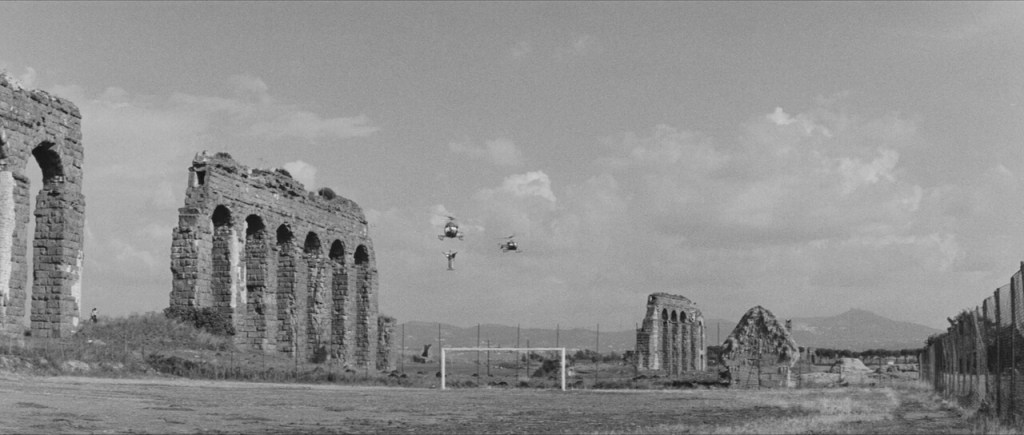
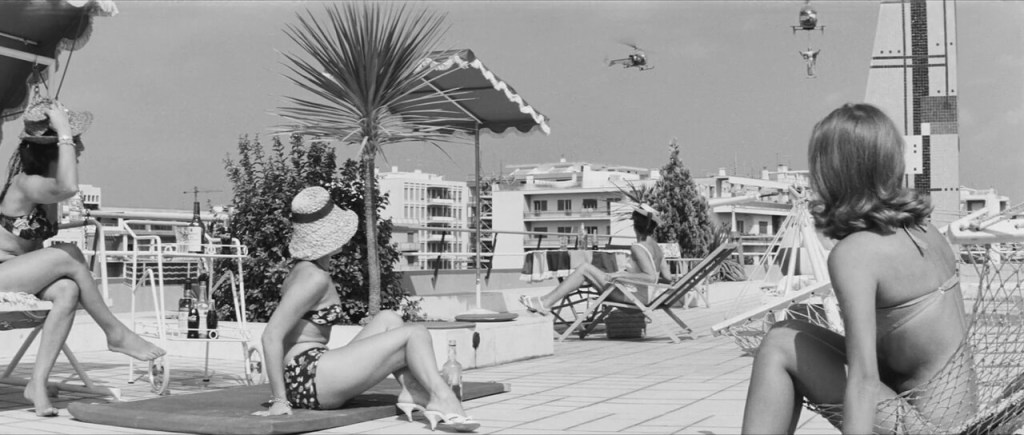
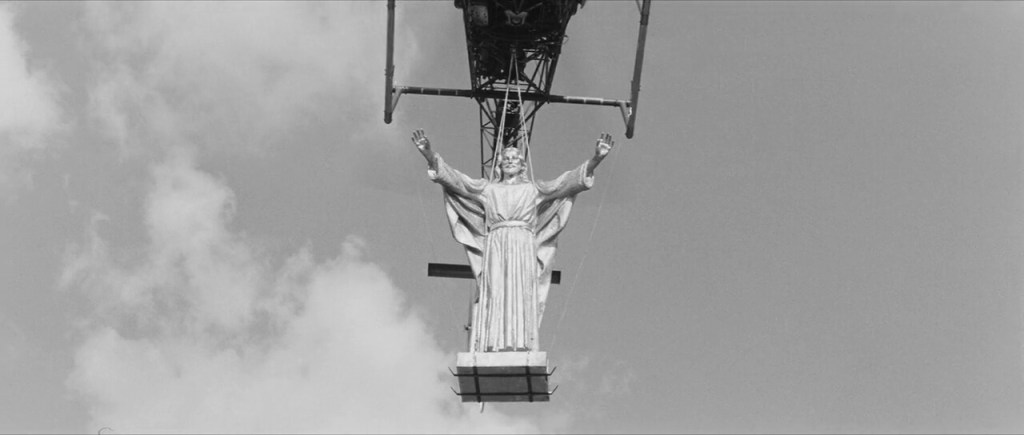
The film opens with one of its most famous sequences: a helicopter flying over Rome, carrying a giant statue of Christ. This image of spirituality overshadowed by modernity sets the tone for the film, which constantly contrasts the sacred with the profane.
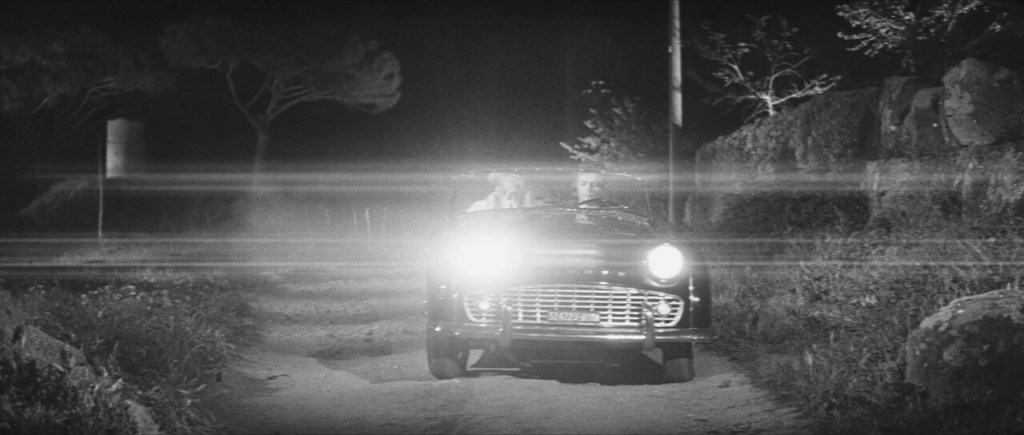

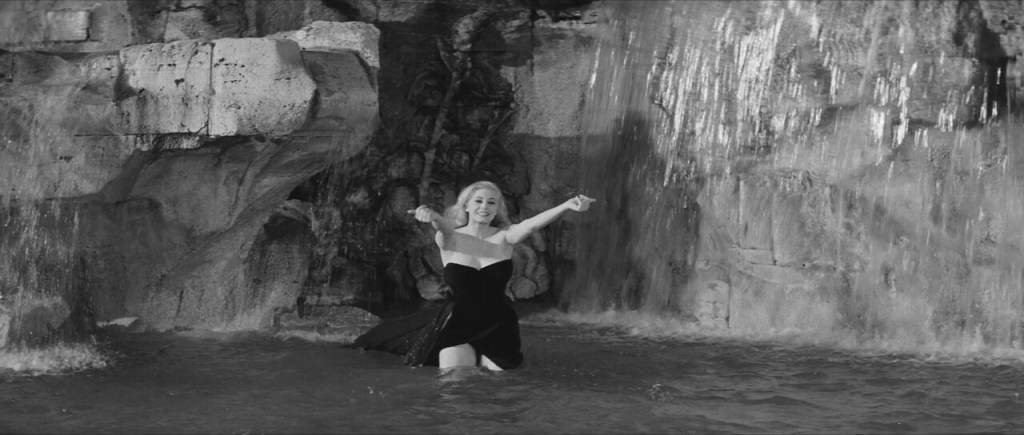
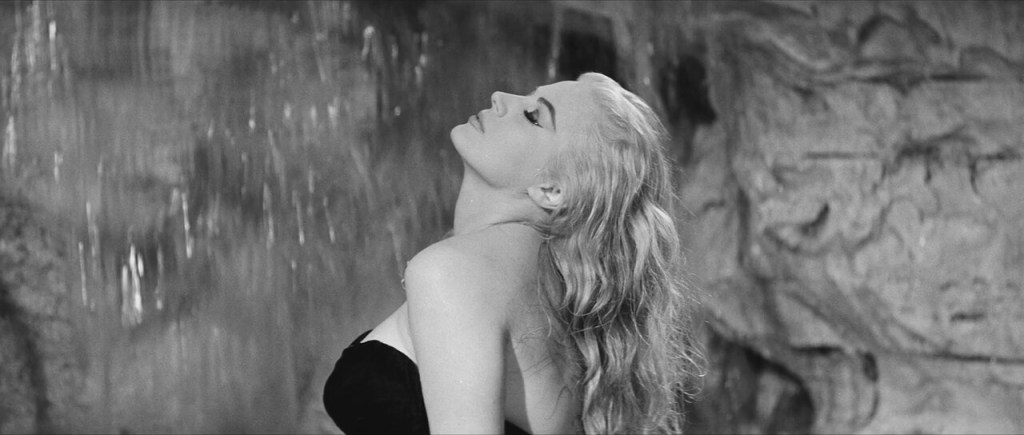
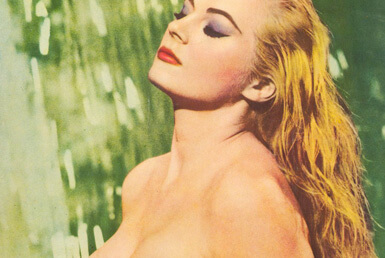
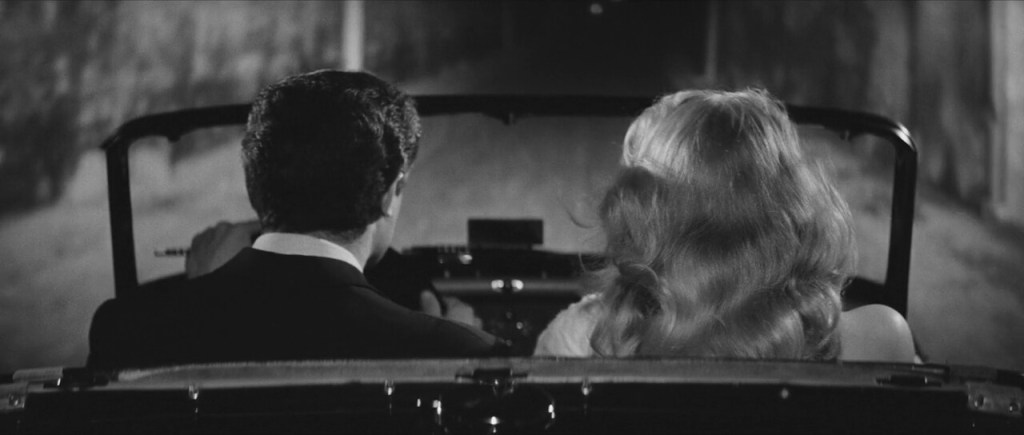
One of the most famous segments of the film revolves around the arrival of Swedish-American movie star Sylvia (played by Anita Ekberg), a glamorous, larger-than-life figure who embodies the fantasies of celebrity culture. Marcello is assigned to cover her visit, and he is immediately captivated by her beauty and carefree attitude. Sylvia represents the allure of fame and the empty promises of a hedonistic lifestyle.
In one of the film’s most iconic scenes, Sylvia and Marcello take a nighttime tour of Rome, which culminates in Sylvia wading into the Trevi Fountain in her evening gown, calling for Marcello to join her.
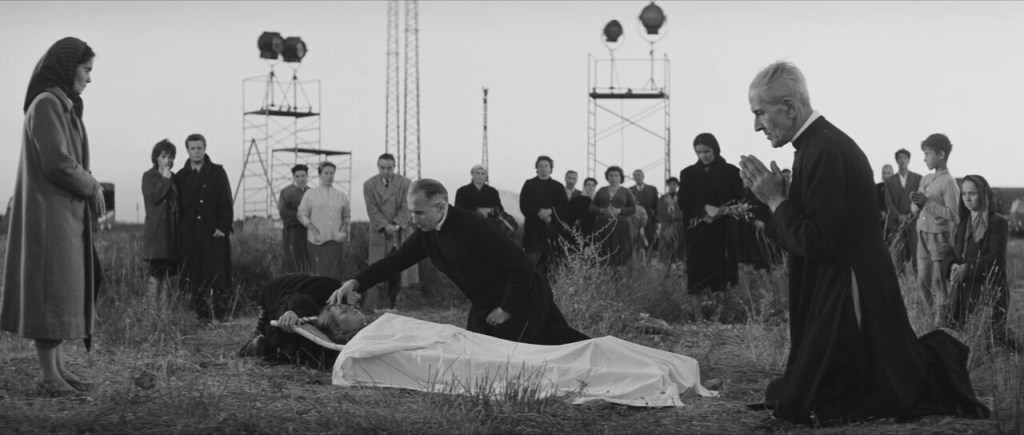

Throughout the film, Marcello is involved with his long-suffering fiancée, Emma (played by Yvonne Furneaux), who represents domesticity and a more grounded life. However, their relationship is fraught with tension. Emma is deeply in love with Marcello, but he is ambivalent toward her, frequently seeking solace in other women and the distractions of the nightlife. She desperately wants to settle down, but Marcello feels trapped by the prospect of a conventional life.
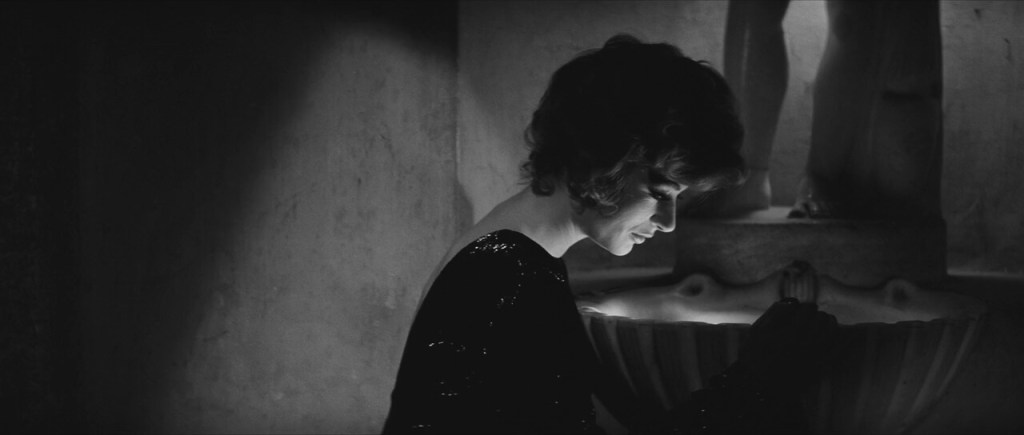
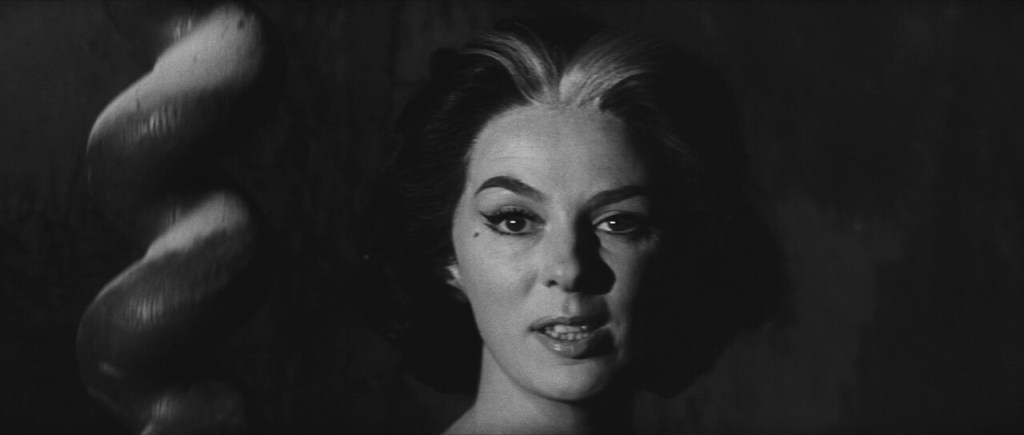
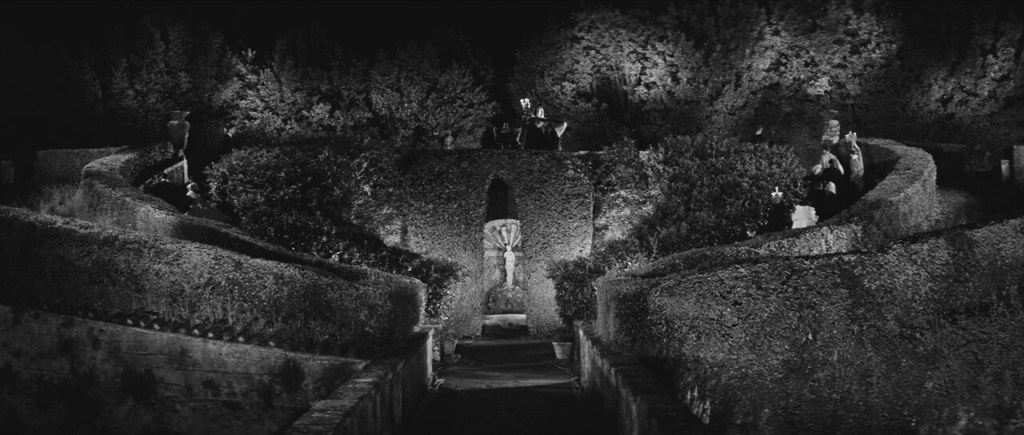
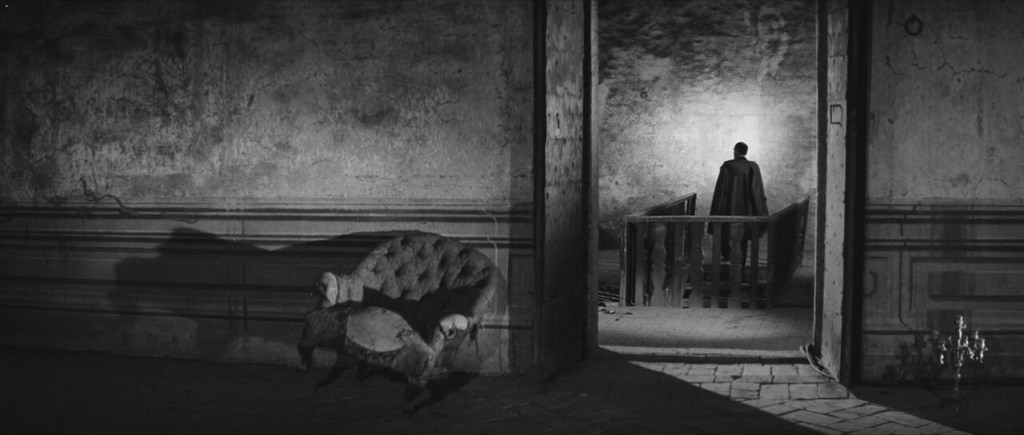
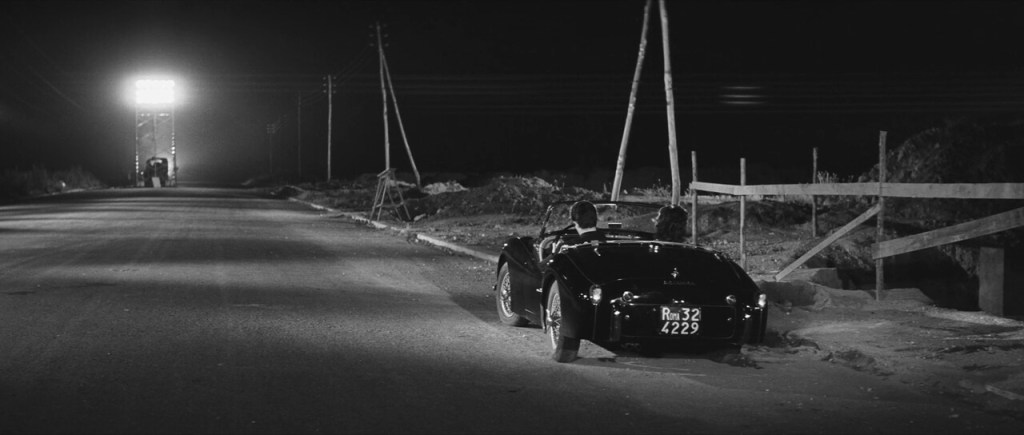
In one intense sequence, Emma overdoses on pills in a desperate attempt to secure Marcello’s attention and love. He rushes her to the hospital, but even this dramatic event cannot rekindle his affection for her, showing the emotional void that exists between them.
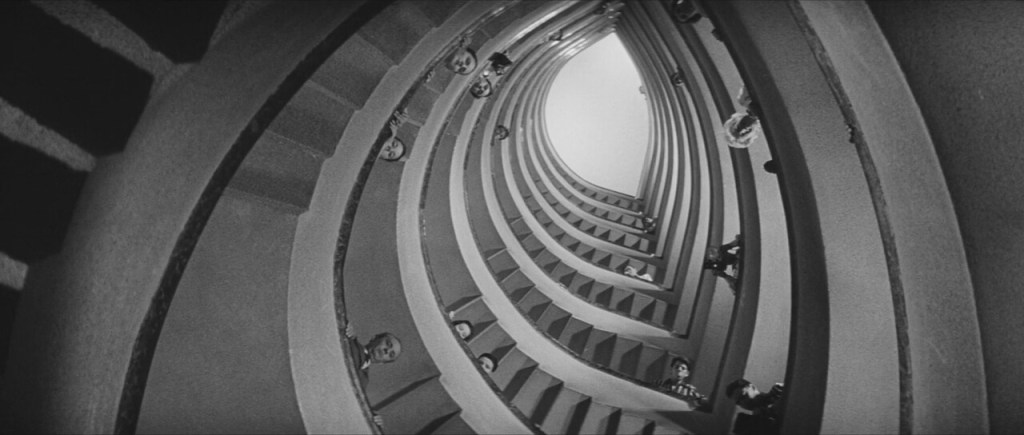

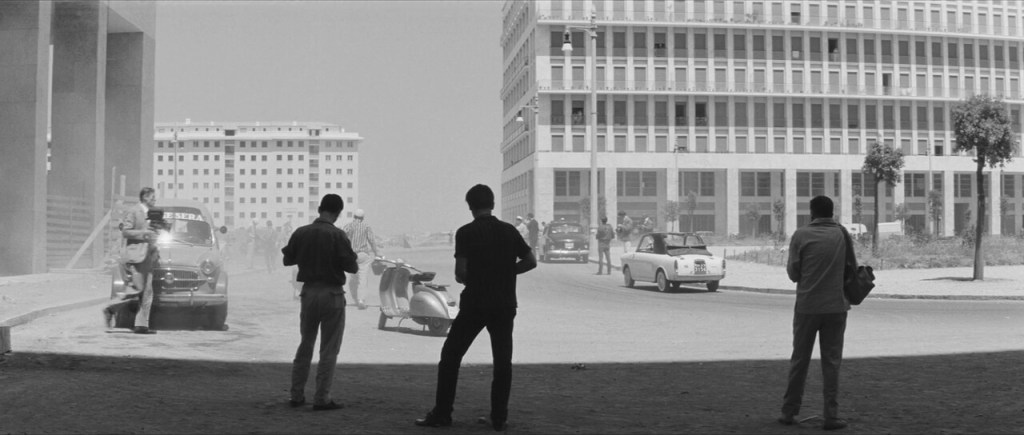
Marcello continues to spend time with Rome’s elite, including his wealthy and intellectual friend Steiner (played by Alain Cuny), who starkly contrasts Marcello’s shallow existence. Steiner is cultured, refined, and philosophical, offering Marcello a glimpse of a more intellectual and meaningful life. However, Steiner’s outward success and inner turmoil foreshadow a tragic outcome.

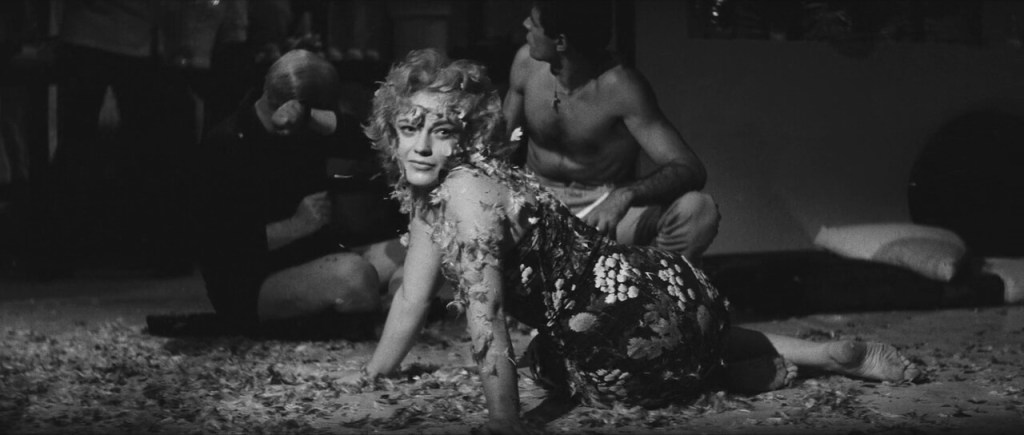
Steiner hosts an elegant party attended by artists and intellectuals. Marcello feels out of place and needs help connecting with the sophisticated guests. Despite their wealth and intelligence, these characters are portrayed as emotionally distant and just as lost as Marcello.

Marcello idolizes Steiner’s lifestyle, believing it represents the meaningful existence he desires. However, Steiner’s life takes a dark turn when he unexpectedly commits suicide after killing his two young children. This shocking event shatters Marcello’s idealized vision of intellectual and spiritual fulfillment. It forces him to confront the hollowness of his own life and the world he aspires to join.
The film’s final act culminates in a grotesque party at a seaside villa, where Marcello joins a group of jaded aristocrats in a night of debauchery. The scene is filled with surreal, absurd, and dehumanizing imagery as the partygoers descend into animalistic behavior, symbolizing the collapse of moral and social order.
Marcello fully embraces this hedonism, abandoning any pretense of finding meaning in life. He insults and mistreats a woman at the party, sinking to his lowest point. The party concludes with a bizarre and disturbing orgy, marking Marcello’s complete surrender to the decadence that he has been both drawn to and repelled by throughout the film.
In the morning after the party, Marcello and the remaining revelers walk along the beach, where they encounter a grotesque sea creature washed ashore. The dead fish, bloated and decayed, serves as a powerful metaphor for the moral and spiritual decay of the society around Marcello and his own inner emptiness.
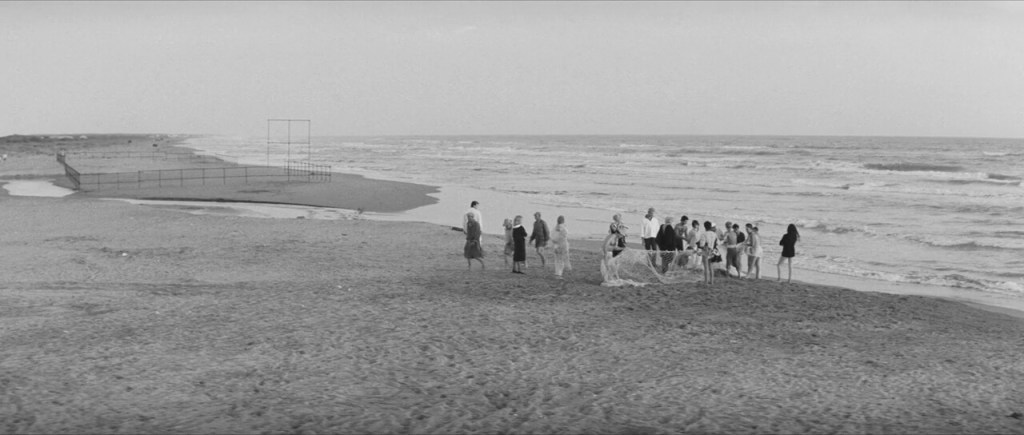
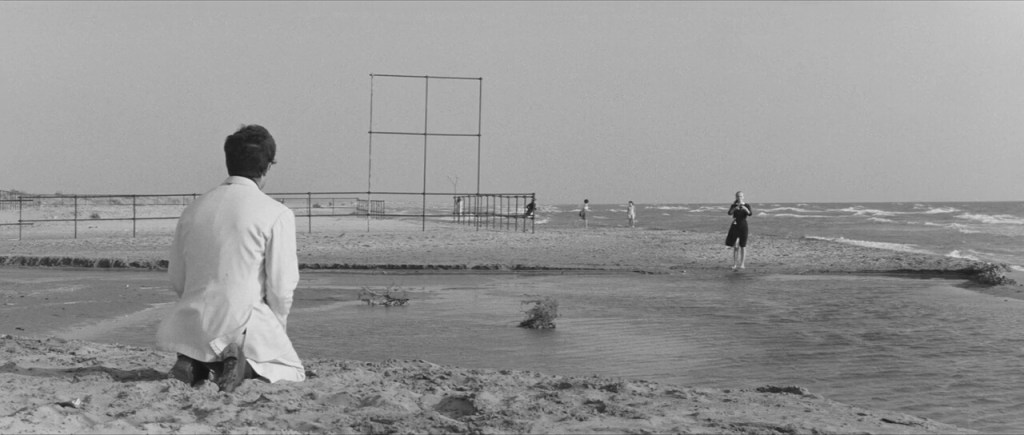
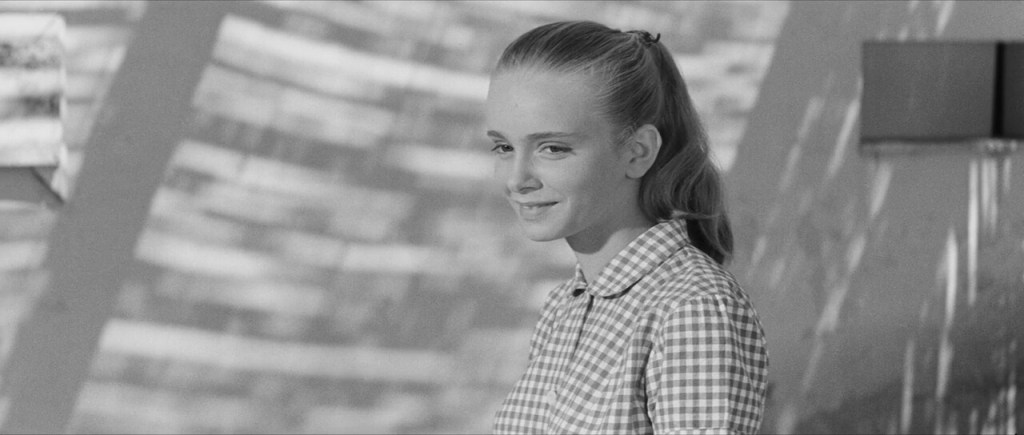
As Marcello looks out toward the sea, he sees a young girl, Paola (played by Valeria Ciangottini), whom he had met earlier in the film. Paola represents innocence and purity, and she tries to communicate with Marcello, offering him one last chance at redemption. However, he cannot hear or respond to her over the noise of the waves. The film ends with Marcello walking away from the beach, leaving the viewer with a haunting sense of ambiguity and unresolved tension.
La Dolce Vita reflects the conflict between superficial pleasure and the search for deeper meaning. The film’s title, “The Sweet Life,” is ironic, as Marcello’s pursuit of pleasure leads him further away from happiness and fulfillment. Fellini explores themes of alienation, moral decay, and existential despair while also offering a critique of celebrity culture and the empty glamor of the modern world.
 The Other Cinema