
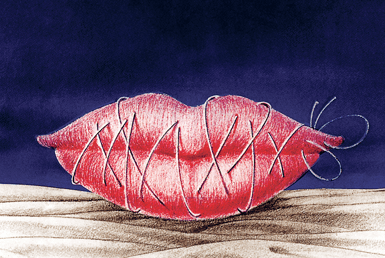

That Obscure Object of Desire (Cet obscur objet du désir) is a 1977 surreal, darkly comedic drama directed by the legendary Spanish filmmaker Luis Buñuel in his final film. The movie is an adaptation of Pierre Louÿs’ 1898 novel La Femme et le Pantin (The Woman and the Puppet), delving into themes of obsession, desire, and the complexity of human relationships.
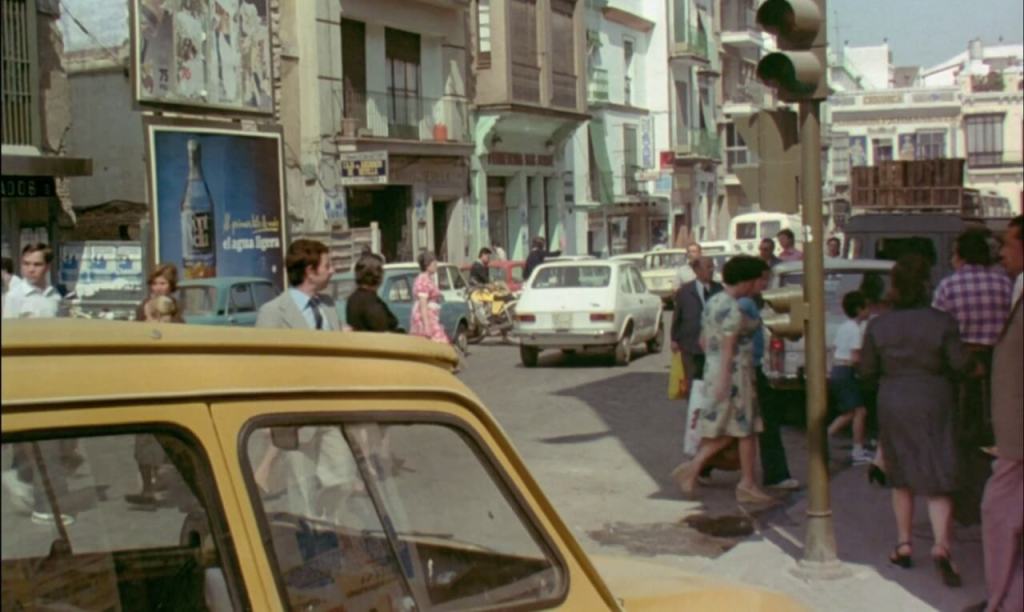

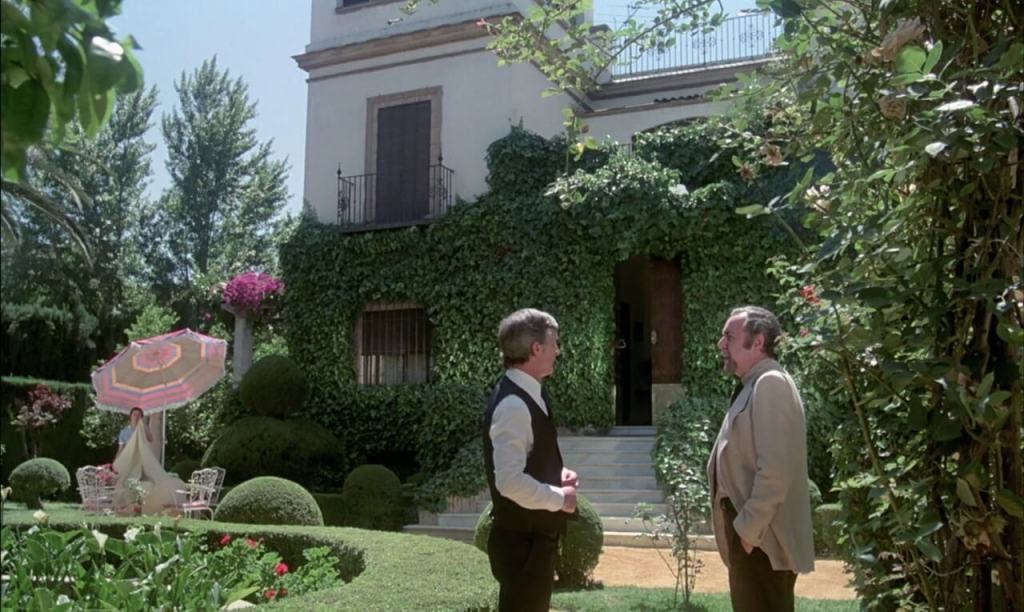

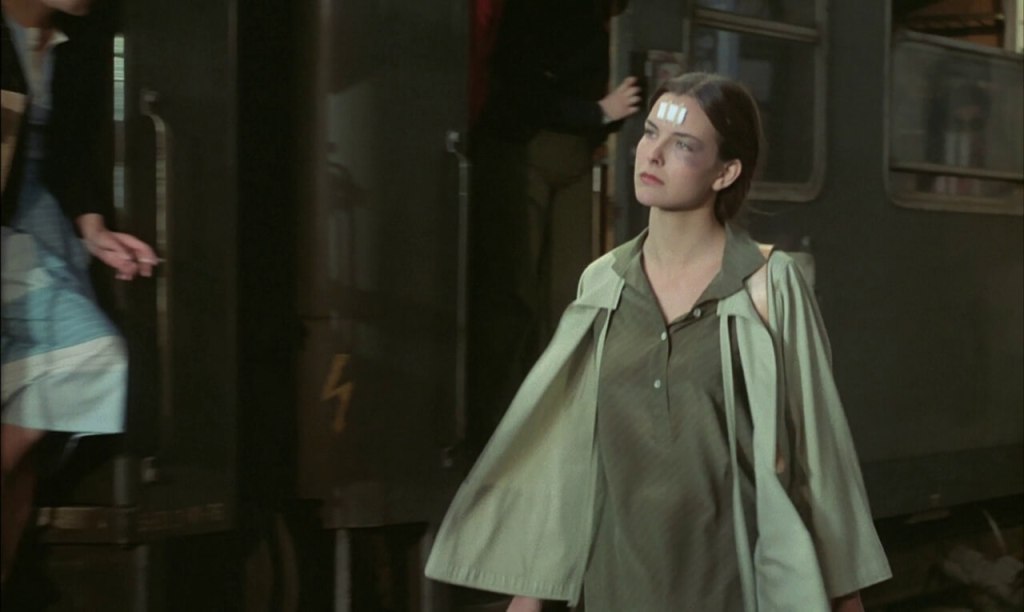
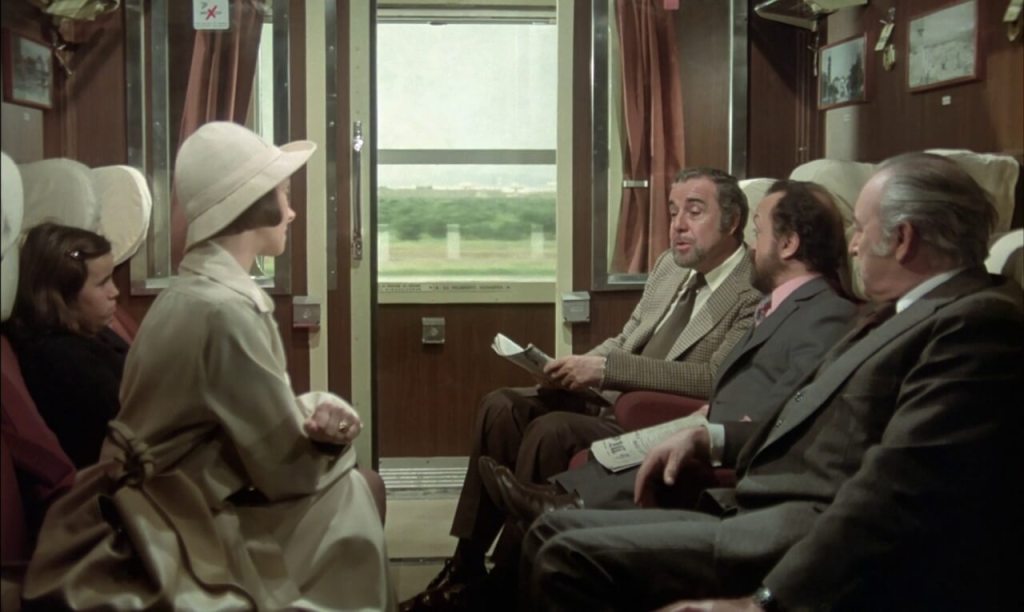
The plot revolves around the intense and tumultuous relationship between an older man, Mathieu Faber, and a young woman, Conchita, with whom he becomes infatuated. Mathieu, played by Fernando Rey (who frequently collaborated with Buñuel), is a wealthy, middle-aged Frenchman who recounts his frustrating and humiliating experiences with Conchita to fellow passengers on a train from Seville to Paris.
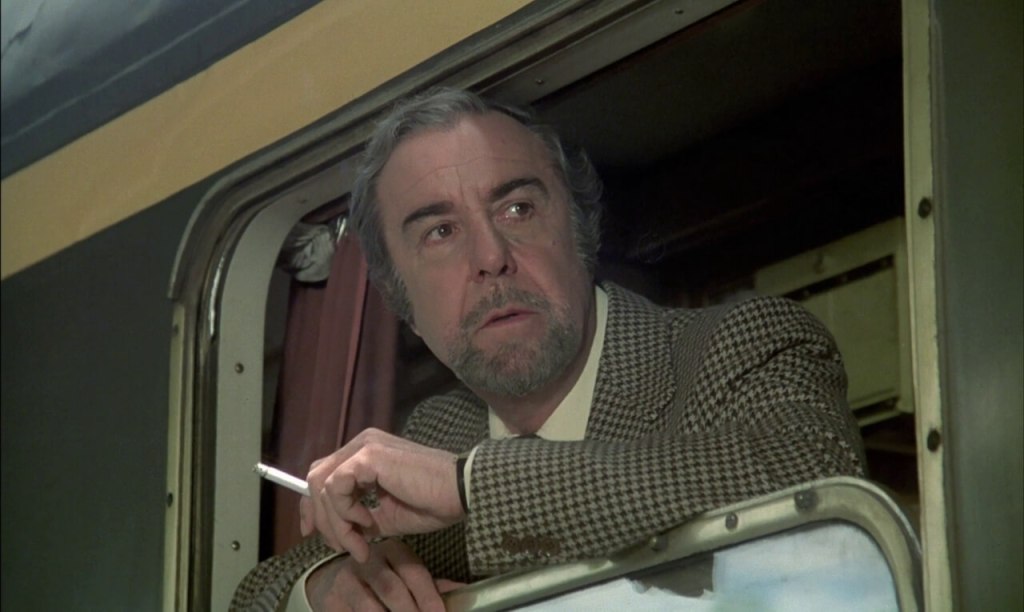
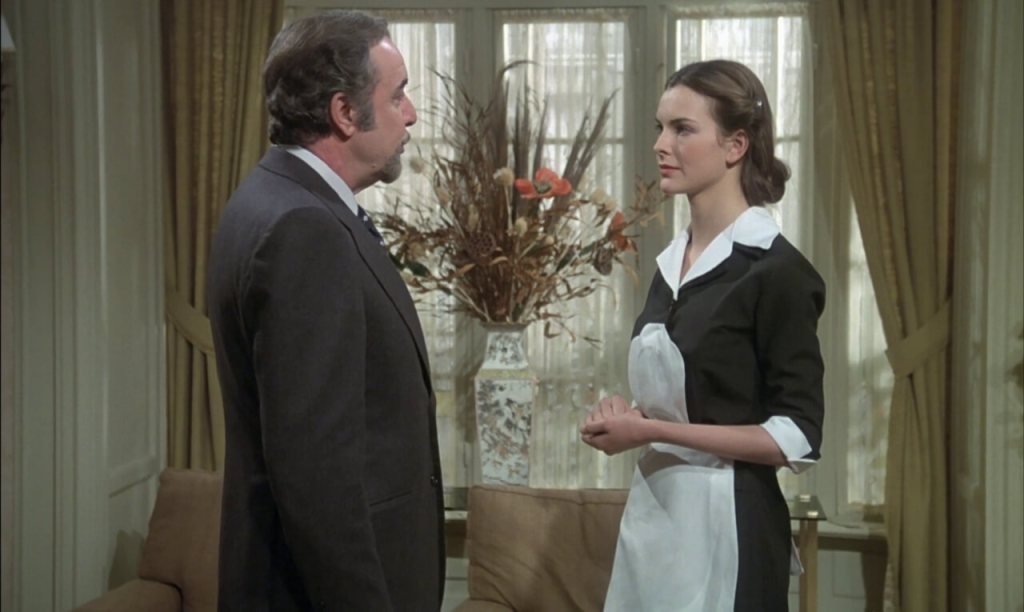
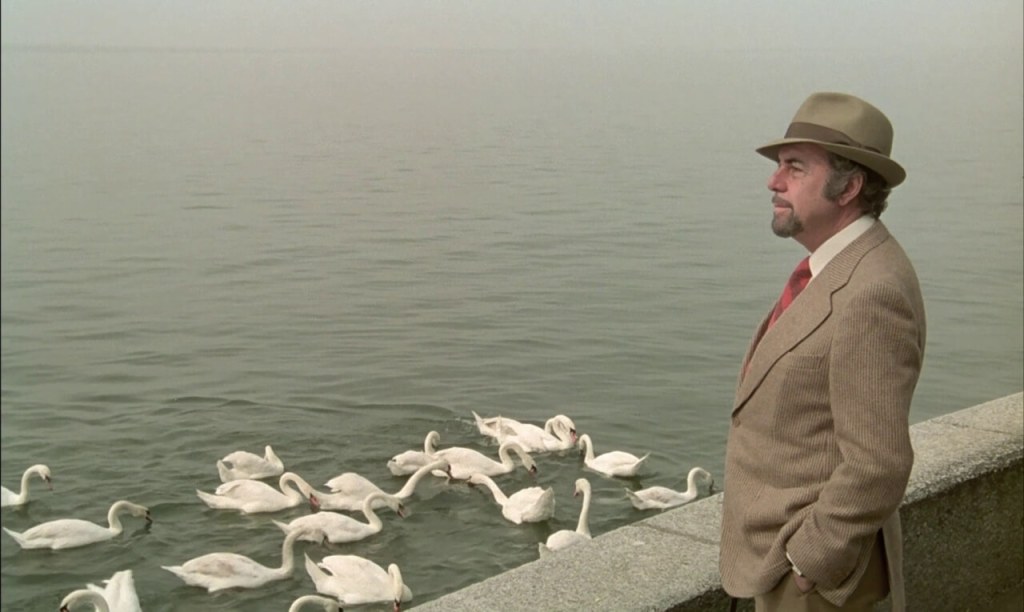
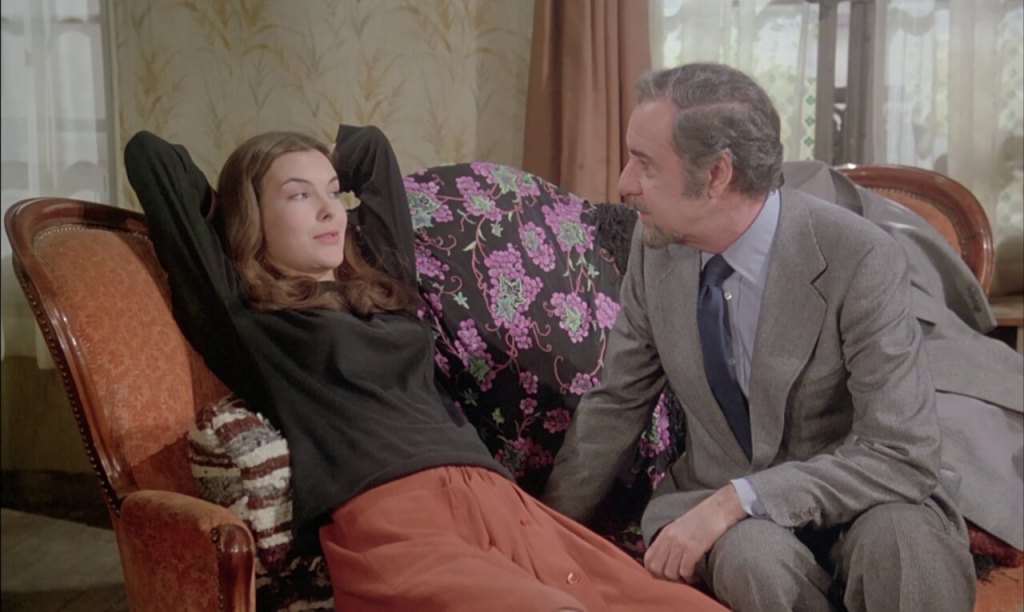
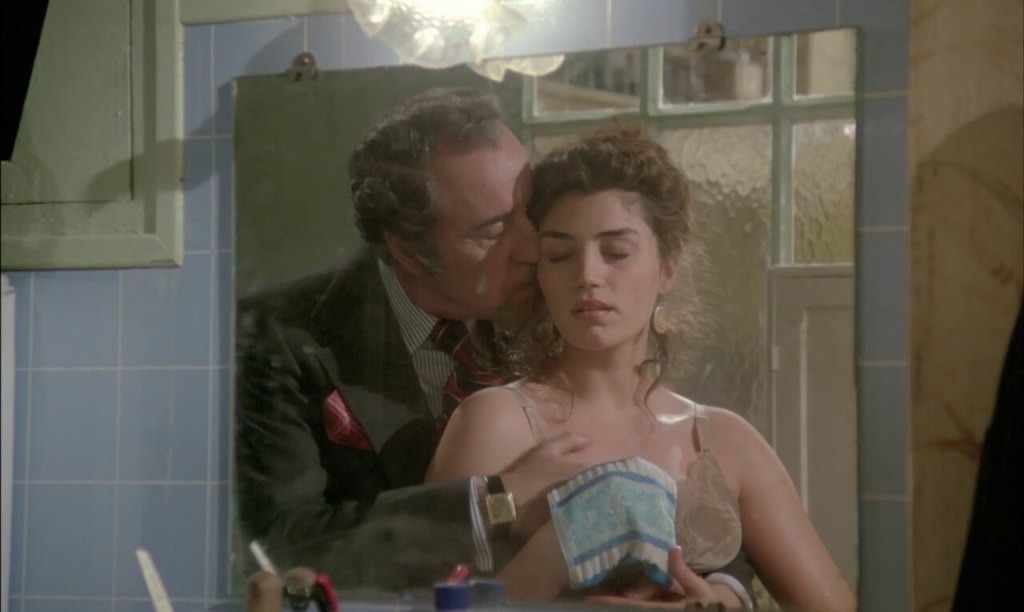
What makes the film particularly unique is Buñuel’s decision to have Conchita portrayed by two different actresses: Carole Bouquet and Ángela Molina. This dual casting symbolizes Conchita’s personality’s conflicting and often contradictory nature and Mathieu’s fluctuating perceptions of her. Bouquet plays Conchita in a more aloof, reserved, and manipulative manner, while Molina’s portrayal is more sensual, earthy, and emotionally charged. This unconventional choice underscores the theme of desire’s elusive and multifaceted nature, showing Conchita as both an object of lust and unattainable love, yet impossible to fully understand or possess.

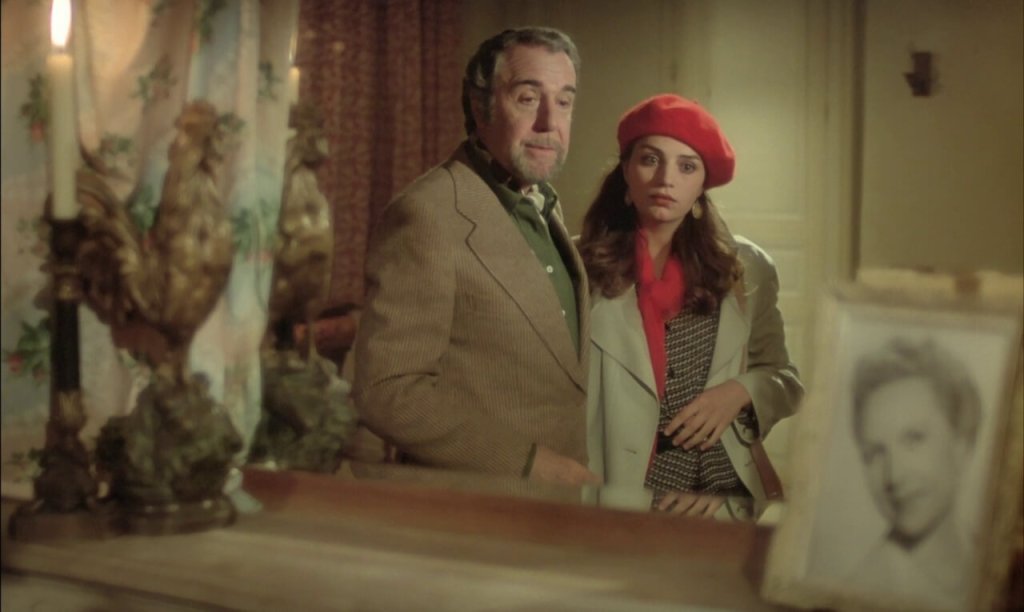
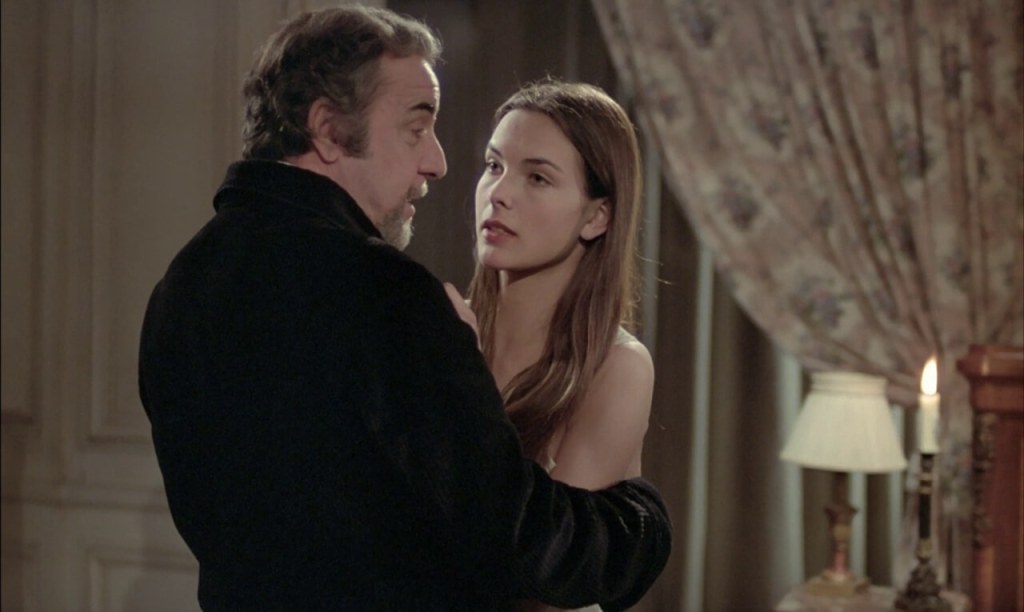
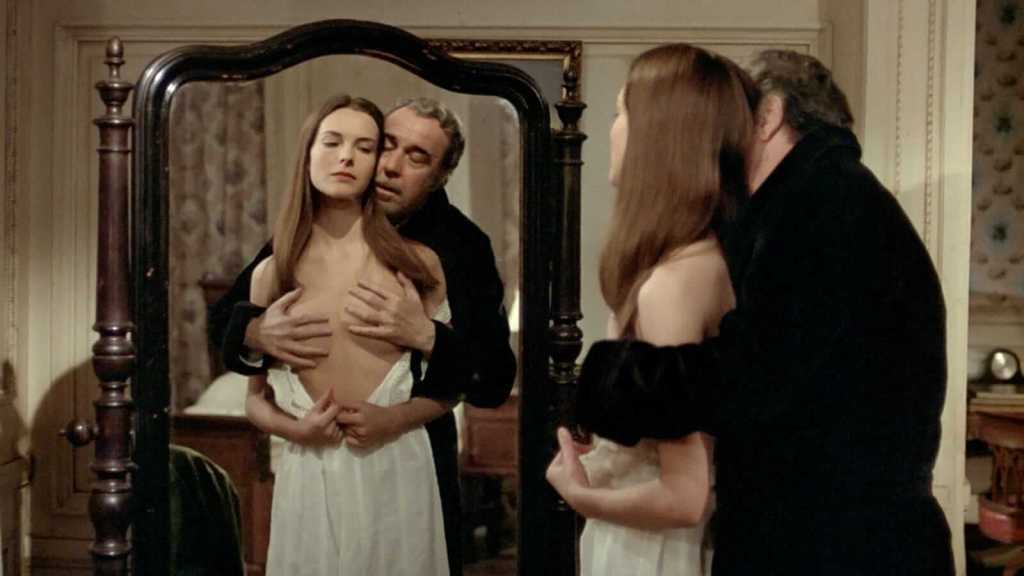
The film begins with a dramatic and absurd scene at a train station where Mathieu attempts to stop Conchita from boarding by dumping a bucket of water on her head. This bizarre act sets the tone for the film’s exploration of the irrational behavior that desire can provoke. Through flashbacks during the train journey, Mathieu narrates his story to the curious passengers, including a mother and daughter, a judge, and a psychologist. He explains how he first met Conchita, a young flamenco dancer from Spain, and quickly became captivated by her beauty and youth.
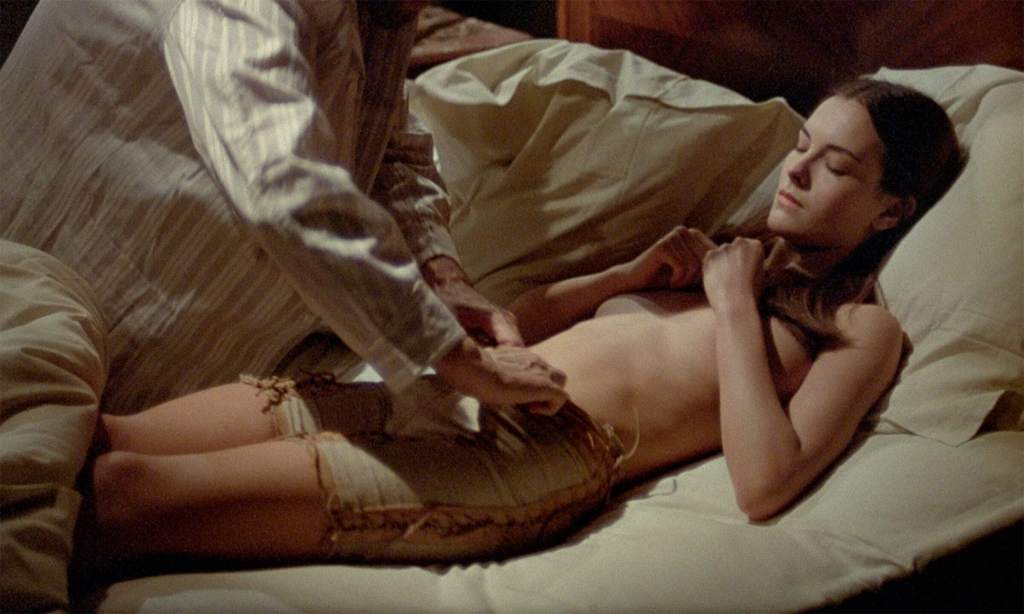
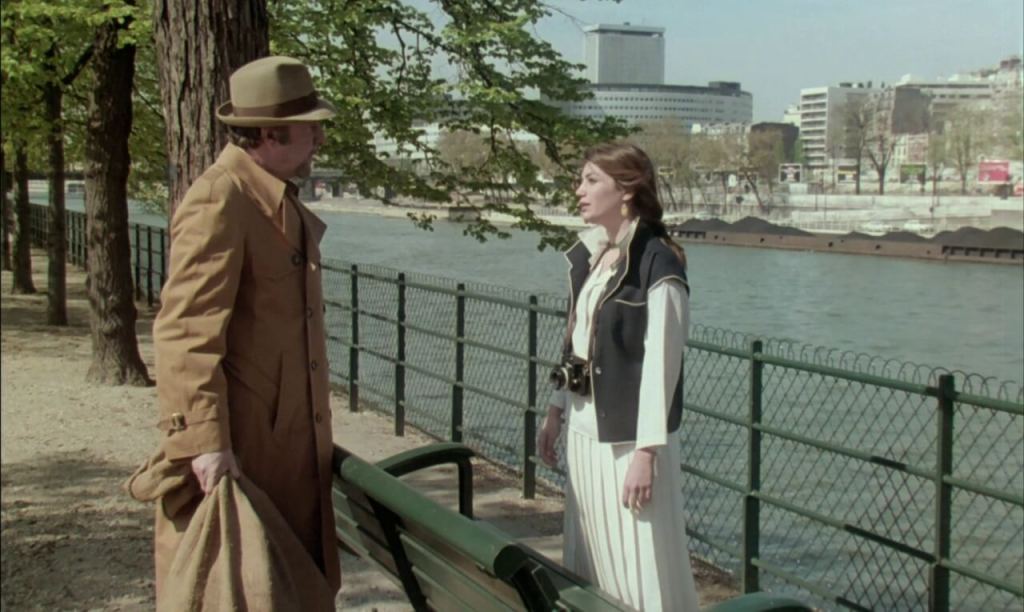

However, Conchita continually teases and frustrates Mathieu’s desires, vacillating between seduction and rejection. Sometimes, she expresses affection for him and even promises to be with him, only to later withdraw or claim that she is not ready for intimacy. This dynamic leads to a series of increasingly obsessive and irrational behaviors on Mathieu’s part as he attempts to possess her. Still, whenever he believes he is close, Conchita finds a way to deny him, keeping him in constant longing and frustration.
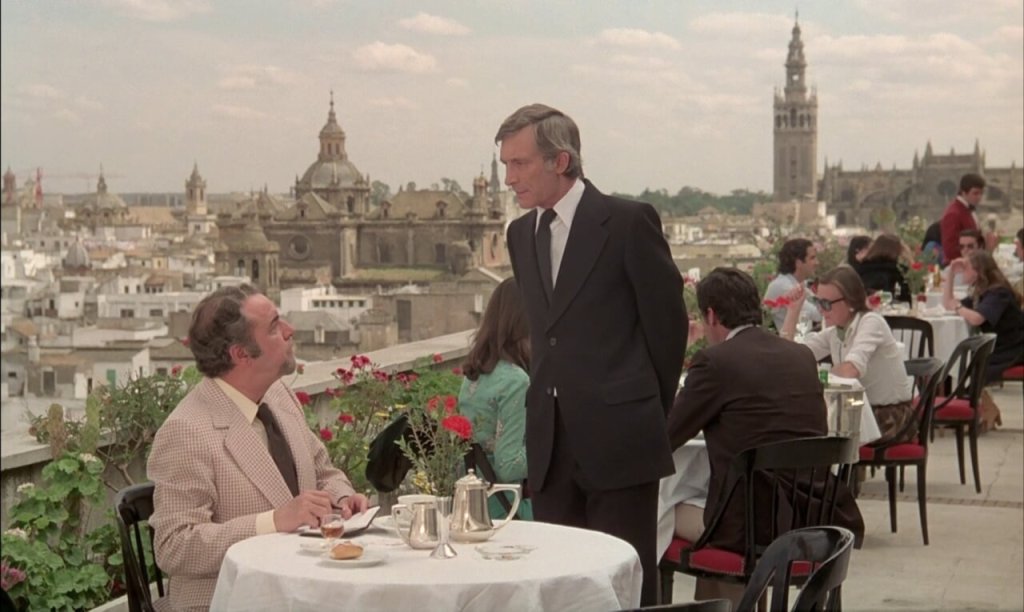
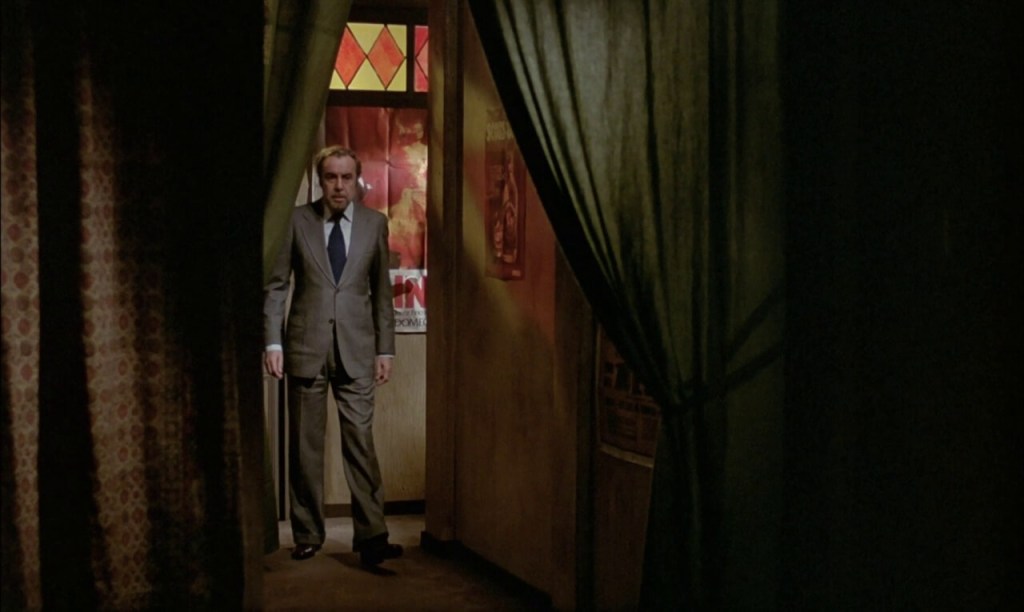
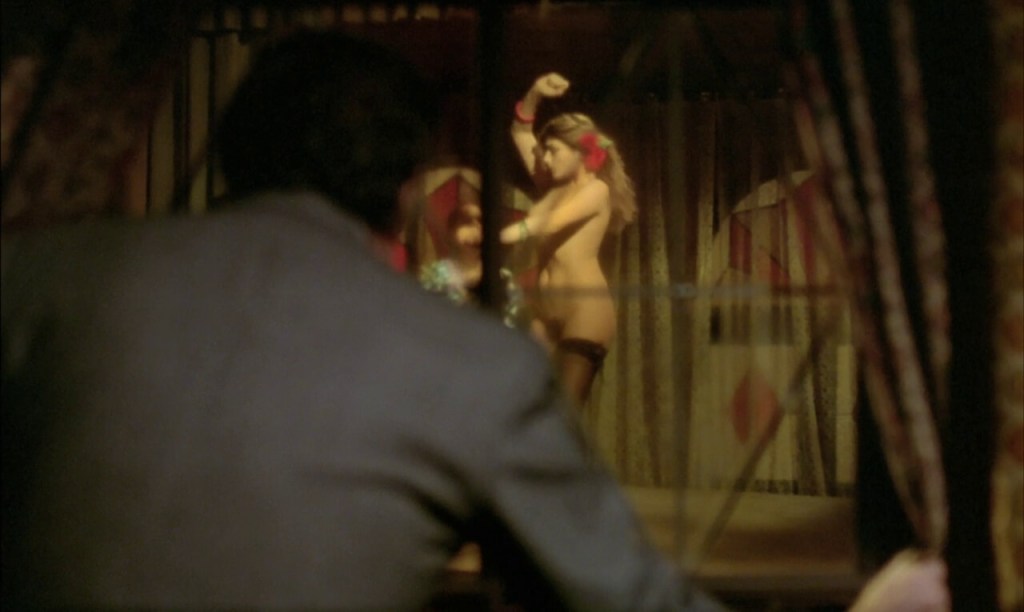
Mathieu’s obsession drives him to increasingly desperate measures, yet Conchita remains an enigma. Her behavior fluctuates wildly—one moment, she is affectionate and tantalizing; the next, she is cold and distant. The film presents a deep, philosophical inquiry into the nature of desire, possession, and power in relationships. Mathieu is repeatedly humiliated and confused by the seemingly arbitrary ways Conchita manipulates him.

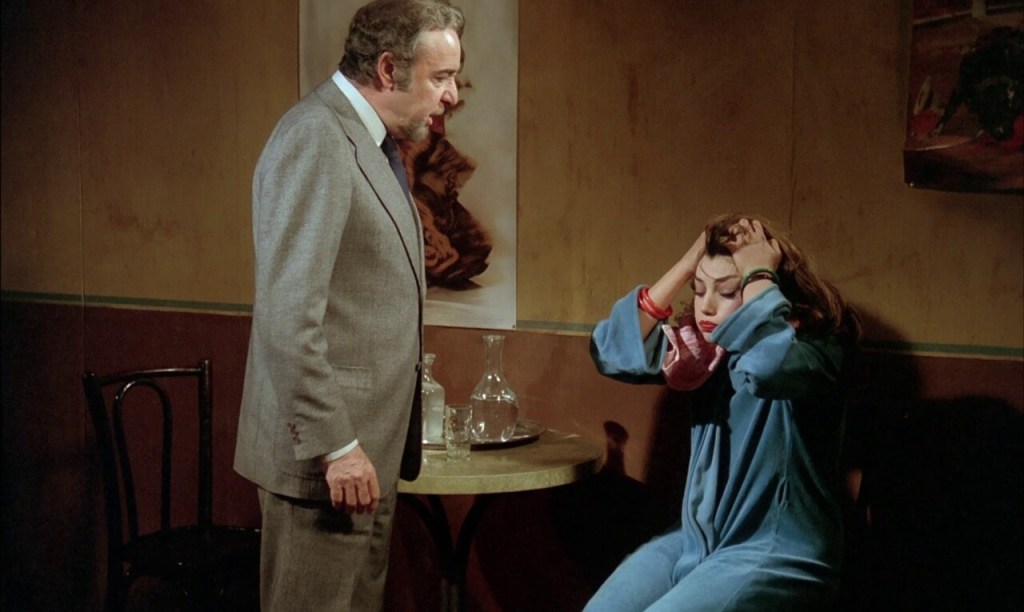

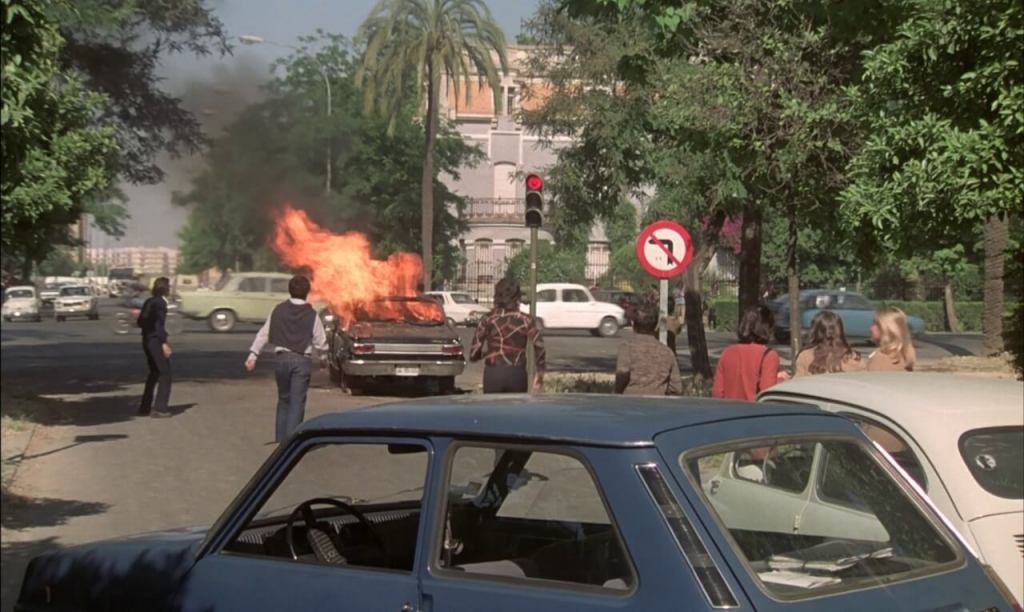
In true Buñuel fashion, the film includes surreal, symbolic touches and absurd, humorous elements. Throughout the narrative, there are references to social and political unrest, with scenes showing terrorist attacks and violent bombings occurring in the background, as if to subtly comment on the explosive nature of human desires and the chaos they bring. These explosions parallel Mathieu’s inner turmoil and the unpredictable relationship between the characters.
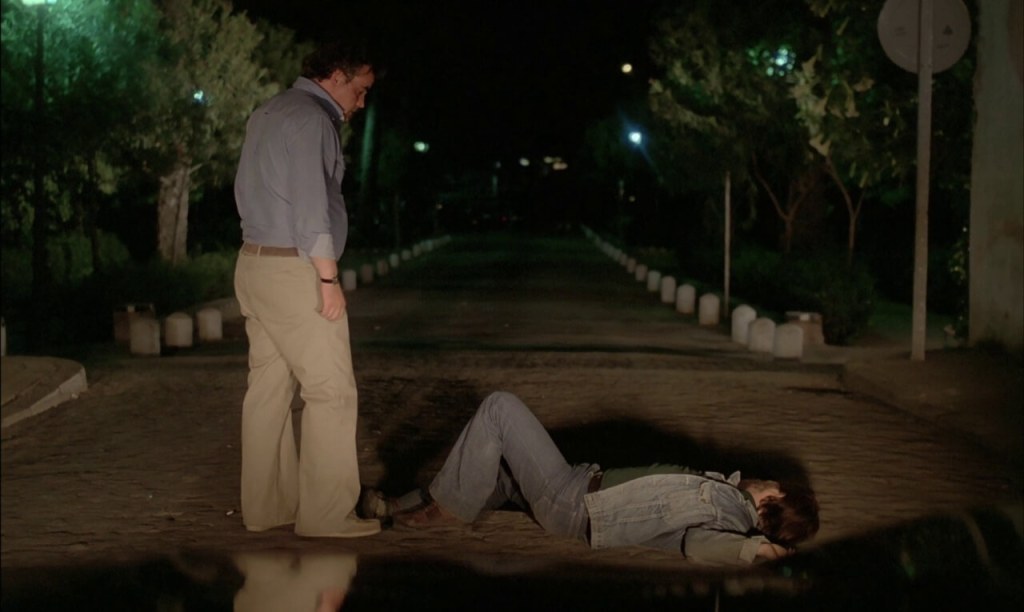


After numerous failed attempts to consummate the relationship, Conchita and Mathieu appear to reconcile, but their future remains uncertain. A final explosion occurs as they walk together in a marketplace, leaving the audience questioning whether any genuine connection or understanding between them is possible.
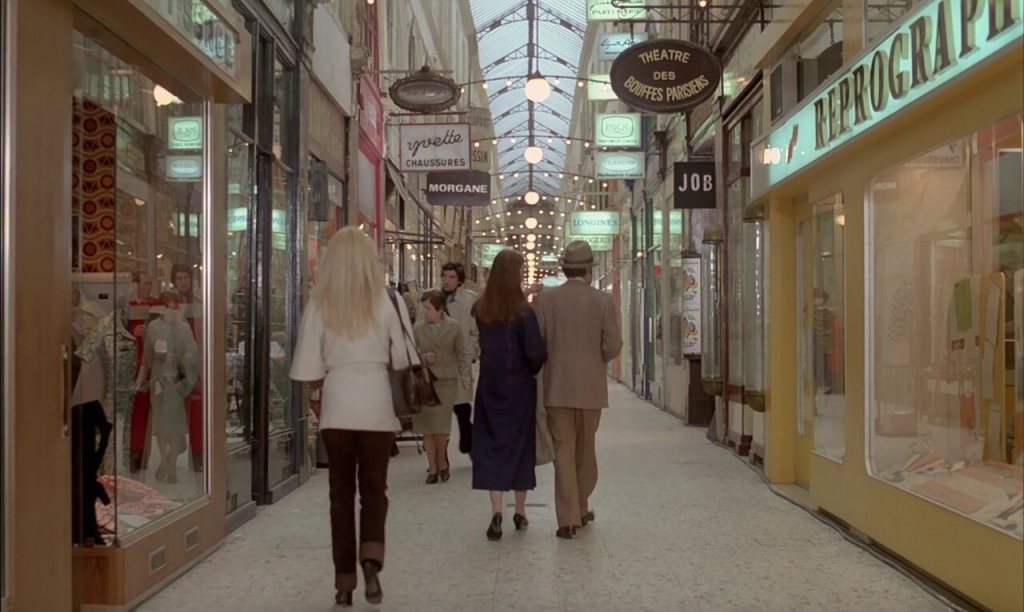

That Obscure Object of Desire is widely regarded as one of Buñuel’s masterpieces, showcasing his signature style blending surrealism with social and psychological critique. The dual casting of Conchita heightens the film’s central theme: the elusive and contradictory nature of desire, which can never be fully satisfied or grasped. Both Fernando Rey and the actresses Carole Bouquet and Ángela Molina deliver remarkable performances that bring this intricate exploration of human desire and obsession to life.

 The Other Cinema