

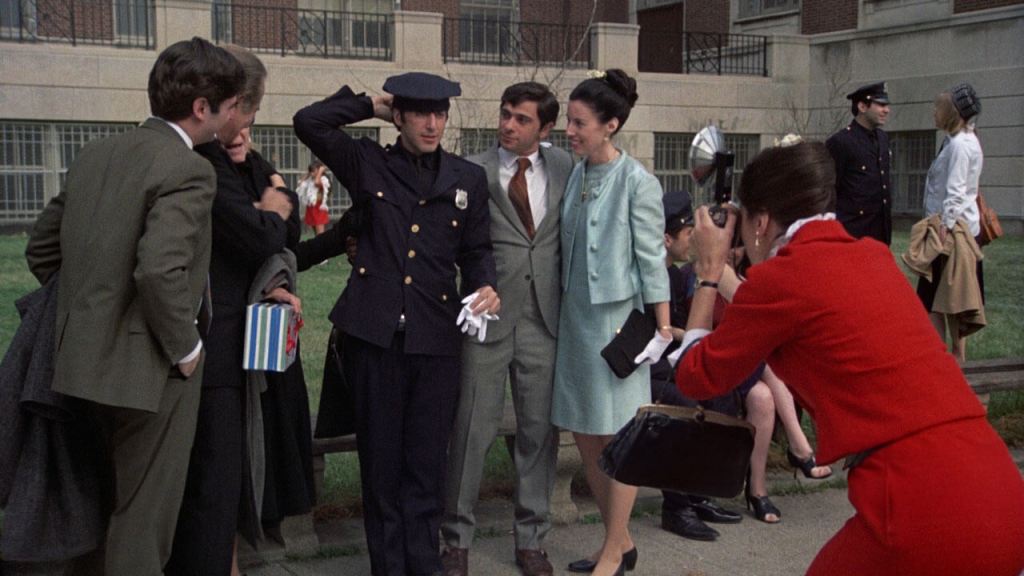
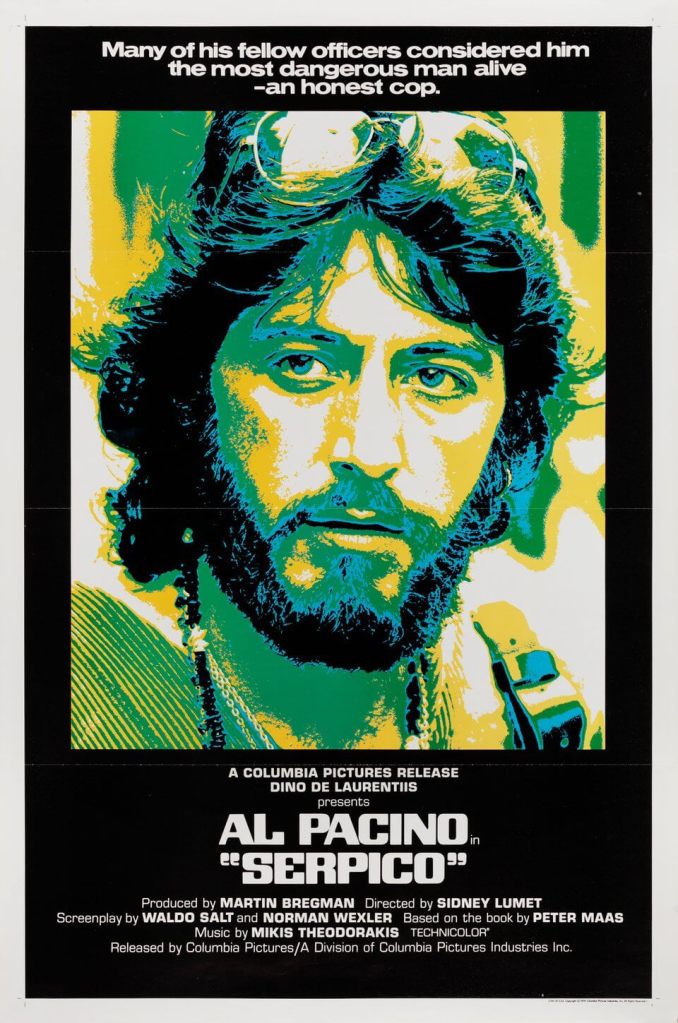
Serpico is a 1973 gritty crime drama directed by Sidney Lumet and starring Al Pacino. The film is based on the true story of Frank Serpico, an honest New York City cop who exposed rampant corruption within the police force, leading to a major investigation and reforms. It is an adaptation of Peter Maas’s 1973 biography Serpico.
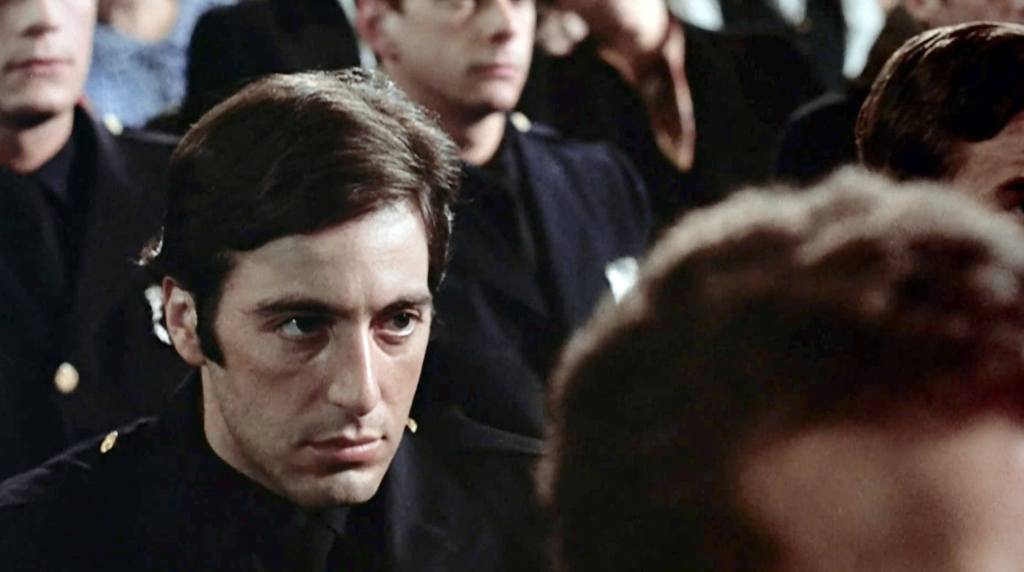

The film follows Frank Serpico (Al Pacino), an idealistic young police officer who joined the NYPD in the 1960s, driven by a desire to uphold justice and serve the community. However, Serpico quickly becomes disillusioned as he realizes that many of his fellow officers are deeply involved in corrupt practices, ranging from accepting bribes to covering up illegal activities. Despite his initial efforts to ignore the corruption, Serpico’s moral compass compels him to take a stand against it.


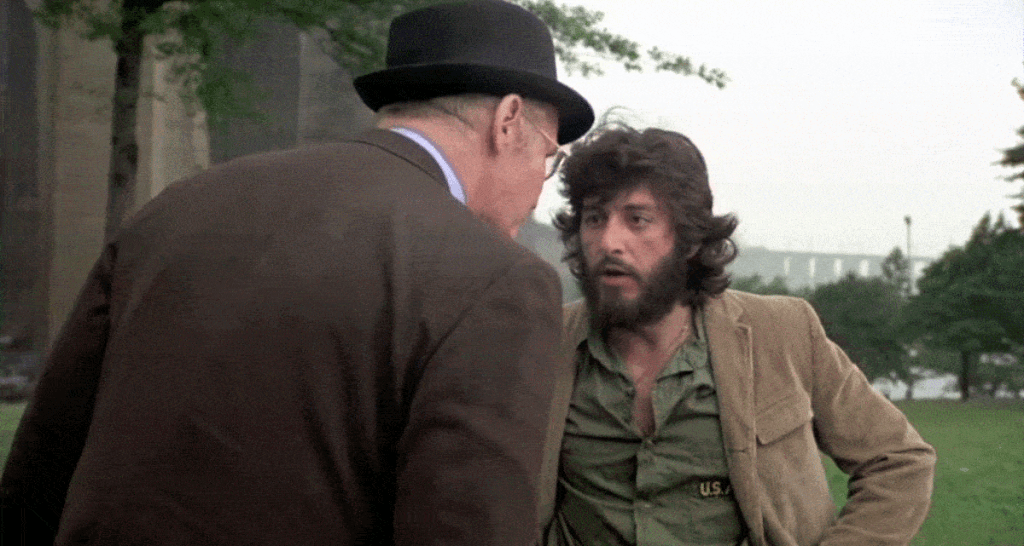
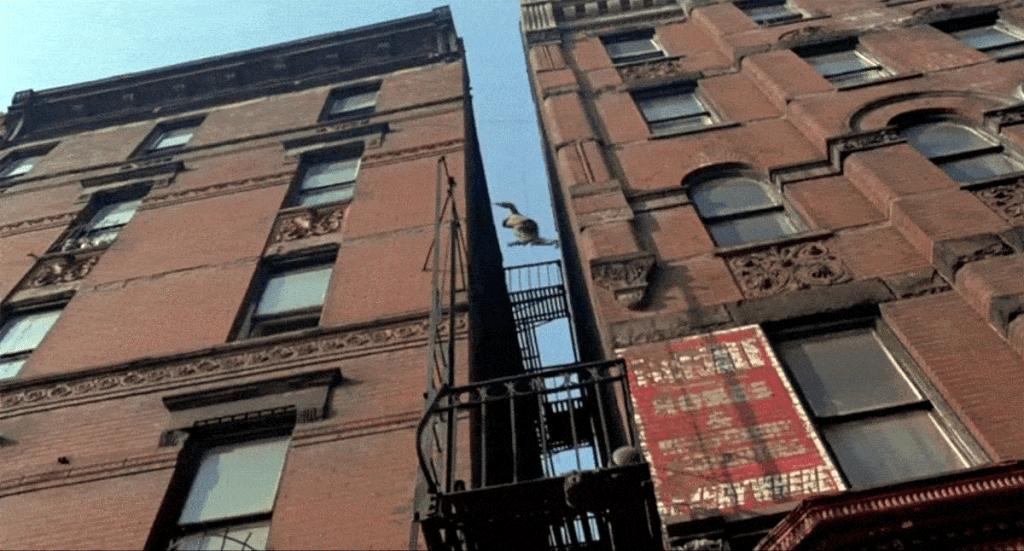

As Serpico moves through various departments and precincts, his frustration mounts. He finds that corruption is widespread across all levels of the police force, and anyone who refuses to participate becomes an outcast. Serpico’s refusal to take bribes and increasingly vocal opposition to the misconduct makes him a target of suspicion and hostility among his colleagues. He faces immense pressure, isolation, and even physical danger as he tries to maintain his integrity.

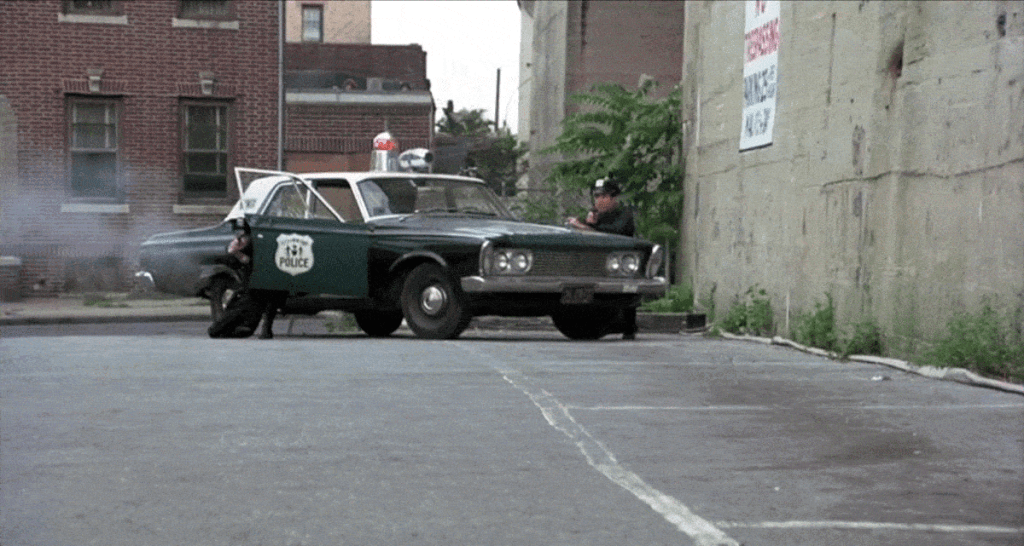

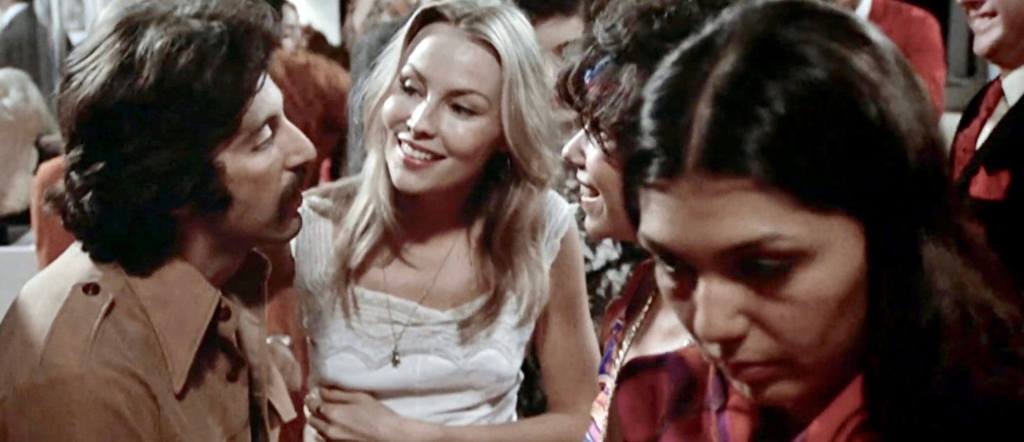
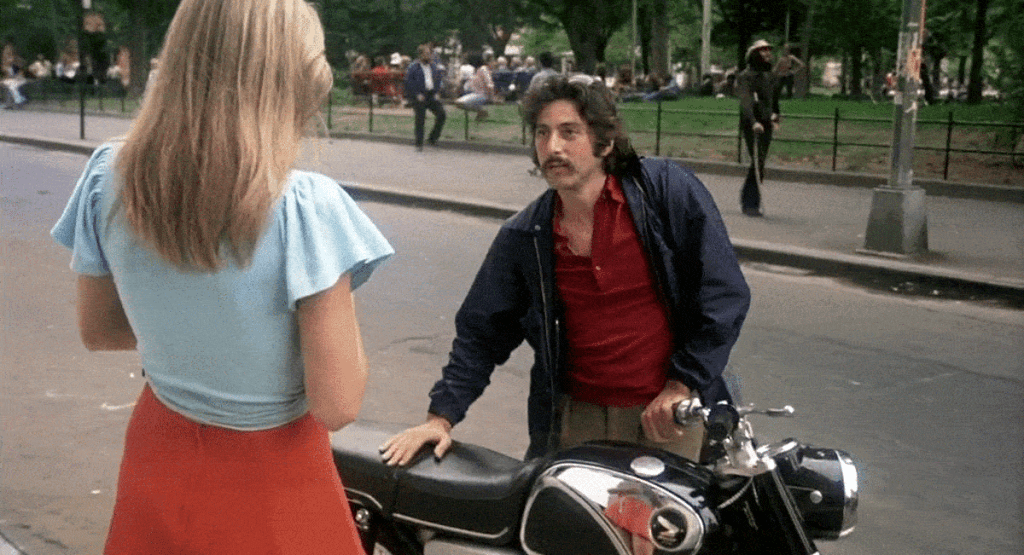
Serpico’s personal life also suffers due to the strain of his professional battles. He struggles to maintain relationships and experiences emotional turmoil as he continues his fight, alienated from his peers and unable to trust those around him. Eventually, Serpico decides to leave the police department and bring his concerns to higher authorities, including The New York Times, which leads to public exposure of corruption.

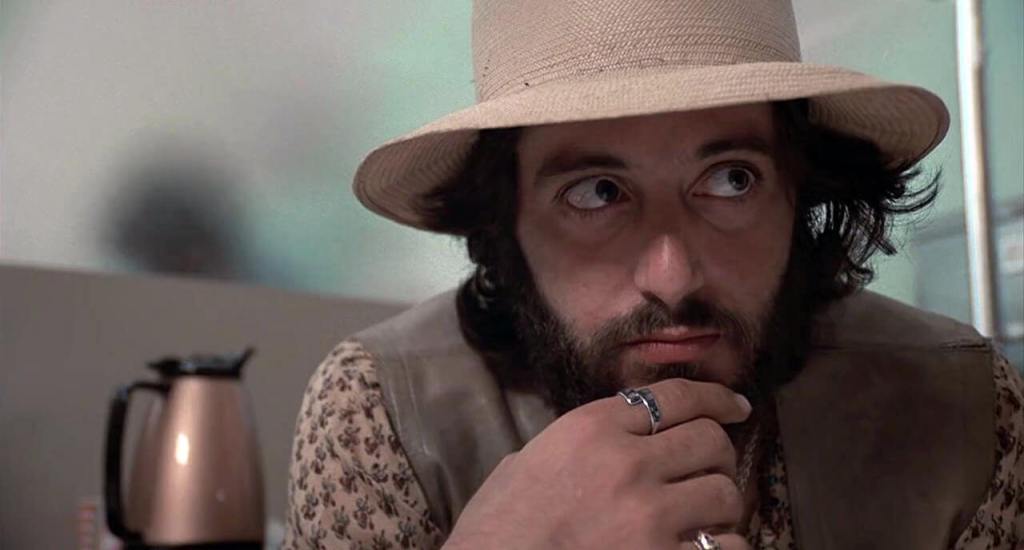

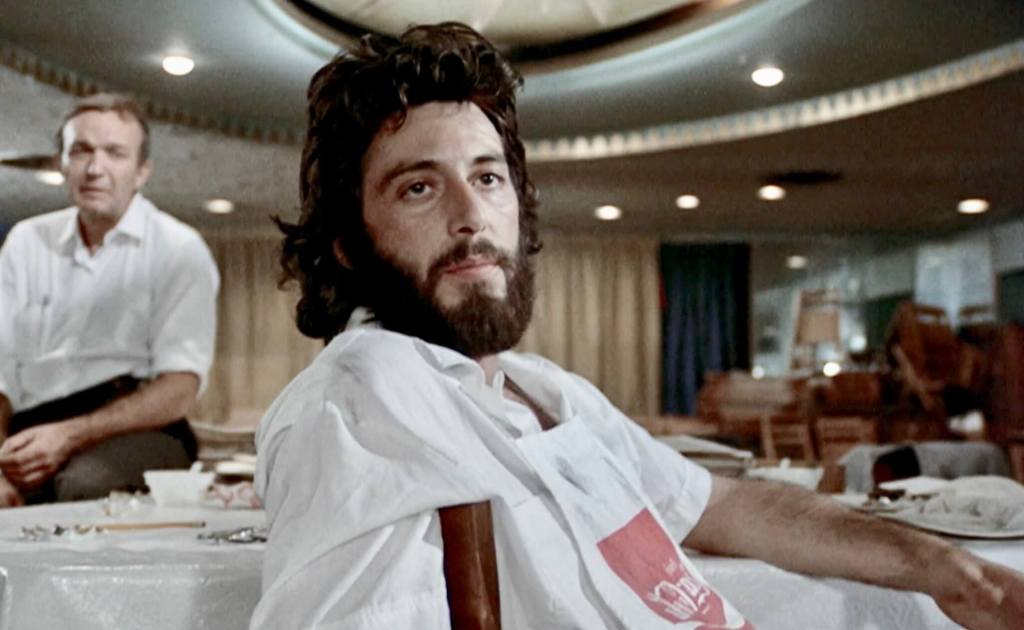
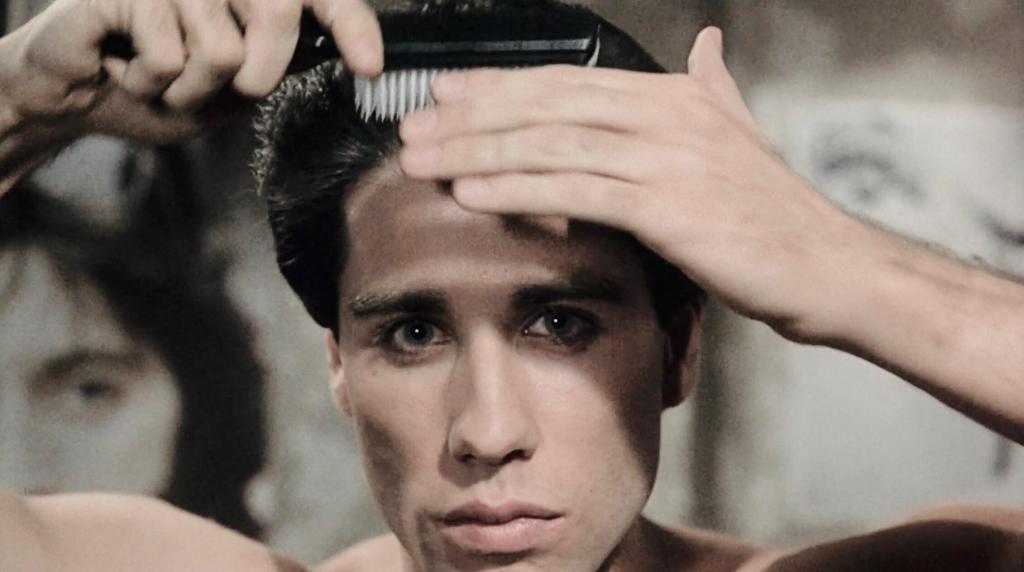
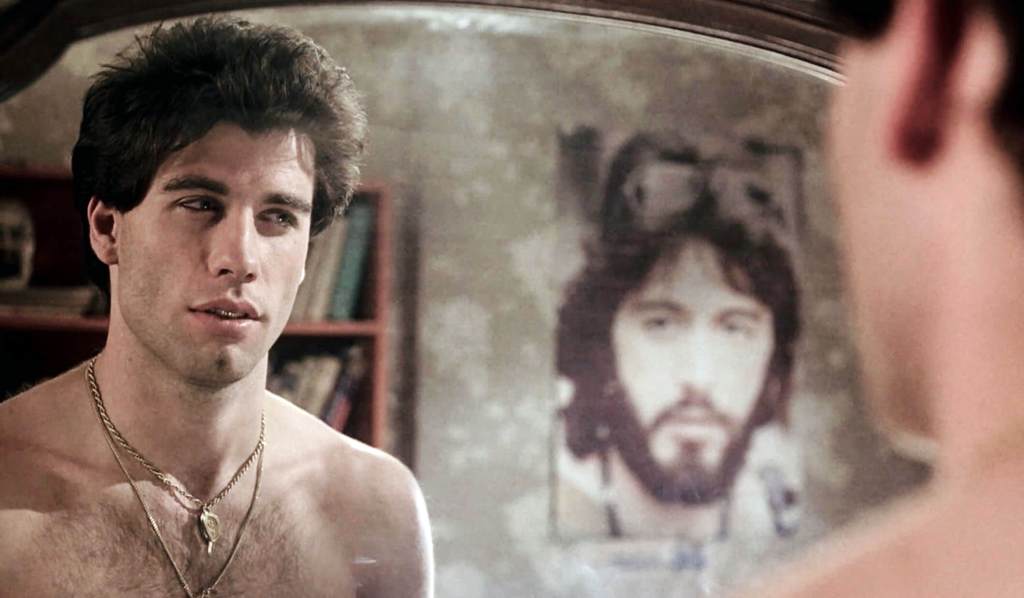
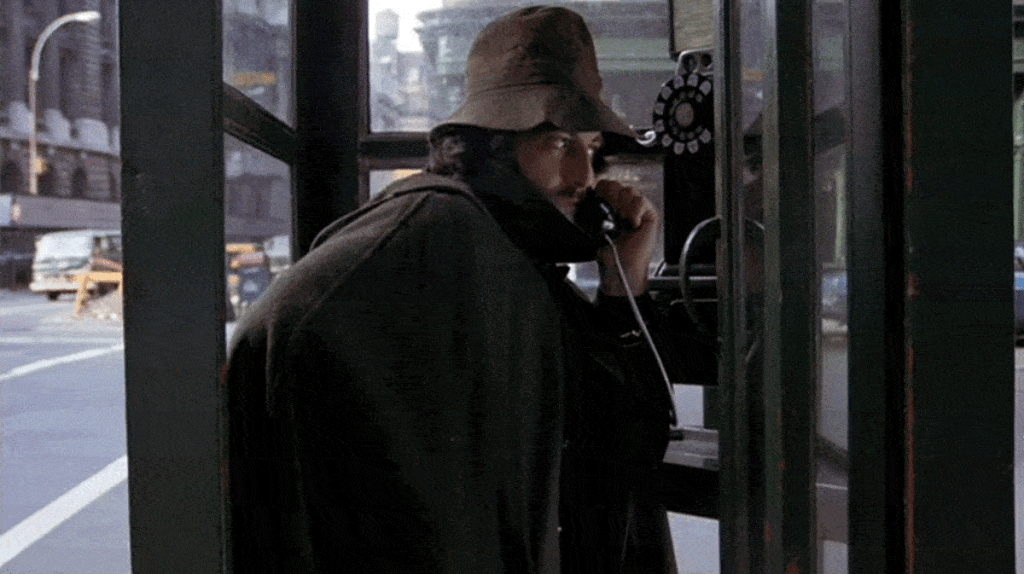
The film culminates in a harrowing sequence where Serpico, while on a dangerous undercover operation, is shot in the face by a suspect. His fellow officers, suspecting they set him up, delay calling for help. Serpico survives, but this incident solidifies his decision to testify against the corrupt officers before a grand jury. His testimony led to the establishment of the Knapp Commission, a public inquiry into police corruption, which exposes the depth of the problem within the NYPD.
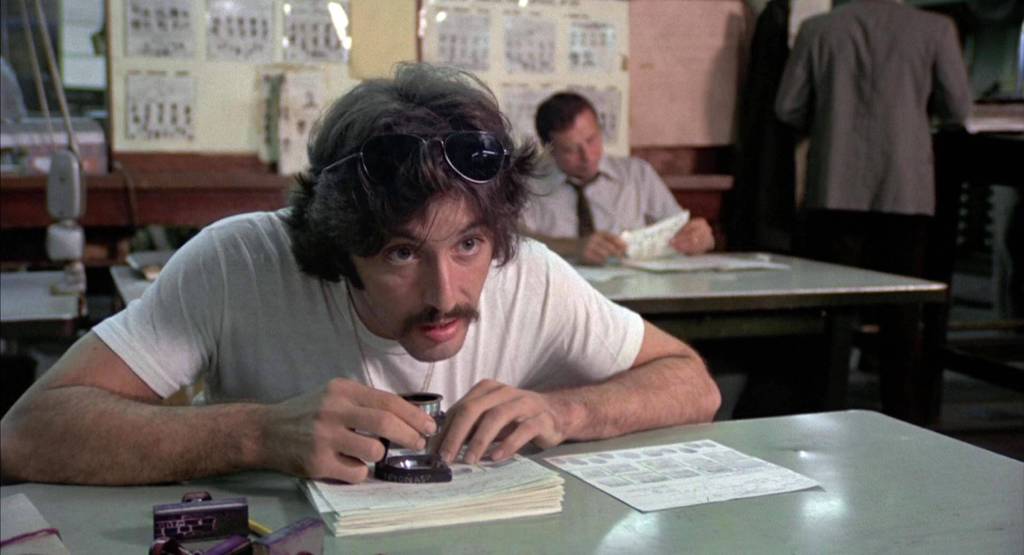

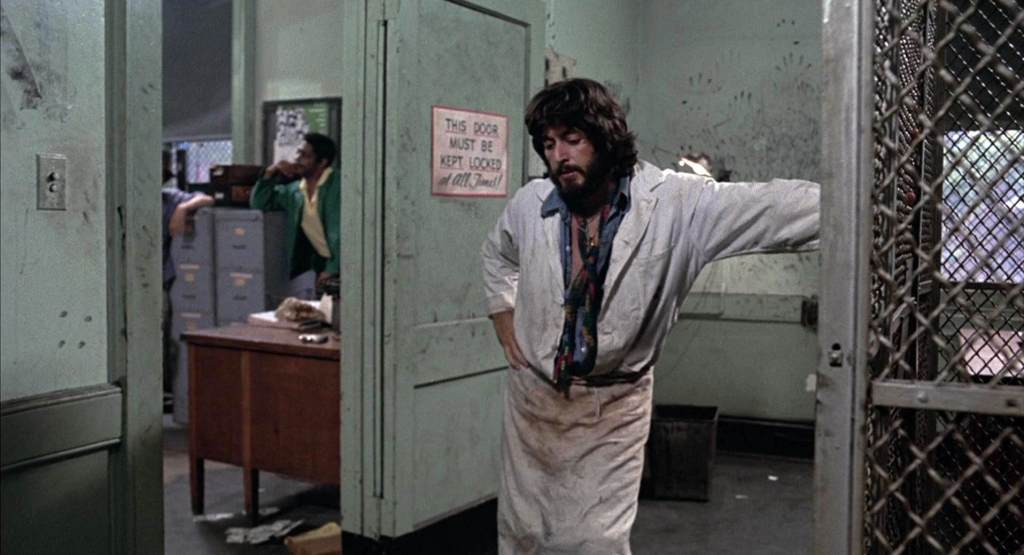


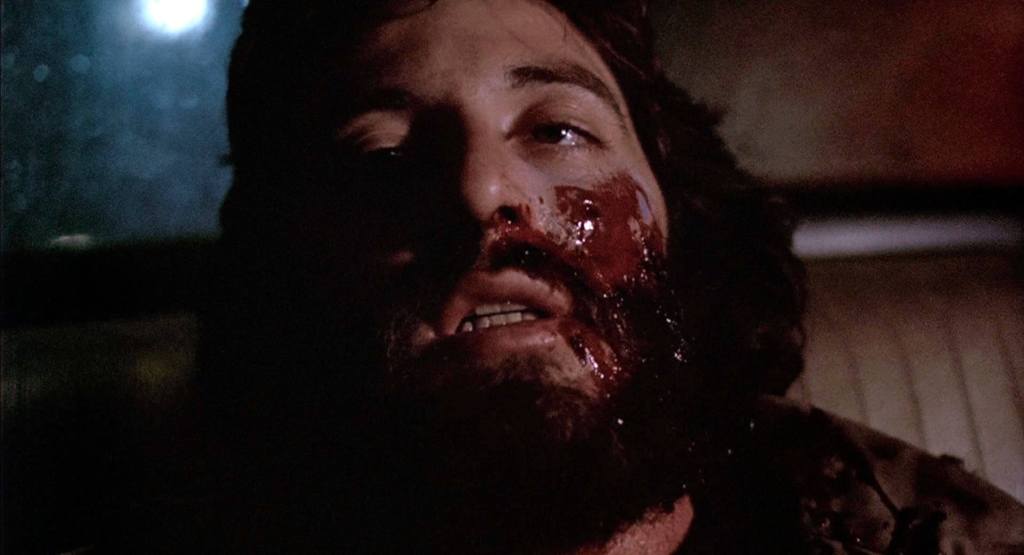
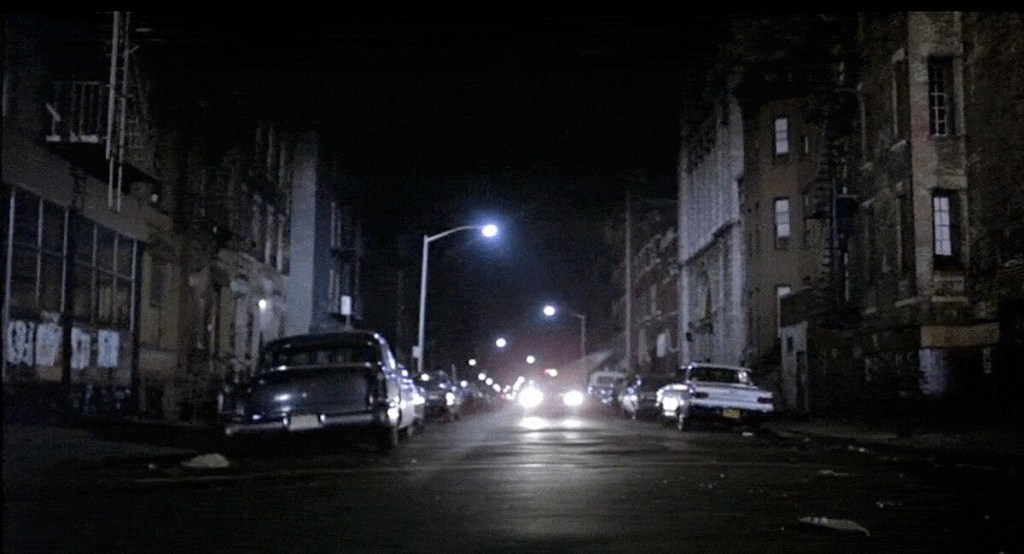
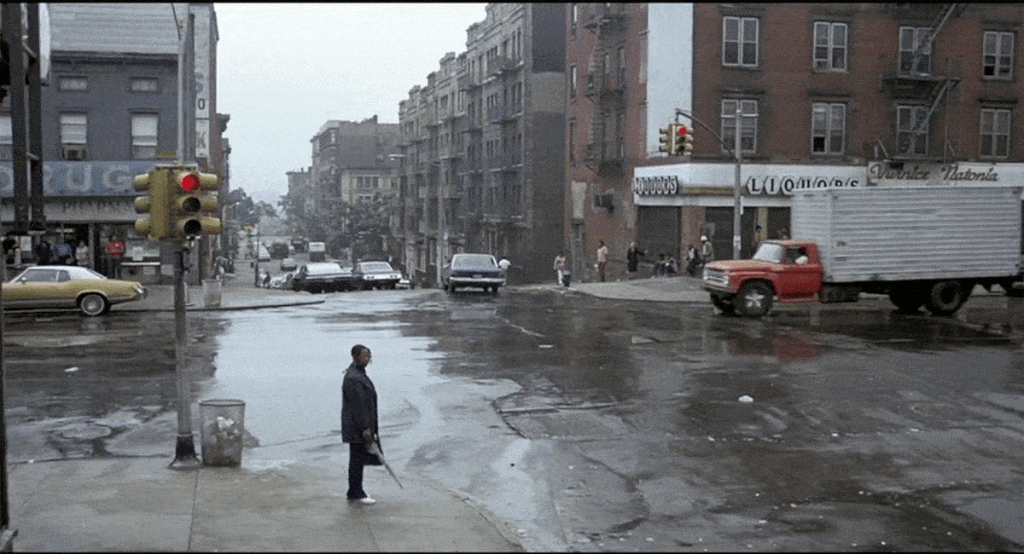
Lumet’s direction emphasizes the gritty realism of New York City in the 1970s, using location shooting and documentary-style cinematography to immerse the audience in the atmosphere of urban decay and institutional corruption.
 The Other Cinema