


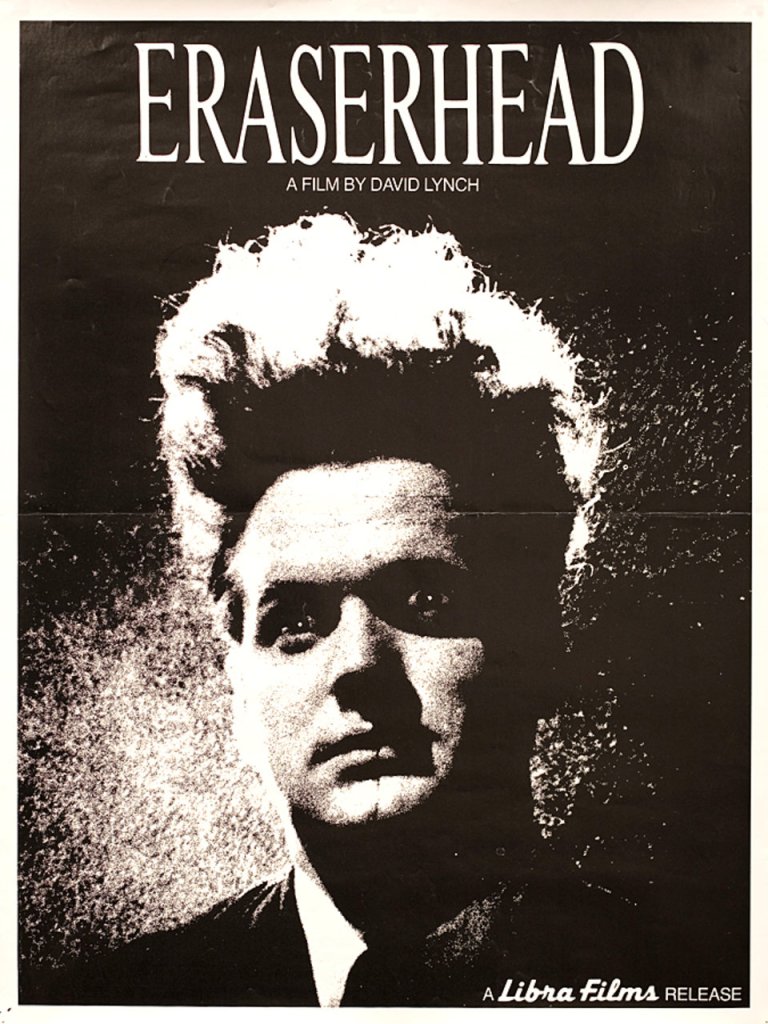
“Eraserhead” (1977) is a surrealist horror film directed by David Lynch in his feature-length debut. Known for its disturbing imagery, haunting sound design, and ambiguous narrative, the film has become a cult classic and is considered one of Lynch’s most iconic works.

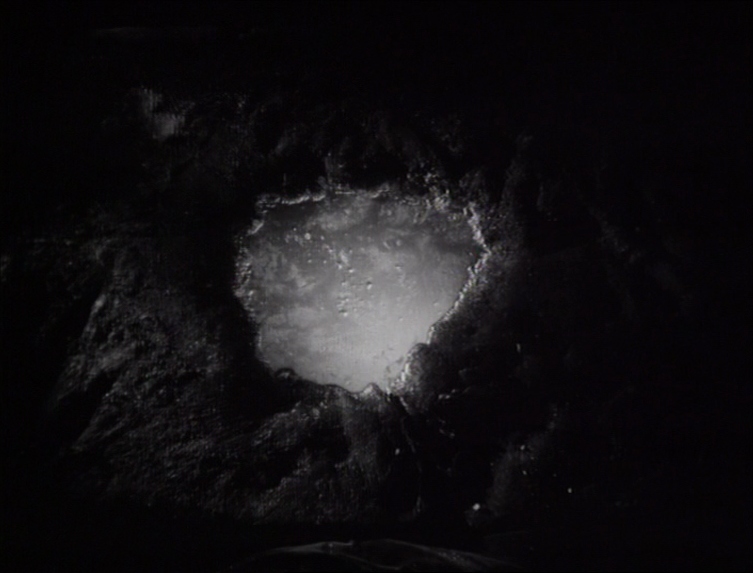
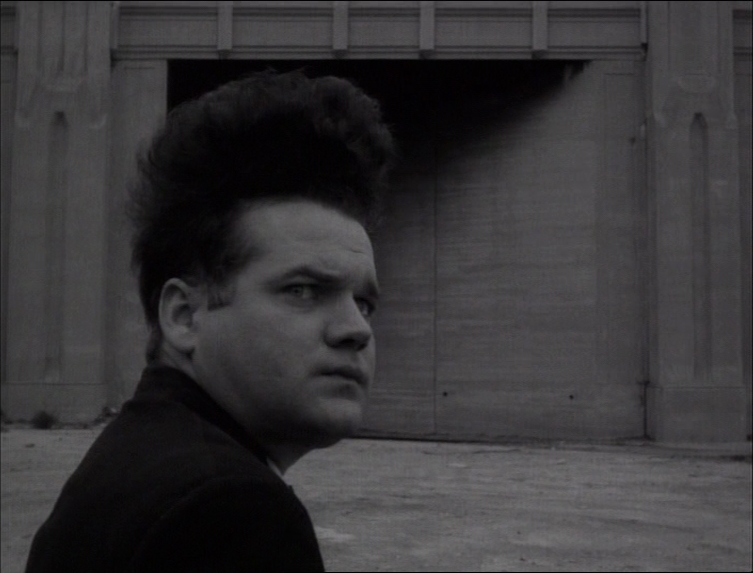


The story follows Henry Spencer, played by Jack Nance, an awkward and reclusive man living in a bleak industrial wasteland. The setting is oppressive and nightmarish, filled with decaying buildings, industrial machinery, and constant mechanical noises, contributing to the film’s unsettling atmosphere. Henry’s life takes a bizarre turn when he learns that his girlfriend, Mary X, played by Charlotte Stewart, has given birth to a deformed, non-human infant after a brief fling.

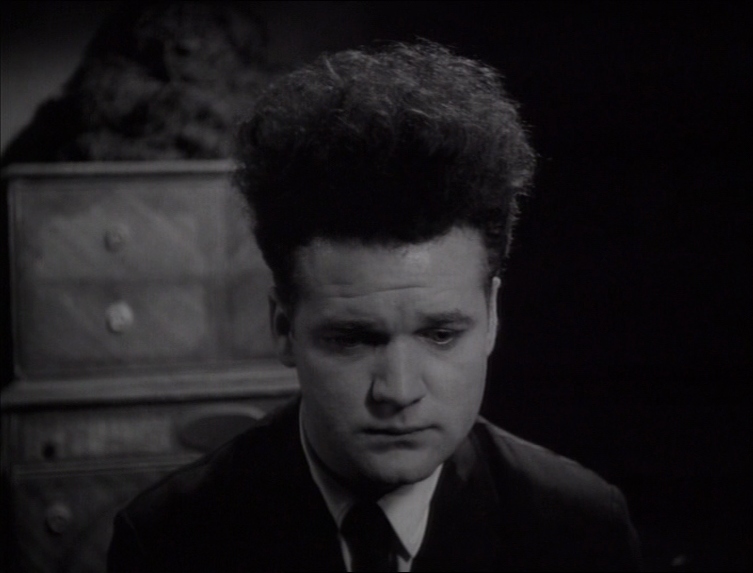
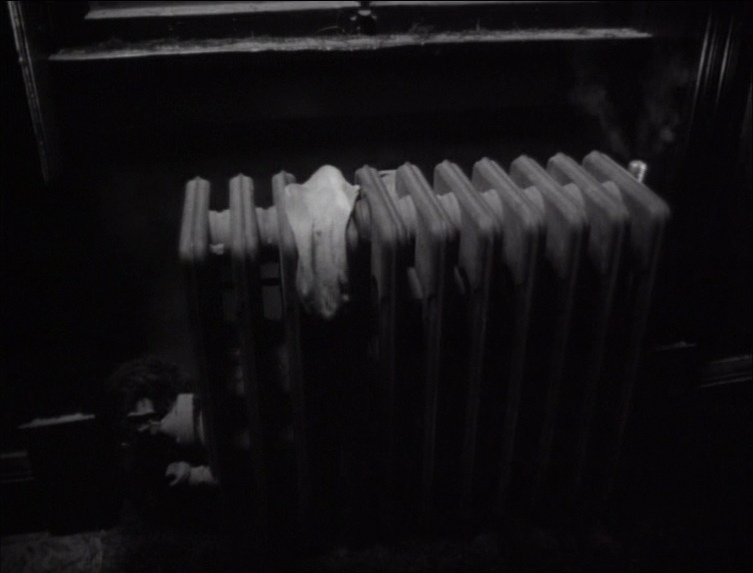
The child, a grotesque and alien-like creature wrapped in bandages, constantly cries and shrieks. Overwhelmed by the responsibilities of fatherhood, Henry reluctantly agrees to marry Mary. The couple move into Henry’s small, claustrophobic apartment, where the cries of the mutant baby drive Mary to a nervous breakdown. She eventually leaves, abandoning Henry alone with the creature.
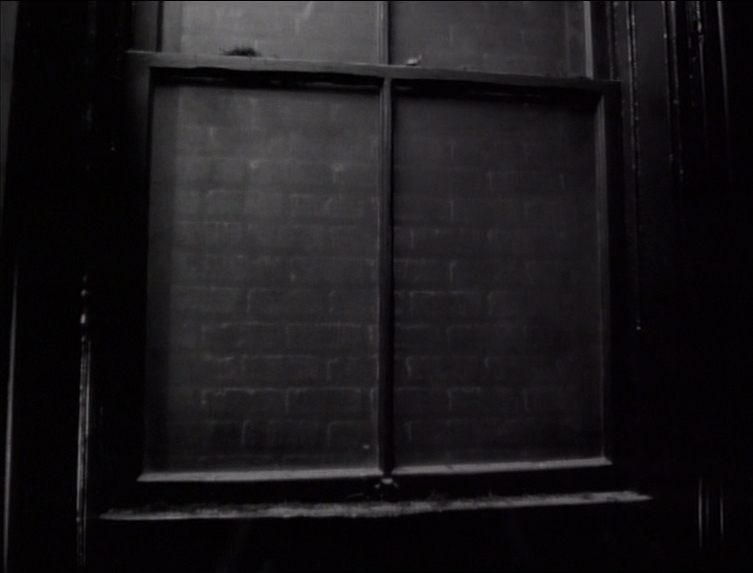
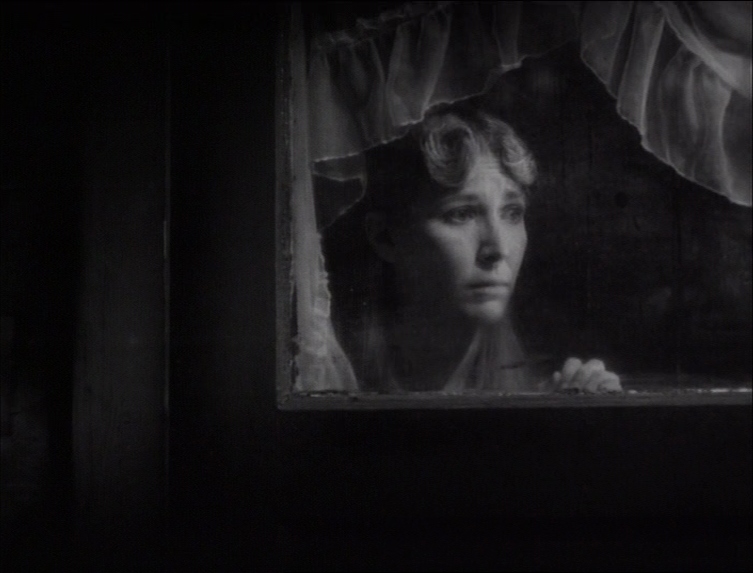
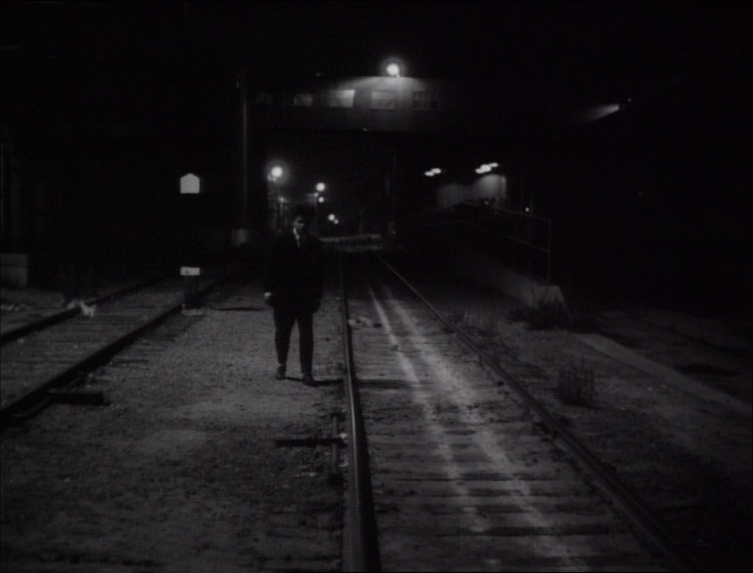
As Henry attempts to care for the strange baby, his mental state deteriorates. He experiences a series of disturbing and hallucinatory visions, including one where he is transported into a stage-like setting where a woman with swollen cheeks, known as The Lady in the Radiator (played by Laurel Near), sings a song entitled “In Heaven” while crushing tiny sperm-like creatures underfoot. This surreal imagery symbolizes Henry’s internal turmoil and his feelings of being trapped by the circumstances of his life.

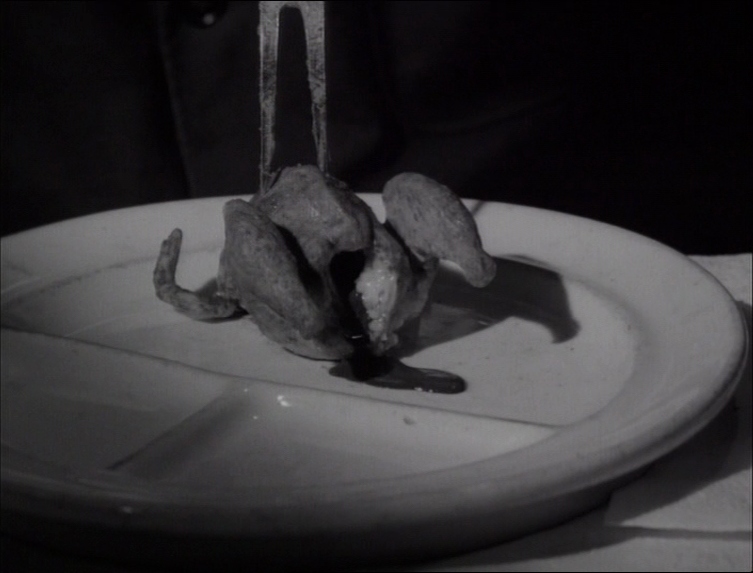


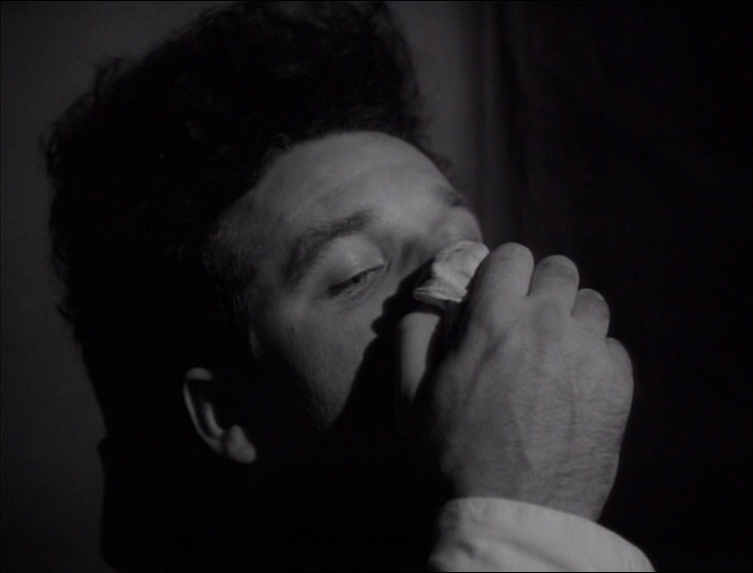
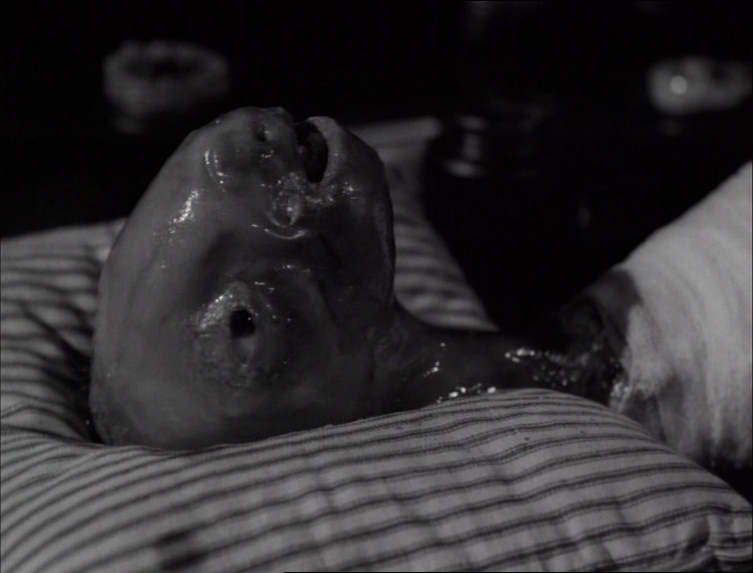
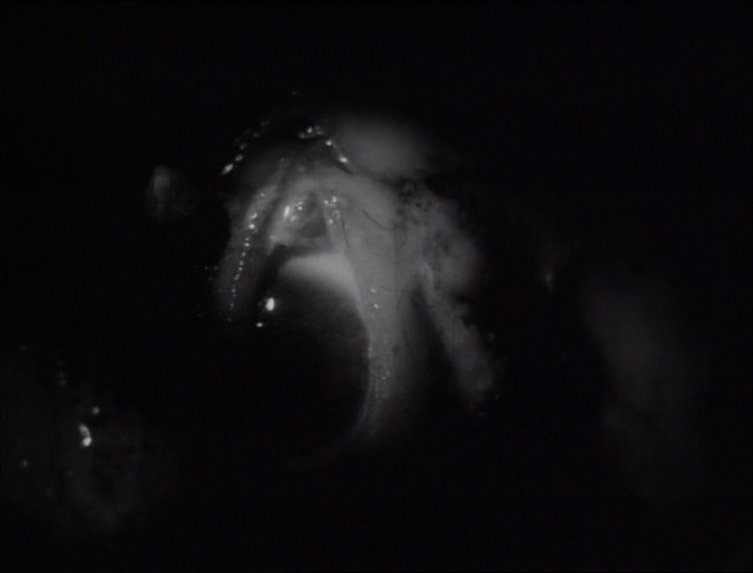
Henry’s bizarre, dreamlike visions continue to blur the line between reality and fantasy. At one point, he has a sexual encounter with his seductive neighbor, the Beautiful Girl Across the Hall (played by Judith Anna Roberts), who later rejects him in favor of another man. Henry’s sexual frustrations and fears of intimacy are represented through grotesque and surreal imagery, including one sequence where his head is replaced by the infant’s face.

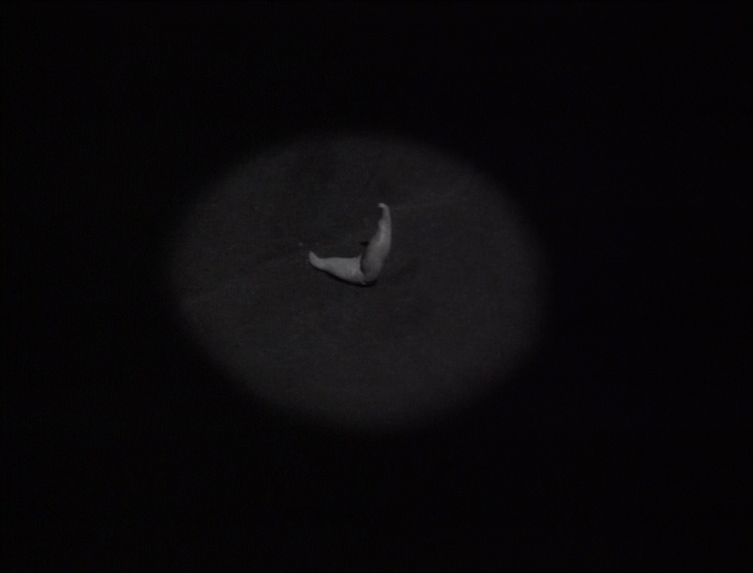

The film culminates in a disturbing climax where Henry, driven to desperation, kills the mutant baby by cutting open its bandages. This act unleashes chaos as the baby’s body begins to decay, and the apartment’s walls collapse. In the final moments, Henry seems to find peace as he is embraced by the Lady in the Radiator, who represents an escape or release from his tortured existence.
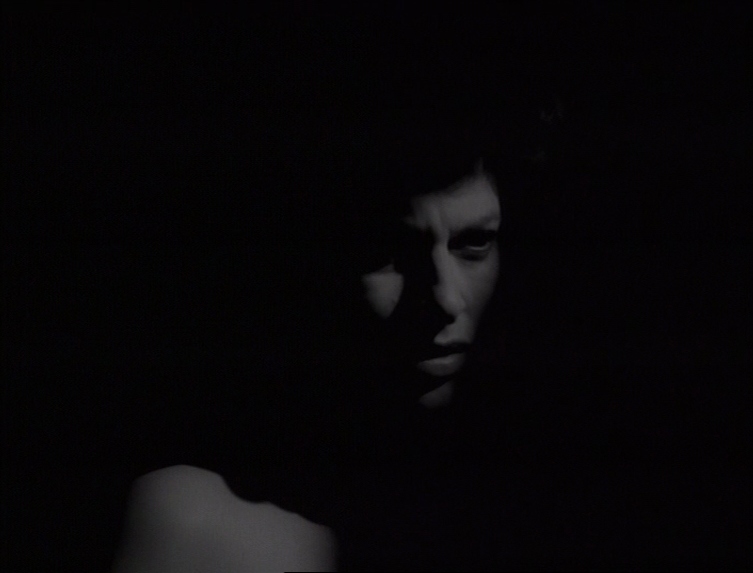
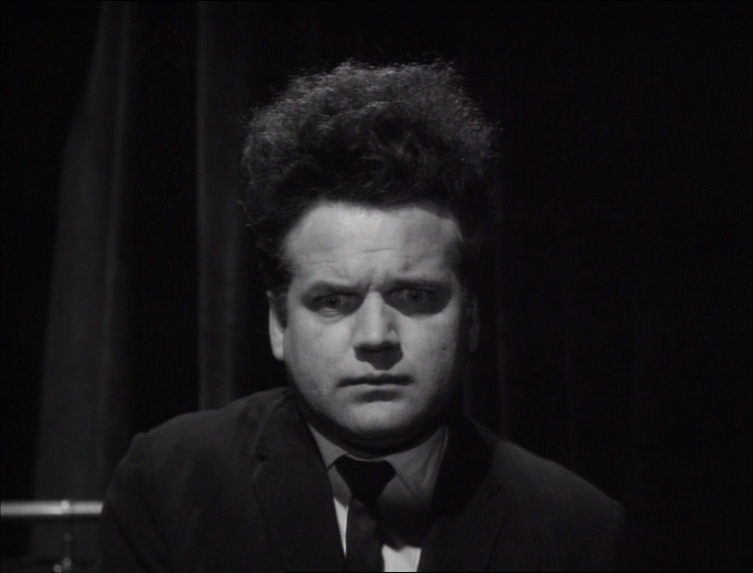

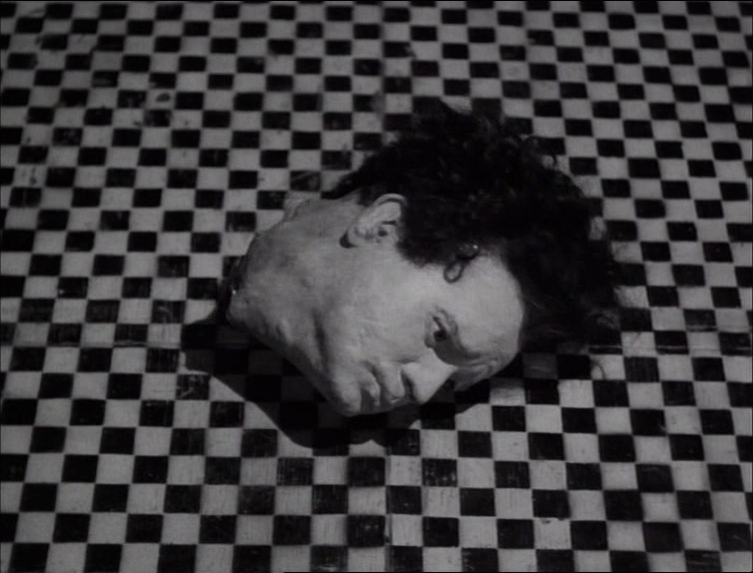
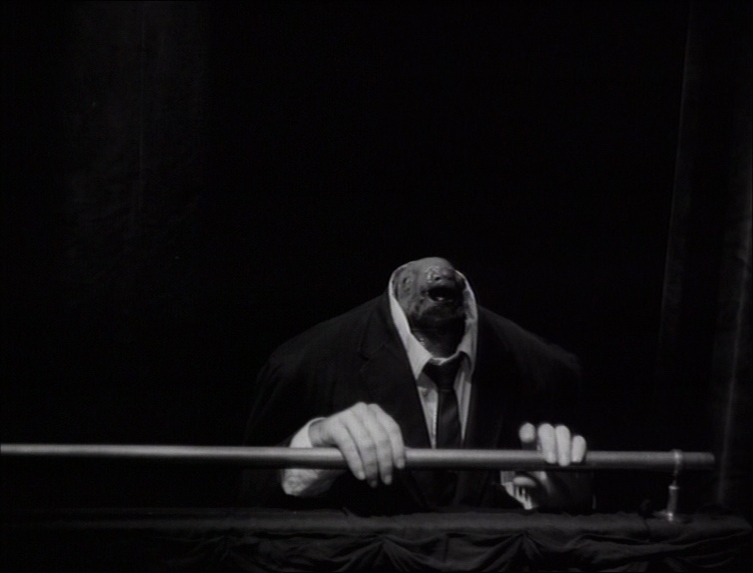

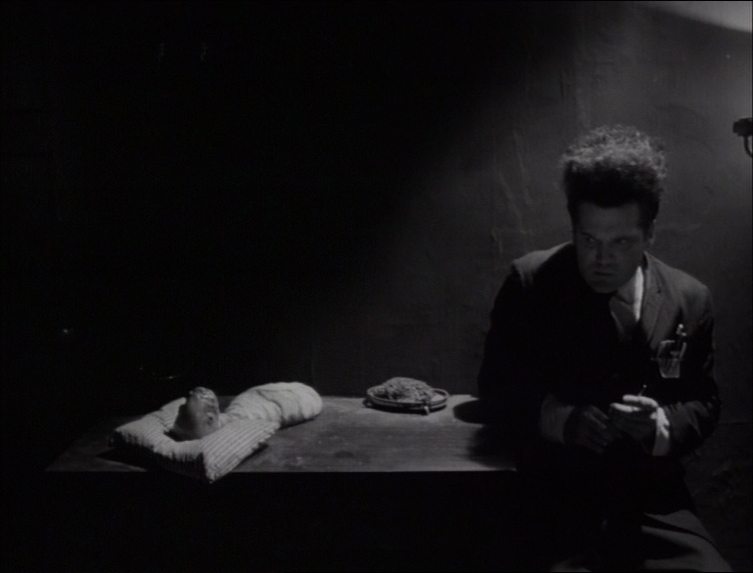
“Eraserhead” delves into themes of alienation, fear of parenthood, sexual repression, and existential anxiety. The film’s tone is nightmarish and oppressive, with its dreamlike sequences and disjointed narrative contributing to unease and confusion. Lynch masterfully uses sound design and black-and-white cinematography to create a surreal, nightmarish landscape that mirrors Henry’s inner psyche.

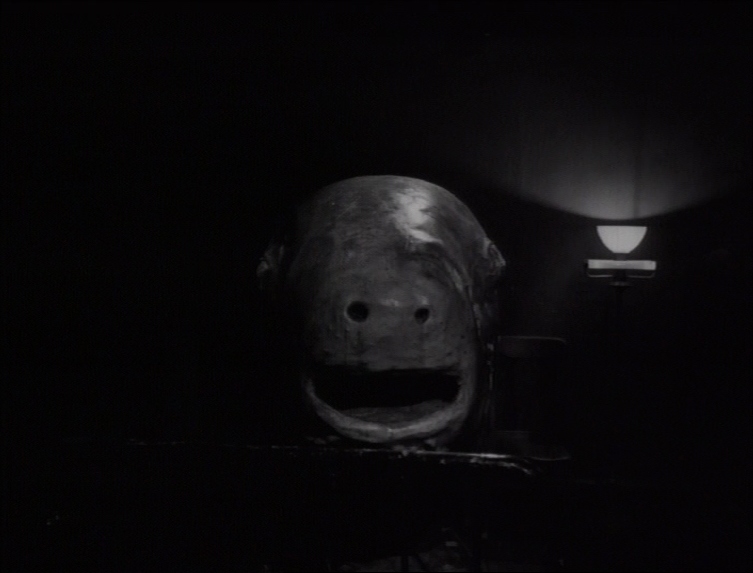

The film is also known for its minimal dialogue, with much storytelling conveyed through mood, atmosphere, and striking visual metaphors. The industrial setting serves as a backdrop to the dehumanizing effects of modern life, where characters seem detached from their emotions and overwhelmed by the oppressive environment.
 The Other Cinema