

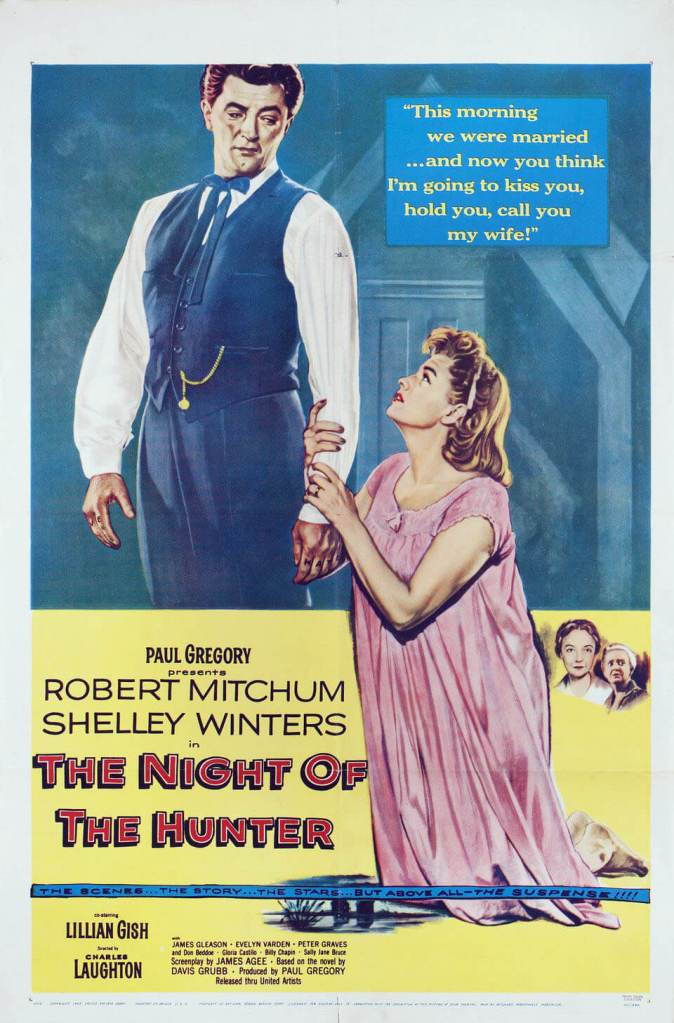
“The Night of the Hunter” (1955) is an American film noir thriller directed by Charles Laughton in his only directorial effort. Based on the 1953 novel by Davis Grubb, the film was adapted for the screen by James Agee. It stars Robert Mitchum, Shelley Winters, and Lillian Gish.


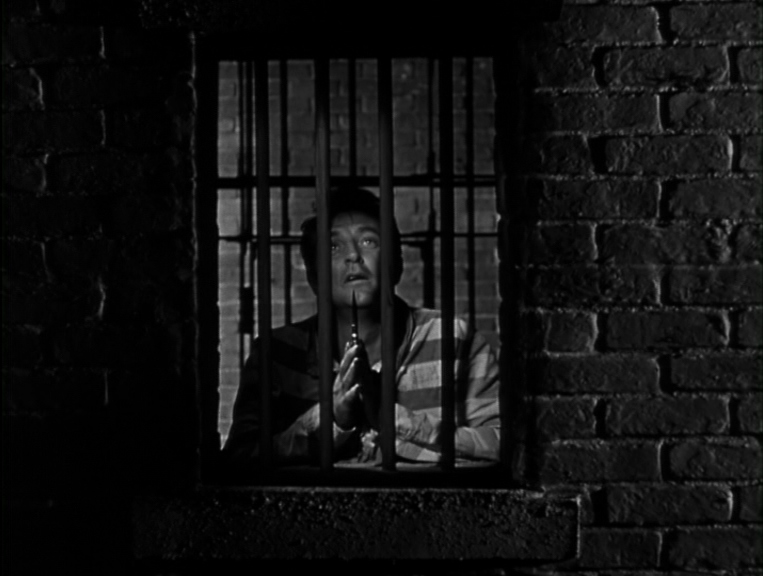
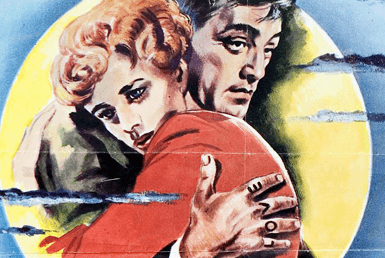
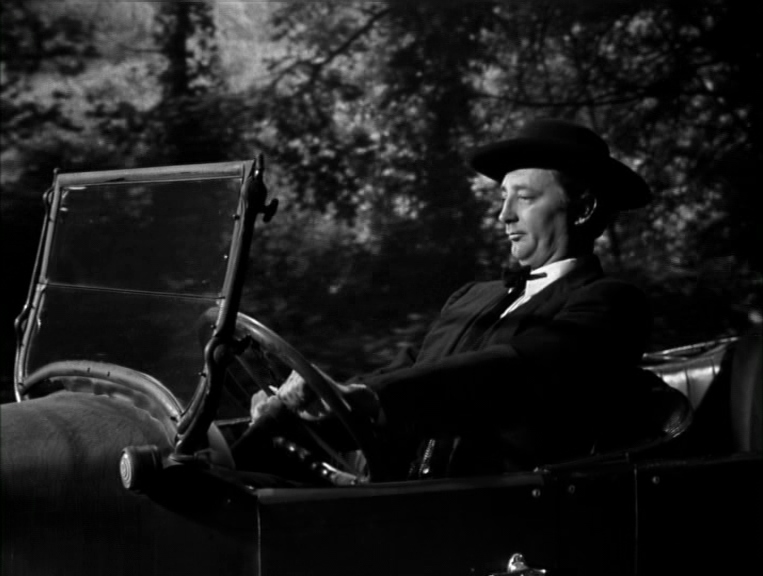
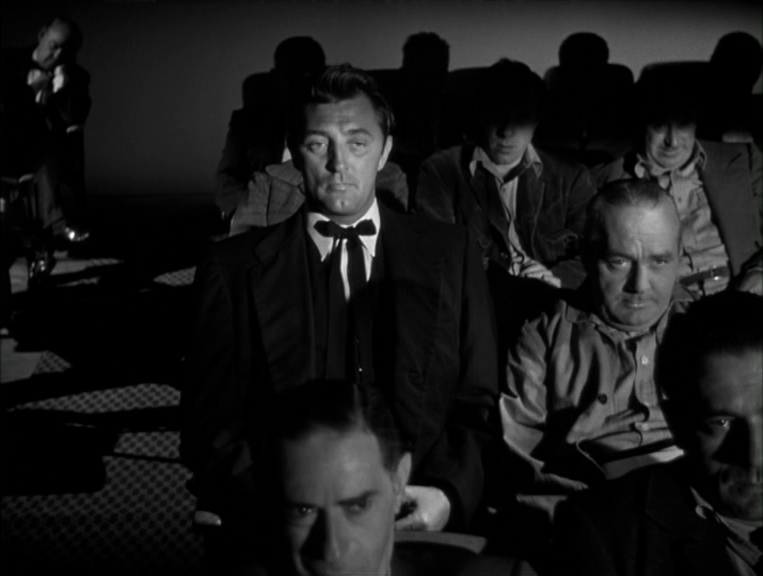
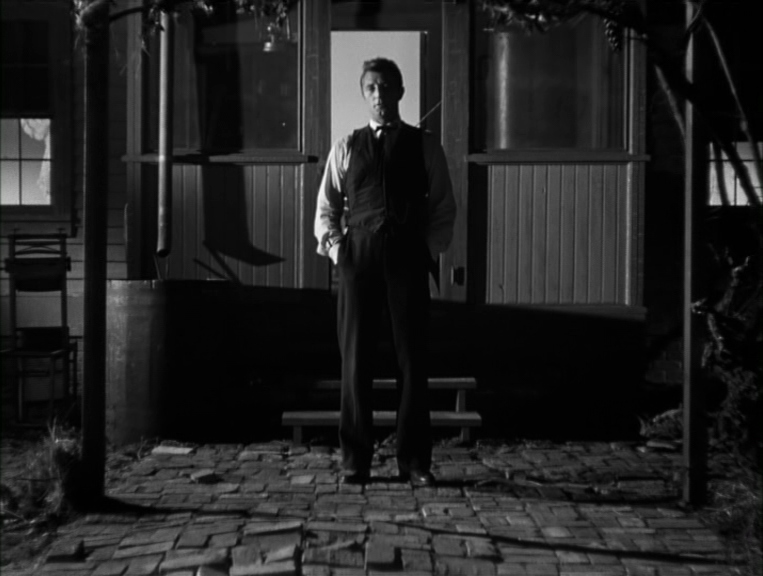
Set during the Great Depression, the film tells the story of Harry Powell (Robert Mitchum), a self-proclaimed preacher and a cunning serial killer who exploits his religious persona to rob and murder vulnerable widows. Powell has the words “LOVE” and “HATE” tattooed on the knuckles of his hands, and he frequently uses them to illustrate a sermon on the eternal struggle between good and evil. As the story unfolds, Powell sets his sights on two children who possess knowledge of a hidden fortune.


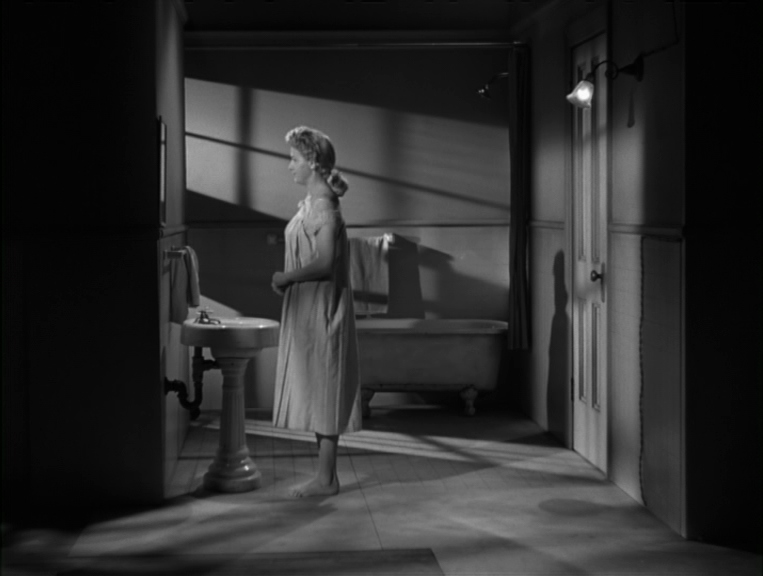

The film begins with Ben Harper (played by Peter Graves), a desperate man who has robbed a bank and killed two men in the process. Before he is arrested, Ben hides the stolen $10,000 in a doll belonging to his young daughter, Pearl (played by Sally Jane Bruce), and makes his son, John (played by Billy Chapin), promise never to reveal the money’s location. Ben is sentenced to death, but before his execution, he shares a prison cell with Powell, who overhears Ben talking in his sleep about the hidden money.
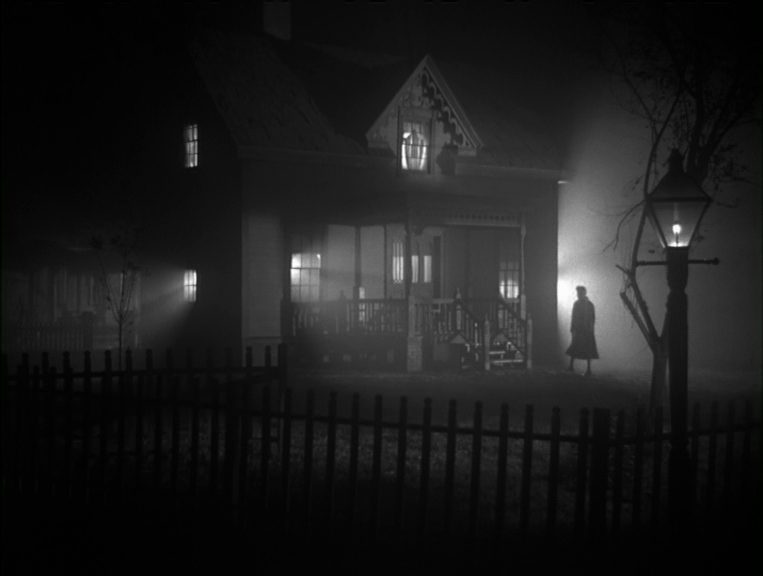
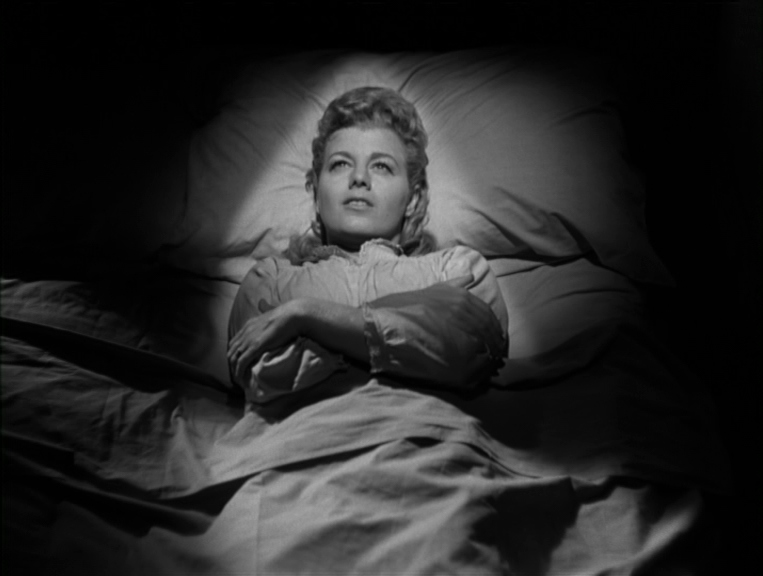

Powell becomes obsessed with finding the stolen money and decides to track down Ben’s family to claim the fortune for himself. After his release from prison, Powell travels to the small riverside town where Ben’s widow, Willa Harper (played by Shelley Winters), lives with her two children. Powell seduces Willa, presenting himself as a charming, God-fearing preacher, and quickly marries her, manipulating the townspeople into believing he is a pious man of God.
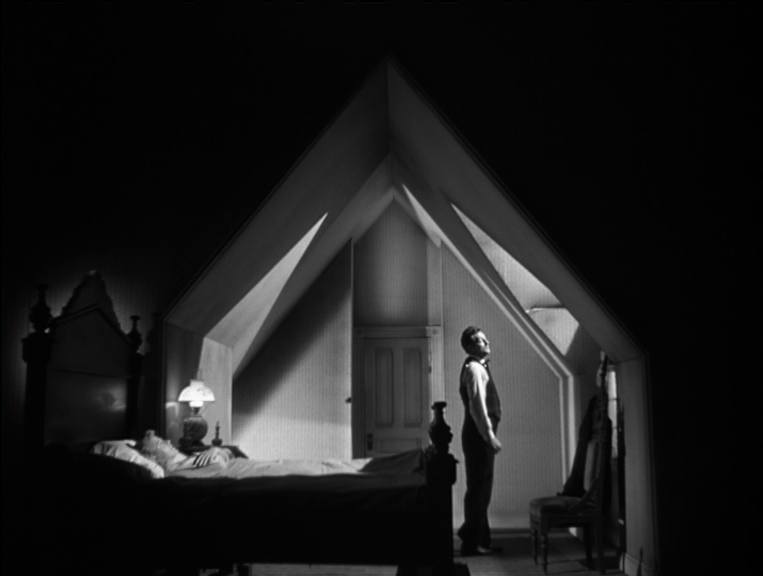
Once married, Powell begins to terrorize the children, particularly John, whom he suspects knows the secret of the hidden money. John is protective of Pearl and refuses to divulge anything to Powell, even as the preacher becomes increasingly menacing. Meanwhile, Willa, struggling with her faith and grief, suspects that Powell is not the righteous man he pretends to be. Her fears are realized when Powell brutally murders her in a chillingly understated scene, drowning her in the river and disposing of her body in the water.

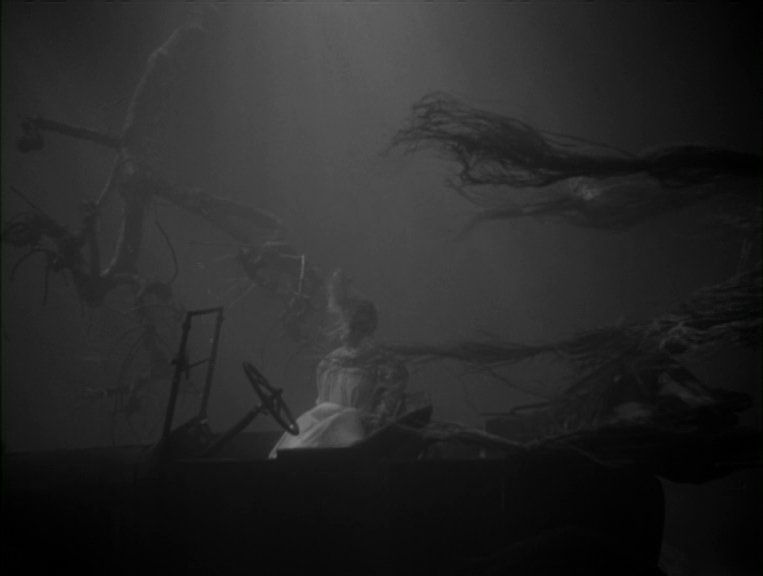

After Willa’s death, Powell turns his full attention to the children, relentlessly pursuing them to uncover the location of the hidden money. In one of the film’s most famous sequences, John and Pearl escape down the river in a small boat, floating through haunting and surreal landscapes as Powell follows them on horseback, his shadowy figure looming like a specter of death.

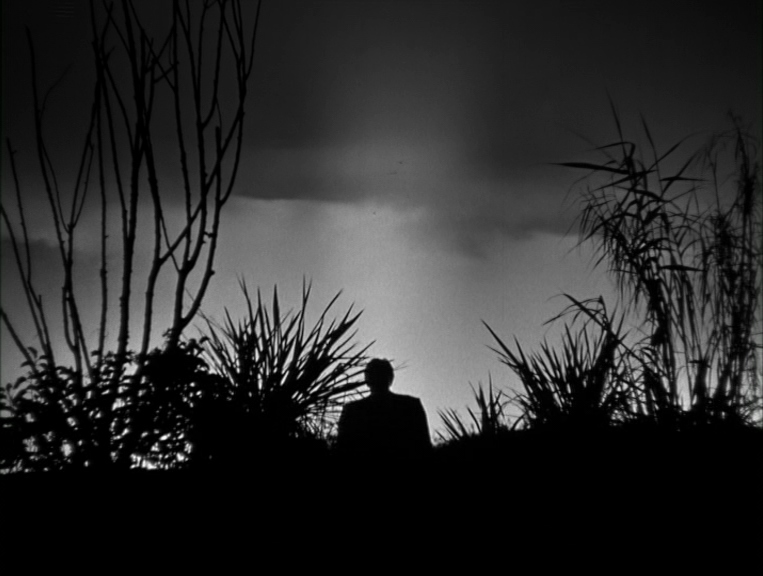
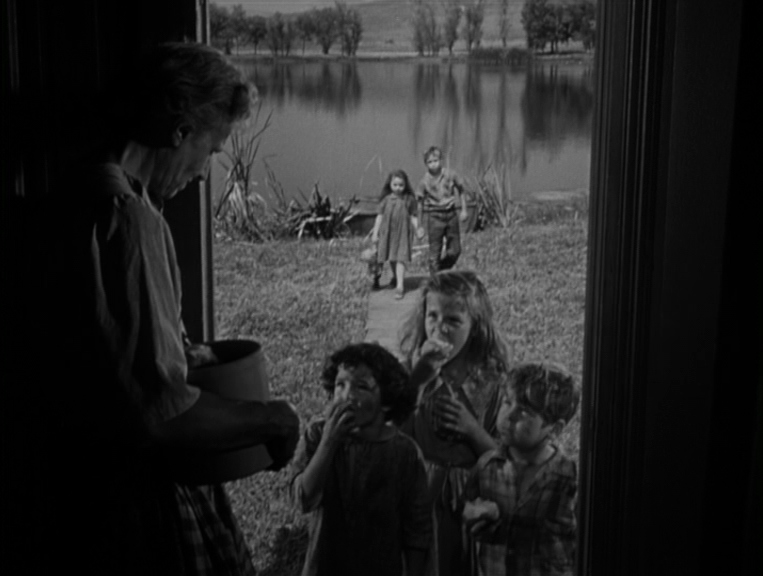
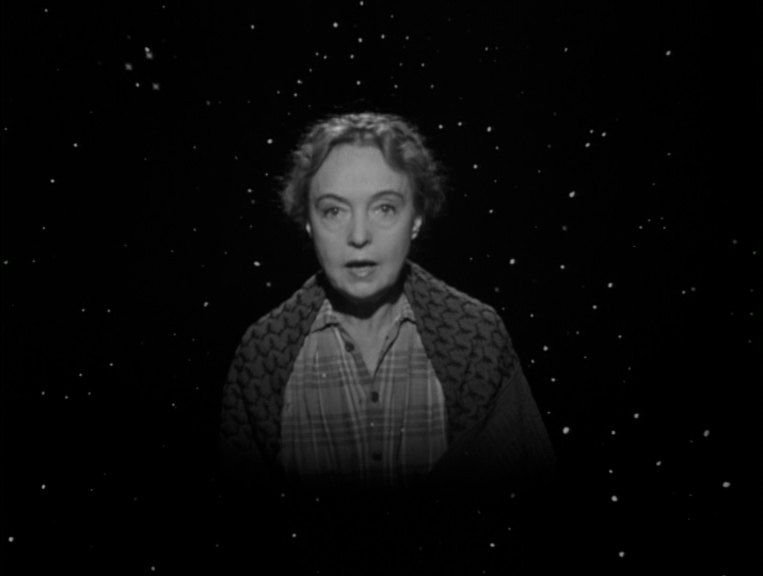
The children eventually find refuge with Rachel Cooper (played by Lillian Gish), an elderly but tough and protective woman who takes in orphans. Rachel quickly realizes that Powell is not the man of God he claims to be, and she becomes a fierce protector of John and Pearl, standing up to Powell in a climactic showdown. In one of the film’s iconic scenes, Gish’s Rachel and Mitchum’s Powell engage in a tense standoff, with Rachel singing hymns as Powell stalks her farm, waiting for an opportunity to strike.
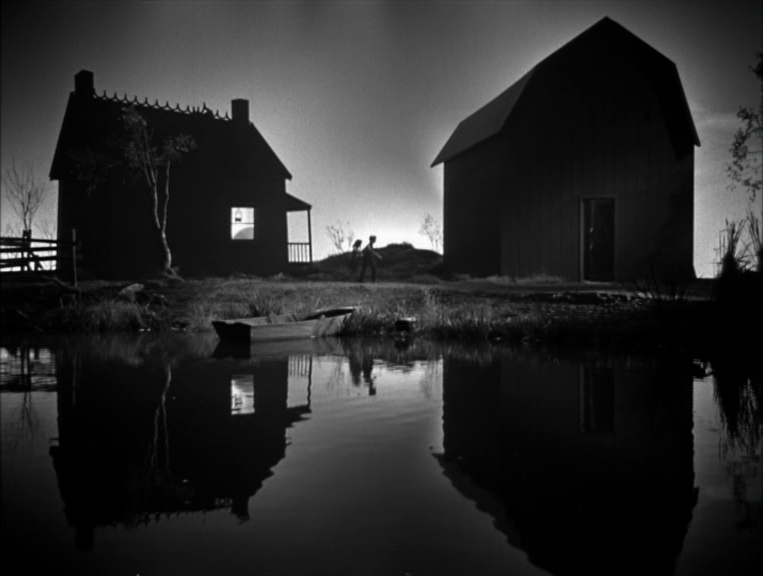
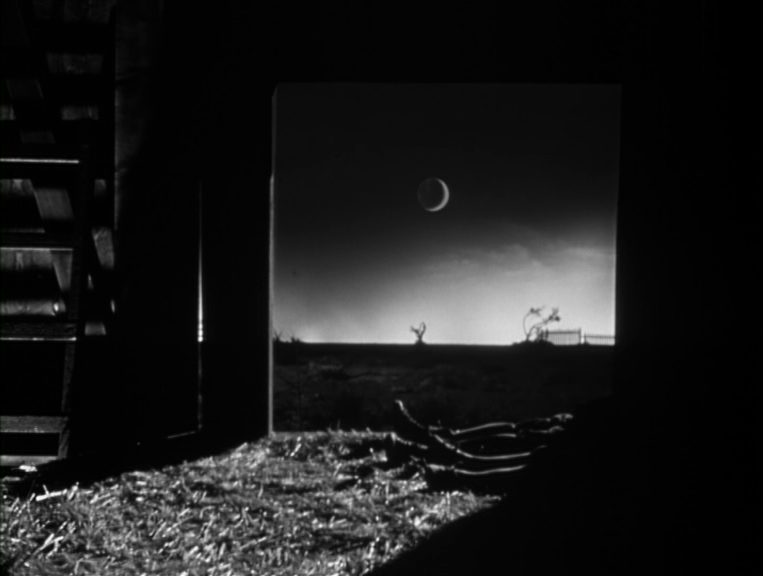


In the end, Powell is arrested and taken away by the authorities, but the psychological and emotional damage he has inflicted on John, in particular, lingers. The film concludes with a bittersweet hope as Rachel comforts the children, offering them the stability and love they have been deprived of throughout their ordeal.

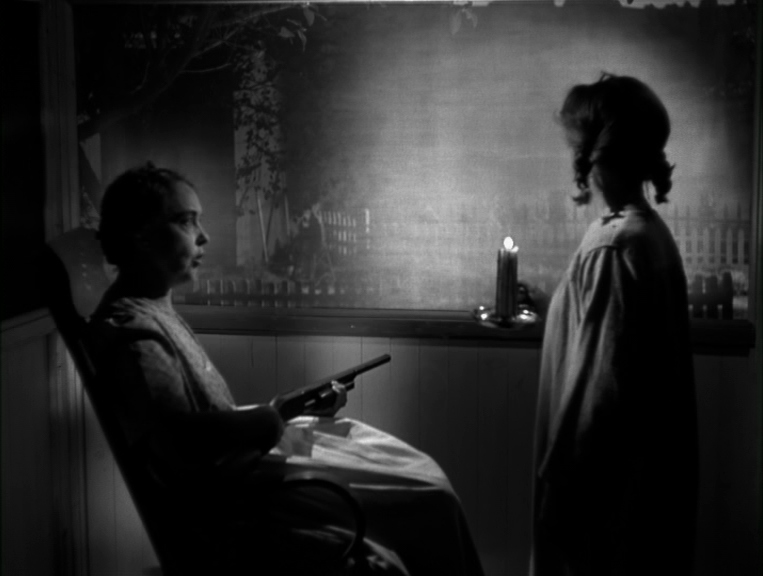
“The Night of the Hunter” is known for its striking visual style, heavily influenced by German Expressionism. Cinematographer Stanley Cortez uses stark black-and-white contrasts, deep shadows, and symbolic imagery to create an eerie, dreamlike atmosphere. The film’s rural setting, with its haunting landscapes and minimalist set designs, adds to the nightmarish quality of the story.

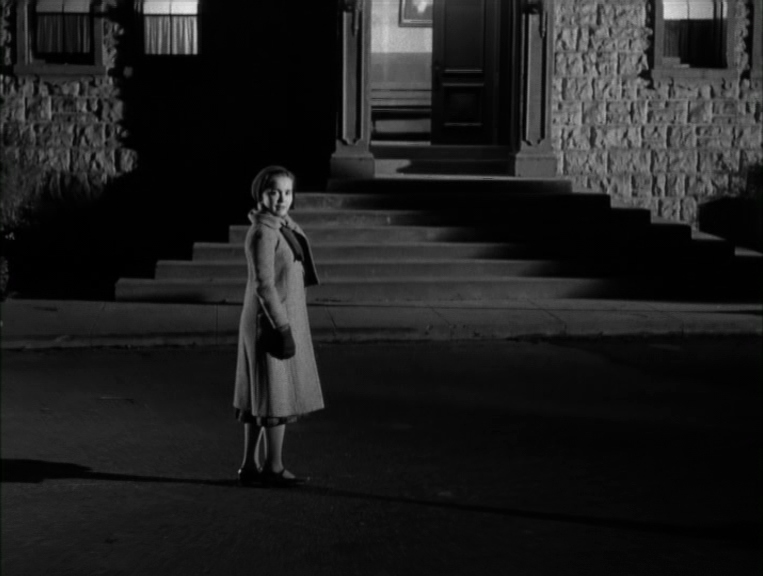
Thematically, the film explores the conflict between good and evil, innocence and corruption, often through the lens of religion. Powell’s twisted use of religious rhetoric to justify his heinous acts is contrasted with Rachel Cooper’s genuine faith and moral fortitude. The film also touches on themes of childhood trauma, loss, and the vulnerability of the powerless.

Upon its release, “The Night of the Hunter” was not initially well-received by critics or audiences, and its commercial failure meant that Charles Laughton never had an opportunity to direct another film.
 The Other Cinema