

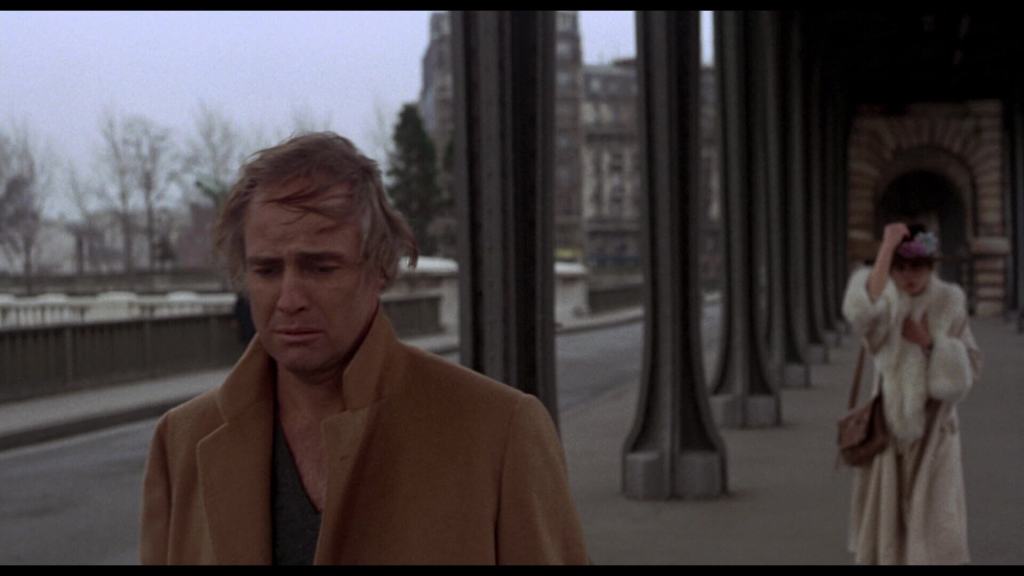
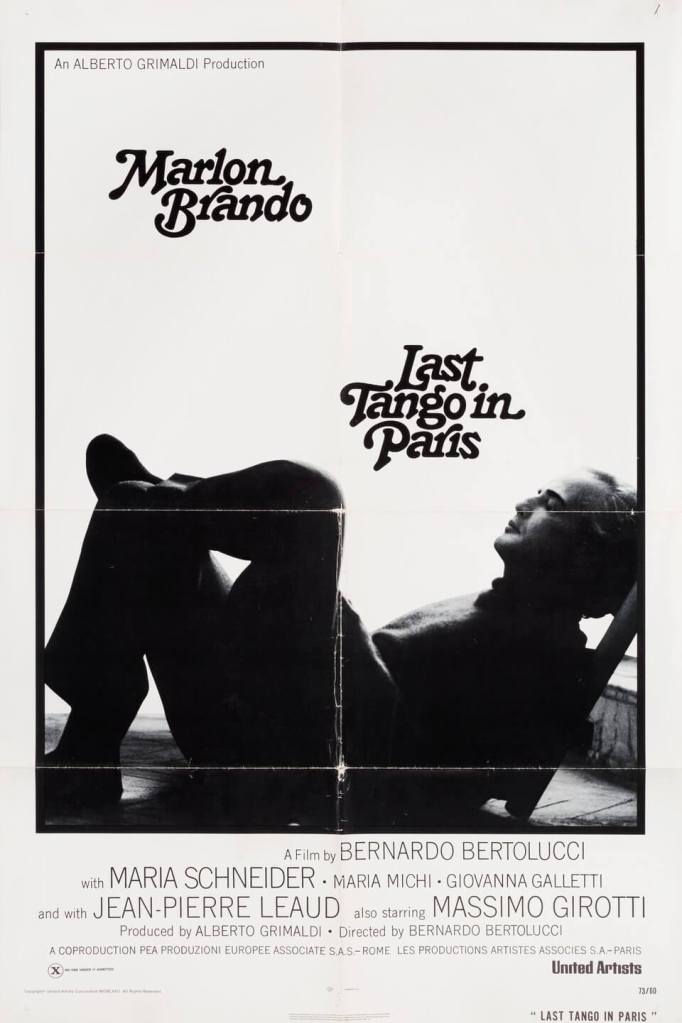
“Last Tango in Paris” (1972) is a controversial erotic drama film directed by Bernardo Bertolucci and starring Marlon Brando, Maria Schneider, and Jean-Pierre Léaud. Known for its explicit sexual content and raw emotional intensity, It explores themes of grief, anonymity, sexual liberation, and the complexities of human relationships.


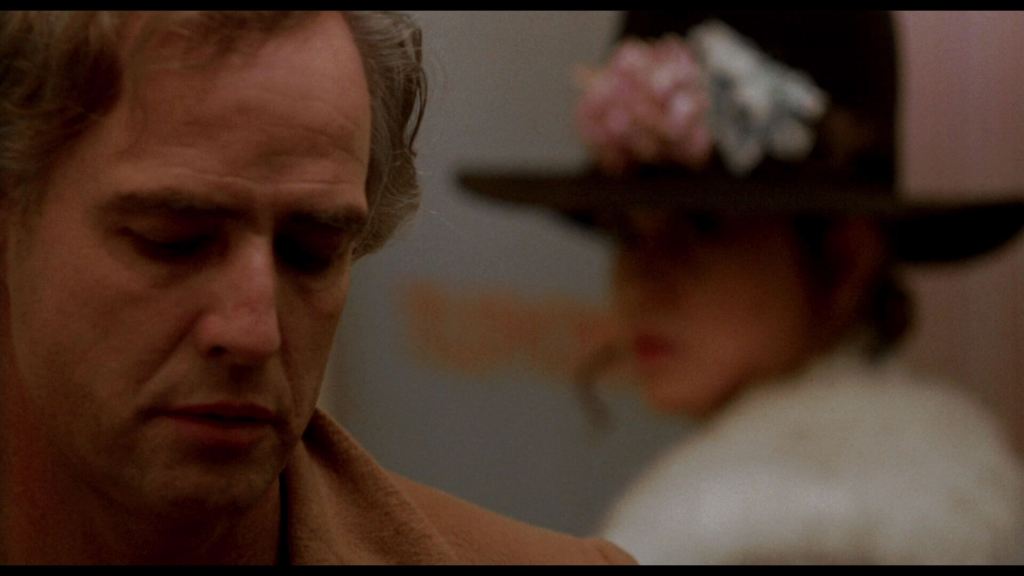
The story takes place in Paris and centers on the deeply troubled and complex relationship between two strangers who embark on a passionate and purely physical affair while keeping their personal lives and emotions hidden from each other.

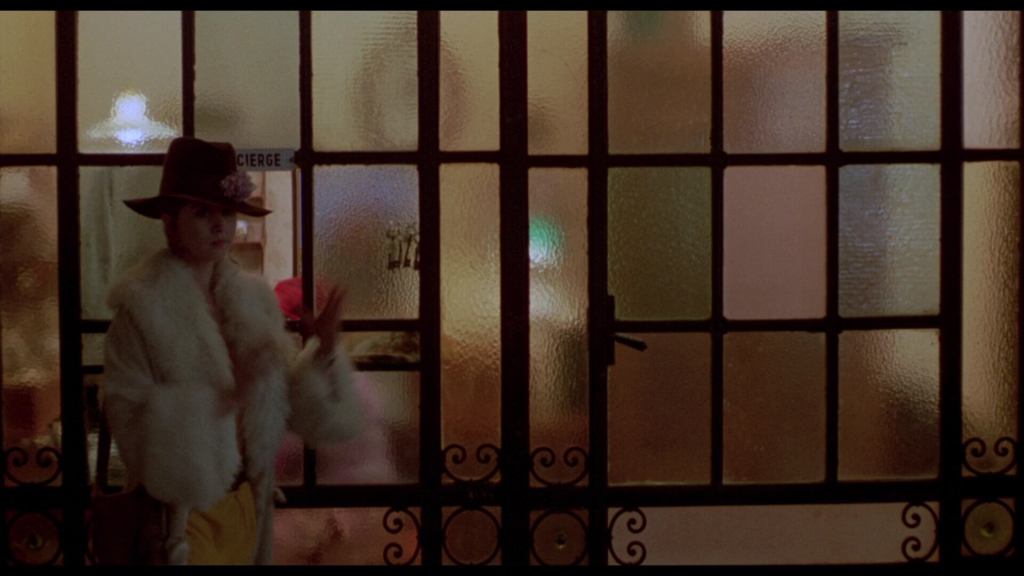
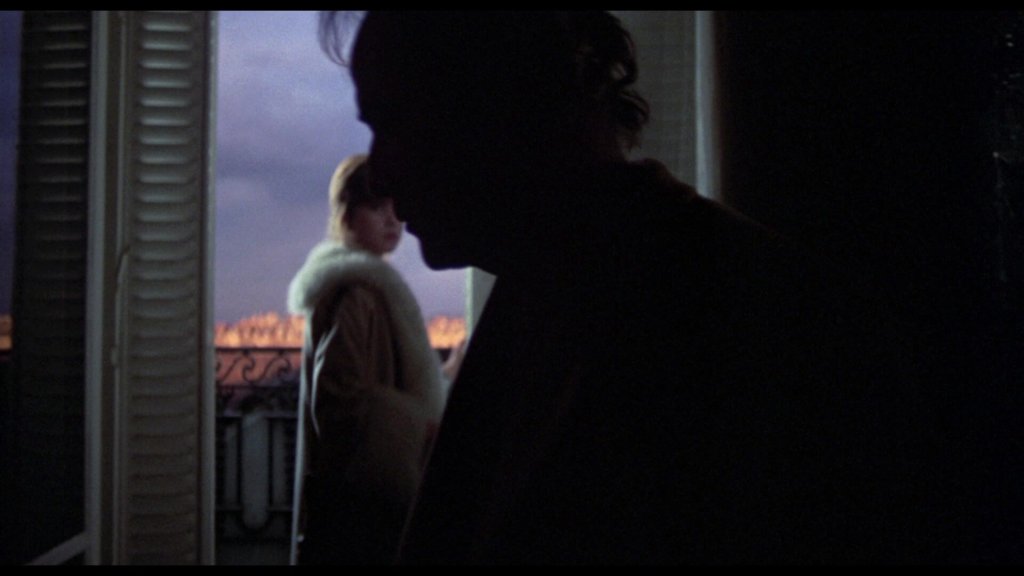
Paul (played by Marlon Brando) is an American expatriate living in Paris. He is overwhelmed with grief and anger following the recent suicide of his French wife, Rosa. Paul’s emotional state is marked by profound loss, despair, and alienation. He has become emotionally detached from the world around him and struggles to make sense of his wife’s death, which haunts him throughout the film. His grief is complicated by his feelings of anger toward Rosa and his conflicted emotions about their marriage, which was fraught with tension and infidelity.


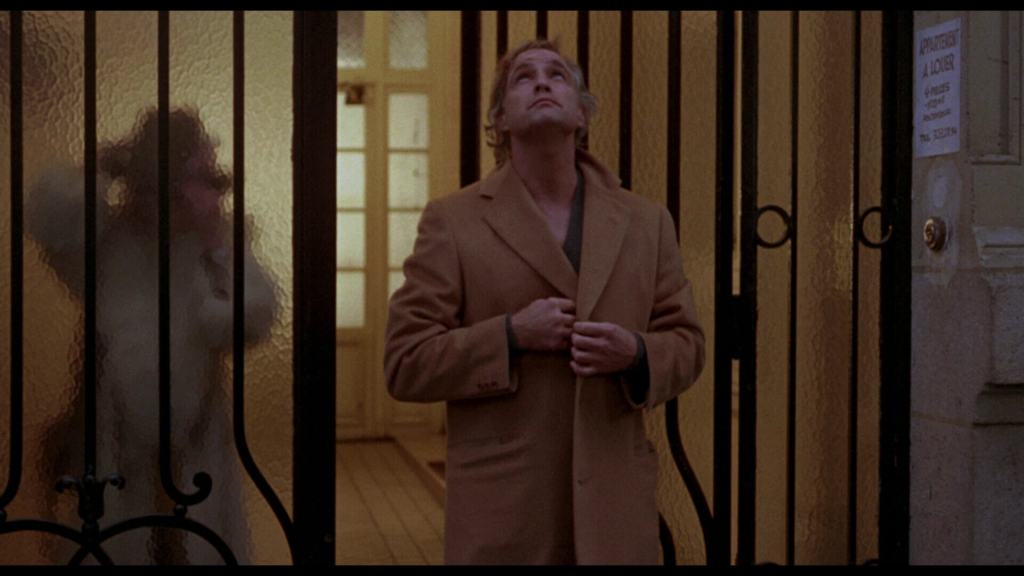


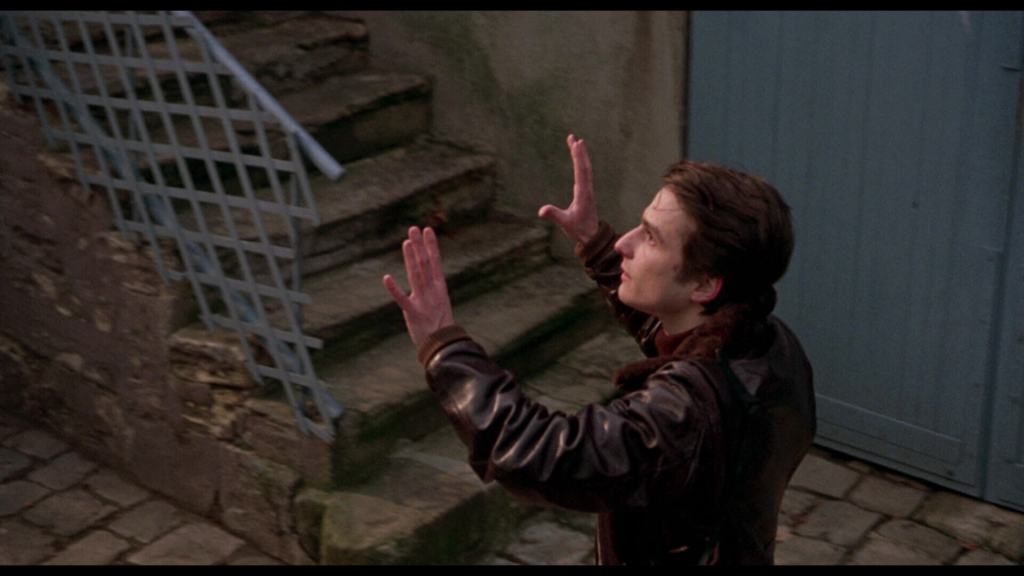
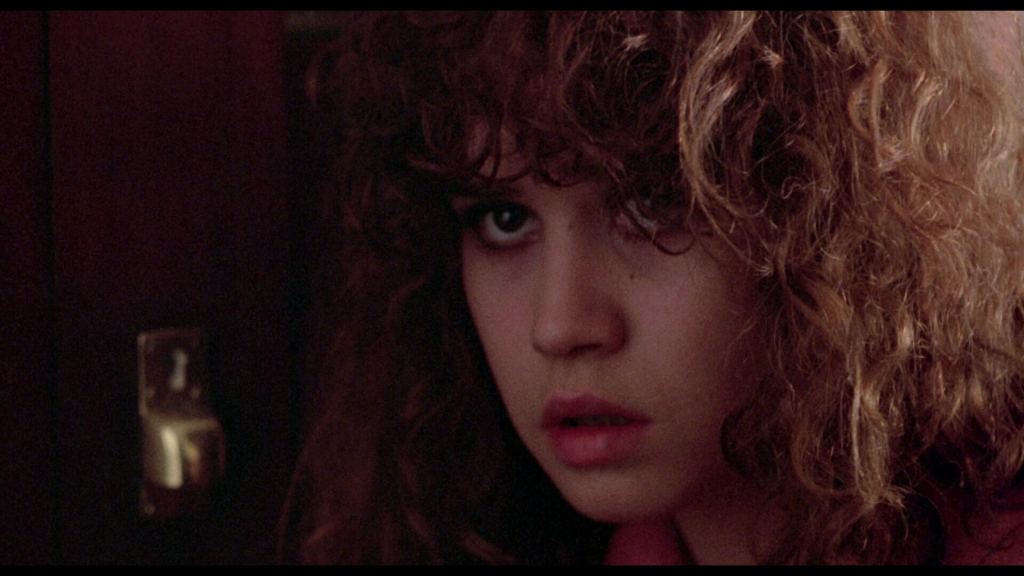
Jeanne (played by Maria Schneider) is a 20-year-old Frenchwoman engaged to Tom (played by Jean-Pierre Léaud), a young and ambitious filmmaker. Tom is obsessed with making a cinéma vérité-style film about Jeanne’s life, constantly filming her and asking her probing questions about her thoughts and feelings. Jeanne is caught between her relationship with Tom and her uncertainties about life, love, and identity. While Tom represents a more traditional and socially acceptable relationship, Jeanne feels confined by the expectations placed upon her.


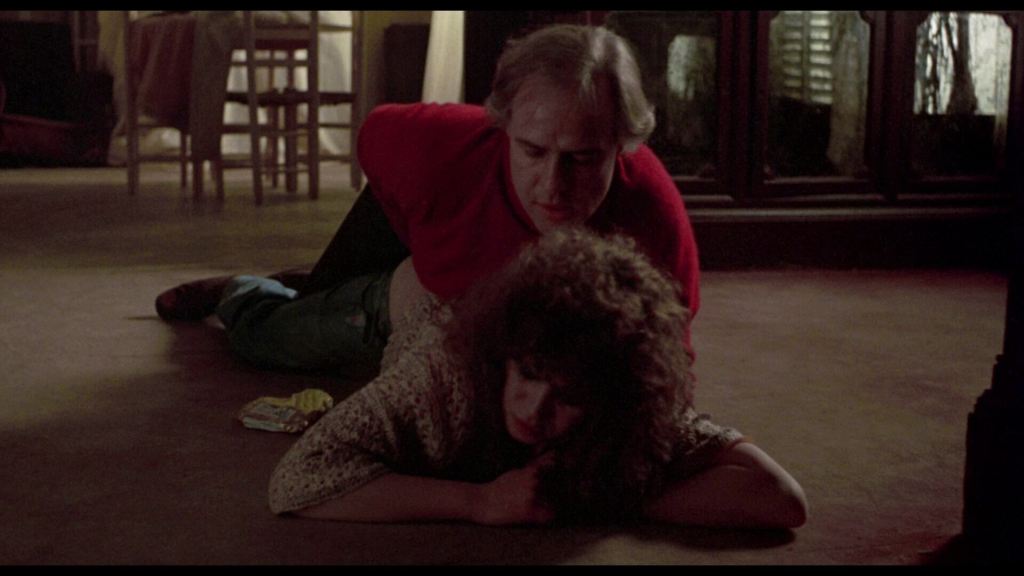
One day, Paul and Jeanne meet by chance while visiting a vacant apartment in Paris that they are interested in renting. In the empty, drab apartment, they have an intense and wordless sexual encounter. What begins as an anonymous, animalistic act of passion sets the stage for the film’s central relationship.



Paul and Jeanne continue to meet in the apartment for more sexual encounters, but Paul insists on maintaining anonymity—neither of them is allowed to share personal details, such as their names, pasts, or feelings. Their encounters are purely physical, raw, and often violent, as Paul uses the relationship to vent his anguish and frustration. Paul dominates Jeanne, exerting control over her through degrading and emotionally distant sexual interactions, in which he attempts to keep her at an emotional distance. For Paul, the apartment becomes a place to escape from his personal life’s overwhelming grief.

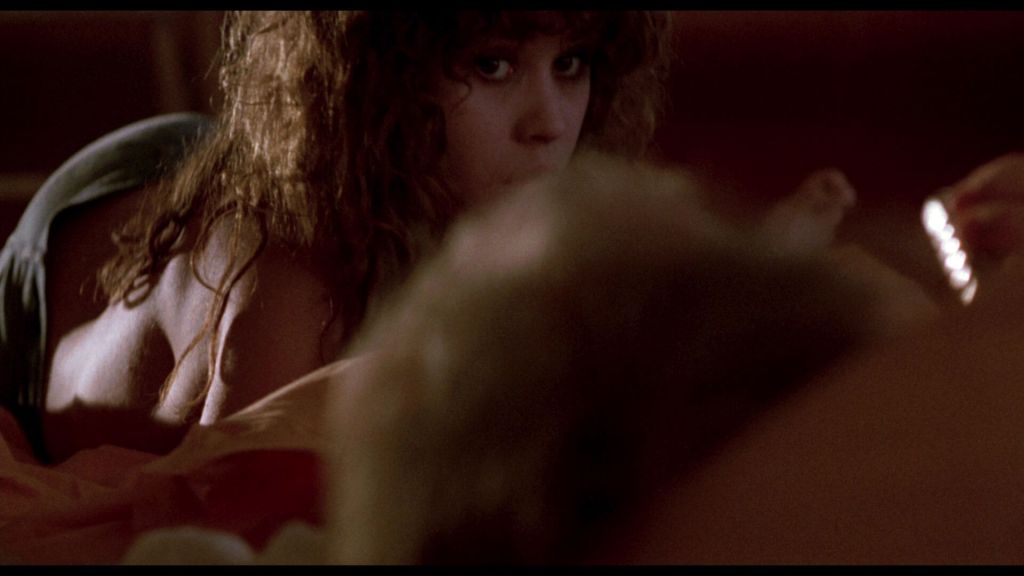
As the affair progresses, however, Jeanne begins to desire a deeper connection with Paul and attempts to break down the emotional walls that Paul has constructed around their relationship. She yearns for intimacy beyond the physical, but Paul refuses to engage with her on an emotional level, continuing to use the relationship as a way to numb himself to his own pain. His grief and anger manifest in increasingly aggressive and abusive behavior toward Jeanne as he struggles to cope with the void left by his wife’s death.


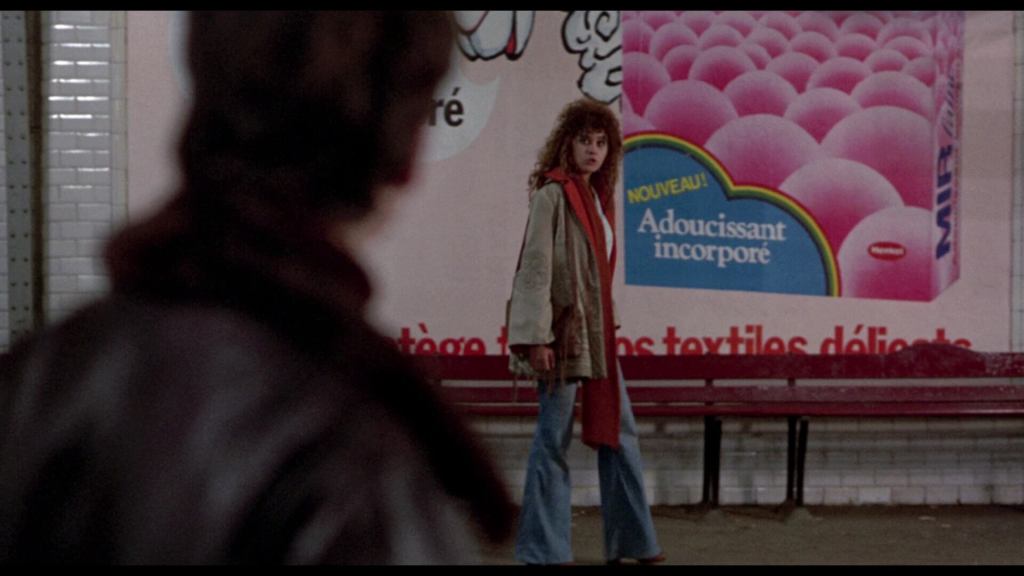
Meanwhile, outside the apartment, Jeanne’s engagement with Tom becomes more strained. Tom’s preoccupation with documenting their relationship and his self-centered focus on his filmmaking leaves Jeanne feeling disconnected from him. She becomes torn between the sexual freedom she experiences with Paul and the stability of her relationship with Tom.

As the film approaches its conclusion, Paul’s emotional turmoil reaches a breaking point. After finally revealing some personal details about his life to Jeanne, Paul seeks her out in the real world, breaking the rules of their anonymous arrangement. In a moment of vulnerability, Paul opens up to Jeanne, hoping to turn their physical relationship into something more meaningful. He takes her to a tango dance hall, attempting to create a sense of normalcy between them.

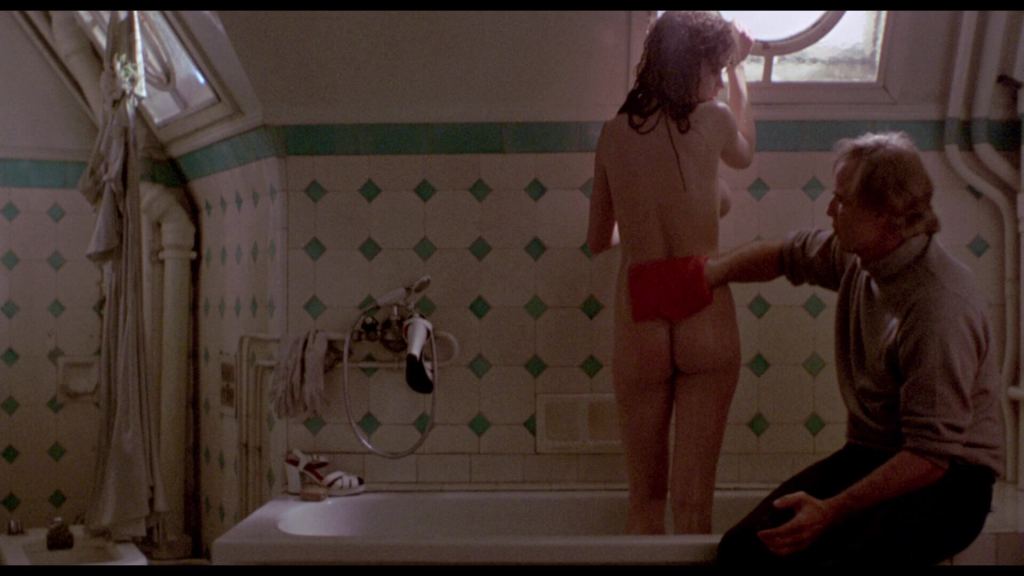
However, Jeanne is disturbed by Paul’s sudden shift and the breaking of their anonymity, which had been central to their relationship. Feeling trapped and threatened by Paul’s possessiveness, she distances herself from him. In desperation, Paul pursues her back to her family’s apartment. The situation escalates, leading to a shocking and tragic conclusion: Jeanne, frightened and feeling cornered, shoots Paul in self-defense, killing him. As Paul dies, he mutters his name, a final act of personal revelation. The film ends ambiguously, with Jeanne rehearsing an alibi for the police, unsure how to explain their relationship’s complexity.
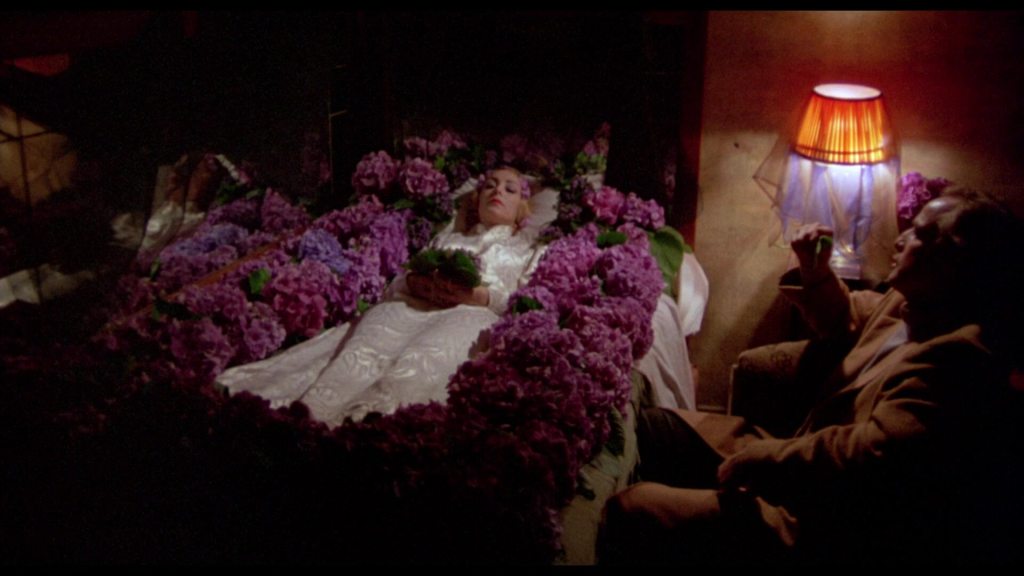


“Last Tango in Paris” is a profoundly psychological and existential film exploring grief, isolation, and the conflict between sexual liberation and emotional repression. The film’s explicit sexual content, particularly the infamous “butter scene,” stirred significant controversy upon its release and remains a subject of intense debate regarding issues of consent and the treatment of actors on set, particularly Maria Schneider.
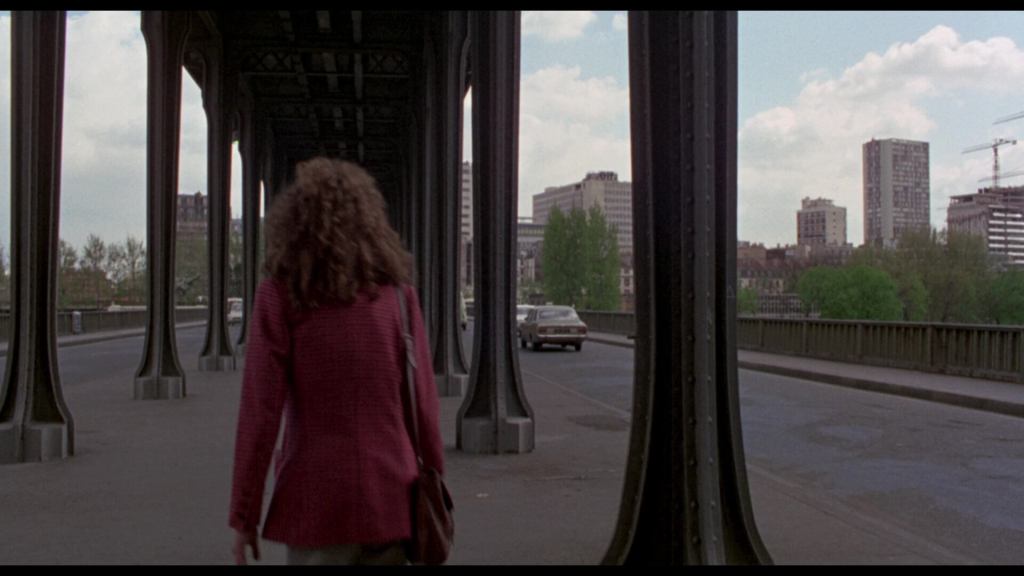

At its core, the film is about two lost souls seeking solace in the anonymity of their sexual encounters, using sex as a way to avoid confronting their personal traumas and emotions. Paul is consumed by grief and rage, using Jeanne as a tool to exorcise his inner demons. In contrast, Jeanne uses their encounters as an exploration of her sexual and emotional identity.

The film’s cinematography, by Vittorio Storaro, captures the cold, bleak atmosphere of the apartment where most of the action takes place, emphasizing the isolation and emotional emptiness of the characters. Bertolucci uses long takes and minimal dialogue to focus on the actors’ physicality, creating an intimate and often uncomfortable atmosphere. The film is directed by Bernardo Bertolucci, who was known for pushing boundaries in cinema and exploring controversial themes. “Last Tango in Paris” exemplifies his interest in the psychological and emotional complexities of human relationships and his provocative and unflinching approach to sexual content in film.
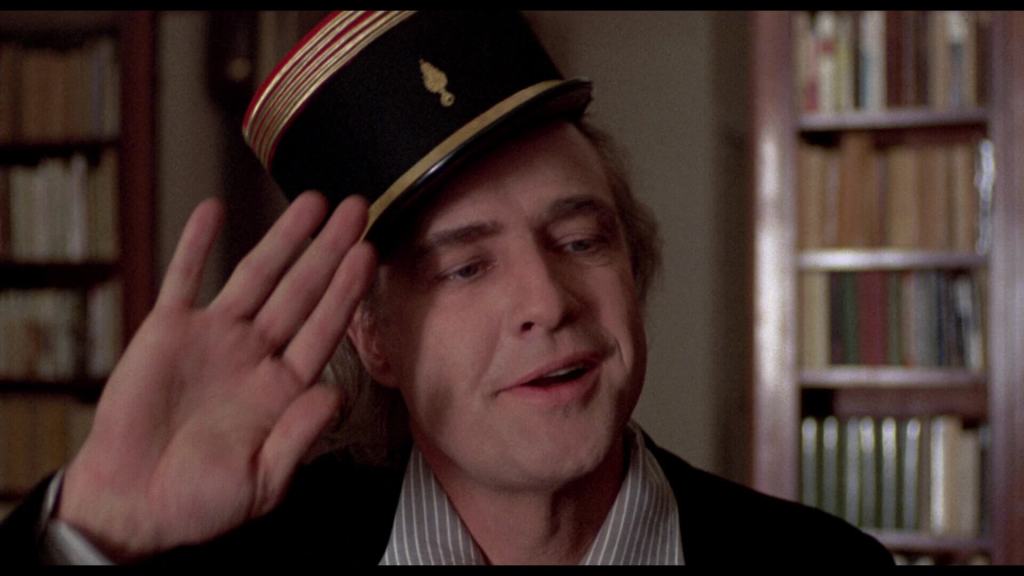
“Last Tango in Paris” was highly praised and fiercely criticized upon its release. Marlon Brando’s performance was widely acclaimed, with some considering it one of his career’s most raw and vulnerable. The film earned Bertolucci an Academy Award nomination for Best Director, and Brando received a nomination for Best Actor. However, the film’s explicit nature led to censorship and banning in several countries.

The film’s legacy is also marked by the controversy surrounding Maria Schneider’s treatment during production. In later years, Schneider revealed that certain scenes, particularly the “butter scene,” were not fully disclosed to her before filming, leading to discussions about exploitation and abuse in the filmmaking process.
 The Other Cinema