

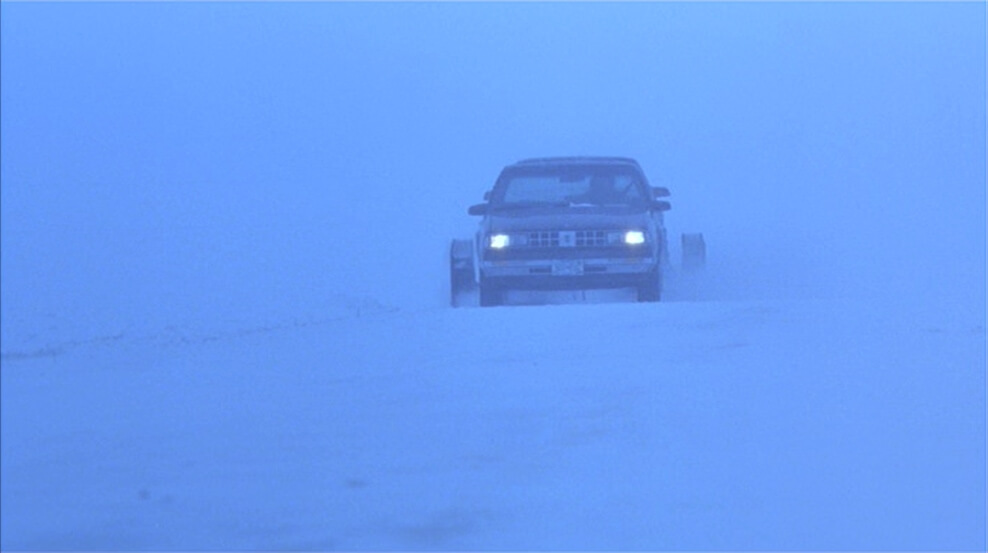
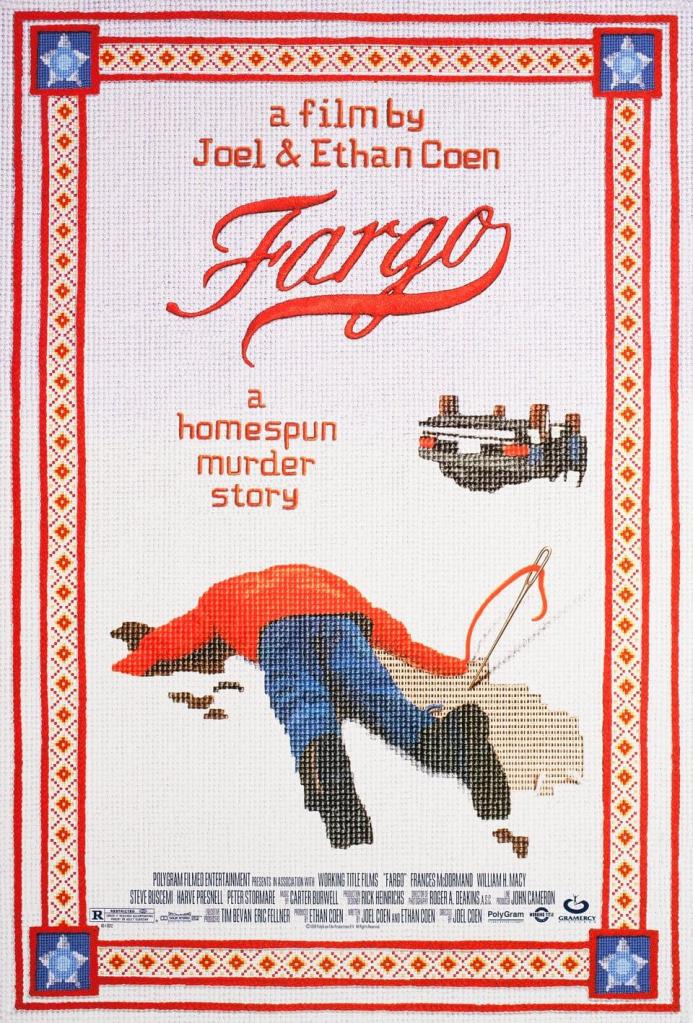
“Fargo,” released in 1996, is a dark comedy crime thriller written, produced, and directed by Joel and Ethan Coen. The film stars Frances McDormand, William H. Macy, Steve Buscemi, and Peter Stormare. Set in the snowy landscapes of Minnesota and North Dakota, “Fargo” is a blend of noir, crime, and satire, offering a grimly humorous exploration of crime gone wrong and the consequences of human greed.
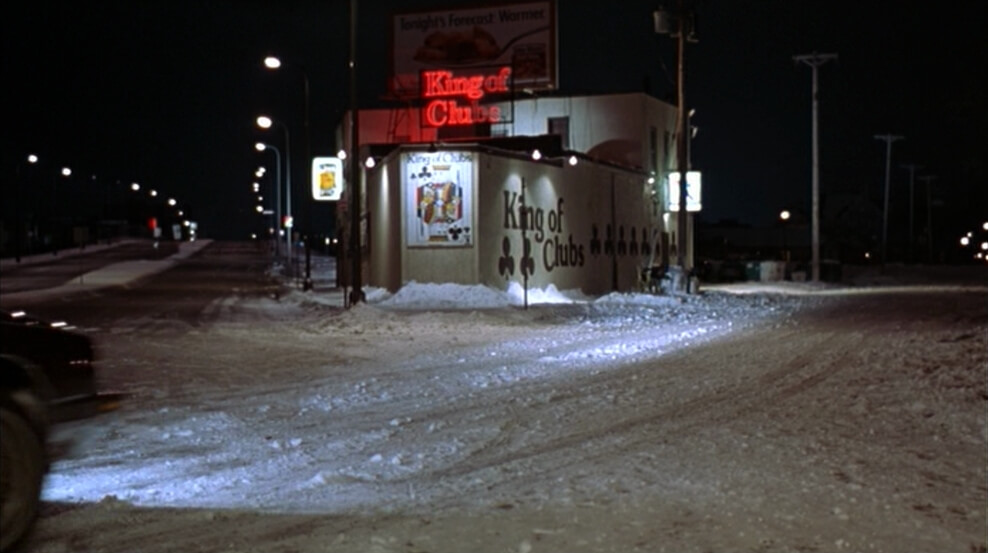
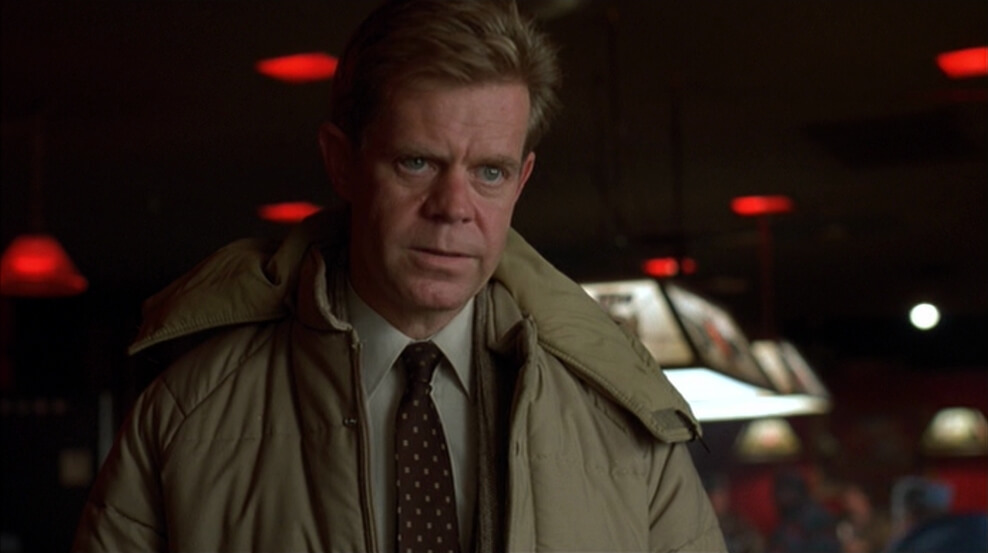
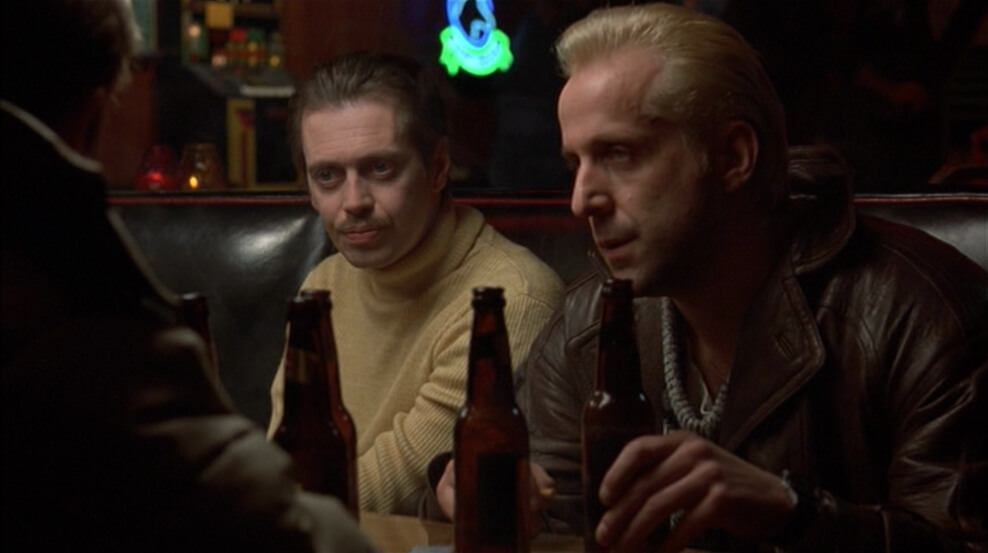
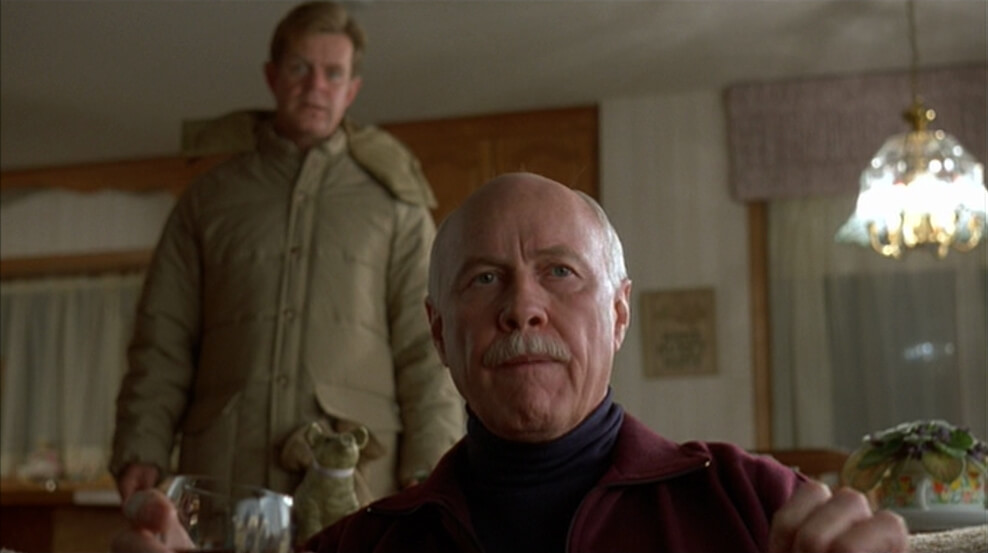
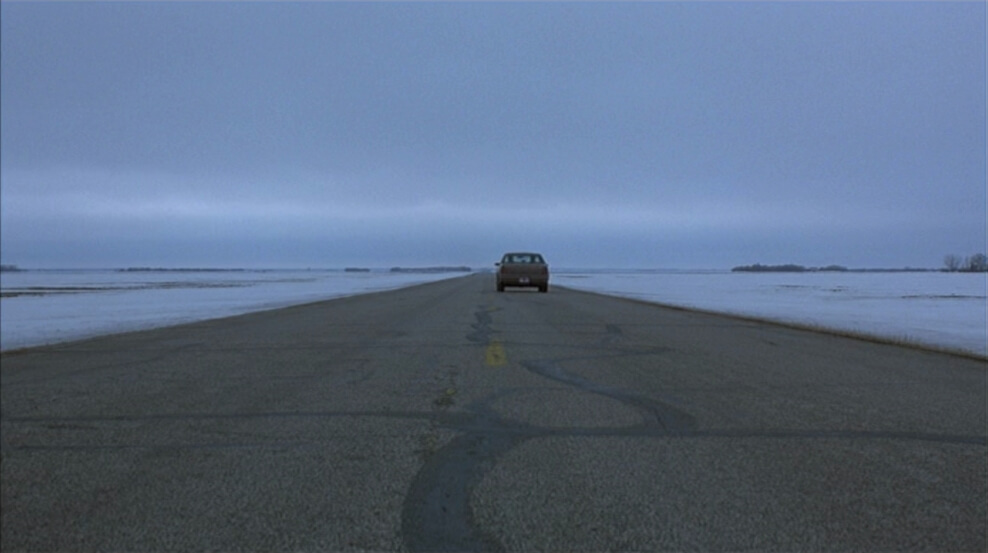
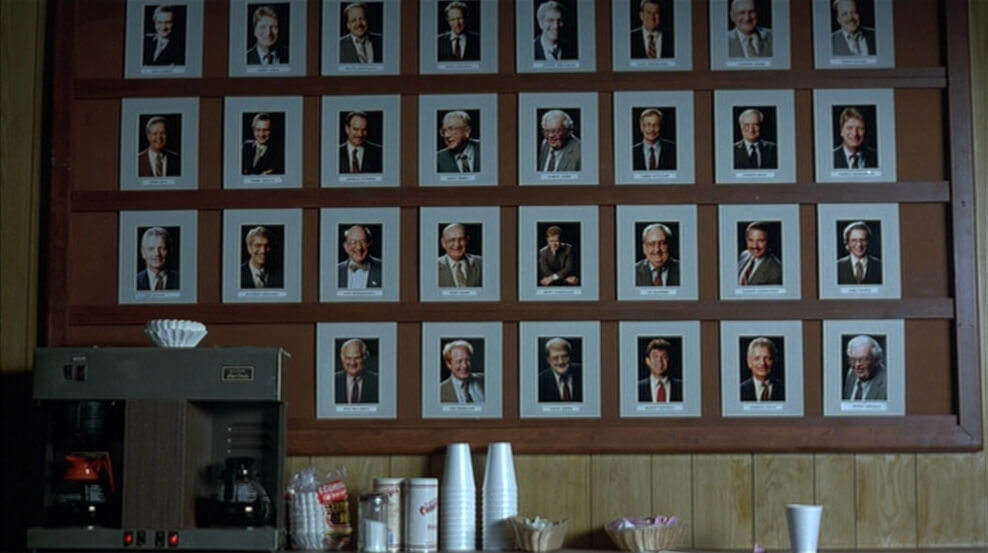
The story centers around Jerry Lundegaard (played by William H. Macy), a financially struggling car salesman from Minneapolis. Desperate to solve his mounting debt problems, Jerry concocts a reckless scheme to kidnap his wife, Jean Lundegaard (played by Kristin Rudrüd). He plans to demand a ransom of $1 million from his wealthy and stingy father-in-law, Wade Gustafson (played by Harve Presnell), but he will split only a portion of it with the kidnappers while keeping most of the money for himself.
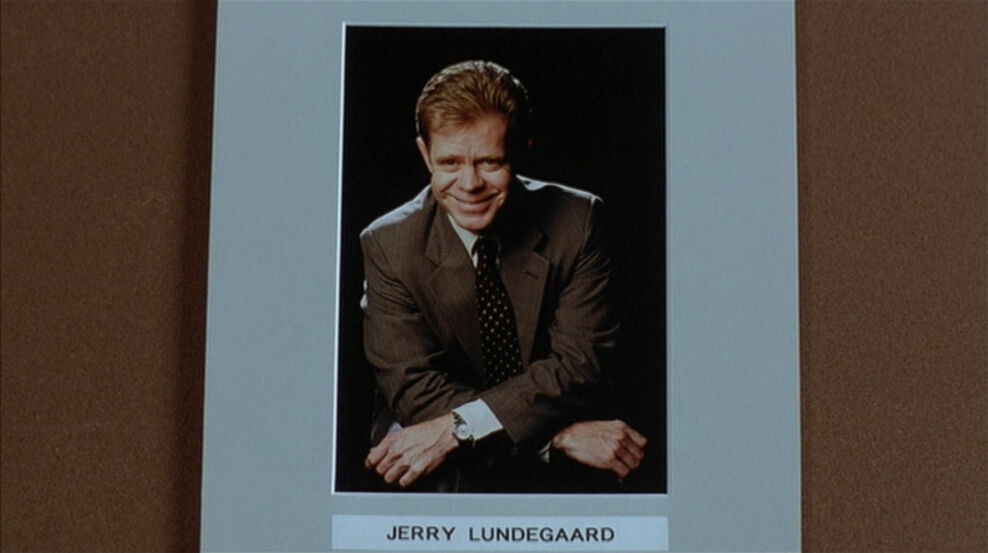
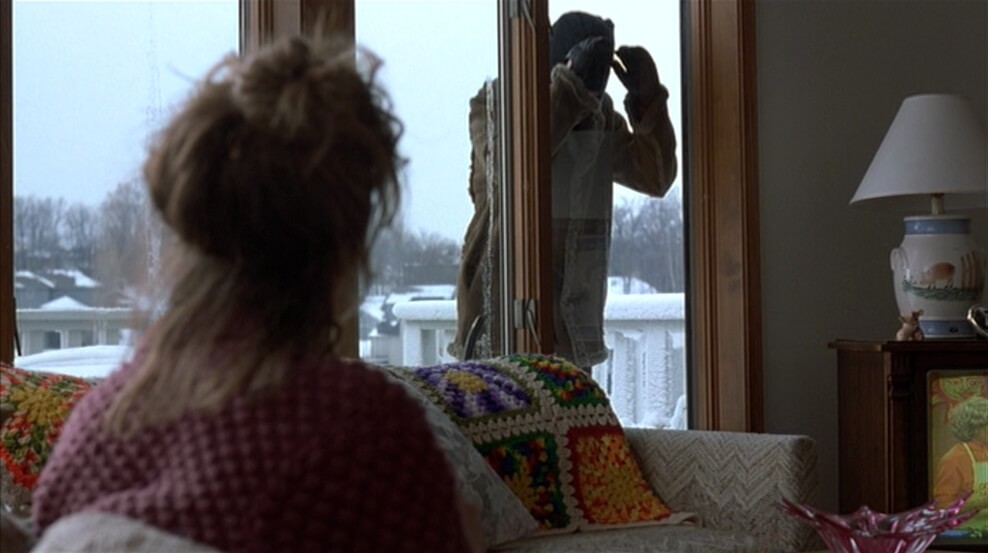
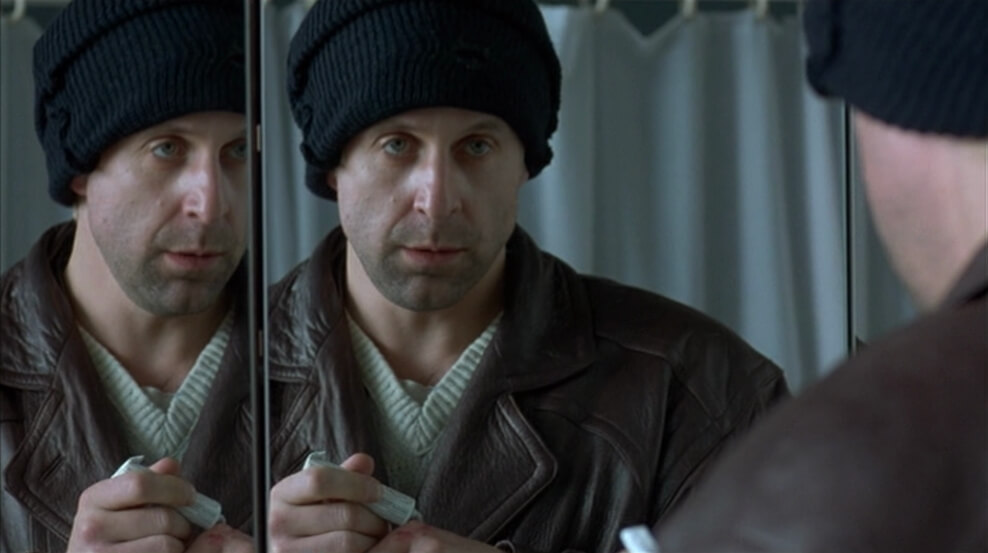
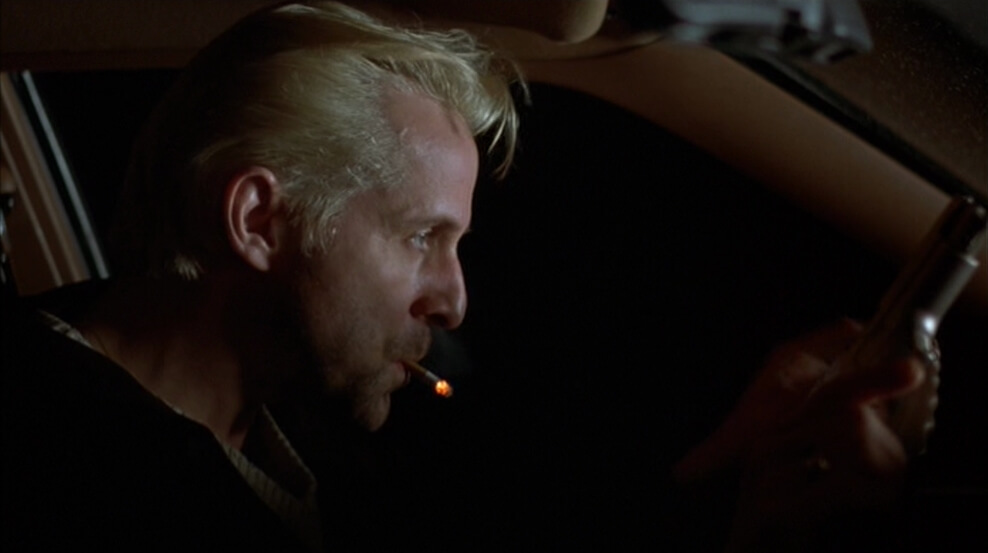
To carry out this plan, Jerry hires two criminals: the talkative and crude Carl Showalter (played by Steve Buscemi) and his silent, menacing partner Gaear Grimsrud (played by Peter Stormare). Carl and Gaear agree to kidnap Jean and hold her for ransom, expecting to receive $80,000 as their share from Jerry. The deal seems simple on paper, but as the events unfold, everything spirals out of control, and what was meant to be a straightforward crime turns into a series of tragic, violent, and absurd events.
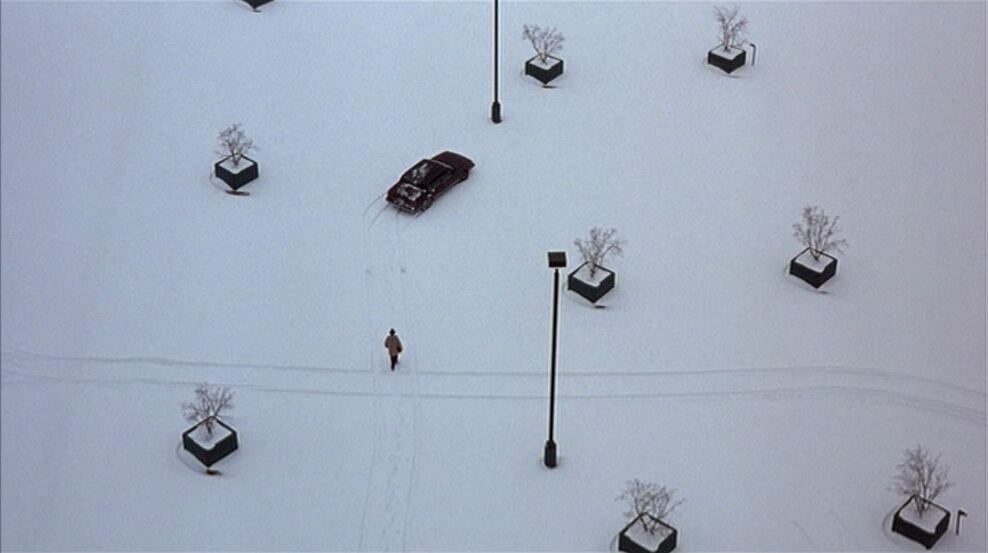

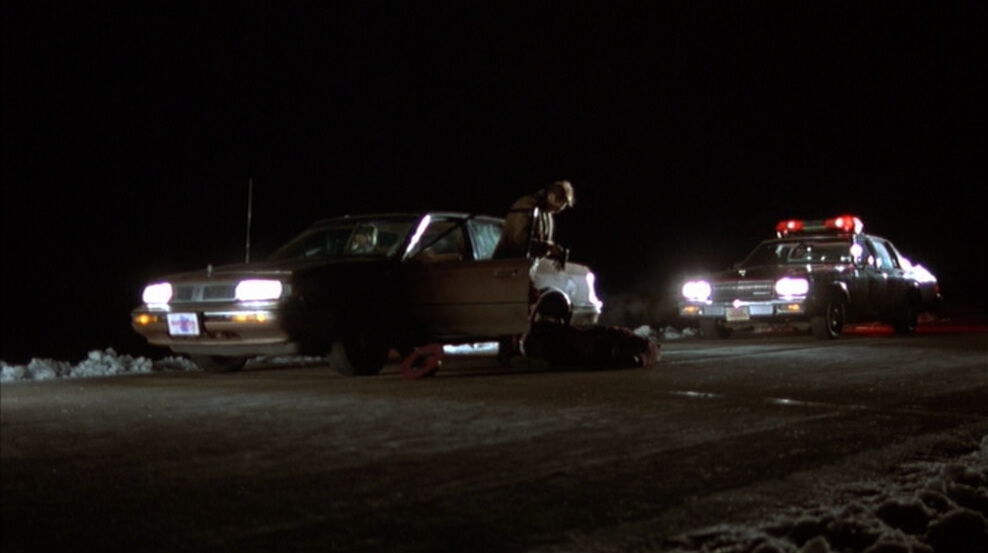
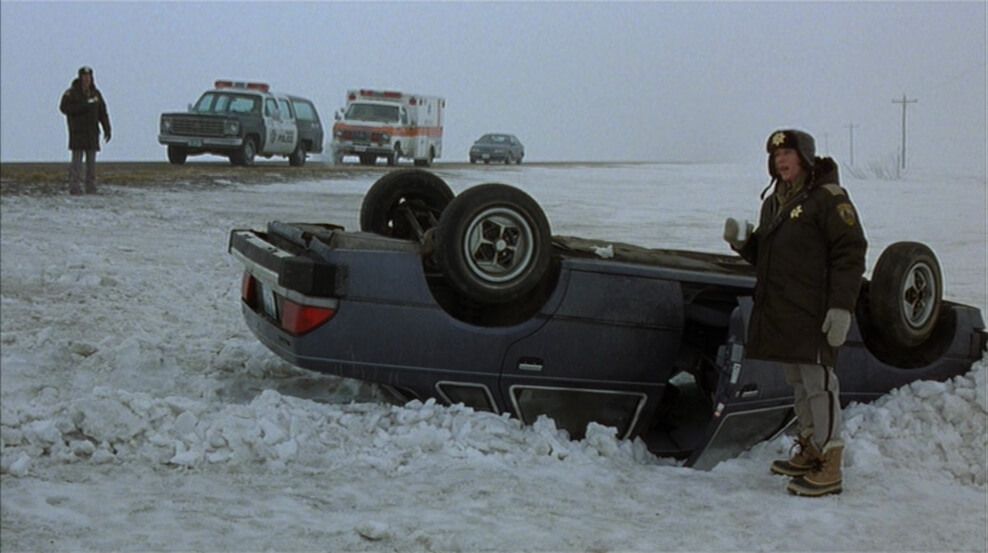
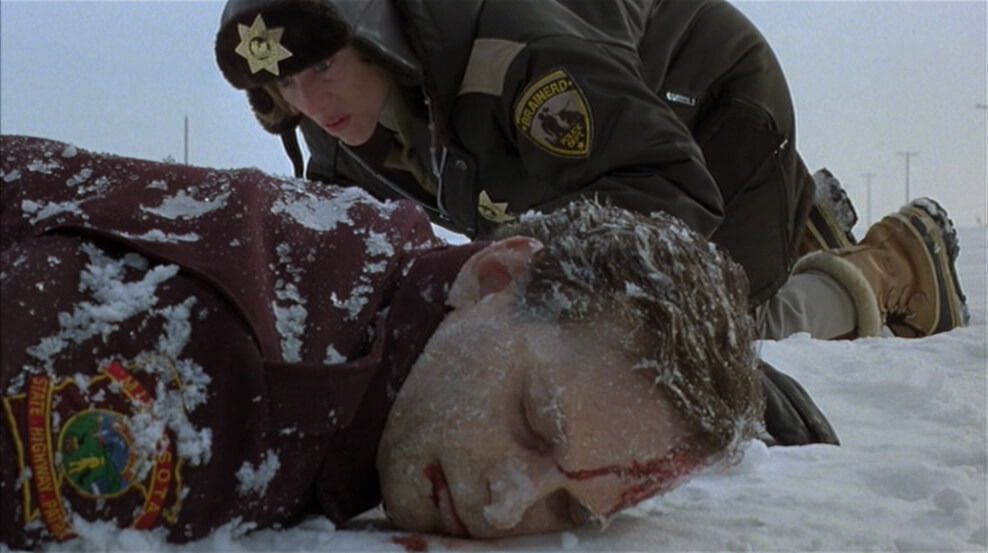
The first significant complication occurs when Carl and Gaear, after kidnapping Jean, are pulled over by a Minnesota state trooper. The tension escalates quickly when Gaear shoots and kills the trooper after a failed attempt to bribe him. To cover their tracks, the pair then murder two eyewitnesses who happen to pass by the scene. The murders set off a chain reaction that attracted the attention of local authorities.
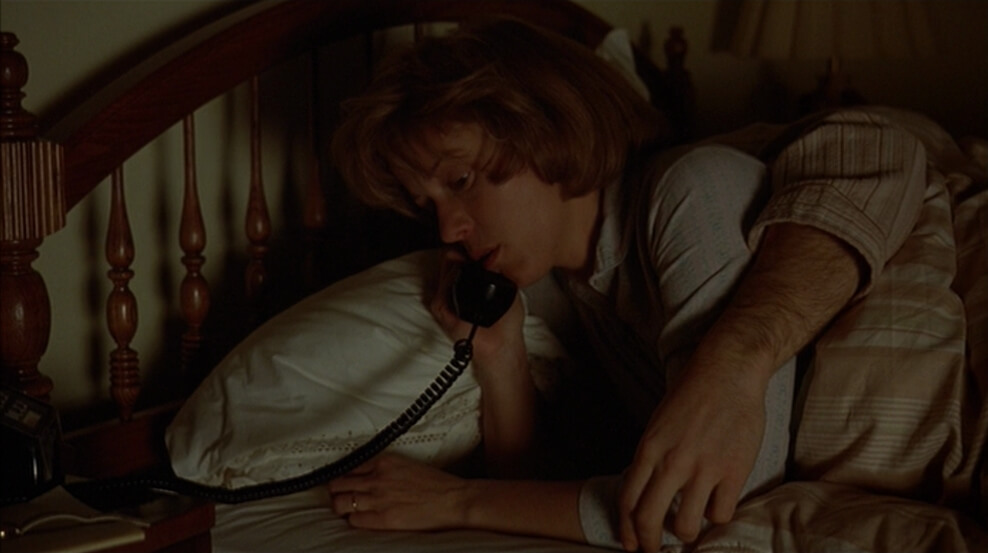
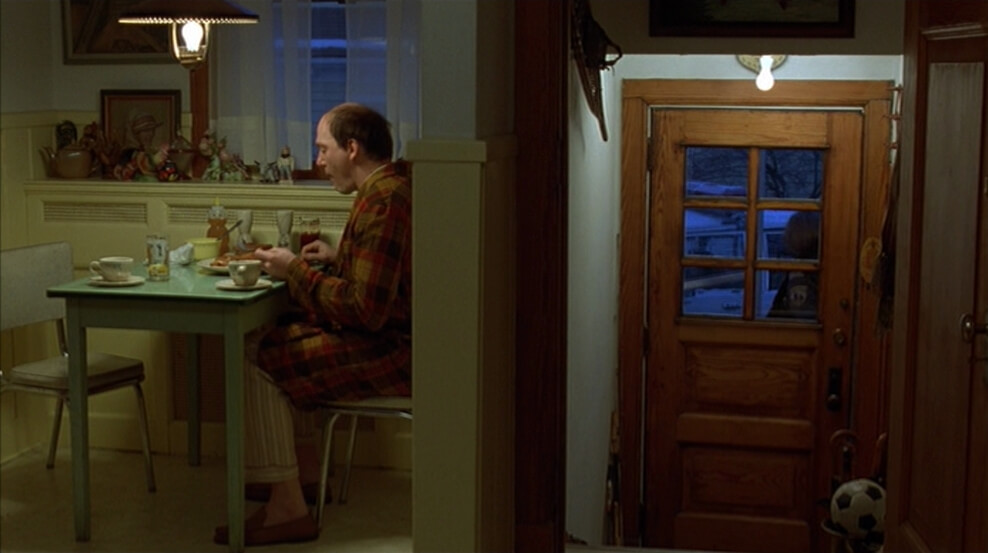
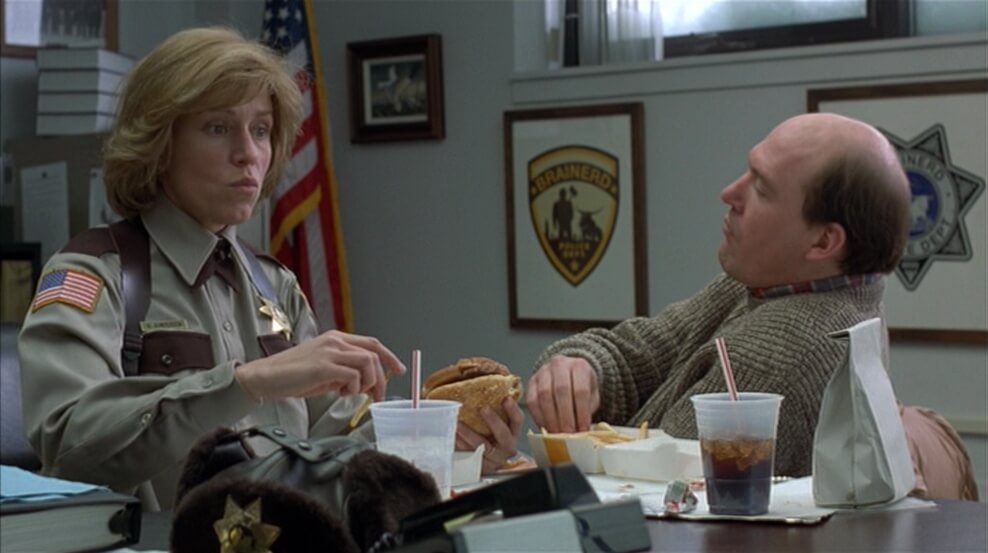
Enter Marge Gunderson (played by Frances McDormand), the very pregnant and sharp-witted police chief in Brainerd, Minnesota. Marge is called in to investigate the trooper’s murder, and despite her unassuming demeanor, she is a highly competent and perceptive investigator. As Marge methodically begins to unravel the crime, the film introduces her home life, showing her relationship with her supportive husband Norm (played by John Carroll Lynch), adding a touch of warmth and normalcy that contrasts sharply with the violent chaos unfolding around her.
Meanwhile, Jerry’s personal life becomes more complicated as Wade, his father-in-law becomes suspicious of the ransom demands. Wade decides to take matters into his own hands and refuses to let Jerry handle the negotiations. The tension between Wade and Jerry builds as Wade insists on delivering the ransom himself. This complicates Jerry’s already shaky plan, as the ransom amount is far higher than Carl and Gaear initially expected.


As the story progresses, Carl and Gaear’s partnership begins to deteriorate. Carl grows increasingly frustrated with Gaear’s cold and remorseless attitude, particularly after Gaear kills several more people without hesitation. Carl’s attempts to negotiate the ransom with Wade end in violence when Wade is shot and killed during their meeting. Carl is also severely wounded in the process but manages to escape with the money.
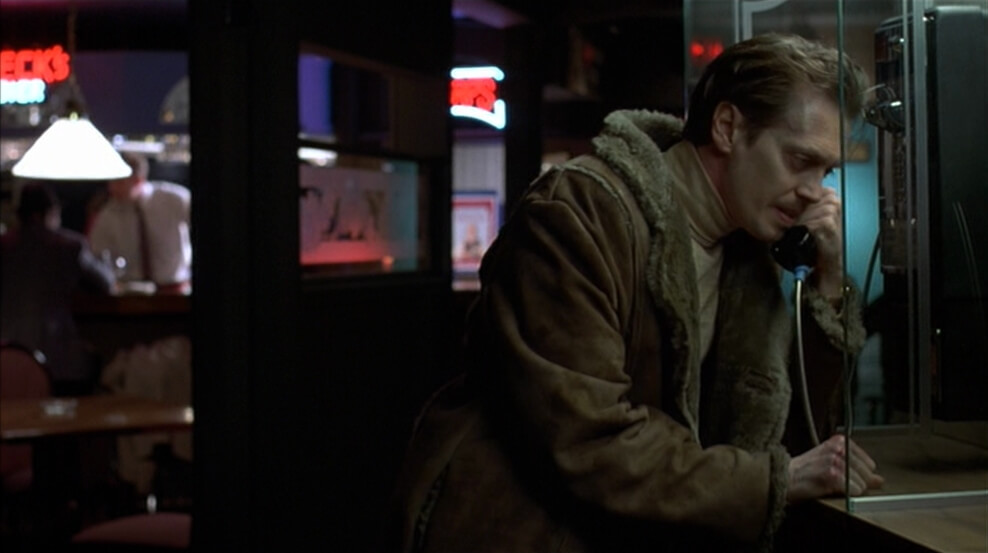
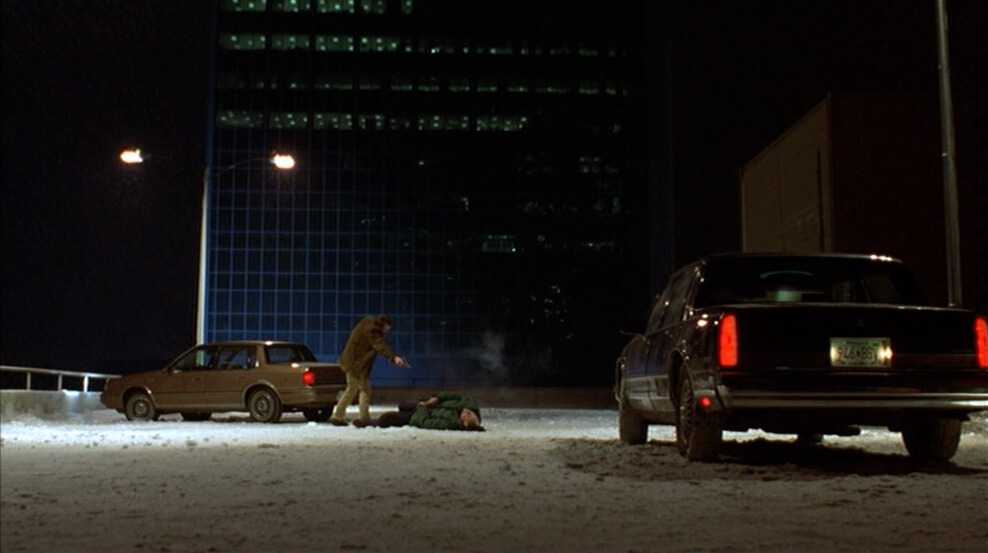
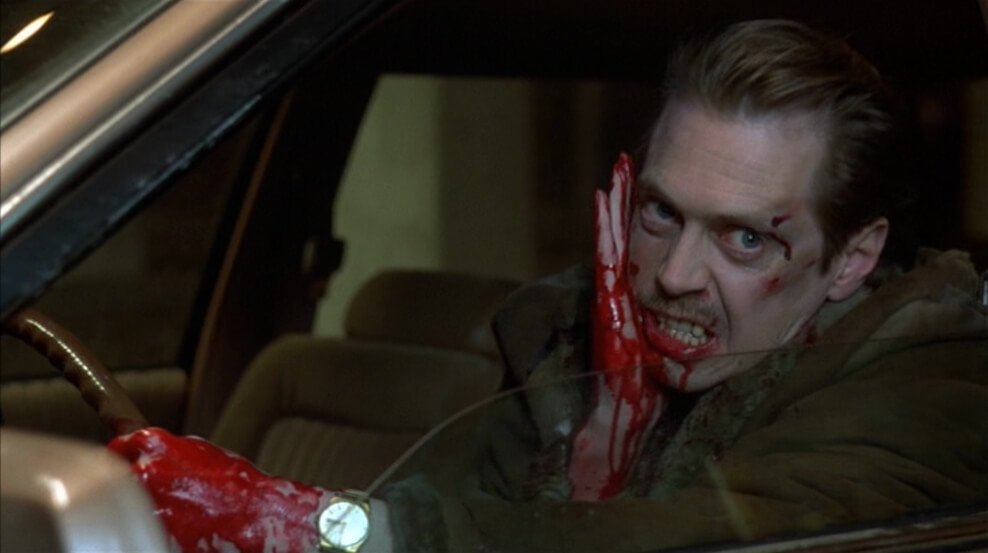
However, Gaear’s lack of remorse for their escalating crimes becomes too much for Carl, and the two partners’ relationship reaches a breaking point. In one of the film’s most memorable scenes, Gaear kills Carl after a dispute over the stolen money, chopping his body up with a wood chipper in a stark and shocking display of brutality.
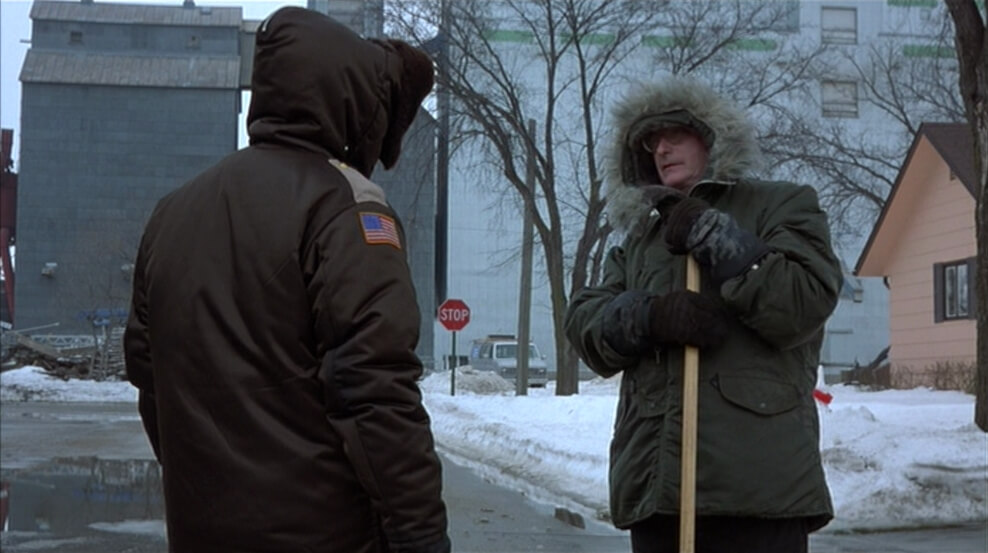
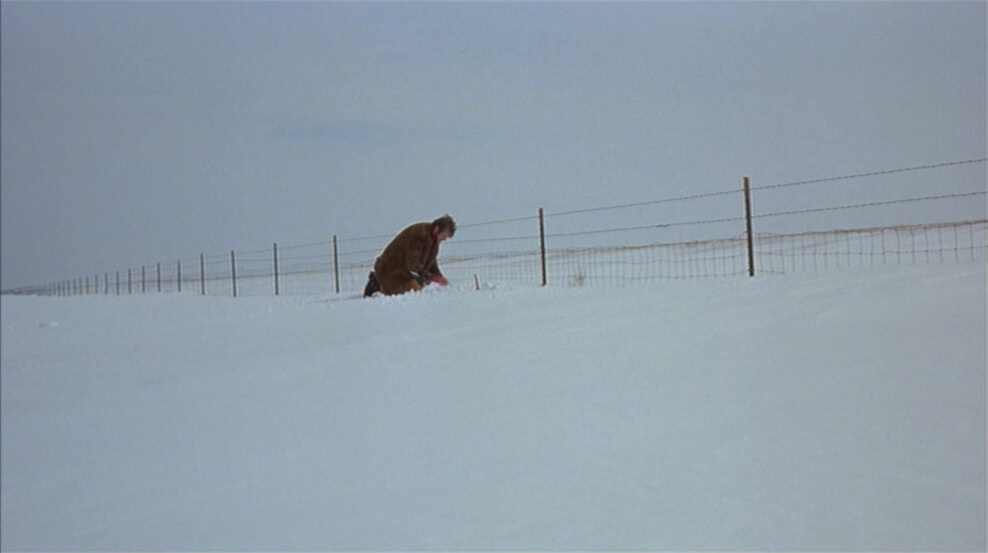
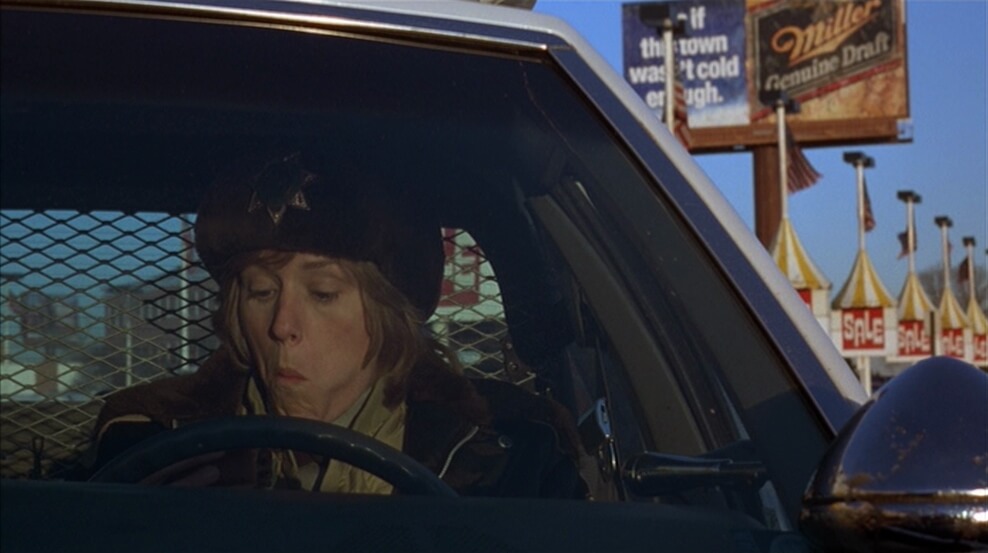
At this point, Marge’s investigation has led her closer to Jerry, Carl, and Gaear. Her persistent and calm interrogation of various characters, including Jerry, exposes the flaws in their stories, particularly Jerry’s increasingly nervous and erratic behavior. Sensing something off about Jerry, Marge begins to suspect that he is involved in the kidnapping and subsequent crimes. Jerry attempts to flee but is eventually caught, bringing his failed plan to a pathetic end.

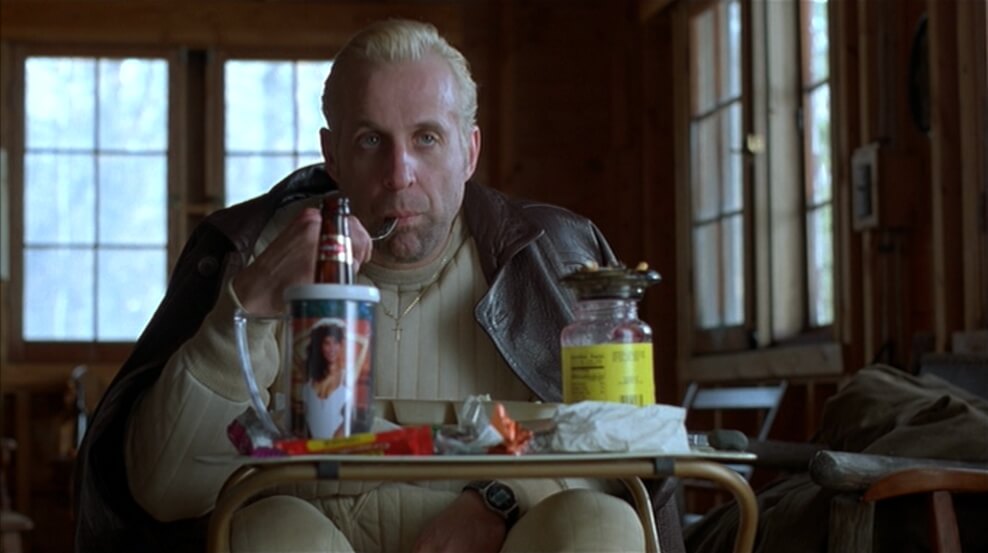
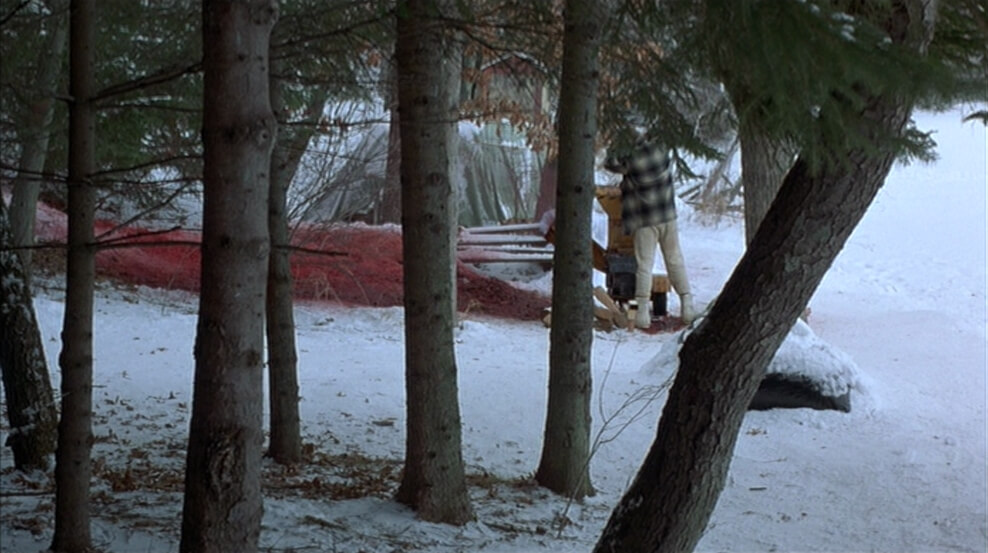
The film’s climax occurs at the remote cabin where Gaear is hiding. Marge arrives at the scene just in time to catch Gaear as he disposes of Carl’s body in the wood chipper. Gaear is arrested without further incident, and Marge delivers him to justice calmly and collectedly, offering no sympathy for his brutality.

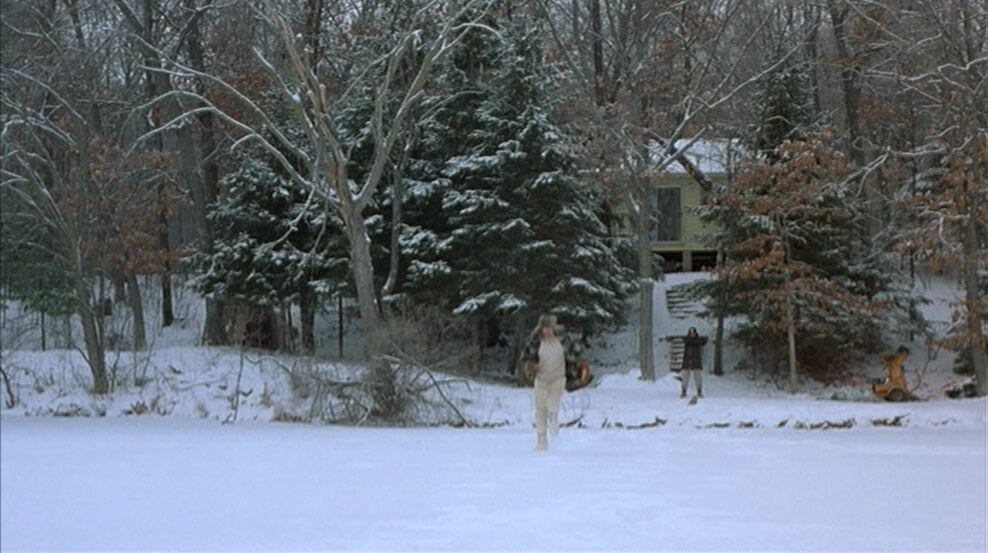
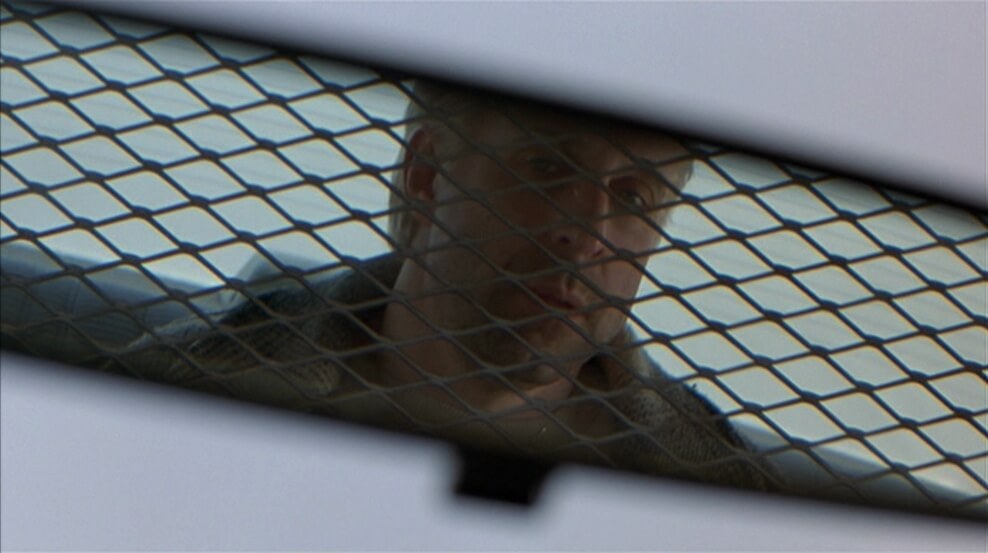
The film concludes with Marge returning home to her peaceful life with Norm. The couple reflects on their ordinary, contented existence, with Norm proudly sharing that one of his paintings is featured on a stamp. Marge’s calm return to domestic life, despite the horrific violence she has just encountered, serves as a reminder of the stark contrast between the absurdity and chaos of human greed and the simple, quiet decency of everyday life.
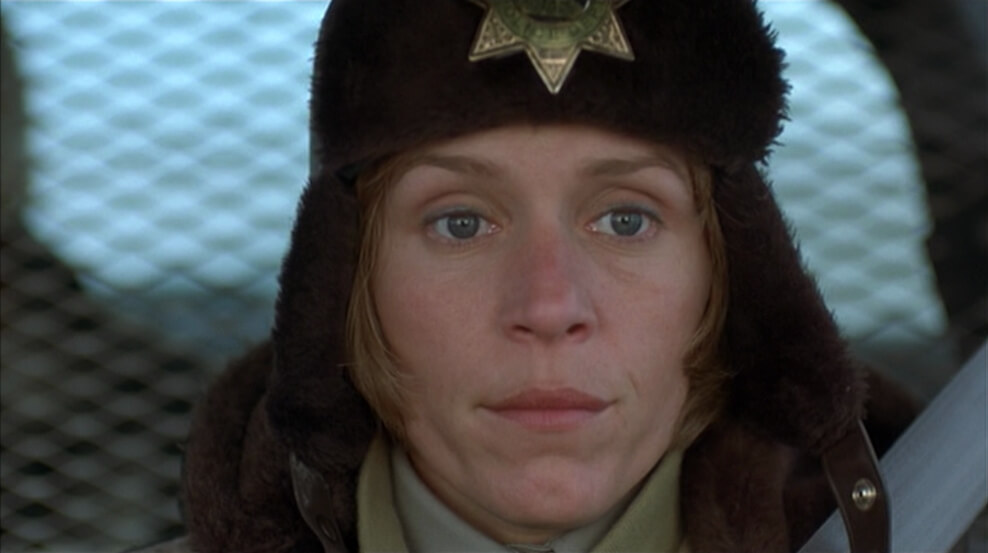
Joel and Ethan Coen directed “Fargo,” which is known for its unique blend of dark humor, crime, and eccentric characters. The Coens’ meticulous attention to detail, masterful control of tone, and idiosyncratic dialogue make “Faro” one of their most beloved and acclaimed films. The Coens’ ability to balance moments of shocking violence with humor and absurdity is a hallmark of their style, and it is fully on display in this film.
 The Other Cinema