
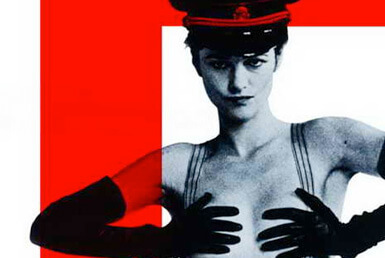
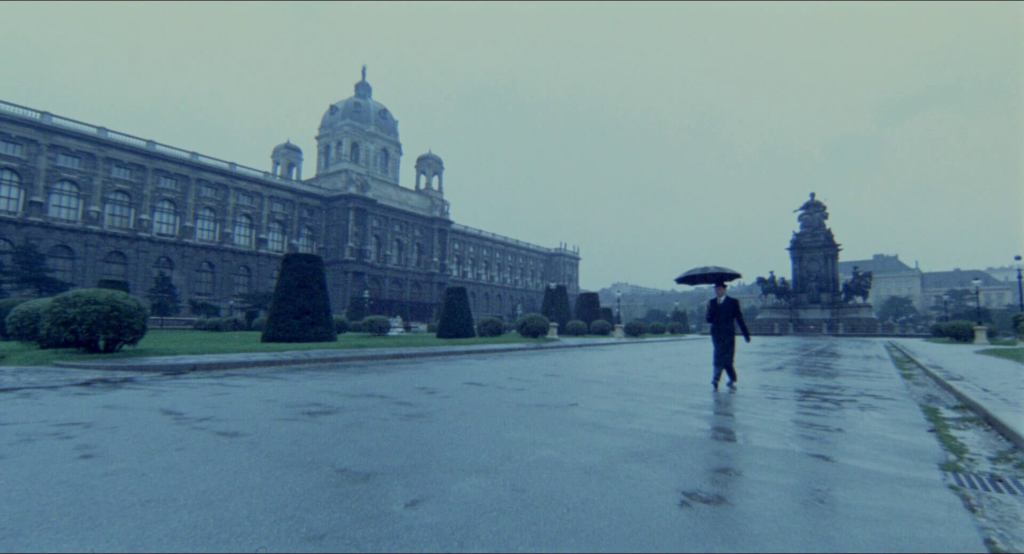
“The Night Porter” (1974) is a controversial psychological drama directed by Liliana Cavani. Starring Dirk Bogarde and Charlotte Rampling, the film is set in post-World War II Vienna and explores the complex and disturbing relationship between a former Nazi officer and a Holocaust survivor. The film delves into themes of trauma, guilt, power dynamics, and the destructive effects of obsession, blurring the lines between victim and oppressor.
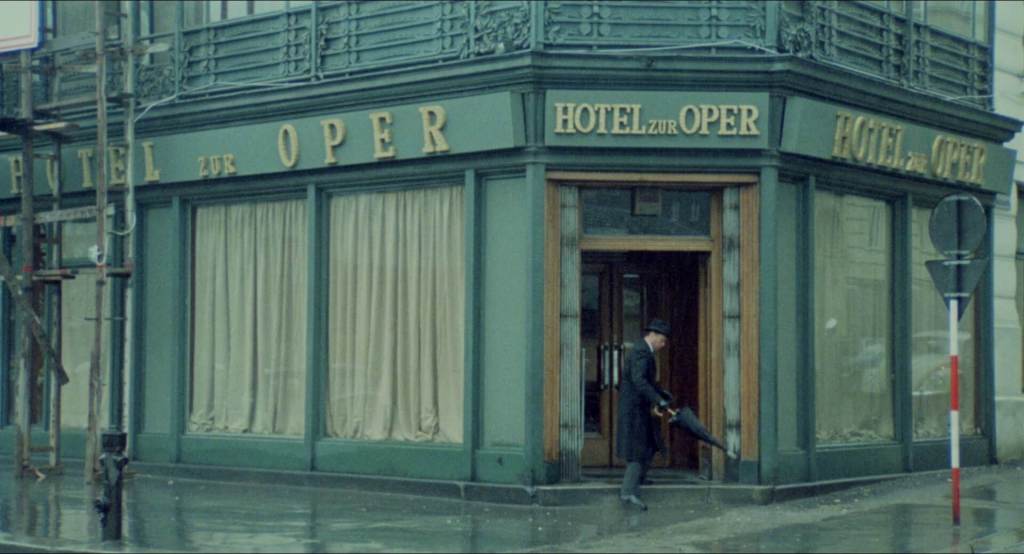
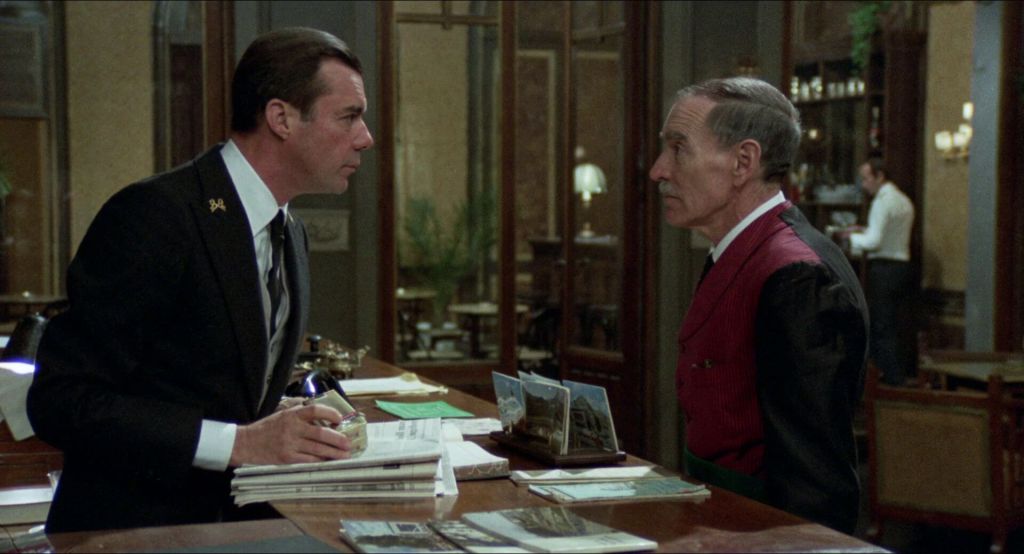

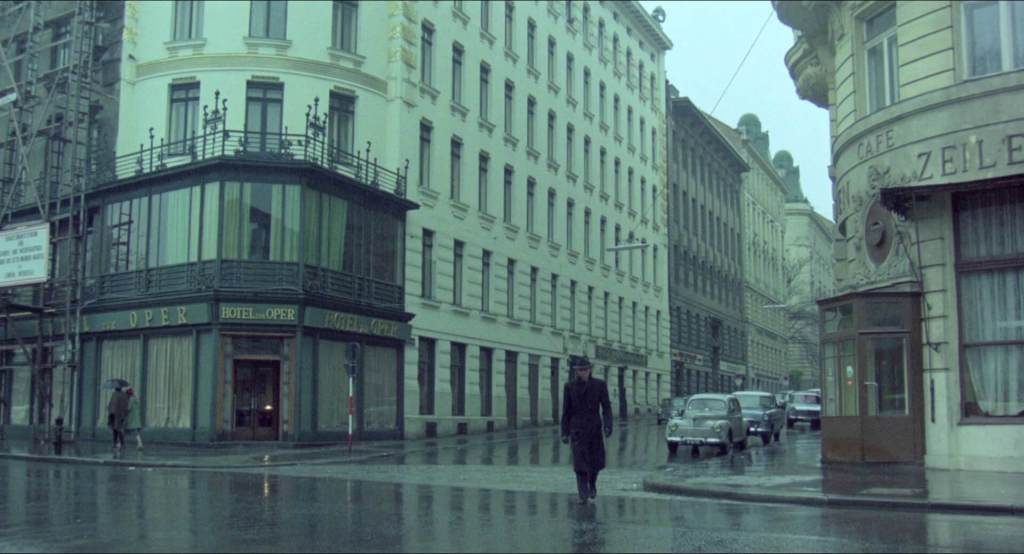
The film begins in 1957, more than a decade after the end of World War II. Maximilian Theo Aldorfer (played by Dirk Bogarde) is a former SS officer now working as a night porter at a luxurious Viennese hotel. Max leads a quiet, reclusive life, hiding from his past and avoiding drawing attention to his former involvement in the Nazi regime. Like many former Nazis, he lives in fear of being exposed and prosecuted for war crimes.

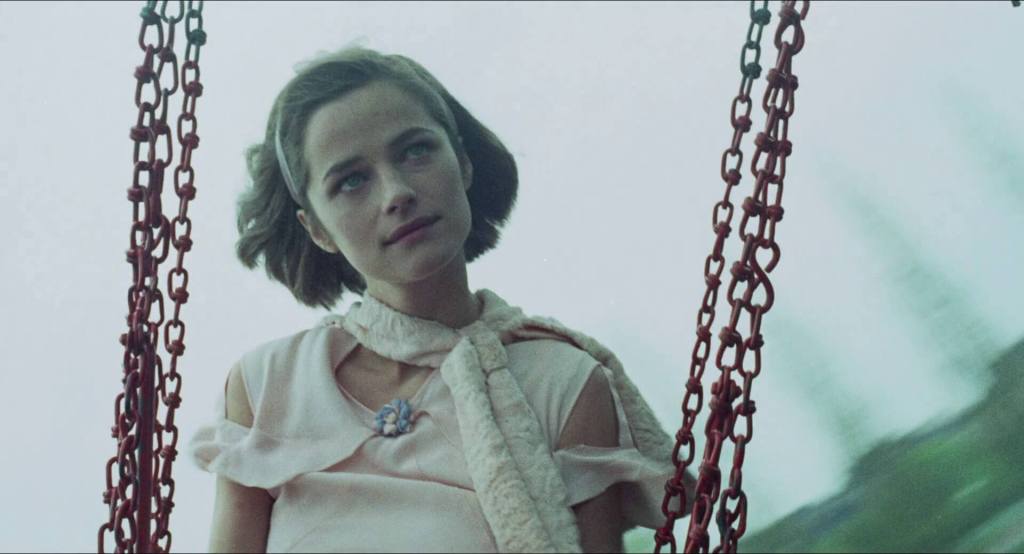
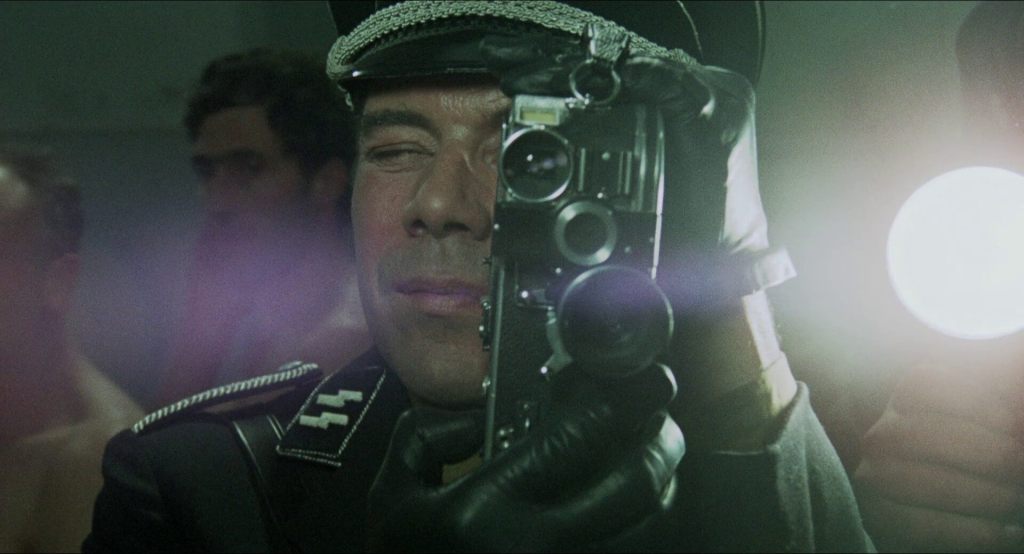

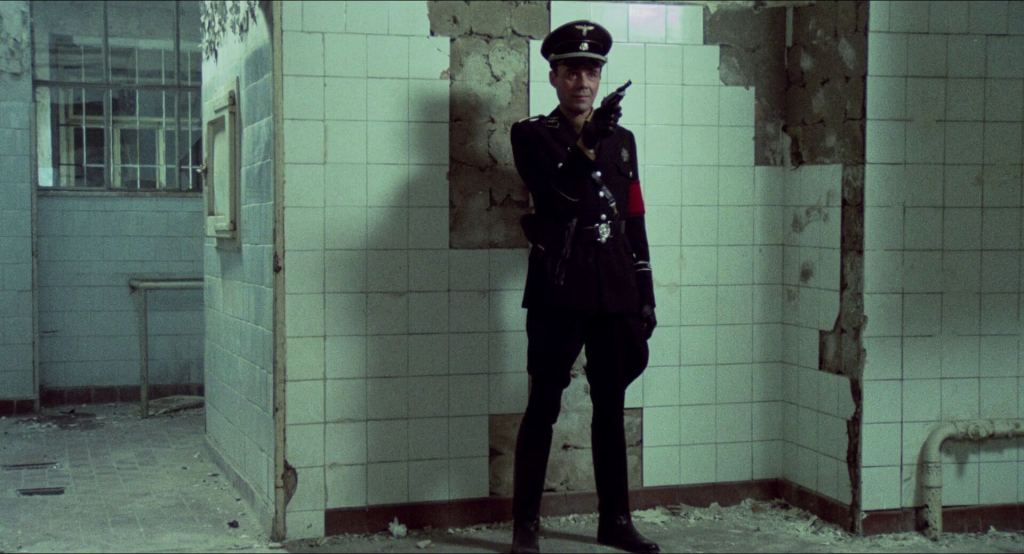
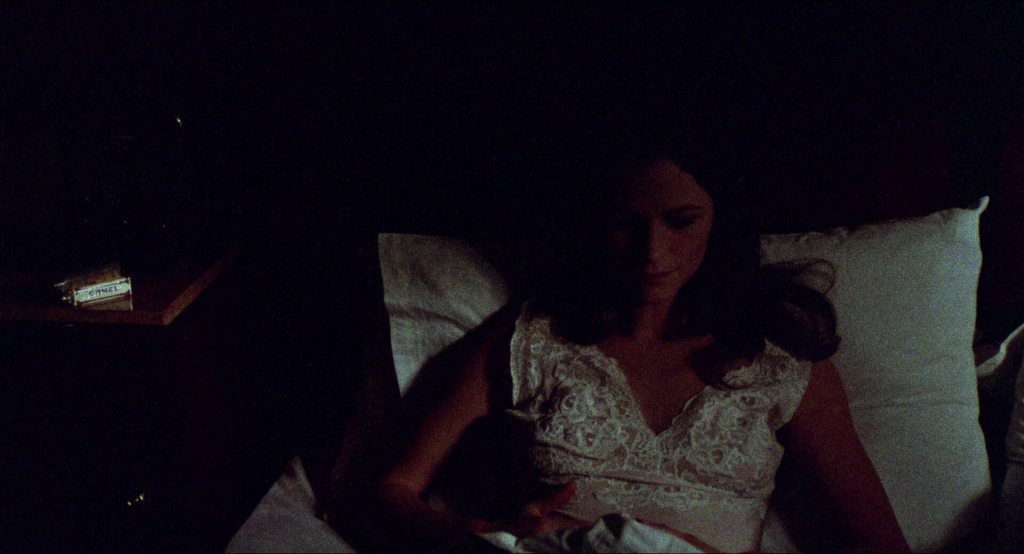
Unbeknownst to the outside world, Max is deeply entangled in his twisted world of guilt and denial. He remains involved with a group of ex-Nazis who seek to avoid punishment for their wartime atrocities. This group meets secretly to exchange information and erase evidence that could incriminate them, including silencing witnesses. They aim to prevent the consequences of their past crimes and bury their dark secrets.

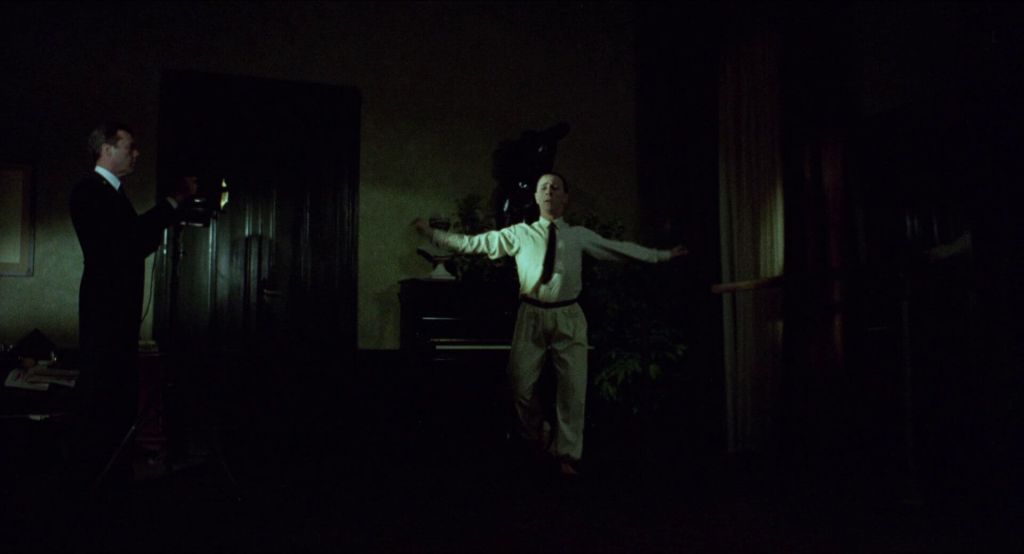

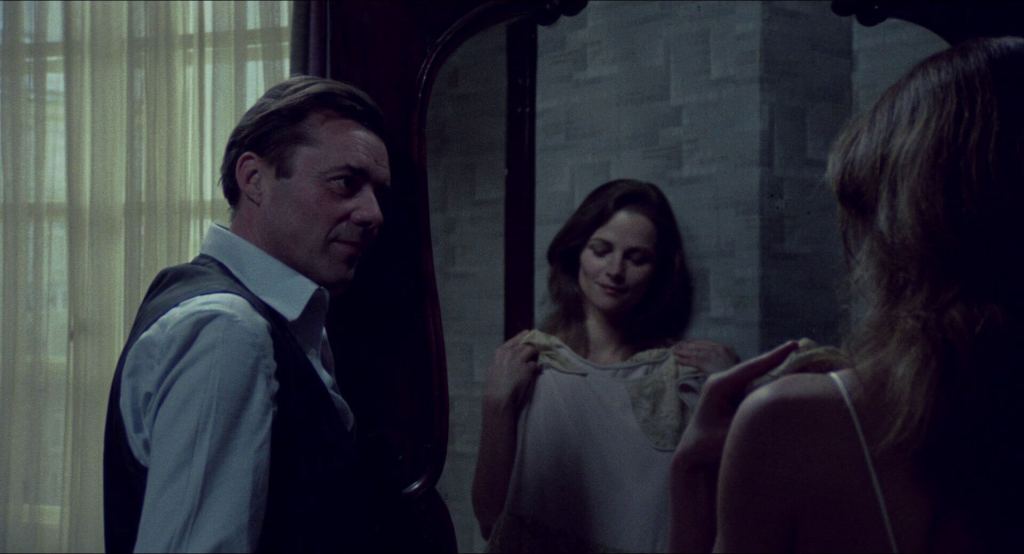
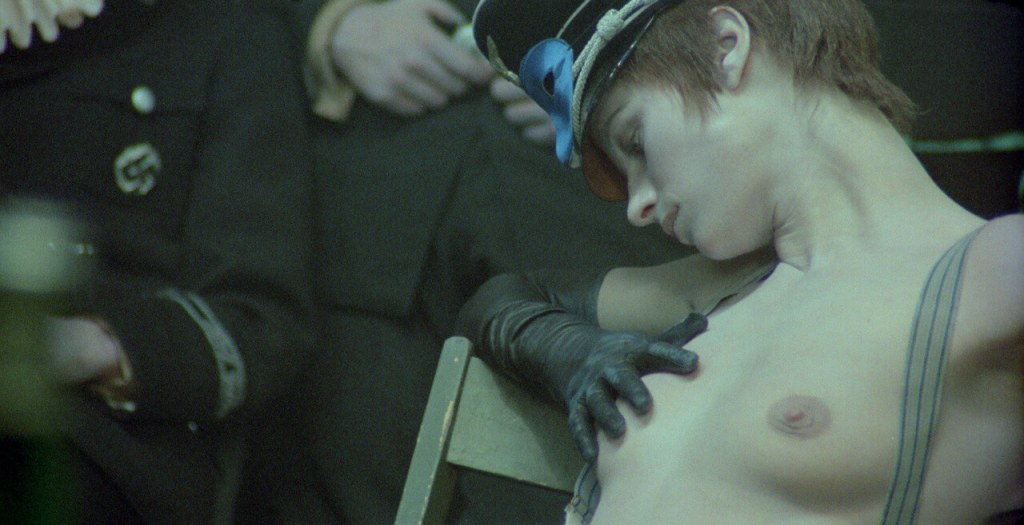
One night, Max encounters Lucia Atherton (played by Charlotte Rampling), a beautiful and fragile woman who checks into the hotel with her husband, Klaus (played by Marino Masé), an American opera conductor. As soon as they see each other, Max and Lucia are thrown into a spiral of memories as it becomes clear they share a dark and intimate past. During the war, Lucia had been an inmate at a concentration camp where Max was one of the SS officers. Their relationship, however, was far from typical. Max subjected Lucia to a twisted form of psychological and sexual domination, and she, in turn, became both his victim and his lover.
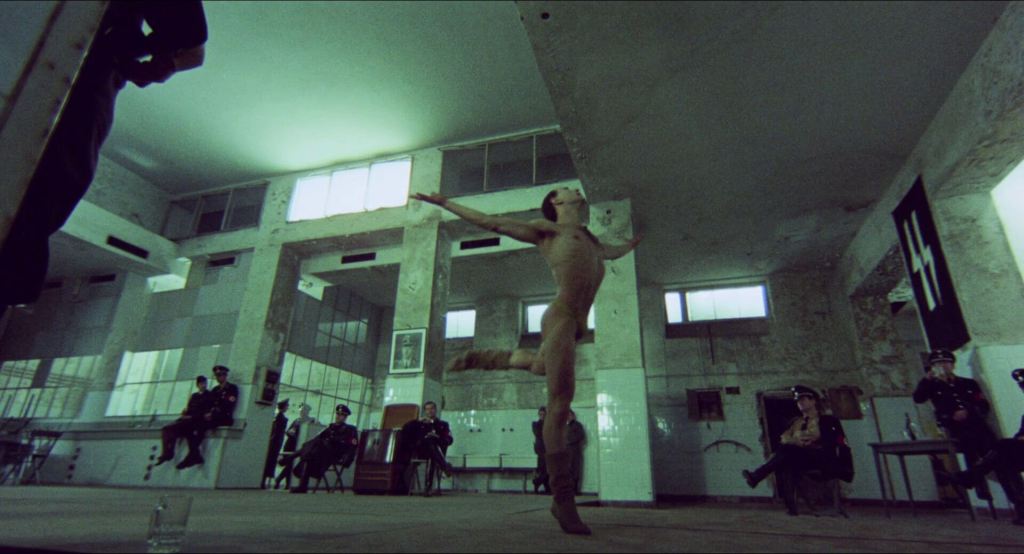

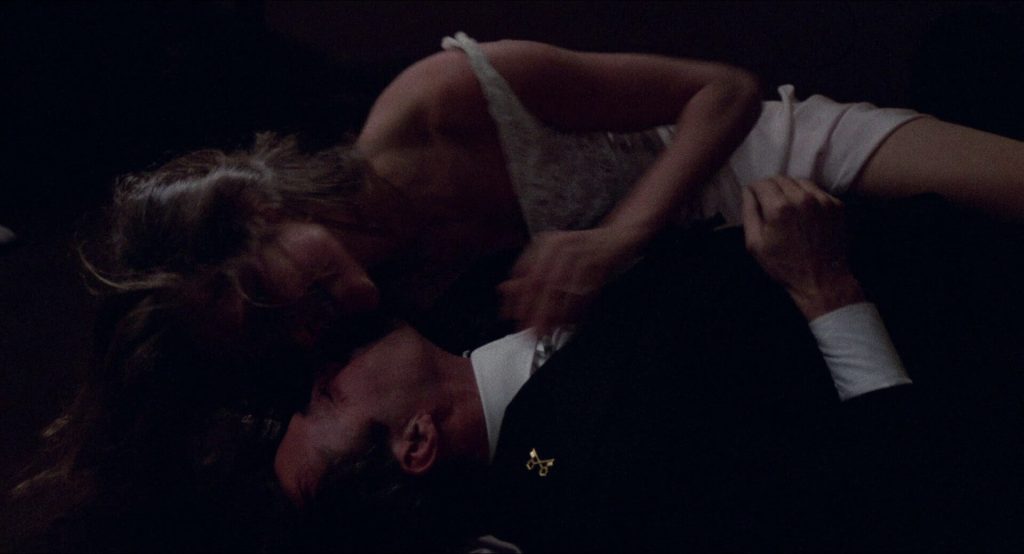
Their reunion awakens long-suppressed memories and rekindles the sadomasochistic relationship that defined their time in the concentration camp. The film gradually reveals flashbacks to their past, showing the brutal and dehumanizing conditions of the camp and how Max and Lucia’s relationship developed amid the horrors of the Holocaust. The power dynamics between them were warped as Max exerted control over Lucia, yet their relationship transcended typical victim-oppressor boundaries. Max was both her tormentor and protector, while Lucia, caught in the trauma of her circumstances, appeared to develop a form of emotional dependency on him.
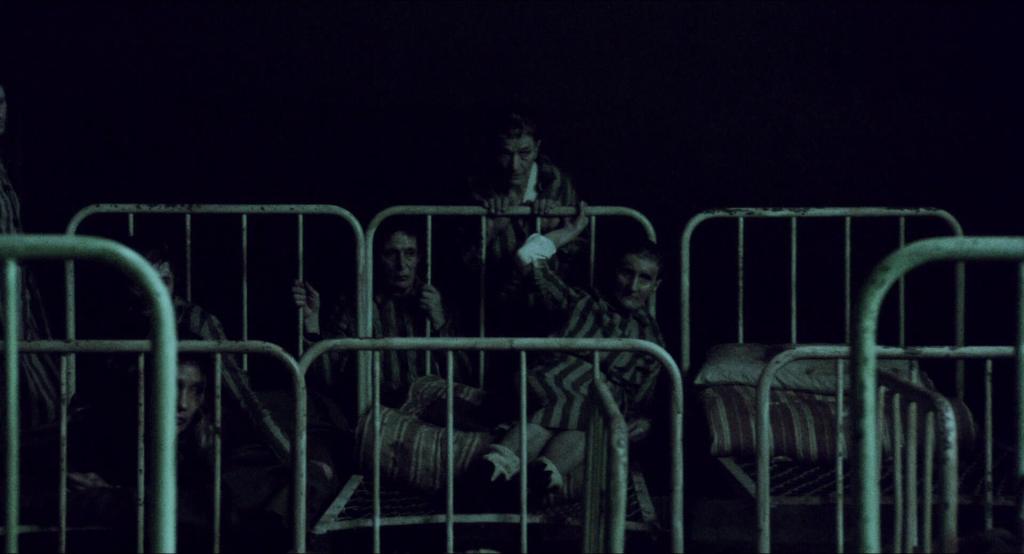
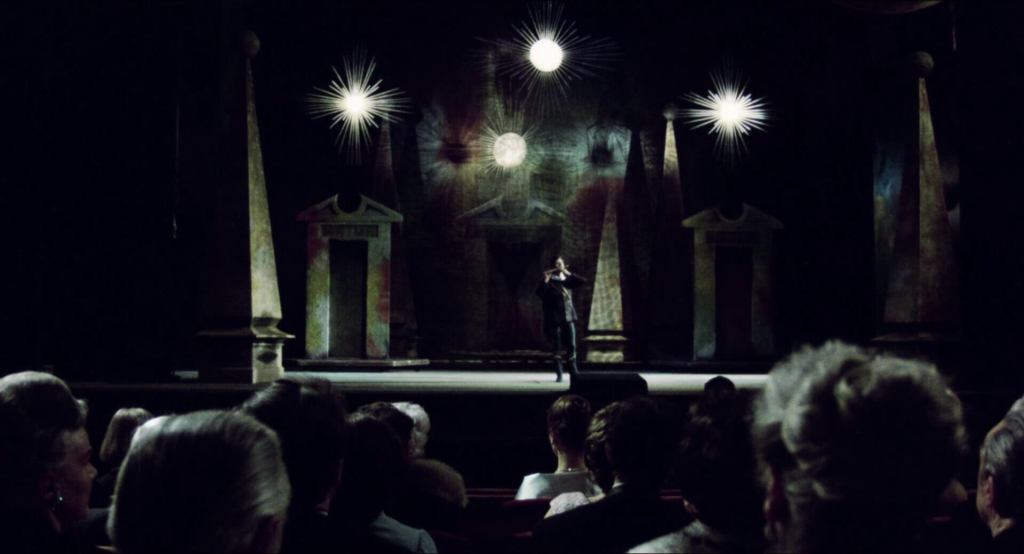
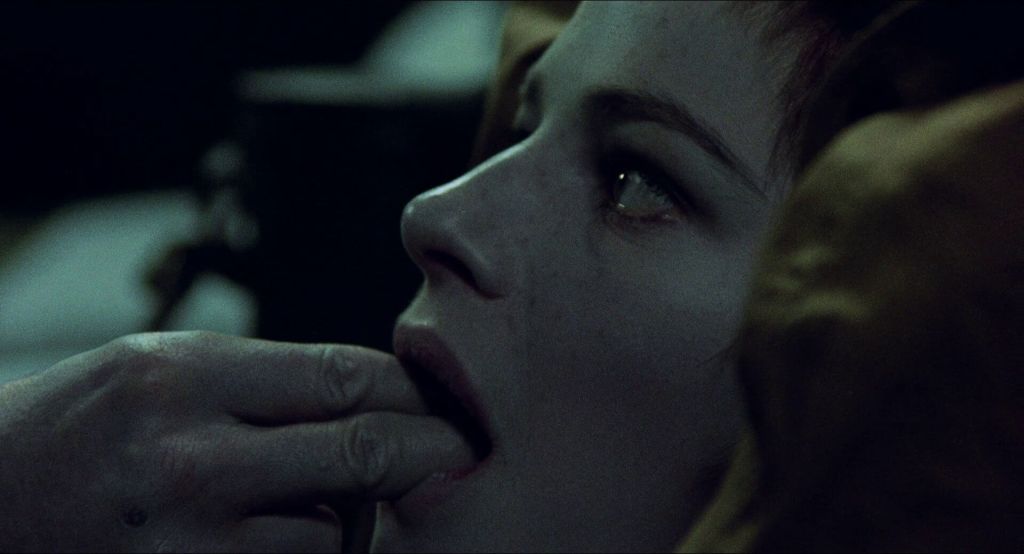
Lucia, now seemingly free and living a “normal” life with her husband, becomes drawn back into her traumatic past. She is unable to resist the hold Max still has over her. The film explores the psychological scars left by the war and how both characters are haunted by their shared history. Despite the horrors they endured and inflicted, they cannot escape their mutual obsession. Their relationship becomes a toxic and insular world where they re-enact their former roles, locked in a cycle of abuse and complicity.
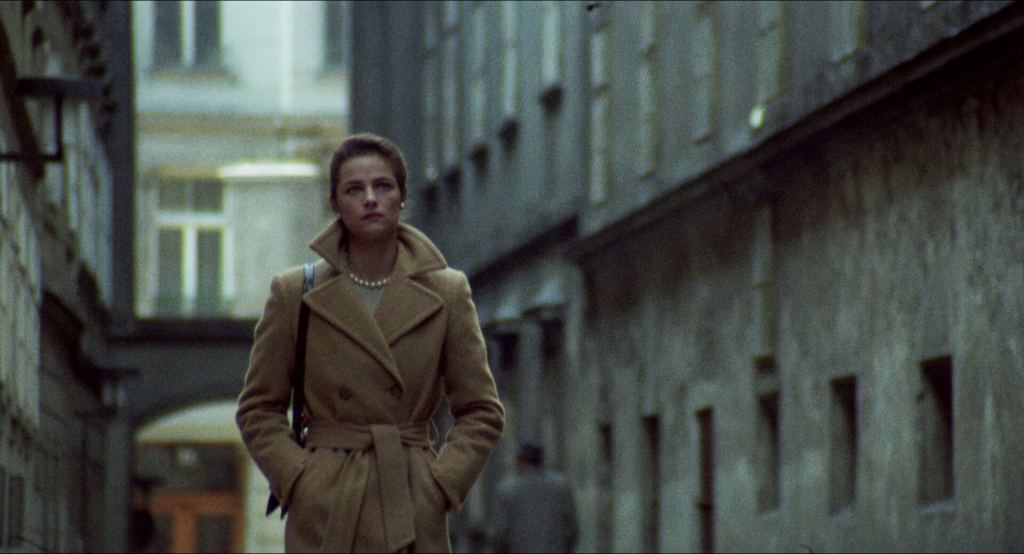
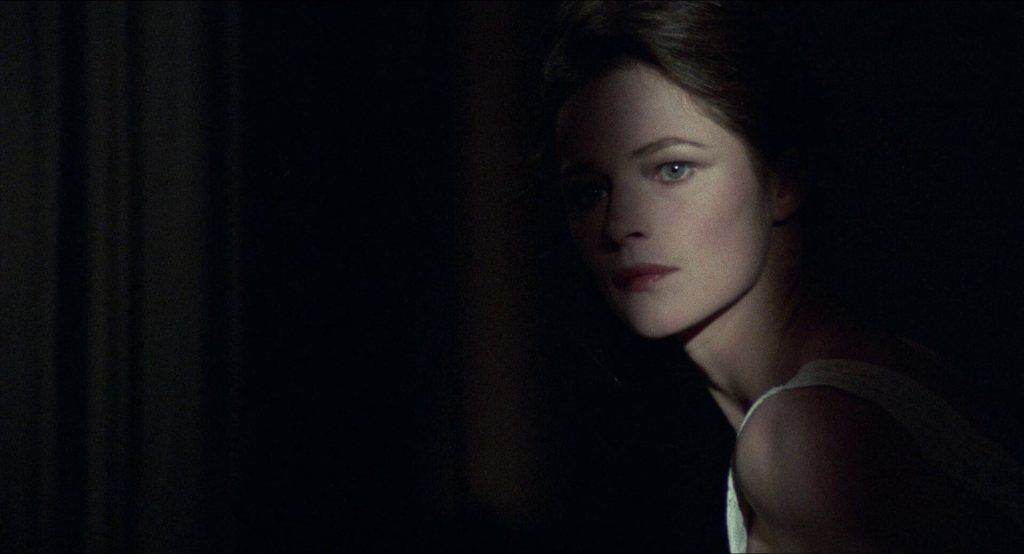

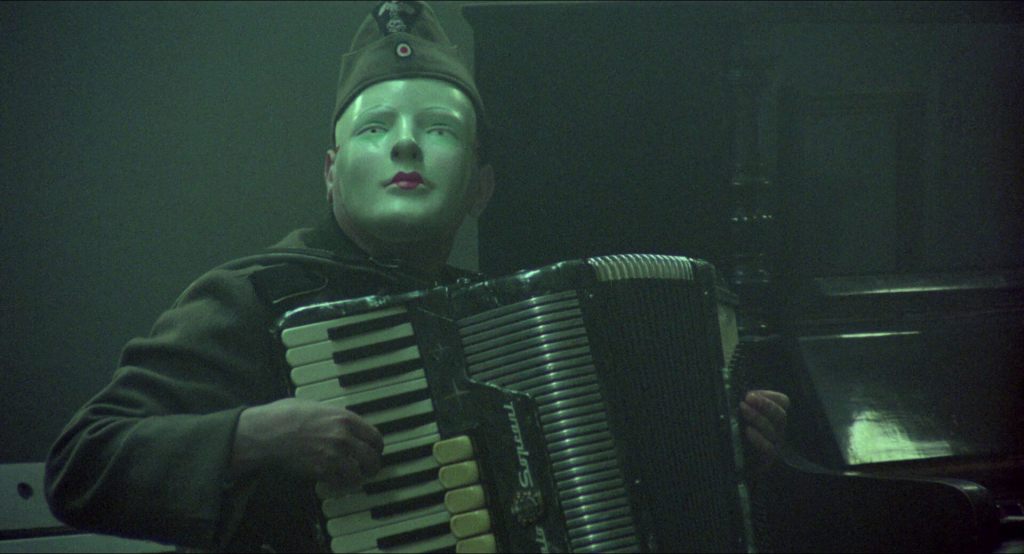
Max’s involvement with his Nazi comrades complicates matters further. The group knows Lucia’s presence in Vienna and perceives her as a threat. They believe that she could expose Max’s past and, by extension, their own war crimes. The group pressures Max to get rid of Lucia, fearing that her knowledge of their past actions could threaten their secret society’s existence.
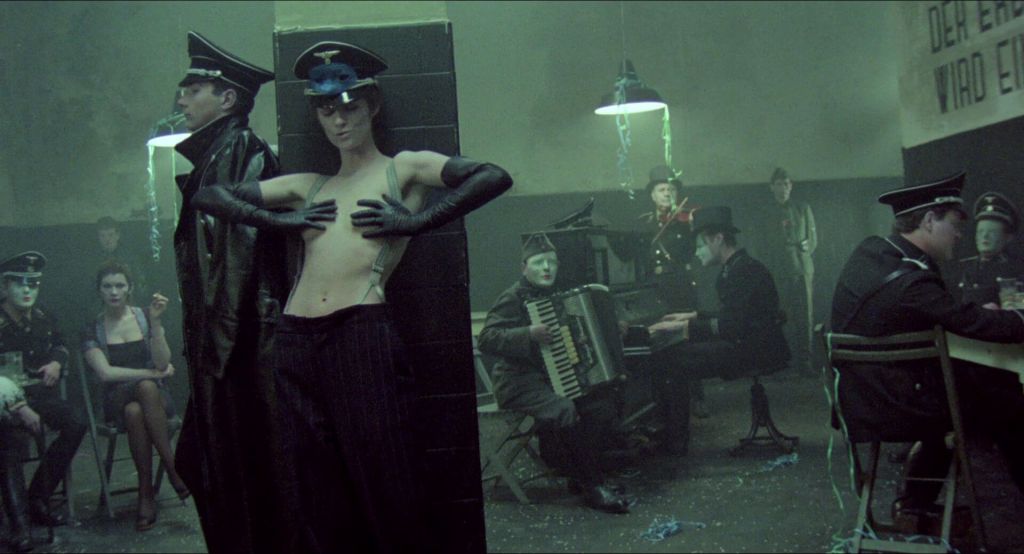
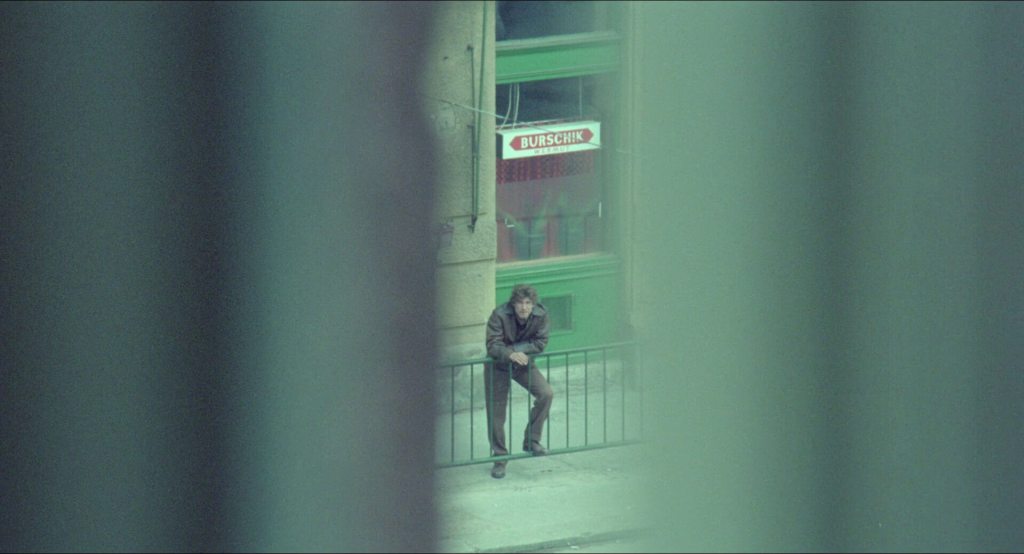
Instead of following their orders, Max protects Lucia, refusing to allow his former comrades to harm her. The two retreat to Max’s apartment, where they isolate themselves from the outside world, attempting to recreate the all-consuming intensity of their former relationship. Their bond grows darker and more obsessive inside the apartment as they abandon any pretense of leading everyday lives. The couple becomes utterly dependent on each other, with Max forsaking everything to preserve the connection they once shared.
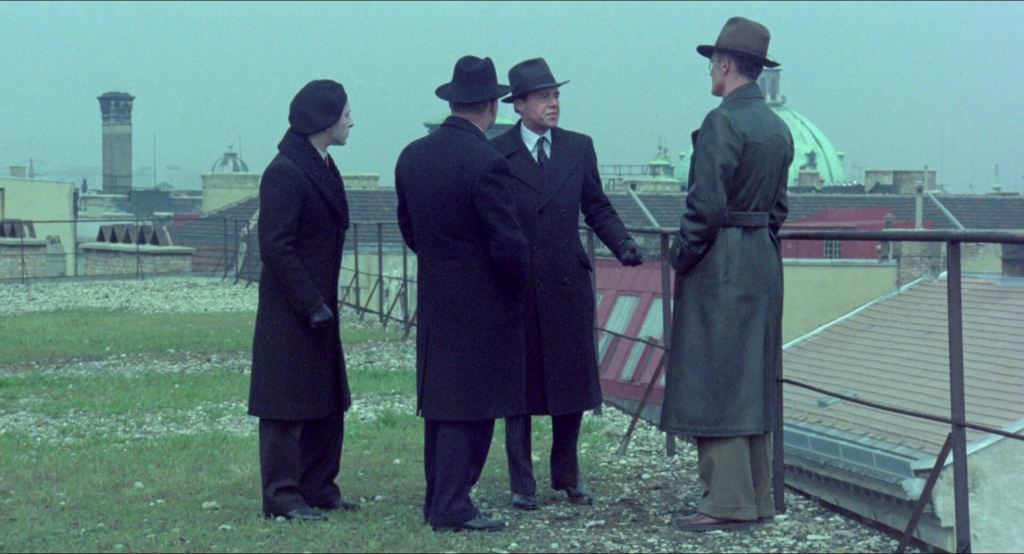
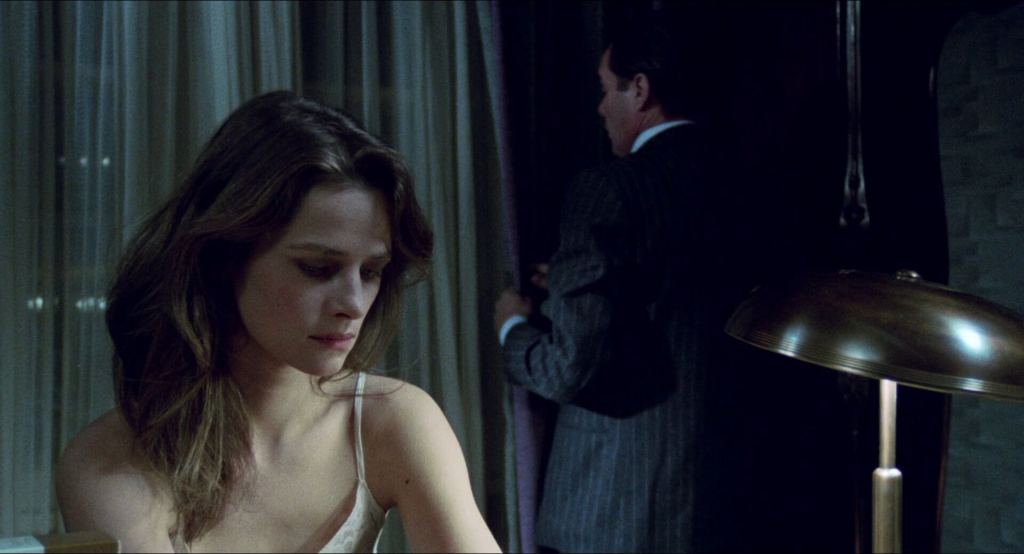

As the days pass, Max and Lucia’s situation becomes more desperate. Trapped in their cycle of sadomasochism, they neglect basic needs like food and communication with the outside world. The apartment becomes a metaphorical prison, representing their inability to escape their past traumas. Eventually, their reclusive lifestyle draws the attention of Max’s former Nazi associates, who grow more insistent that Max must deal with Lucia before she exposes them.
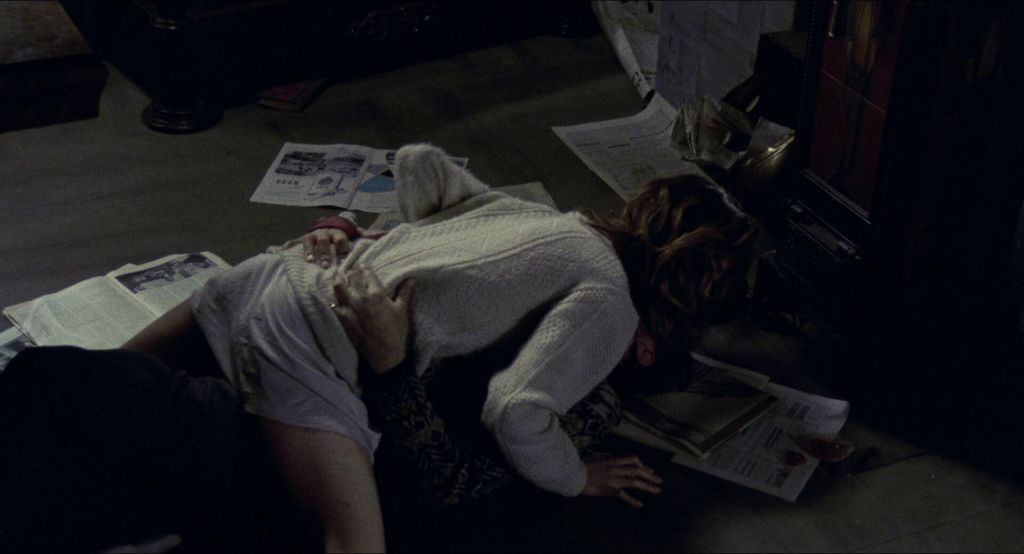

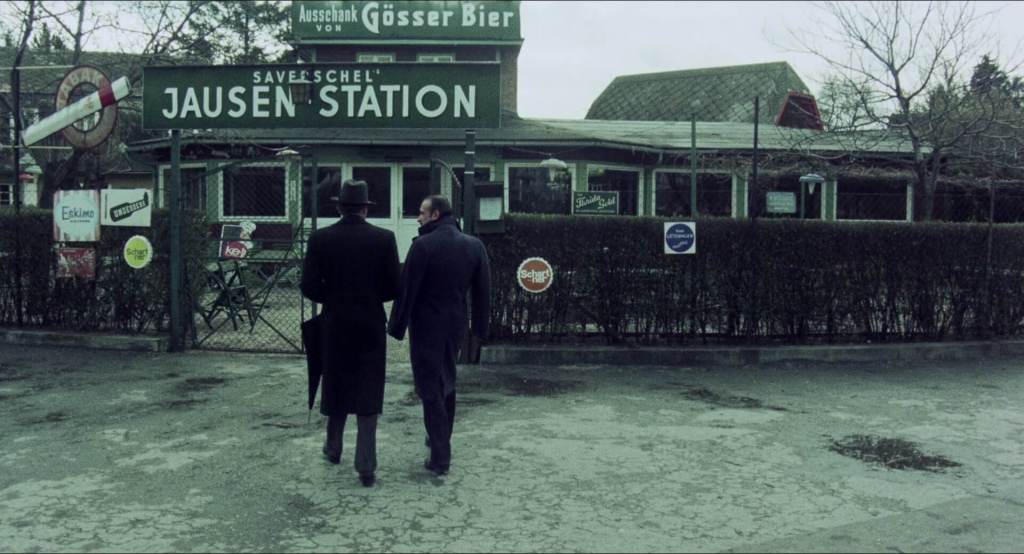
The film builds toward a tragic conclusion. Max and Lucia, realizing there is no escape from their situation or the consequences of their shared history, choose to confront their fate together. As their former comrades close in on them, Max and Lucia step outside, hand in hand, only to be gunned down by members of the ex-Nazi group. Their deaths signify the inescapable nature of their trauma and the destructive power of their relationship.
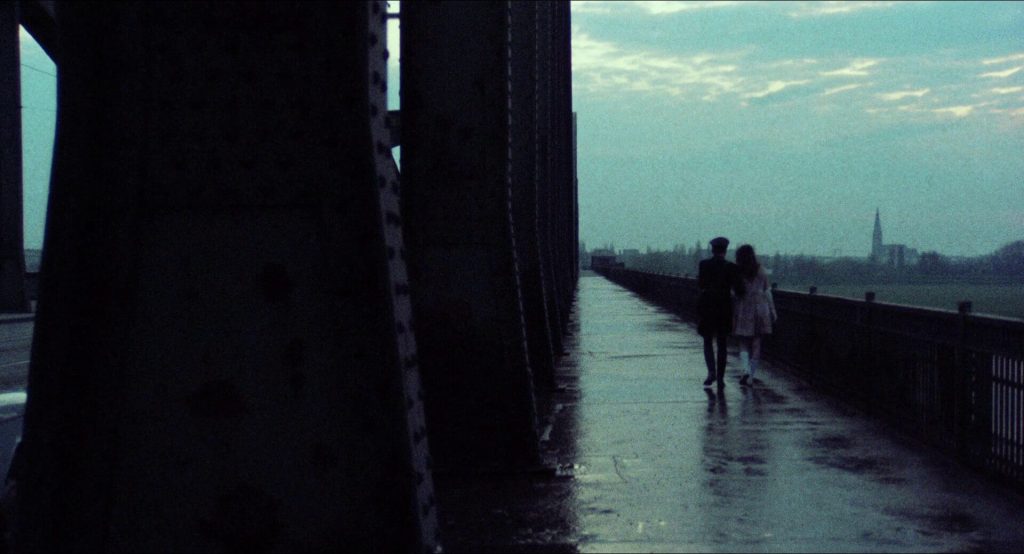
“The Night Porter” is a complex and disturbing examination of trauma, memory, and the psychological impact of the Holocaust on both survivors and perpetrators. The film delves into the nature of guilt, shame, and obsession, raising unsettling questions about power, victimhood, and complicity. Max and Lucia’s relationship is central to the film’s exploration of the blurred lines between predator and prey, embodying different aspects of victimhood and domination.
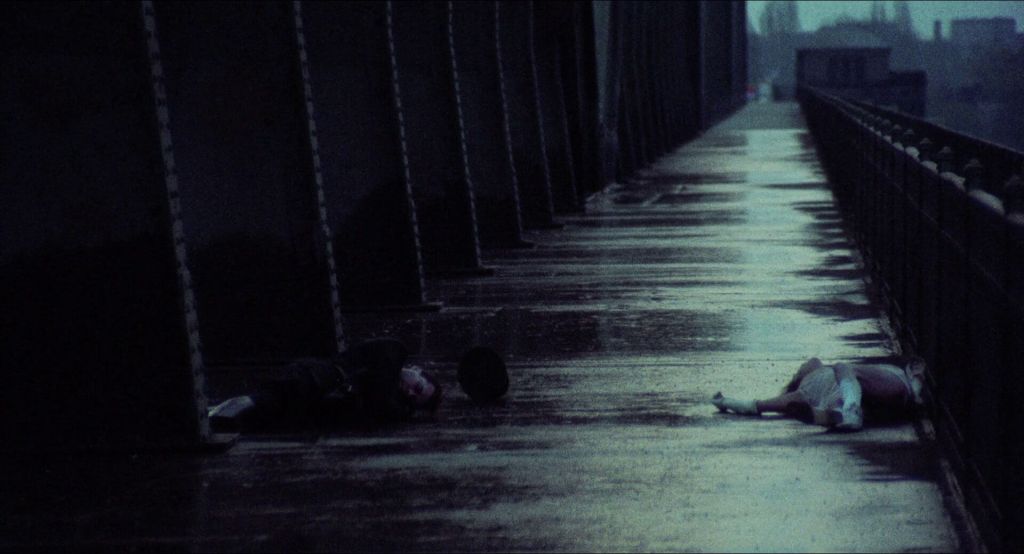
At the film’s heart is the theme of the inescapability of the past. Max and Lucia are trapped by their memories, unable to move forward with their lives. Their reunion is not a chance for redemption but a return to the perverse relationship that defined their existence during the war. The film suggests that they are both irrevocably damaged by the trauma they endured, and their reunion only serves to perpetuate their shared suffering.
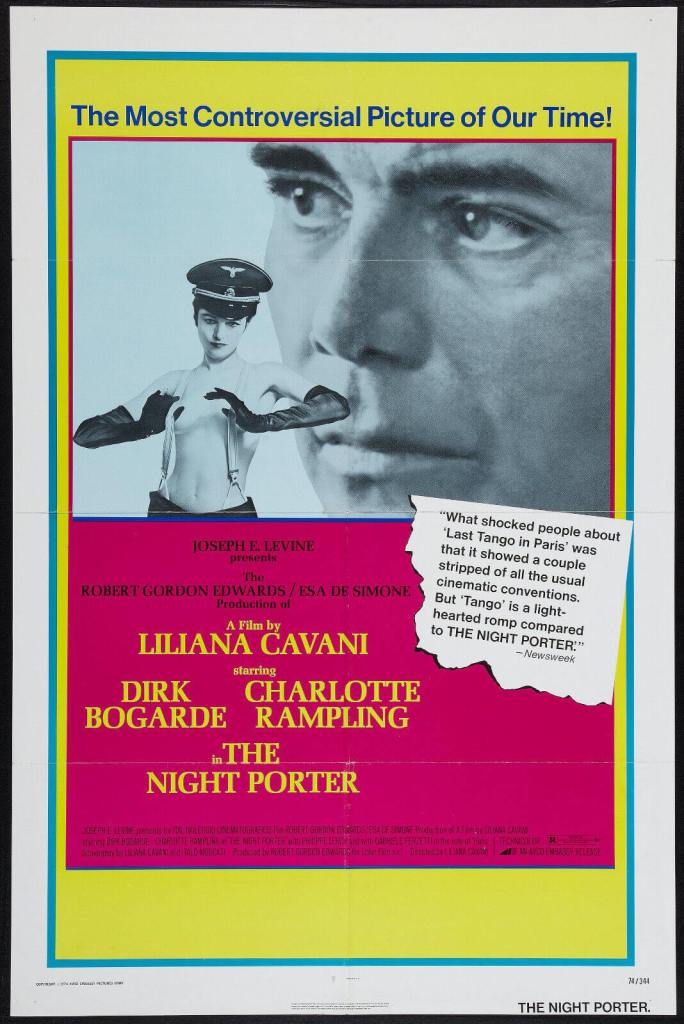
 The Other Cinema