

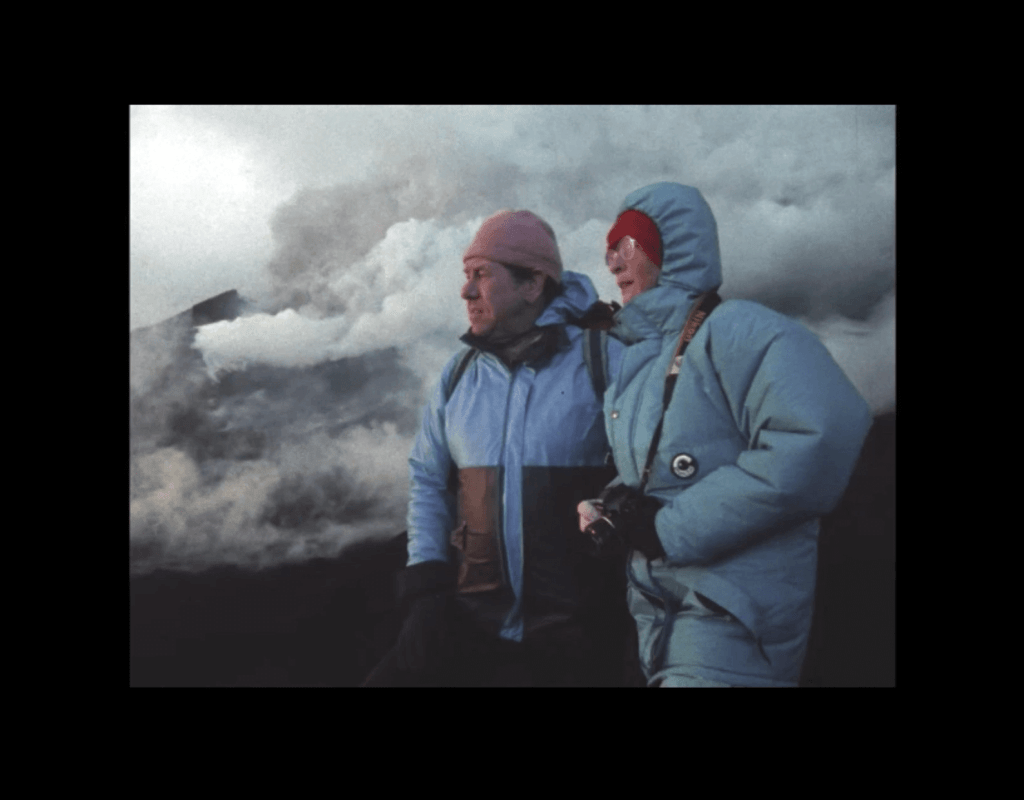


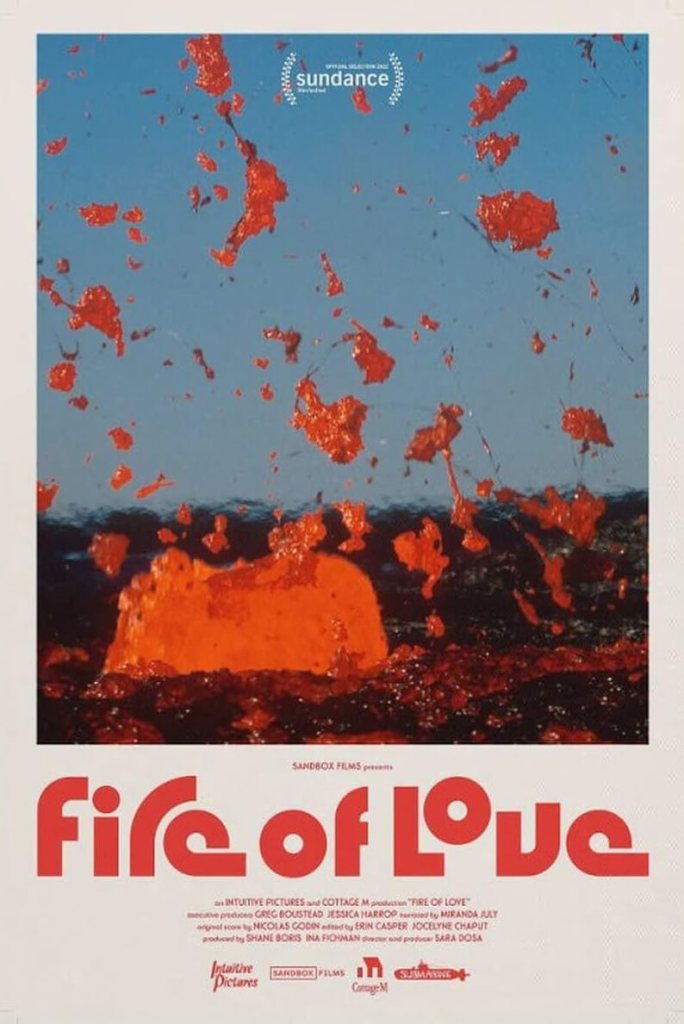
“Fire of Love” (2022) is a visually stunning and profoundly emotional documentary film directed by Sara Dosa. It tells the extraordinary and tragic story of Katia and Maurice Krafft, two renowned French volcanologists who dedicated their lives to studying and capturing the beauty and danger of active volcanoes. The documentary uses archival footage shot by the Kraffts themselves and narration to provide insight into their scientific work, their passionate love for each other, and their mutual obsession with the raw power of nature.
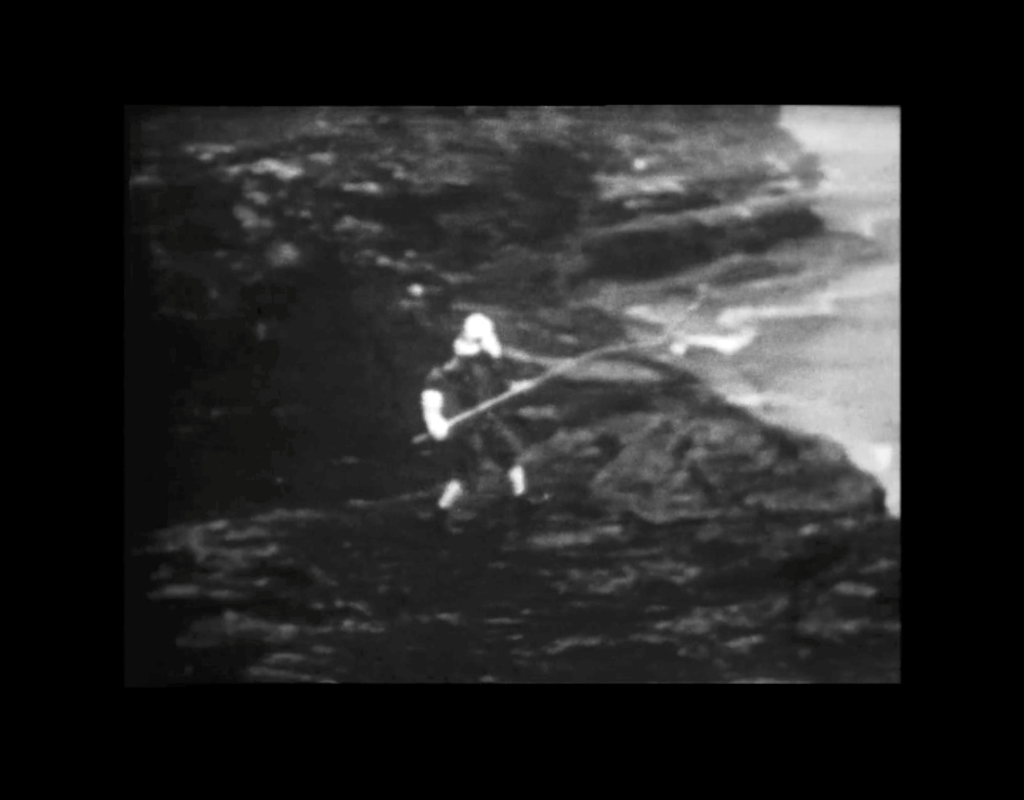
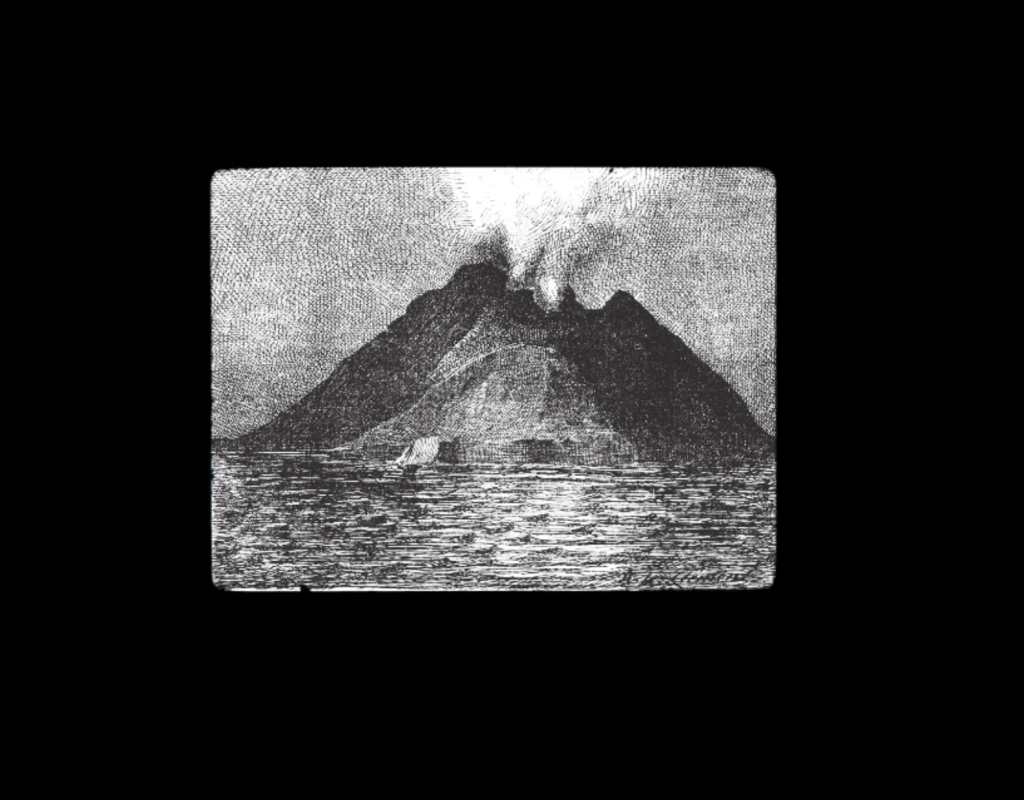

The film introduces Katia Krafft, a geochemist, and her husband, Maurice Krafft, a geologist. Both gained international fame for their groundbreaking work in volcanology. From the start, the documentary establishes their unique bond, as both were drawn to each other and to the unpredictable and often deadly power of volcanoes. Their shared love for exploration and scientific discovery and a fascination for extreme environments formed the foundation of their adventurous life together.
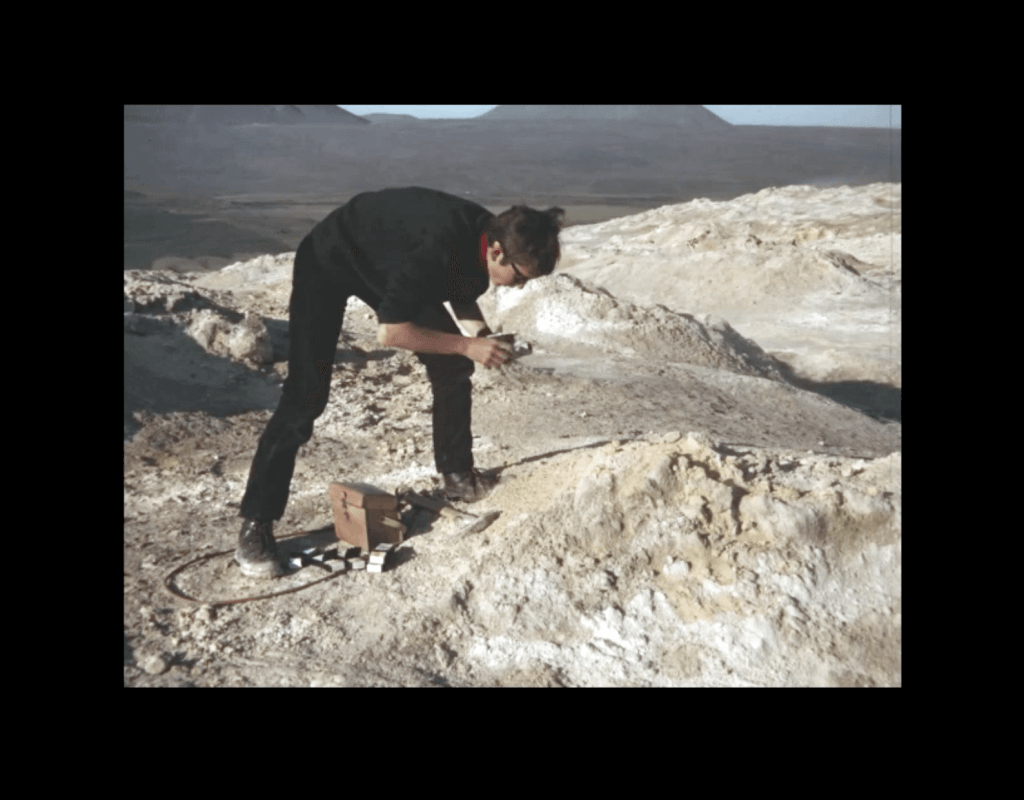
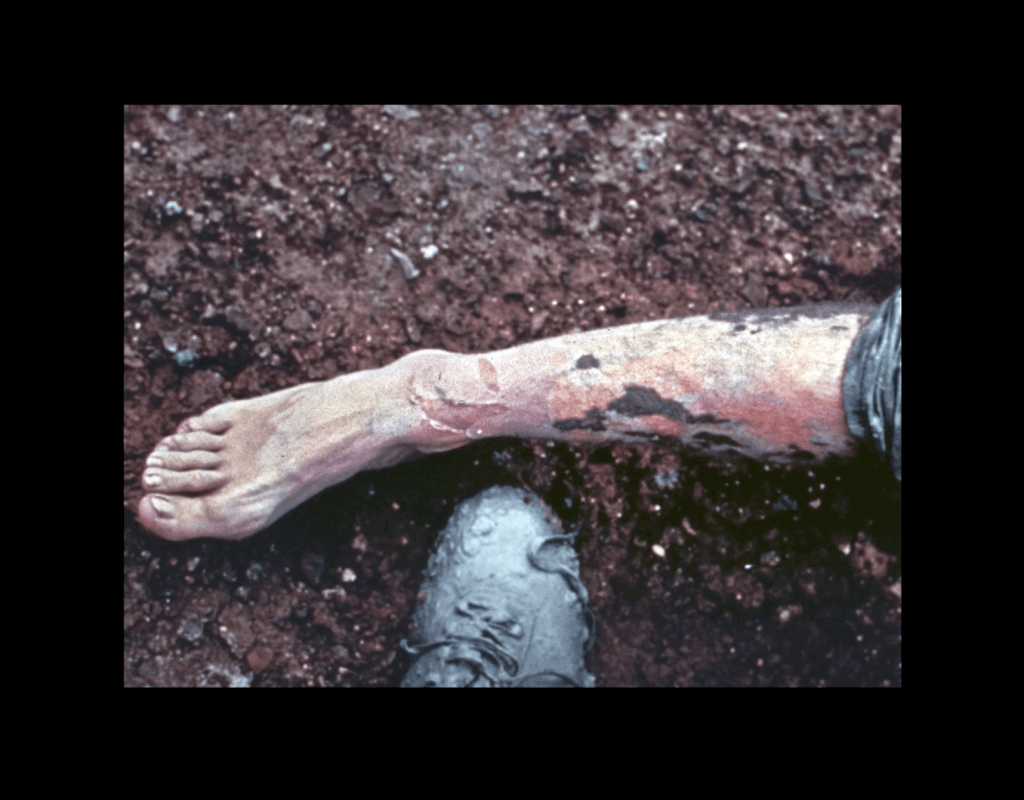

With his larger-than-life personality and thrill-seeking nature, Maurice was known for his deep desire to get as close as possible to active eruptions. Katia, more measured and cautious but equally fearless, was responsible for much of their expeditions’ scientific analysis and photography. Together, they traveled the world, studying some of the most dangerous volcanoes, including those in Iceland, Japan, Indonesia, and the Democratic Republic of the Congo.


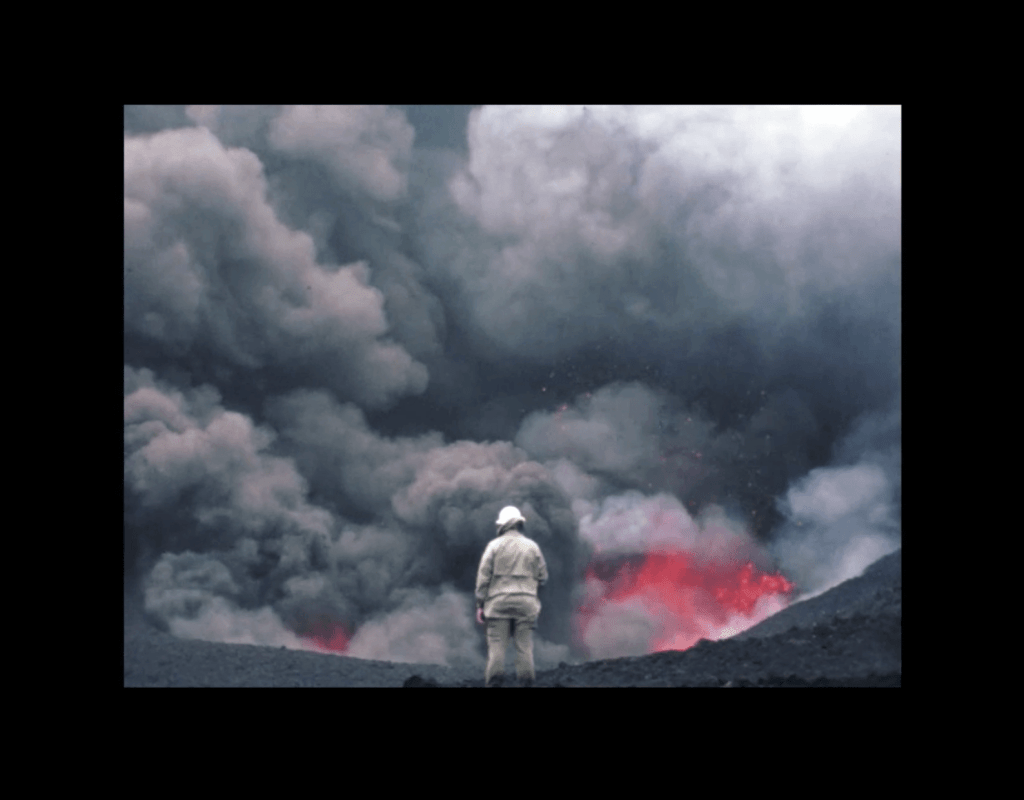
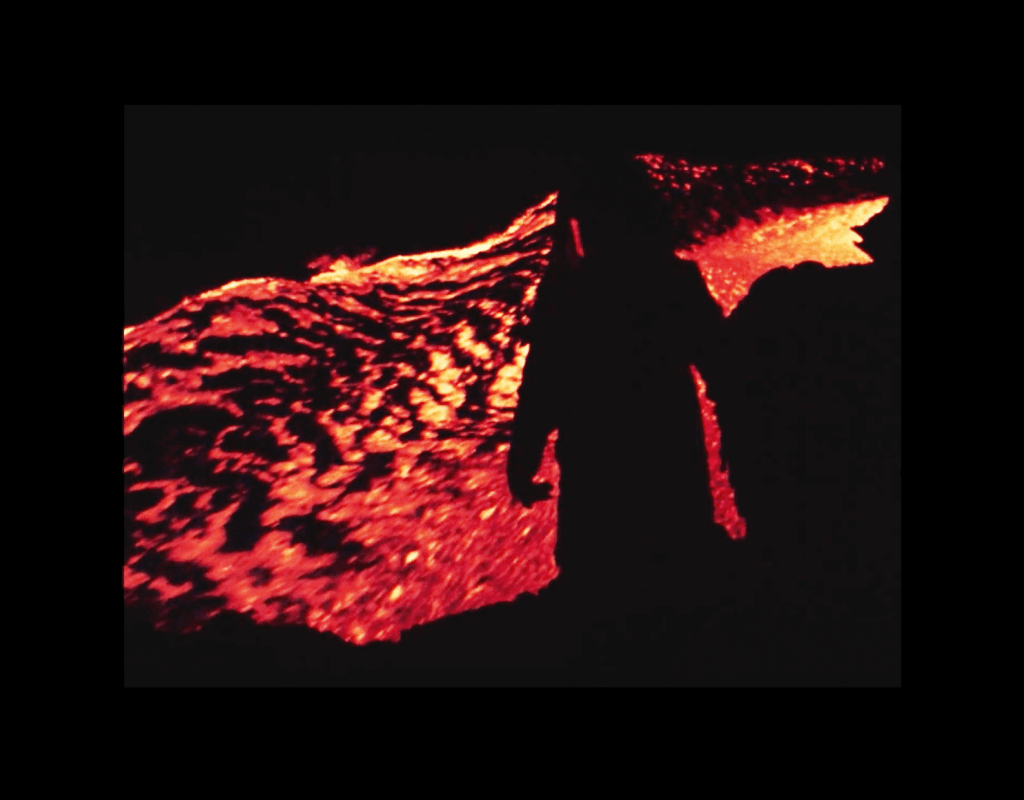
Through breathtaking archival footage, the film showcases the Kraffts’ adventures across the globe. Their stunning close-up shots of eruptions, boiling lava lakes, and rivers of molten rock offer an intimate look at the awesome power of nature, capturing the raw energy and beauty of volcanic activity. Much of the footage is harrowing and surreal, showing the Kraffts venturing dangerously close to lava flows and toxic gases—situations that few people would dare to experience.
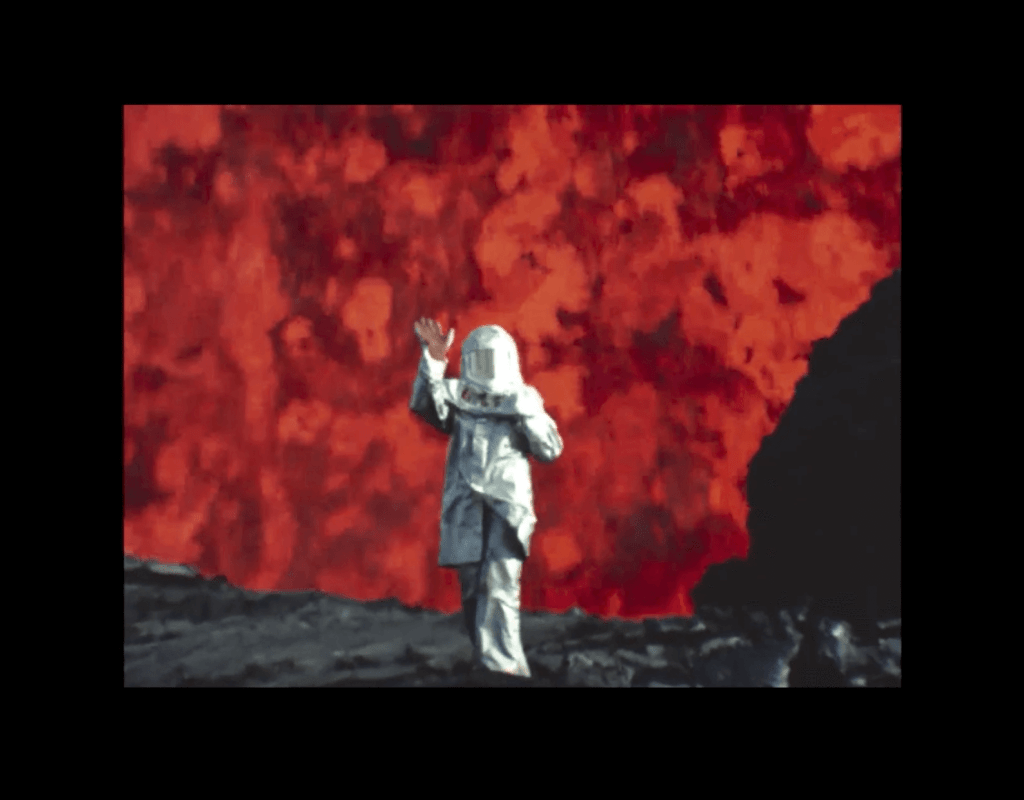


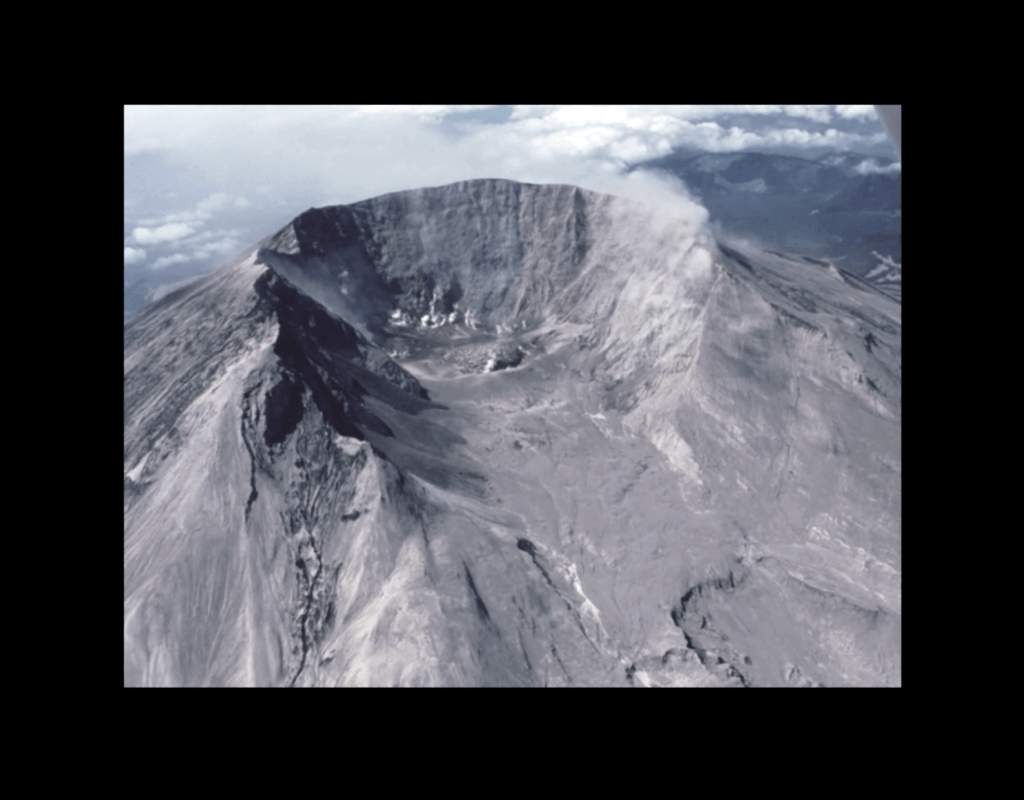
Despite the constant danger, the Kraffts were driven by a deep desire to understand how volcanoes worked, hoping their research could help predict eruptions and save lives. Their work was not only scientific but also humanitarian. They believed that by studying volcanic eruptions and creating public awareness through their films, books, and lectures, they could prevent future tragedies. One of the film’s emotional turning points comes when they witness the devastating eruption of Mount St. Helens in the United States in 1980, which killed 57 people and left an indelible mark on the couple. The experience further galvanized their mission to document volcanic activity to better understand and predict eruptions.
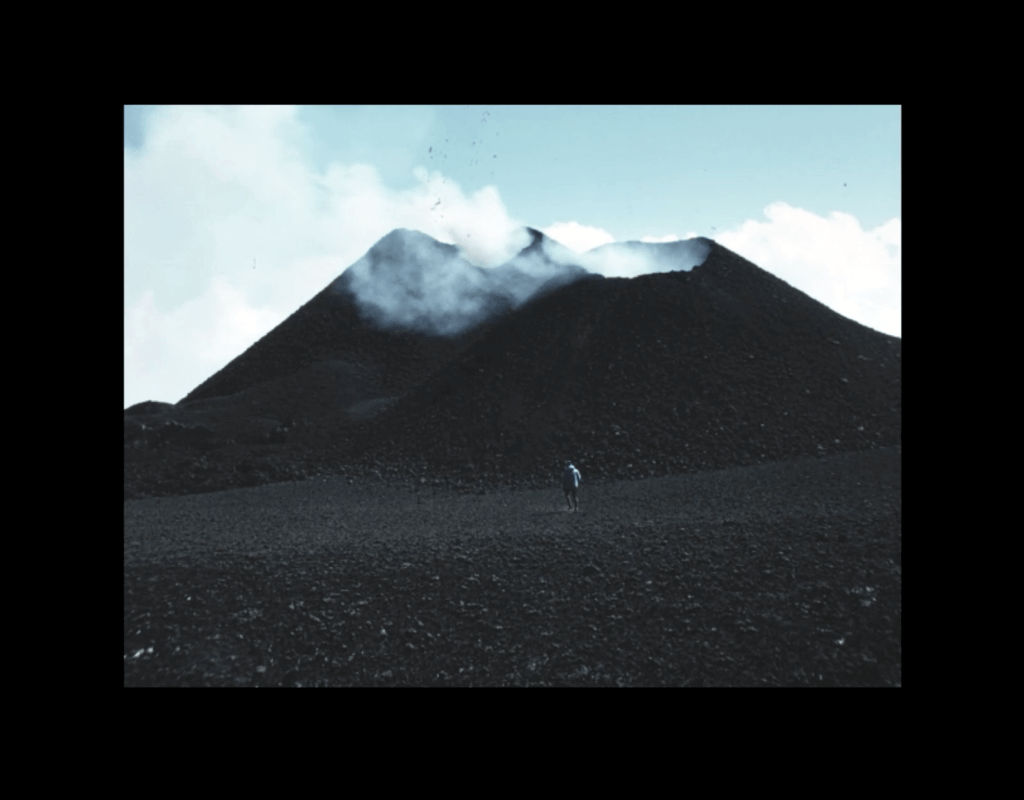
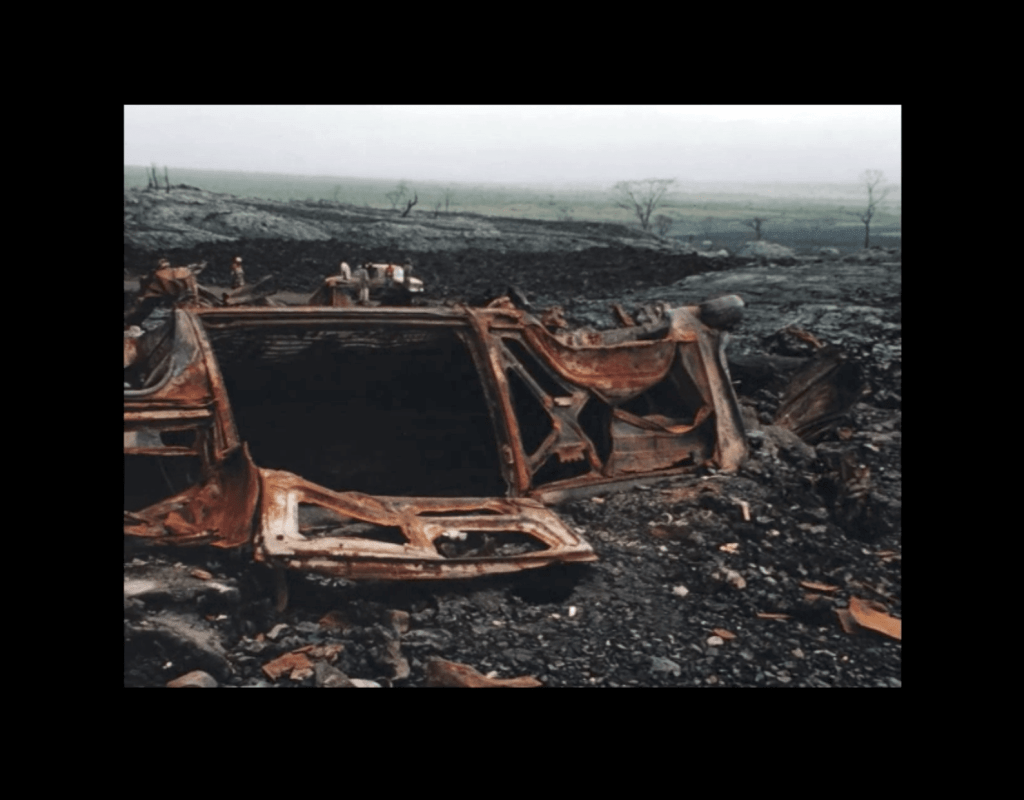
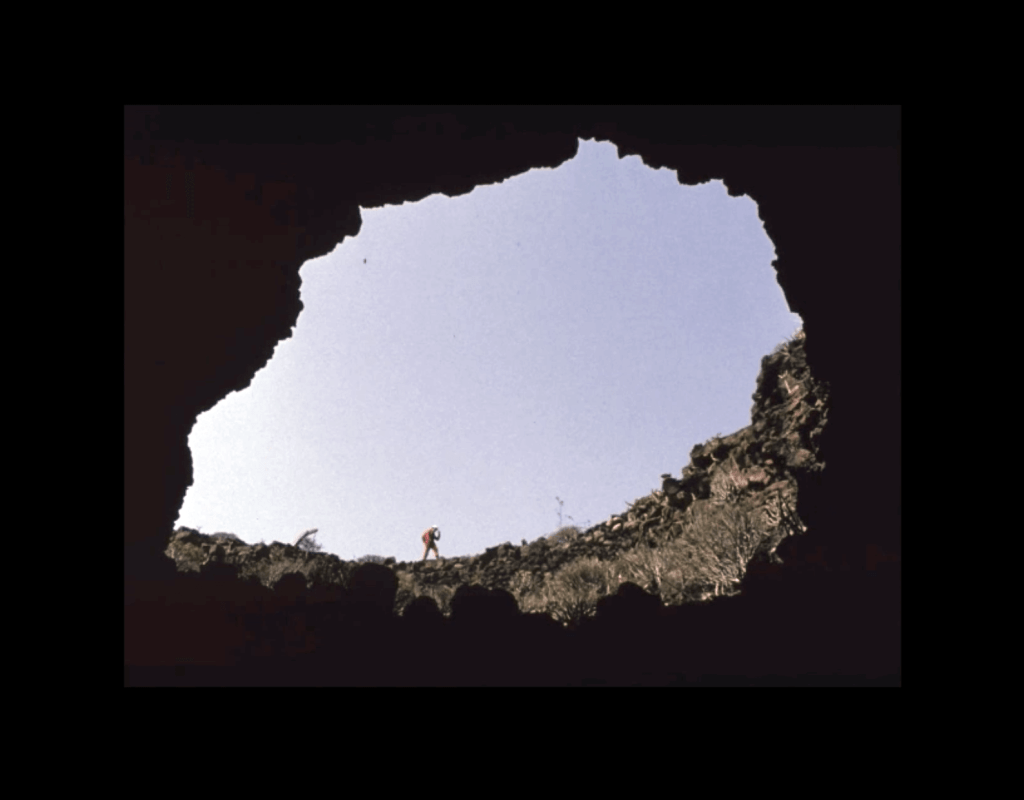
The Kraffts’ work often placed them in extreme danger, and their intimate relationship with the volatile forces of nature raises questions about the balance between scientific curiosity and personal safety. Despite the risks, their passion for volcanology never wavered. They lived on the edge, knowing that one day, their obsession might lead to their deaths.
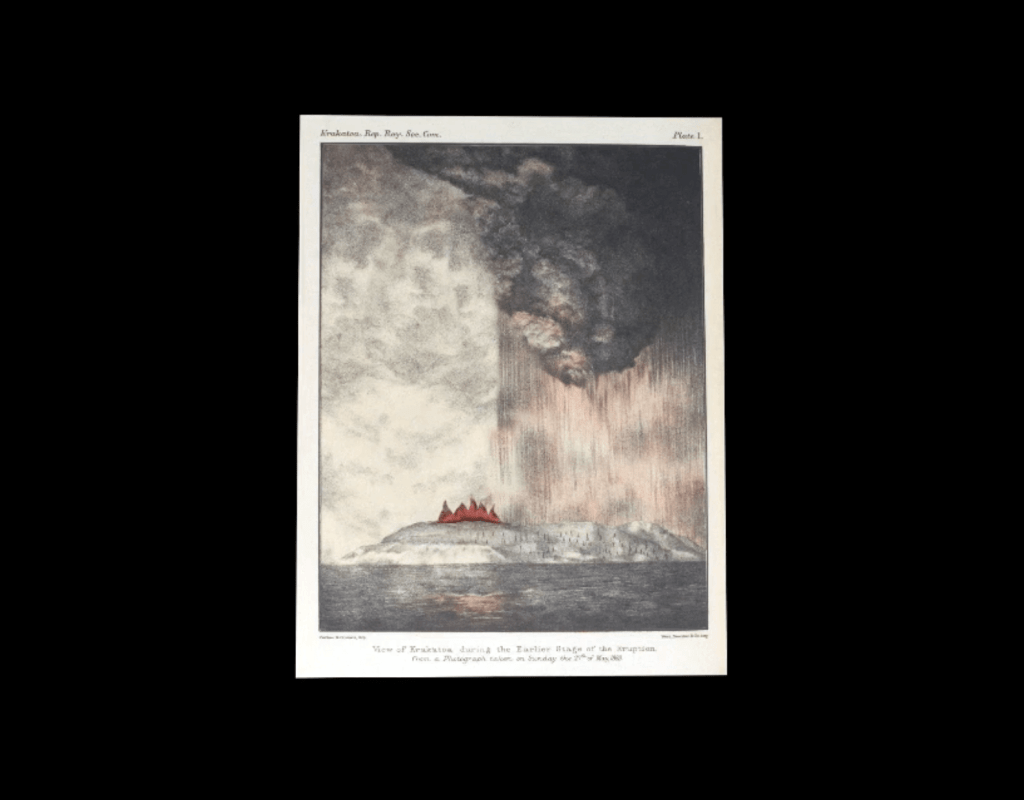


The film’s narrative is built around this tension between love and danger, science and risk. It portrays Katia and Maurice not just as scientists but as adventurers and philosophers constantly seeking answers to the mysteries of the Earth. Their footage captures the awe-inspiring beauty of volcanoes and emphasizes their terrifying unpredictability. Through the Kraffts’ eyes, the audience experiences both the majesty and the menace of volcanic eruptions and the thin line between life and death that the couple walked daily.
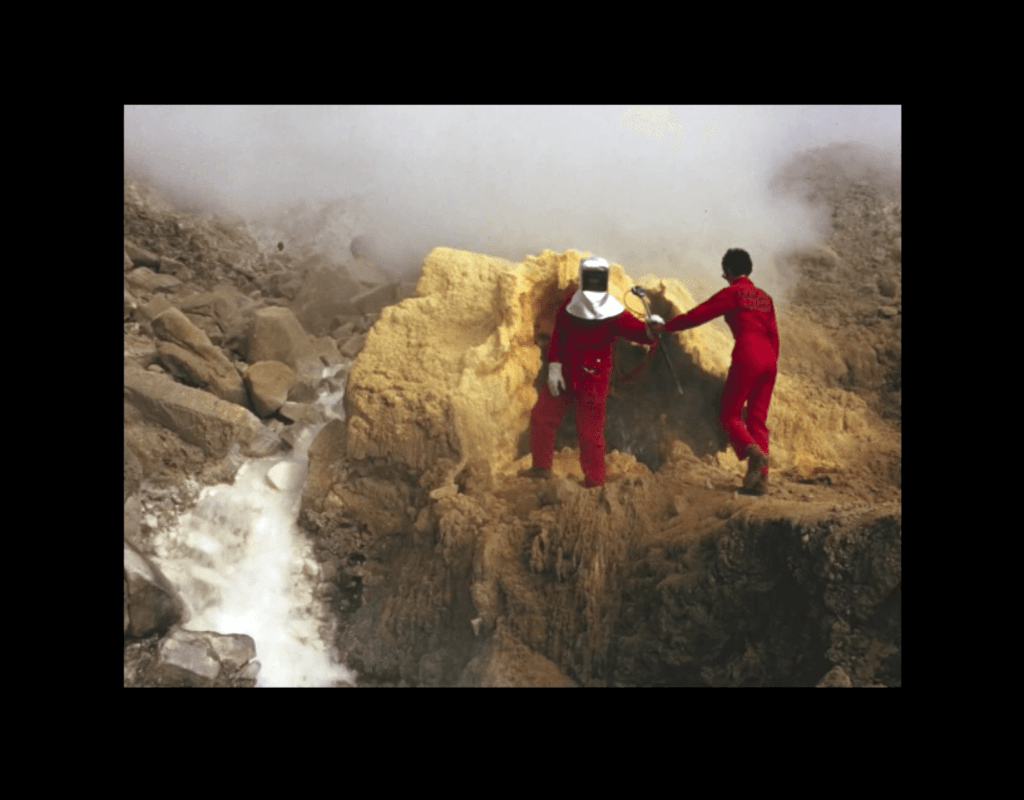
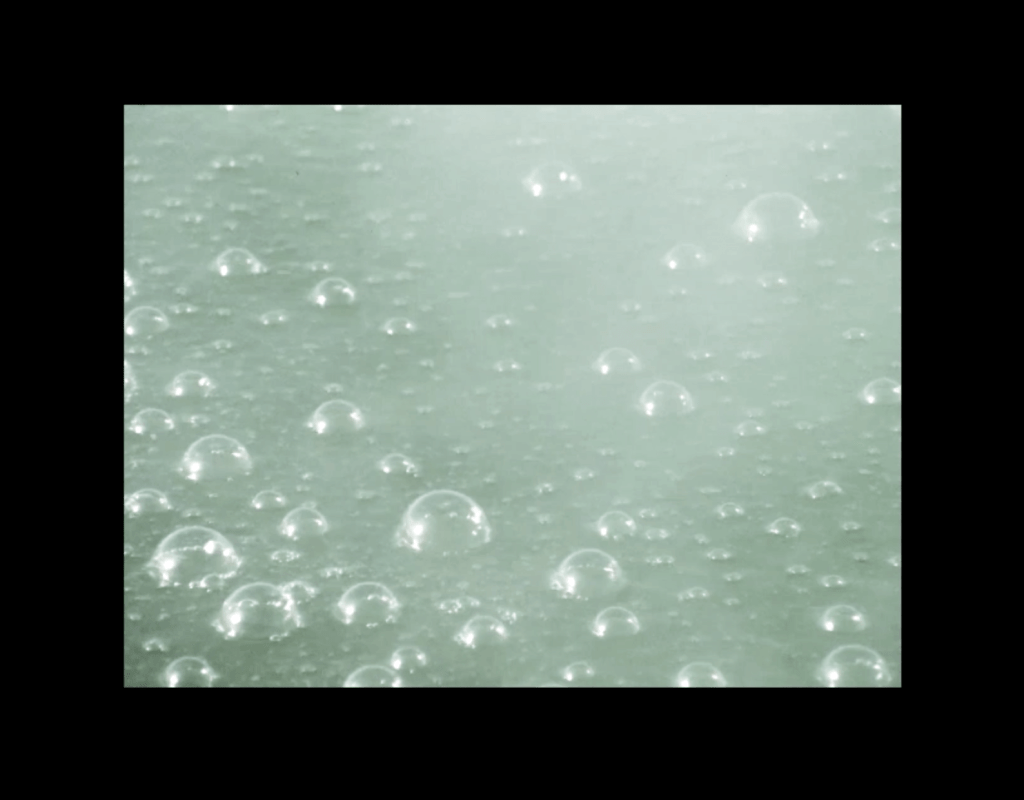

As the documentary progresses, it becomes clear that the Kraffts’ story will end in tragedy. In 1991, they traveled to Japan to document the eruption of Mount Unzen, one of the most dangerous volcanoes in the world. During this expedition, they and 41 others were caught in a pyroclastic flow—an extremely fast-moving cloud of hot gas and volcanic matter. Both Katia and Maurice were killed in the eruption. Their deaths are portrayed with sensitivity in the film, emphasizing their dedication to their work and their ultimate sacrifice in the pursuit of knowledge.
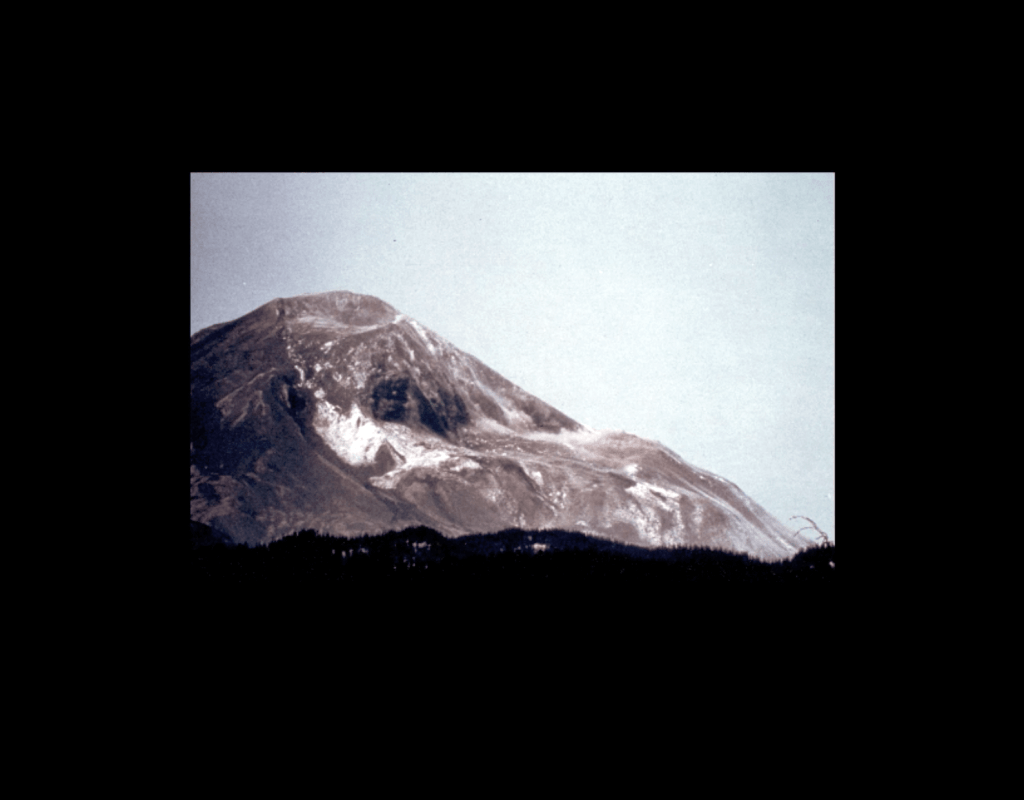
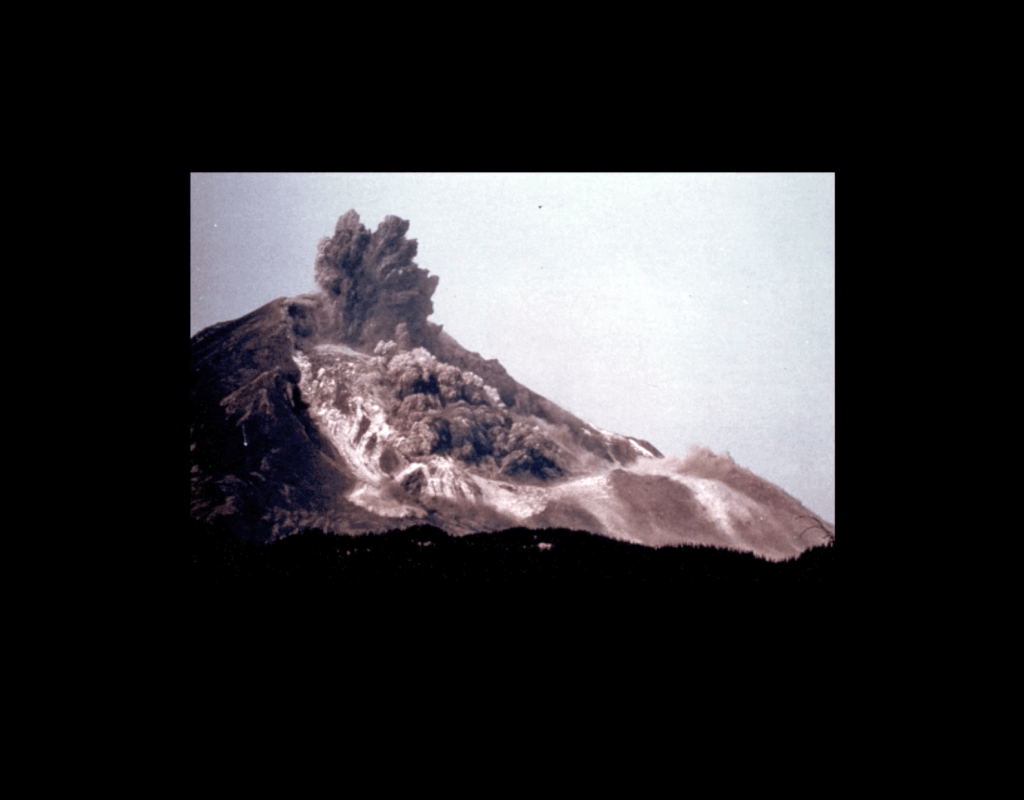


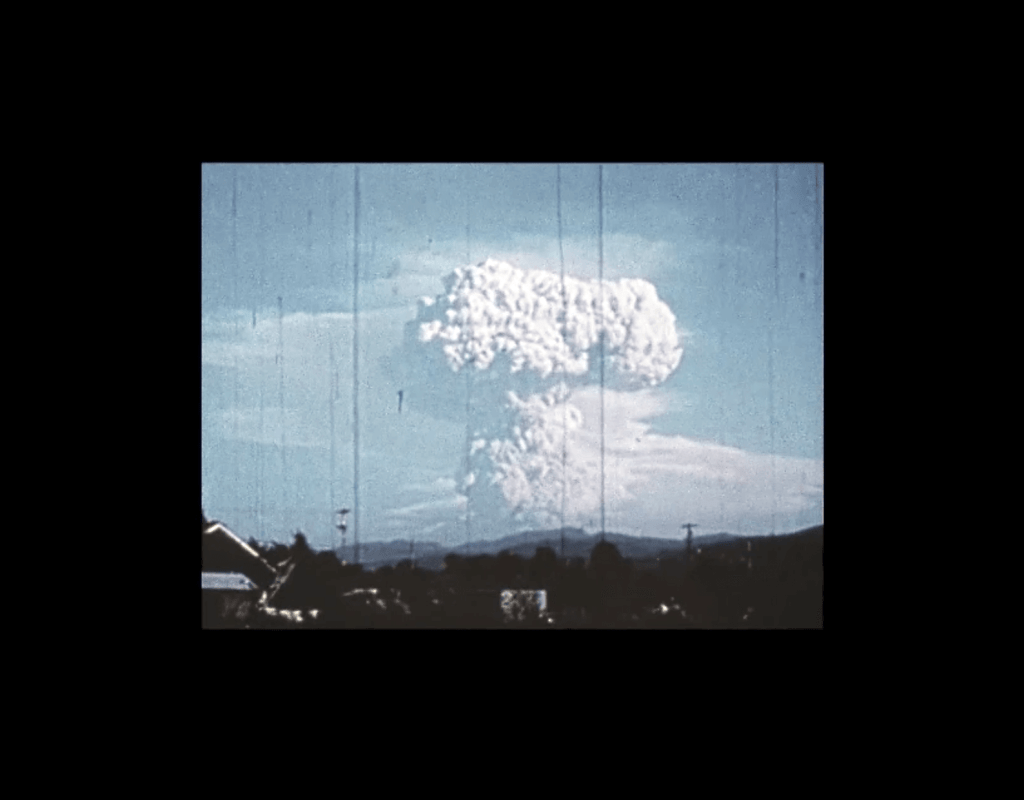
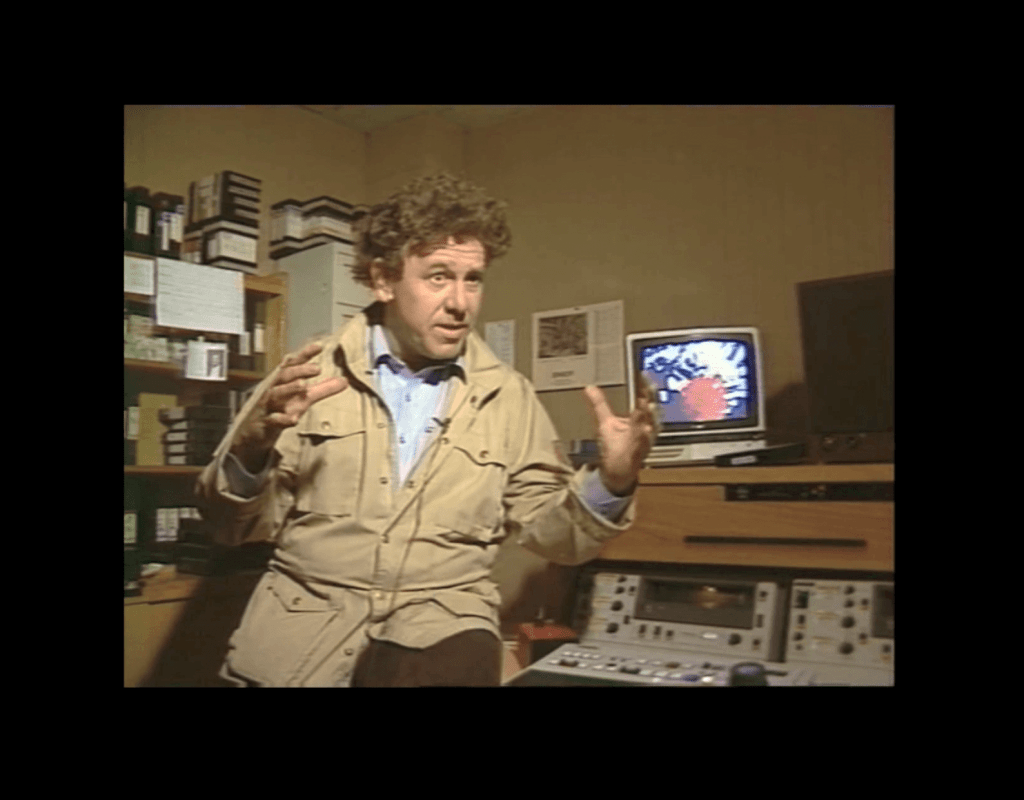
Despite their tragic end, the Kraffts’ legacy lives on. Their contributions to volcanology have greatly influenced the scientific community, and their spectacular footage continues to educate and inspire people worldwide. Using their own recordings, the documentary paints an intimate portrait of their lives, portraying them as passionate lovers and fearless explorers.



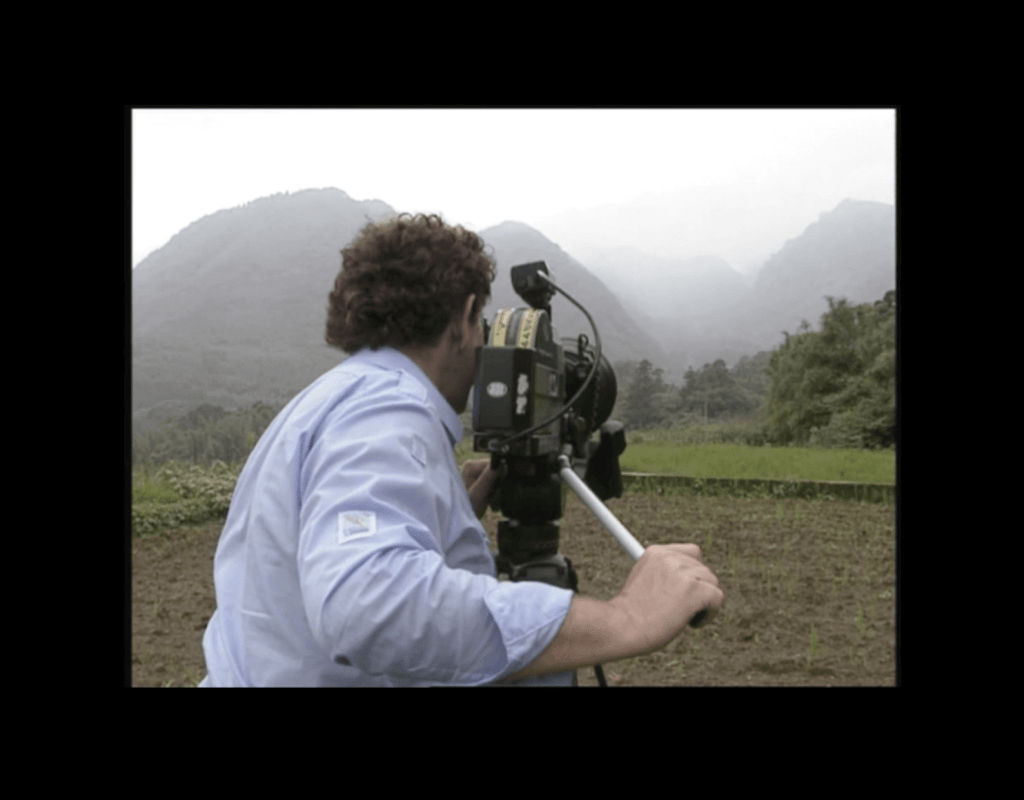


“Fire of Love” was met with critical acclaim. It was praised for its breathtaking visuals, emotional depth, and humanization of the Kraffts’ story. The film was also lauded for its unique blend of romance and science and thoughtful exploration of the Kraffts’ dedication to their work. It won several awards and was featured at numerous film festivals.
 The Other Cinema