

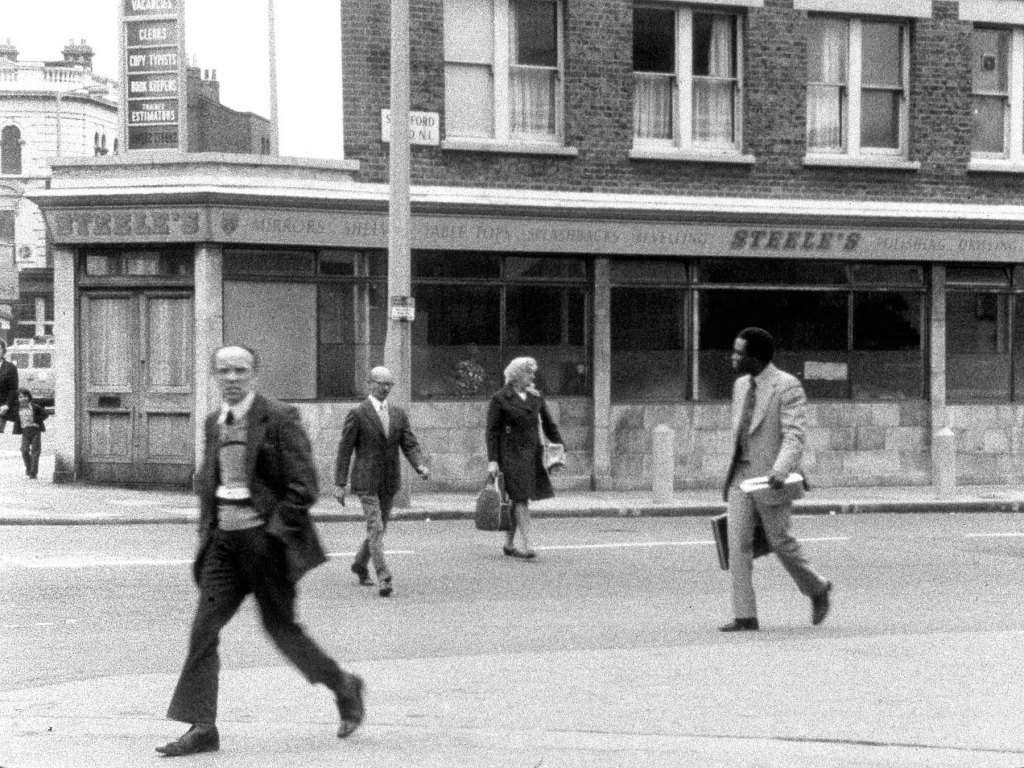
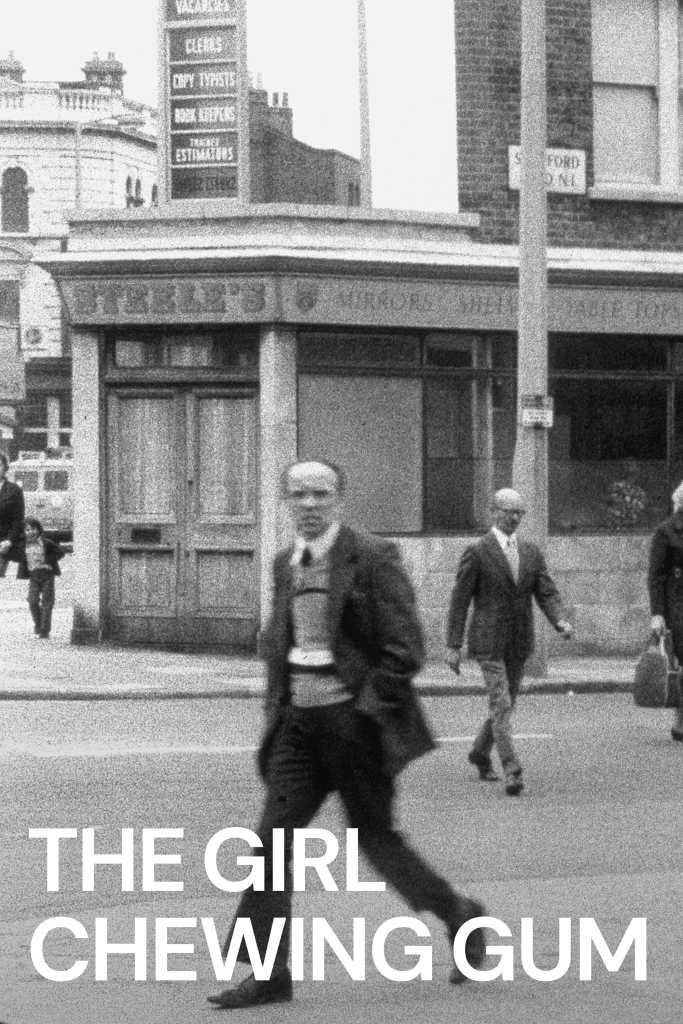
The Girl Chewing Gum (1976) by John Smith is a short experimental film that deconstructs the relationship between film, reality, and directorial control. The film begins with a commanding voiceover directing various elements of an everyday street scene in Dalston, East London. The voice, resembling that of a film director, orchestrates the movement of people, vehicles, and even inanimate objects, instructing them to enter and exit the frame at precise moments.
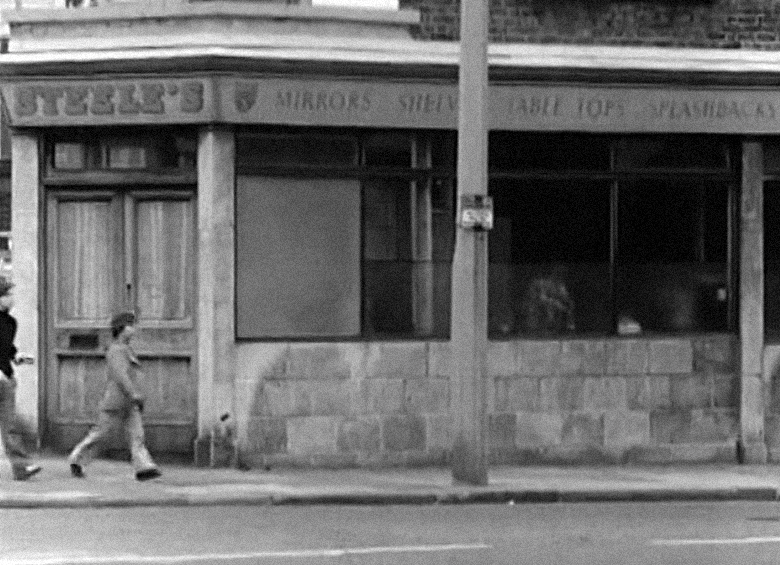
At first, the illusion of directorial authority is convincing. A man walks across the street as if on cue, a child runs past, and birds take flight—each movement seemingly dictated by the unseen filmmaker. However, as the film progresses, subtle inconsistencies emerge, revealing that the voiceover is not guiding the action in real-time but is, in fact, retroactively imposed onto pre-existing footage. This revelation shifts the audience’s perception, exposing how cinema constructs and manipulates meaning through narration and framing.
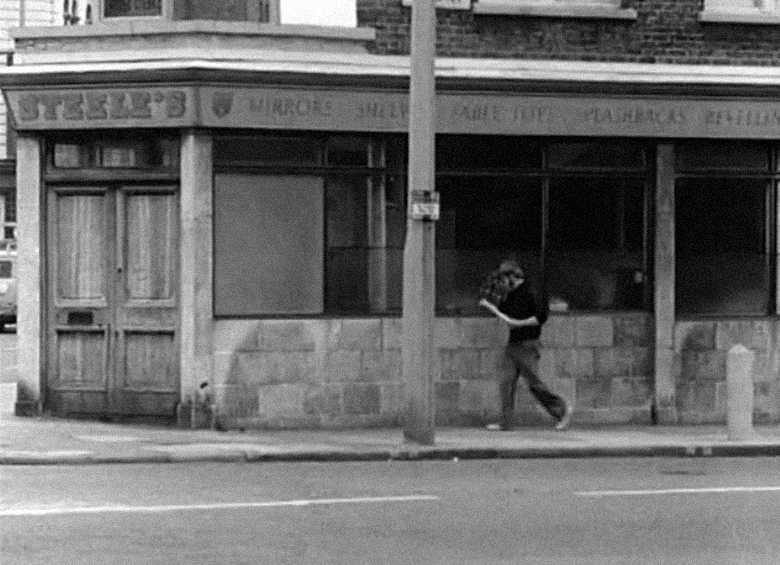
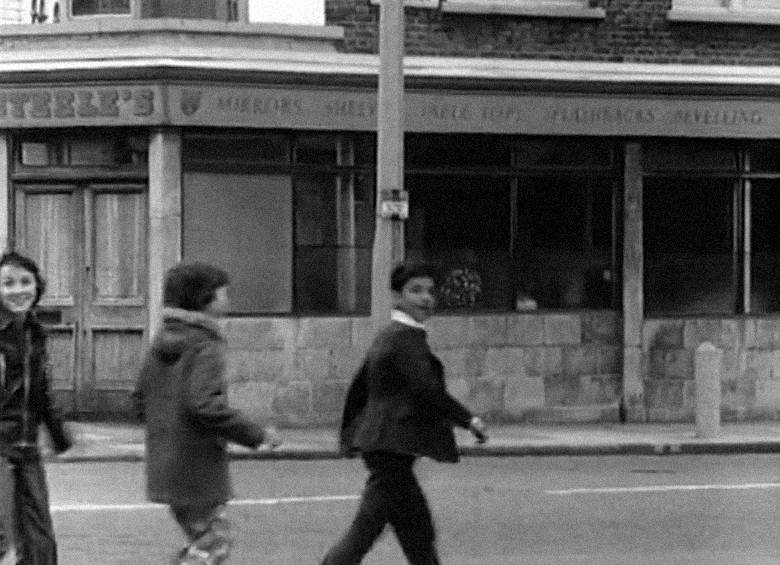
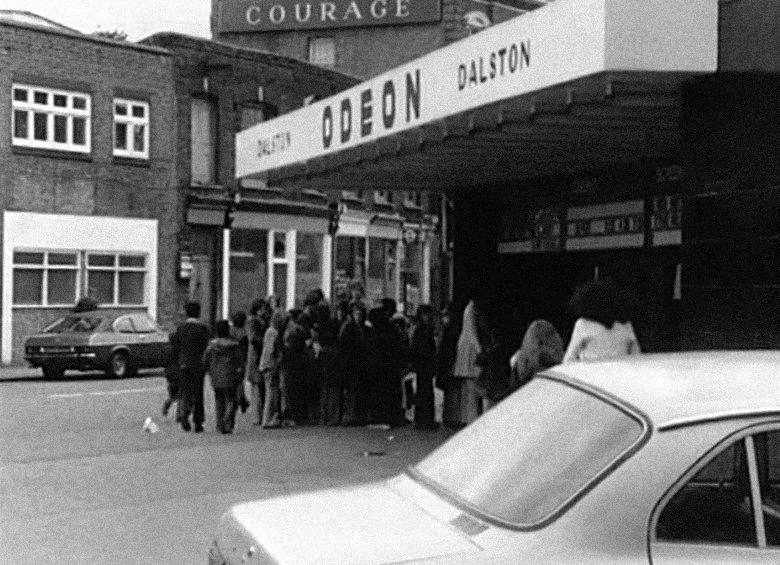
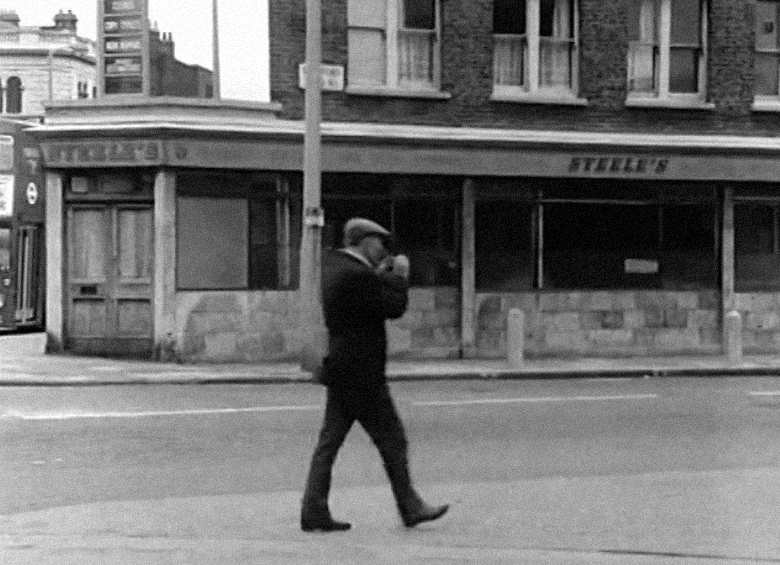

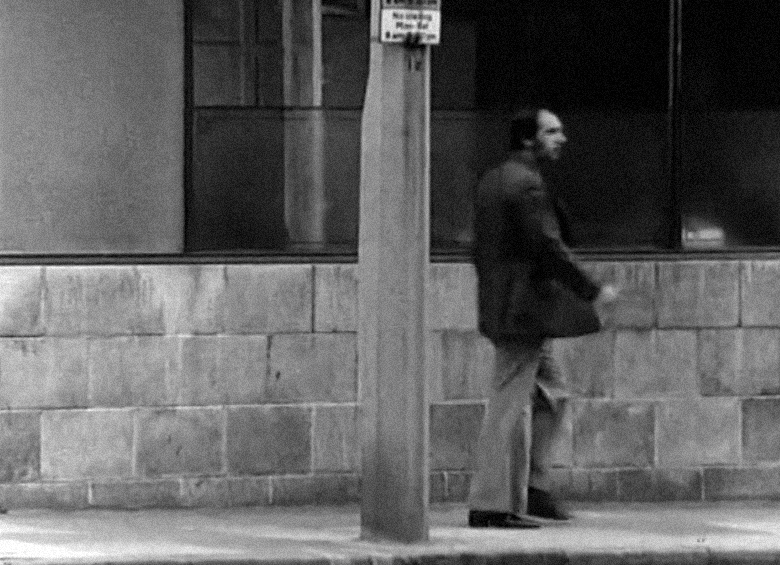
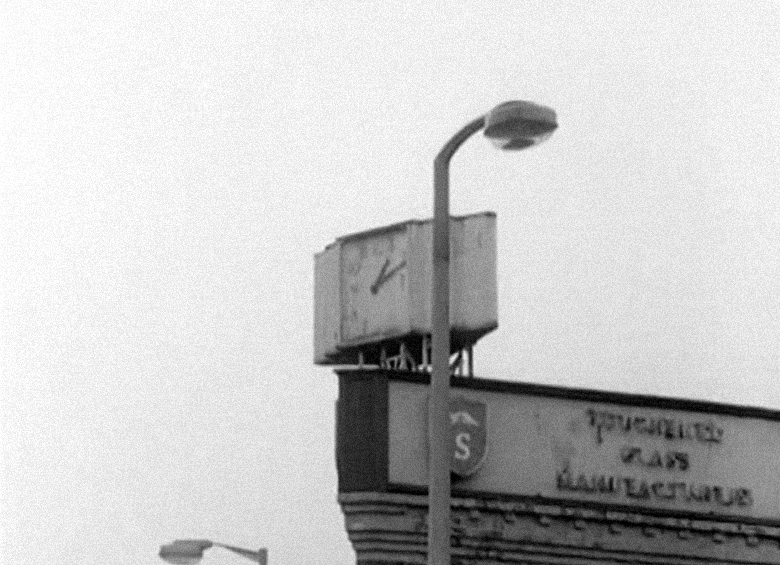
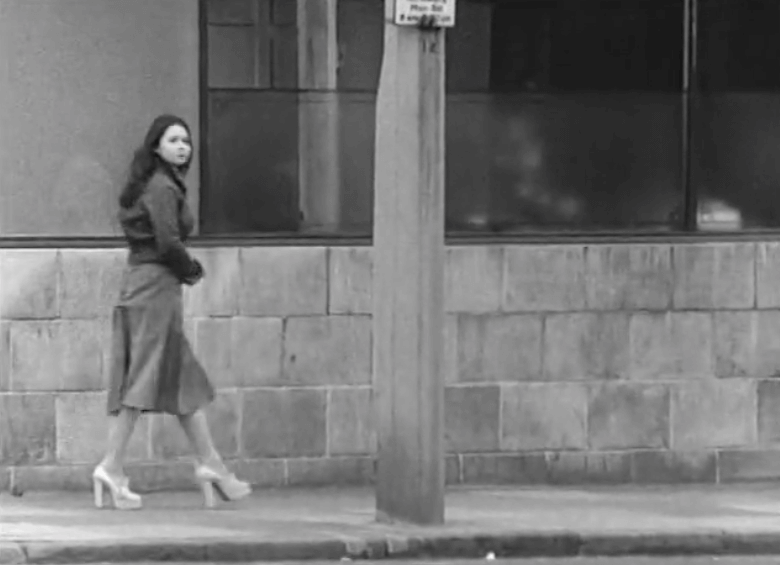
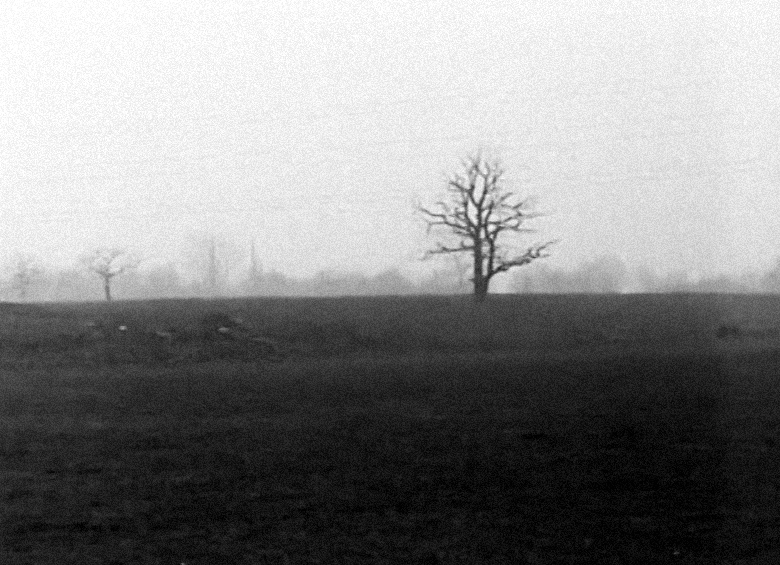
The film’s title refers to a young woman who momentarily appears in the frame, chewing gum—a seemingly trivial act that becomes central simply because it is highlighted by the voiceover. Smith later expands on his deception by making increasingly absurd claims, such as commanding a clock on a wall to move its hands or ordering a distant field and telegraph pole to “stay where they are.” These impossible instructions further break the illusion of control, emphasizing filmmaking’s artificiality and language’s power to shape our interpretation of images.
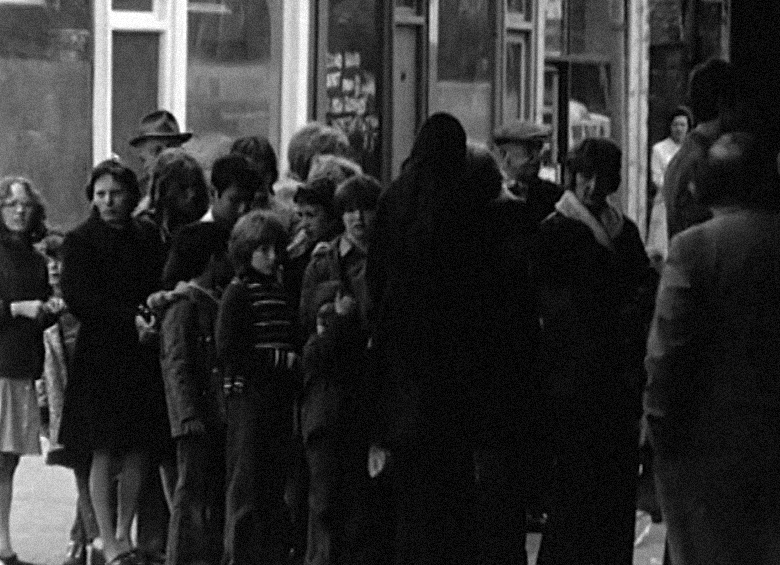
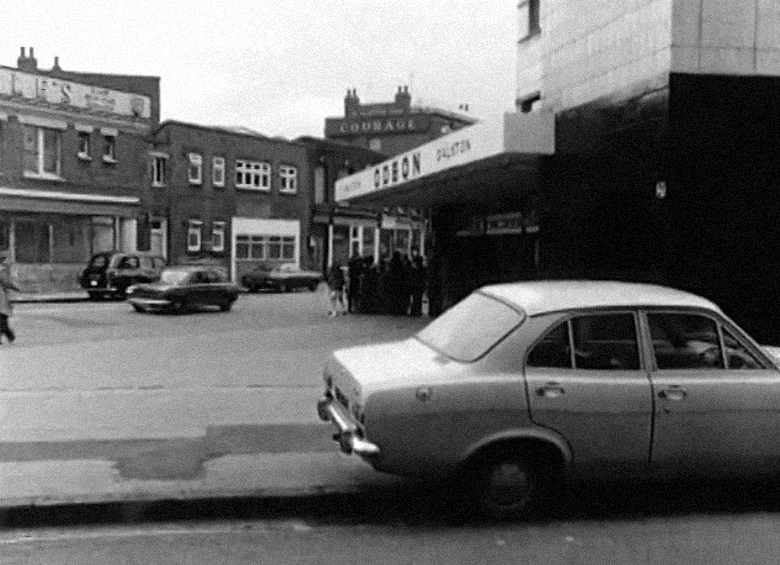
The Girl Chewing Gum challenges conventional cinematic authority and raises questions about perception, documentary truth, and the role of the filmmaker in constructing reality. The film is regarded as a seminal work in avant-garde and structuralist cinema, showcasing John Smith’s signature blend of humor, experimentation, and critical engagement with the medium.
 The Other Cinema