


“Shadows” (1959) is an independent drama film directed by John Cassavetes. The film is celebrated for its improvisational style and unflinching exploration of race relations, identity, and personal relationships in late 1950s New York City.
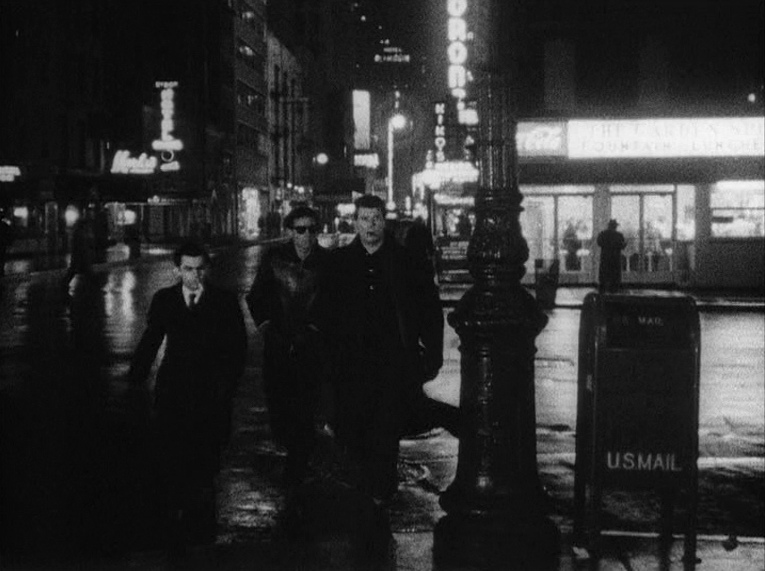


Set against the Beat Generation’s vibrant Manhattan scene backdrop, “Shadows” follows the lives of three African-American siblings: Ben, Hugh, and Lelia. Each grapples with personal and racial identity, love, and societal expectations in different ways.
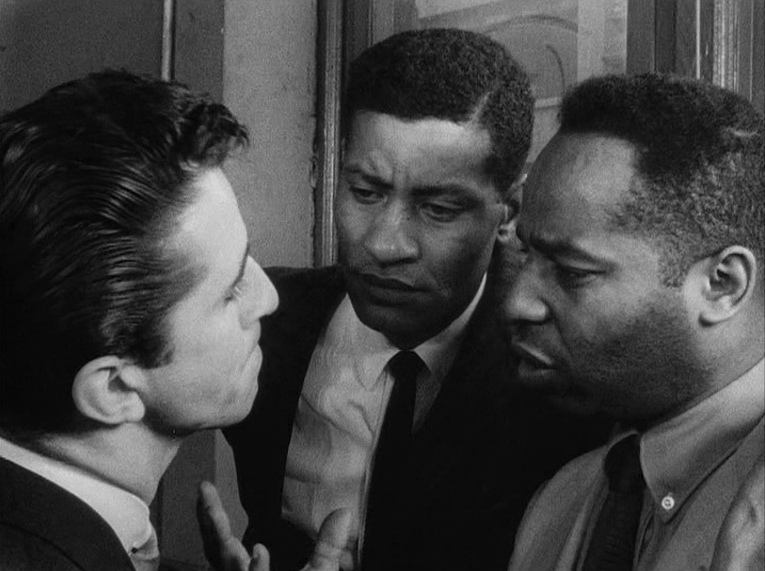
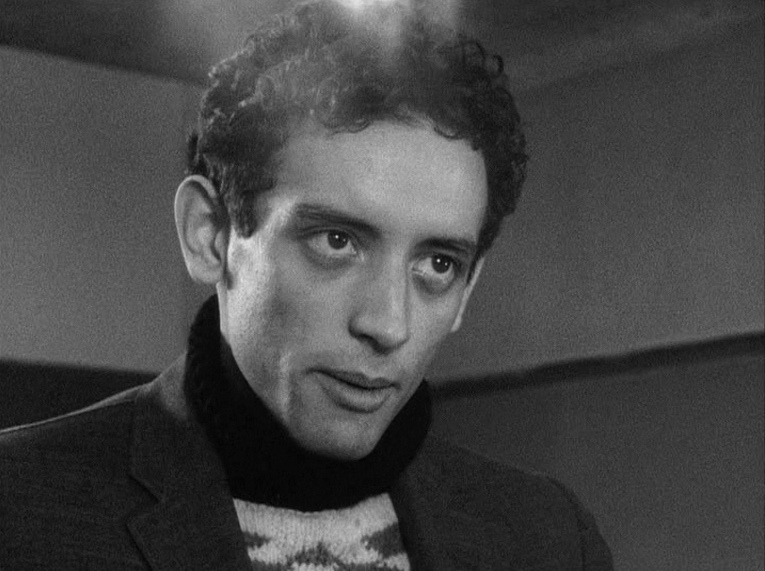

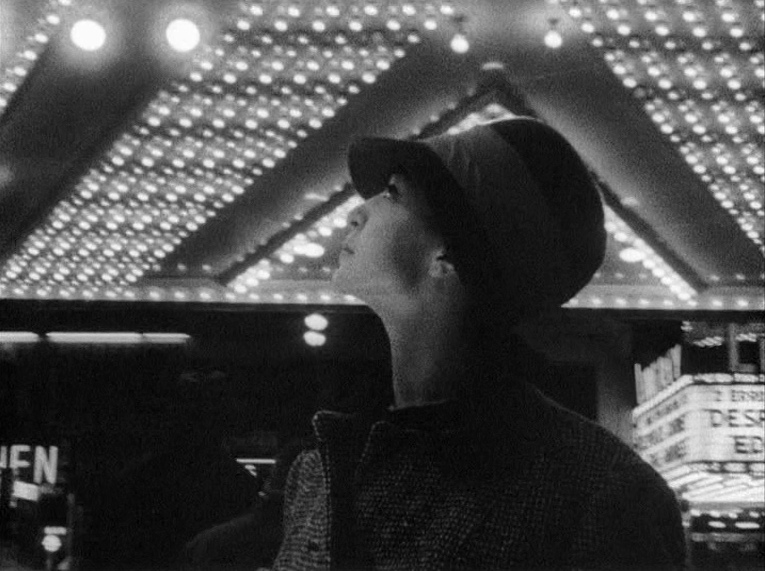
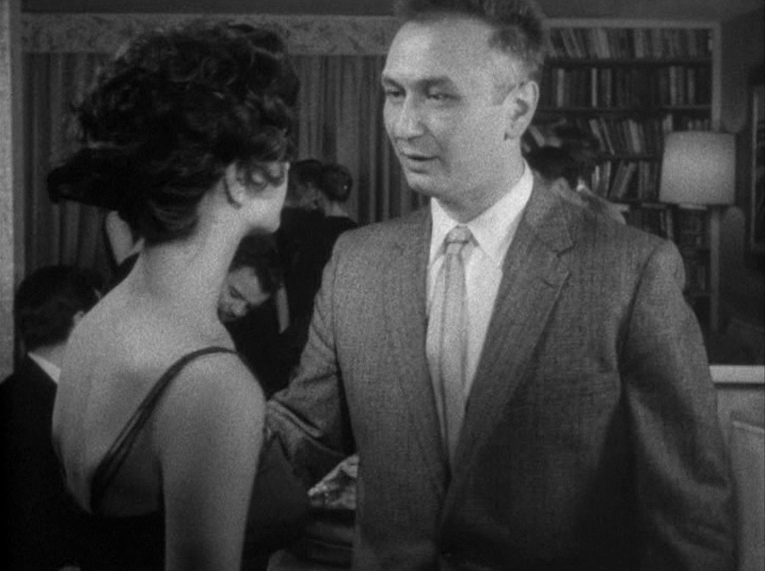
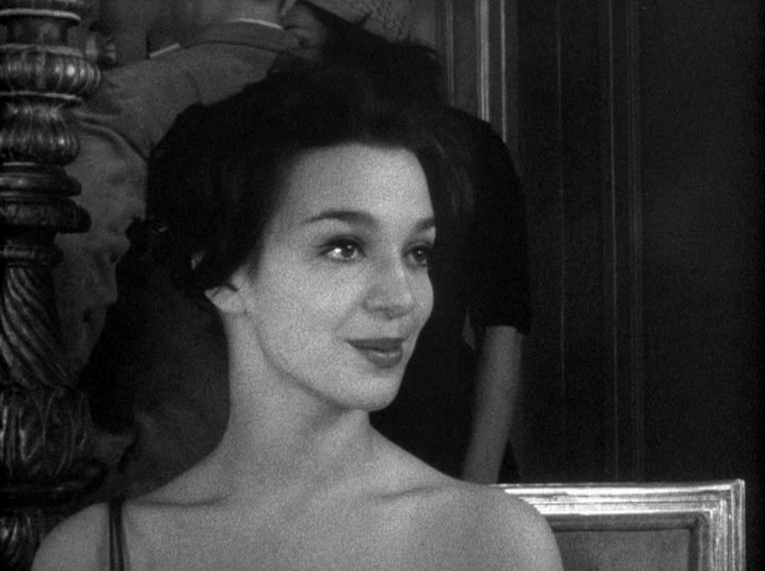
Lelia Goldoni plays Lelia, the youngest of the siblings, a light-skinned young woman whose ambiguous racial appearance allows her to pass as white in certain social situations. She is emotionally vulnerable and searching for her place in the world. Lelia becomes romantically involved with Tony (played by Anthony Ray), a white man unaware of her racial background. Their relationship is intense but complicated by the revelation of Lelia’s true heritage. When Tony meets her dark-skinned brother, Hugh, he becomes uncomfortable and leaves, an act that devastates Lelia and exposes the racial prejudices underlying their relationship.
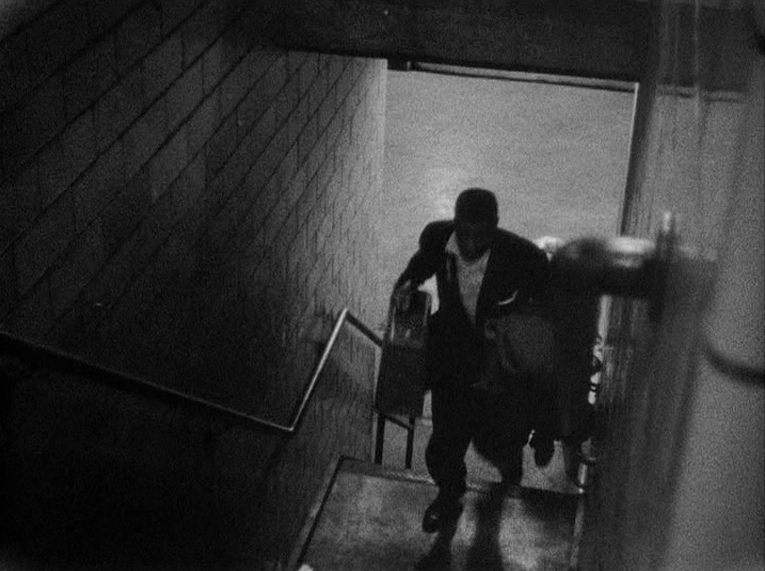
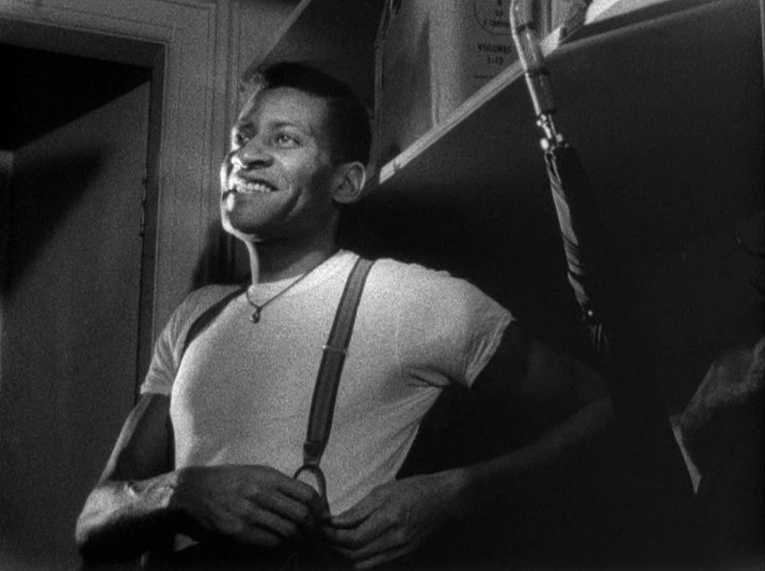
Hugh Hurd portrays Hugh, the eldest sibling, a dark-skinned jazz singer who struggles to establish his career in a racially discriminatory society. He is proud of his African-American heritage and protective of his siblings, especially Lelia. Hugh’s frustrations with his stalled career and the pressures of racism weigh heavily on him, but he remains steadfast in his love and support for his family.
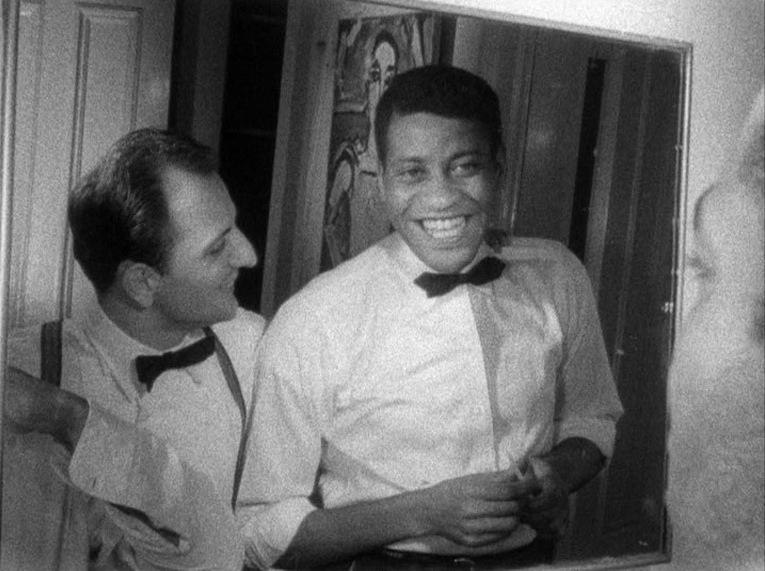
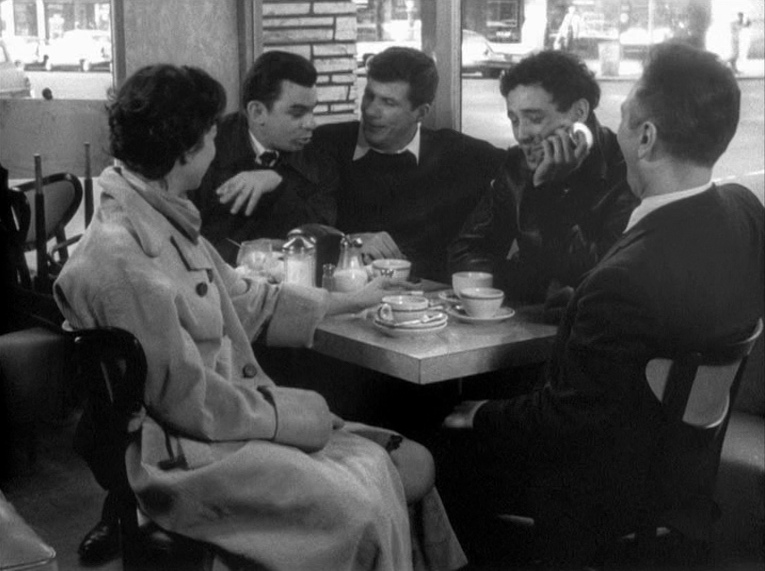

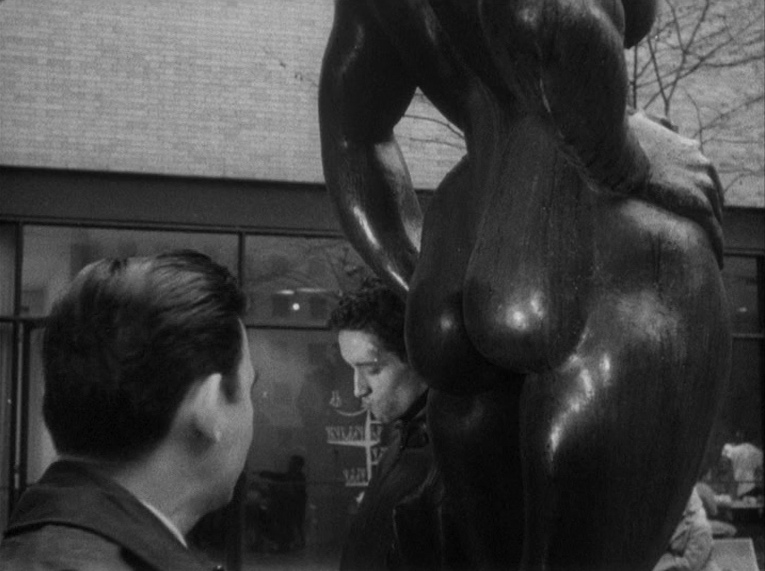
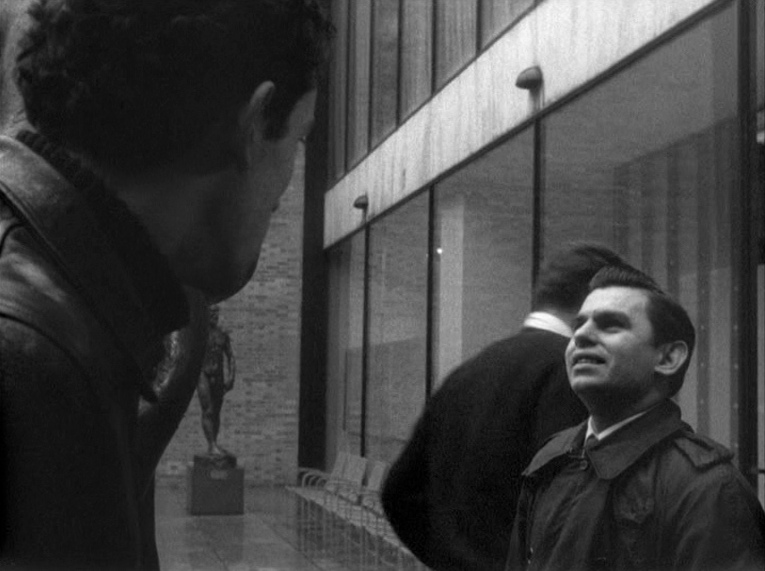
Ben Carruthers plays Ben, the middle sibling, a light-skinned, aimless, and emotionally detached young man who spends most of his time partying, drinking, and getting into street brawls with his friends. His character embodies the lost, disillusioned youth of the time. Unlike Hugh, Ben avoids confronting his racial identity and prefers to drift through life without a clear direction. Throughout the film, he struggles to find meaning and purpose, particularly in the face of his brother’s strong sense of self and responsibility.
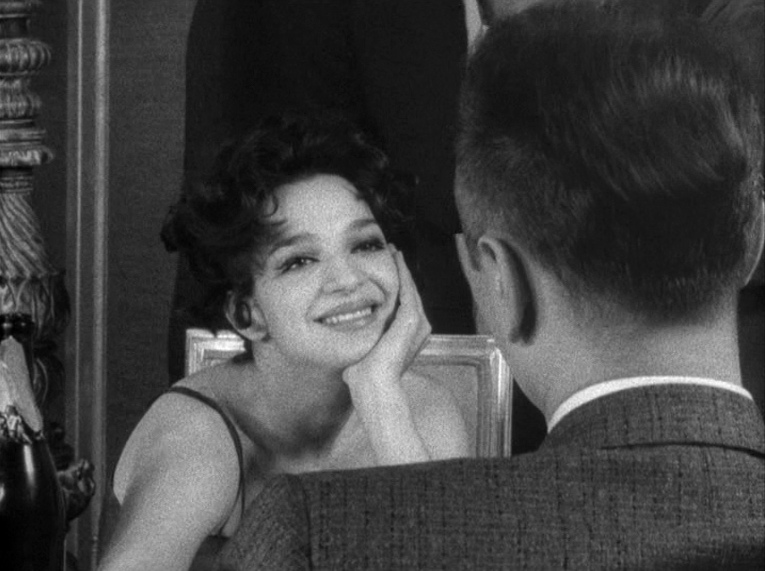
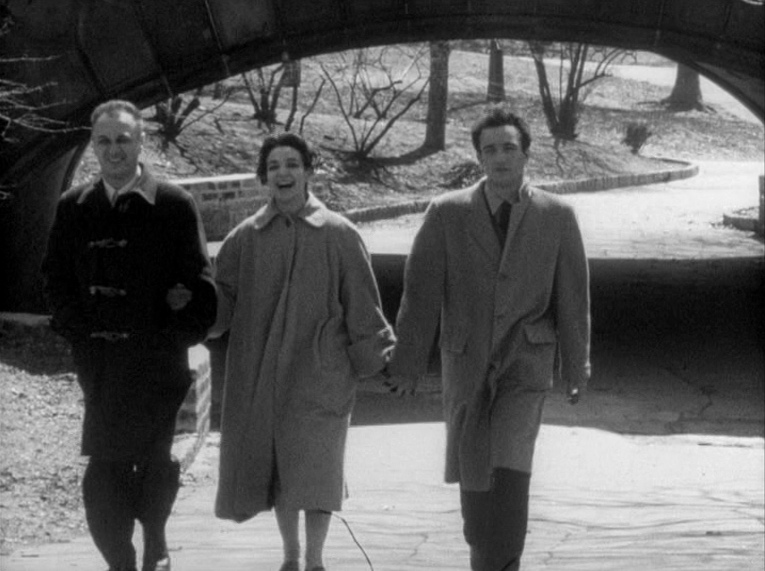
As the story unfolds, these three characters are each confronted with the complexities of their relationships and racial identities. Lelia’s affair with Tony forces her to face the realities of interracial relationships and societal prejudice. Hugh’s attempts to advance his singing career serve as a reminder of the systemic barriers faced by African-American performers. At the same time, Ben’s reckless lifestyle and emotional detachment reveal a man adrift in his internal shadows.

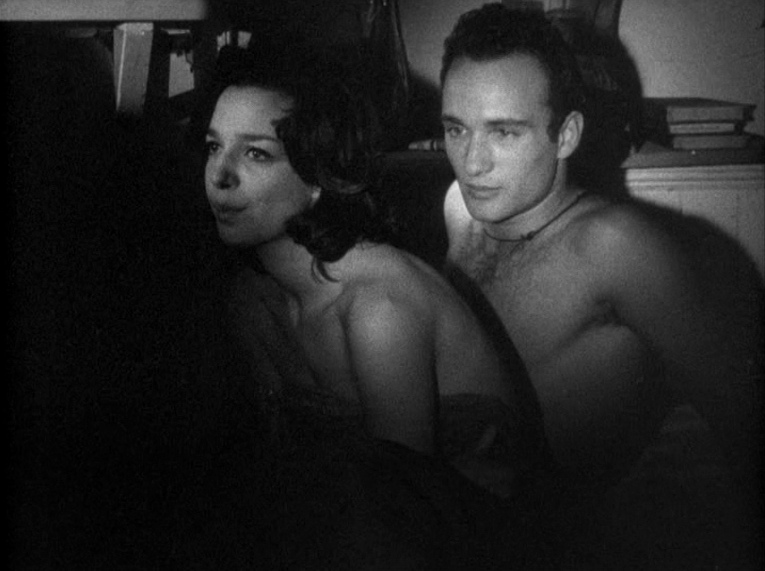

The film ends without a clear resolution, staying true to its improvisational nature and leaving viewers with more questions than answers about the characters’ futures and their ongoing struggles with identity, love, and societal expectations.

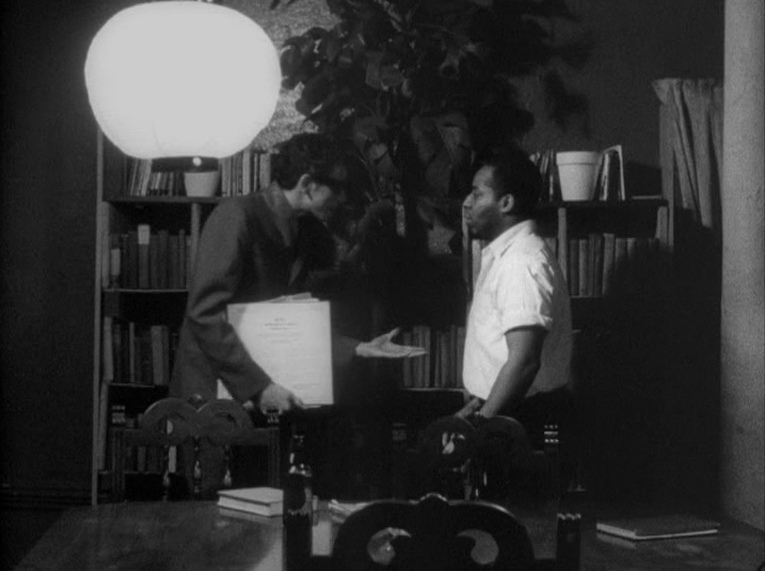

“Shadows” is known for using an improvised script, with many scenes developed collaboratively by the actors through workshops Cassavetes conducted before filming. This style gives the film a raw, naturalistic feel, enhancing the emotional authenticity of the characters’ interactions. The handheld camera work, gritty black-and-white cinematography, and ambient jazz score by Charles Mingus add a rich texture to the film’s atmospheric portrait of urban life.
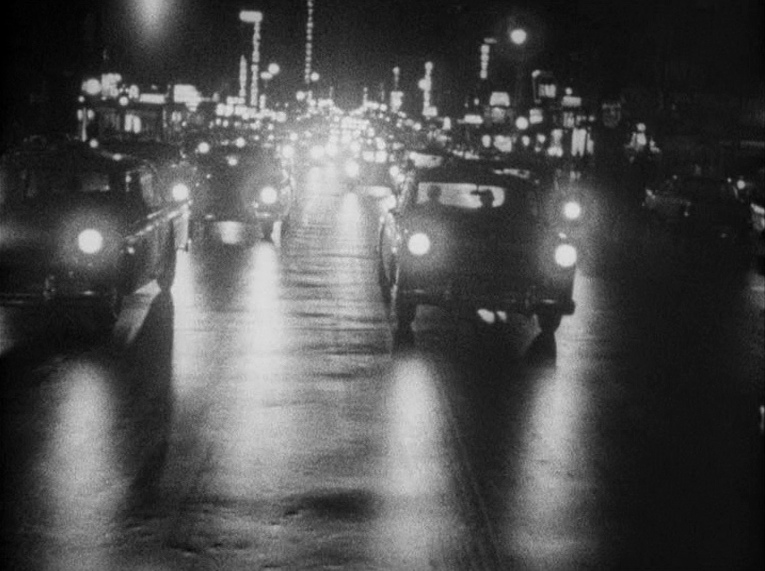
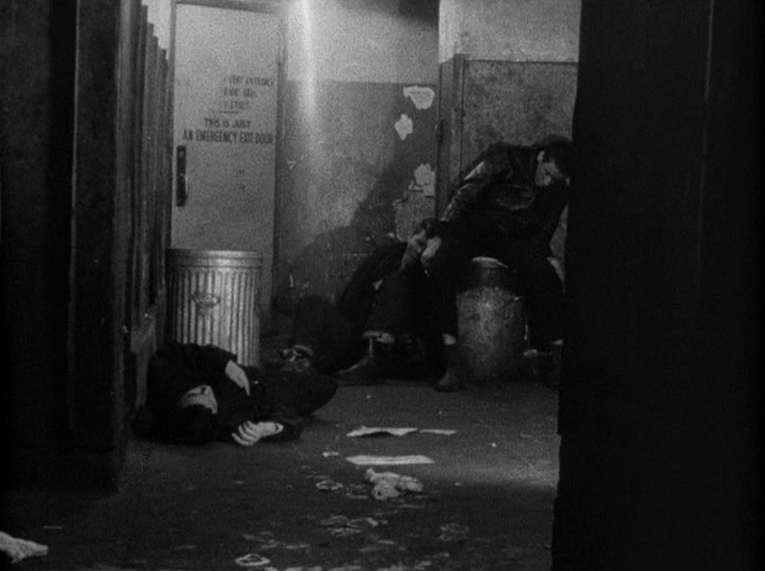


Thematically, “Shadows” deals with issues of racial identity, the alienation of youth, and the tension between personal freedom and societal constraints. It captures the cultural and racial tensions of its era while also offering a timeless reflection on the human condition. The film’s portrayal of interracial relationships was groundbreaking for its time, as it explored the complexities and emotional impacts of race in intimate relationships without the heavy-handed moralizing often seen in Hollywood films of the period.
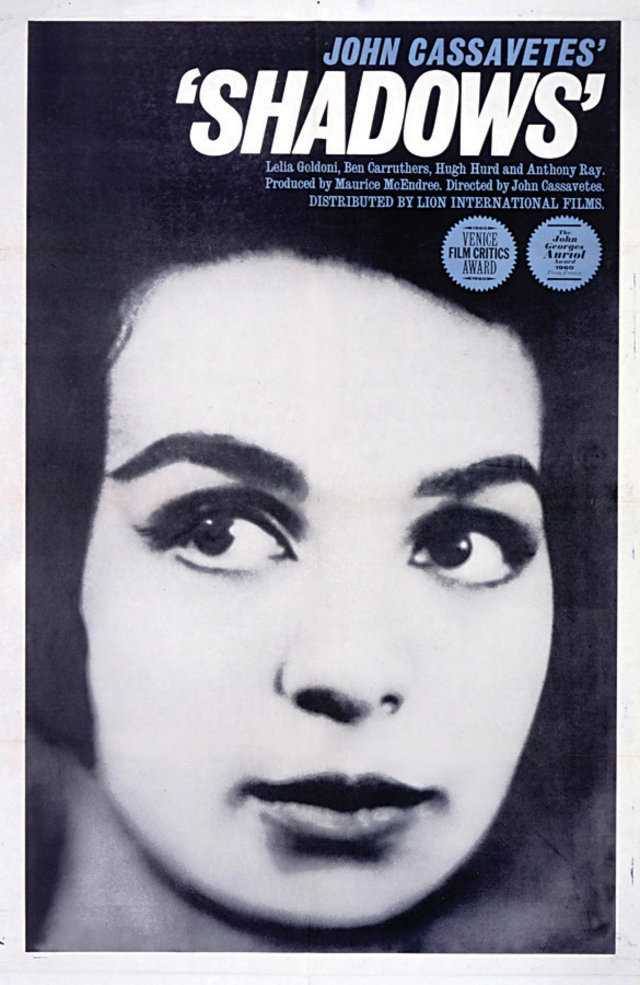
 The Other Cinema