

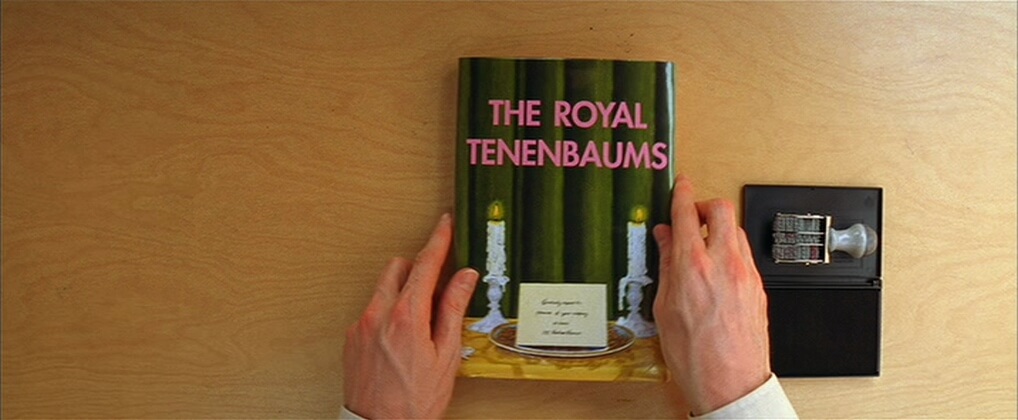


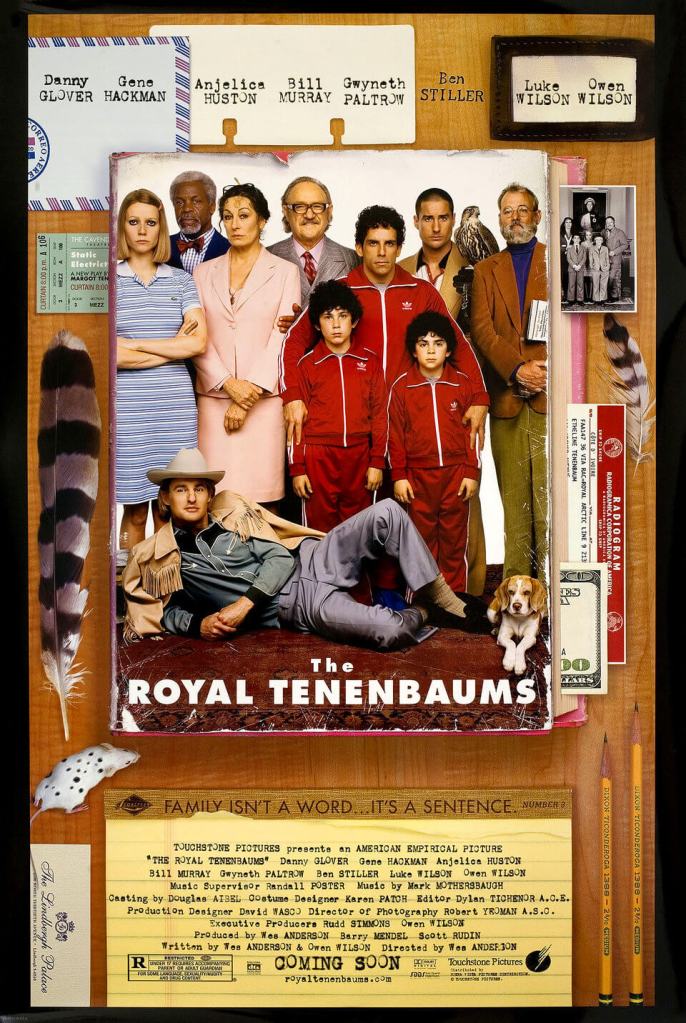
“The Royal Tenenbaums” is a 2001 comedy-drama directed by Wes Anderson. The film, co-written by Anderson and actor Owen Wilson, explores themes of family dysfunction, lost potential, and the longing for redemption through the lives of the Tenenbaum family. Set in a whimsical, slightly surreal version of New York City, the story centers around the eccentric and deeply flawed patriarch, Royal Tenenbaum, and his attempts to reconcile with his estranged family. Like most of Anderson’s films, we are guided through the plot in chapters, much like the ‘acts’ of a play that help simplify the plot and structure.

The Tenenbaum family is introduced as a group of former child prodigies, each of whom has fallen from the heights of early success into the depths of personal despair. Their lives are chronicled like a storybook, complete with narration by Alec Baldwin, which lends the film a fable-like quality.

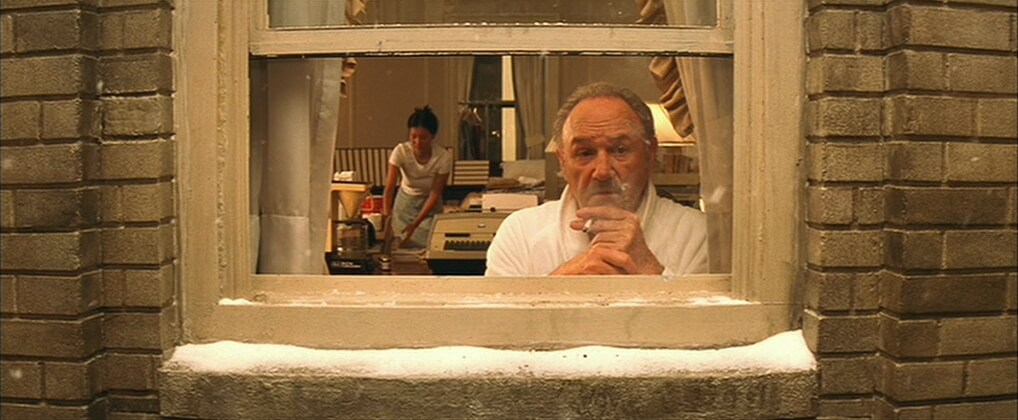
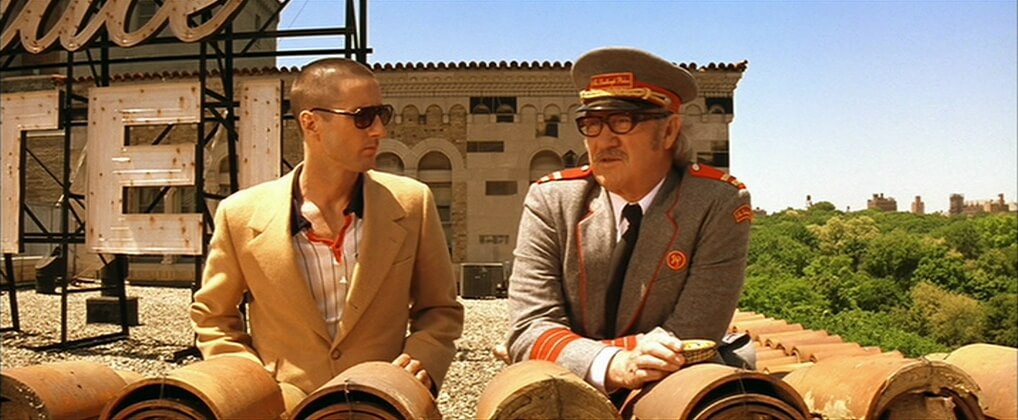
Gene Hackman stars as Royal Tenenbaum, the self-centered and manipulative patriarch of the family. Years ago, Royal abandoned his wife and children, leaving them emotionally scarred. He now returns to the family home after years of estrangement, claiming to be terminally ill in a desperate attempt to reconnect with his family. His return triggers a series of comedic yet poignant events as each family member confronts their unresolved issues with him.
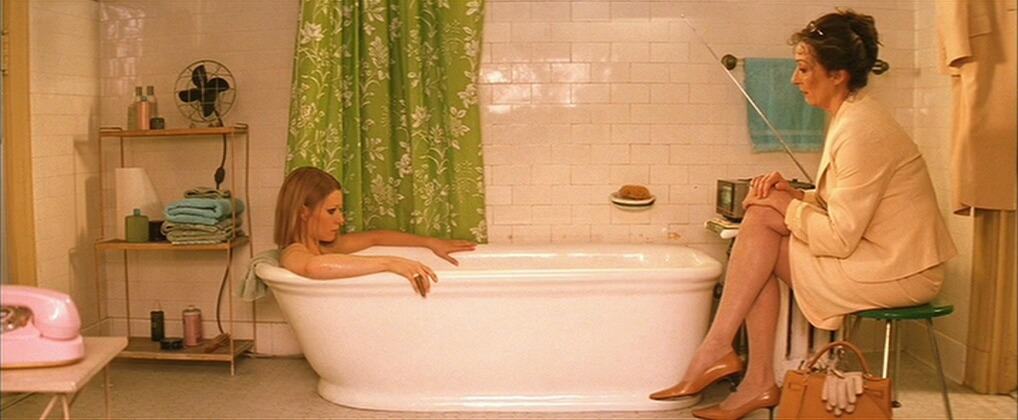

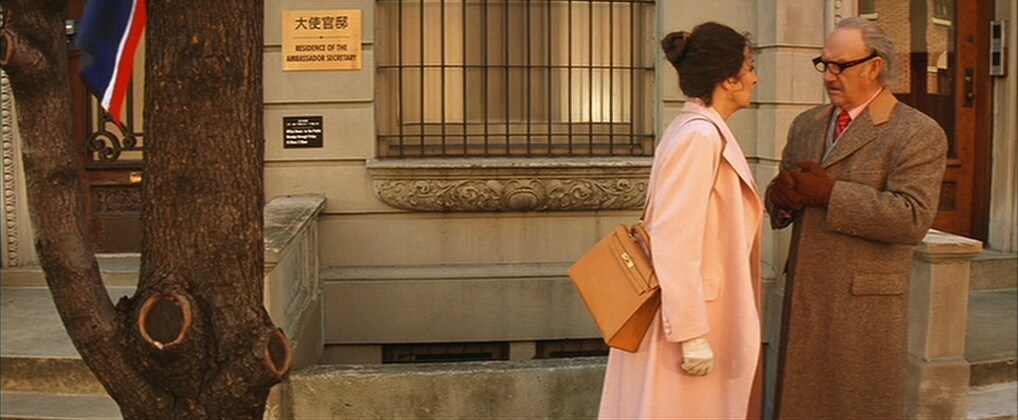

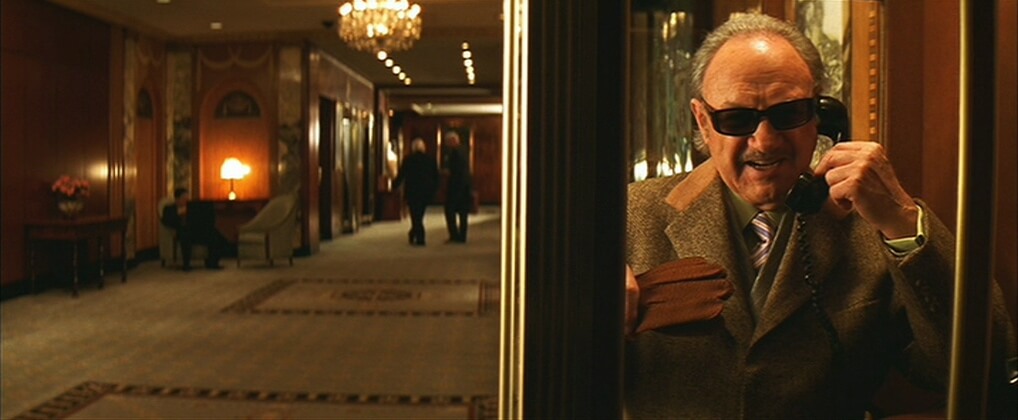
Anjelica Huston plays Etheline Tenenbaum, Royal’s dignified and intelligent ex-wife, who raised their children alone after his departure. Etheline is now being courted by Henry Sherman (played by Danny Glover), an accountant who is kind and patient in stark contrast to the reckless Royal. As Royal tries to win back his family, he must contend with Etheline’s possible remarriage.

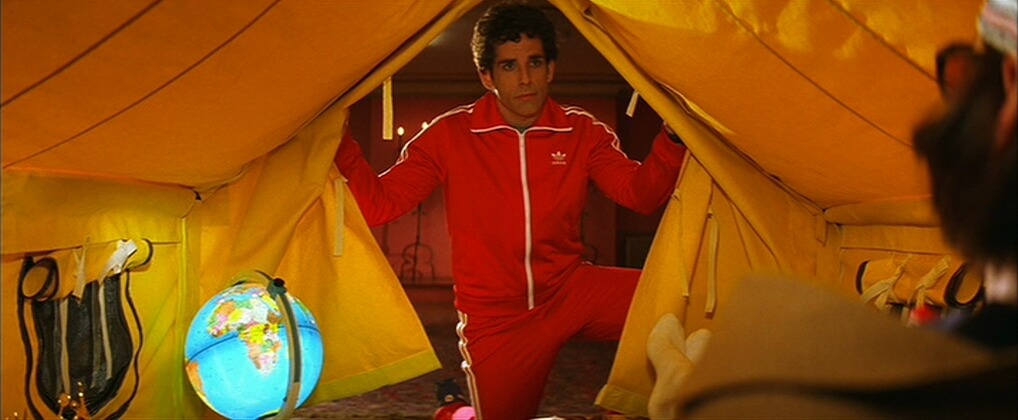

The Tenenbaum children, each a once-brilliant figure now plagued by personal crises, are:
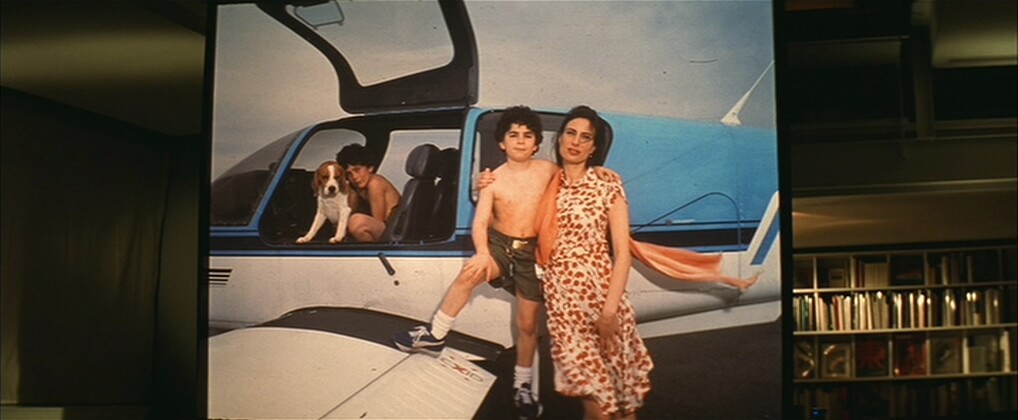
Ben Stiller, as Chas Tenenbaum, was a financial genius who became wealthy through business ventures at a young age. Following the death of his wife in a plane crash, Chas becomes paranoid and overprotective of his two sons, Ari and Uzi. He moves back into the Tenenbaum house, where he struggles with his grief and the lingering effects of his father’s betrayal.
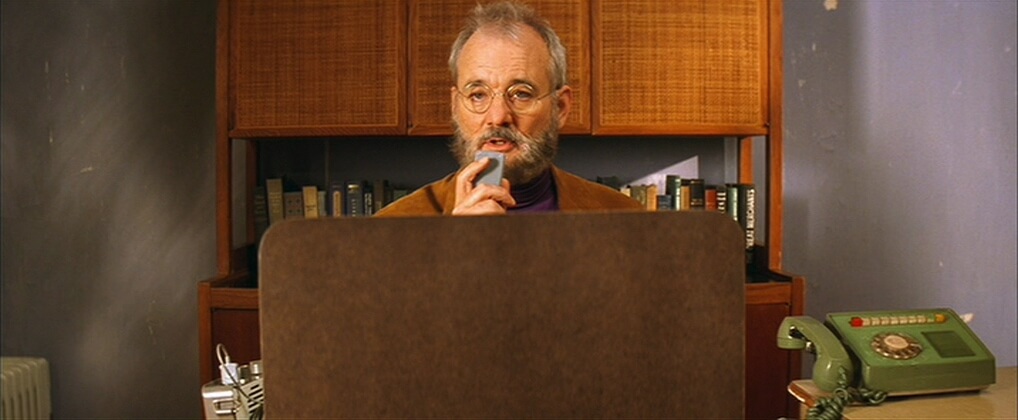
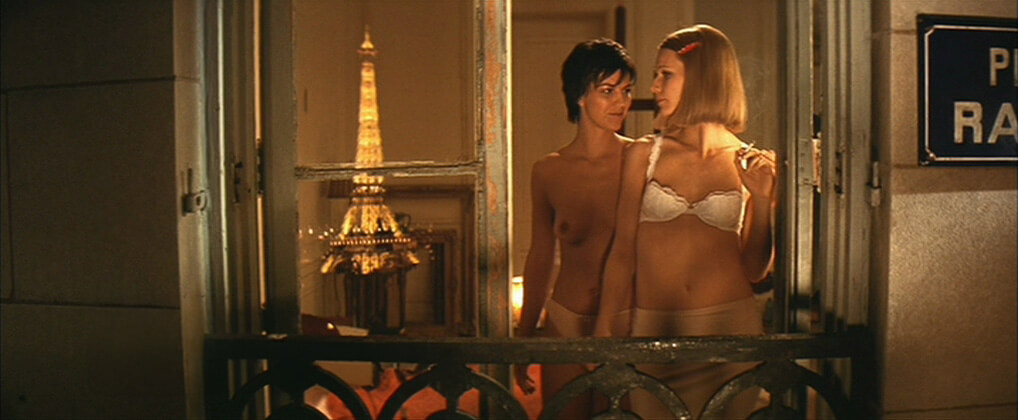
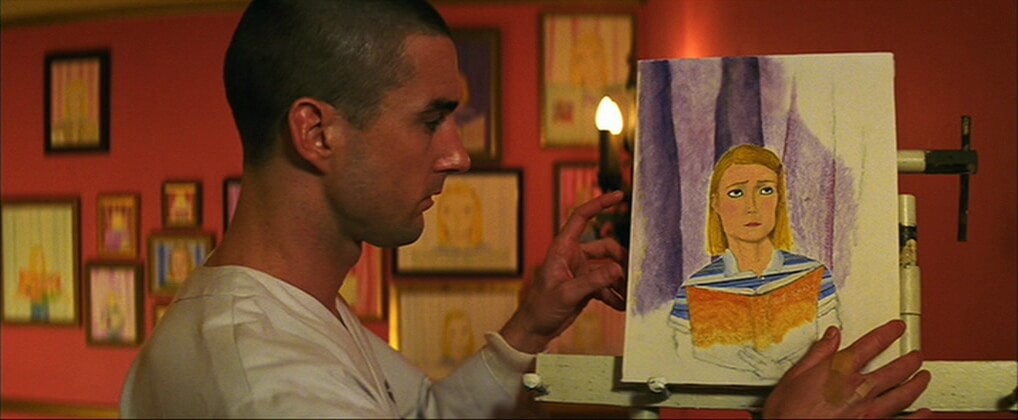
Gwyneth Paltrow as Margot Tenenbaum, Royal and Etheline’s adopted daughter, a Pulitzer Prize-winning playwright who has been in a creative and emotional slump for years. Margot is secretive and withdrawn, deeply affected by Royal’s past neglect and favoritism toward his biological children. She is trapped in an unhappy marriage to Raleigh St. Clair(played by Bill Murray), a neurologist, while secretly engaging in an affair with family friend Eli Cash.
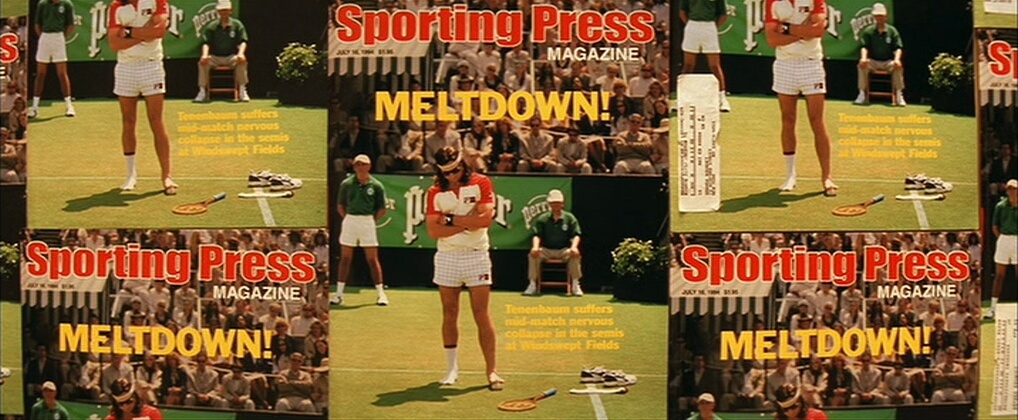
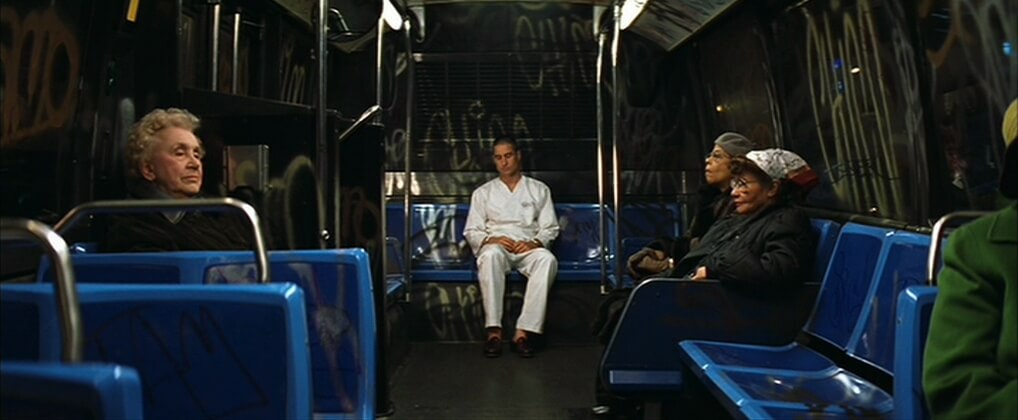
Luke Wilson as Richie Tenenbaum, a former tennis prodigy who experienced a public meltdown during a match and has since become a recluse. Richie’s life has been shaped by his unrequited love for his adopted sister, Margot, and he struggles with feelings of inadequacy and loneliness. He returns to the family home after traveling the world on a cruise ship to escape his emotional turmoil.


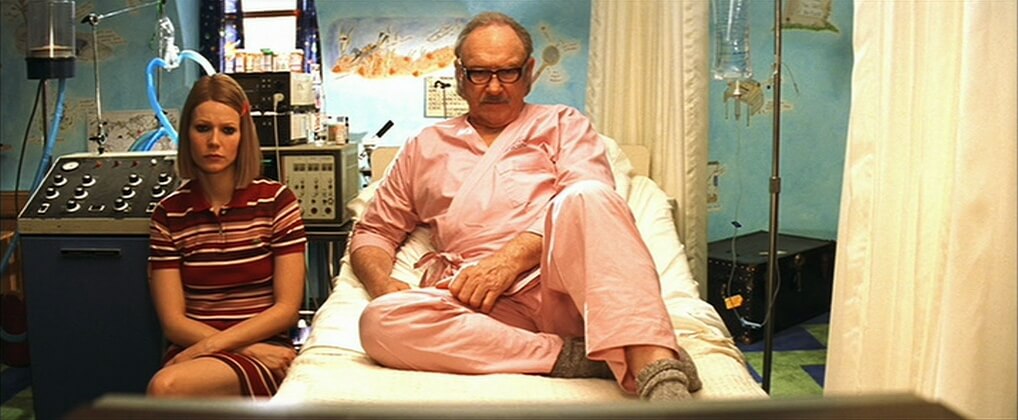
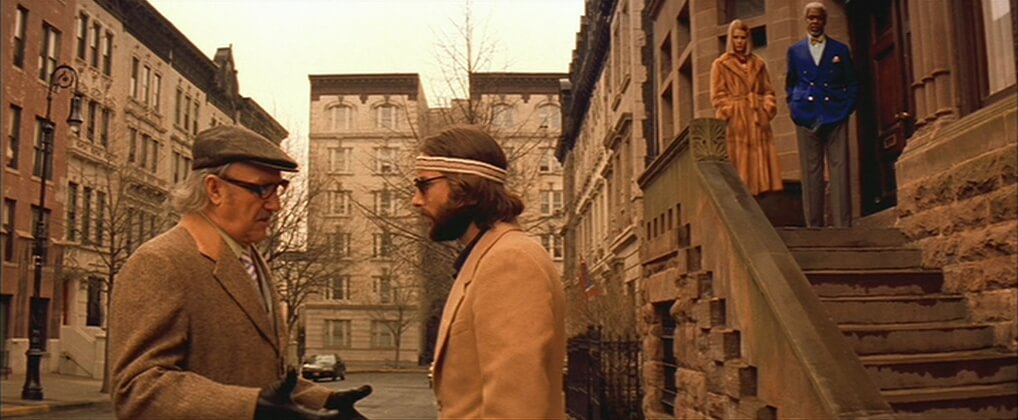



As Royal attempts to reinsert himself into the family, he fabricates a terminal illness, hoping that the imminent threat of death will force his children to forgive him. His plan works as he slowly starts to rebuild relationships with each of them. He bonds with Chas through mischievous escapades, helps Margot confront her unhappiness, and rekindles his old friendship with Richie. However, when his deception is revealed, Royal is forced to truly atone for his past actions.

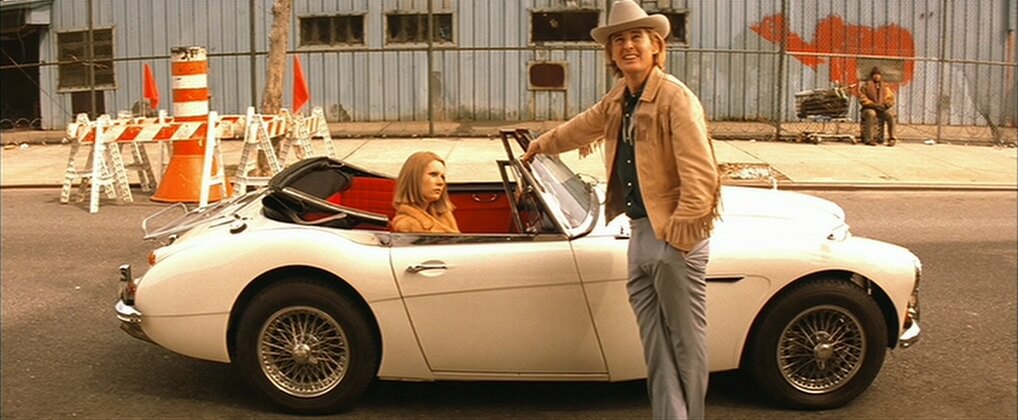
Meanwhile, Eli Cash (played by Owen Wilson), a close friend of the Tenenbaum family and a successful but troubled writer, spirals into drug addiction. His behavior becomes increasingly erratic, culminating in a reckless car crash that forces the family to come together in a moment of crisis.

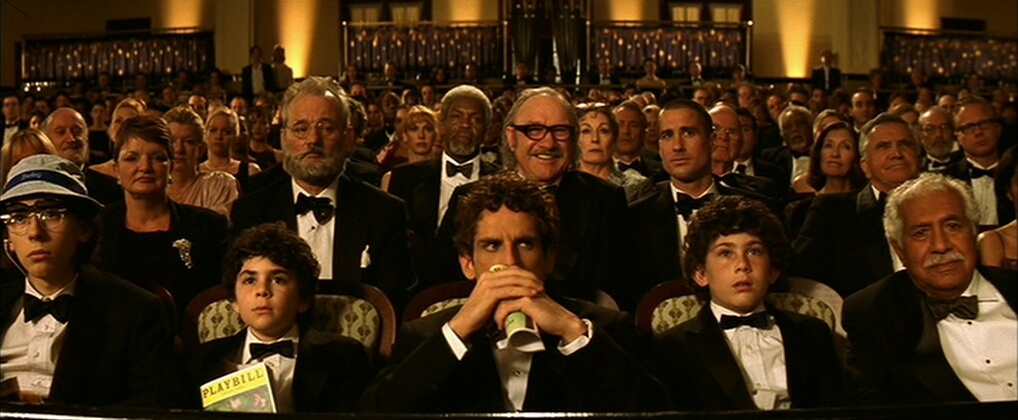
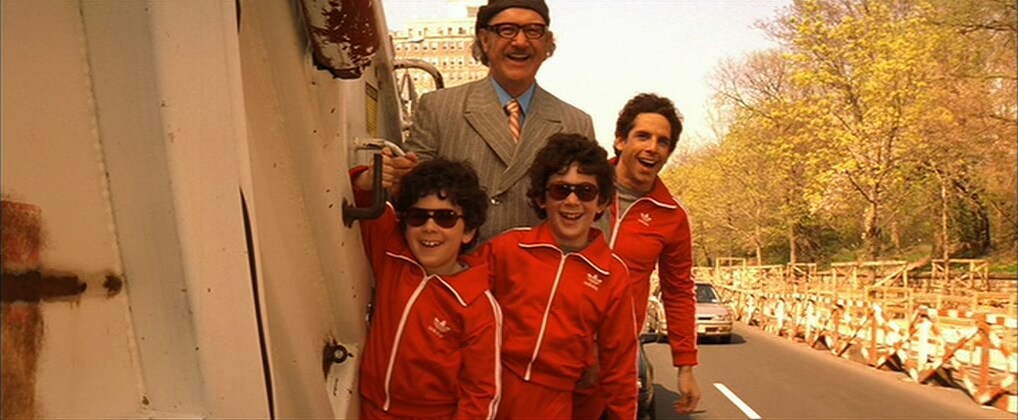
Ultimately, “The Royal Tenenbaums” is about redemption and forgiveness. Despite his flaws, Royal genuinely cares about his family and makes an effort to change. By the film’s end, he earns a degree of reconciliation with his children, especially Chas, with whom he shares a touching moment of connection. The film concludes with Royal’s death—this time real—and a sense that, while the Tenenbaums may never be a perfect family, they are beginning to heal.
 The Other Cinema