

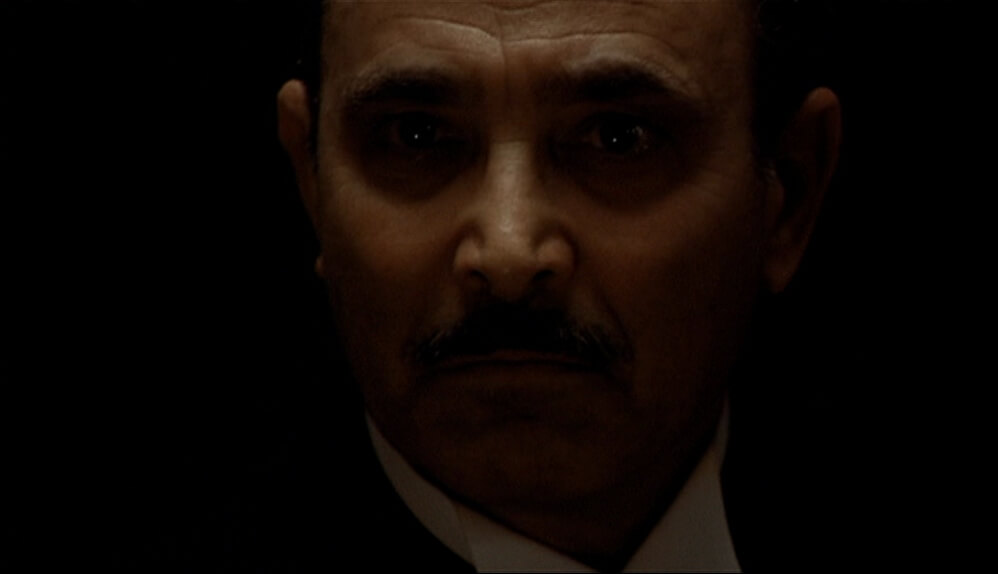
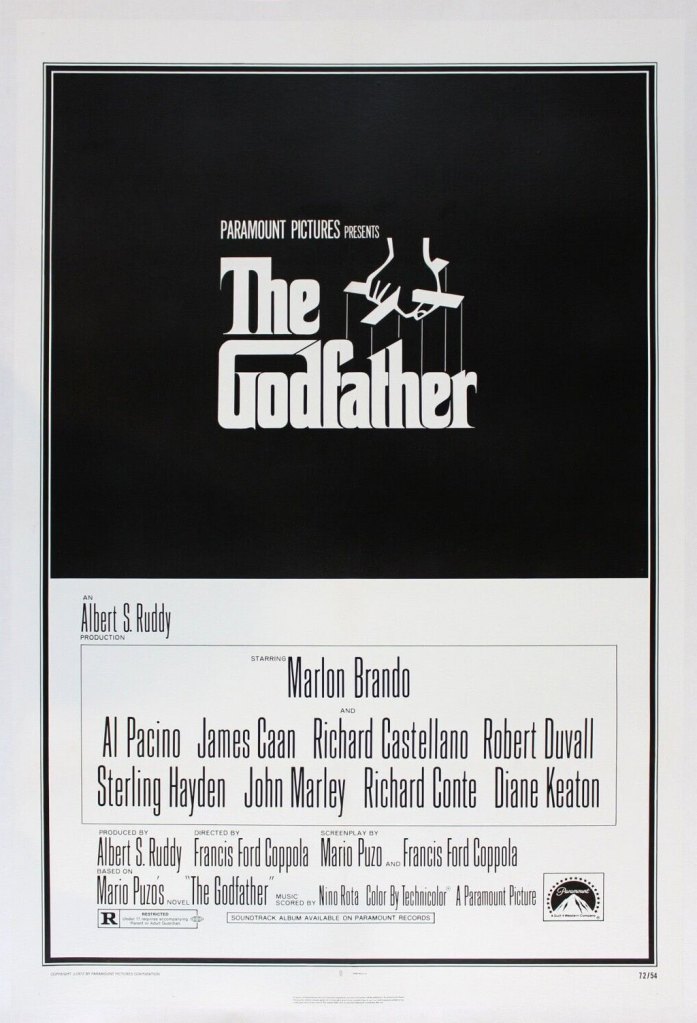
The Godfather (1972), directed by Francis Ford Coppola and adapted from Mario Puzo’s novel, stars Marlon Brando as Vito Corleone, the head of a powerful Italian-American crime family, and Al Pacino as his youngest son, Michael Corleone. Other key cast members include James Caan, Robert Duvall, and Diane Keaton. Through its portrayal of power, family loyalty, and moral decay, The Godfather paints a compelling portrait of organized crime and the American Dream.
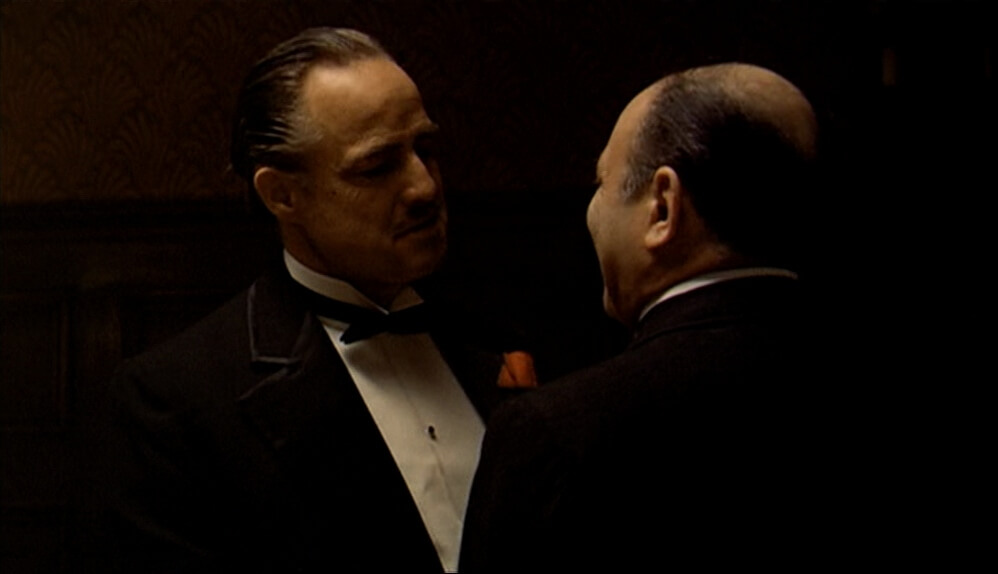
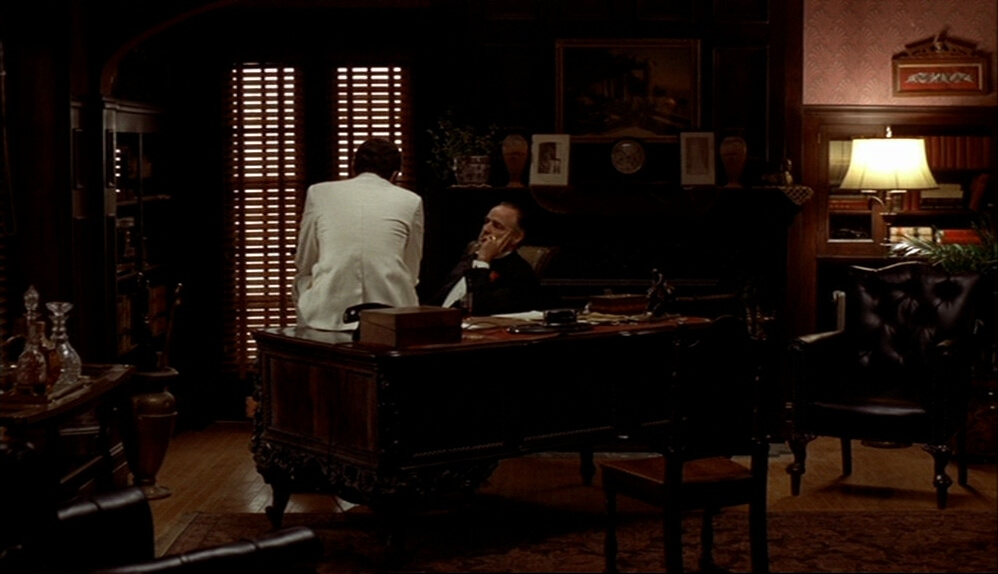
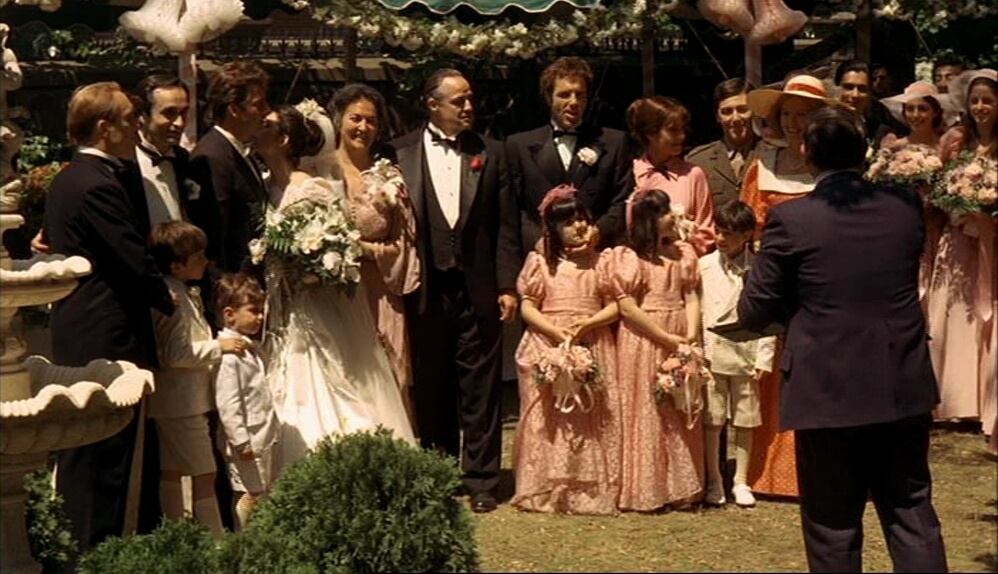
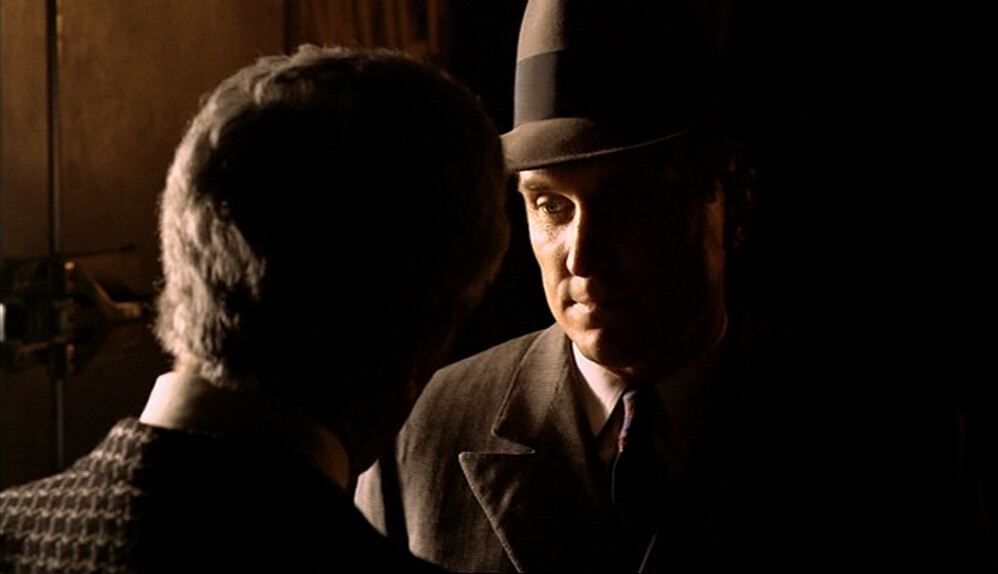
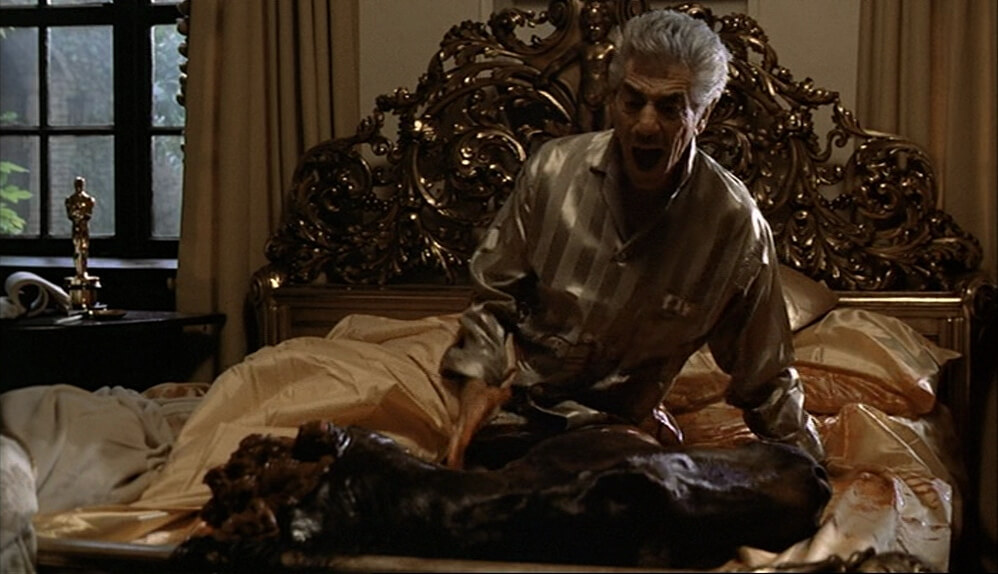
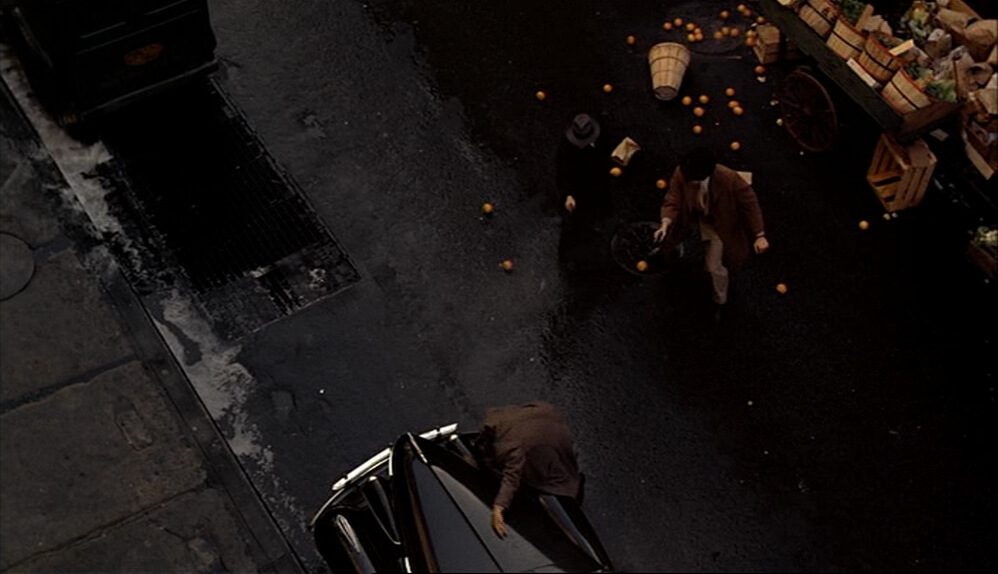
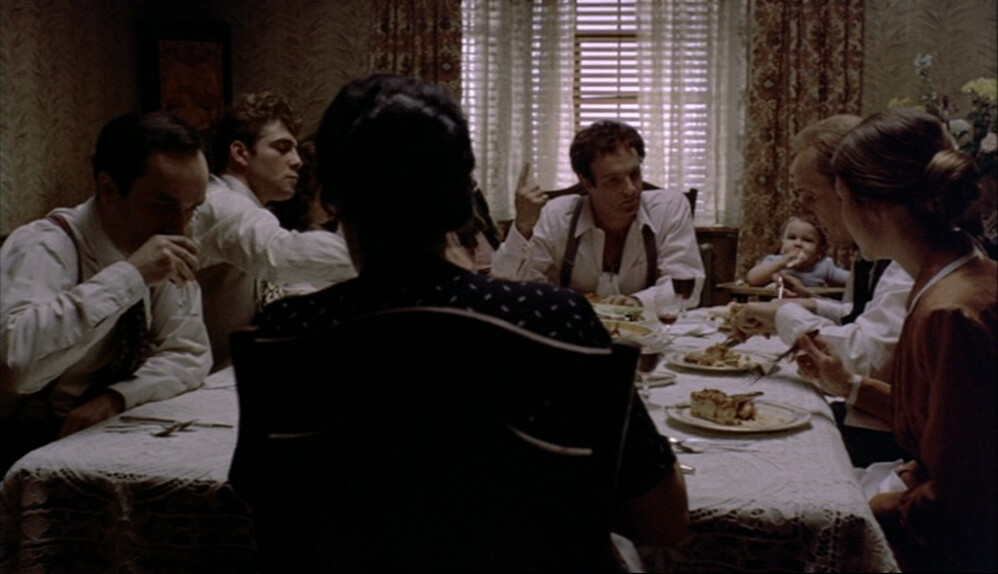
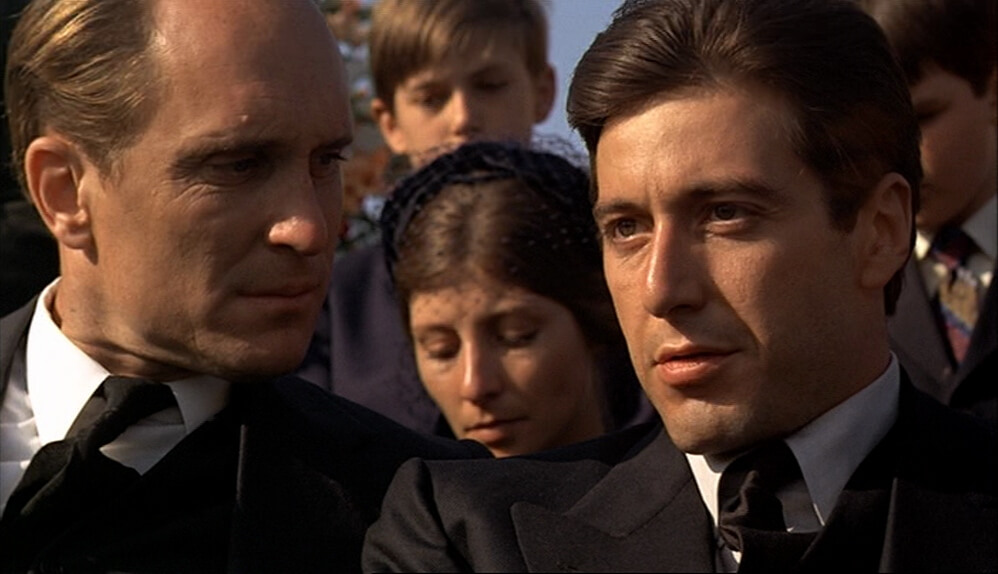
The story opens in 1945 with Vito Corleone, the respected yet feared patriarch of the Corleone family, presiding over his daughter Connie’s (Talia Shire) wedding. Vito, known as “The Godfather,” is a formidable figure in the New York crime underworld, operating on a strict code of loyalty and honor. We meet the various members of his family: his eldest son, Sonny (James Caan), a hot-tempered heir apparent; Fredo (John Cazale), the weaker middle son; and Michael (Al Pacino), a decorated war hero who initially distances himself from the family business. Also close to Vito is Tom Hagen (Robert Duvall), the family’s adopted son and consigliere.
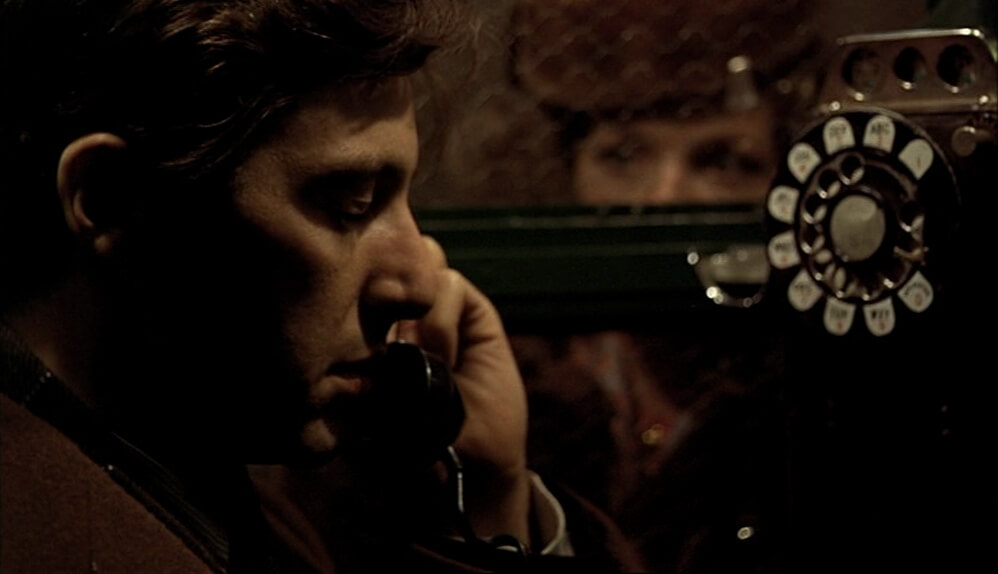
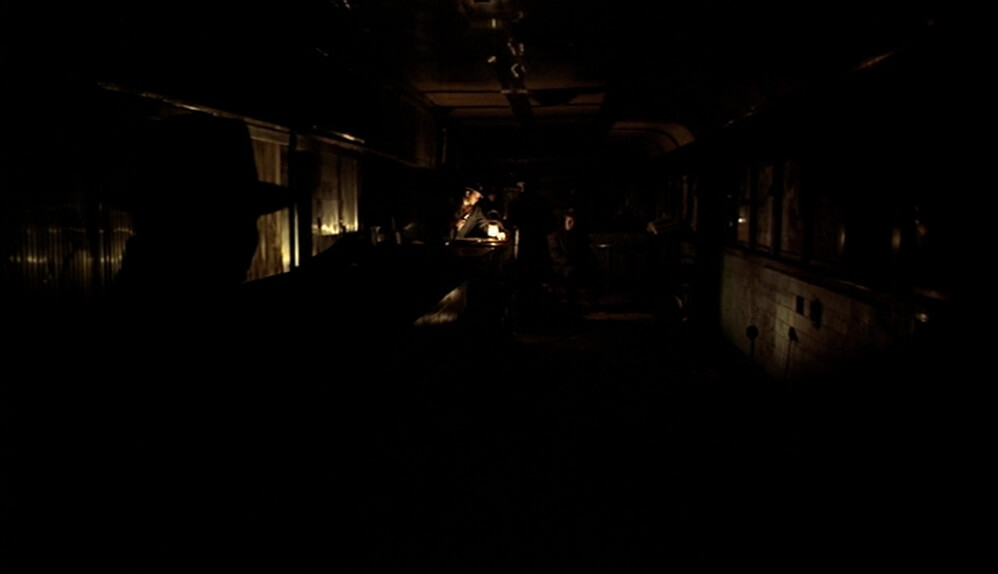

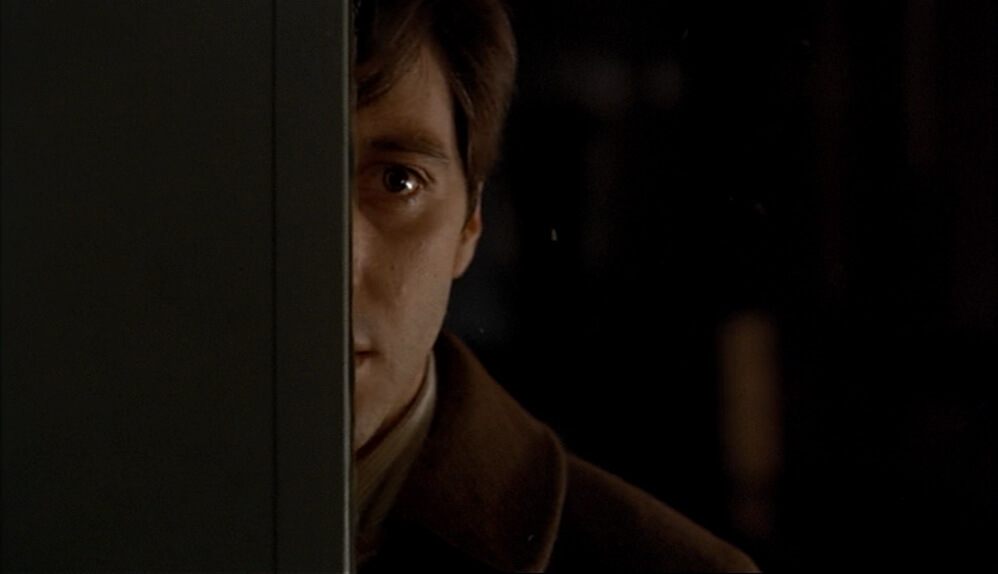
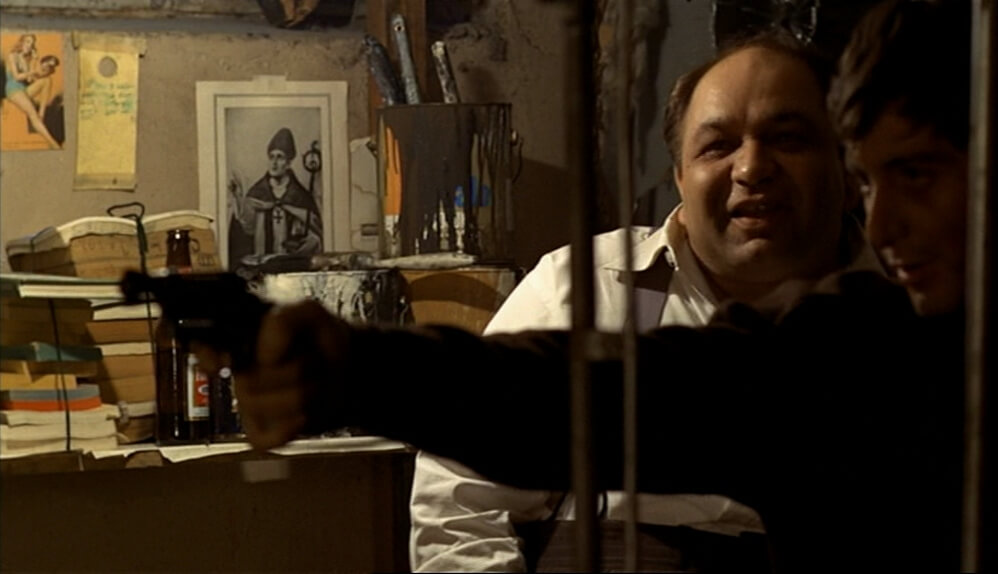
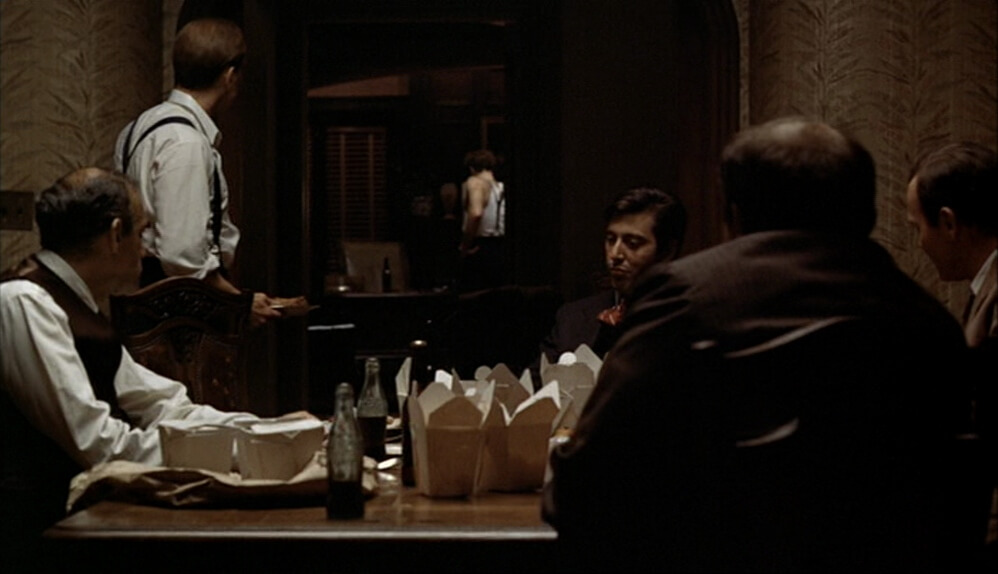
Conflict arises when a narcotics dealer named Sollozzo (Al Lettieri) approaches Vito with an offer to invest in his drug operation, seeking the Corleone family’s political connections for protection. Vito refuses, fearing that narcotics will corrupt his political alliances, leading Sollozzo to order a hit on Vito. Vito is gravely injured but survives, thrusting the family into turmoil. Sonny temporarily takes charge, while Michael, initially uninvolved in family affairs, becomes more drawn into the violence surrounding them.
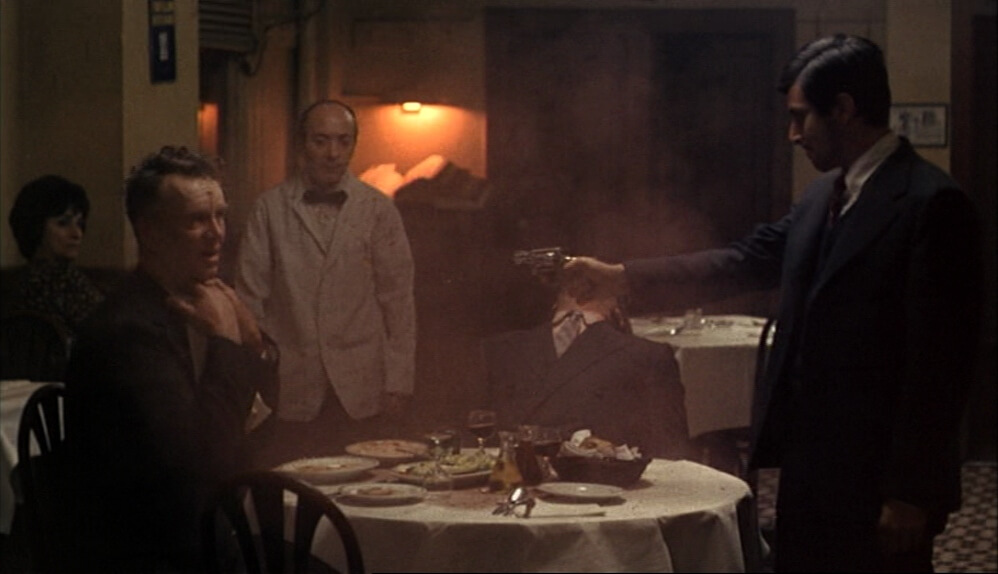
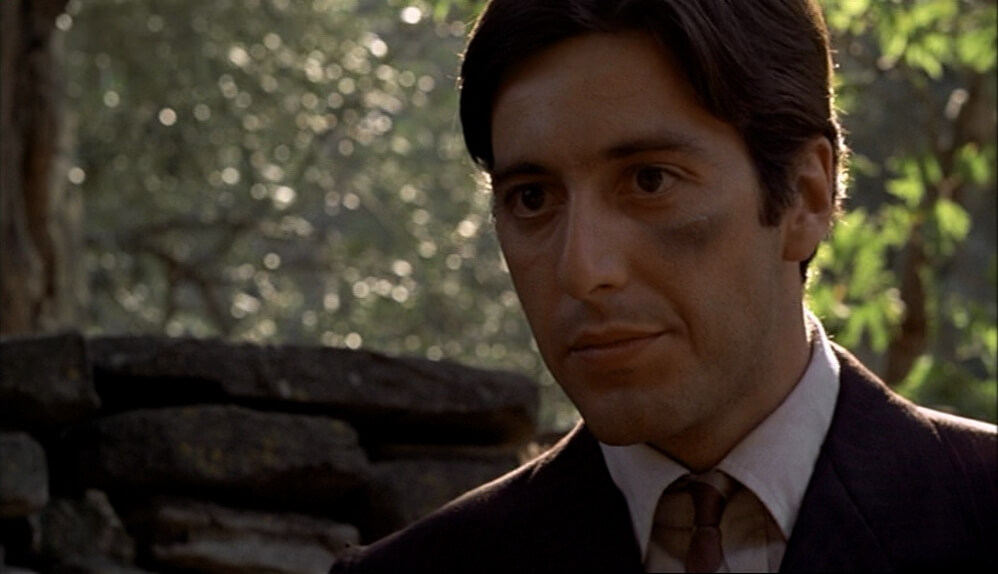
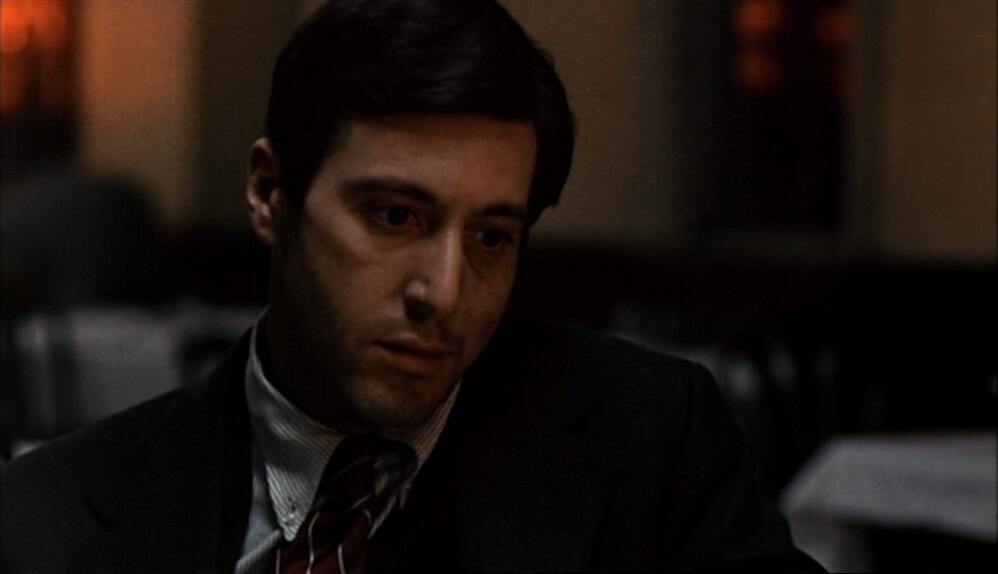
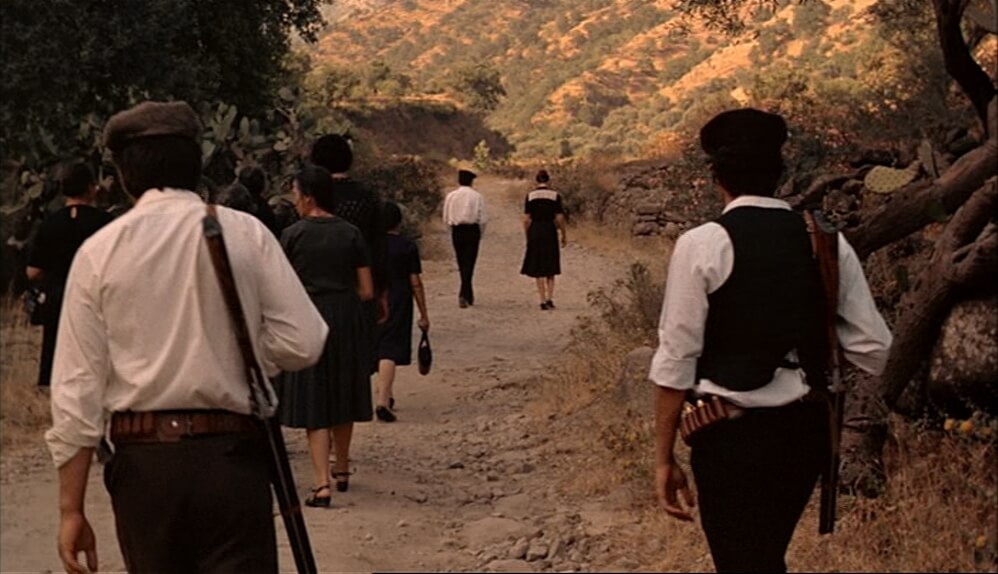
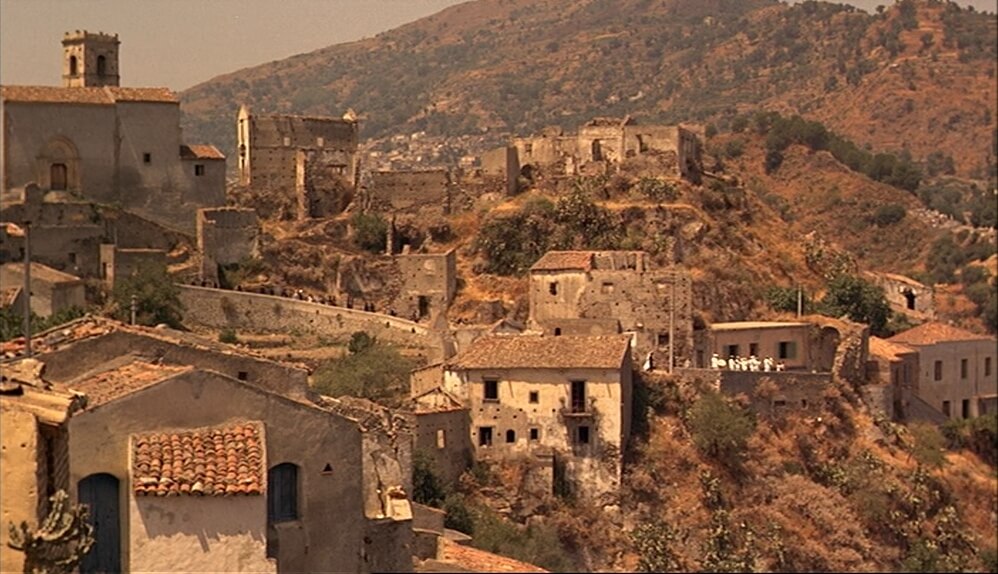
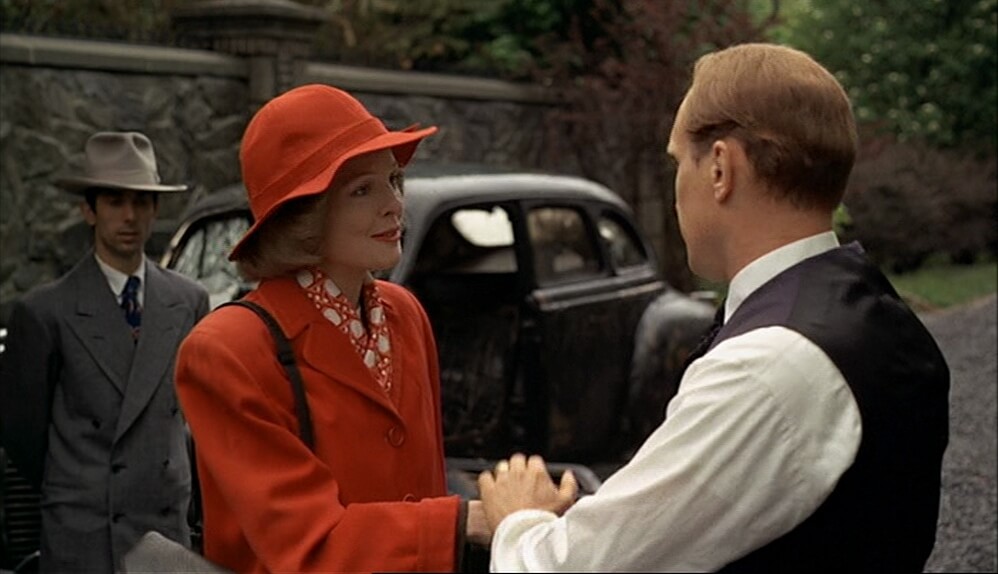
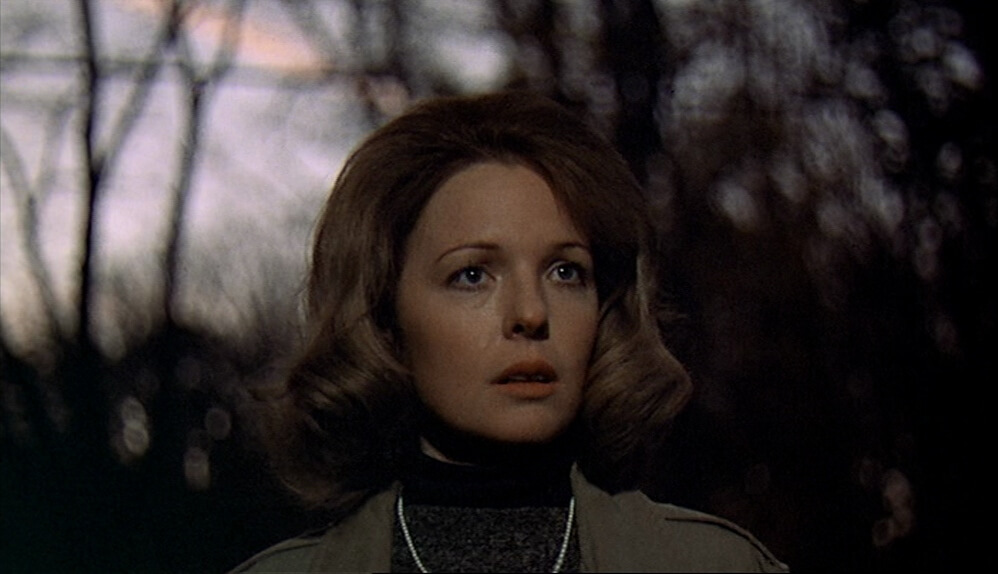
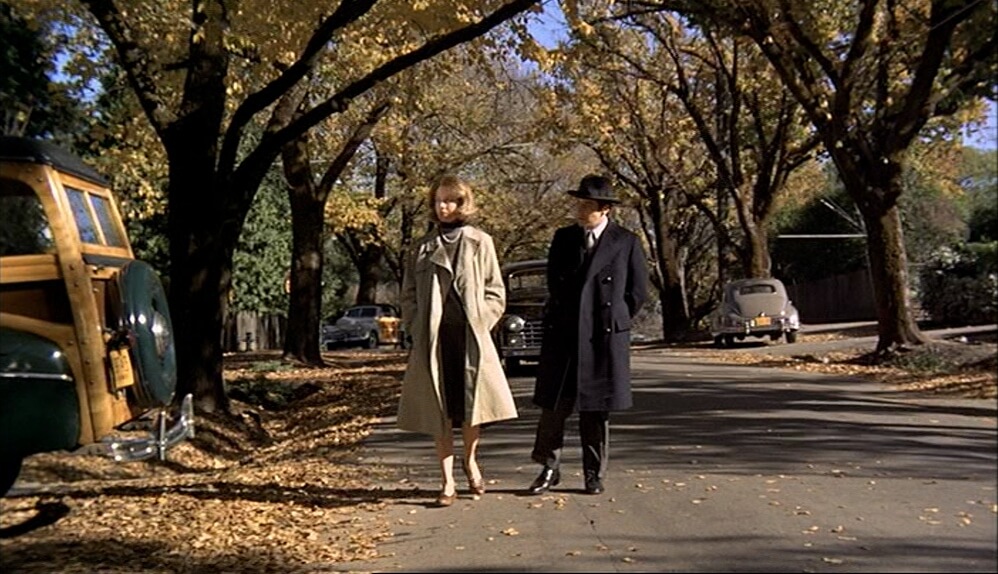
In a dramatic turning point, Michael, who has fallen in love with Kay Adams (Diane Keaton) and envisions a life outside the family business, volunteers to kill Sollozzo and the corrupt police captain McCluskey (Sterling Hayden), who is protecting him. Michael’s transformation begins here, as he kills both men in a daring ambush, forcing him to flee to Sicily to avoid retaliation. While in exile, Michael falls in love with and marries a young Sicilian woman, Apollonia (Simonetta Stefanelli), but she is tragically killed in a car bombing meant for him. This loss hardens Michael further, preparing him for the eventual role he will play upon his return.
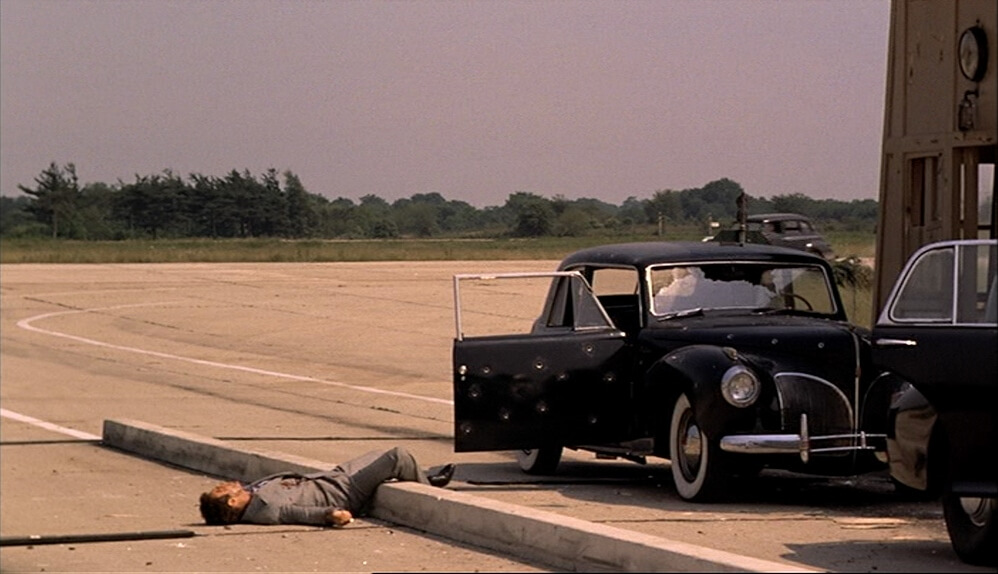
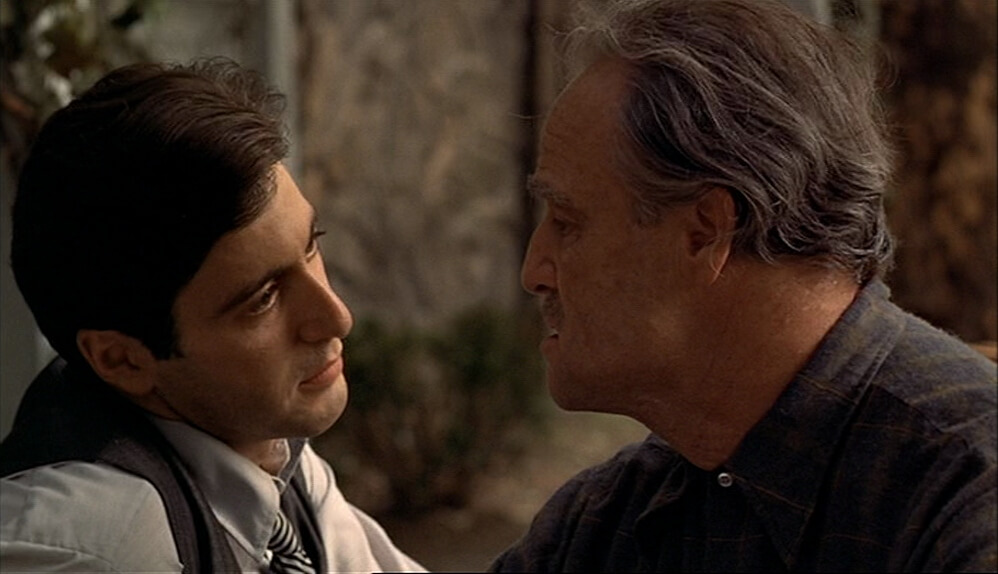

Back in New York, Vito Corleone recuperates and is devastated by the escalating violence. He arranges a truce among the crime families, but after Sonny is murdered in an ambush, Vito realizes that peace will never last. Michael returns to take control of the family, with Vito reluctantly accepting that his son has embraced the family business. When Vito dies of a heart attack, Michael assumes complete control of the Corleone empire.
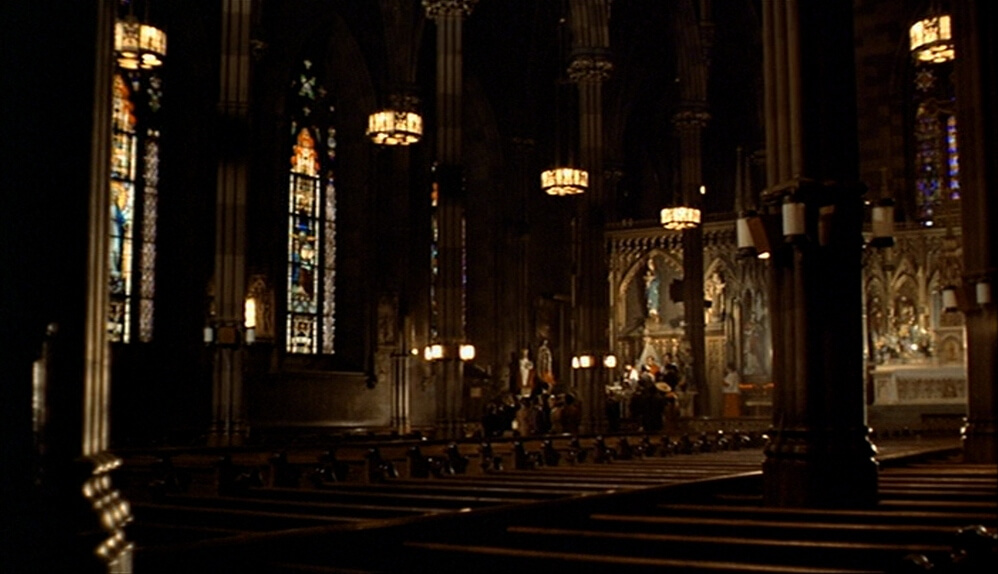
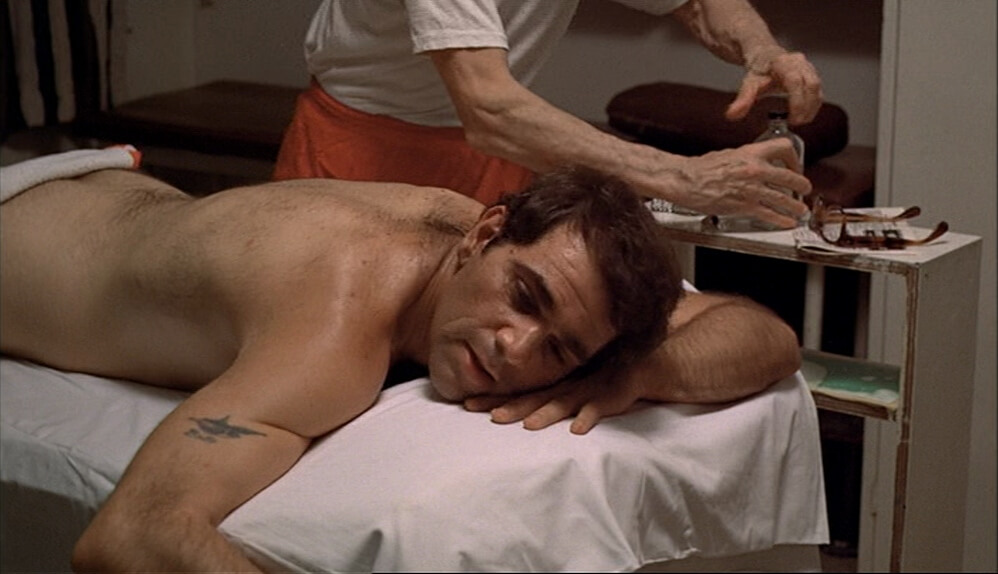
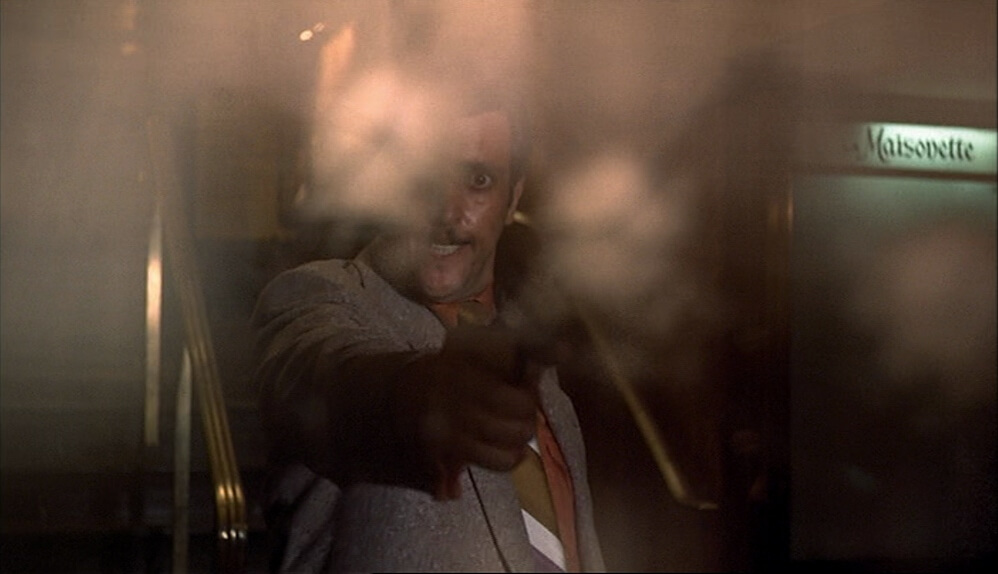
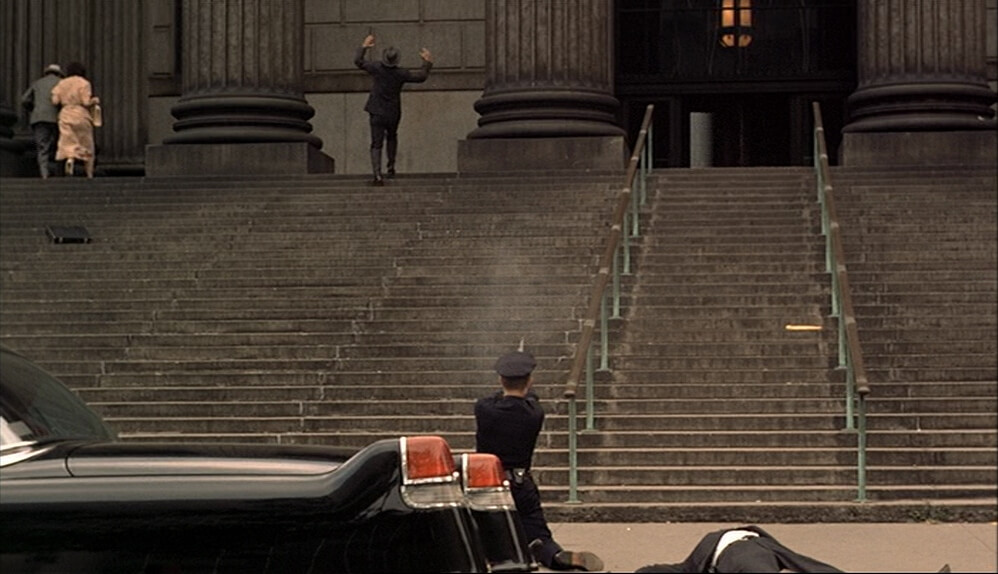
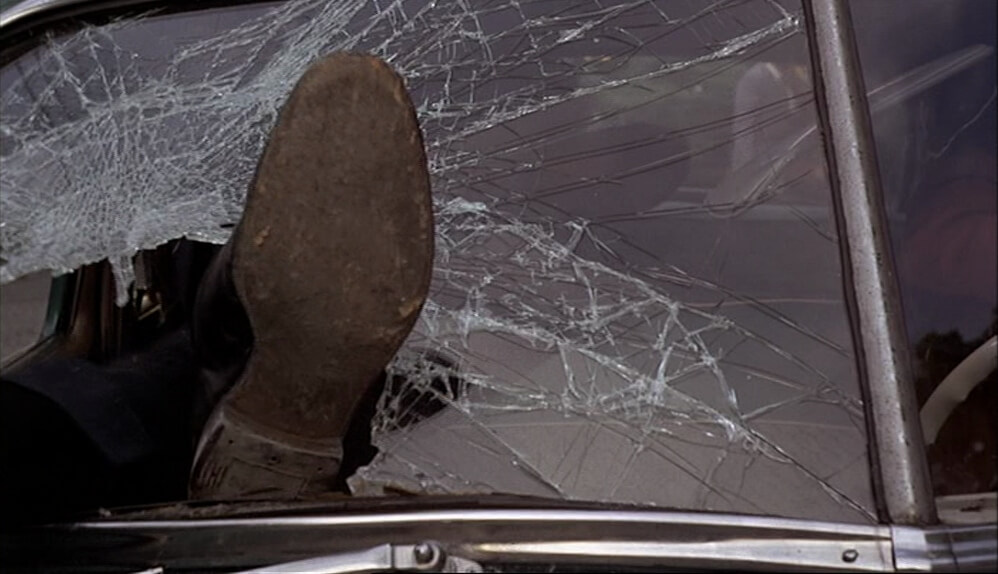
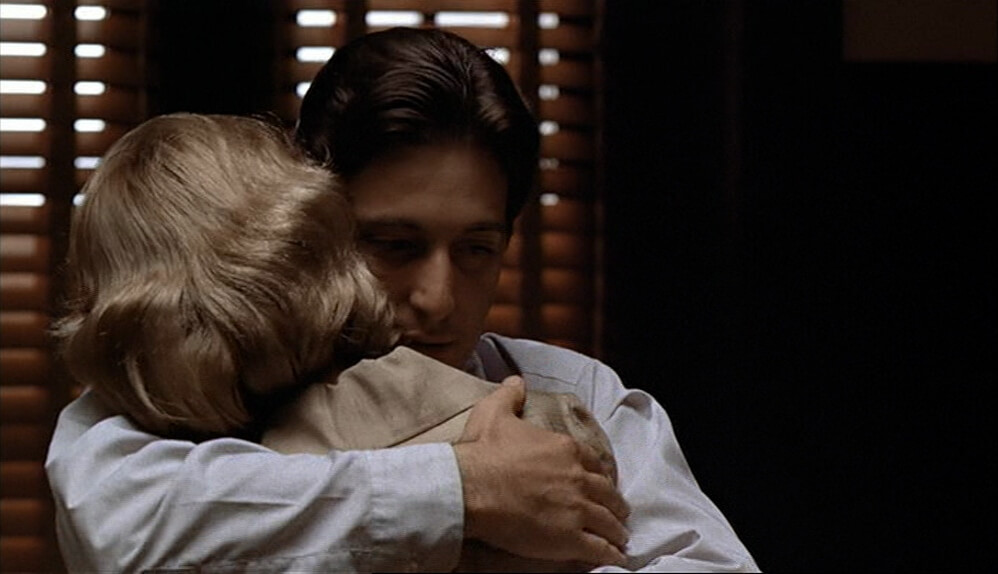
In a chilling final act, Michael consolidates his power by orchestrating the deaths of the family’s enemies in a sequence known as the “baptism massacre.” This montage, which contrasts his godson’s baptism with the brutal assassinations, signifies Michael’s complete transformation into a ruthless mafia don. He even orders the murder of his brother-in-law, Carlo (Gianni Russo), who had betrayed Sonny.
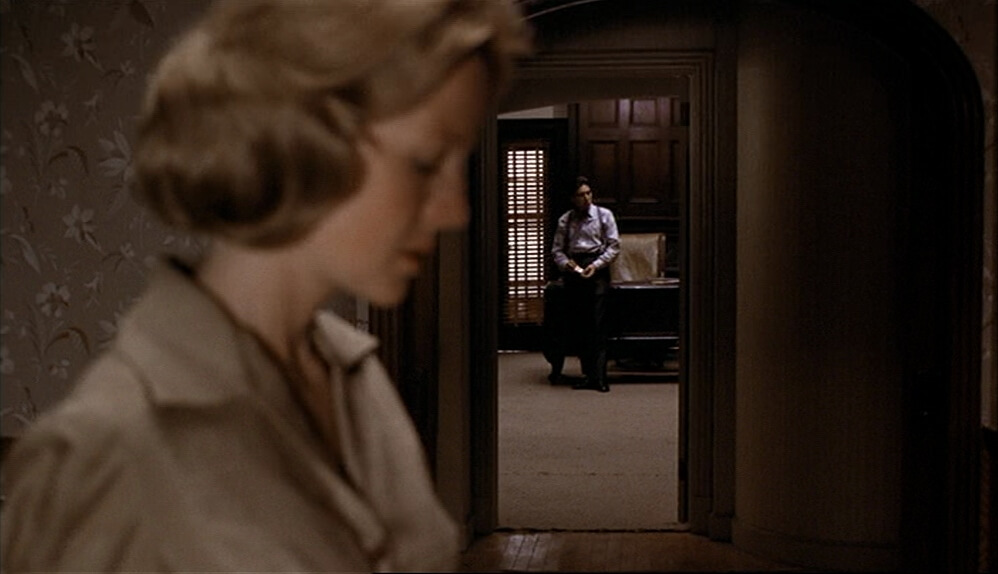
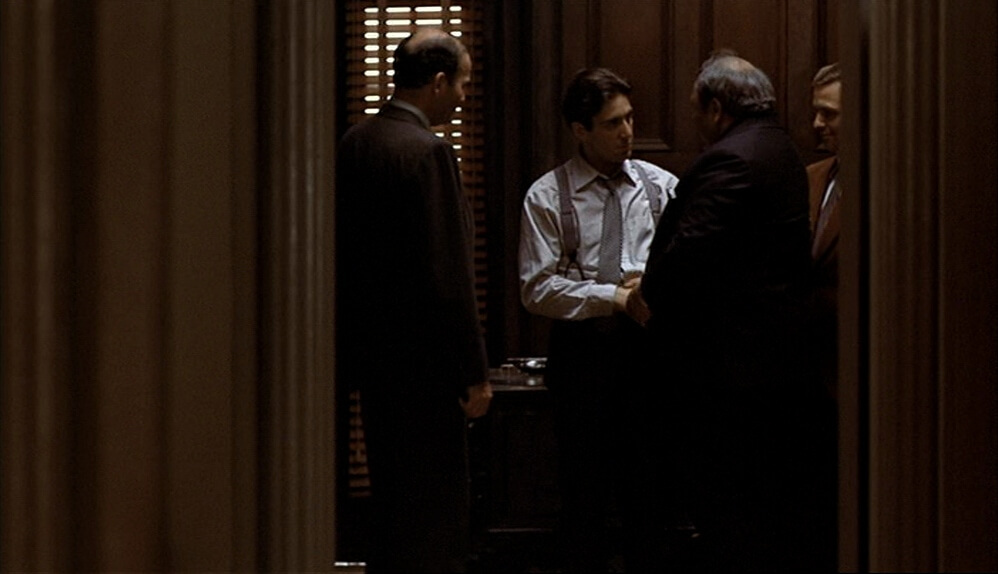
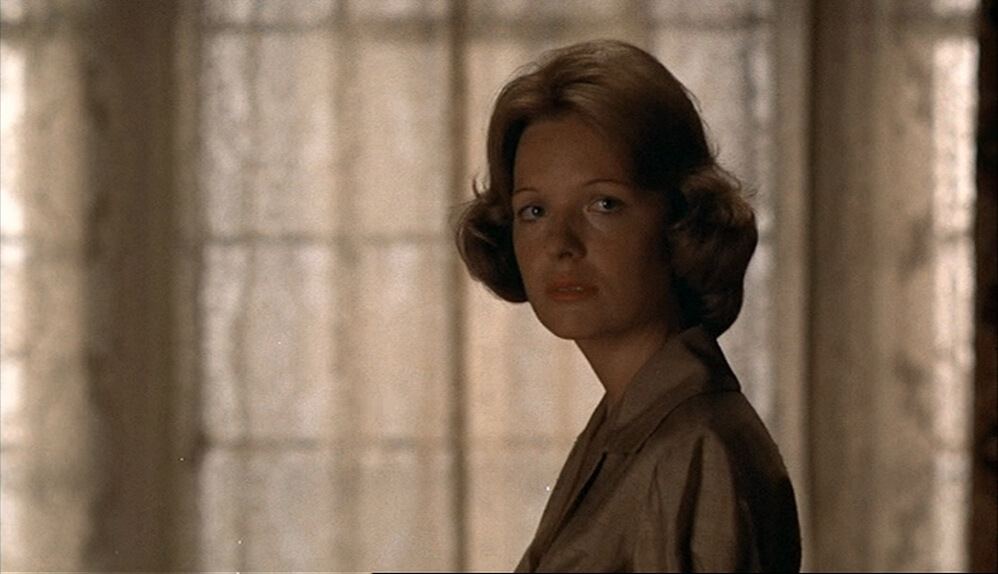
In the film’s iconic final scene, Kay, who has married Michael, questions him about his involvement in the killings. Michael lies, assuring her of his innocence, but the door closes on her, both literally and metaphorically, as Michael’s men kiss his hand and acknowledge him as “The Godfather.”
 The Other Cinema