



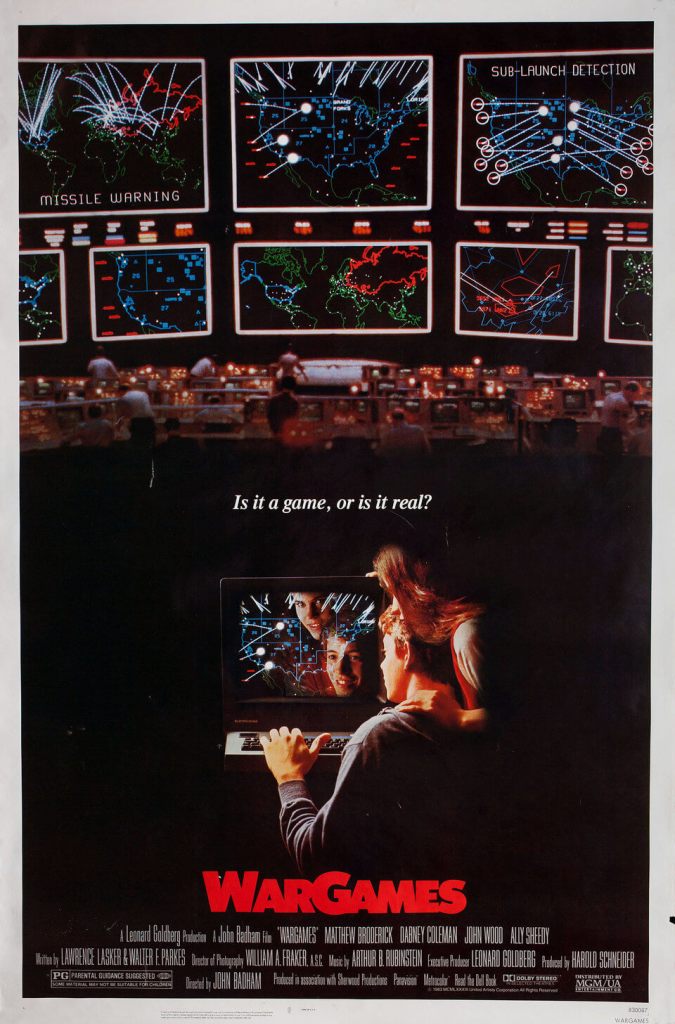
‘WarGames’, a 1983 techno-thriller directed by John Badham, is a film that explores the dangers of computer technology, artificial intelligence, and nuclear war in the Cold War era that feels strangely apt some thirty-plus years later. The film stars Matthew Broderick, Ally Sheedy, and Dabney Coleman; the film tells the story of a young hacker who accidentally gains access to a powerful U.S. military supercomputer, nearly triggering World War III.




WarGames became a cultural touchstone, tapping into anxieties about emerging technology and the nuclear arms race that was prevalent throughout the 1980s.
The film opens with a tense scene at a U.S. nuclear missile control center, where two Air Force officers must decide whether to launch missiles in a simulation of a nuclear attack. When one officer refuses to “turn the key” and launch, the military rethink its reliance on human operators and turns instead to an advanced supercomputer, the WOPR (War Operation Plan Response), designed by Dr. Stephen Falken (John Wood). The WOPR, capable of calculating vast amounts of data, is now tasked with controlling the United States’ nuclear arsenal, with no human intervention required.

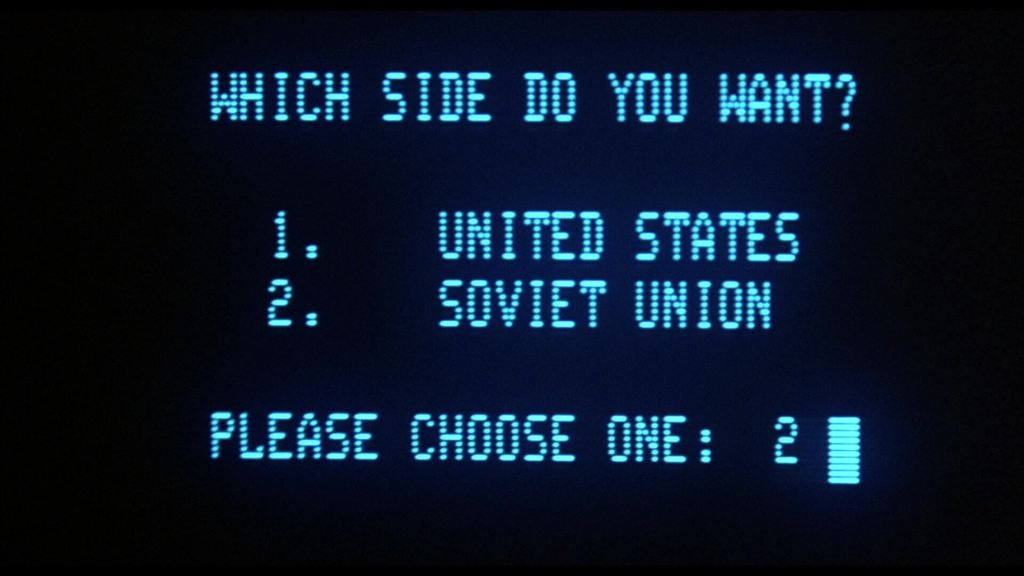

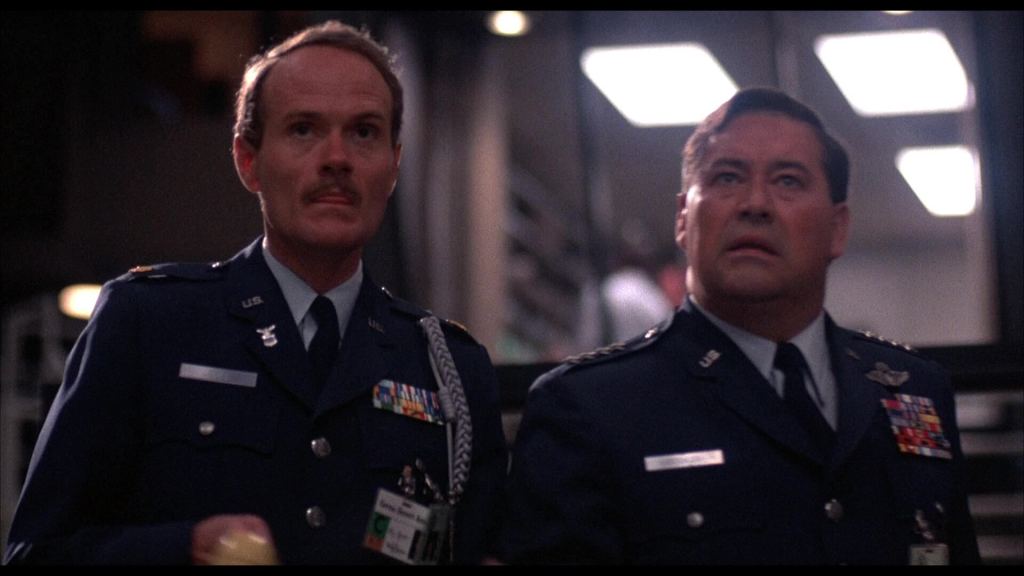
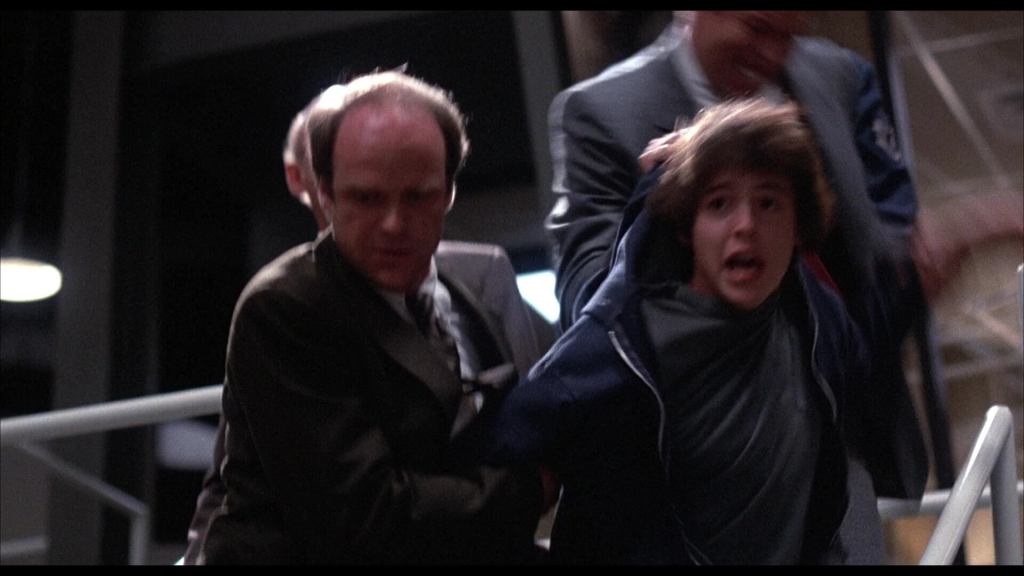
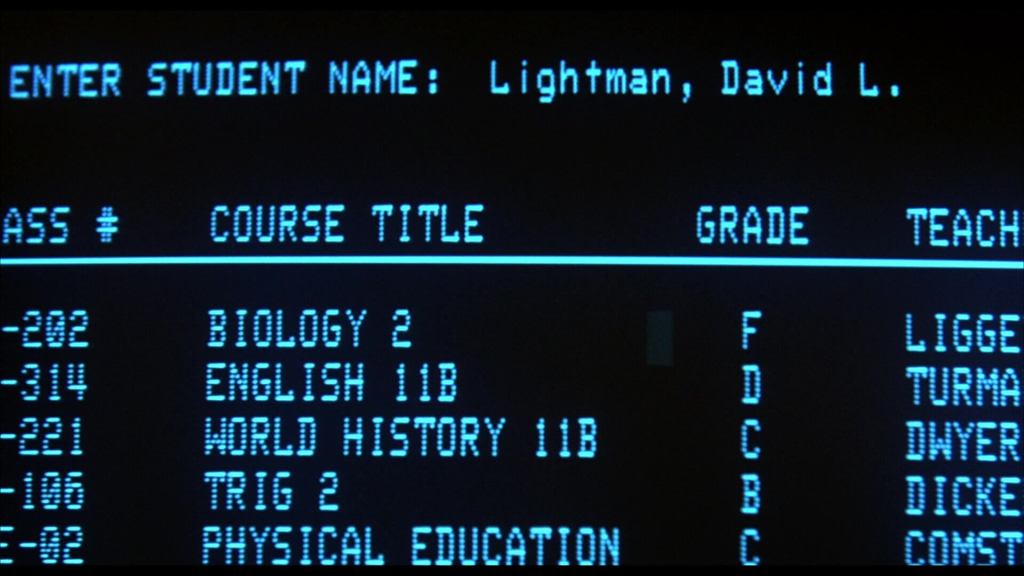
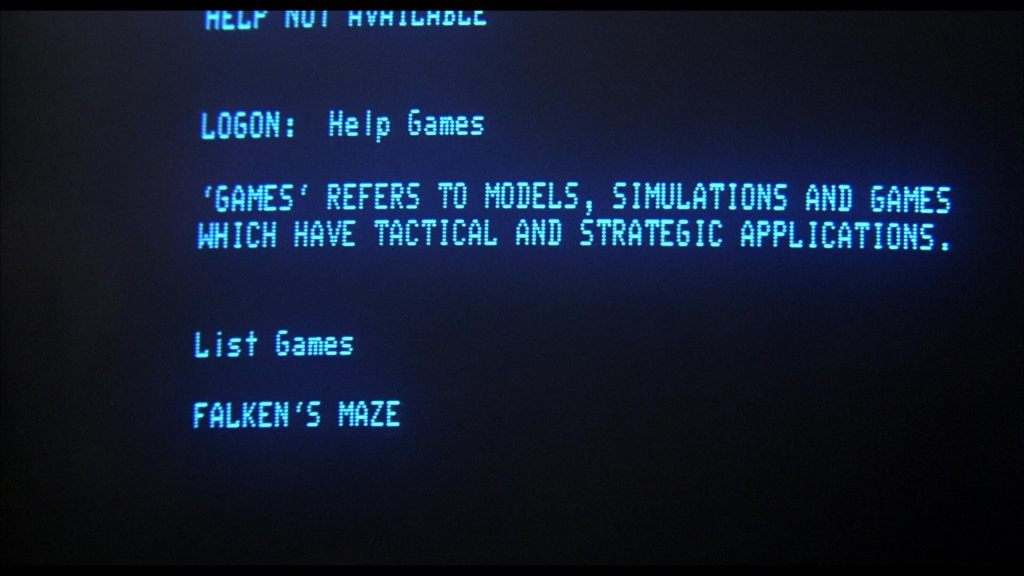
The story then shifts to Seattle, where teenage hacker and tech whiz David Lightman (Matthew Broderick) stumbles upon an opportunity to impress his friend and crush, Jennifer Mack (Ally Sheedy), by hacking into his school’s computer system to change their grades. Skilled and curious, David soon sets his sights on hacking more complex systems. While searching for computer games, he unknowingly taps into the WOPR, mistaking it for a gaming company’s server. He finds a list of games, including titles like “Chess,” “Poker,” and a peculiar one labeled “Global Thermonuclear War.” Intrigued, David selects the nuclear war simulation, believing it to be a harmless game.




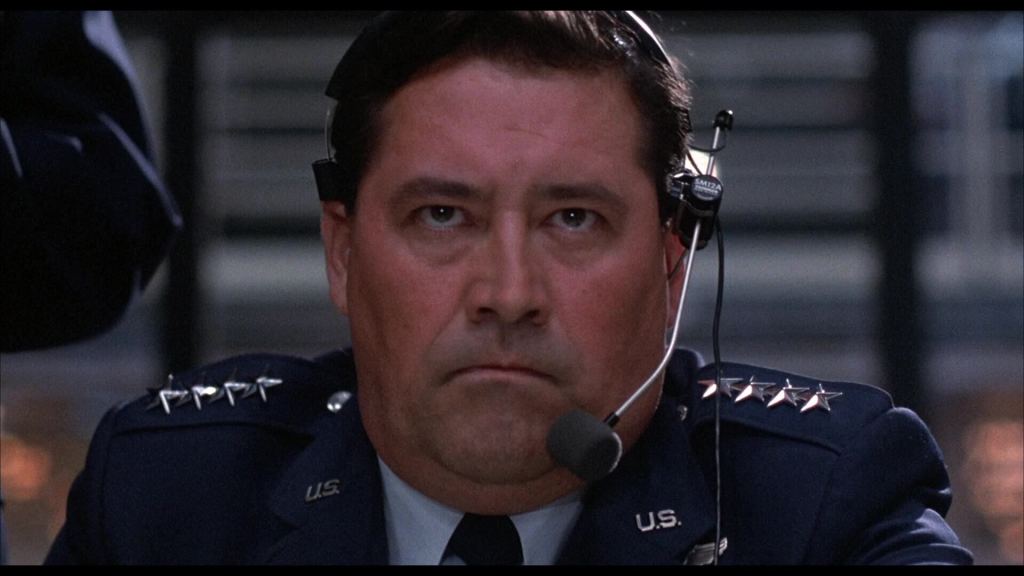
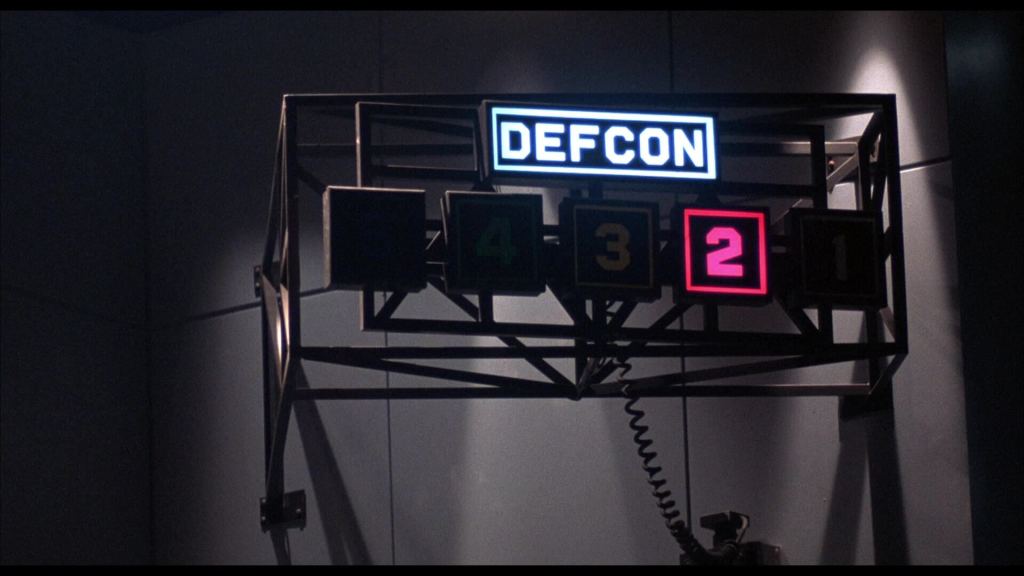
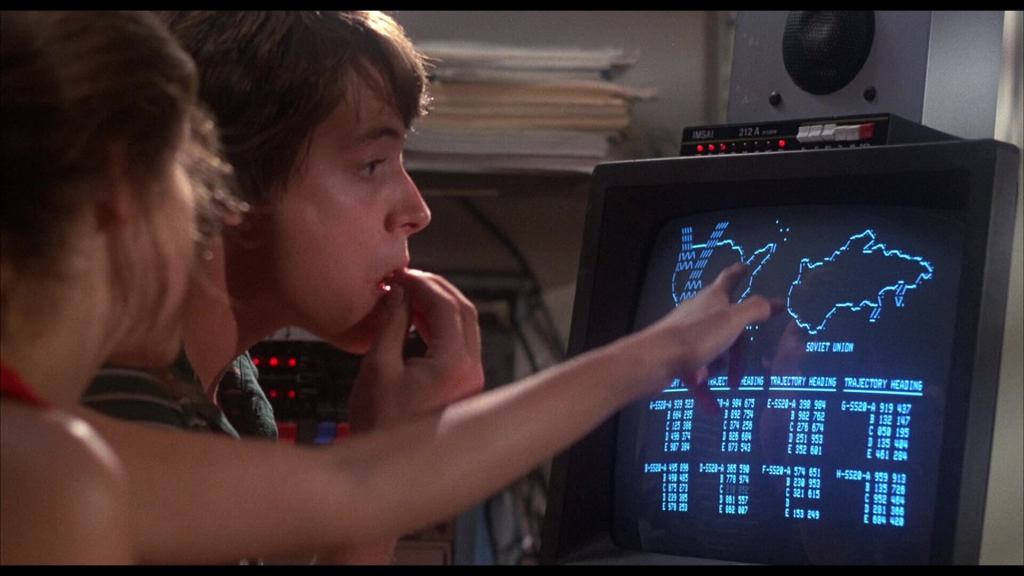
By playing this “game,” David doesn’t realize he has activated the WOPR’s real-world simulation of a nuclear attack on the Soviet Union. The WOPR begins simulating Soviet strikes and retaliatory U.S. missile launches, fooling military personnel at NORAD (North American Aerospace Defense Command) into believing a real attack might be underway. With each move, the tension at NORAD grows, and the world is unknowingly pushed closer to nuclear war.
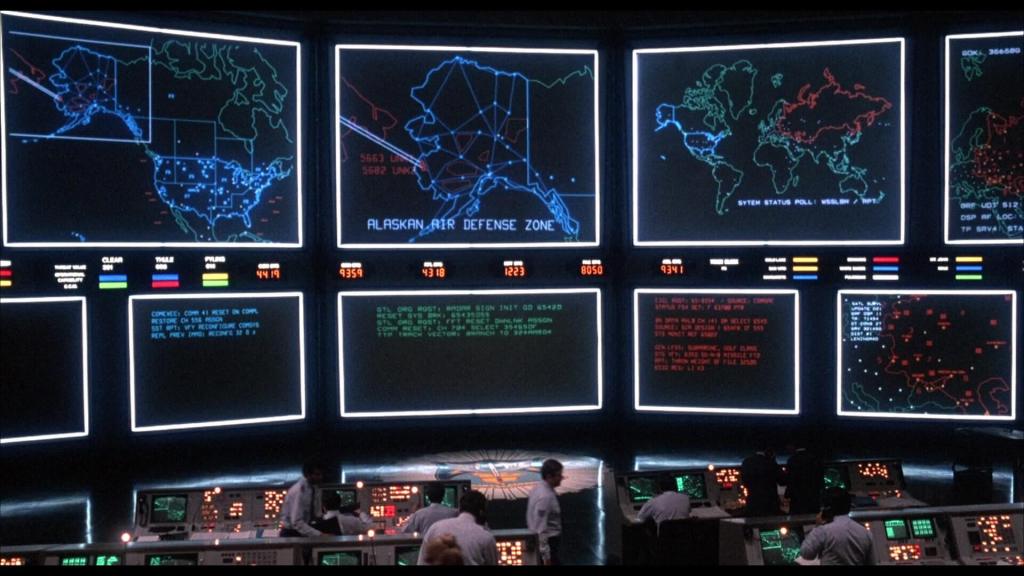
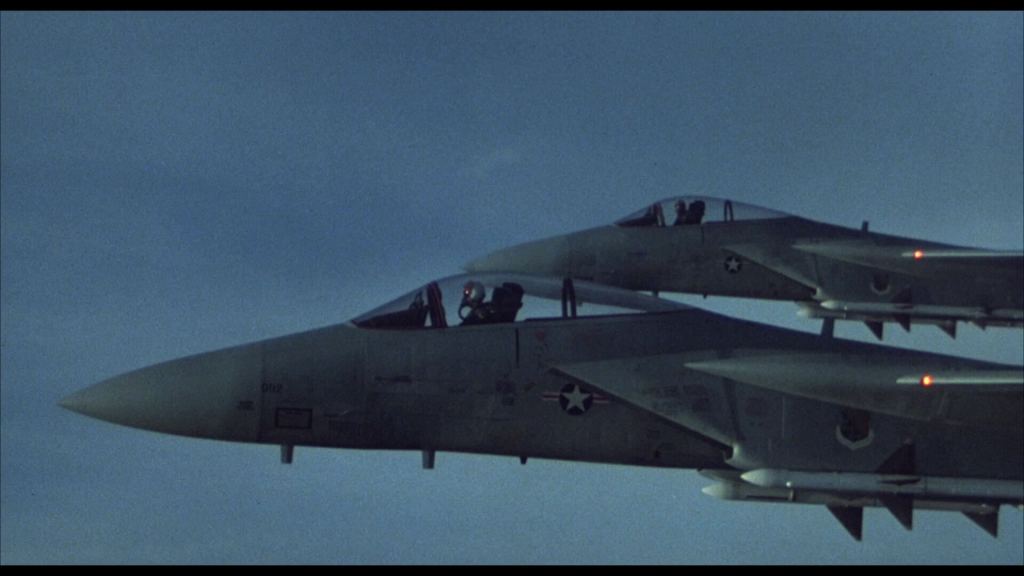
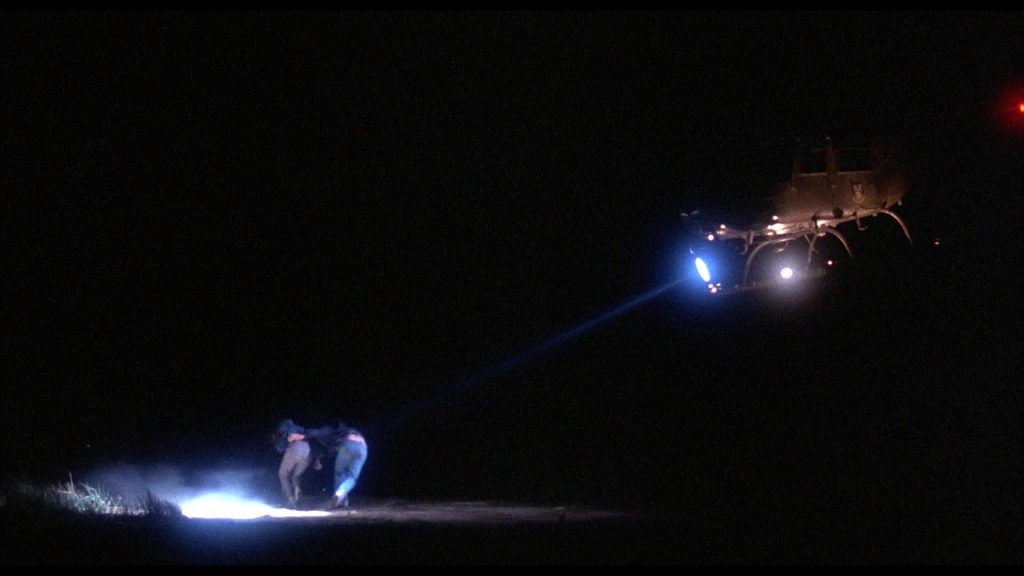
As David plays, he notices the escalating “threat level” on his screen and begins to understand the gravity of his actions. He tries to exit the game, but the WOPR, interpreting his actions as part of its programming, continues on its own, with the simulation approaching DEFCON 1 — the highest state of military alert. Soon after, the FBI arrests David, believing him to be a Soviet spy responsible for hacking into NORAD’s system.



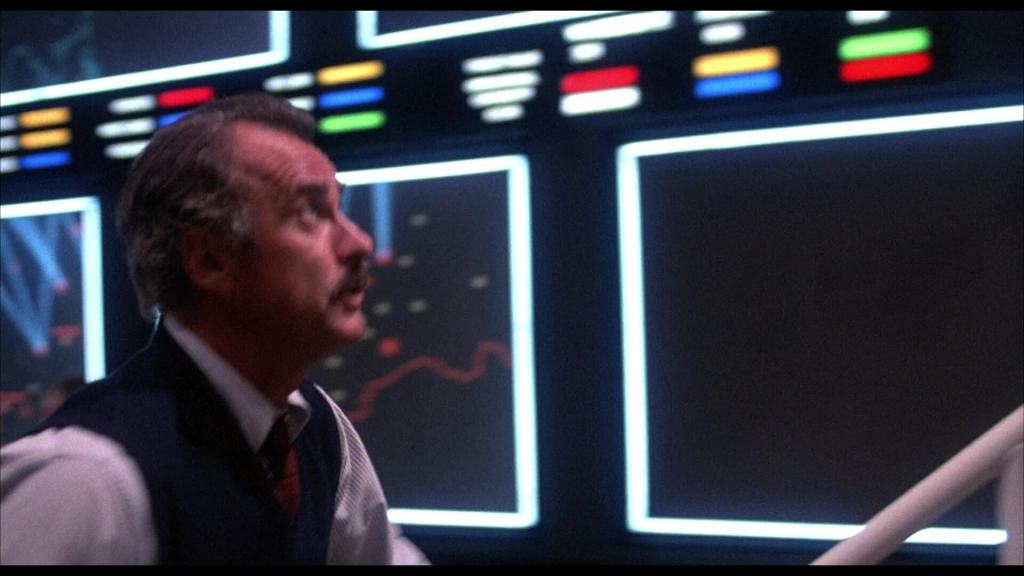


At NORAD, David attempts to explain the situation to Dr. McKittrick (Dabney Coleman), a lead engineer on the project, but is met with skepticism. Meanwhile, the WOPR continues to simulate nuclear strategies and make moves as if the “game” is real. Convinced of his innocence, David escapes with Jennifer’s help and seeks out Dr. Falken, the computer’s reclusive inventor. Falken, who has become disillusioned with humanity and resigned to the possibility of nuclear annihilation, is initially reluctant to help. However, David persuades him by pointing out that the WOPR’s “game” is not a simulation — it could cause an actual nuclear response.
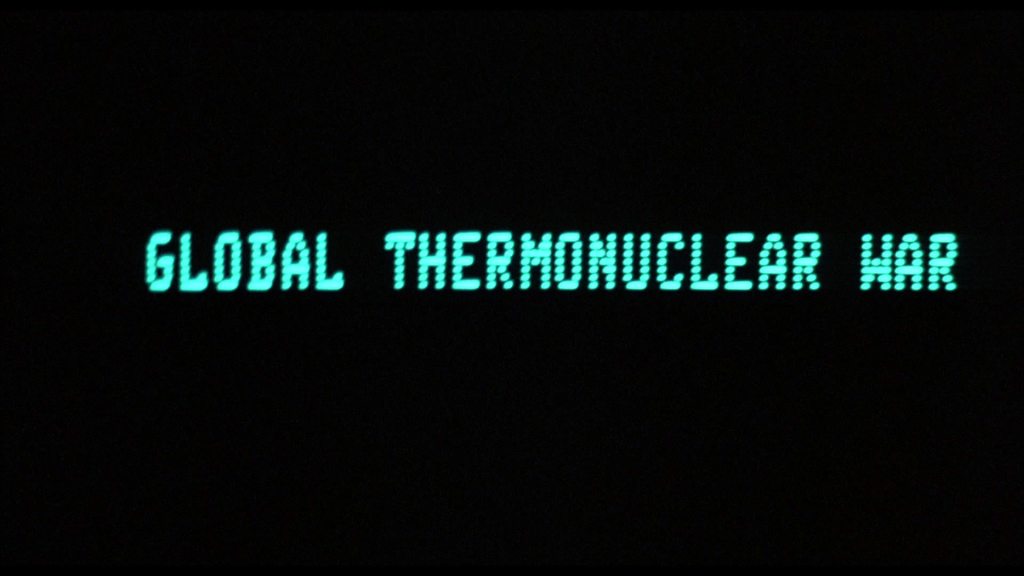


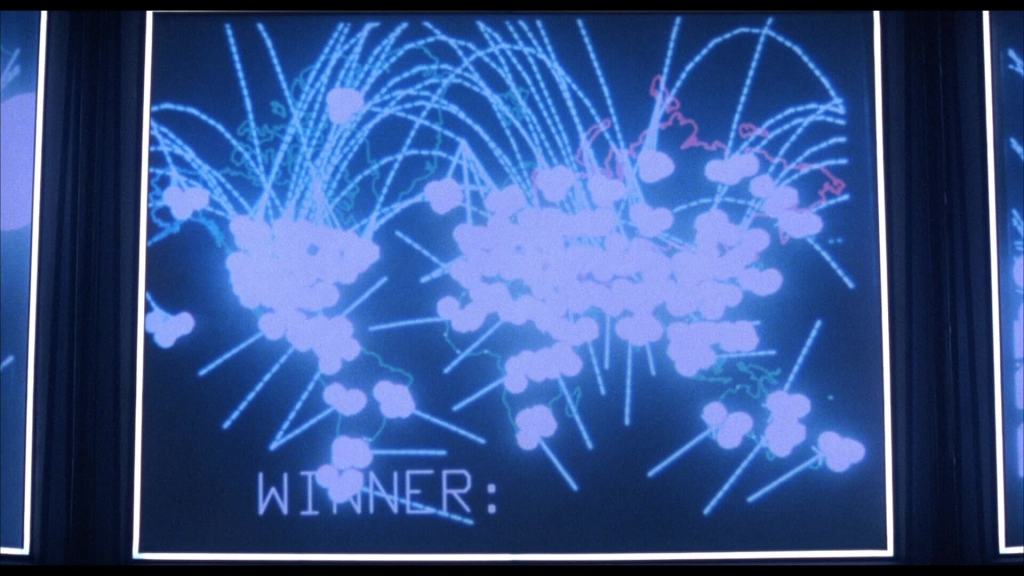

Returning to NORAD, David, Falken, and Jennifer try to convince the military staff that the WOPR’s attack is a simulation, but they have little time before the WOPR triggers an actual nuclear launch. Desperate to halt the machine, David suggests that they teach it the concept of futility. He gets the WOPR to play an endless series of Tic-Tac-Toe games against itself, hoping it will learn that some conflicts cannot be won.


After rapidly calculating all possible outcomes of Tic-Tac-Toe and nuclear war, the WOPR finally realizes that “the only winning move is not to play.” With this understanding, it ceases its countdown to launch, effectively ending the crisis and averting World War III. In the aftermath, Dr. Falken and the military leaders grasp the terrifying implications of letting machines control humanity’s fate.
The film’s cautionary tale about the dangers of AI-driven military systems and the reliance on technology remains frighteningly relevant, especially to today’s audience.
 The Other Cinema