

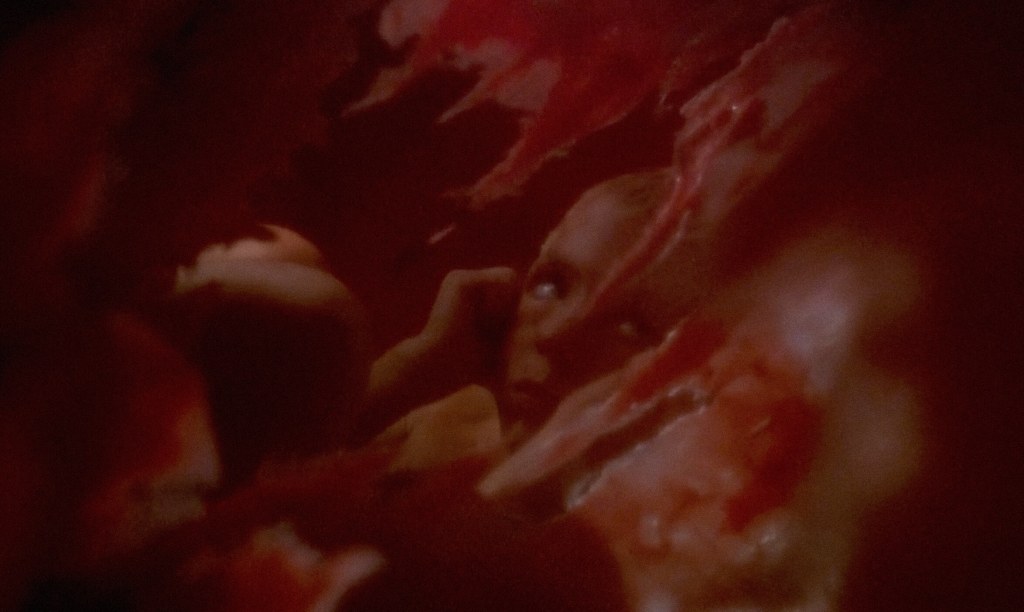
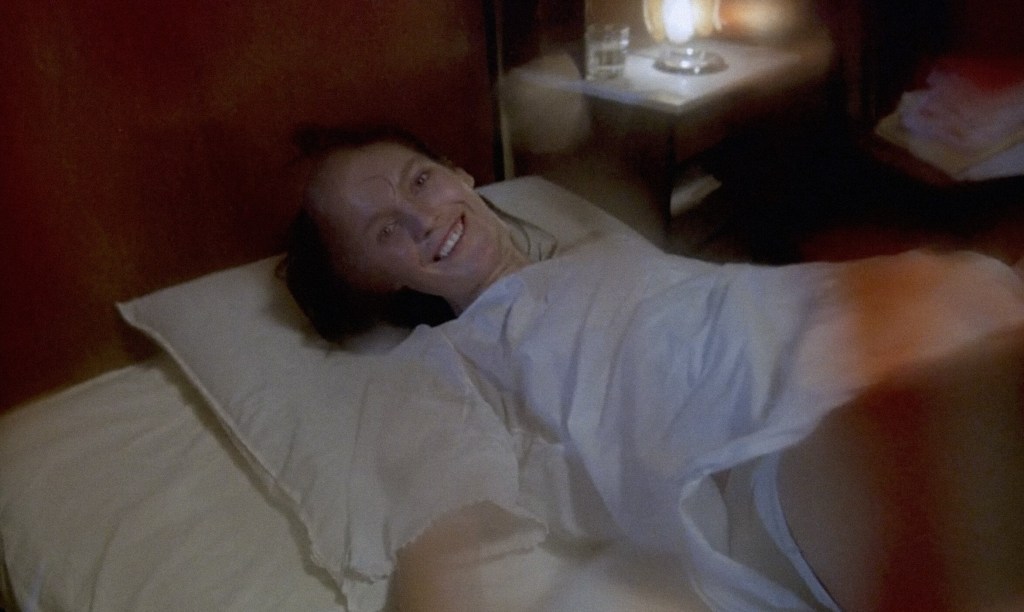

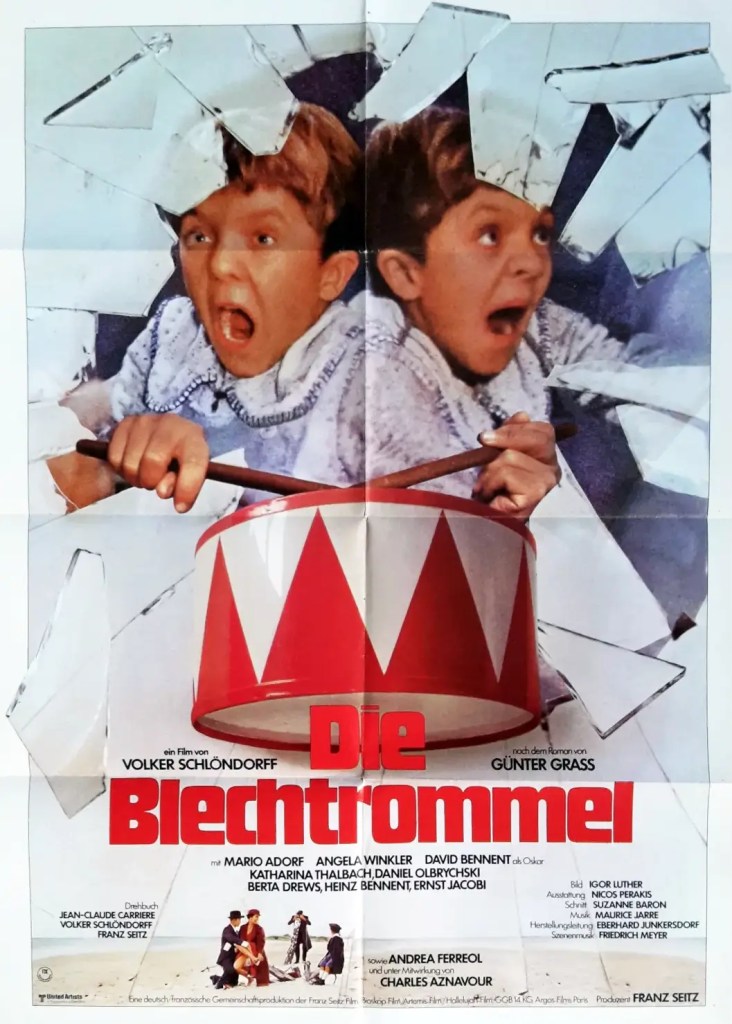
‘The Tin Drum’ is a 1979 war drama directed by Volker Schlöndorff and is an adaptation of Günter Grass’s acclaimed 1959 novel. This German film, which won the Palme d’Or at the Cannes Film Festival and the Academy Award for Best Foreign Language Film, is a surreal, darkly satirical exploration of Germany’s descent into Nazism, told through the unique perspective of a boy who refuses to grow up. It stars David Bennent as Oskar Matzerath, Mario Adorf as Alfred Matzerath, Angela Winkler as Agnes Matzerath, and Katharina Thalbach as Maria.
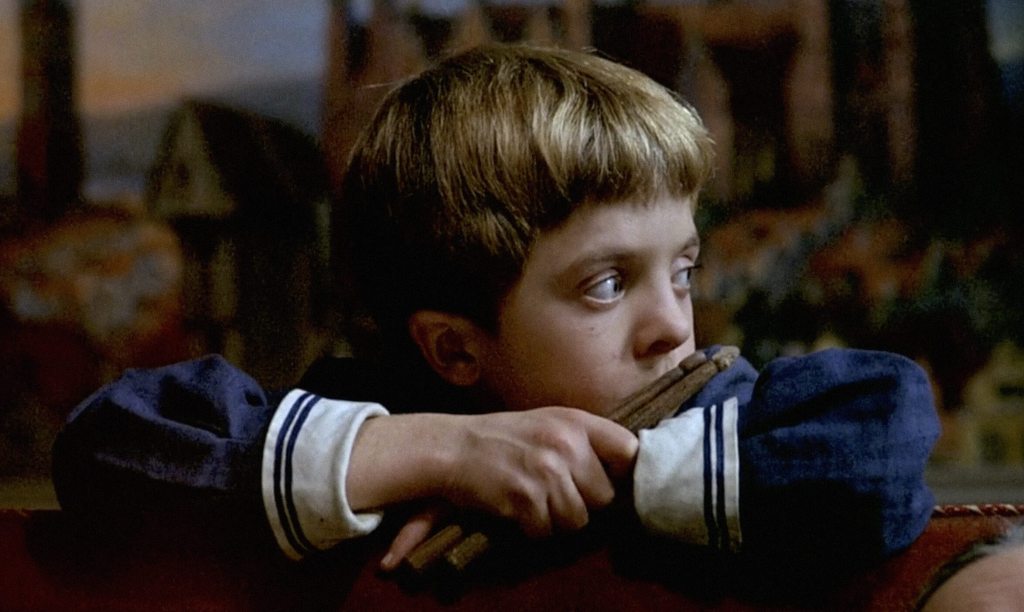
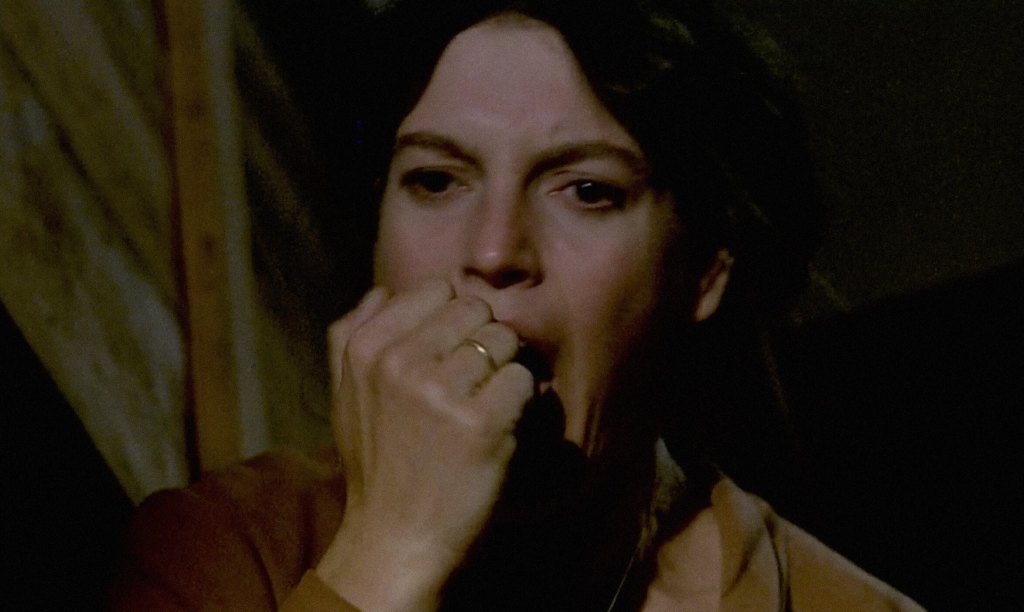
The film begins in Danzig (now Gdańsk, Poland) in the early 20th century, where Oskar Matzerath is born into a turbulent household. His mother, Agnes (Angela Winkler), is caught in a love triangle between her husband, Alfred (Mario Adorf), a patriotic German who will later embrace Nazism, and her Polish cousin Jan Bronski (Daniel Olbrychski), who holds more progressive ideals. Growing up in this fraught environment, young Oskar perceives the adult world as full of hypocrisy, cruelty, and corruption, all of which he rejects.

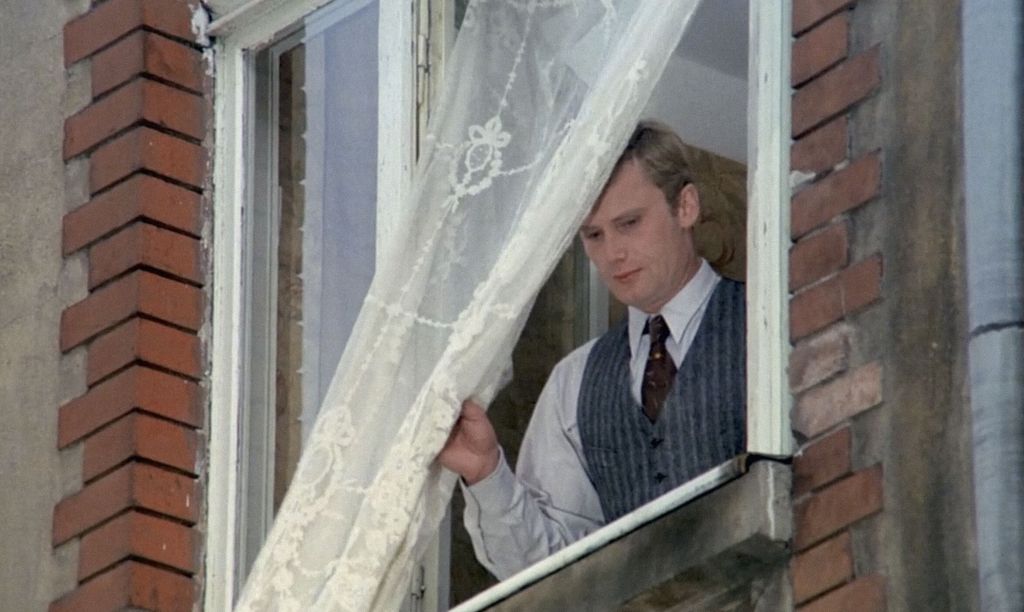


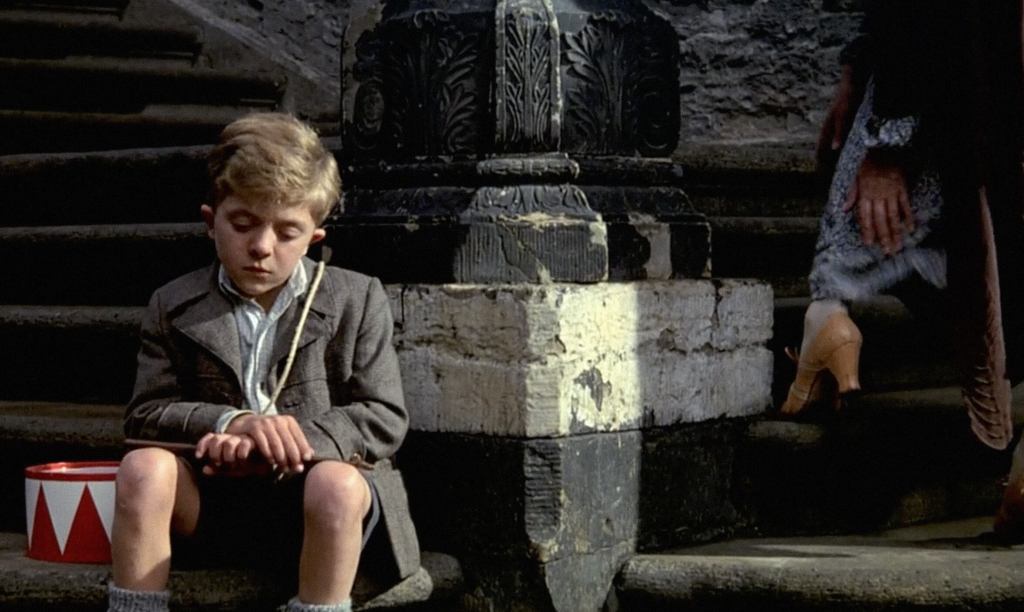


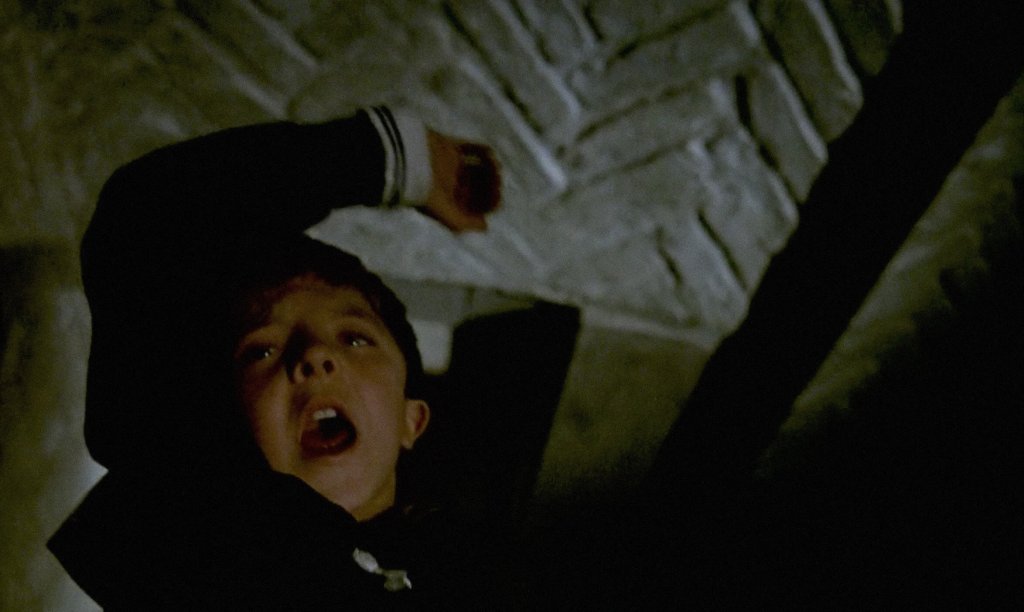
On his third birthday, Oskar is given a tin drum as a gift, an instrument that becomes his lifelong companion and symbolic refuge. On the same day, witnessing the adult world’s ugliness and lack of moral integrity, Oskar makes a decisive and bizarre choice: he throws himself down a flight of stairs, stunting his physical growth so he can remain forever a child. From that point on, Oskar refuses to grow physically, standing out in society as a defiant observer who critiques the world from the perspective of an eternal outsider.
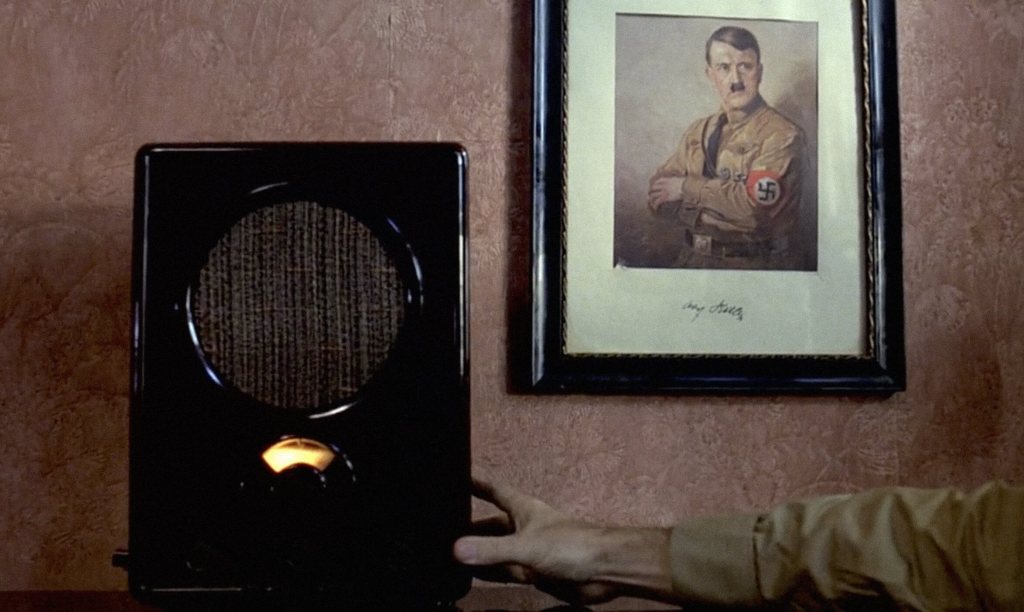
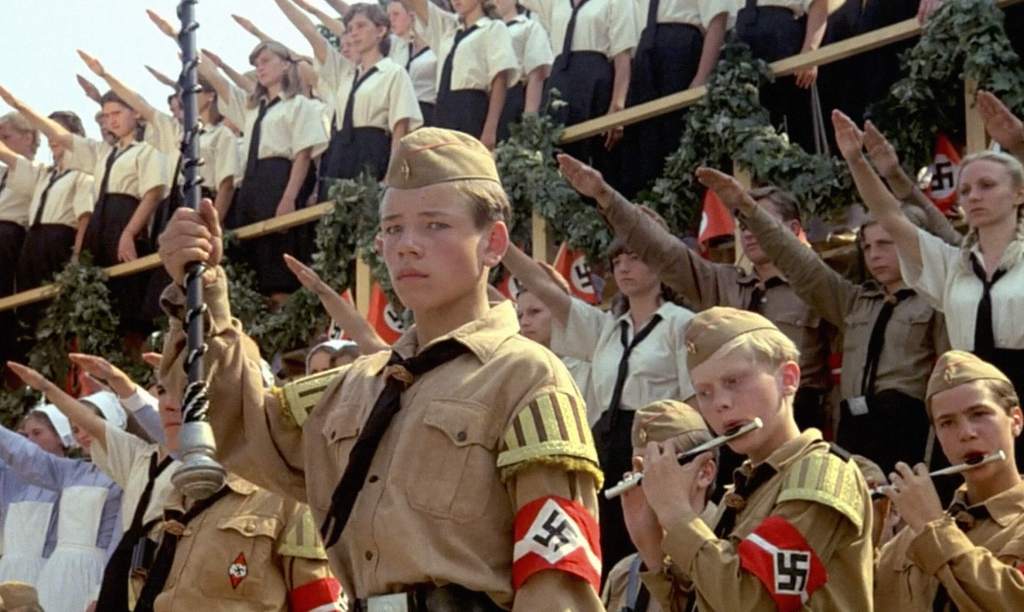
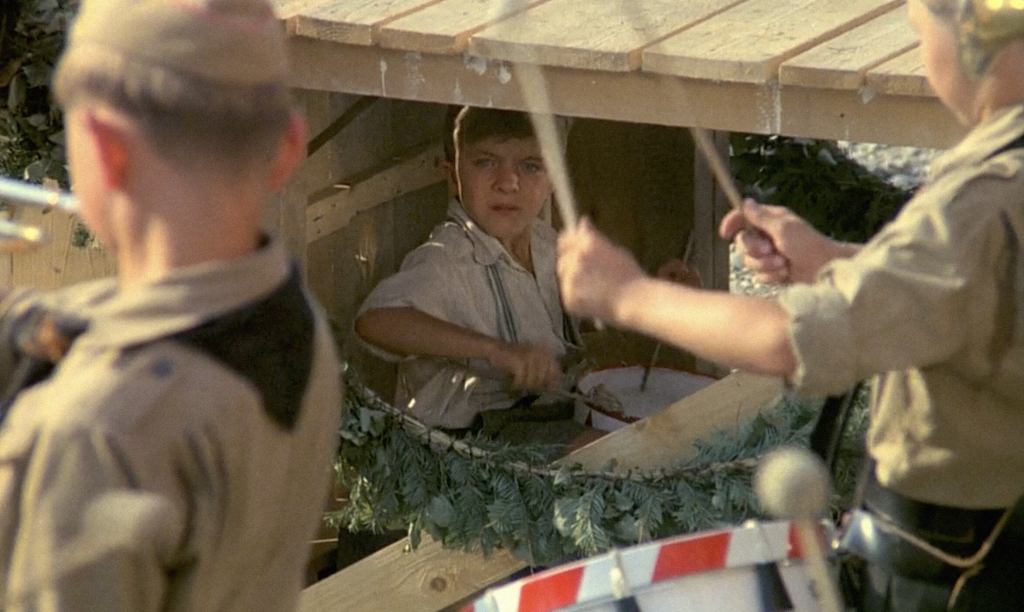

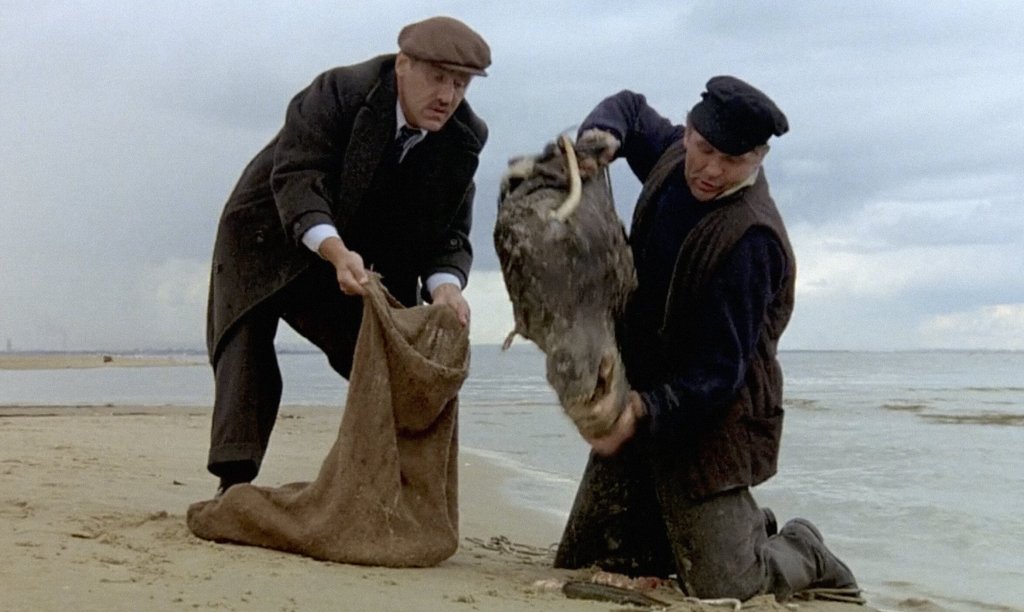

Oskar also discovers that he has a unique power: his scream can shatter glass. He uses this piercing scream as a form of protest and self-defense, deploying it whenever he feels threatened or wants to challenge authority. As Germany plunges into political upheaval and the Nazi movement gains momentum, Oskar’s drum and his scream become his tools of rebellion against the changing society around him.


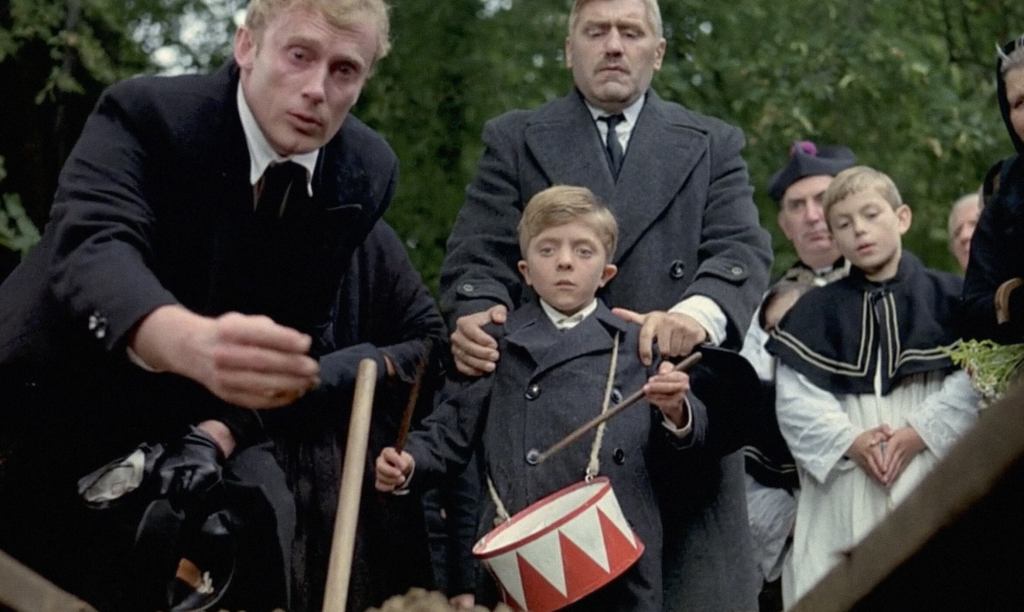
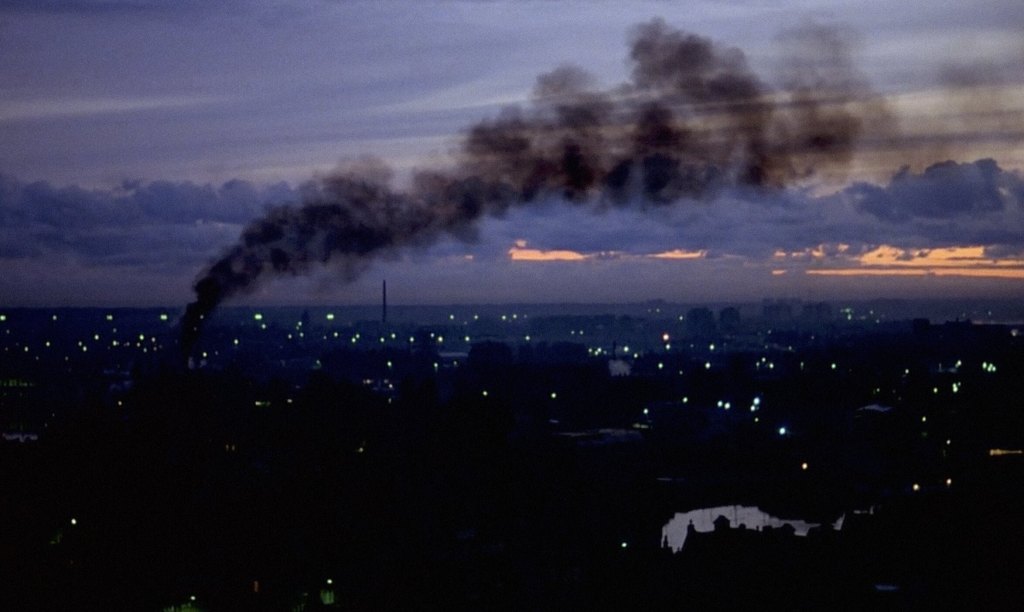

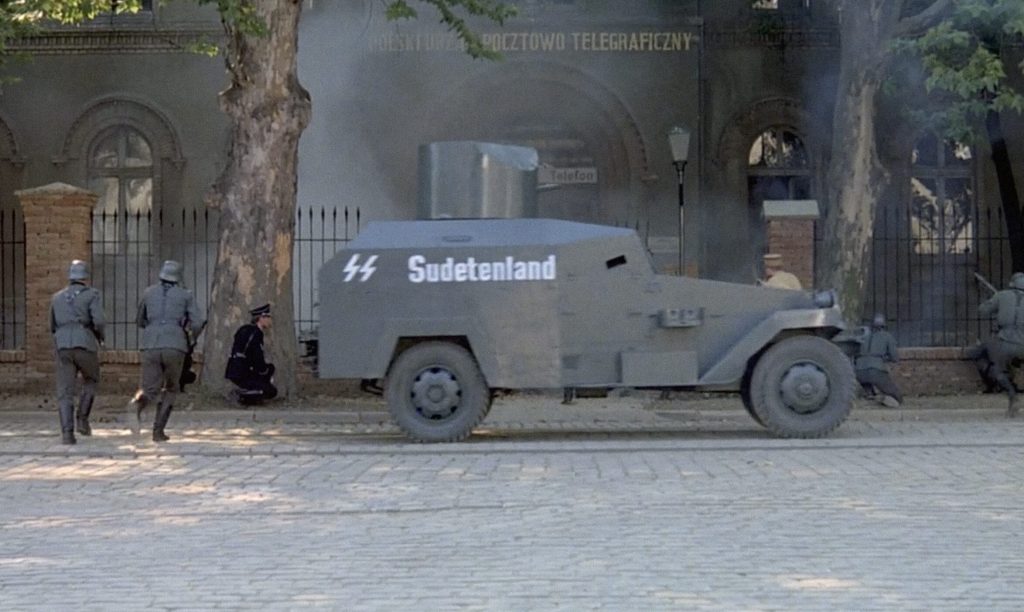
As Oskar matures emotionally but remains physically a child, he observes the personal and political tragedies unfolding in his family and community. His mother, Agnes, torn between her two lovers and deeply troubled by the rising tide of Nazism, eventually succumbs to despair. Her death marks a turning point for Oskar, as he is left to grapple with the reality of the adult world that he both rejects and is drawn into.


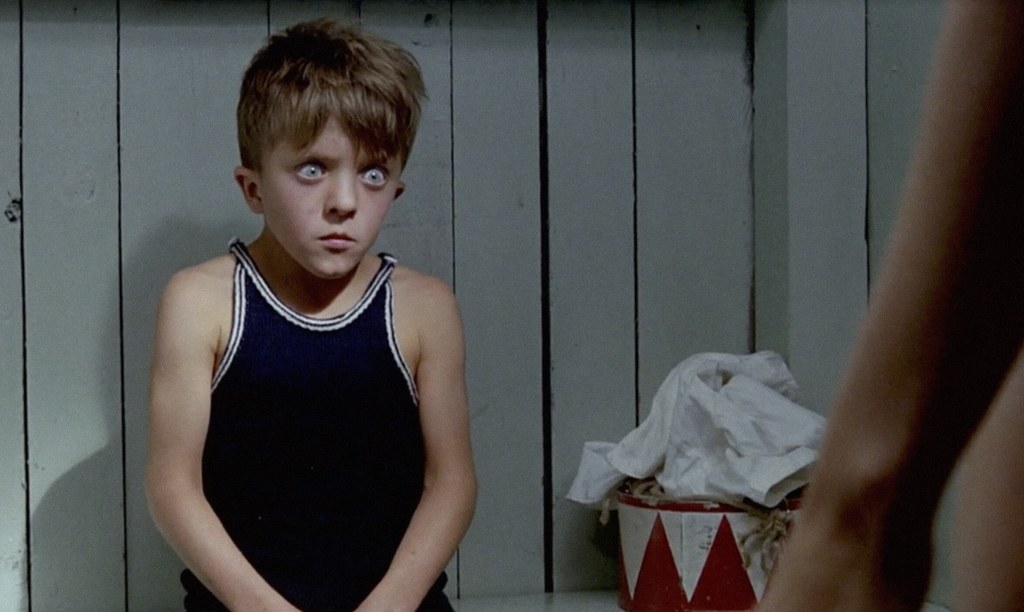
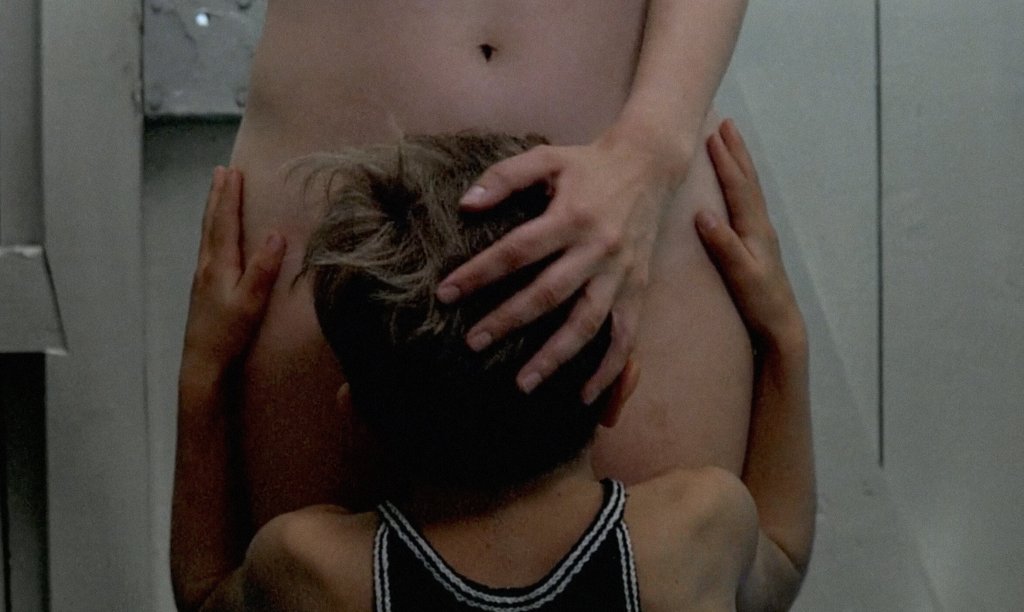
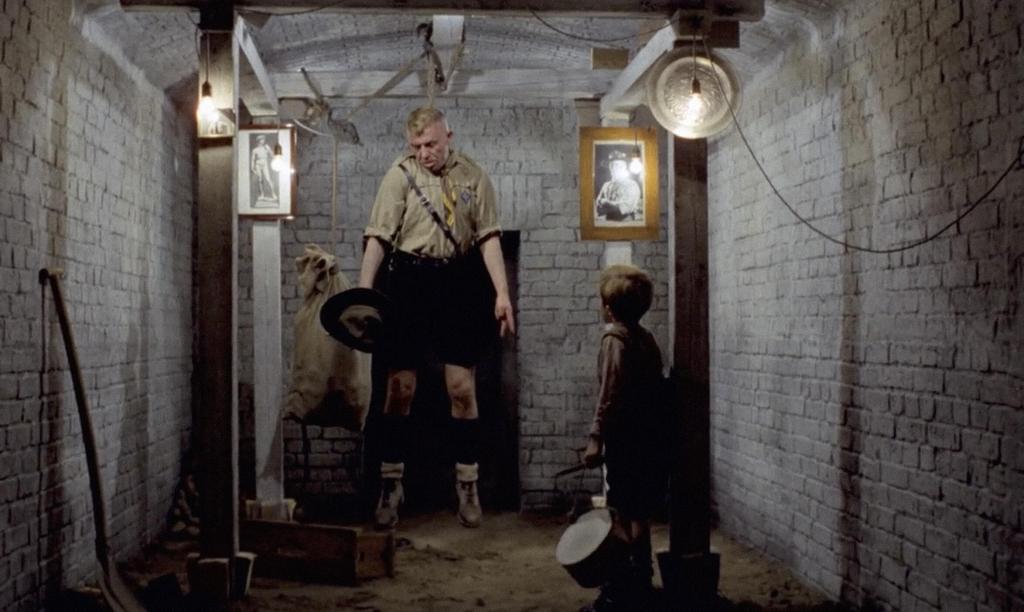
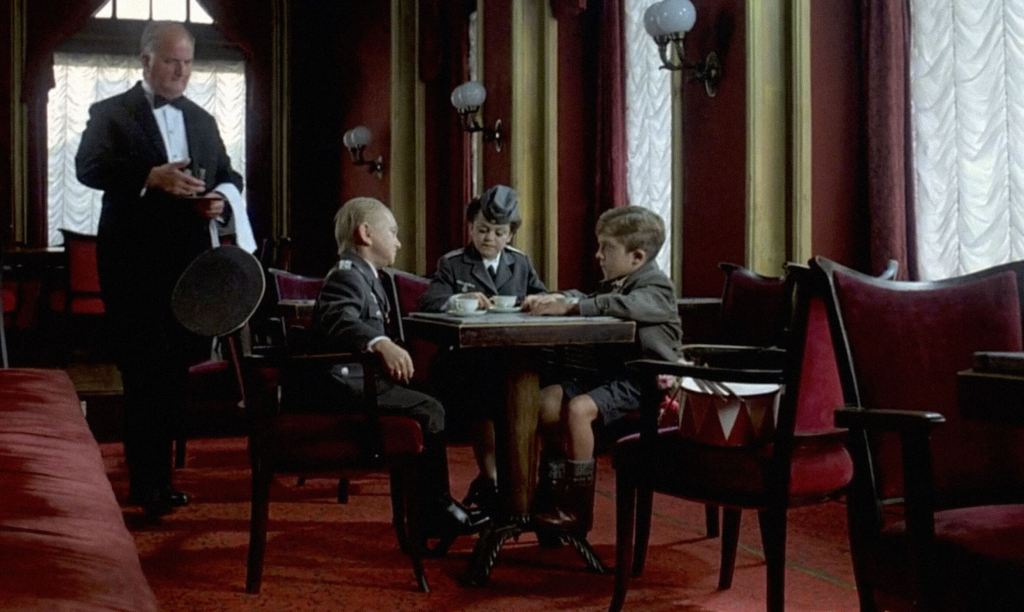
Oskar also becomes involved with Maria (Katharina Thalbach), a young woman who becomes both a surrogate mother and lover. Their relationship is fraught with complexity and moral ambiguity, reflecting the surreal and sometimes uncomfortable blend of innocence and experience that defines Oskar’s character. Maria eventually marries Alfred, Oskar’s father, and bears a child whom Oskar suspects might be his own, blurring familial boundaries in disturbing ways.


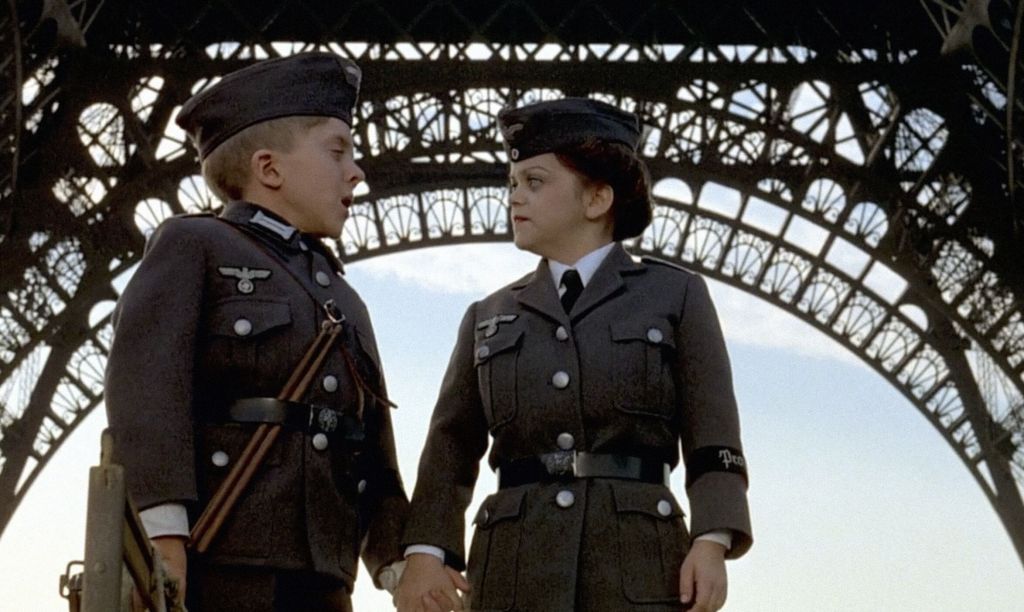


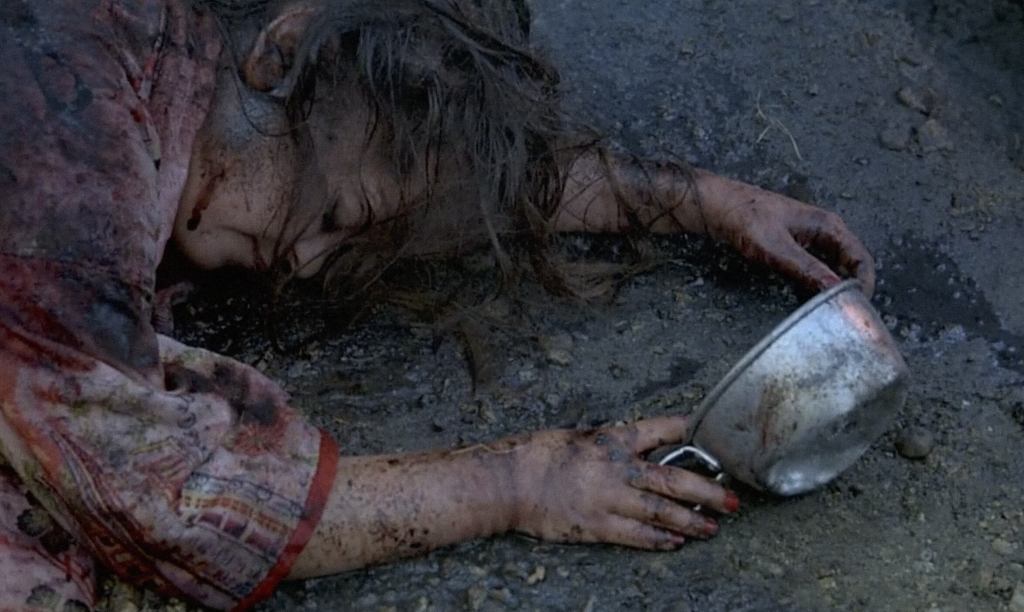

As World War II intensifies, Oskar witnesses the horrors of the Nazi regime firsthand. Alfred, now a fervent supporter of Hitler, dies in an Allied bombing, choking on his Nazi party pin in a moment of dark irony. Through all this, Oskar’s drum becomes both a weapon and a shield, allowing him to maintain his identity in a world that demands conformity.
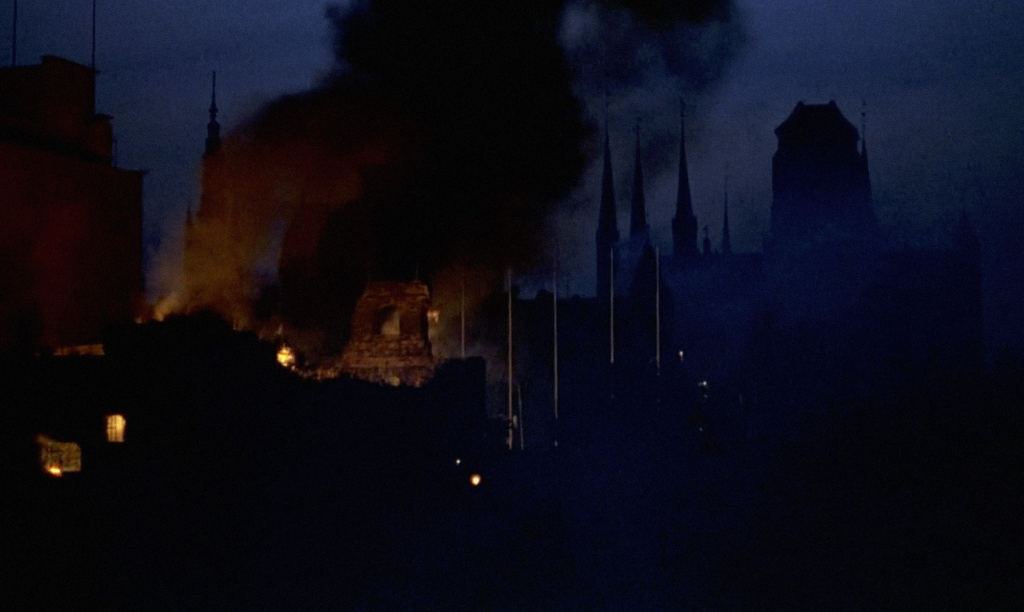
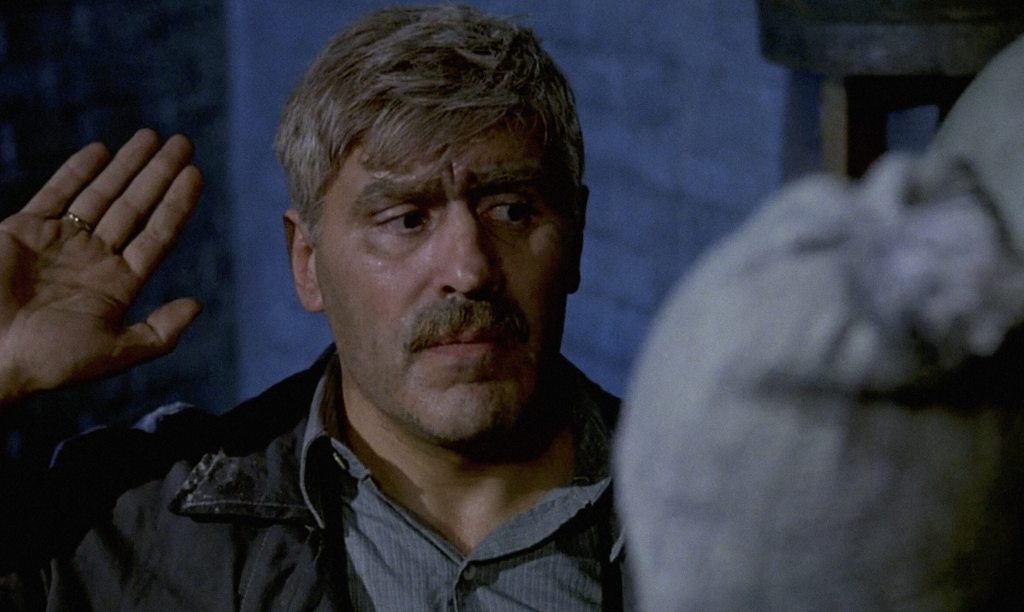
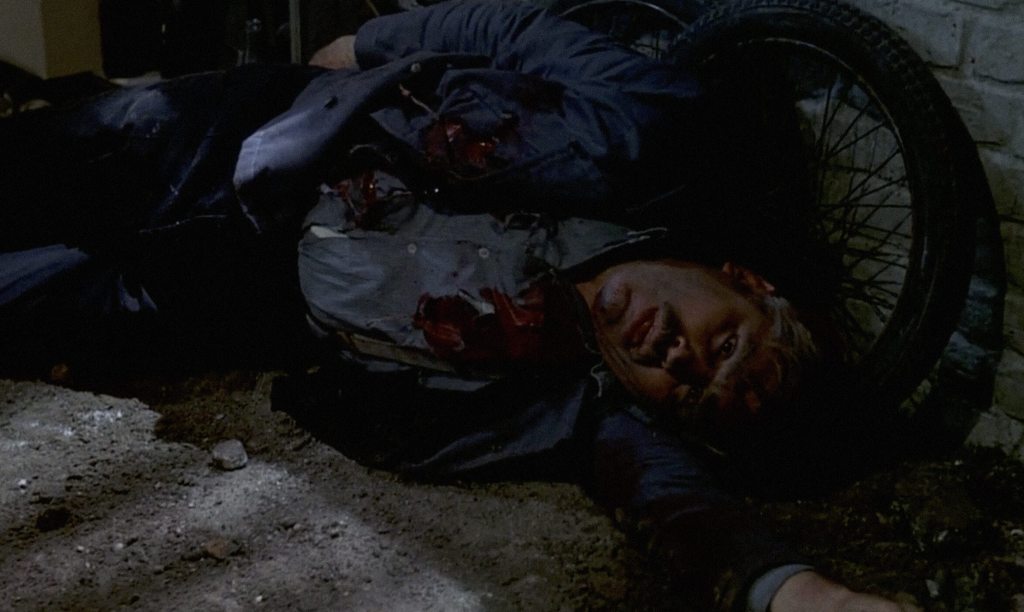
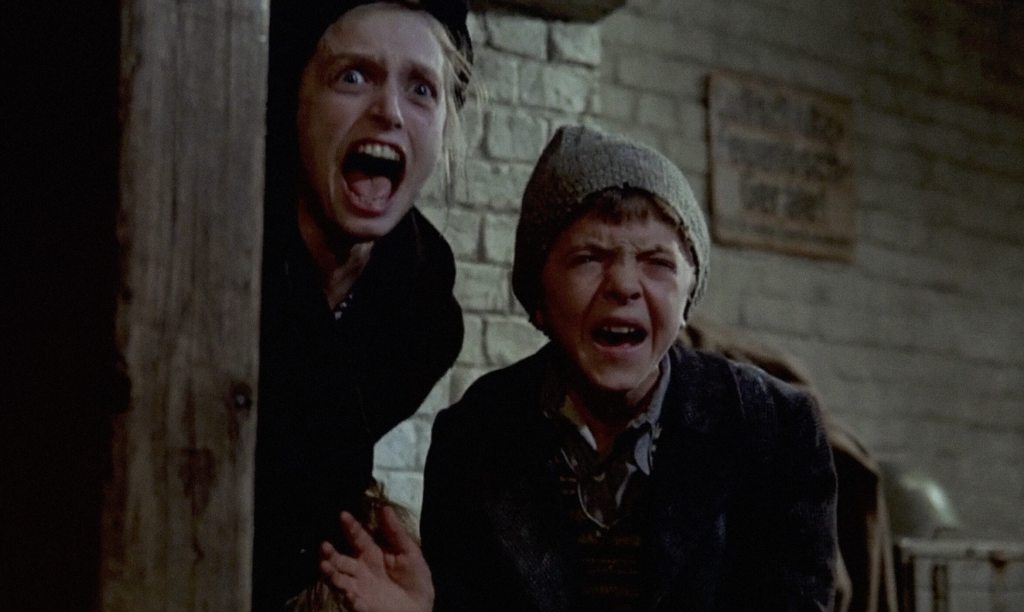
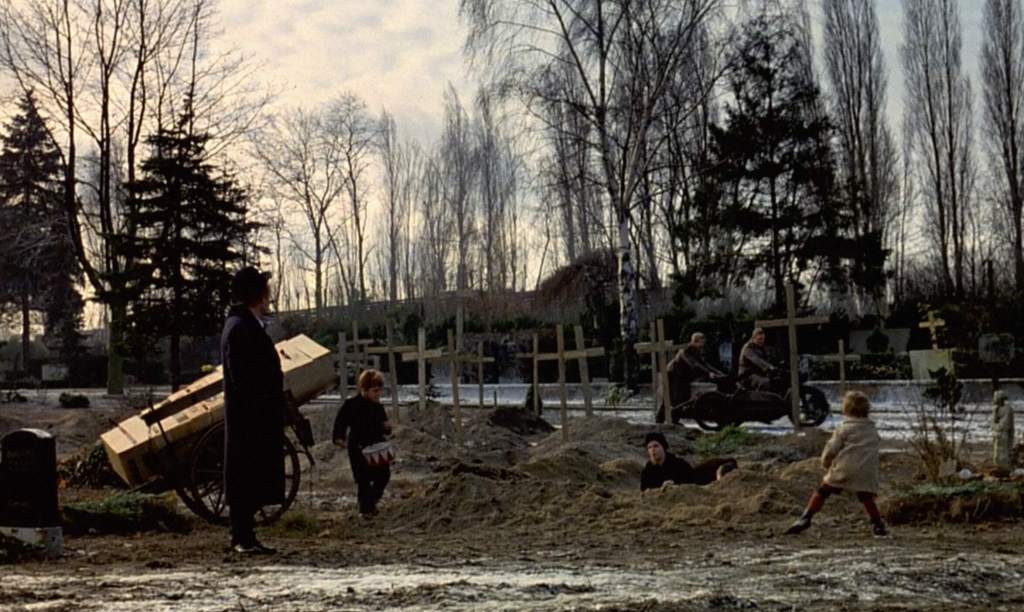

The film culminates with Oskar abandoning his self-imposed stunted growth but at a great psychological cost. He throws away his tin drum, signaling his reluctant acceptance of adulthood and the loss of his innocence. However, even in this act of surrender, he remains haunted by the chaos and trauma he has witnessed, symbolizing the scars left on a generation raised in a time of war and ideological extremism.
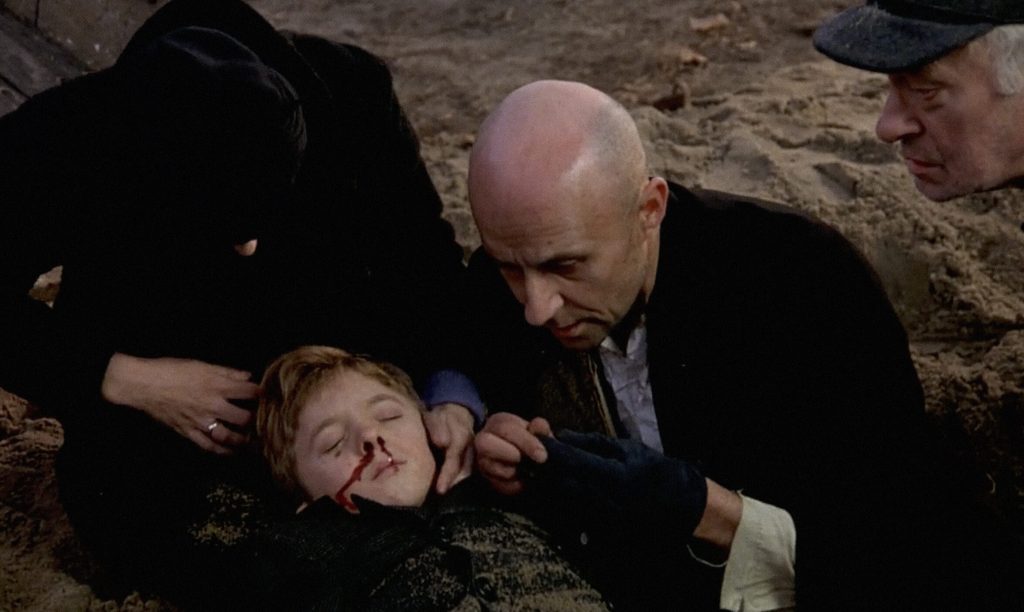
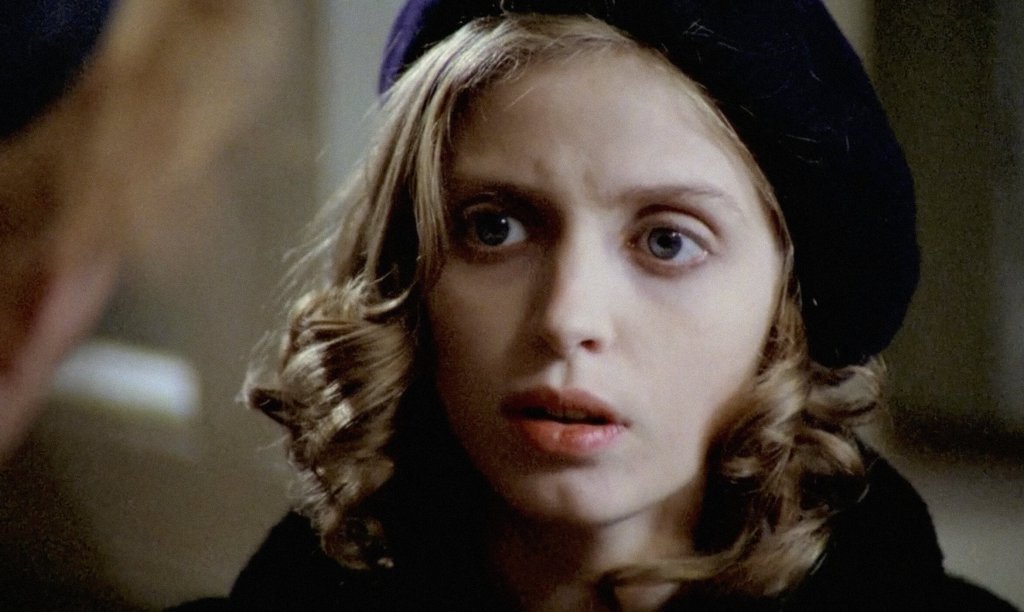

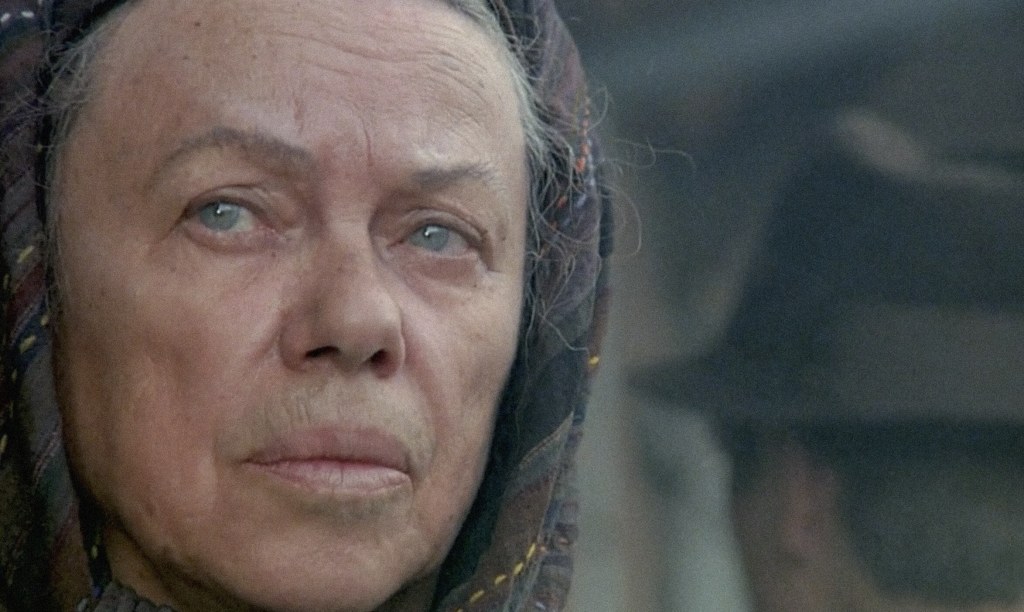


‘The Tin Drum’ is a surreal and disturbing allegory about Germany’s descent into fascism and the societal pressures that accompany such dark historical periods. David Bennent’s portrayal of Oskar is hauntingly compelling, capturing the character’s unique combination of innocence, bitterness, and resilience. The film’s vivid and unsettling imagery and its darkly humorous tone challenge viewers to confront the absurdities and horrors of history from an unconventional perspective.
 The Other Cinema