


‘The Table’ (1972) is a short film directed by Adrian Lyne. It stars Kate Williams as the woman, Derek O’Connor as the man, and Louis Lyne as the child.

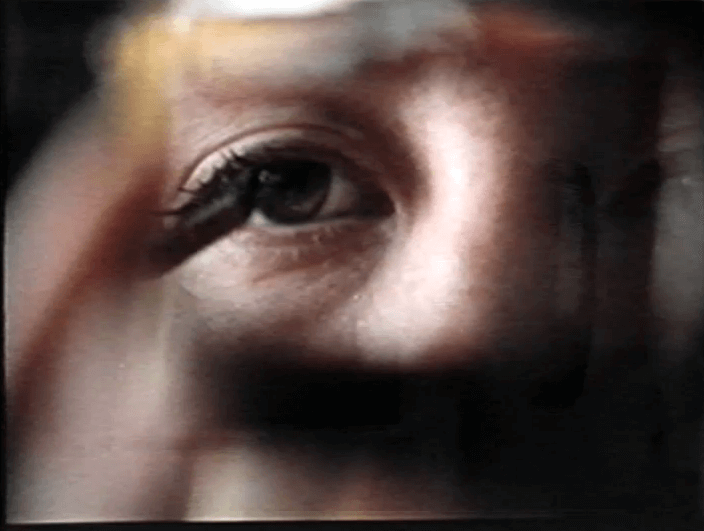
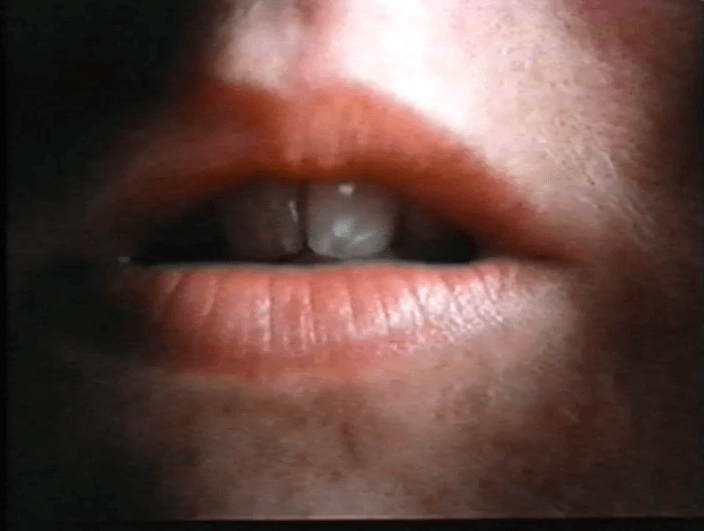

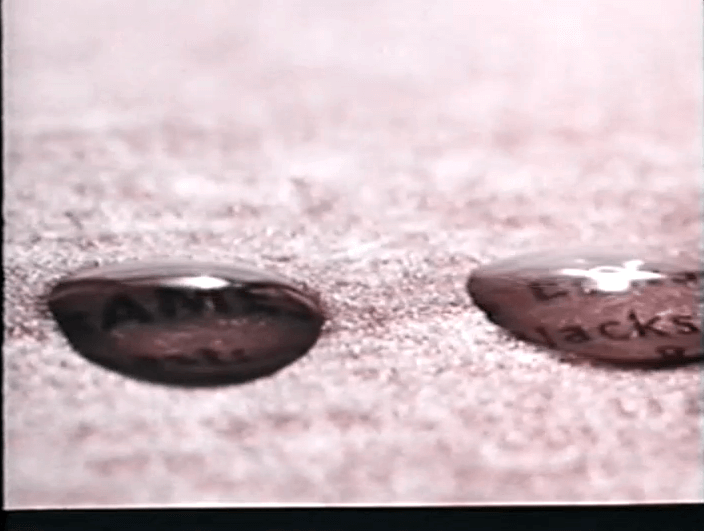

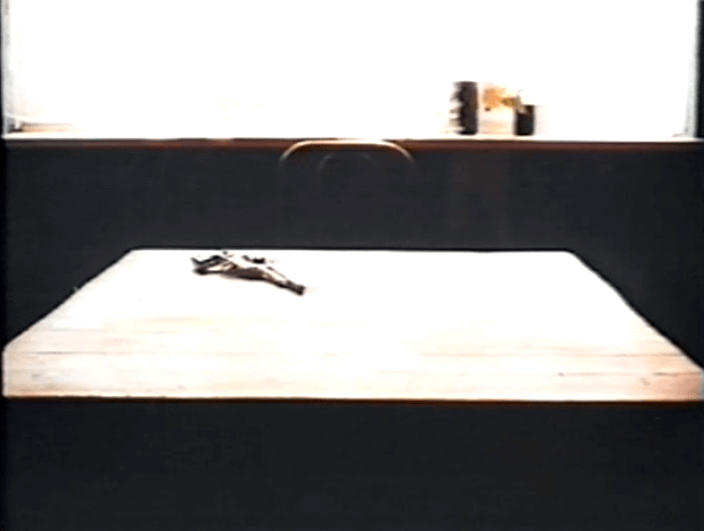
It centers around a family’s kitchen table at breakfast one morning. The “Table” is the catalyst for an emotional unraveling of events from the night before, which could have devastating consequences for their marriage and their young son.
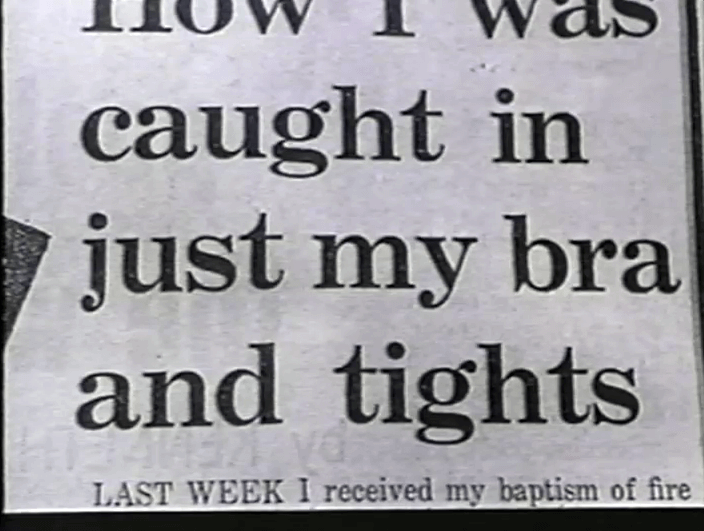

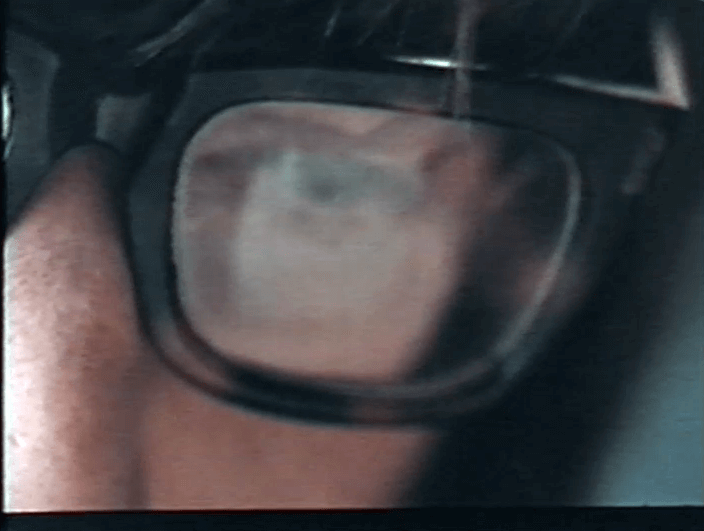
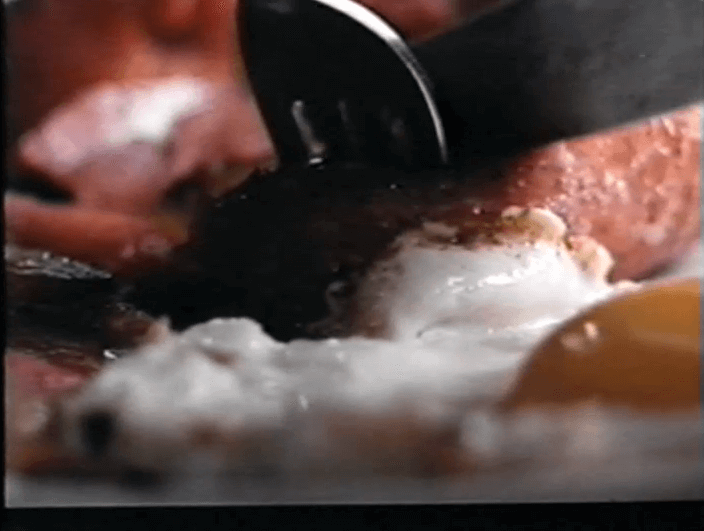

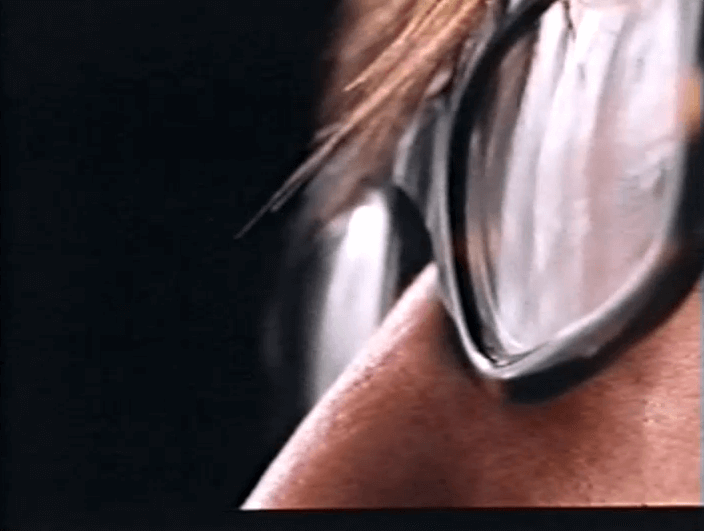
The film opens on an uncomfortably long shot of the kitchen table as morning sunlight casts deep shadows. We hear the rustlings of the morning as it gets underway, such as items being washed up in the sink, the radio being turned on ironically, to Roy Orbison’s ‘It’s Over’ foreshadowing events to soon play out. The song is cut short by a tight close-up of the woman’s hand turning it off and revealing the words “Bloody right it’s over” again, a premonition of what’s to come.
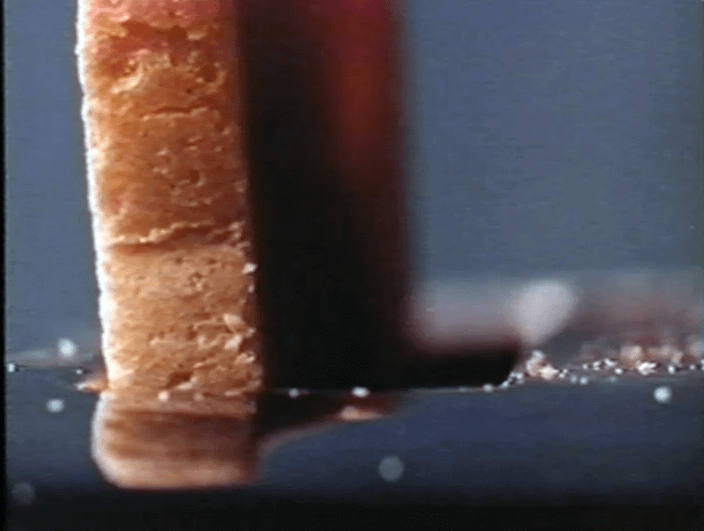


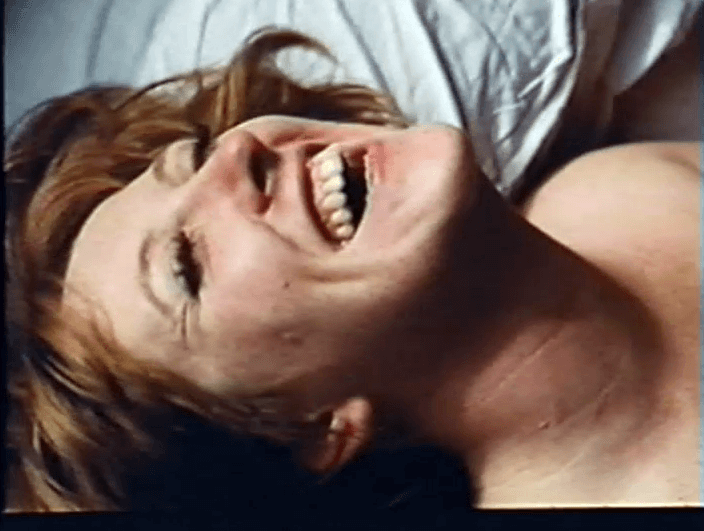
The film continues with tight close-ups that serve as our visual timeline. We see the woman getting ready by applying mascara while the man, off-screen in the shower, calls out for shampoo. The woman dismissively tells him to use washing-up liquid, which sets the groundwork for tension in the scene.


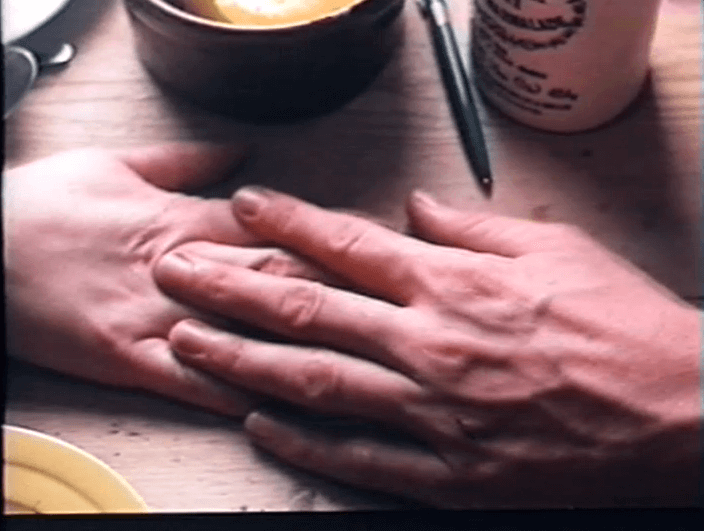

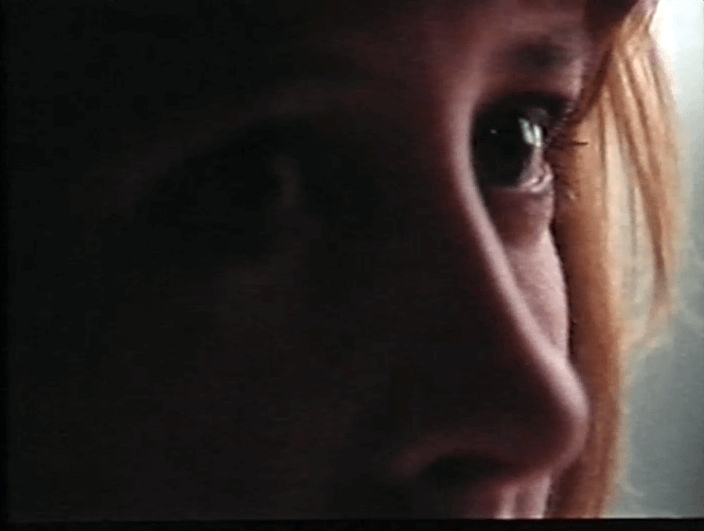
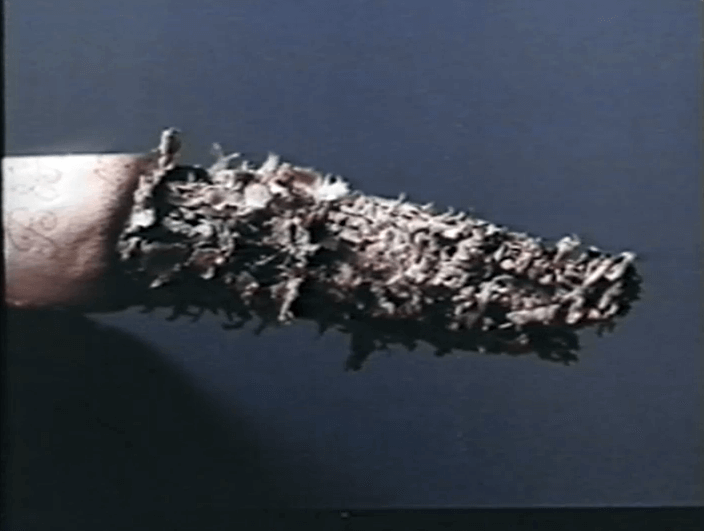
The film continues again with only close-ups of mundane actions such as laying the table. Knives, forks, a spoon, the recognizable corner of a cornflakes box sliding into the frame, a ketchup label, and a newspaper landing in front of us. The silence is interrupted when the woman suggests the man dry his hair before eating breakfast, as he is dripping water onto the newspaper, which adds an aggressive undertone to the scene. Up to this point, we have only seen the eyes of the two main characters, and we are nearly halfway through the film.
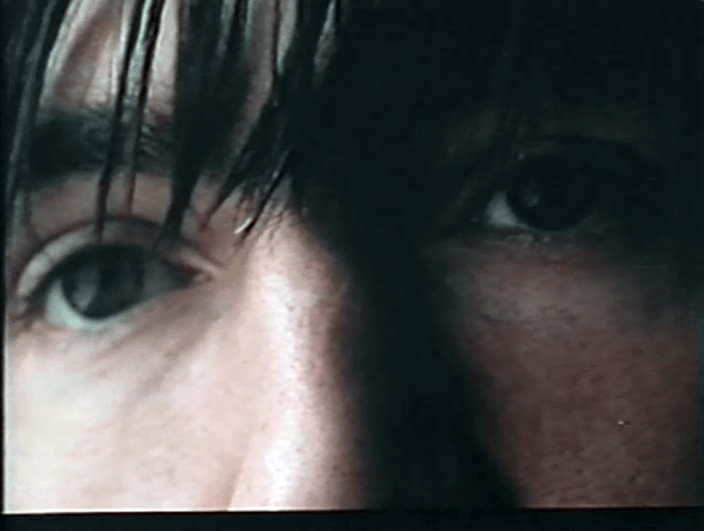


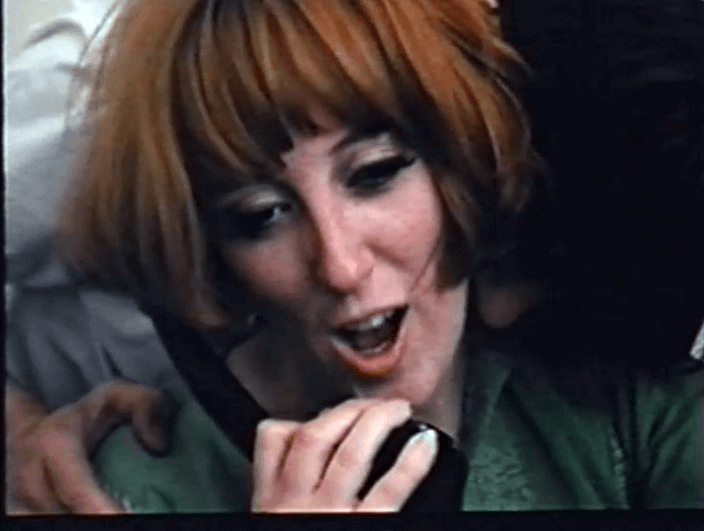
The scene plays out in silence before the woman asks for a section of the newspaper, and the man continues, or we presume it’s the man working on the crossword puzzle; we watch closely as he fills in a clue. The word spells’ Monster,’ and suddenly a simple question is asked: “Was it good,’ “What” “The thing, the party?” It feels like probing, disguised as an innocent series of questions, “who was there,” “how long did it go on to,” all to become relevant later in the scene. The man then asks “was David there?” only to be visually interrupted violently by a close-up of toast popping up in the toaster, the egg yolk violently being broken up by a knife symbolizing the breaking down of the conversation. Clever use of sound editing repeats the previous lines, “Was David there” and “Jackie was pissed again, in a right state, he’s such a bastard to her” We see a tight close-up of a percolating coffee pot lid, all clever metaphorical imagery symbolizing the tension and eruption about to take place through the use of mundane everyday objects.
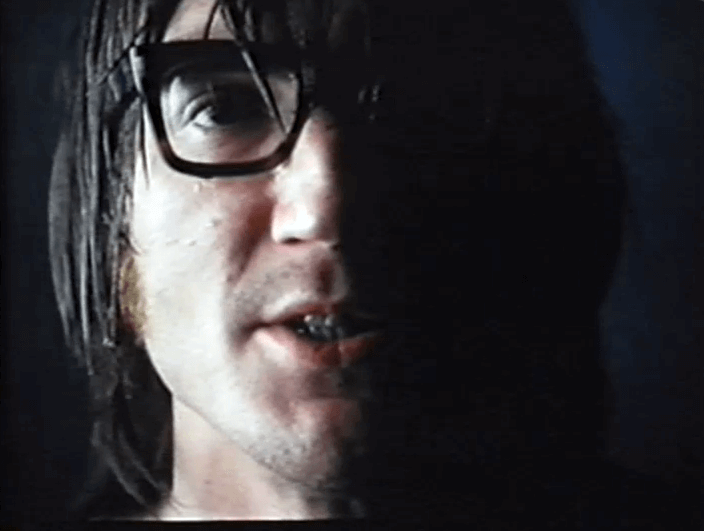
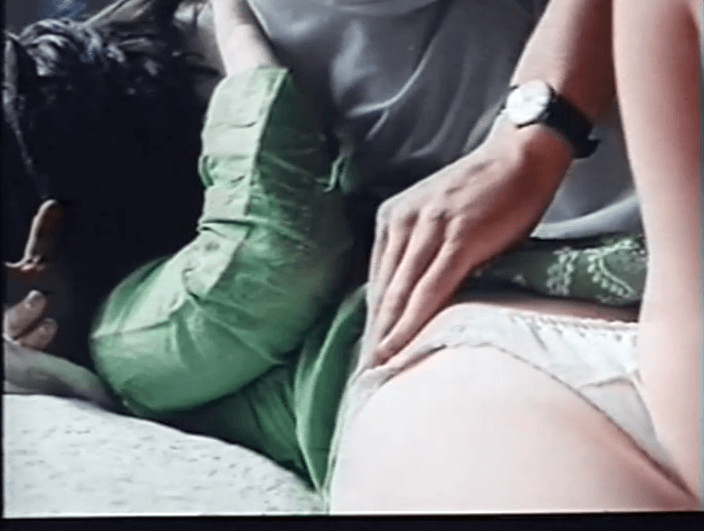
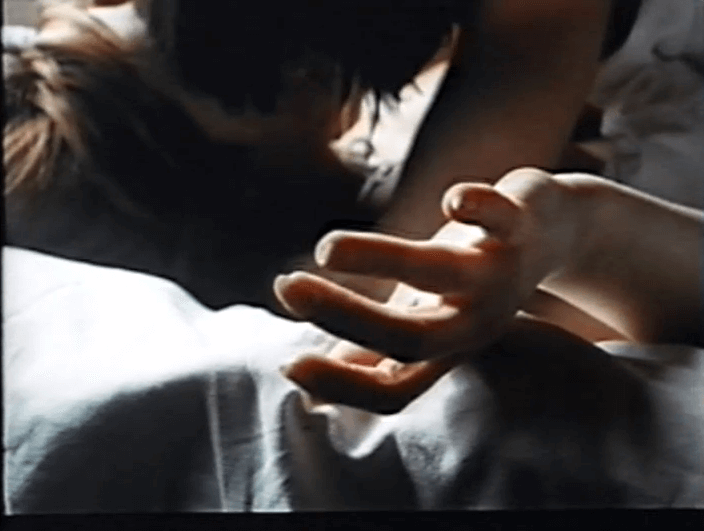

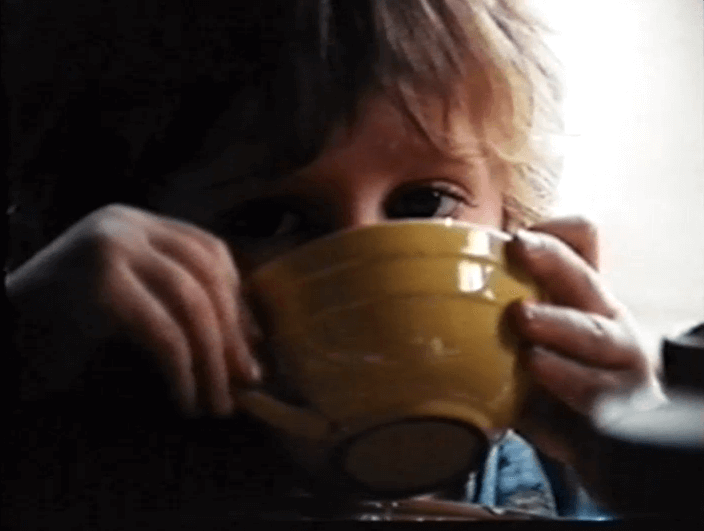
The scene then erupts into a series of repeat dialogue over flashbacks that cut into the breakfast scene of what unfolded the night before. Finally, he accuses the woman of being a liar, with the world emphasized through sound editing. The intensity comes to a head with the man asking to swear on the kid’s lives that something happened, to which she responds “YES” multiple times in a re-editing cut over a flashback from the night before telling a different man “NO.”… We hear a dial tone on a telephone, of the man ringing the night before, where he calls out Jenny when it’s answered on the other end, there is no answer, just a visual flashback to “Jenny” the woman engaging with another man. The turmoil is broken by a close-up overhead shot of a stirring cup of coffee in a moment of quiet and the reveal of a young boy taking a sip at the table. The film ends with the boy asking for yogurt, unaware of the turmoil that has just taken place at ‘The Table.’


In this early work by Adrian Lyne, who would later achieve acclaim for blockbusters like ‘Flashdance’ and ‘Fatal Attraction,’ we can see his remarkable talent for crafting tension and atmosphere. Despite the minimalistic setups and the use of ordinary objects, he skillfully weaves an intricate web of emotions through inventive sound editing and close-up photography. The film delves into complex themes such as infidelity, family dynamics, deception, and trust, showcasing Lyne’s keen insight into human relationships. This project marks Lyne’s debut in narrative filmmaking, setting the stage for his influential career in cinematic storytelling. If you can find it, seek it out.
 The Other Cinema