
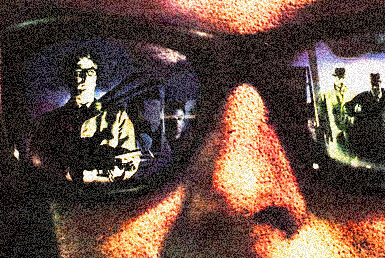

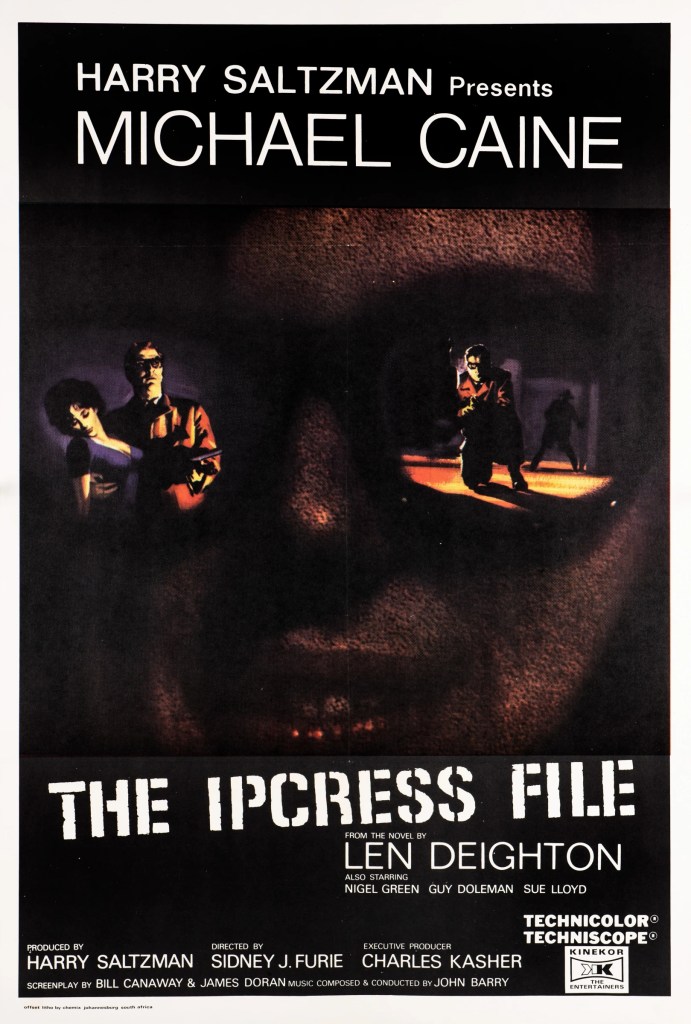
The Ipcress File (1965), directed by Sidney J. Furie, is a British espionage thriller based on Len Deighton’s novel. Starring Michael Caine as the sharp yet insubordinate intelligence officer Harry Palmer, the film presents a gritty and realistic take on Cold War espionage, contrasting the glamorous world of James Bond with a more grounded, bureaucratic spy narrative. The film was produced by Harry Saltzman, who co-produced the James Bond franchise until 1974. Notably, he served as an intelligence officer for the Office of Strategic Services (OSS) during World War II. Additionally, the music for the film was composed by John Barry, who also created the scores for the James Bond franchise from 1963 to 1987.
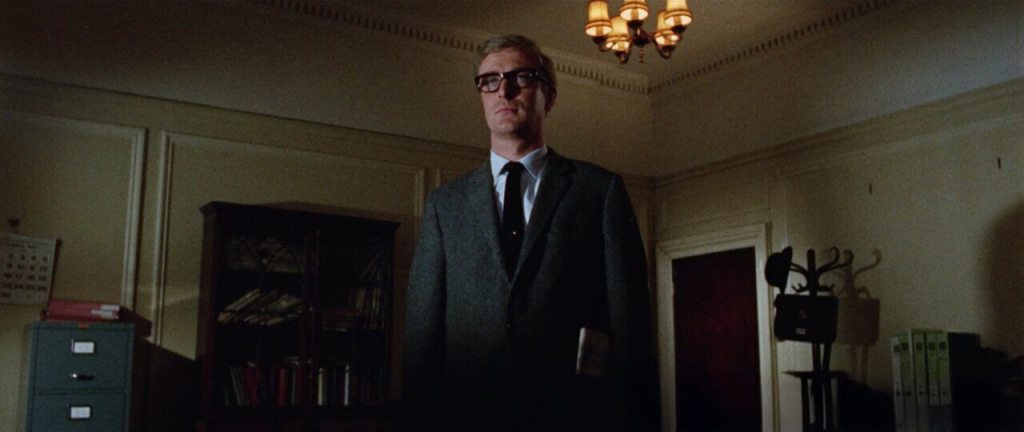

The film opens with a top British scientist being kidnapped in London. He is one of several leading scientists who have recently disappeared under suspicious circumstances, raising concerns of foreign intelligence involvement. The British government fears these kidnappings are part of a larger Cold War plot to undermine the West’s technological and military advancements.
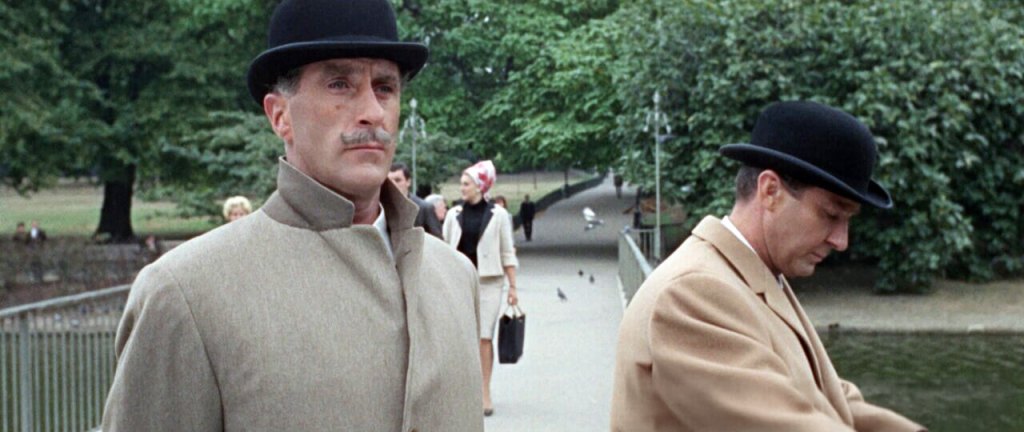

To address the crisis, Colonel Ross (Guy Doleman) of the Ministry of Defence reassigns Harry Palmer, a former army sergeant with a history of minor insubordination and black-market dealings, to work under Major Dalby (Nigel Green) in a secret intelligence division. Dalby is investigating the scientist’s disappearance and enlists Palmer’s help to track down those responsible.


Unlike the suave and elite James Bond, Palmer is a working-class spy more concerned with his salary than with patriotism. He quickly realizes that his new assignment involves navigating office politics, surveillance work, and internal tensions within British intelligence. His interactions with Dalby are fraught with friction, as Dalby is strict and by-the-book, while Palmer is skeptical, witty, and independent.

Palmer’s investigation leads him to a mysterious organization that brainwashes prominent scientists. During a routine operation to recover one of the kidnapped scientists, the mission is sabotaged, and the scientist is assassinated before Palmer and his team can extract him. The only clue left behind is a small piece of an audio recording labeled “IPCRESS,” which Palmer pockets for later analysis.

As Palmer delves deeper, he discovers that “IPCRESS” is a reference to a sinister mind-control technique being used to erase and manipulate the memories of the kidnapped scientists. His inquiries lead him to suspect that there may be a double agent within British intelligence, leaking information to enemy forces.
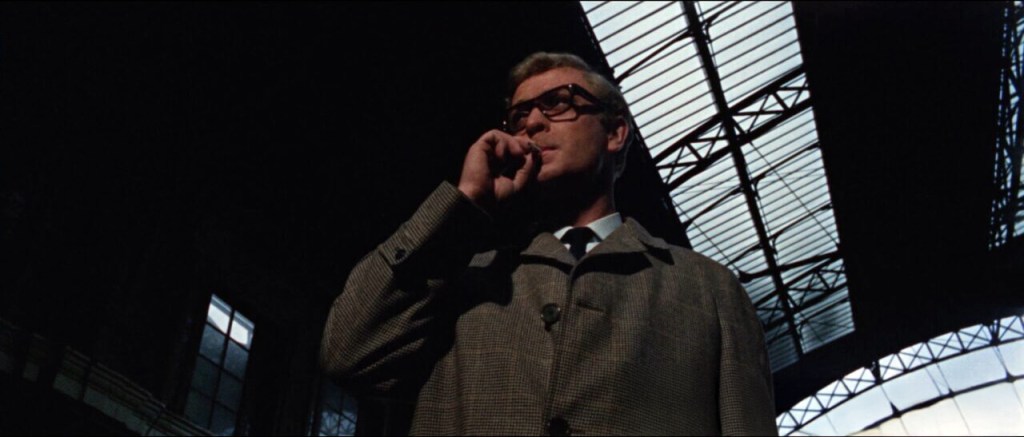
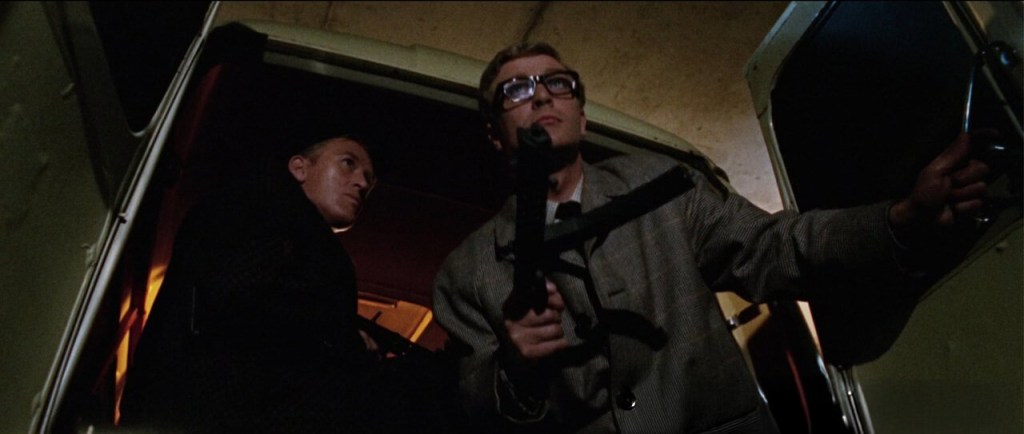
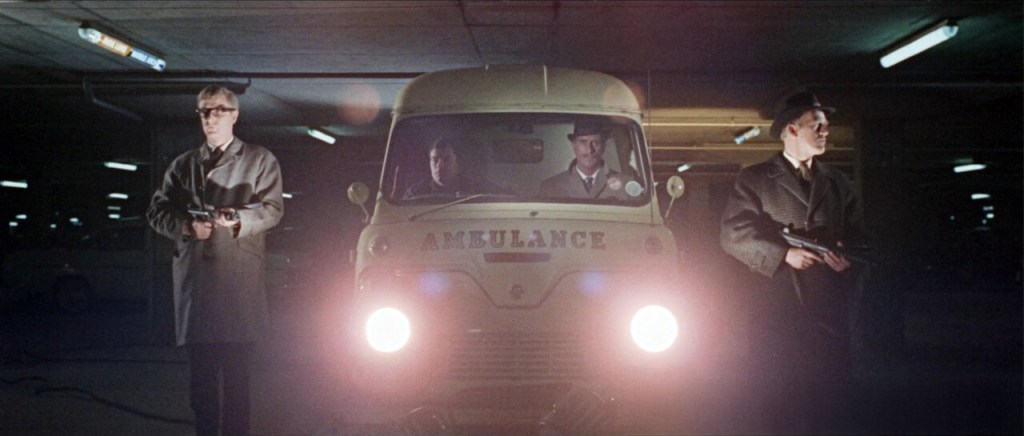
Meanwhile, Palmer becomes romantically involved with his fellow intelligence officer, Jean Courtney (Sue Lloyd), though he remains uncertain of her true loyalties. As his paranoia grows, he finds himself increasingly isolated, unsure of who he can trust.
When Palmer attempts to analyze the IPCRESS tape, he is attacked, reinforcing his suspicion that he is getting too close to the truth.

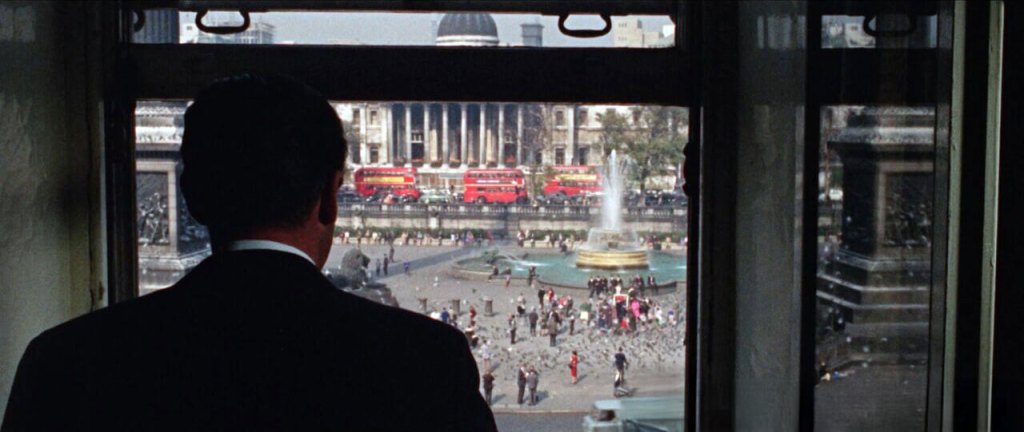
As the mission intensifies, Palmer is framed for the murder of a fellow agent. With no one to turn to, he is captured by enemy operatives and subjected to the IPCRESS brainwashing process. In a tense and hallucinatory sequence, Palmer is held prisoner in what he believes to be a foreign location, where he is systematically tortured and mentally reprogrammed using hypnotic techniques, flashing lights, and distorted sounds.
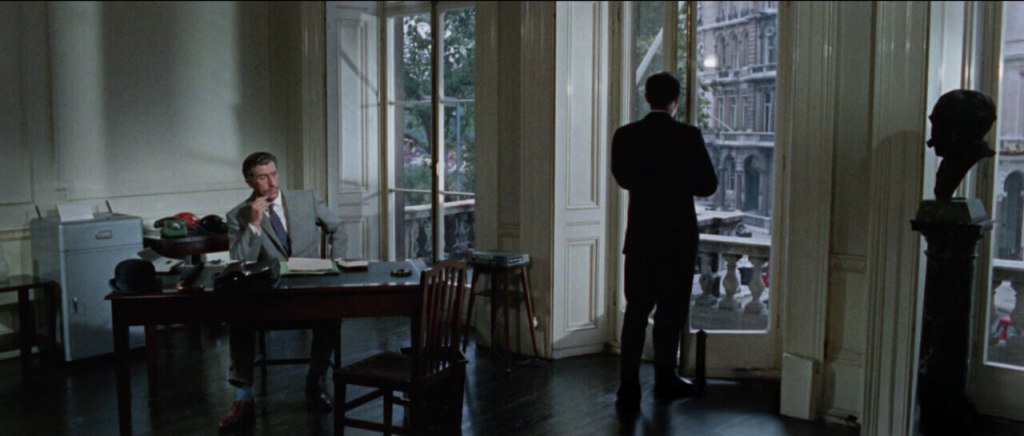

However, Palmer’s strong will and keen observational skills allow him to resist the brainwashing. He eventually manages to break free, overpowering his captors and escaping, only to discover that he was not in a foreign country at all—he was being held in London the entire time.

Realizing that the mastermind behind the scheme is someone within British intelligence, Palmer pieces together the final clues. He determines that Dalby, his own superior, is the traitor working with enemy agents to manipulate and control British intelligence assets.


In a climactic standoff, Palmer is forced to choose between Colonel Ross and Major Dalby, unsure of which one he can trust. Using his wits, he turns the tables on Dalby and exposes his treachery. Dalby attempts to kill Palmer but is shot dead in the struggle.

With the conspiracy unraveled, Palmer is reinstated but remains disillusioned by the murky, bureaucratic world of espionage. The film ends on an ambiguous note, emphasizing Cold War intelligence work’s morally complex and often dehumanizing nature.

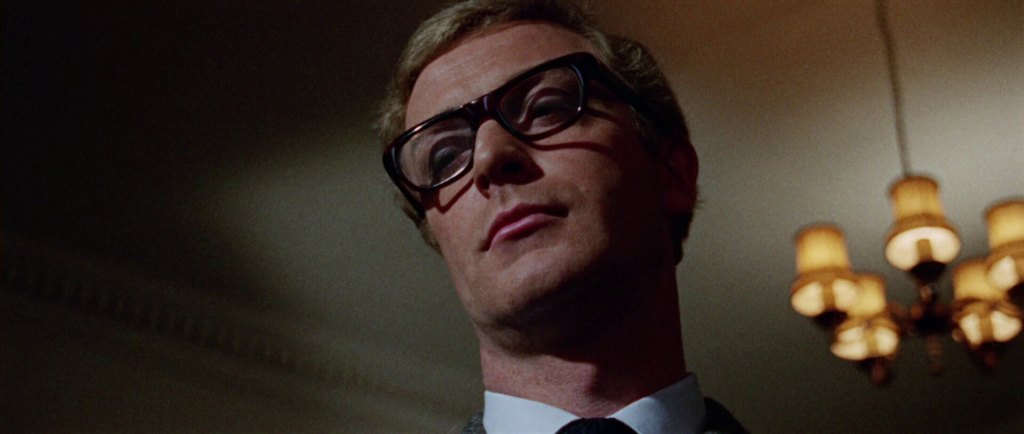
Unlike the glamorous world of Bond, The Ipcress File presents espionage as a dirty, bureaucratic business filled with betrayals, mind games, and paranoia. The film’s cinematography (Otto Heller), with its skewed camera angles and claustrophobic framing, enhances the sense of unease and psychological manipulation. It was groundbreaking for the period, which, up until this point, relied on relatively static camera moves.
 The Other Cinema