

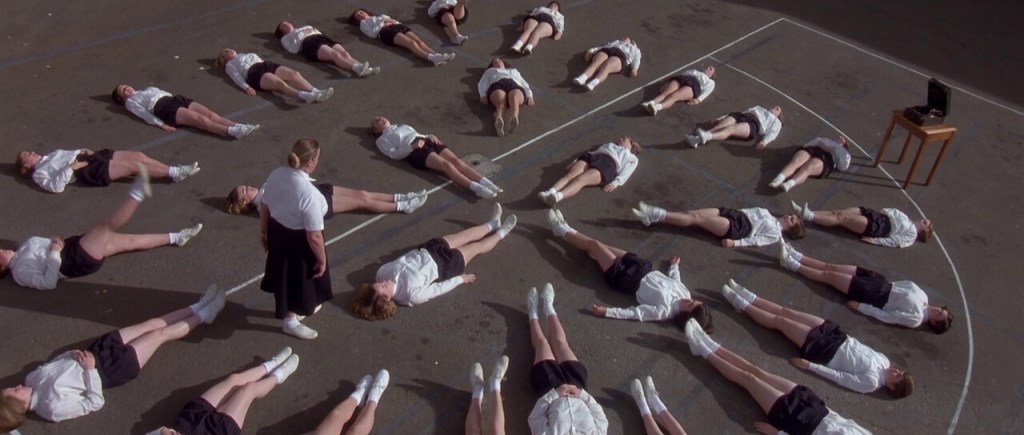
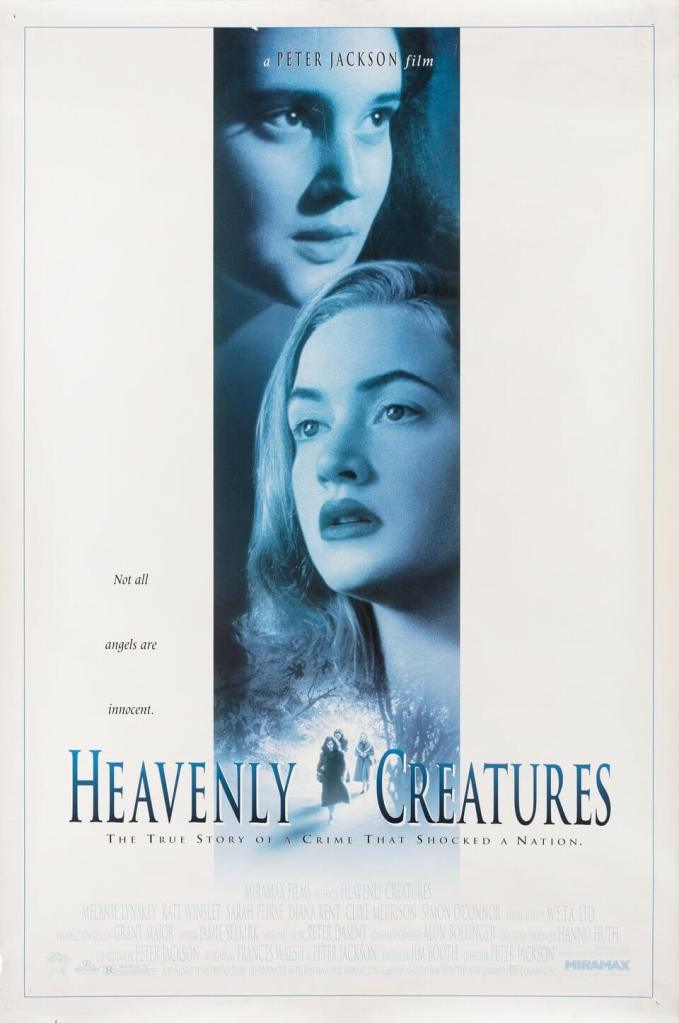
Heavenly Creatures (1994) is a psychological drama directed by Peter Jackson, based on the real-life 1954 Parker-Hulme murder case in New Zealand. The film stars Melanie Lynskey as Pauline Parker and Kate Winslet as Juliet Hulme in their feature film debuts. It explores the intense friendship between the two teenage girls, their shared fantasy world, and the tragic events that ultimately lead them to commit murder.
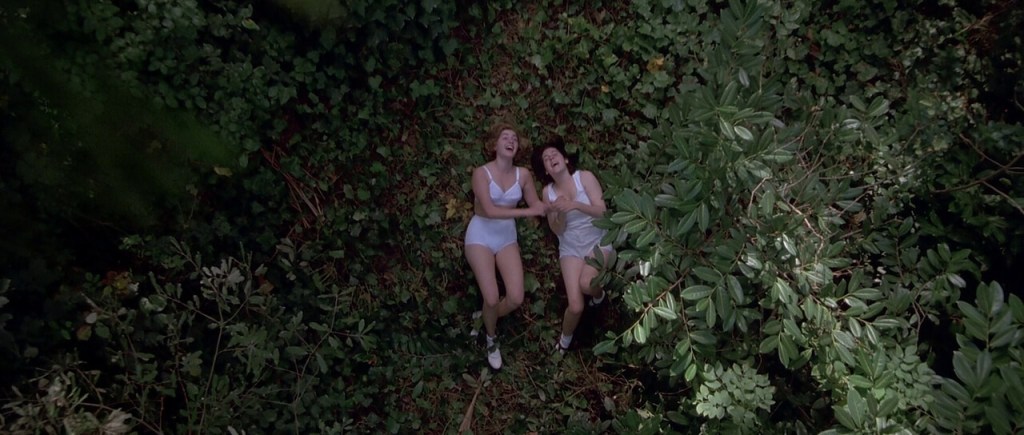

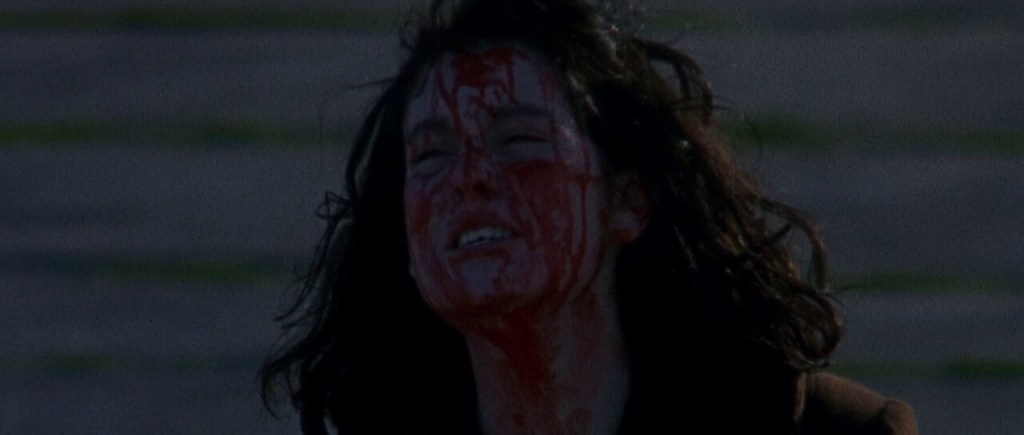
The film opens in Christchurch, New Zealand, in 1954, with a disturbing and frantic sequence in which two teenage girls, Pauline Parker (Melanie Lynskey) and Juliet Hulme (Kate Winslet), run through the woods, covered in blood and screaming in distress. The story then shifts to an extended flashback, detailing how their relationship began and developed.
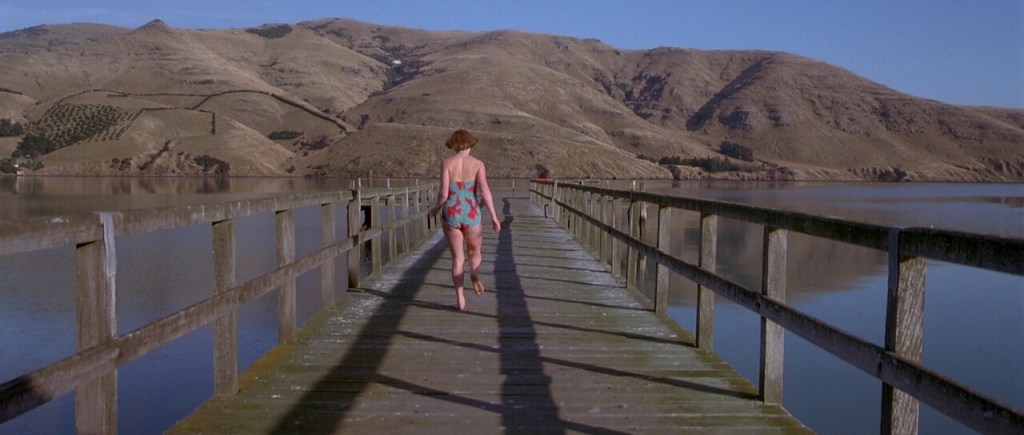
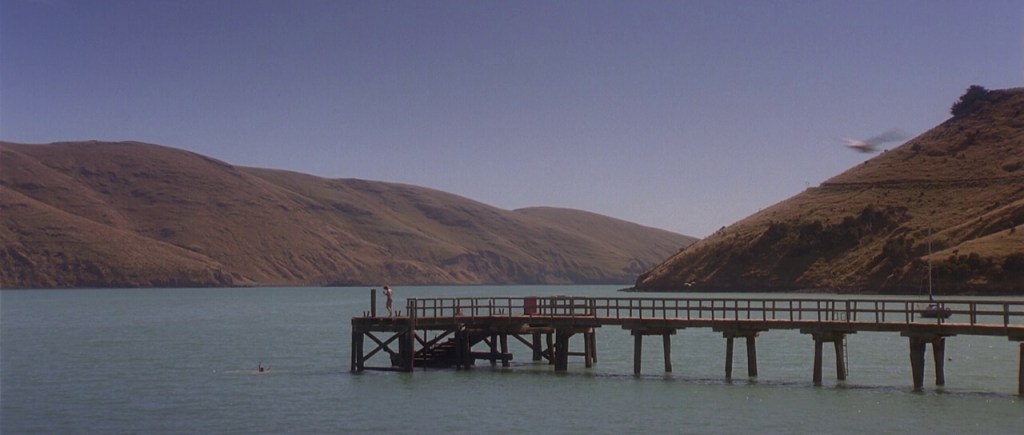
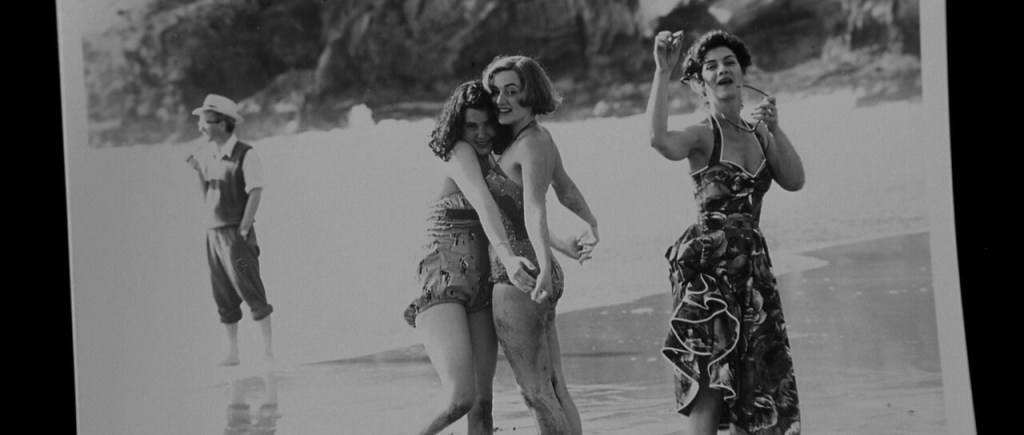
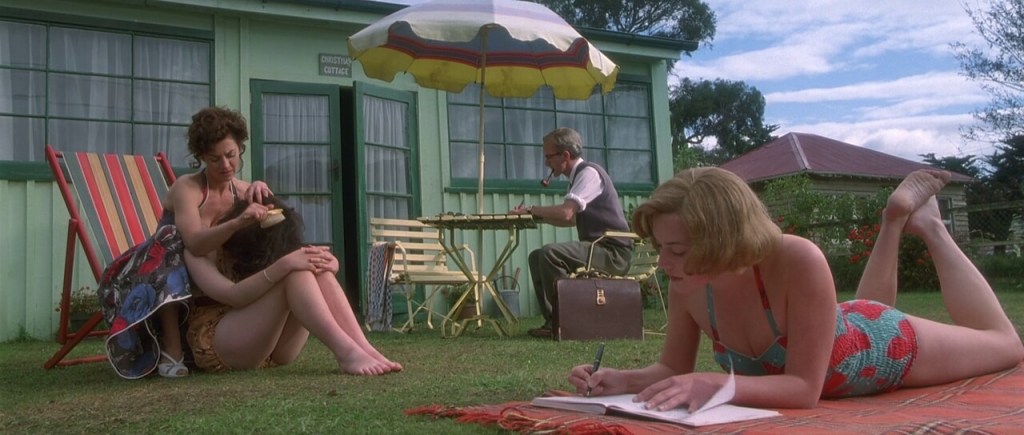
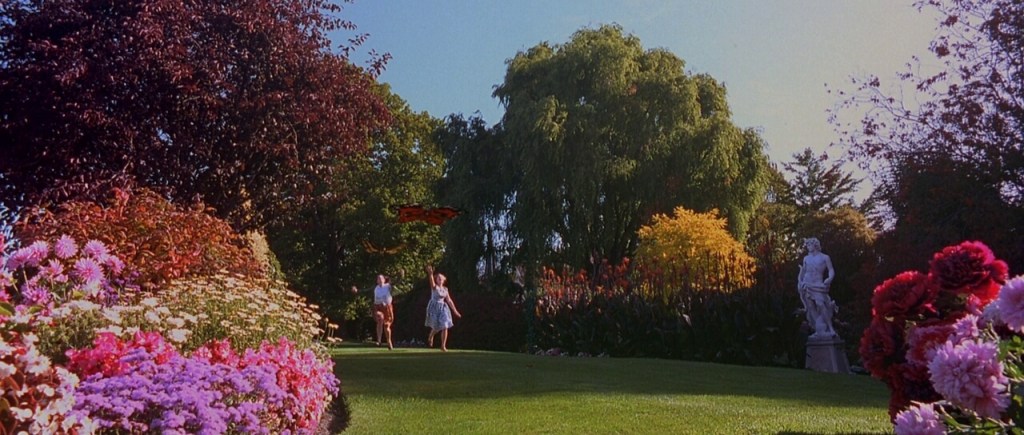
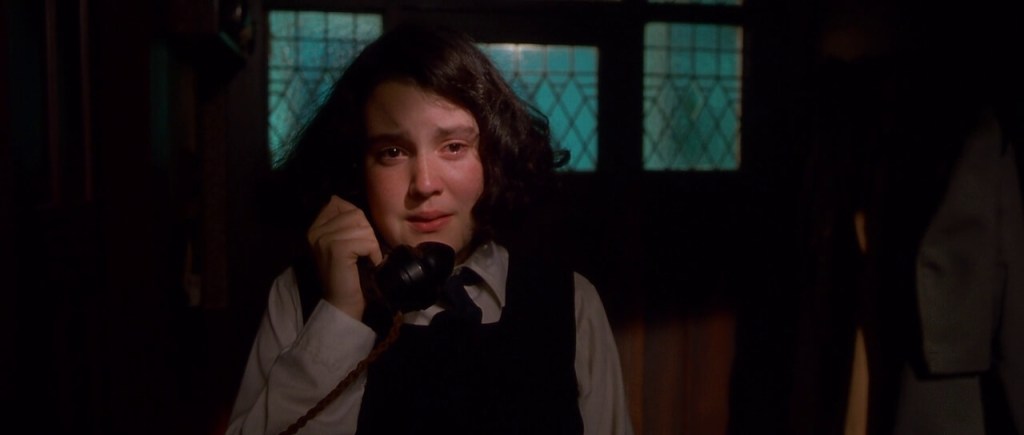
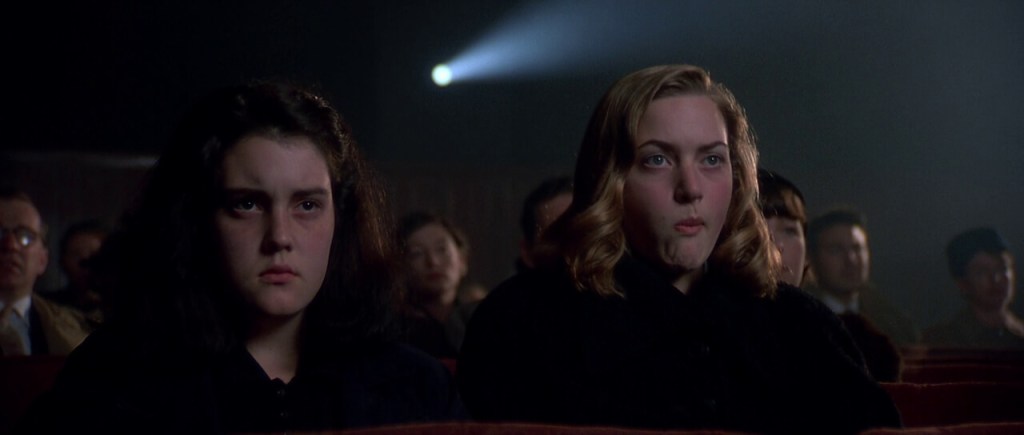
Pauline Parker is an introverted and sullen 14-year-old from a working-class background, living with her strict mother, Honora (Sarah Peirse), and her more passive father, Herbert (Simon O’Connor). She struggles with feelings of alienation and resentment toward her mundane life. Juliet Hulme, in contrast, is the confident, charismatic, and imaginative daughter of wealthy British expatriates Dr. Henry Hulme (Clive Merrison), a respected scientist, and his glamorous but emotionally distant wife, Hilda (Diana Kent). Juliet has traveled extensively and exudes an air of sophistication and privilege.
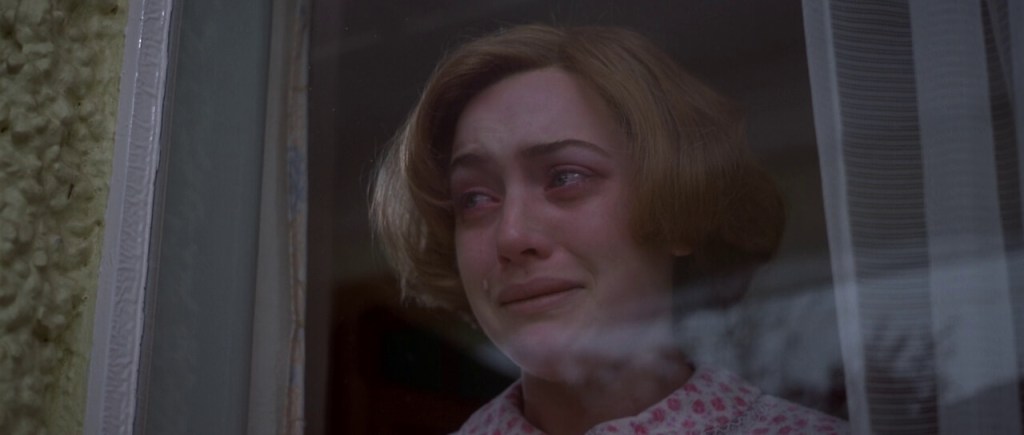
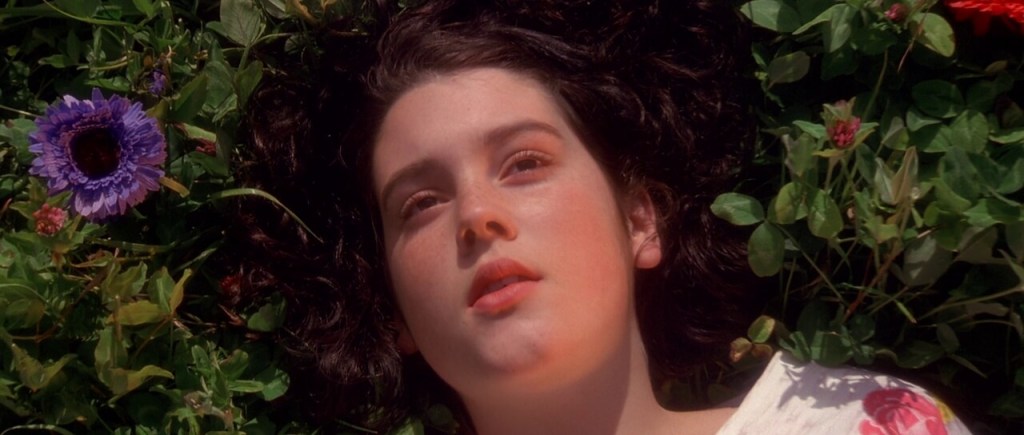
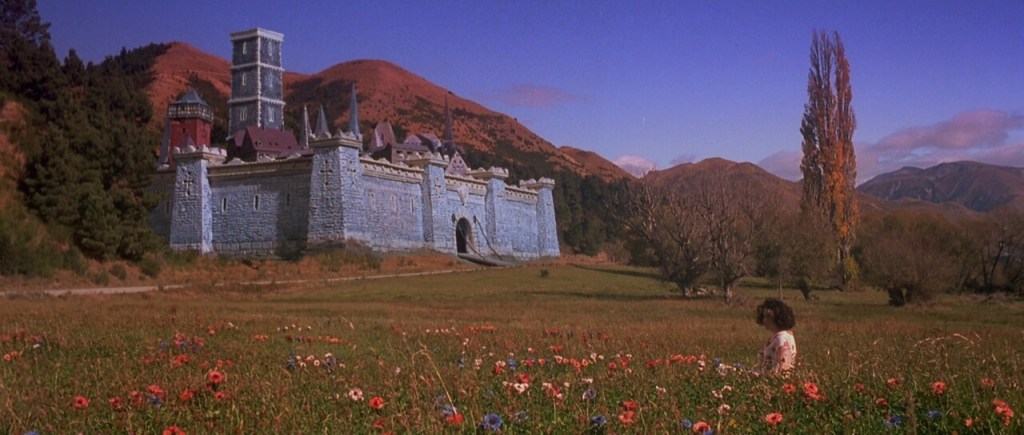
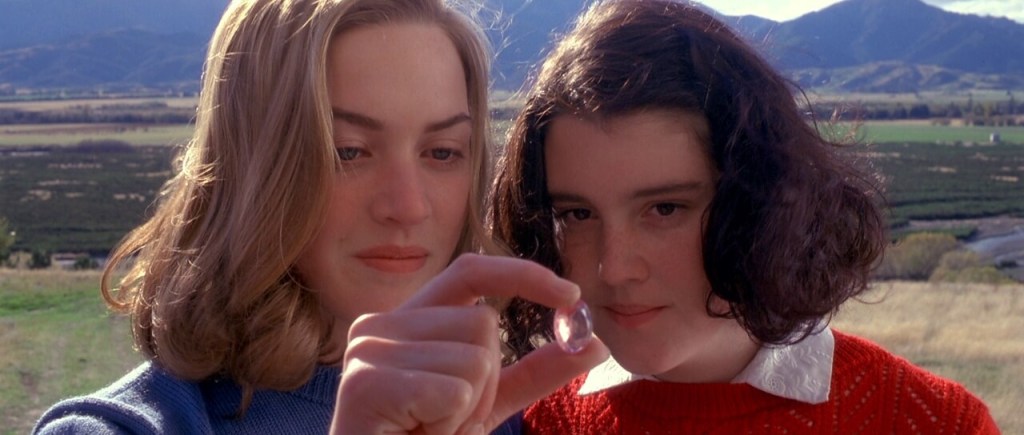
The girls meet at school and quickly form an intense and passionate friendship. They love art, literature, and fantasy, constructing a rich and elaborate imaginary world called “Borovnia,” populated with medieval-style royalty and heroic lovers. They begin writing stories and acting out their fantasies, immersing themselves deeply in their shared delusions. Their bond grows increasingly obsessive, with the pair viewing themselves as superior to others and convinced they possess a special connection that others cannot understand.
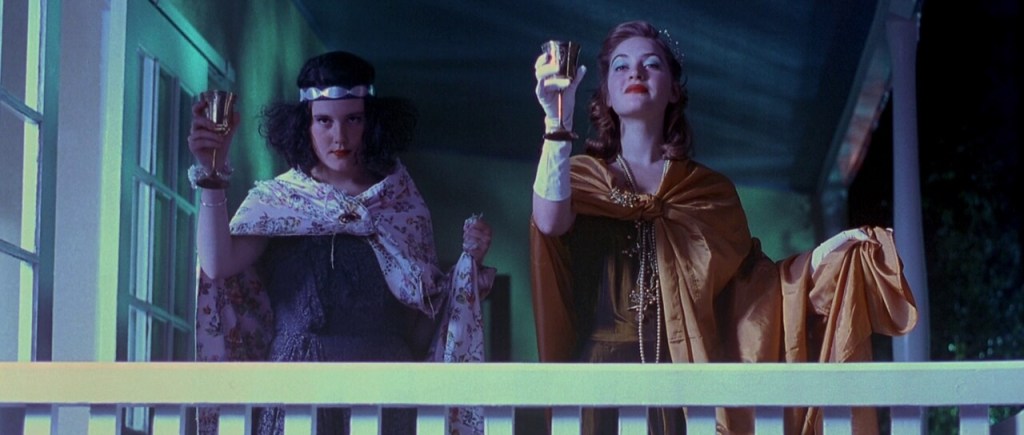

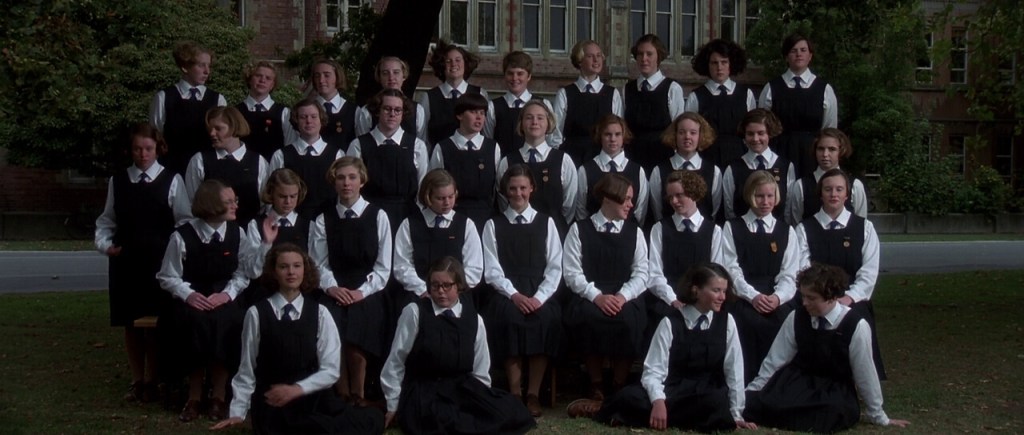
Pauline and Juliet’s parents become concerned as the relationship intensifies. Juliet’s parents, particularly her father, believe the friendship is unhealthy and too emotionally intense, fearing that it may have homosexual overtones (which was considered scandalous at the time). Meanwhile, Pauline’s mother disapproves of her daughter’s deepening defiance and rebellion. When Juliet falls ill with tuberculosis, her parents send her away for treatment, devastating both girls. They correspond feverishly, and upon Juliet’s return, they resume their fantasies with even greater fervor.
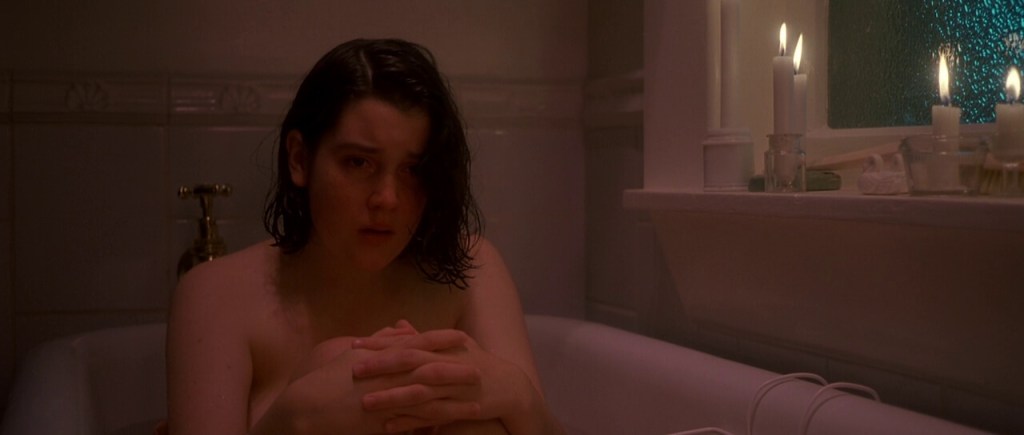
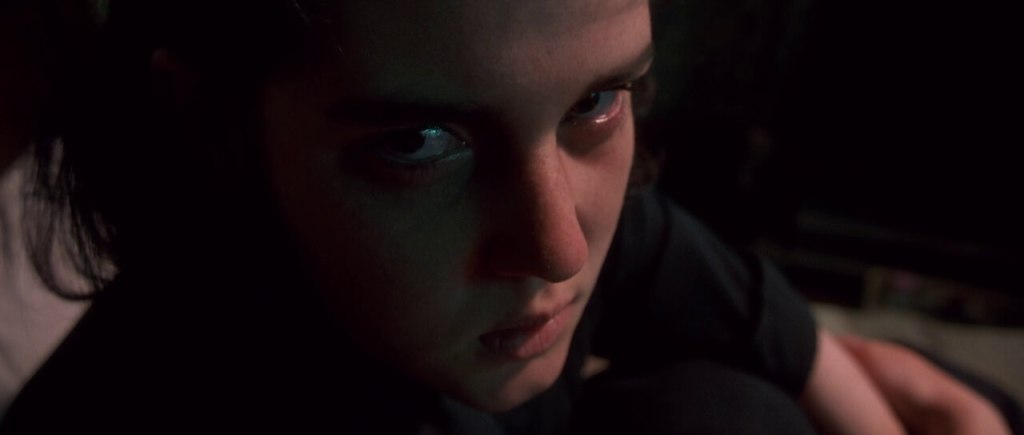
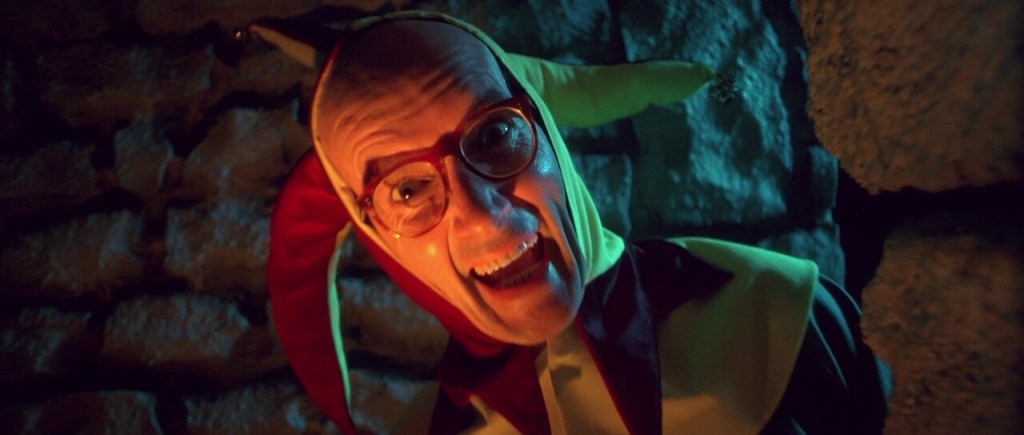
As tensions rise, Juliet’s parents decide to separate and plan to send her to South Africa. This news deeply distresses the girls, who see their separation as unbearable. They begin fantasizing about an alternate reality where they can be together forever, but Pauline sees her mother, Honora, as the primary obstacle. Convinced that her mother’s removal is the only way to secure their happiness, Pauline, with Juliet’s support, devises a plan to murder her.
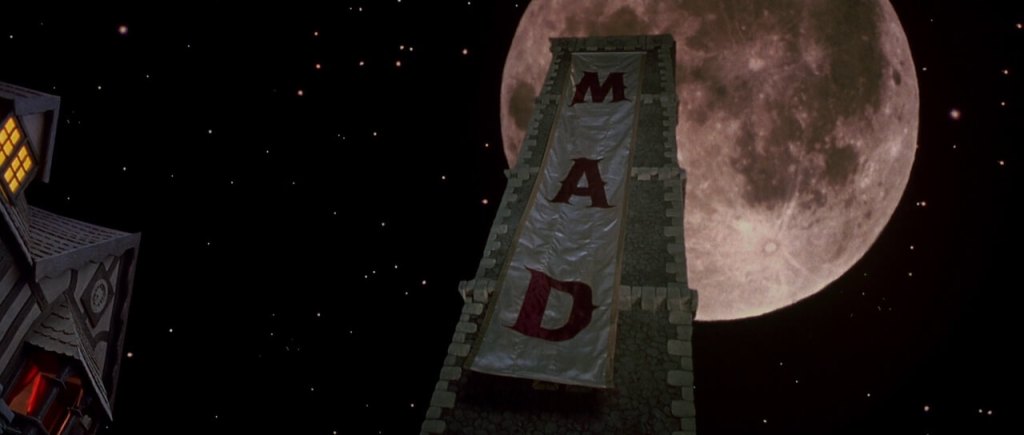
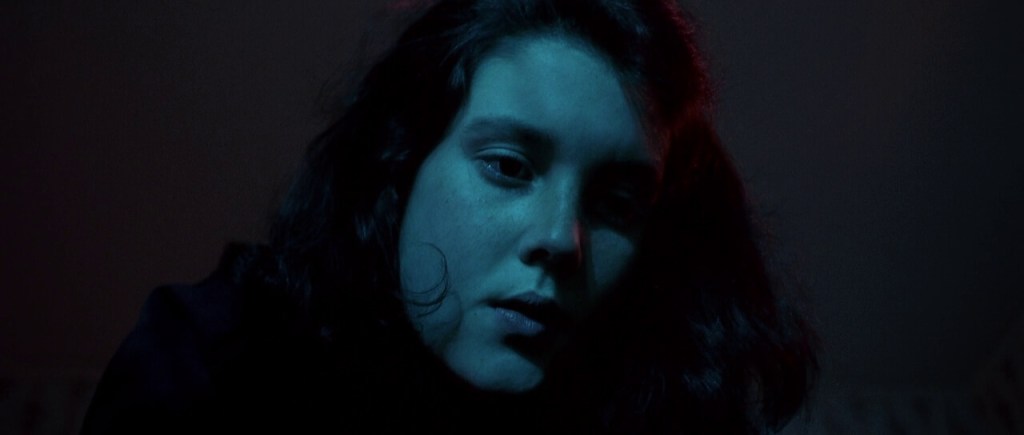
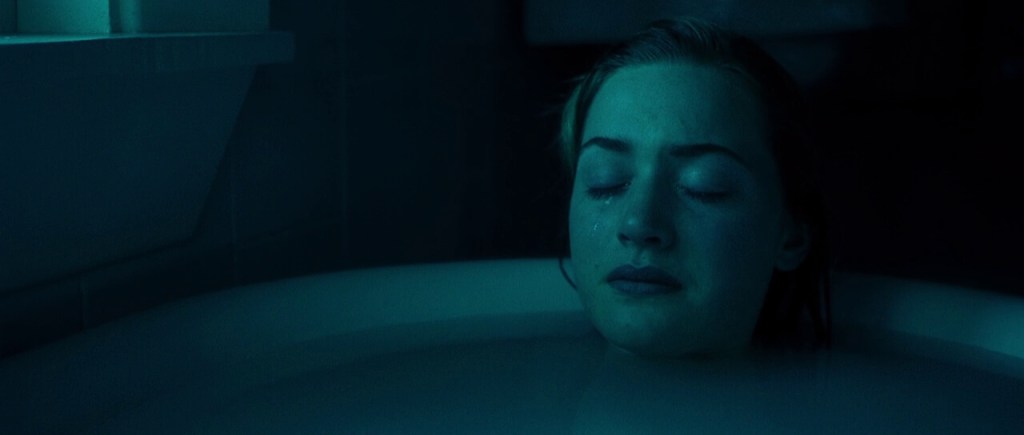
On June 22, 1954, Pauline and Juliet invite Honora on a walk in Victoria Park under the guise of a pleasant outing. While walking along a secluded path, they carry out their plan, brutally bludgeoning Honora to death with a brick in a stocking. Believing they will get away with it, the girls attempt to feign innocence, running back to a nearby tea shop and claiming Honora has had an accident. However, their story quickly unravels under police scrutiny, and they are arrested.
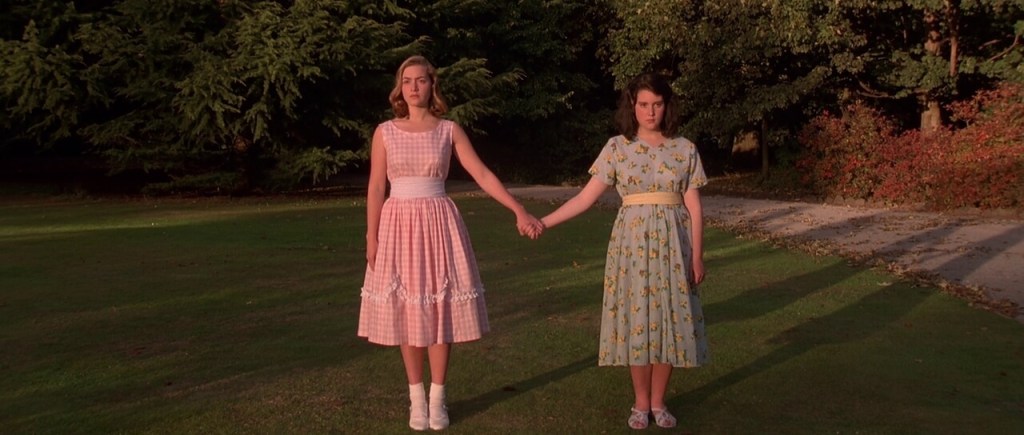
The film ends with a chilling epilogue stating that the girls were tried, convicted, and sentenced to prison. Due to their young age, they were spared the death penalty but were released separately after serving five years. The final revelation notes that as a condition of their release, they were never allowed to contact each other again.
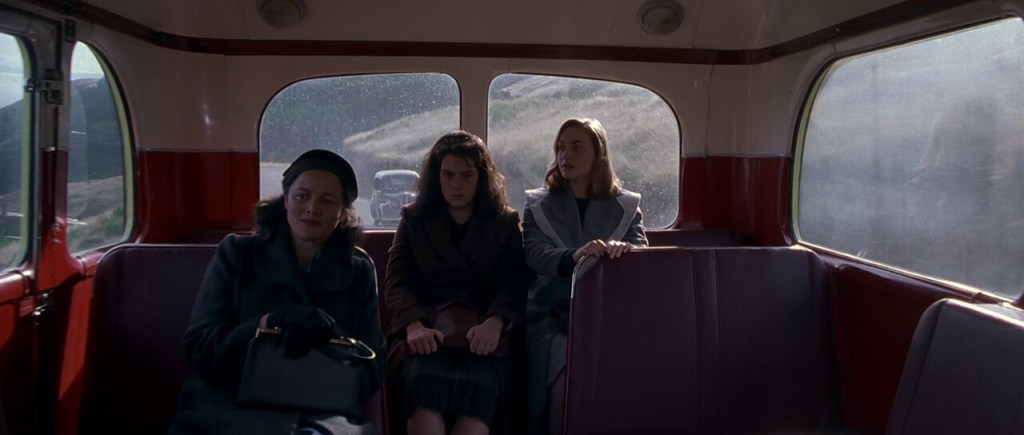
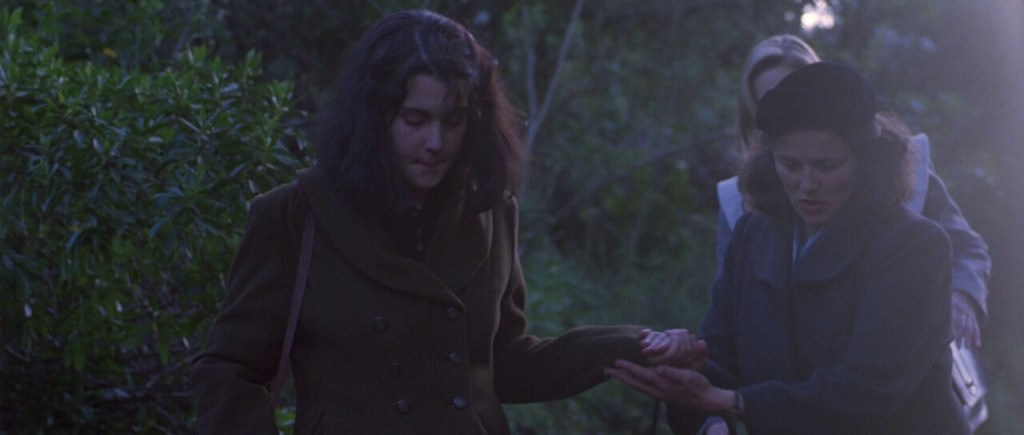
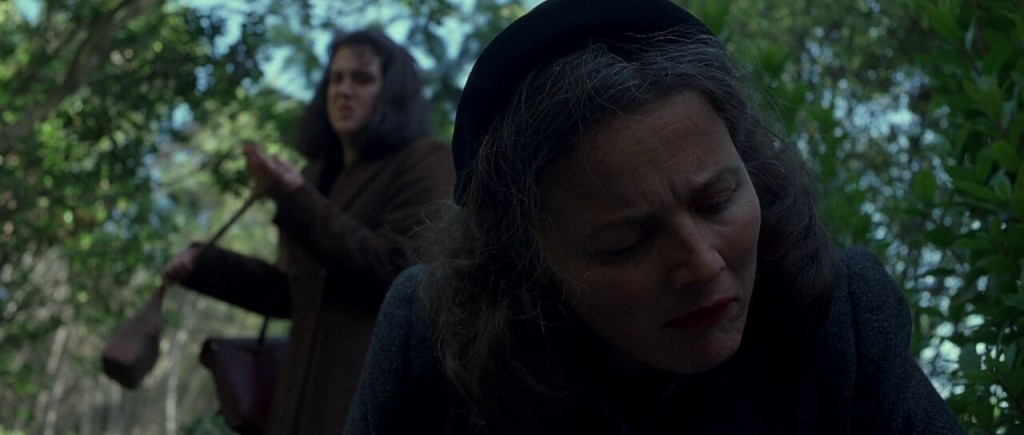
Peter Jackson’s direction blends psychological drama with surreal fantasy, visually immersing the audience in the girls’ imaginary world. The film explores themes of obsession, delusion, and the consequences of unchecked fantasy. Jackson contrasts the vibrancy of their imagined kingdom with the bleakness of their real lives, illustrating how their emotional dependence on each other led them down a dark path.
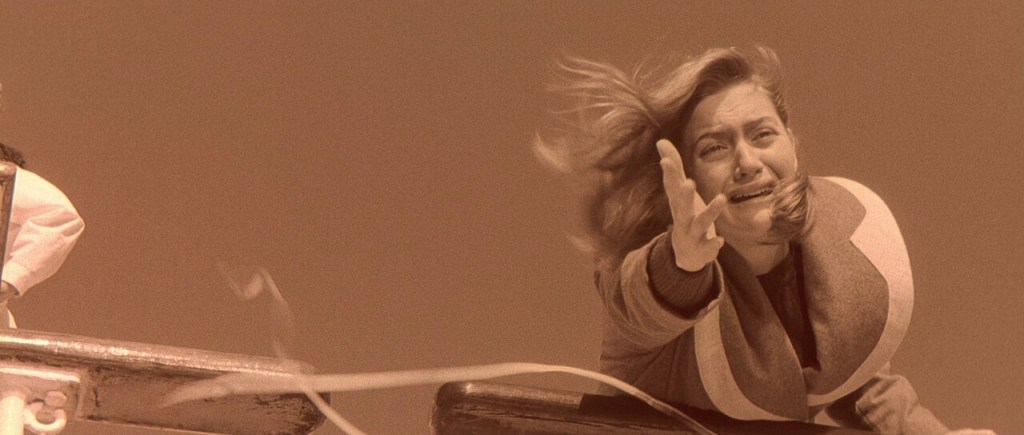
Heavenly Creatures remains a poignant portrayal of youthful obsession and tragedy, notable for its evocative performances and seamless blending of fantasy and reality.
 The Other Cinema