
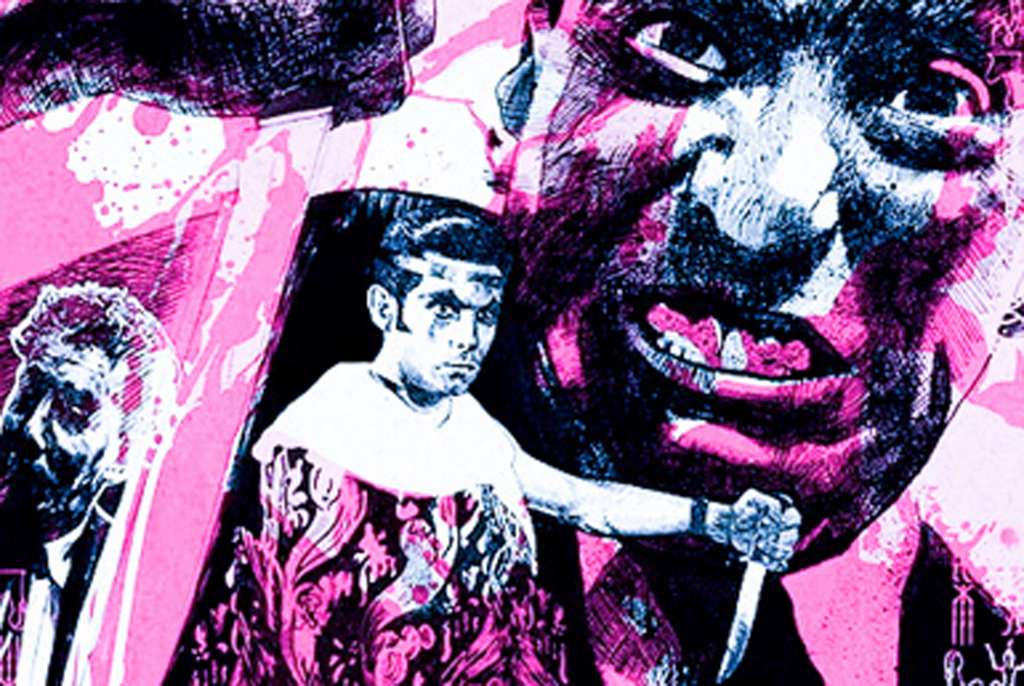
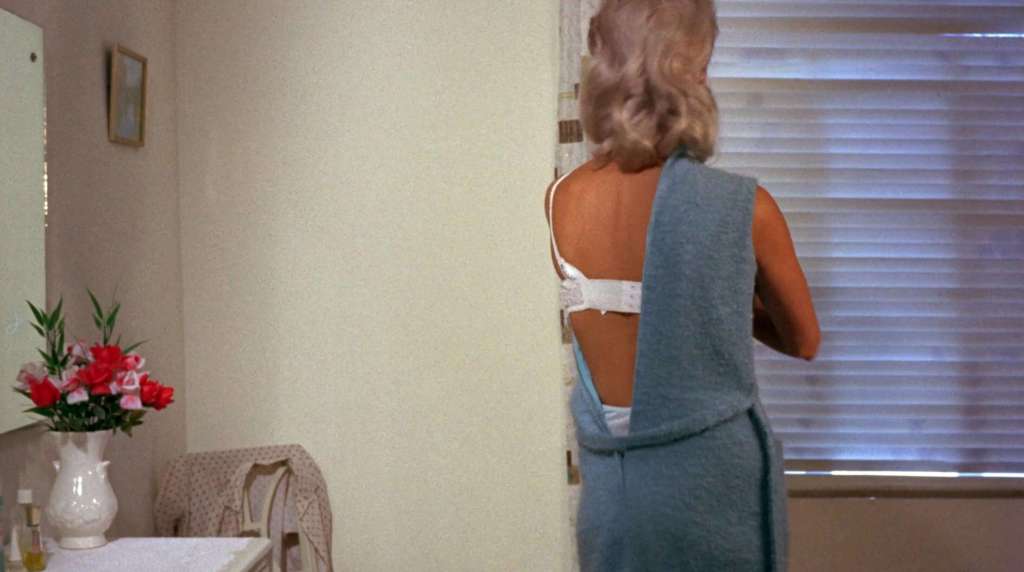
Blood Feast (1963) is an American exploitation horror film directed by Herschell Gordon Lewis, often credited as the first gore film in cinematic history. Starring Mal Arnold, William Kerwin, Connie Mason, and Lyn Bolton, the film is notorious for its graphic violence, crude special effects, and over-the-top performances. Despite its low budget and lack of technical polish, Blood Feast became a cult classic, pioneering the splatter subgenre and influencing later horror filmmakers.
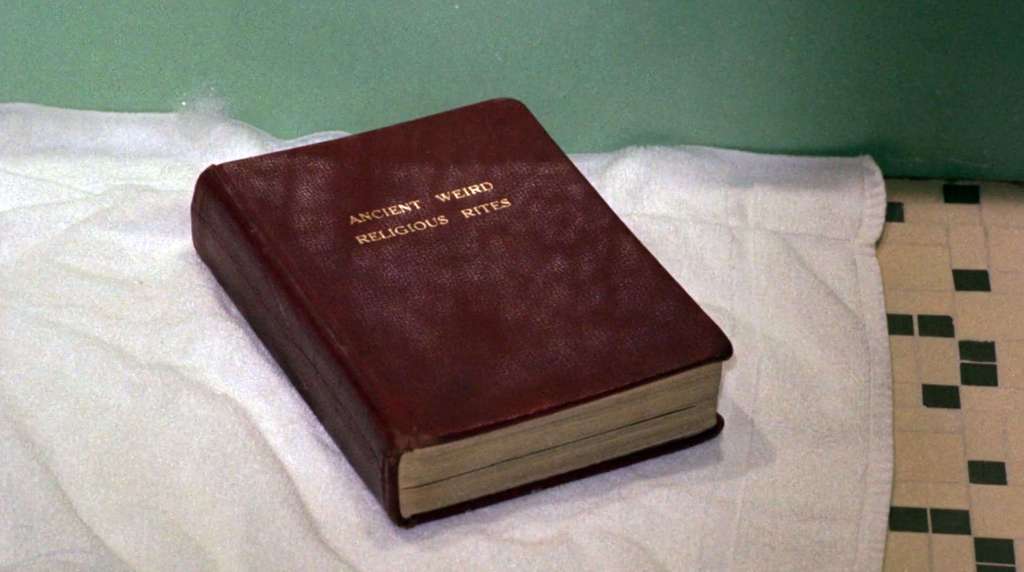


The film opens in Miami, Florida, where a young woman is brutally murdered in her bathtub by a mysterious assailant. Her leg is hacked off, and the scene is drenched in blood, setting the tone for the film’s unapologetically graphic nature.
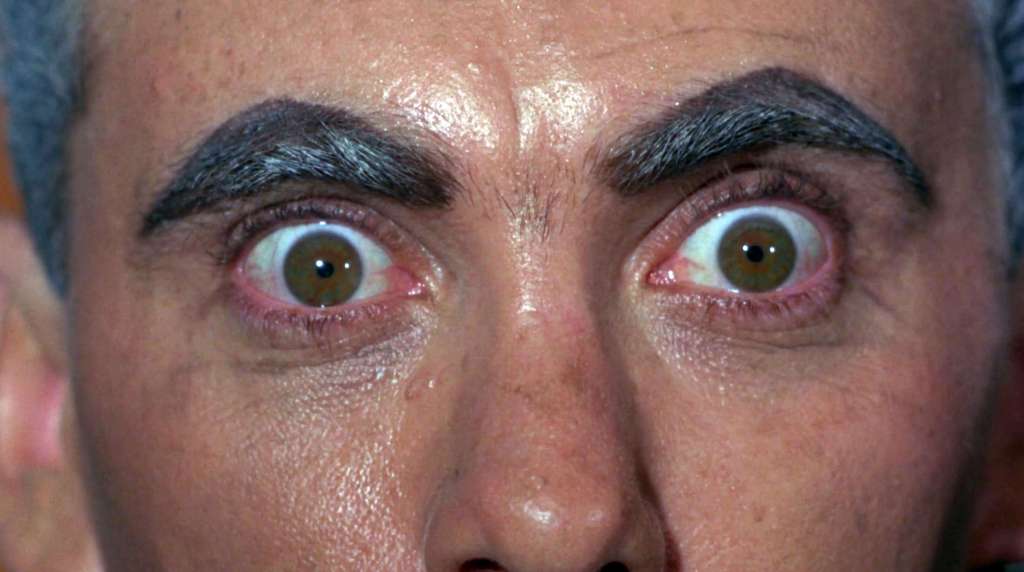
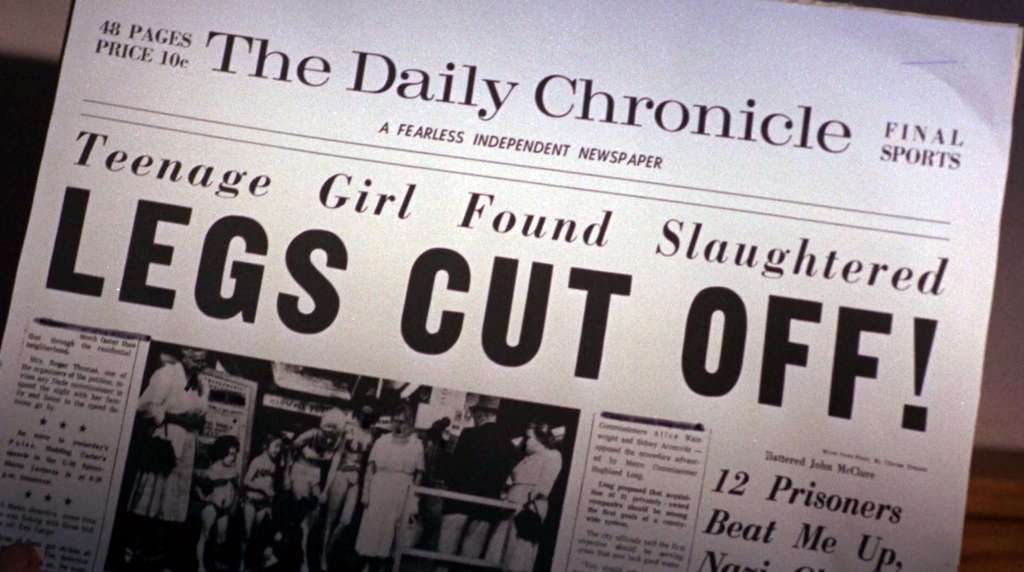

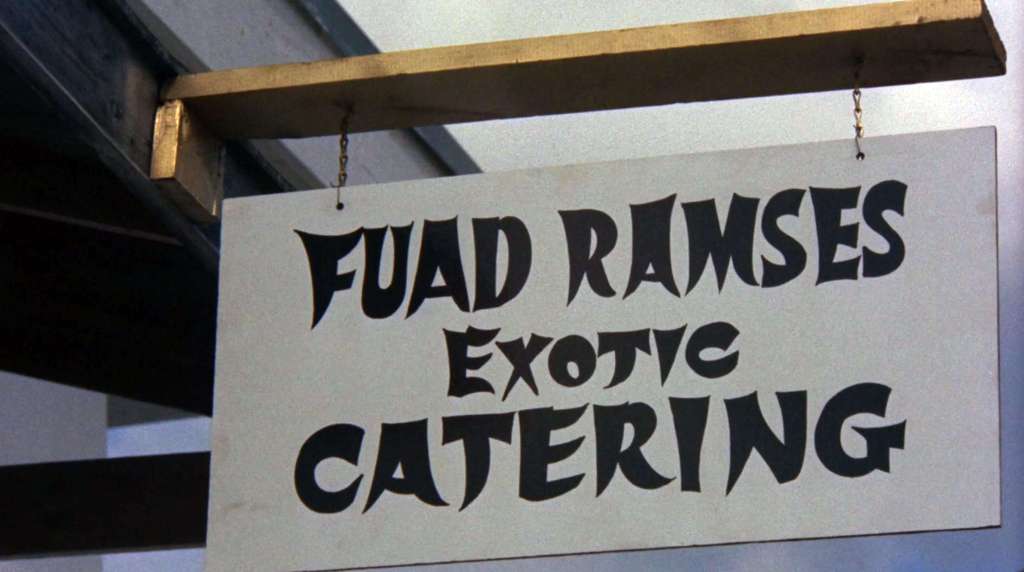
We are then introduced to Fuad Ramses (Mal Arnold), an Egyptian caterer who owns a small, exotic food shop. Unbeknownst to his customers, Ramses is a devoted servant of the ancient goddess Ishtar and has been murdering women to collect body parts for a “Blood Feast”—a ritual meant to resurrect his deity through human sacrifice.
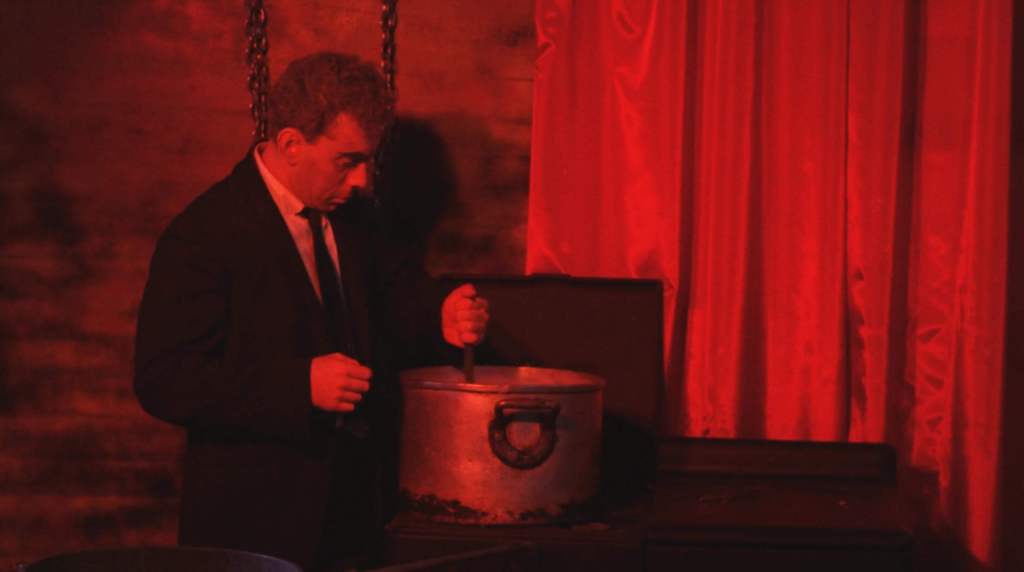
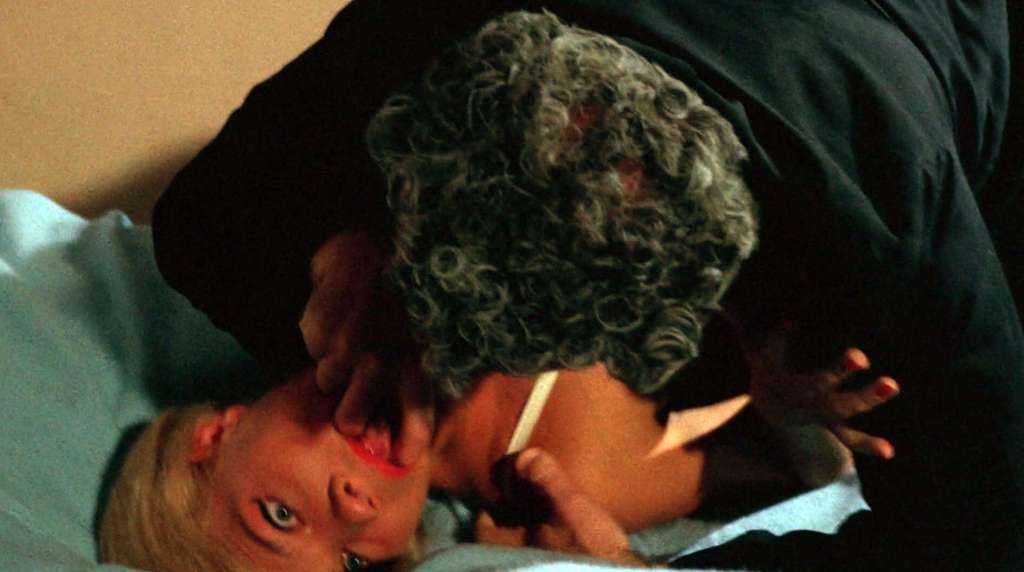
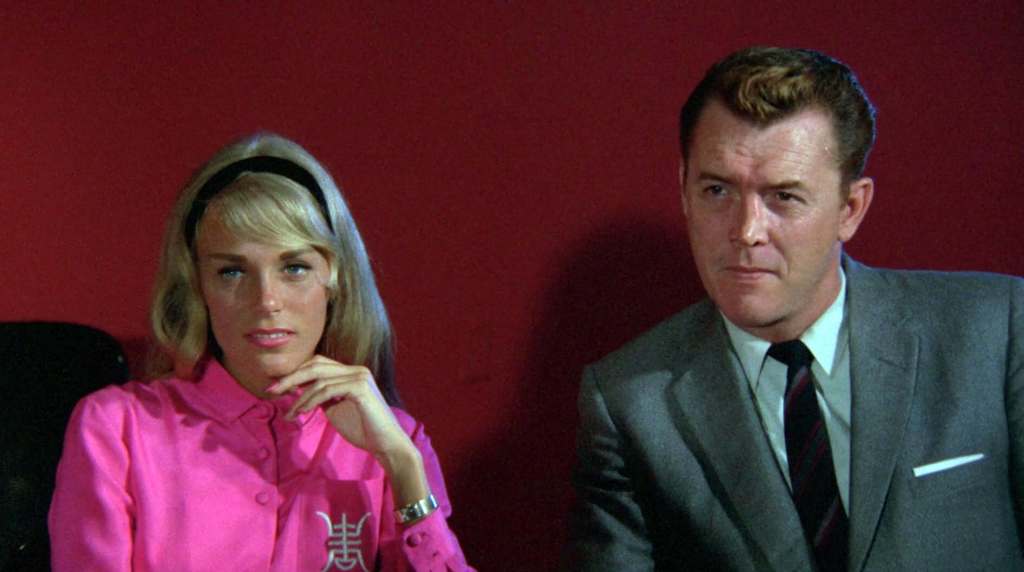

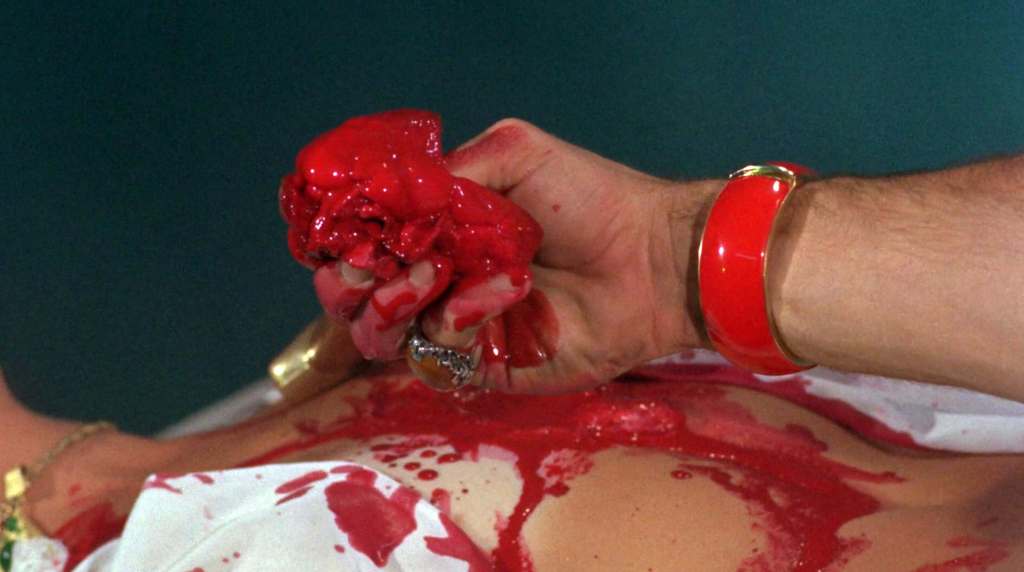

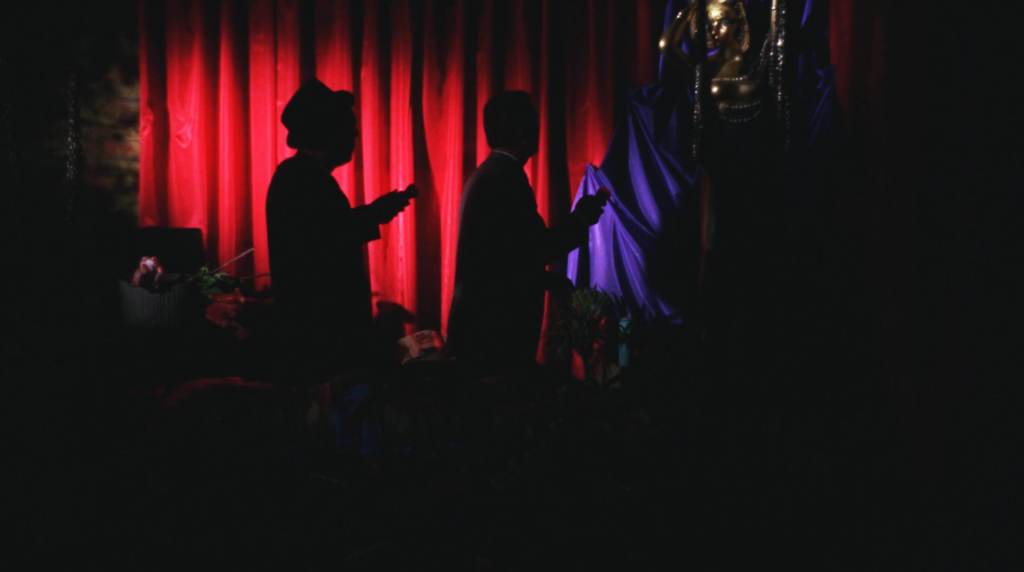
One of his potential victims is Suzette Fremont (Connie Mason), a young woman whose wealthy mother, Mrs. Fremont (Lyn Bolton), hires Ramses to cater an elaborate dinner party. Completely unaware of his sinister motives, she requests an “authentic Egyptian feast,” which excites Ramses—this will be the perfect opportunity to complete his gruesome ceremony.
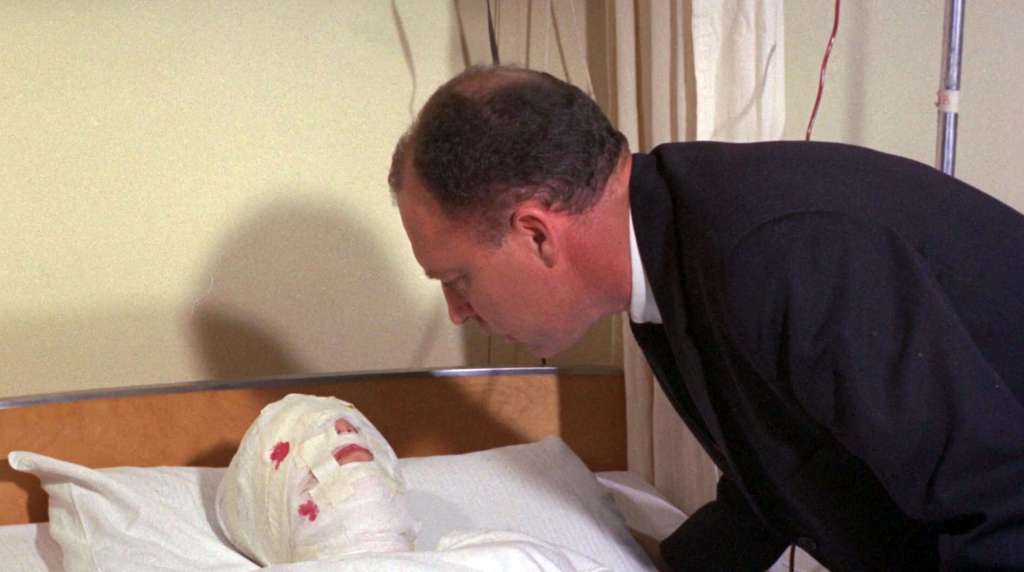


Meanwhile, the Miami police force, led by Detective Pete Thornton (William Kerwin), is investigating a series of gruesome murders in which victims have been found missing body parts. Thornton and his partner, Detective Frank (Scott H. Hall), struggle to find a connection between the killings. As the body count rises, they suspect something more ritualistic is at play.
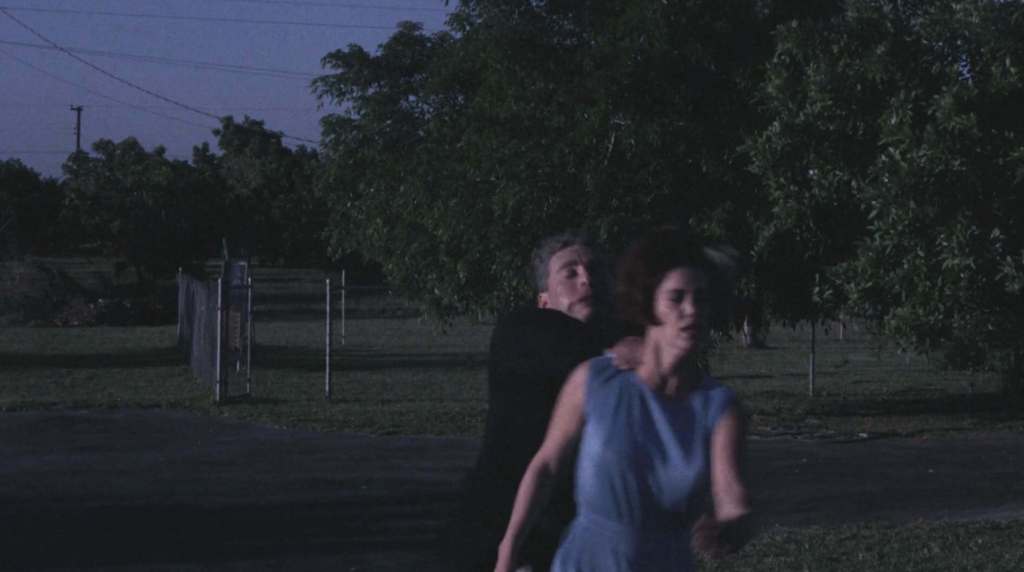

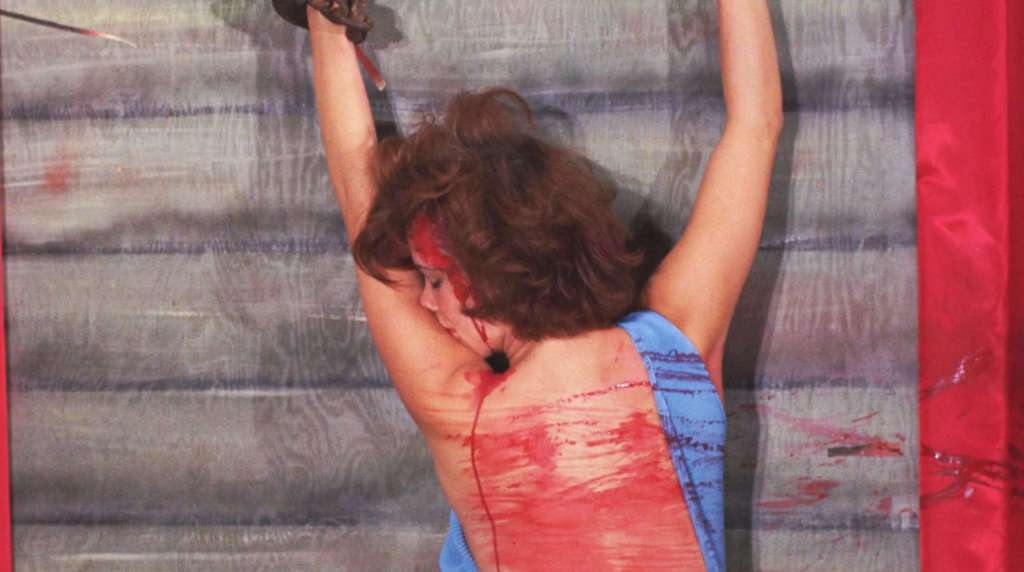
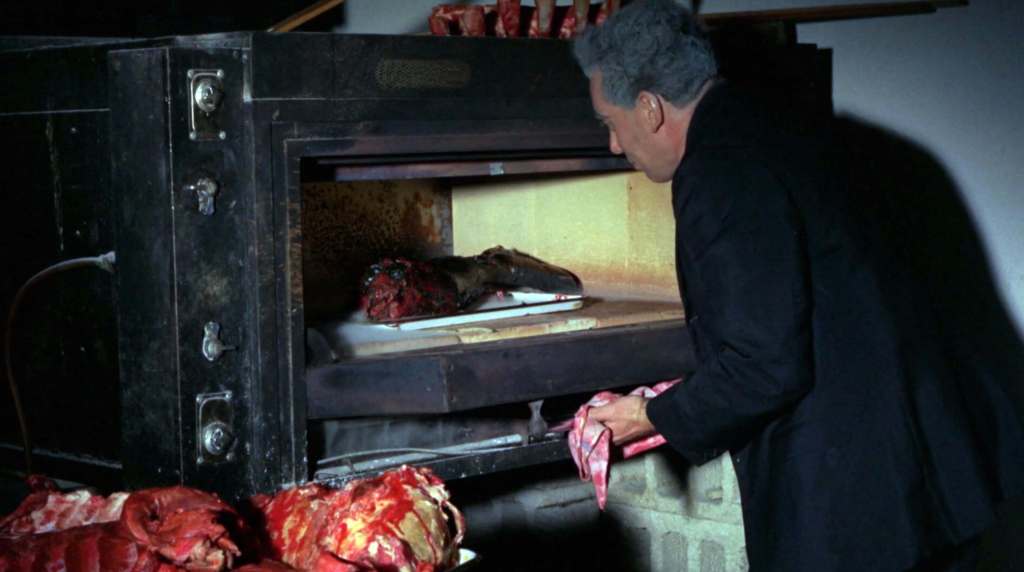
As Ramses continues his murder spree, he targets women in increasingly violent ways. One victim is beaten and scalped, another has her tongue ripped out, and another is gutted with a machete. Each killing provides a key “ingredient” for his monstrous banquet.
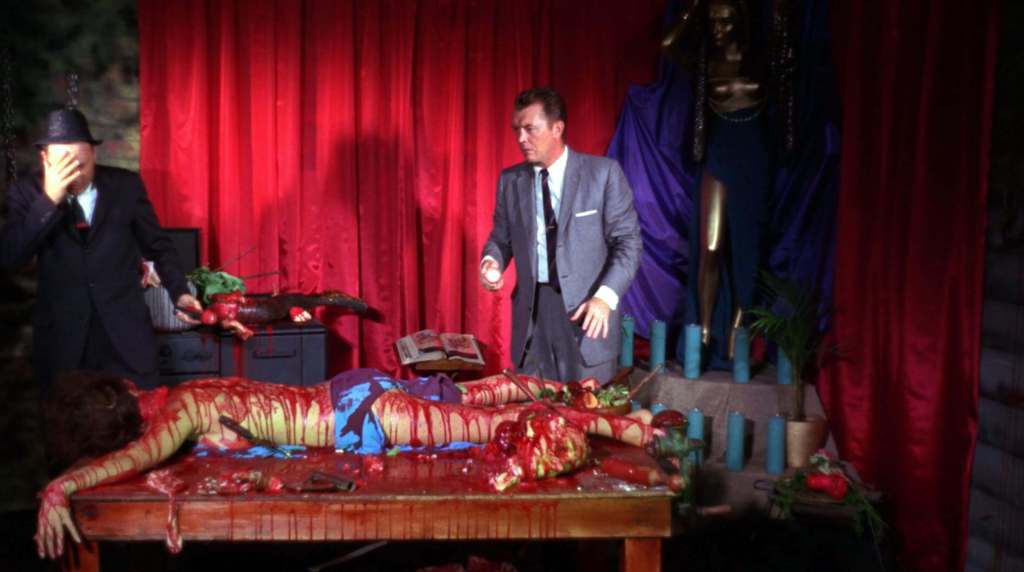
Suzette, meanwhile, remains oblivious to the danger. She attends an Egyptology lecture, where a professor discusses ancient blood rituals dedicated to Ishtar—unknowingly describing exactly what Fuad Ramses is attempting to recreate.

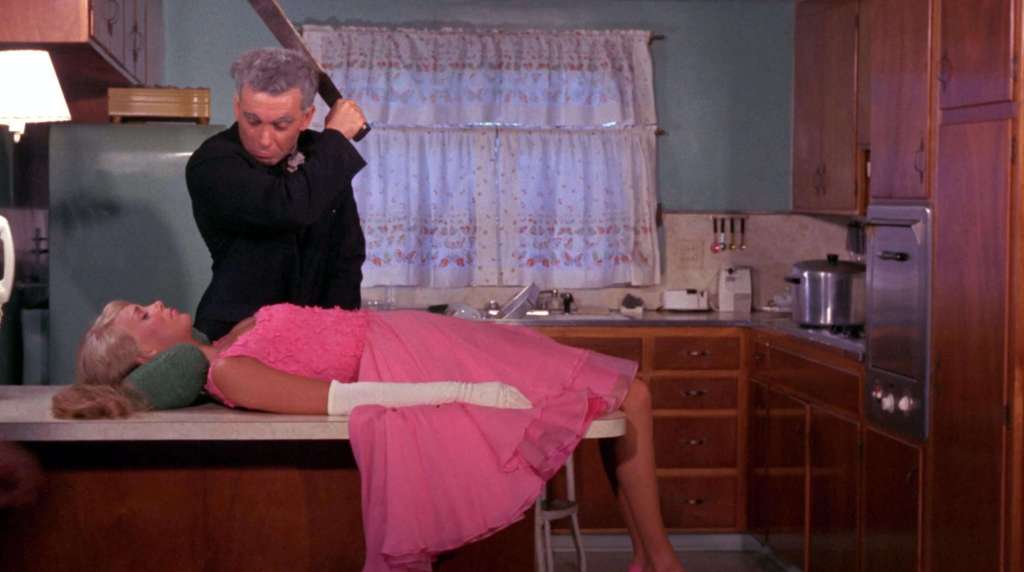

As the police close in on Ramses, Suzette is kidnapped and taken to his hideout, where he prepares to sacrifice her in the final step of his ritual. Just as he is about to plunge a dagger into her, Detective Thornton arrives just in time to save her. A wounded Ramses attempts to escape but is chased into a garbage truck, where he is crushed to death in a fittingly gory and ironic demise.
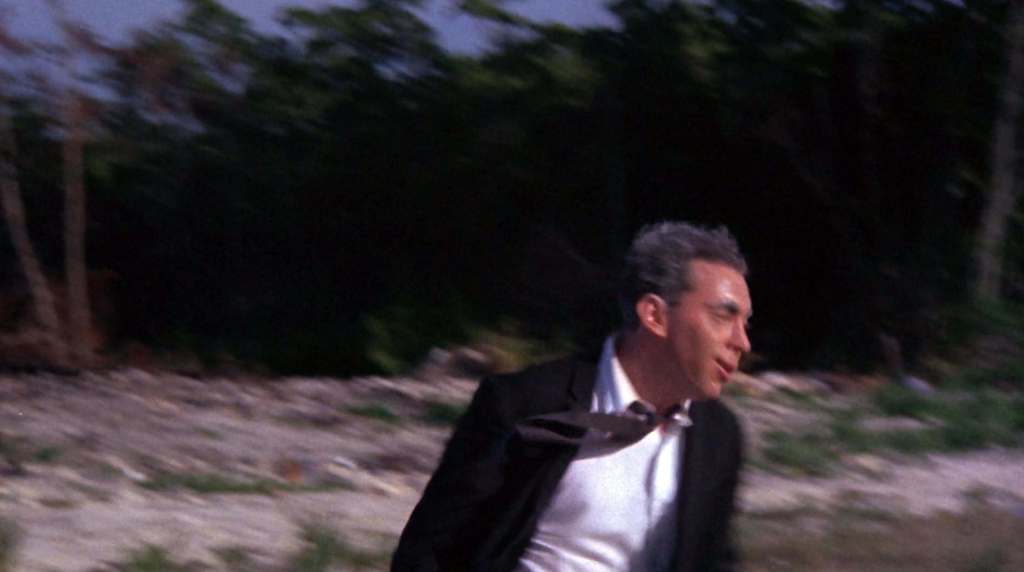

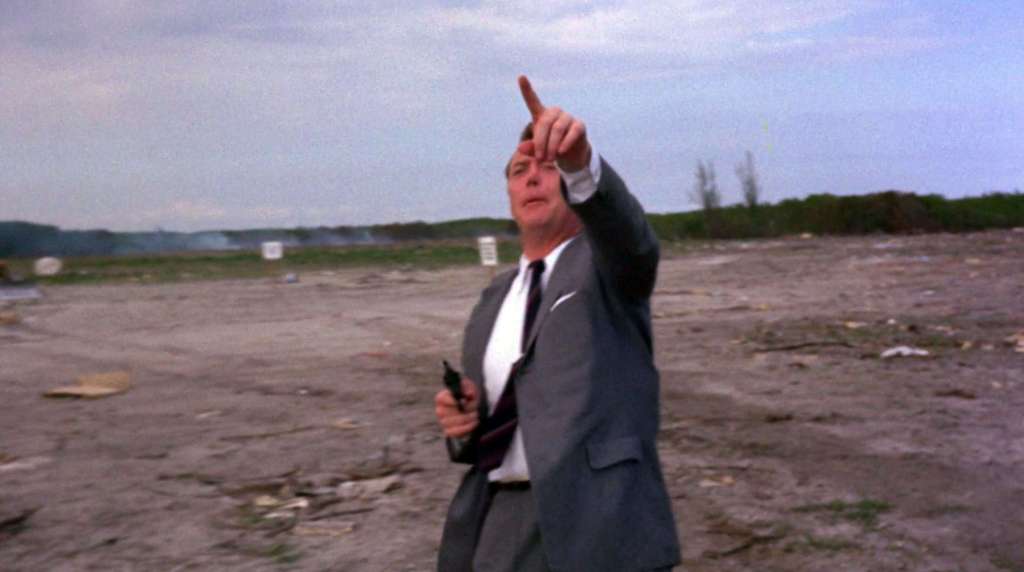

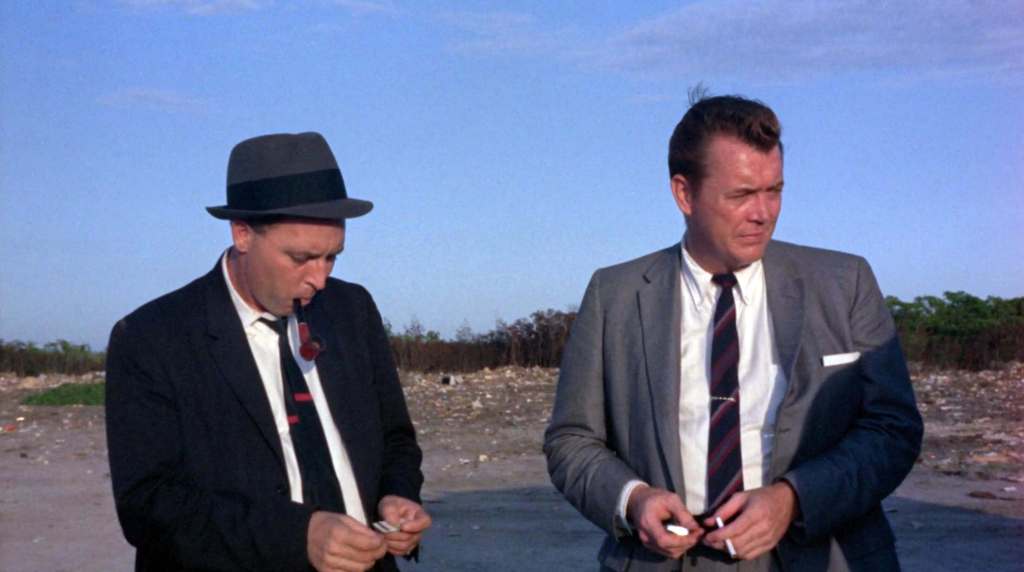
The film ends with Suzette in shock, the police reflecting on the horrific nature of the crimes, and the gruesome legacy of Fuad Ramses’ twisted devotion coming to a grisly close.
Blood Feast is widely regarded as the first true “gore film.” Its low-budget, grindhouse aesthetic and campy performances add to its cult appeal, while its over-the-top violence paved the way for later horror classics such as The Texas Chain Saw Massacre (1974) and Friday the 13th (1980).

Despite being critically reviled upon release, Blood Feast became a major box office success, proving audiences were drawn to extreme horror. Herschell Gordon Lewis and producer David F. Friedman would go on to make more gore-focused films, including Two Thousand Maniacs! (1964) and Color Me Blood Red (1965), solidifying Lewis’ title as the “Godfather of Gore.”
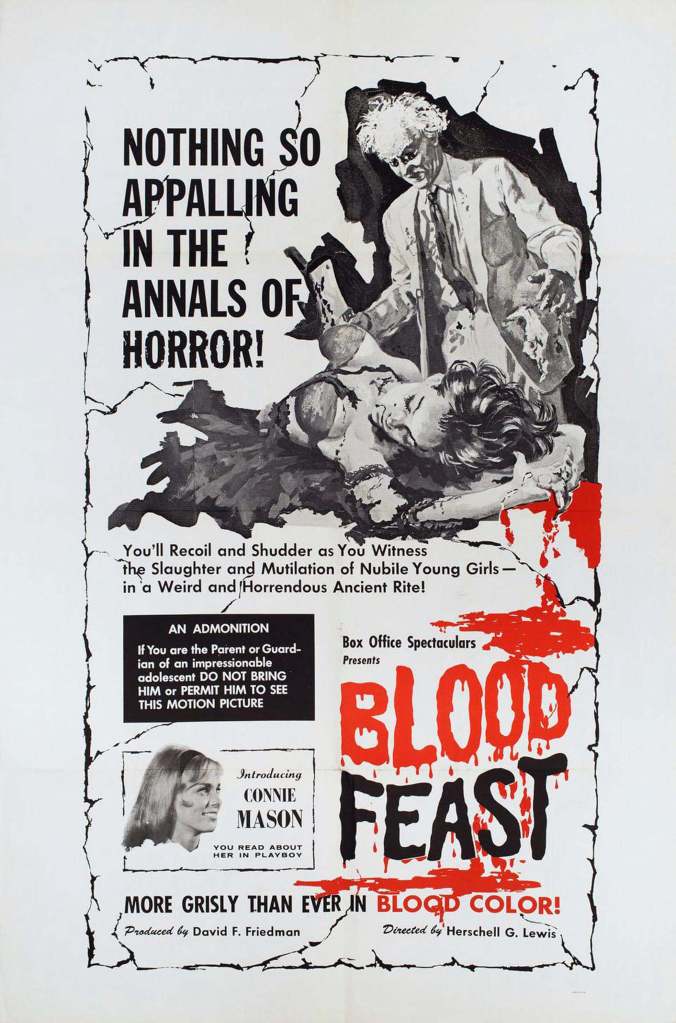
 The Other Cinema