


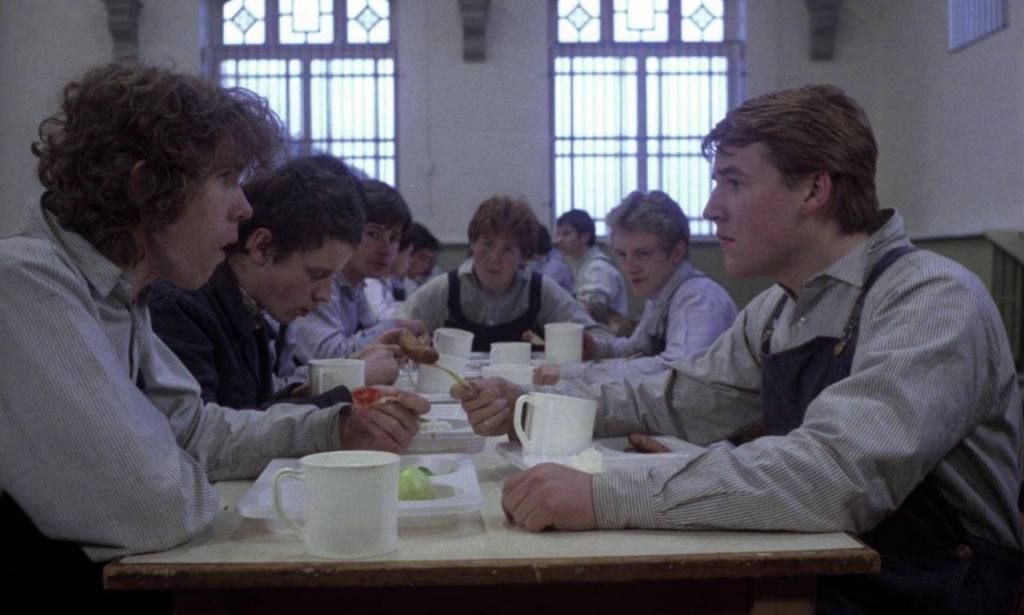
Scum (1979) is a British crime drama that depicts the harsh realities of life inside a borstal in the UK. The film is directed by Alan Clarke and starring a young Ray Winstone in his breakout role. It is a shocking indictment of the British penal system, exposing its institutionalized violence, abuse, and corruption.
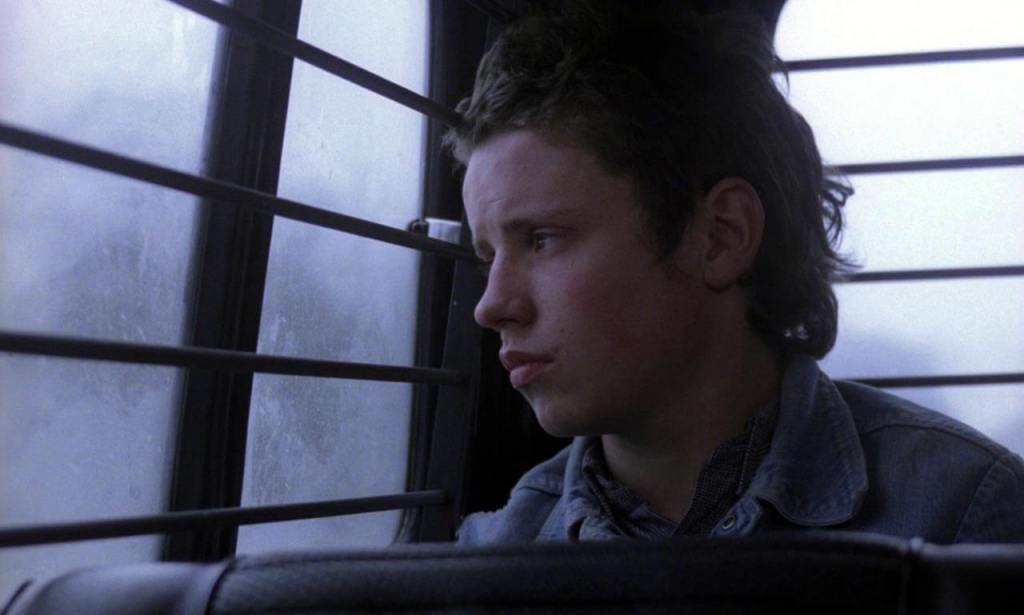
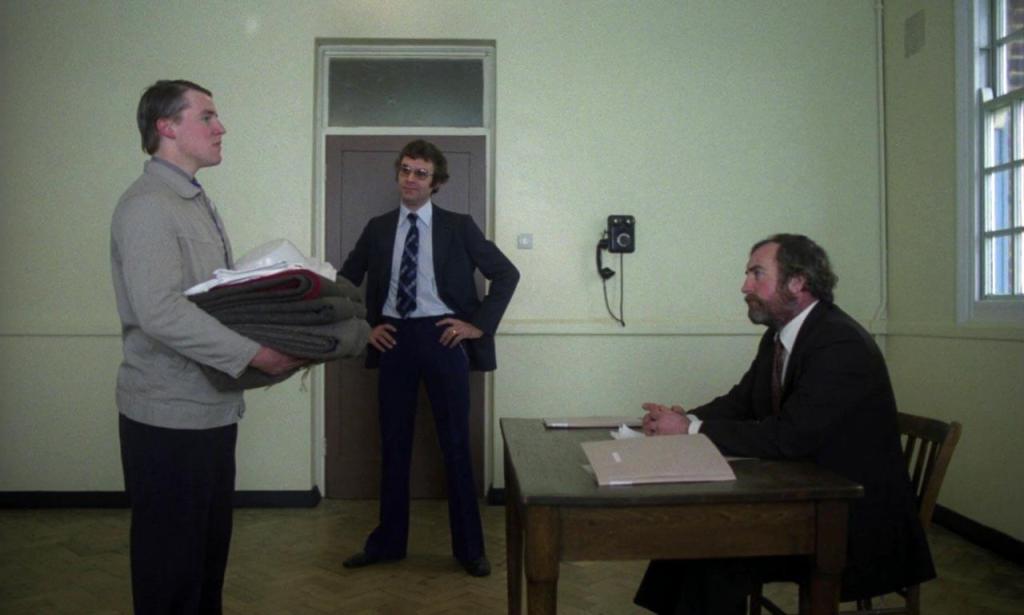
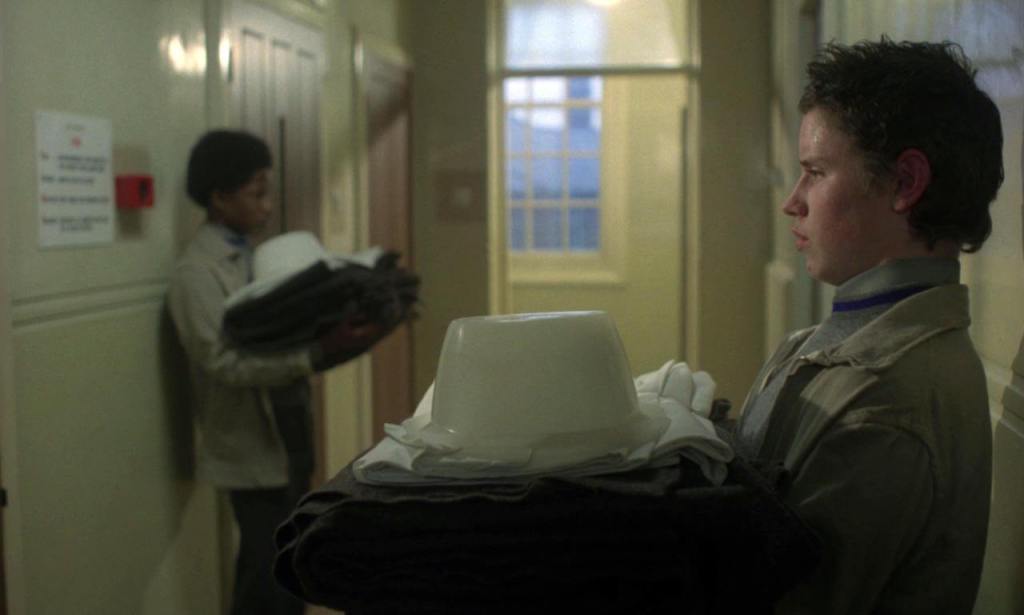
Originally made as a TV film for the BBC in 1977, Scum was banned before broadcast due to its extreme content. Clarke then remade it as a theatrical film in 1979.
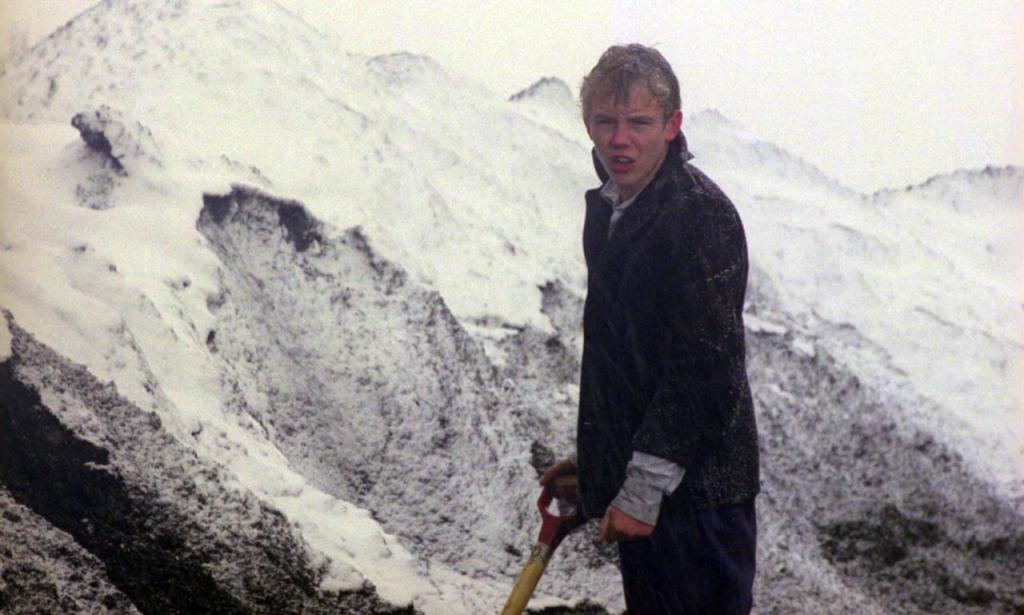

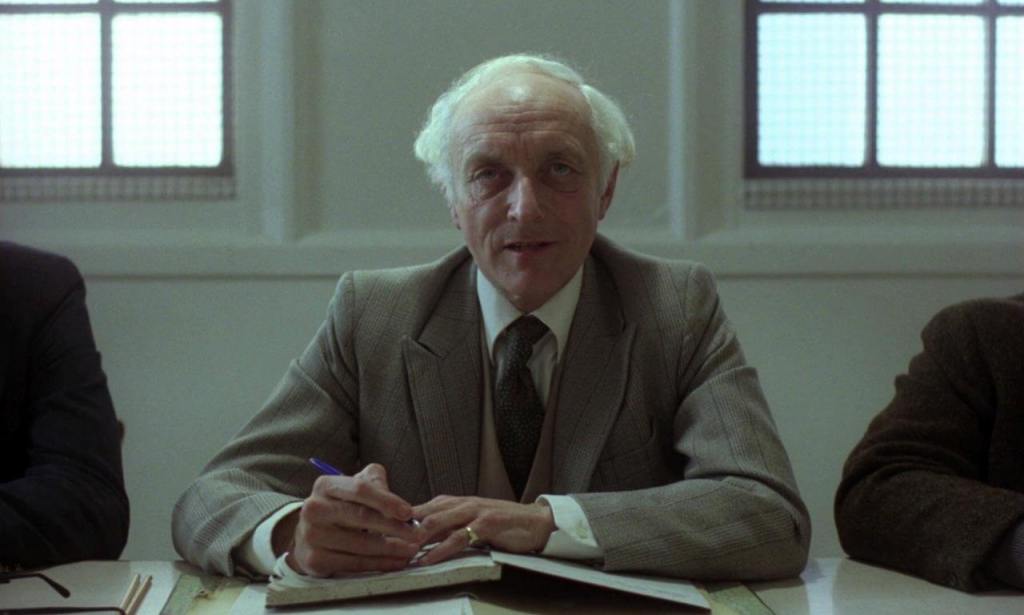
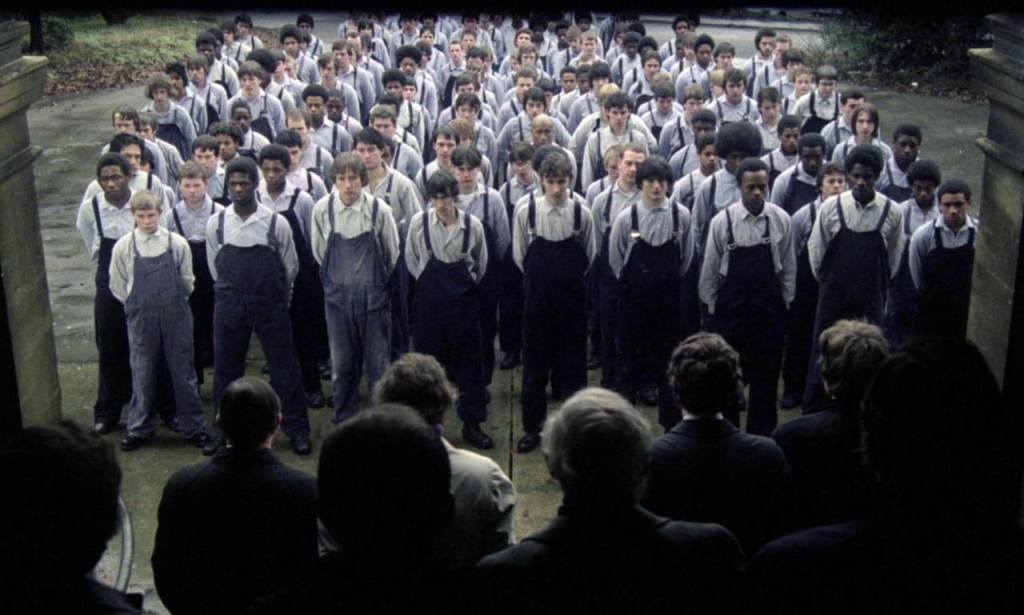
The film follows Carlin (Ray Winstone), a tough, working-class youth sent to a borstal, a youth detention center in the UK, for an unspecified crime. Upon arrival, he quickly learns that the borstal operates on a brutal hierarchy where both inmates and guards enforce a system of fear and violence.

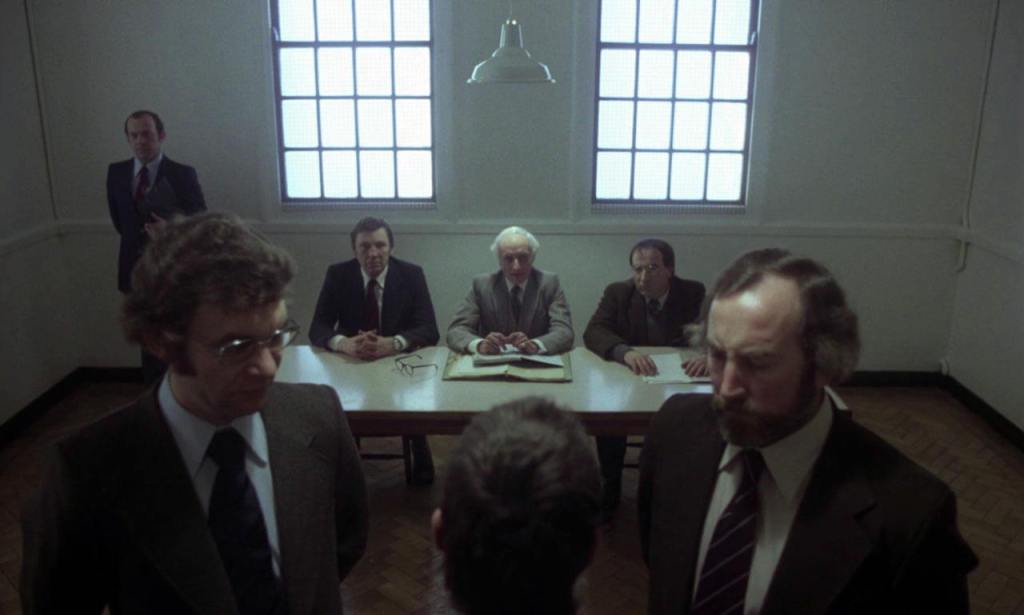

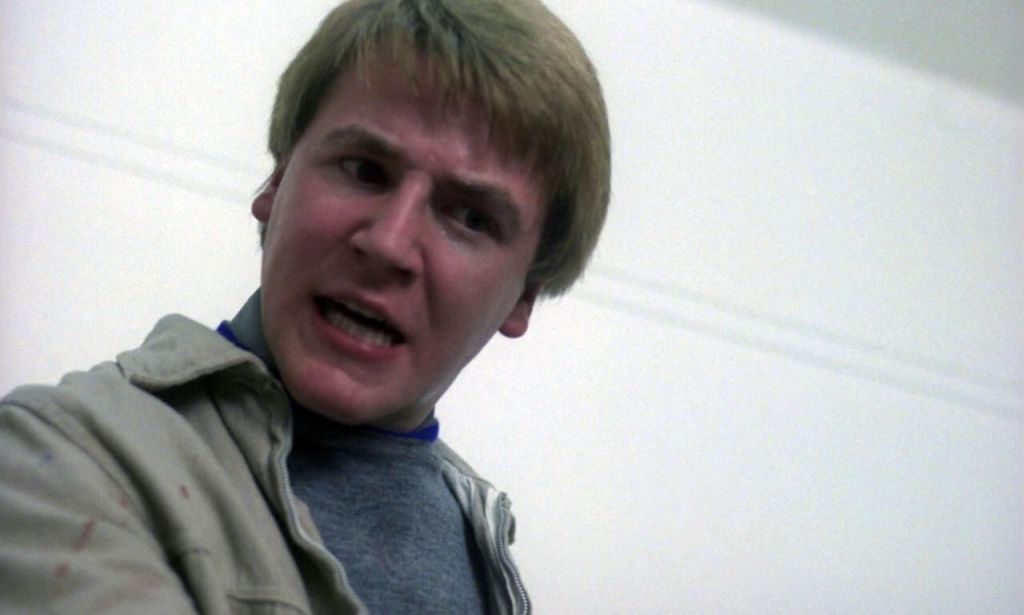
Carlin is initially targeted by the current “top dog,” Pongo Banks (John Blundell), and his gang of thugs, who see him as a threat. The wardens turn a blind eye to the violence, believing that this “natural order” keeps the boys in line.
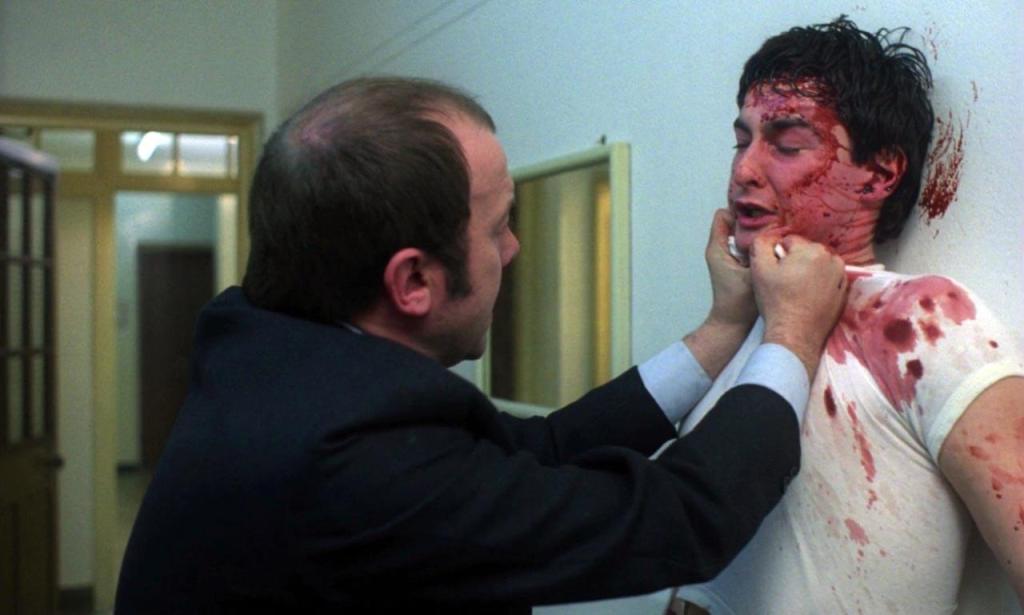
Meanwhile, we meet Archer (Mick Ford), an intelligent and rebellious inmate who resists the system through sarcasm and pacifism rather than violence. His clever, defiant attitude provides some comic relief but highlights how even the smartest inmates have little hope of escaping the system unscathed.
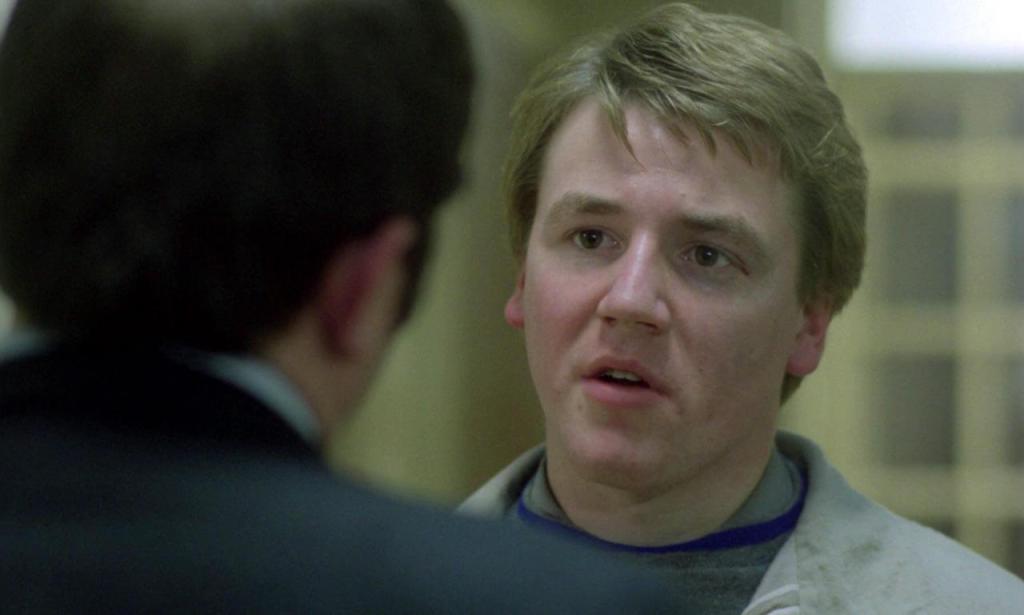
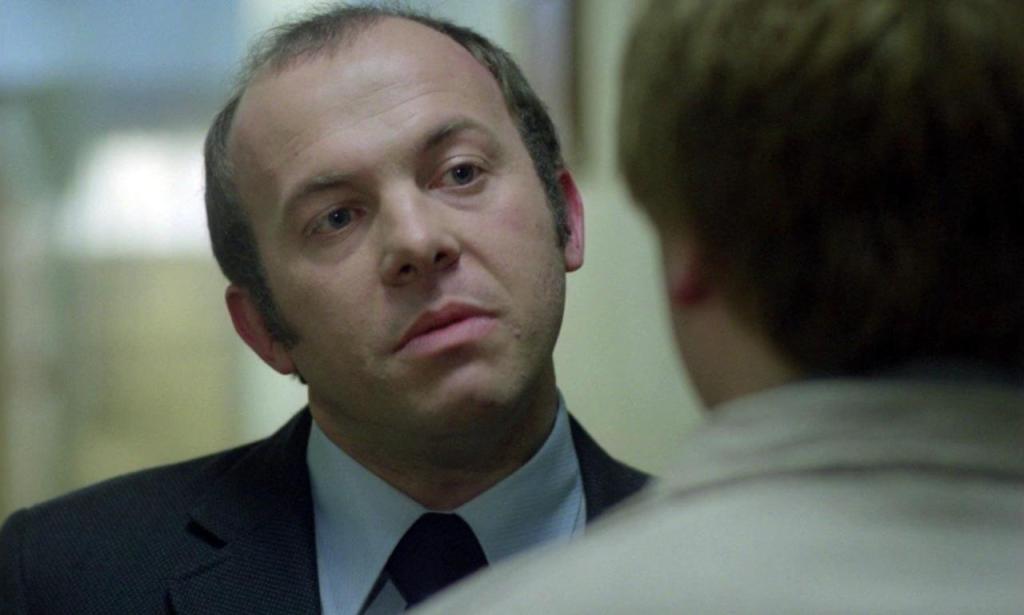
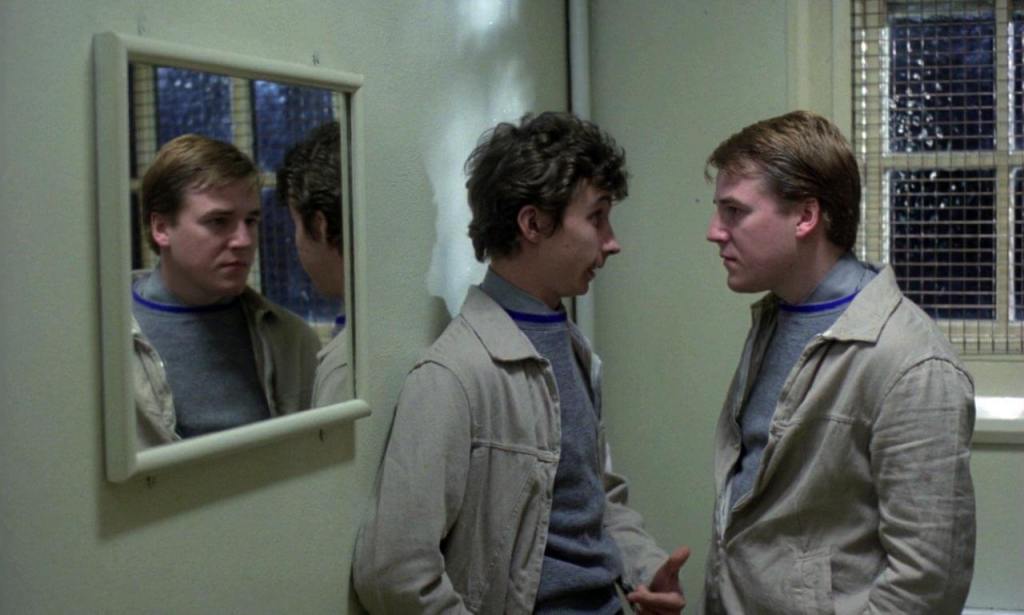
Another key character is Davis (Julian Firth), a frail and vulnerable new inmate who becomes an easy target for the more sadistic prisoners and wardens.
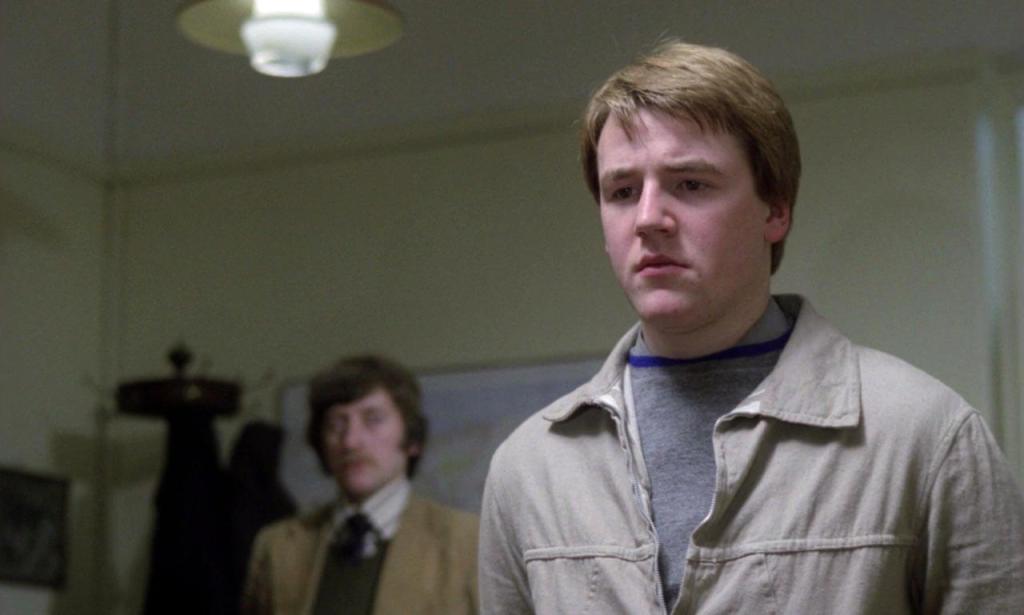


After suffering a brutal beating by Banks and his gang, Carlin decides to fight back. In one of the film’s most famous and brutally realistic scenes, Carlin ambushes Banks in the bathroom, smashes his face with a sock filled with billiard balls, and beats him into submission. With Banks broken, Carlin declares himself the borstal’s new “Daddy” (leader).
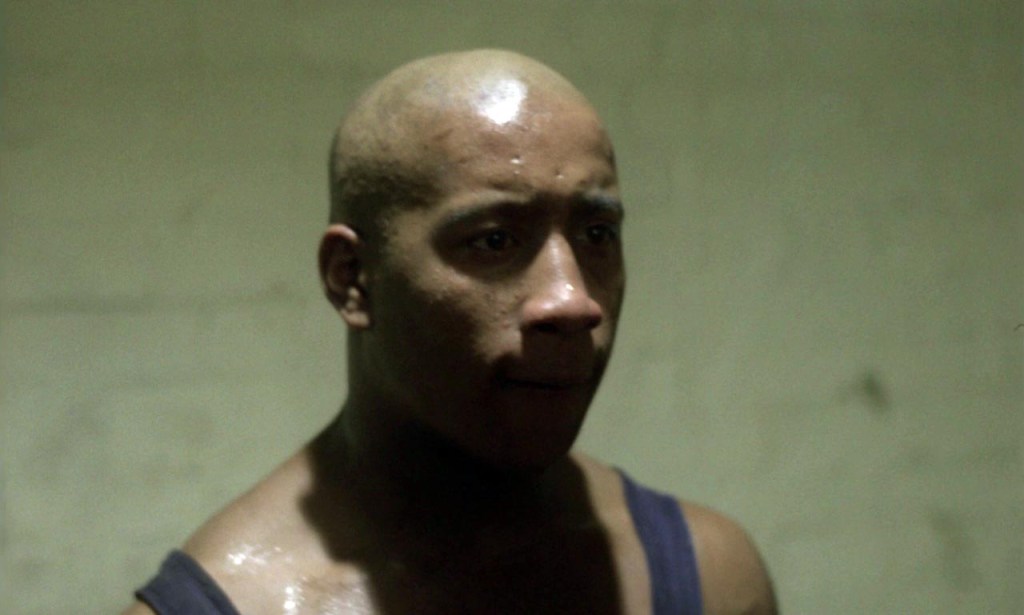
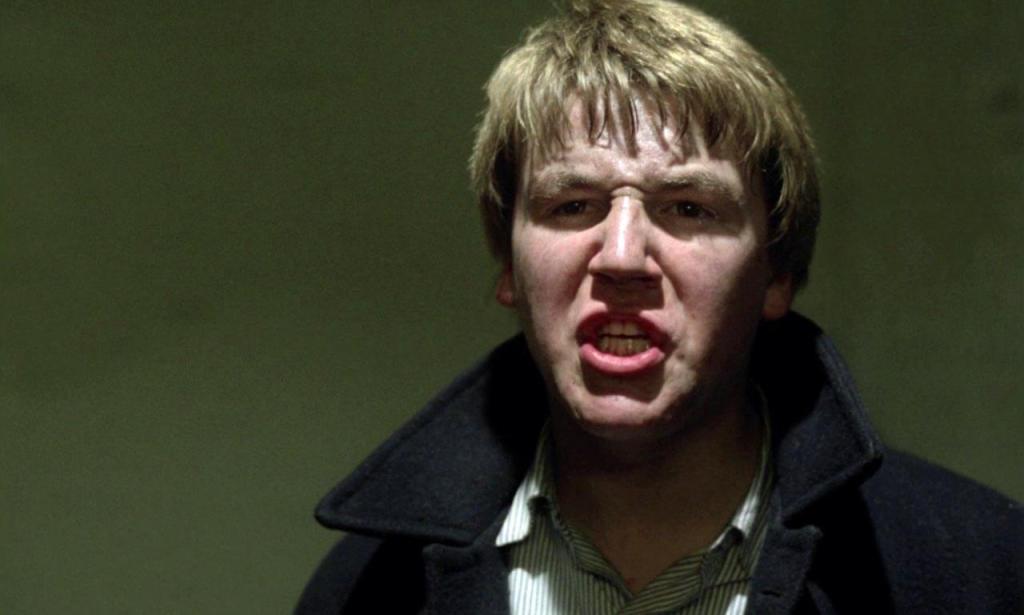
He then violently takes down another rival, “Baldy” (Philip Daniels), to solidify his dominance. From this moment, Carlin rules the borstal through sheer force, commanding respect from prisoners and guards. However, Carlin is not simply a mindless thug—he tries to establish some sense of order among the inmates, ensuring that weak prisoners like Davis are protected. He also challenges the authority of the wardens, though he quickly learns that their cruelty and indifference make real change impossible.

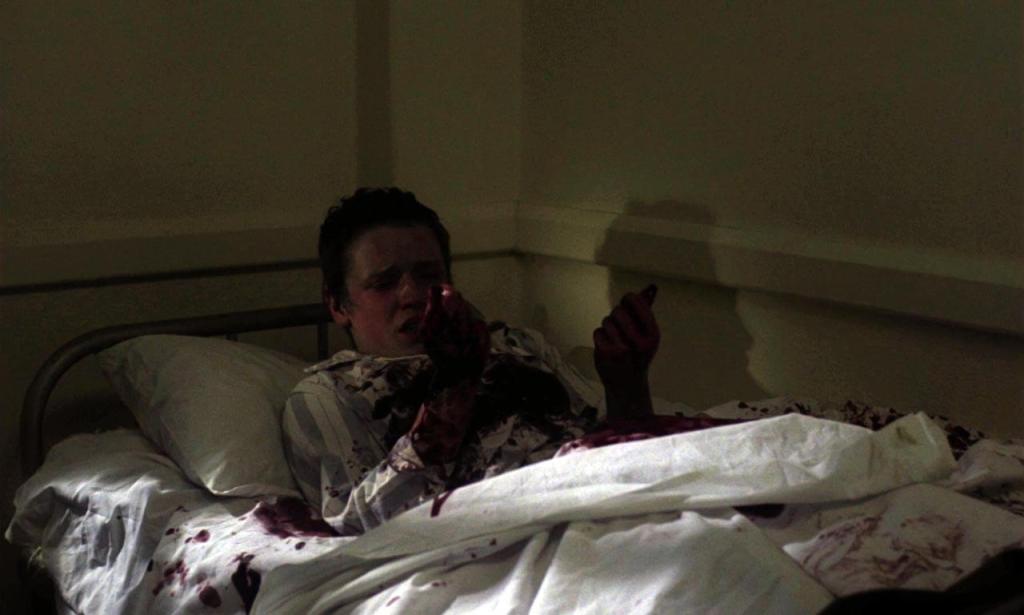
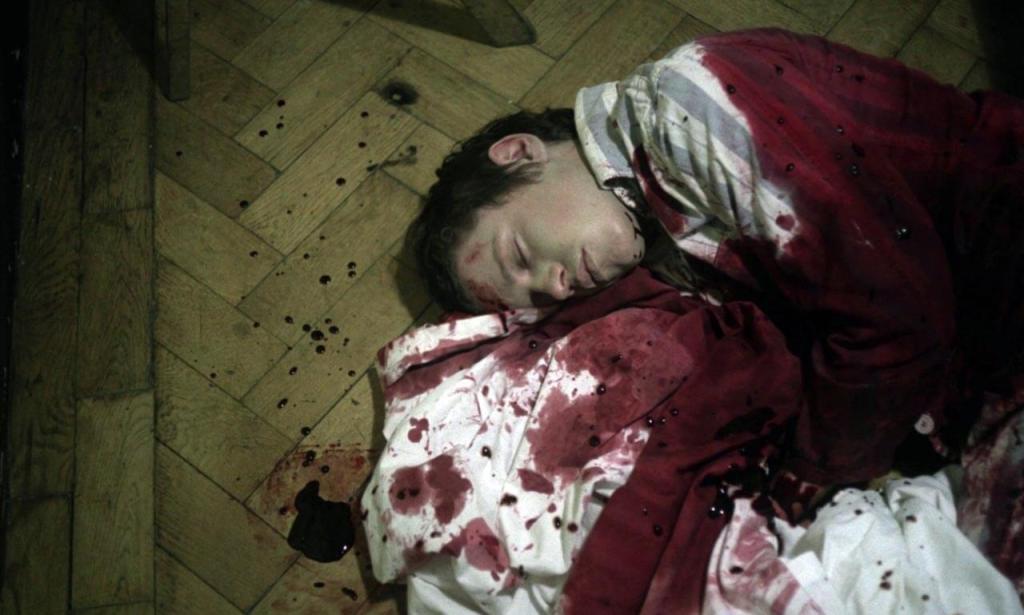
As Carlin consolidates his power, the film continues to expose the vicious cycle of institutional abuse. Davis, relentlessly bullied and raped by other inmates, takes his own life in a heartbreaking and graphic suicide scene, highlighting the utter hopelessness of life inside the borstal.
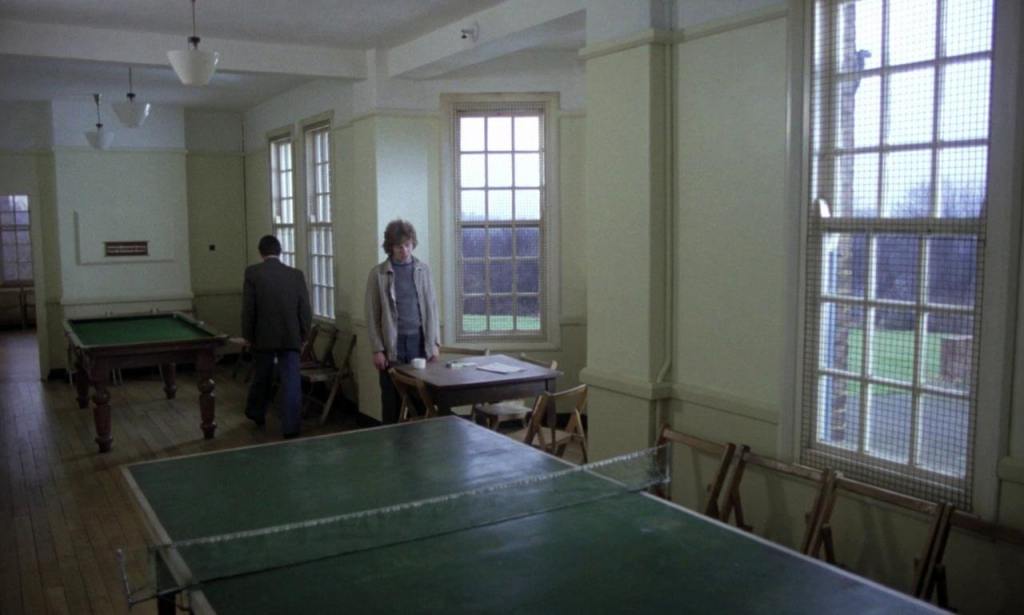
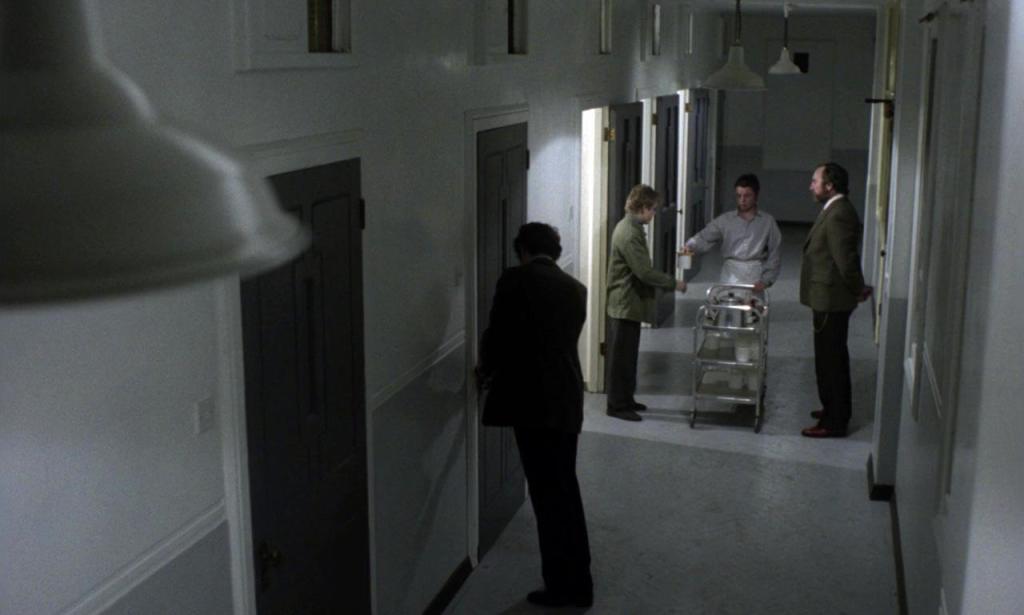
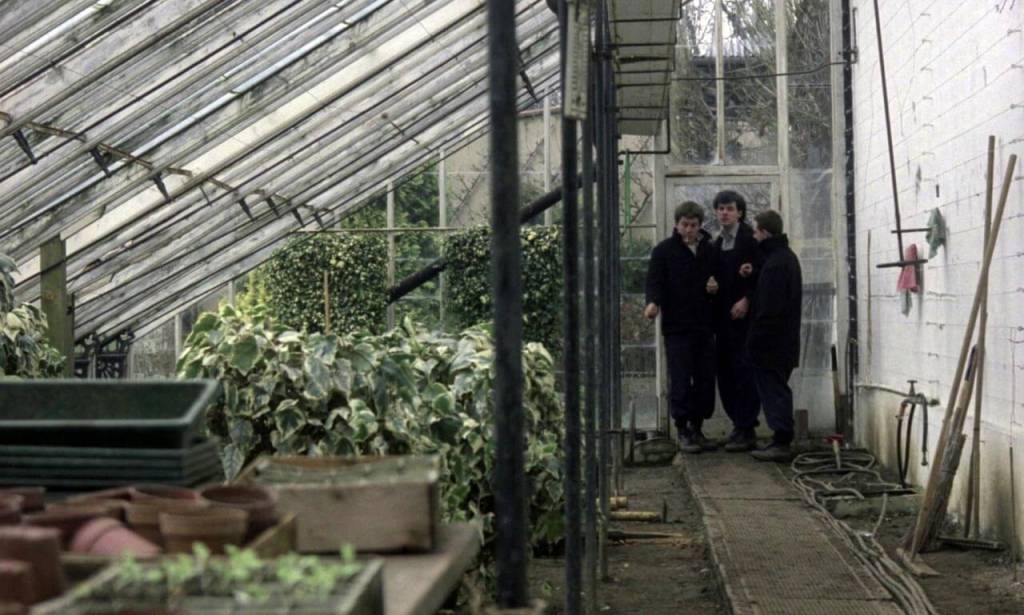
In response, the wardens stage a cover-up, treating Davis’ death as a minor inconvenience rather than a tragedy. This final act of systemic indifference and cruelty pushes the inmates to the brink of rebellion.
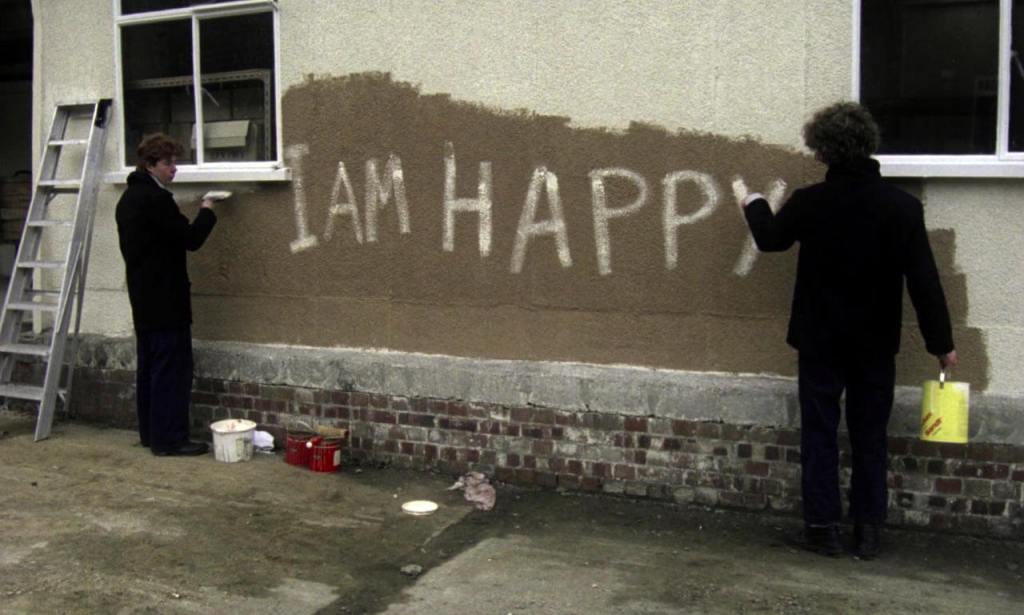
In a powerful climax, the inmates snap, launching a full-scale riot in protest of the inhumane conditions and the abuses they’ve suffered. Once reluctant to openly challenge the system, Carlin now leads the charge, smashing through the halls as the institution descends into chaos.
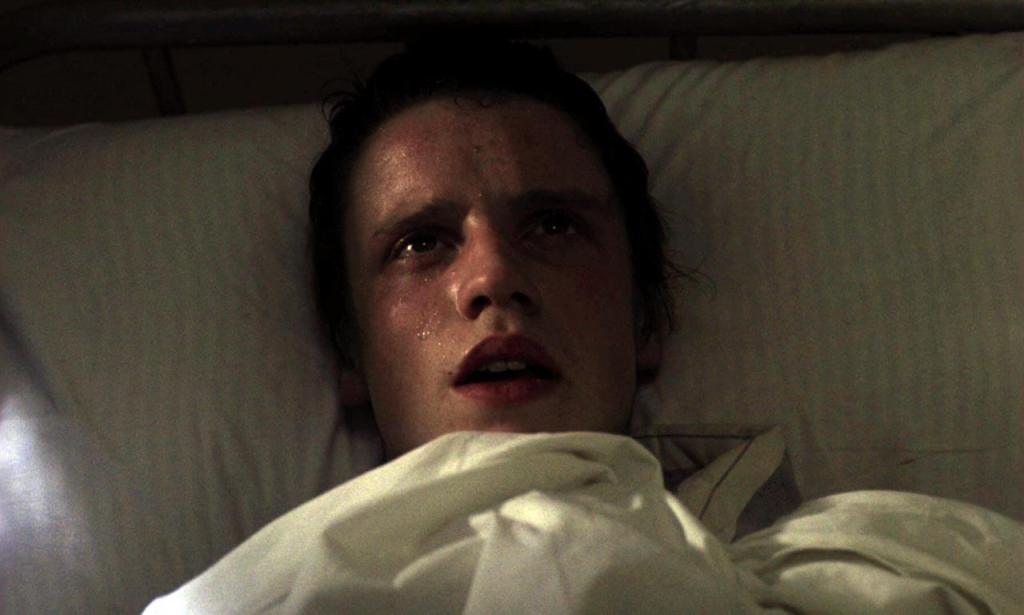

However, the uprising is swiftly and violently crushed by the wardens, who brutally beat the rioters. Carlin, the once-dominant leader, is beaten down, humiliated, and ultimately broken by the very system he thought he could control.
The film ends bleak and uncompromising, reinforcing that there is no escape from institutionalized brutality—only submission or destruction.

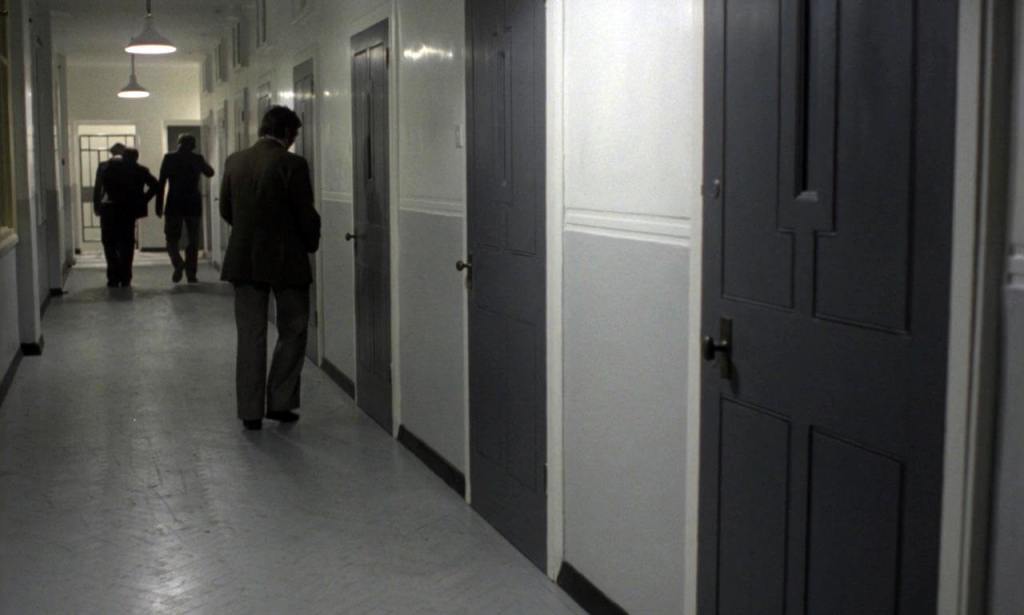

Scum is an unflinching critique of the British justice system, particularly the borstal system, which was meant to reform young offenders but instead dehumanized them, reinforcing cycles of violence and criminality.
Before the 1979 theatrical film, Scum was initially made as a BBC television play in 1977, part of the BBC’s Play for Today series. Alan Clarke, known for his hard-hitting social realism, directed the TV version, with Ray Winstone, John Blundell, and Julian Firth reprising their roles in the later film. However, the BBC deemed the TV version too violent and disturbing, banning it before it aired. They feared that its graphic depiction of rape, violence, and institutional abuse would be too shocking for audiences and that it could damage the BBC’s reputation. The banning of Scum led to public outcry and accusations of censorship.

Frustrated by the BBC’s decision, Clarke and writer Roy Minton decided to remake Scum as a theatrical film.
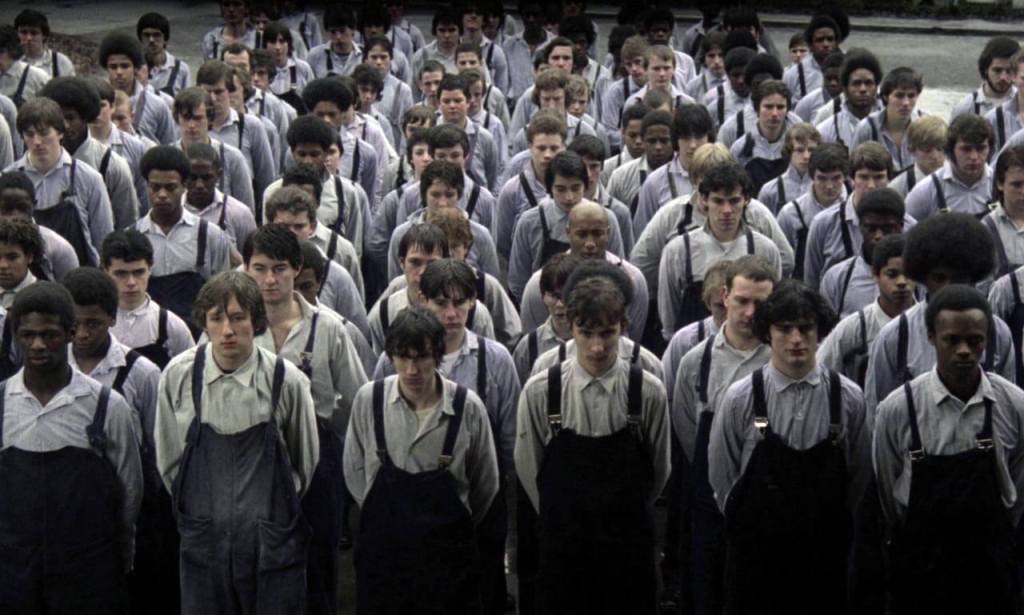
One of Scum’s most significant impacts was its role in highlighting the failures of the UK borstal system. At the time, borstals were meant to rehabilitate young offenders, but the reality was brutal violence, sexual abuse, and psychological torment, much like what the film depicted.
By 1982, the British government officially abolished borstals, replacing them with youth detention centers focusing more on rehabilitation than punishment.
While Scum was not the sole reason for the change, it was a major cultural catalyst in exposing the reality of these institutions and pushing for reform.

 The Other Cinema