


Amarcord is a 1973 film directed by Federico Fellini, it stars Bruno Zanin, Pupella Maggio, Armando Brancia, Magali Noël, and Ciccio Ingrassia.
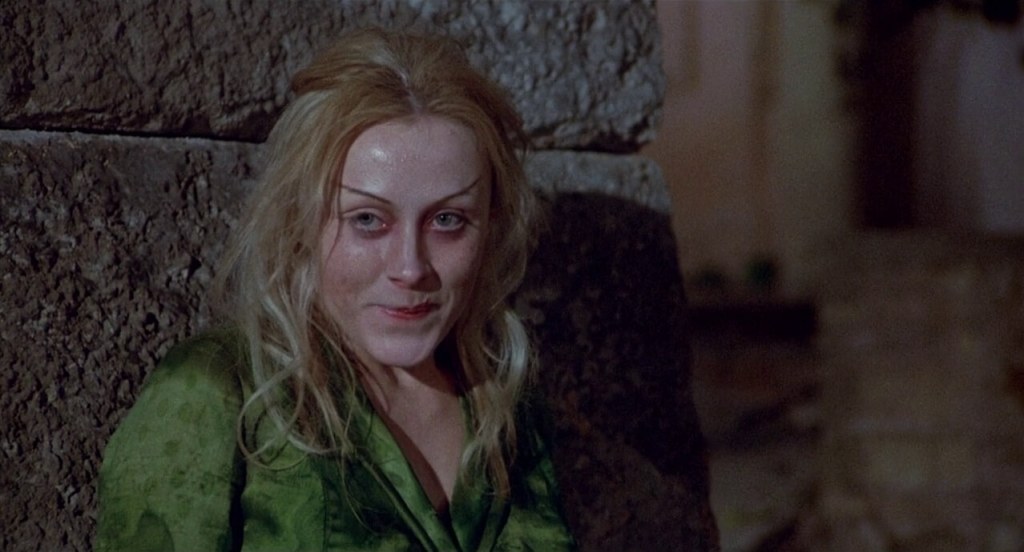
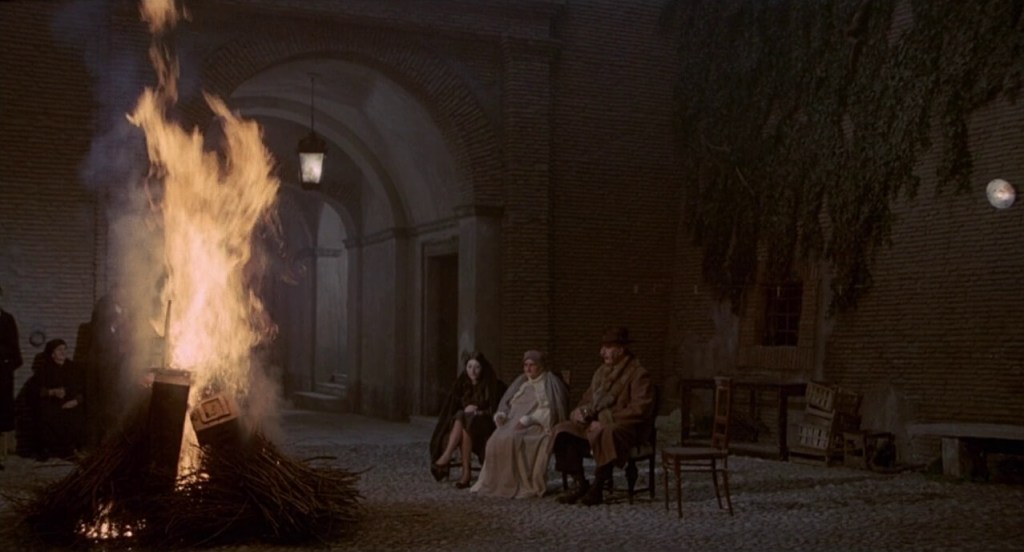
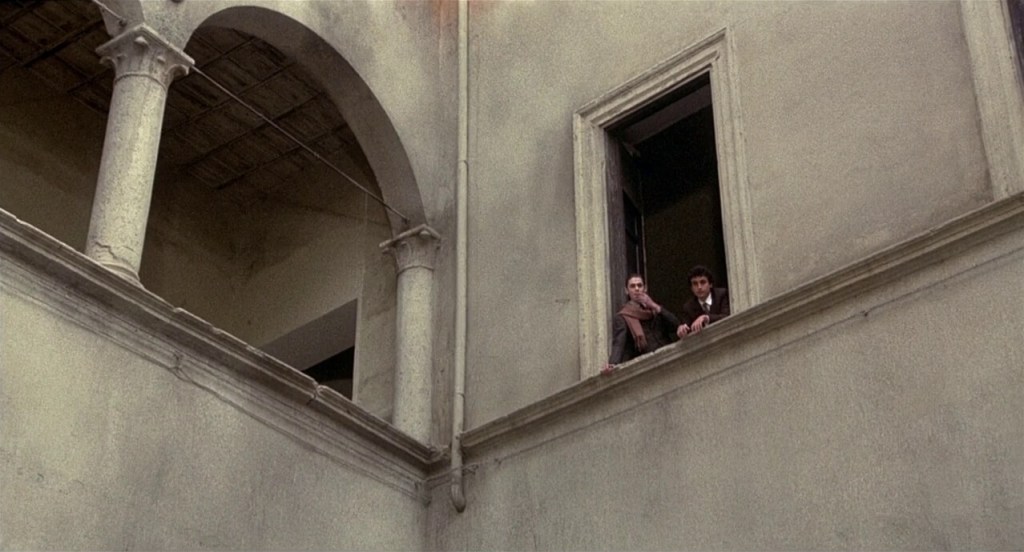
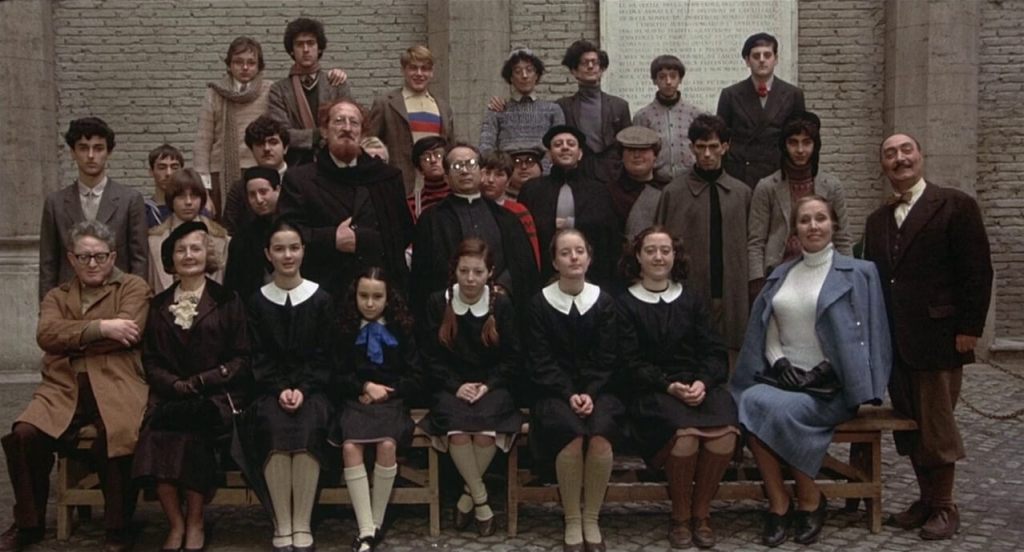


“Amarcord” (which means “I Remember” in the dialect of Rimini, Fellini’s hometown) is a semi-autobiographical, coming-of-age film that nostalgically and surrealistically portrays life in a small Italian coastal town during the 1930s under Mussolini’s Fascist regime.


The film does not follow a traditional linear narrative but instead presents a series of loosely connected vignettes depicting the eccentric townspeople, family life, political climate, and the fantasies of its protagonist, Titta Biondi (Bruno Zanin).

As the film begins, the town gathers to celebrate the arrival of spring, marked by a bizarre annual ritual where puffs of floating pollen—called “manine” or “little hands”—descend from the trees. This serves as a whimsical symbol of memory, nostalgia, and the passage of time.

The town is alive with colorful characters, including:Titta Biondi (Bruno Zanin) – A mischievous teenage boy and the central character. Aurelio Biondi (Armando Brancia) – Titta’s strict yet loving father, who frequently scolds him. Miranda Biondi (Pupella Maggio) – Titta’s patient and loving mother. Uncle Teo (Ciccio Ingrassia) – Titta’s eccentric uncle, who is mentally ill. Gradisca (Magali Noël) – The town’s sensual beauty, the object of many men’s fantasies and finally Volpina (Josiane Tanzilli) – A wild, promiscuous woman, often contrasted with Gradisca.
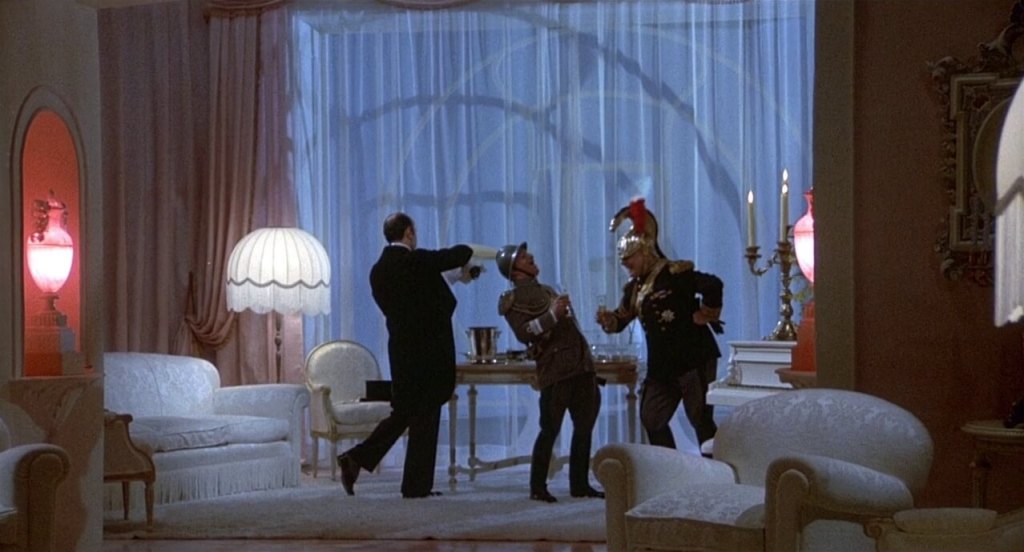
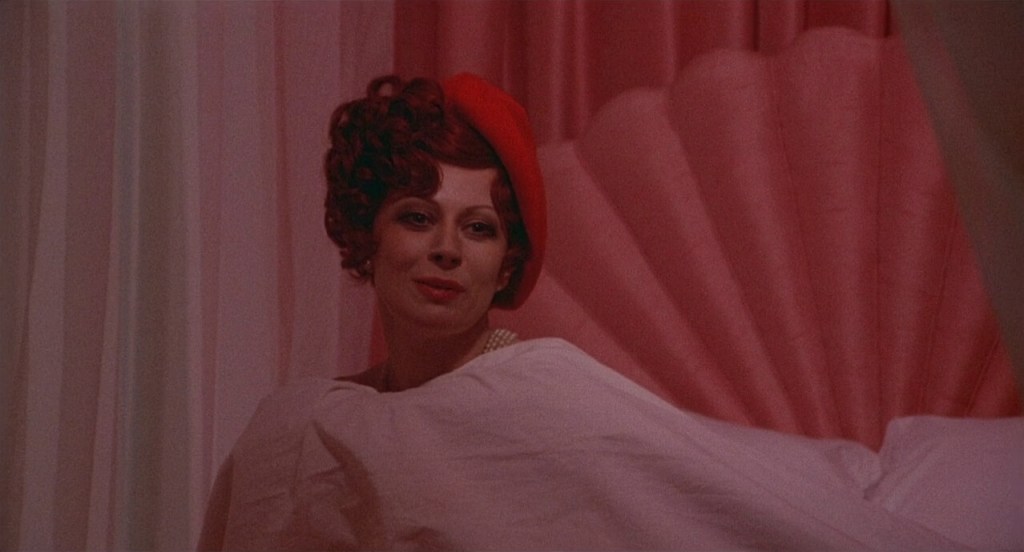

Through Titta’s eyes, the film presents a blend of fantasy and reality, childhood innocence, sexual awakening, and the absurdity of provincial life.
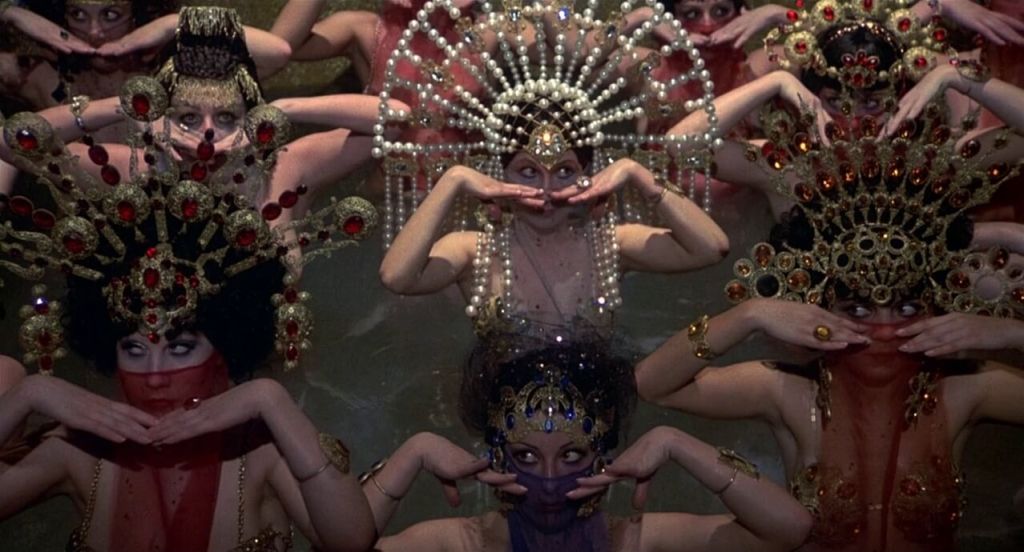
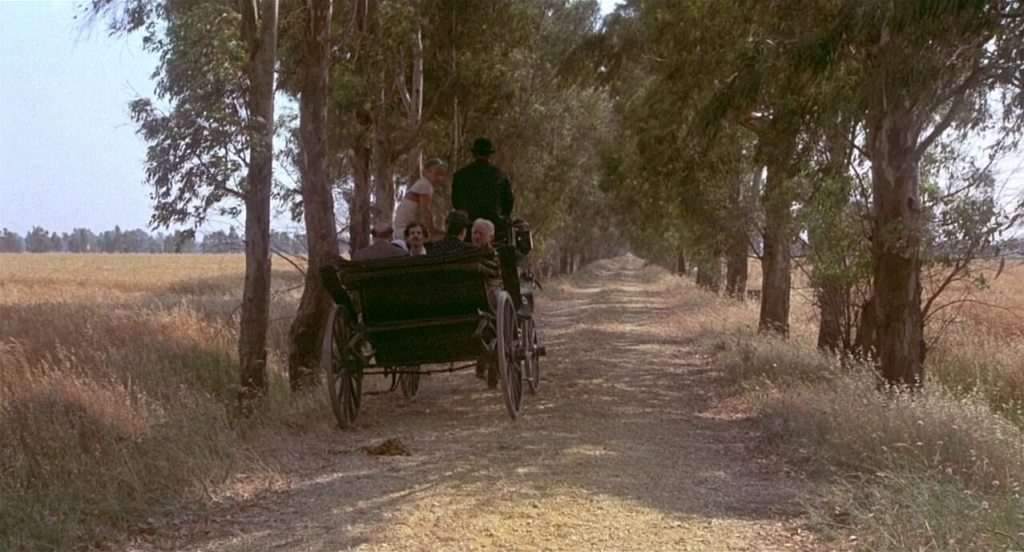
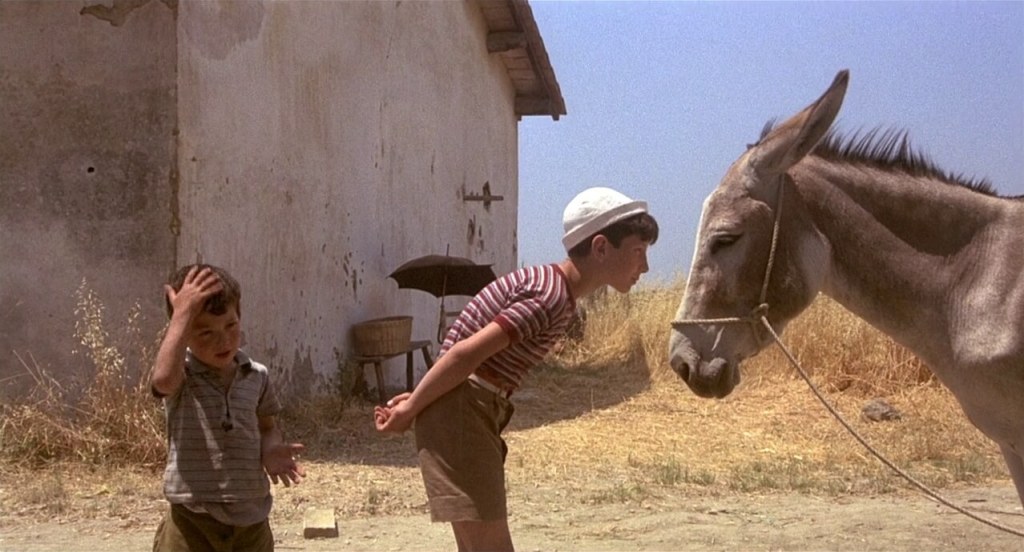
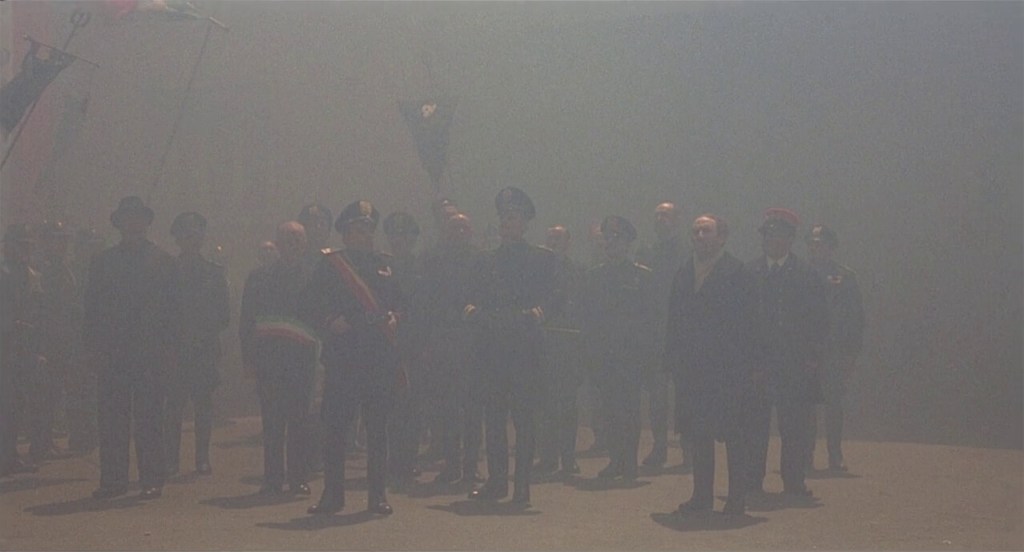
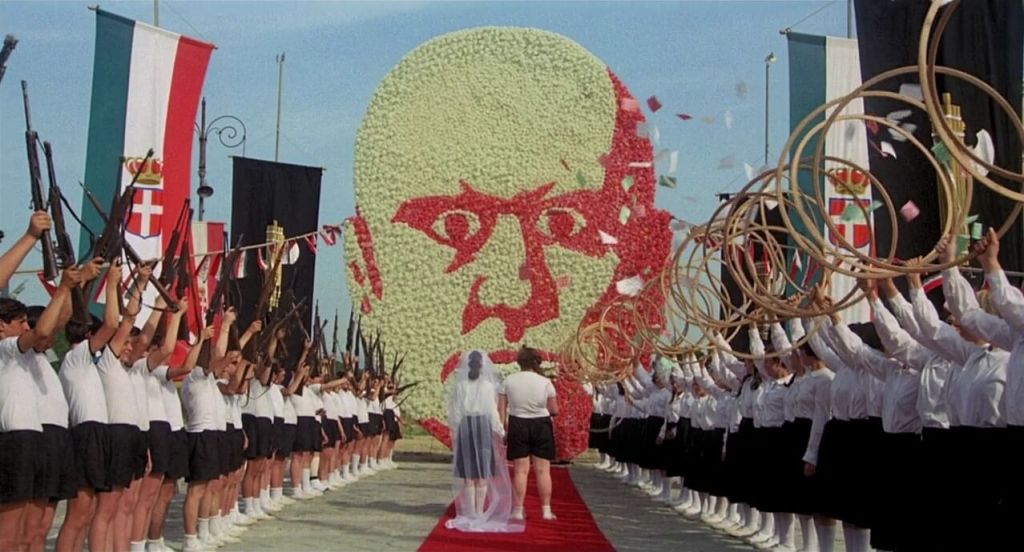
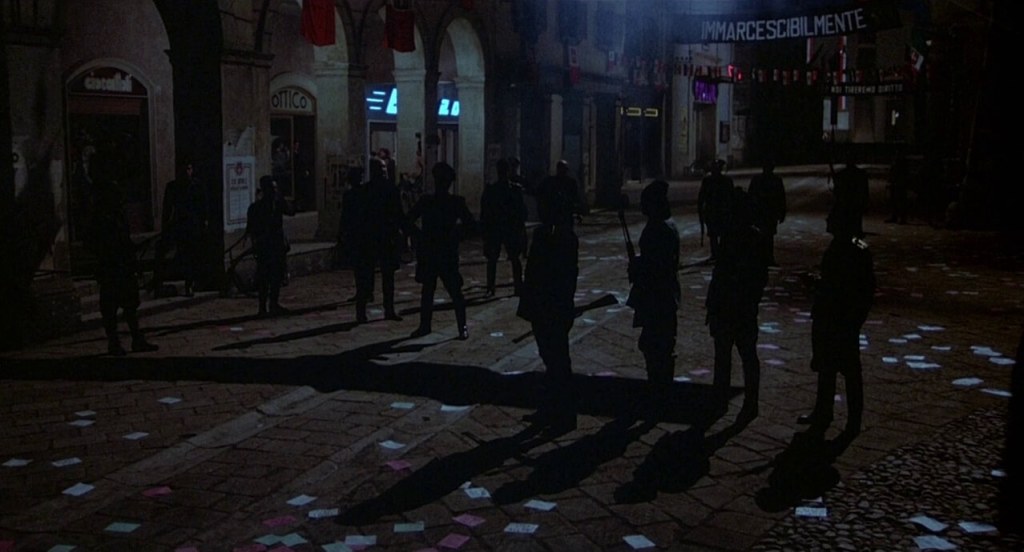
As the seasons change, the film captures the political atmosphere of Fascist Italy, showing how the townspeople embrace or tolerate Mussolini’s rule. A grand parade glorifying Il Duce takes place, with townsfolk cheering and participating in Fascist rallies. At home, Titta’s father is dragged away by the Fascist police for making a joke about Mussolini. He is later released but humiliated.
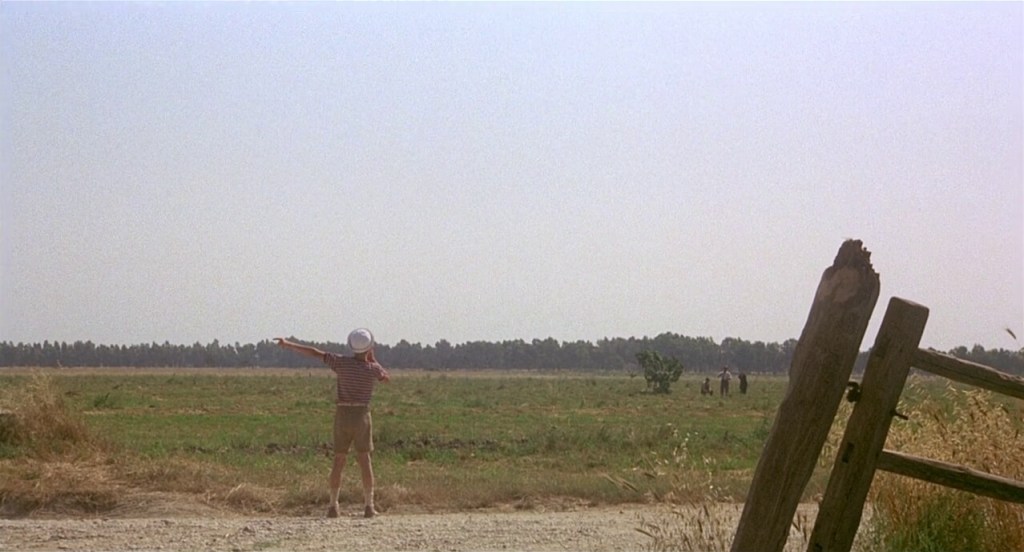
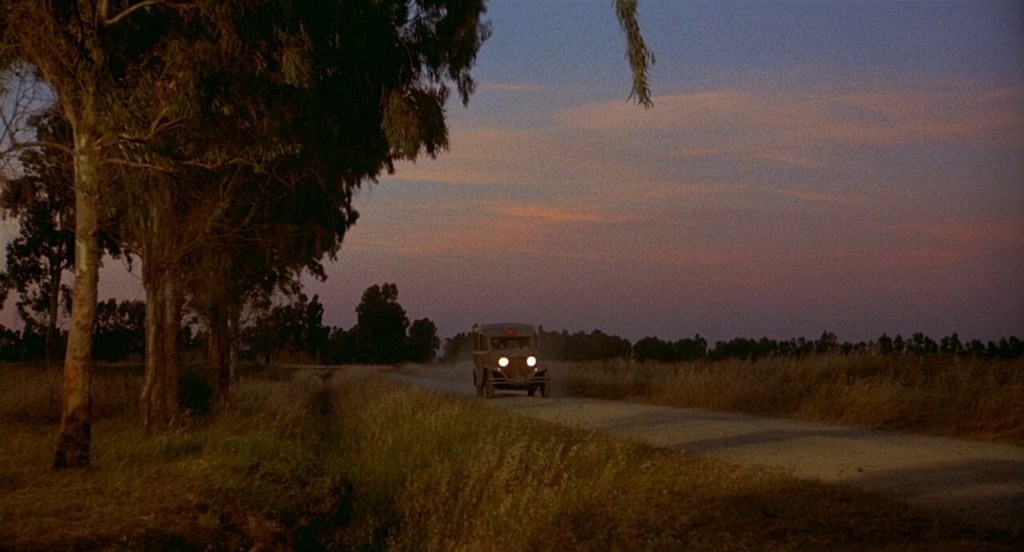

The film also highlights the profound influence of Catholicism, with Titta and his classmates forced to confess their sins to an intimidating priest, who warns them of eternal damnation for impure thoughts.


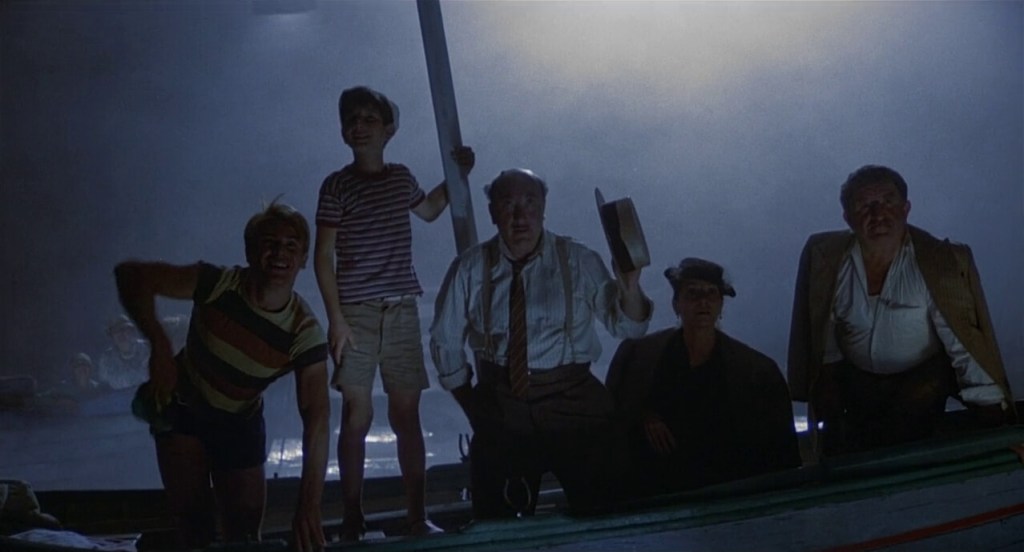
He fantasizes about Gradisca, the elegant local beauty, imagining romantic encounters with her. In one of the most famous scenes, the voluptuous tobacconist (Maria Antonietta Beluzzi) seduces Titta by pressing his head into her enormous bosom, leaving him overwhelmed.
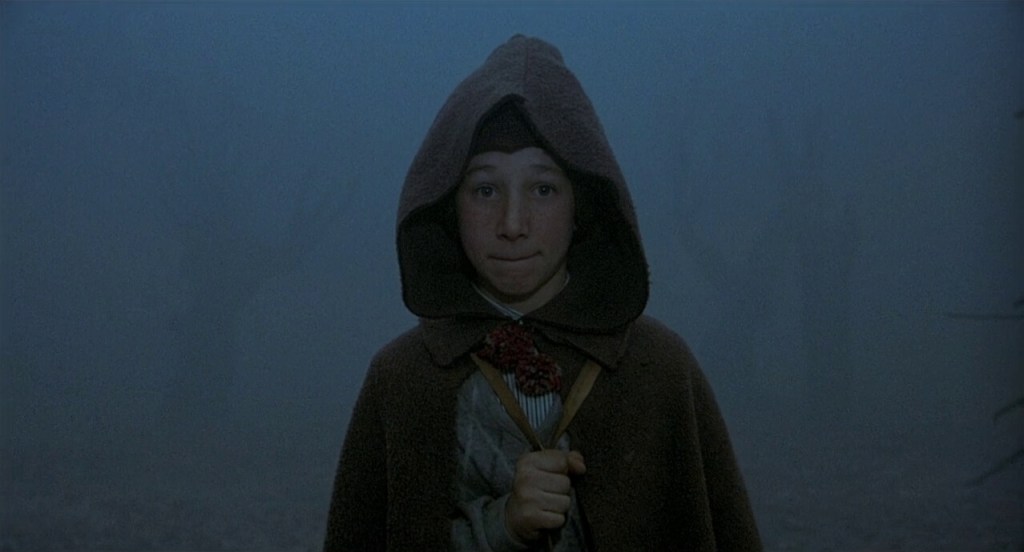


He and his friends spy on women, chase after local girls, and obsess over their growing desires. Another memorable scene involves Uncle Teo, who lives in an asylum. The family takes him out for a day trip, but during lunch, he suddenly climbs a tree and starts shouting “Voglio una donna!” (“I want a woman!”), refusing to come down. This tragically comedic moment captures the theme of repressed desires and madness within society.

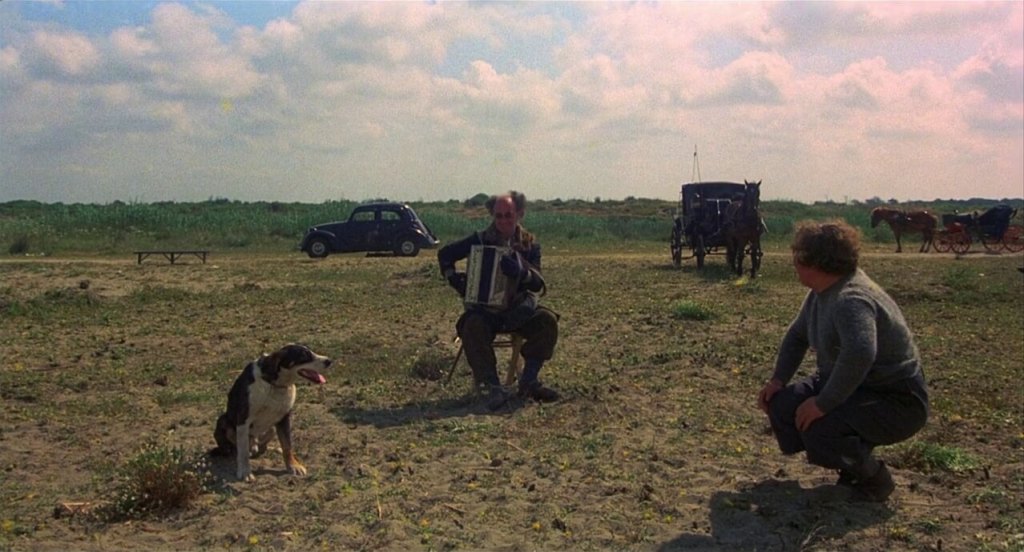

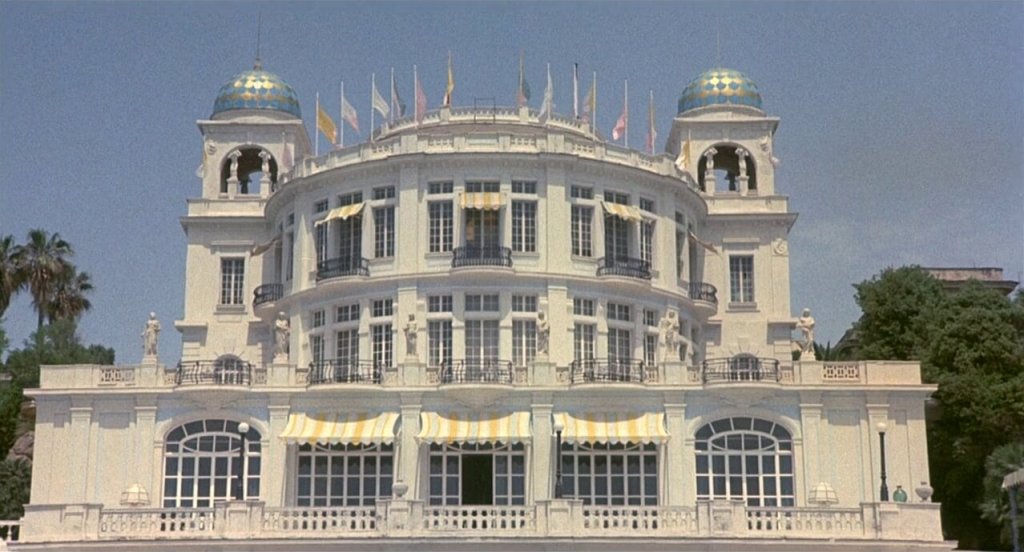
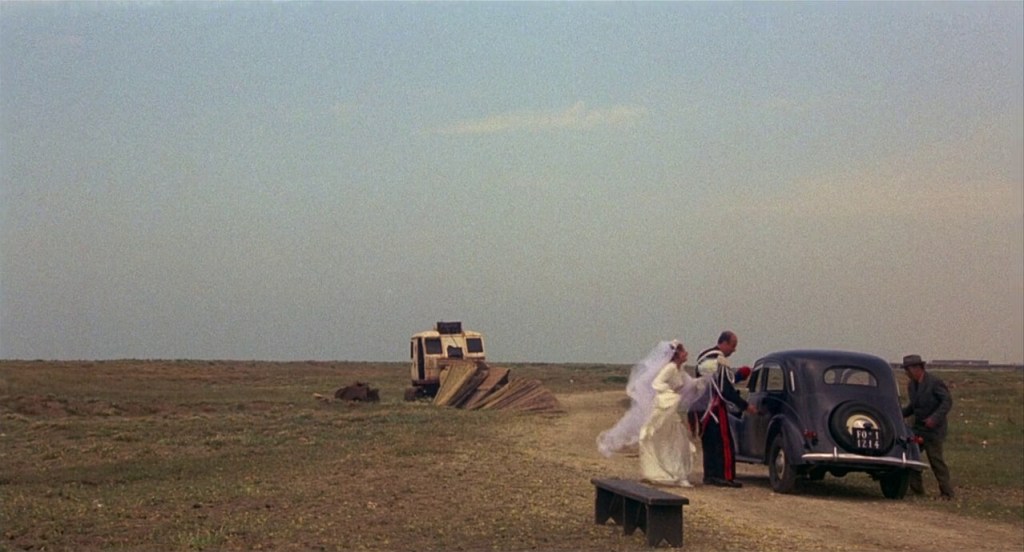
As winter arrives, the town experiences a majestic snowfall. The community bonds together, playing in the snow and enjoying simple pleasures. However, Titta’s mother falls seriously ill and dies, marking a turning point in his life. Despite the grief, life moves forward. In the final sequence, the town gathers for Gradisca’s wedding to a government officer. Titta watches as she leaves in a car, signaling the end of an era.

Fellini blends nostalgia, humor, and melancholy, crafting a film that is as much about memory and personal history as it is about the universal experience of growing up.
“Amarcord” won the 1975 Academy Award for Best Foreign Language Film and is considered one of Fellini’s masterpieces.

 The Other Cinema