

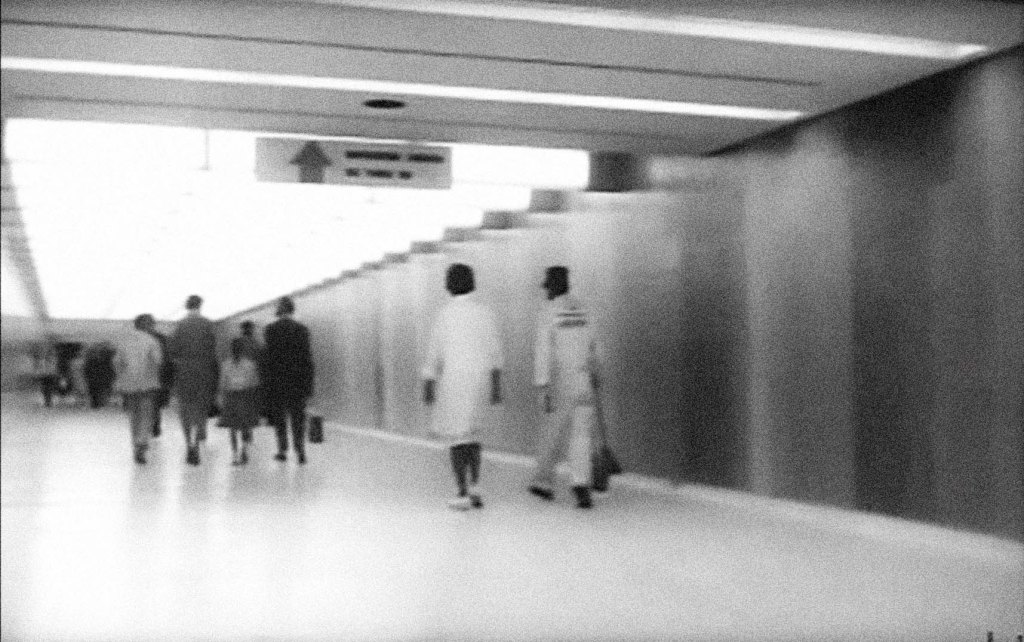
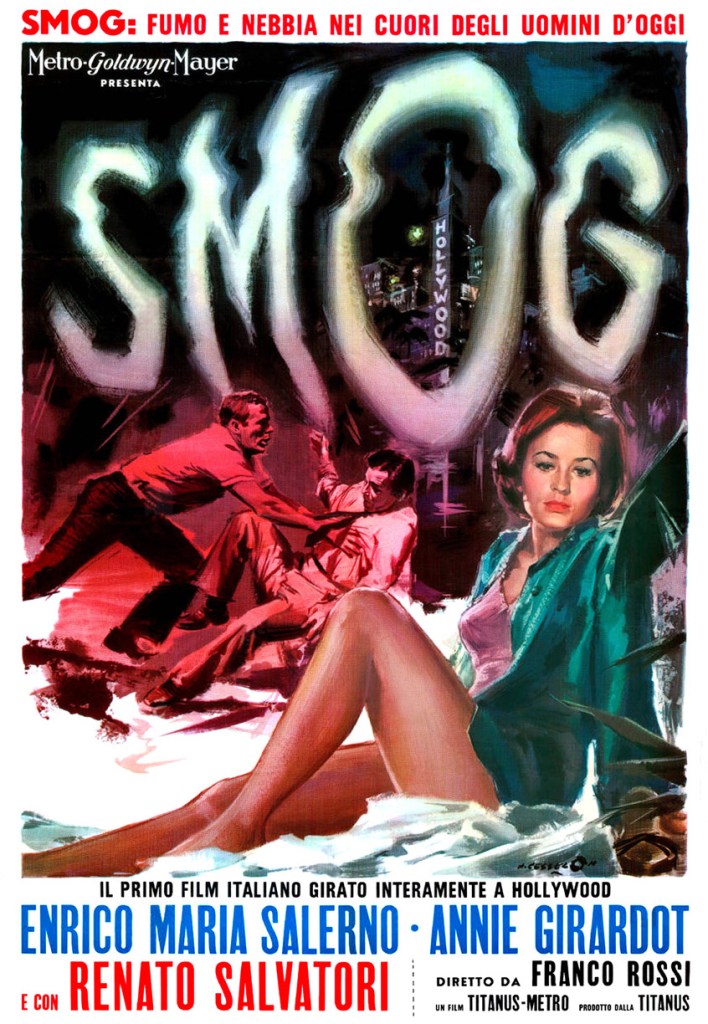
“Smog” (1962) is an Italian drama directed by Franco Rossi that explores through a satirical lens the alienation and cultural contrasts experienced by Europeans—particularly Italians—when confronted with the modern, industrialized world of the United States. Set in Los Angeles, the film explores themes of materialism, displacement, and the existential loneliness of urban life through the eyes of an outsider.






The film follows Vittorio Ciocchetti (Enrico Maria Salerno), an Italian lawyer who finds himself unexpectedly stranded in Los Angeles for 24 hours due to a layover. With nothing to do and no one he knows in the city, he begins to aimlessly wander through its vast, sprawling landscape, encountering various people who offer him glimpses into a world far removed from his own. The film opens with him at a remarkably undeveloped Los Angeles International Airport, with its modernist architecture that is still prevalent today.
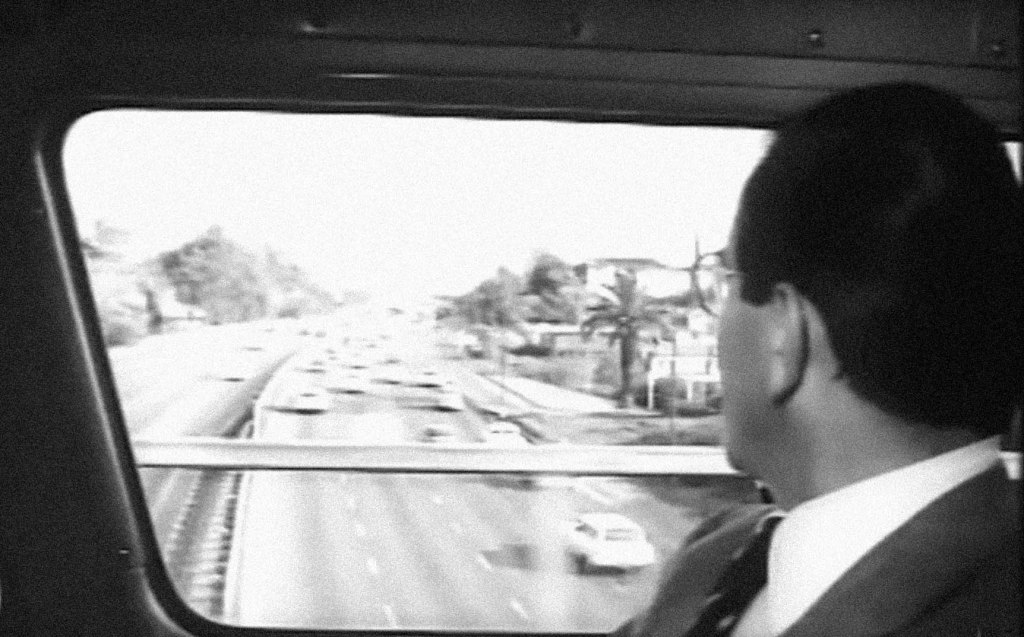
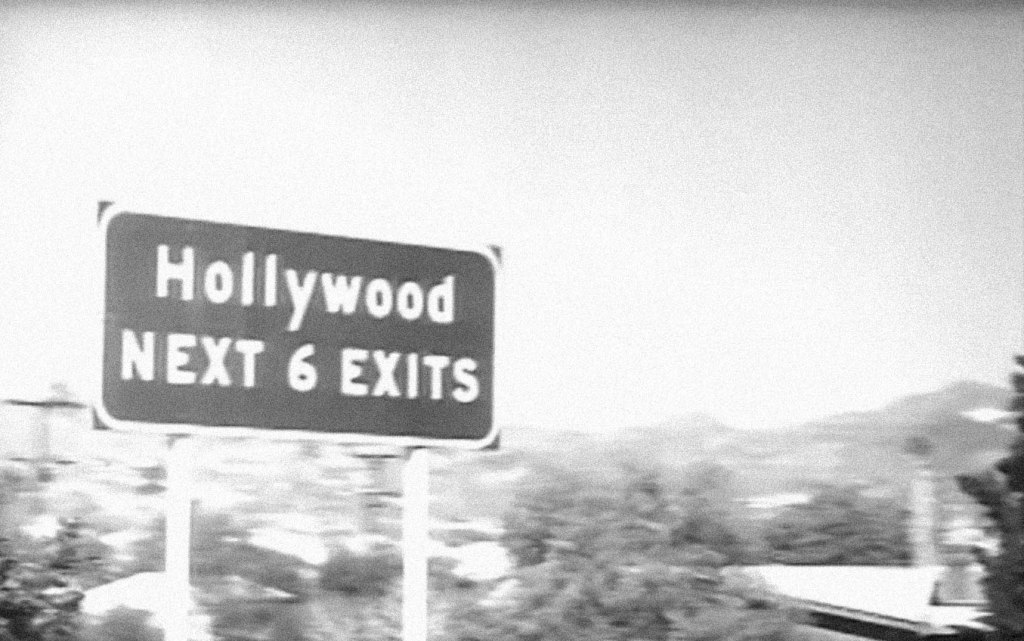




From the moment he arrives, Vittorio is overwhelmed by the enormity and sterility of the city—the highways, the vastness of the landscape, and most of all, the infamous Smog, which becomes a metaphor for the artificiality and detachment that permeate the urban environment.




Throughout his brief stay, Vittorio meets an array of characters, each representing different facets of American society and its impact on foreigners:
Each encounter exposes Vittorio to a different aspect of Los Angeles, from luxurious cocktail parties to impersonal business deals, from neon-lit streets to smog-covered landscapes. Despite the city’s vibrancy and excess, there is a pervading sense of emptiness and disconnection.

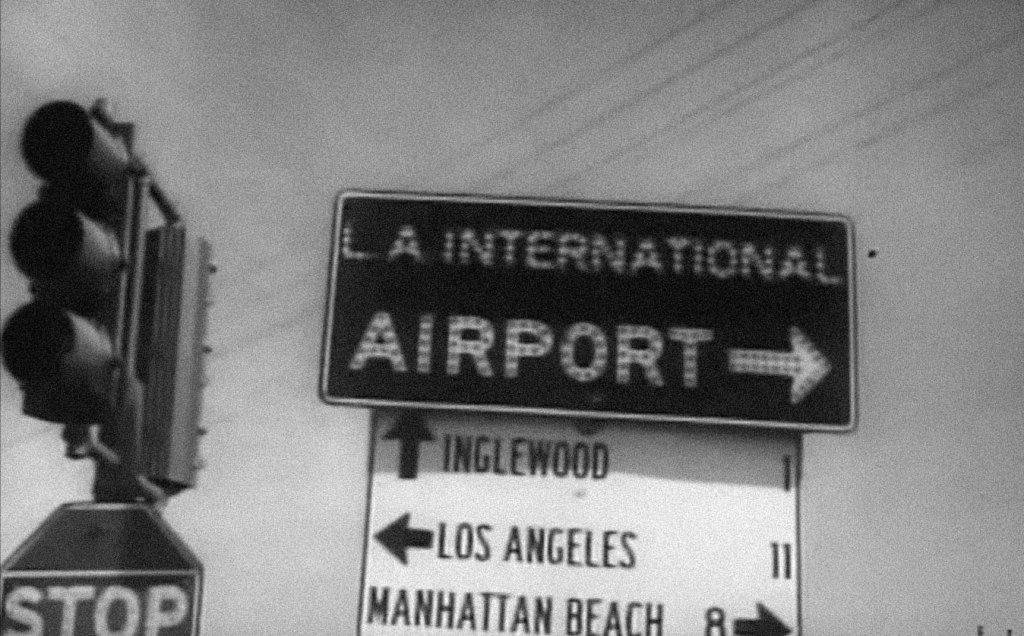




As the hours pass, Vittorio begins to feel increasingly alienated. While initially intrigued by the city’s wealth and energy, he soon realizes that beneath the surface, Los Angeles is a place of isolation and superficiality.






“Smog” serves as a critique of modernity, consumerism, and cultural disconnection, reflecting the disorienting experience of an outsider in an unfamiliar world.





Although it may not be as widely recognized as some of its contemporaries, “Smog” stands out as an intriguing example of 1960s Italian cinema, offering a critical perspective on modernity and globalization. The film’s dreamlike atmosphere and existential themes provide a compelling reflection on displacement and the quest for meaning in an increasingly impersonal world.
 The Other Cinema