

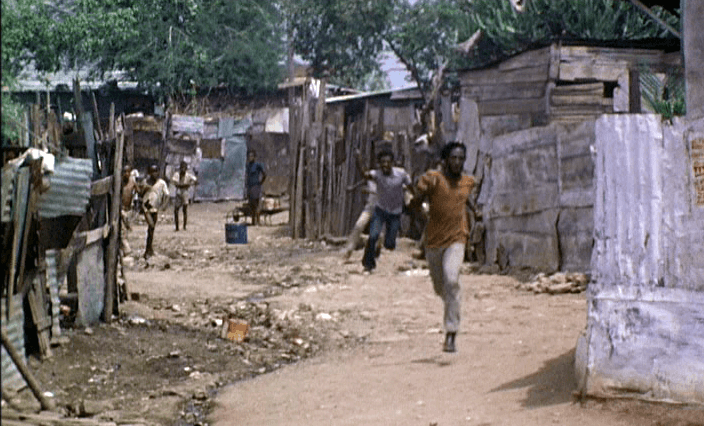
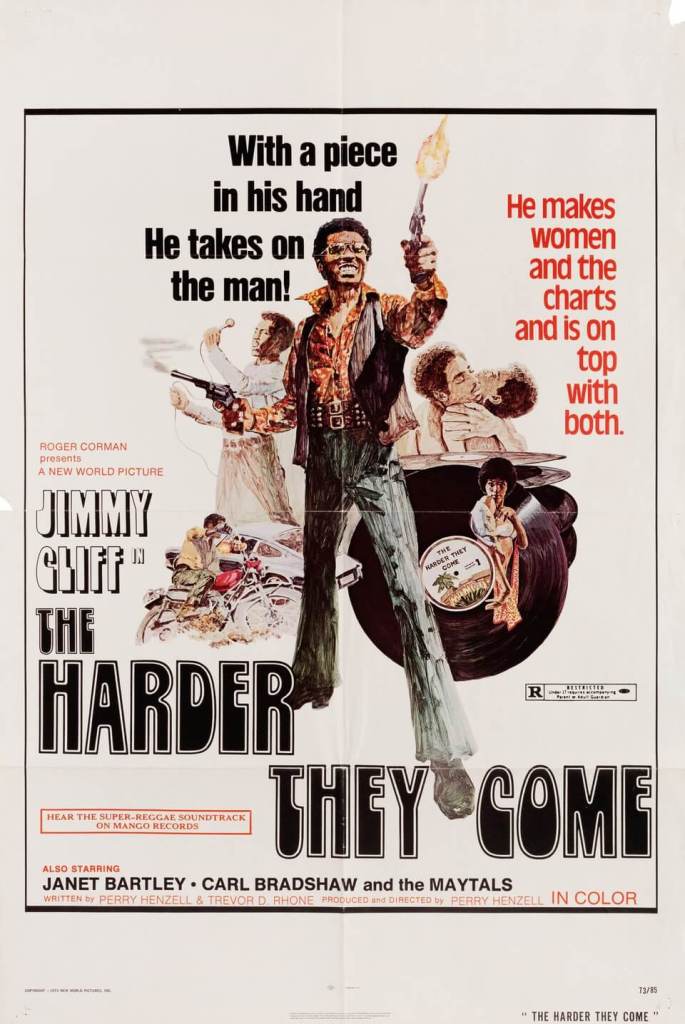
“The Harder They Come” is a 1972 crime drama directed by Perry Henzell and written by Henzell and Trevor D. Rhone. Based in Jamacia, the film blends gritty realism, social commentary, and reggae music, starring reggae musician Jimmy Cliff in a career-defining role. The film follows a young country boy’s desperate struggle for success in Kingston, only to become an outlaw and a folk hero.

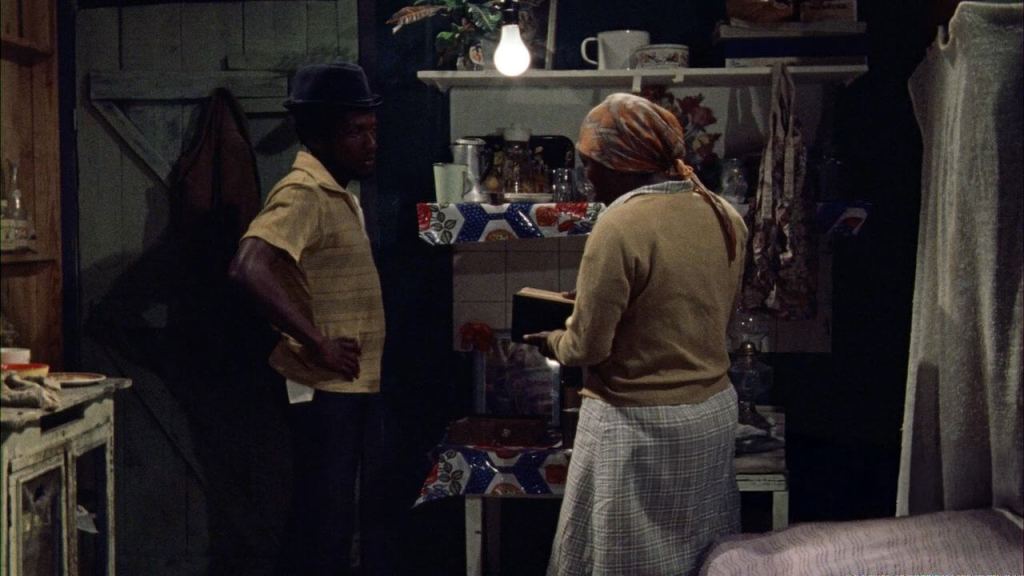

The film is widely credited with bringing Jamaican culture and reggae music to an international audience. Its soundtrack, featuring Jimmy Cliff’s iconic songs like “You Can Get It If You Really Want” and “The Harder They Come,” greatly influenced the global reggae movement.

The film follows Ivanhoe “Ivan” Martin (Jimmy Cliff), a poor but ambitious young man who arrives in Kingston, Jamaica, from the countryside, hoping to make it big as a reggae singer. However, he quickly realizes that life in the city is far more brutal and corrupt than imagined.

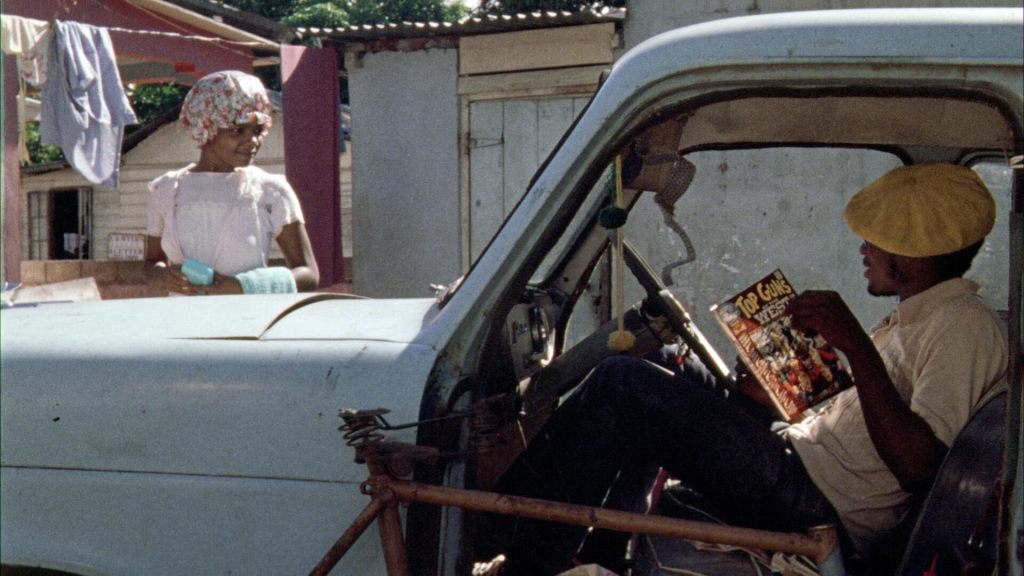

Broke and struggling to find work, Ivan is taken in by his religious mother’s friend, Miss Brown (Lucia White), who introduces him to Preacher (Basil Keane), a powerful and hypocritical church leader. Through Preacher, Ivan meets Elsa (Janet Bartley), a young woman under his strict control. Ivan falls for Elsa and tries to convince her to escape with him.

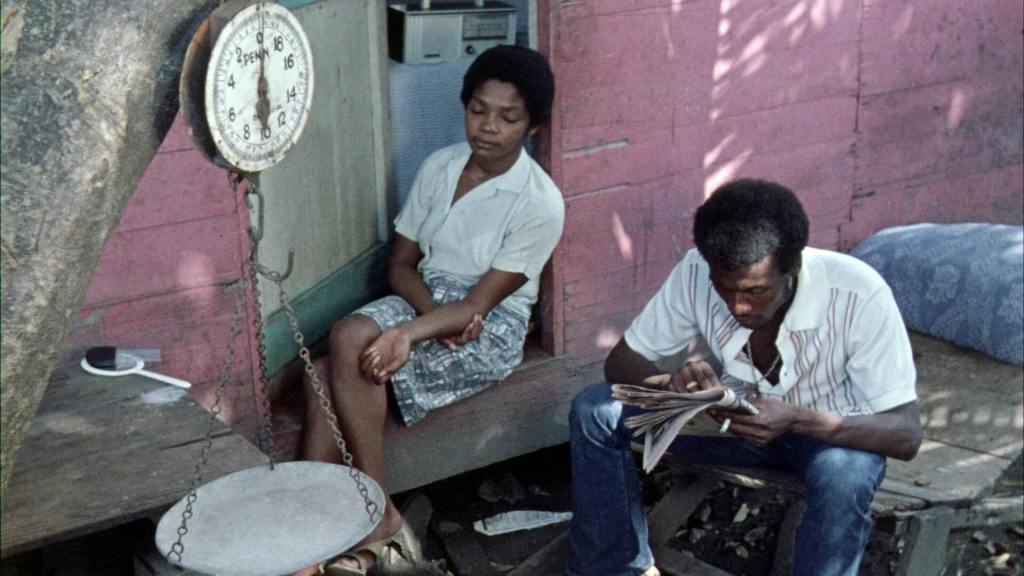

Determined to become a musician, Ivan seeks out a record producer, Hilton (Bob Charlton), who controls the local music scene. After recording the song “The Harder They Come,” Ivan is devastated to learn that Hilton will only pay him a small, one-time fee for his track—keeping all future profits for himself.
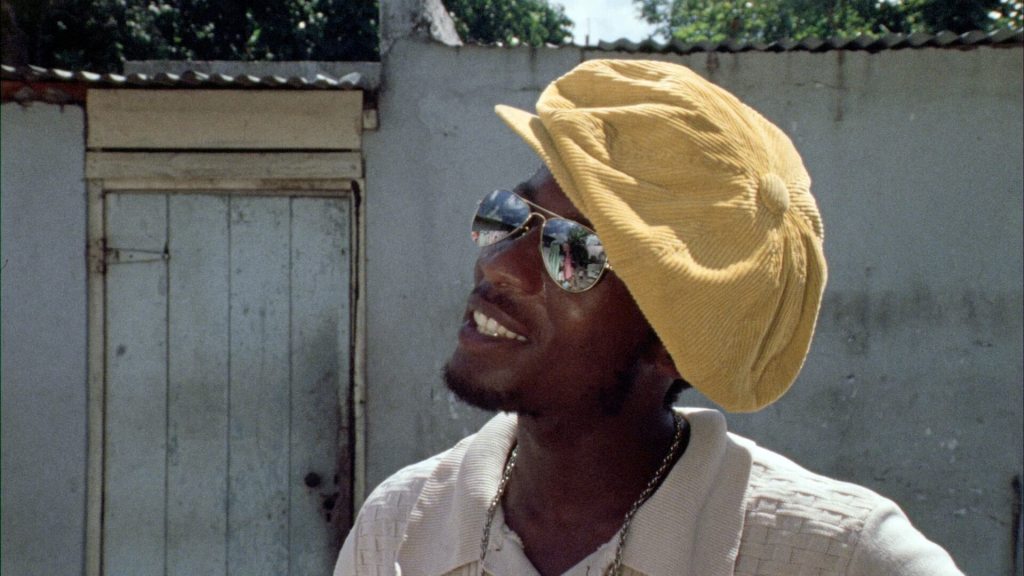
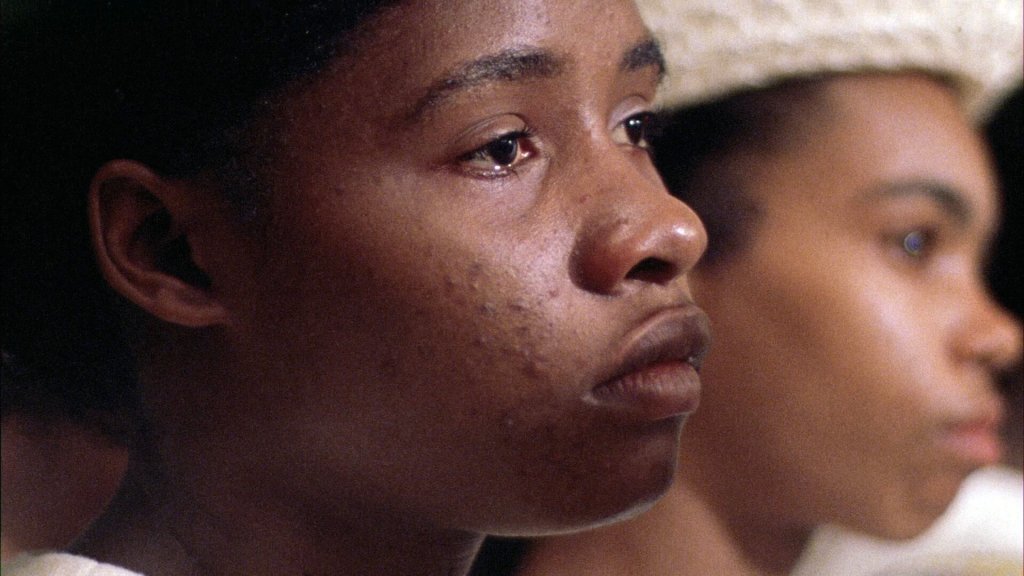
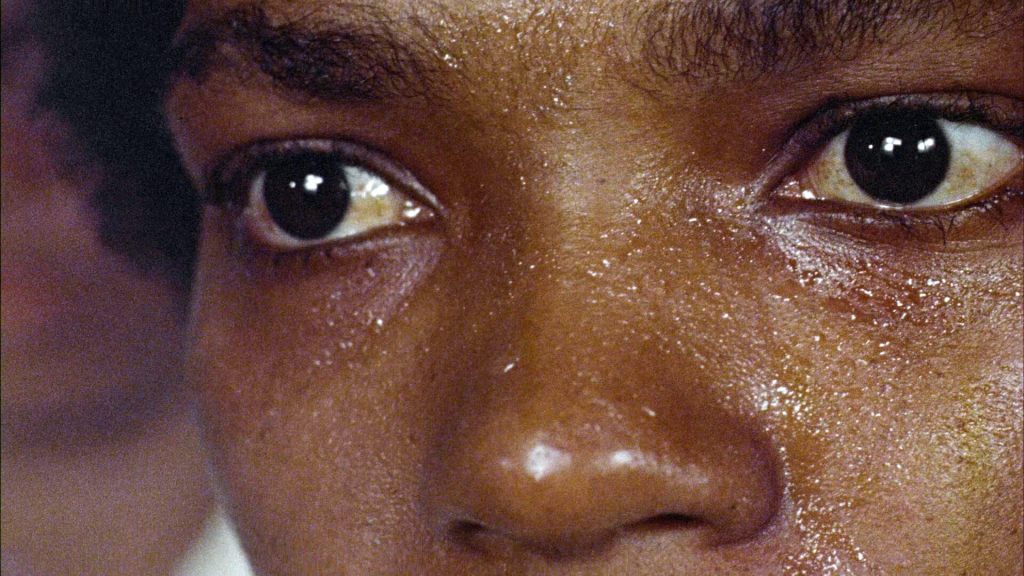

Ivan refuses to accept this exploitation and demands more money, but Hilton blacklists him, preventing radio stations from playing his music. With no way to earn a living, Ivan turns to the harsh realities of street life.
Desperate for money, Ivan begins working for Jose (Carl Bradshaw), a local crime boss running a marijuana smuggling operation. At first, he is a low-level drug courier, but after an altercation with a corrupt policeman, he shoots an officer and becomes a wanted fugitive.
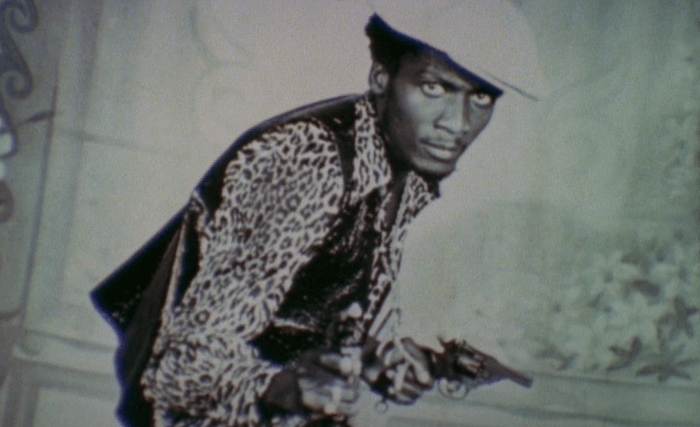
Now on the run, Ivan fully embraces his outlaw persona, committing more crimes and even posing for photos with guns, which are printed in newspapers. His boldness and defiance of authority turn him into a folk hero among the poor, who see him as a symbol of rebellion against the oppressive system.
Meanwhile, his song “The Harder They Come” begins to play on the radio, making him famous—ironically, just as his life spirals out of control.

As the police close in on him, Ivan refuses to surrender. Instead, he fantasizes about a dramatic shootout, imagining himself as the hero in a Spaghetti Western film he watched earlier in the story. However, in reality, he is eventually cornered on a beach and gunned down by the authorities.
Despite his tragic end, his legend lives on through his music and the defiant image he created, inspiring others to challenge the corrupt system.
“The Harder They Come” was the first major film that introduced the gritty realities of life in Kingston, Jamaica, and Regae to international audiences and has become somewhat of a cult classic.
 The Other Cinema