

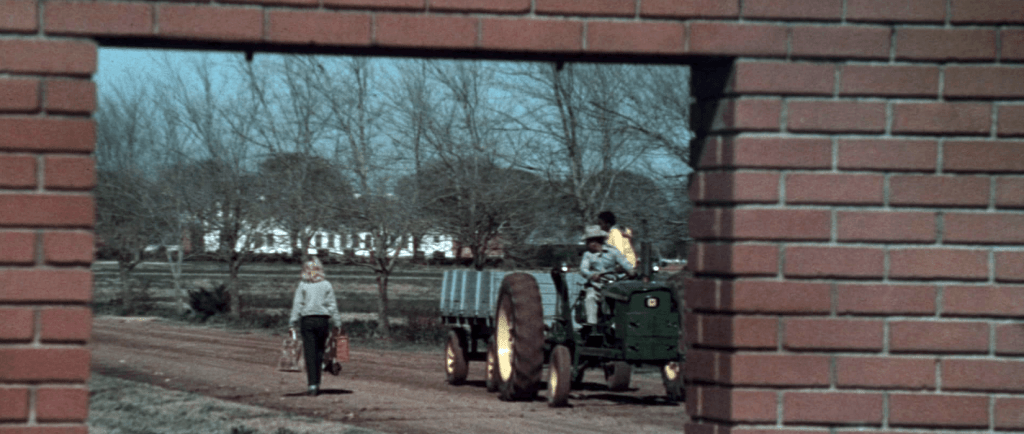
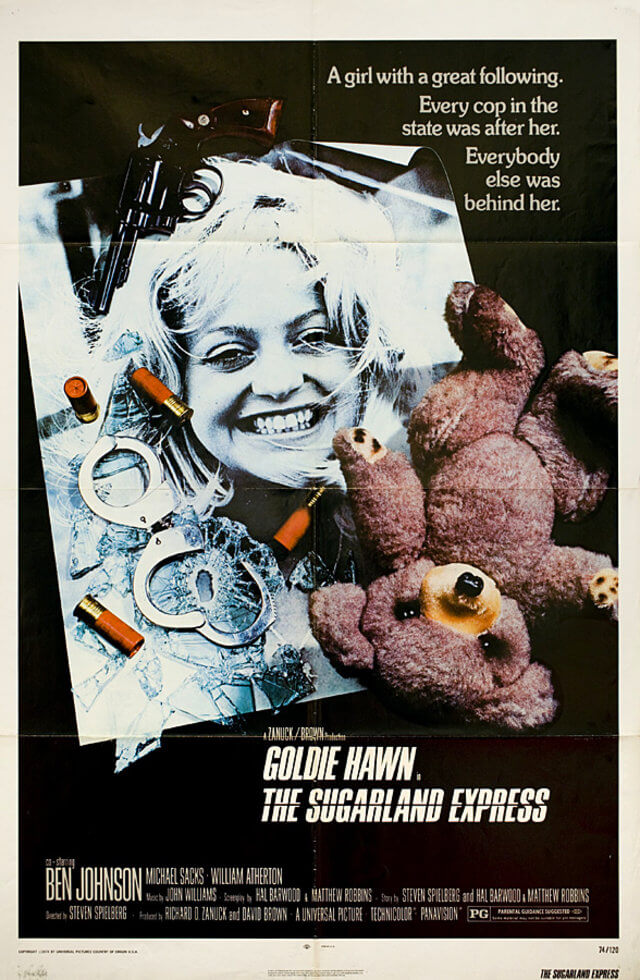
“The Sugarland Express” is a 1974 crime drama directed by Steven Spielberg, based on a true story. It was Spielberg’s first theatrical feature film. The film blends elements of crime, drama, and road movie genres, exploring themes of desperation, love, and the often blurred line between right and wrong.
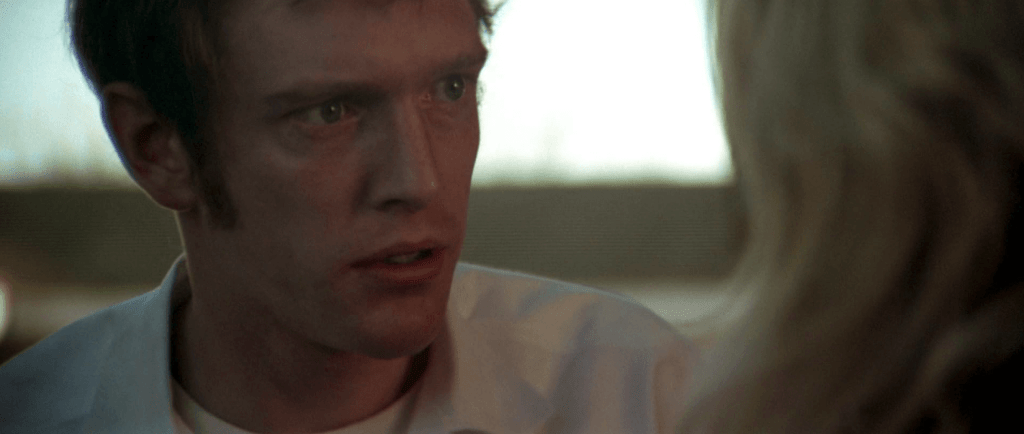
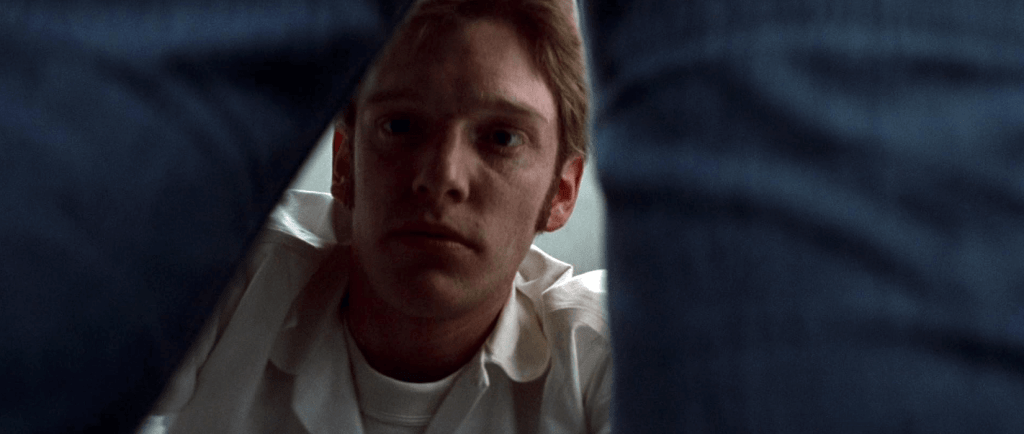


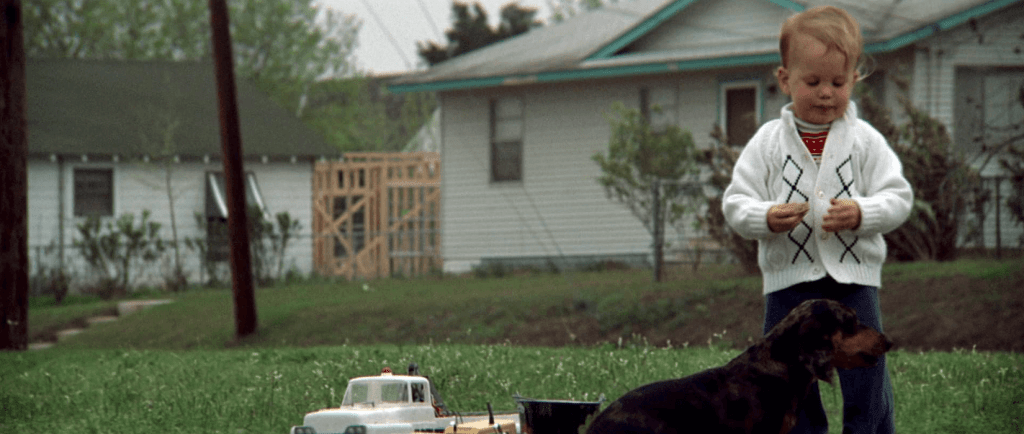
The story follows Lou-Ann Garner (Goldie Hawn), a woman living in a small Texas town who is determined to reunite with her young son, whom she lost custody of after being convicted for a crime she committed with her husband. After being incarcerated, Lou-Ann’s life is difficult, and her son has been placed in foster care. Her deep desire to regain custody of her child becomes an obsession, one that drives her to make a dangerous decision.

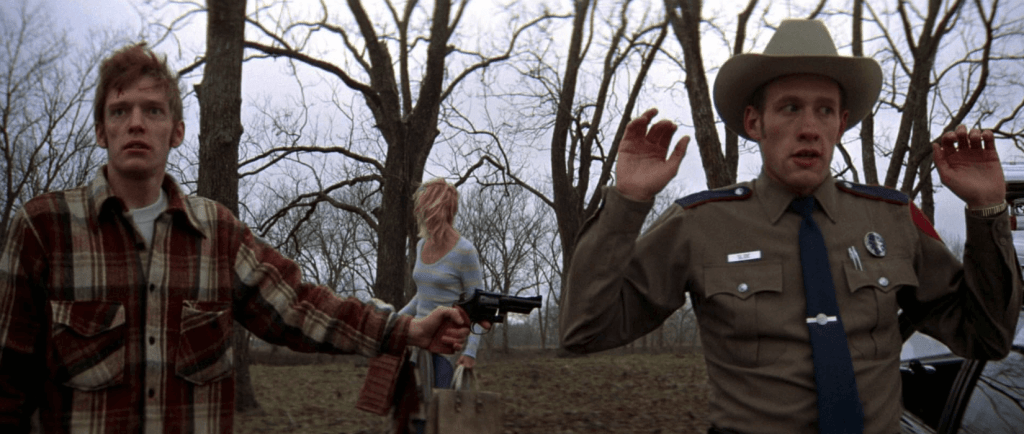

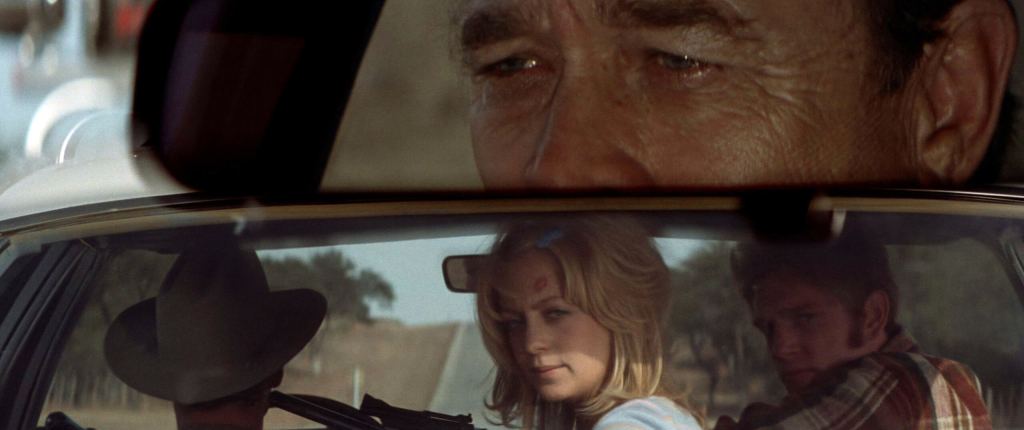
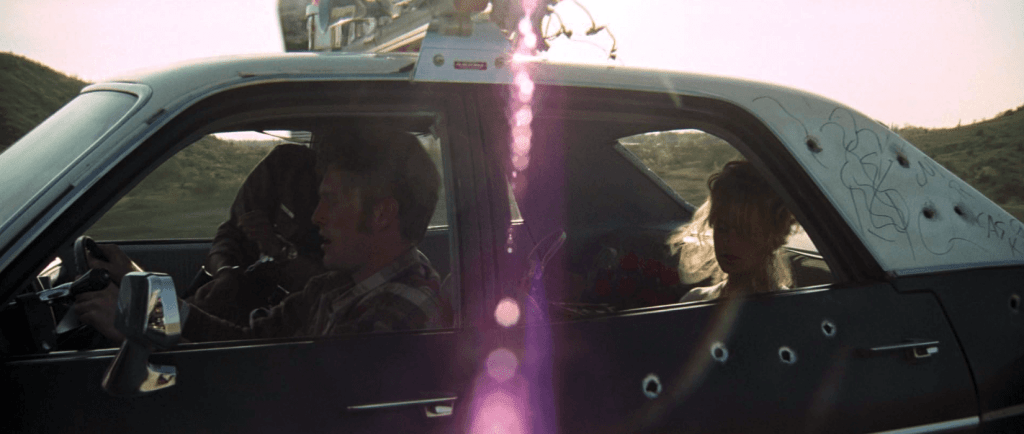
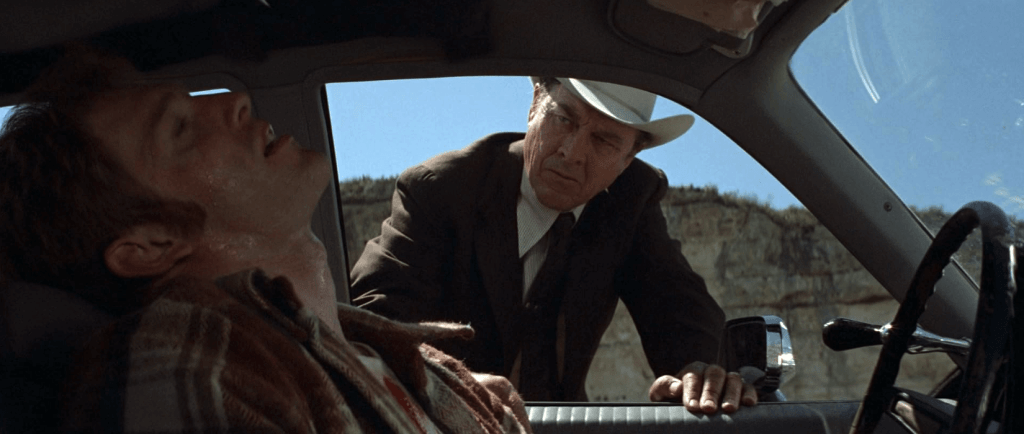
Upon being released on parole, Lou-Ann finds her husband, Clovis (William Atherton), in a Texas prison where he is serving time for a robbery. Together, they hatch a desperate plan: Lou-Ann is determined to break him out of prison so the two of them can escape with their son. To do so, they drive to the prison, but things quickly spiral out of control. Their escape attempt leads them to hijack a police car and the officer, Officer Maxwell Slide (Michael Sacks), and embark on a high-speed chase through the state of Texas.
Lou-Ann’s insistence on reuniting with her child at all costs leads to increasingly reckless actions, drawing the attention of the media, the police, and the general public. The case becomes sensationalized, with the media sensationalizing Lou-Ann’s actions and characterizing her as a desperate mother while the police intensify their efforts to stop them.
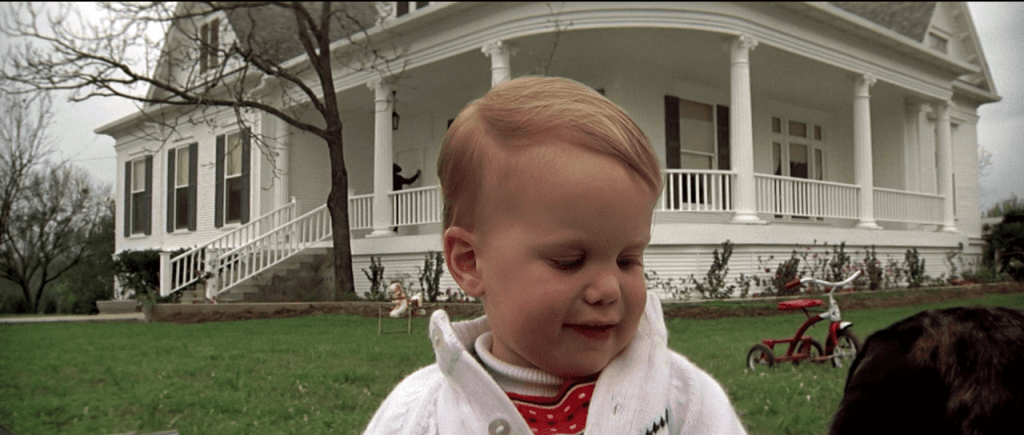

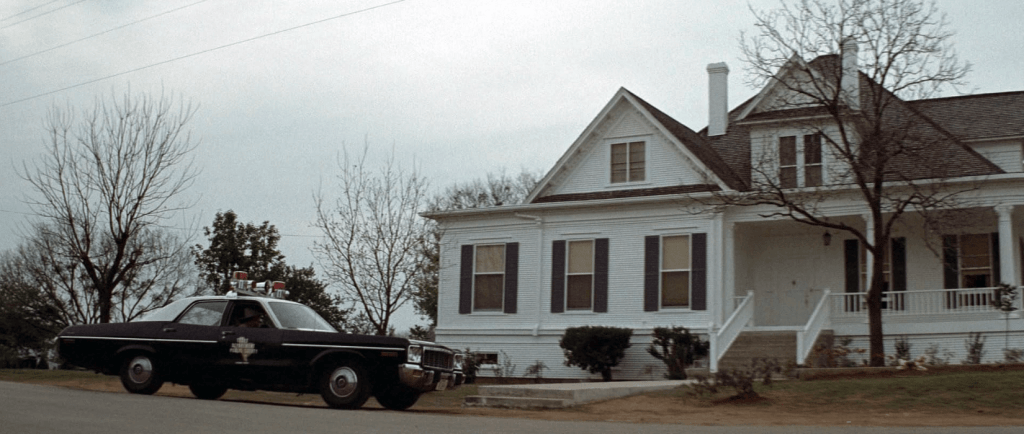


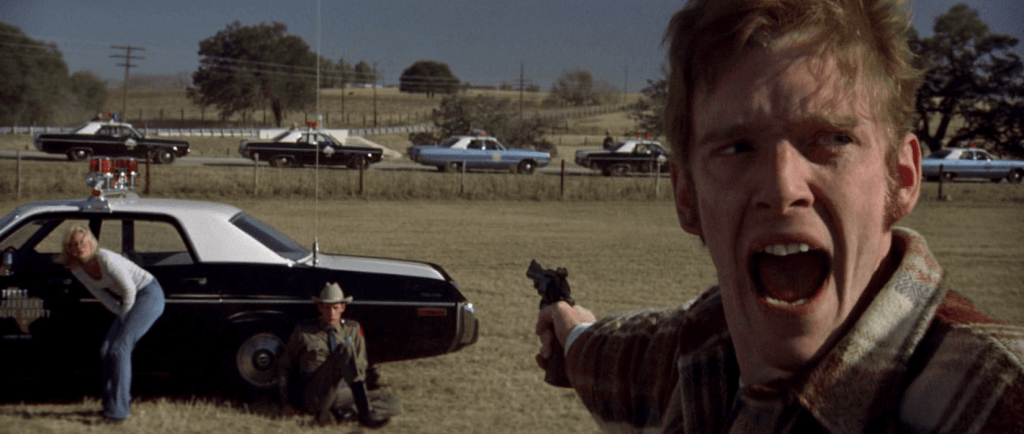
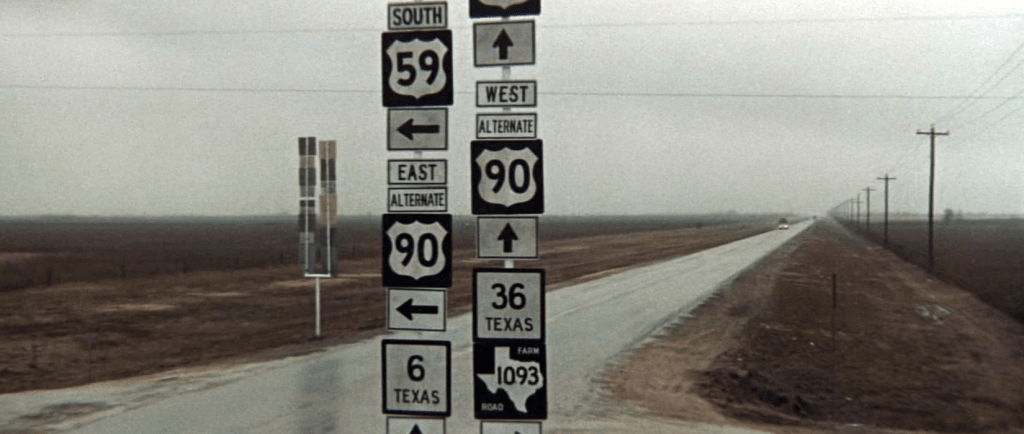
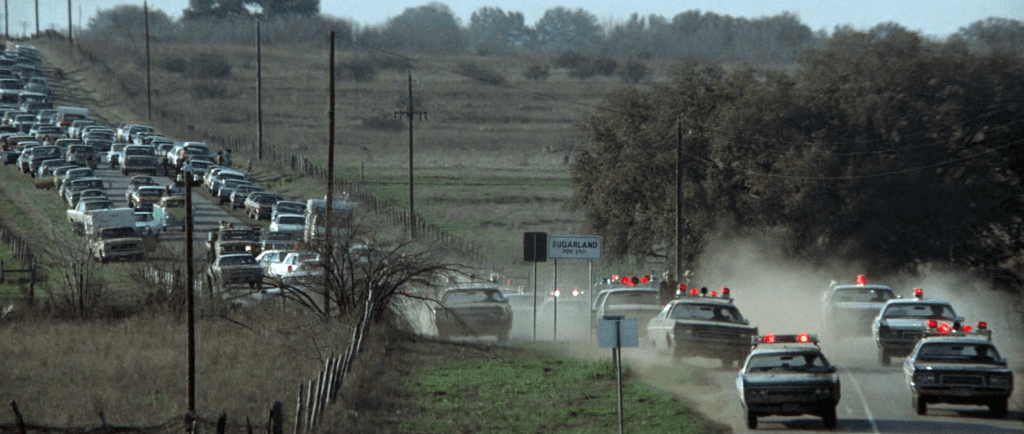
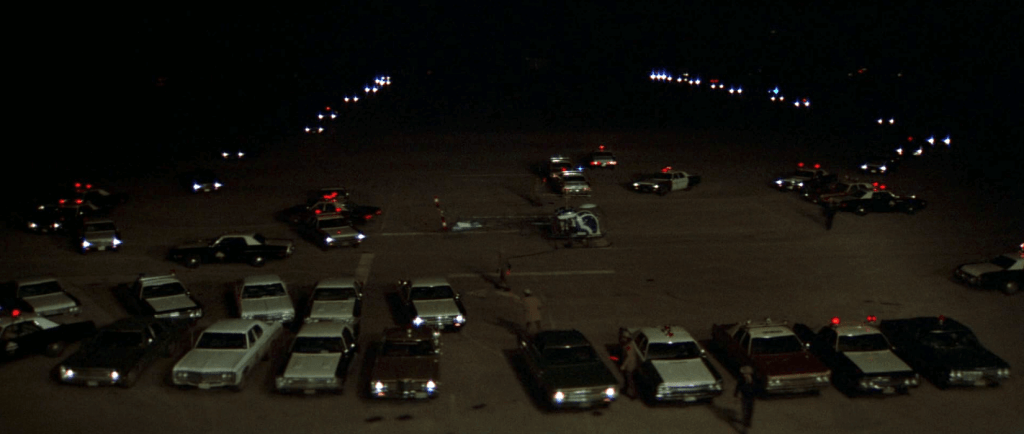
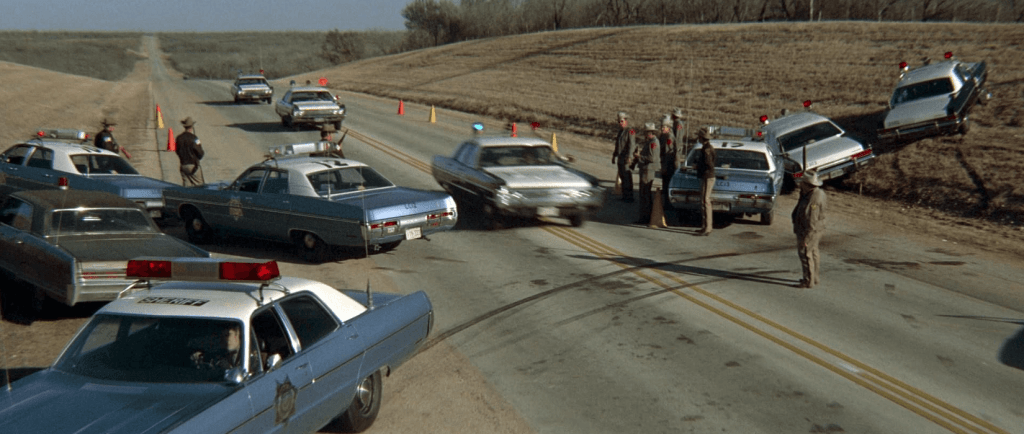
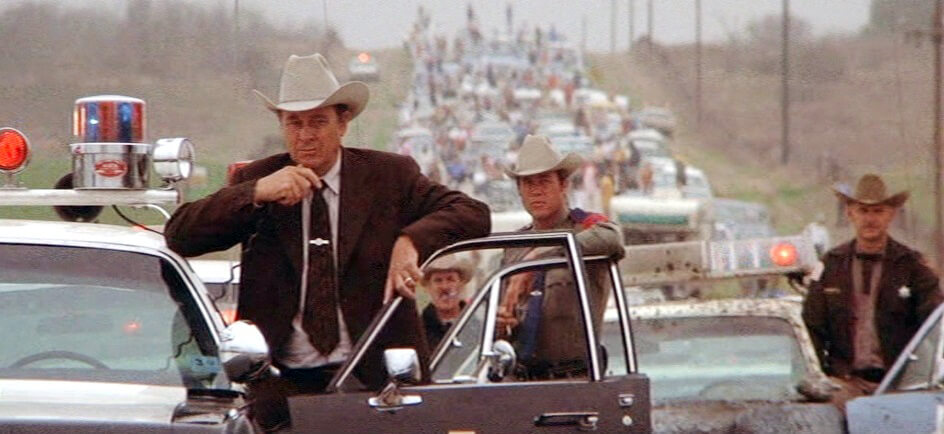
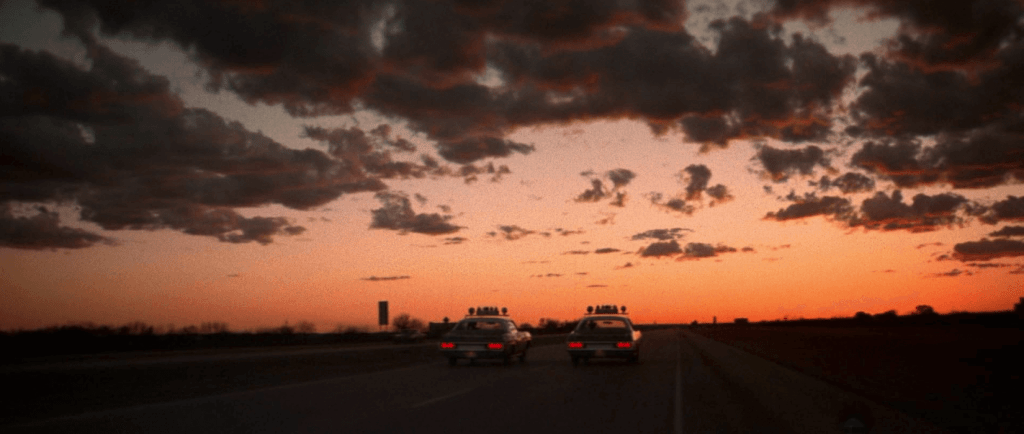
As the couple drives across the state, they are pursued by an escalating force of law enforcement officers, and the situation grows increasingly chaotic and dangerous. At the same time, the film explores Lou-Ann’s unwavering love for her child, as well as the deeply flawed yet human nature of her choices. The film is noted for its scenes that involve what seems like a never-ending snake of police cars in pursuit, which is absurdly humorous.

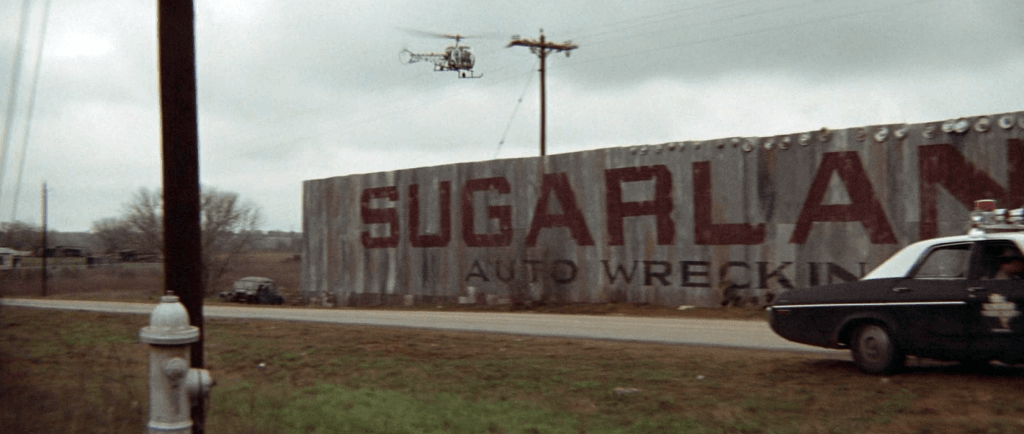
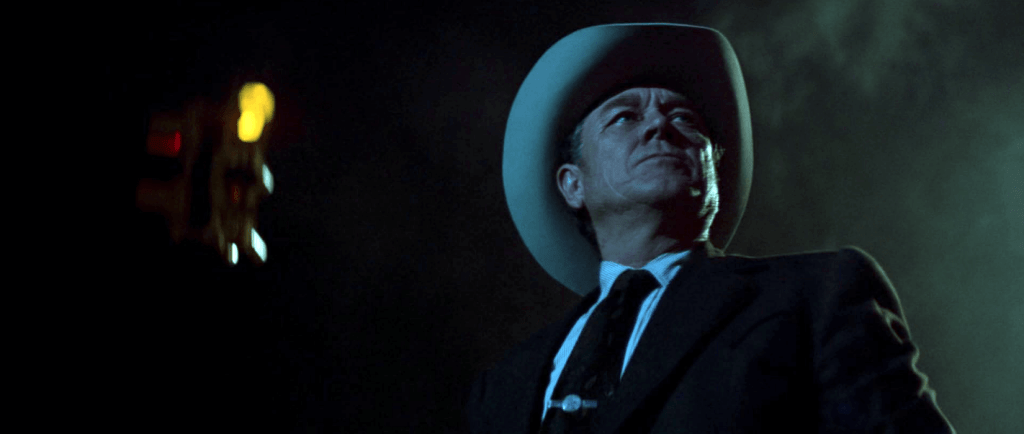
The tension builds to a dramatic and heart-wrenching conclusion, revealing the ultimate cost of Lou-Ann’s actions. As the couple’s dream of a better life unravels, the film suggests that the line between victim and villain is unclear and that desperate people sometimes make decisions that lead to irreversible consequences.

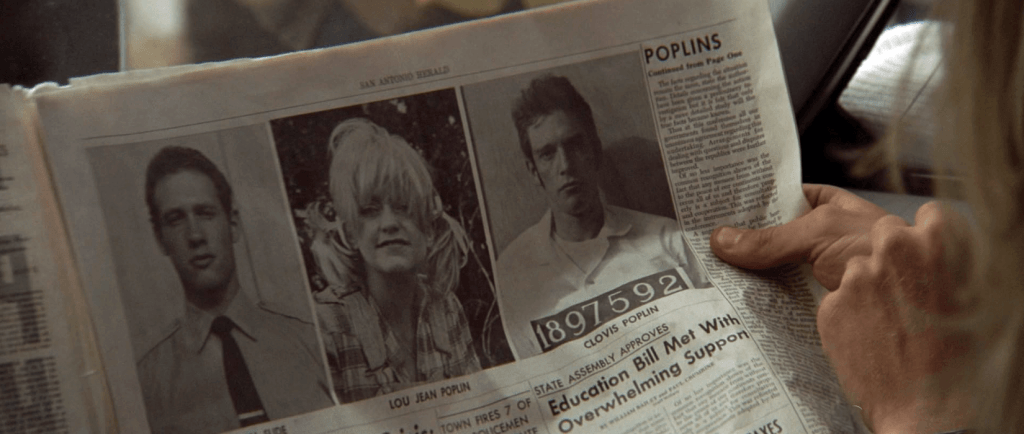

At its core, The Sugarland Express is a film about the lengths to which people will go for love and family. Lou-Ann’s motivations are driven by a deep maternal love for her son and a belief that she must act to reunite with him, no matter the cost. Spielberg uses her character’s journey to examine the consequences of impulsive decisions and the emotional weight of sacrifice.
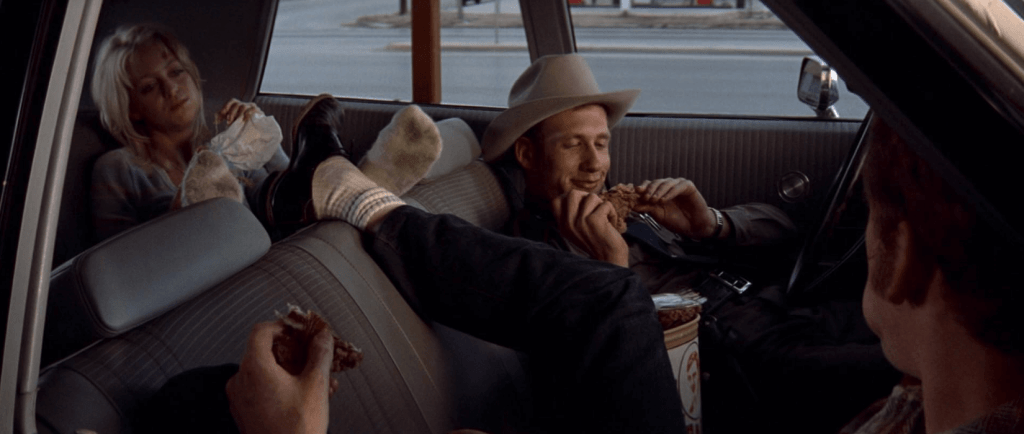
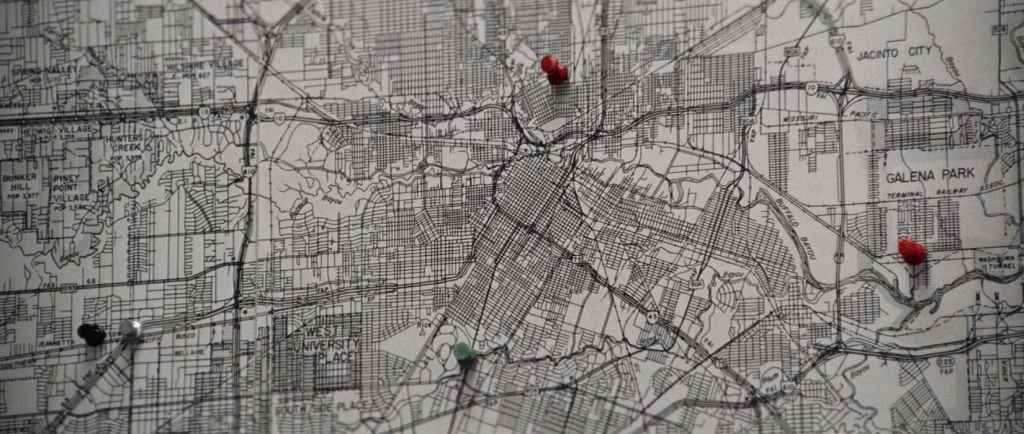
As the film progresses, it builds a sense of urgency and tension, and the action is interspersed with quieter, more introspective moments, allowing the audience to connect with Lou-Ann’s motivations and inner turmoil. The film also subtly critiques the role of the media in sensationalizing crime stories – a seemingly American obsession, and turning Lou-Ann into both a symbol of motherhood and a criminal, depending on the narrative they choose to portray.

The blending of crime and drama, along with moments of dark humor, keeps the film engaging even as it addresses heavy social issues such as the failure of the justice system, poverty, and the struggle for personal redemption.
 The Other Cinema