

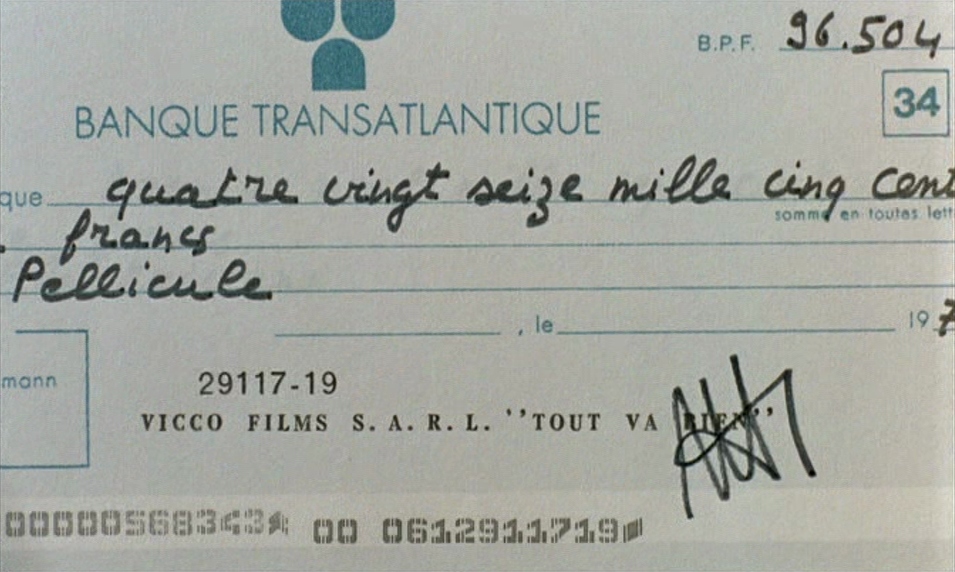
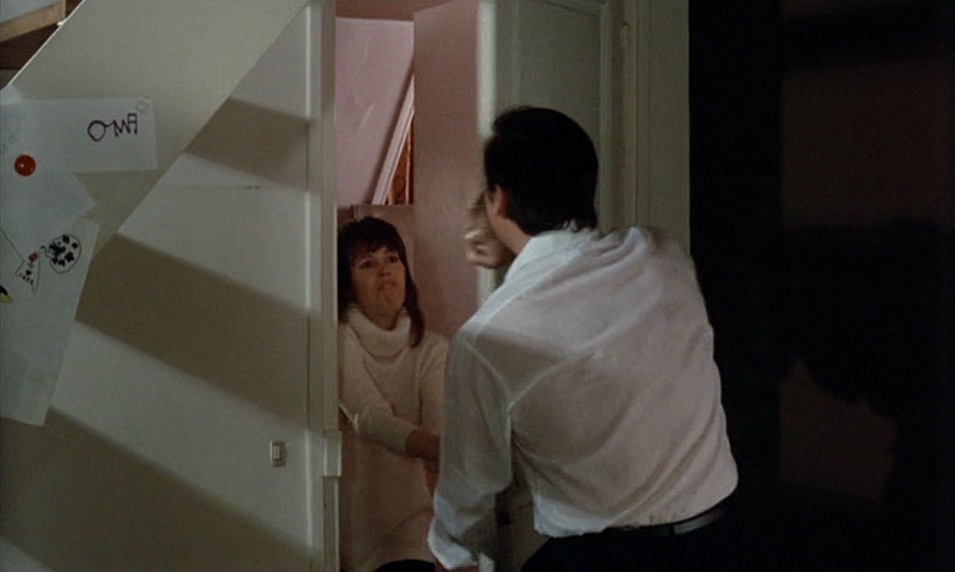

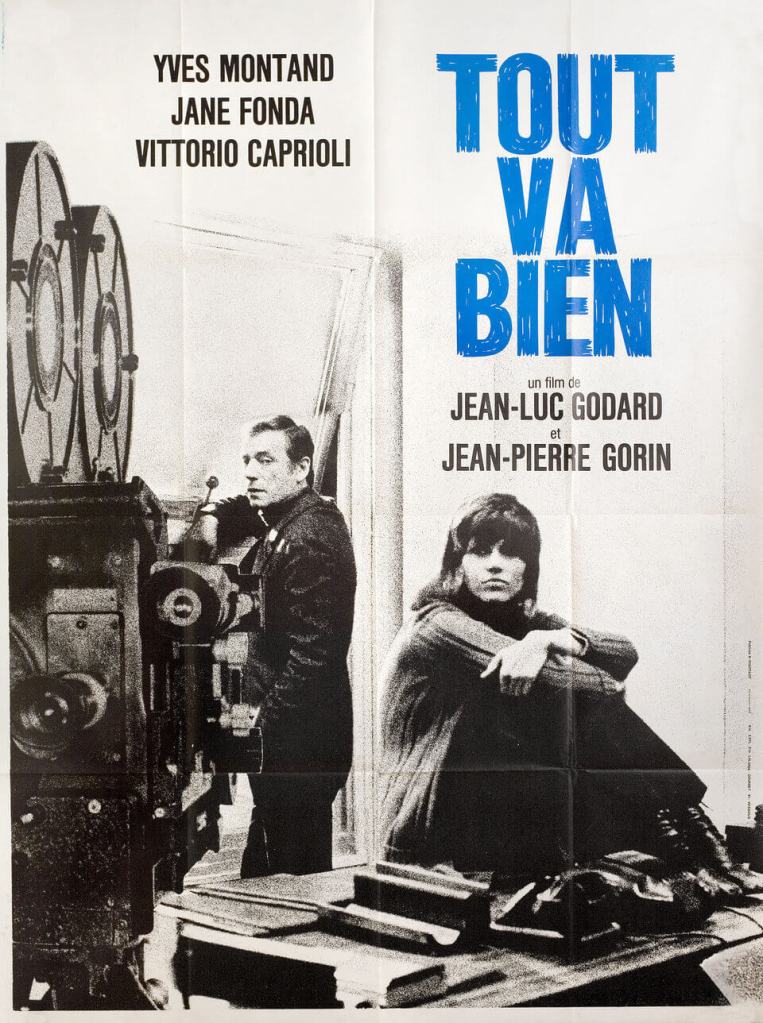
Tout Va Bien (translated as Everything is Fine) is a 1972 French political drama directed by Jean-Luc Godard and Jean-Pierre Gorin that delves into the contradictions and disillusionments of modern life, particularly in the context of the political and social upheaval of the late 1960s and early 1970s. The film explores the relationship between personal and political dynamics, focusing on the disconnect between individual concerns and larger social forces.
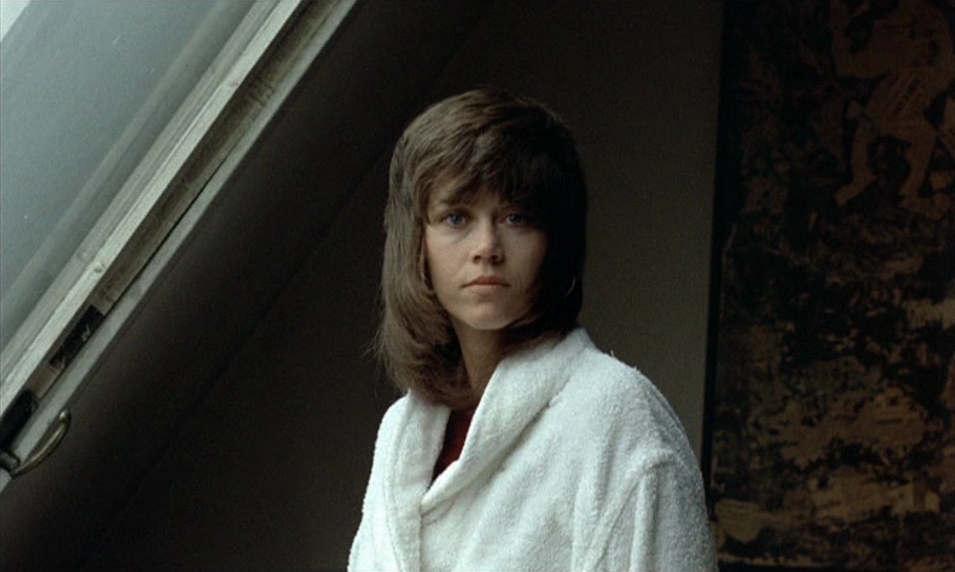
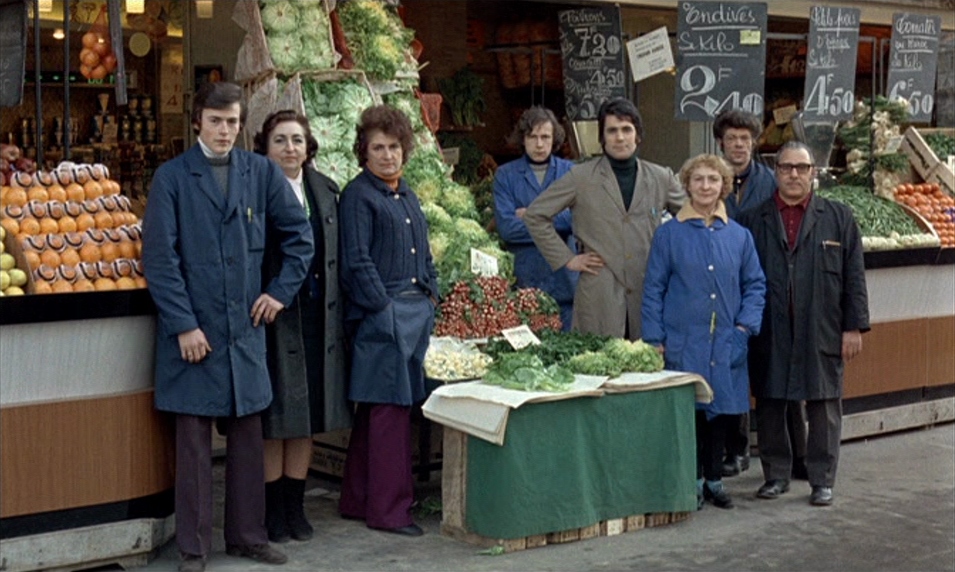

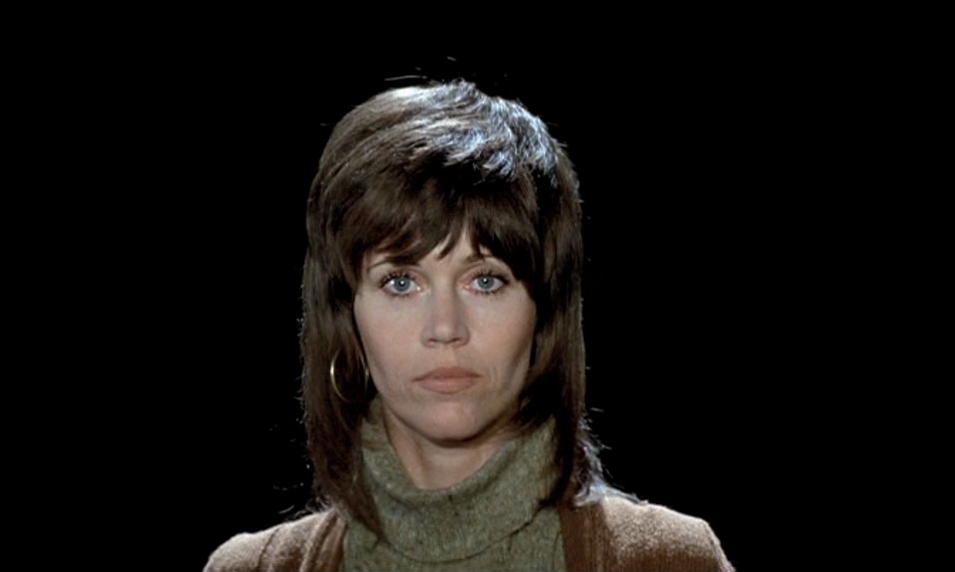
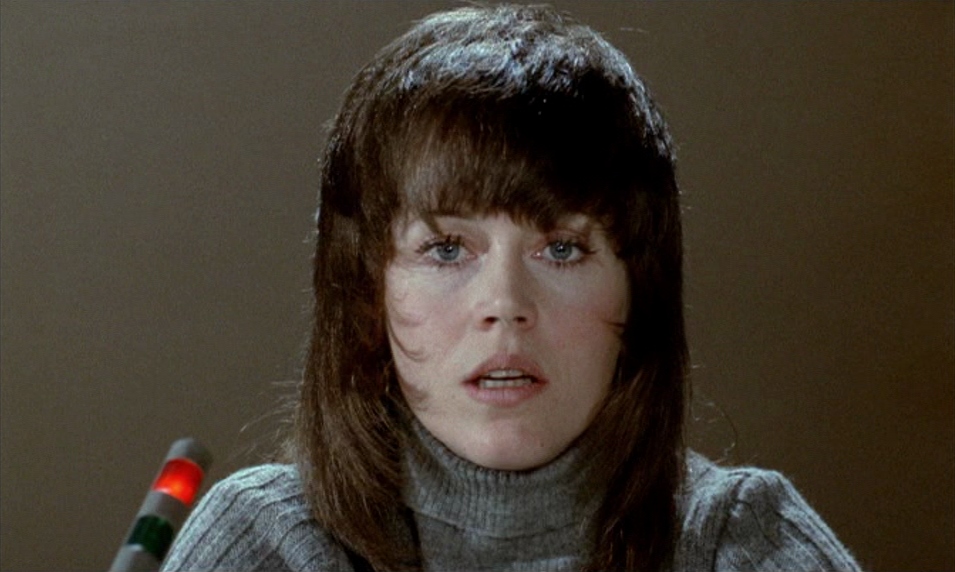
The film centers around the lives of a married couple, Anne (Jane Fonda), an American journalist, and Jean (Yves Montand), a French factory manager, living in Paris during significant political unrest. The couple has become somewhat estranged and disconnected, and their relationship acts as a microcosm of the more immense societal struggles and contradictions.
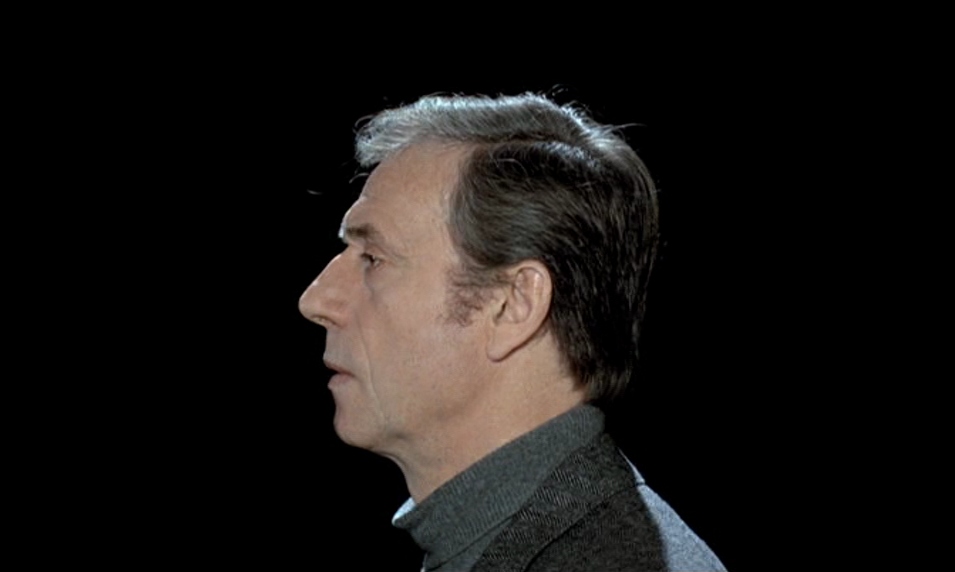

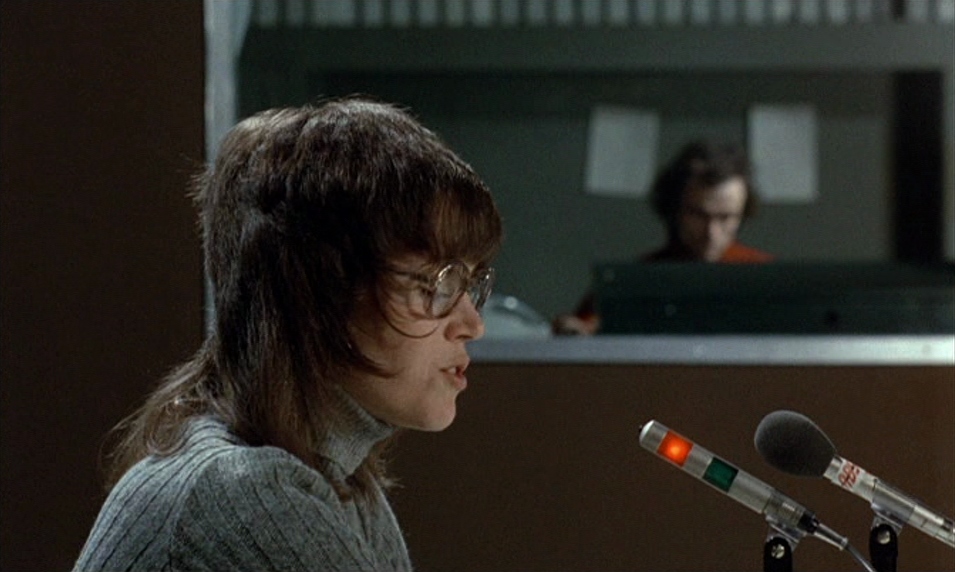

The film opens with Anne and Jean in a factory setting. Anne observes the workers and labor conditions, setting a critical tone regarding the factory system. Jean is caught in a complex web of corporate and managerial responsibilities, while Anne’s journalistic work exposes her to the world of activism and social change. The factory becomes a central symbol in the film, representing the struggles of the working class, industrial capitalism, and the political systems perpetuating inequality.

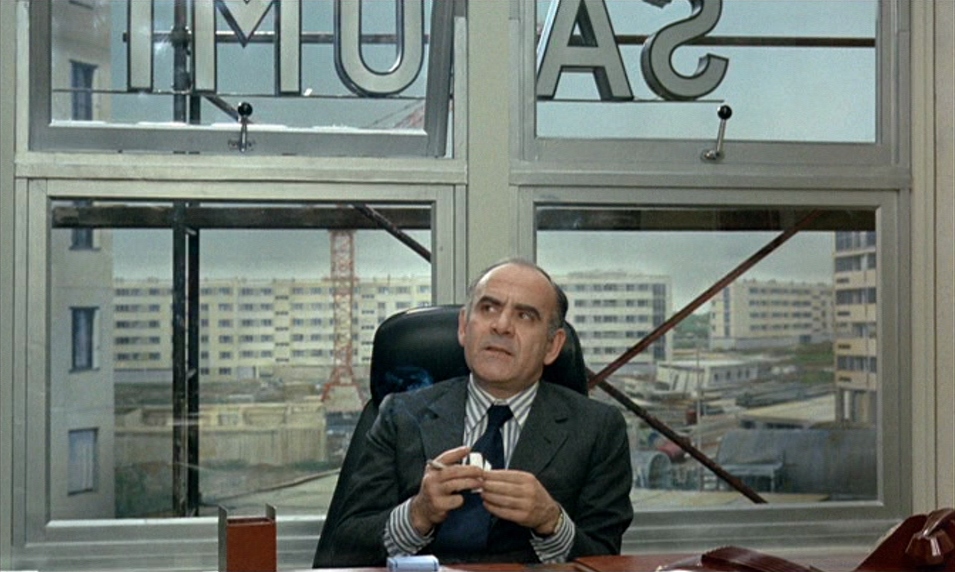

Tout Va Bien’s fragmented structure consists of trademark Godard long, stylized static shots. The film is divided into two distinct parts, with the first focusing on Anne and Jean’s personal struggles and complicated relationship, while the second part is marked by a more overtly political tone. The film uses sharp contrasts between private life and public unrest to critique the social and political status quo.

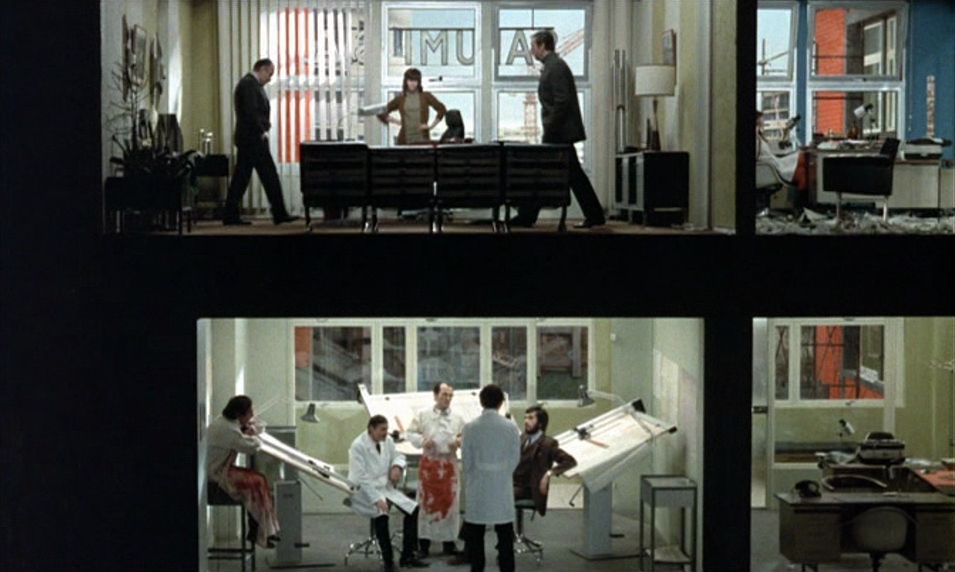
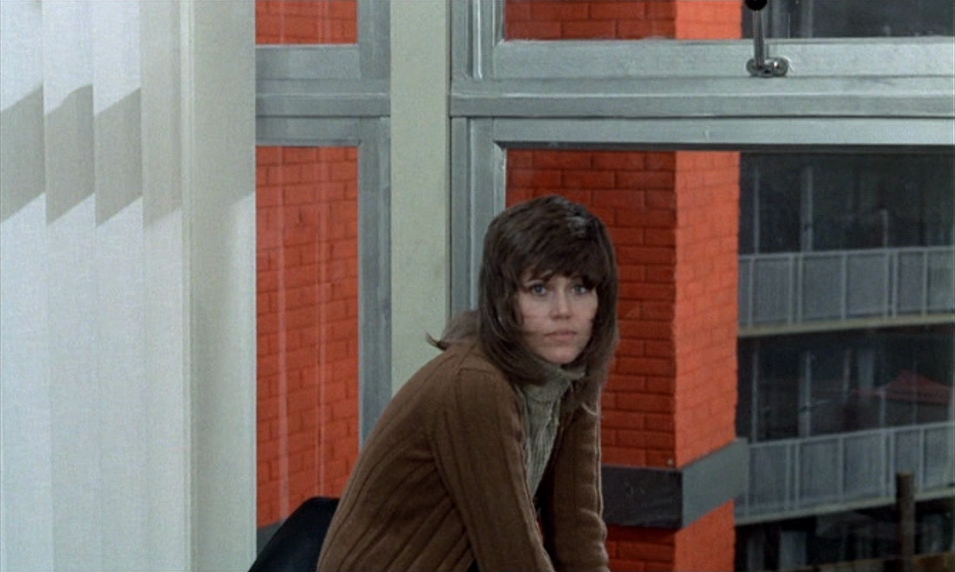
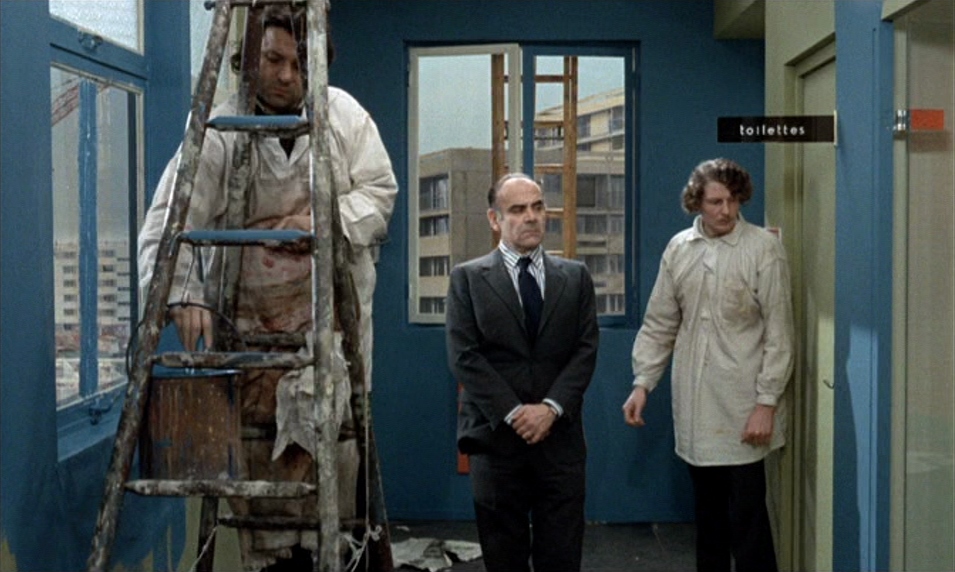
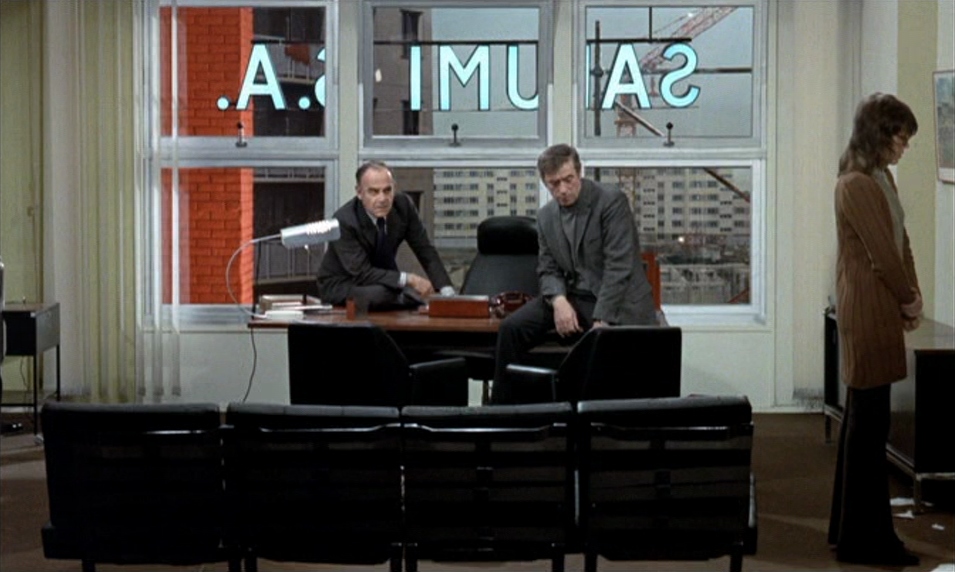

In one of the film’s most memorable scenes, Anne and Jean are trapped in a factory during a strike, which becomes a metaphor for the larger political revolution taking place. Here, the film explores the tension between personal desire and political action, with Anne voicing her frustrations about her position in both her personal life and society. At the same time, Jean tries to rationalize his role within the capitalist system. The factory serves as a backdrop for their conversations about revolution, alienation, and their sense of powerlessness in the face of overwhelming social forces.
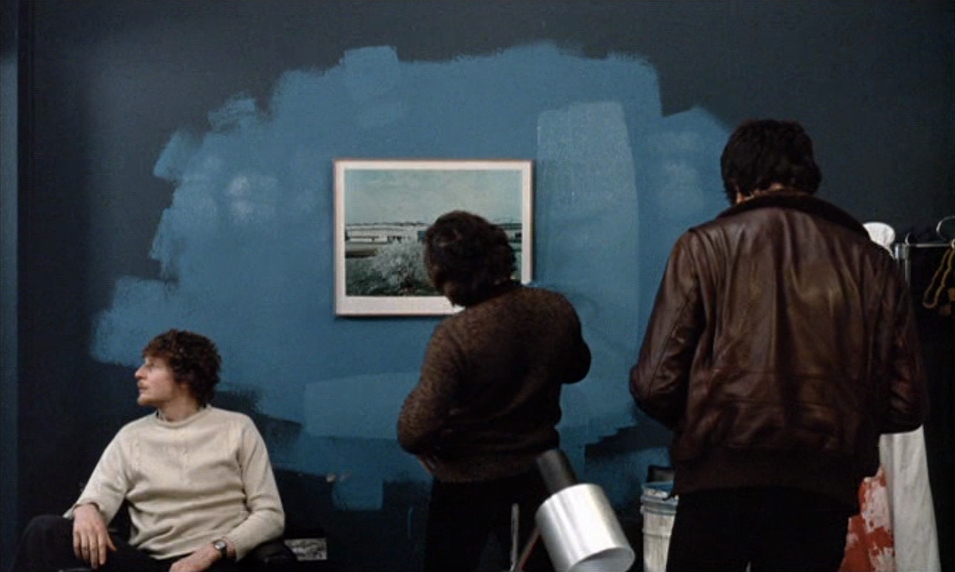

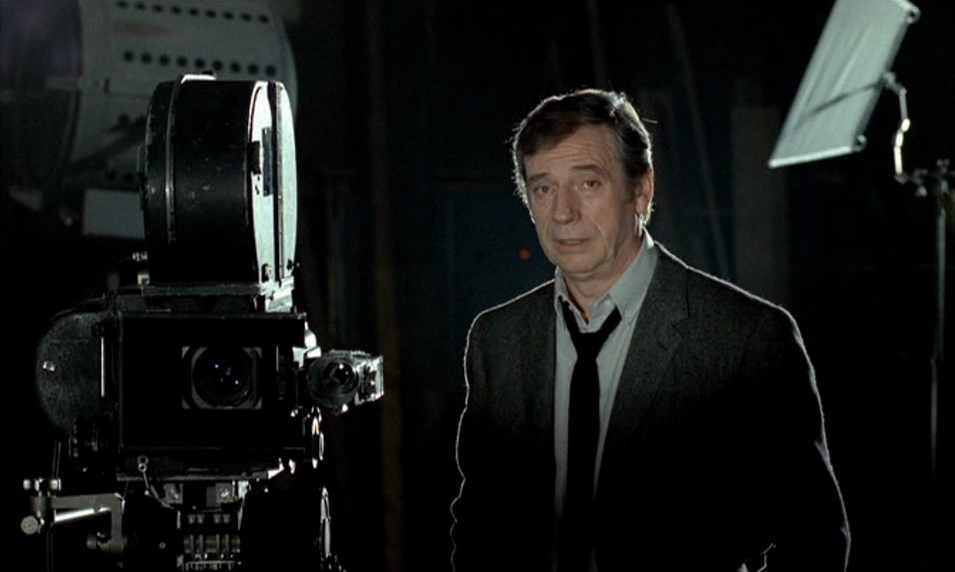

Despite exploring deep political themes, Tout Va Bien often adopts a playful, ironic tone, using a mix of fiction and documentary elements. The filmmakers blend satire with serious political discourse, questioning the nature of filmmaking itself and the role of the artist and the viewer in a society driven by capitalism and consumerism.
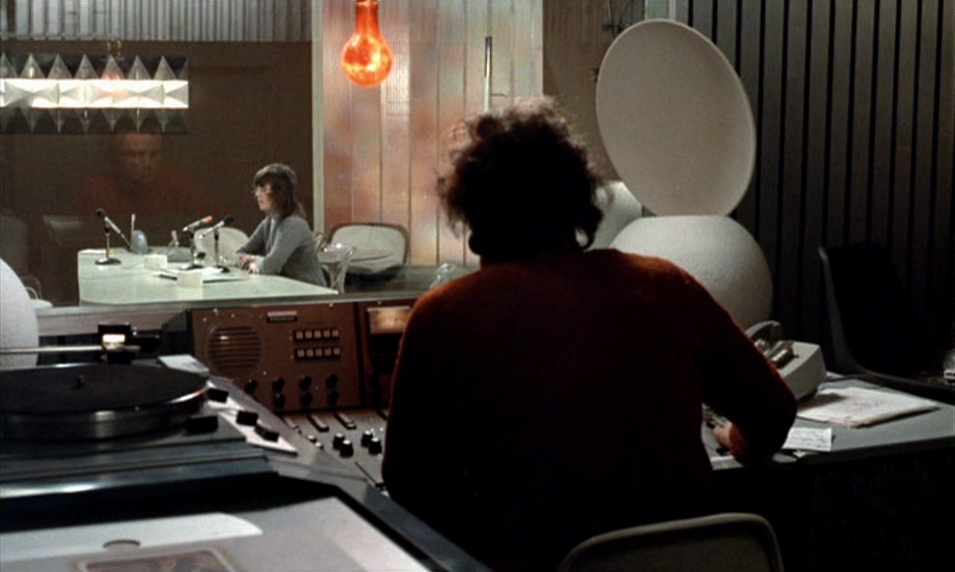
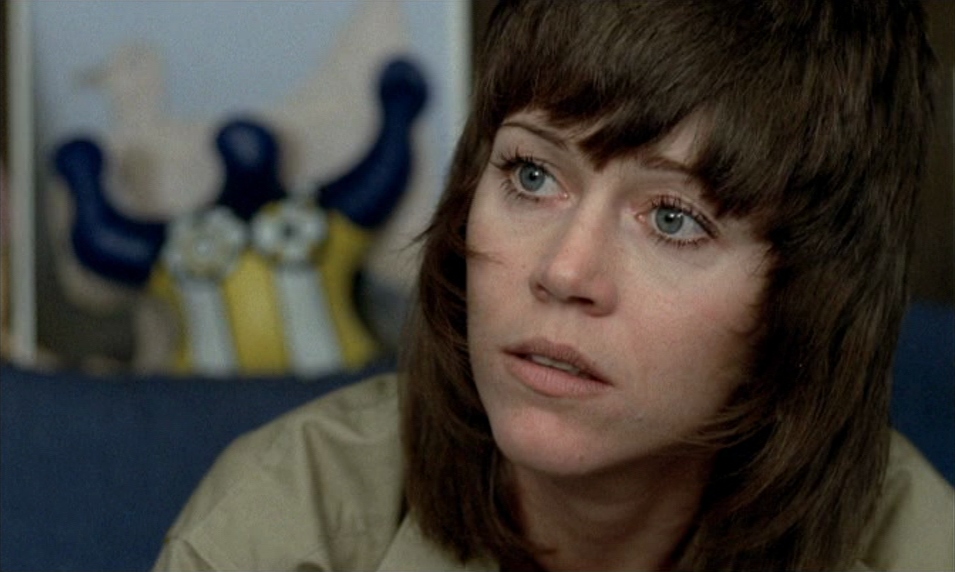

The film also features a critical look at the state of cinema and the role of film in engaging with political action. Godard, known for his avant-garde approach to filmmaking, challenges traditional cinematic language with long, disorienting takes, experimental sound design, and self-reflexive commentary on the process of filmmaking. Tout Va Bien is a critique of both the bourgeoisie and the Marxist ideologies of the time, reflecting Godard’s disillusionment with conventional revolutionary politics.
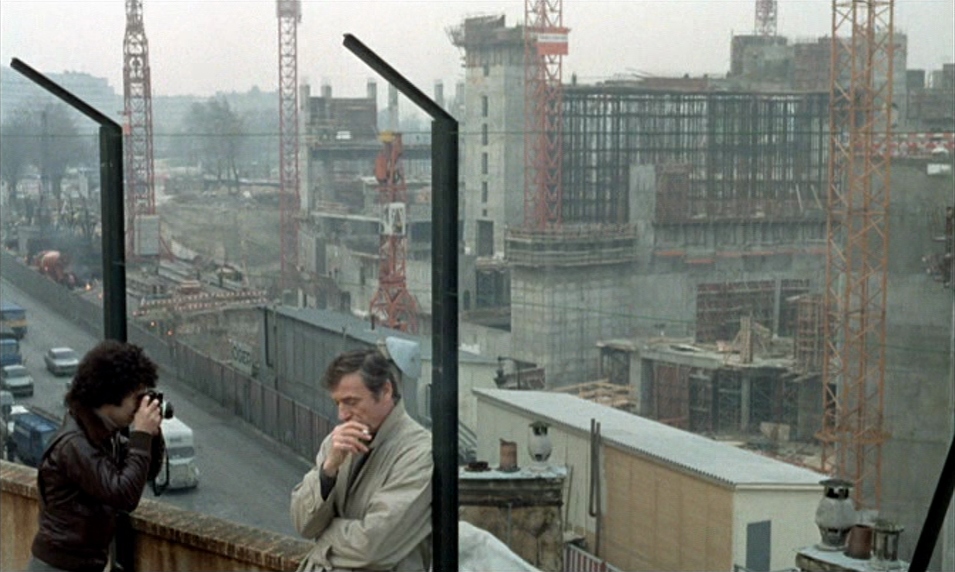
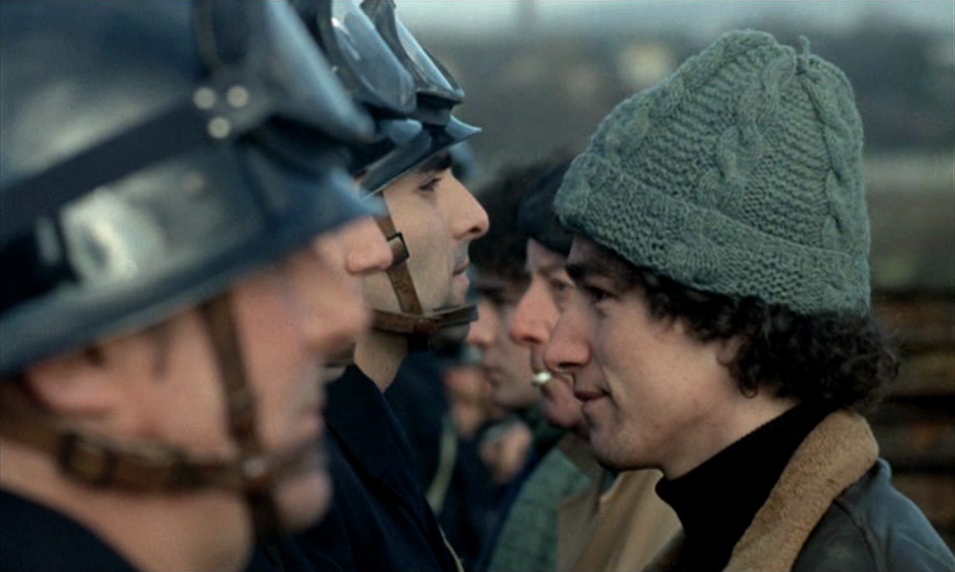
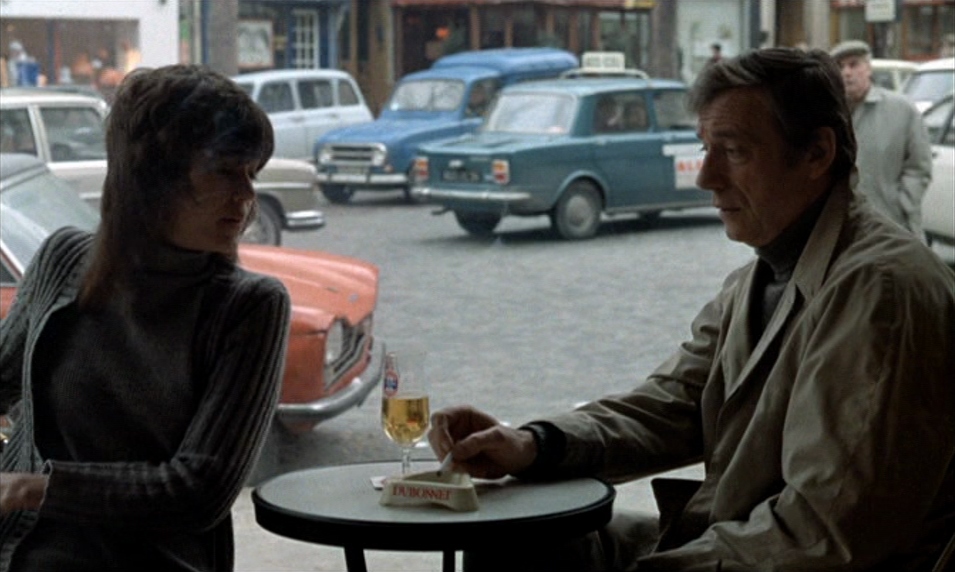
Throughout Tout Va Bien, there is a constant tension between the personal and the political, the micro and the macro. The film reflects the complex political landscape of the 1960s and early 1970s, addressing themes of alienation, capitalism, labor struggles, and the failure of revolutionary ideals.

Tout Va Bien is an experimental, intellectually challenging film that invites the viewer to reflect on the relationship between the individual and the larger political forces shaping the world.
 The Other Cinema