

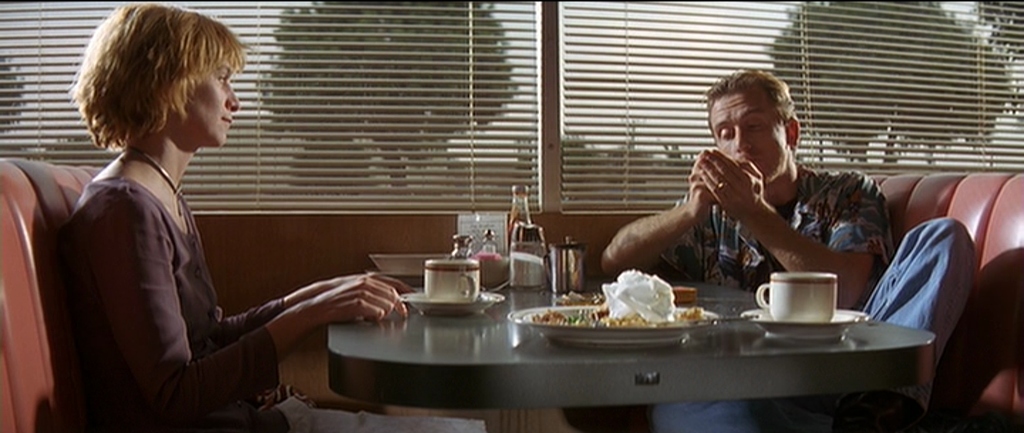
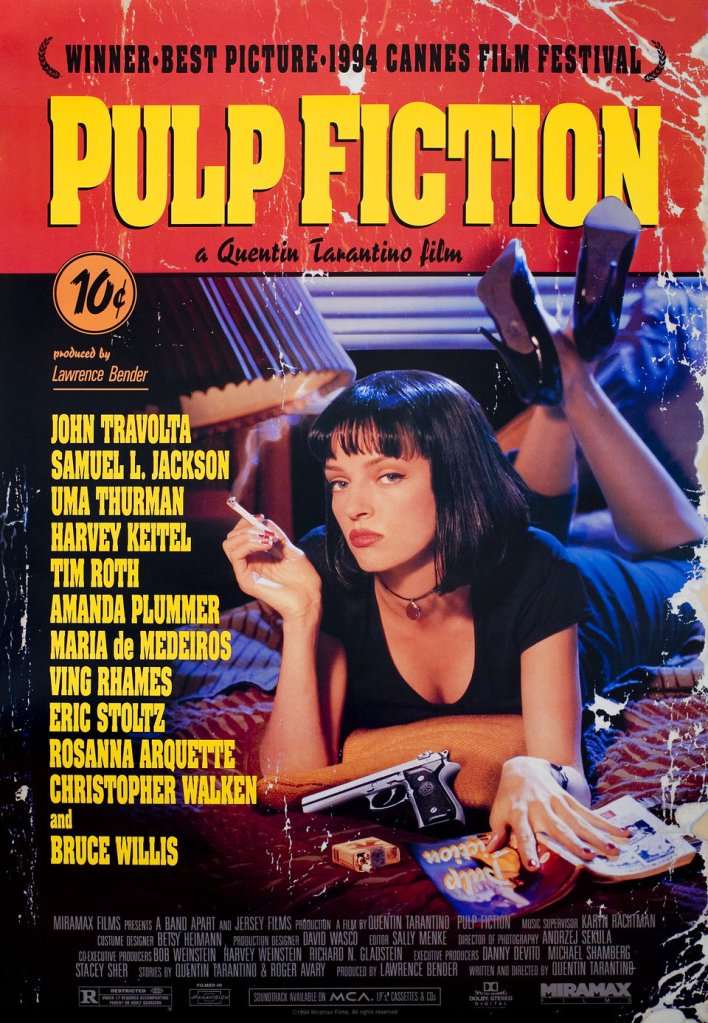
Pulp Fiction is a 1994 film written and directed by Quentin Tarantino. It is known for its non-linear narrative structure, sharp dialogue, eclectic soundtrack, and blending of humor, violence, and pop culture references. The film is a dark, satirical exploration of crime and morality, weaving together multiple interlocking stories centered around the Los Angeles criminal underworld.

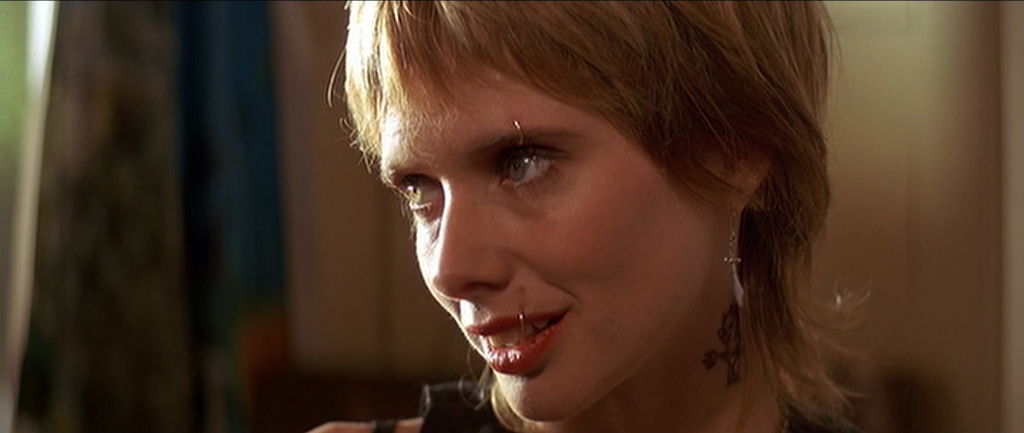
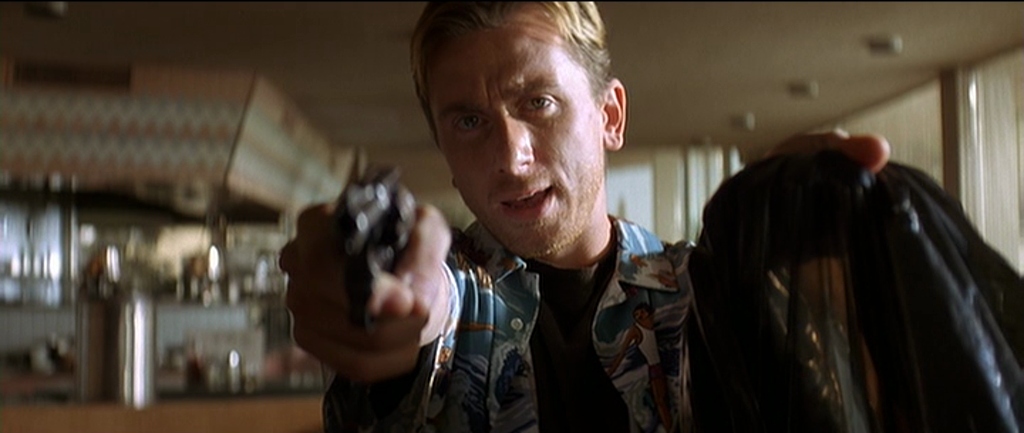
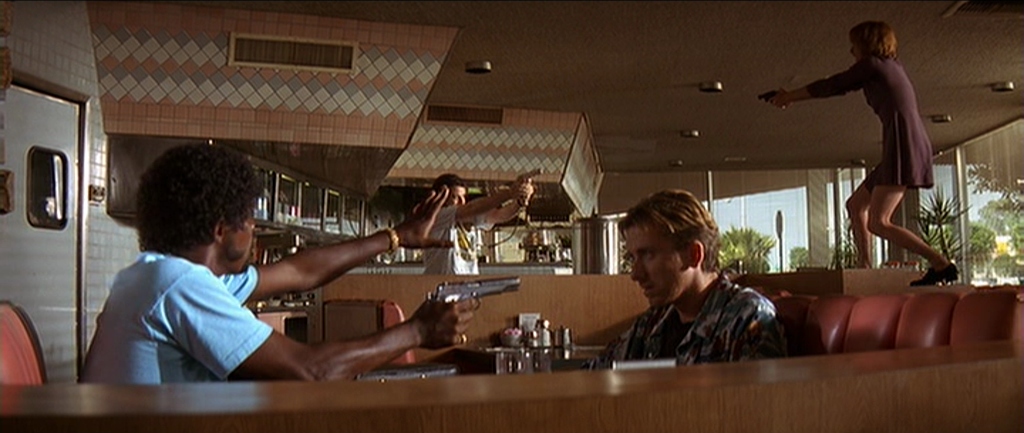
The film opens with a scene in a diner, where a couple, Pumpkin (Tim Roth) and Honey Bunny (Amanda Plummer), decide to rob the establishment. This serves as the framing device for the film’s broader narrative, setting the stage for the unfolding chaotic events.


The film’s narrative is divided into several interconnected stories arranged chronologically. These stories intertwine through shared characters and events, and each vignette explores the characters’ lives caught in the criminal world’s violence and absurdity.



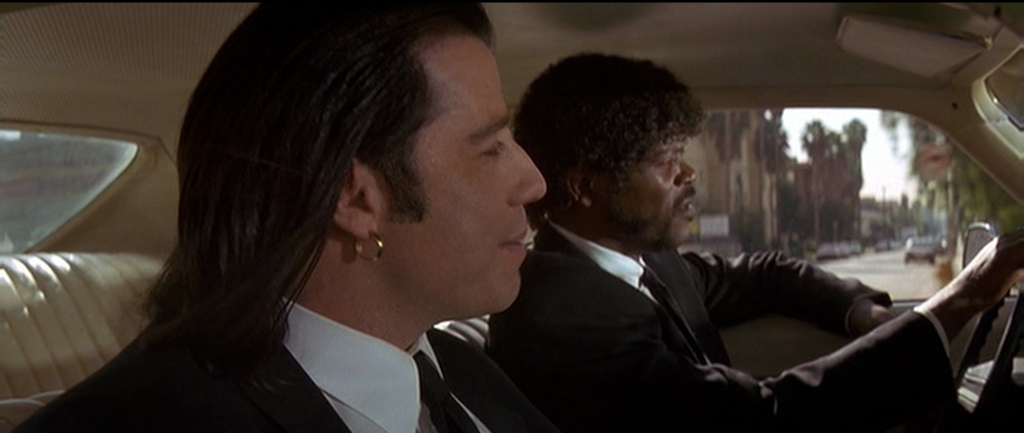
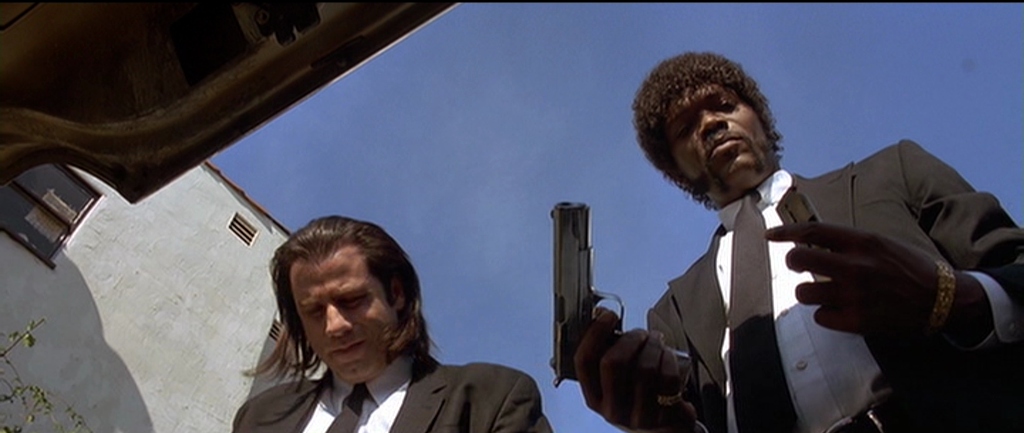
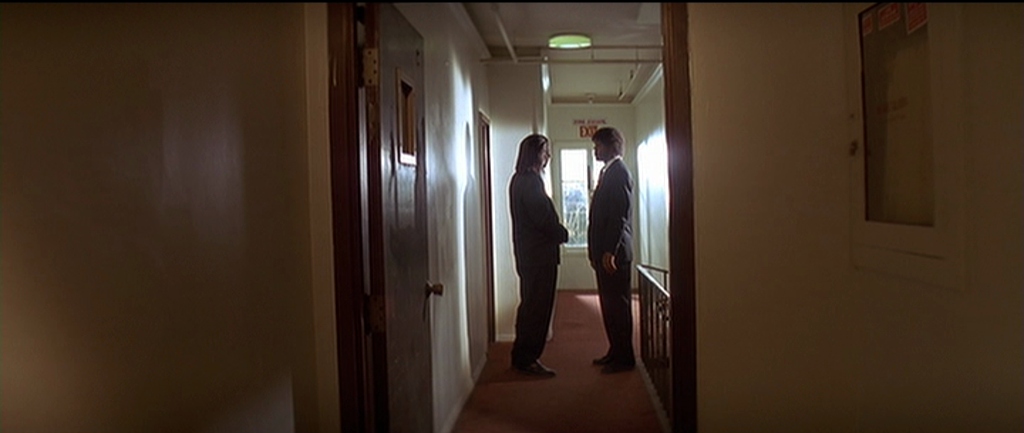
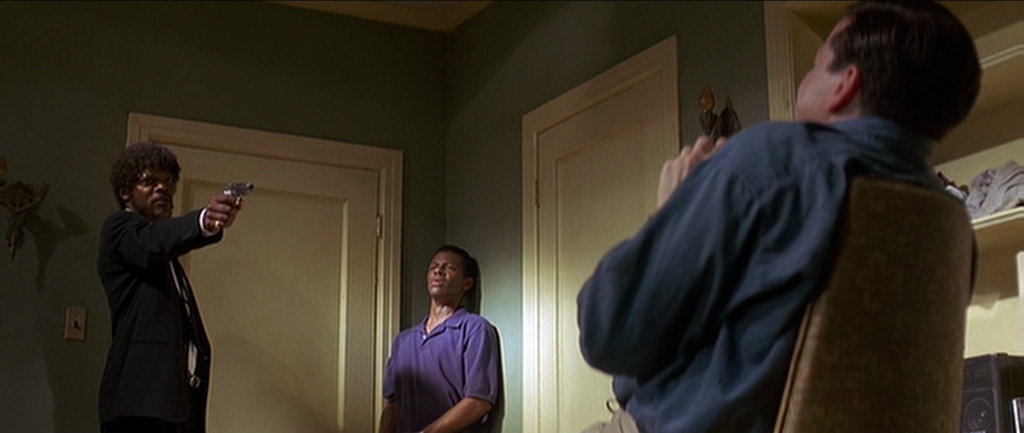
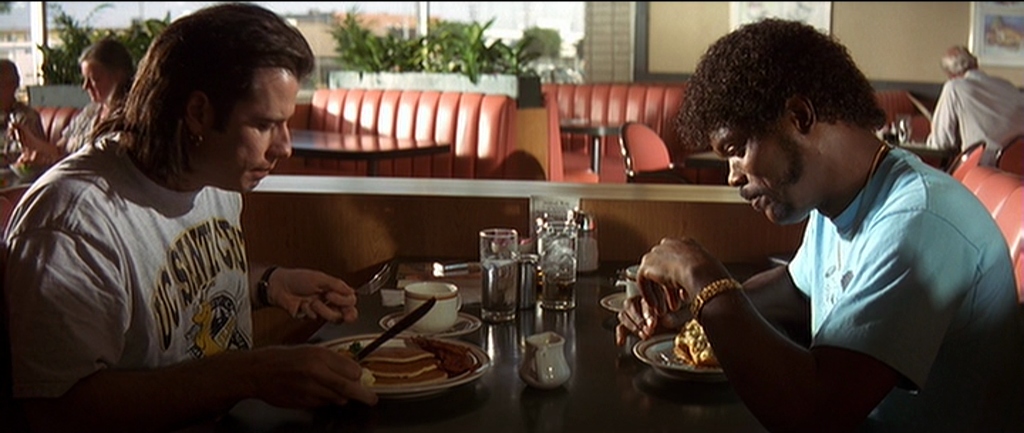
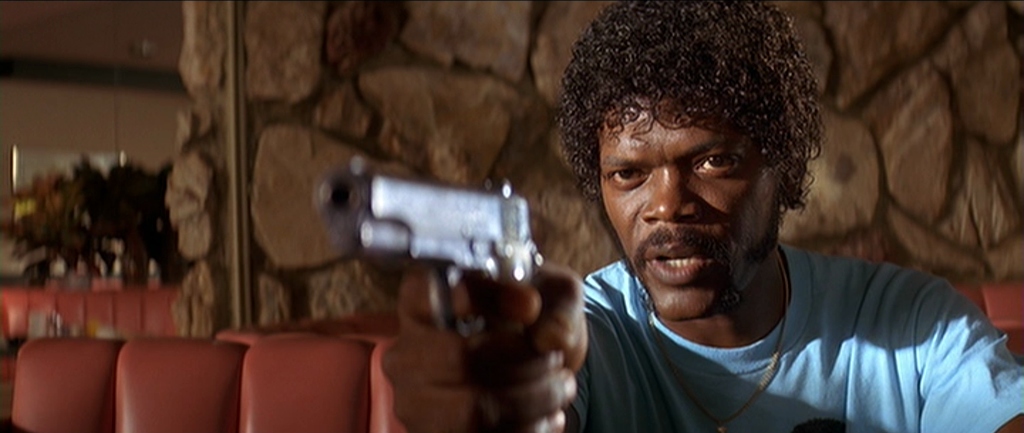
The first story involves Vincent Vega (John Travolta) and Jules Winnfield (Samuel L. Jackson), two hitmen working for gangster Marsellus Wallace (Ving Rhames). They are sent to retrieve a briefcase that Marsellus has entrusted to them. The briefcase, whose contents remain a mystery throughout the film, becomes the focal point of a tense encounter, which leads to the death of a few people. However, the hitmen’s philosophical conversation about life, faith, and the nature of their work becomes a hallmark of the film, with Jules delivering his iconic “Ezekiel 25:17” monologue before executing his targets.
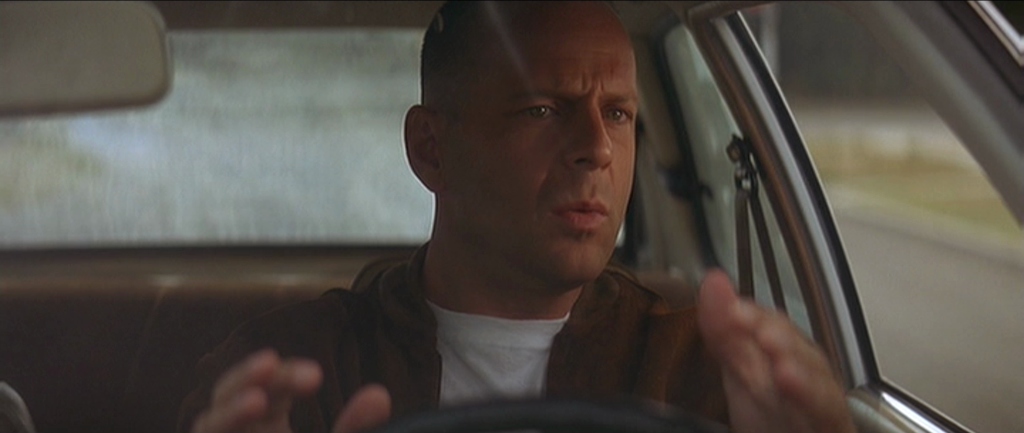
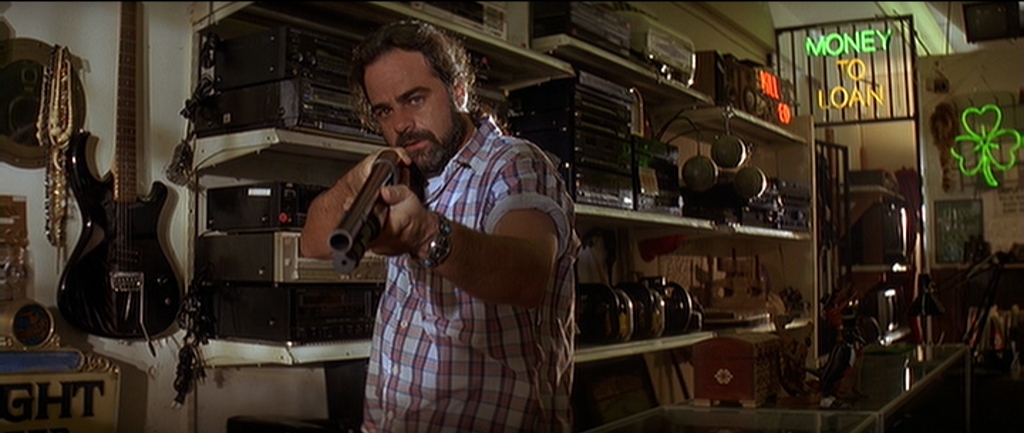


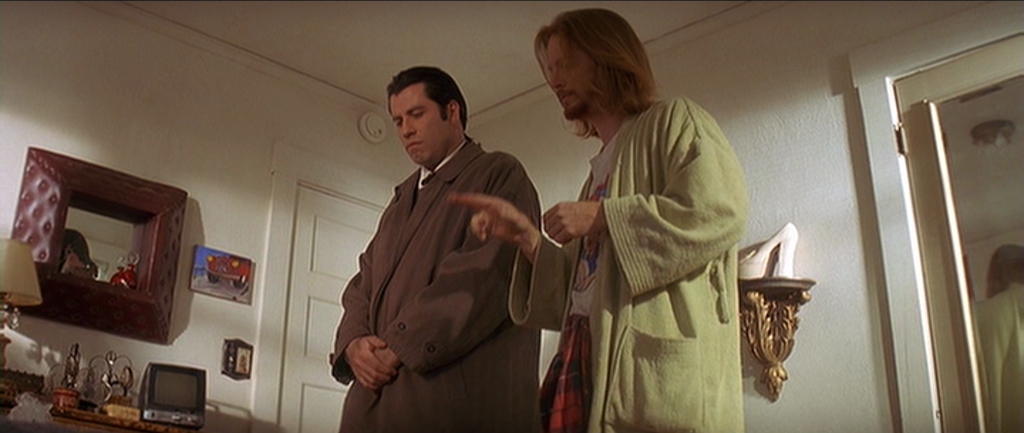
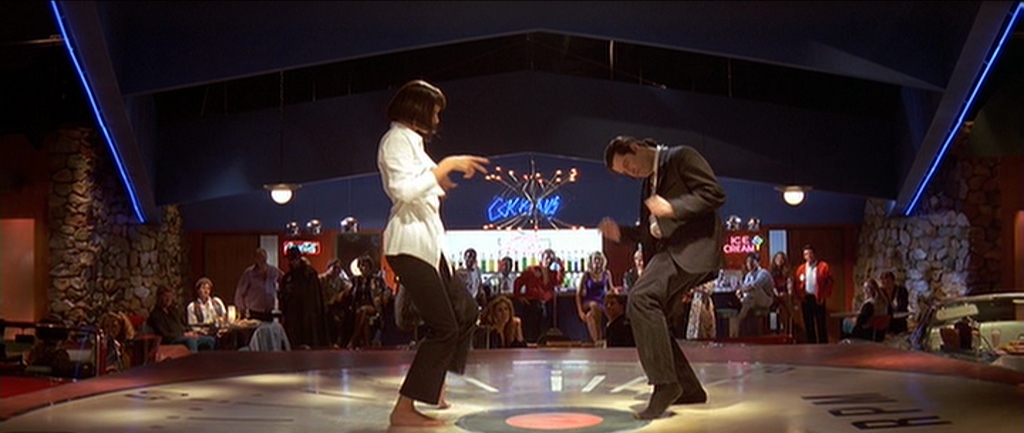
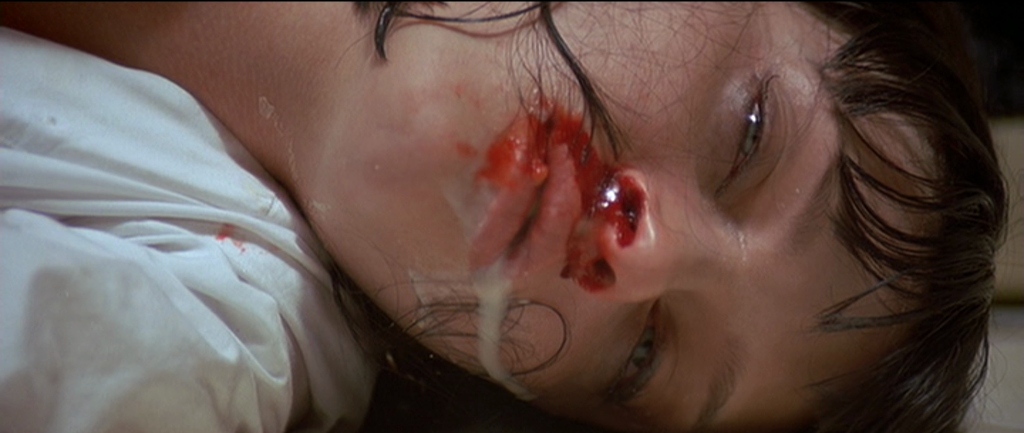
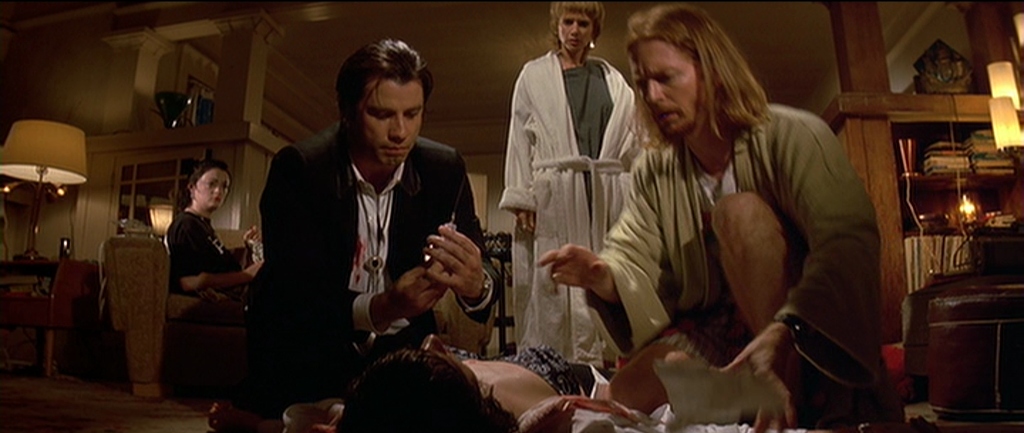
The second story focuses on Vincent and his interactions with Mia Wallace (Uma Thurman), Marsellus Wallace’s wife. Vincent is tasked with taking Mia out for an evening while Marsellus is out of town. Their night together—ranging from a quirky dinner at a retro-themed diner to an iconic dance contest—takes a dark turn when Mia accidentally overdoses on heroin. This leads to a tense sequence where Vincent, desperate to save her, must find help from the infamous Lance (Eric Stoltz), a drug dealer, to revive her. Their night together, especially the surreal dance scene, provides one of the film’s most memorable moments.


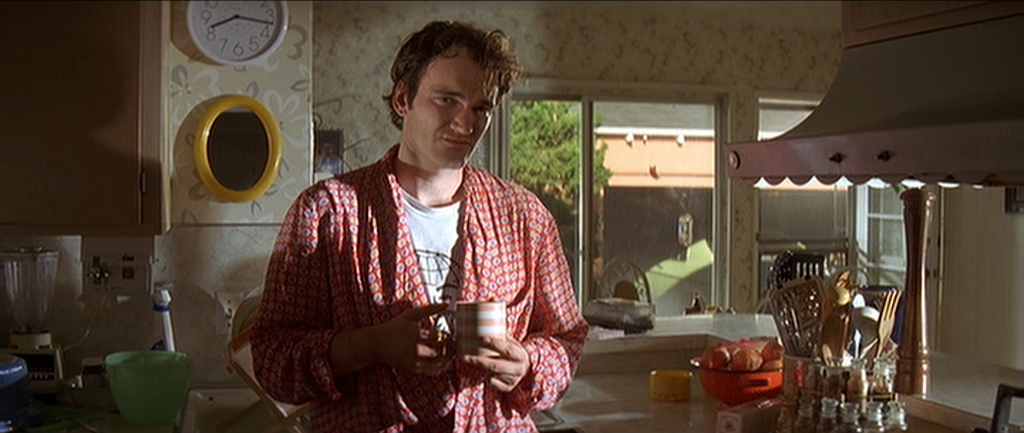
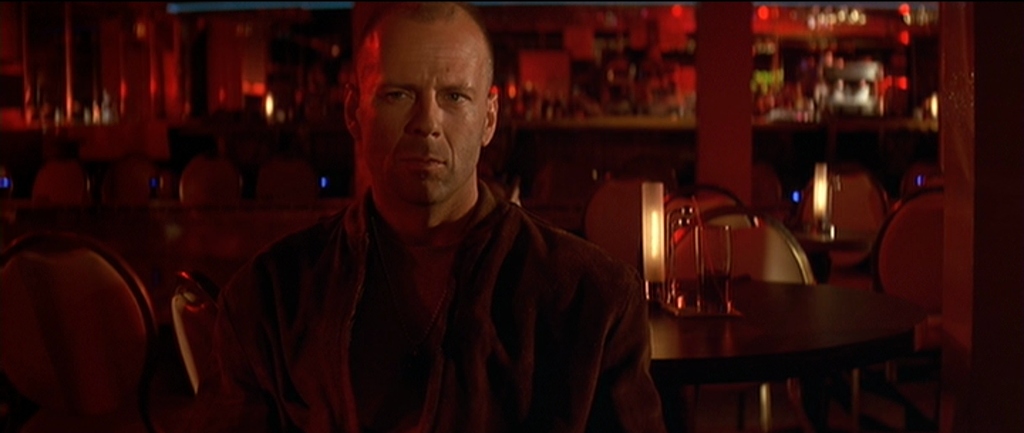
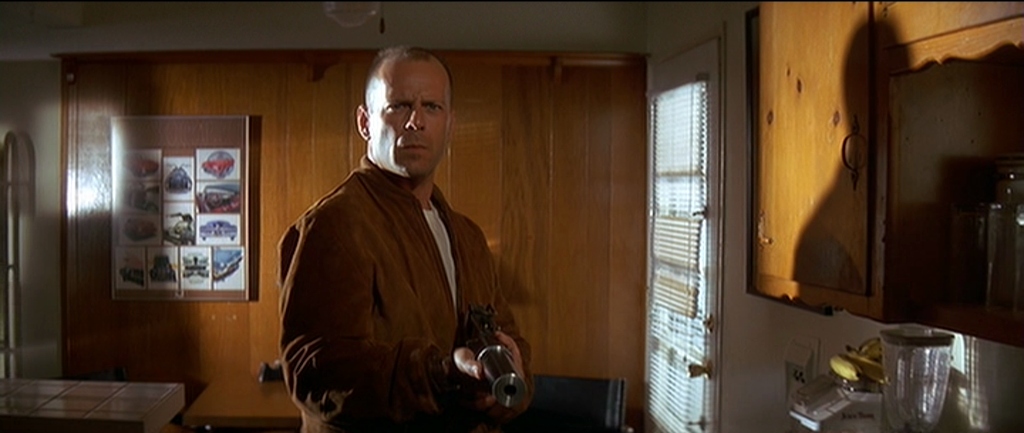
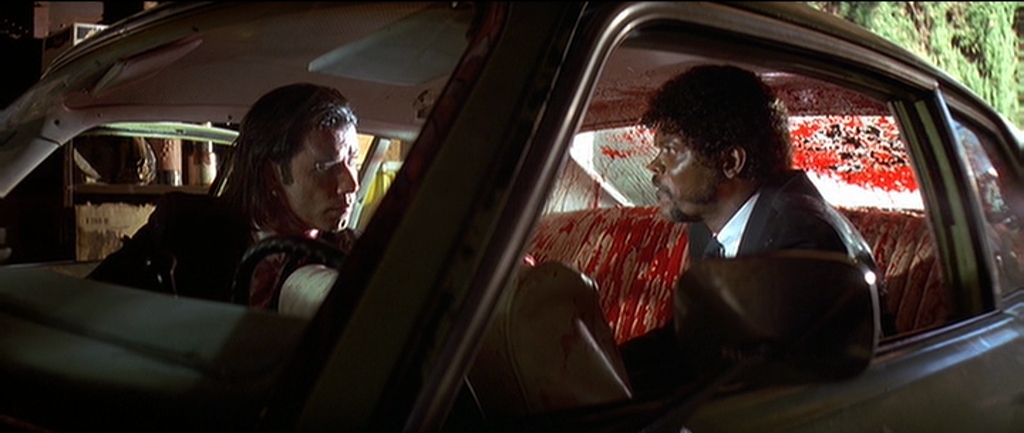
The third story revolves around the aftermath of Vincent and Jules’ earlier job. They find themselves in a moral quandary when their associate Butch Coolidge (Bruce Willis), a boxer, double-crosses Marsellus by taking a bribe to throw a fight. Butch’s storyline becomes entangled with the hitmen’s fate when, after killing his opponent in the ring, Butch accidentally stumbles into a violent encounter involving Marsellus. Meanwhile, Vincent and Jules are involved in cleaning up a messy situation after accidentally shooting a man in their car, and they seek the help of a “fixer,” The Wolf (Harvey Keitel), who helps them clean up the mess.
Butch’s storyline culminates in a violent confrontation with Marsellus and a daring escape through a series of bizarre and darkly comic events. Ultimately, Butch’s fate is decided by his personal code of honor and a final, unexpected encounter in a pawn shop.
At the heart of Pulp Fiction is the idea of fate, choice, and redemption. Tarantino weaves together seemingly inconsequential moments—such as a humorous conversation about the “Royale with Cheese”—with the dark undercurrents of violence and morality. The characters are often caught in situations beyond their control, yet they react to those situations in ways that define their arcs. Jules, for example, has a moment of self-reflection following a near-death experience and contemplates his life choices, ultimately deciding to walk away from his life of crime.
The film is also renowned for its dialogue-heavy scenes, where characters engage in conversations that veer from trivial matters to life-altering decisions. The extended conversations about everything from fast food in Europe to the nature of fate serve to humanize the characters in a world dominated by brutality.
The narrative is ultimately cyclical, returning us to the opening diner robbery. Jules and Vincent, having survived the earlier chaos, now find themselves at the diner where Pumpkin and Honey Bunny are attempting their own robbery. The difference is that Jules, having undergone a spiritual awakening, decides to intervene, turning the tables on the would-be robbers and choosing to leave the criminal life behind.
The film ends with Jules and Vincent walking out of the diner, leaving the audience to consider the implications of their actions and choices.

Pulp Fiction is known for its non-linear narrative structure, which disrupts traditional storytelling. This keeps viewers engaged and forces them to piece together the story as it unfolds. The film also blends crime, black comedy, and neo-noir genres while referencing and subverting cinematic tropes.
Another defining characteristic of the film is Tarantino’s use of violence. While graphic and often brutal, the violence is presented with a sense of irreverence and stylization that is typical of Tarantino’s approach. It is never gratuitous but instead serves as a commentary on the absurdity and unpredictability of life in the criminal underworld.
 The Other Cinema