

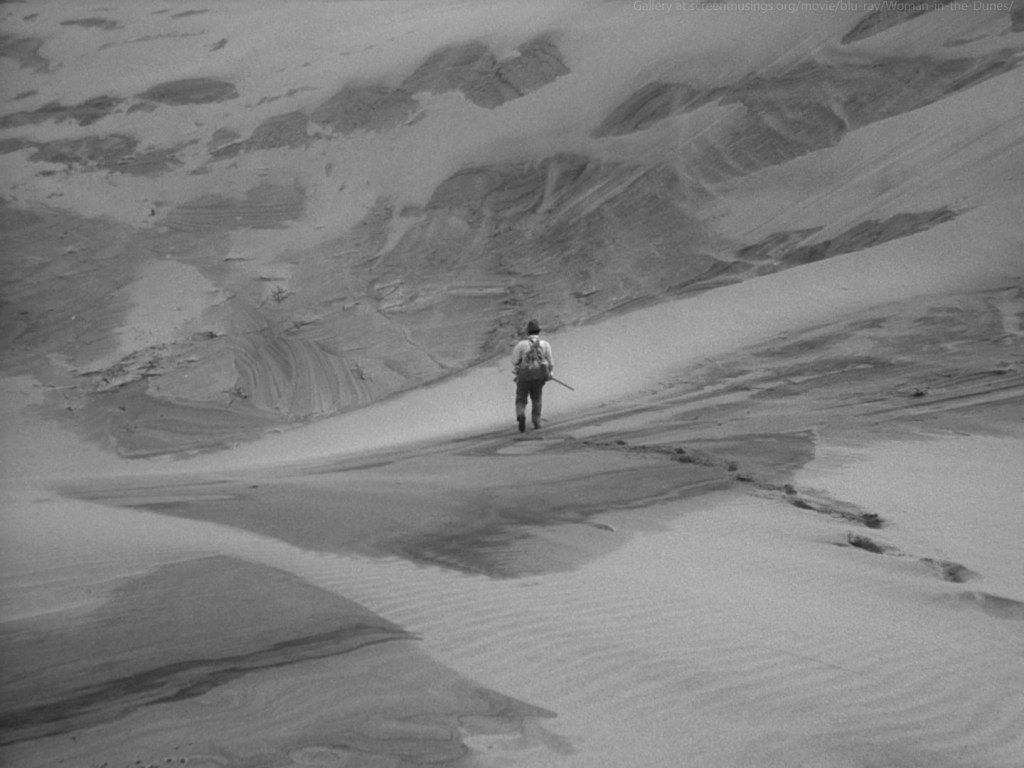
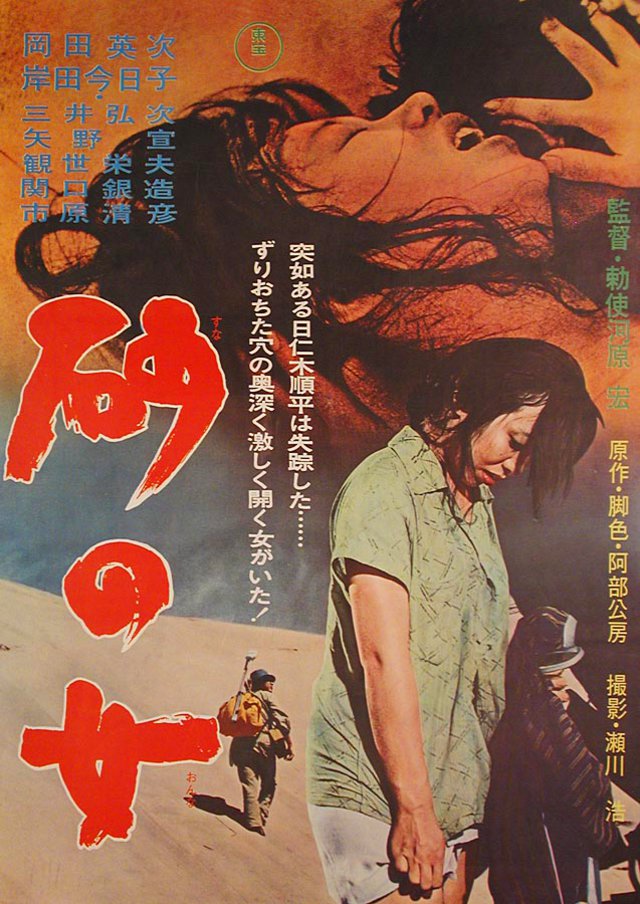
“The Woman in the Dunes” (Suna no Onna) is a 1964 film directed by Hiroshi Teshigahara and based on the novel by Kōbō Abe. It is a surreal, psychological drama that explores themes of isolation, existentialism, and the human struggle for meaning in a seemingly indifferent world. The film is one of the most important works of Japanese cinema from the 1960s and is noted for its haunting imagery, symbolic content, and philosophical depth.

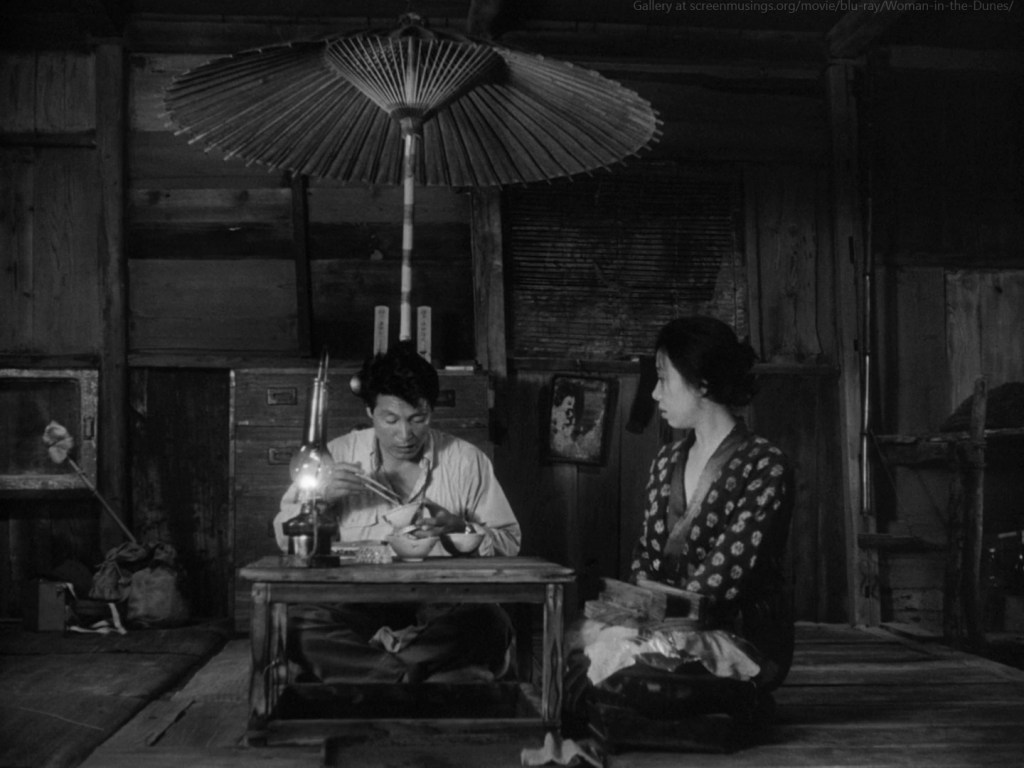

The film follows Niki Jumpei (Eiji Okada), a schoolteacher and amateur entomologist, who, while on an expedition to collect rare insects in a remote coastal area, becomes trapped in a bizarre and unsettling situation. Hoping to study the local insects, Niki travels to a small, desolate village near sand dunes. When he arrives, he is invited by the villagers to stay in a secluded house, which turns out to be a hut buried in a vast sandpit. The home is inhabited by a mysterious woman, The Woman in the Dunes (Kyoko Kishida), who lives a monotonous and seemingly purposeless life, constantly shoveling sand to prevent the house from being buried by the encroaching dunes.
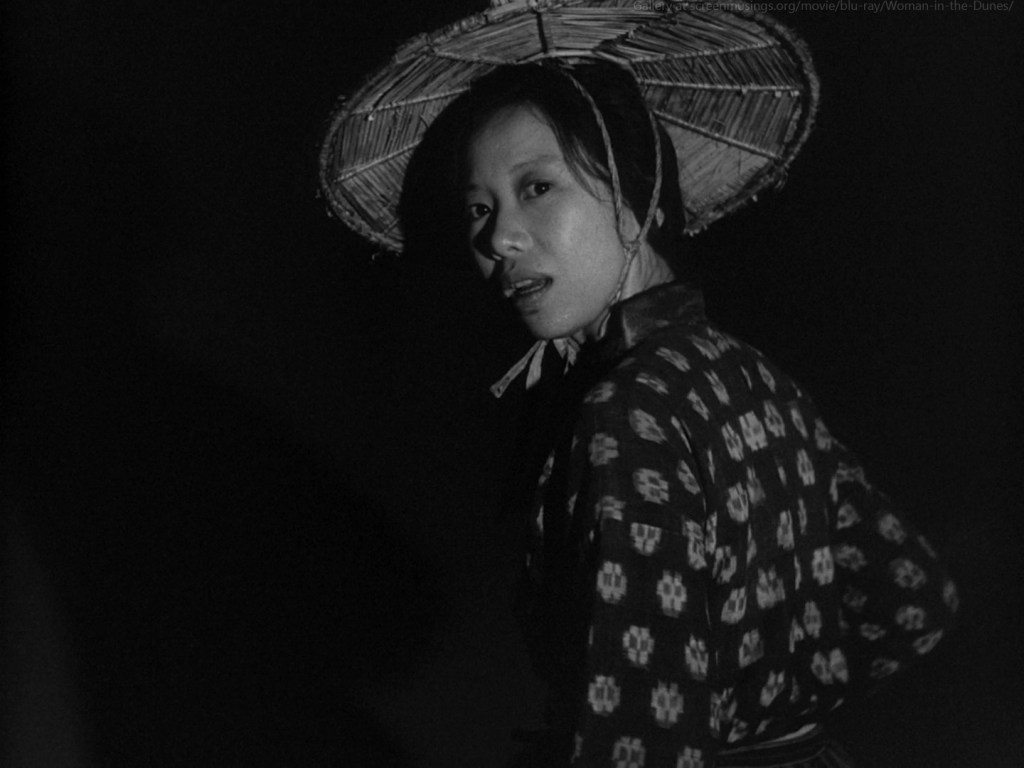





Initially, Niki believes that he will be able to leave the village and return to his regular life after his brief stay. However, after the woman and the villagers trap him in the sandpit, he discovers he cannot escape. The sand dunes are constantly shifting and threatening to bury the house, and he soon realizes that he has become trapped in a kind of prison, forced to live in a cycle of repetitive labor with no clear purpose or direction.
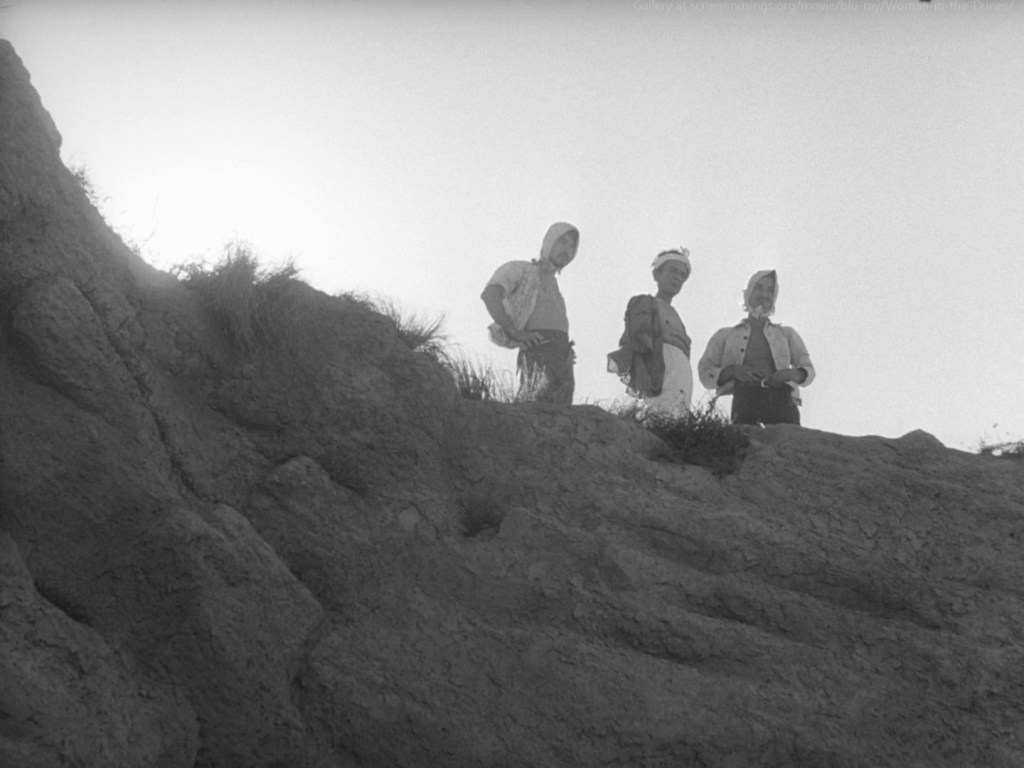
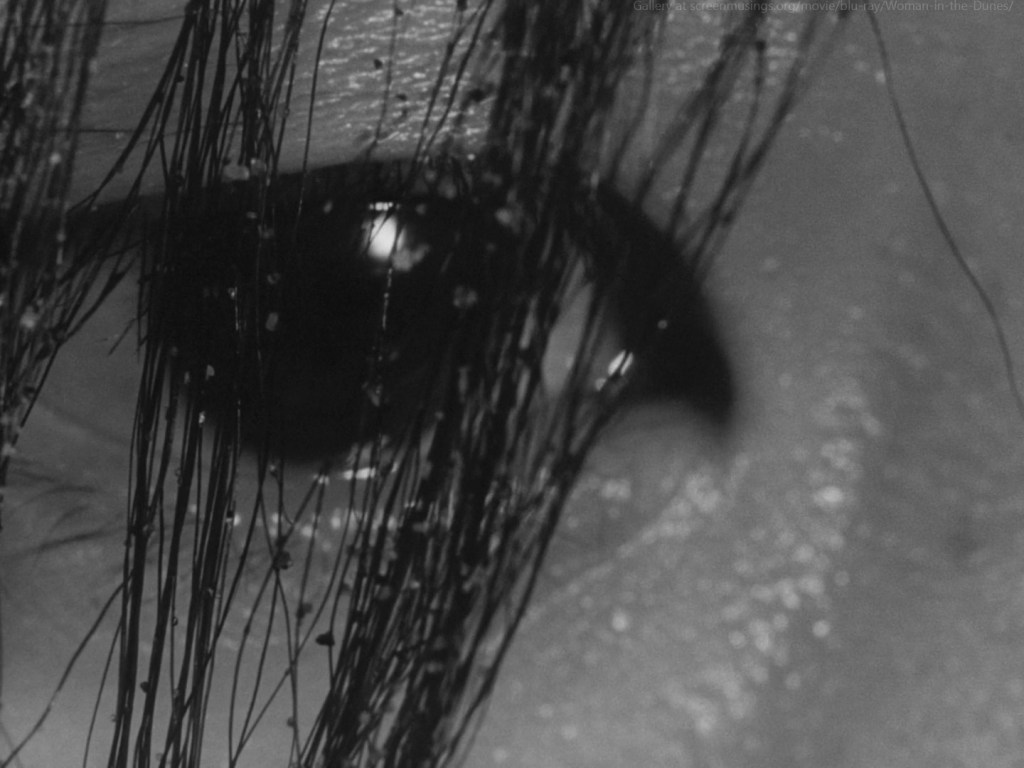




Niki forms a strange, complex relationship with the woman in this isolated environment. She explains that she has lived there for many years, trapped by the same circumstances and that her existence revolves around the never-ending task of shoveling sand. Initially resistant and desperate to escape, Niki eventually succumbs to the ritualistic nature of life in the dunes, his sense of time, identity, and freedom slowly eroding. His emotional and psychological state becomes entangled with the woman’s existence, and the film begins to explore the blurred lines between victim and perpetrator, freedom and enslavement.
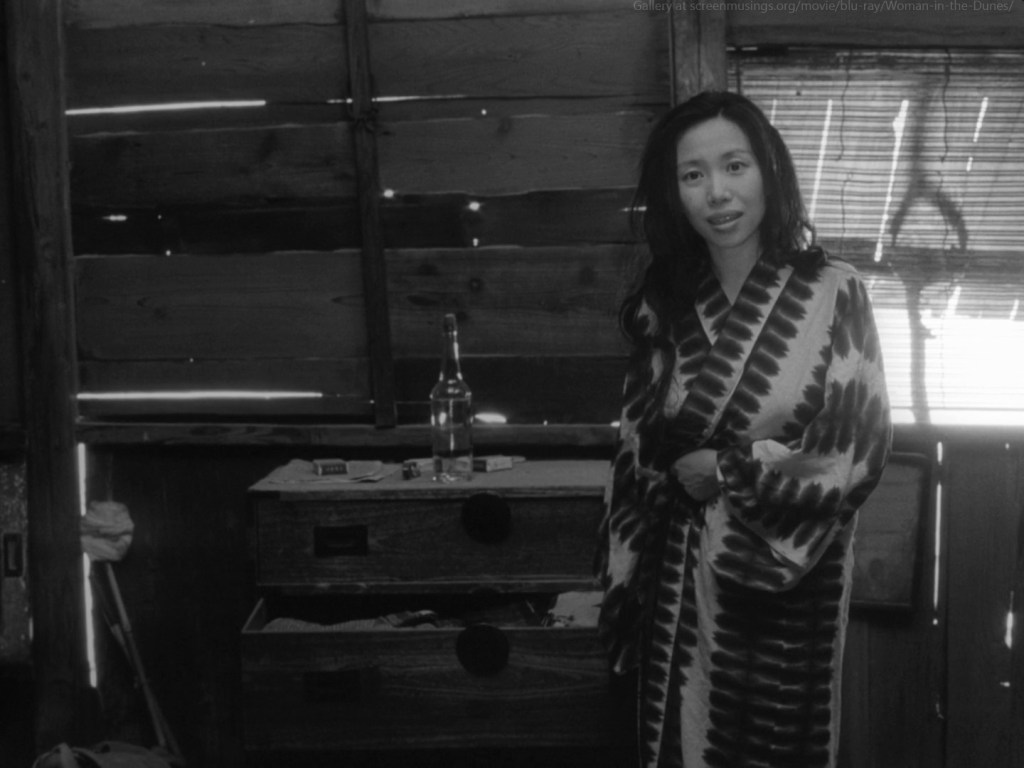
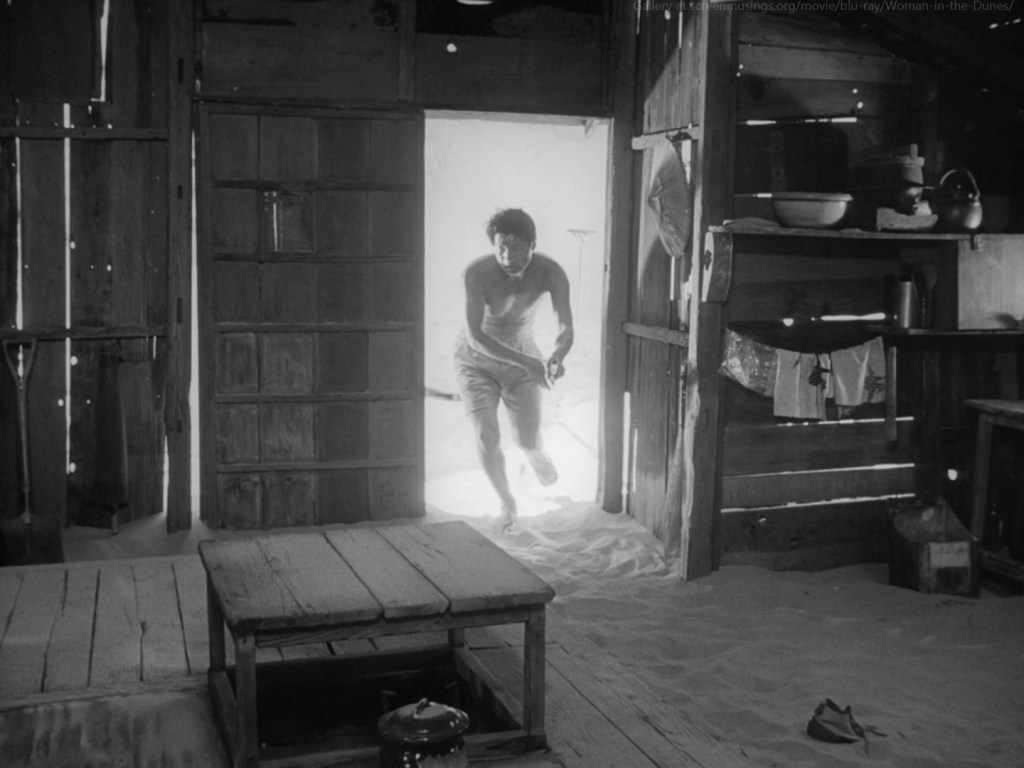

As Niki spends more time in the sandpit, the once-pristine image of his entomological pursuits and his desire for freedom fade into a more primal struggle for survival. The sand, an ever-present and suffocating element, symbolizes life’s inescapable, relentless forces that entrap individuals in existential struggles. The dunes and the act of shoveling sand take on deep symbolic significance, representing the futility and repetitiveness of life, the inevitability of death, and the human need to find meaning in a world that offers no guarantees or answers.
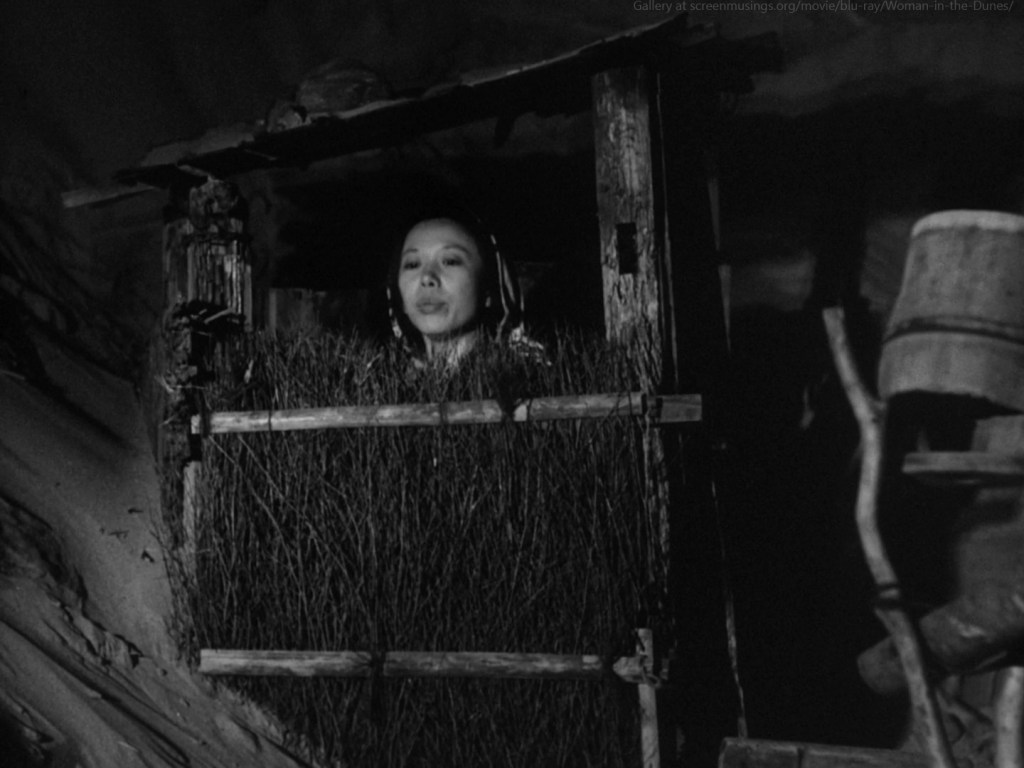


The woman’s role in this process is both enigmatic and deeply tragic. She seems to accept her fate with quiet resignation, yet her interactions with Niki suggest a deep yearning for escape or change. The film is also concerned with the concept of gender, as Niki’s growing dependence on the woman and his realization of his own helplessness forces him to confront the dynamics of power, submission, and the limits of human agency.


The relationship between Niki and the woman evolves from one of tension and hostility to a more intimate, almost symbiotic connection. Over time, the sandpit becomes not just a physical prison but a metaphorical space where the boundaries between the characters’ identities and roles in society become increasingly fluid and indistinct. The woman, at first seemingly passive and resigned, begins to show glimpses of strength, while Niki’s initial sense of self-assurance and control slowly crumbles.
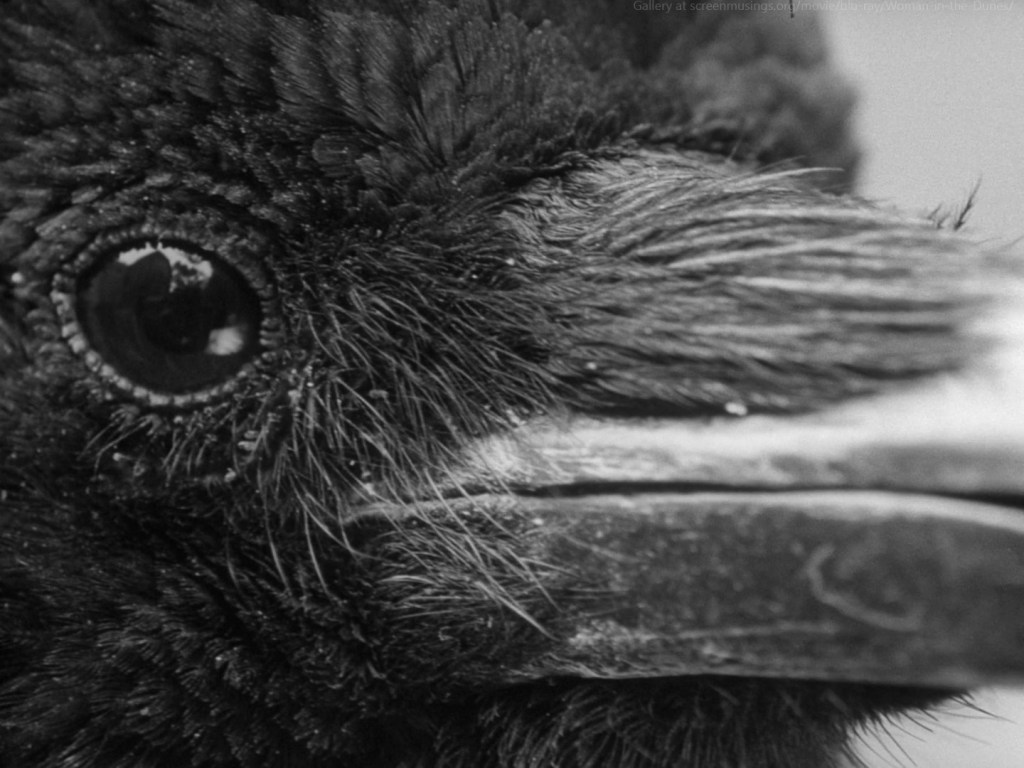
The film’s minimalist style and stark cinematography further amplify the existential themes at its core. Teshigahara’s use of sand as a visual motif is central to the film’s atmosphere, with the dunes seeming to possess a life of their own. The sense of suffocating confinement is underscored by the repetitive nature of the characters’ labor and the relentless, shifting sands that symbolize the passage of time and the overwhelming forces of nature.

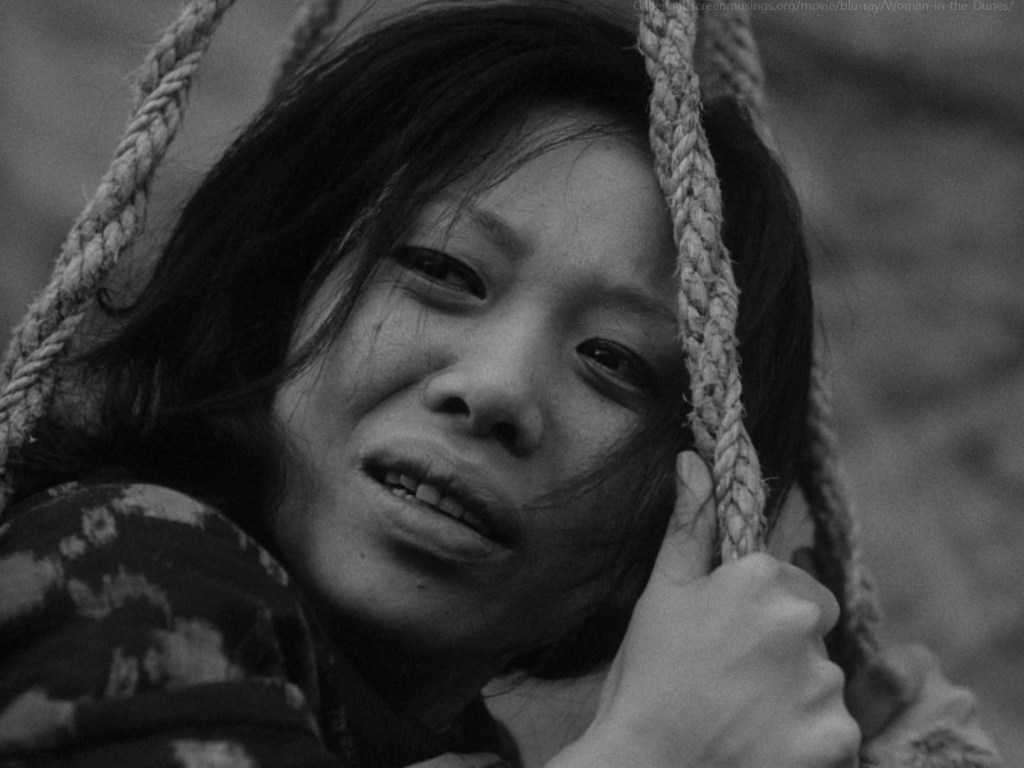
The narrative itself is ambiguous, leaving much to interpretation. The villagers’ role remains vague, and their reasons for keeping Niki trapped in the dunes are never fully explained, adding to the film’s sense of absurdity and mystery.
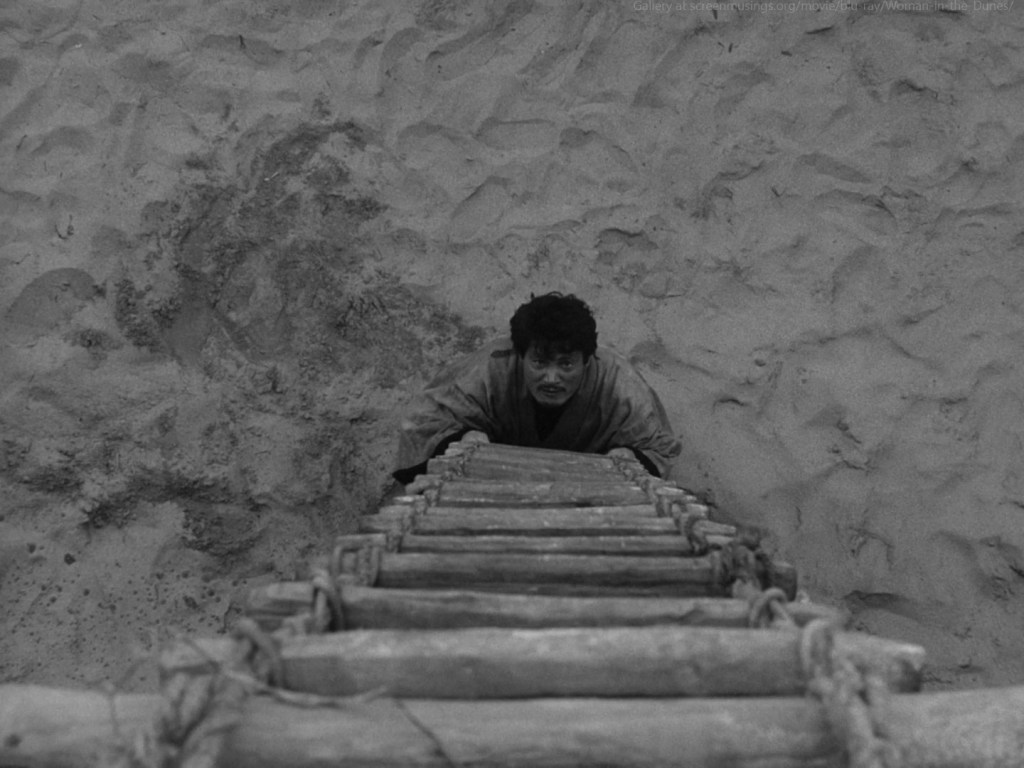
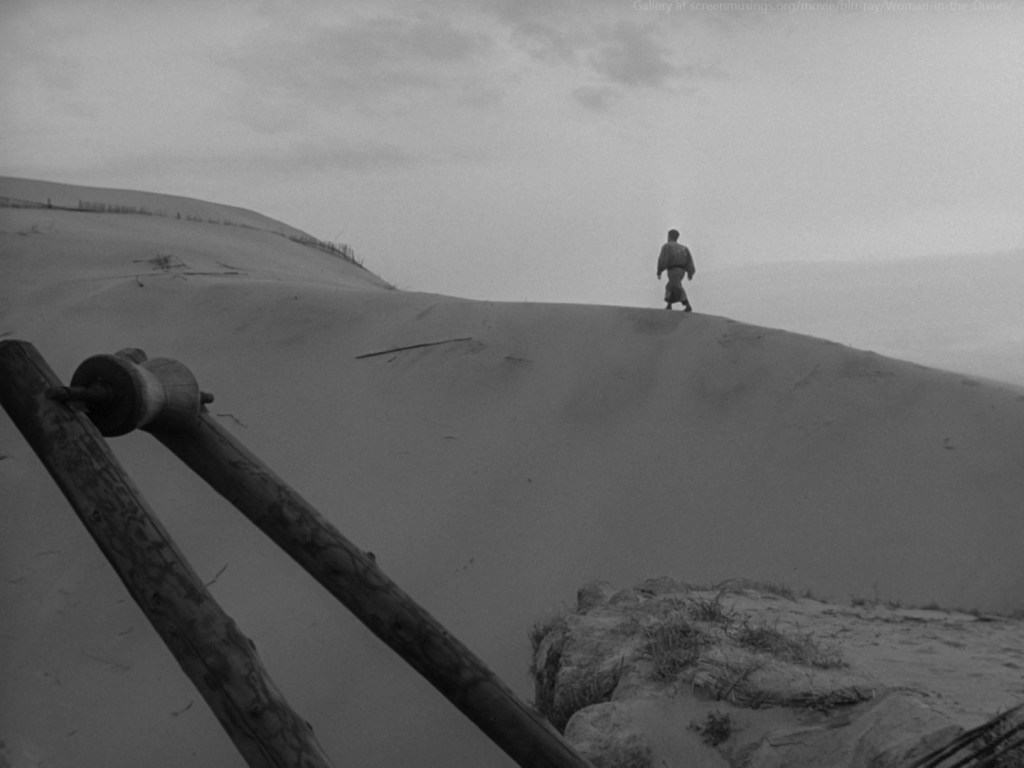
The Woman in the Dunes explores themes of alienation, isolation, and the meaning of existence. It examines how people are trapped by their circumstances and societal expectations and how they attempt to find meaning in a world that often appears indifferent to their suffering. The film’s surreal, dreamlike quality enhances its philosophical undertones, blending psychological and existential concerns with a heightened sense of reality.

The film’s striking visual style, which includes close-ups of the characters’ faces and the omnipresent sand, creates a sense of suffocating tension, reinforcing the film’s themes of entrapment and struggle. The sand becomes a powerful symbol of life and death—an ever-present force that erodes, buries, and suffocates yet also forms the foundation of the character’s existence. The repetitiveness of the sand shoveling ritual underscores the futility of human effort in the face of overwhelming natural forces.
 The Other Cinema