


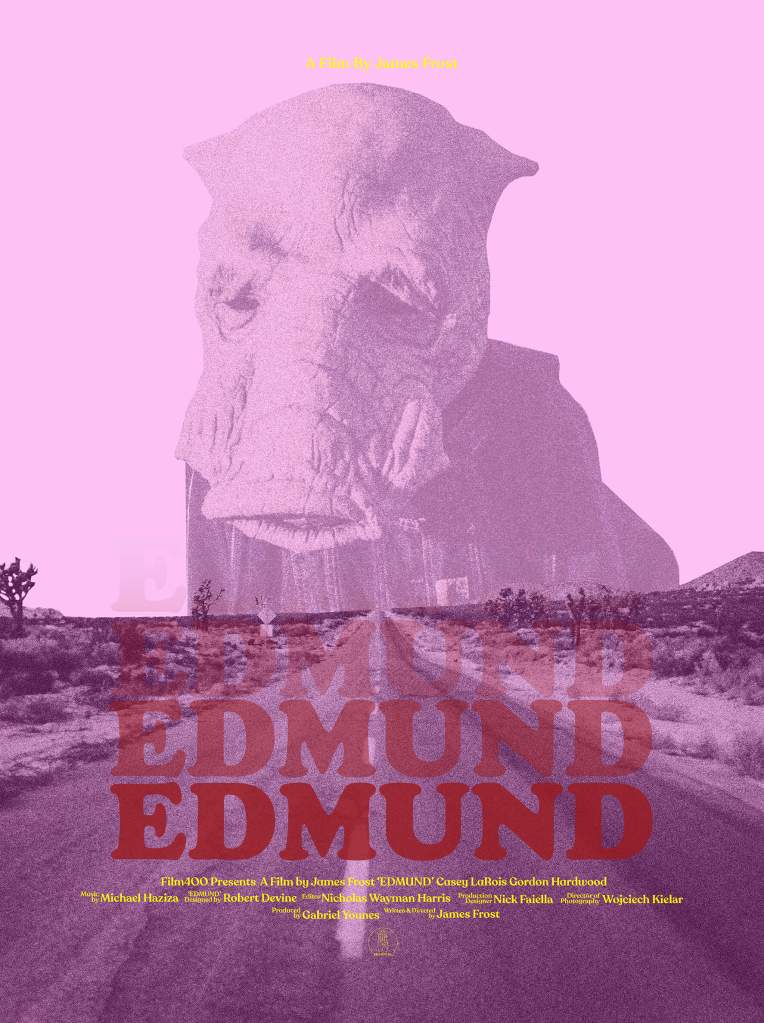
“Edmund” is a 2024 short sci-fi drama by writer and director James Frost. This poignant little film unfolds on the final day of an extraterrestrial being’s sojourn on Earth, encapsulating themes of isolation and longing within a world that simultaneously embraces and alienates him. It’s set in a near future where aliens coexist alongside humans in a tumultuous society marked by marginalization, pervasive hatred, and deepening polarization.


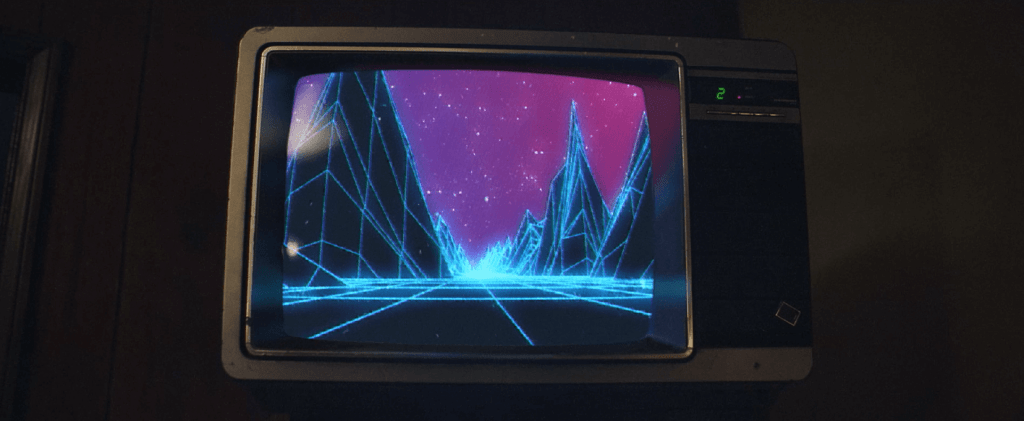

As the story begins, we find Edmund, portrayed by Casey LaRios, reclining on a disheveled bed, his gaze fixed on the flickering screen of mundane images on the wall-mounted TV. The dim light casts shadows across the room, highlighting the chaos of his surroundings. Scattered among his collected trinkets, an array of empty milk cartons clutter the space, symbolizing the remnants of a life lived on the fringe of human society. Each object tells a story, drawing viewers into the emotional weight of his final hours on Earth before he embarks on his journey back to a home that may feel just as distant as the stars themselves.

We cut to a clock showing 7:00 a.m. and find Edmund sitting at the foot of the bed, taking deep breaths as he comes to terms with the tasks that await him. He packs the last of his belongings into a duffle bag and, before leaving the room, takes one final deep breath, mentally preparing for whatever lies ahead.


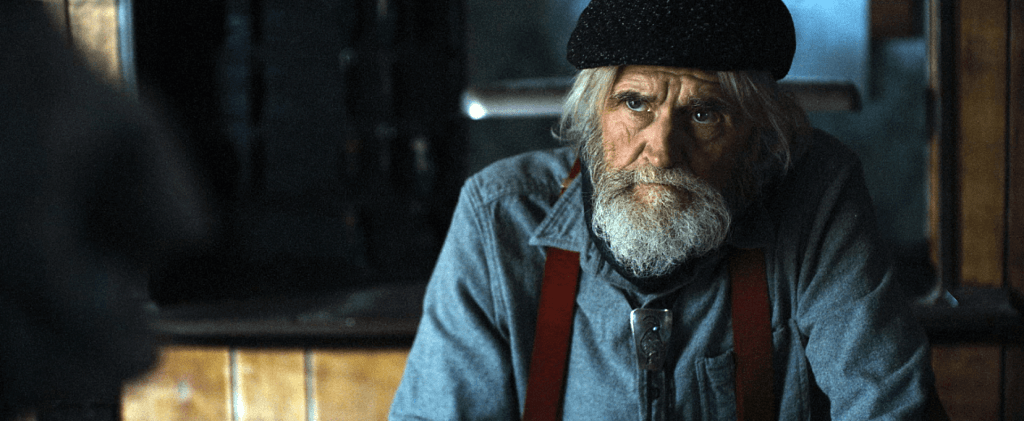
As he exits, we see that he is in a motel room. He walks down a hallway where he encounters a couple of elderly guests packing their car. The husband hurriedly instructs his wife to look away. Upon entering the office, Edmund returns the key to his room, but the clerk, played by Harwood Gordon (credited as Gordon Harwood), dismisses him with disdain.


Next, we see Edmund alone, walking along an empty stretch of desert highway. Suddenly, a car full of teenagers pulls up beside him. We hear them mock and tease him, and one of them leans out the window, throws a can at him (which misses), and casually insults him by calling him a “fucking loser.”


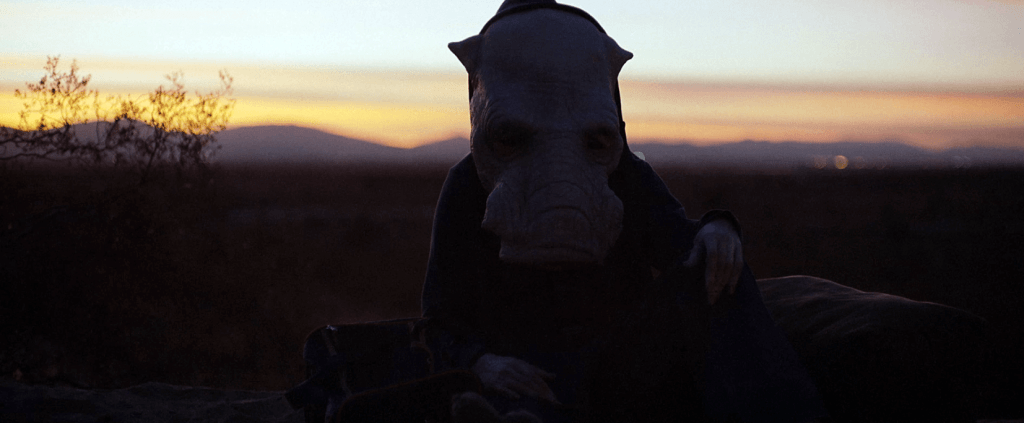

As the night begins to fall, Edmund sits alongside the road. He opens a bag, and we see a tortoise inside, perhaps the one thing that he treasures from Earth and is taking home with him on his journey home.
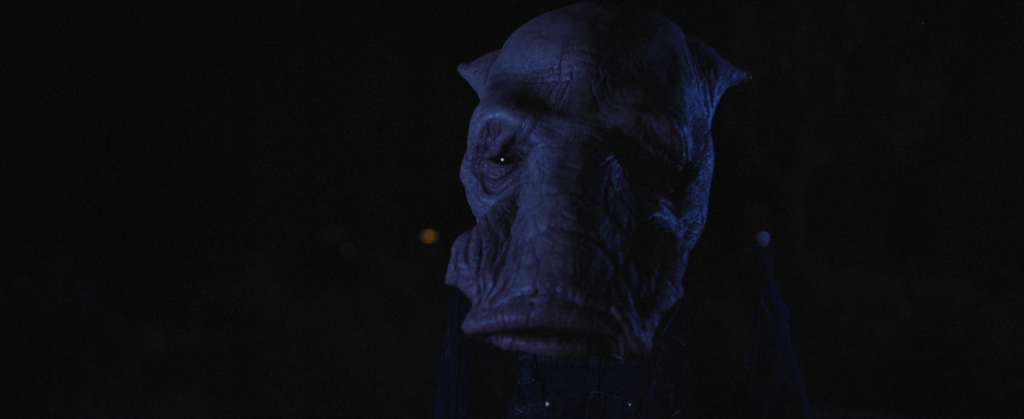
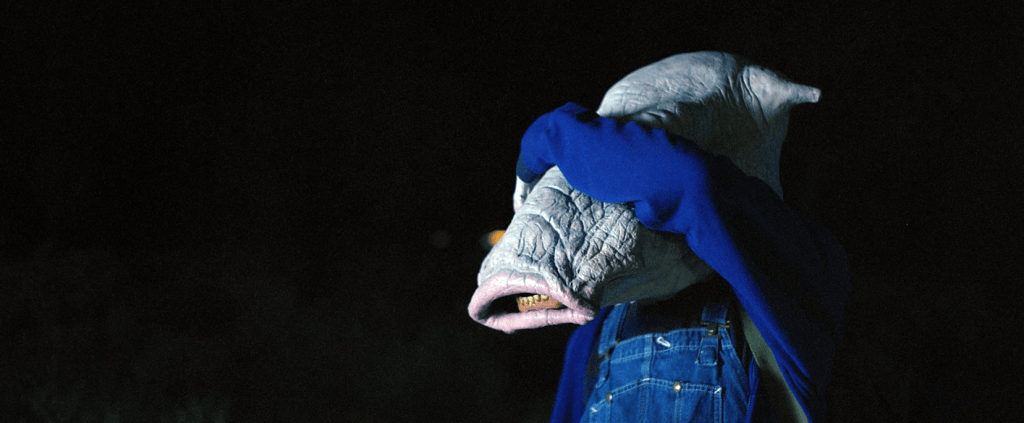
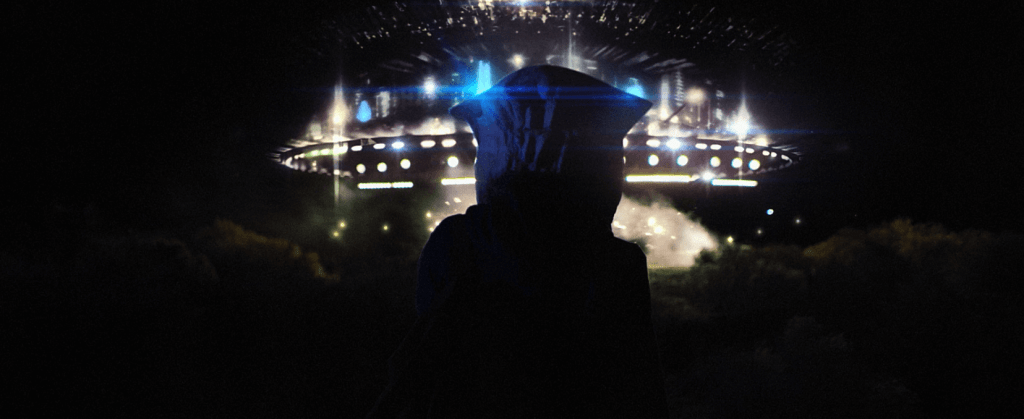
We then cut to a scene where a lonely car drives off into the distance, revealing Edmund’s silhouette in darkness on the side of the road. Once the vehicle is safely far away, Edmund pauses and suddenly turns purposefully to the right. He stands still momentarily and then is enveloped in a bright light. As the camera shifts, we reveal a large spaceship awaiting him, reminiscent of the film “E.T.” At this point, the music (composed by Michael Haziza) swells into an optimistic wall of sound. Edmund dramatically approaches the light in slow motion, embodying both adulation and desperation. Suddenly, the scene falls silent as if a switch has been flipped. We see a small bright dot rising into the sky, gaining speed as it ascends, until suddenly it has gone, accompanied by a simple high note on the piano.



Edmund delves into profound themes of isolation and loneliness, exploring how individuals often feel alienated in a society prioritizing marginalization over acceptance. His narrative illustrates the emotional landscapes of those who feel disconnected and overlooked, highlighting their struggles in seeking belonging and understanding. Through vivid character portrayals and poignant situations, Edmund reveals the painful effects of societal rejection and the longing for connection that resonates deeply within the human experience.

- Note: James Frost, the director (and curator of this site), explained at the LA Shorts Festival last year that the film had a very poignant meaning to him. His editor was dying of cancer as they made the film, and it was eventually finished after his death. So, the scene at the end with the spaceship propelling towards the sky became a metaphor for that moment when he was suddenly gone, which makes for an even more emotional reflection of the film.
 The Other Cinema