




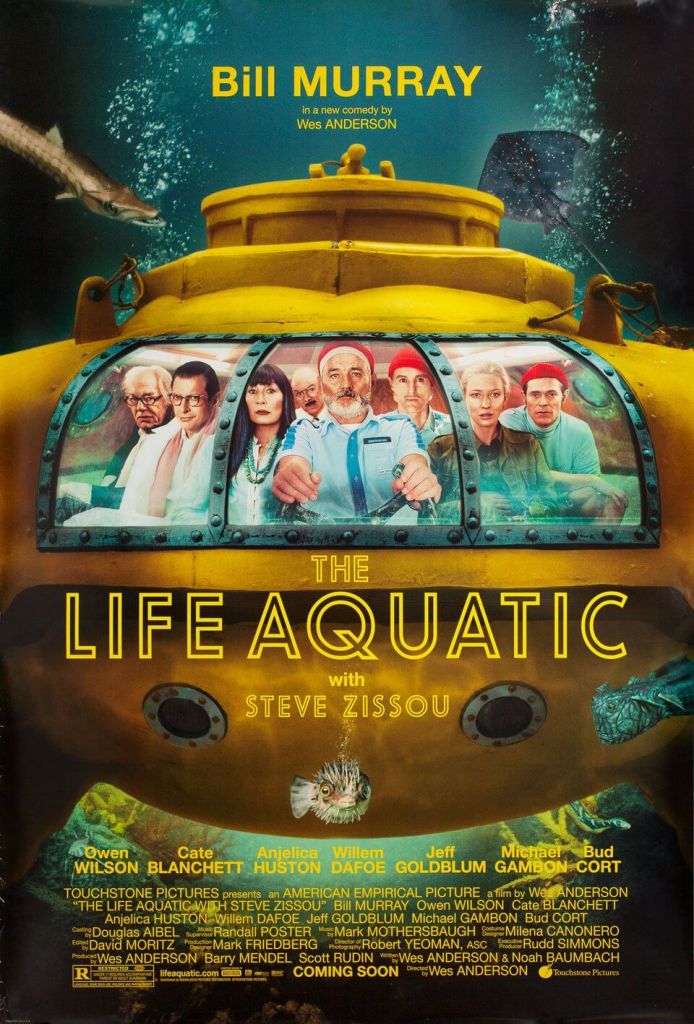
“The Life Aquatic with Steve Zissou” is a 2005 quirky comedy-drama directed by Wes Anderson. The film follows Steve Zissou (Bill Murray), a washed-up oceanographer and filmmaker, on a final, eccentric expedition to seek revenge on a rare jaguar shark that killed his partner and best friend, Esteban.
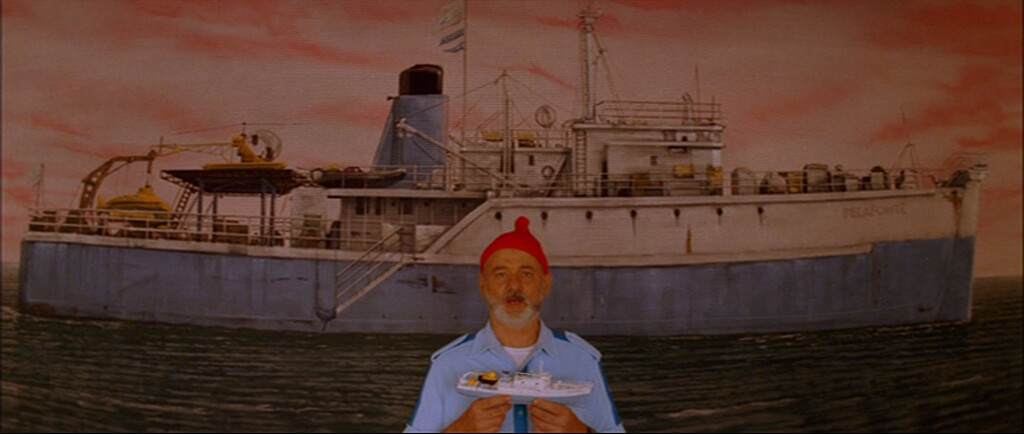
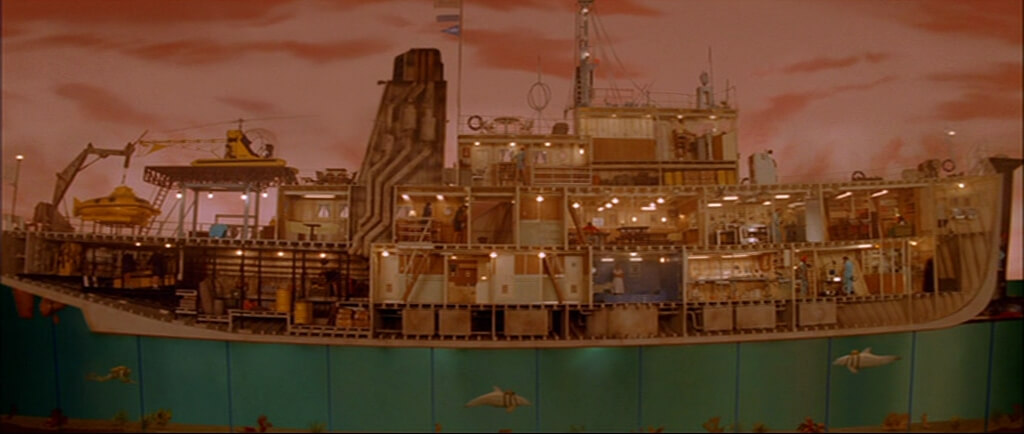

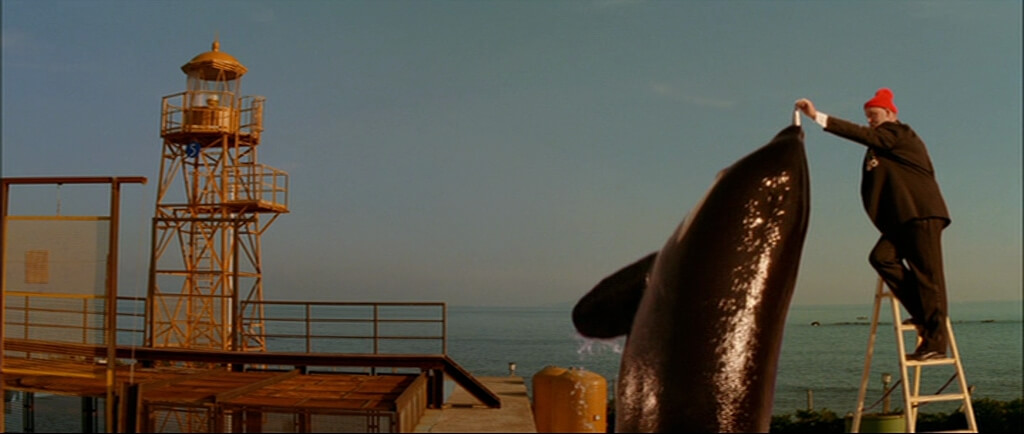
The story opens with Steve Zissou’s latest documentary project, which has been marred by failure and personal loss. Steve is struggling both professionally and personally: his films are no longer the cinematic wonders they once were, and his crew, once loyal, is now disillusioned. His wife Eleanor (Anjelica Huston) is detached and increasingly frustrated by Steve’s self-centeredness, and his right-hand man Klaus (Willem Dafoe) seems to harbor bitter feelings toward Steve.
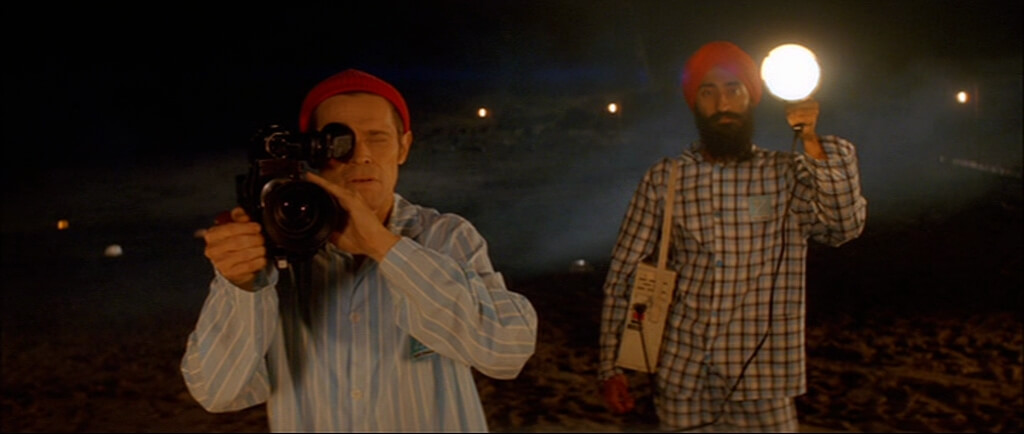

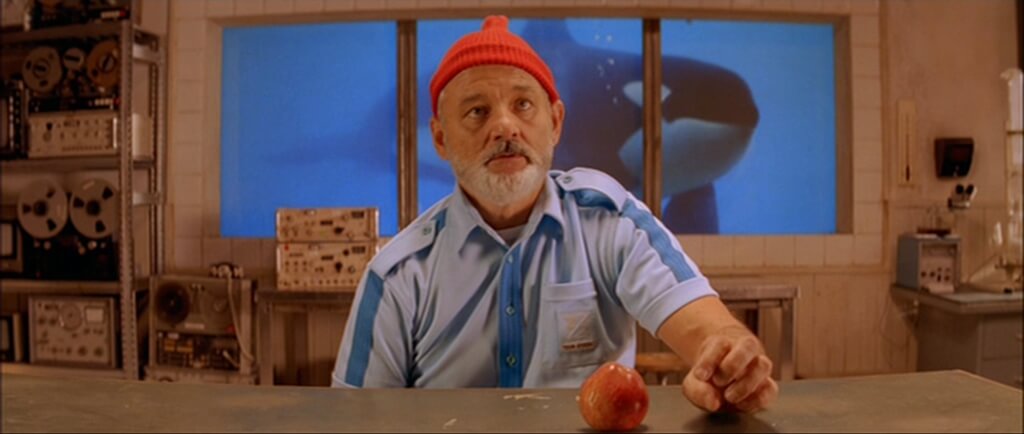

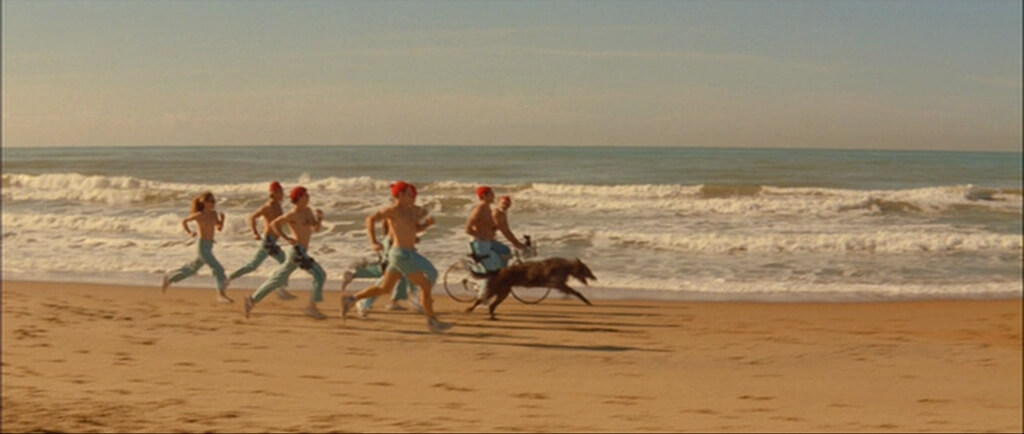
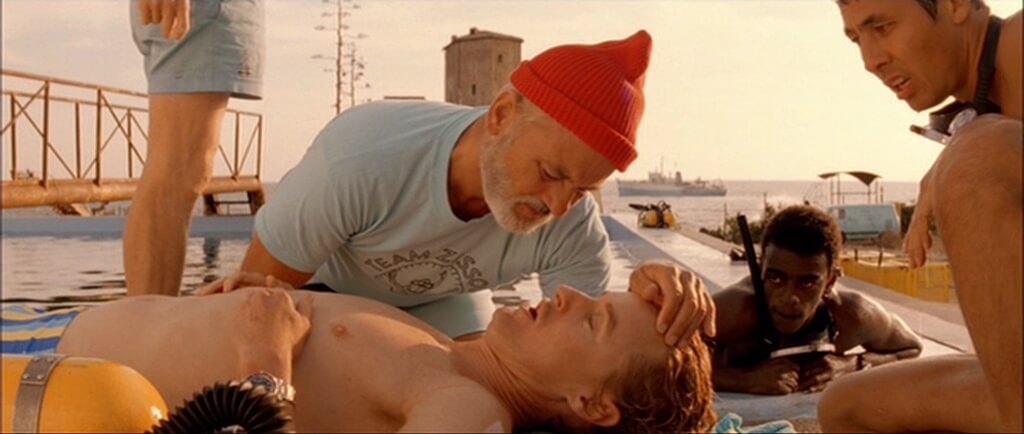
Steve’s world is turned upside down when a young man, Ned Plimpton (Owen Wilson), arrives on the scene and claims to be his son. This revelation sets off a chaotic journey that forces Steve to confront his own personal demons and unresolved relationships. Although initially skeptical, Steve reluctantly agrees to take Ned on his quest to find the jaguar shark.



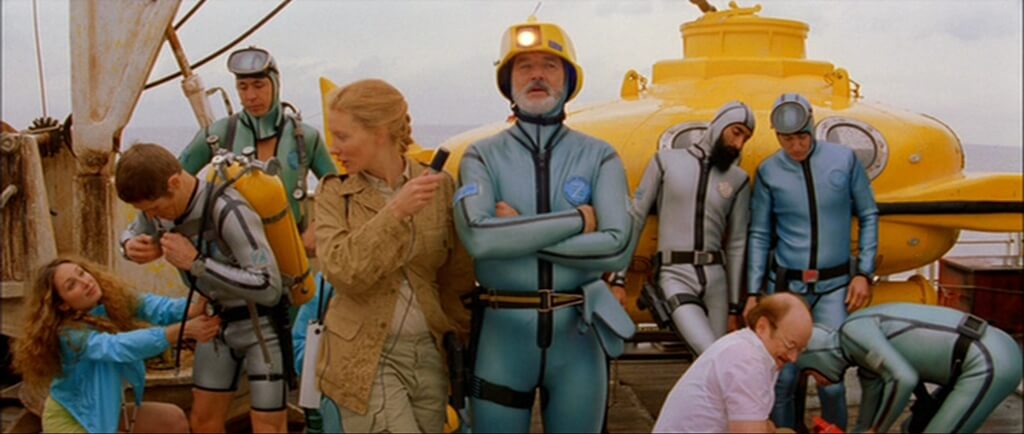



Along for the ride are a colorful assortment of characters, including Jane Winslett-Richardson (Cate Blanchett), a journalist covering Steve’s expedition, and Pelé dos Santos (Seu Jorge), a Brazilian musician who sings David Bowie songs in Portuguese on board the ship. The crew embarks on a bizarre journey through the high seas, encountering a series of obstacles and strange occurrences, including pirate attacks, hostile encounters with rival oceanographer Alistair Hennessey (Jeff Goldblum), and a series of surreal adventures that ultimately test Steve’s leadership, family relationships, and his understanding of his own identity.


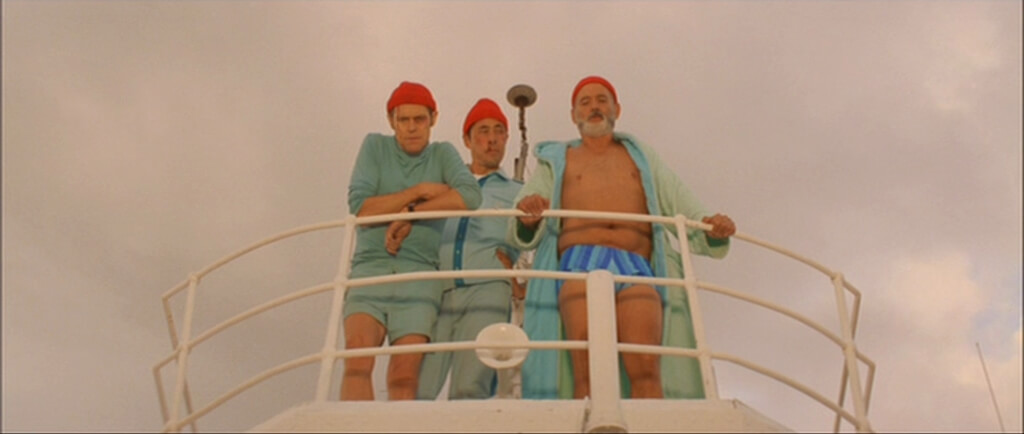
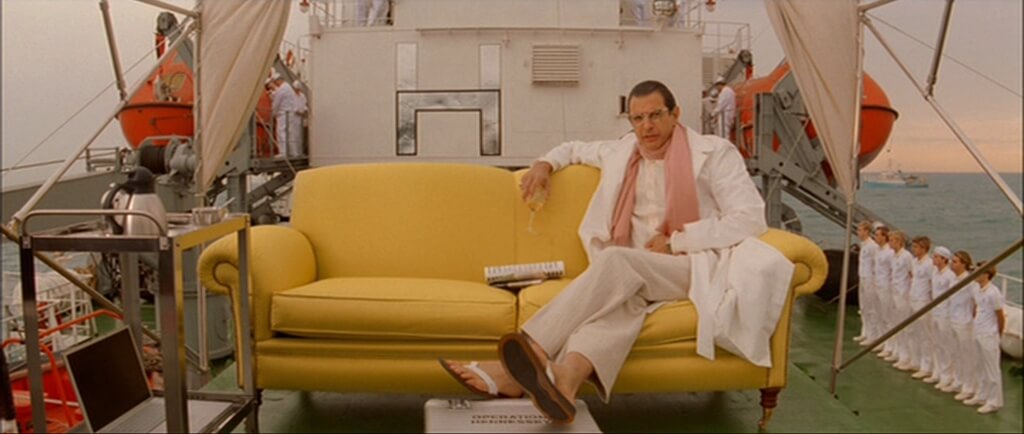

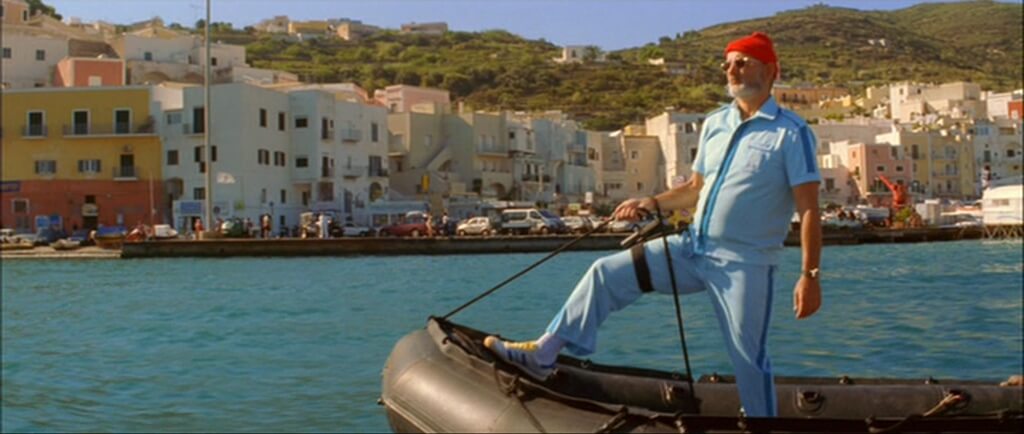
The expedition becomes as much about Steve’s relationship with those around him—especially with his son Ned and his wife Eleanor—as it is about his hunt for the elusive jaguar shark. The film also explores themes of fatherhood, mortality, legacy, and the absurdity of life. Steve’s inability to communicate openly or connect with others becomes a central obstacle to his personal growth, even as the crew rallies behind him.

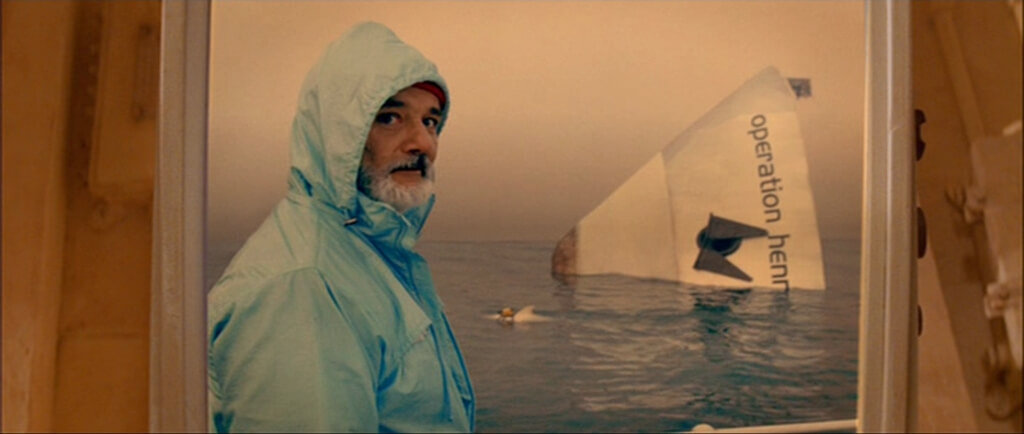

Visually, the film is a feast of meticulously crafted sets, both on the water and on the ship, as well as in the dreamlike sequences that blur the line between fantasy and reality. Anderson’s signature whimsical and highly stylized approach is evident in every detail, from the quirky costumes to the pastel-colored, retro-futuristic look of the ocean liner, the Belafonte, to the way the characters speak and interact in a world that seems to exist in its own peculiar bubble.

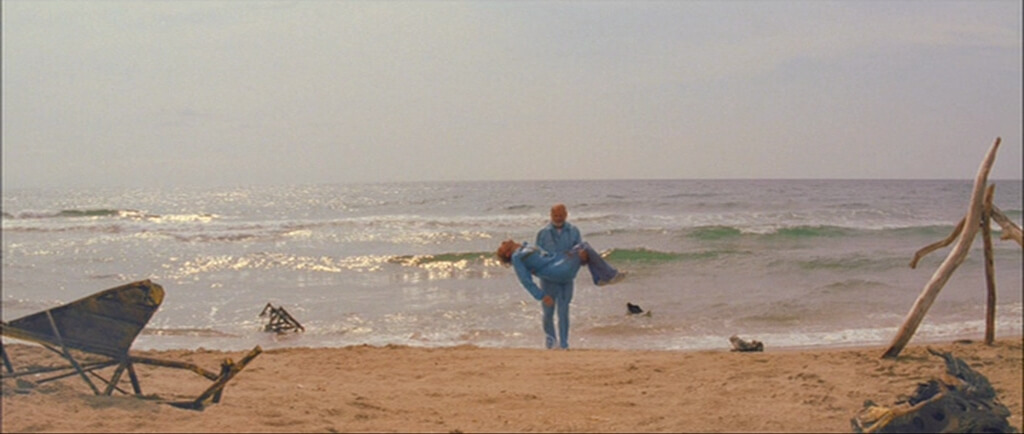


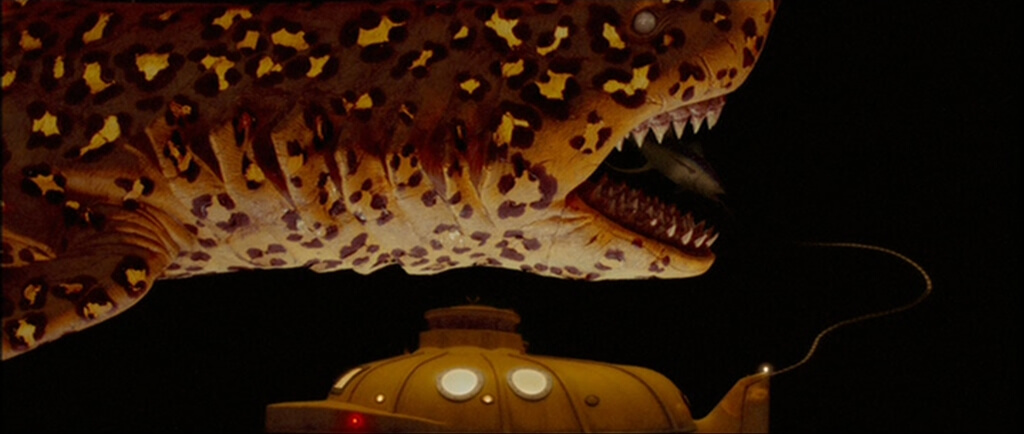
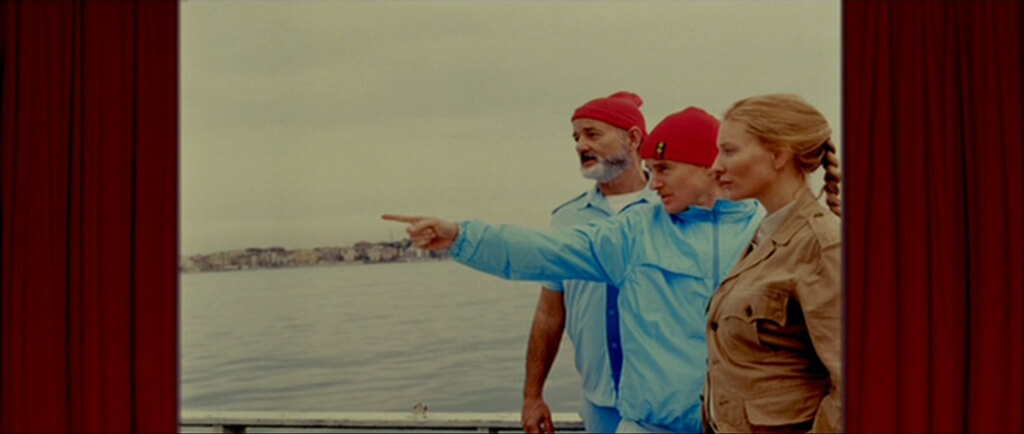
In the final act, Steve faces the reality that he is not the heroic, larger-than-life figure he imagined himself to be. The journey culminates in a bittersweet resolution, with Steve confronting the complexities of his relationships, his quest for meaning, and his inevitable mortality.

The Life Aquatic with Steve Zissou explores a man’s journey to rediscover himself and is a comedic adventure full of absurd situations, all packaged in Wes Anderson’s trademark style.
 The Other Cinema