


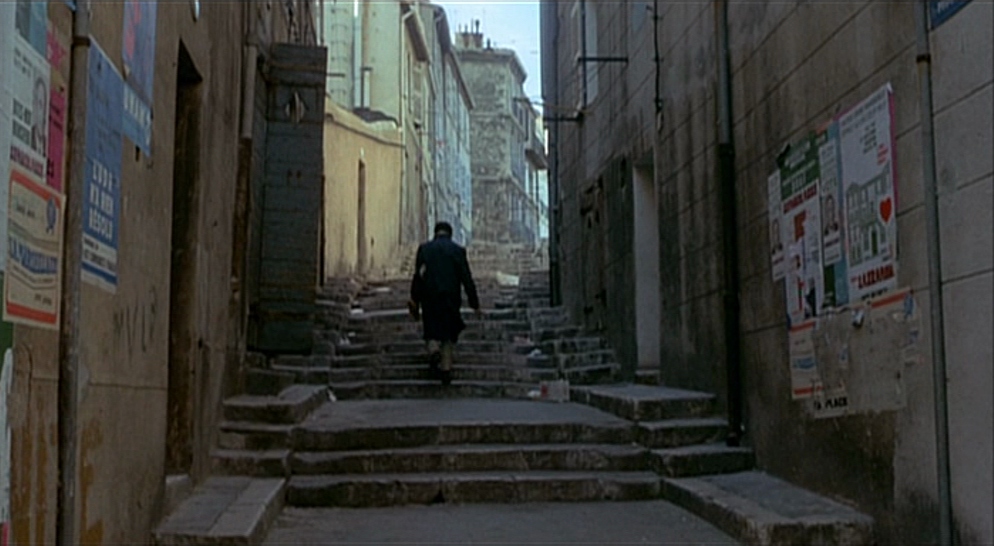


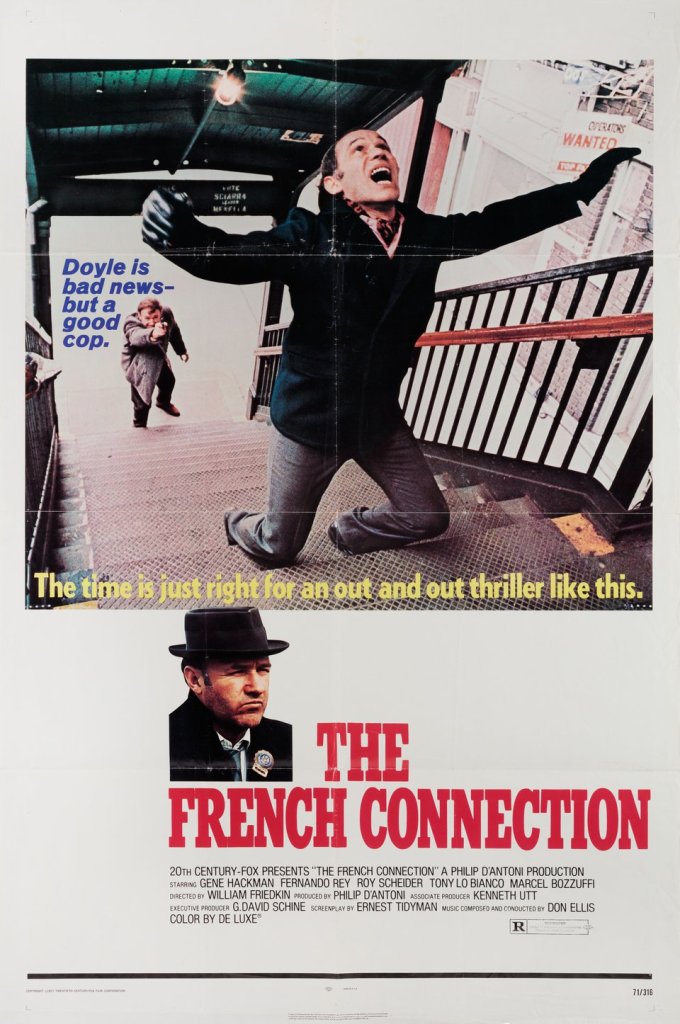
“The French Connection” is a crime thriller directed by William Friedkin and based on Robin Moore’s non-fiction book. Released in 1971, the film is renowned for its gritty realism, intense action sequences, and portrayal of a tense, hard-nosed police investigation. It is often regarded as one of the greatest American films of its era and won multiple Academy Awards, including Best Picture, Best Director, and Best Actor for Gene Hackman’s portrayal of Detective Jimmy “Popeye” Doyle.
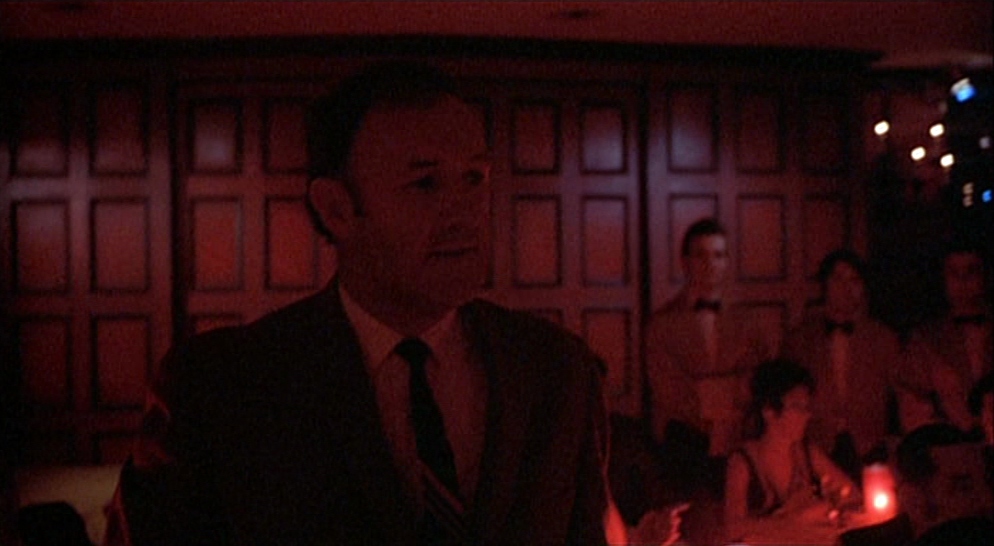
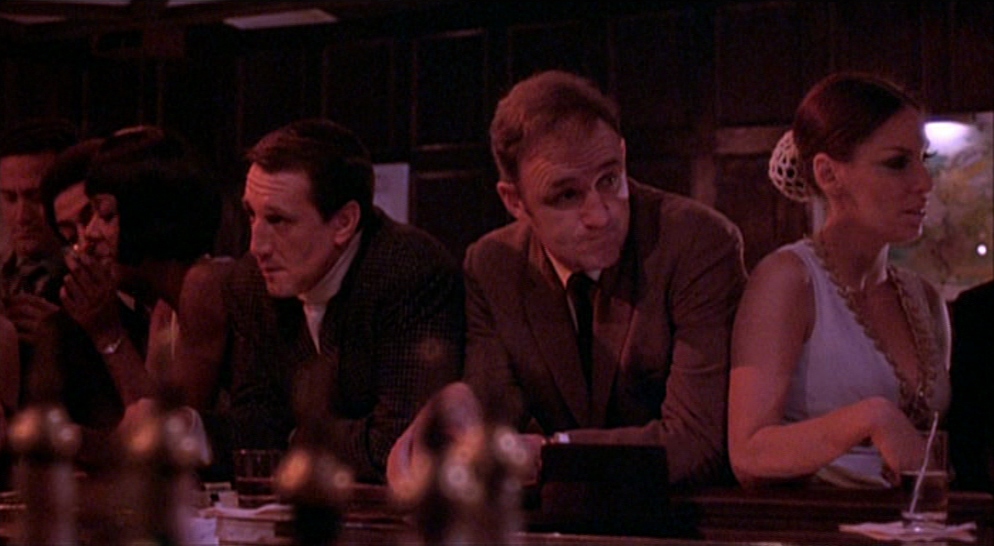
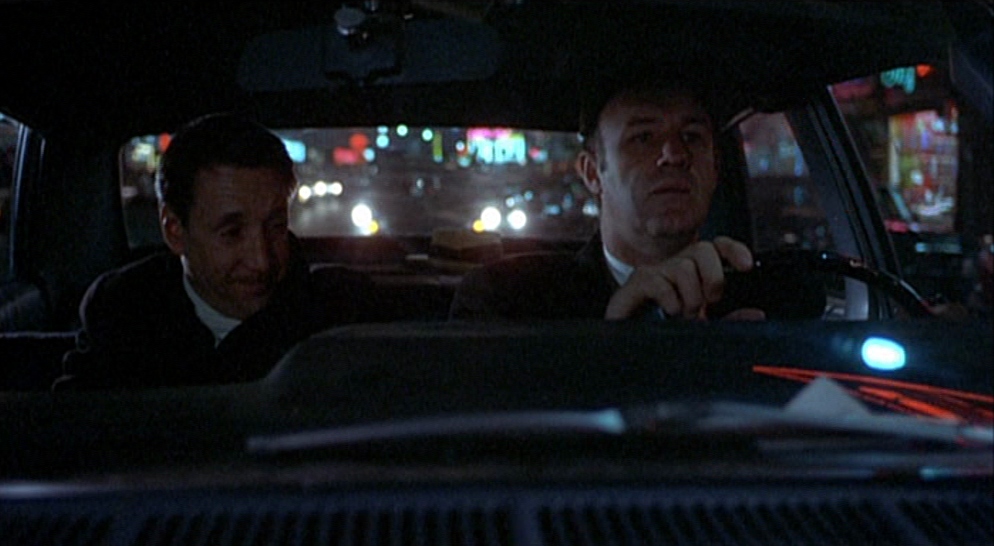


Set in the early 1970s, “The French Connection” follows the efforts of two New York City narcotics detectives, Jimmy Doyle (Gene Hackman) and his partner, Buddy Russo (Roy Scheider), as they work to uncover a significant drug trafficking operation. The investigation centers around a French heroin smuggling ring, led by the sophisticated and elusive Alain Charnier (Fernando Rey), who is smuggling a massive shipment of heroin into the United States from France.
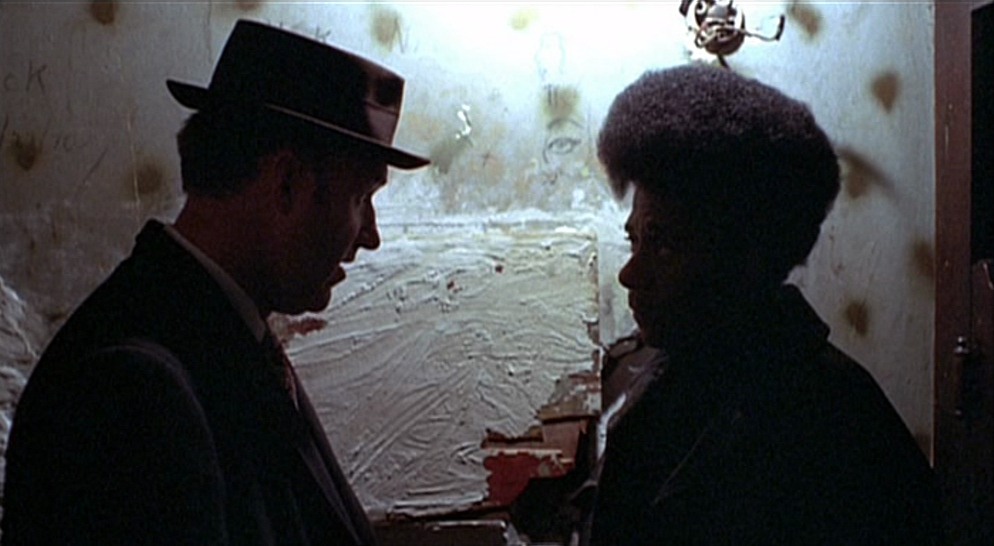

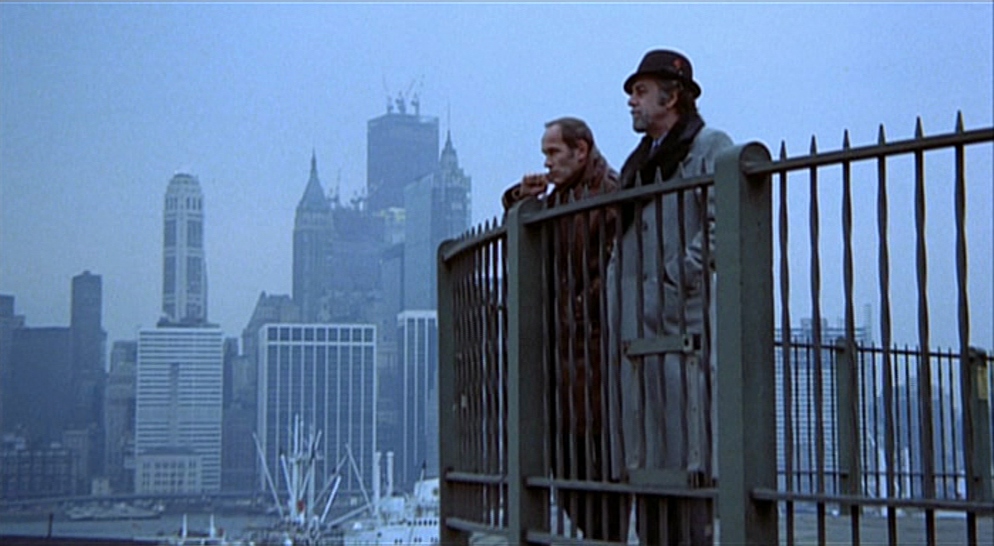
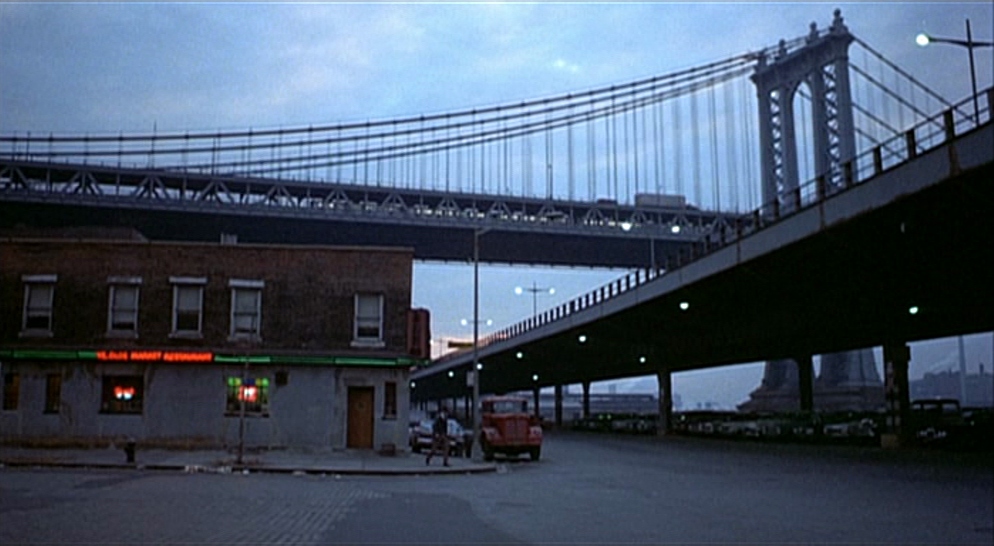


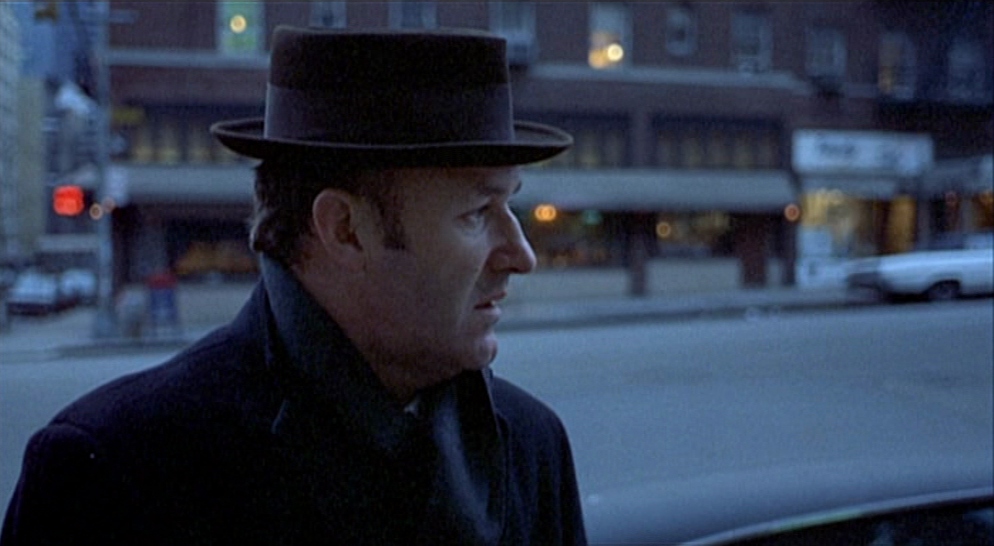
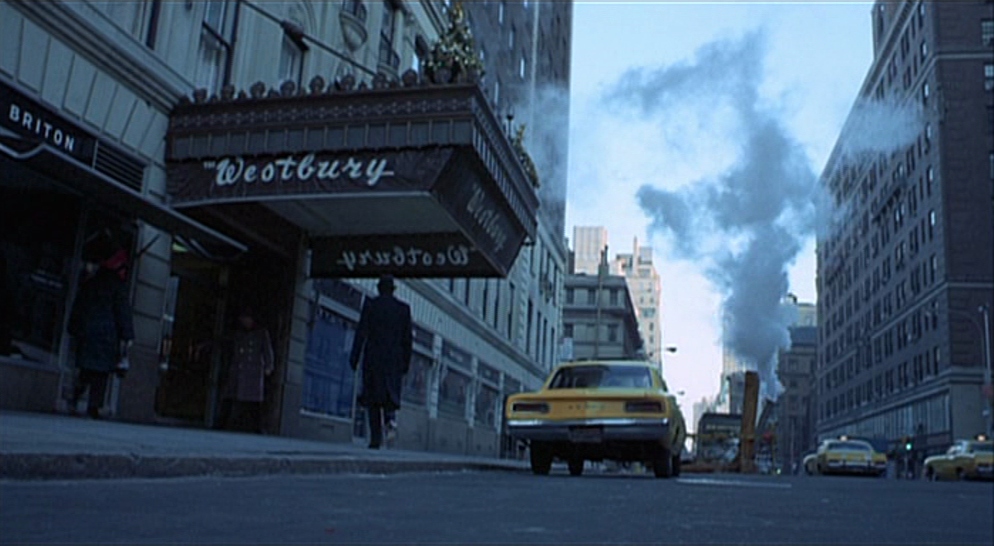

Detective Doyle, a tough, relentless, and often abrasive cop, is the central figure in the investigation. His aggressive methods and obsessive drive to catch criminals make him a highly effective detective, but they also put him at odds with his superiors and colleagues. Doyle’s dogged pursuit of the criminal syndicate becomes personal as he becomes increasingly obsessed with taking down Charnier. His impulsive behavior and unorthodox approach to law enforcement also bring tension between him and his partner, Buddy Russo, who is more level-headed and seeks a more balanced approach to their work.
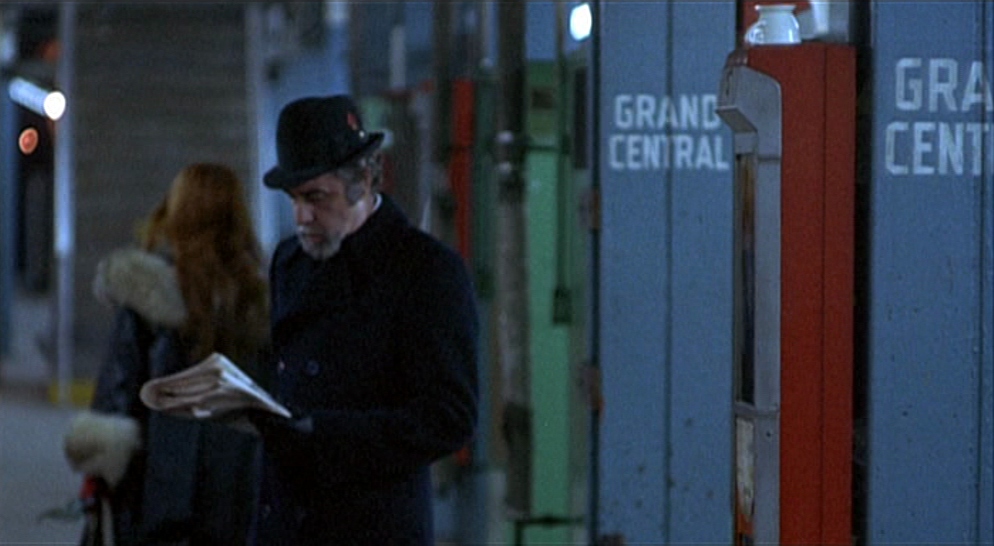
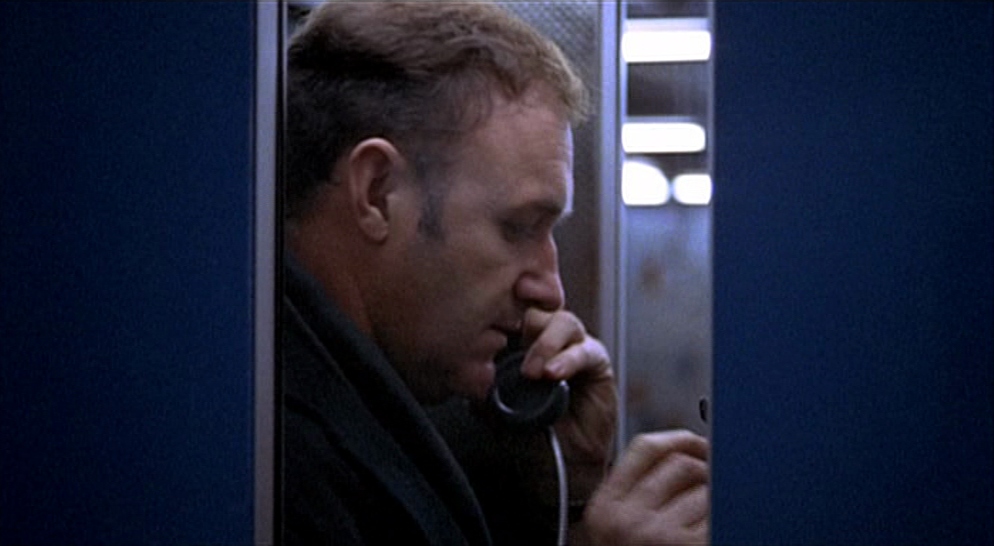
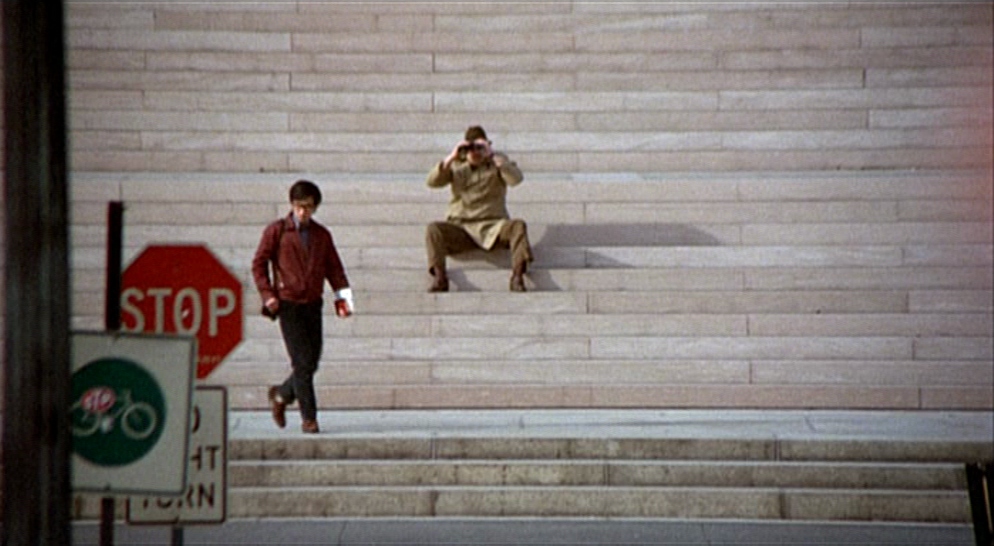
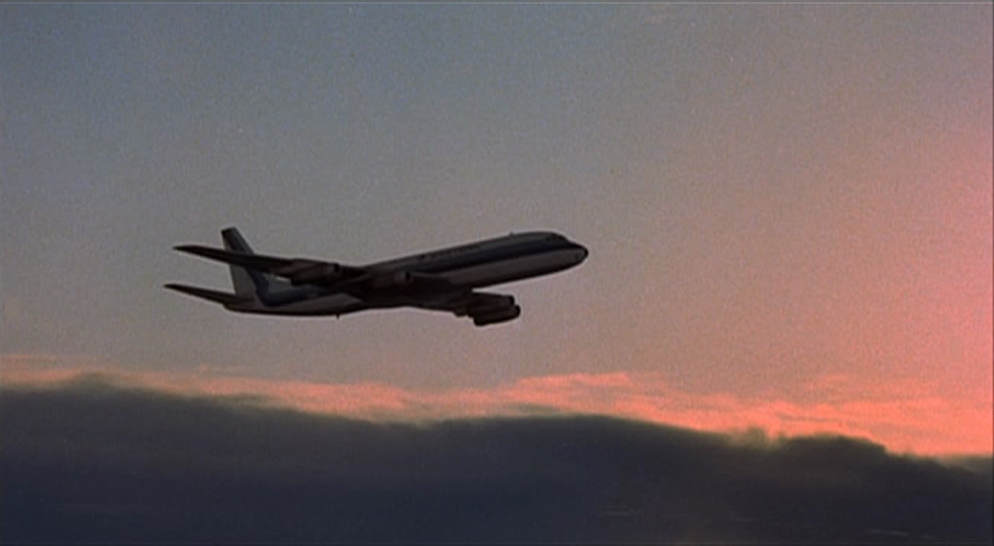
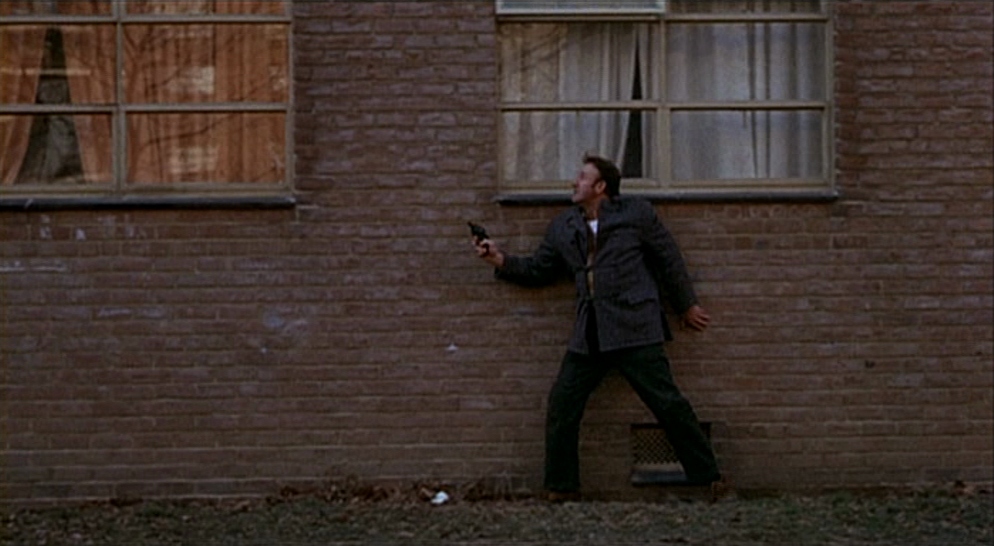


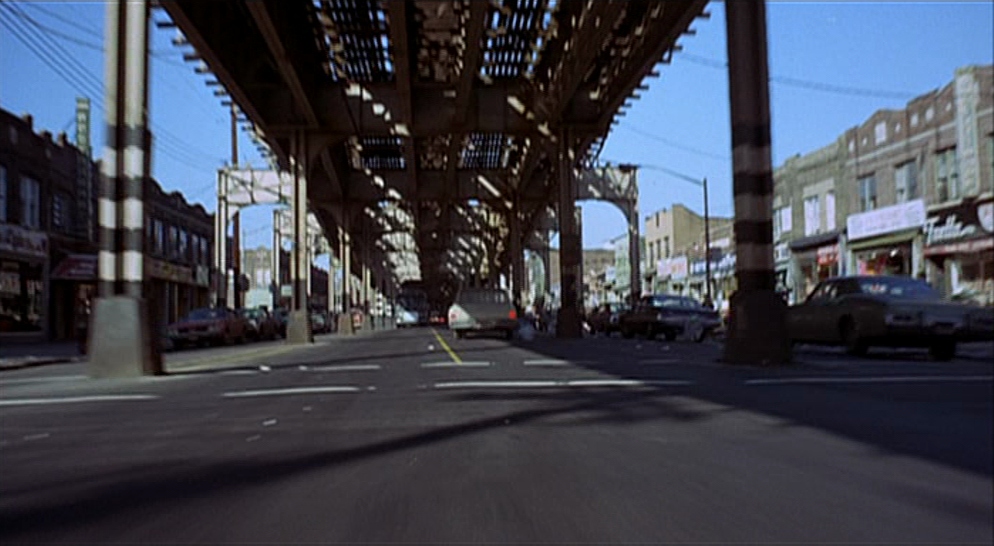
The film unfolds as Doyle and Russo follow a trail of clues that lead them deeper into the world of international drug trafficking. Their investigation is marked by a series of intense, action-packed sequences, including a legendary car chase through the streets of New York City, one of the most iconic moments in film history. As the detectives close in on Charnier and his associates, they face numerous obstacles, including corrupt officials, dead ends, and their own personal and professional struggles.


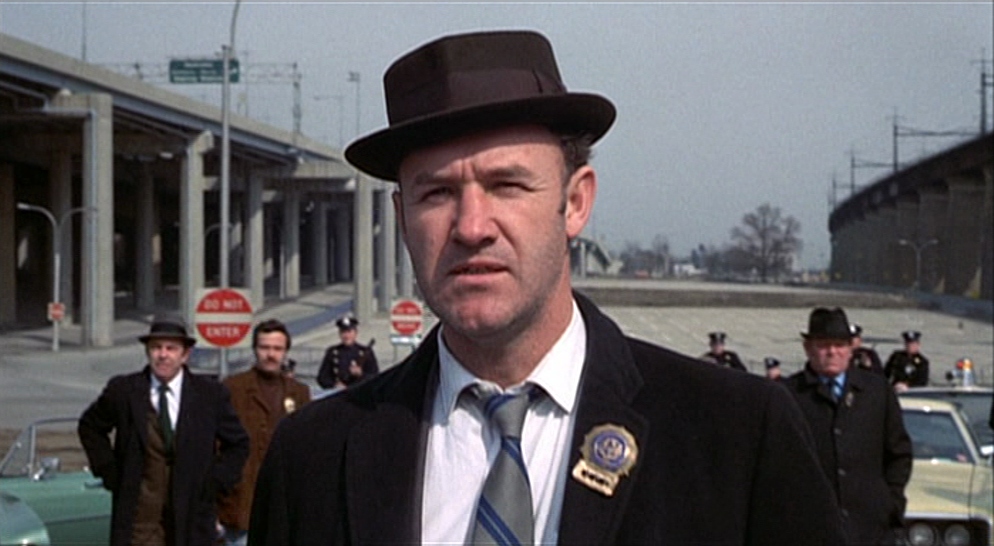
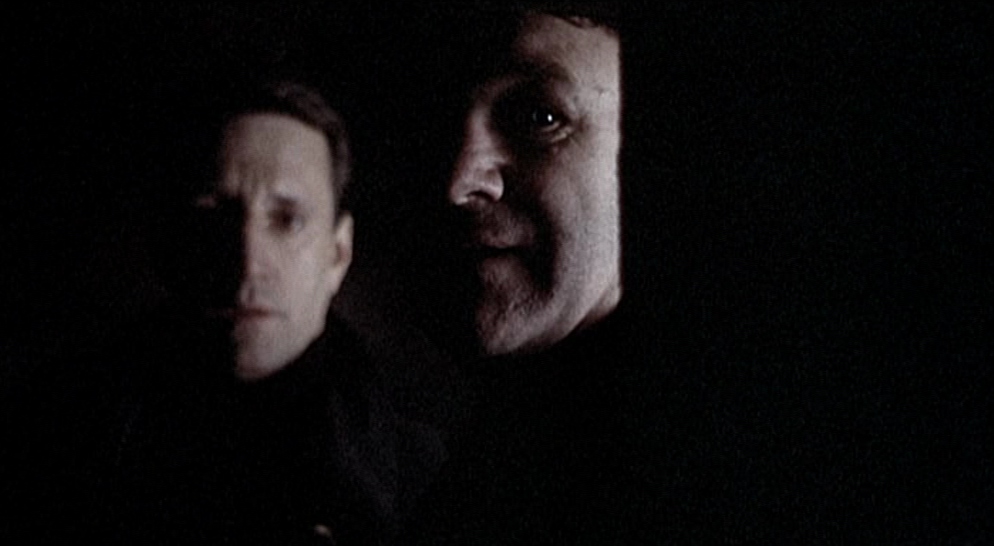
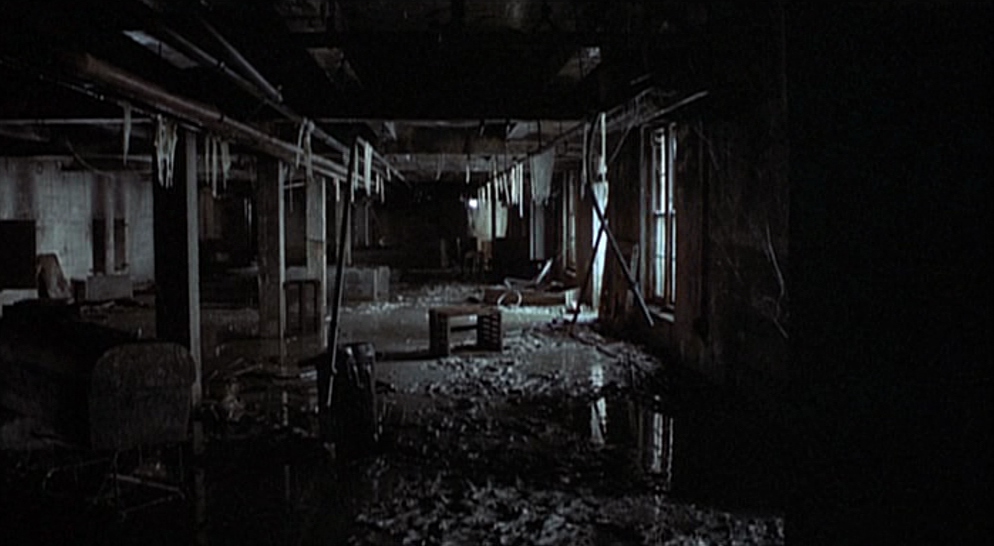
The film ends ambiguously, with a sense of unresolved tension and a recognition that, while the pursuit of criminals may bring temporary justice, it also comes with its own profound personal costs.
 The Other Cinema