


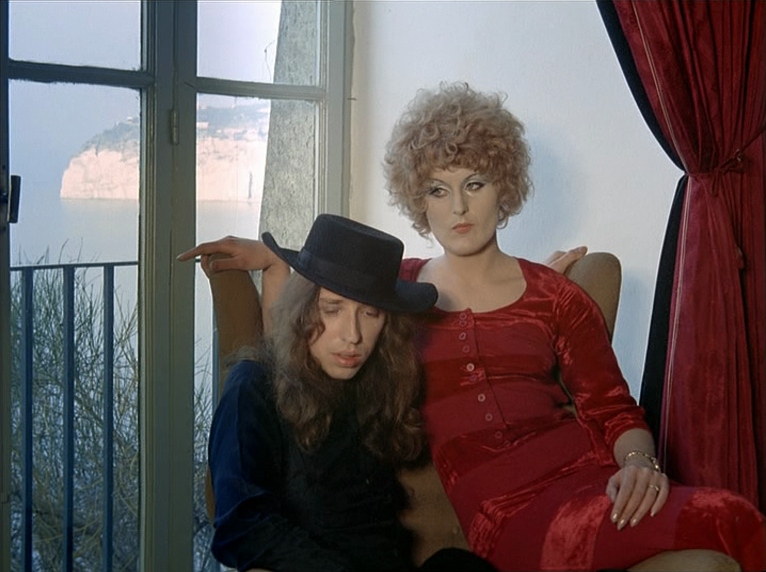
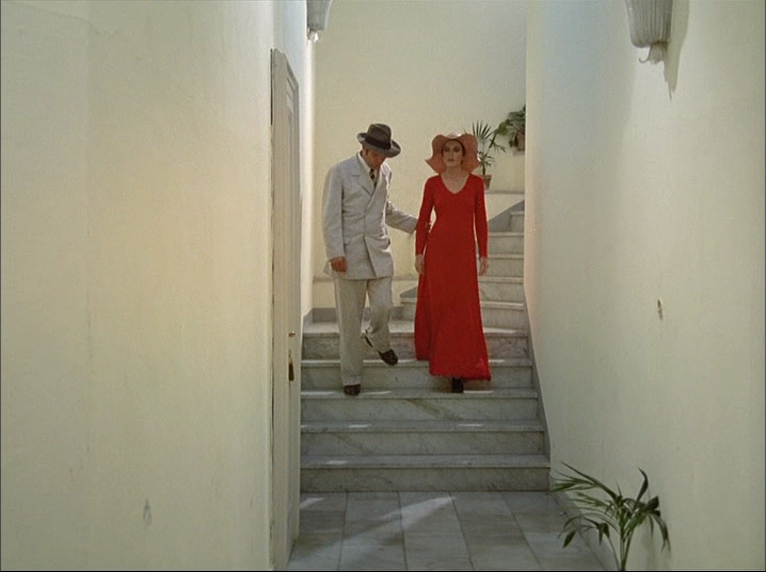
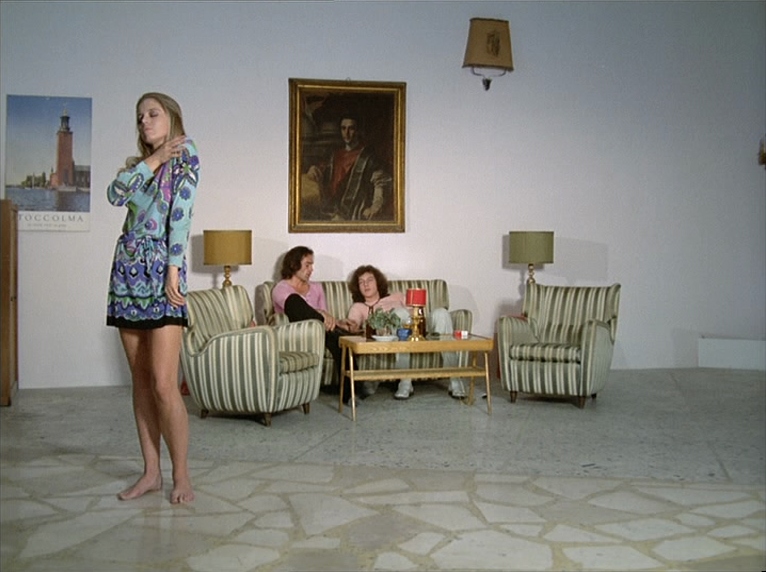
“Beware of a Holy Whore” (Warnung vor einer heiligen Hure) is a 1971 film directed by Rainer Werner Fassbinder, renowned for its exploration of complex psychological and social dynamics, as well as its subversion of traditional cinematic forms. This avant-garde film, while brimming with Fassbinder’s trademark themes of existential struggle, interpersonal alienation, and self-destruction, offers a self-reflexive and meta-cinematic narrative. Set within the confines of a chaotic and claustrophobic film set, “Beware of a Holy Whore” explores the turbulent relationships among a group of filmmakers, actors, and crew members, capturing the disarray and emotional turbulence behind the scenes of an ill-fated film production.


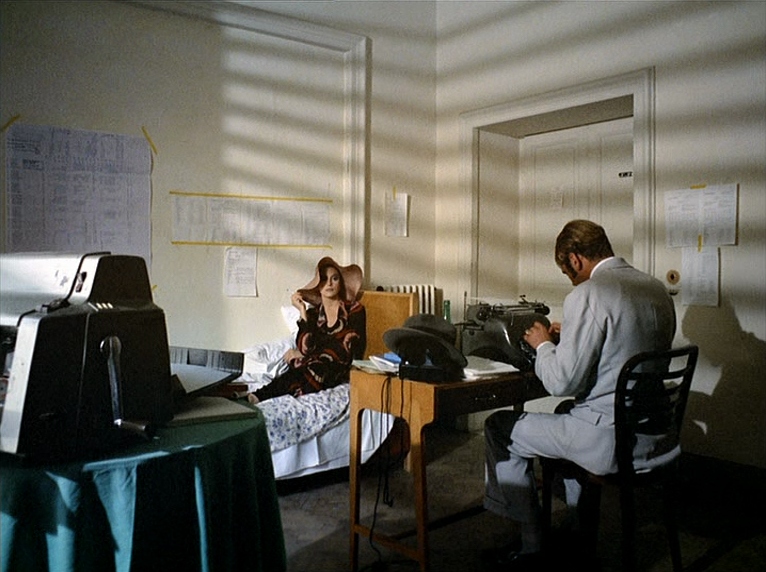

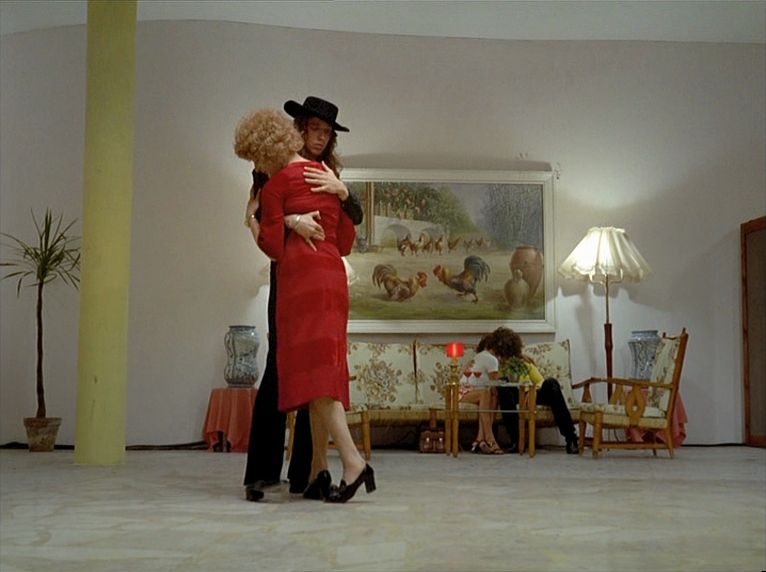

The story revolves around Salome (Margit Carstensen), a leading actress who is caught in the turmoil of a film’s production. The production itself is beset by delays, conflicts, and an overwhelming sense of dysfunction, mirroring the internal chaos of its participants. The crew has been stranded in a Mediterranean hotel, and the film’s director (Eddie Constantine as Jeff) is nowhere to be found, which only exacerbates tensions among the cast and crew. The director’s absence creates a palpable void, intensifying the psychological pressures on those involved, particularly Salome, who is in a precarious emotional state.

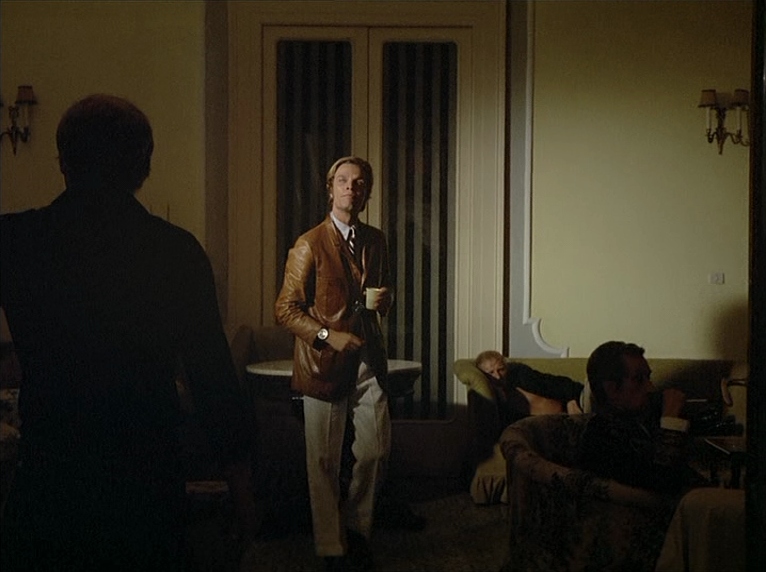
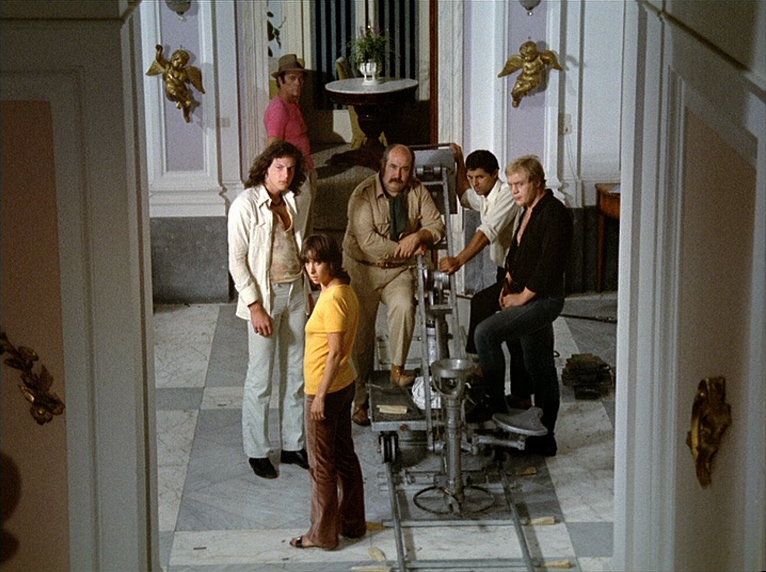
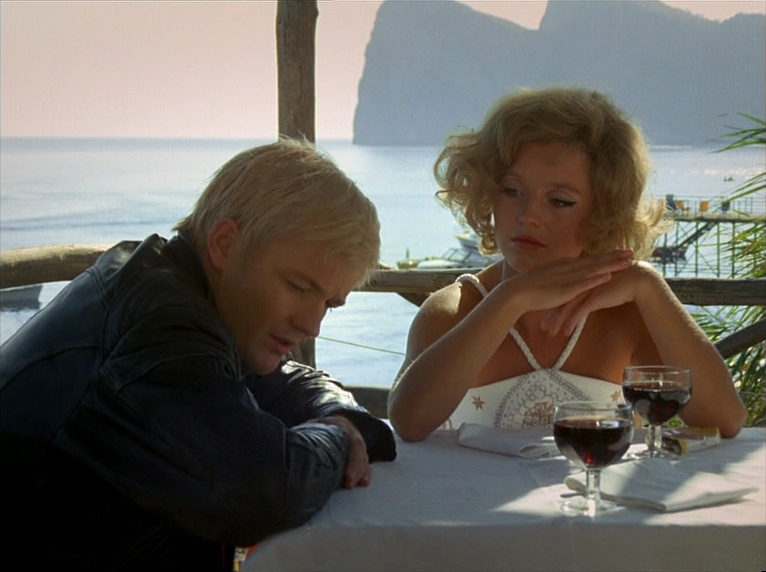


Salome is a complex character caught in personal and professional conflicts. She is both a diva figure and an emotionally fragile woman, grappling with her relationship to the film’s production and to the people around her. Her turbulent interactions with the other members of the crew—including the controlling producer Erich (Karl-Heinz von Hassel), the unstable actor Klaus (Kurt Raab), and her obsessive lover Karl (Ulli Lommel)—speak to the blurred boundaries between artifice and reality. The film explores the dysfunctional dynamics between Salome and these men, showcasing their dependence on each other, their emotional manipulations, and the inescapable loneliness accompanying their ambitions.


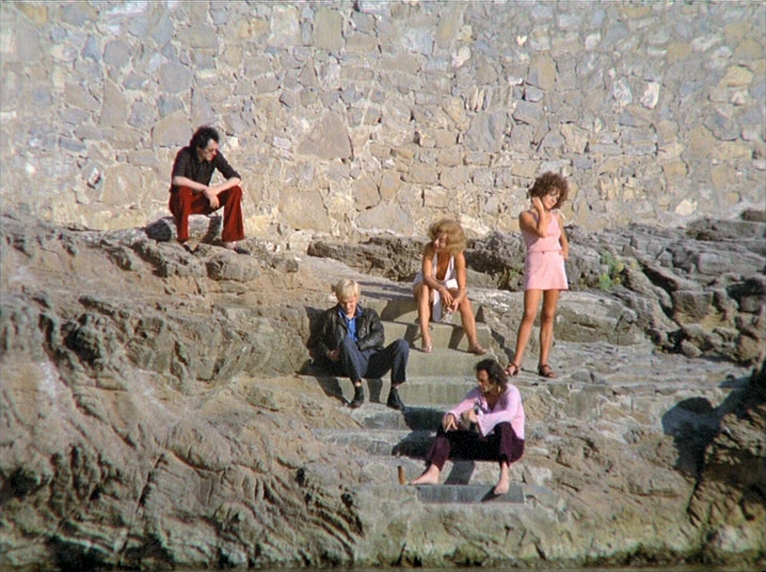

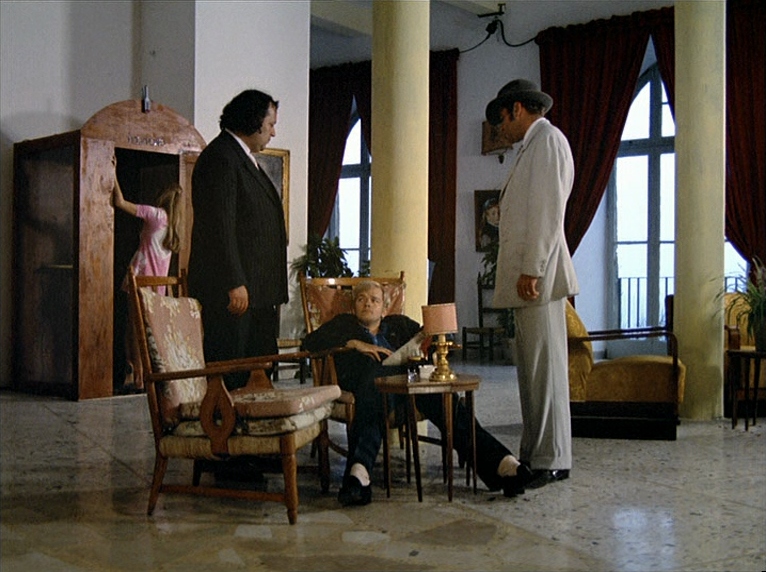
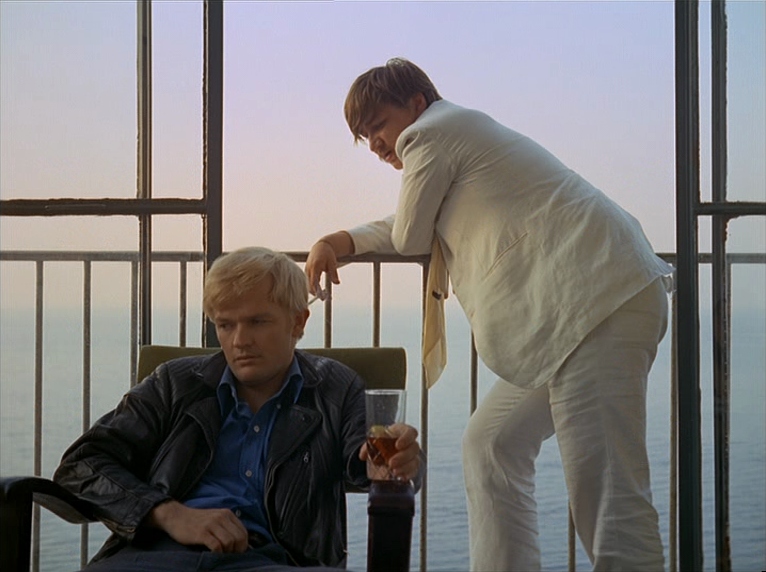
As the film progresses, the characters descend further into psychological and emotional disarray, fueled by jealousy, lust, and the oppressive pressures of the film set. Salome’s relationship with Jeff, the missing director, takes on an almost mythical quality, as she oscillates between longing for his guidance and resenting his absence. The characters’ deep insecurities are exposed as they each react to their roles in the film and their relationships with one another.
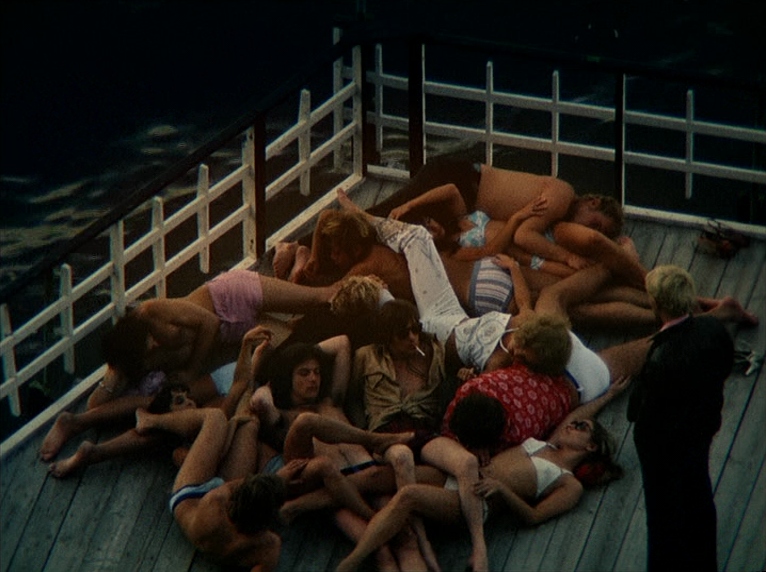
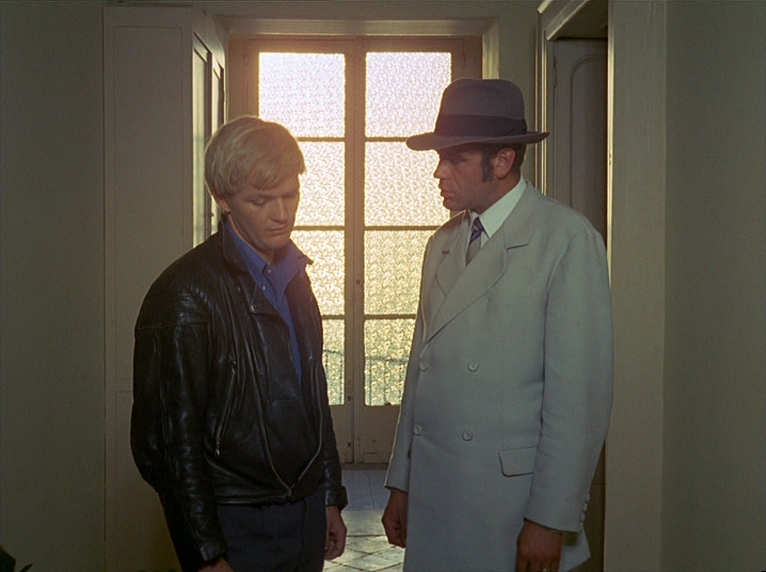
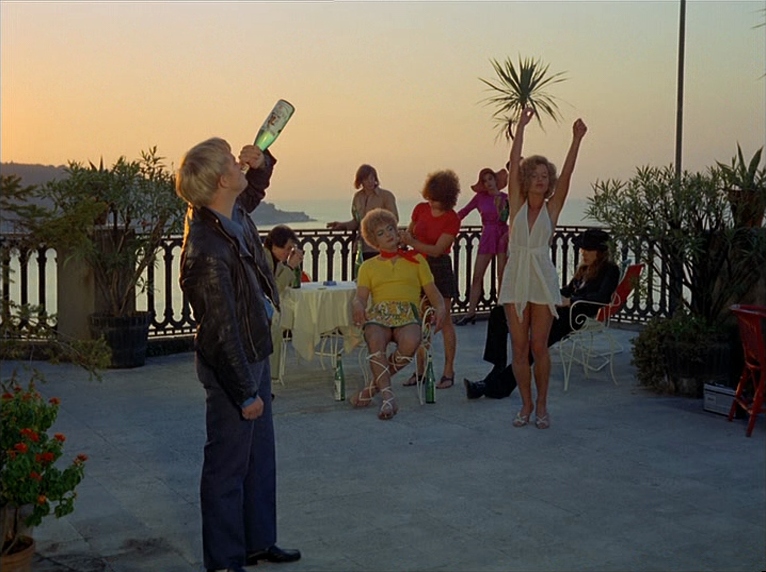
The film’s structure is fragmented and non-linear, reflecting the characters’ disorienting and subjective experiences. The narrative weaves through surreal absurdity, psychological conflict, and existential reflection, exploring themes of power, control, and the roles individuals play in their professional and personal lives. Fassbinder uses this chaotic production environment as a metaphor for the human condition, where people are trapped in cycles of emotional manipulation and self-destructive behavior.

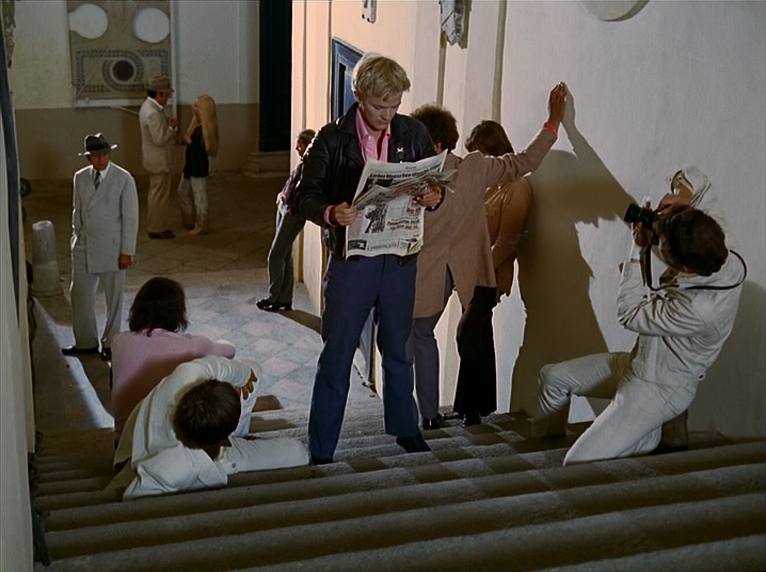
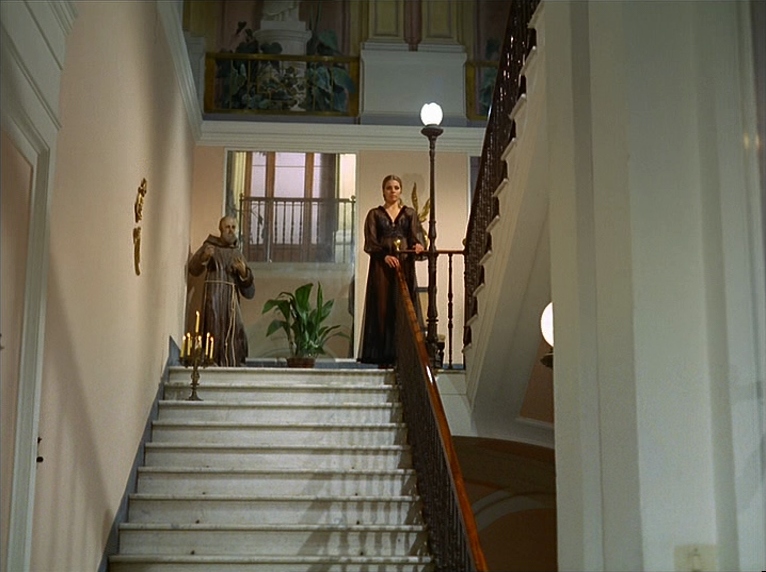
The hotel, where the film is primarily set, is a microcosm of the emotional and existential void that consumes the characters. It serves as a claustrophobic space, mirroring each character’s internal prisons. The tension between the desire for connection and the inability to communicate effectively underscores the film’s central theme of isolation.
Despite the seeming chaos, there are moments of dark humor and satirical commentary on the film industry itself. “Beware of a Holy Whore” critiques the artificiality of filmmaking, revealing the pretensions, egos, and power dynamics that permeate the process. Fassbinder’s approach is simultaneously critical and sympathetic to the plight of those involved, portraying their fragility while acknowledging their need for artistic expression and validation.

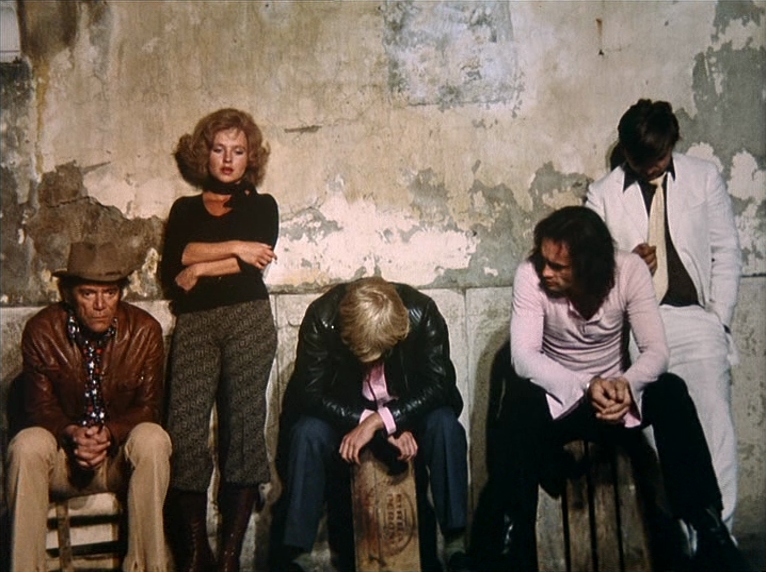
The film’s conclusion is open-ended and ambiguous, offering no clear resolution. As the production falls apart, the characters are left to confront their own emotional turmoil with no real answers or closure. This lack of resolution highlights the film’s existentialist themes, suggesting that the quest for meaning and purpose is often futile, leaving characters trapped in cycles of despair and longing.

 The Other Cinema