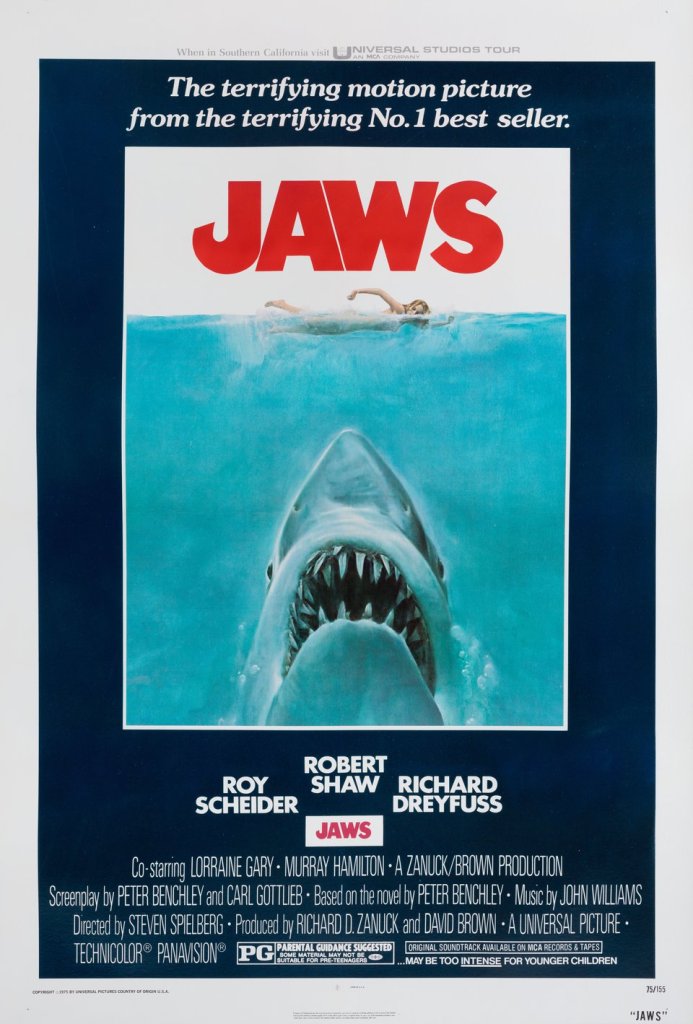
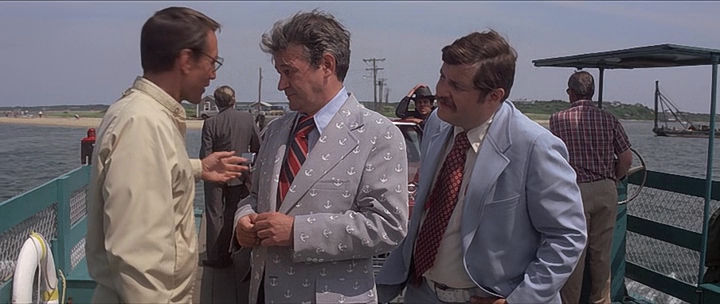
“Jaws” (1975), directed by Steven Spielberg and based on Peter Benchley’s 1974 novel, is a groundbreaking thriller that combines suspense, horror, and adventure with an iconic creature feature. The film is often credited with creating the summer blockbuster formula and remains one of the most influential films in cinematic history. It also casued an entire generation to fear sharks and casued a phobia about entering the ocean.
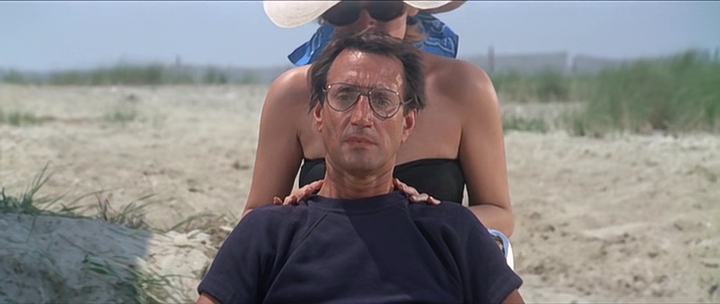
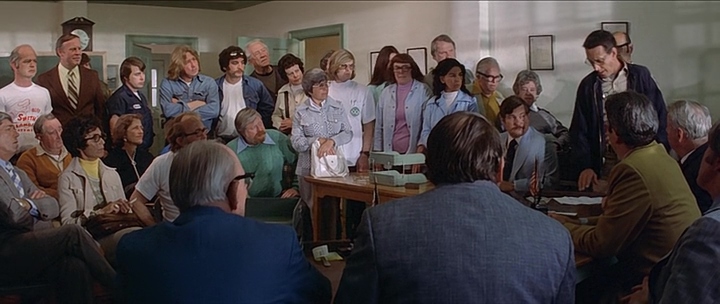
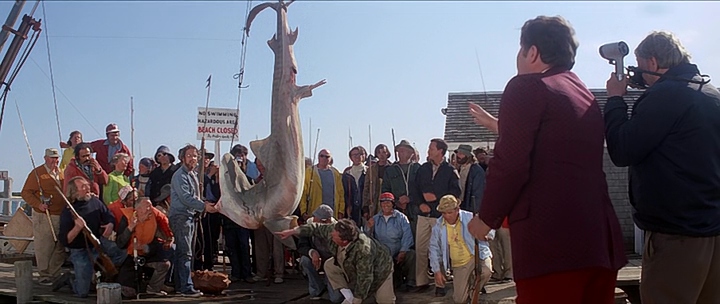
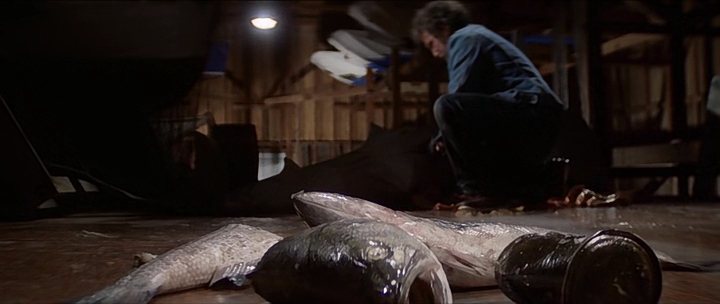
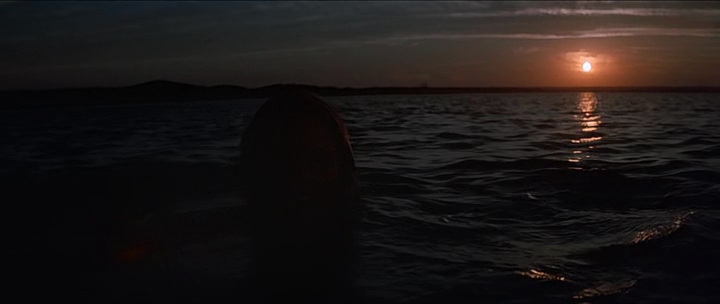
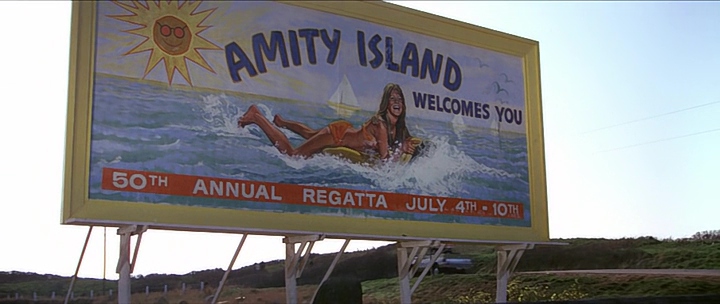
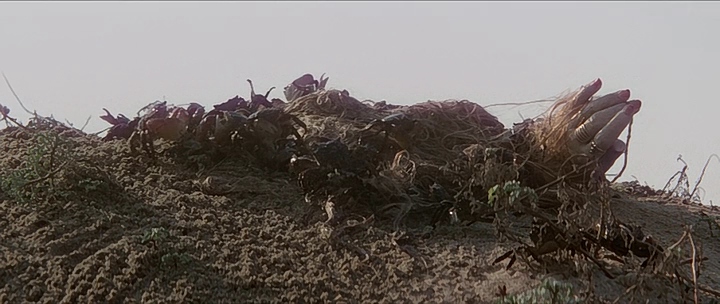
The story is set in the fictional small beach town of Amity Island, located on the East Coast of the United States. The film opens with a young woman, Chrissie (Susan Backlinie), going for a late-night swim. Unbeknownst to her, a giant great white shark lurks off the coast. Chrissie’s peaceful swim turns into a horrifying attack, where she is pulled under the water and violently killed by the shark. Her body is discovered the next morning, and suspicion begins to grow that something is amiss in the waters of Amity.
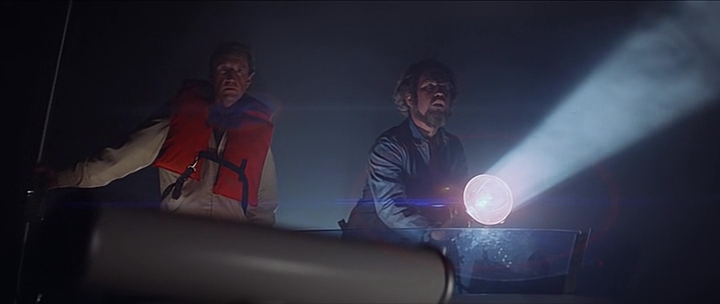
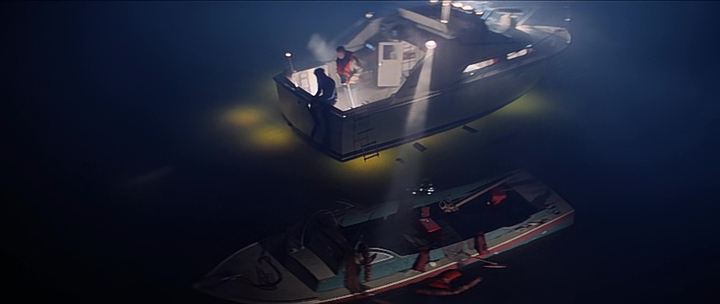
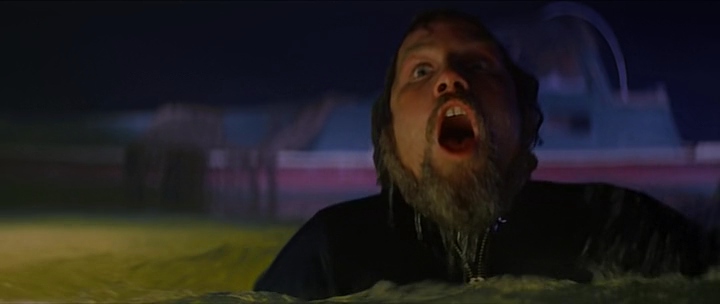
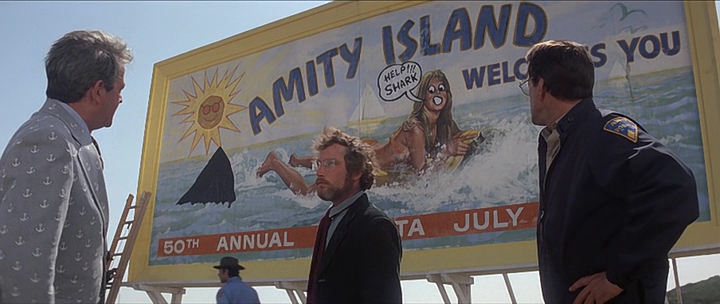
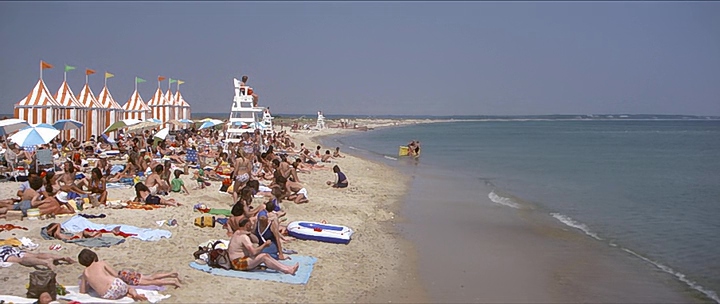
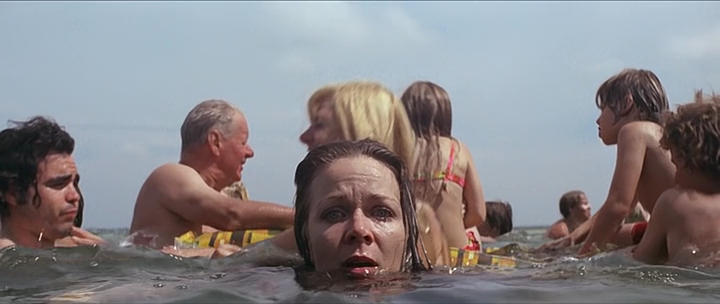
Chief Martin Brody (Roy Scheider), a former city cop who has only recently moved to the small town with his wife, Ellen (Lorraine Gary), is the first to react to the discovery. While Brody is immediately concerned about the safety of the town’s residents and tourists, the local mayor, Larry Vaughn (Murray Hamilton), is more concerned with maintaining the town’s economy and avoiding the cancellation of the lucrative summer tourist season. He pressures Brody to keep quiet about the potential shark threat and avoid closing the beaches, which could ruin the town financially.
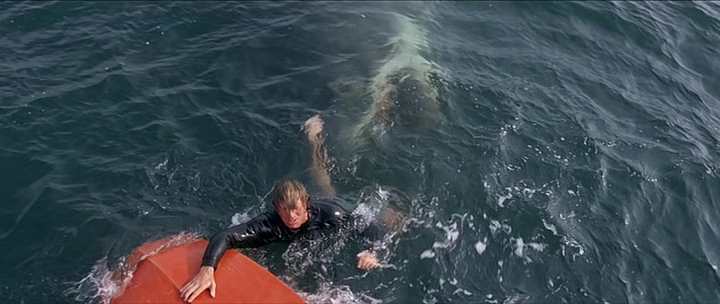
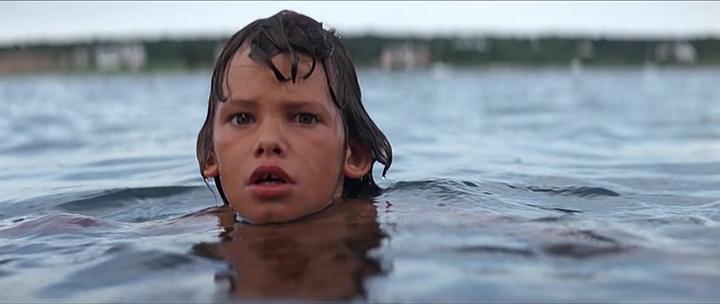
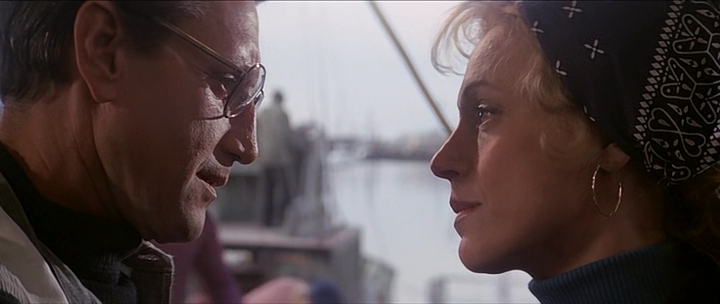
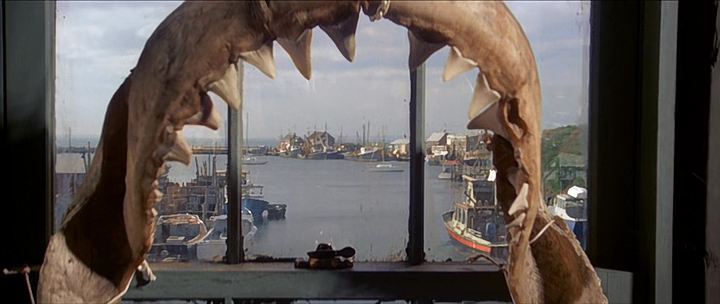
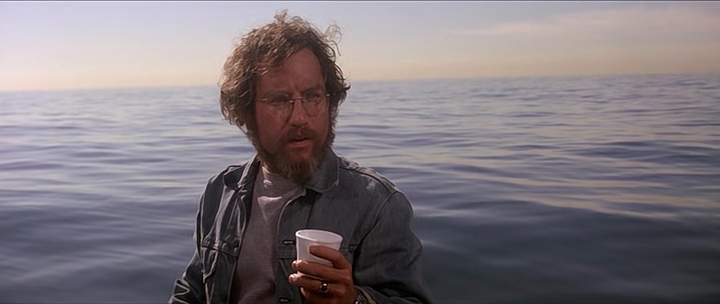
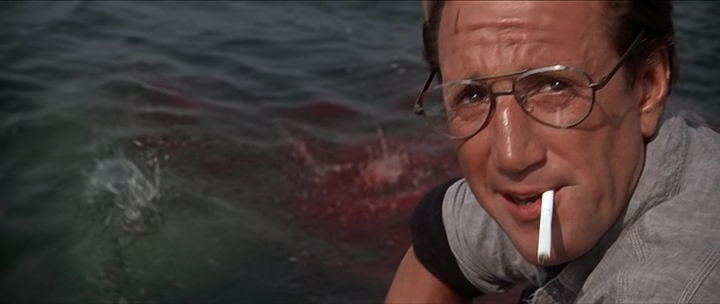
As the shark continues to stalk the waters of Amity, several more attacks occur, including the brutal killing of a young boy named Alex Kintner. These attacks draw increasing attention to the danger posed by the shark, but it is not until the shark kills a second victim that the town reluctantly agrees to act. Brody, along with oceanographer Matt Hooper (Richard Dreyfuss) and the grizzled shark hunter, Quint (Robert Shaw), set out to catch and kill the shark before it can claim more lives.
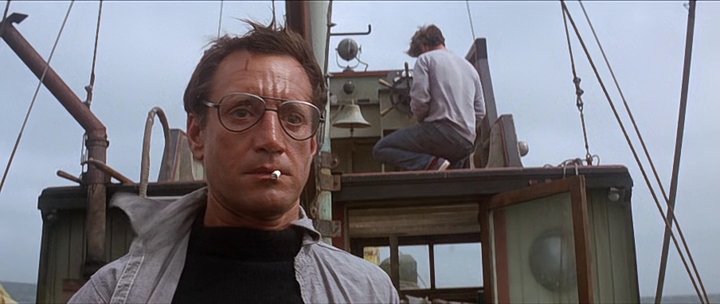
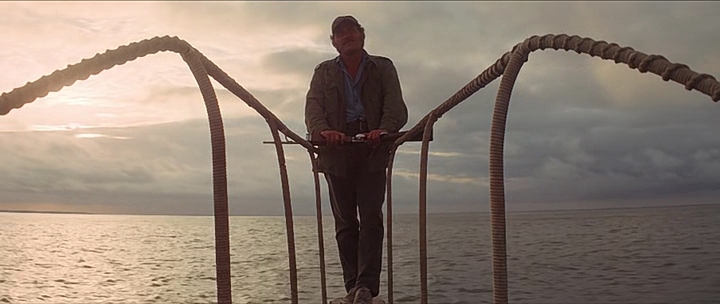
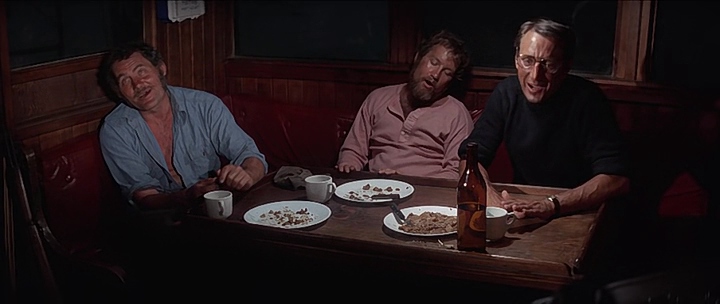
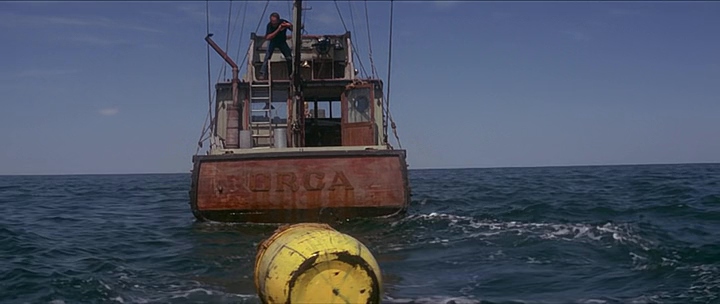
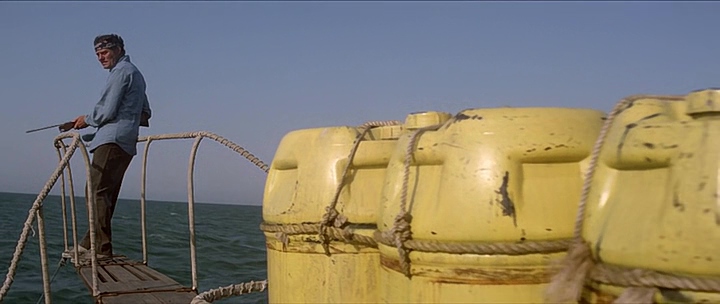
The trio embarks on a dangerous journey aboard Quint’s rickety boat, the Orca. Brody, an outsider and a man of law and order, contrasts with the experienced but eccentric Hooper, a marine biologist with knowledge of sharks, and Quint, a deeply troubled, gruff fisherman with a personal vendetta against the creatures. The characters’ differing personalities create a tense, volatile dynamic, but their shared goal of killing the shark brings them together.
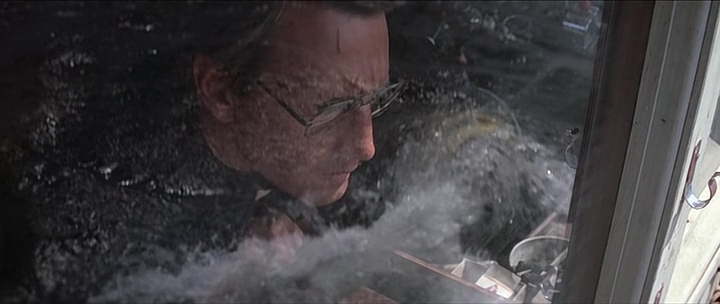
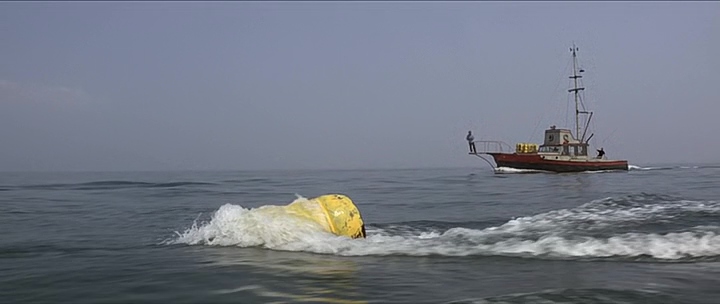
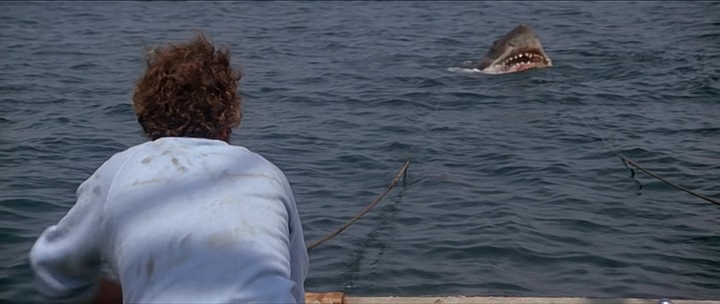
As the film progresses, Spielberg builds tension through both the unseen threat of the shark and the increasing psychological strain on the characters. The shark itself is a terrifying presence, but Spielberg’s use of suspense—often showcasing the shark’s shadow or the vibrations of its massive body underwater—keeps the audience on edge without revealing too much. The film’s legendary score, composed by John Williams, further heightens the tension, with its ominous two-note motif signaling the shark’s approach.
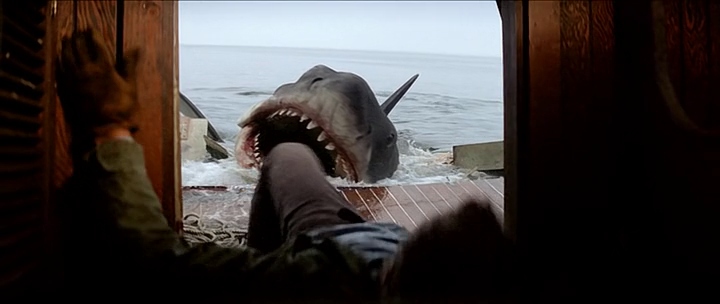
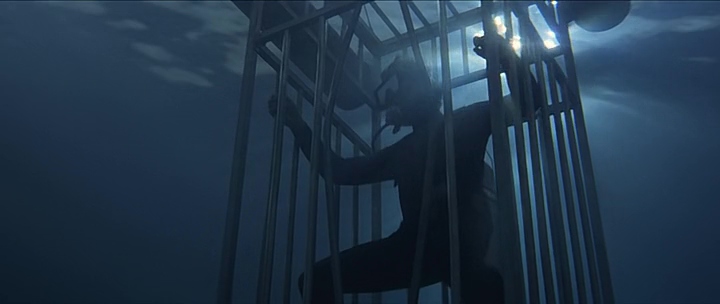
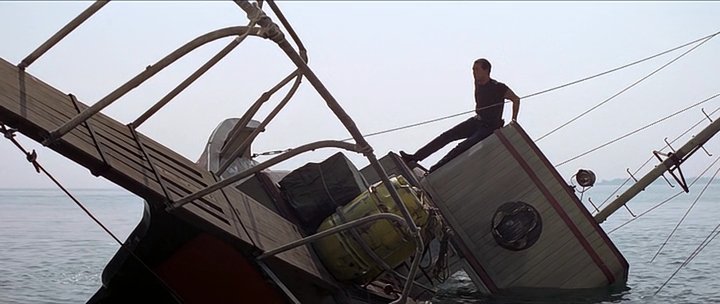
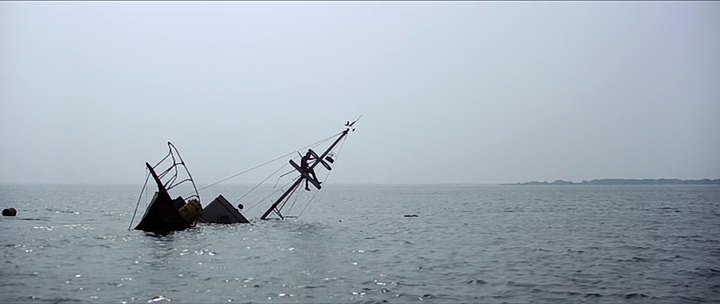
The final confrontation occurs after Brody, Hooper, and Quint encounter the shark in open water. The shark’s terrifying power and determination put all three men at risk. As Quint’s obsession with killing the creature grows, his arrogance and disregard for safety lead to his downfall. In the climax, Quint is devoured by the shark, and Hooper narrowly escapes death by hiding in a cage submerged in the ocean.
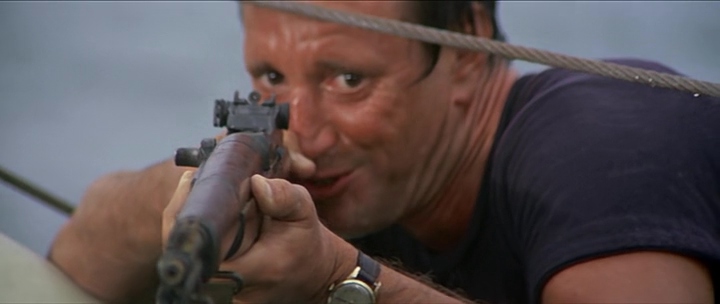
In a desperate final attempt to kill the shark, Brody, who has come to understand the monster’s behavior, uses a rifle to shoot the barrels attached to the shark, causing an explosive confrontation. Brody finally kills the shark by shooting at a tank of compressed air lodged in the shark’s mouth, causing the tank to explode and kill the shark.
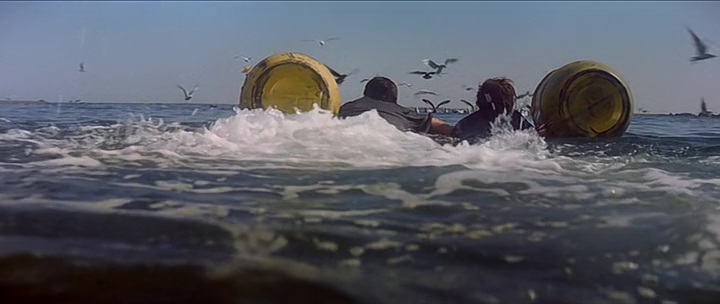
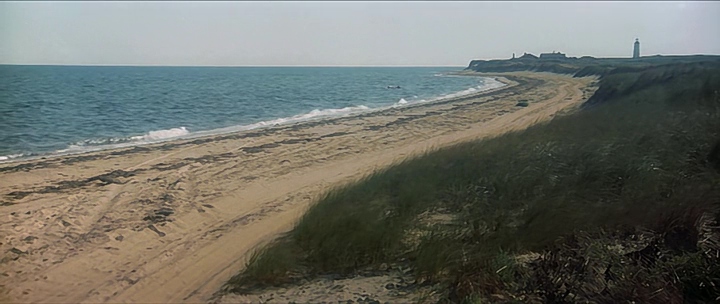
The film ends with Brody and Hooper returning to shore, exhausted and emotionally scarred from their ordeal.