

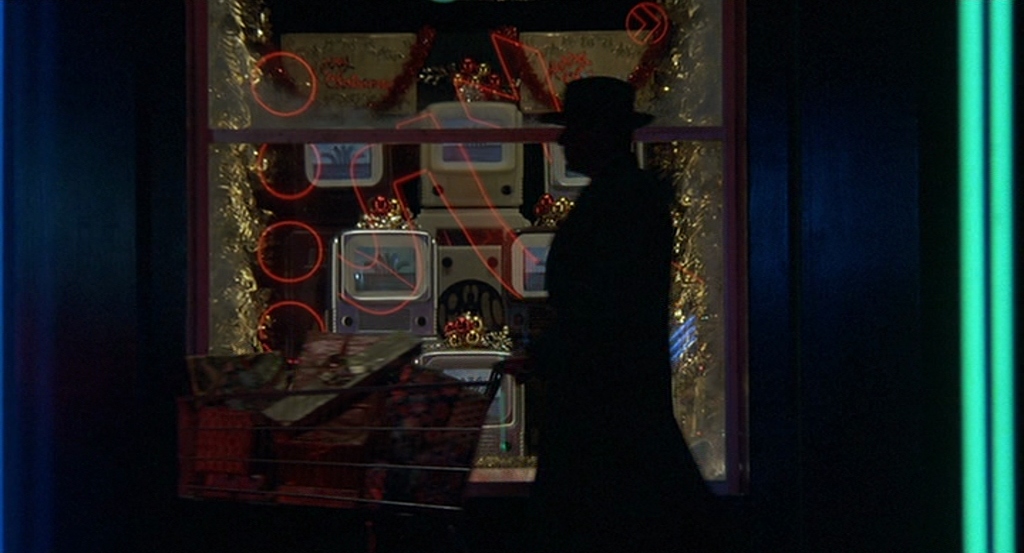
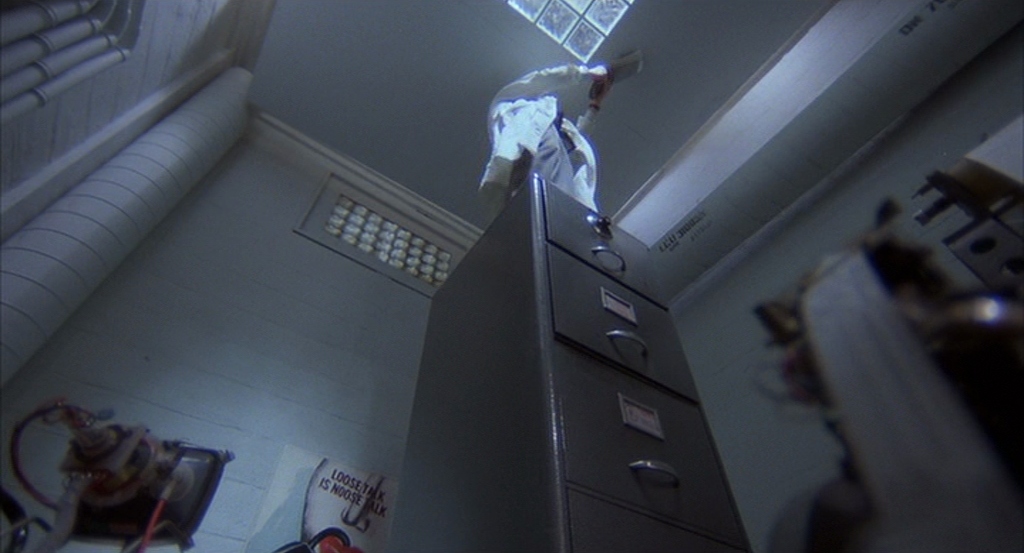
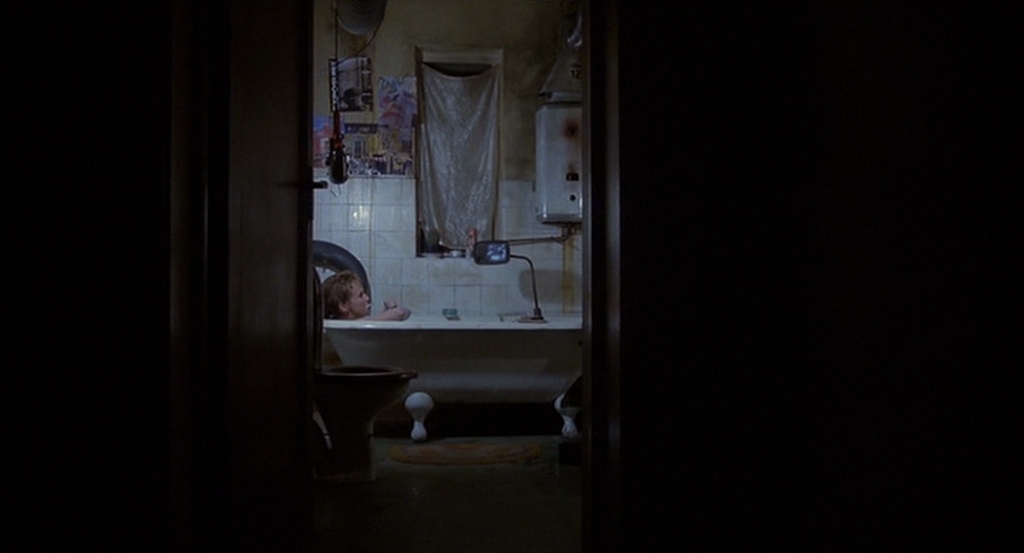
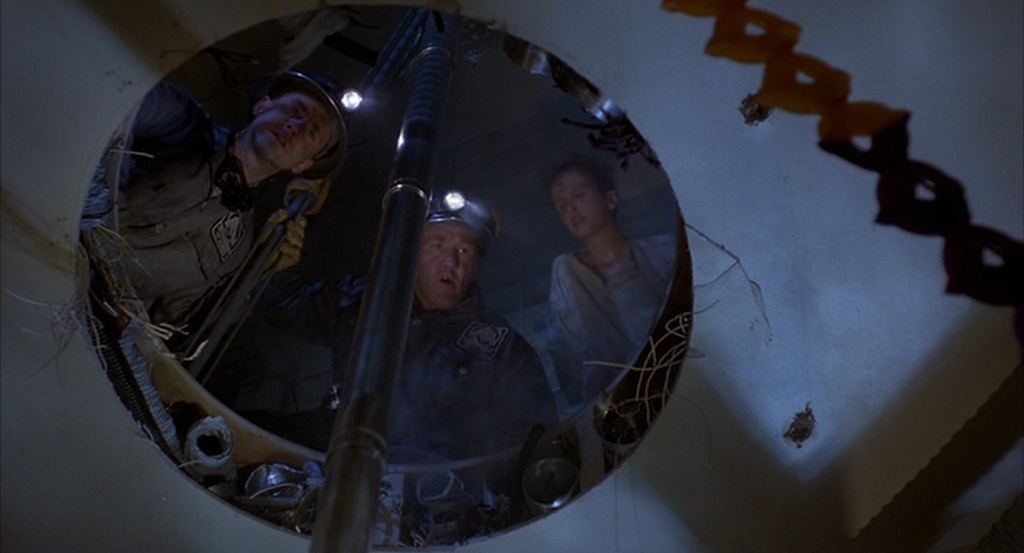
Brazil (1985) is a dystopian science fiction film directed by Terry Gilliam and starring Jonathan Pryce, Robert De Niro, Kim Greist, Michael Palin, Ian Holm, and Katherine Helmond. Known for its surrealist visuals, dark humor, and Orwellian themes, the film is a nightmarish yet satirical take on a bureaucratic, totalitarian society.
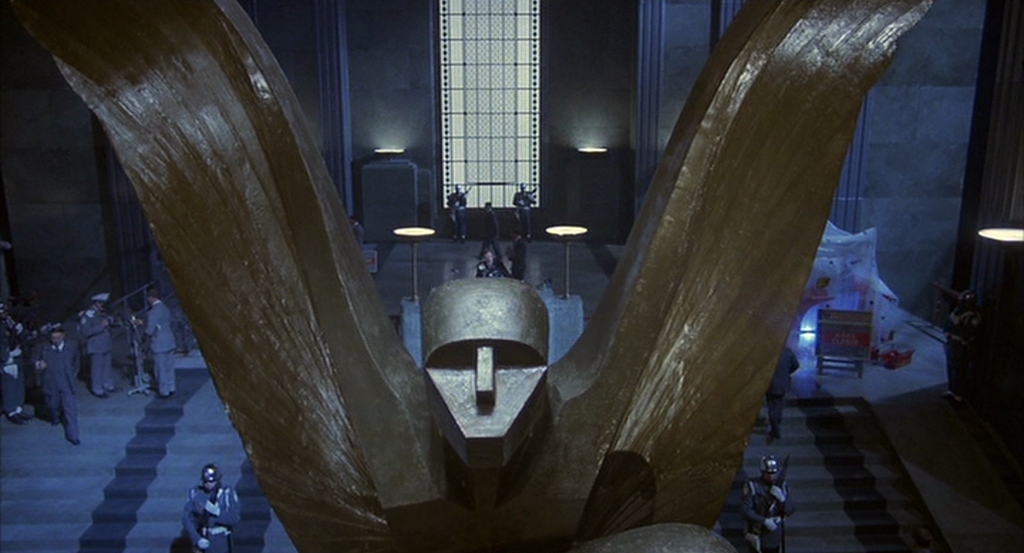
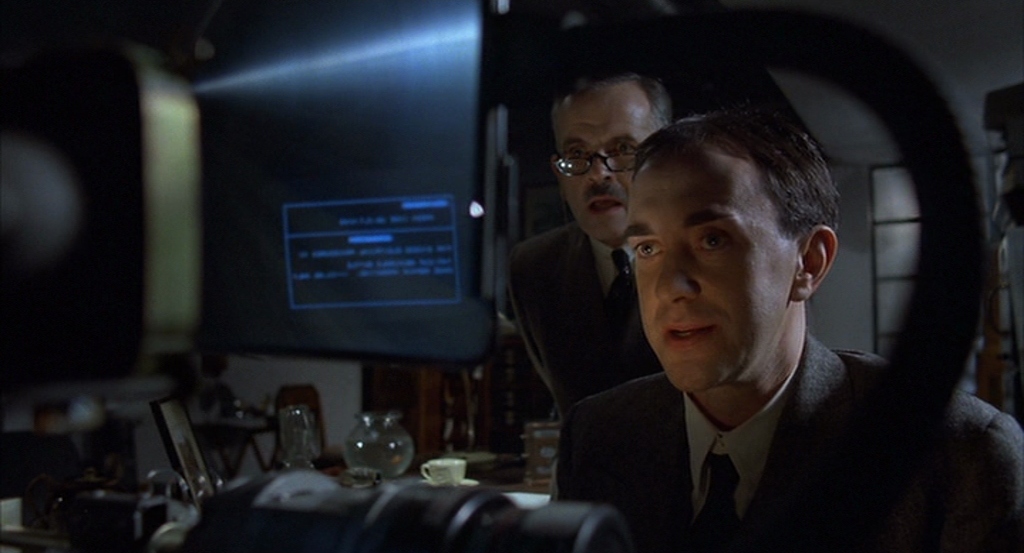
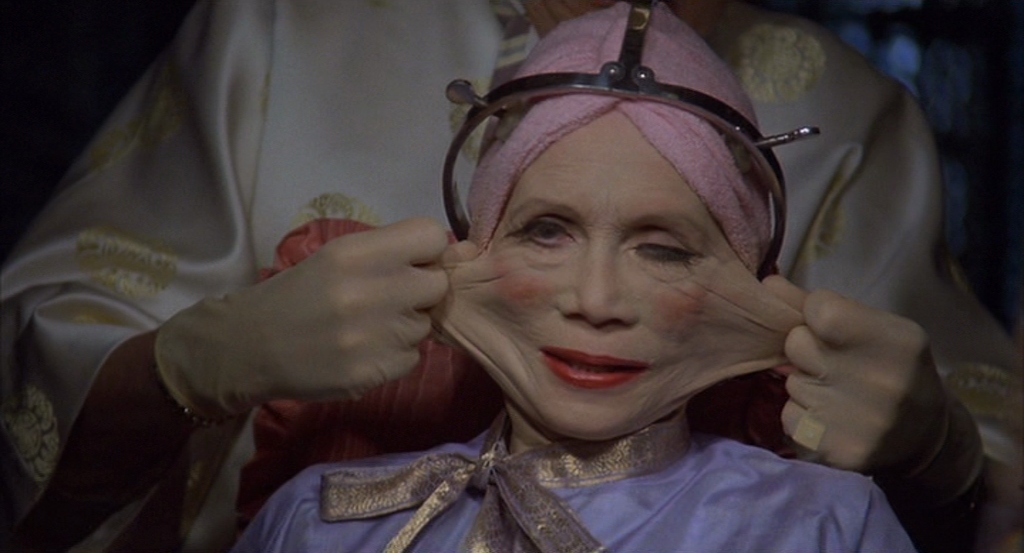
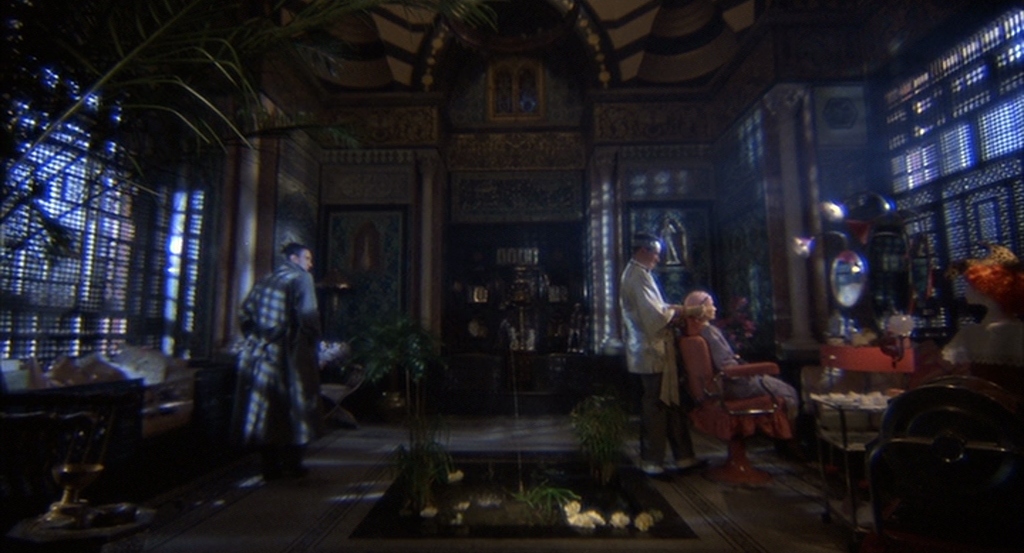
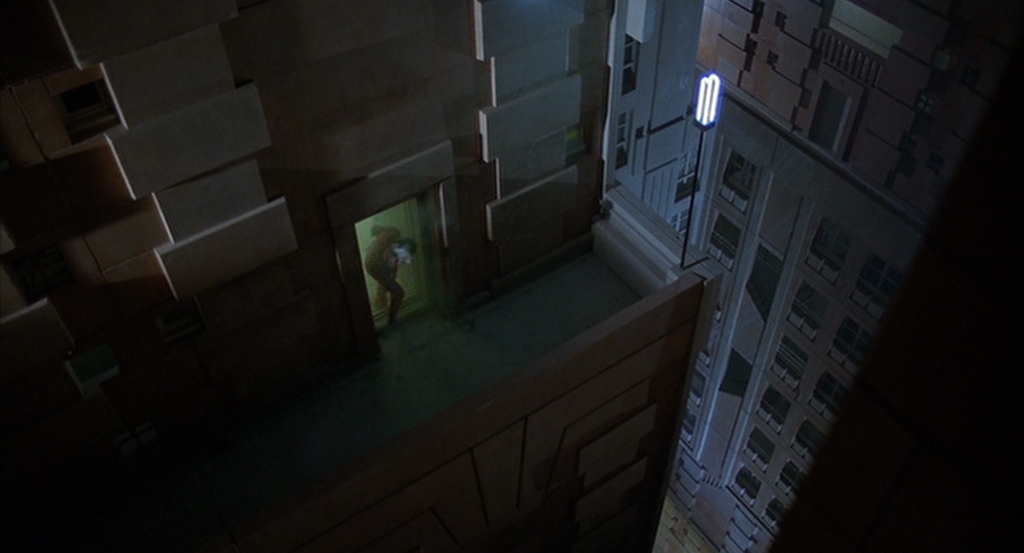
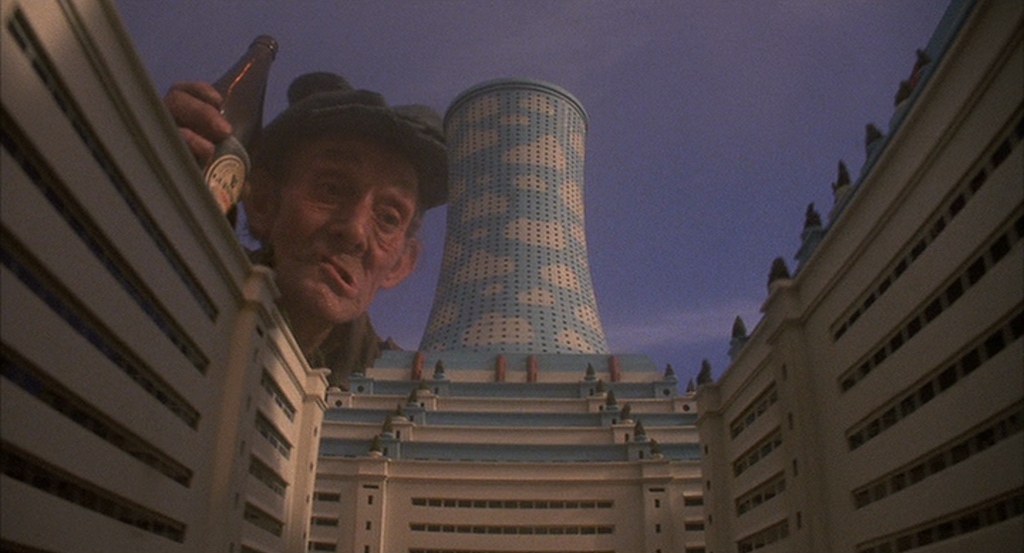
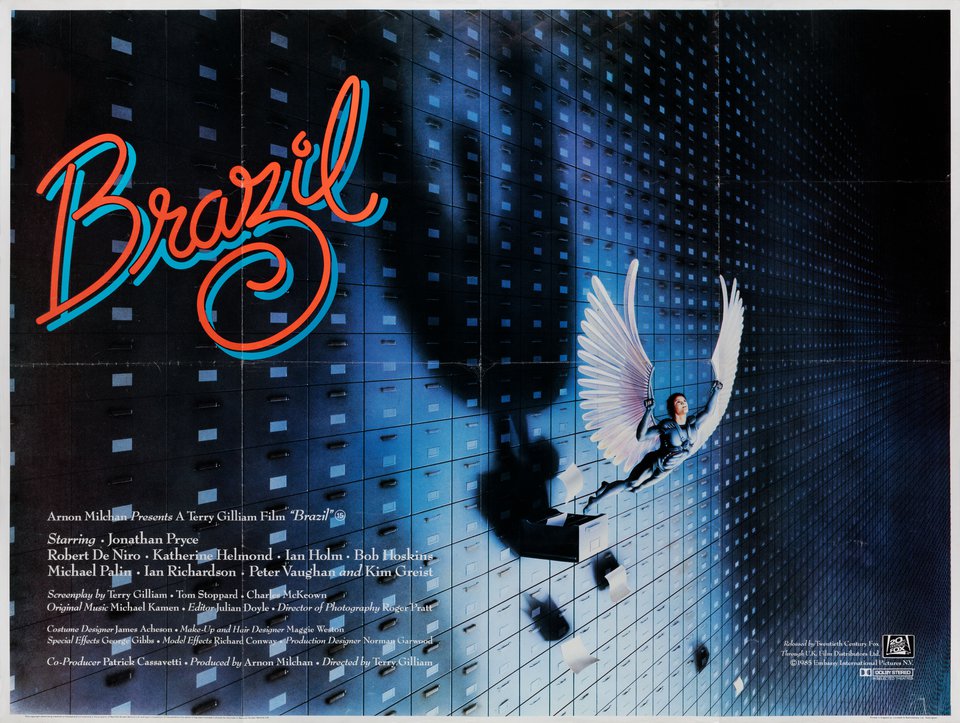
In a bleak, retro-futuristic world dominated by an oppressive and inefficient government, low-level bureaucrat Sam Lowry (Jonathan Pryce) works for the Ministry of Information, where paperwork, surveillance, and bureaucracy control every aspect of life. Sam is a timid and unambitious worker who escapes his dreary reality through vivid daydreams in which he is a heroic, winged warrior saving a beautiful damsel from oppression.



One day, due to a clerical error—a misprint that replaces “Terrorist suspect Archibald Tuttle” with an innocent man, Archibald Buttle—the government arrests and kills Buttle by mistake. When Sam is assigned to rectify the paperwork for the wrongful arrest, he becomes entangled in a web of confusion, deception, and danger.


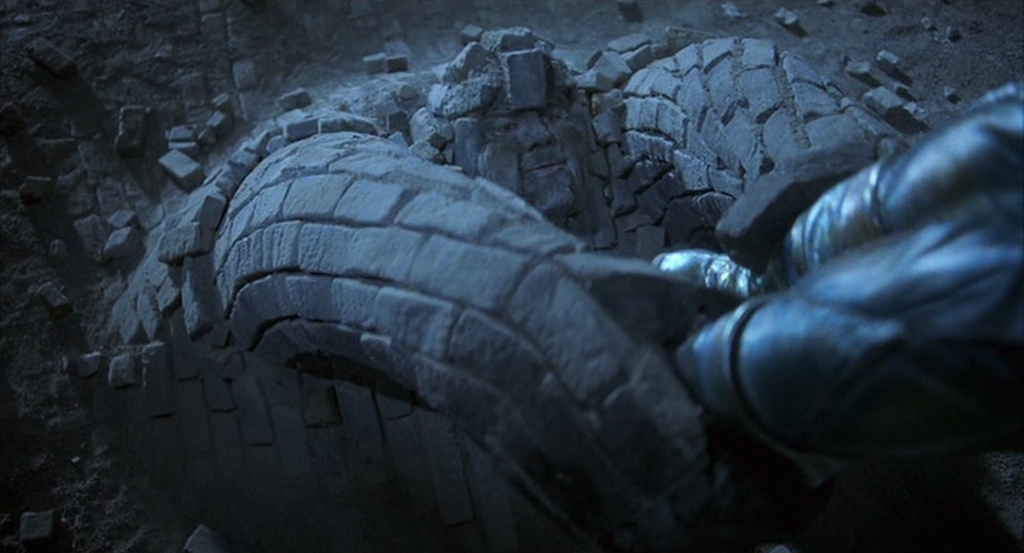
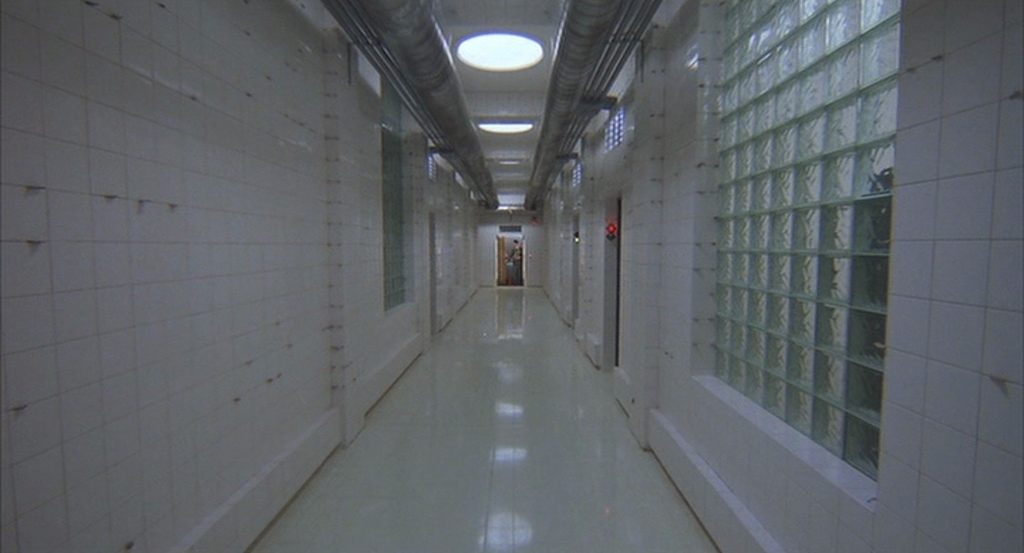
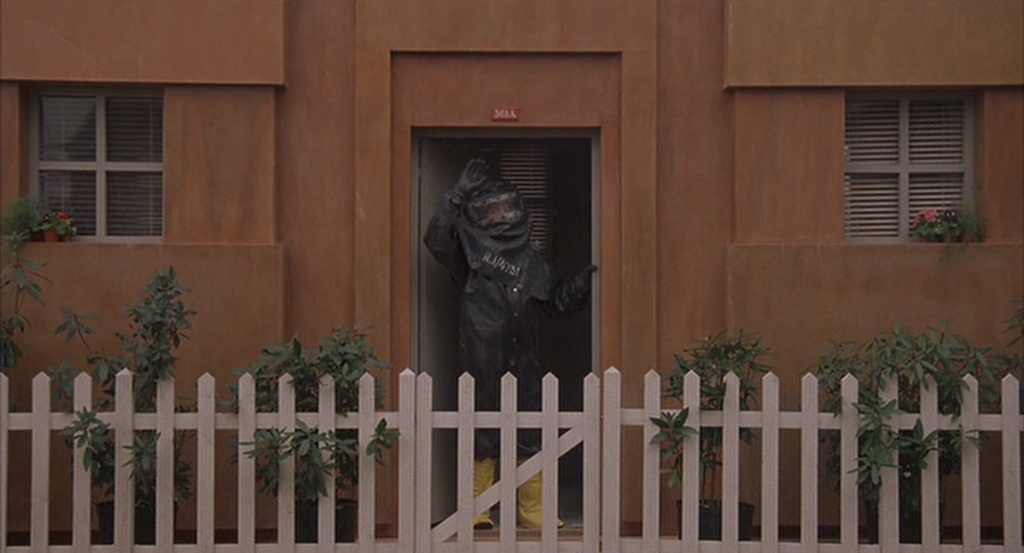

While investigating the mistake, Sam encounters Jill Layton (Kim Greist), a truck driver who looks exactly like the woman from his dreams. Jill has been trying to uncover the truth behind Buttle’s wrongful arrest, making her a target of the government. Infatuated, Sam pursues Jill, determined to save her and prove her innocence.
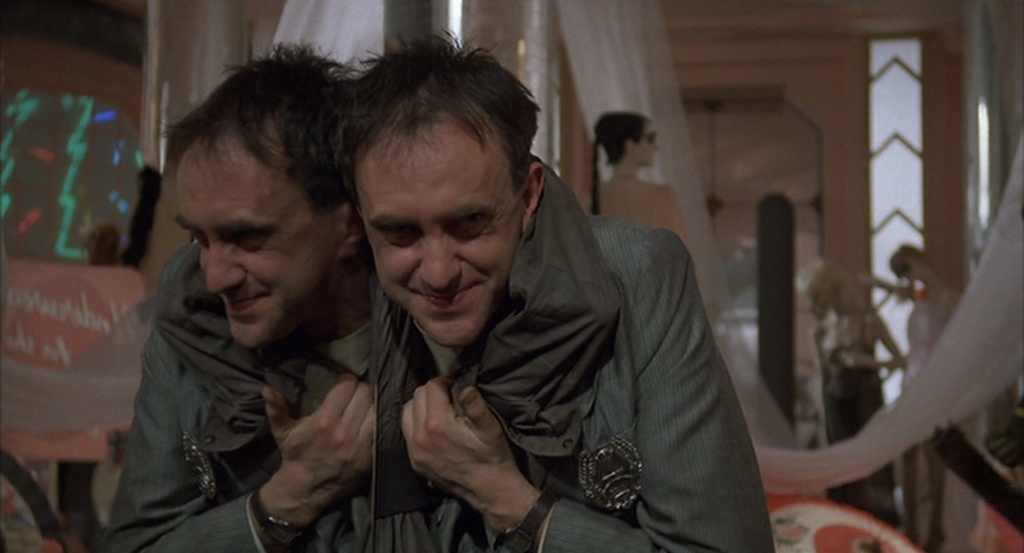

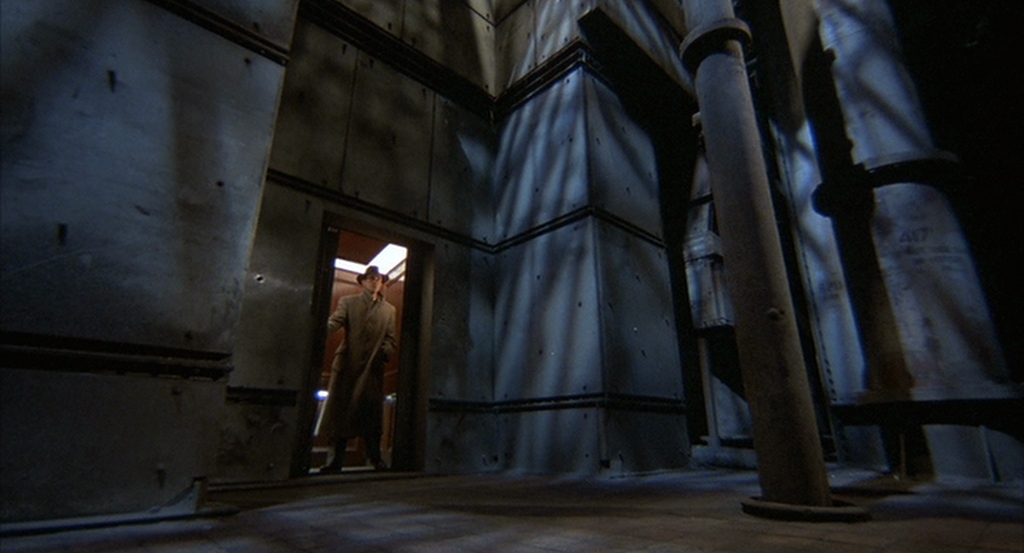
Hoping to get closer to her, Sam accepts a promotion to the elite Information Retrieval Department, where he gains access to higher government functions. However, his new position only entangles him further in the government’s nightmarish surveillance machine. His efforts to protect Jill attract the attention of the ruthless Jack Lint (Michael Palin), a high-ranking government interrogator and Sam’s childhood friend, who is disturbingly calm about his role in torturing suspects.
Meanwhile, Sam crosses paths with Harry Tuttle (Robert De Niro), a rogue heating engineer and former government employee turned vigilante. Tuttle operates outside the system, illegally fixing people’s air conditioning and rebelling against bureaucratic inefficiency. His actions make him an enemy of the government, and Sam is also branded as a traitor by associating with him.
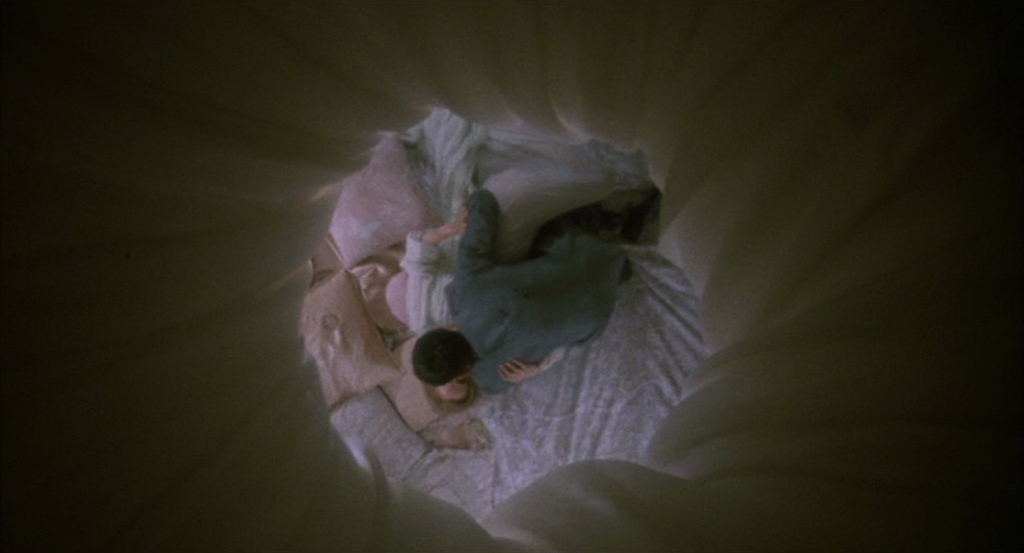

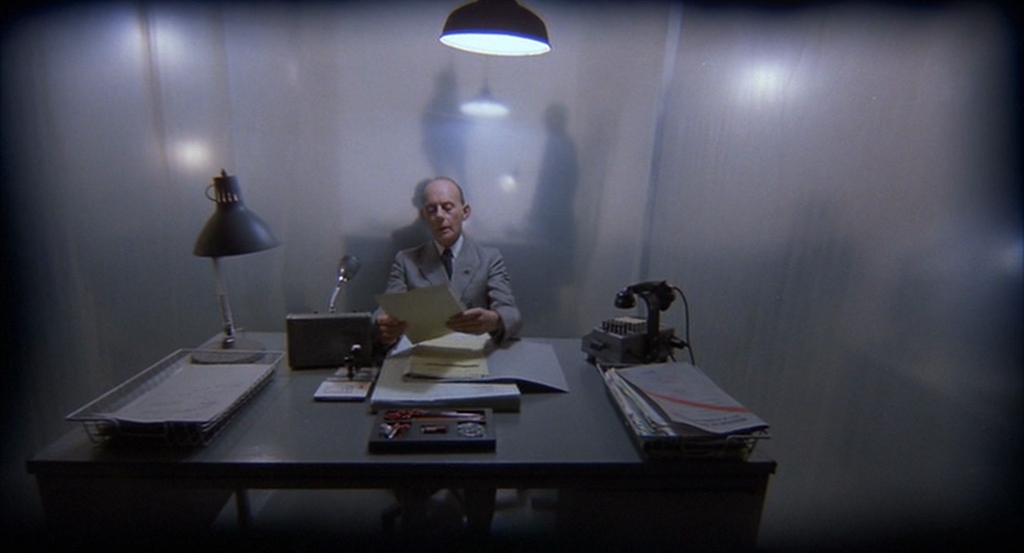

As Sam’s world collapses, Jill is arrested, and Sam becomes a state target. After a series of increasingly surreal and terrifying encounters, he is eventually captured and tortured by Jack Lint. Just as all hope seems lost, Tuttle and a group of rebels dramatically rescue Sam in a daring attack on the facility. They help him escape, and Sam and Jill flee together to a beautiful countryside retreat.
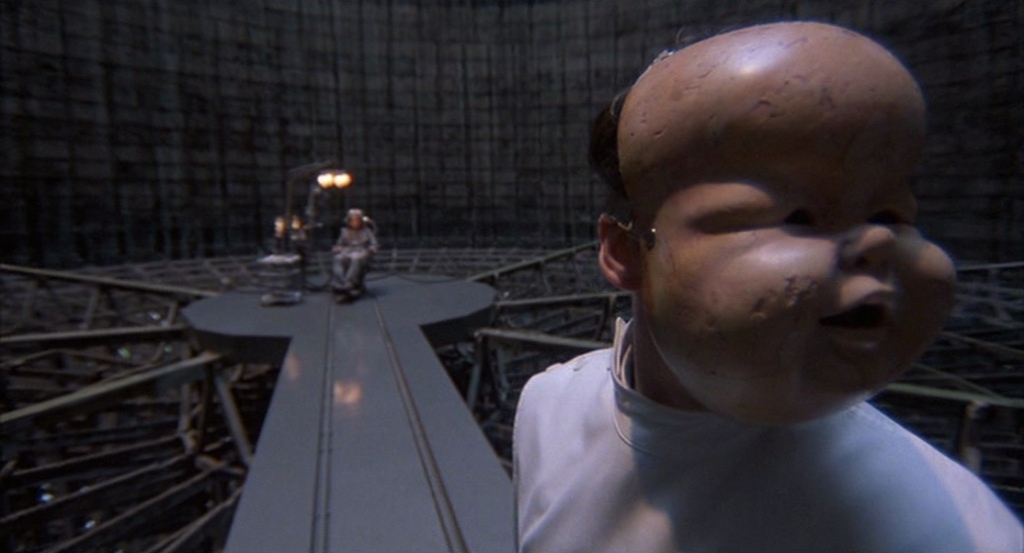
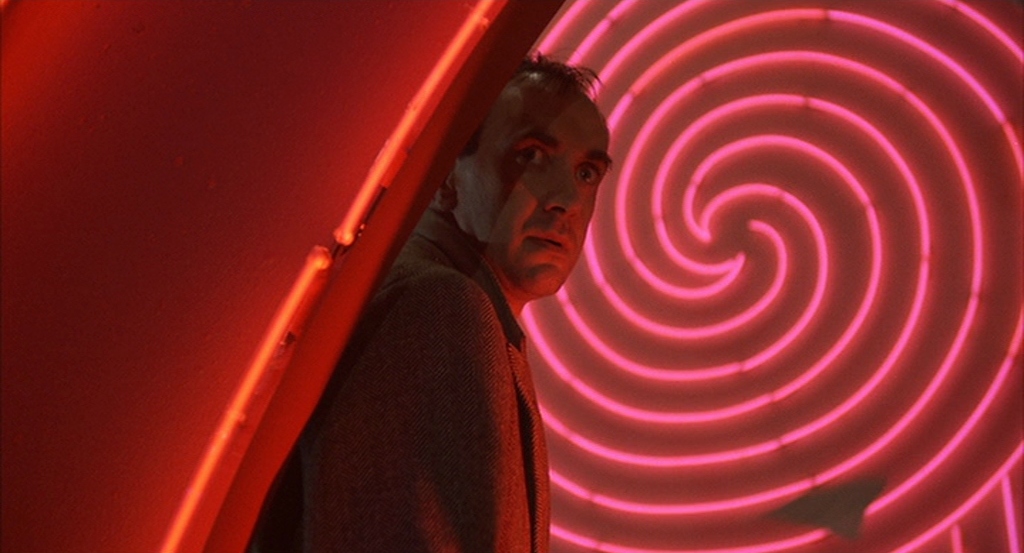
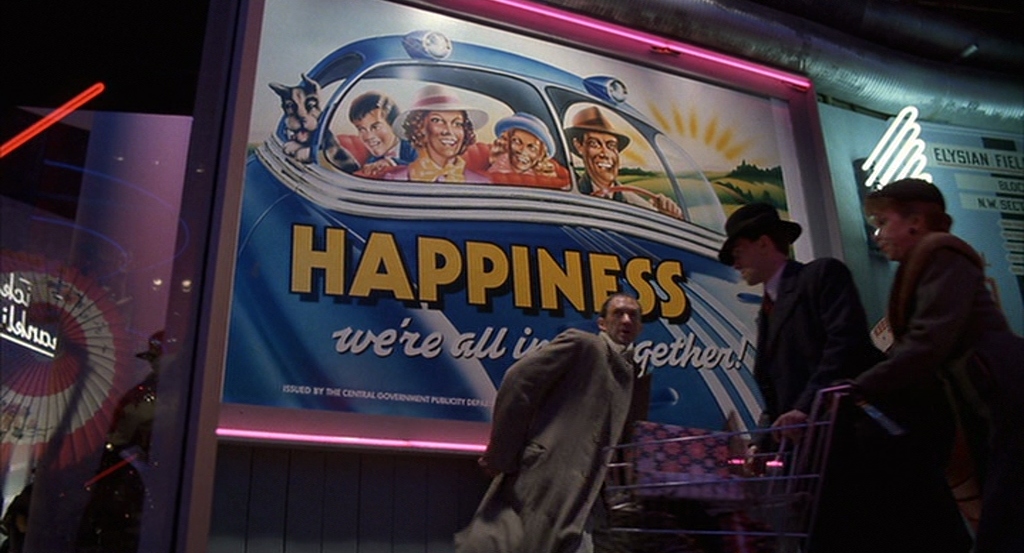

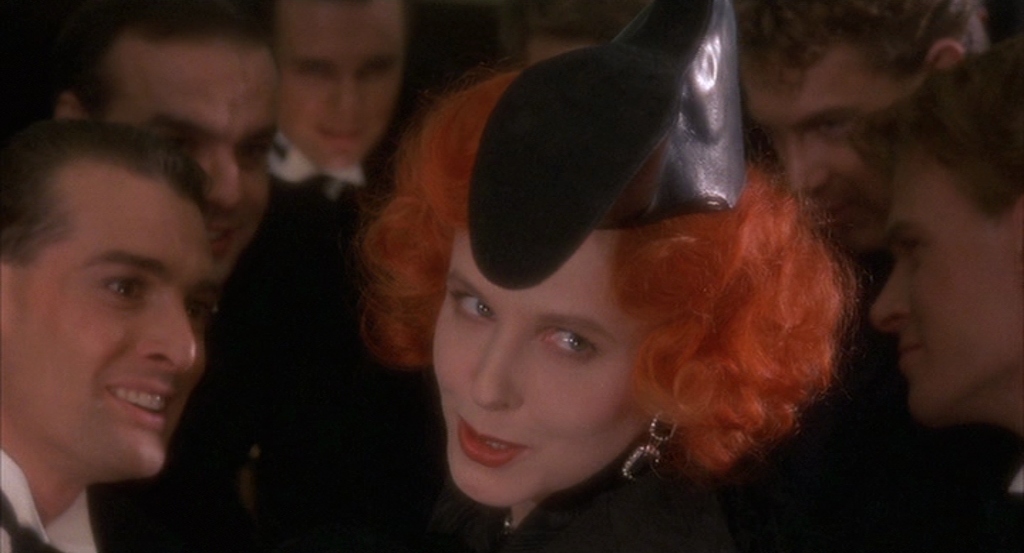
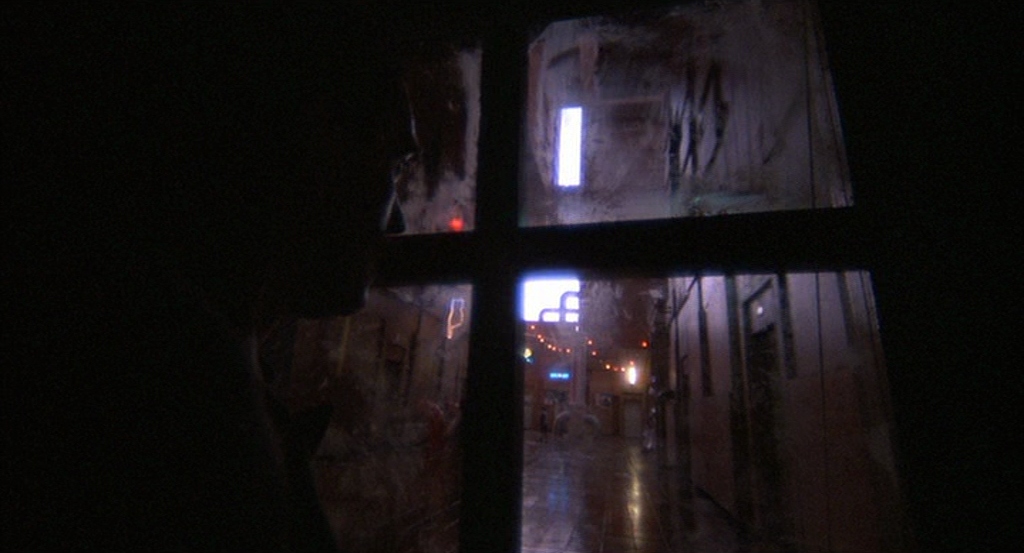
However, this happy ending is abruptly shattered—Sam has not escaped at all. The entire rescue was a hallucination. In reality, he is still strapped to a chair in the Ministry’s torture chamber, completely broken. Jack and his superiors realize he is no longer mentally present, leaving him to his fate. The film ends with Sam, now lost in his own delusions, softly humming a tune as he smiles, blissfully unaware of the horrific reality.
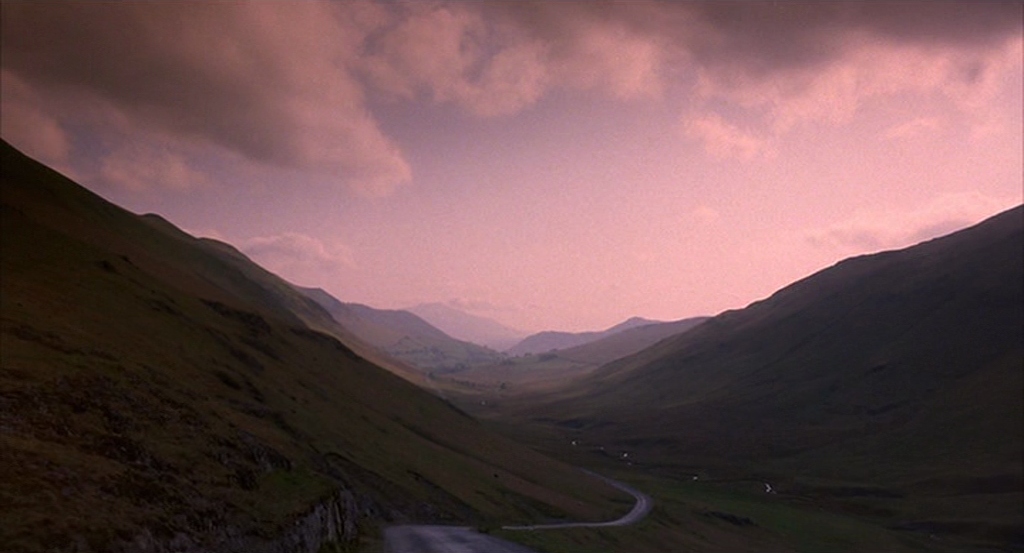
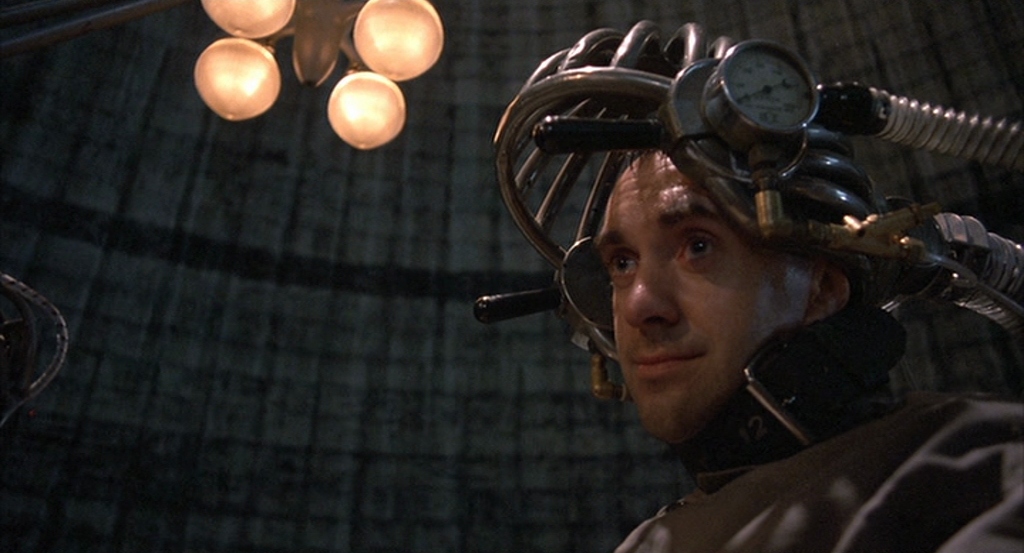
“Brazil” is a darkly comic critique of bureaucracy, authoritarianism, and unchecked government power. It blends elements of George Orwell’s 1984, Kafkaesque paranoia, and Terry Gilliam’s signature surrealist visuals. The film’s visual design, a mix of futuristic and antiquated aesthetics, reflects the absurdity of a society obsessed with paperwork and control.

 The Other Cinema