

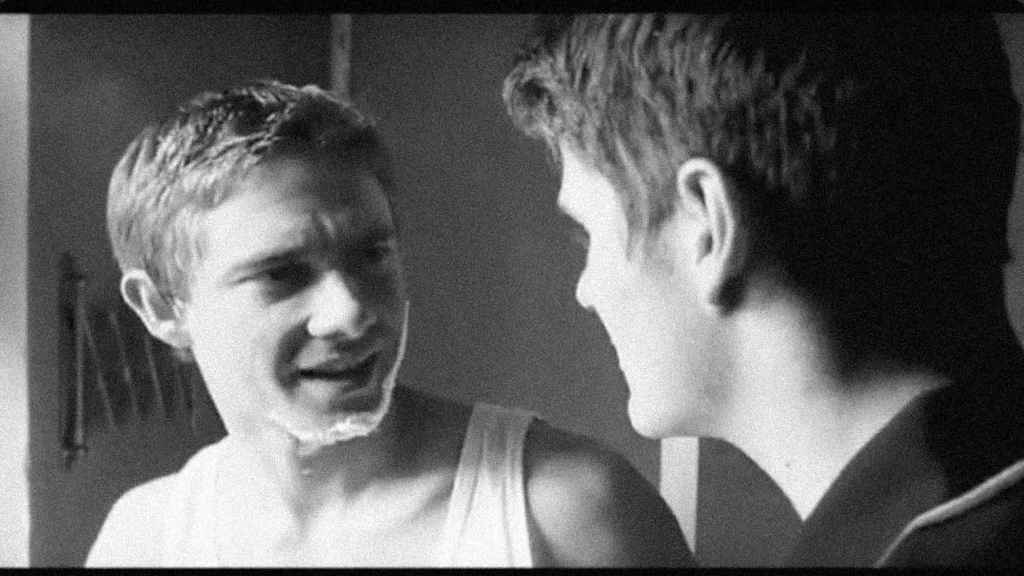

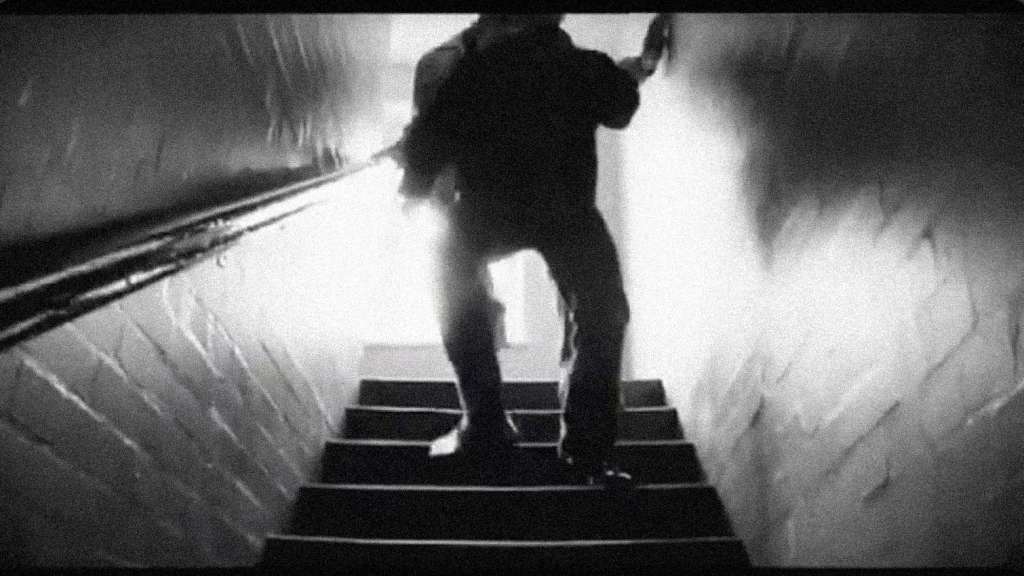
“I Just Want to Kiss You” is an 11-minute short film released in 1998, directed by Jamie Thraves. The film serves as an homage to the French New Wave, capturing themes of friendship and love. The film is shot in black and white, which reflects the stylistic elements of the French New Wave, focusing on the characters’ interactions and personal dynamics. The film stars Martin Freeman as Frank, Harry Peacock as Danny, Lexi Strauss as Katherine, Lee Blakemore as Alice, and Nigel Cooke as Ted.
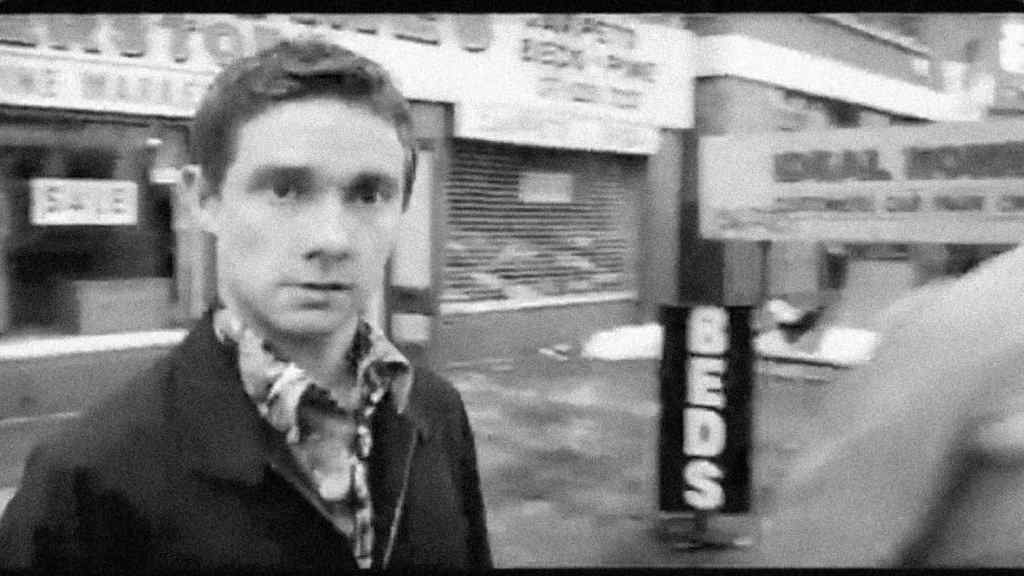

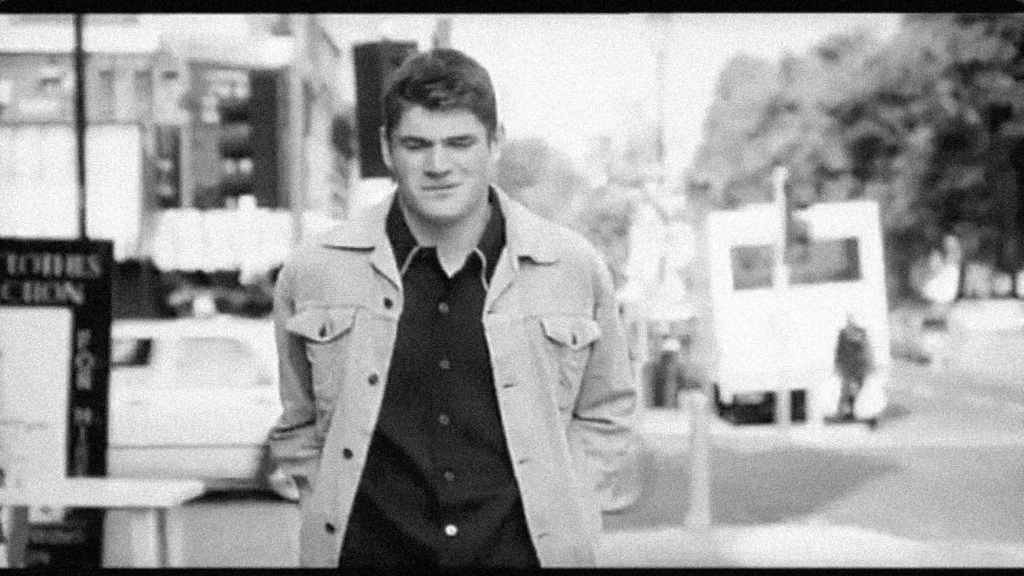
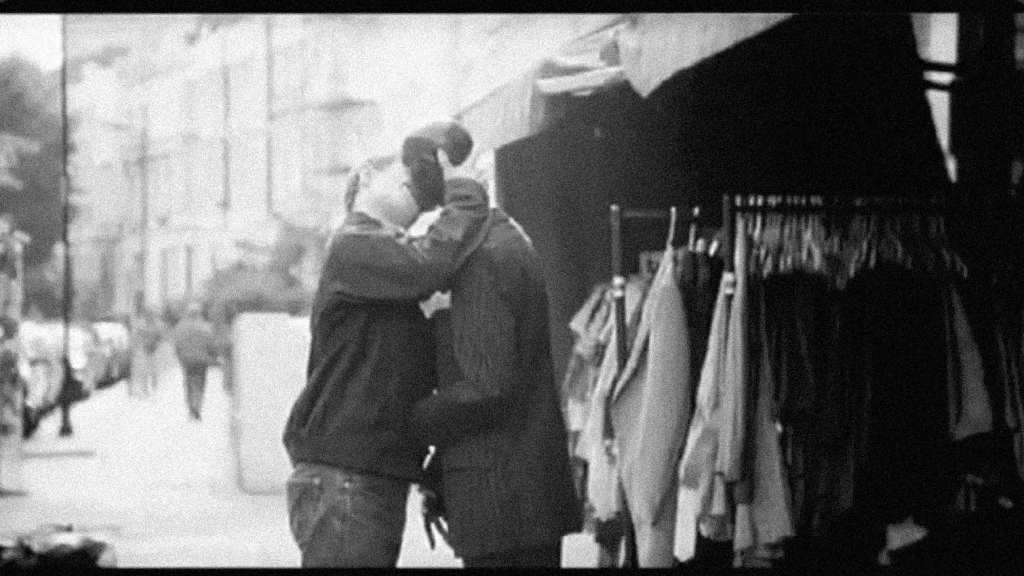
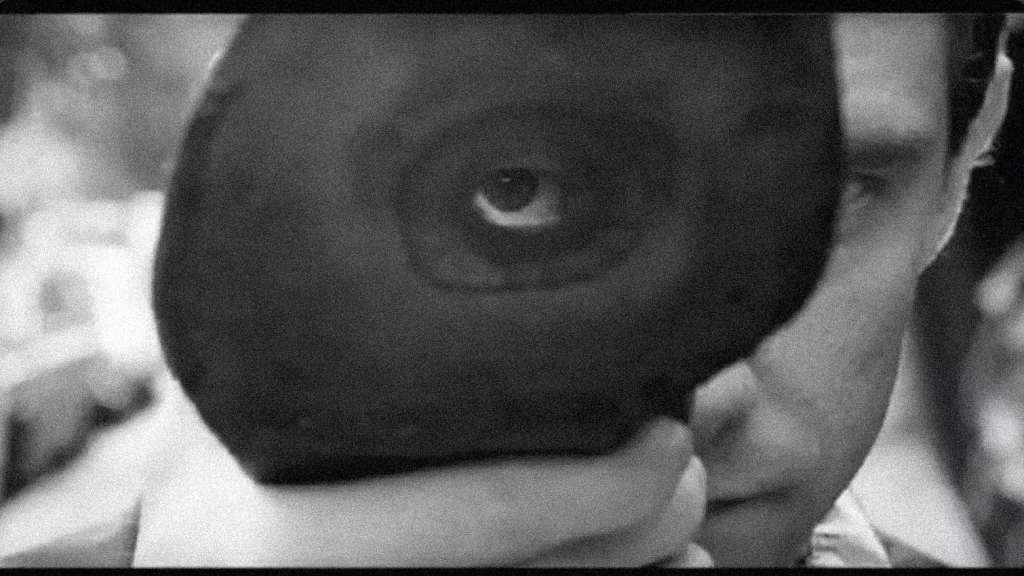

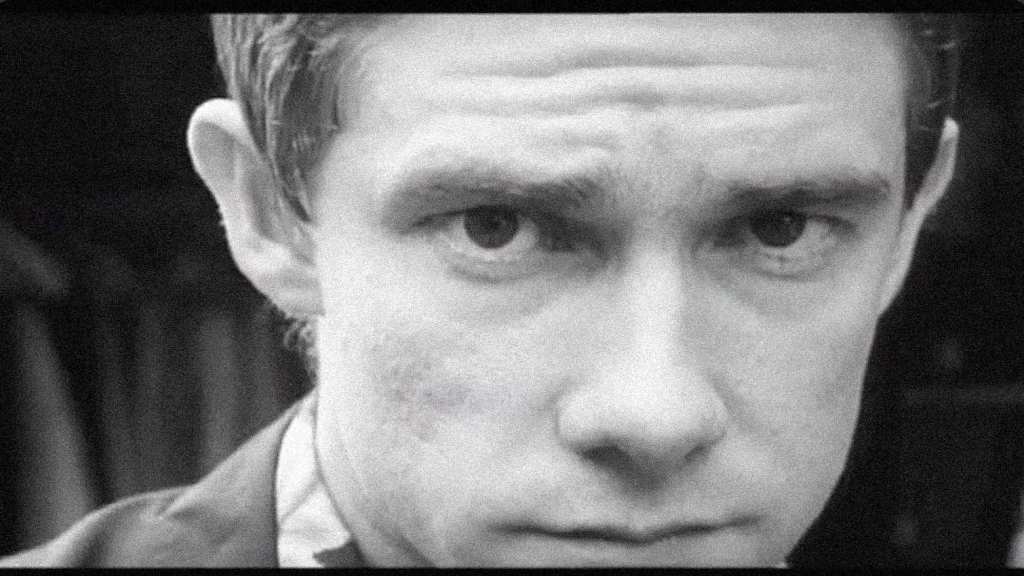
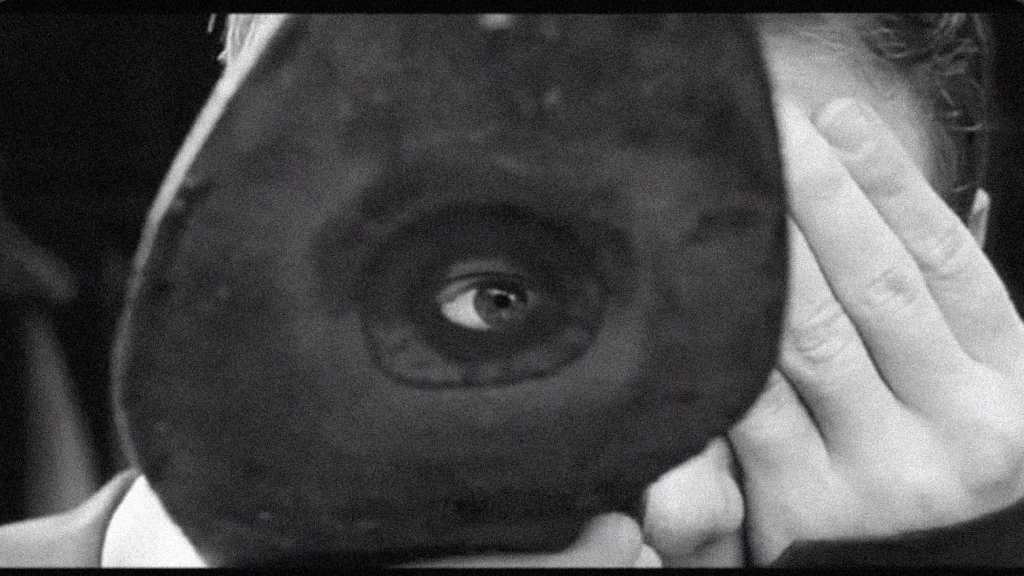
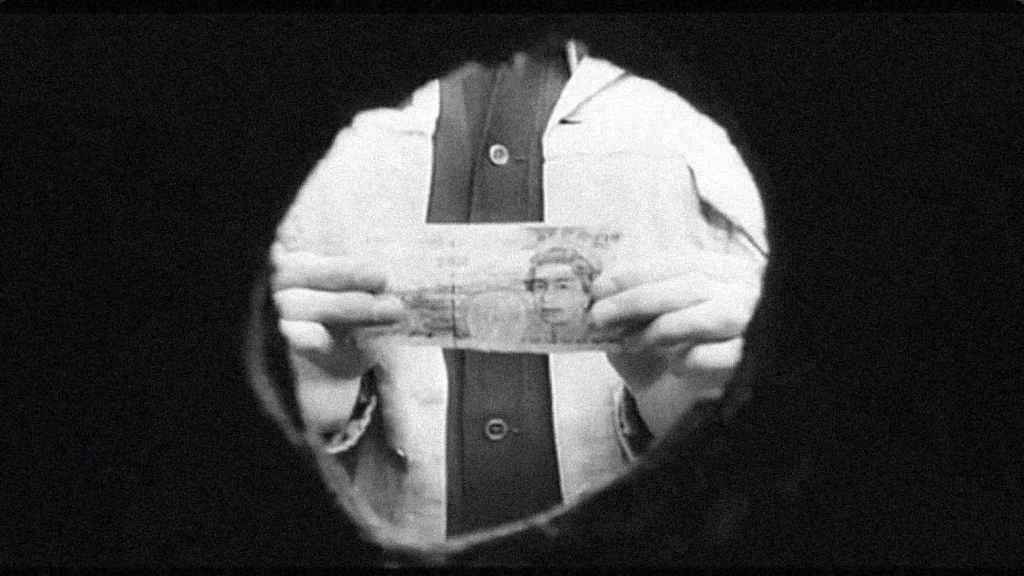
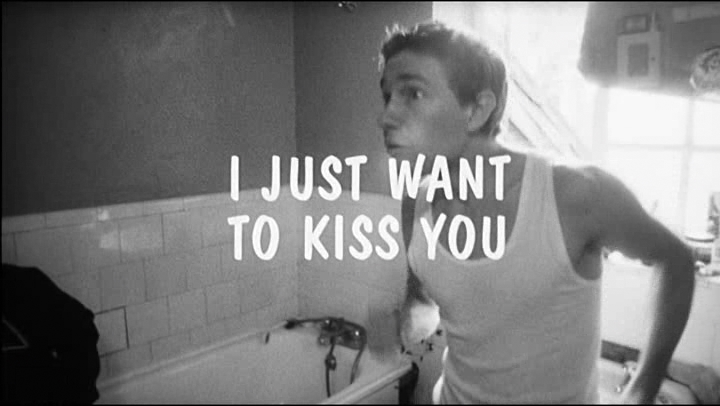
The film starts in a bathroom as Frank (Martin Freeman) and his friend Danny (Harry Peacock) get ready to go out for the afternoon. As they hit the street, the back and forth between Frank and Danny feel akin to the playfulness of “Jules et Jim,” where Frank often breaks the 4th wall and plays to the camera, drawing the audience into their journey.
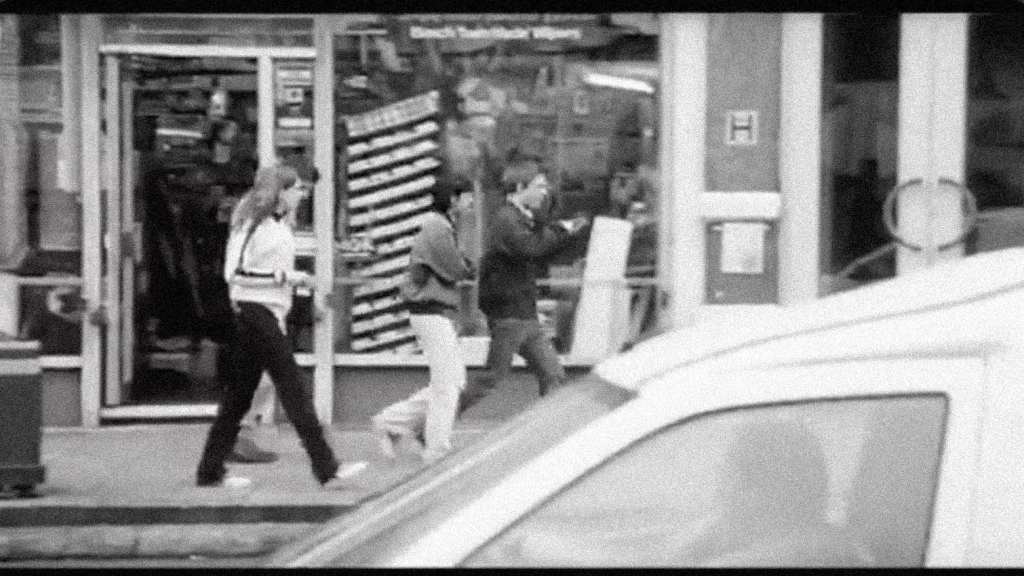
They find themselves in a large pub and meet two girls named Katerine and Alice. Everything goes well until Ted shows up, whom Frank introduces as his dad. He disrupts the connection that was developing between Frank and Katerine. As the afternoon continues, Danny and Alice share a kiss on the street, and they all take the Tube back to Frank’s place.


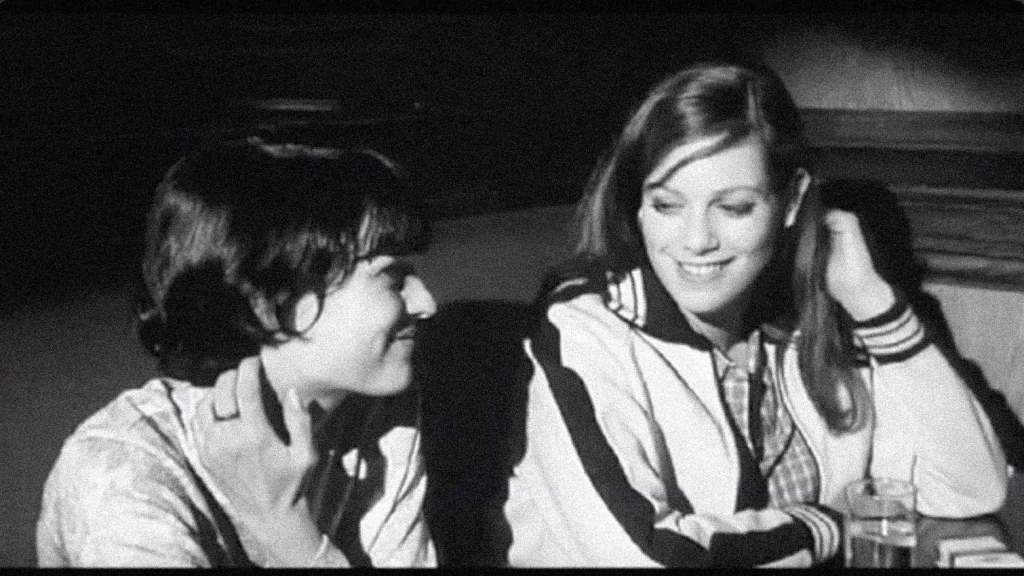



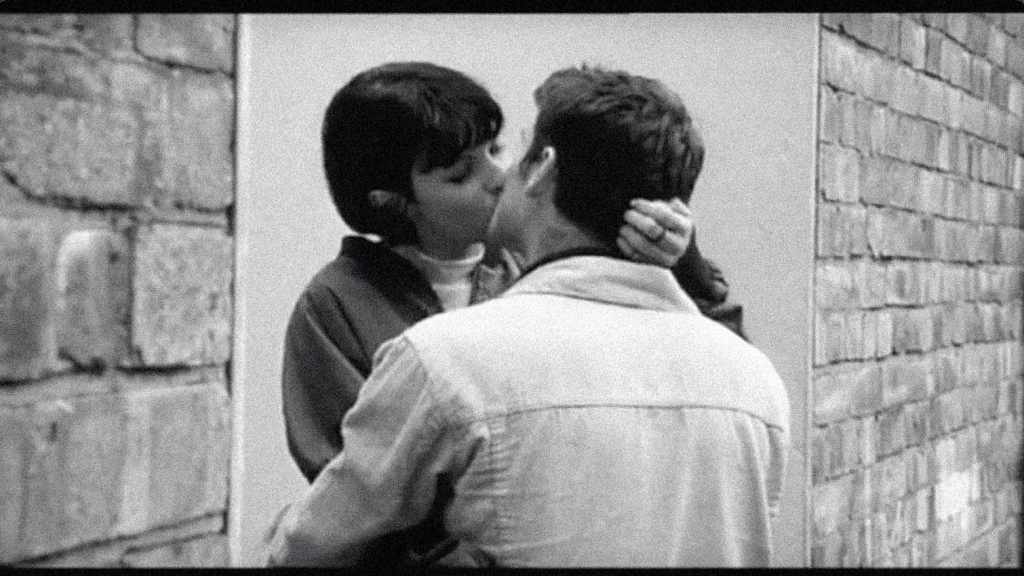
The narrative delves into the nuances of their relationship, highlighting moments of humor and vulnerability. Back at Frank’s, he confidently tells Katherine that he is the best kisser she will ever encounter. She receives this claim playfully, with a hint of genuine desire. Just as the couple is about to kiss, Ted suddenly appears, interrupting the moment and shifting the mood. He demands his money from Frank. As Frank attempts to escape, chaos ensues, all set against an upbeat jazz soundtrack.
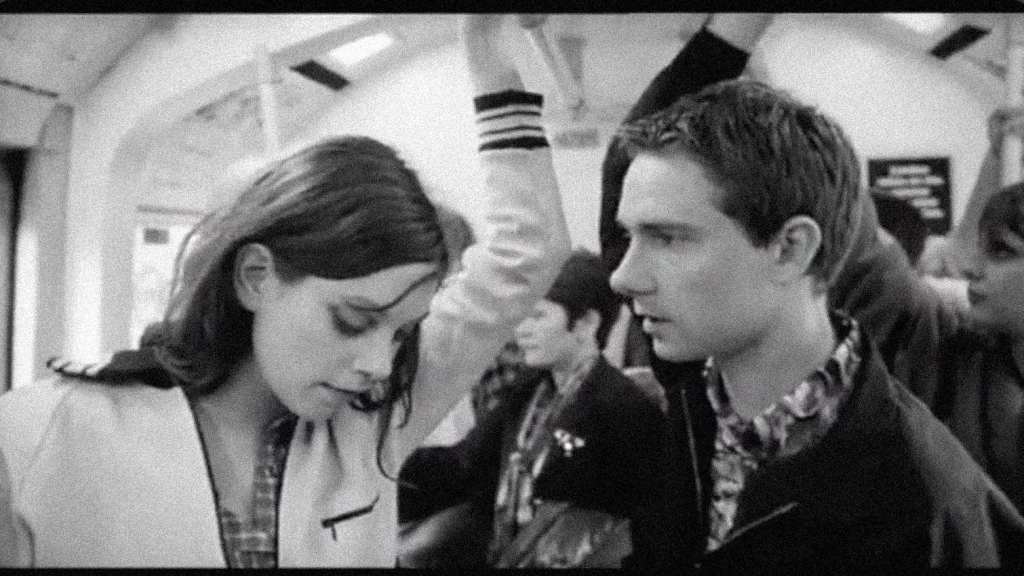

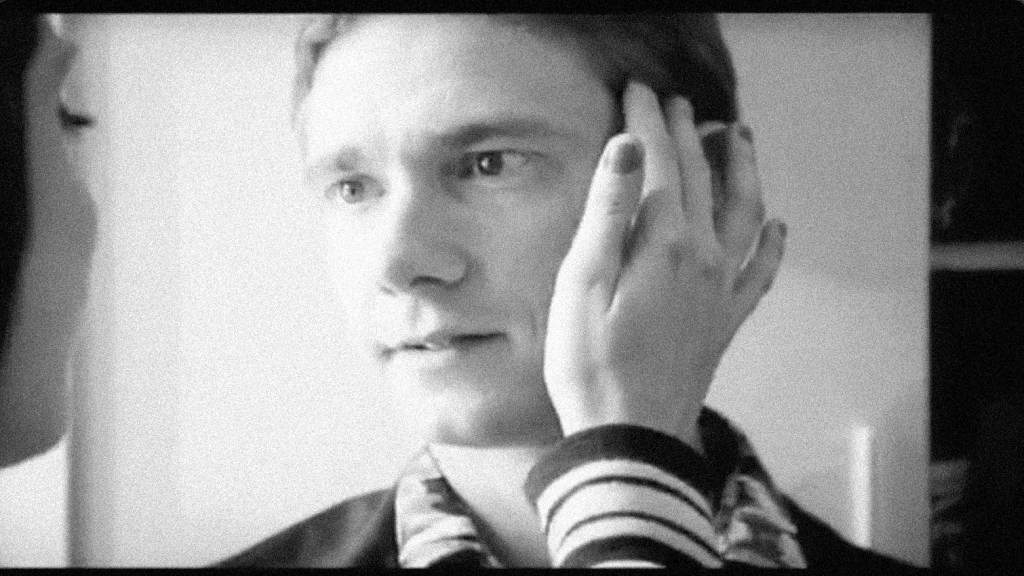
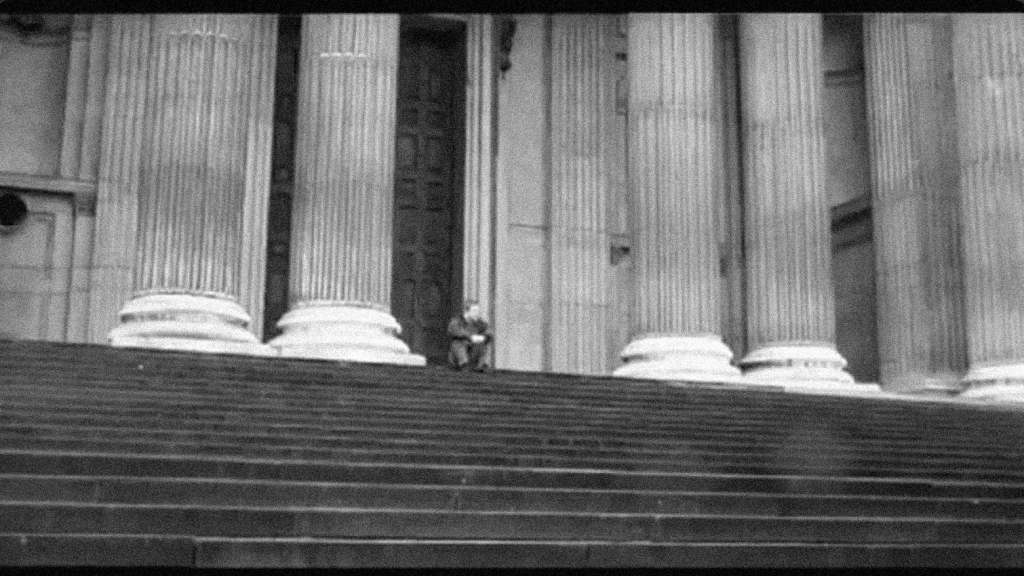
As Ted seems to be kicking Frank, Katerhing intervenes by hitting him over the head with an object that shatters, causing the scene to end abruptly. The film concludes with Danny meeting Frank on rain-soaked steps, where Frank says, “Come on, let’s go,” suggesting the possibility of starting over.

The film’s minimalist approach and focus on character-driven storytelling provide a poignant insight into human connections and the simple yet profound moments that define them.
 The Other Cinema