

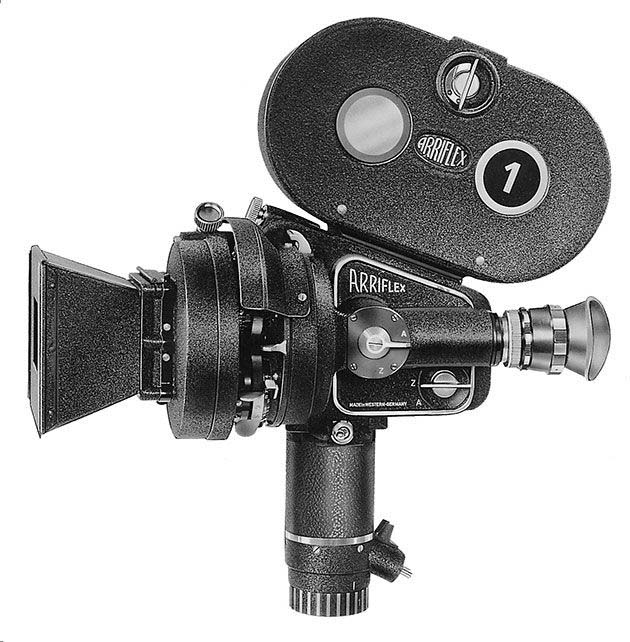
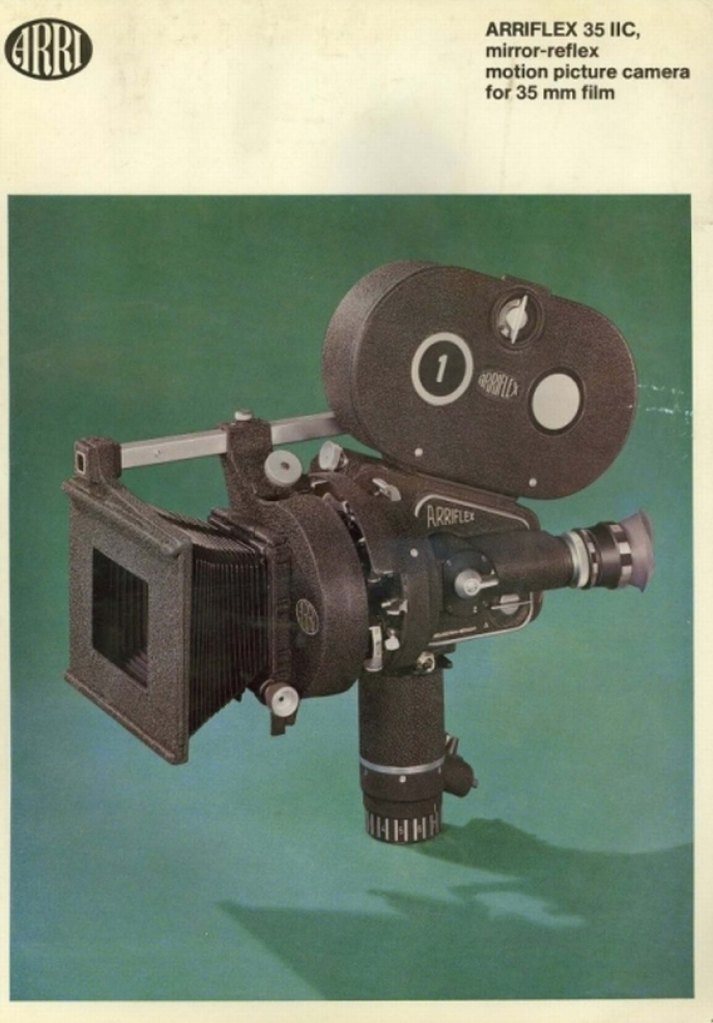
Being a bit of a camera buff, I thought I’d occasionally profile some of the cameras that have had a significant influence on the film industry. There is no arguing that the Arriflex 35IIC is one of them. I will eventually profile cameras before and after the 2C, which will provide context for why it was such a significant influence on the business and how it helped filmmakers expand their repertoire in shot selection. But for now, here’s a quick breakdown on the camera itself.
The camera was manufactured by Arnold & Richter Cine Technik (ARRI) in Munich, Germany, named after the first two letters of the founders’ names. It was first introduced in 1964.
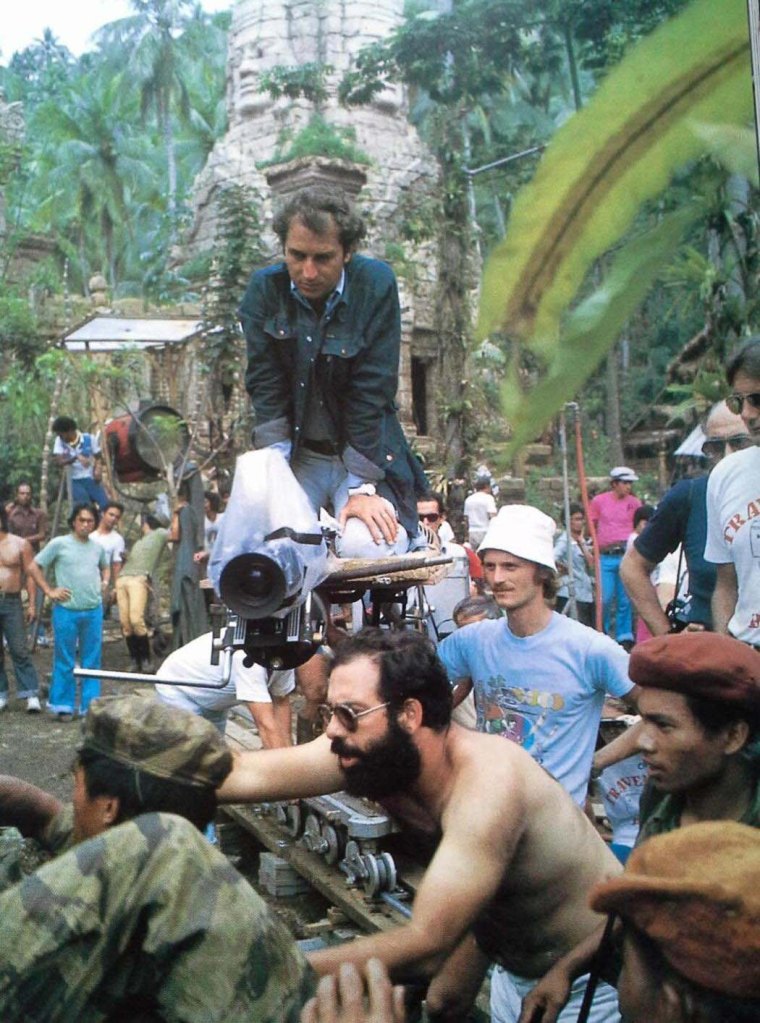
The Arriflex 2C represented the third generation of ARRI’s original Arriflex 35 reflex camera, which had debuted in 1937 as the world’s first reflex mirror shutter motion picture camera.
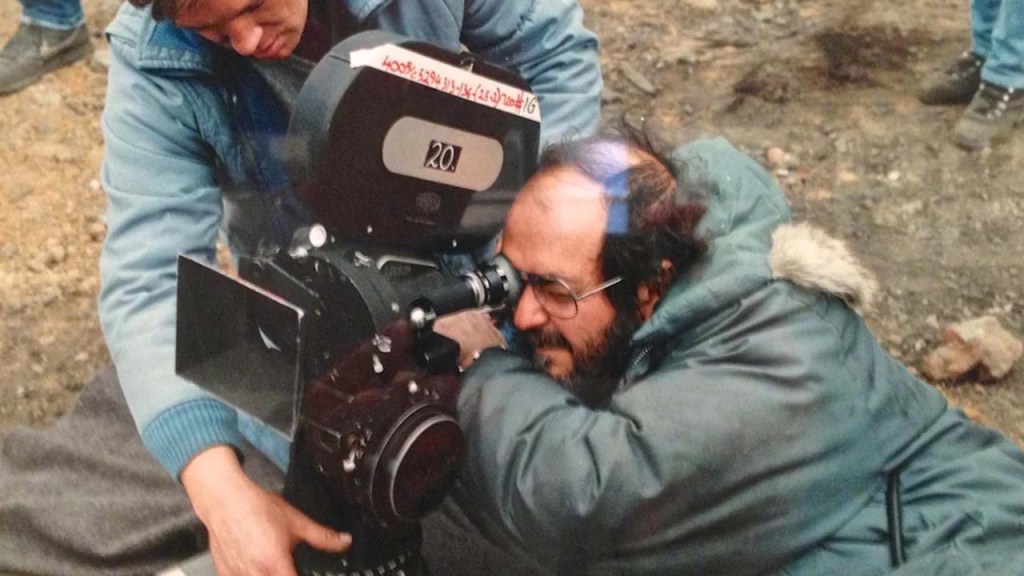
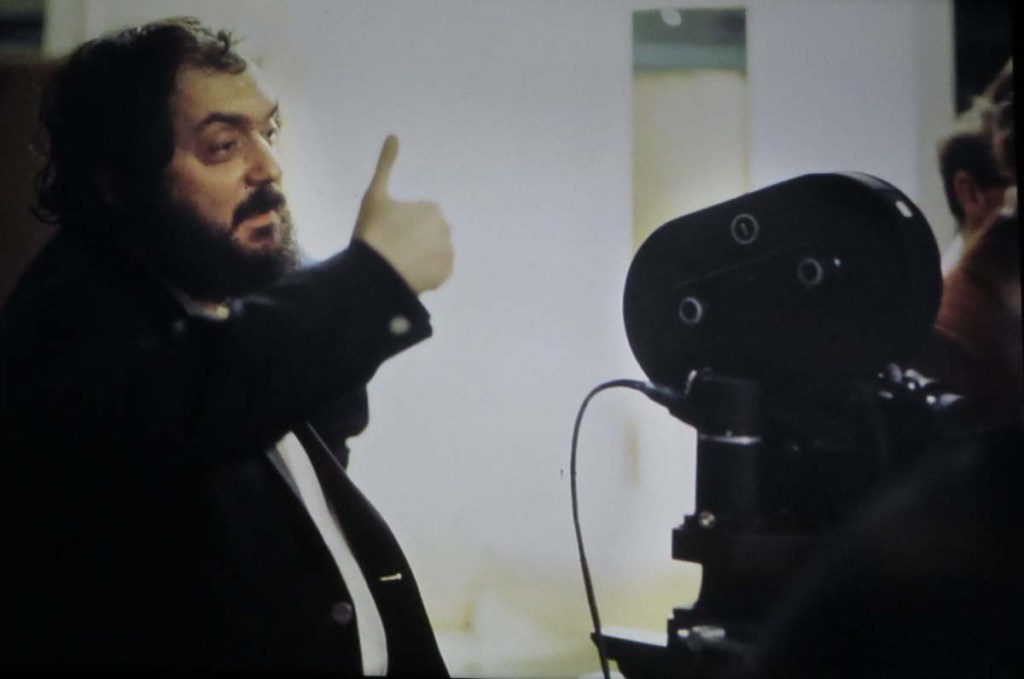

The 2C included several innovations, such as reflex viewing with a spinning mirrored shutter. This feature allowed the operator to look through the taking lens while filming, eliminating parallax errors.
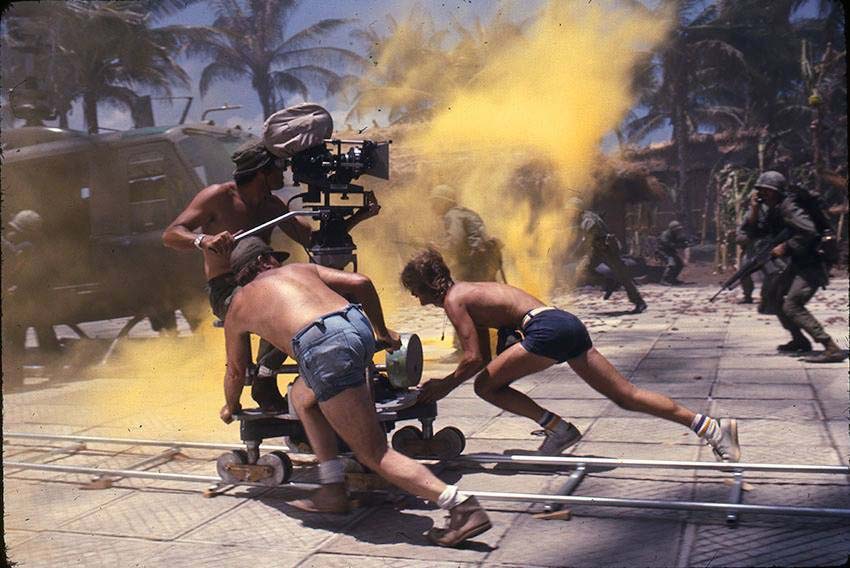
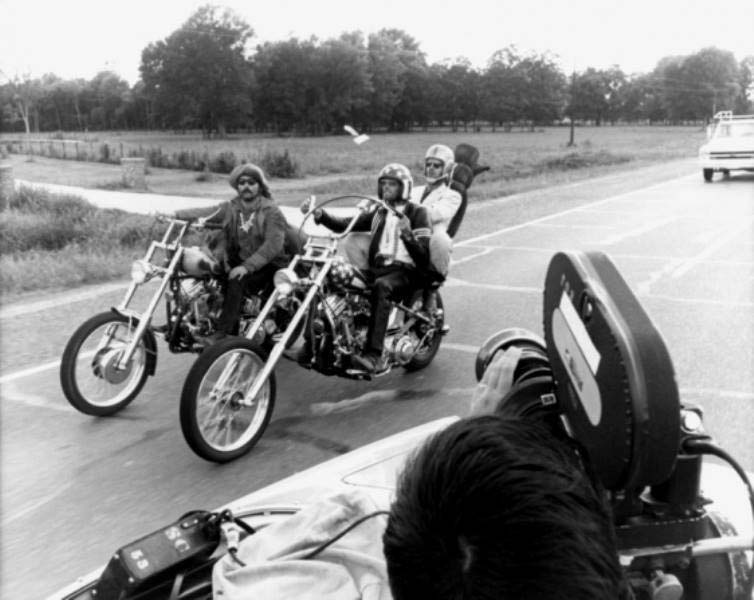
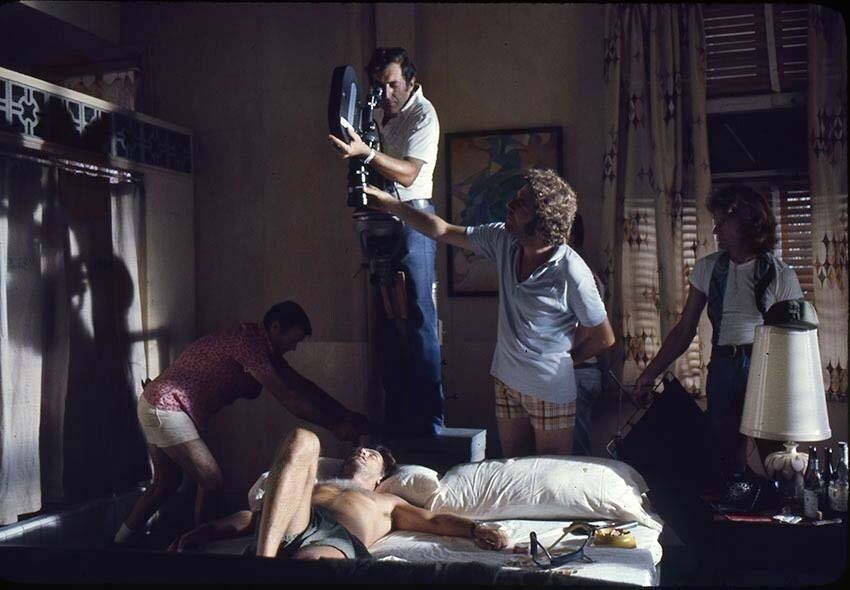
The camera was designed to be compact and lightweight, weighing only 12 lbs for the body—significantly lighter than the Mitchell and other studio cameras of its era. This made it a popular choice for handheld and location work. It primarily featured an ARRI Standard Mount, although conversions to BNCR, PL, and Panavision mounts became common. It was compatible with 200′ and 400′ coaxial magazines, providing runtimes of roughly 6 minutes and 11 minutes, respectively, for 35mm film.
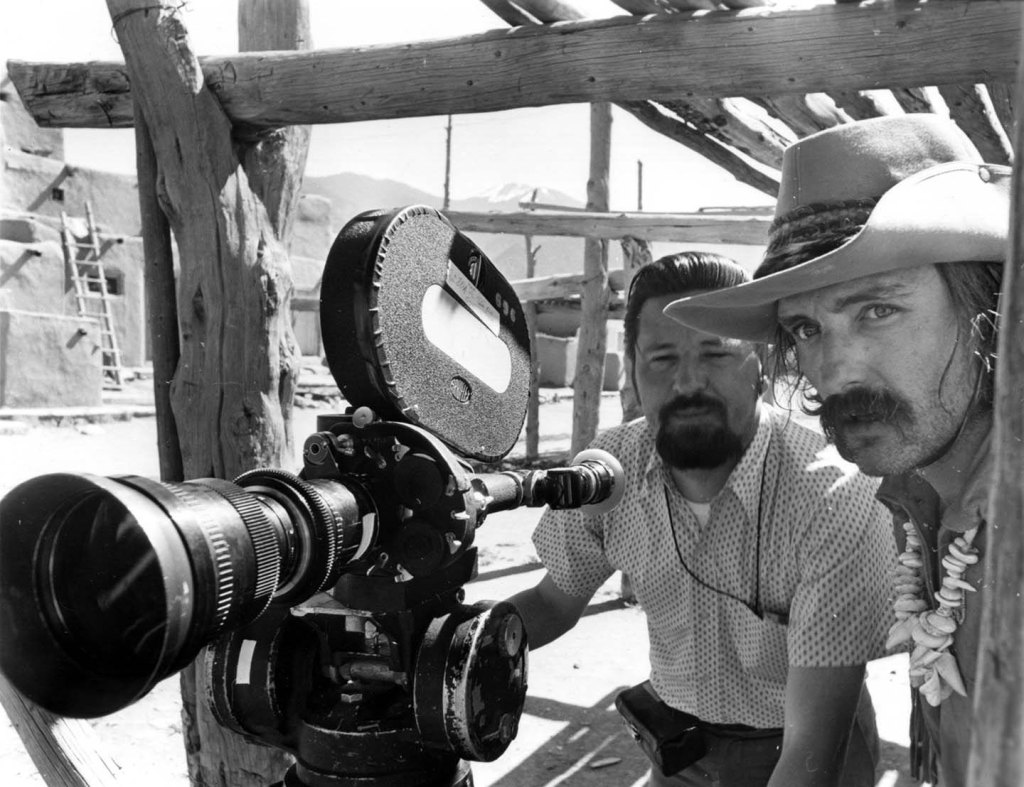
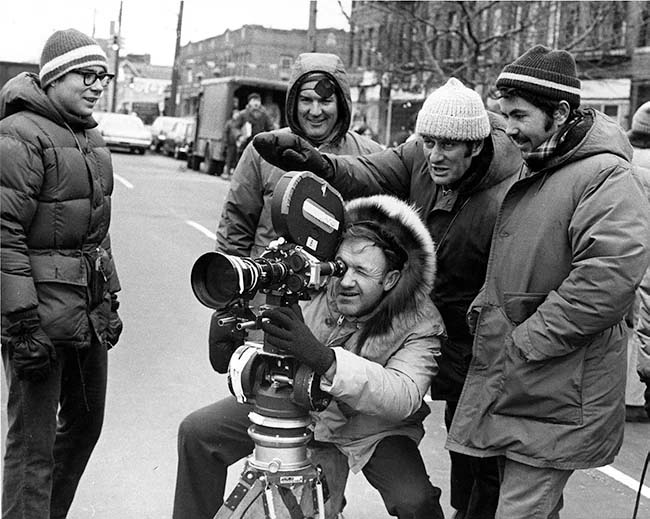
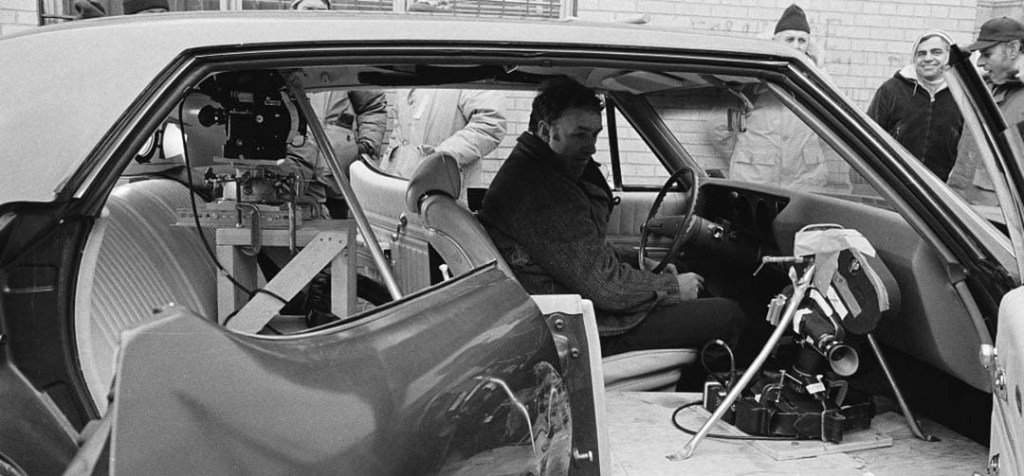
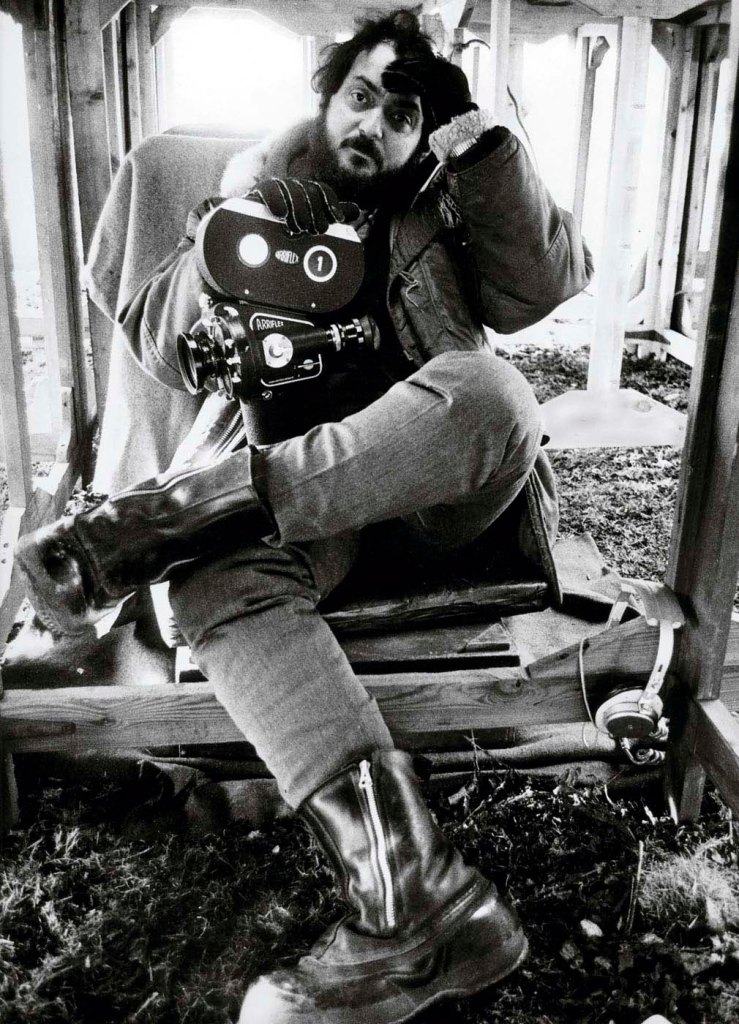
The Arriflex 2C quickly earned a reputation as a “workhorse” camera due to its ruggedness, ease of maintenance, and mechanical simplicity. It became a staple in documentary, independent, and feature filmmaking from the 1960s through the 1980s. Its mobility made it especially favored for handheld shots and action sequences.
Its iconic shape also became synonymous with the image of what a motion picture film camera looked like, as let’s face it, it was/still is a beautiful looking camera.
Notable productions that used the Arriflex 2C camera include the following, and its influence extends much further, as it became a standard for television commercials of the time as well. Noteworthy films include:
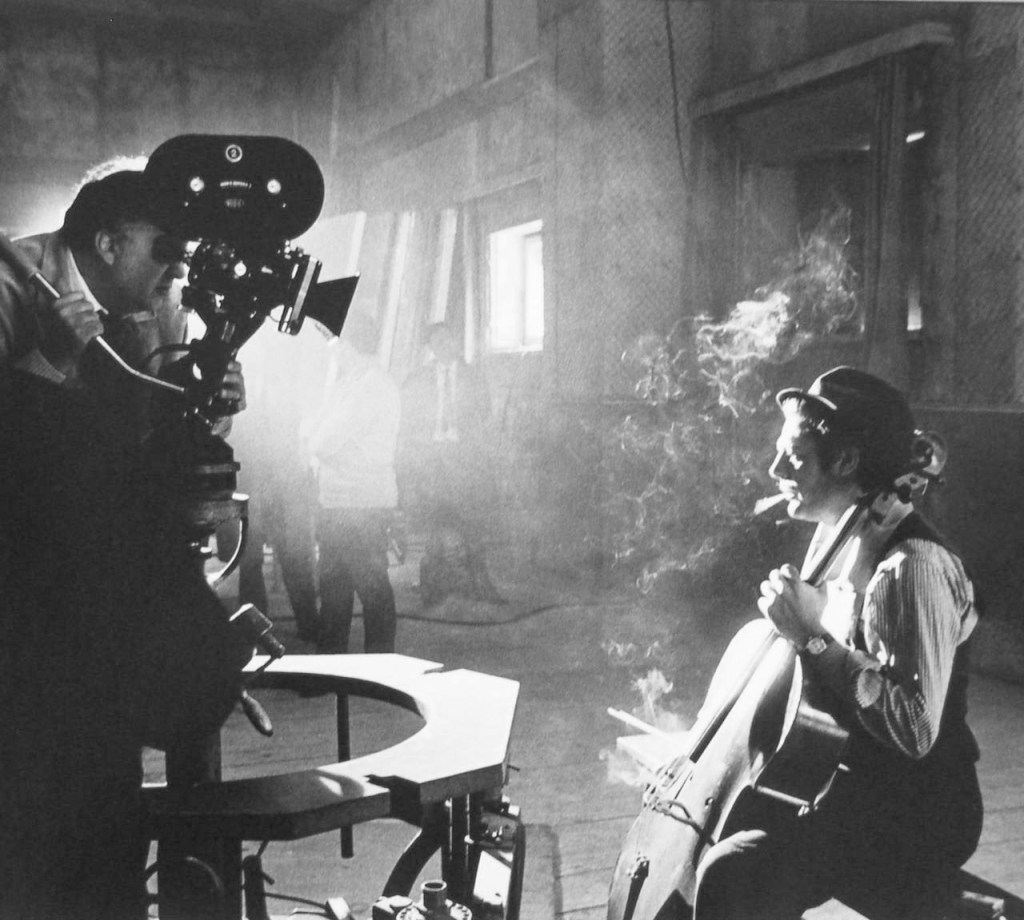
- “8½”: Directed by Federico Fellini.
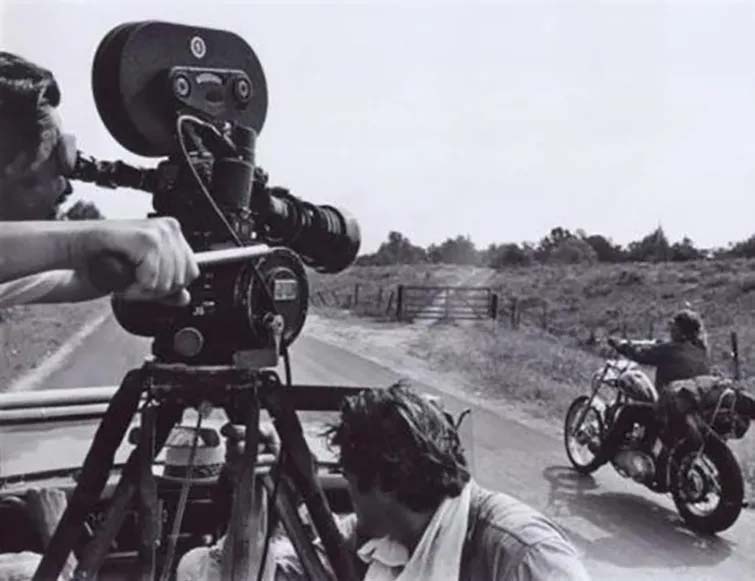
- “Easy Rider” (1969): Dennis Hopper and Laszlo Kovács extensively used Arriflex 2Cs to achieve the film’s roaming, naturalistic style.
- “Raging Bull” (1980): Martin Scorsese’s cinematographer, Michael Chapman, employed it for the fight sequences.
- “Apocalypse Now” (1979): Vittorio Storaro utilized it in the combat and helicopter scenes.
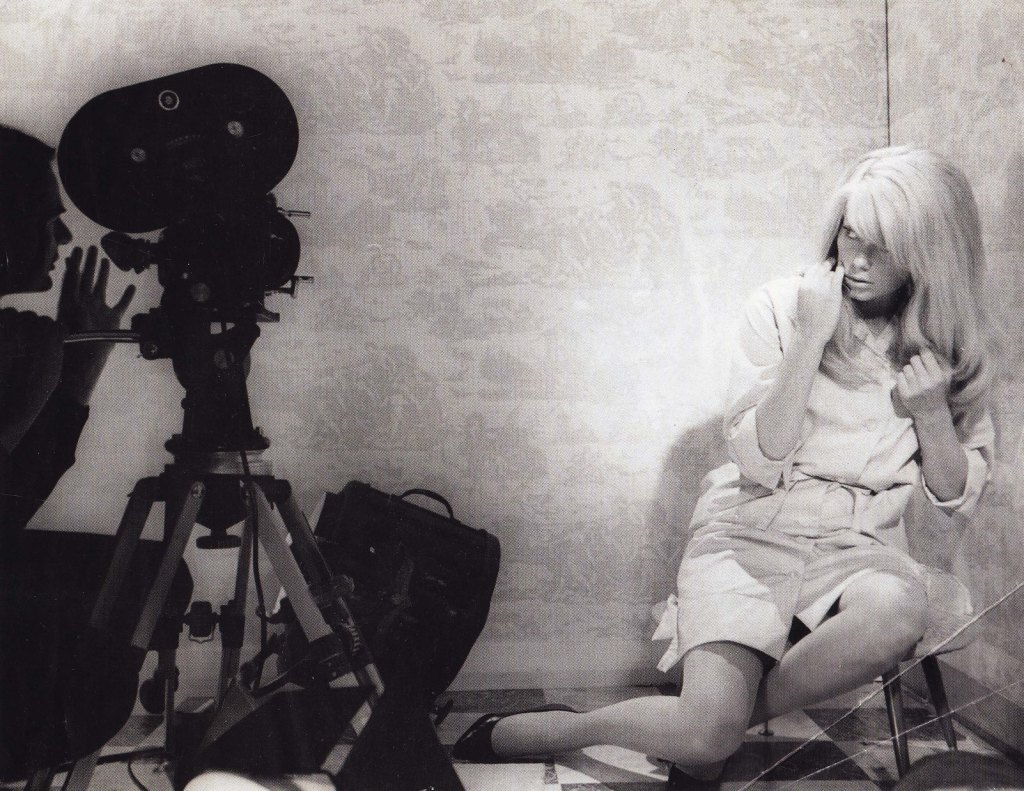
- “Repulsion” and many other films from that era.
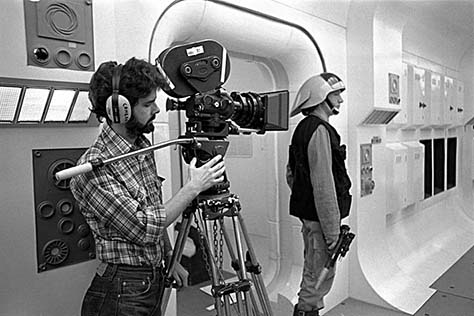
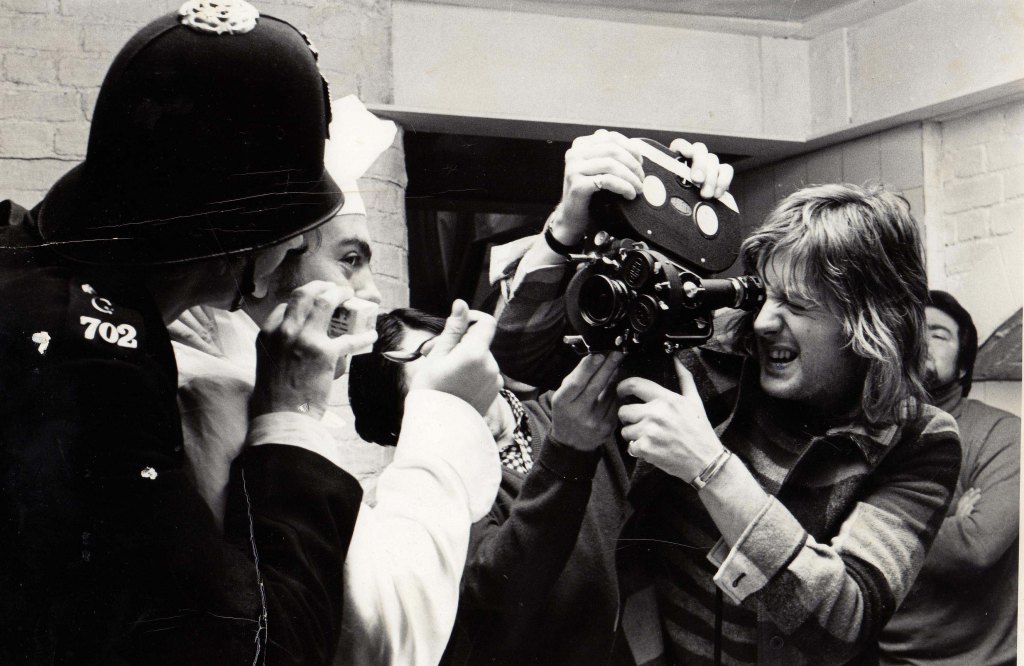
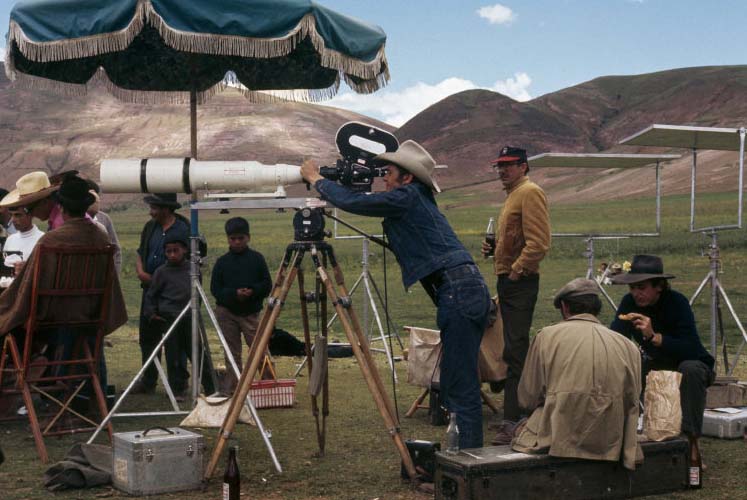
NASA also modified the Arriflex 2C for use in space missions, where it was used by astronauts during the Apollo flights. Additionally, the camera was utilized in thousands of music videos and commercials well into the 1990s. The Arriflex 35IIC is truly a legendary camera!
 The Other Cinema
Leave a comment