

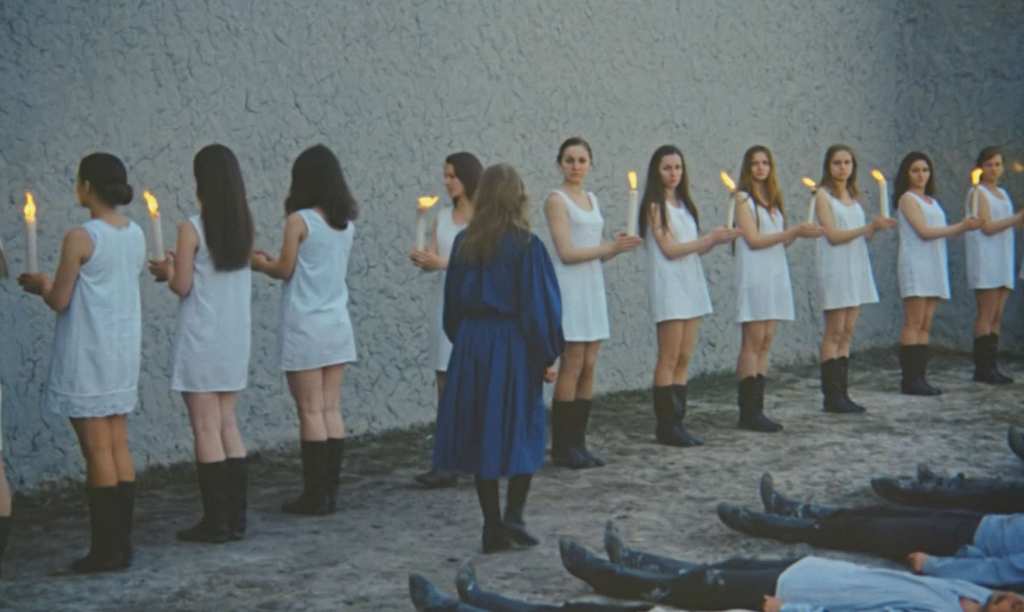
‘Electra, My Love’ (Szerelmem, Elektra) is a 1974 visually stunning and politically charged Hungarian film directed by Miklós Jancsó. Known for his long takes and choreographed movement, Jancsó reinterprets the classic Greek myth of Electra as an allegory of revolution, oppression, and hope. The film is notable for being shot in just 12 long takes, emphasizing its hypnotic and balletic style.
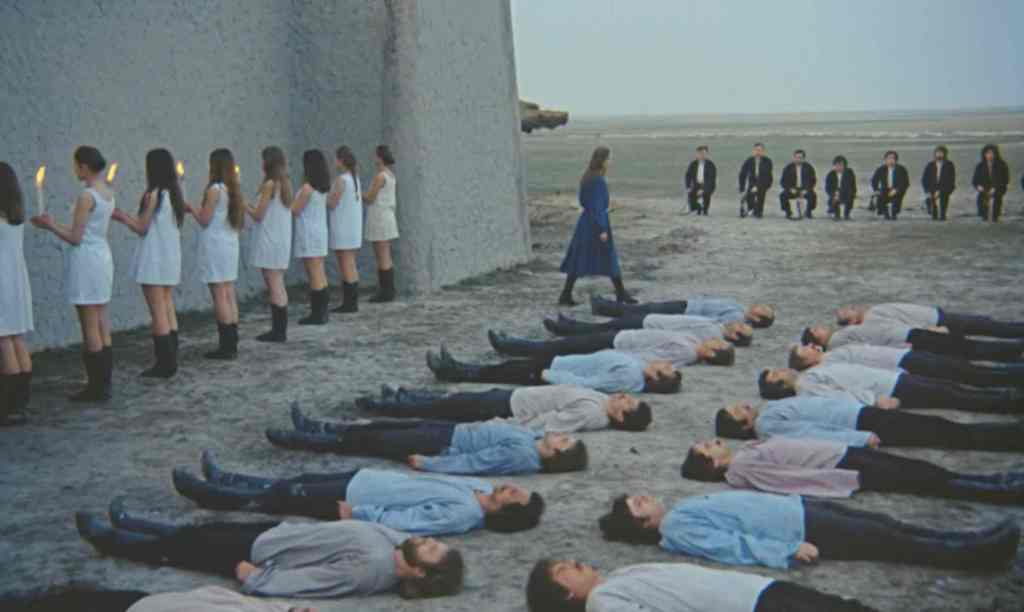
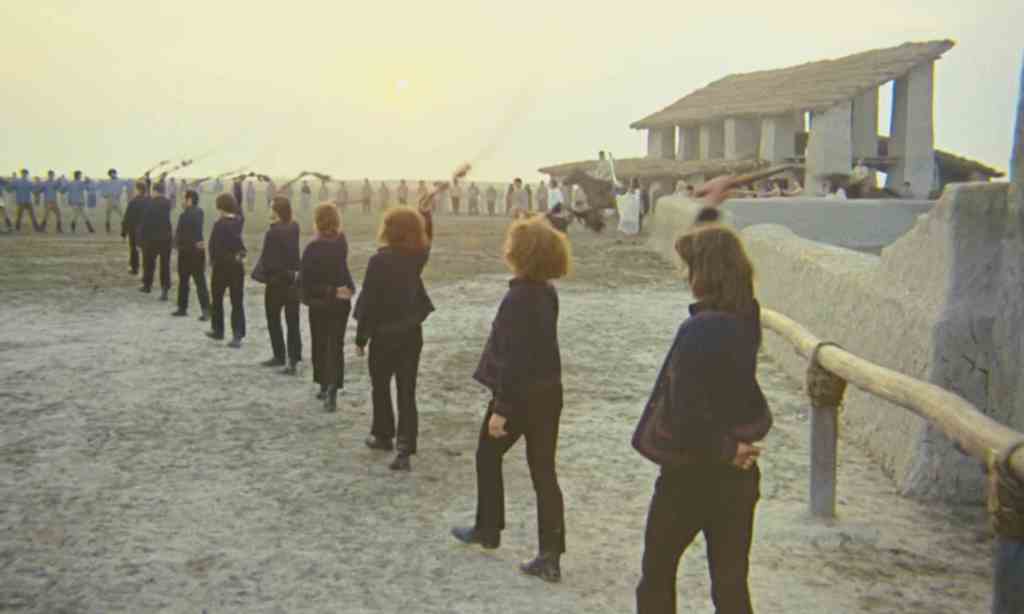
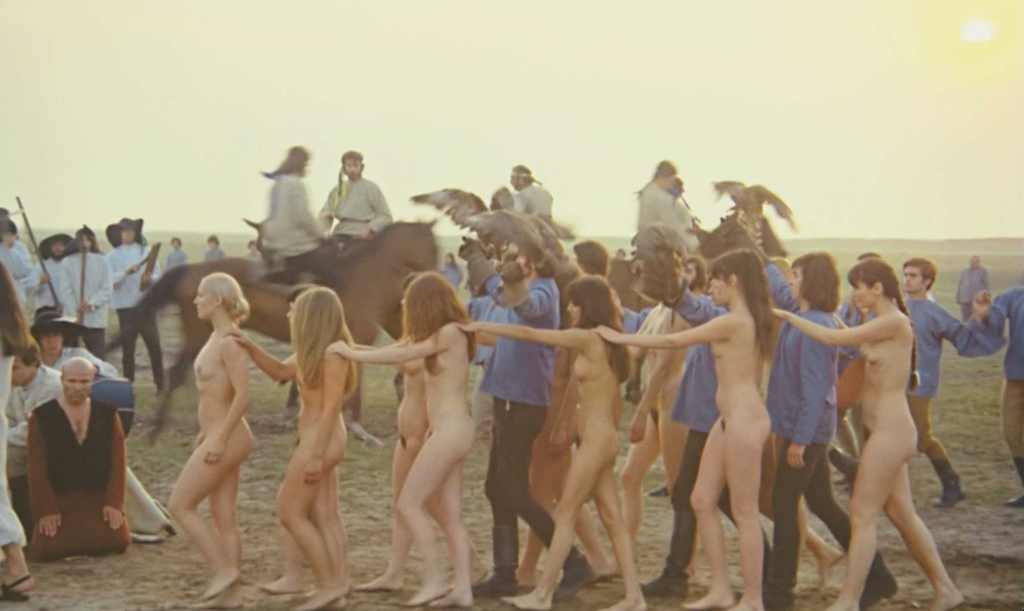
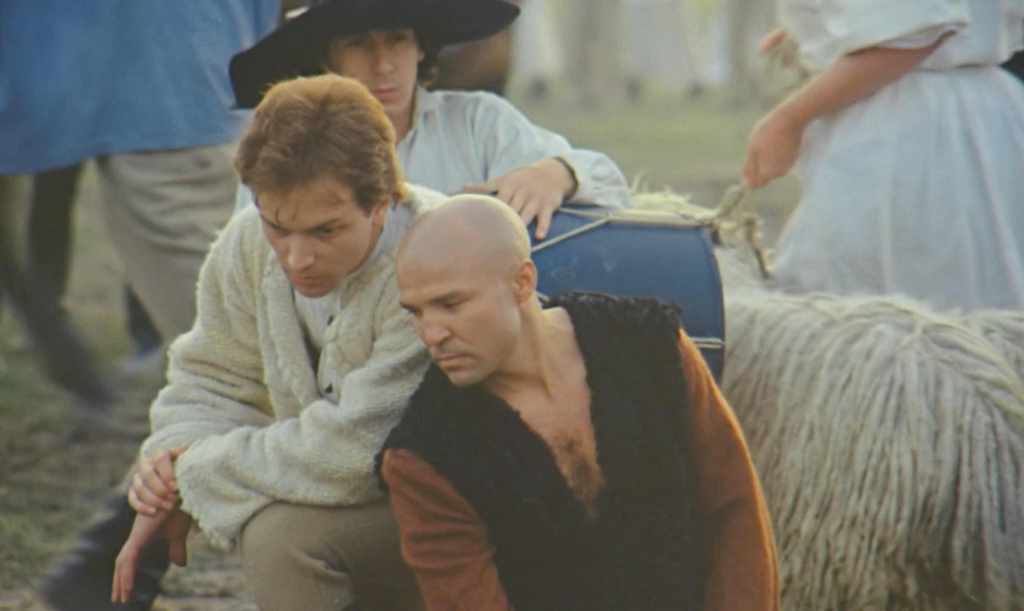
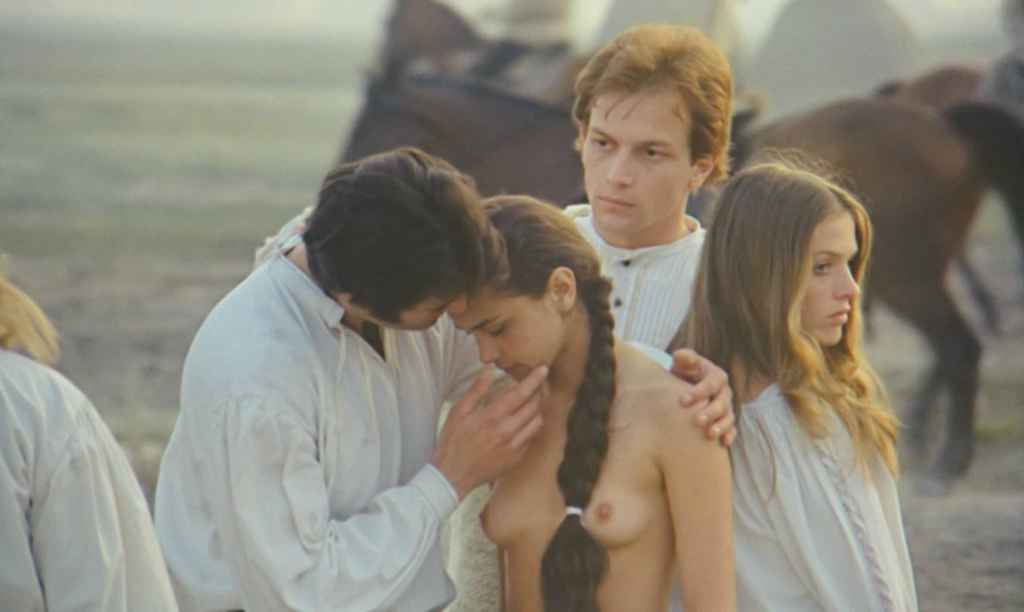

The film is set in an abstract, timeless landscape that feels both ancient and modern. Electra (Mari Törőcsik) is a fierce, passionate woman who has spent years mourning the murder of her father, King Agamemnon. His killer, the tyrant Aegisthus (György Cserhalmi), now rules over the land with an iron fist, suppressing resistance.
Electra refuses to submit to Aegisthus’ rule. She expresses her rage and grief openly, inciting the people to remember their fallen king and seek justice. Despite threats of punishment, she remains defiant, embodying the spirit of revolution.
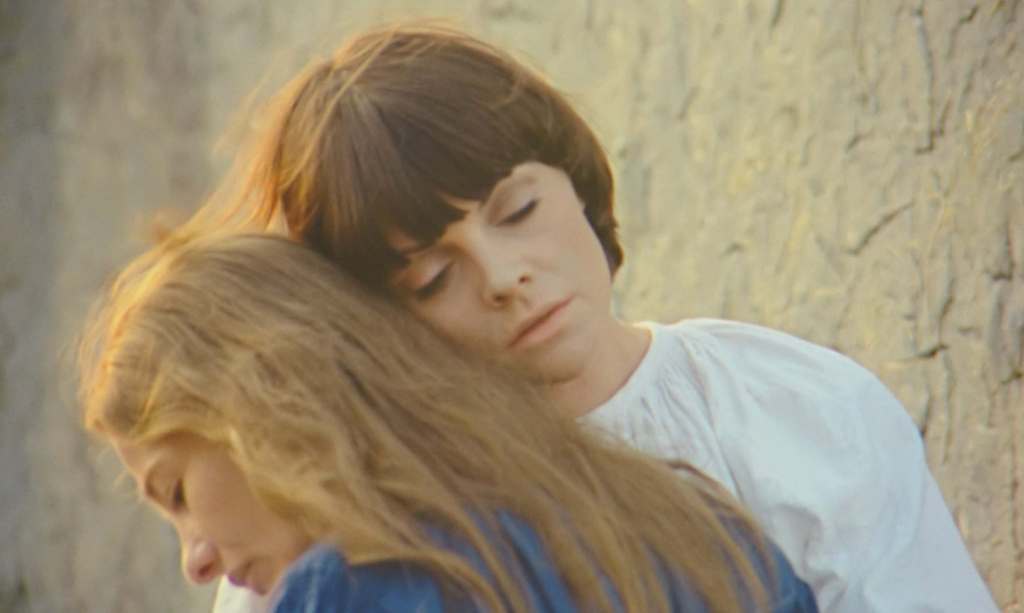

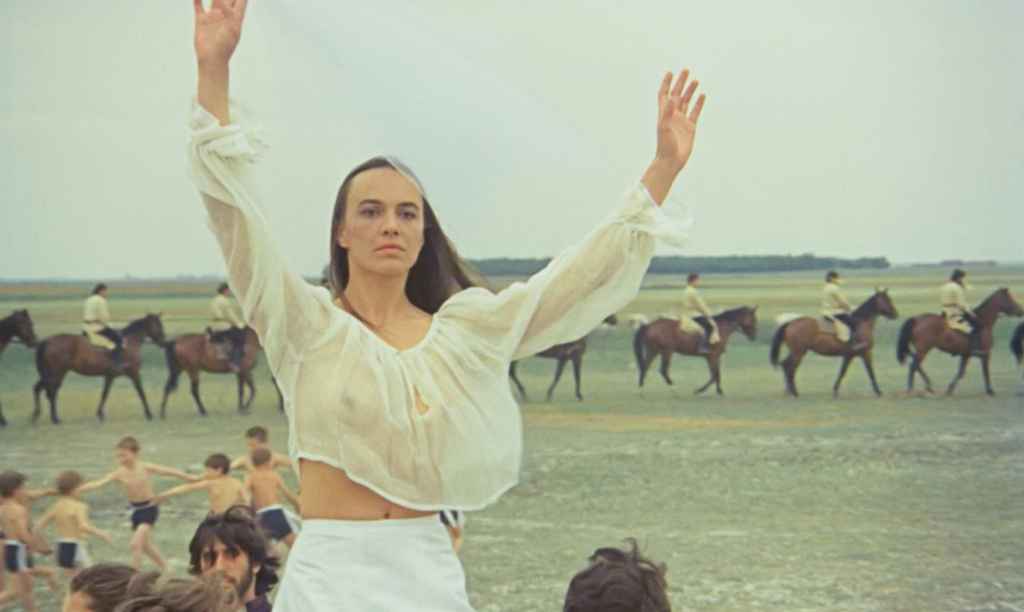
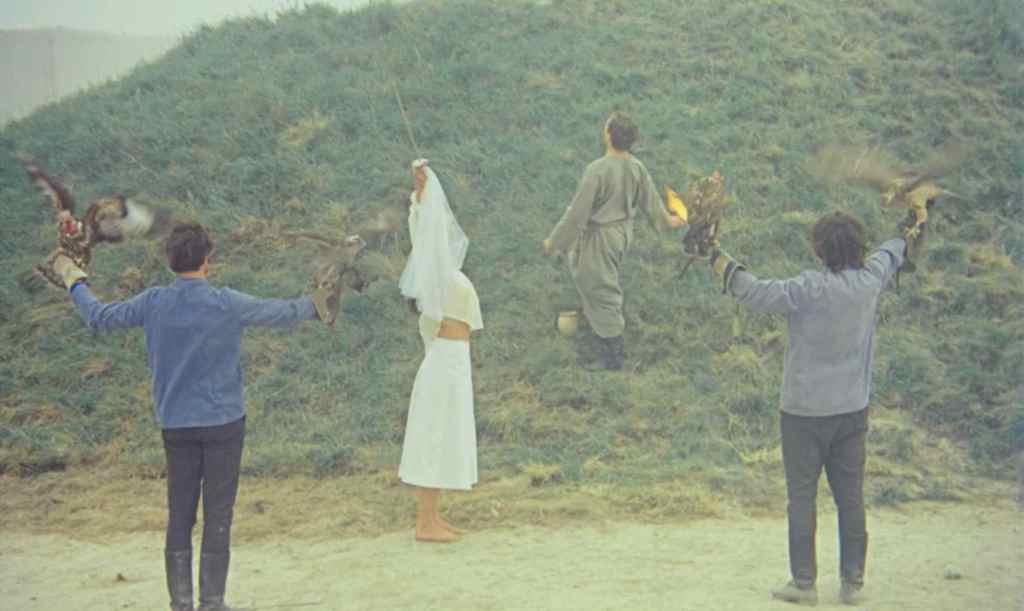
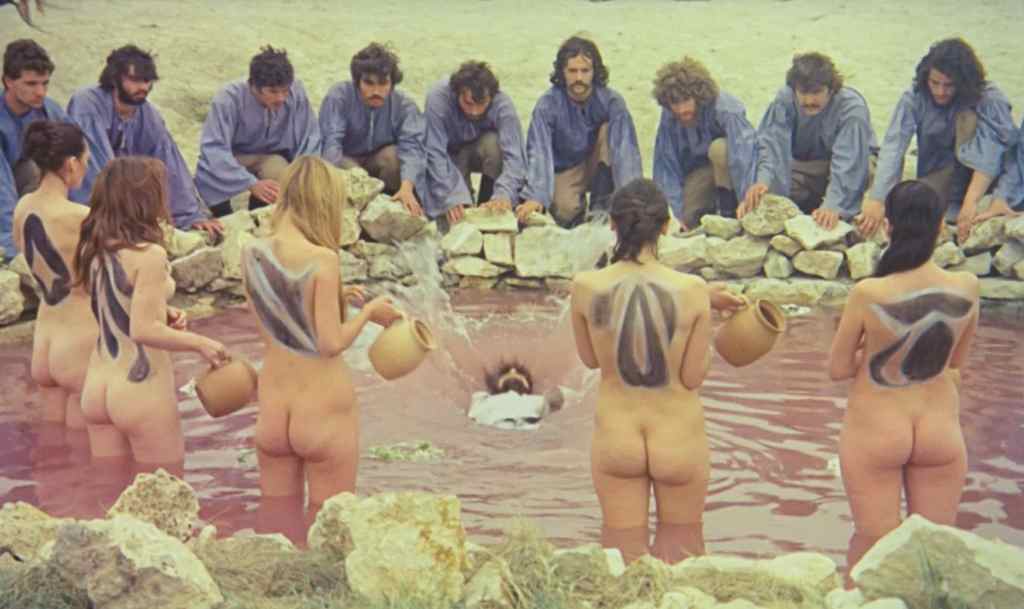
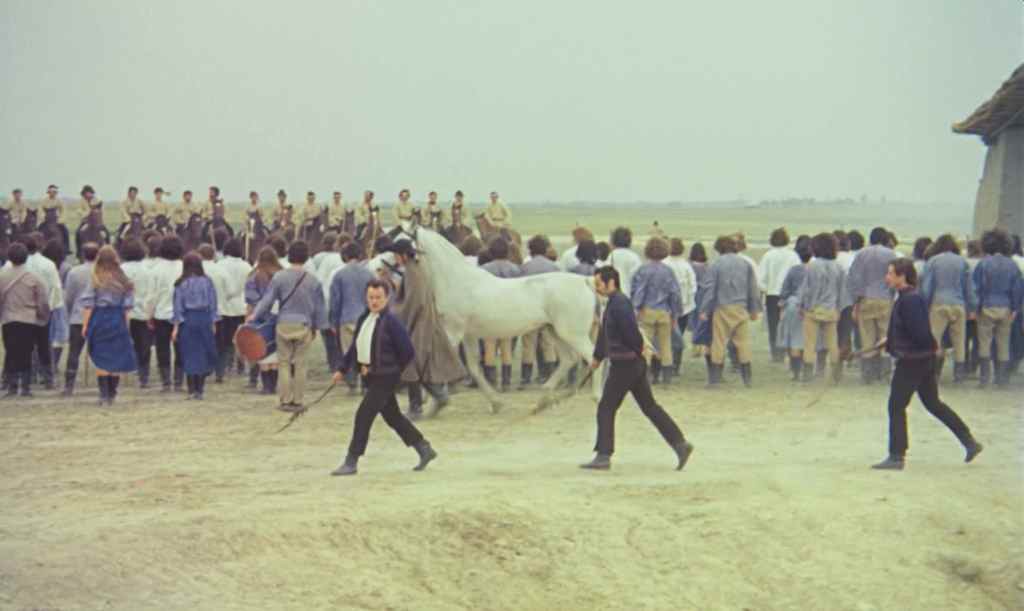
Aegisthus, aware of Electra’s influence over the people, tries to manipulate her. He stages a false reconciliation, presenting himself as a benevolent ruler while secretly plotting to break her spirit. Electra, however, sees through his deception and continues to challenge his authority.


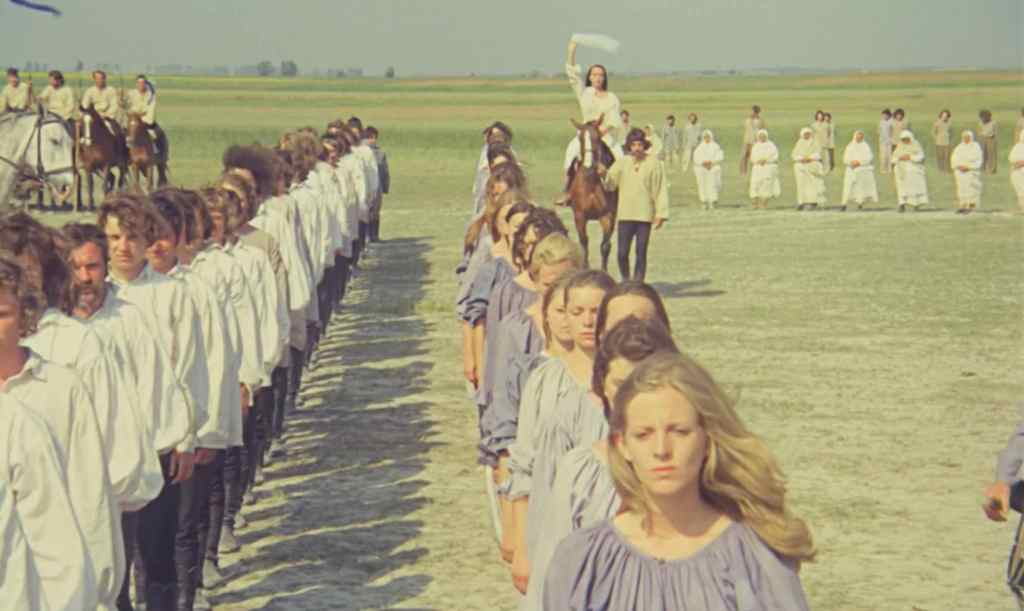

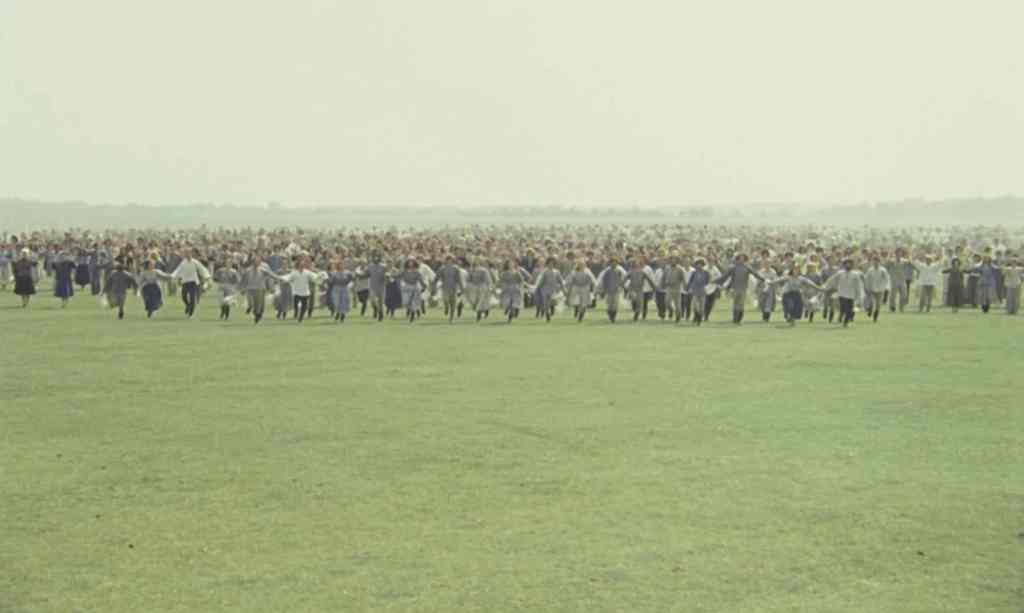
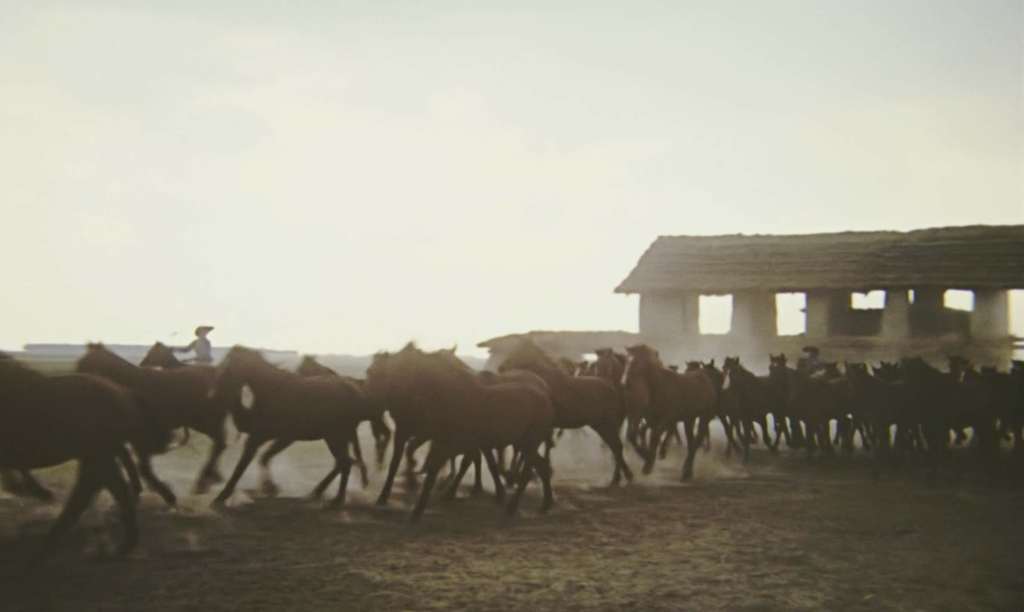
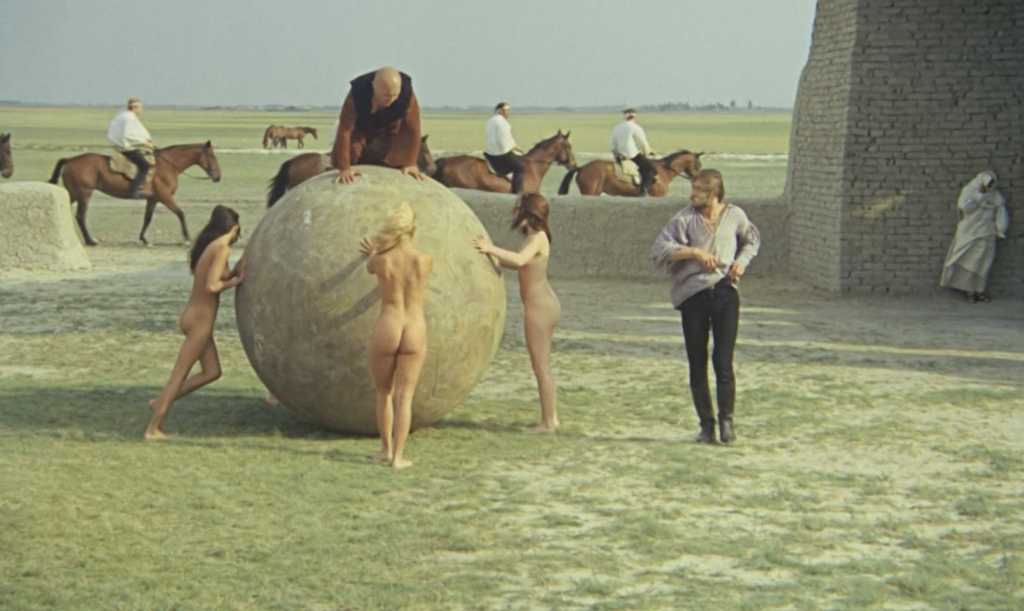
Throughout the film, the characters engage in stylized, ritualistic movements, blurring the line between political theater and mythological drama. The peasants and soldiers around Electra move in synchronized patterns, creating a dreamlike atmosphere where reality and symbolism intertwine.
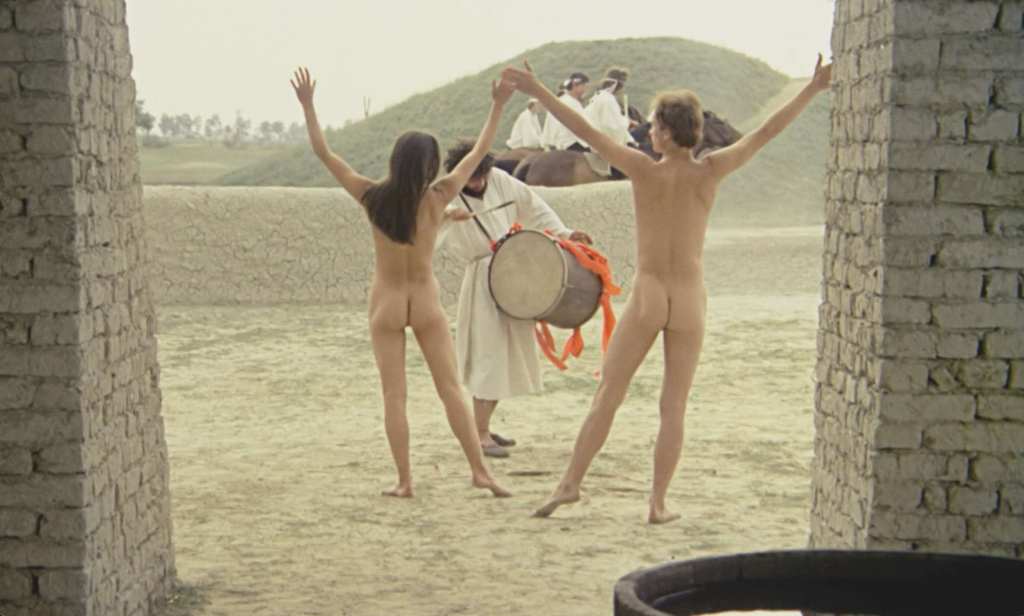
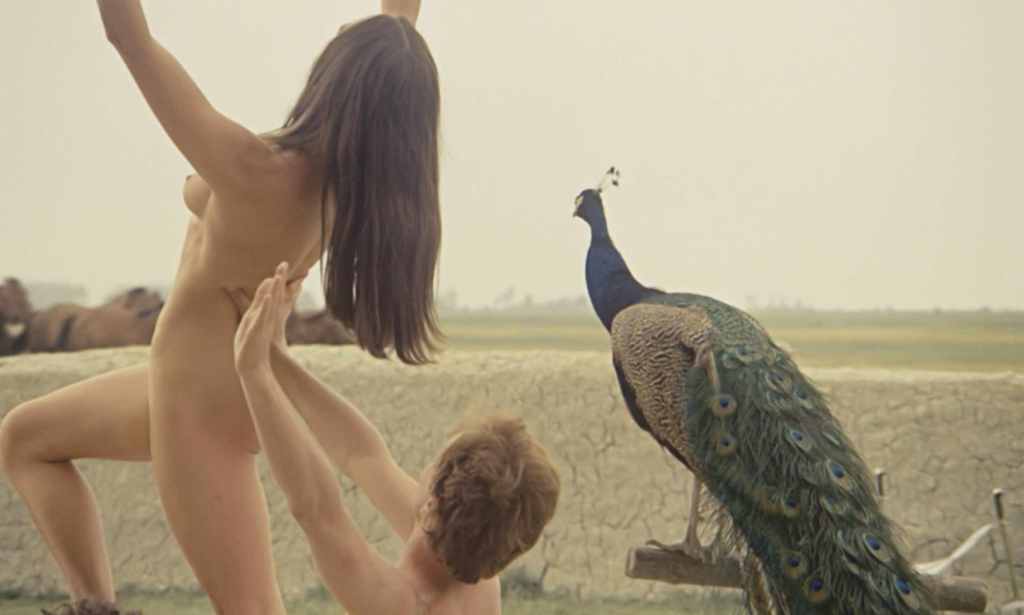

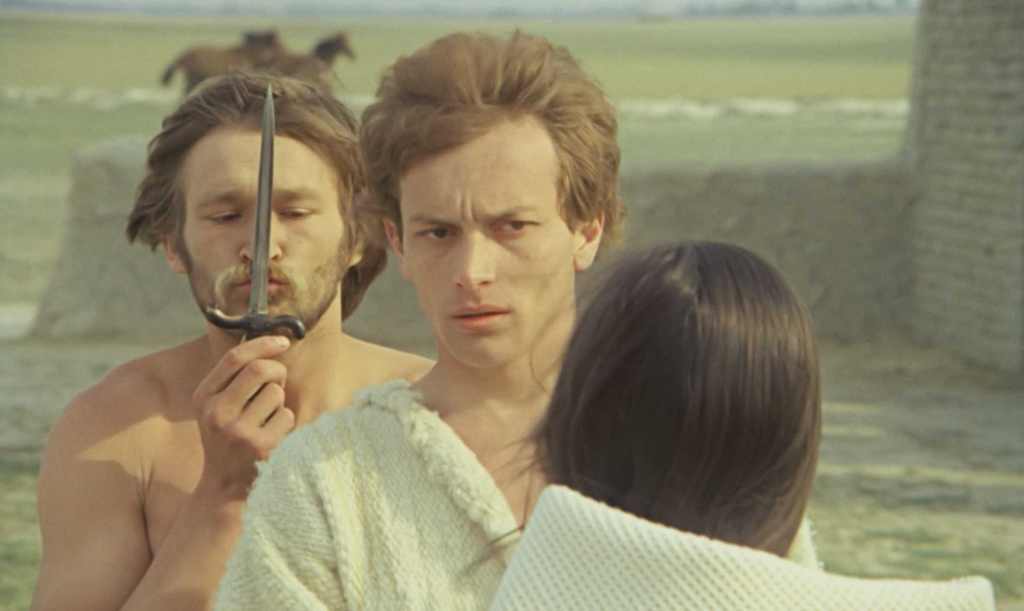
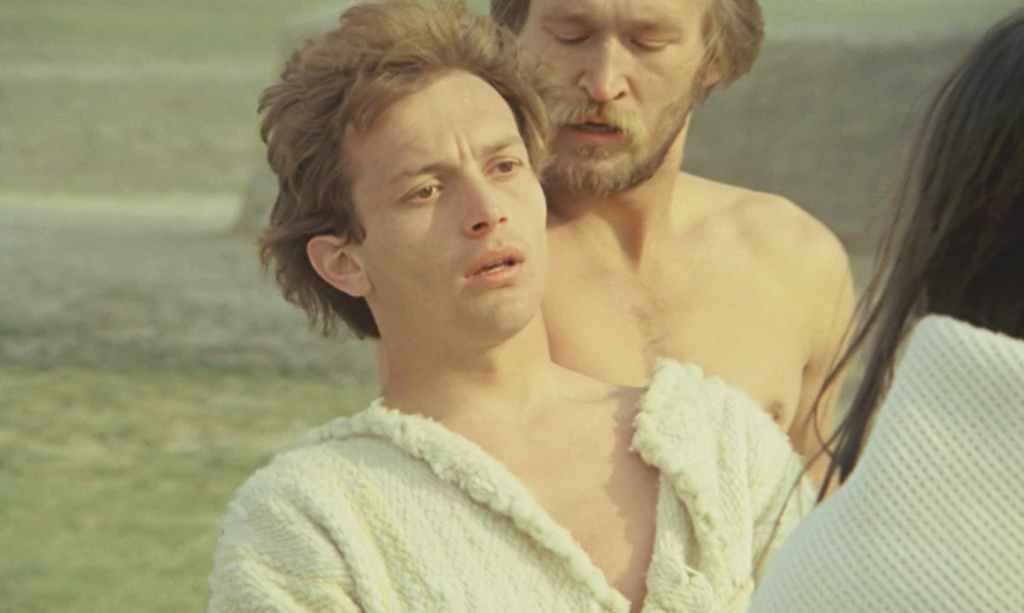
Hope arrives in the form of Orestes (József Madaras), Electra’s long-lost brother, who has been presumed dead. He returns, disguised, to reclaim his rightful place and avenge their father’s death. His arrival signals the beginning of a revolution.

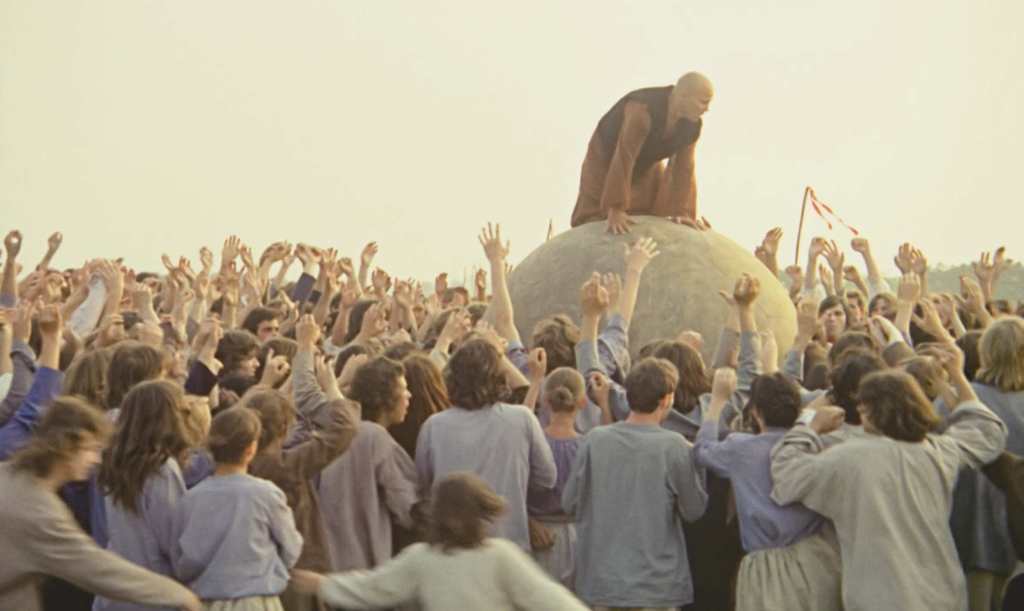
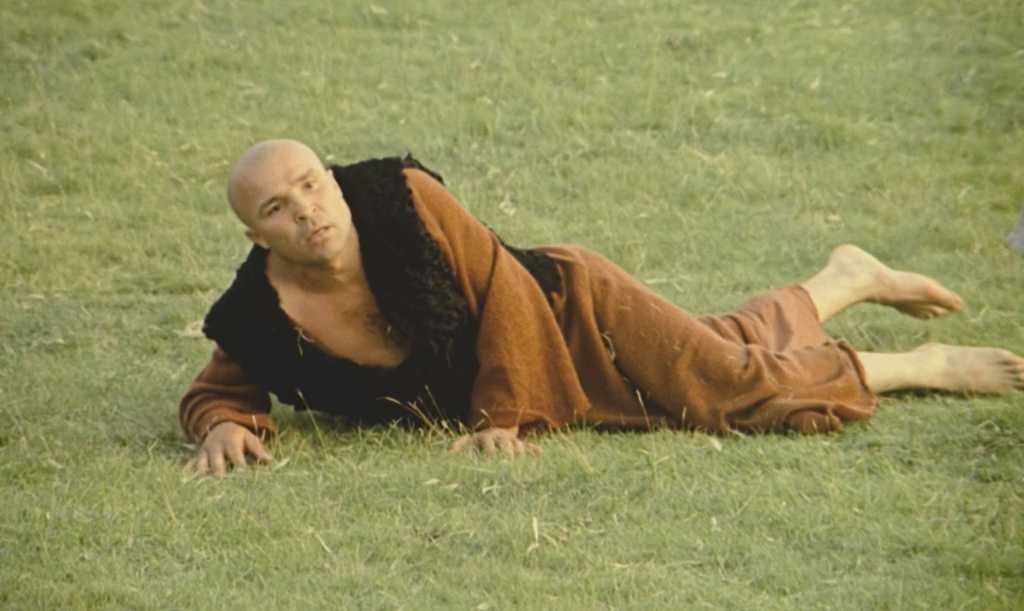
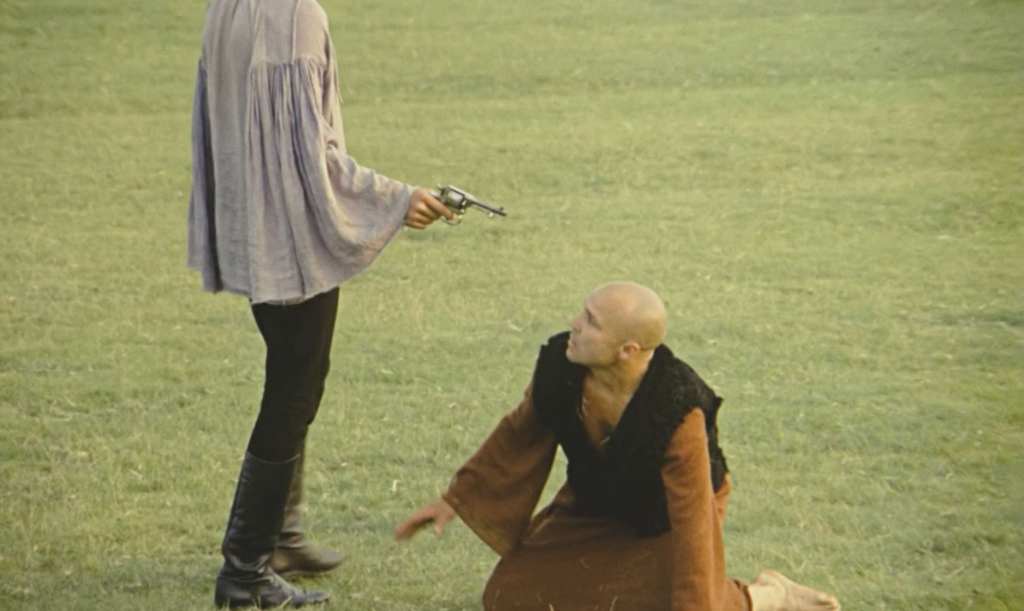
As Orestes and Electra unite, the oppressed people rise up against Aegisthus. The confrontation builds to an explosive climax as Electra and Orestes confront the tyrant and overthrow his rule.
The film’s ending takes an unexpected turn, departing from traditional interpretations of the myth. Rather than being doomed to a tragic fate, Electra and Orestes break free from the endless cycle of vengeance. The final moments depict an almost utopian vision of freedom as the people celebrate the dawn of a new era.
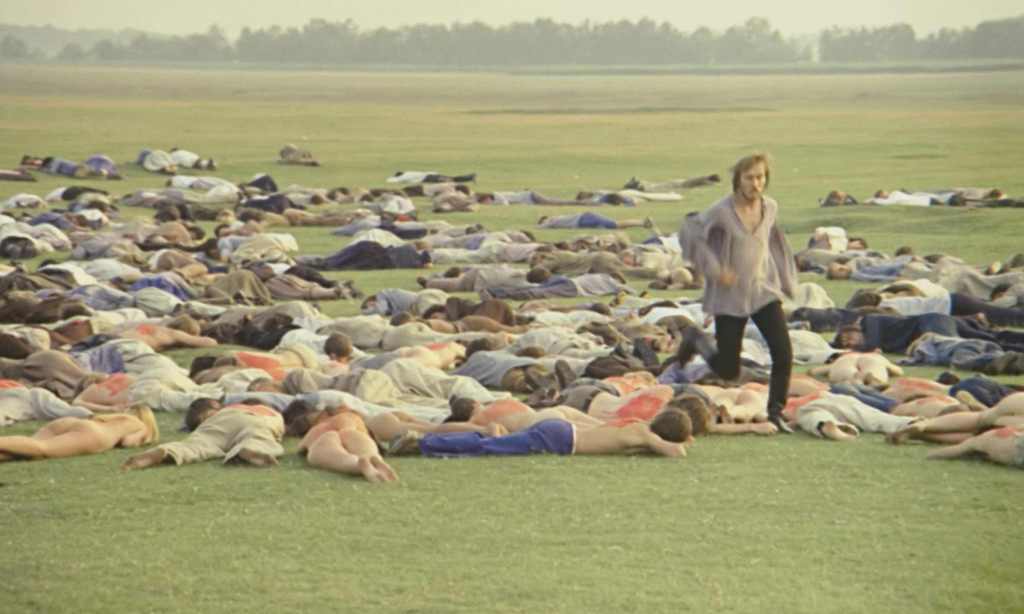
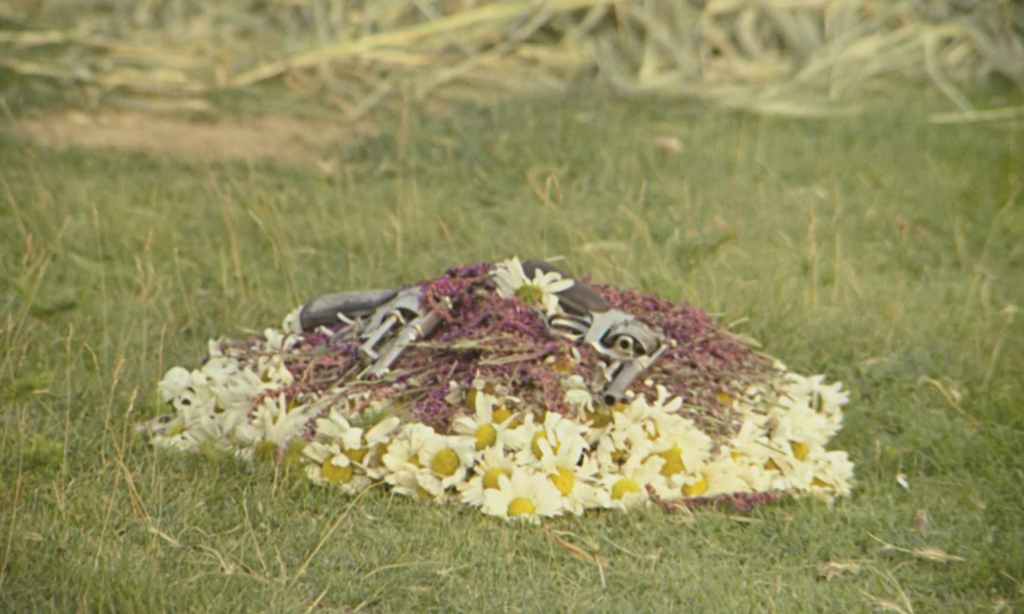

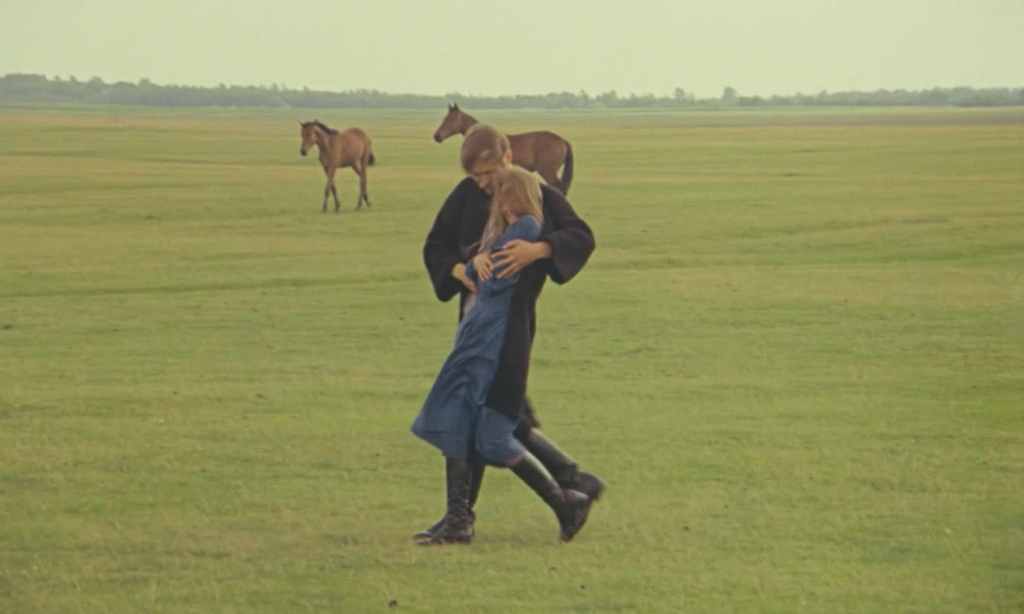


The film concludes with a surreal, celebratory scene featuring modern elements, suggesting the struggle against oppression is timeless and universal. Electra, no longer just a tragic figure, symbolizes hope and transformation.


‘Electra, My Love’ is not just a retelling of a Greek tragedy—it is a bold political statement. Jancsó uses the myth to comment on totalitarian regimes and the resilience of the human spirit. His signature style—long, uninterrupted shots, elaborate choreography, and minimal dialogue—creates a hypnotic experience that blurs the lines between history, myth, and contemporary politics.
 The Other Cinema