
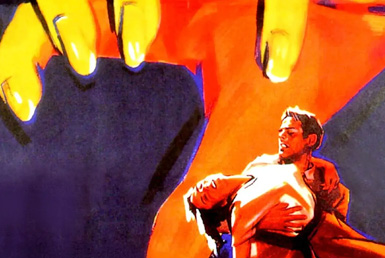
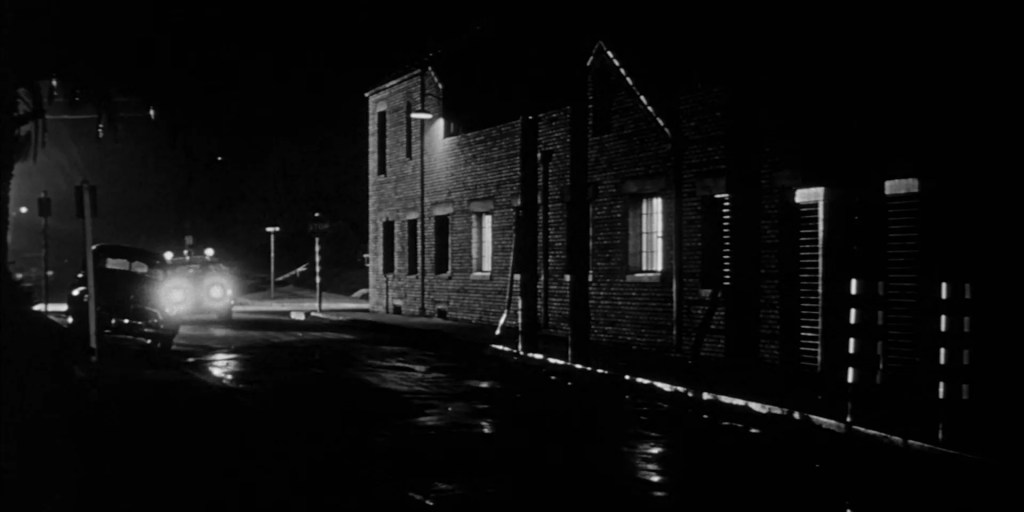
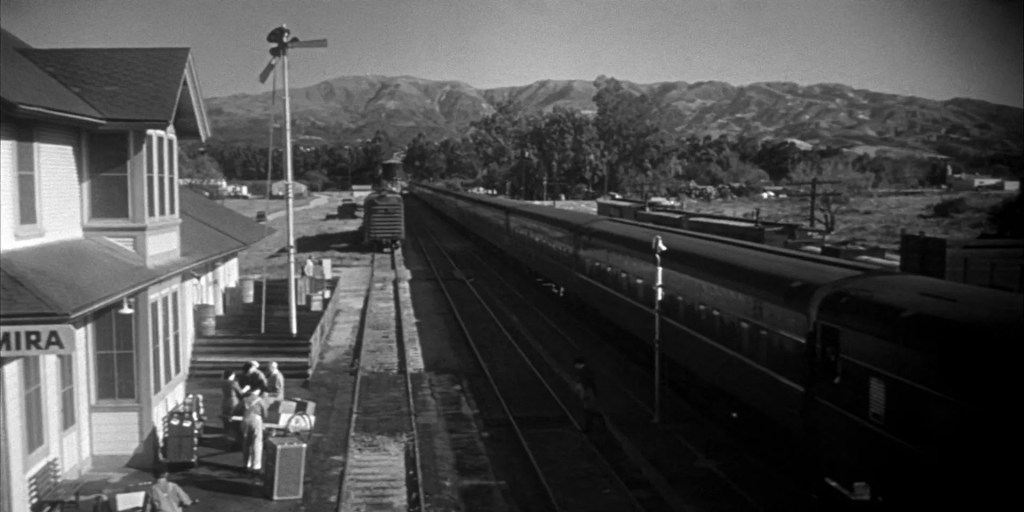
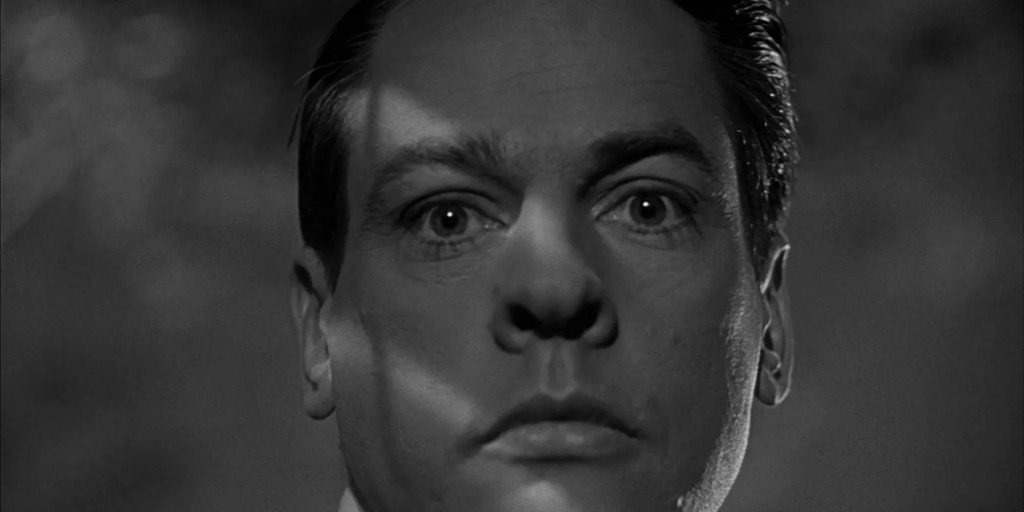
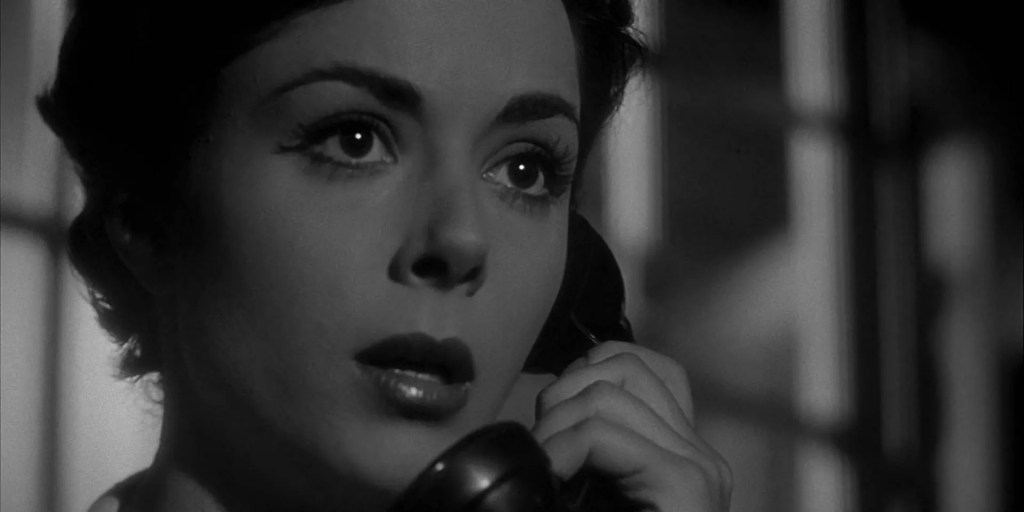
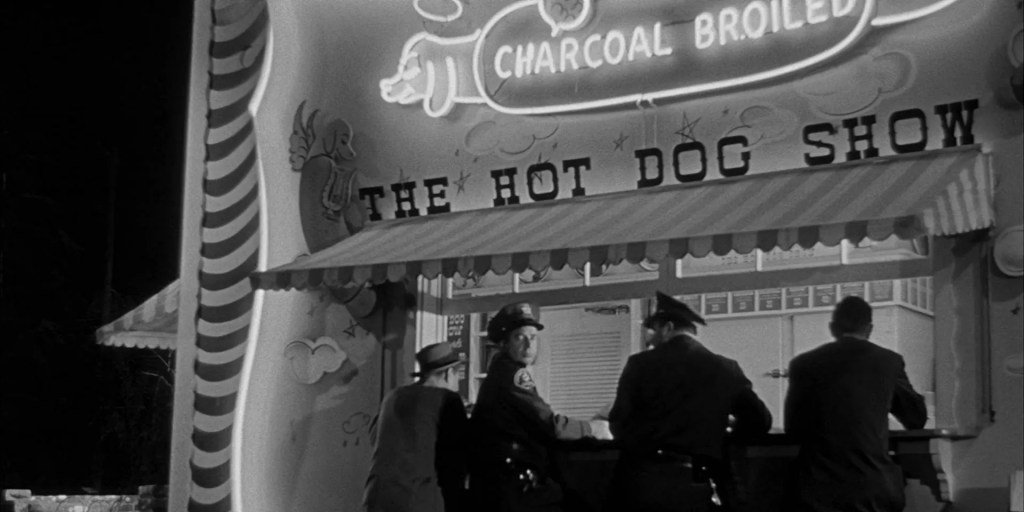
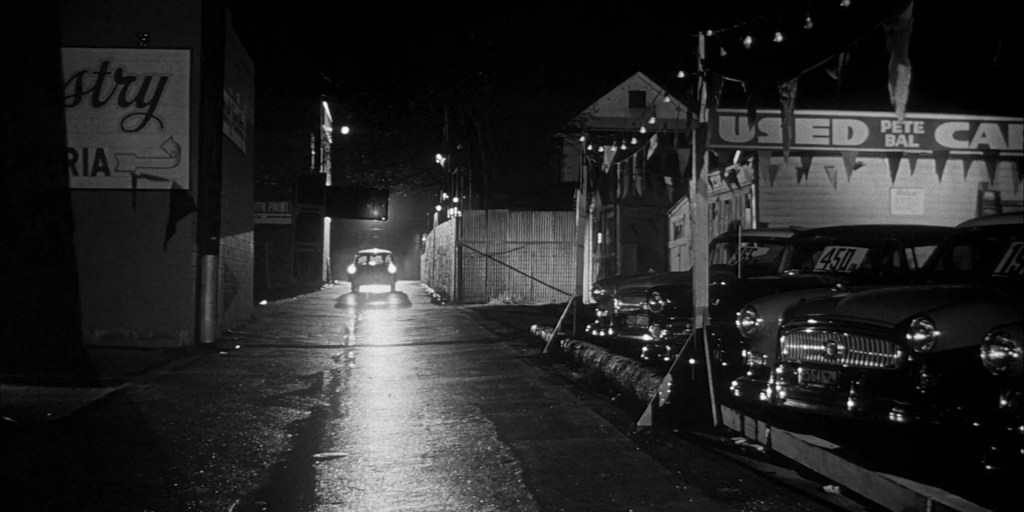
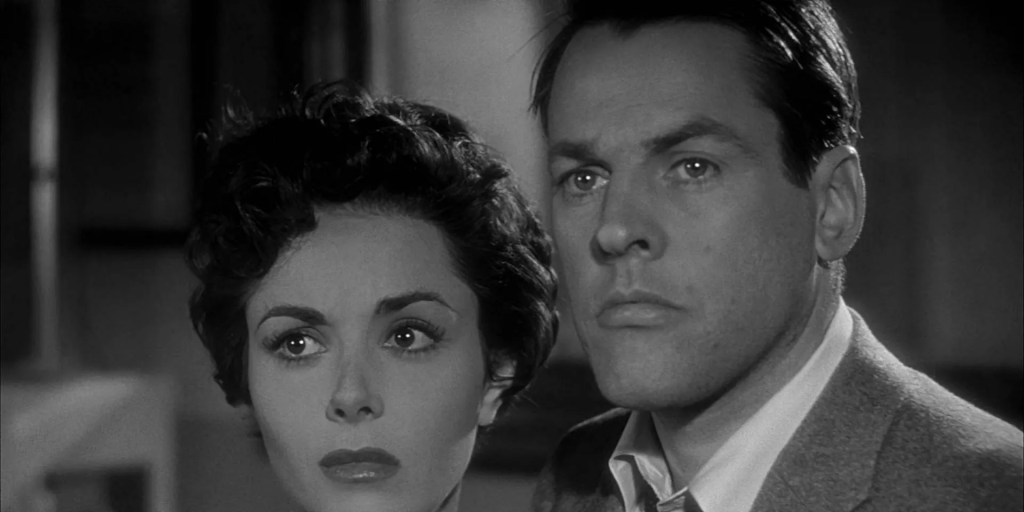
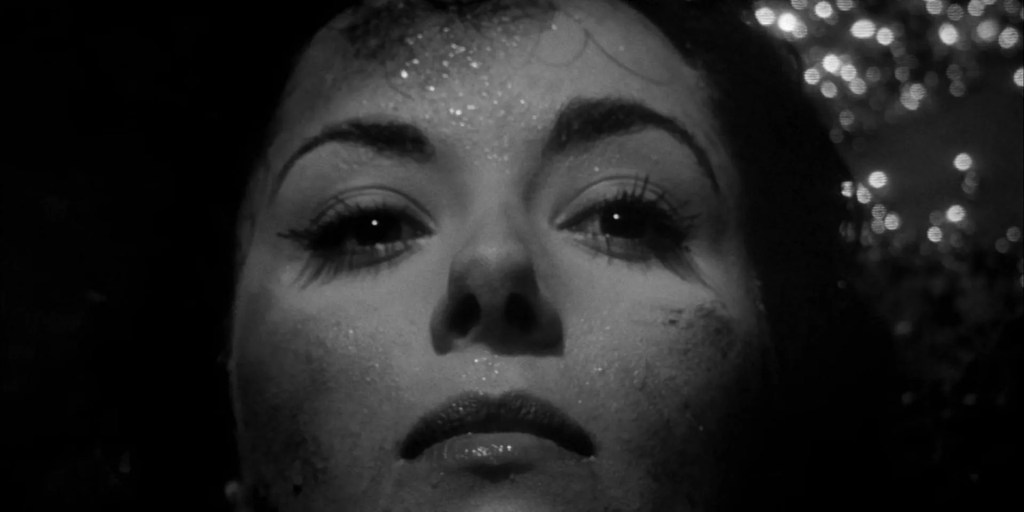
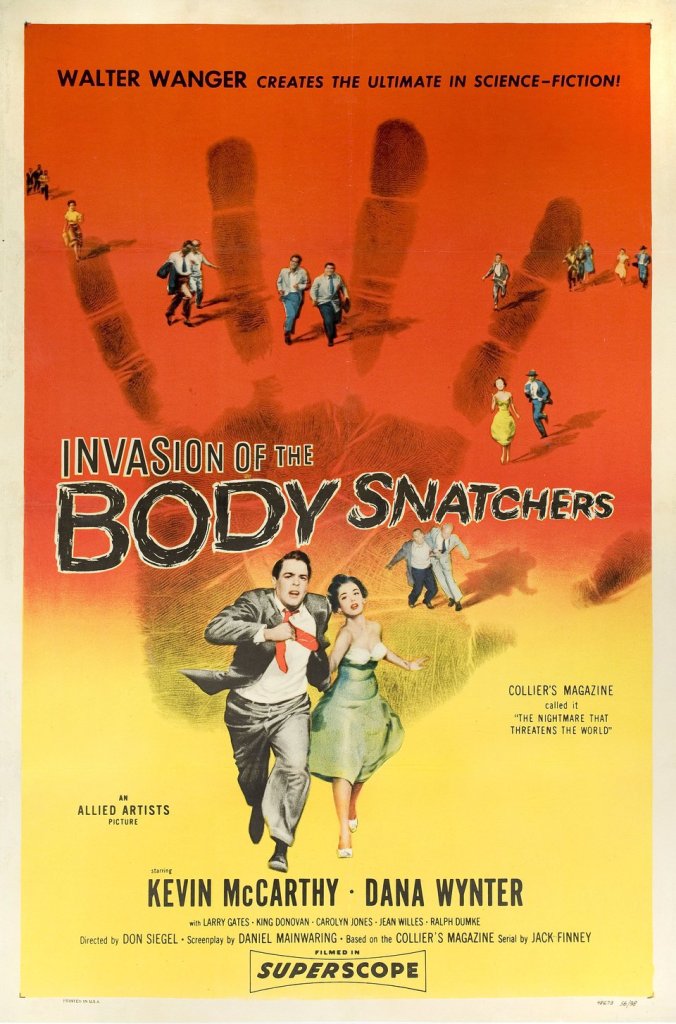
‘Invasion of the Bodysnatchers’ is a 1956 Science fiction horror film directed by Don Siegel Set in the small town of Santa Mira, California, the film follows Dr. Miles Bennell (Kevin McCarthy), a respected local physician, who returns from a medical conference to find that something is disturbingly wrong in his hometown. Several patients come to him with an identical complaint: they believe that their friends and relatives have been replaced by imposters—emotionless duplicates who look exactly like the real people but somehow aren’t them. The film stars Dayna Wynter, Kevin McCarthy, King Donovan, Larry Gates, Carolyn Jones, Virgina Christine, Richard Deacon, and Jean Willes.
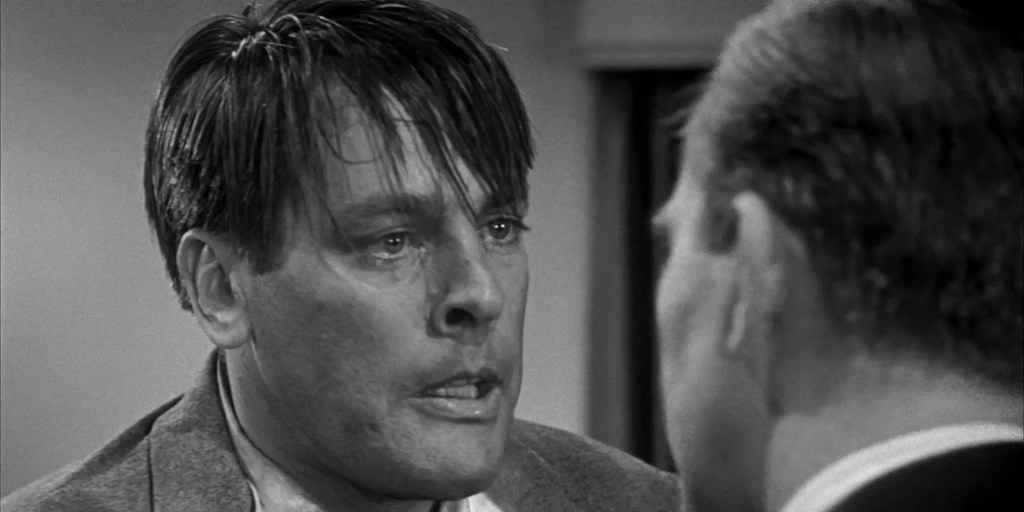
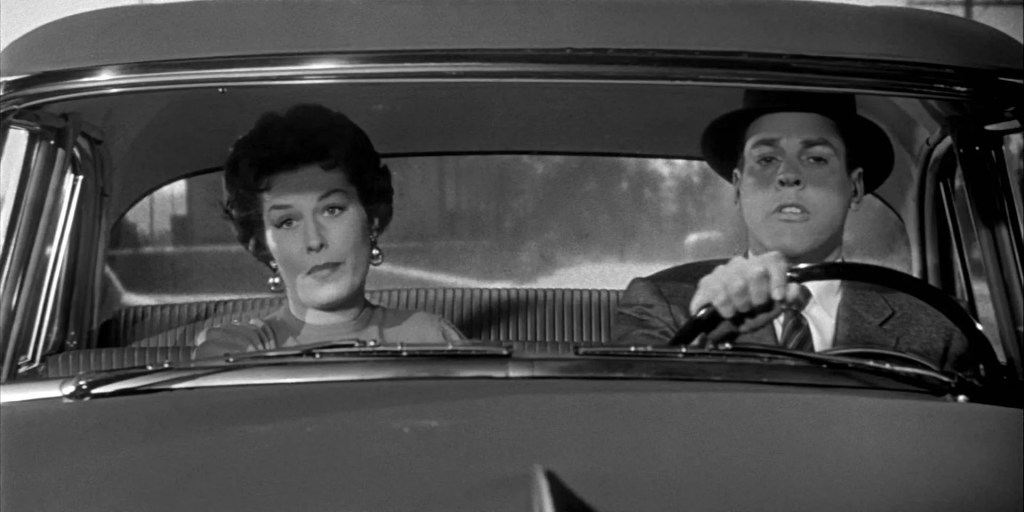
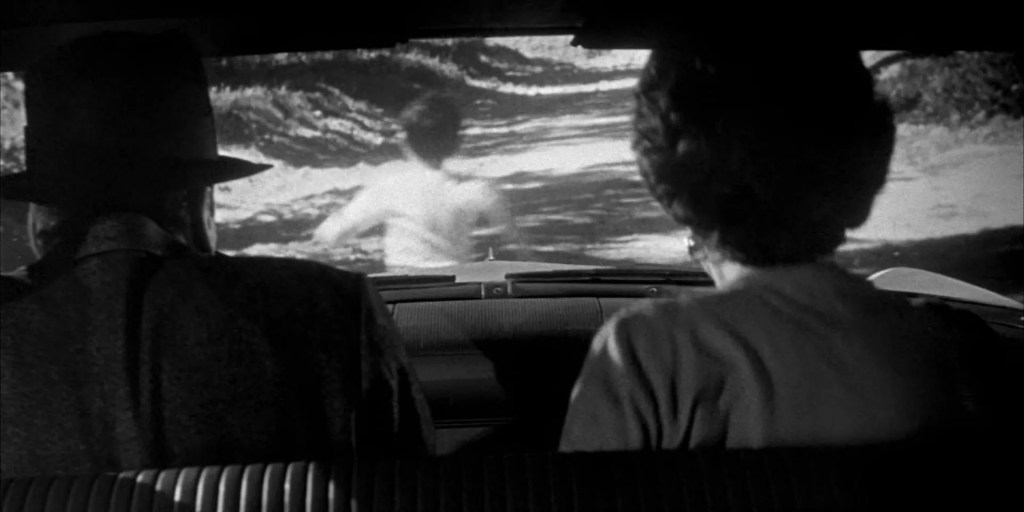
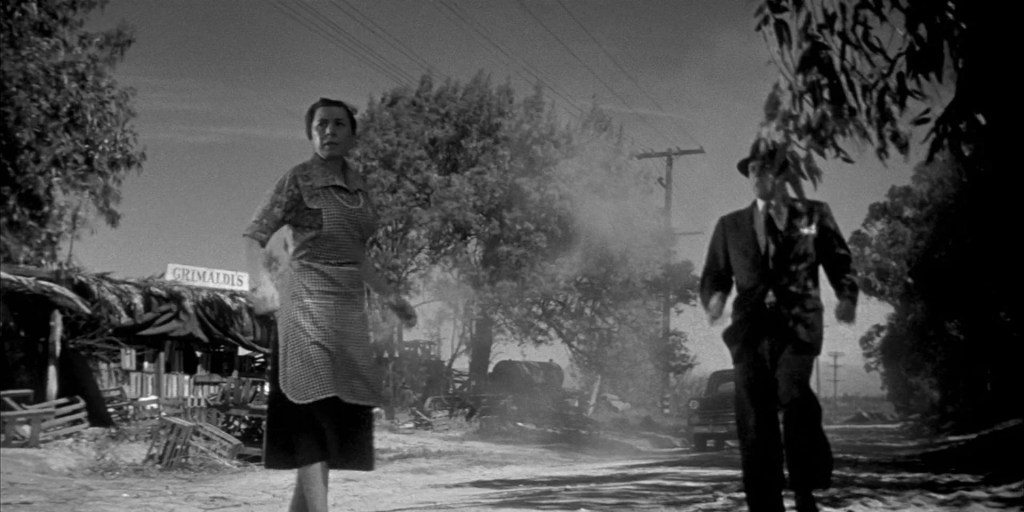
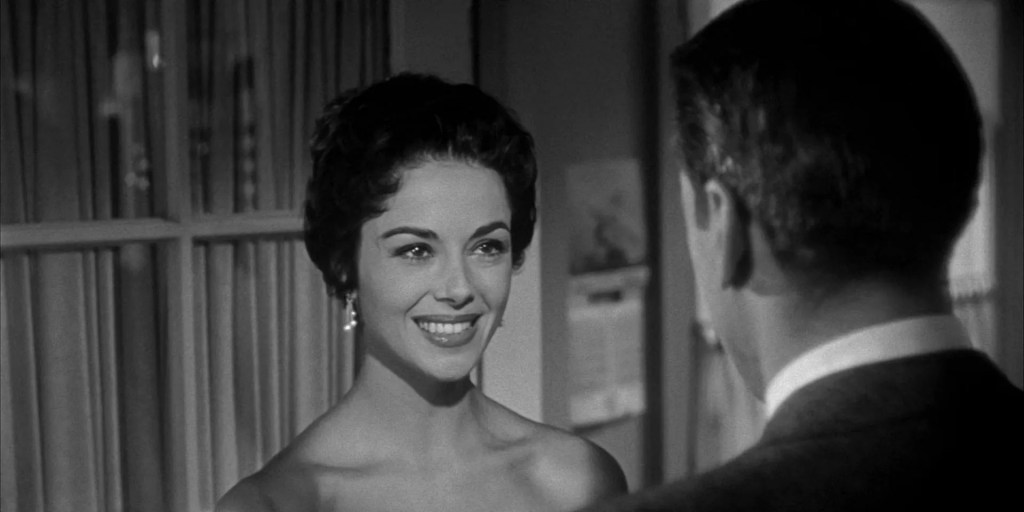
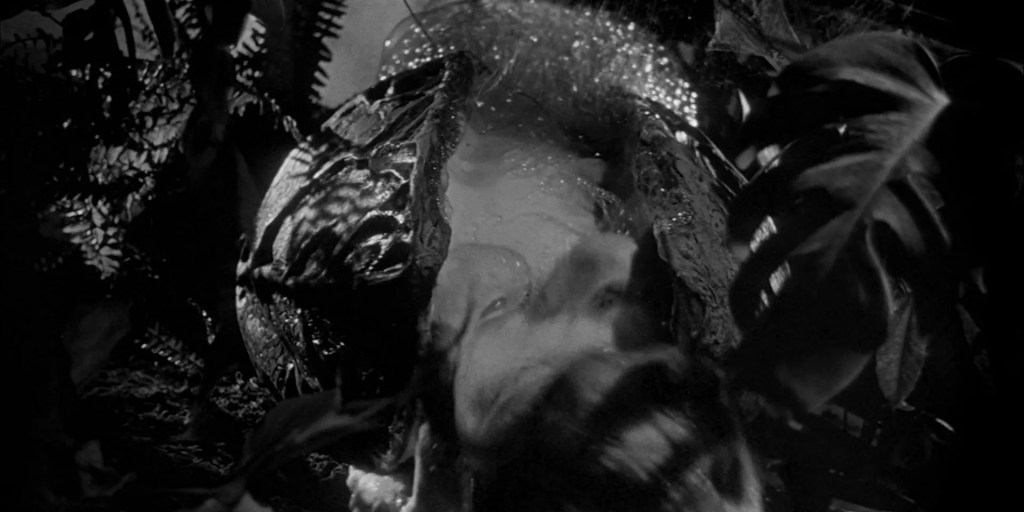
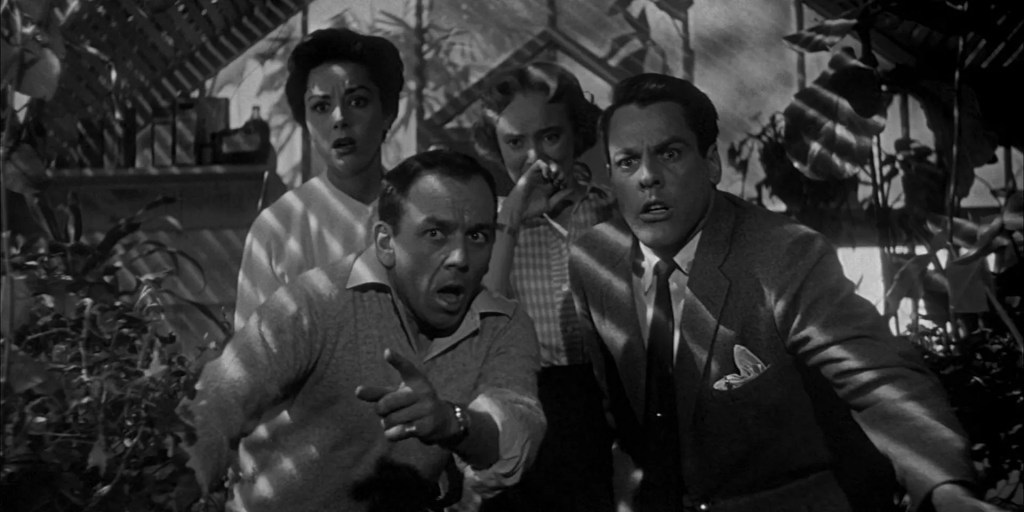
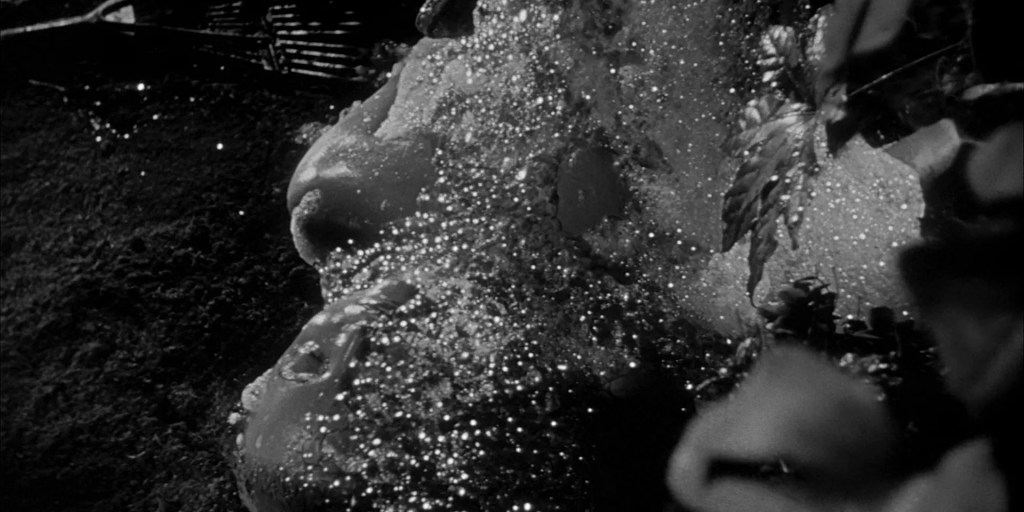
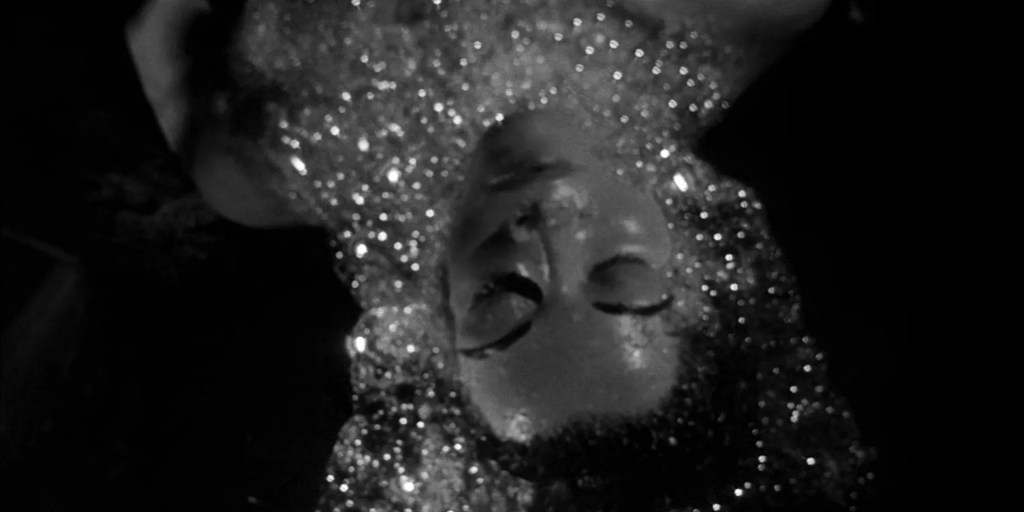
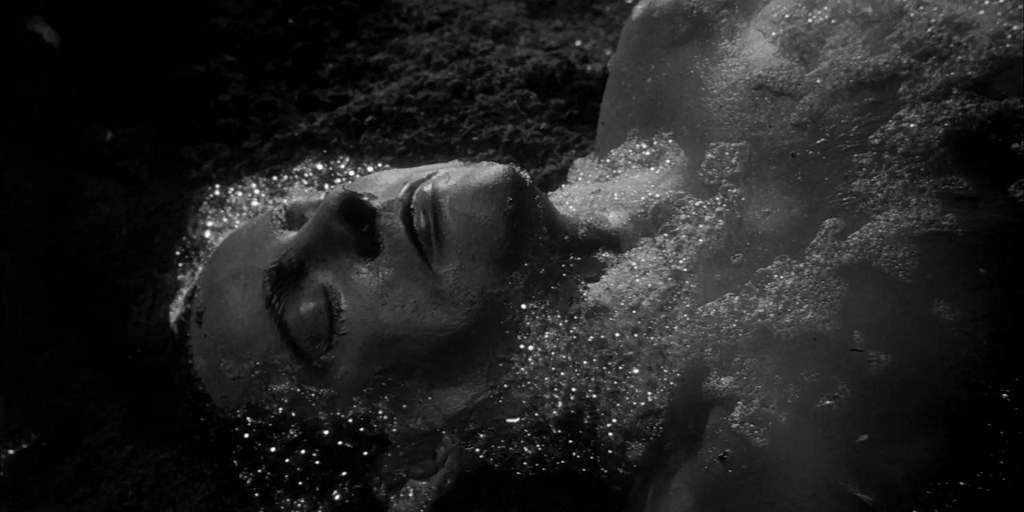
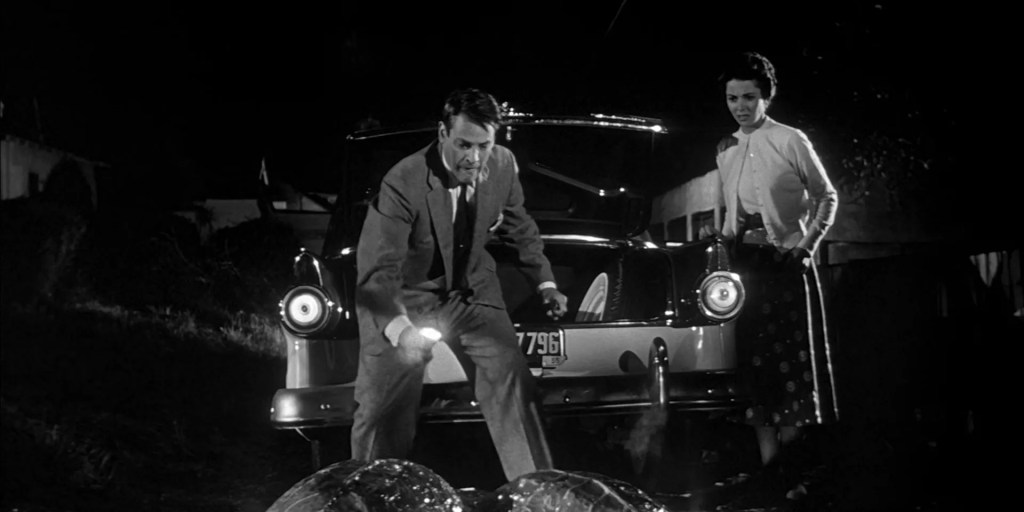
At first, Miles dismisses these reports as mass hysteria, especially since the alleged “imposters” seem perfectly normal. But things escalate when his friend Jack Belicec (King Donovan) discovers a body in his home—an eerily incomplete, featureless humanoid form that seems to be slowly transforming into a duplicate of him. Soon, more of these strange, unformed bodies begin to appear, all growing in pods.
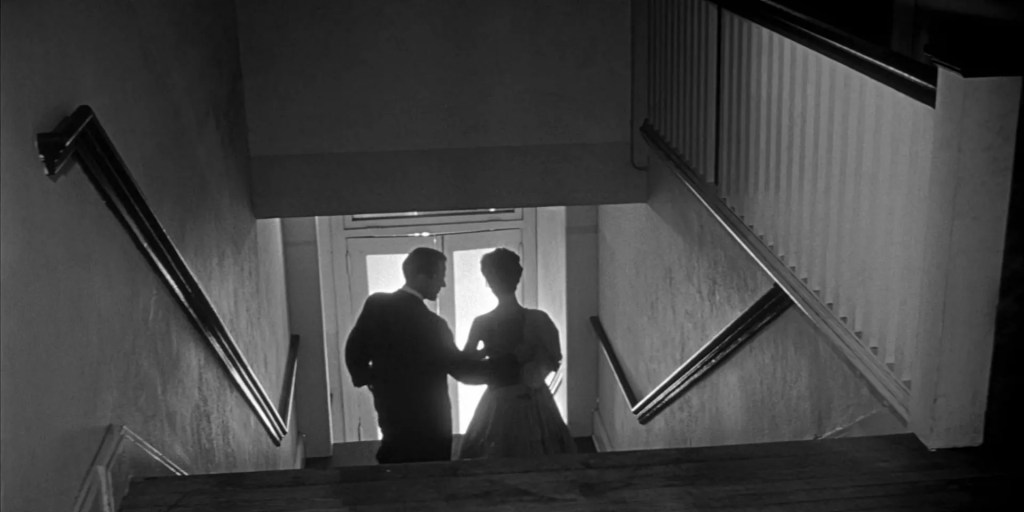
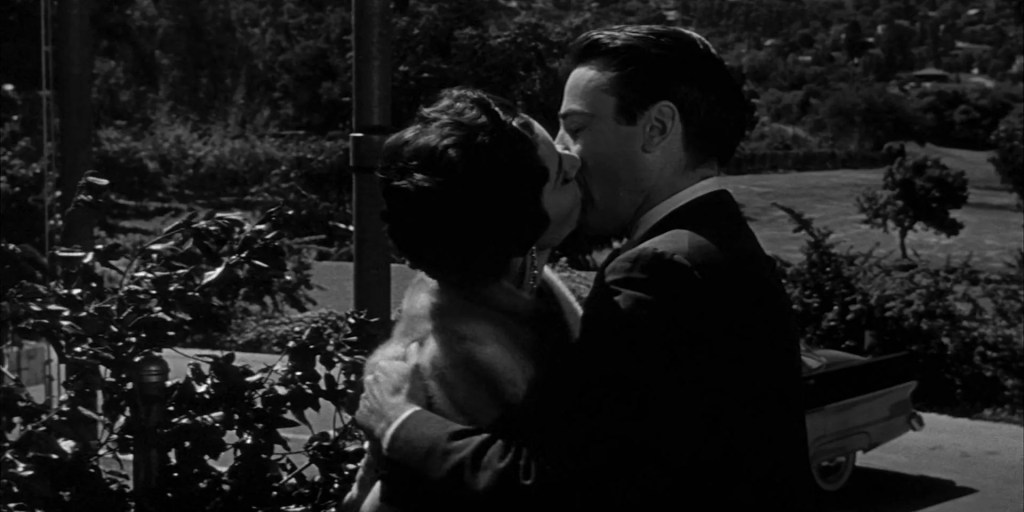
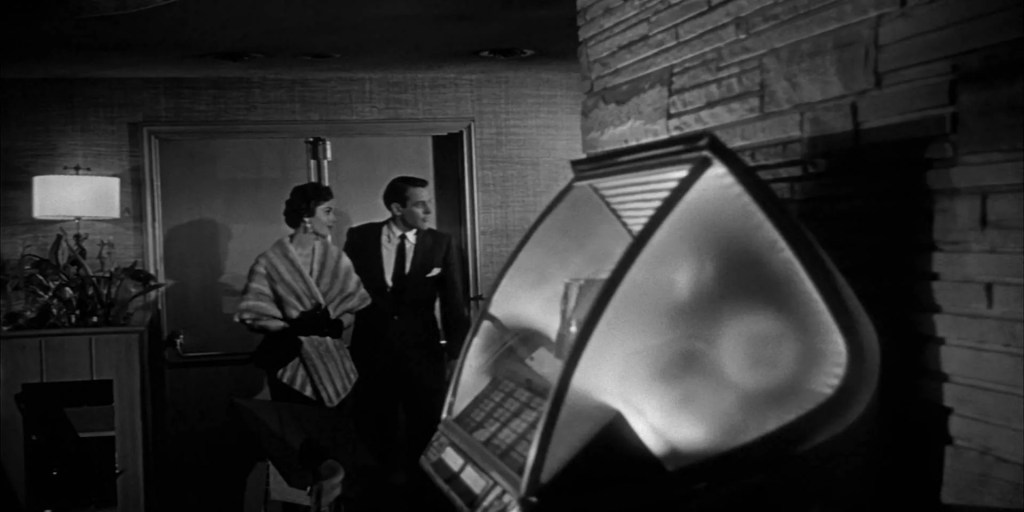
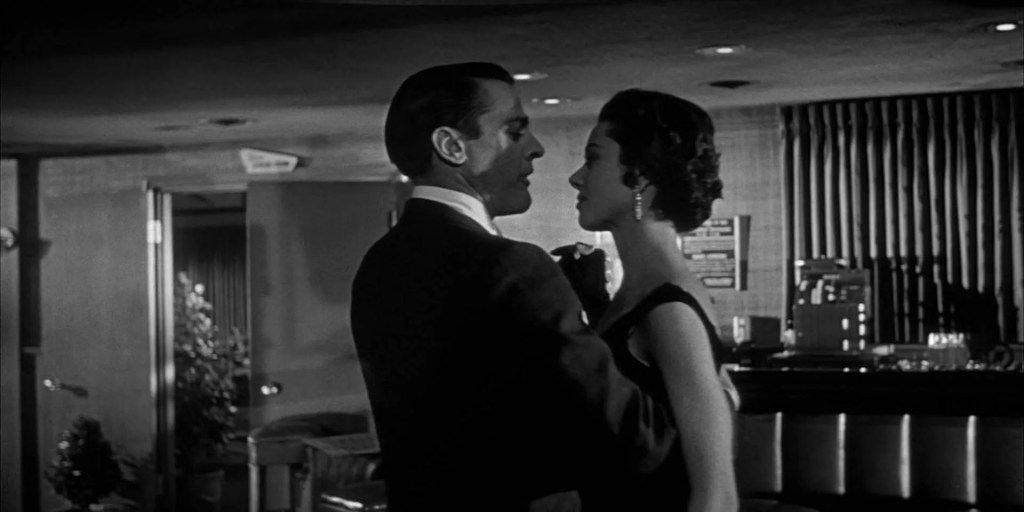
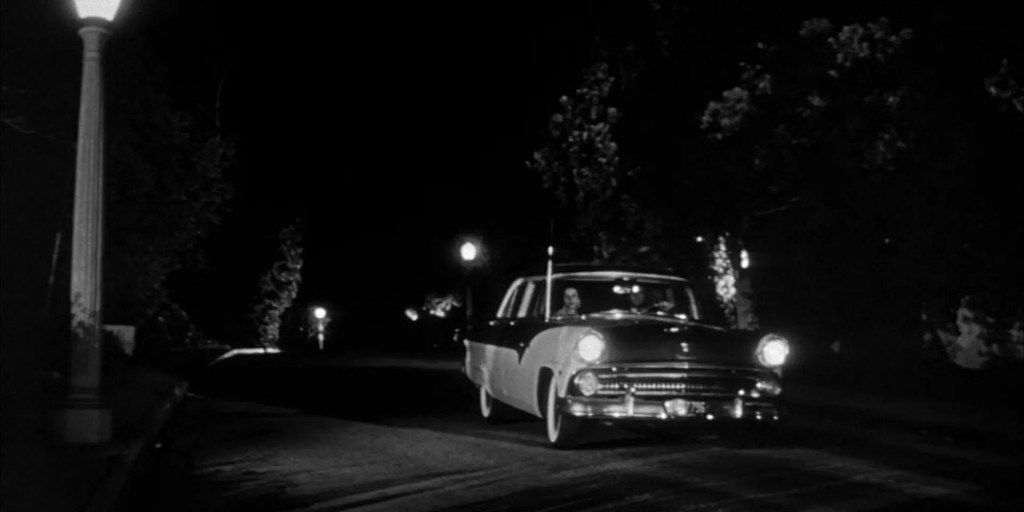
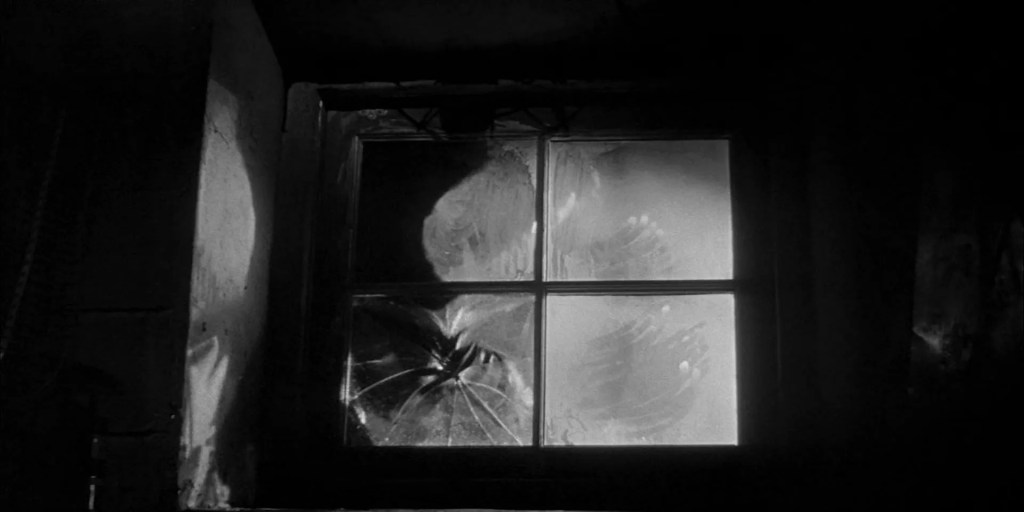
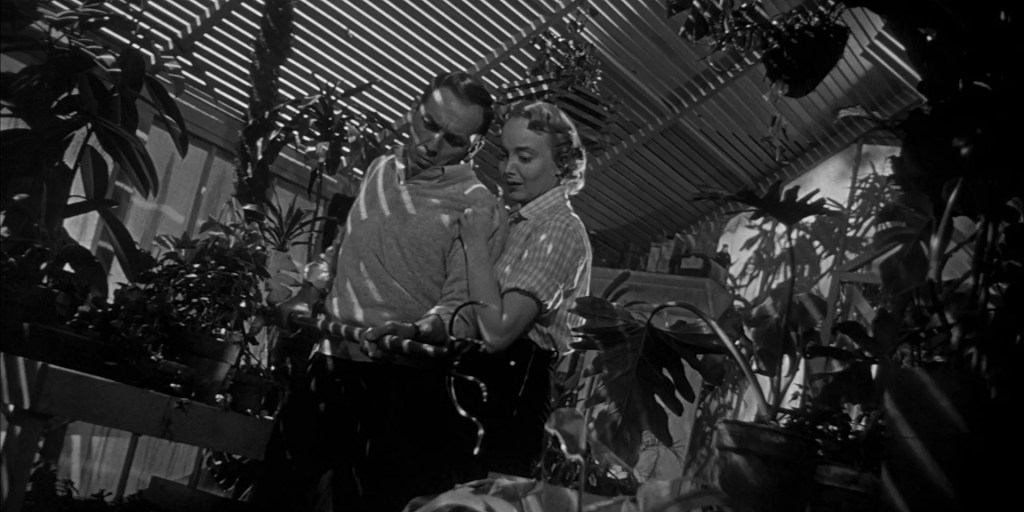
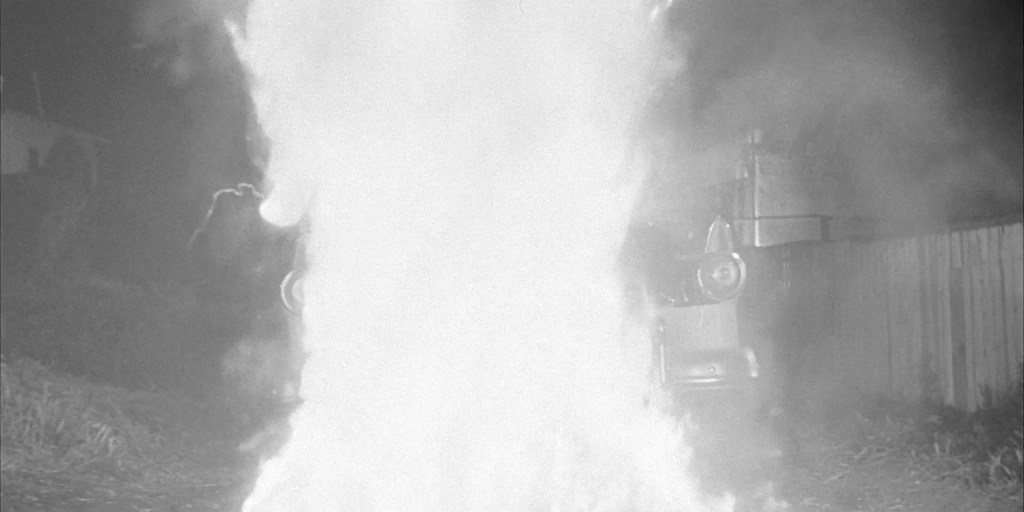
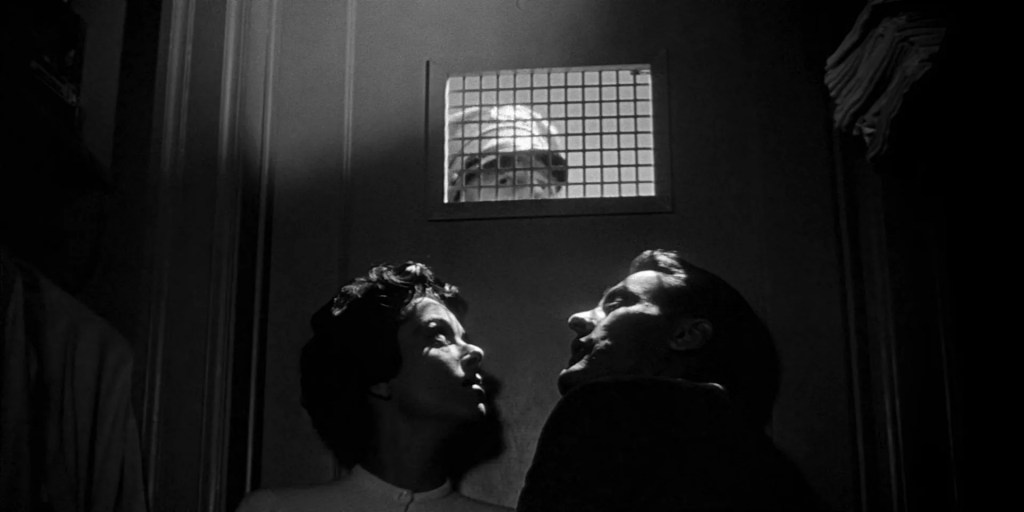
Miles and his former flame, Becky Driscoll, begin to uncover the horrifying truth: extraterrestrial seed pods have landed on Earth, and they are silently duplicating human beings as they sleep. The duplicates, known as “pod people,” are physically identical to their human counterparts but utterly devoid of emotion, individuality, and conscience.
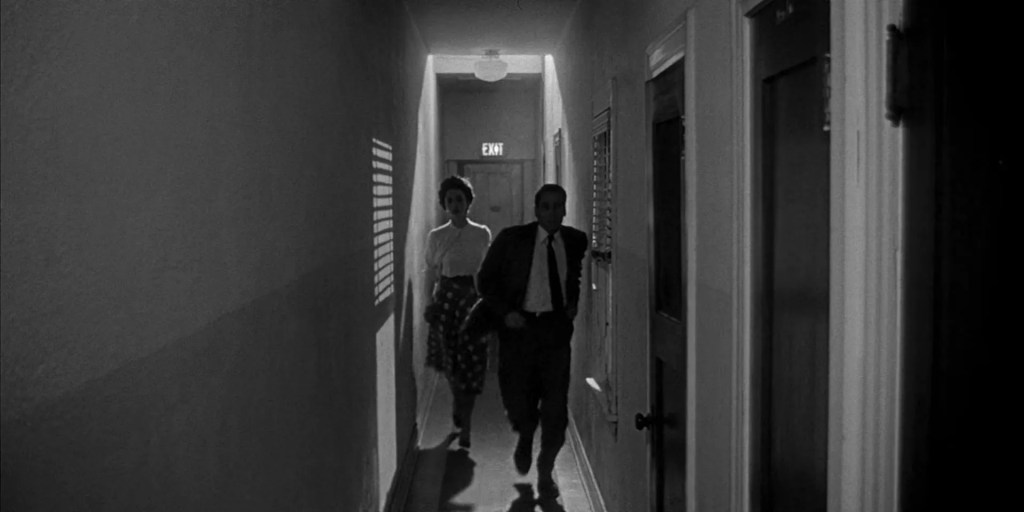
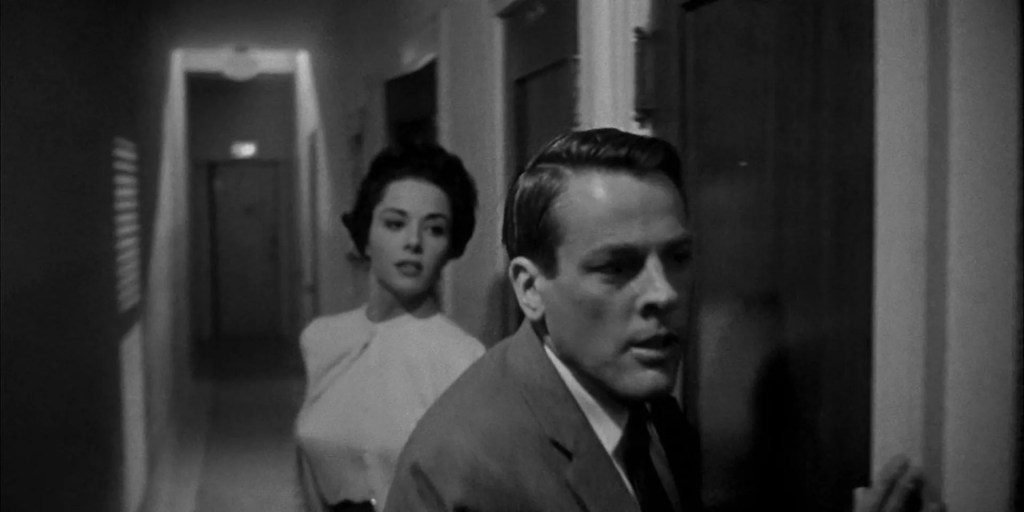
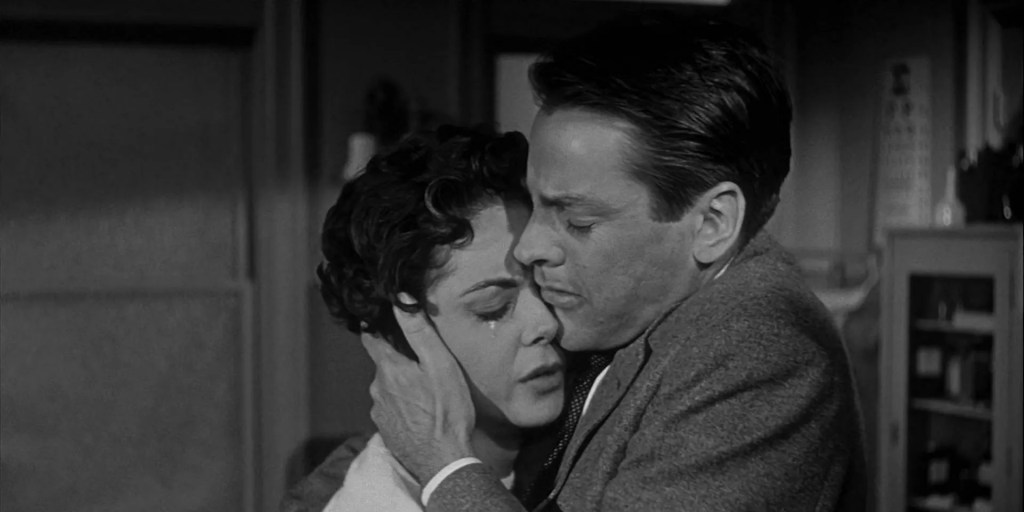
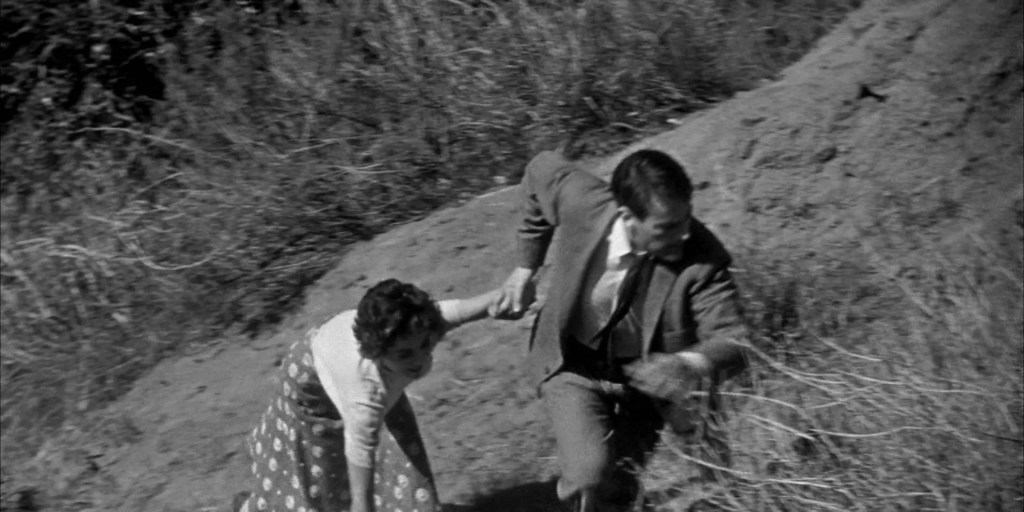
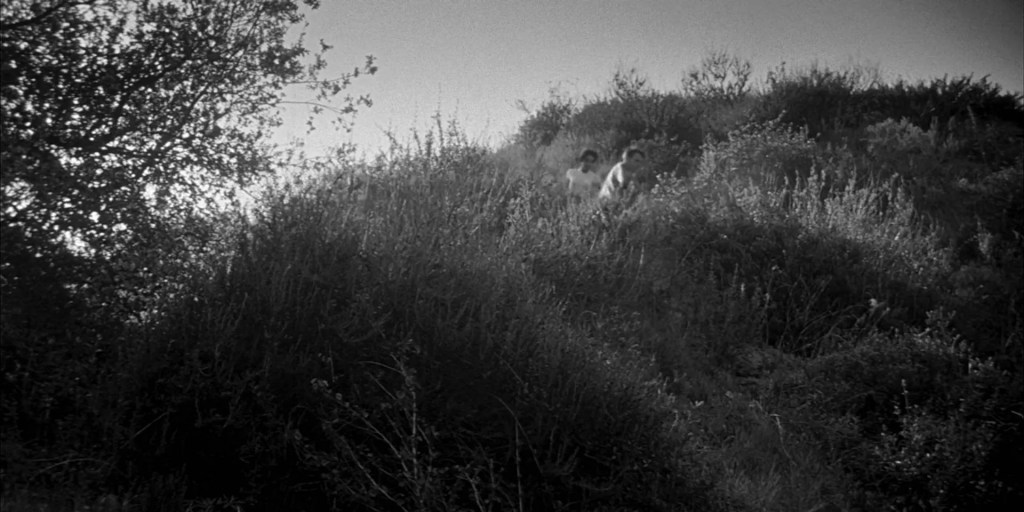
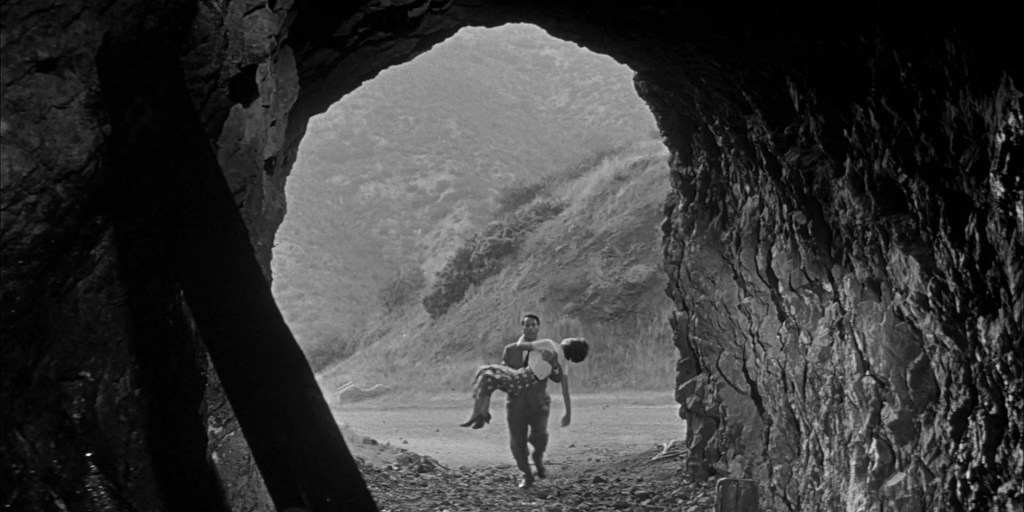
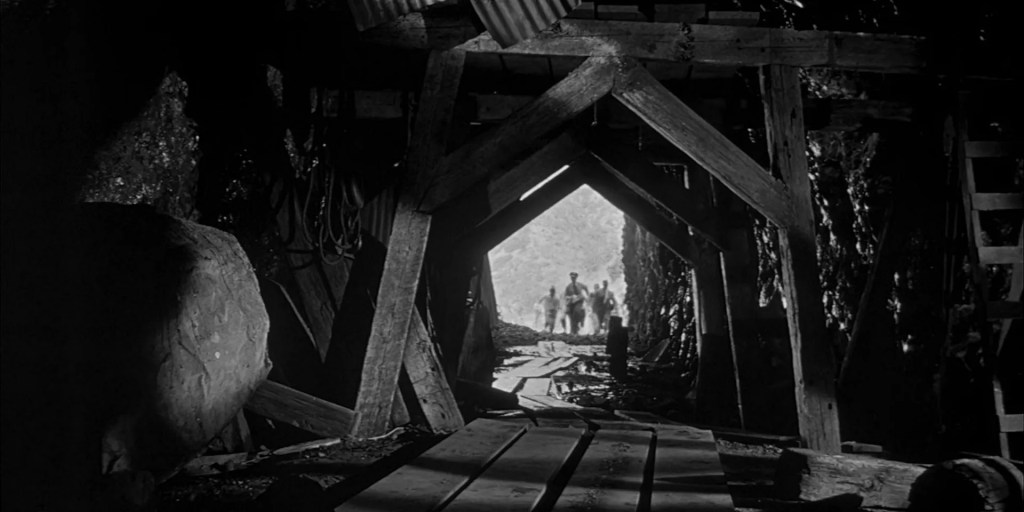
Miles and Becky become increasingly isolated as the invasion spreads, unsure of whom they can trust. Friends, neighbors, and even medical colleagues are being replaced alarmingly. Desperately trying to stay awake to avoid being assimilated, they go on the run, hoping to warn the outside world before it’s too late.
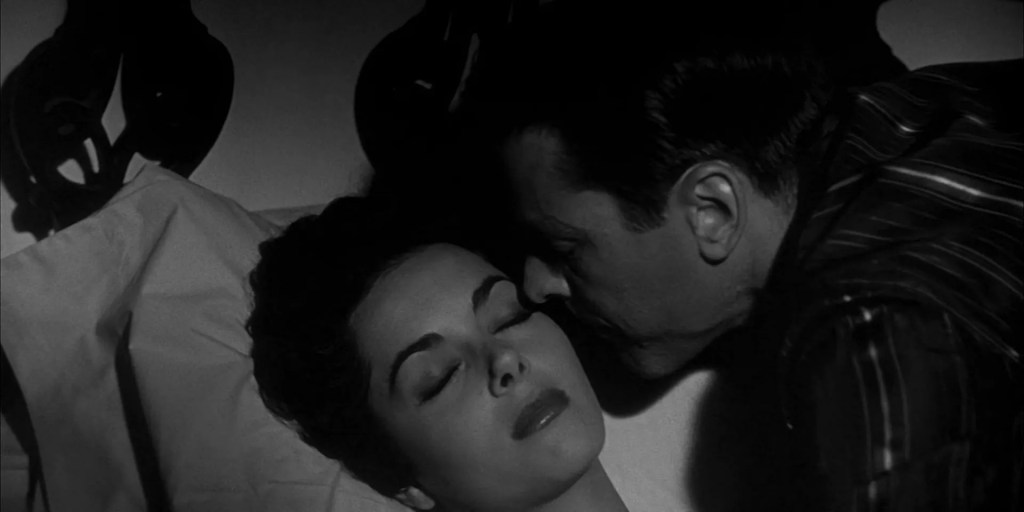
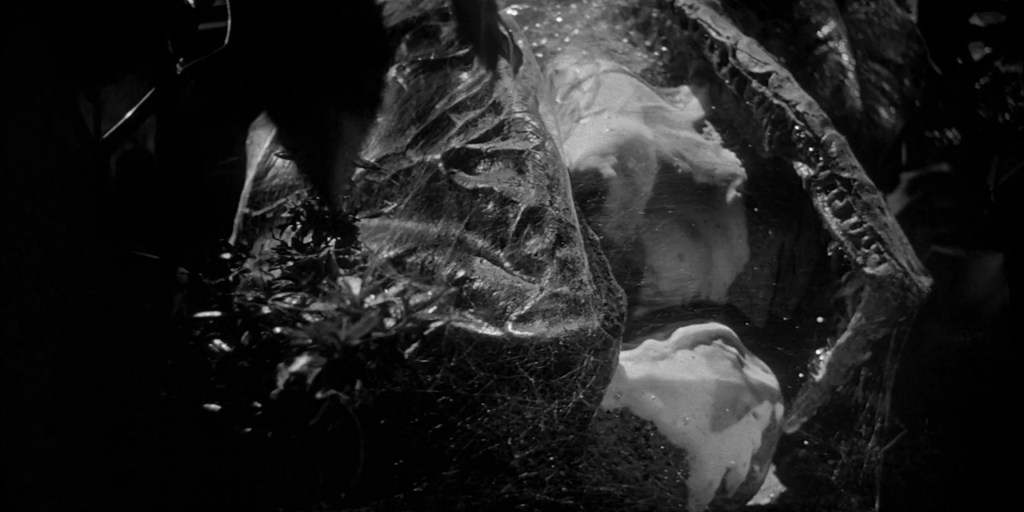
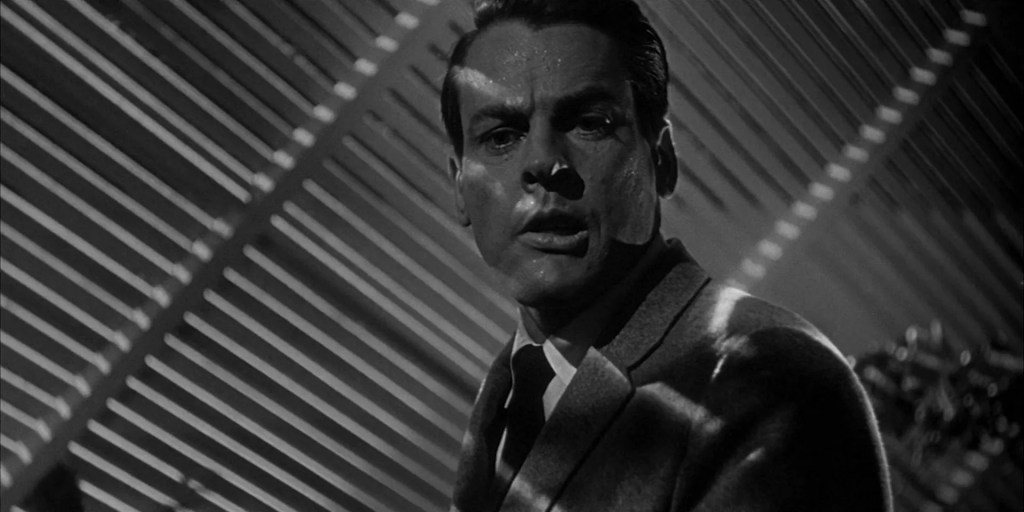
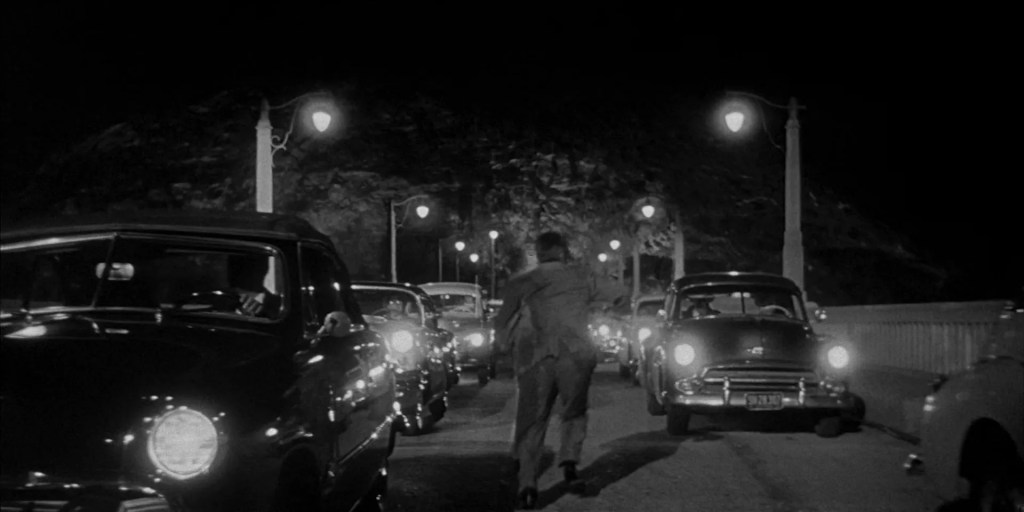
In the film’s climactic sequence, a frantic and exhausted Miles runs into traffic on a California highway, screaming, “They’re here already! You’re next!” as cars pass him by in disbelief—a chilling warning that no one may be safe from the insidious alien threat.
The film itself plays off a lot of Cold War Paranoia.
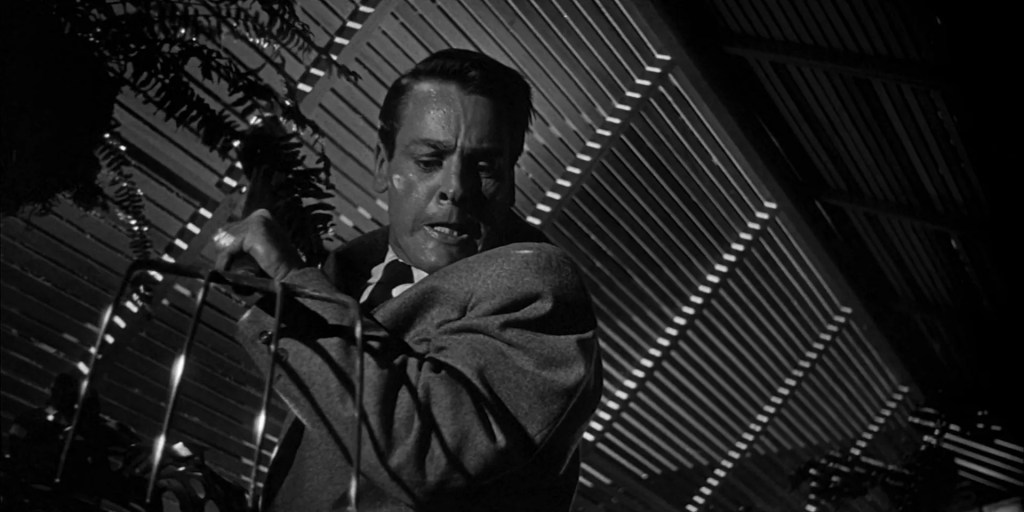
Its themes of identity loss and emotional detachment resonate with fears of ideological brainwashing and mass control. Beyond politics, the film taps into deeper anxieties about loss of self, autonomy, and the fear of becoming “just like everyone else.”
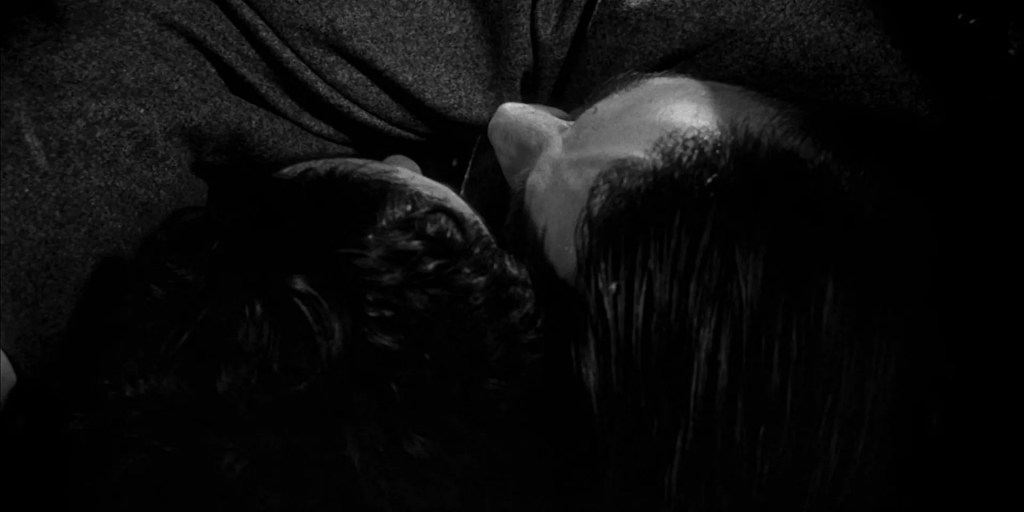
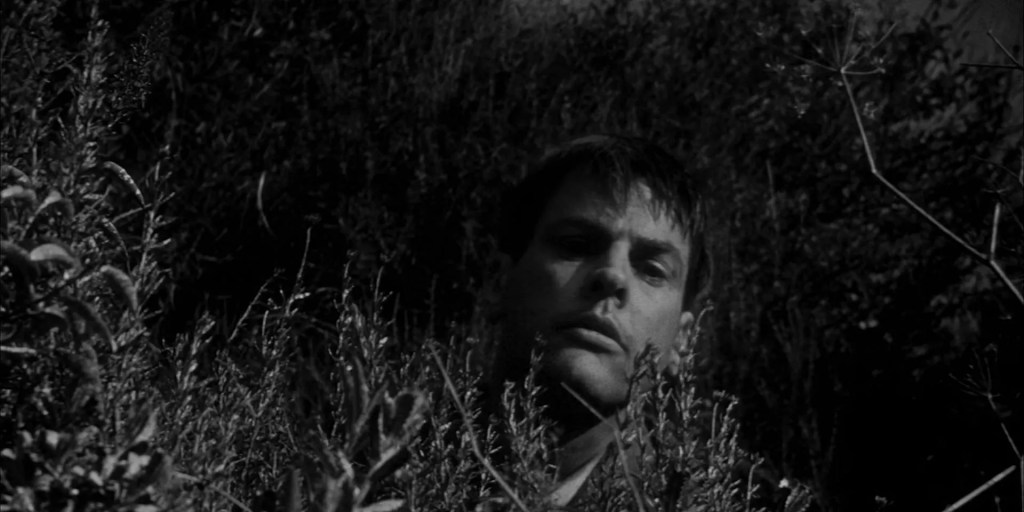
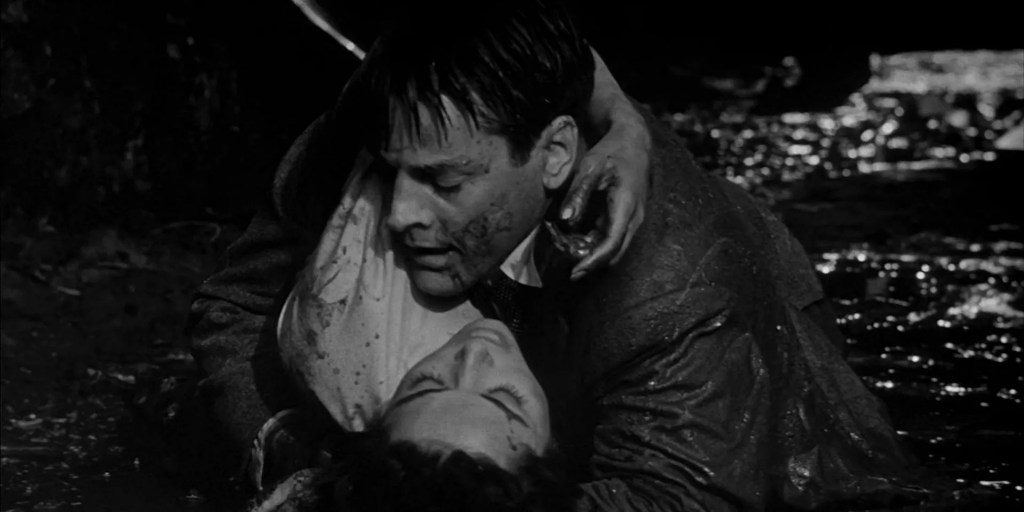
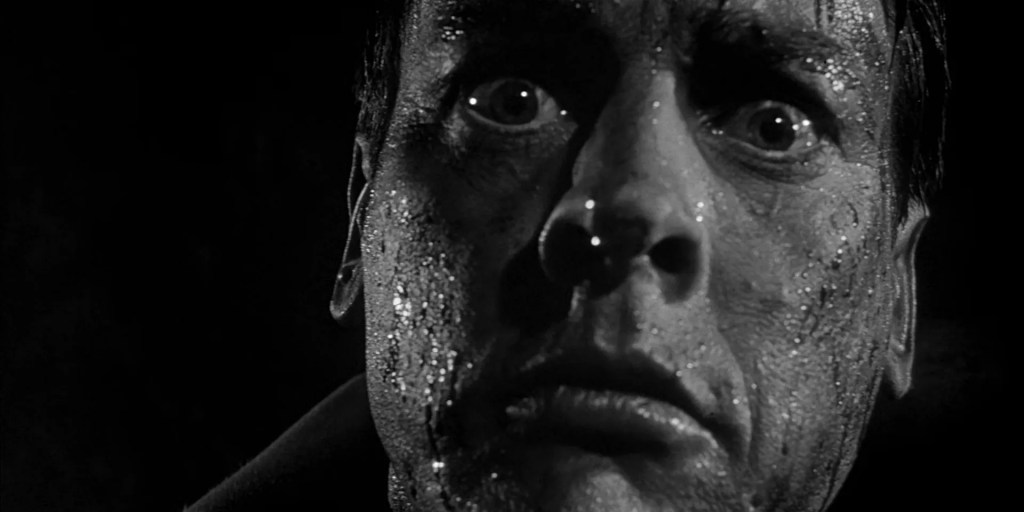
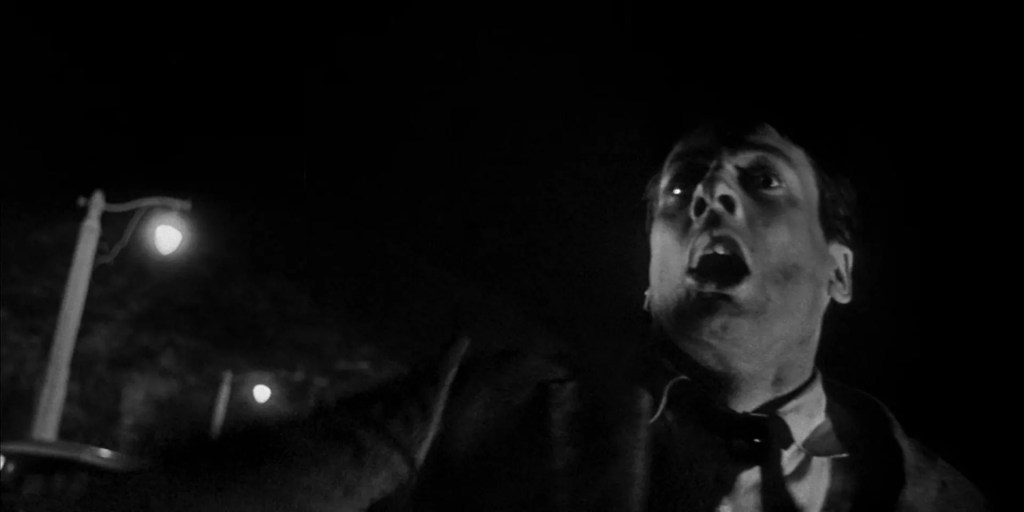
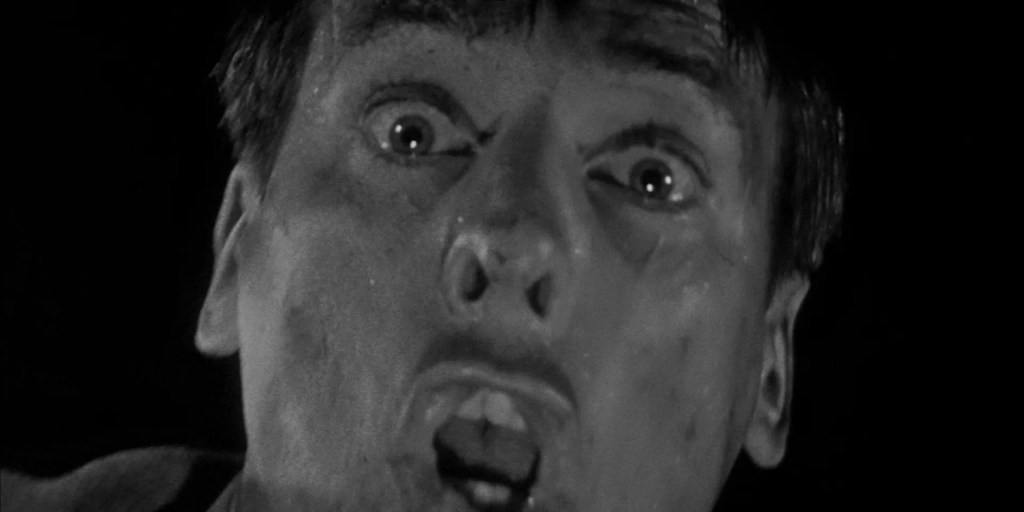
The original cut ended with Miles shouting in despair, offering no resolution. A framing device was added (under studio pressure) showing that the authorities might finally believe him—somewhat softening the bleak tone.
 The Other Cinema