
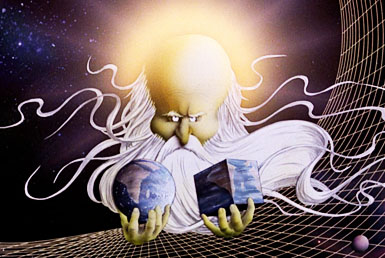
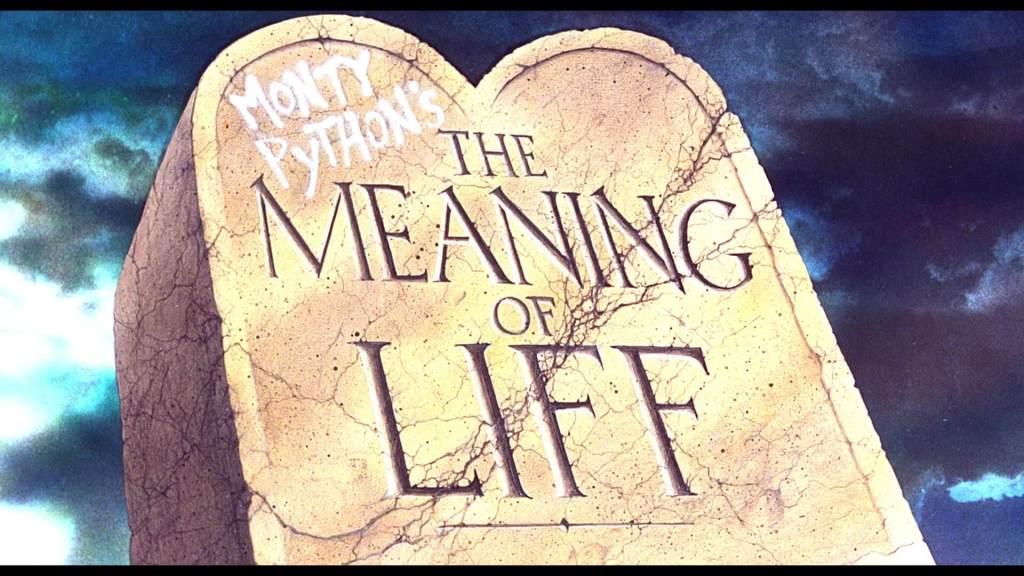
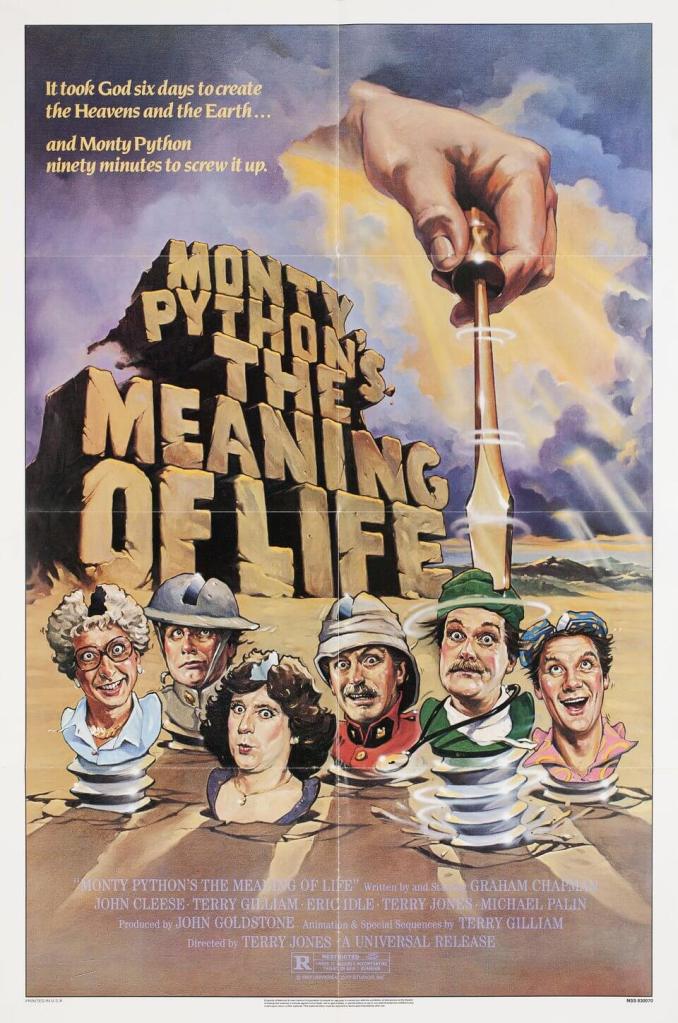
Monty Python’s The Meaning of Life is a 1983 sketch-based satirical comedy that attempts—with tongue firmly in cheek—to answer one of the most profound philosophical questions of all time: What is the meaning of life? Directed by Terry Jones with the animated sequences directed by Terry Gilliam, who also directed the opening short film “The Crimson Permanent Assurance.” The film stars the Monty Python members John Cleese, Terry Gilliam, Terry Jones, Eric Idle, Michael Palin, and Graham Chapman, all playing multiple roles. It is told through a series of absurd, darkly comedic vignettes. It loosely follows the stages of life from birth to death, with diversions into war, religion, sex, gluttony, and the afterlife. Each segment skewers a different institution or social norm, using the Monty Python troupe’s trademark surrealism, musical numbers, and slapstick.
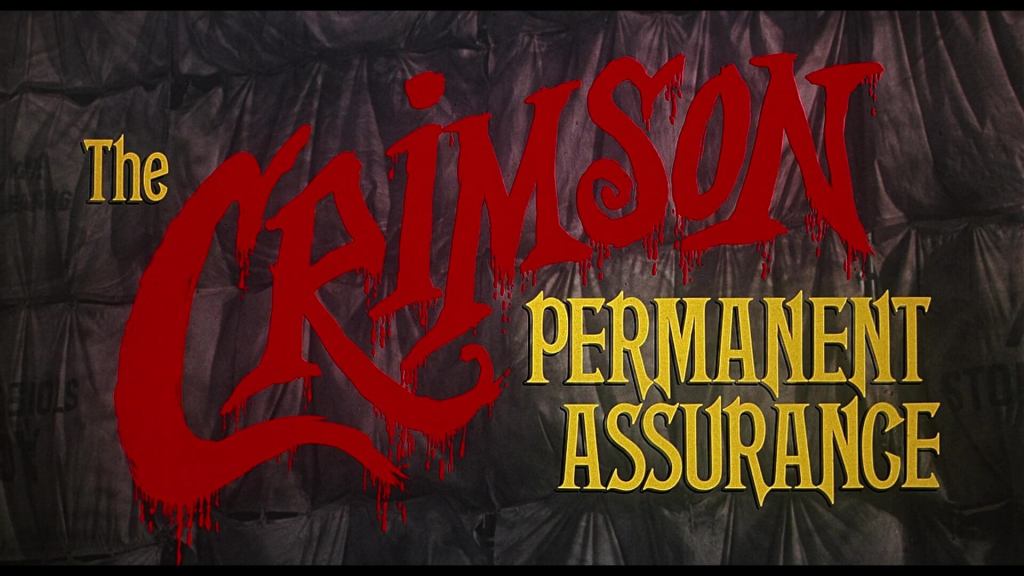
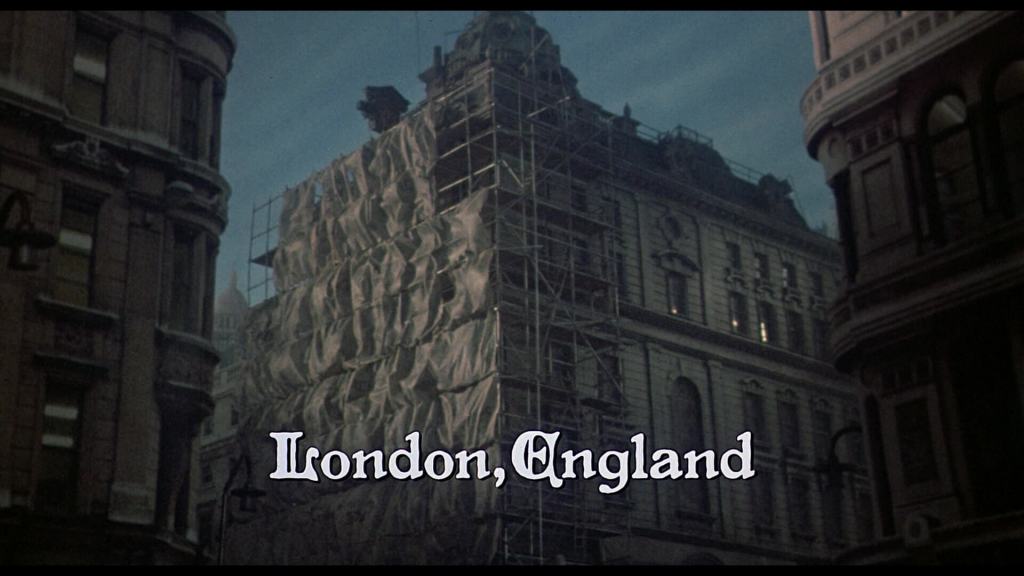
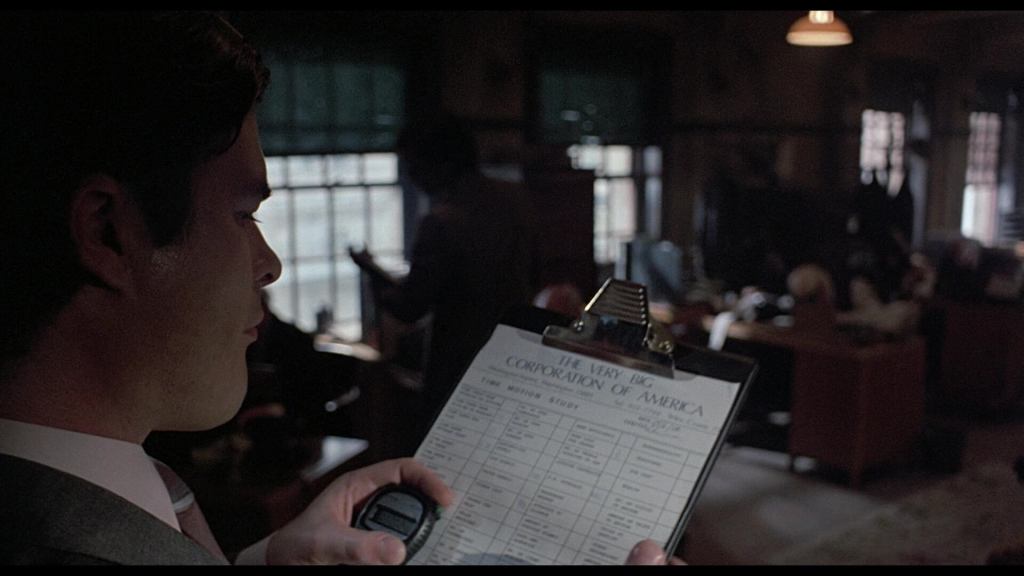
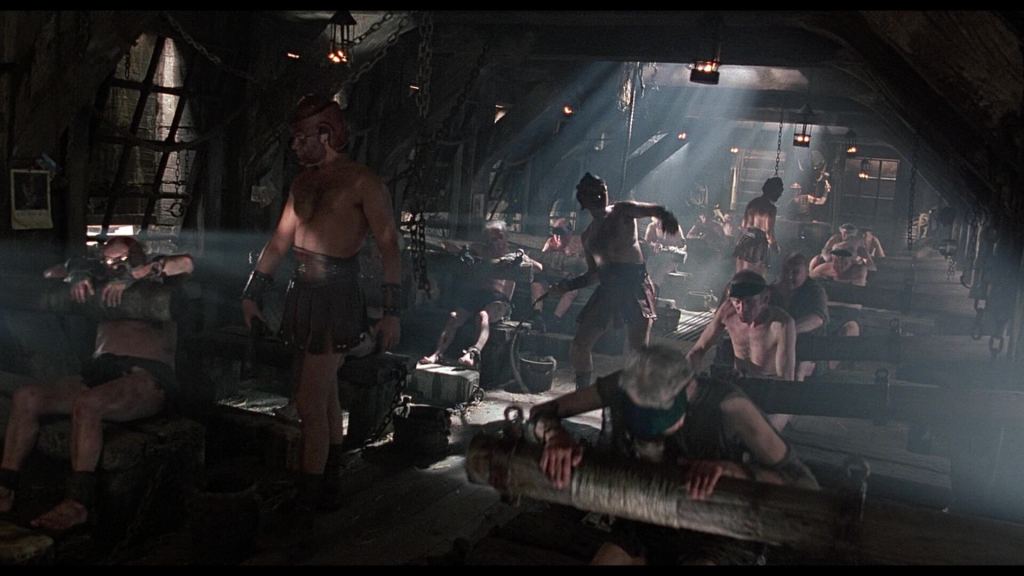
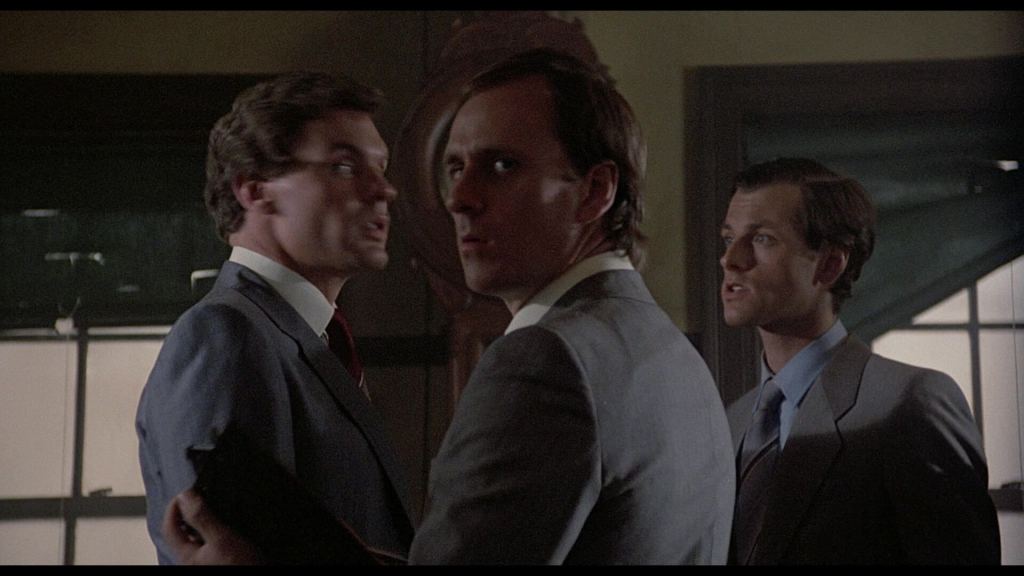
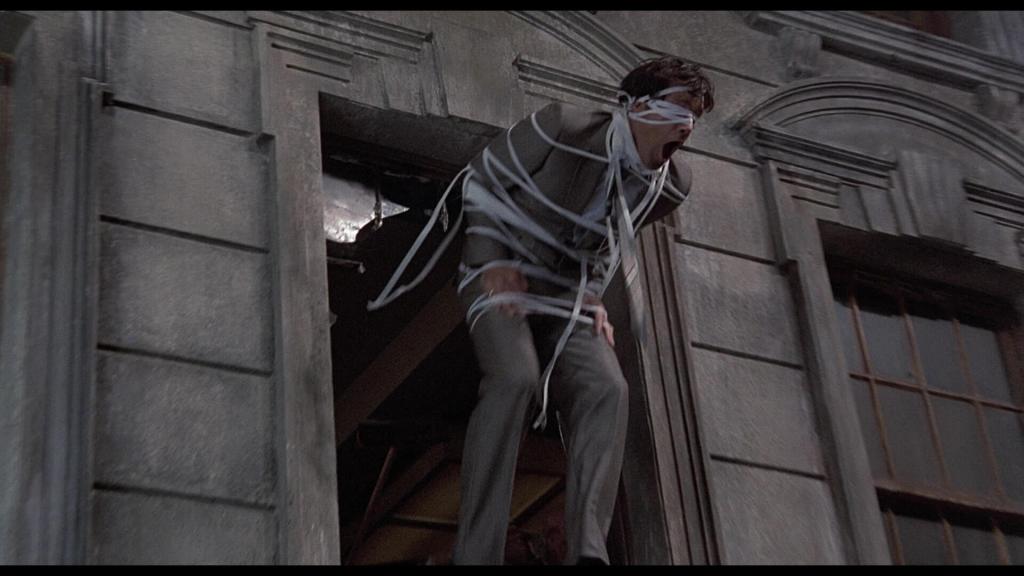
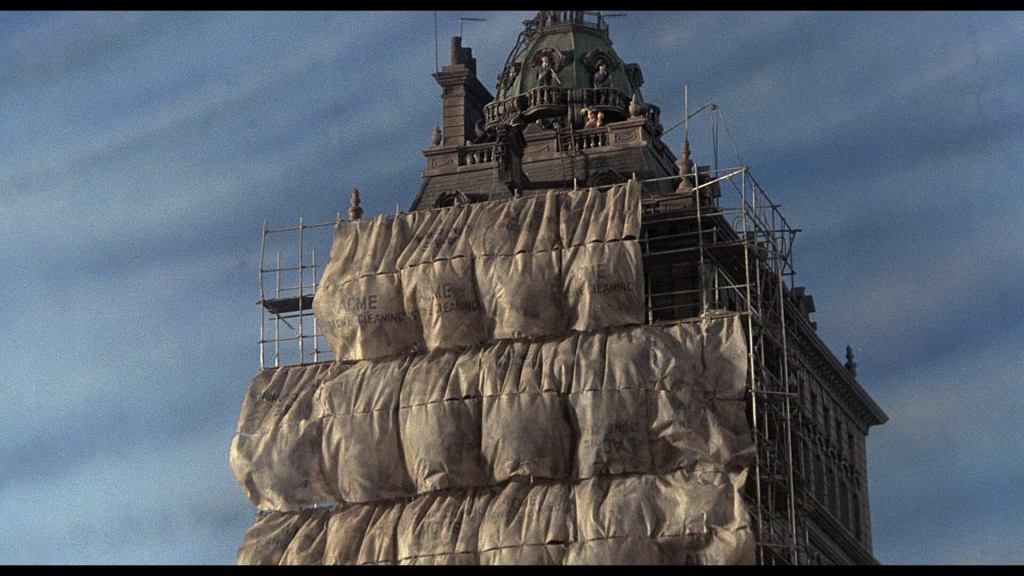
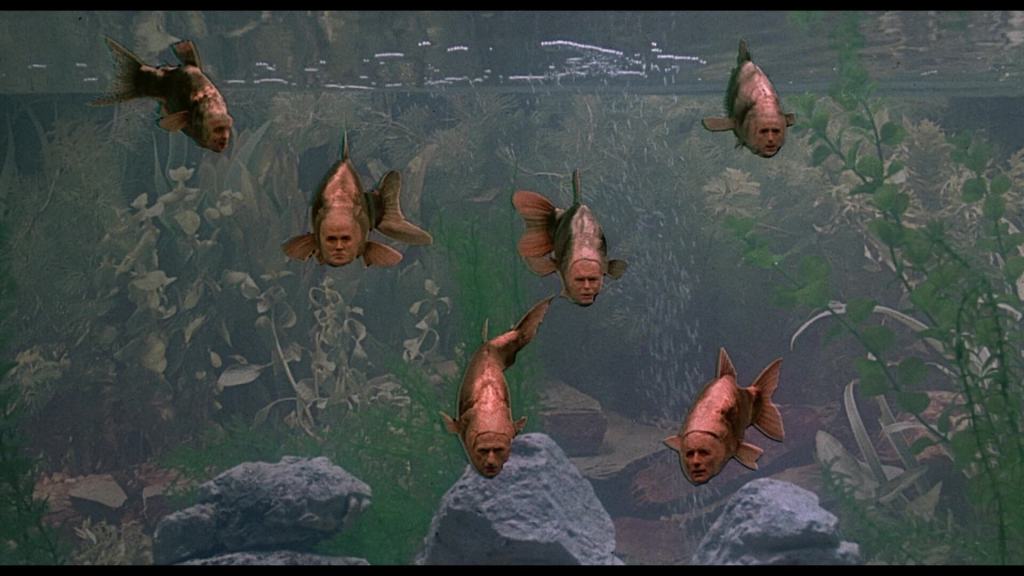
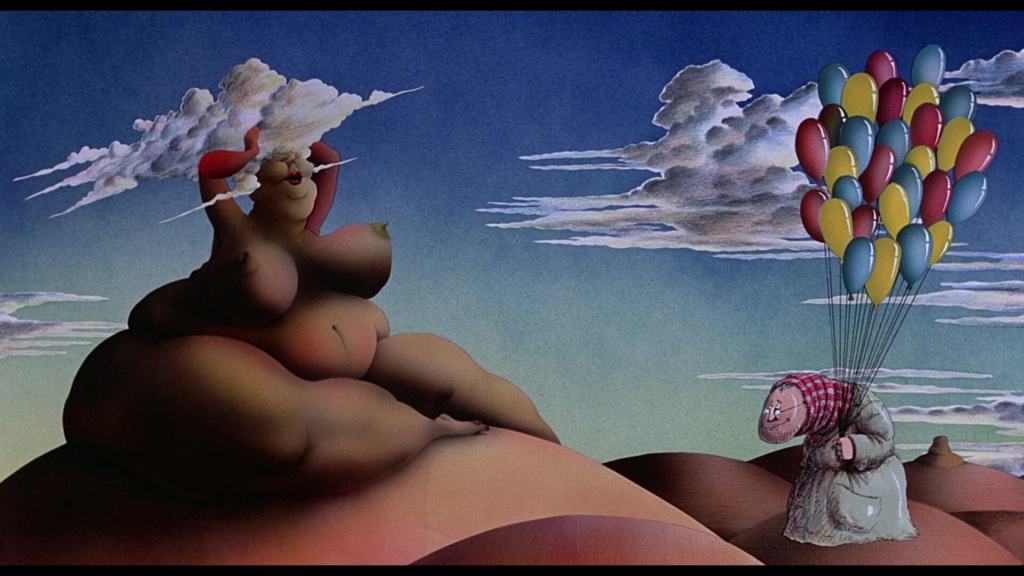
The Crimson Permanent Assurance (Short Film Prologue – Directed by Gilliam):
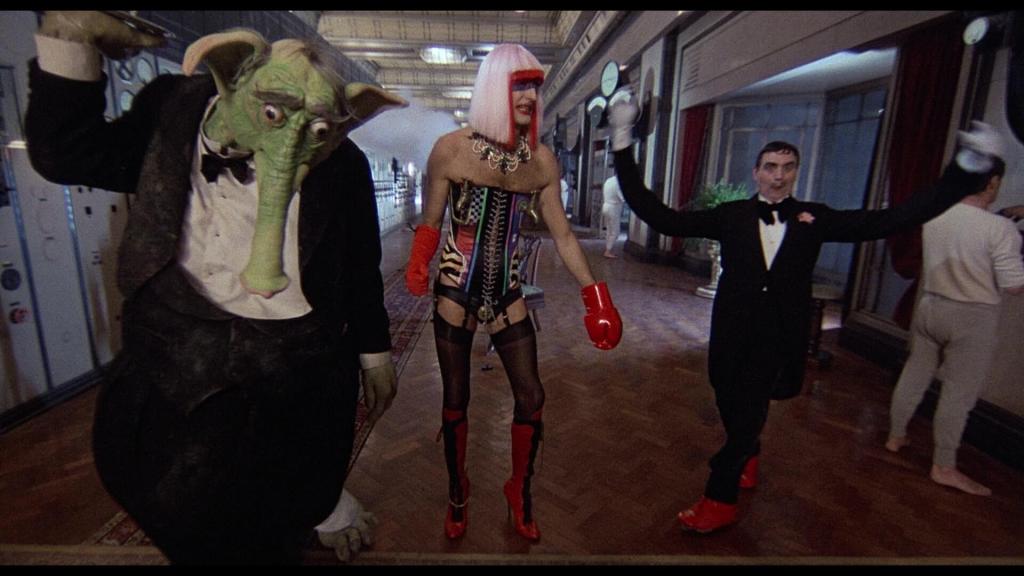
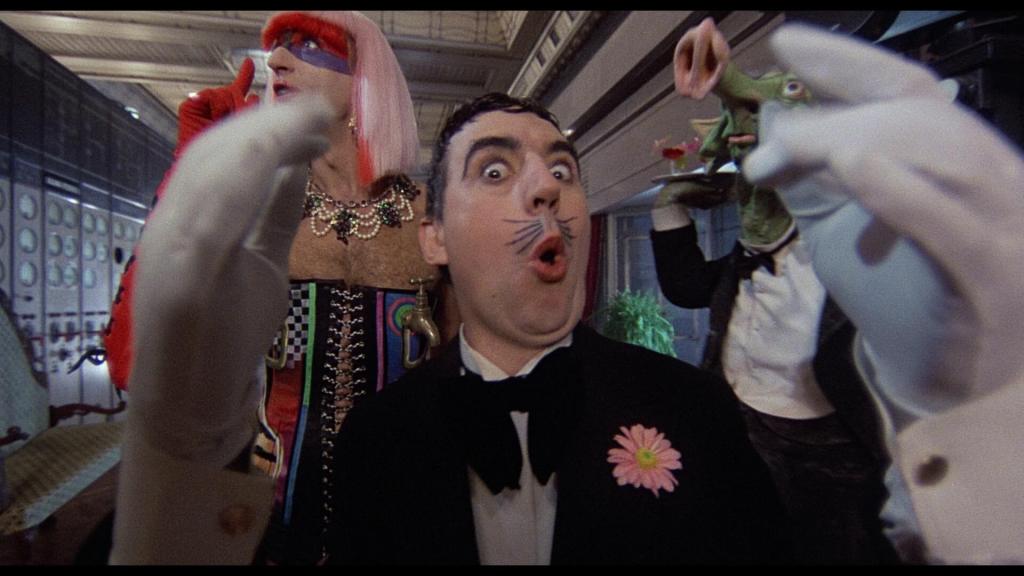
This short is an over-the-top parody of corporate culture and swashbuckling adventure films. It features elderly office clerks who revolt against their oppressive corporate bosses, transforming their building into a literal pirate ship that sails the financial seas.
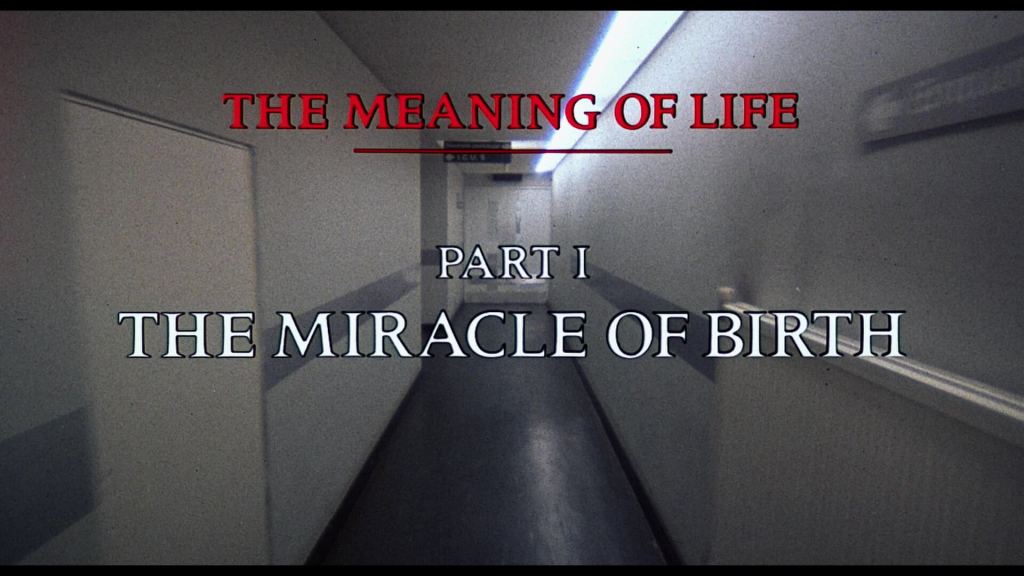
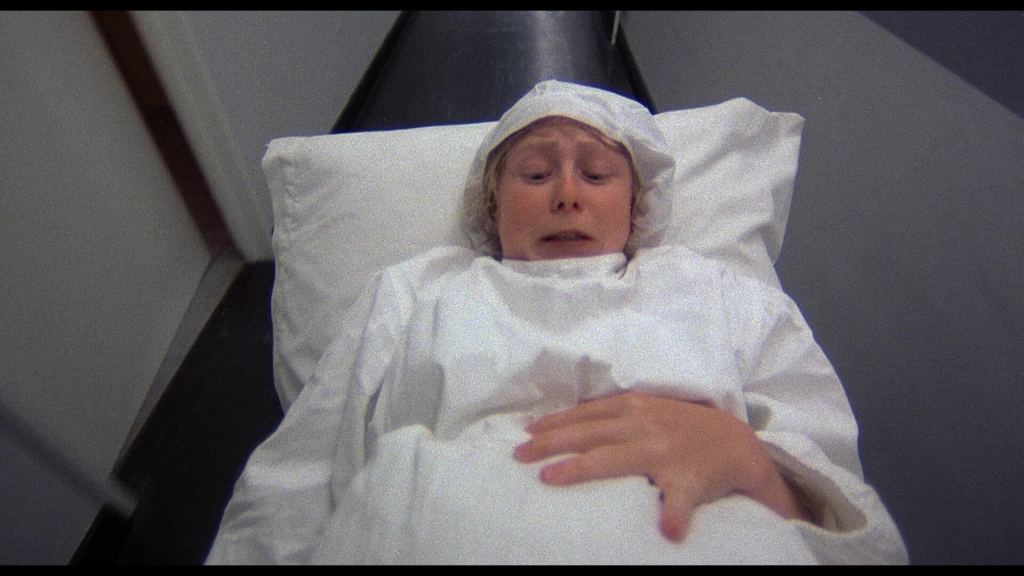
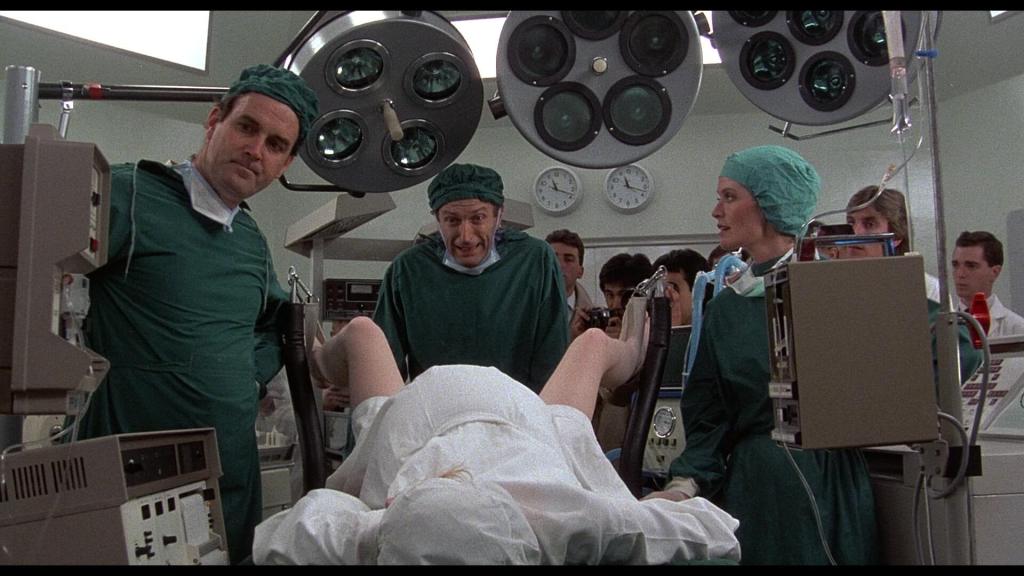
It’s here the film begins in earnest, starting with The Miracle of Birth:
The film opens with a satire of the impersonal nature of modern medicine, as doctors become more obsessed with hospital equipment than the mother’s well-being. It then cuts to a working-class Yorkshire family with dozens of children who are forced to sell one of them for medical experiments due to Catholic dogma banning contraception.
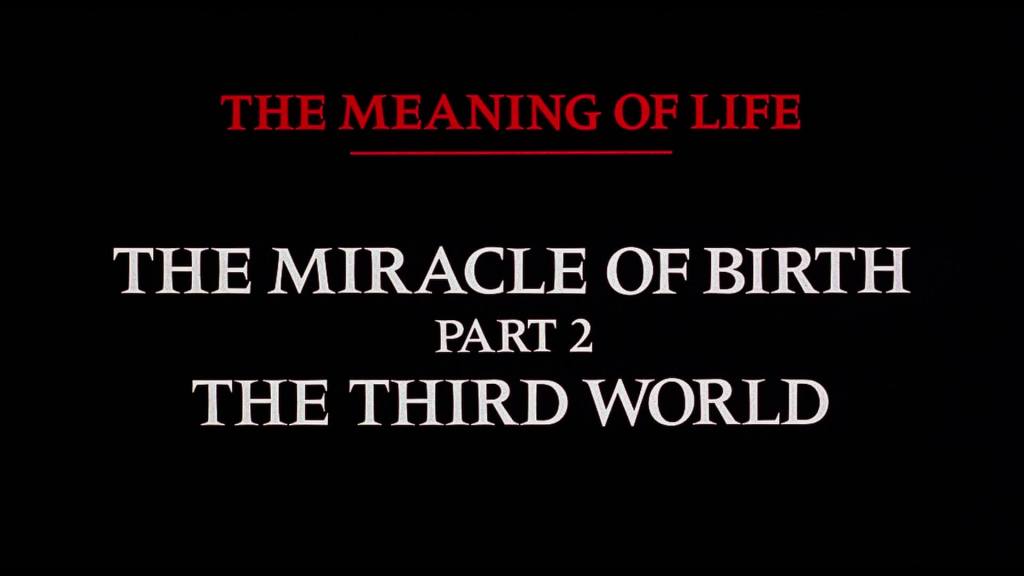
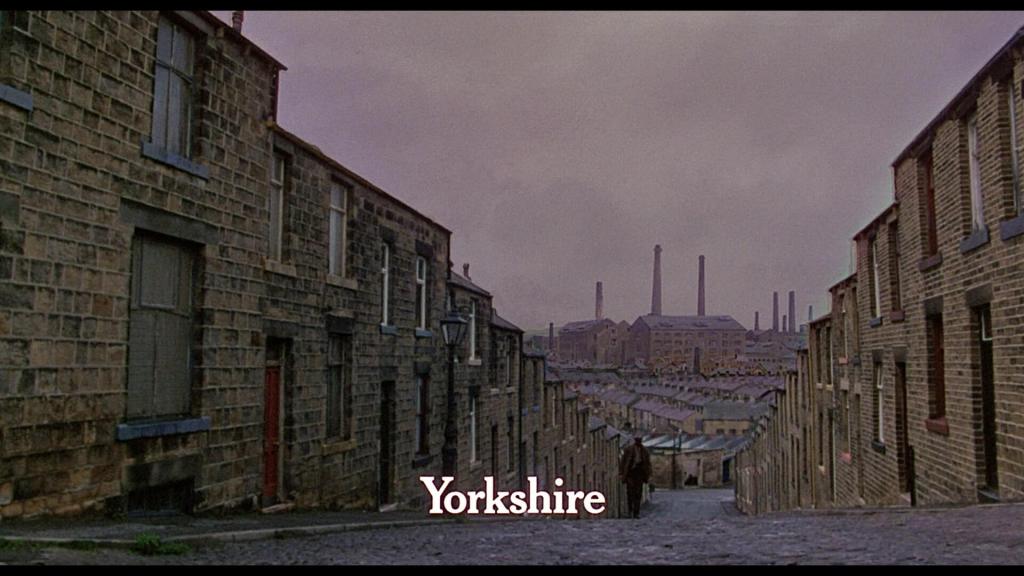

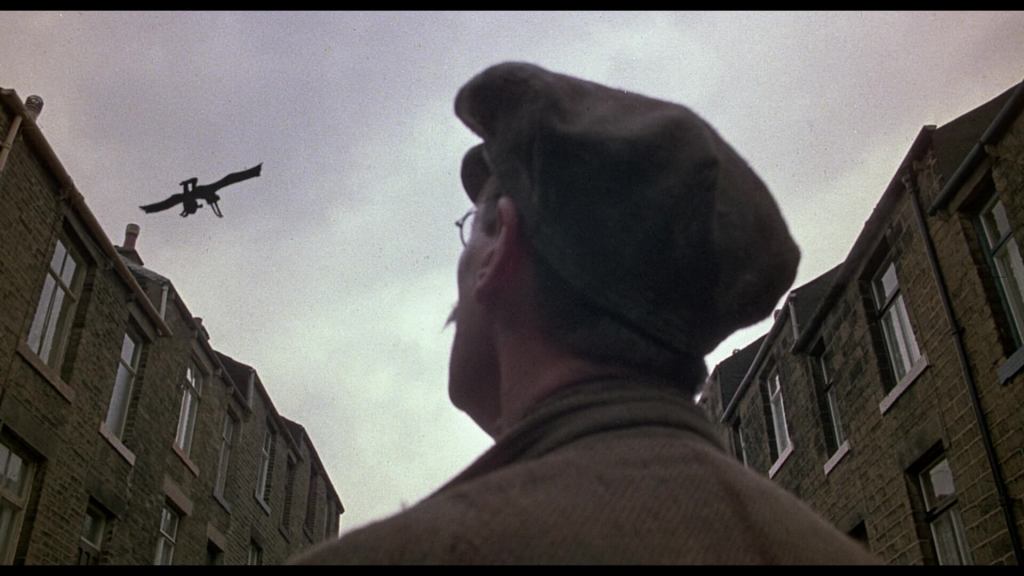
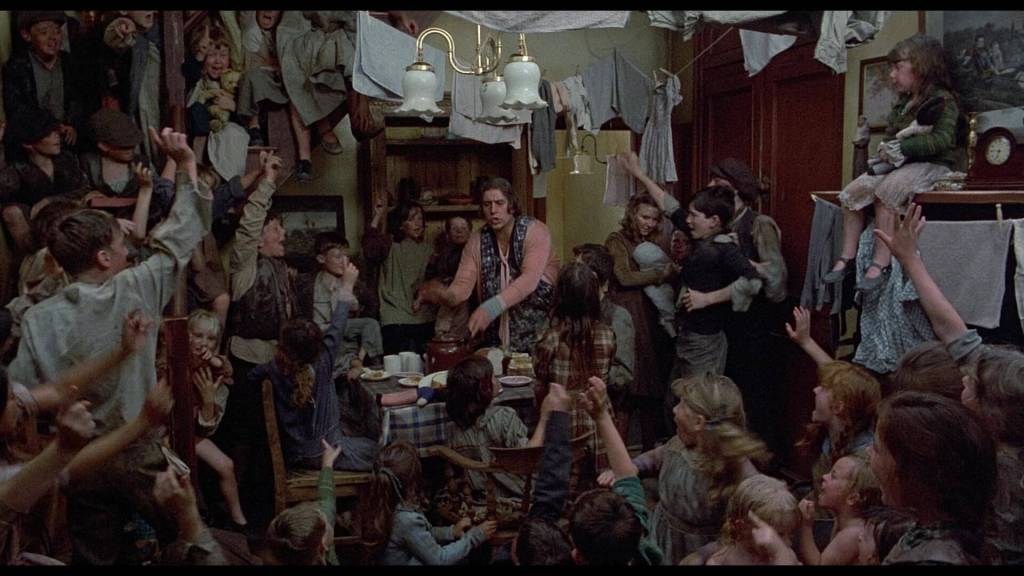
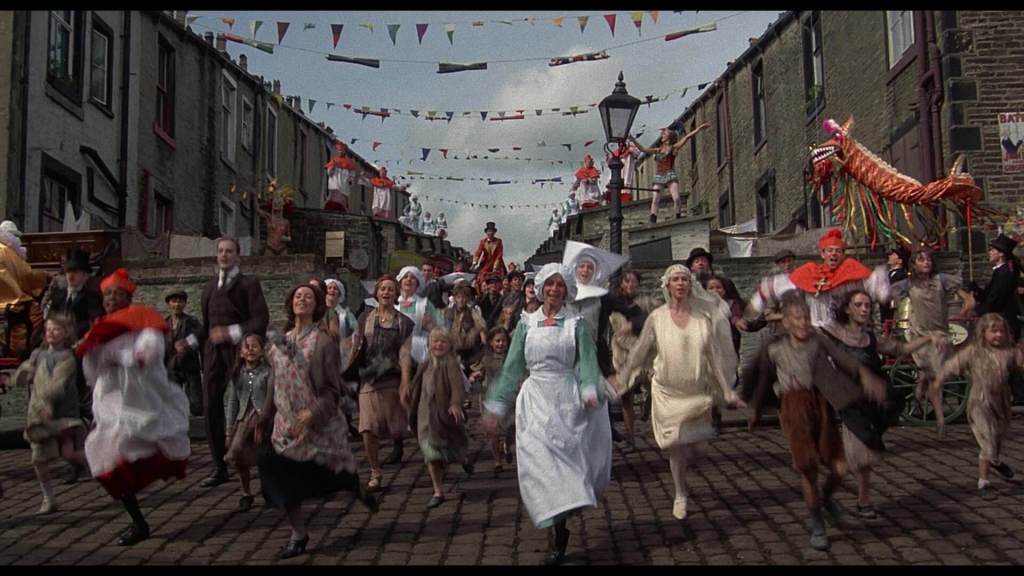
The film is then broken down in the following segments.
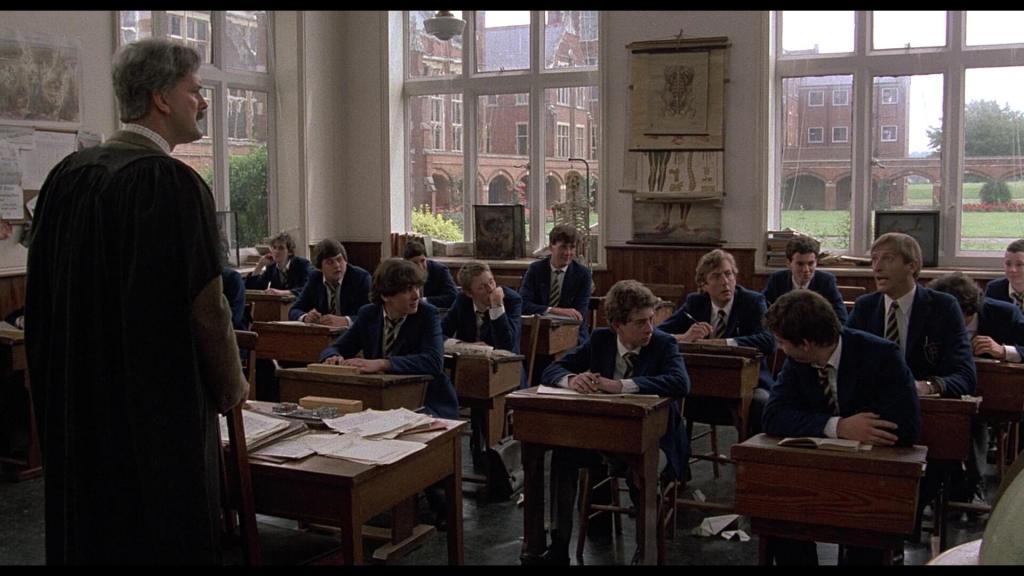
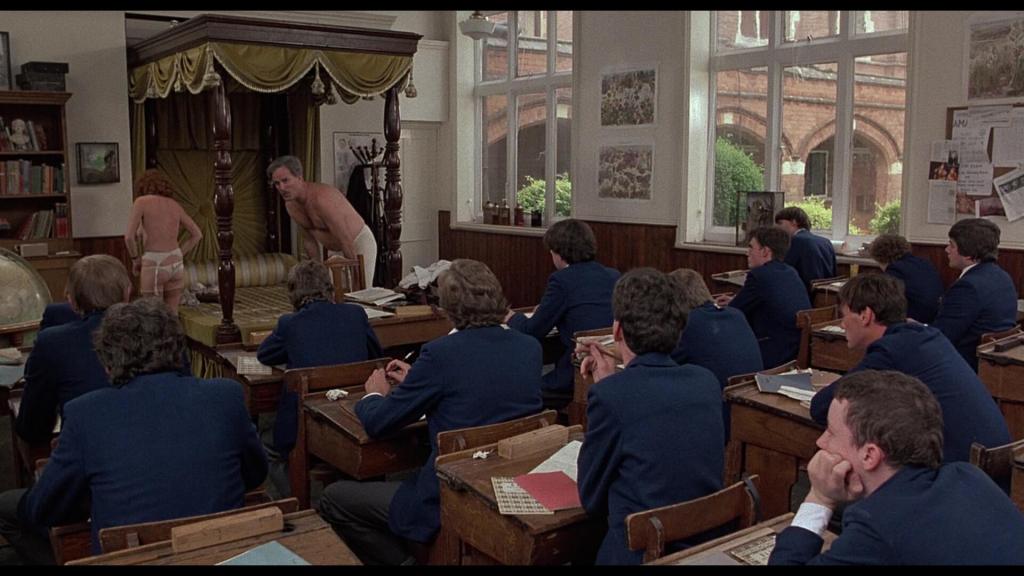
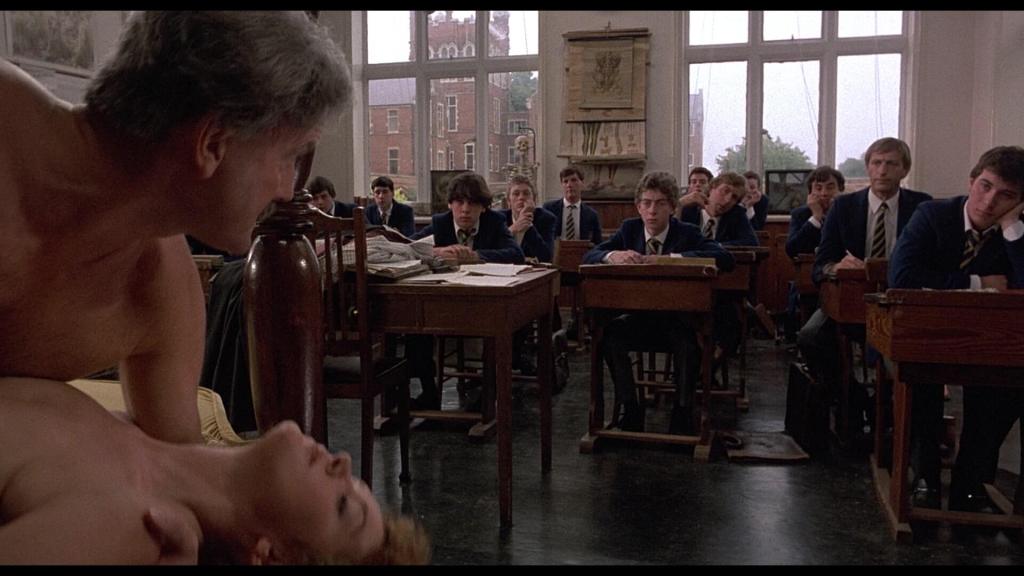
Growth and Learning:
In a painfully dull British public school, boys are subjected to military drills and sex education involving a live demonstration by their teacher. Meanwhile, nearby students are blown up in a rugby match with soldiers.

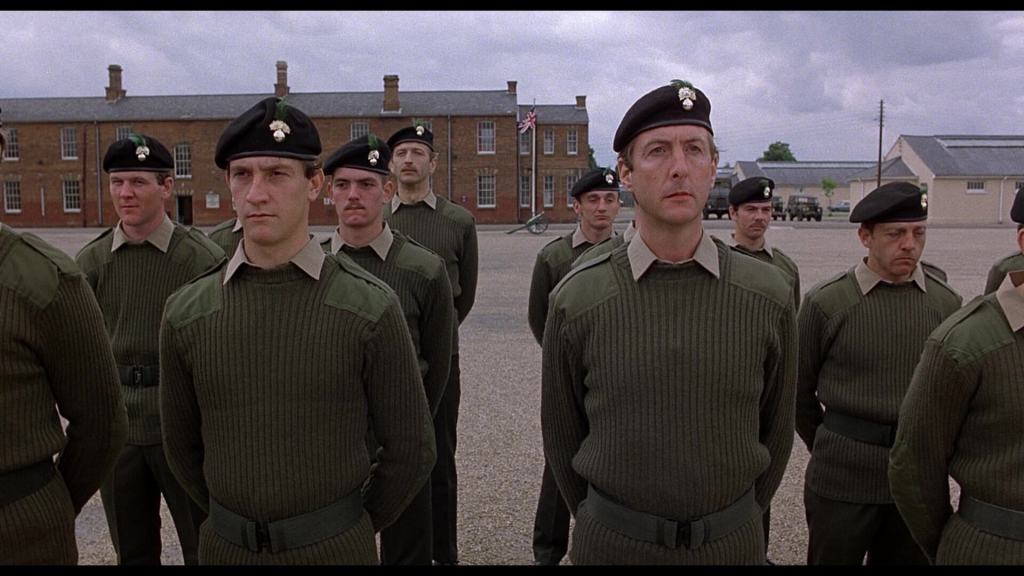

Fighting Each Other:
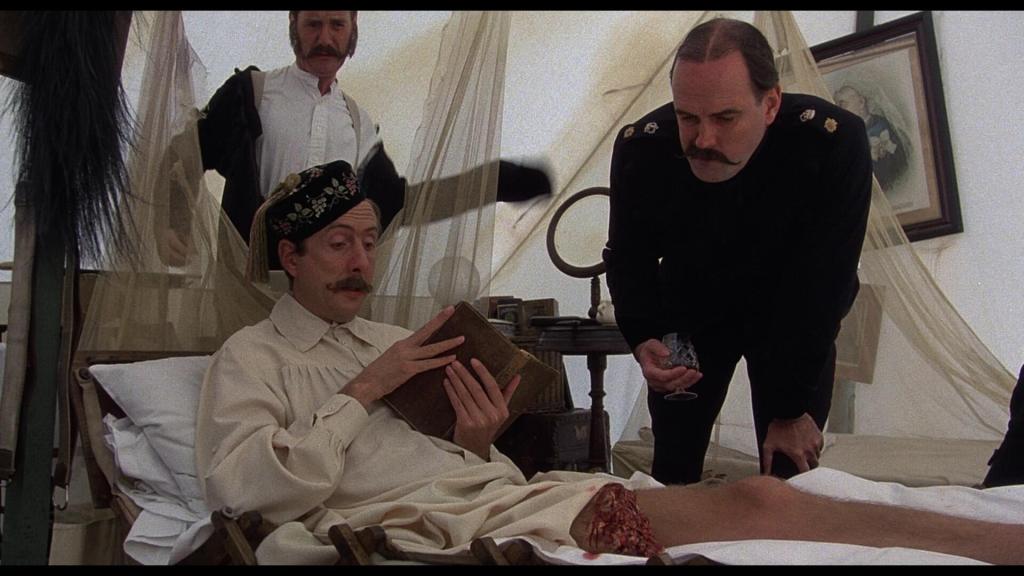
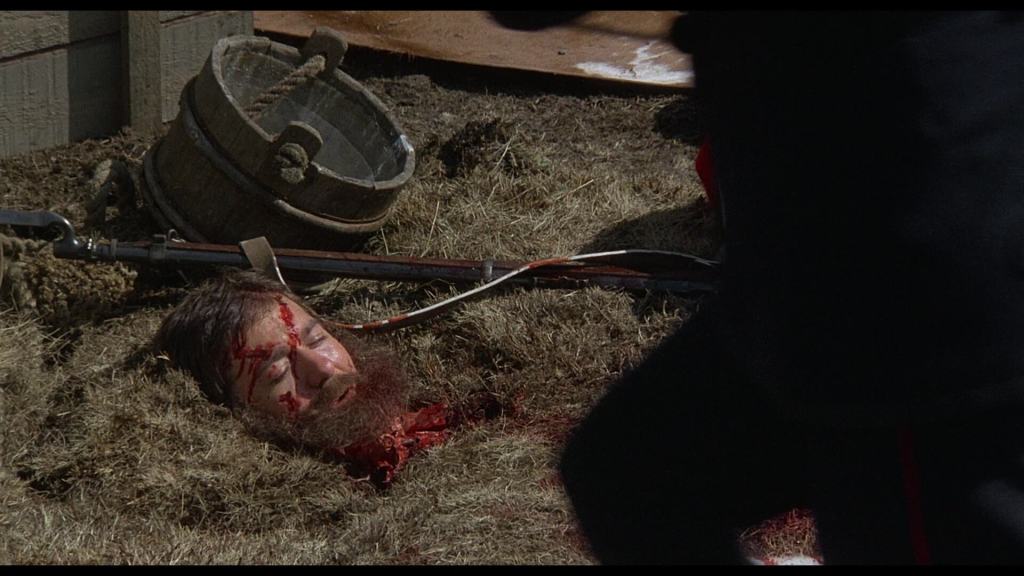
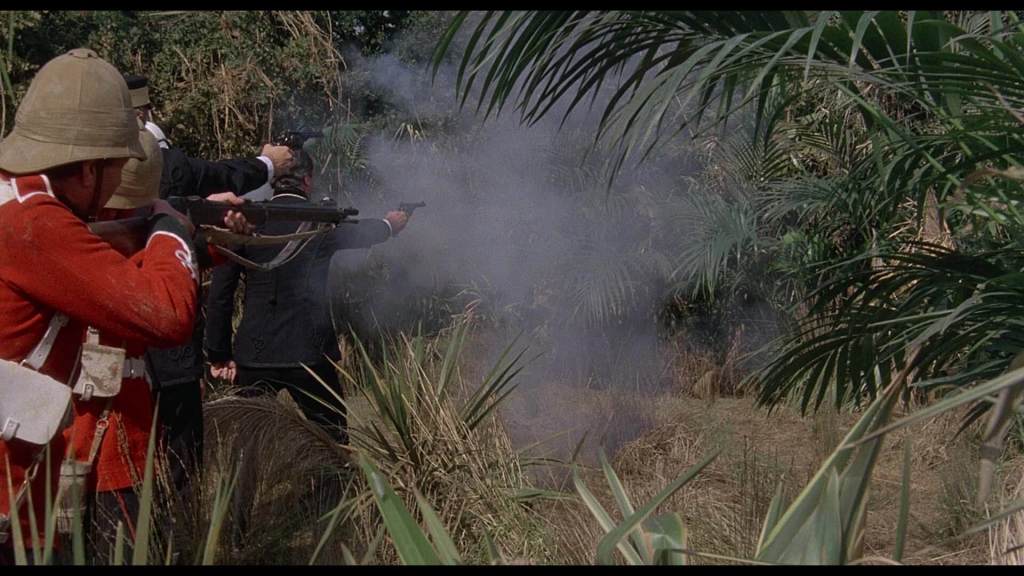
A World War I officer tries to bring birthday gifts to his troops amid an attack. This becomes a commentary on the absurdity of war, colonialism, and British stoicism.

Middle Age – Live Organ Transplants:
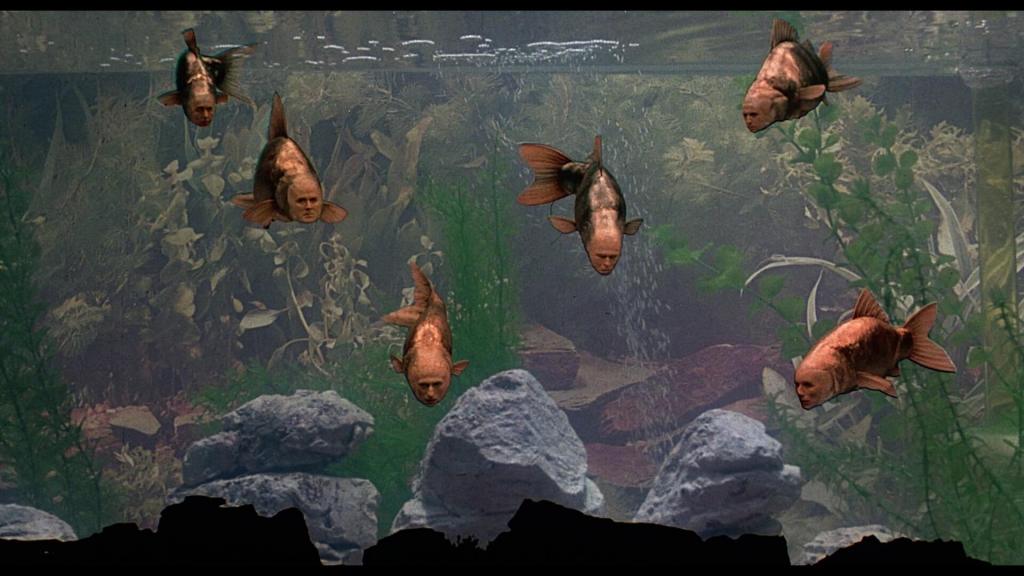
A grisly and comical segment in which a man has his liver removed while still alive. The sequence features a musical interlude with “Galaxy Song,” a whimsical yet scientifically accurate tune sung by Eric Idle about the scale of the universe.
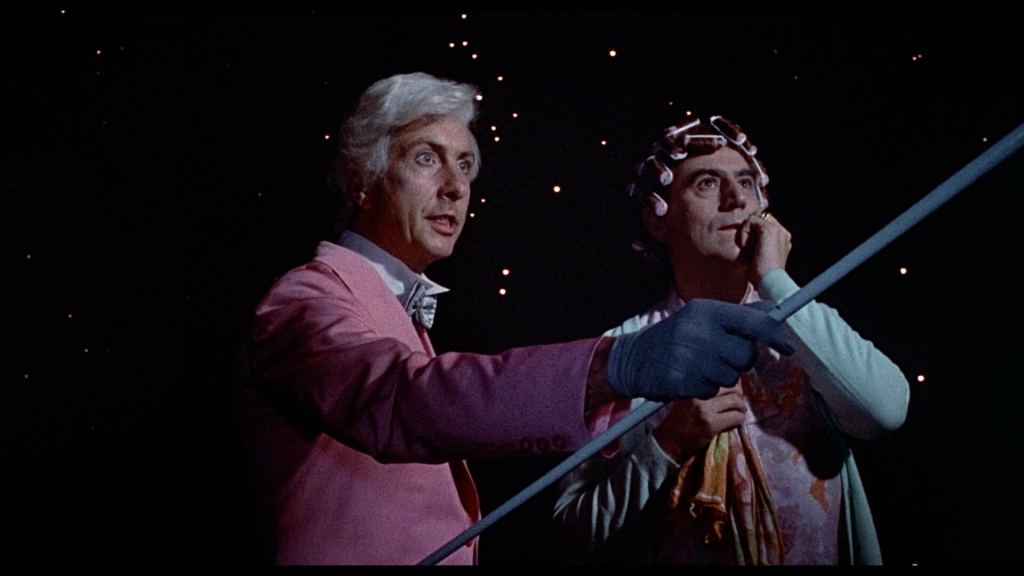
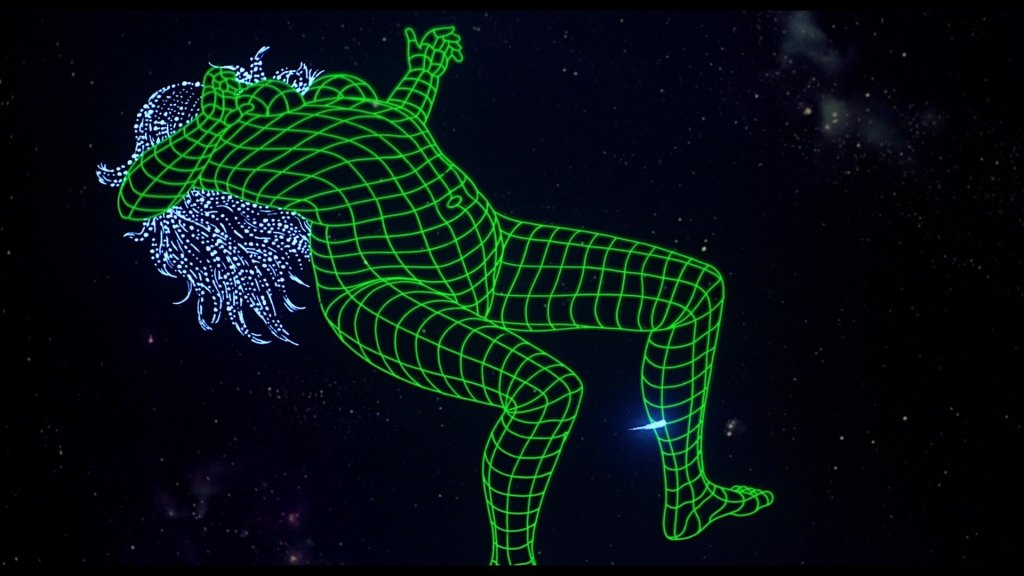
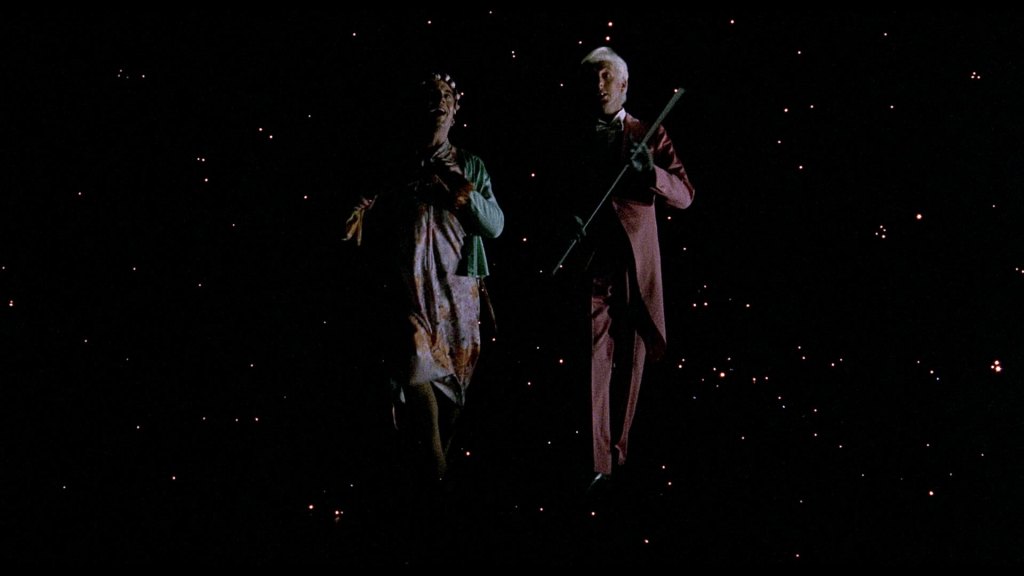
The Autumn Years:
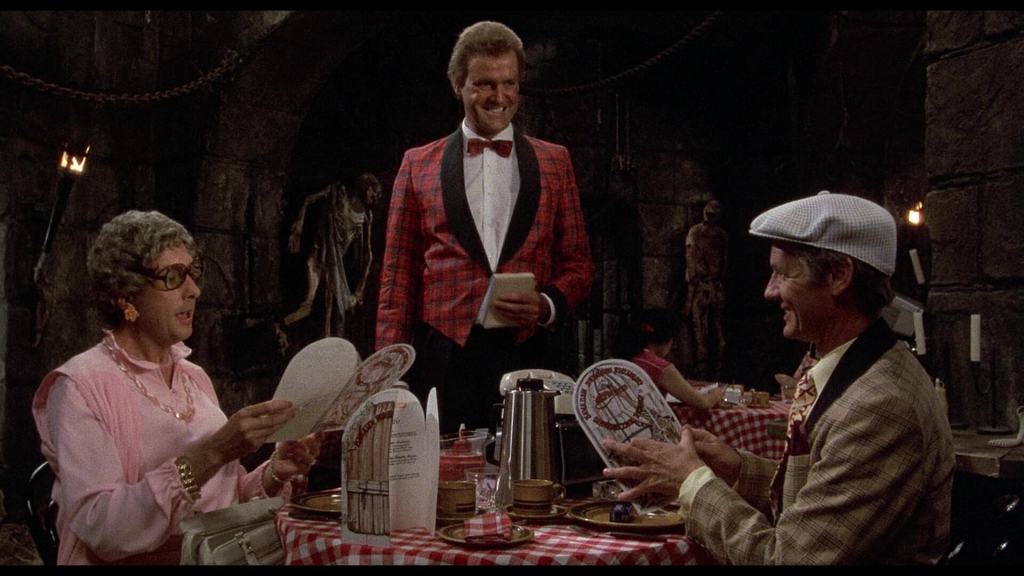
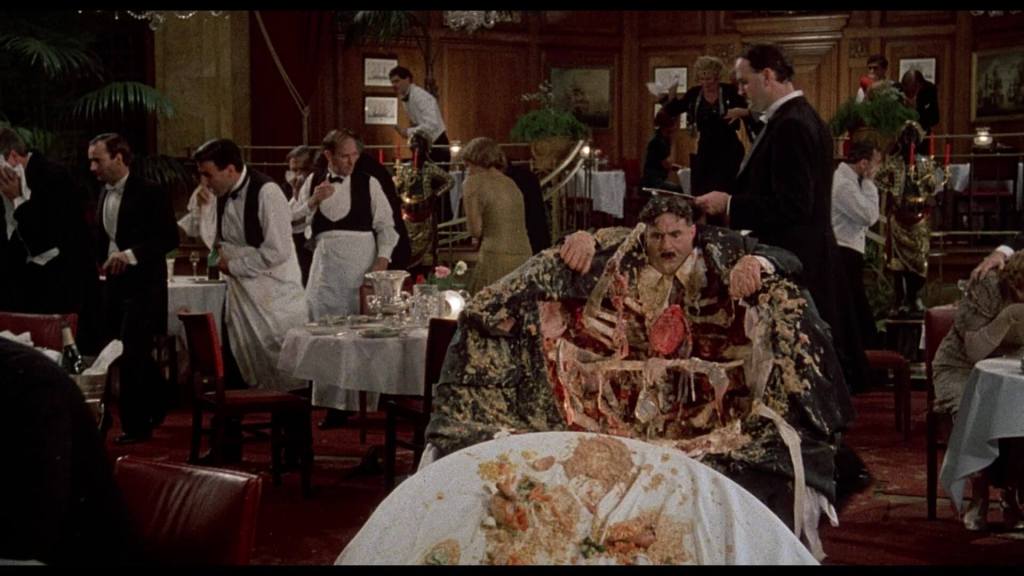
One of the film’s most infamous scenes: Mr. Creosote, a grotesquely obese man (played by Terry Jones), visits a fancy restaurant and proceeds to gorge himself to the point of explosion—literally—after consuming a “wafer-thin mint.”
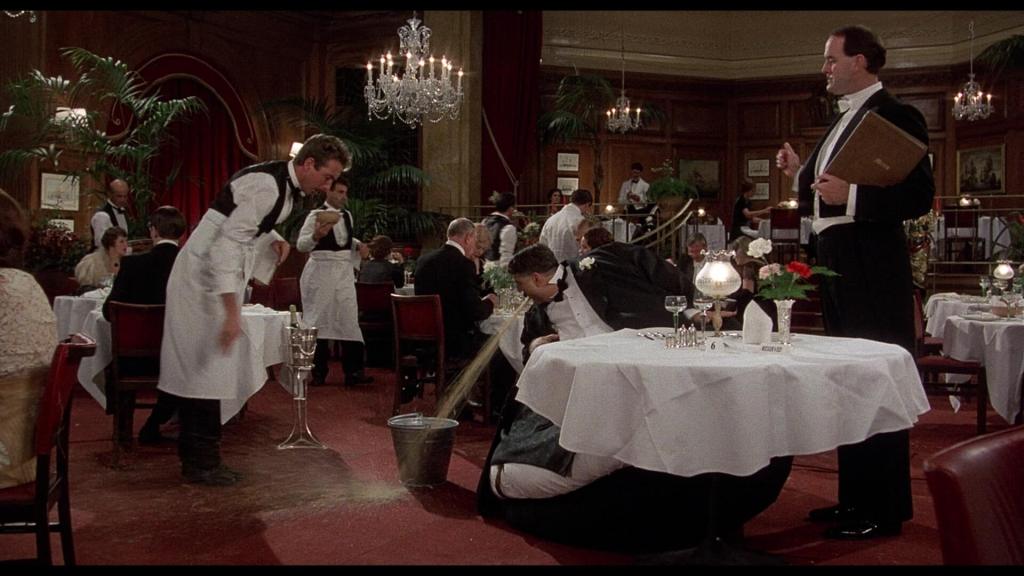

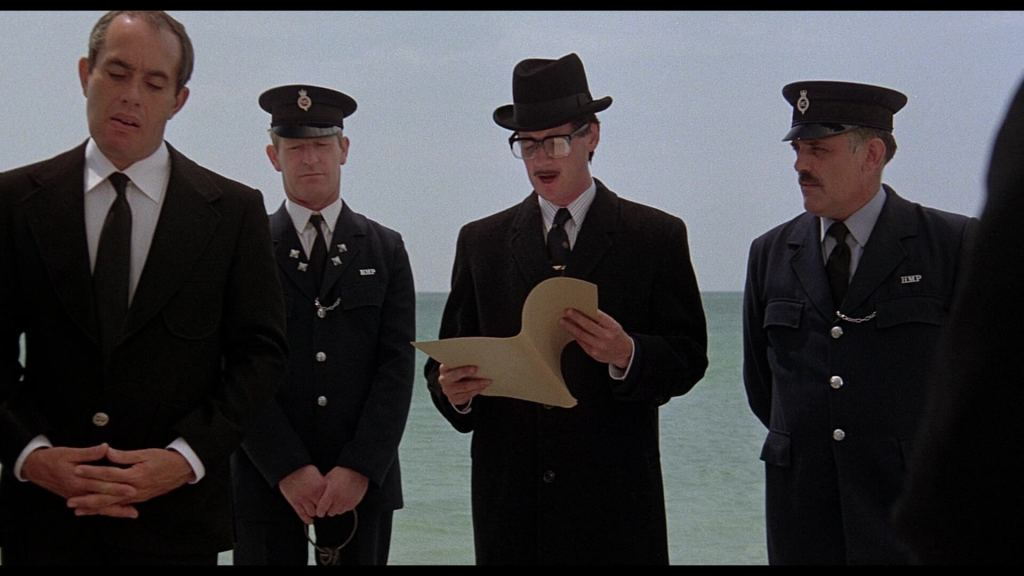

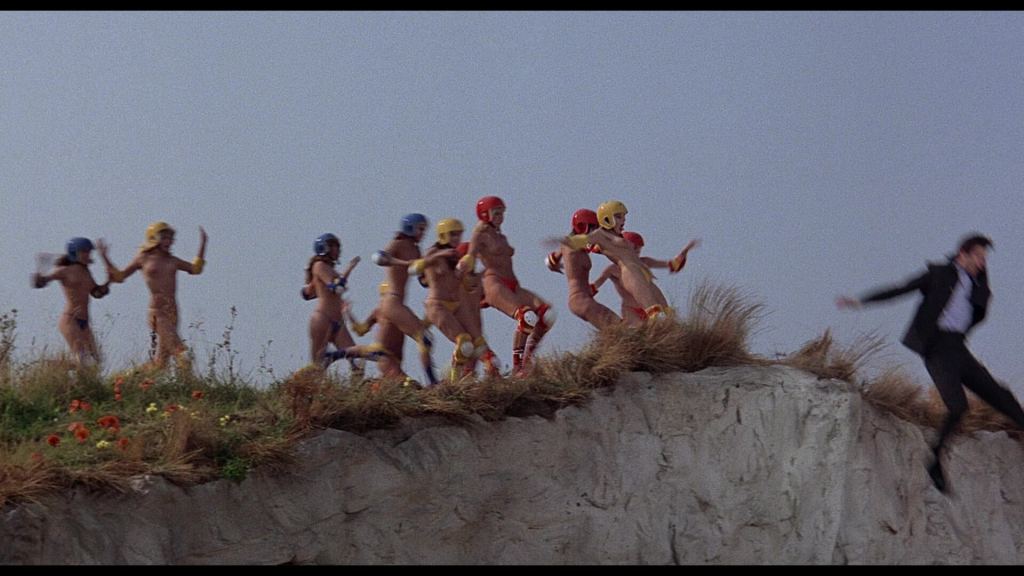
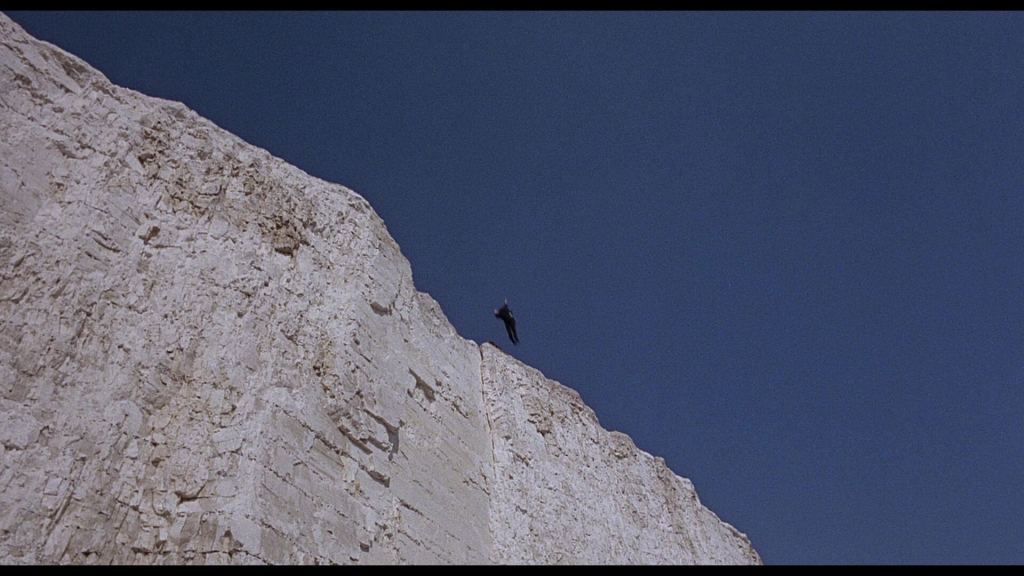
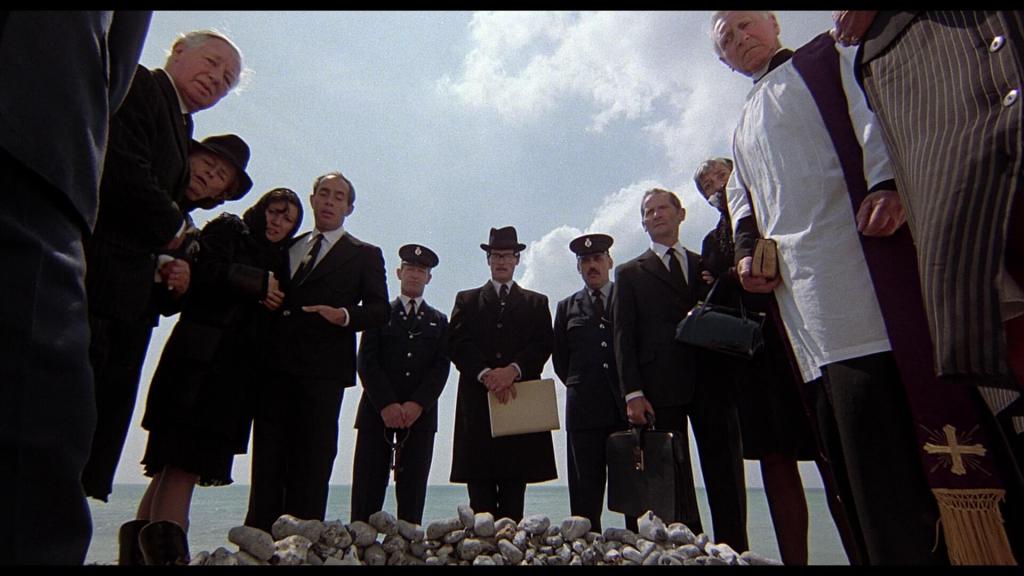
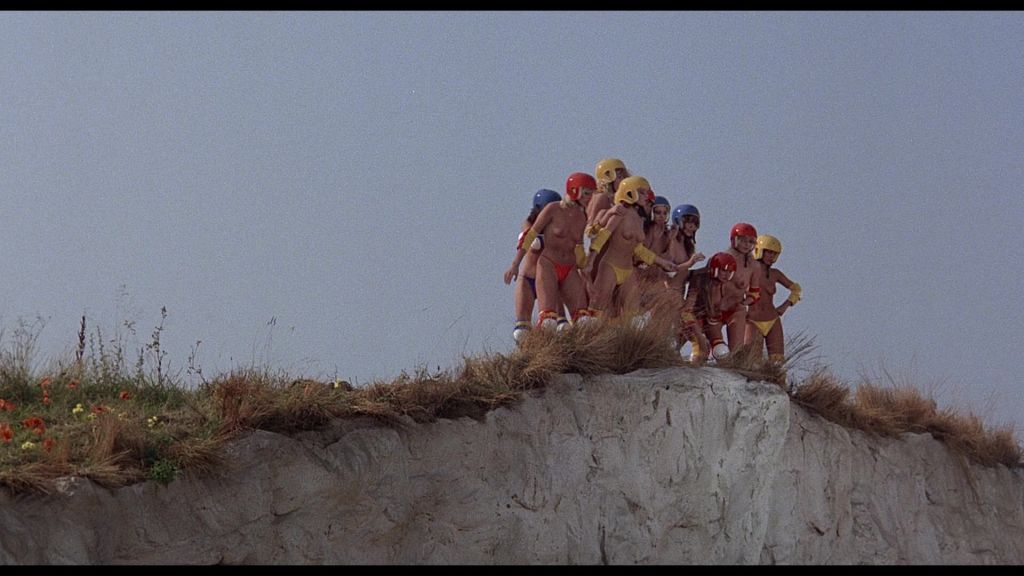
Death:
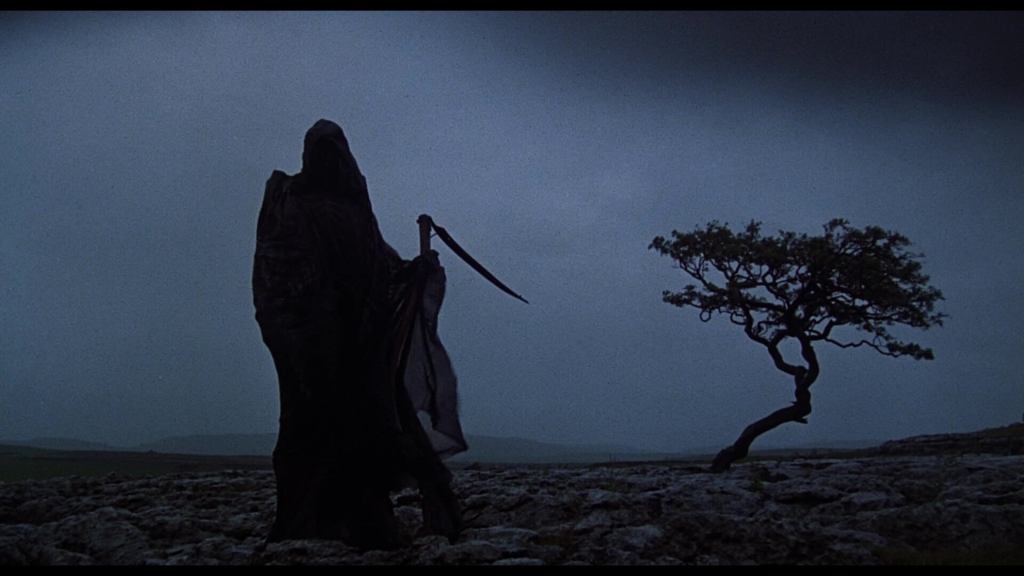
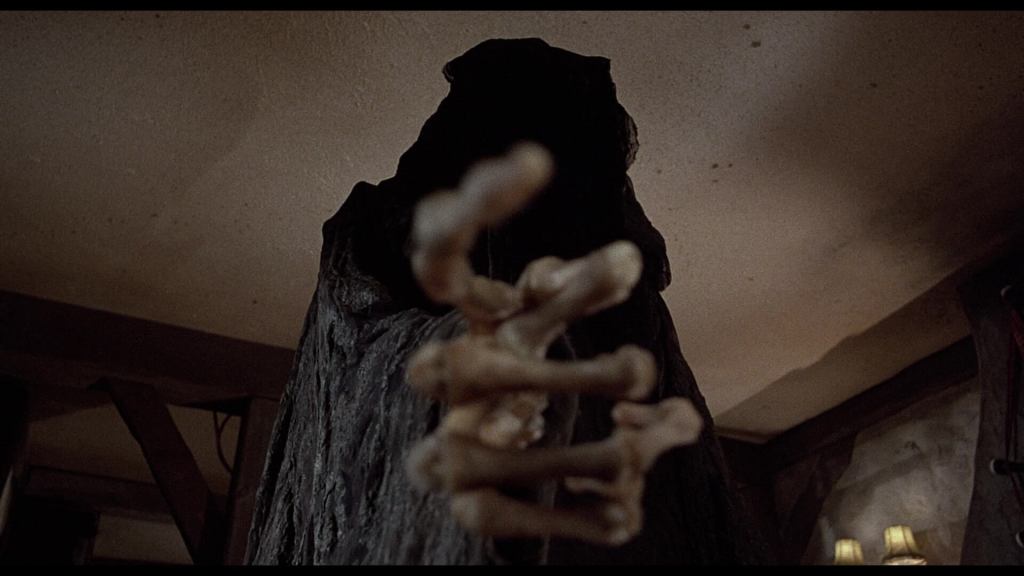
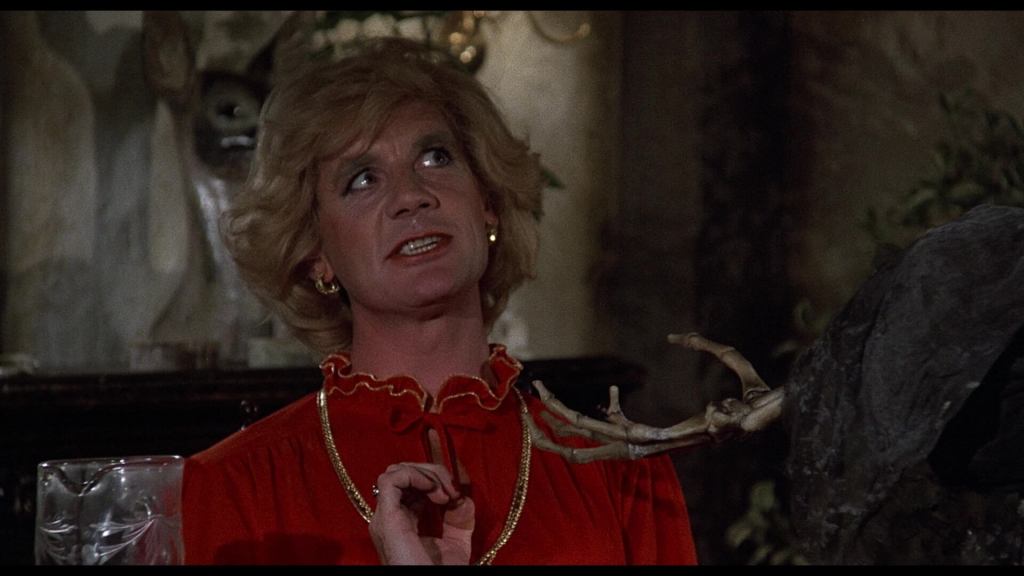
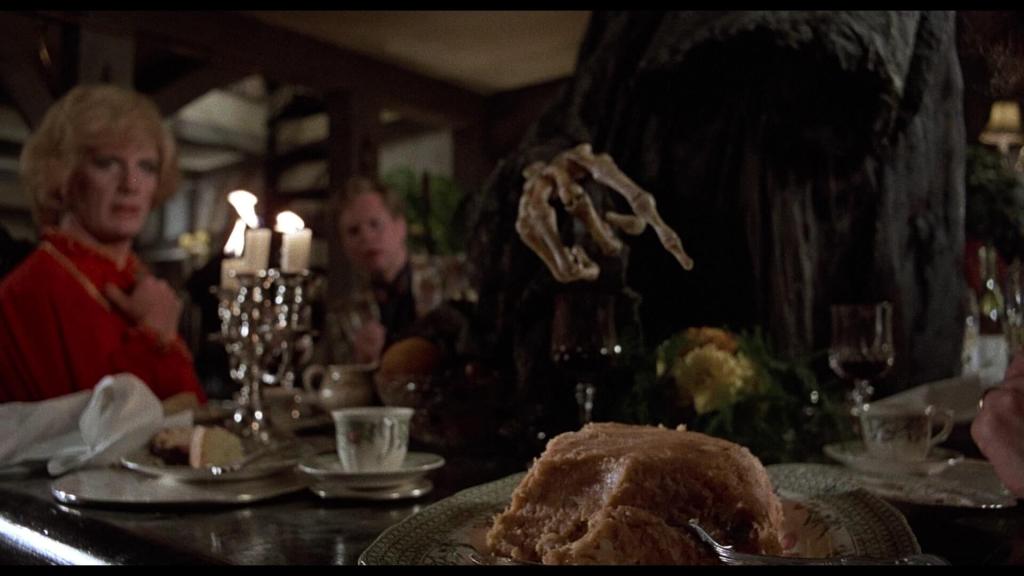
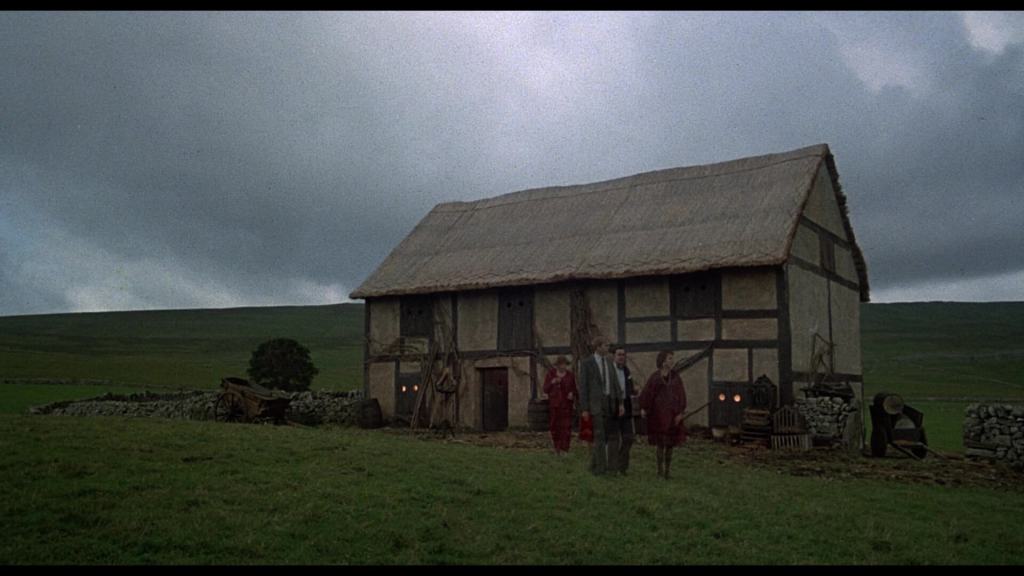
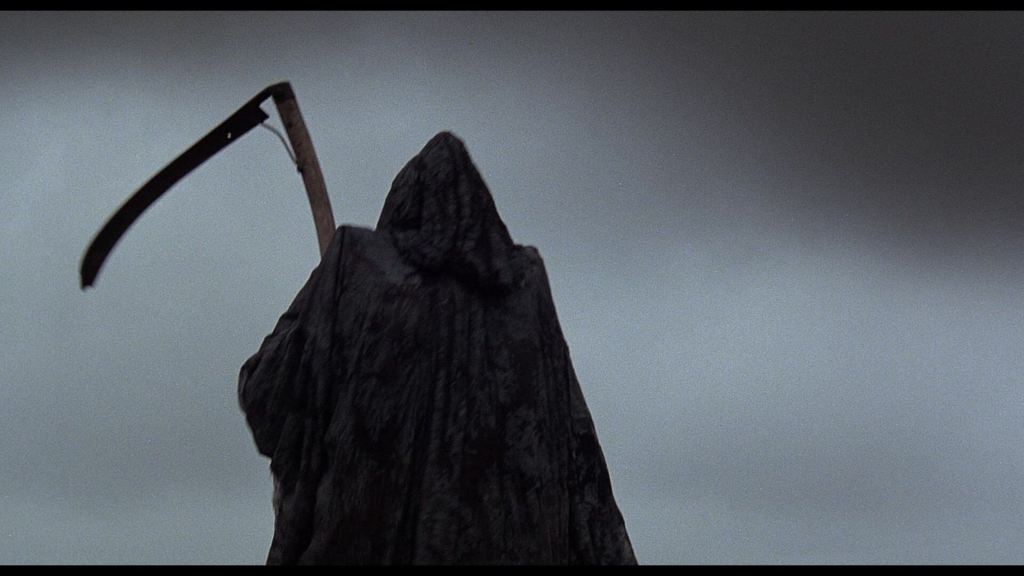
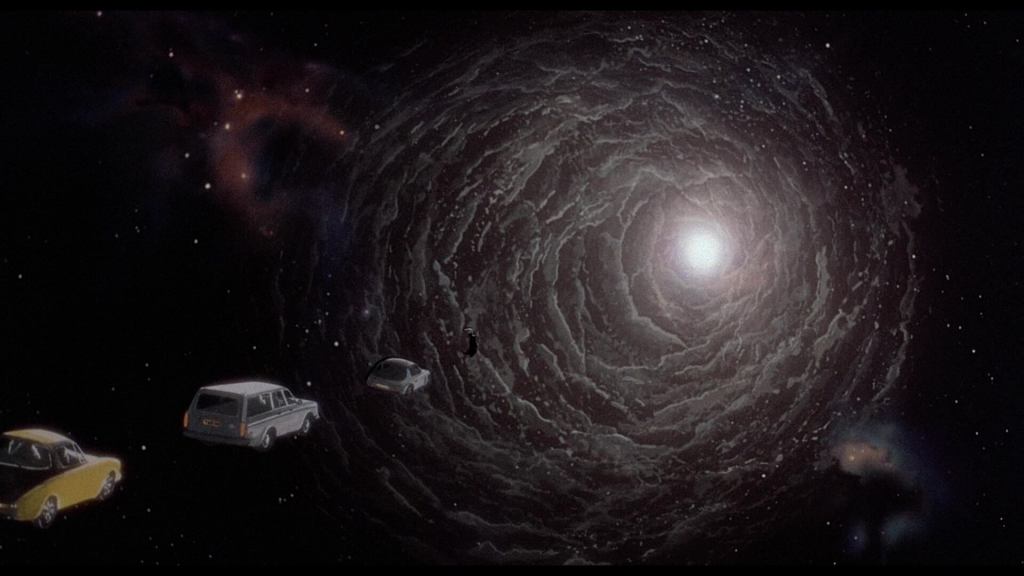
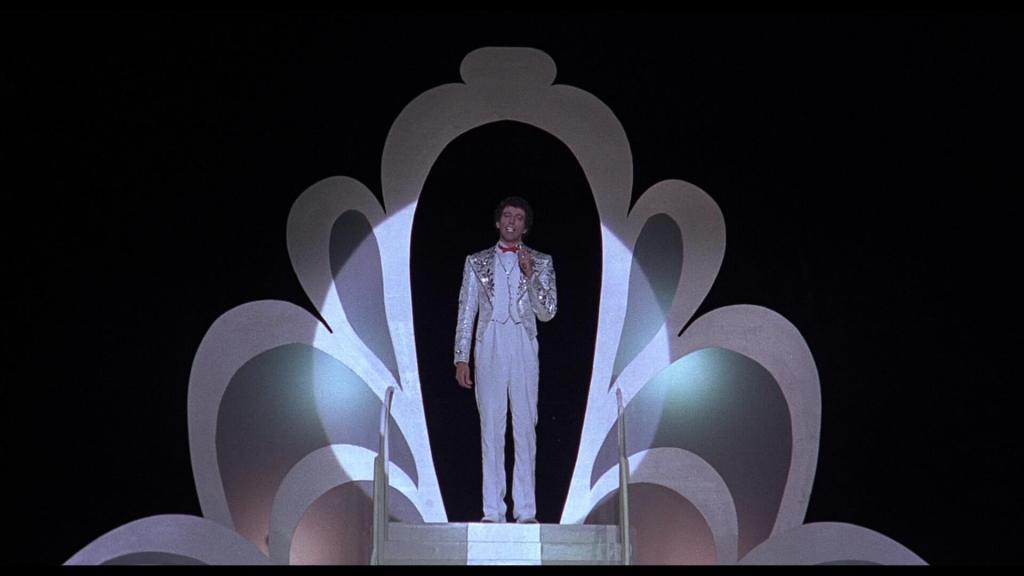
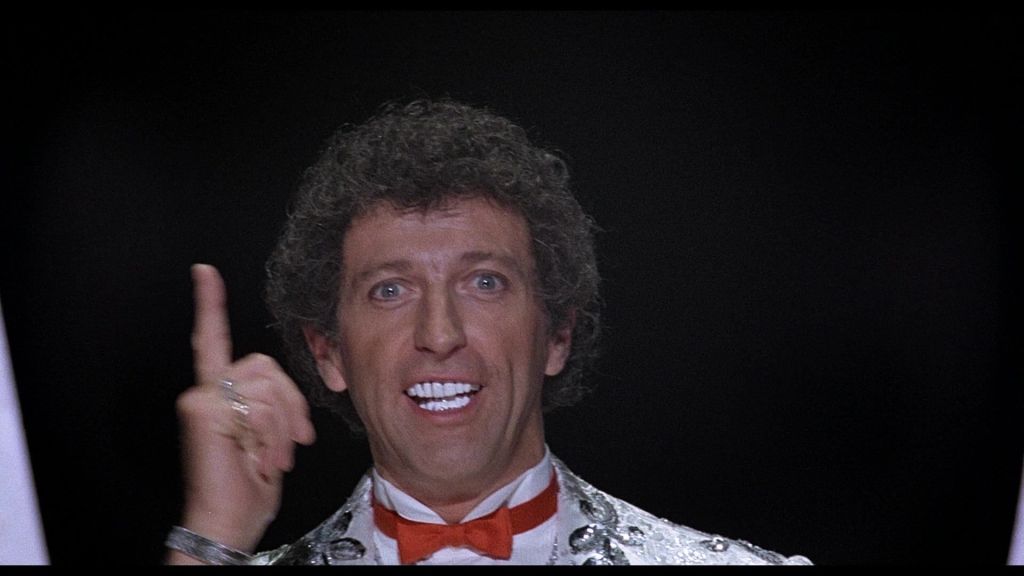
Death arrives at a dinner party and takes a group of posh guests to the afterlife. One of them argues about grammar with Deathdeath. The segment ends with the souls ascending to Heaven—a tacky Las Vegas-style resort featuring “Christmas in Heaven,” complete with showgirls and kitschy entertainment.


The Meaning of Life (Conclusion):
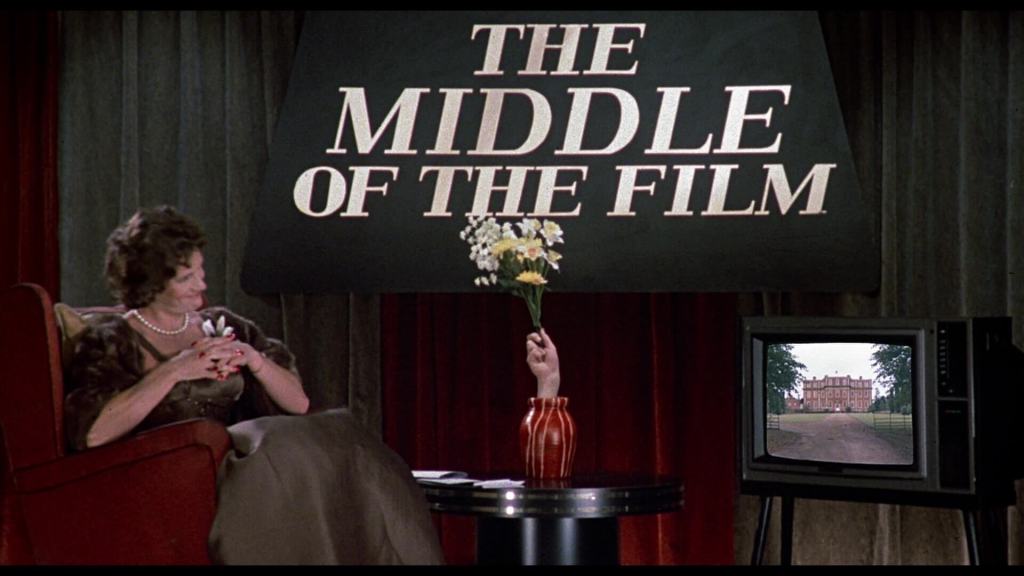
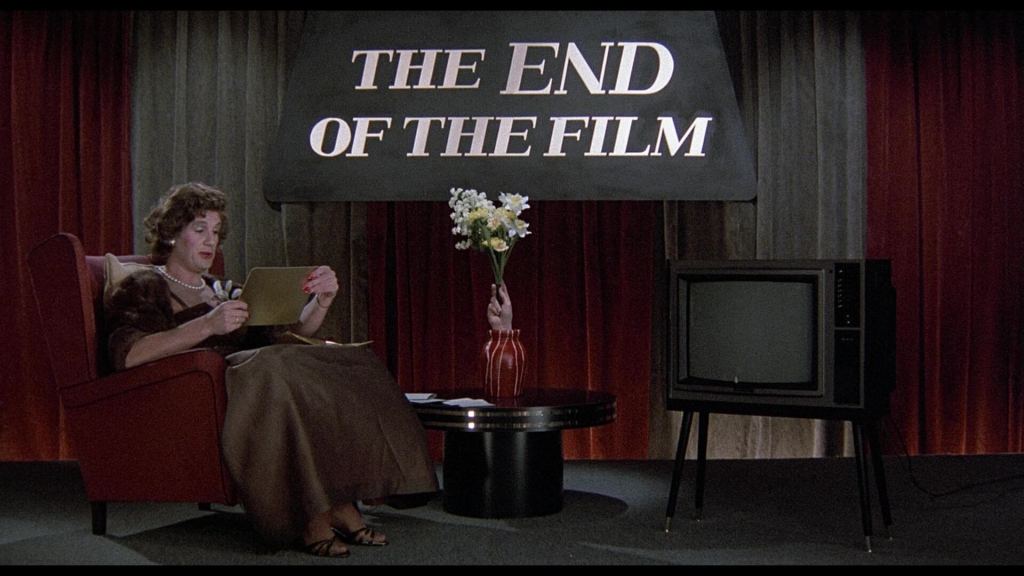
In the final scene, a hostess finally opens a sealed envelope that contains the “meaning of life,” which turns out to be simple advice: “Try to be nice to people, avoid eating fat, read a good book now and then…”—a perfect anticlimax to the film’s elaborate absurdity.
The film explores existential questions through an anarchic, irreverent lens. In typical Monty Python style, it targets organized religion, militarism, capitalism, bodily functions, and social hypocrisy.
 The Other Cinema