

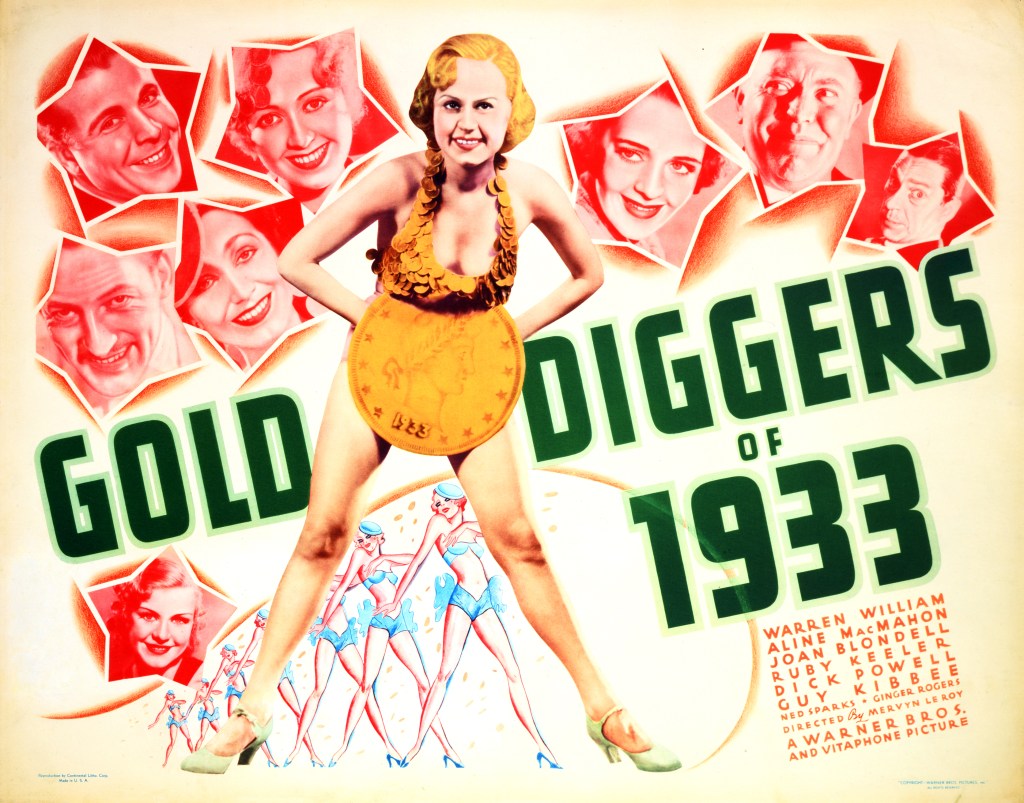
‘Gold Diggers of 1933’ is a 1933 dazzling, vibrant, witty backstage musical directed by Mervyn LeRoy with musical numbers and choreography directed by the legendary Busby Berkeley set against the harsh realities of the Great Depression. The film follows a group of struggling Broadway chorus girls who are trying to make ends meet while chasing dreams of stardom.
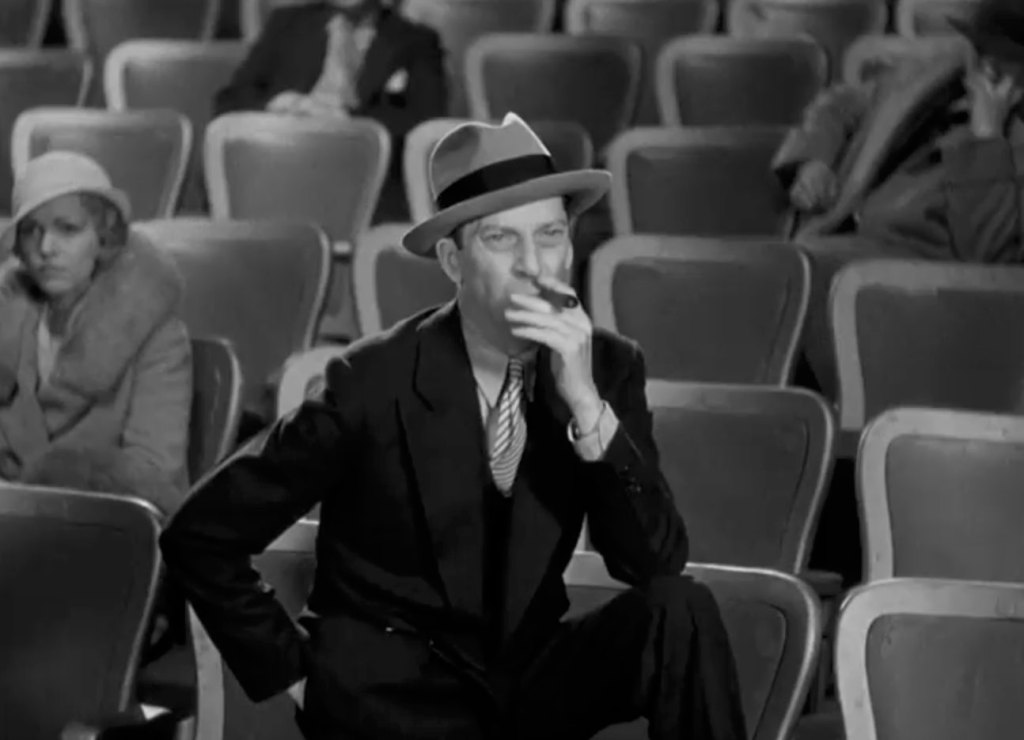
The story begins with producer Barney Hopkins (Ned Sparks) announcing plans for a new show, only to discover he lacks the funding to mount the production. Meanwhile, three out-of-work chorus girls—Carol (Joan Blondell), Polly (Ruby Keeler), and Trixie (Aline MacMahon)—are trying to survive in New York without money or prospects.
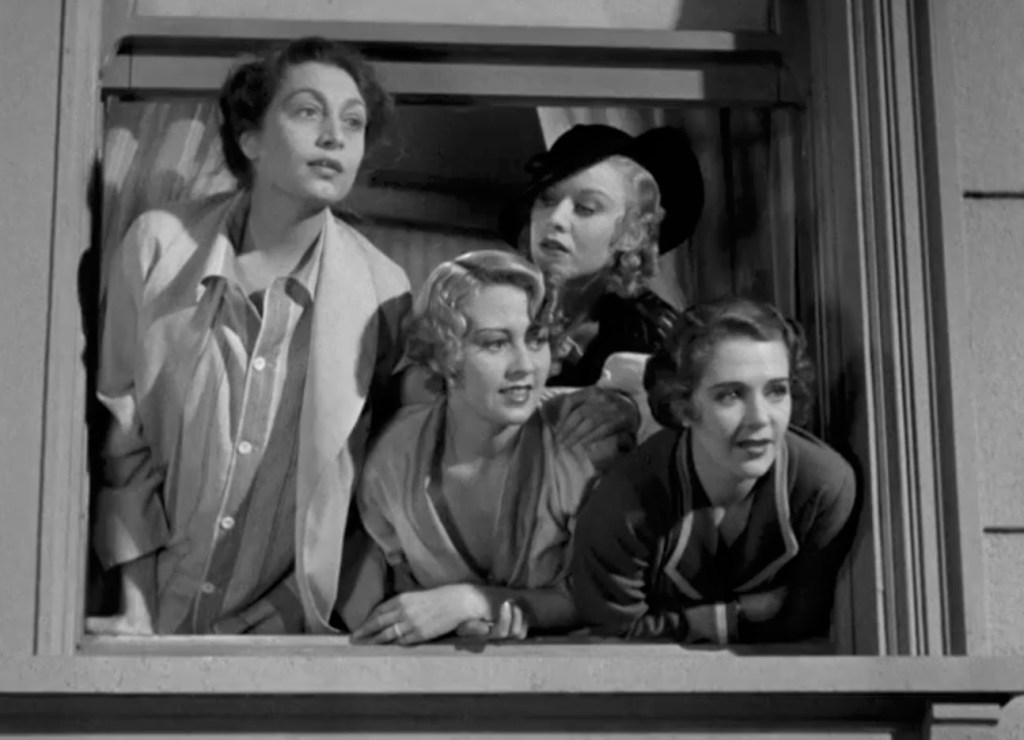
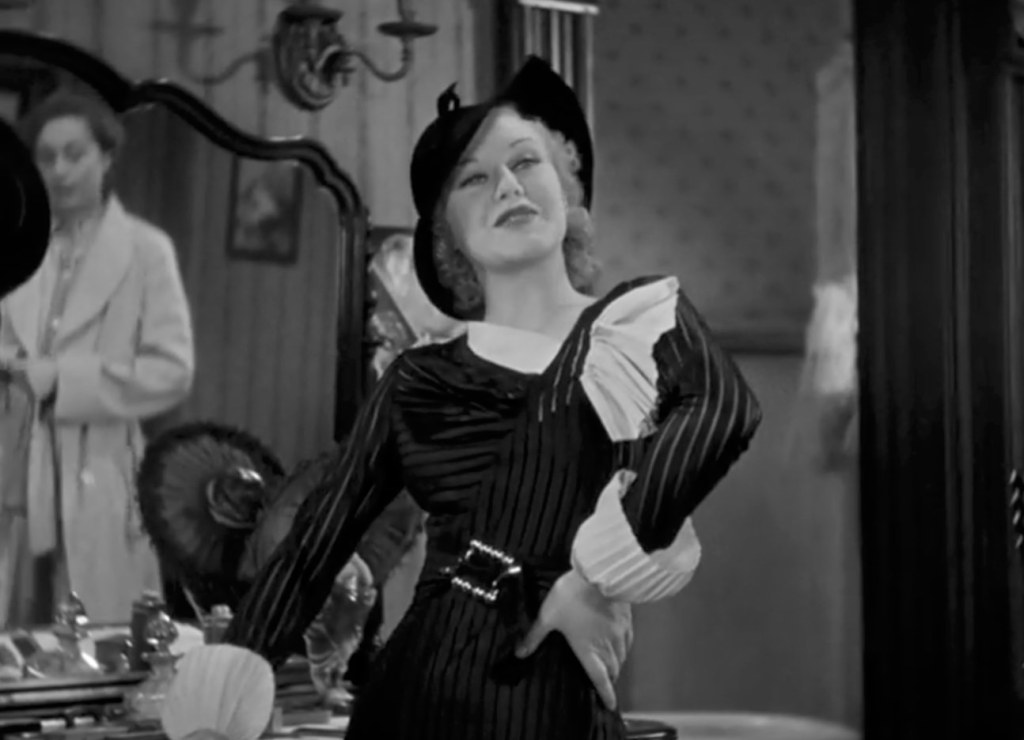
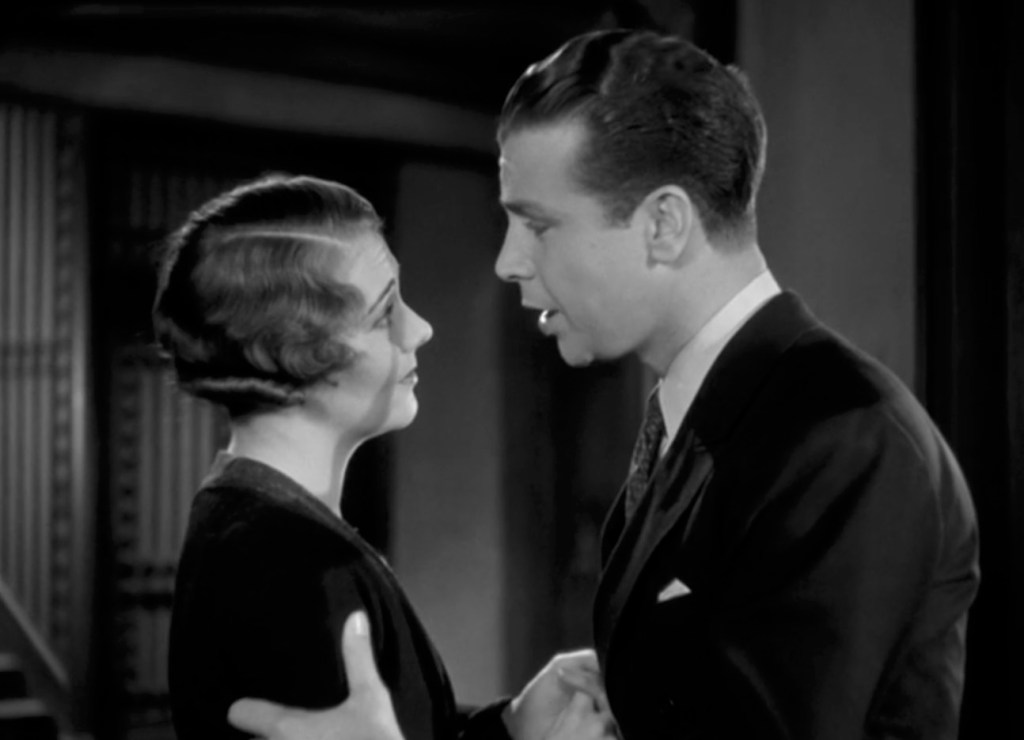
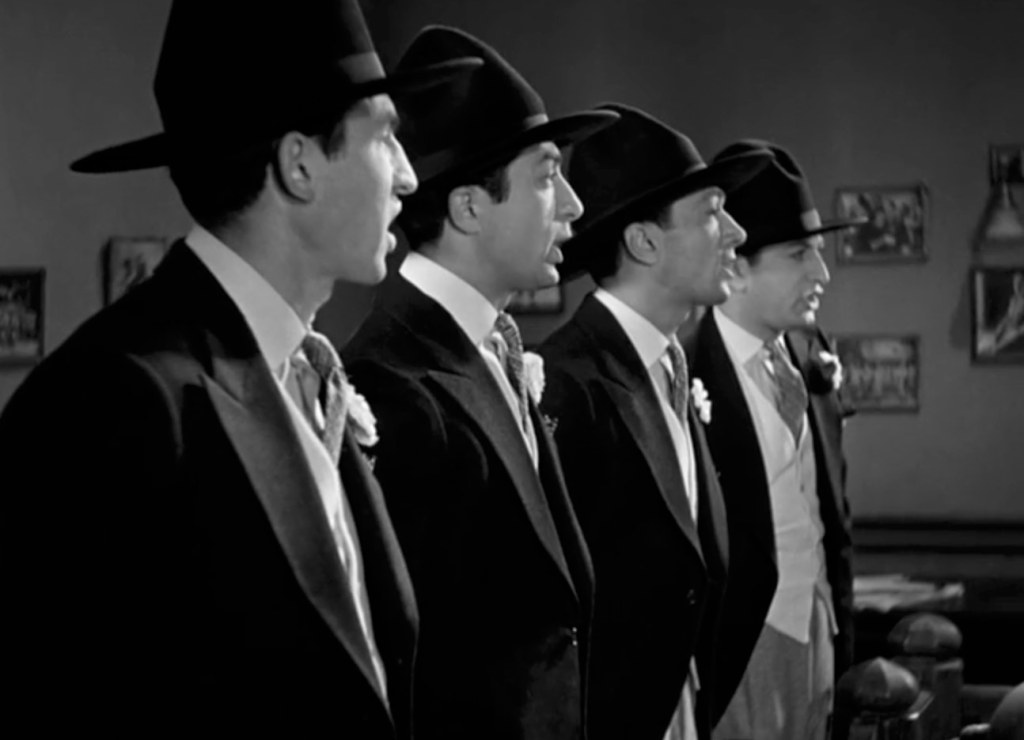
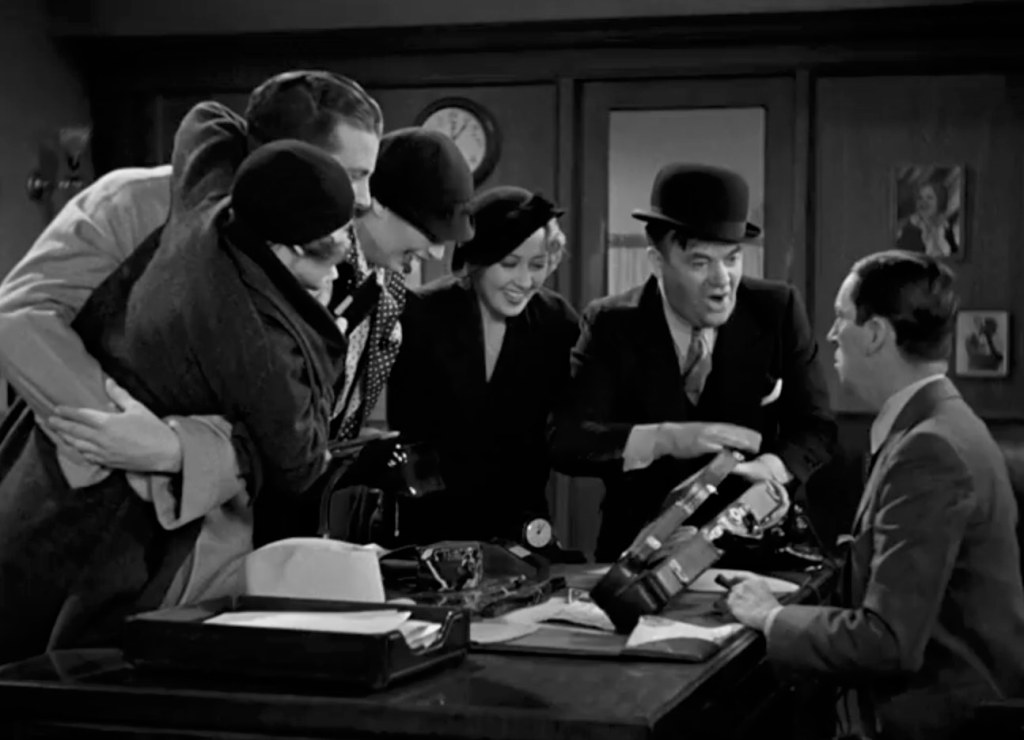
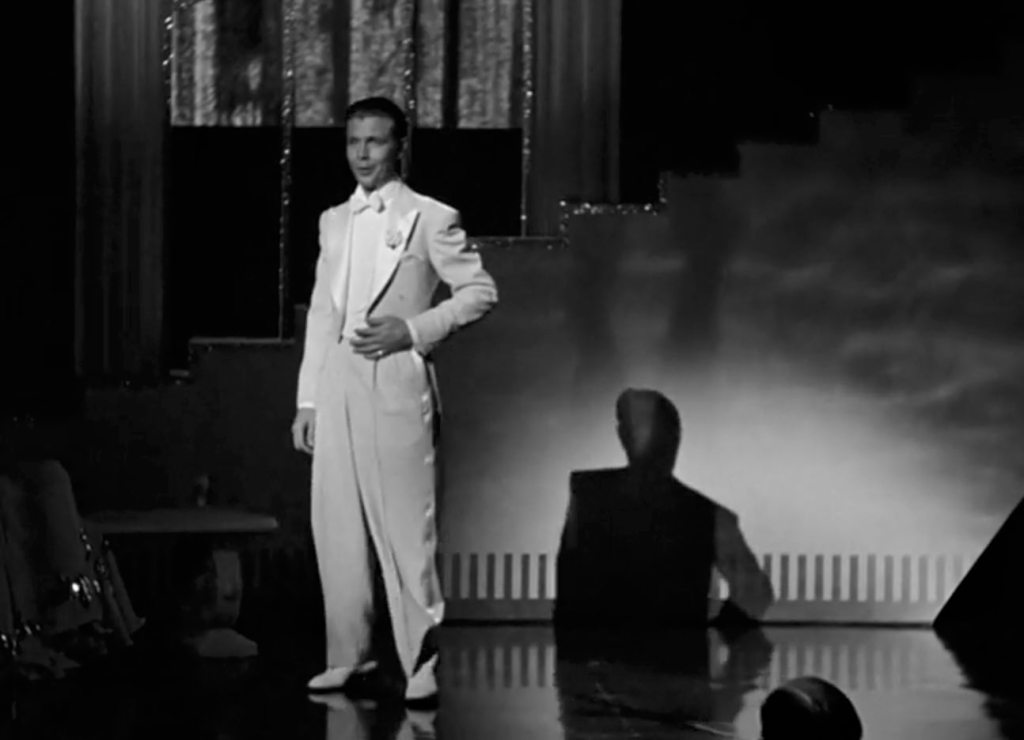
Things take a turn when Polly’s neighbor and secret love interest, Brad Roberts (Dick Powell), offers to finance the show anonymously. Unknown to the others, Brad is actually a wealthy young man from a prominent Boston family. He wants to keep his identity hidden because his family would disapprove of his involvement with show business, particularly with Polly, a showgirl.
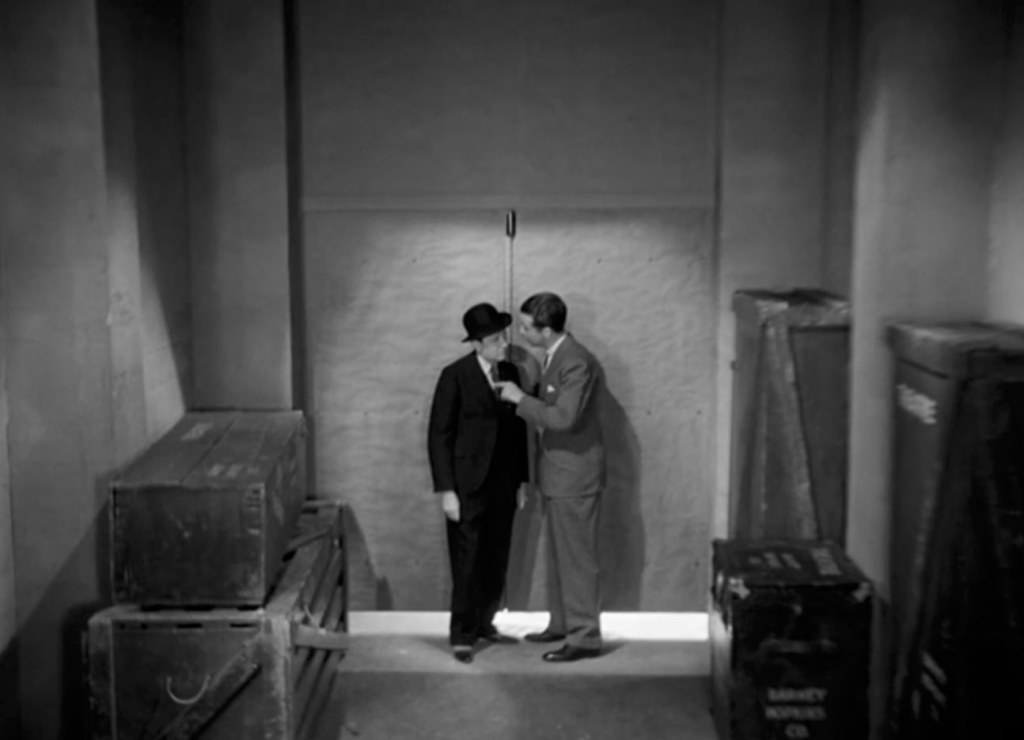
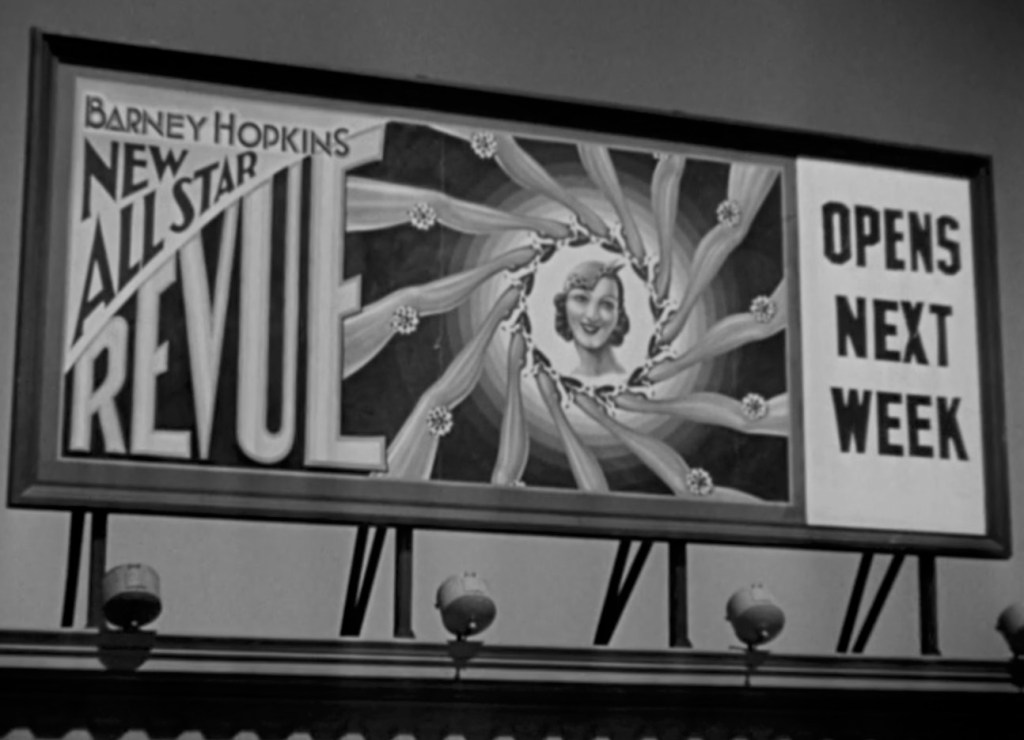
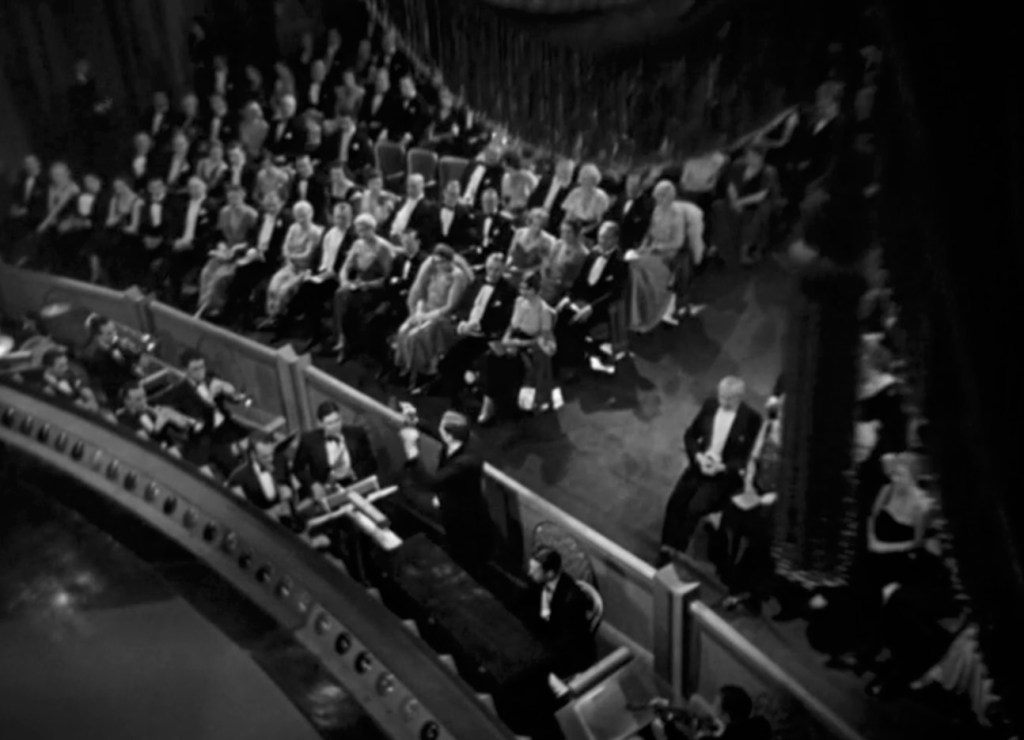
As rehearsals begin, Brad is reluctantly forced to step into the spotlight when the show’s lead drops out. His performance is a hit, but his real identity is soon uncovered by his disapproving brother Lawrence Bradford (Warren William), who travels to New York with family lawyer Faneul H. Peabody (Guy Kibbee) to put an end to the romance and reclaim the family’s dignity.
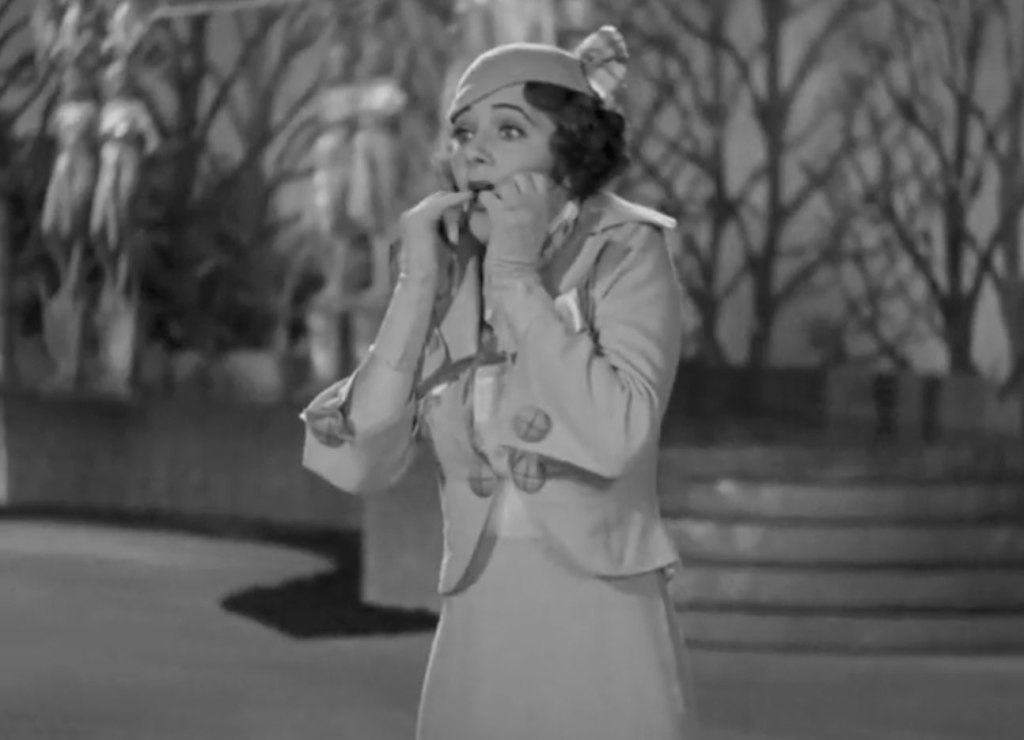



Mistaking Carol for Polly, Lawrence tries to buy her off but falls for her instead. Meanwhile, Trixie sets her sights on the bumbling Peabody, adding to the romantic entanglements.

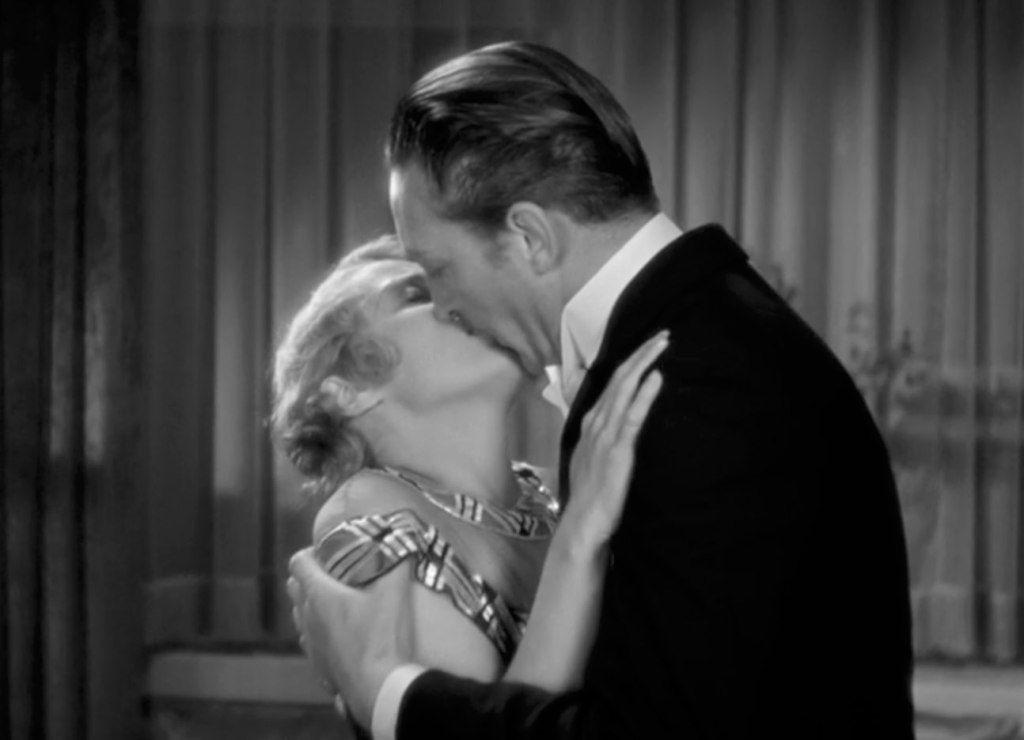
Eventually, identities are revealed, misunderstandings are resolved, and love triumphs. The show goes on, and the women—all clever, resourceful, and determined—prove their worth beyond the stereotypes of gold diggers.
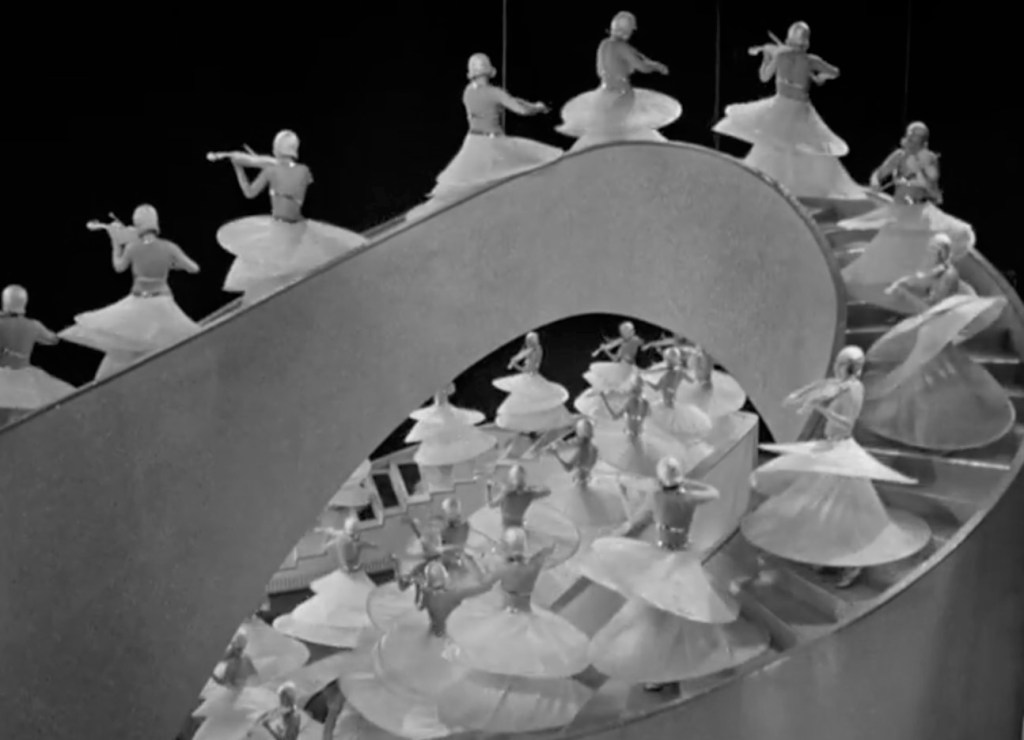
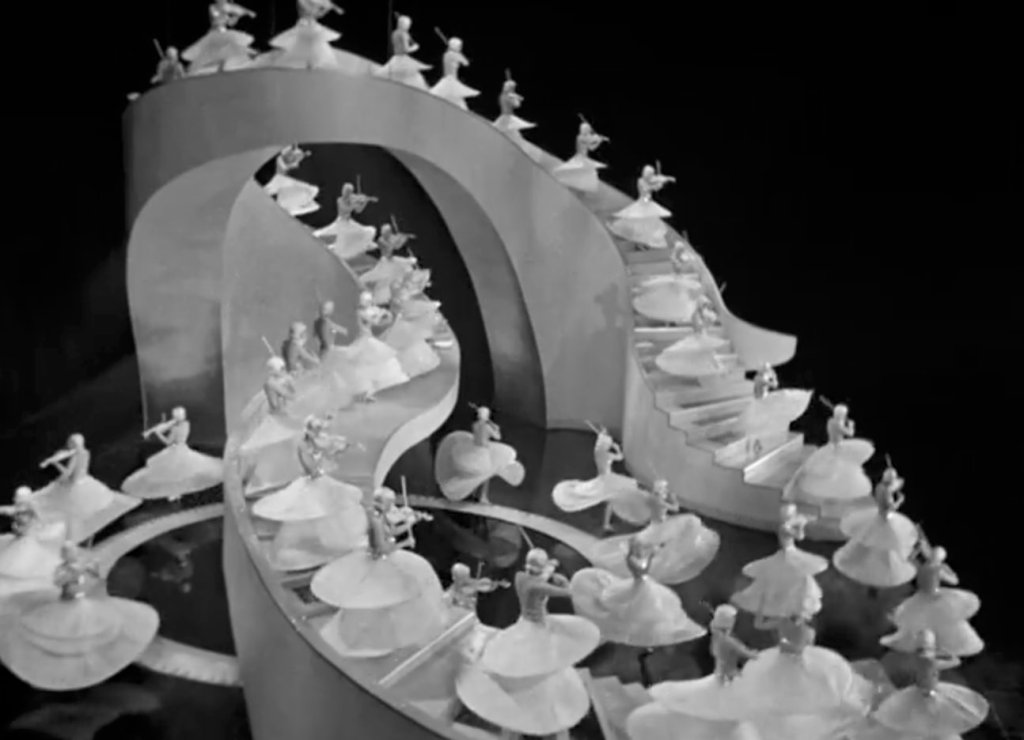
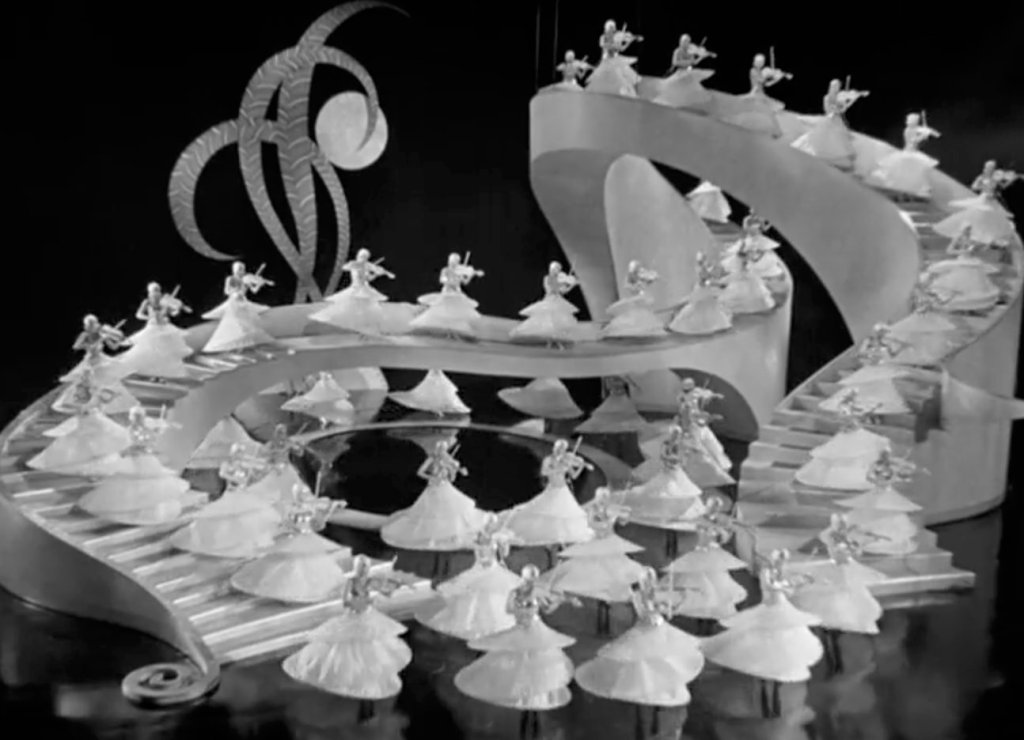
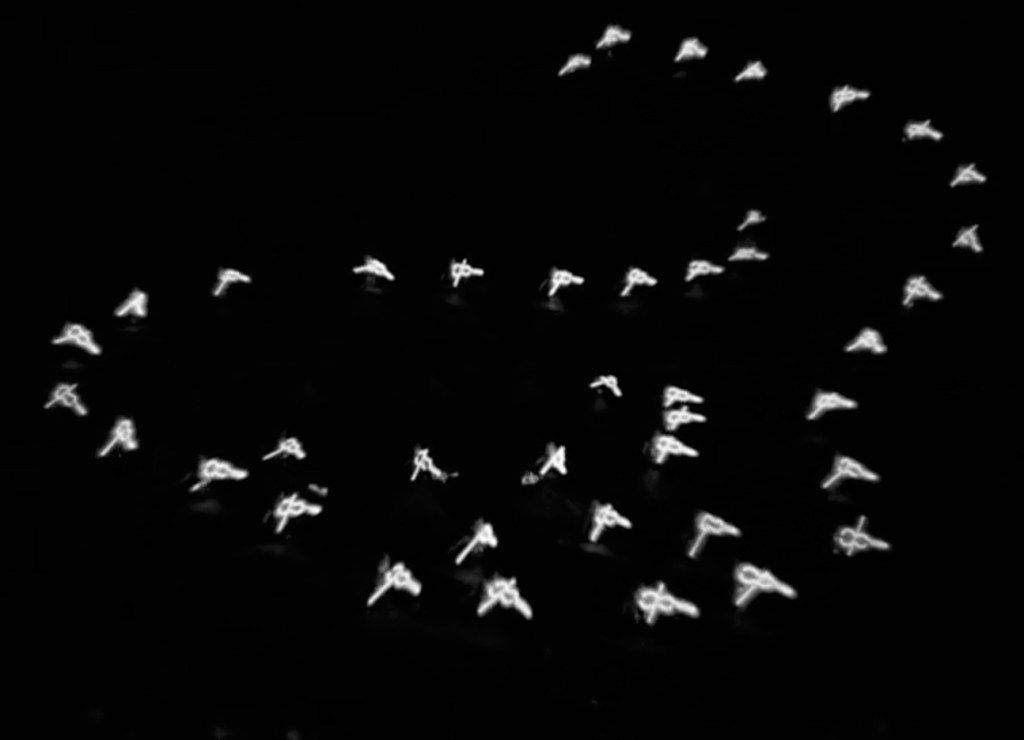
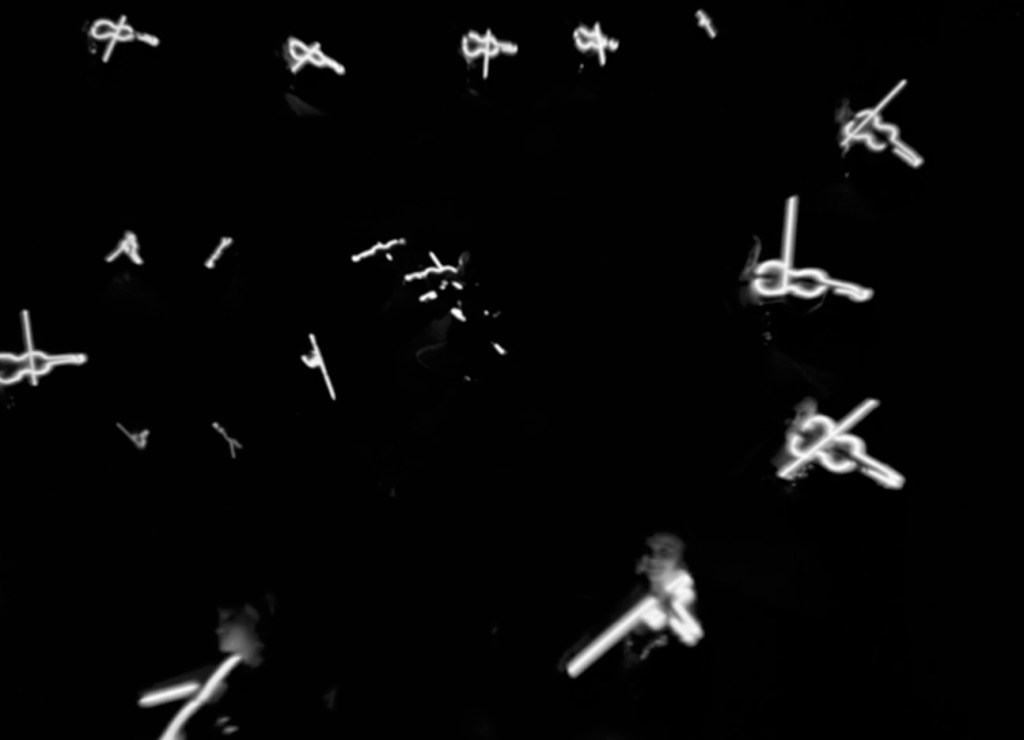
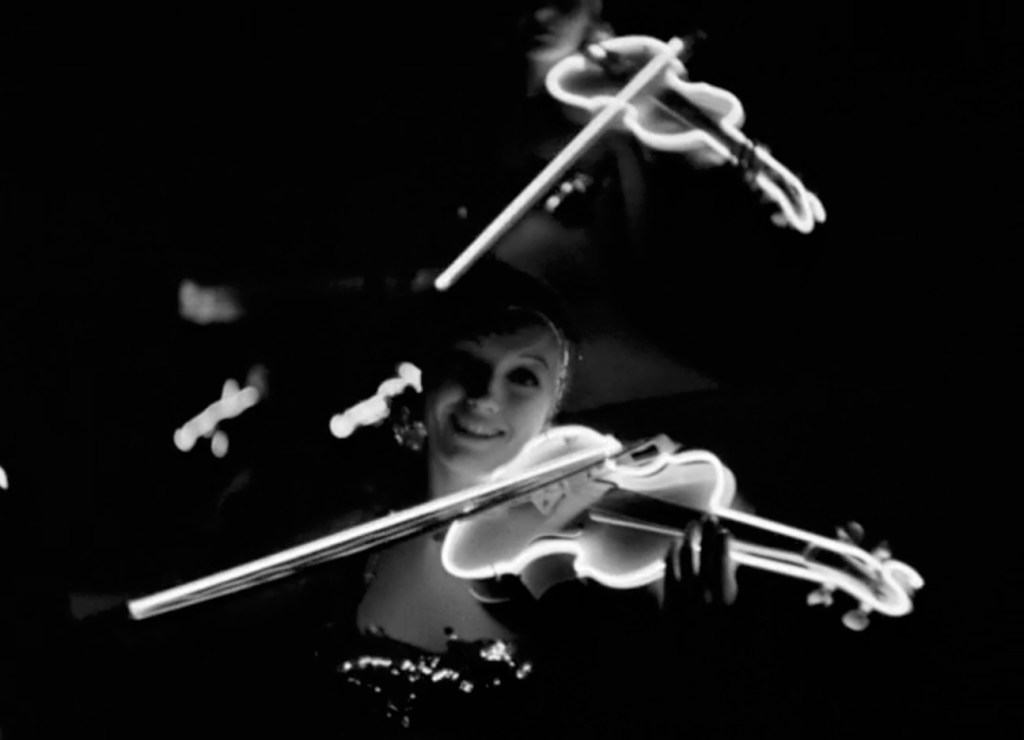
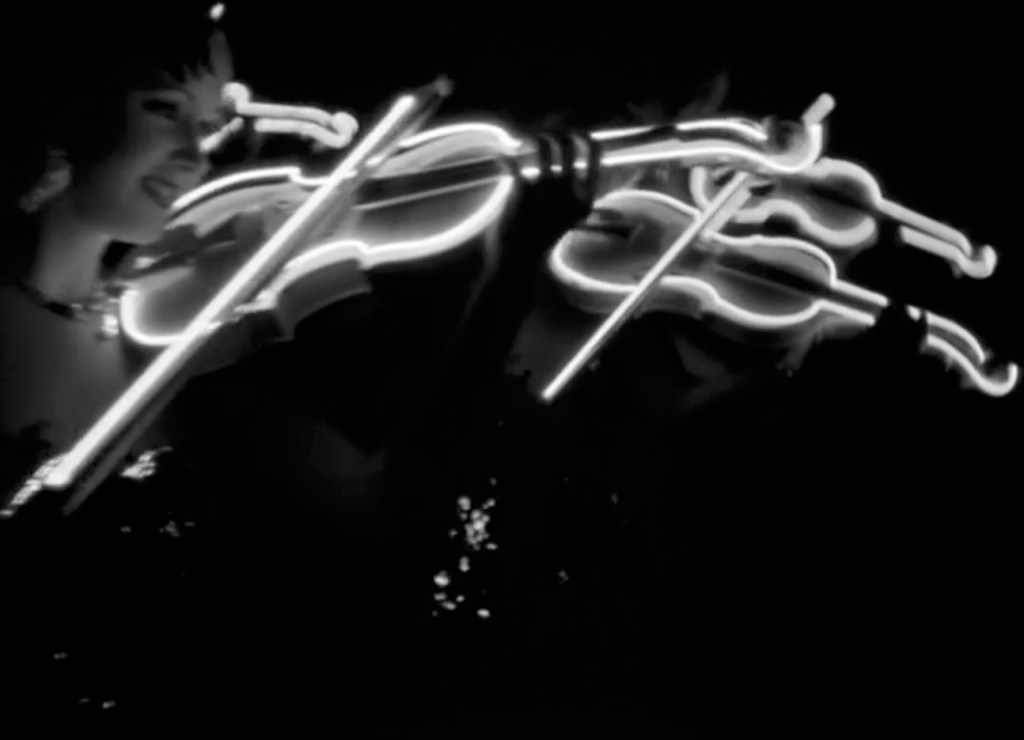

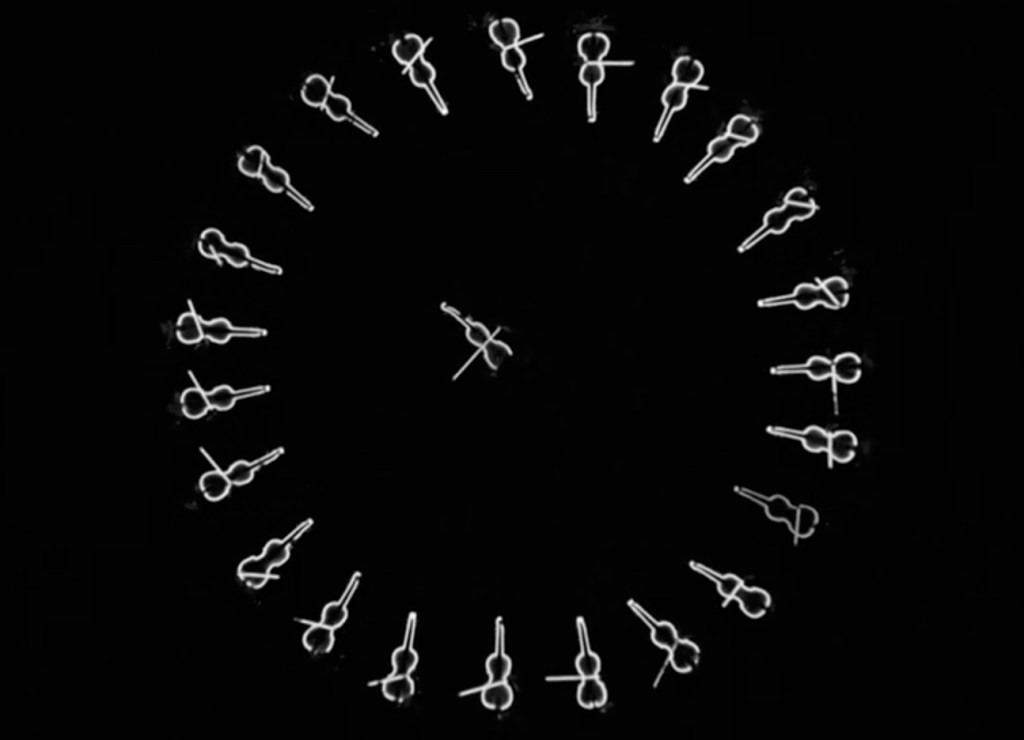
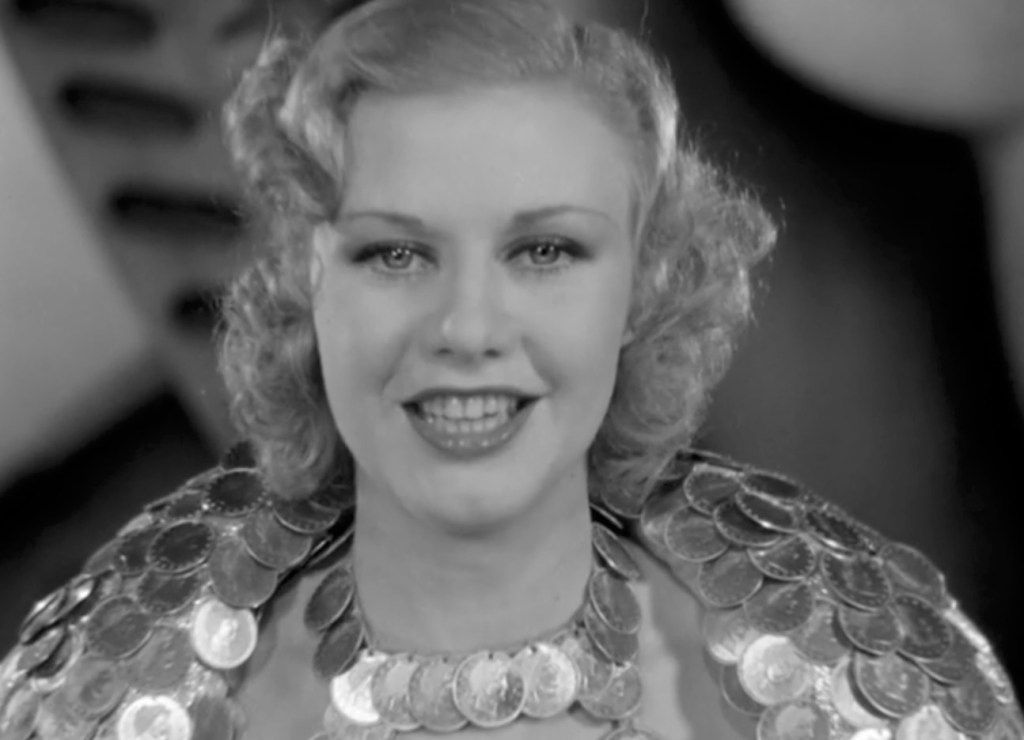
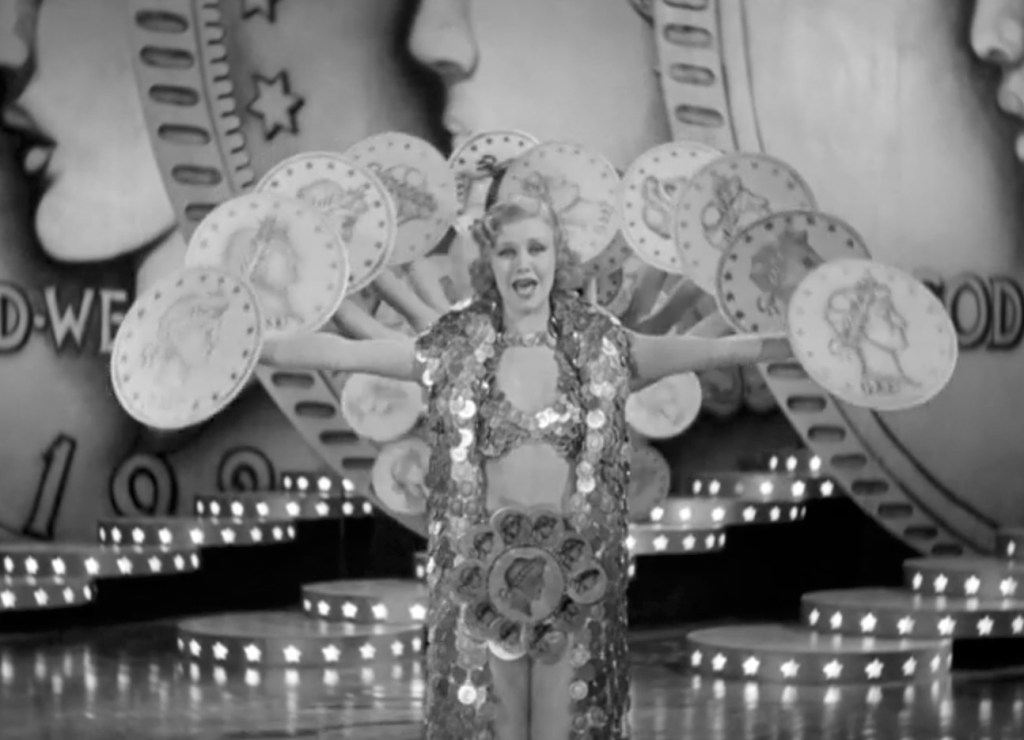
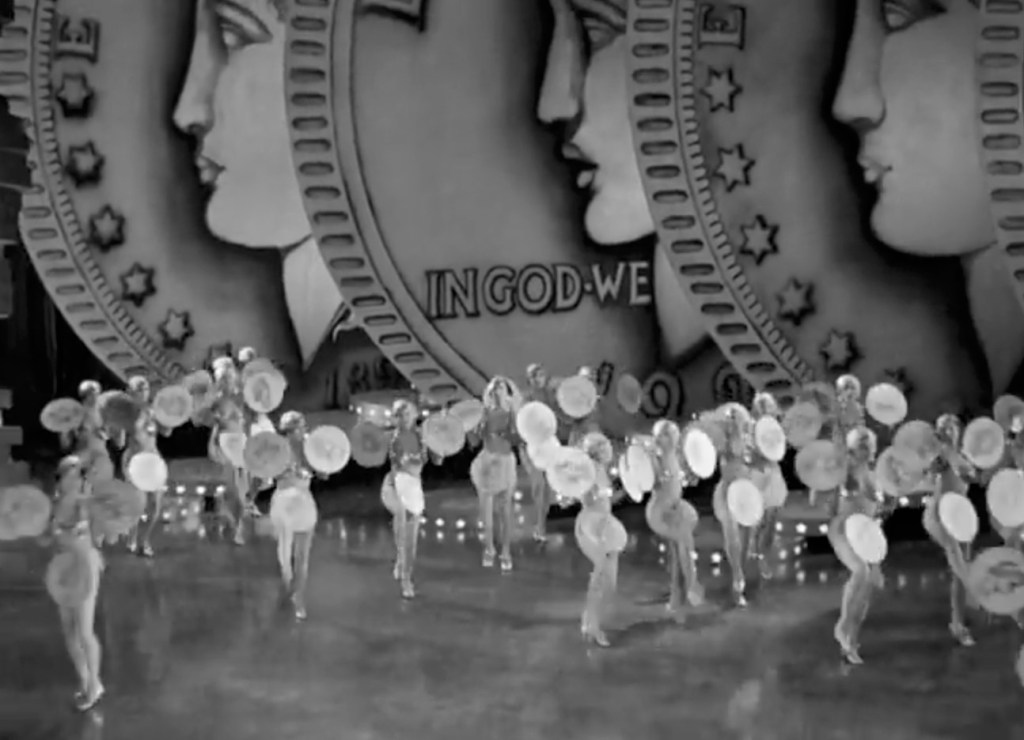
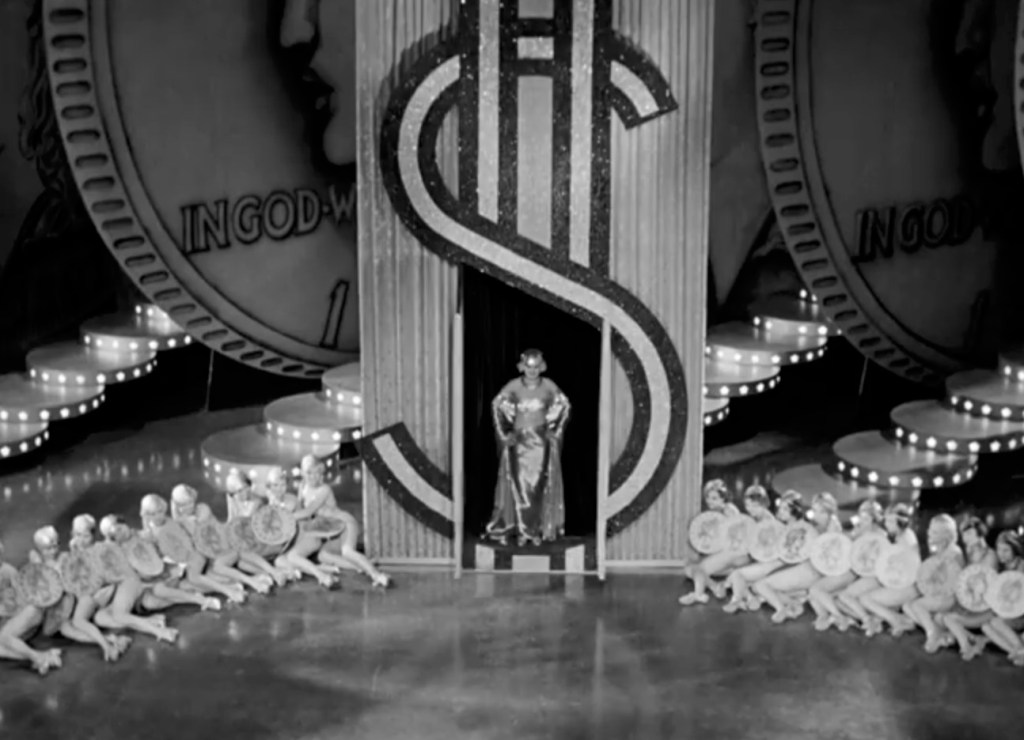
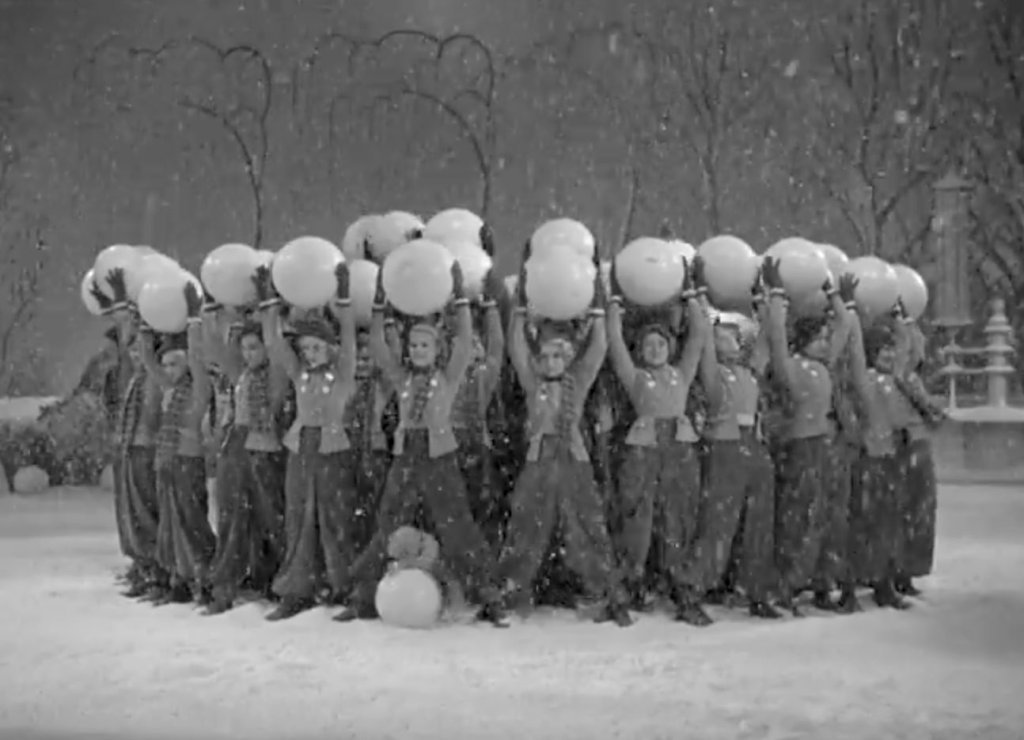
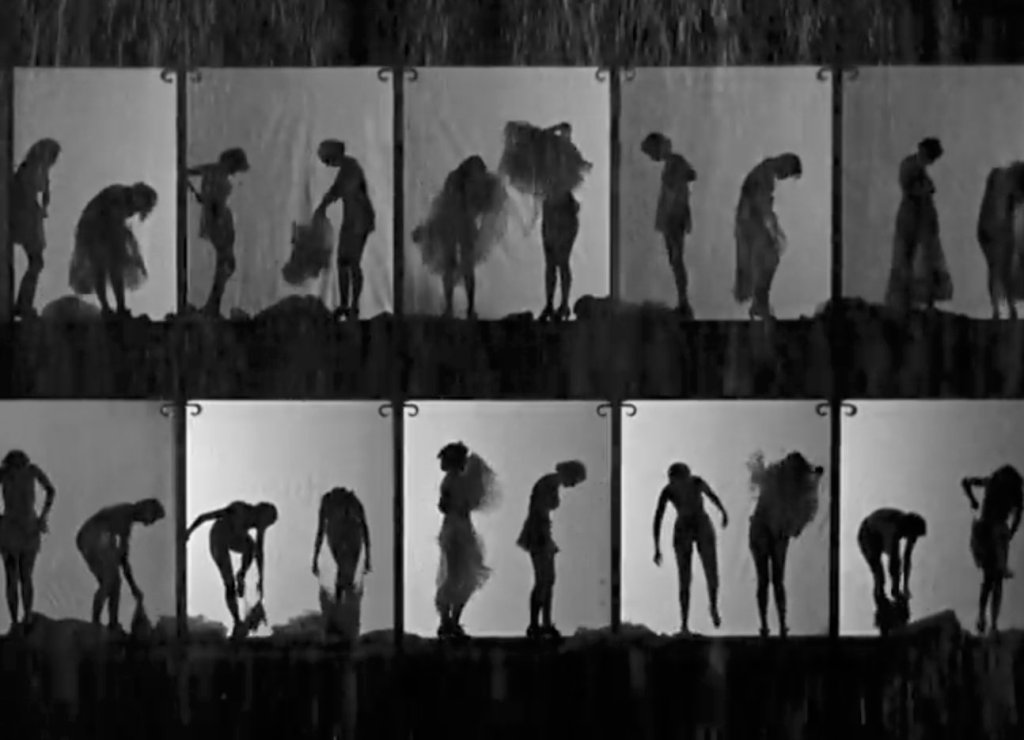
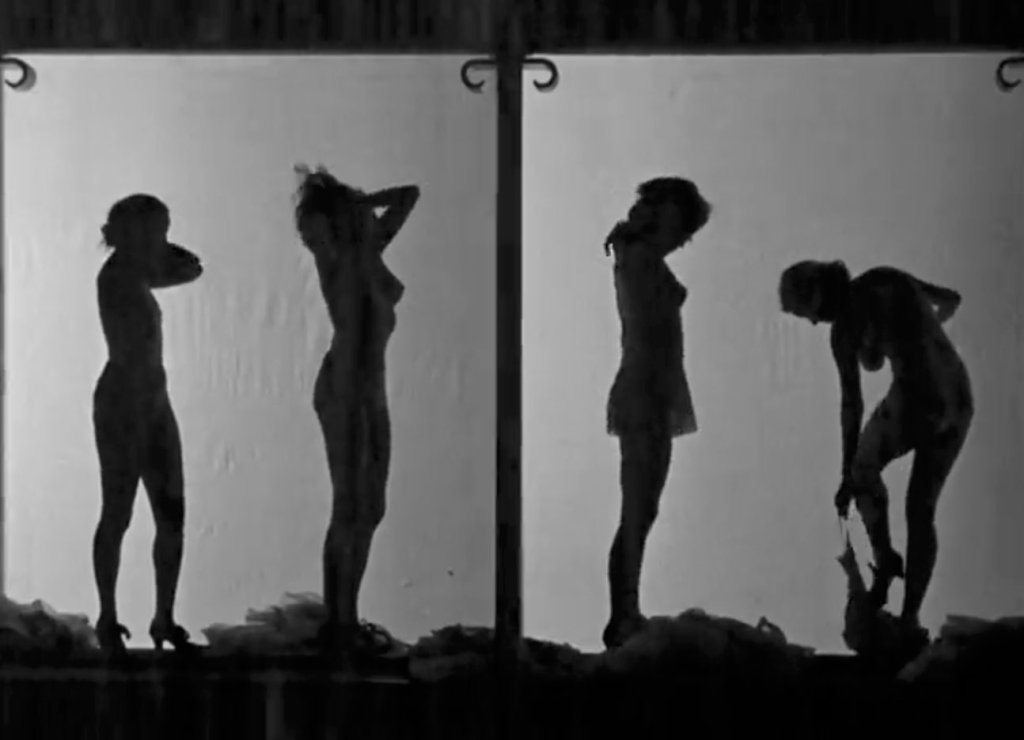
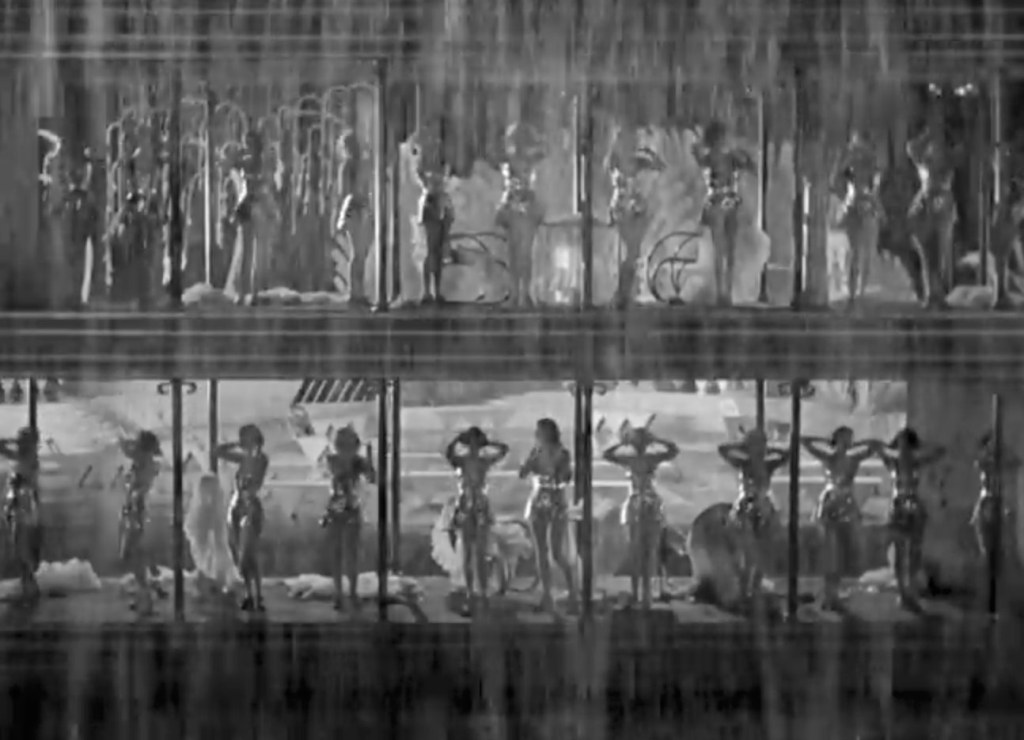
The film’s highlights are its musical numbers and choreography, which continue to be referenced and imitated by the renowned Busby Berkeley. His extravagant and colorful production sequences are the most iconic aspects of the film. Berkeley’s creative choreography, innovative camera techniques, and geometric patterns transformed the musical genre. The film also spawned the famous song “We’re in the Money” – Sung by Ginger Rogers (in part in Pig Latin). This number opens the film with a showbiz celebration of prosperity—ironically shut down by debt collectors.


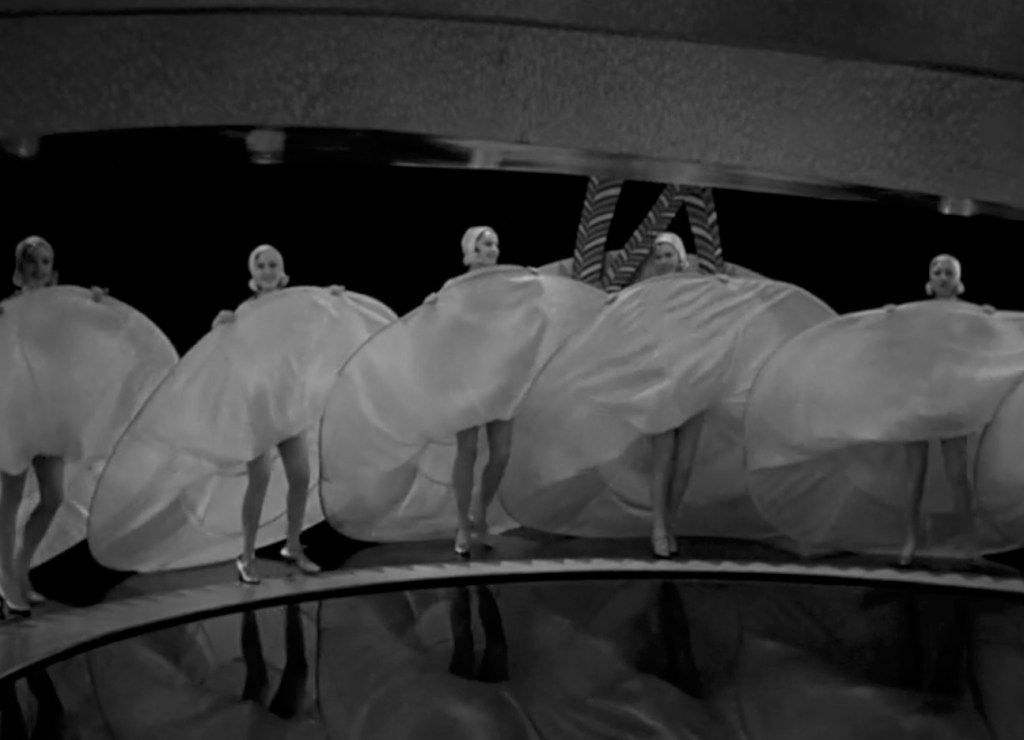
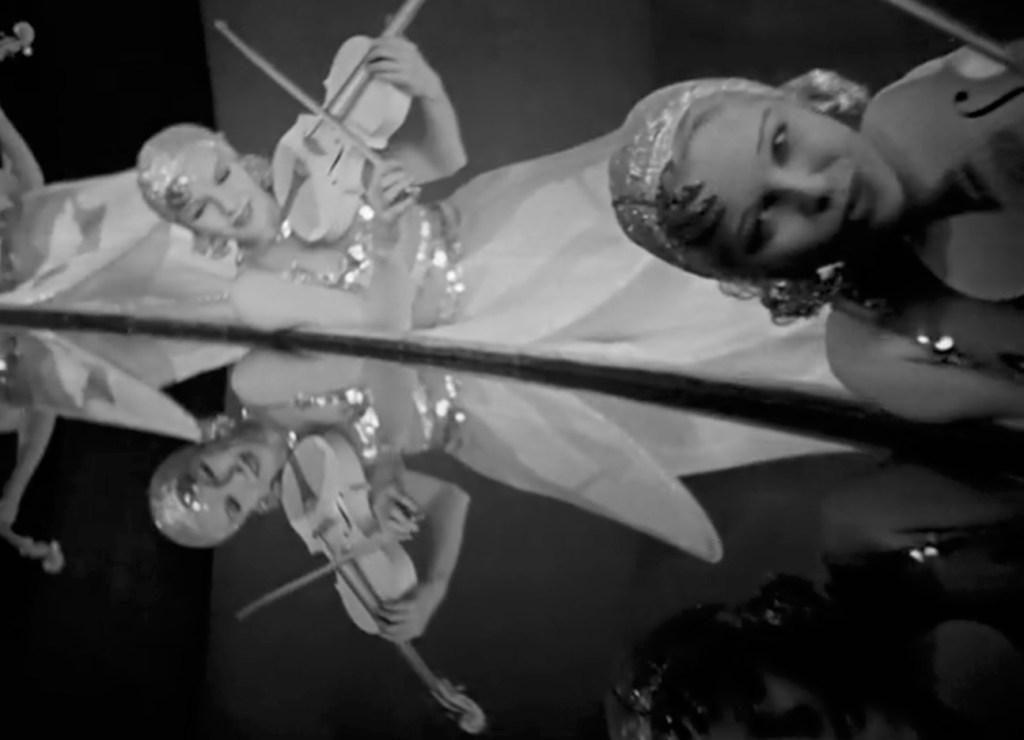
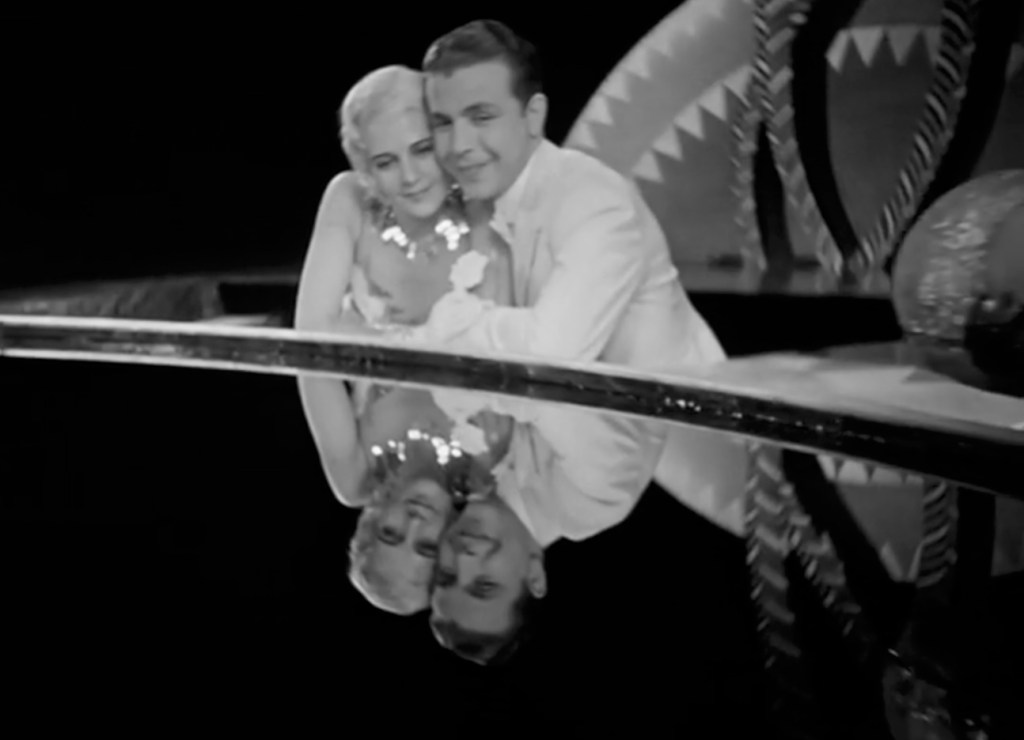
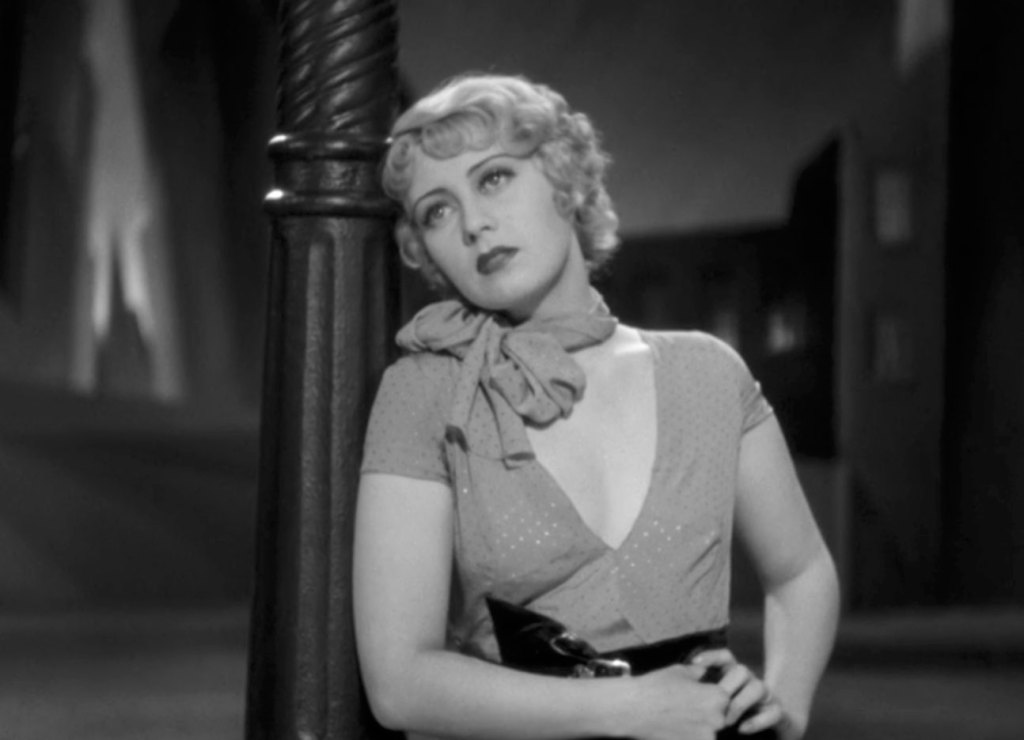
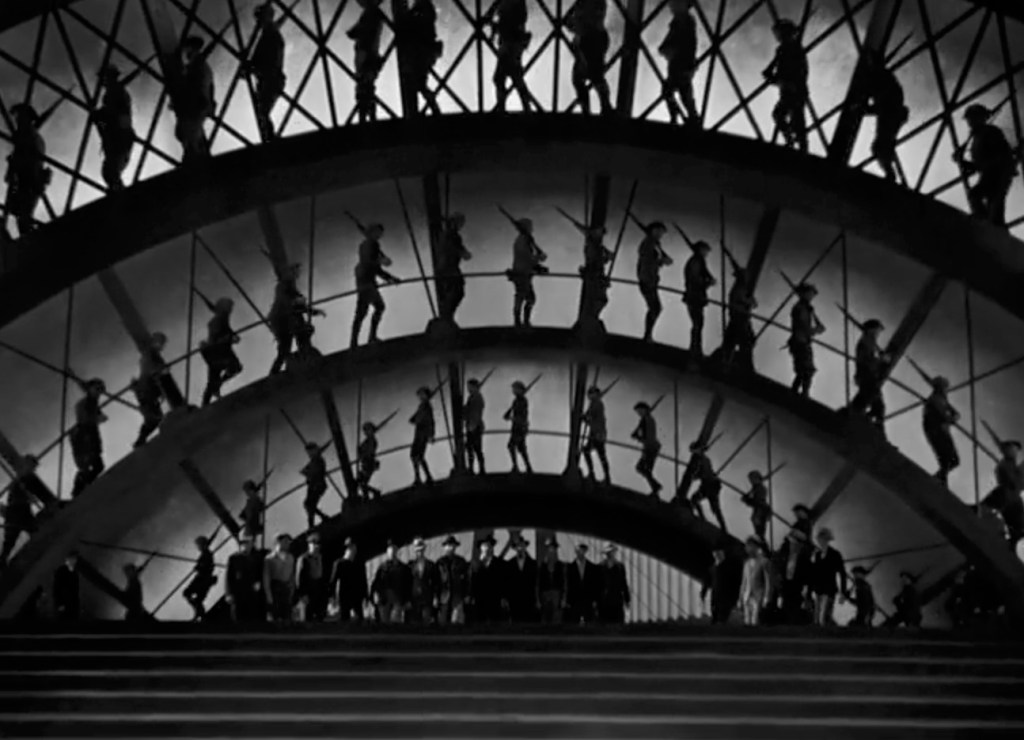
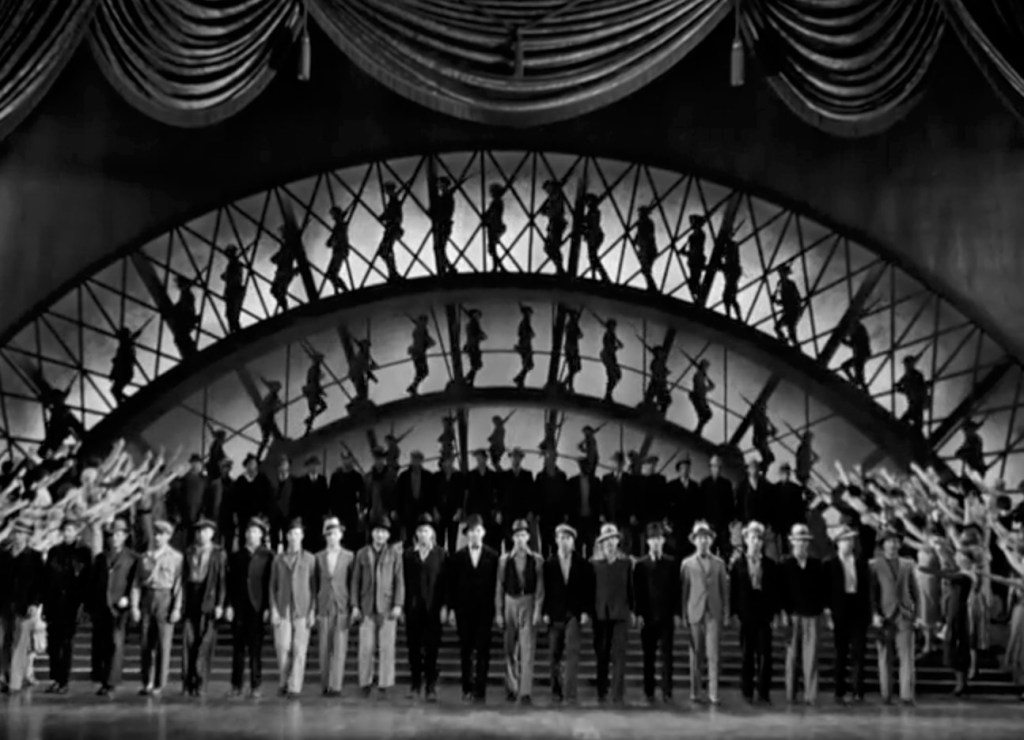
Beneath the glitter and spectacle, the film doesn’t shy away from addressing economic hardship, unemployment, and class disparity—especially in the final number.
The film resonated with audiences because it balanced light romantic comedy with real-world struggles, making it more emotionally impactful than typical musicals of the era.
The film was selected for preservation in the U.S. National Film Registry in 2003 because it is “culturally, historically, or aesthetically significant.”
 The Other Cinema