
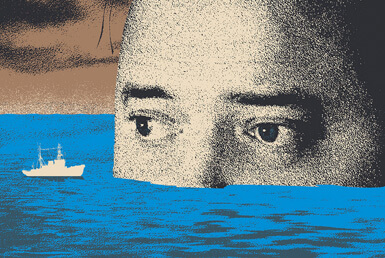

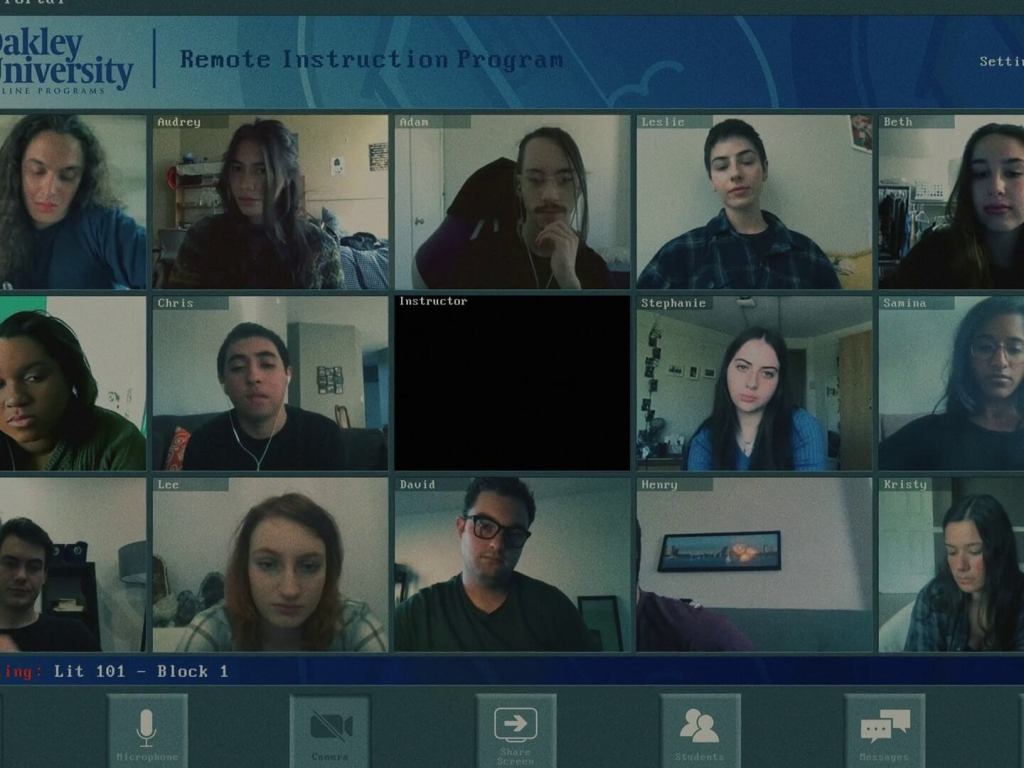
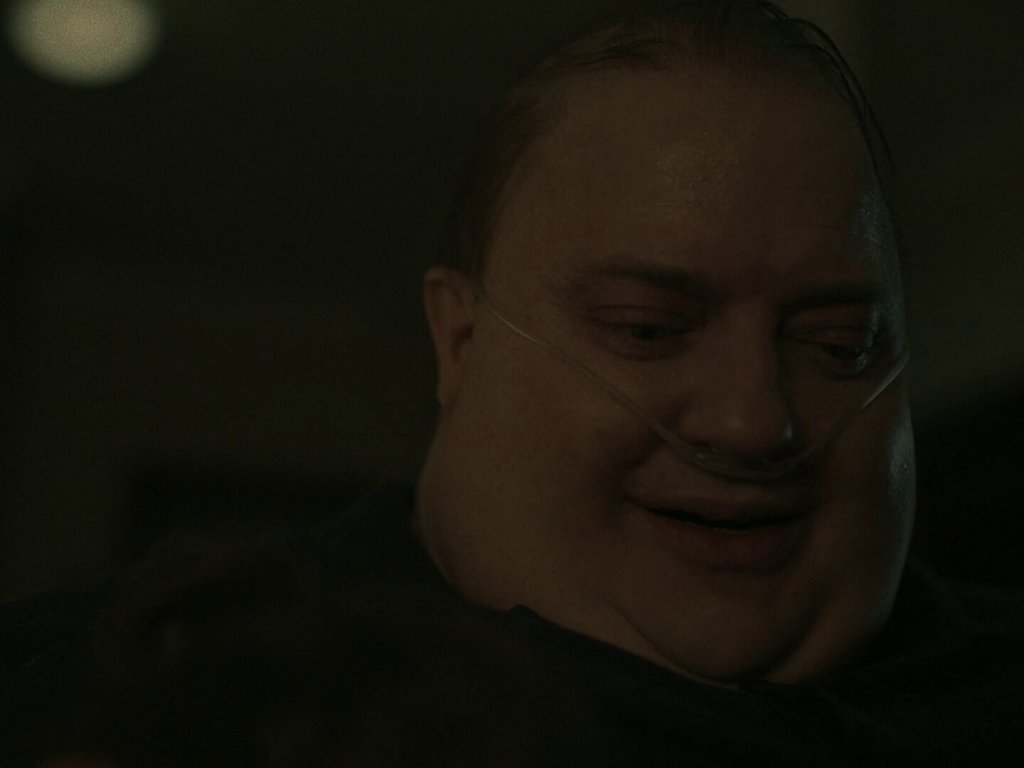
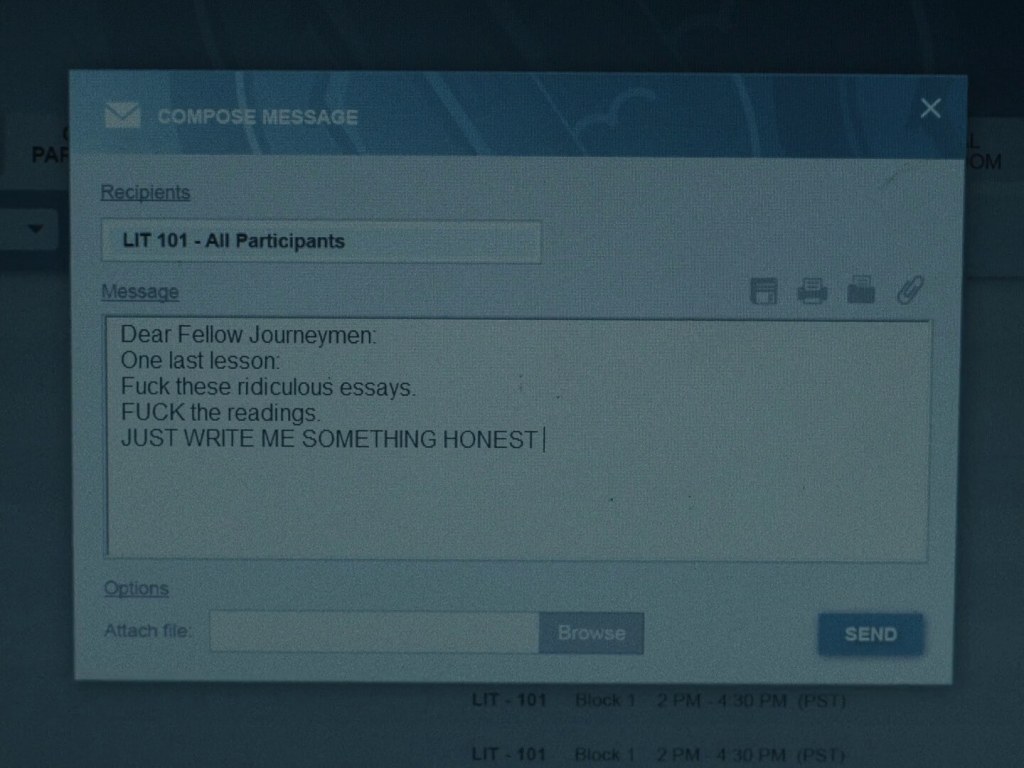
‘The Whale,’ released in 2022, is a psychological drama Directed by Darren Aronofsky. It is a profoundly intimate, emotionally raw character study about Charlie (played by Brandan Fraser), a 600-pound reclusive English professor who teaches college writing courses online with his camera off, ashamed of his appearance. Living alone in a small, dim Idaho apartment, Charlie is morbidly obese and battling severe health issues brought on by years of binge eating, a response to profound grief and guilt over the death of his partner, Alan.
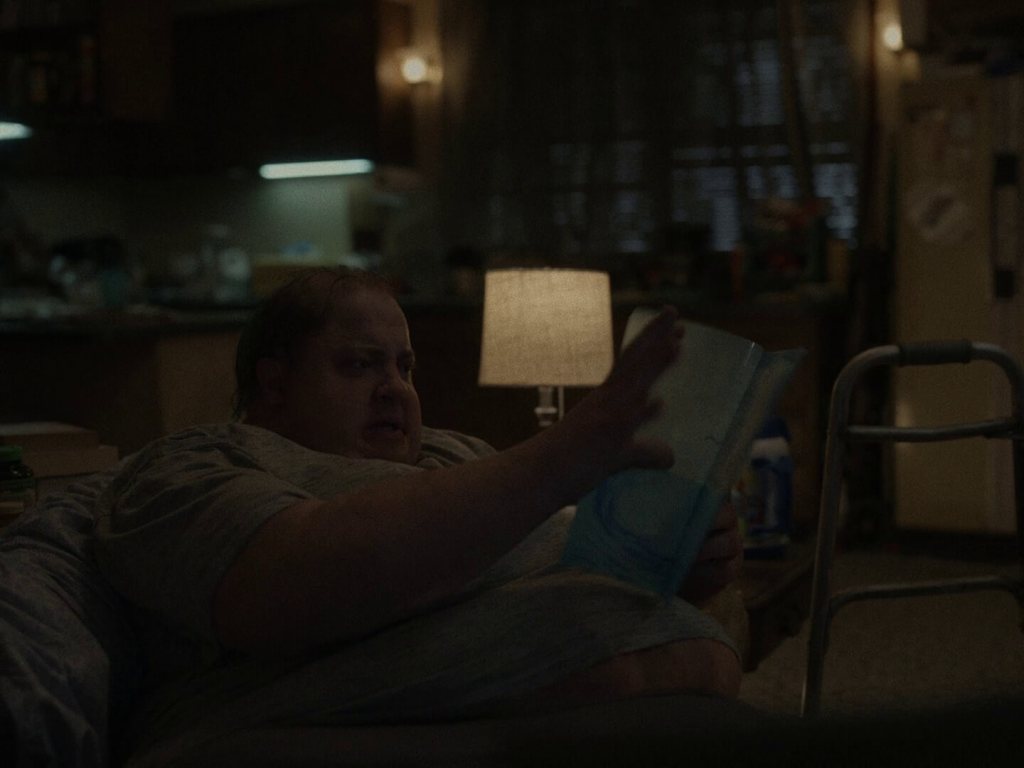
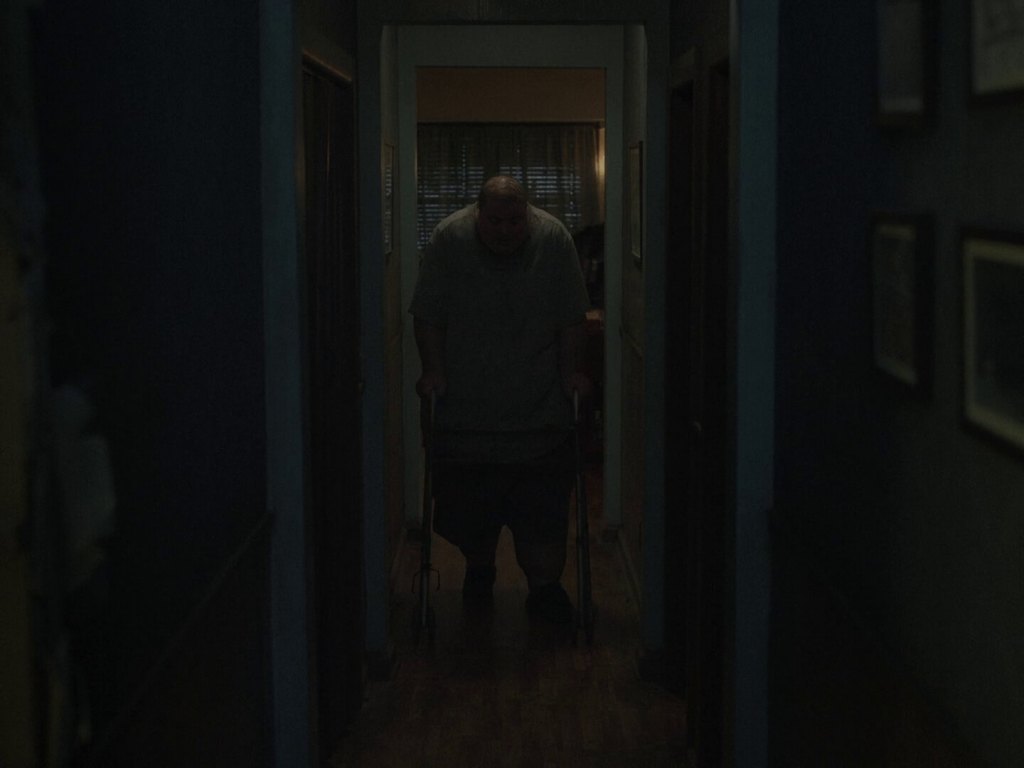

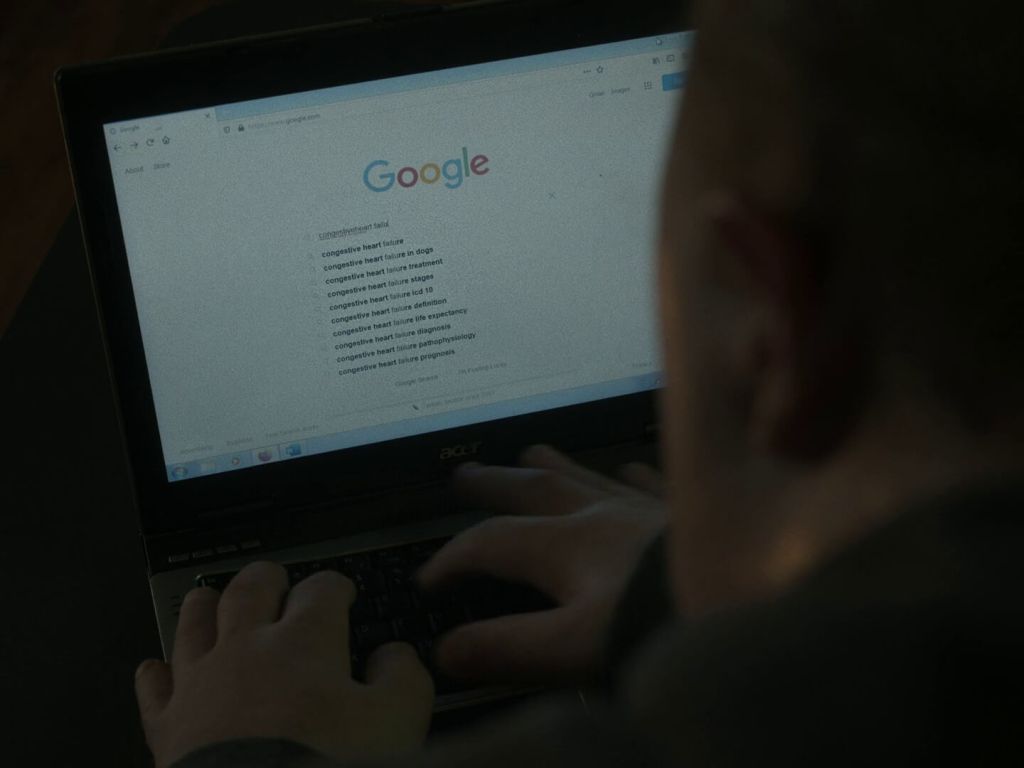
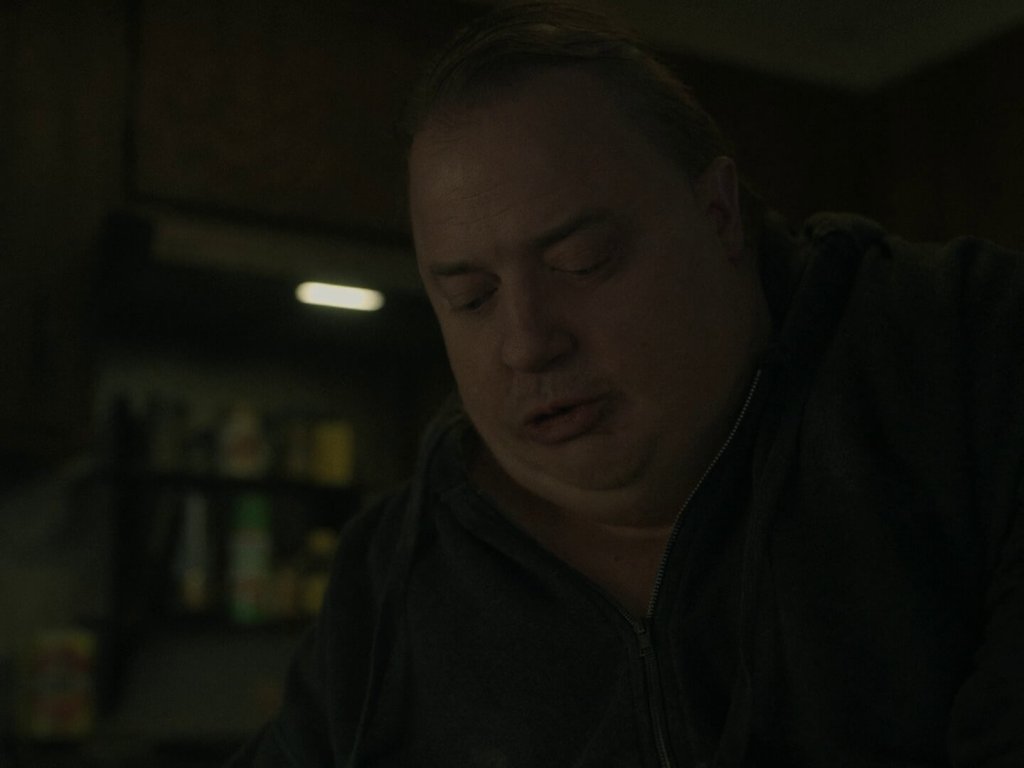
Charlie’s only regular visitor is Liz (Hong Chau), a tough but compassionate nurse who also happens to be Alan’s sister. Liz is deeply concerned about Charlie’s deteriorating condition and urges him to go to a hospital, but Charlie refuses treatment, insisting he can’t afford it and seeming to accept his own death as inevitable.
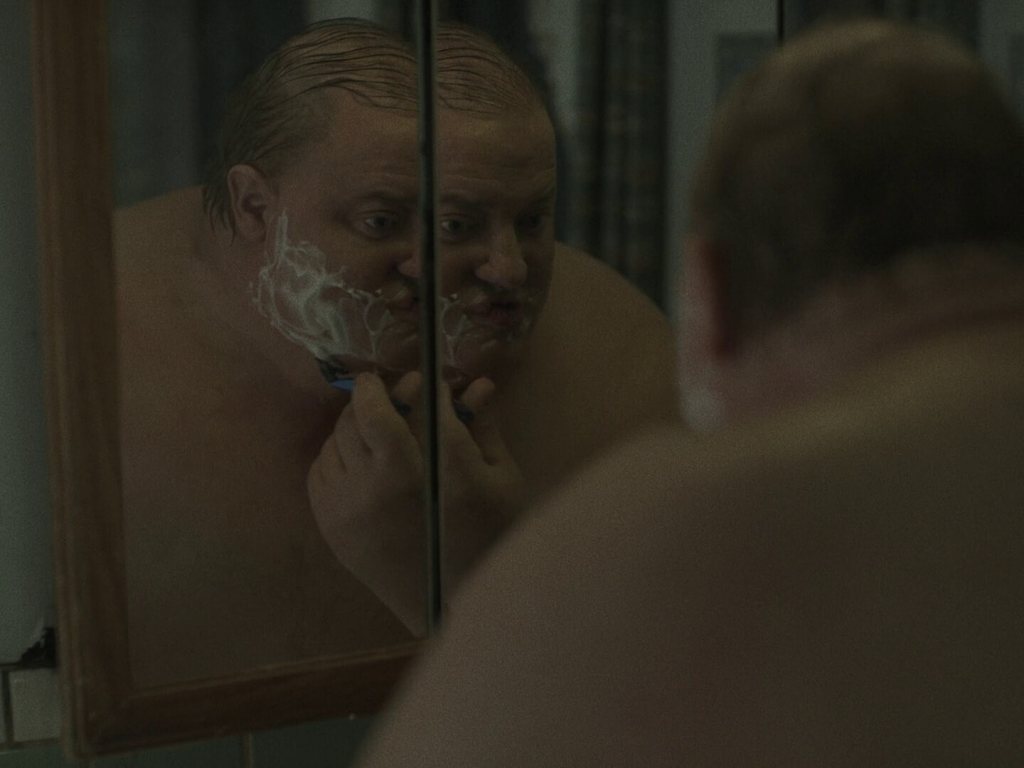
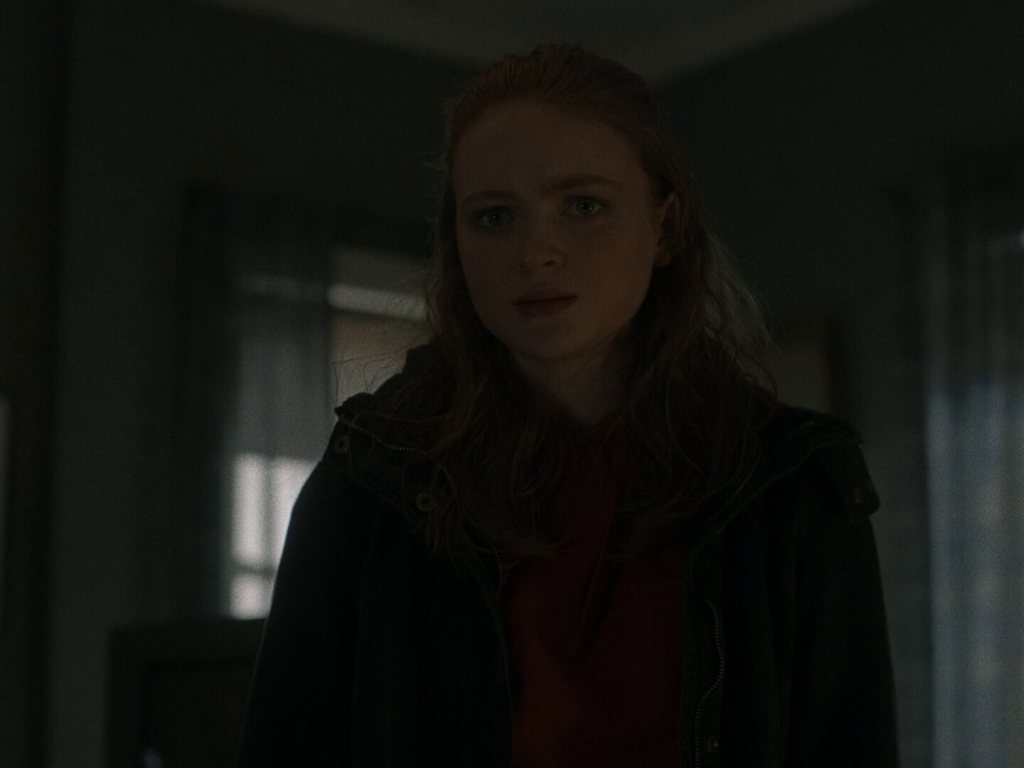
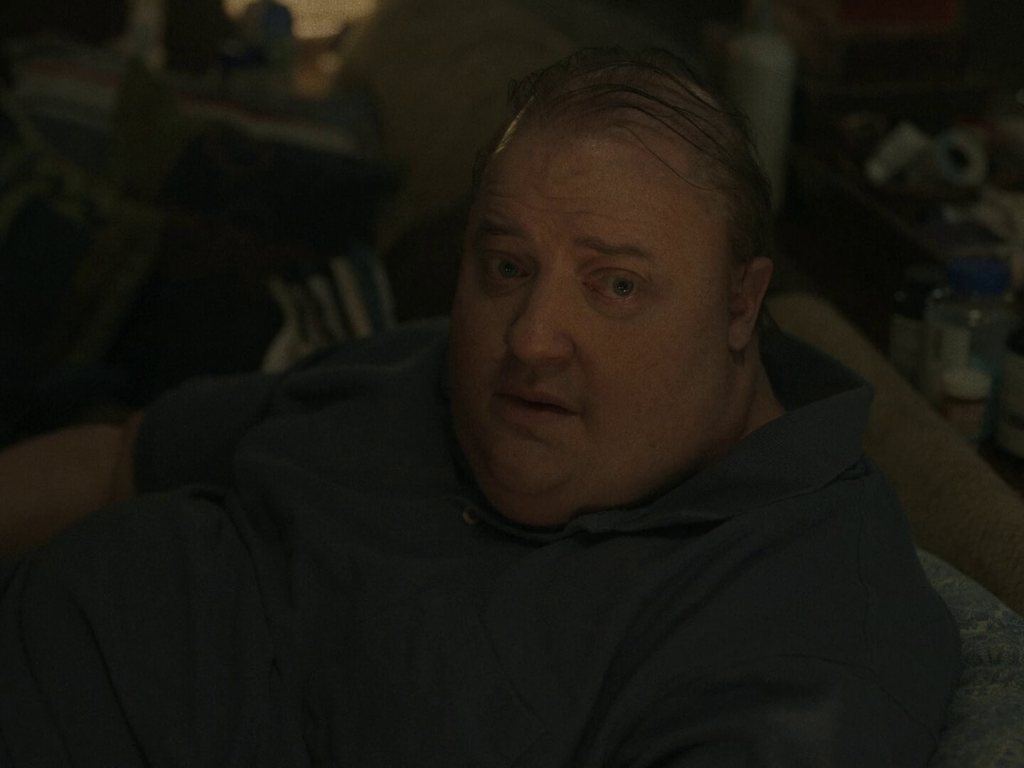
With his time running out, Charlie becomes increasingly desperate to reconnect with his estranged teenage daughter, Ellie (Sadie Sink), whom he hasn’t seen in eight years. Ellie is angry, bitter, and cruel toward him, but Charlie sees her intelligence and potential and wants to help her find self-worth. He offers her all the money he’s saved if she spends some time with him and lets him help her with her schoolwork.
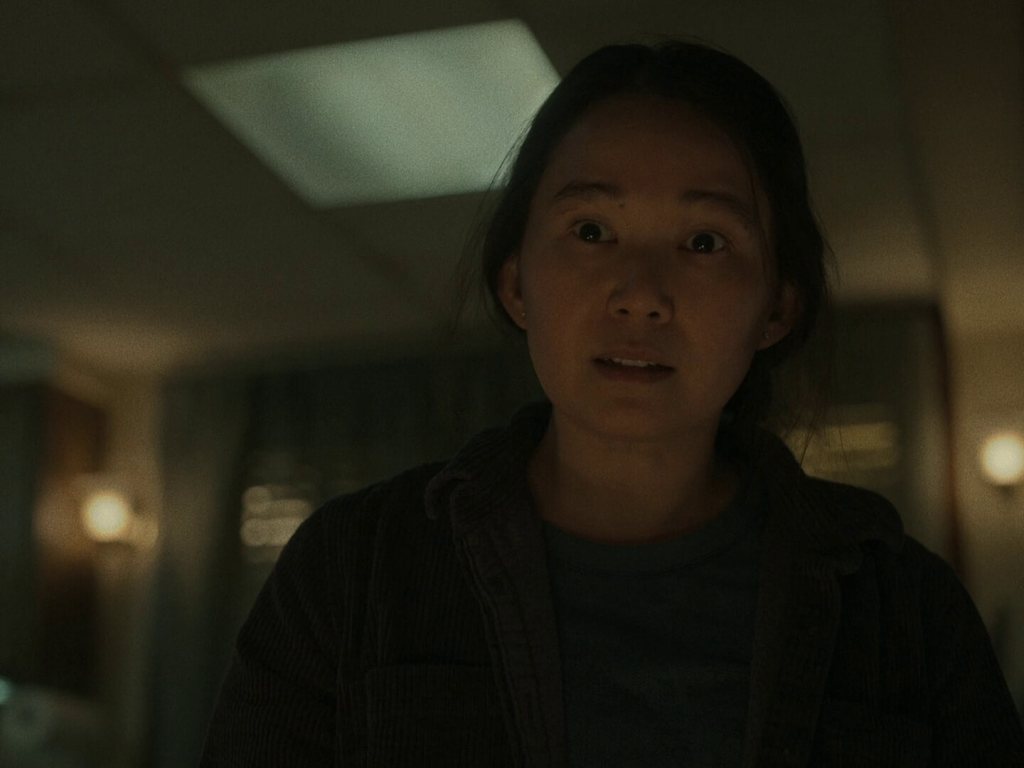
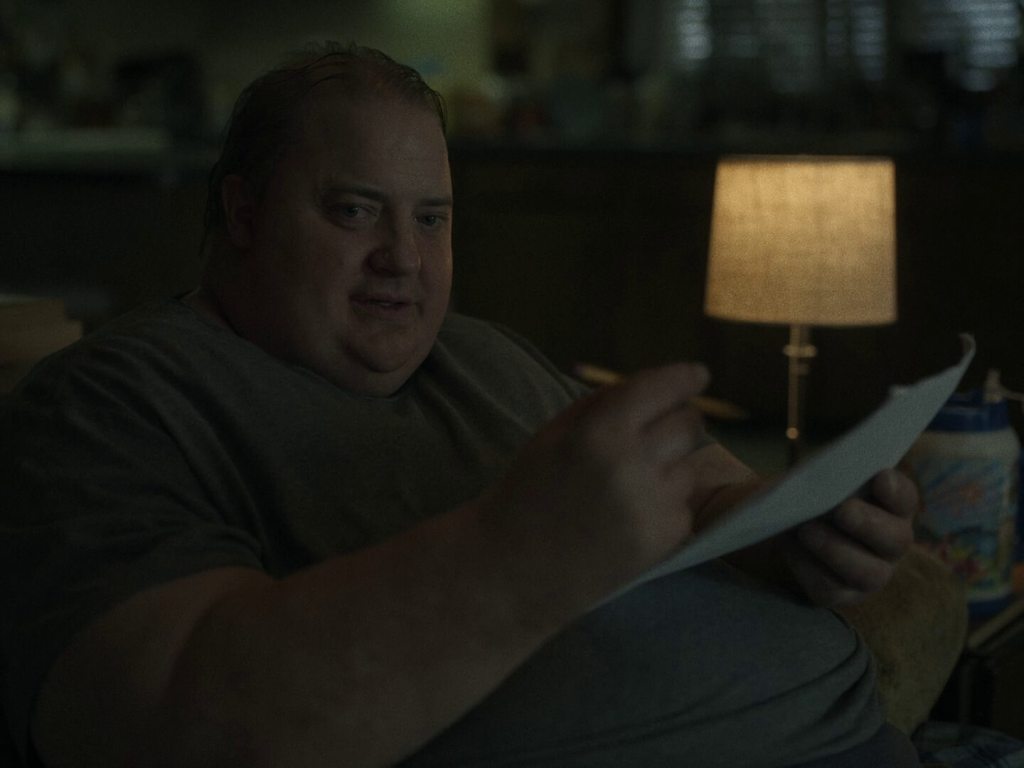

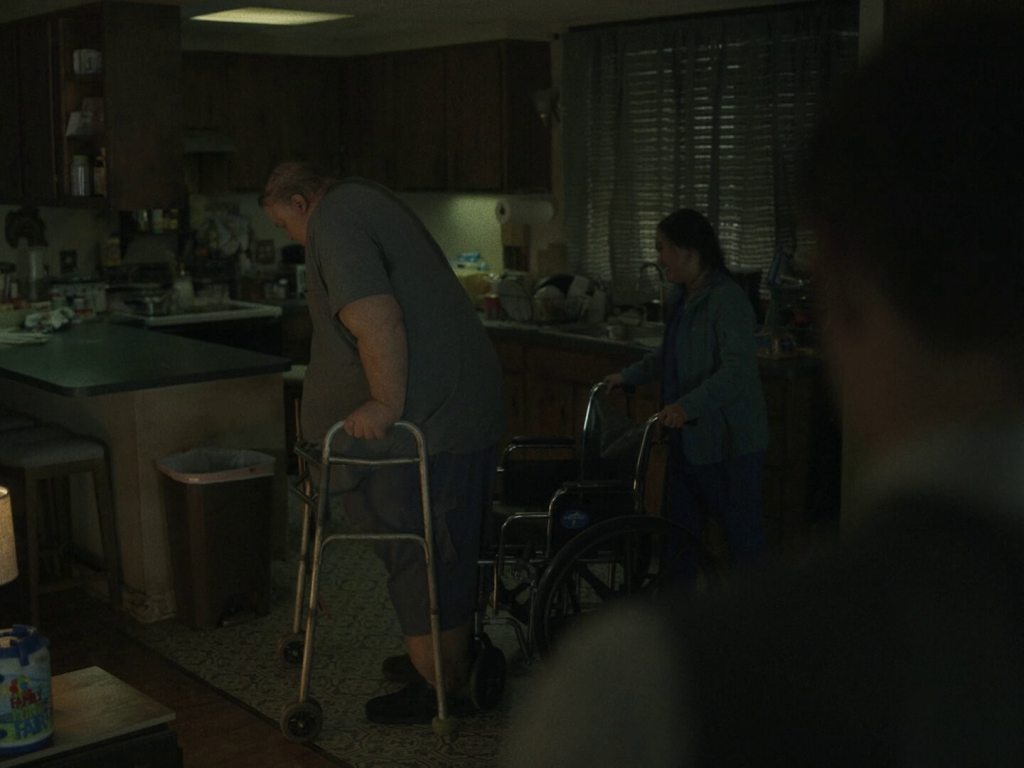
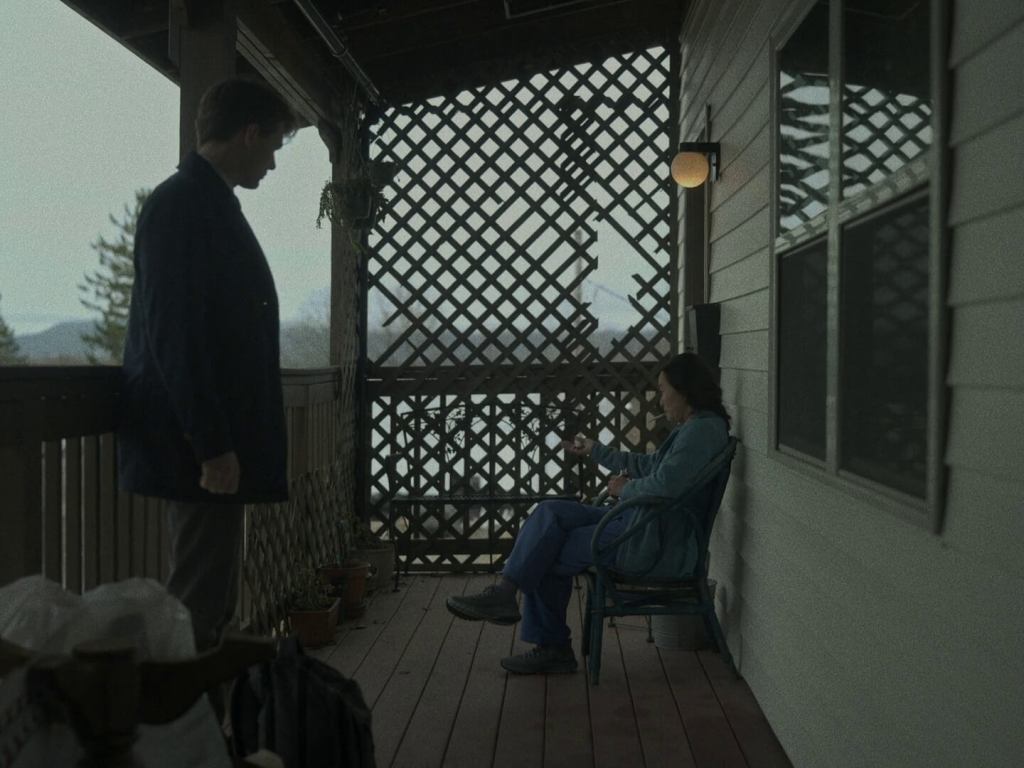
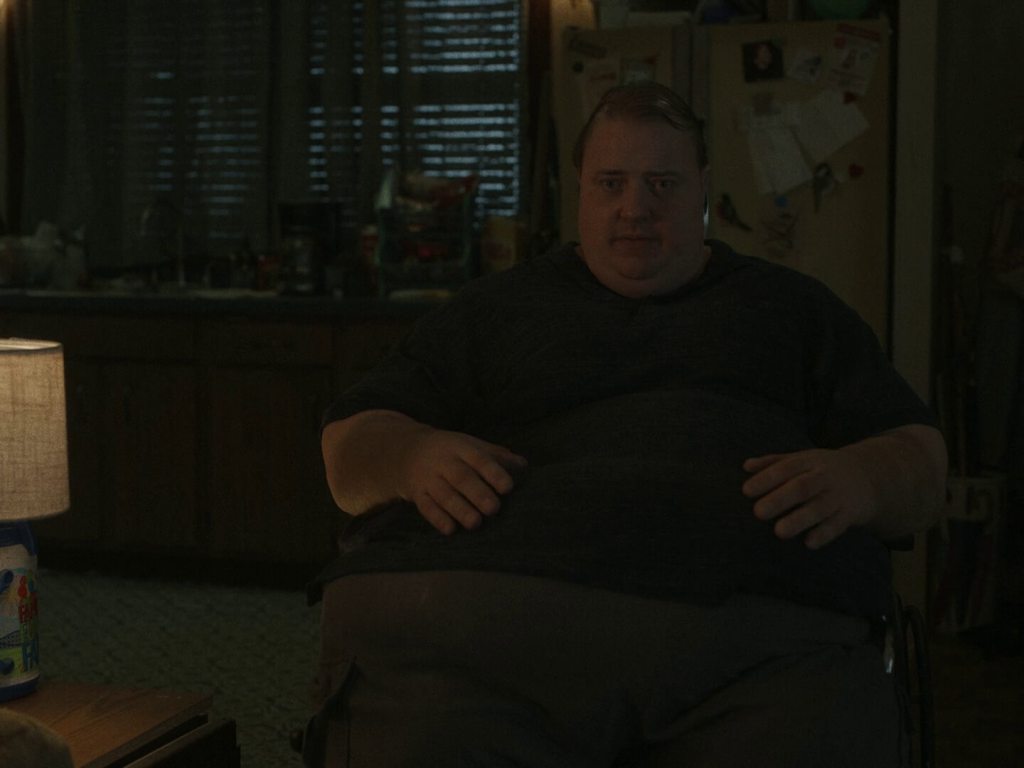
Throughout the film, their volatile and emotional interactions are the core of the story. Charlie’s attempts to make peace with Ellie are fueled by his overwhelming guilt for leaving her and her mother, Mary (Samantha Morton), when he begins a relationship with Alan, one of his former students.
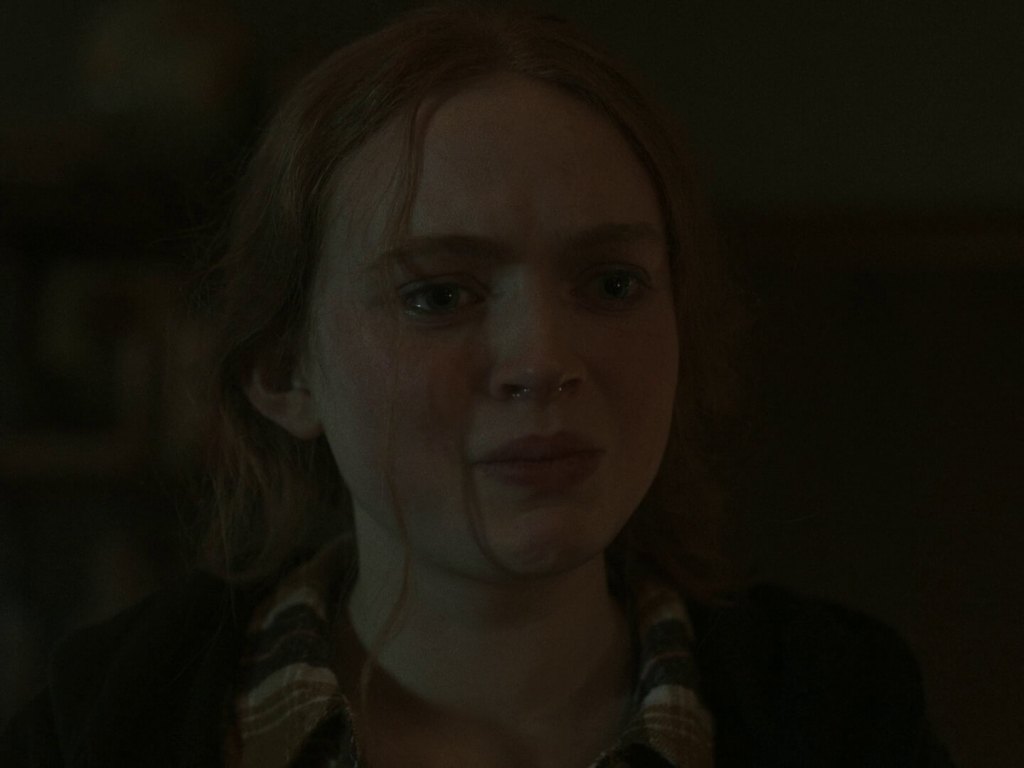
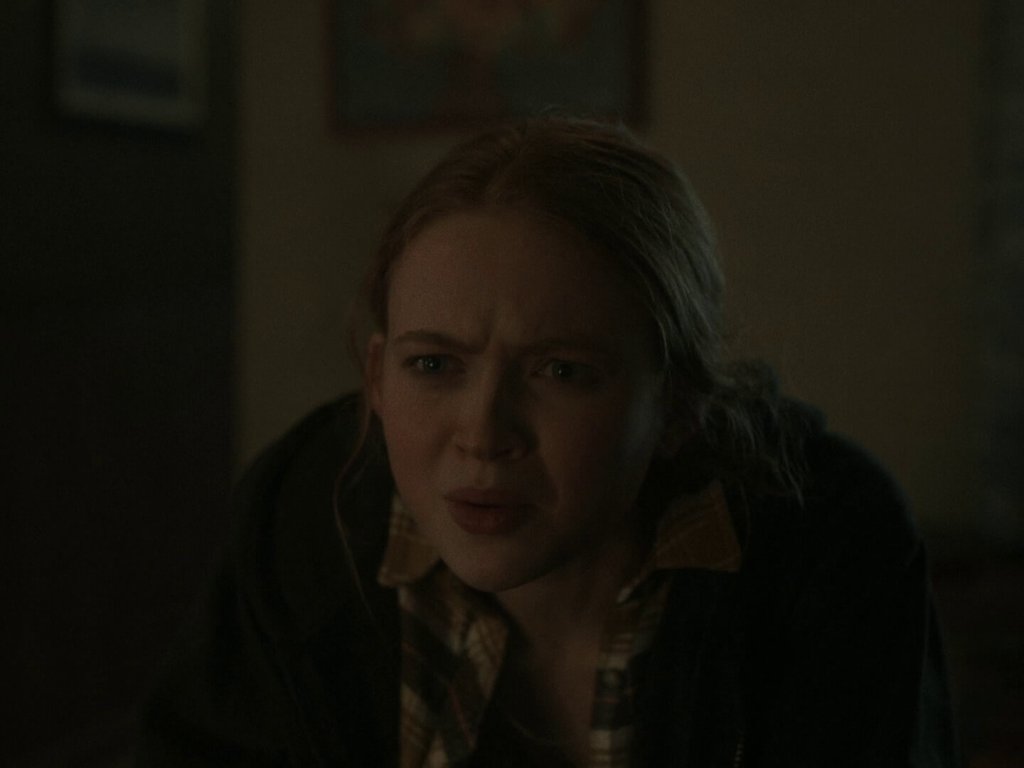
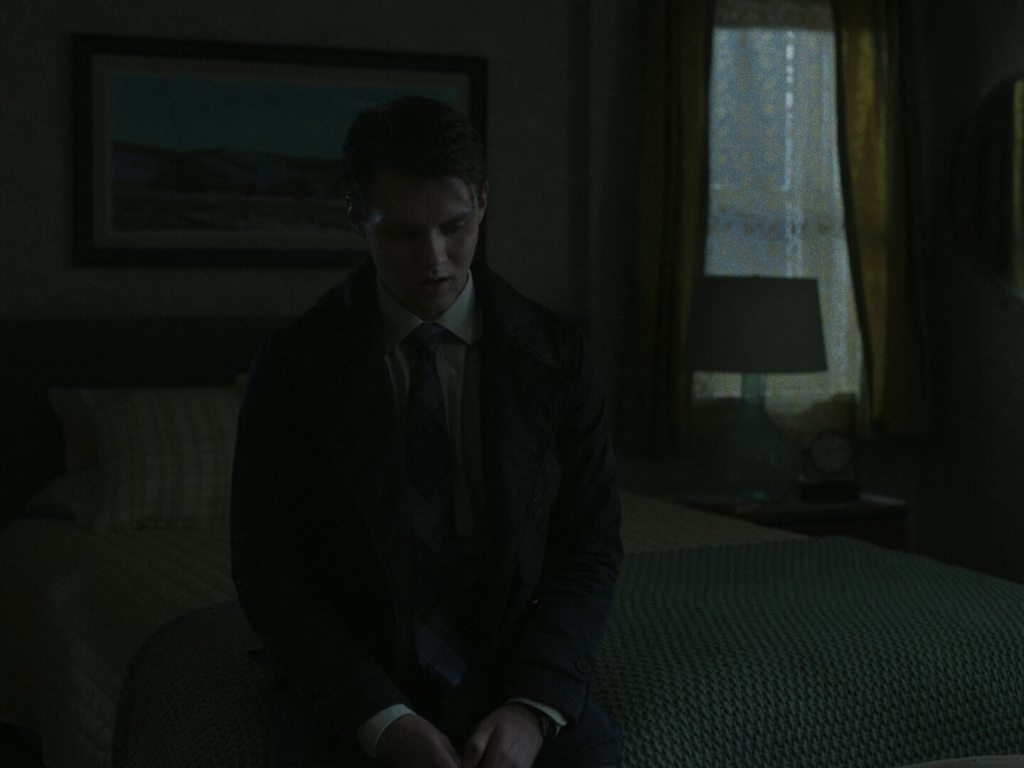

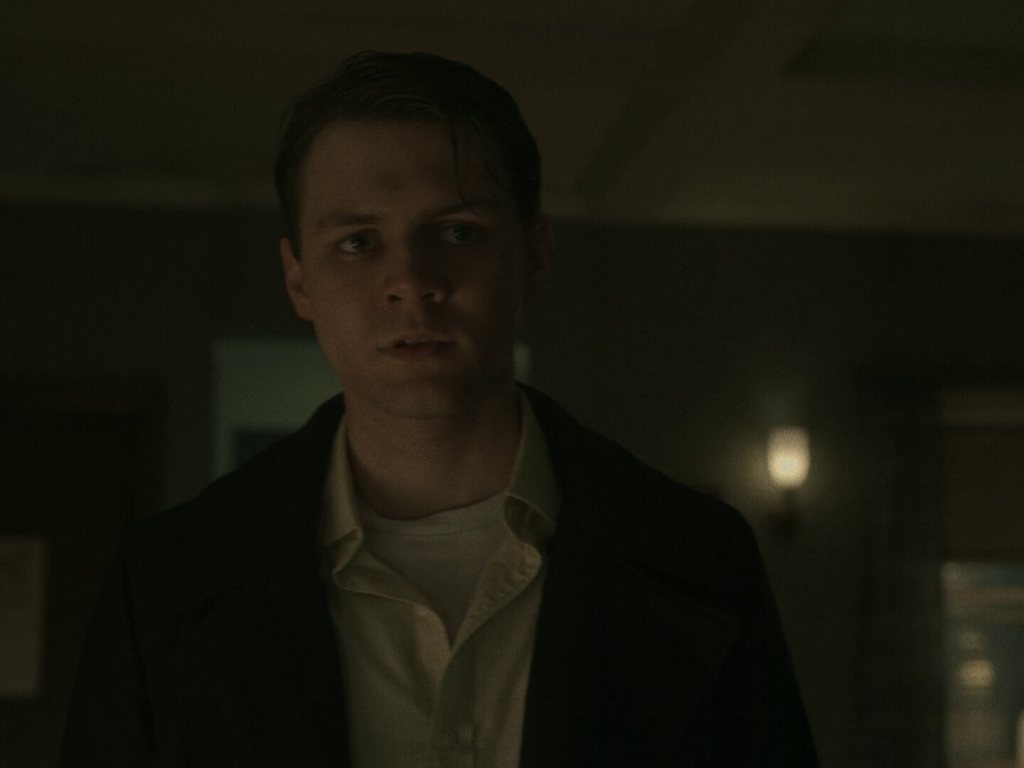
Meanwhile, a young missionary named Thomas (Ty Simpkins) enters Charlie’s life, believing God sent him to save him. His presence unearths more layers of Charlie’s past, Alan’s religious trauma, and the conflict between faith and acceptance. It becomes clear that Thomas, too, is hiding secrets and shame of his own.


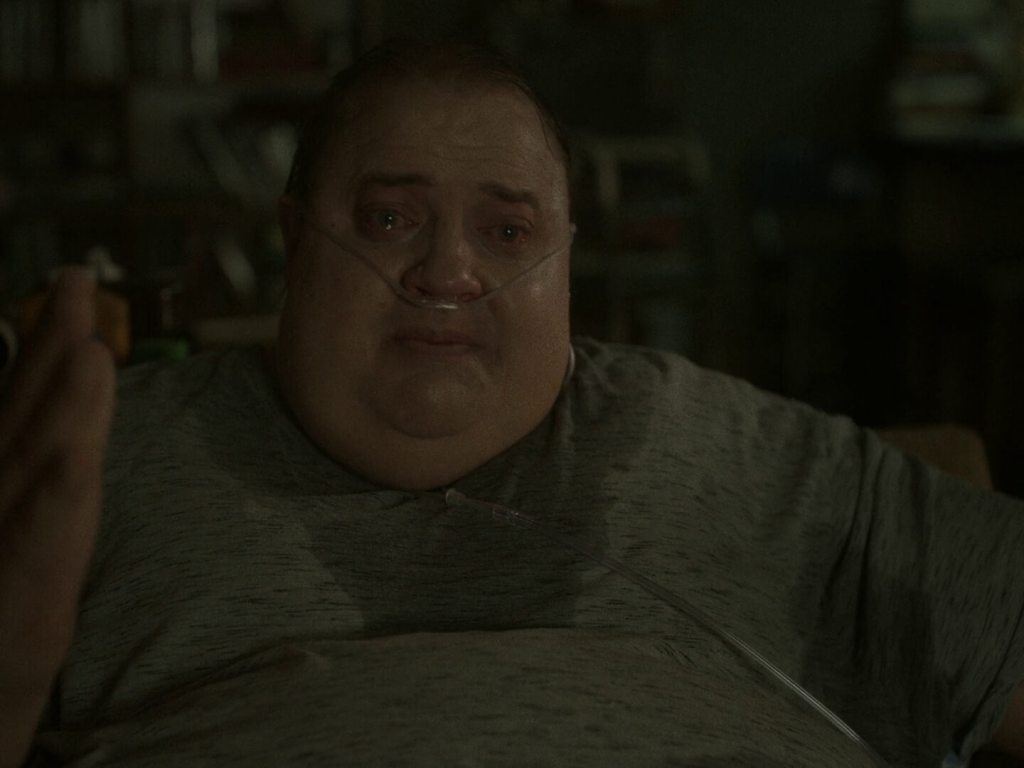
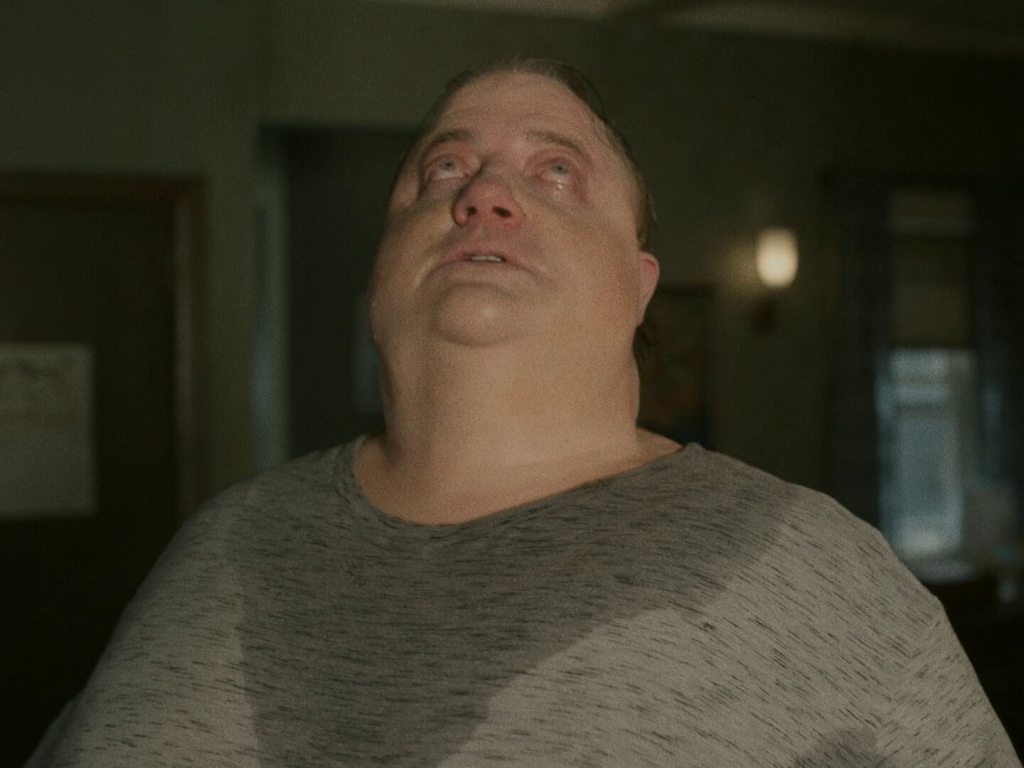
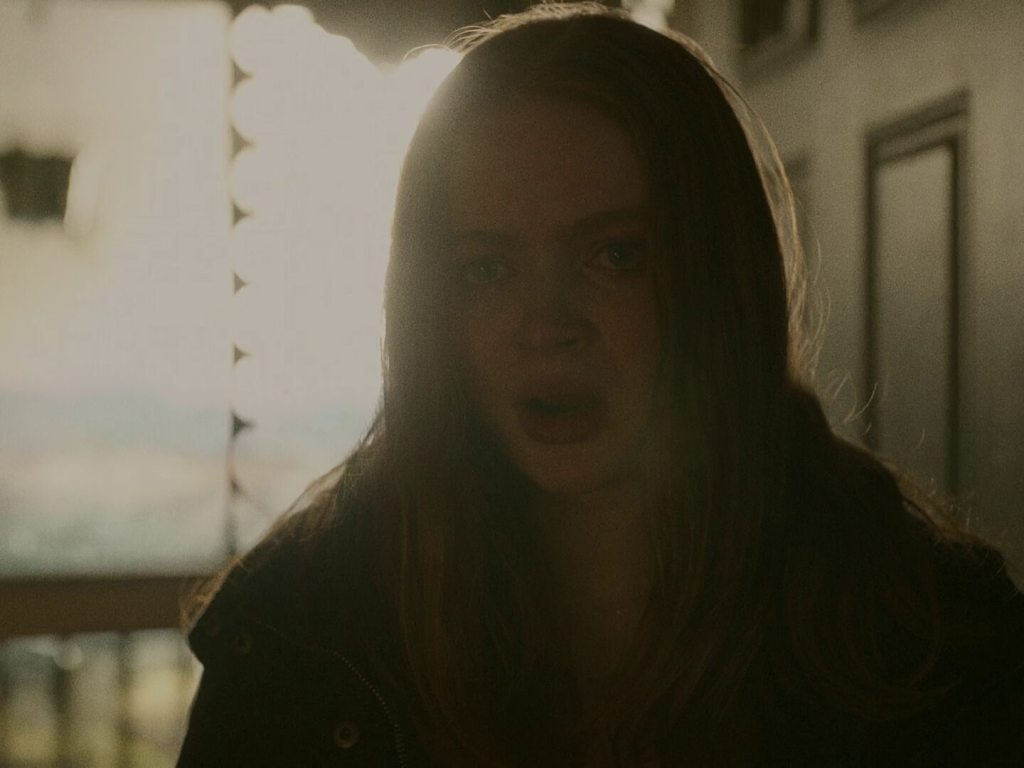
As the days pass, Charlie’s health rapidly declines. He experiences chest pains and shortness of breath and can barely move without assistance. Yet, his mind remains razor-sharp, and his desire to find redemption—to know that he’s made at least one positive difference—drives his final days.
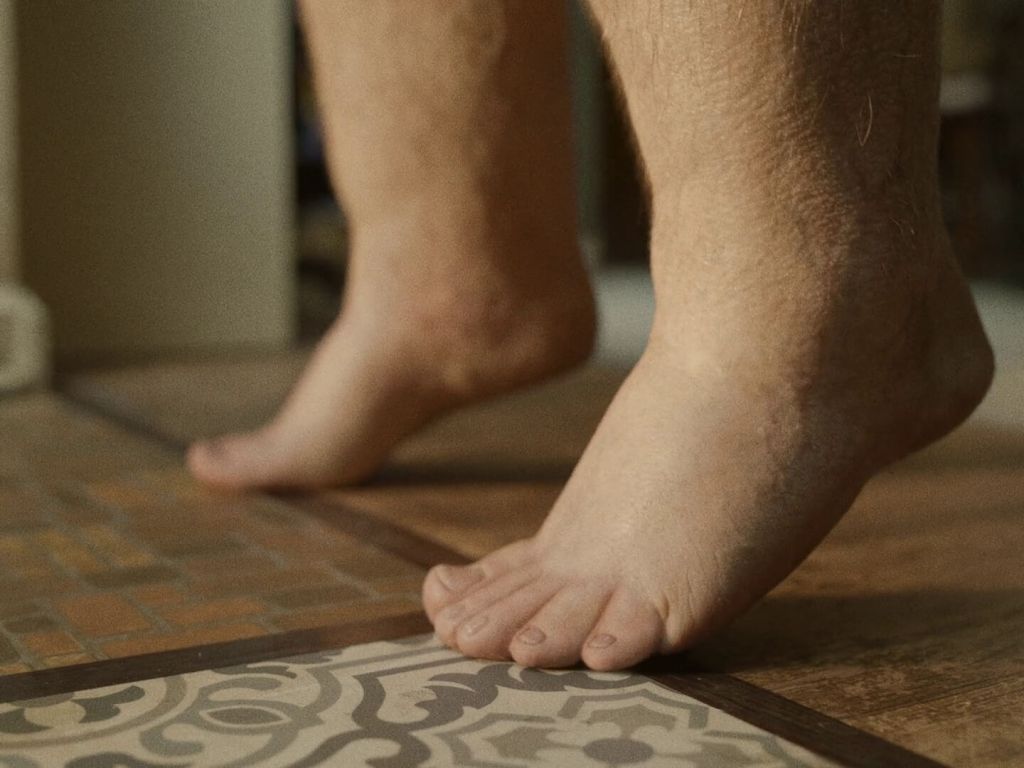
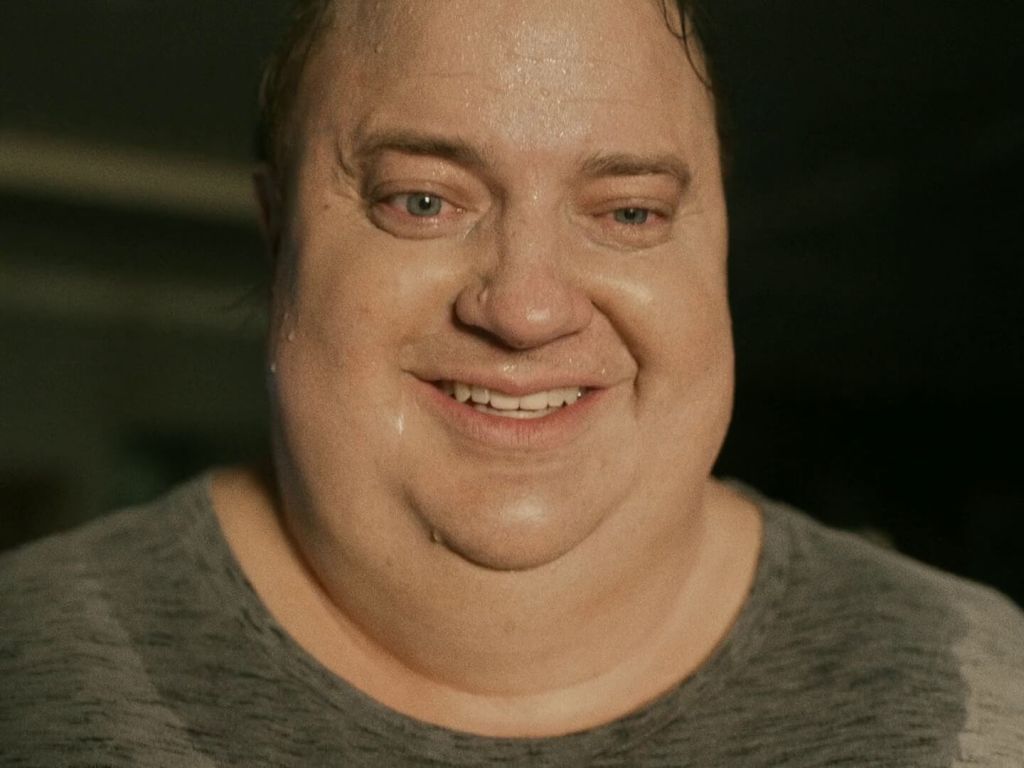

In a climactic and emotionally charged final scene, Charlie urges Ellie to read an essay she wrote as a child about Moby-Dick. It is the only piece of writing that brings him peace, and in that moment, he experiences a kind of spiritual release. As she reads, he rises to his feet for the first time in the film, walking toward her as the light engulfs him. It explores themes of grief and guilt along with abandonment and unresolved trauma. At the core, it questions whether broken relationships can be healed through redemption and forgiveness and if love becomes meaningful and helps to resolve emotional pain.

 The Other Cinema