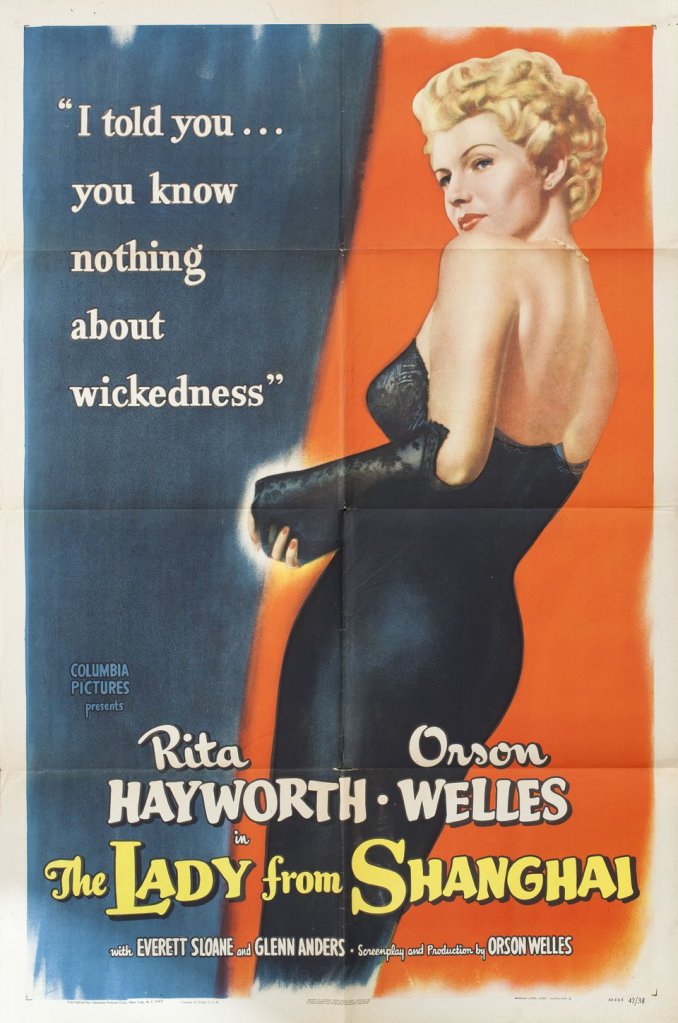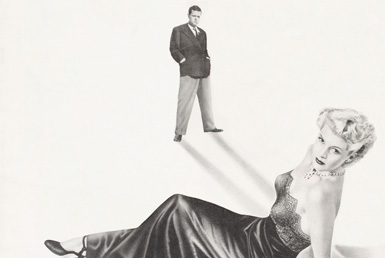
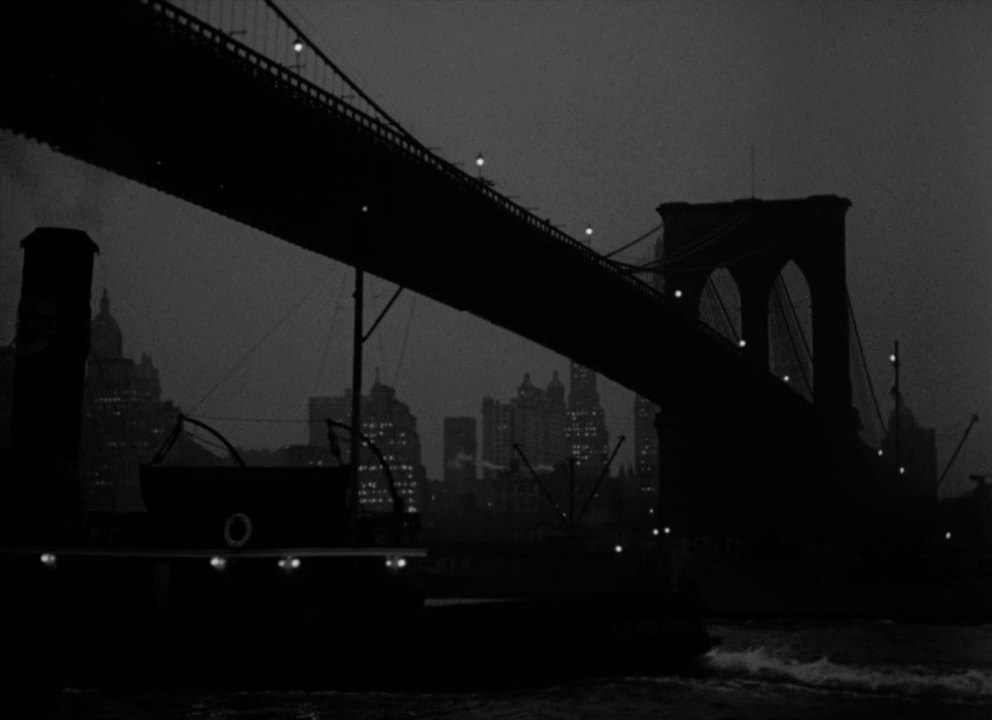
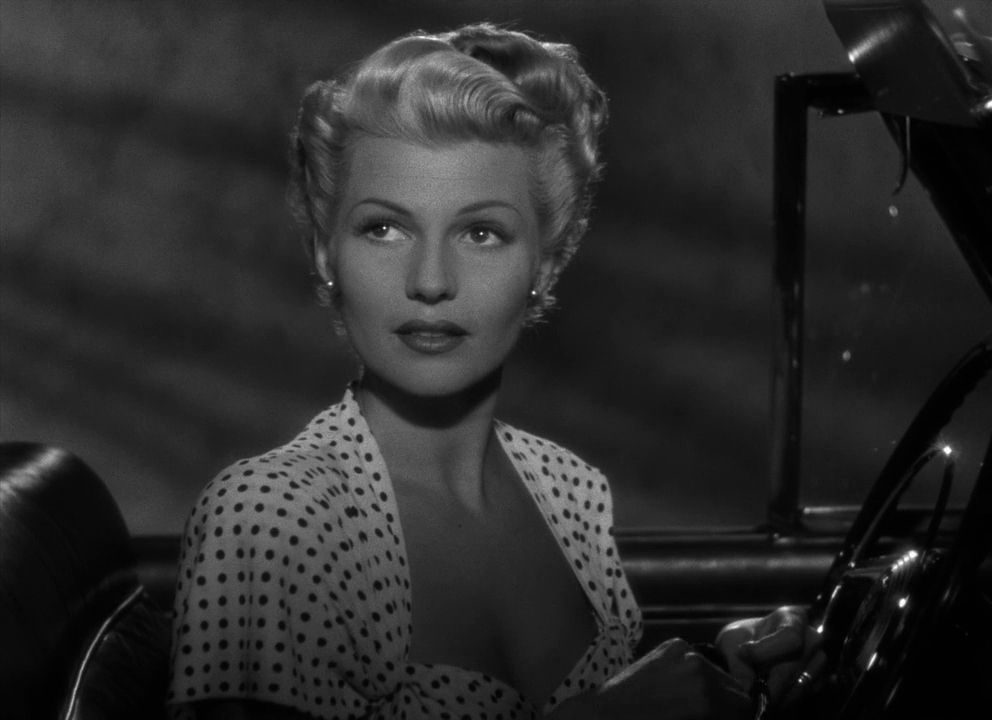
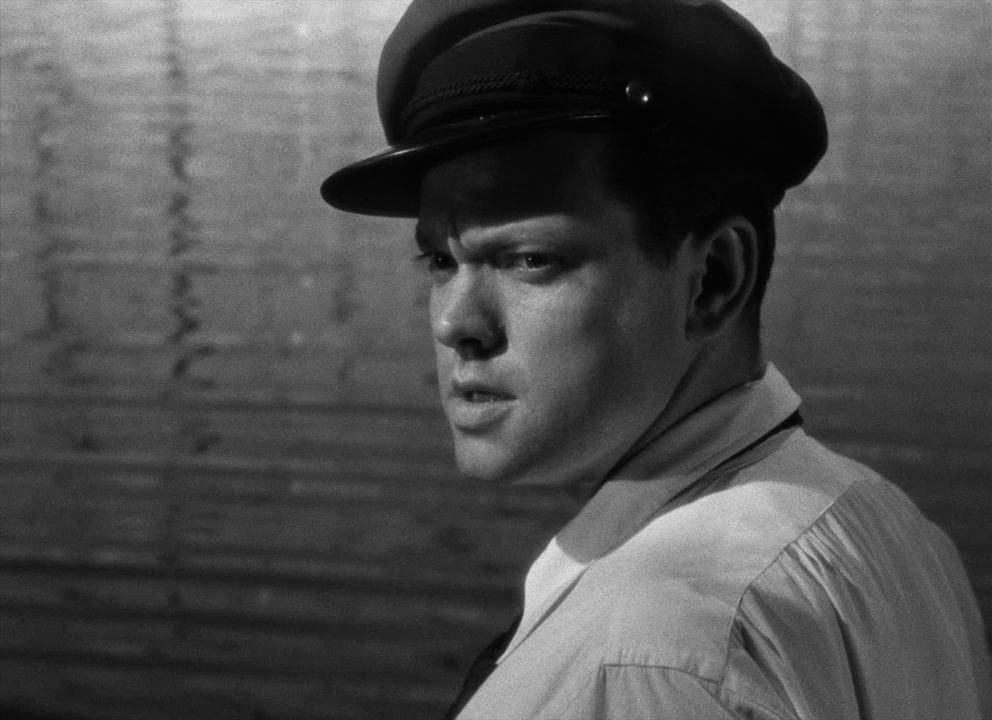
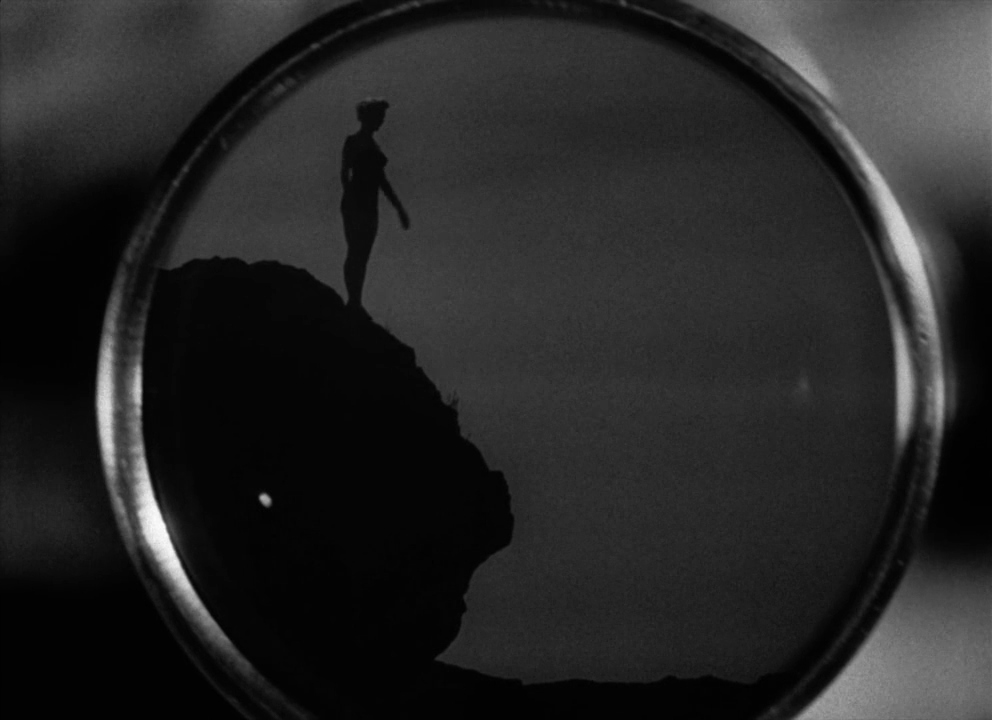
‘The Lady from Shanghai’ is a 1947 noir thriller that weaves a tale of lust, betrayal, and murder set against the backdrop of exotic locales and shadowy moral ambiguity. The film is notable not just for its twisty plot but also for its stunning visual style, particularly the iconic hall-of-mirrors climax. Directed by and starring Orson Welles, it is based on the novel “If I Die Before I Wake” by Sherwood King.
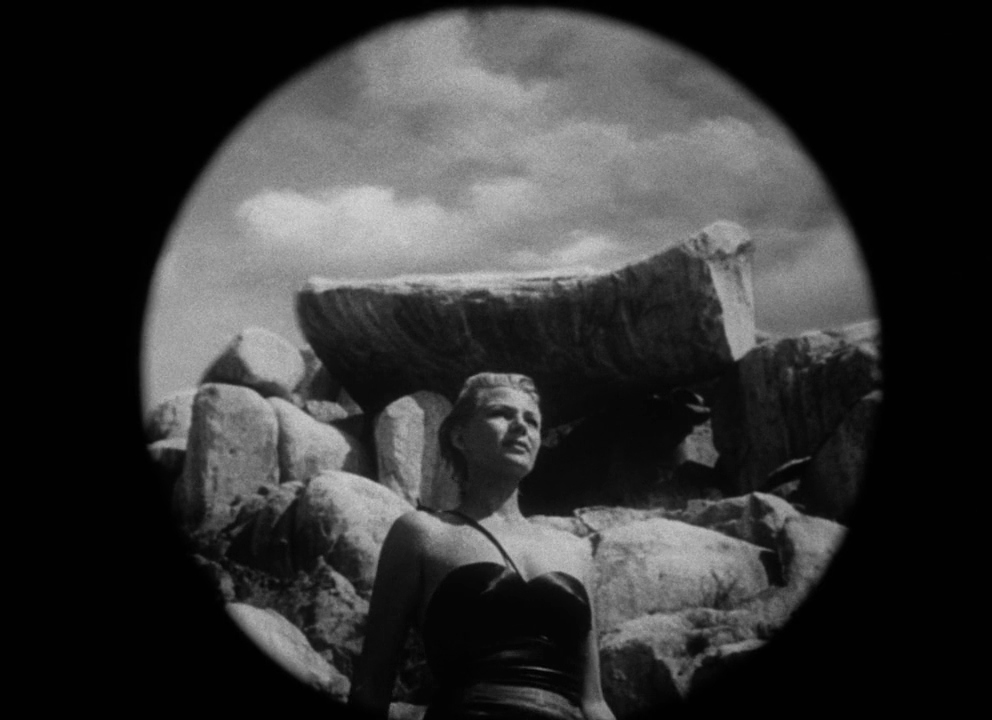
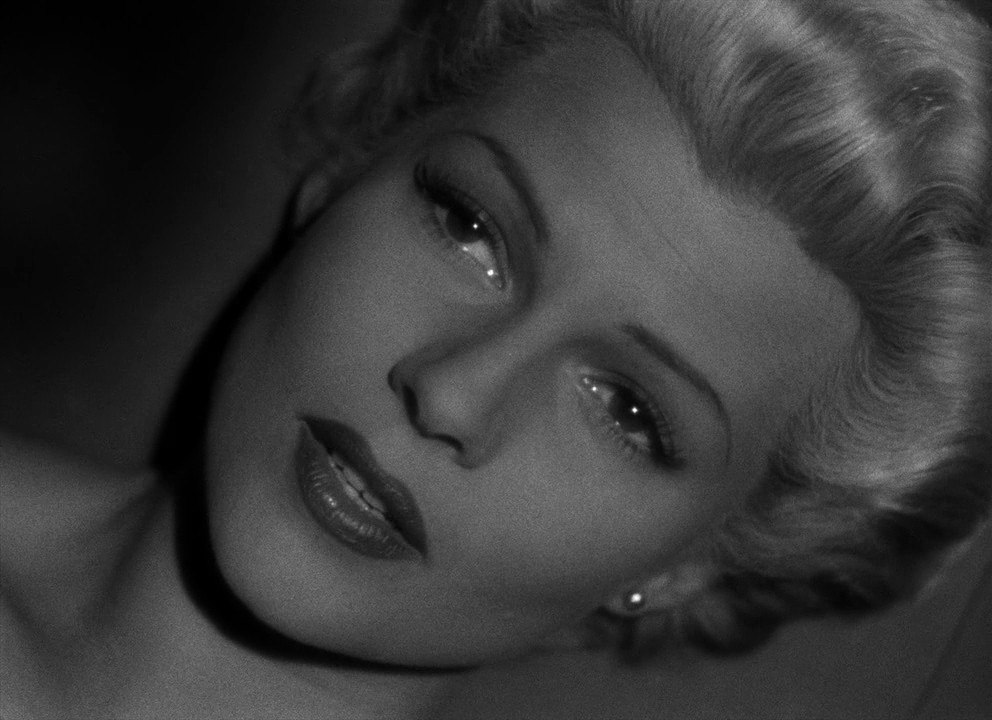
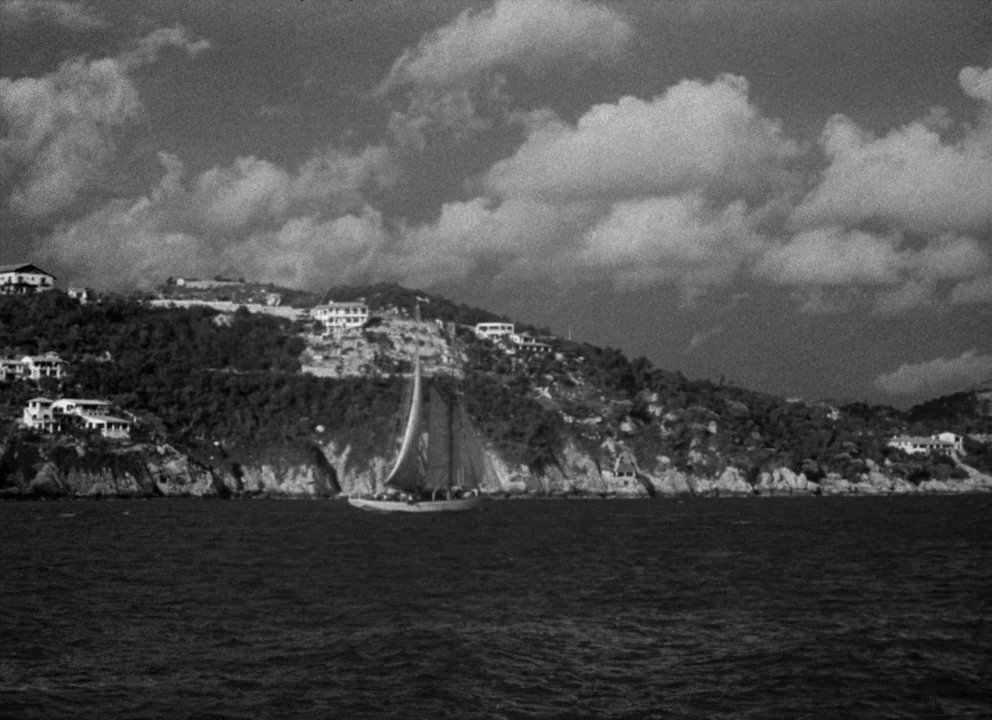
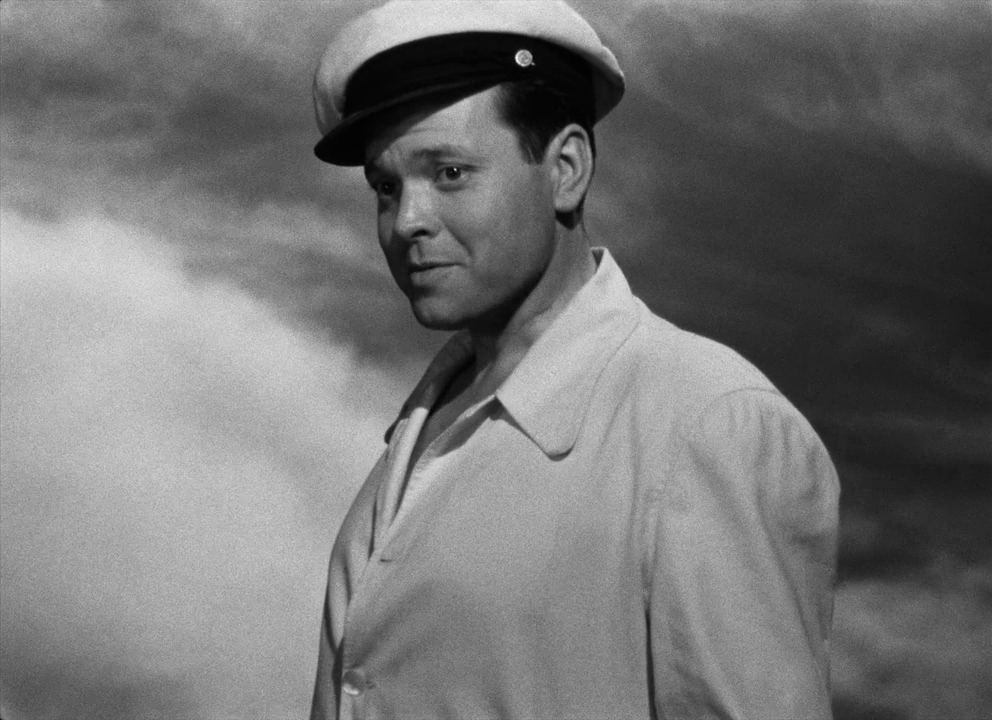
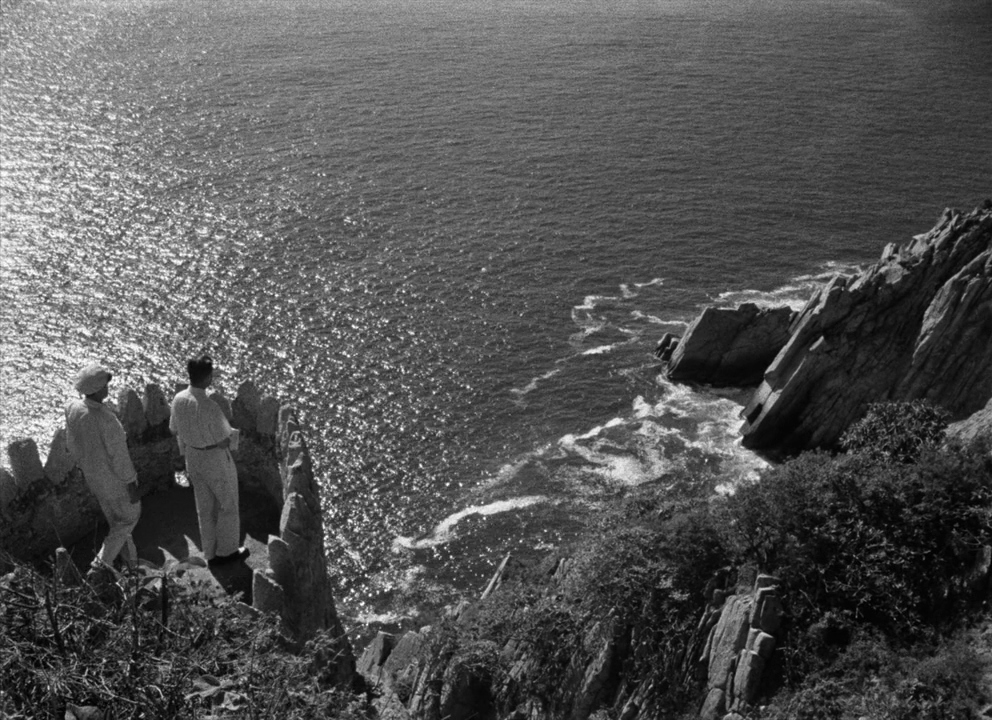
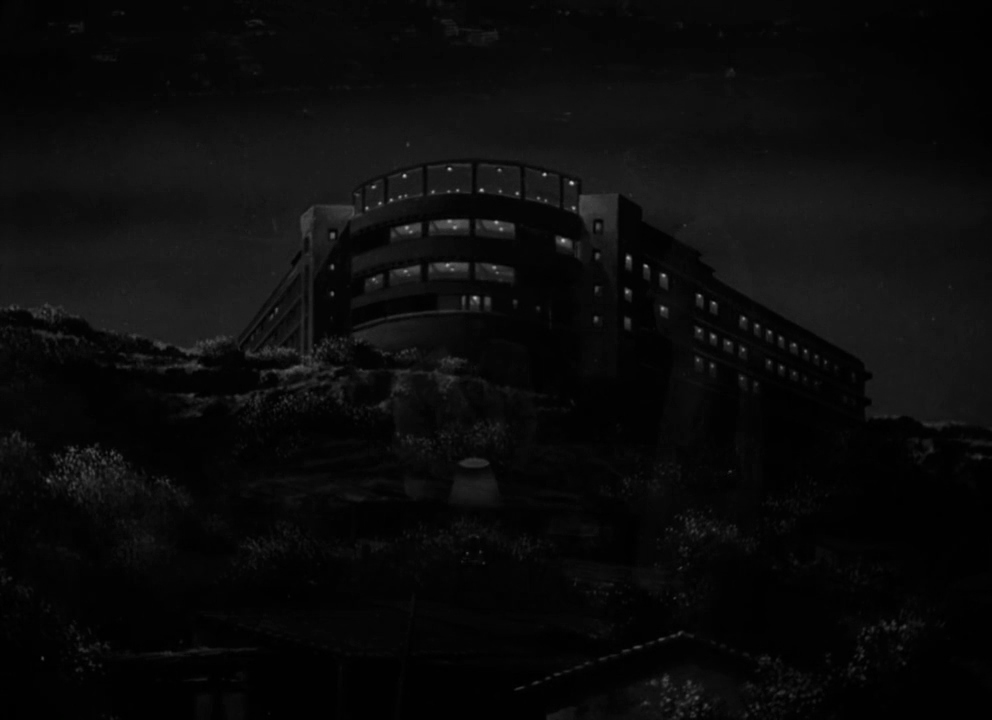
Michael O’Hara (Orson Welles), an Irish sailor and drifter with a checkered past, rescues the alluring Elsa Bannister (Rita Hayworth) from a mugging in New York’s Central Park. Instantly captivated by her beauty and mysterious air, he is surprised when she offers him a job aboard her husband’s yacht. Elsa is married to Arthur Bannister (Everett Sloane), a wealthy, brilliant, but physically crippled defense attorney.
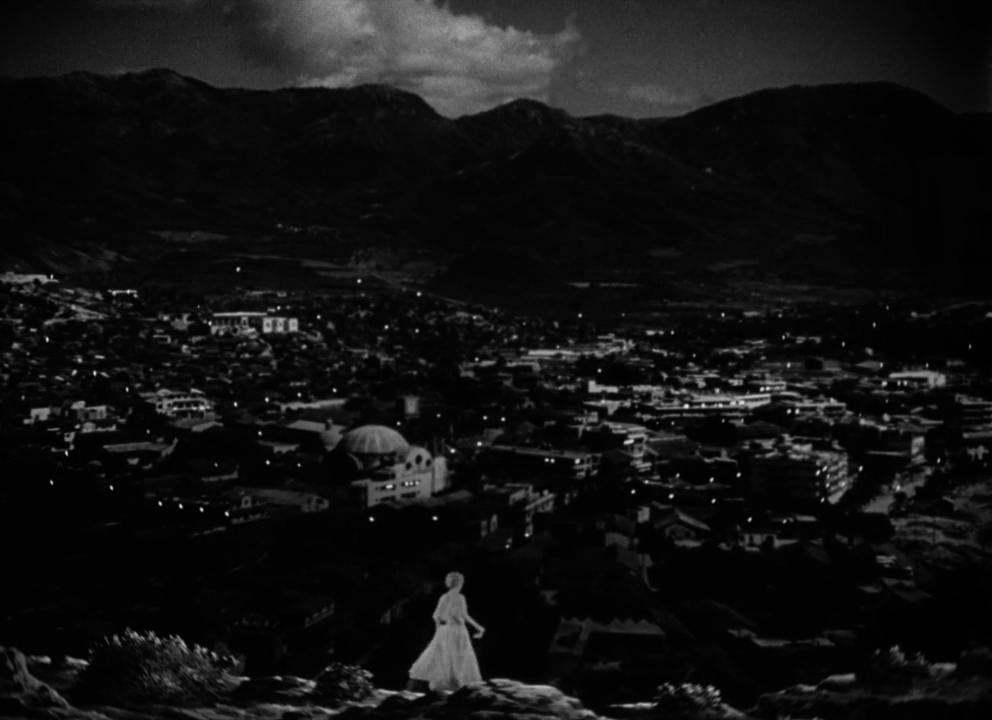
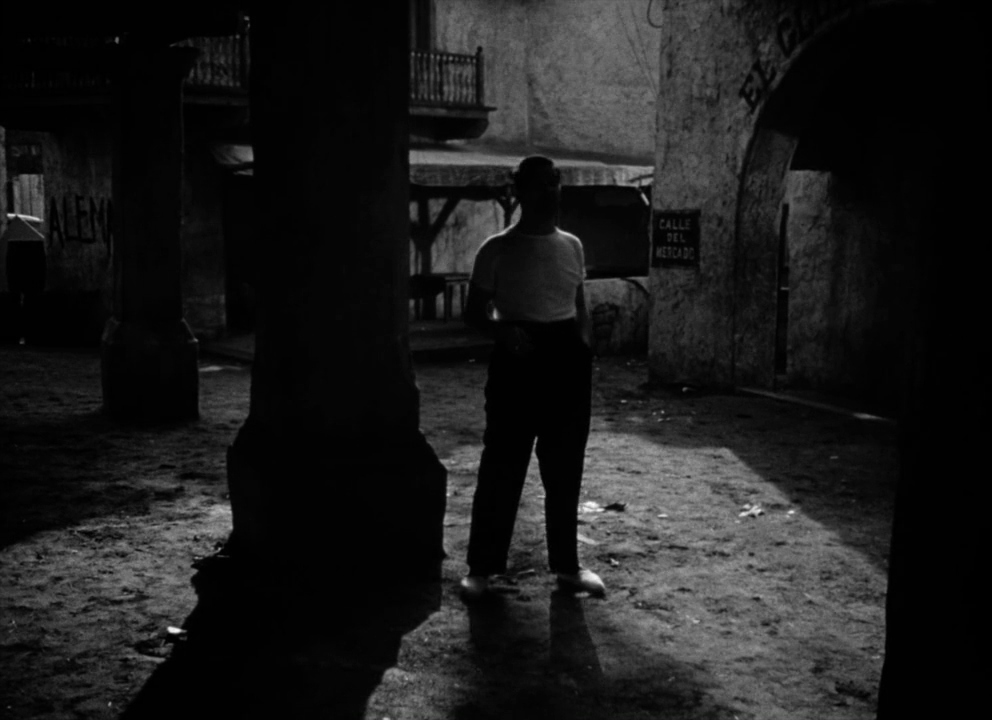
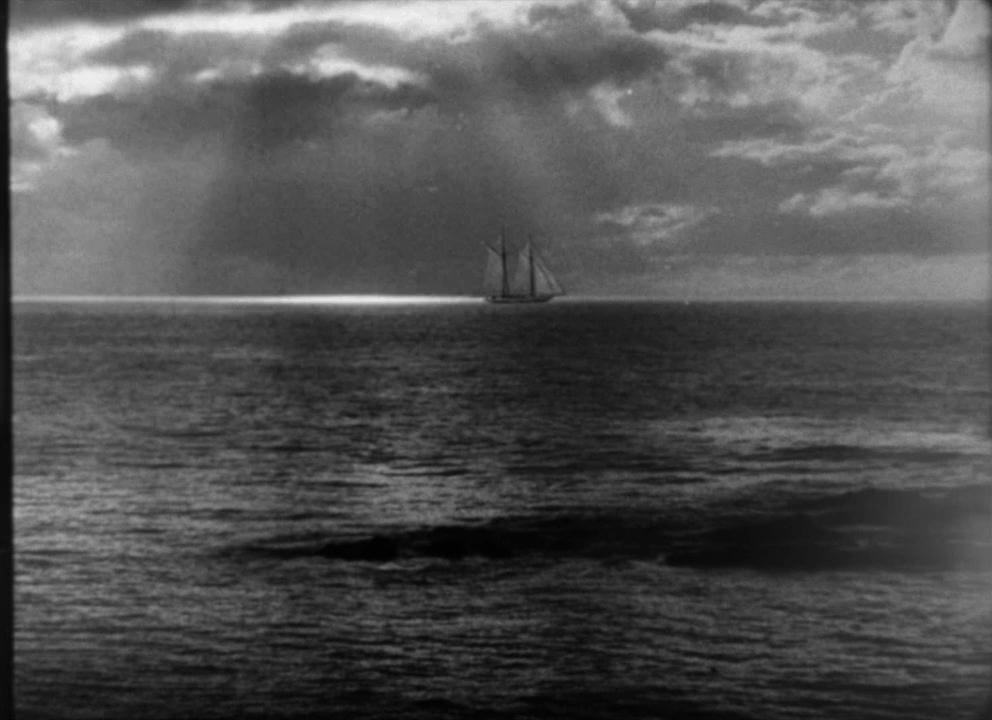
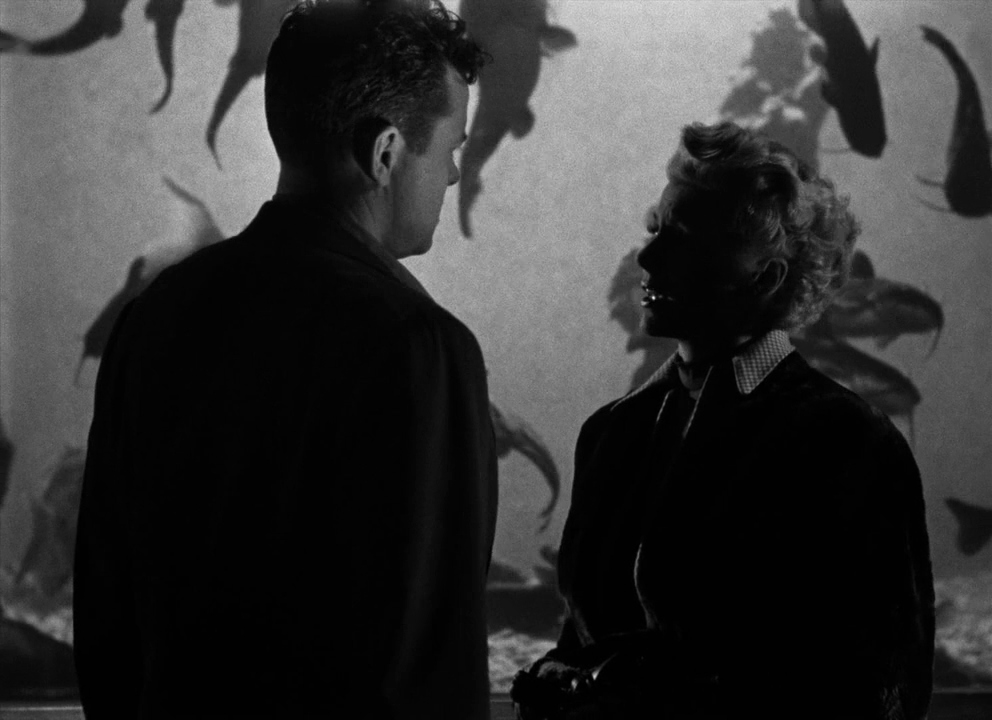
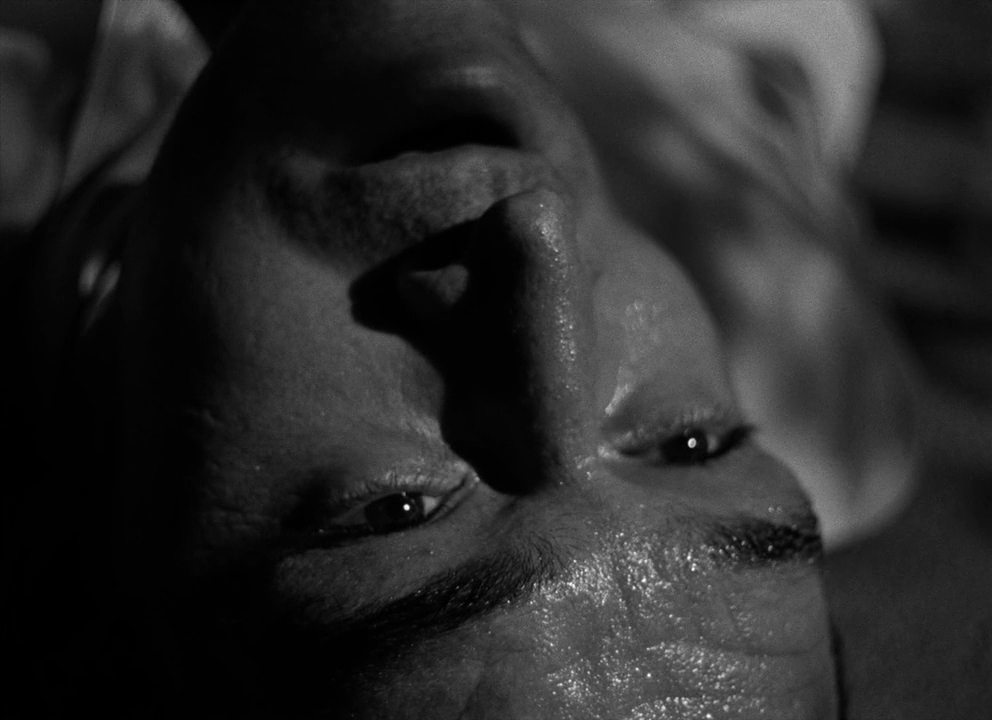
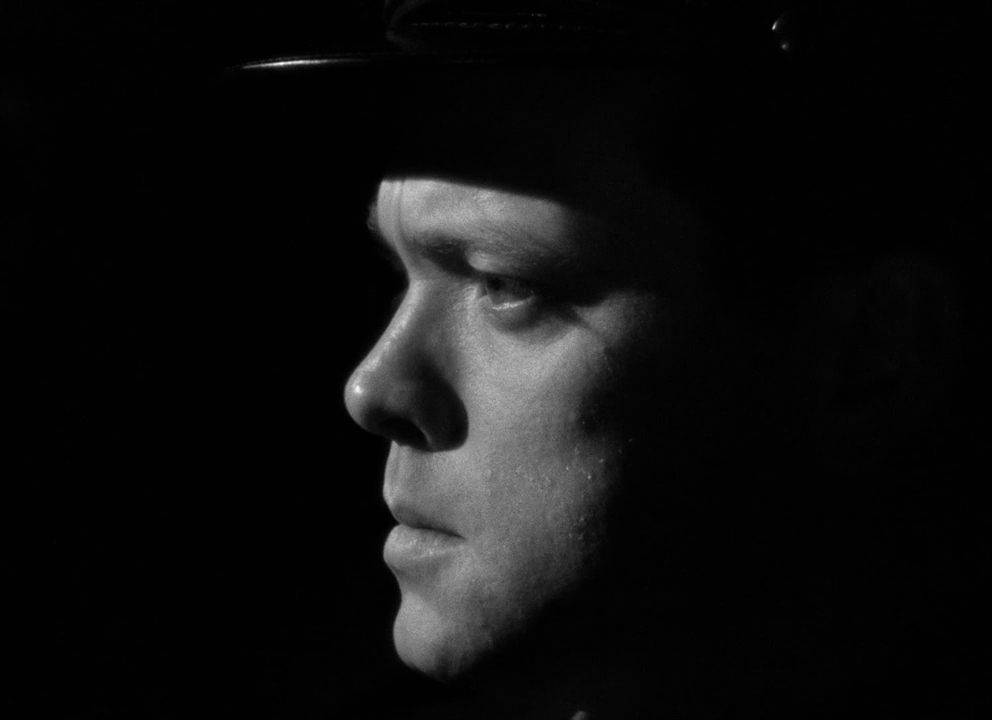
Despite sensing trouble, Michael accepts the offer and joins the couple and their entourage, including Bannister’s peculiar law partner, George Grisby (Glenn Anders), on a leisurely cruise from New York to San Francisco via the Panama Canal. Michael becomes entangled in a dangerous web of deceit and desire as the journey progresses. He begins an affair with Elsa, even as Bannister and Grisby engage in manipulations.
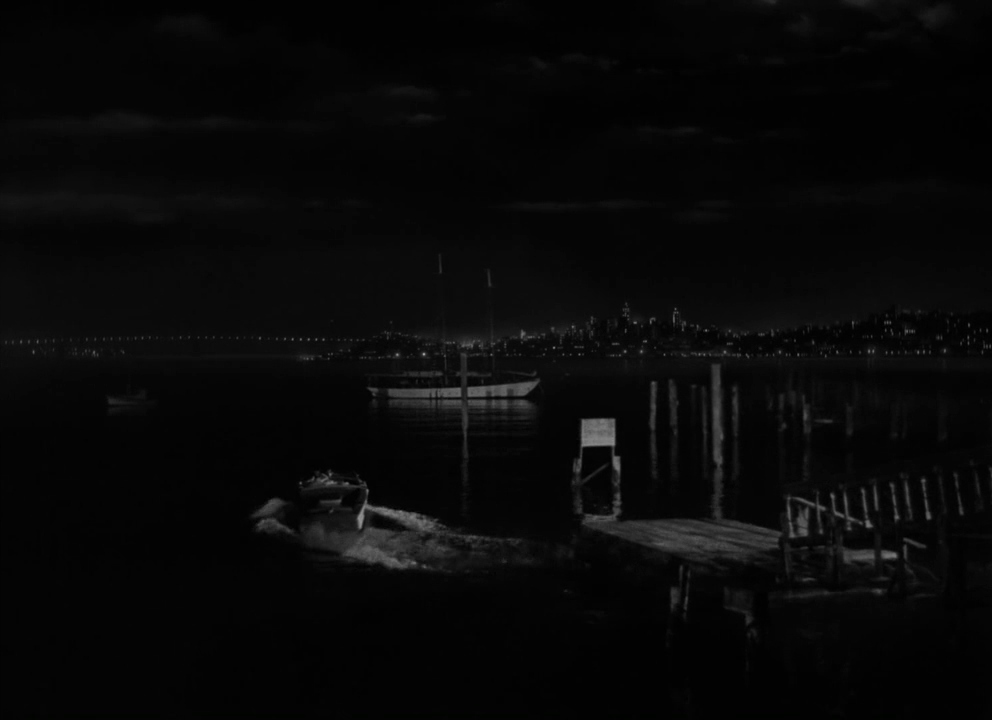
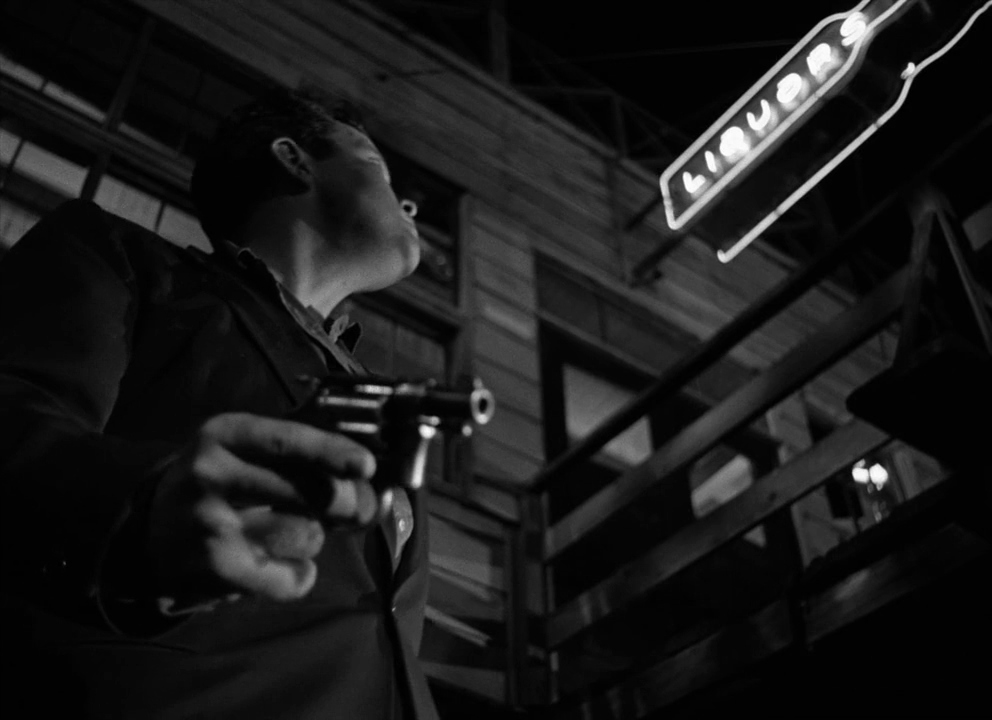
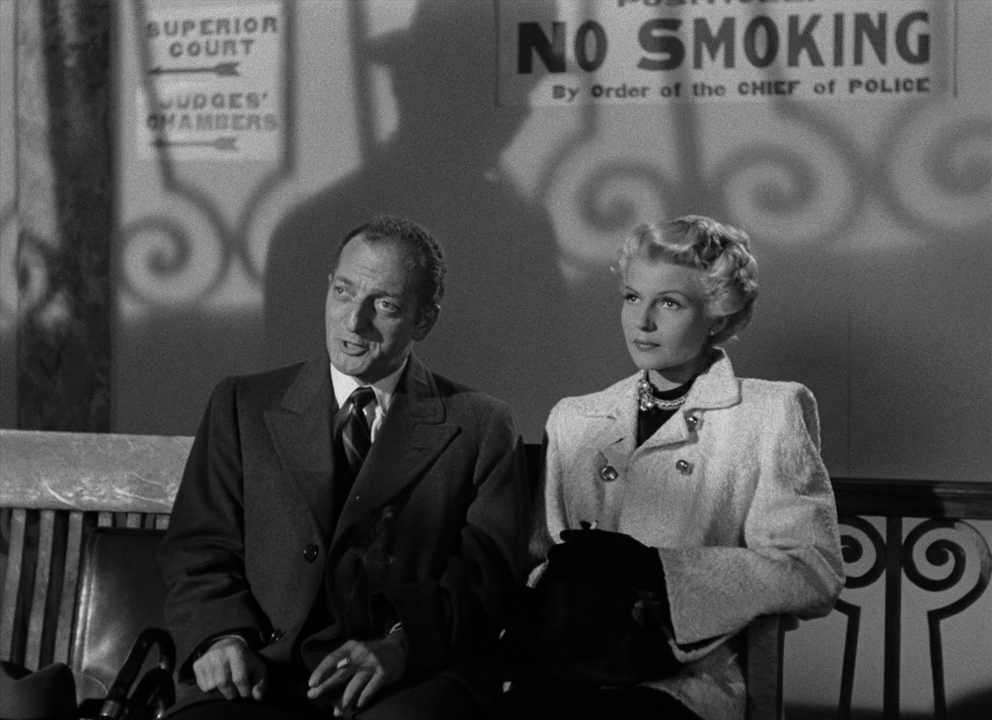
Grisby, an eccentric and unstable man, approaches Michael with a bizarre proposition: he wants Michael to confess to his murder in a fake crime so Grisby can disappear and collect on a life insurance policy. Grisby offers Michael $5,000 for his help, promising no real harm will come to anyone. Desperate for money and still under Elsa’s spell, Michael reluctantly agrees.
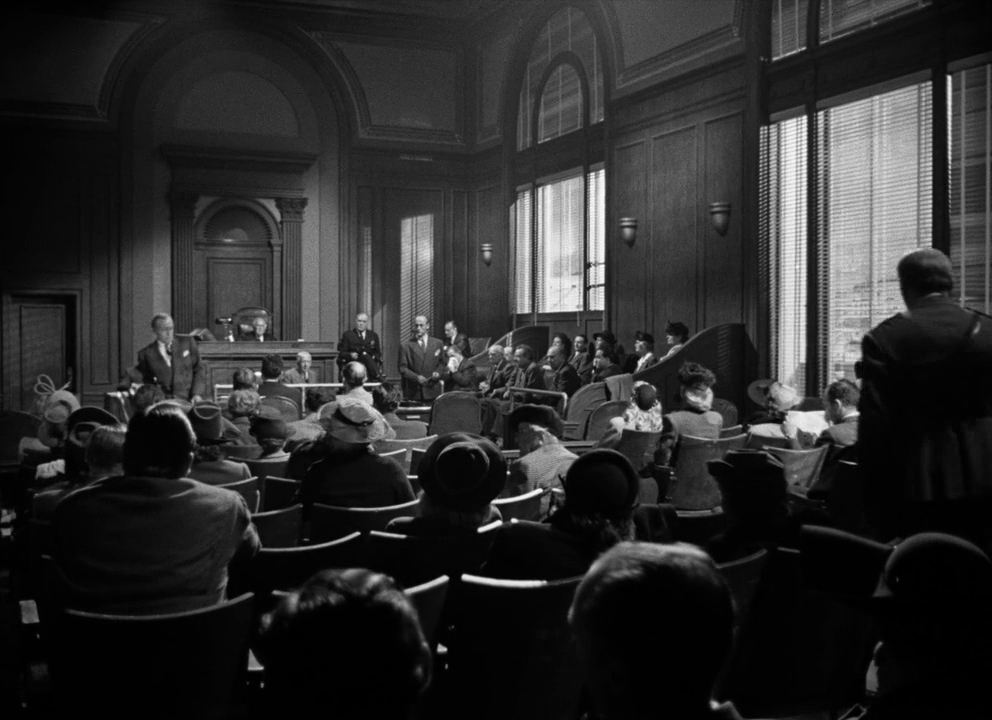
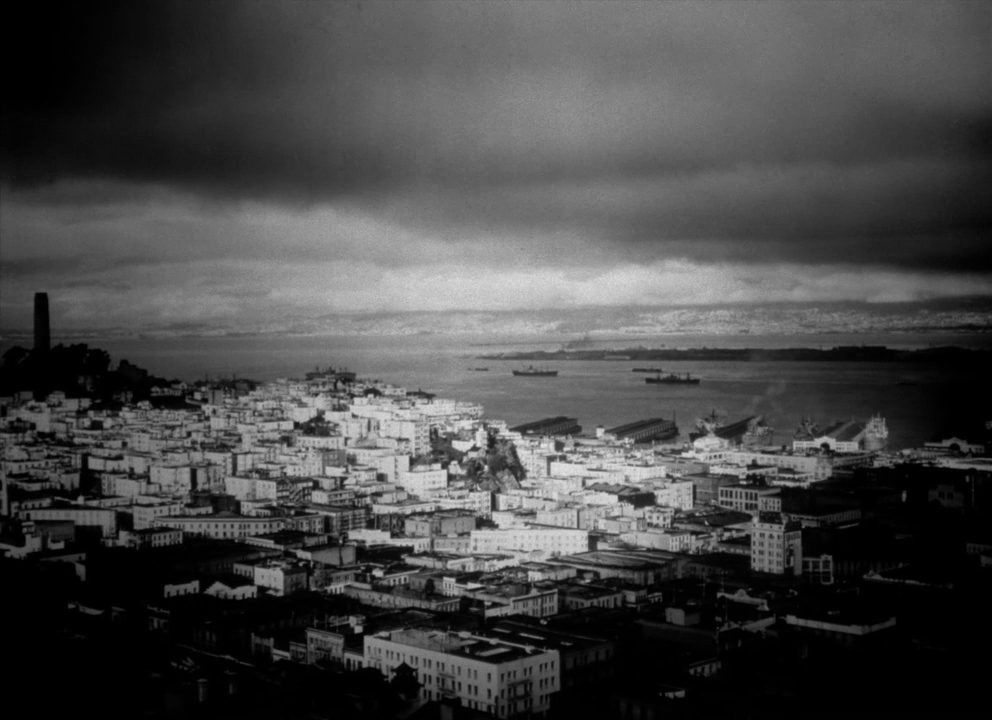
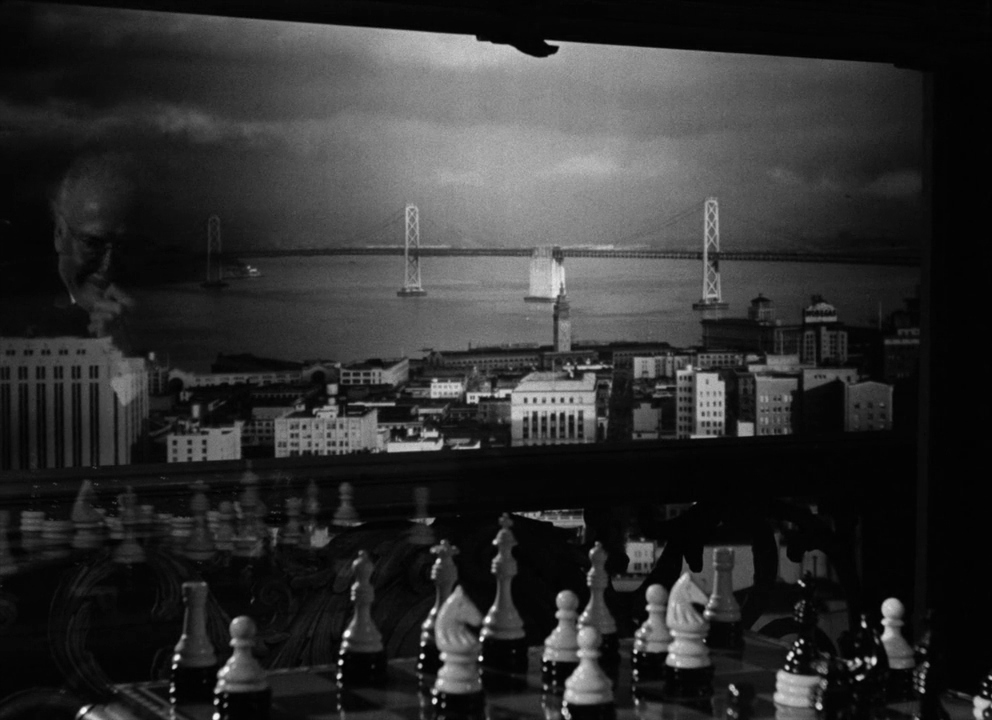
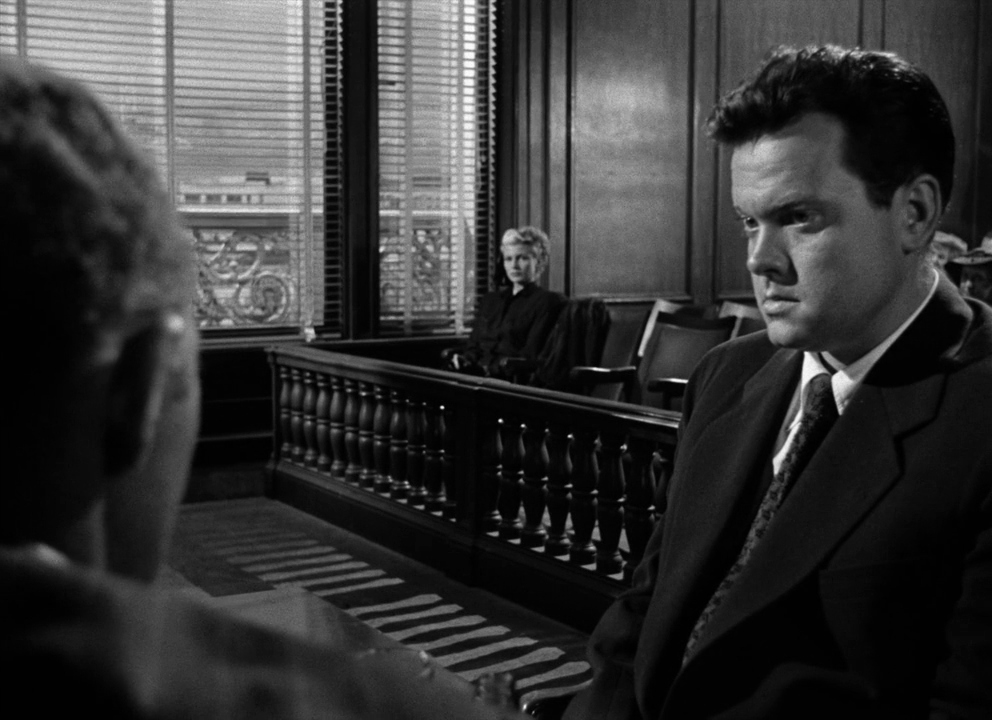
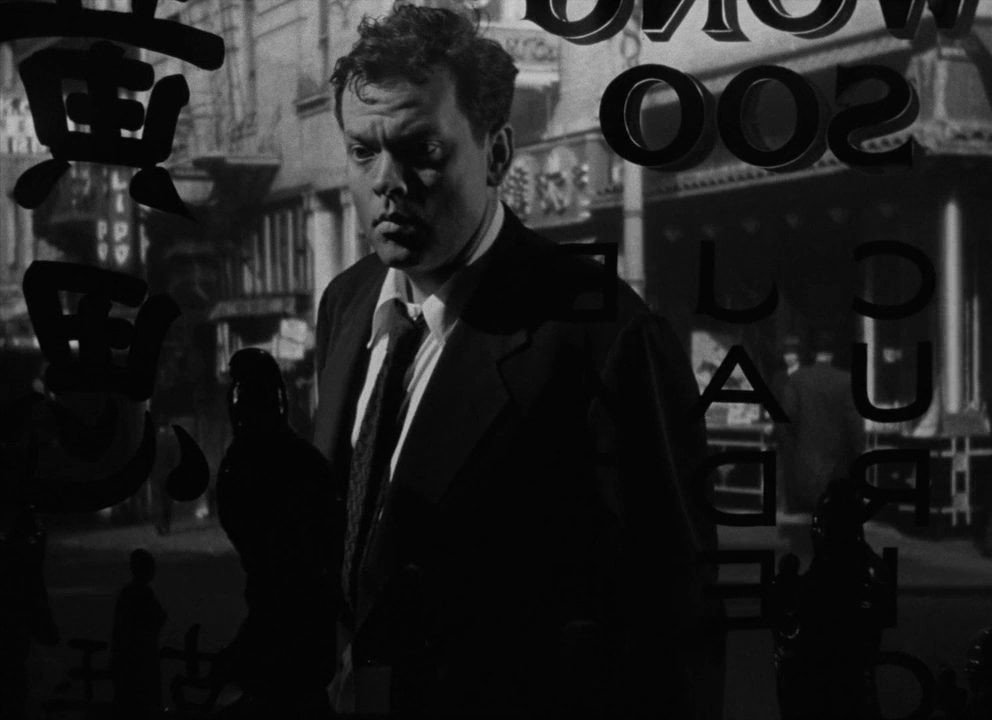
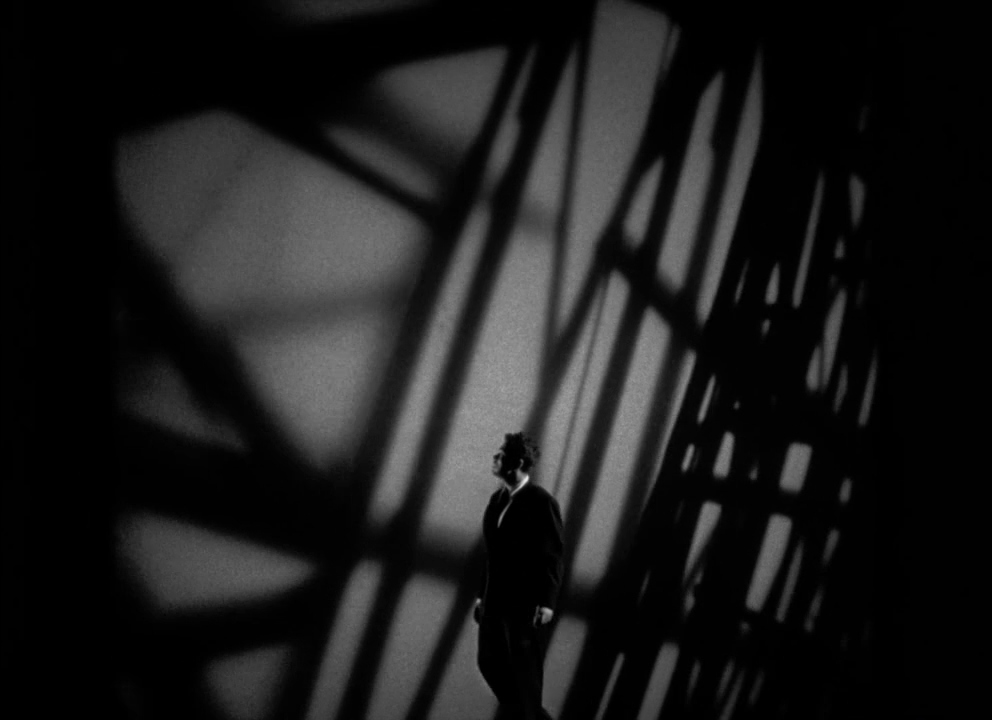
However, the plan spirals out of control. Grisby is actually murdered—though not by Michael—and Michael becomes the prime suspect. The double-cross becomes clear: Grisby had set up Michael to take the fall for a real murder. Things grow even more tangled when Elsa’s true motivations come to light. She is far more manipulative and dangerous than Michael had imagined.
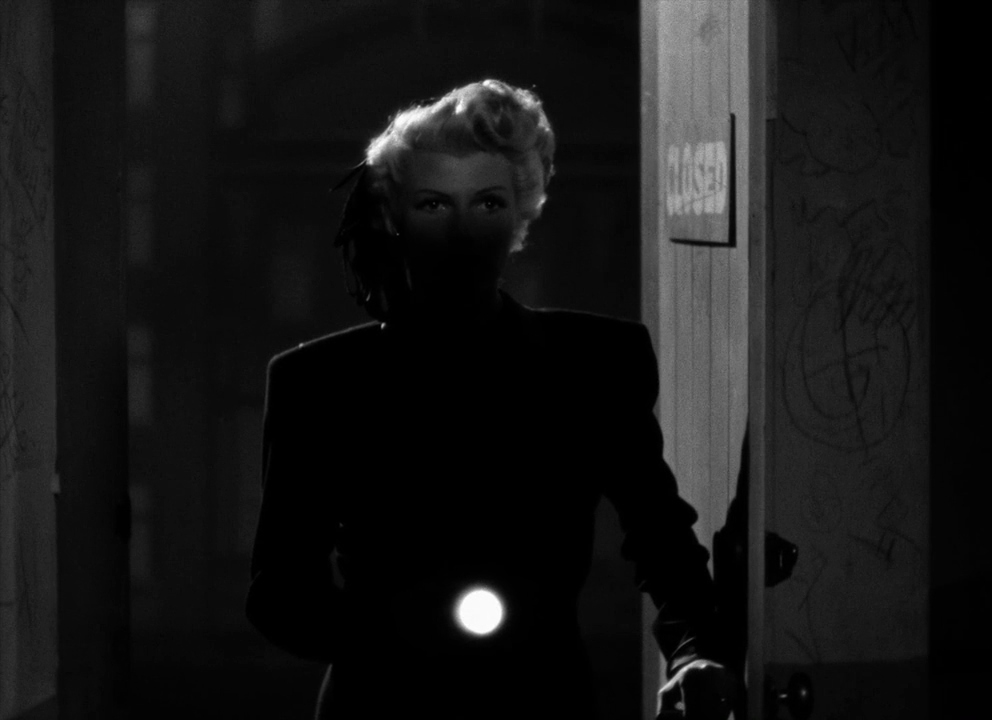
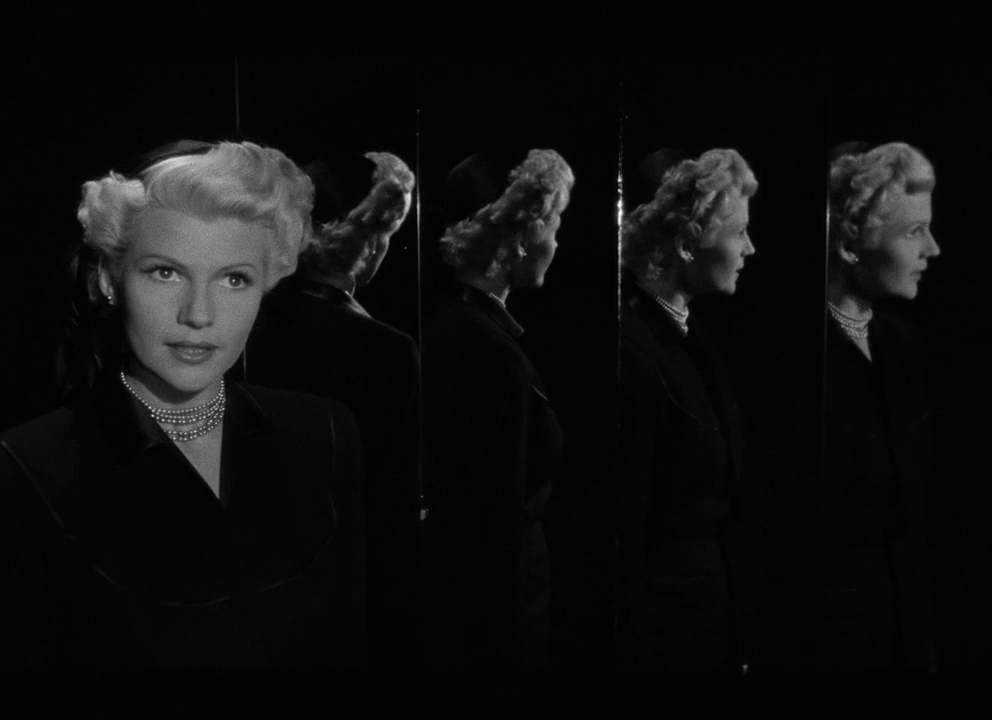
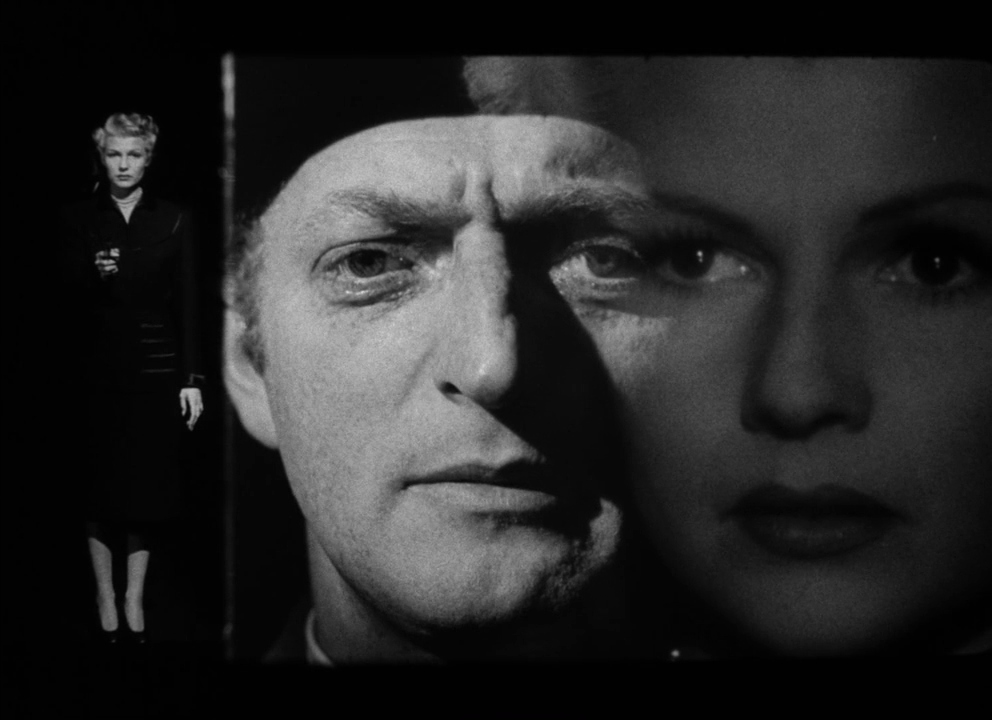
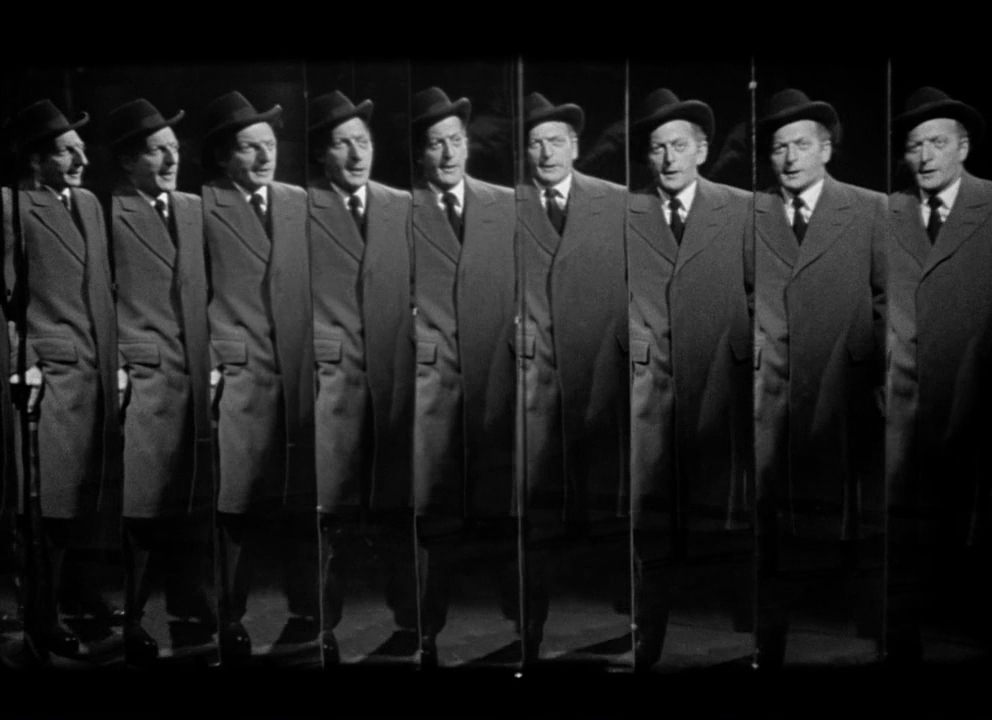
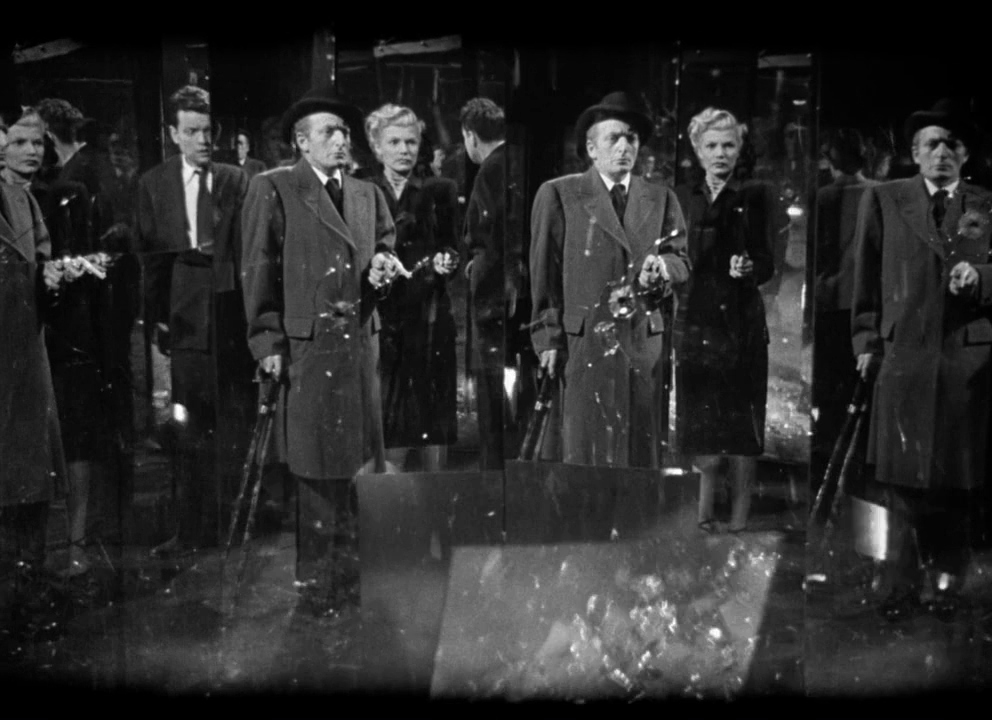
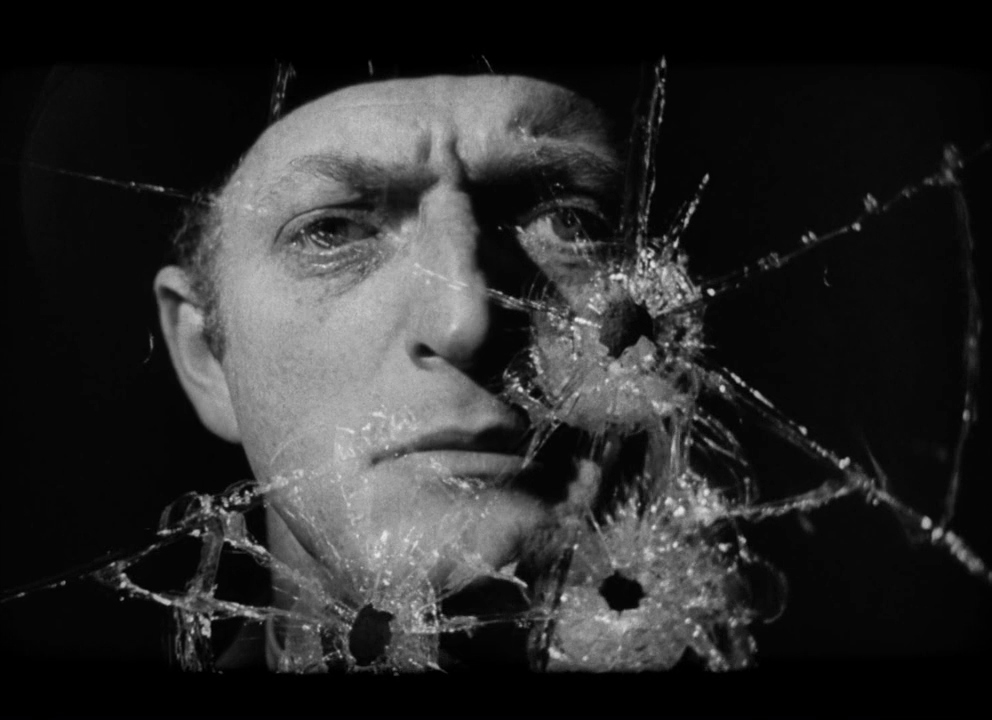
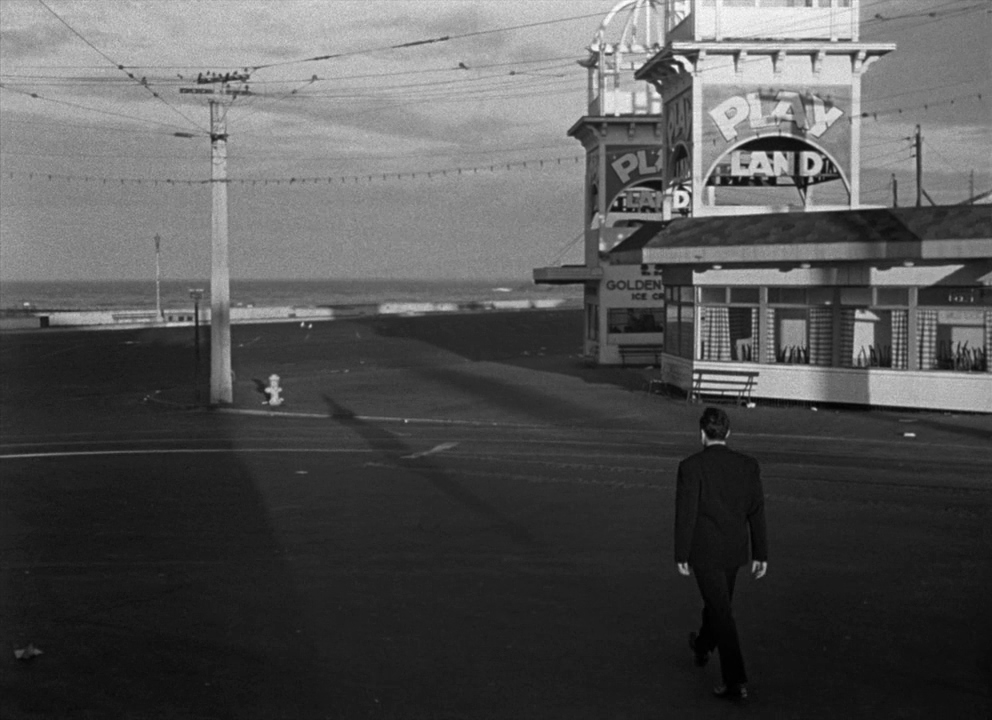
The film culminates in the legendary Hall of Mirrors scene, a visually disorienting shootout in an abandoned amusement park. Amid the shattered reflections and illusions, Elsa and Arthur face deadly reckonings. In her final moments, Elsa is fatally wounded and confesses to her schemes.
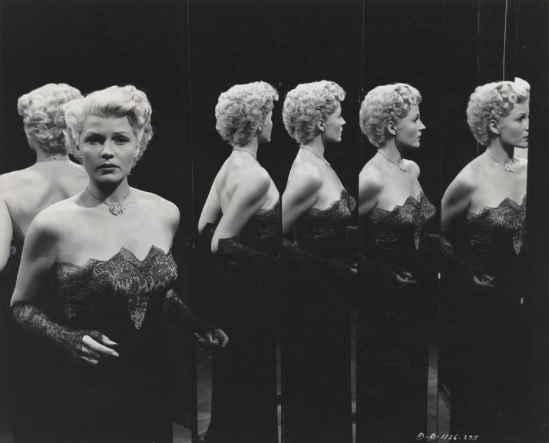
In the end, a disillusioned Michael walks away, leaving behind the wreckage of a life consumed by greed, betrayal, and fatal attraction.
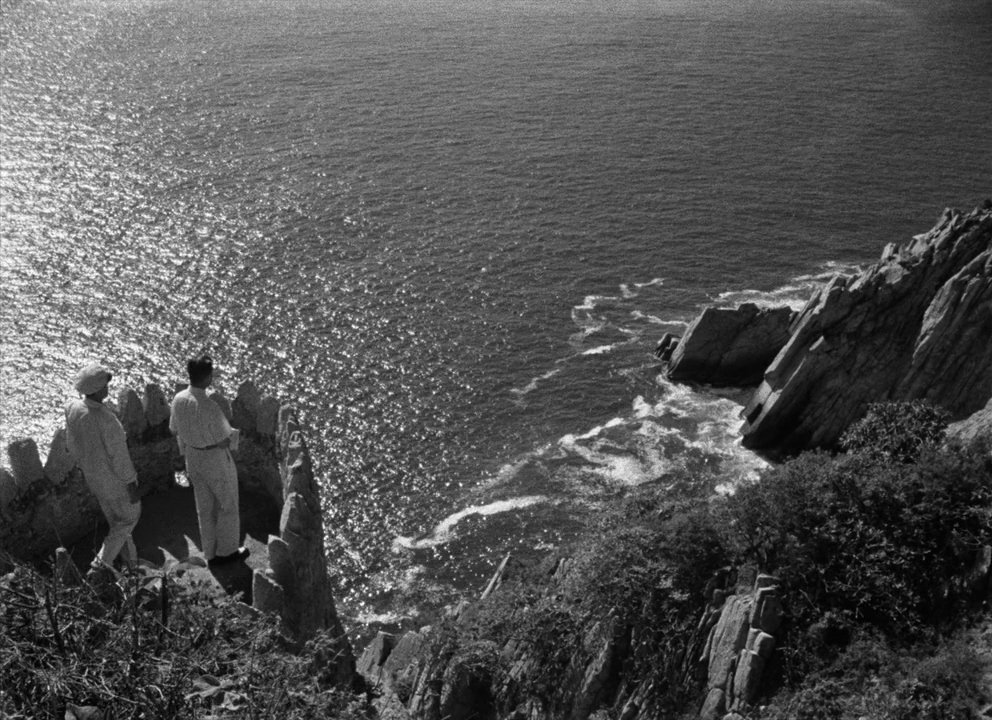
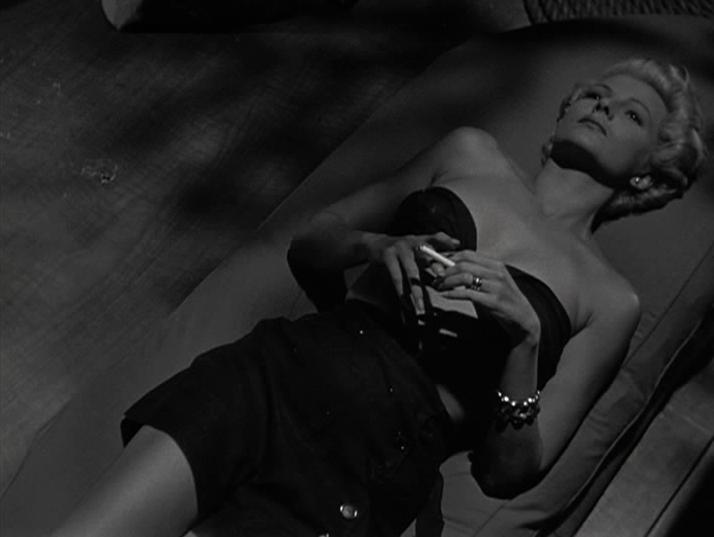
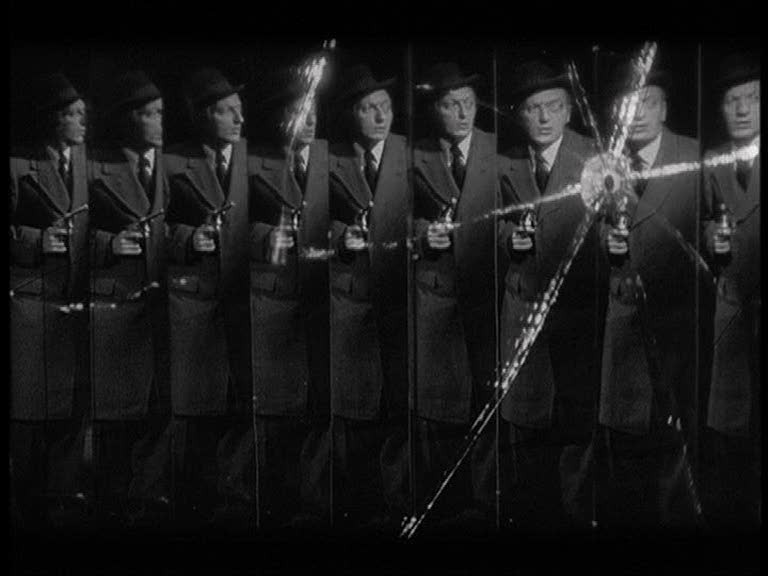
The film is often noted for Welles’ direction, which is marked by his experimental use of camera angles, lighting, and composition—especially in the mirror scene, which has become an iconic visual in modern cinema.