
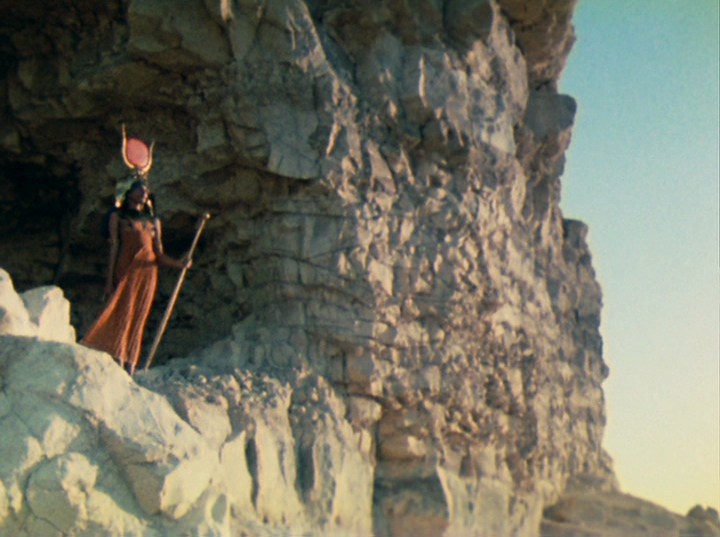
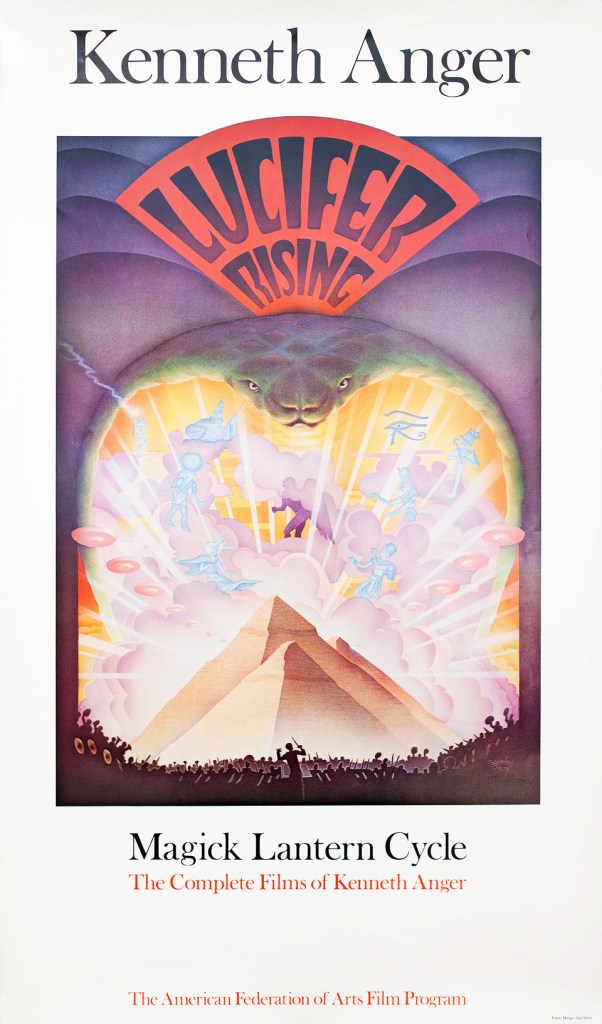
“Lucifer Rising” is an experimental occult short film by Kenneth Anger, filmed in parts during the 1960s, completed in 1972, and released in 1980. It is a visual and symbolic invocation of the archetypal figure Lucifer, reimagined not as the devil of Christian tradition, but as a bringer of light, rebellion, and enlightenment—a creative, cosmic force aligned with ancient mythologies and the occult philosophy of Aleister Crowley, whose influence permeates the film.
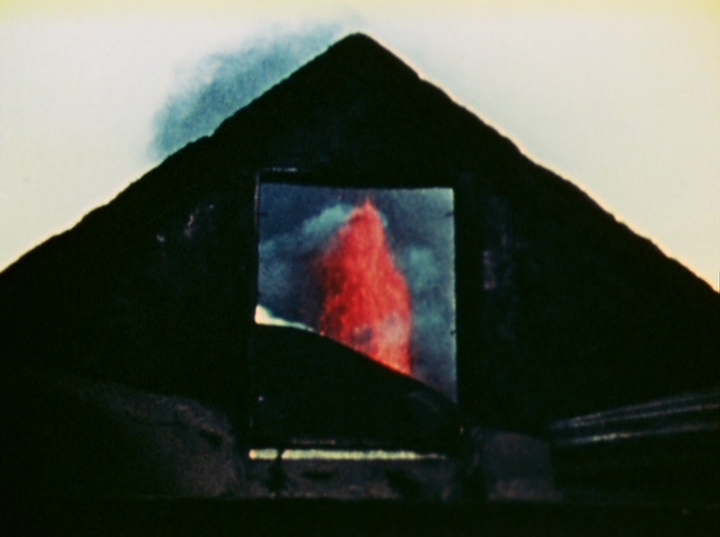
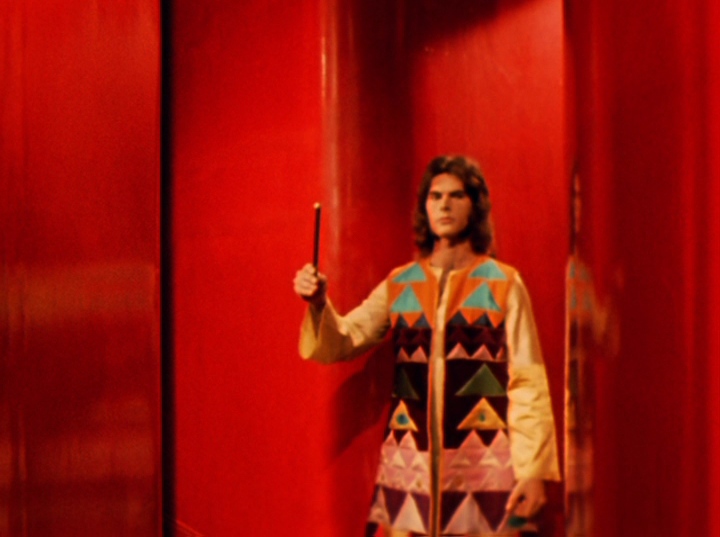
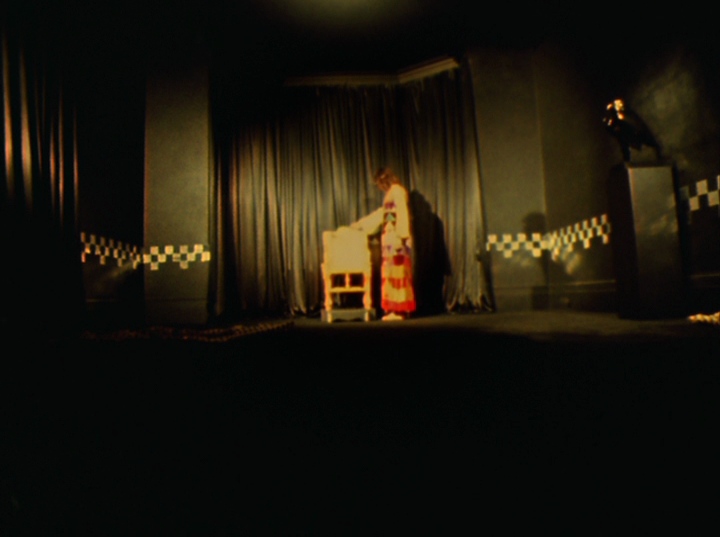
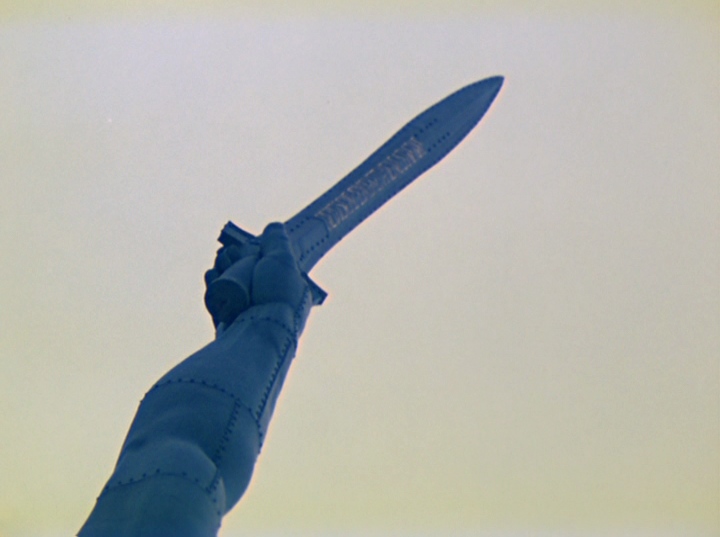
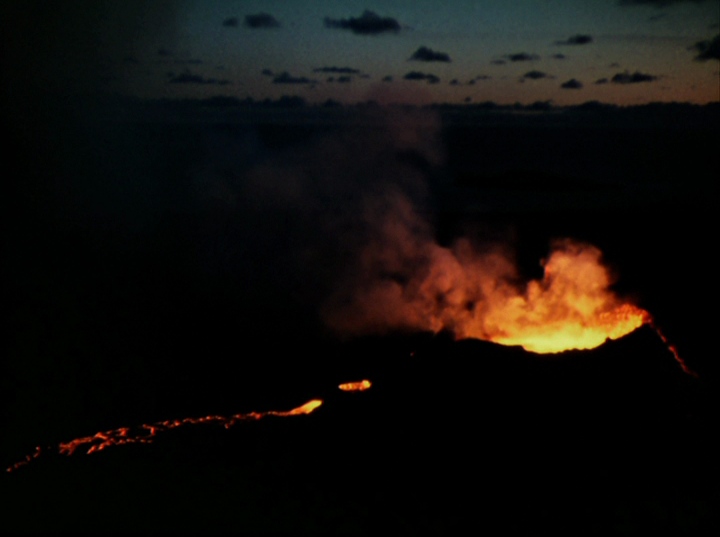
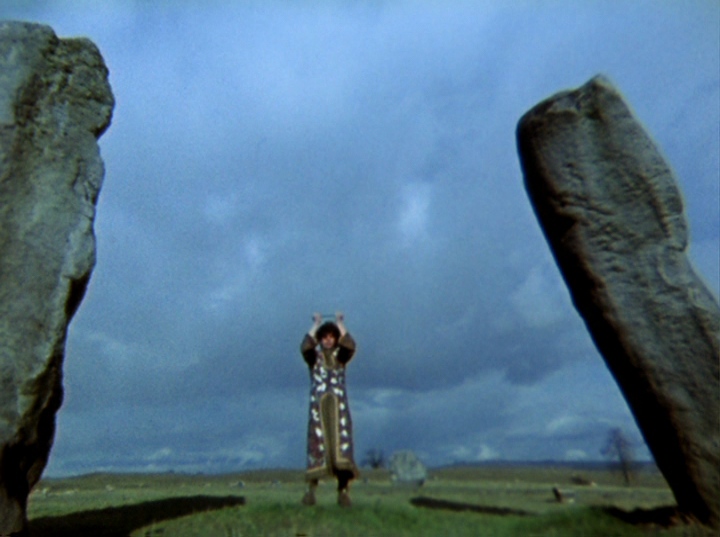
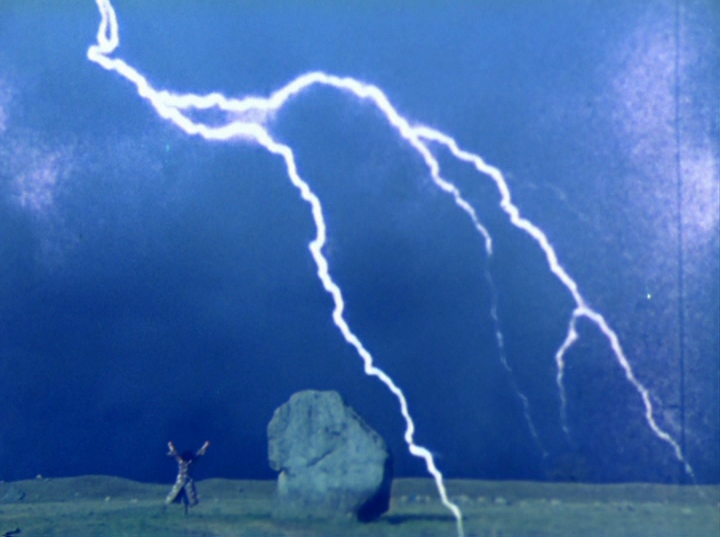
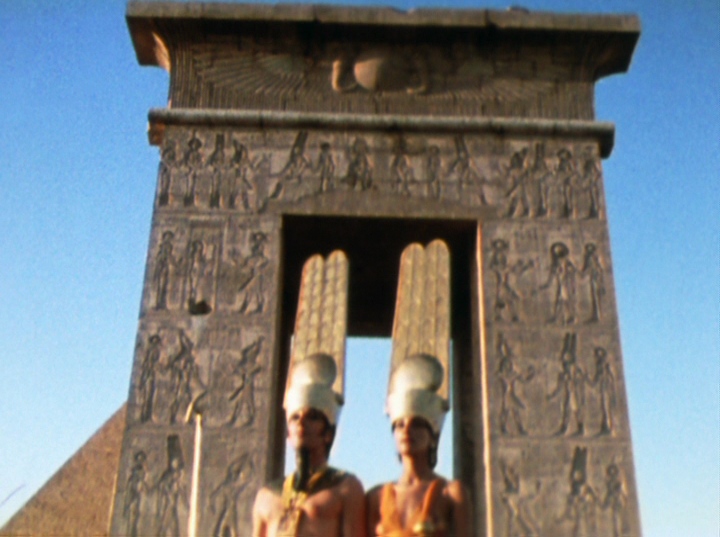
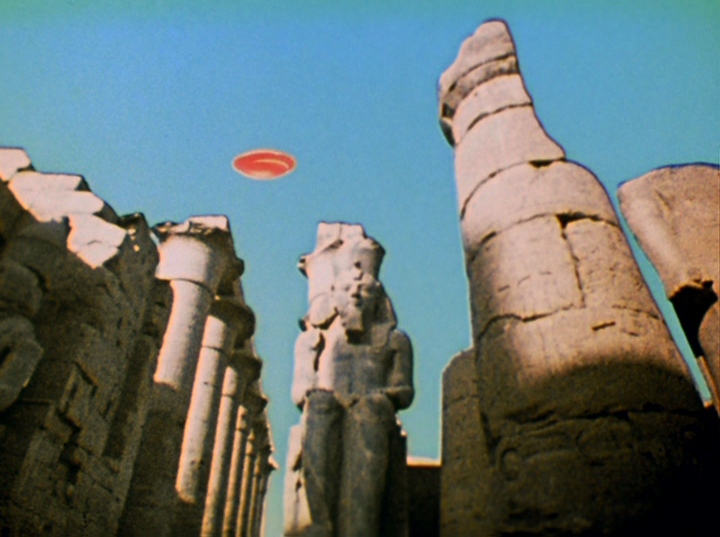
The narrative is non-linear and impressionistic, structured around ritualistic imagery rather than traditional storytelling. The film opens with planetary alignments and natural landscapes, invoking a cosmic scale of myth and spiritual revolution. It then moves through scenes shot in Egypt, Germany, the U.S., and England, blending mythological deities, symbolic figures, and sacred sites.
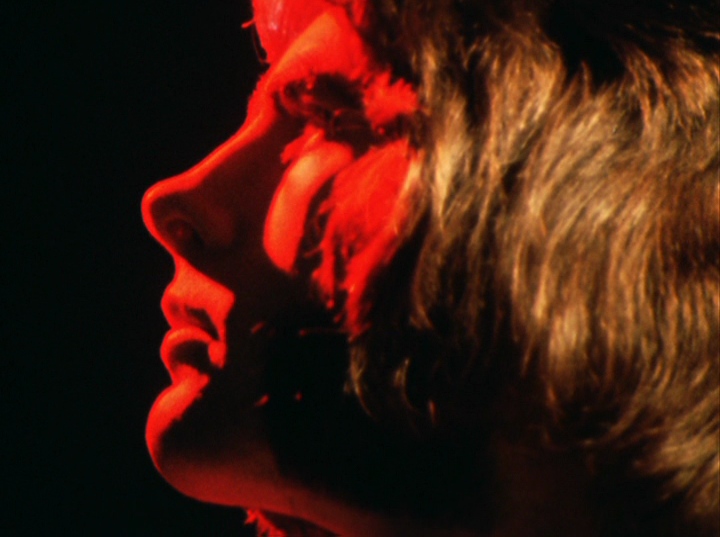
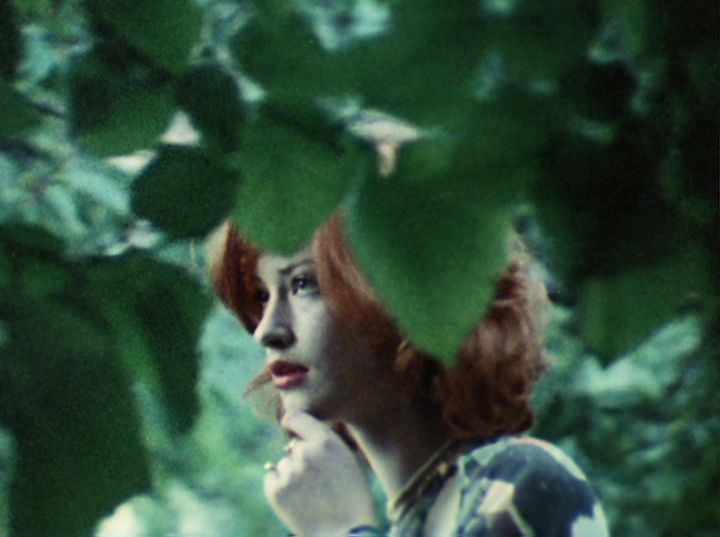
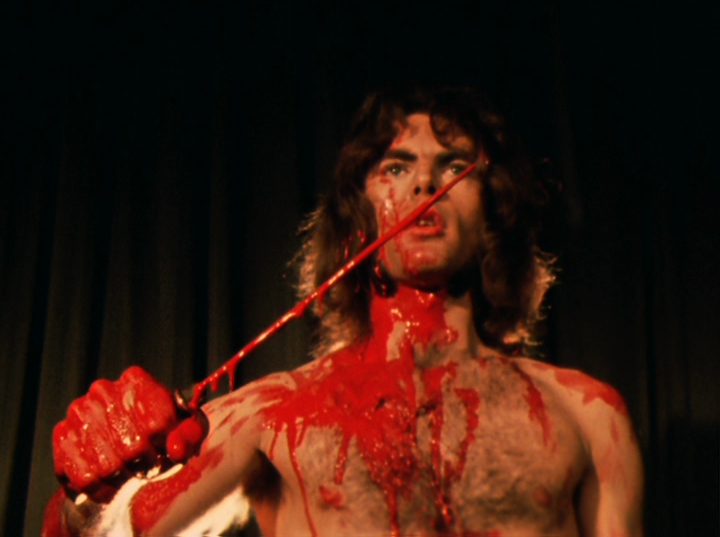
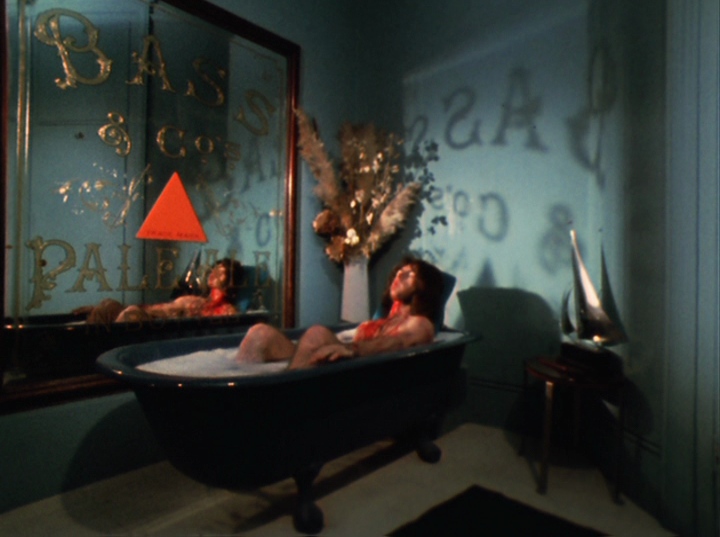
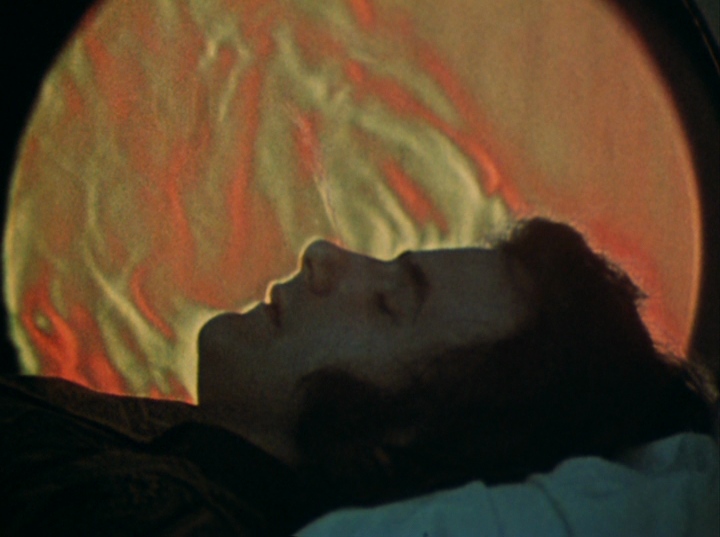
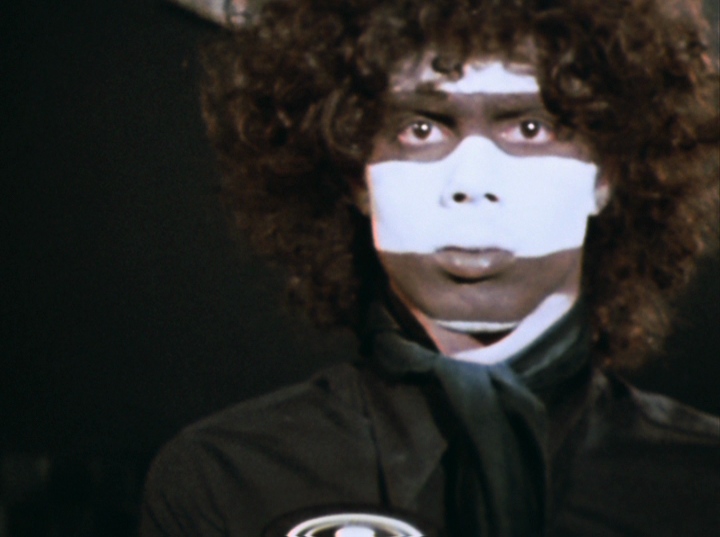
Lucifer (played by Leslie Huggins), a youthful and androgynous figure, is depicted not in scenes of evil but surrounded by cosmic and elemental imagery, symbolizing renewal and light. In an ethereal and largely silent performance, Marianne Faithfull plays Lilith, a mystical feminine force associated with rebellion and primal power. Faithfull appears draped in robes, wandering sacred landscapes and ruins, embodying a kind of divine priestess.
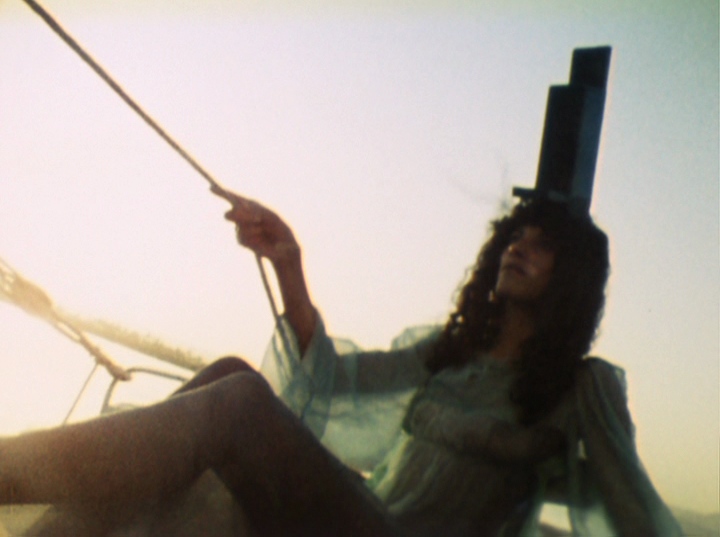
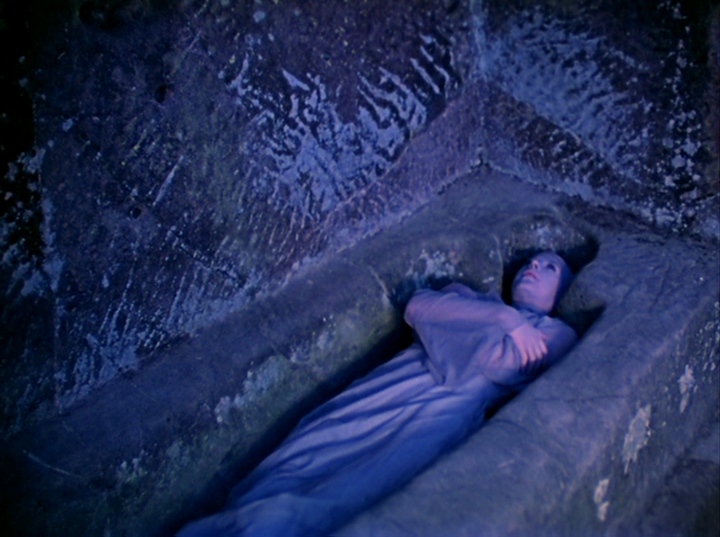
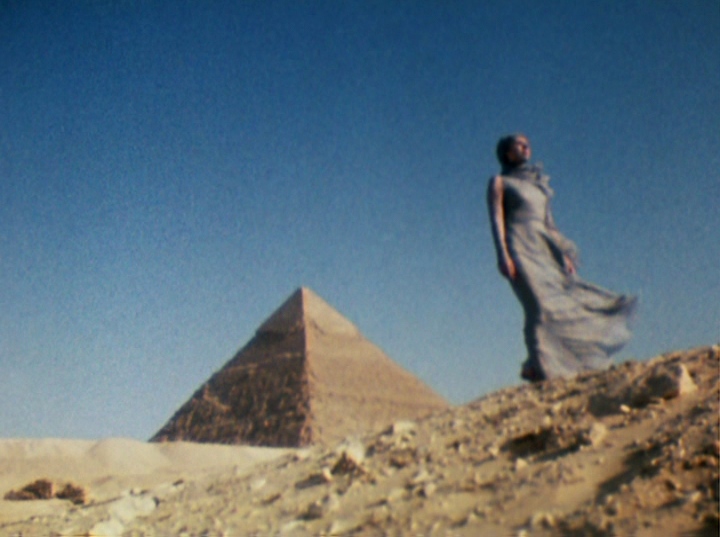
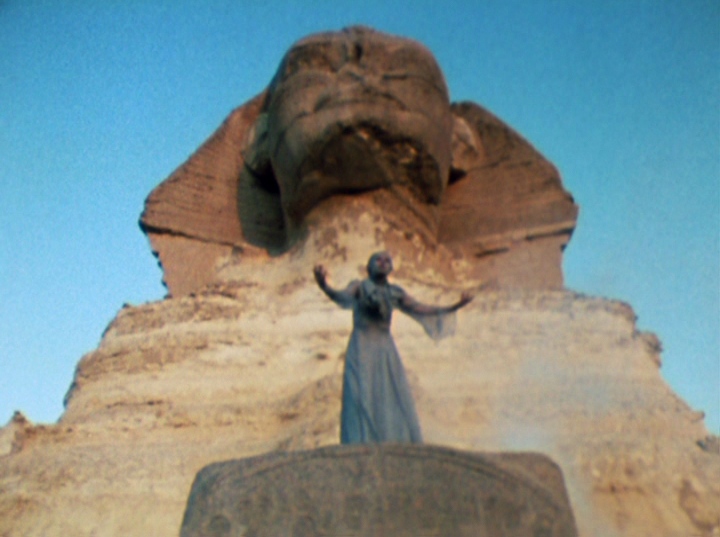
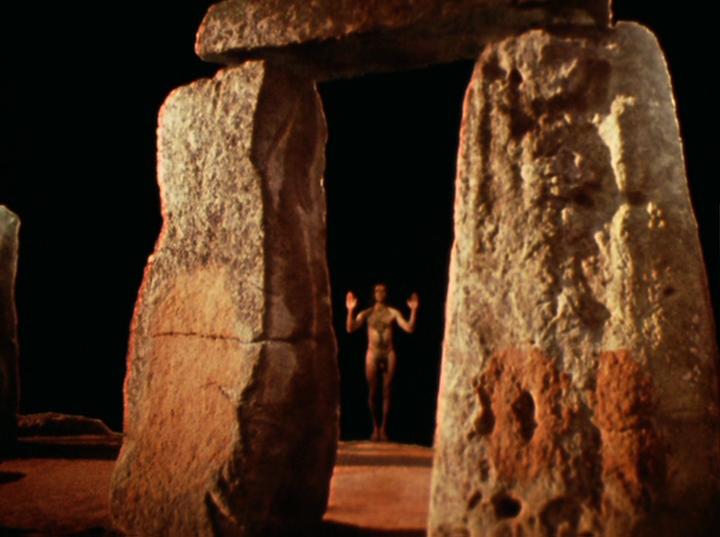
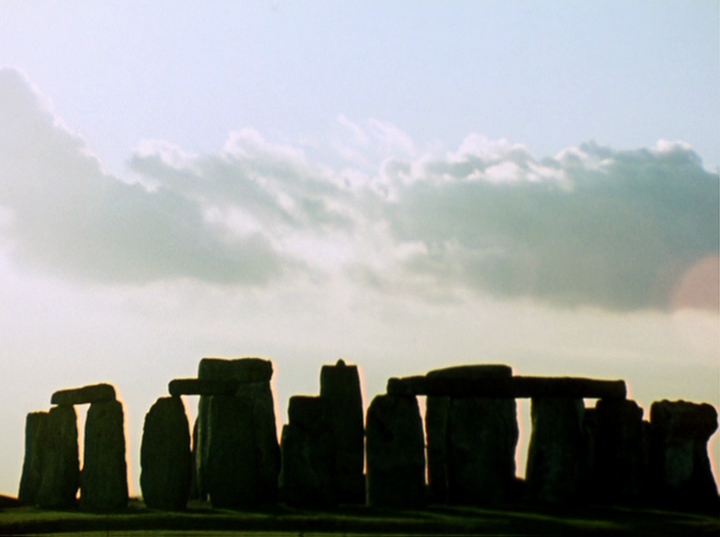
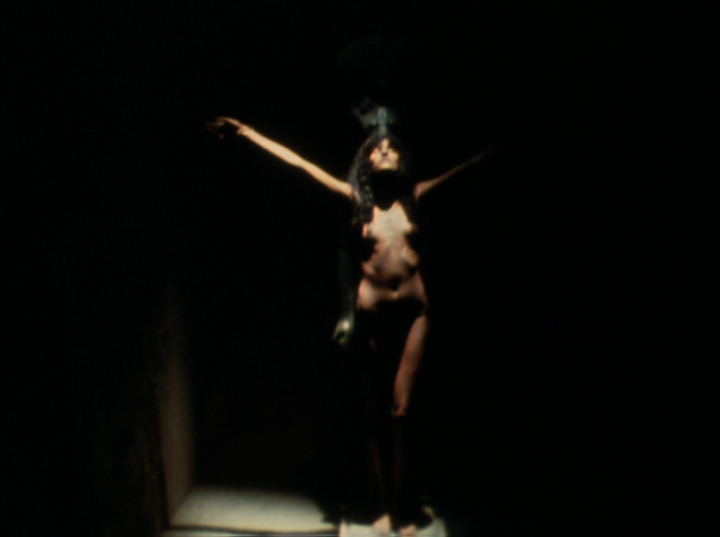
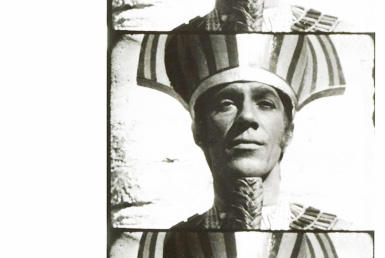
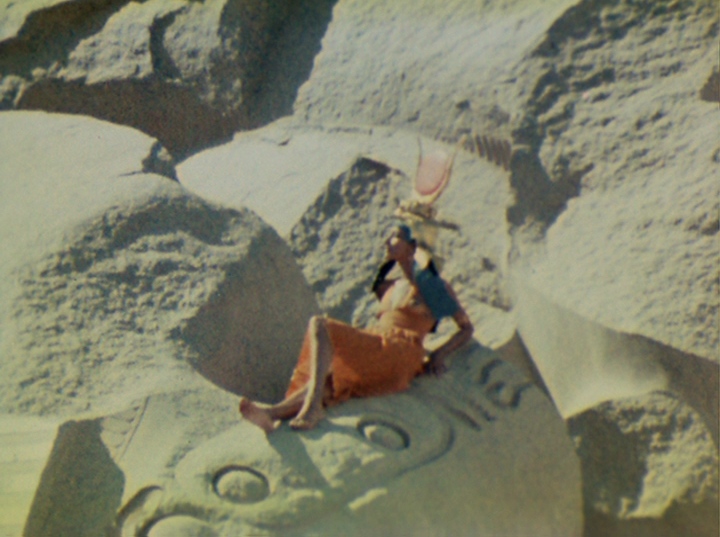
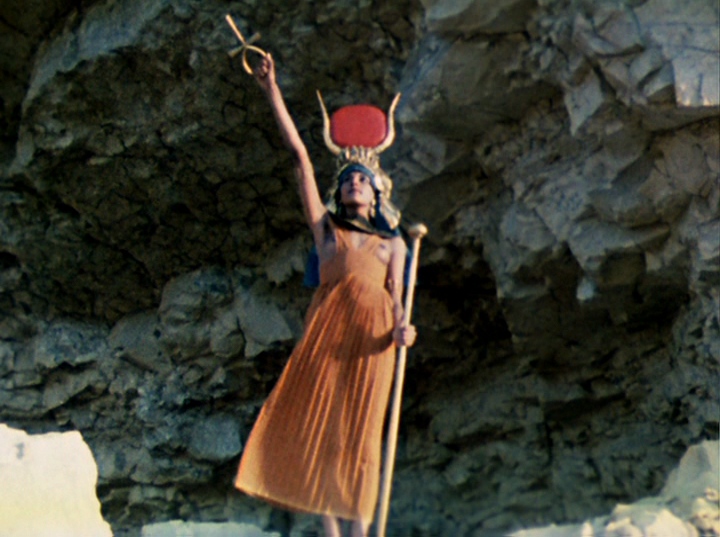
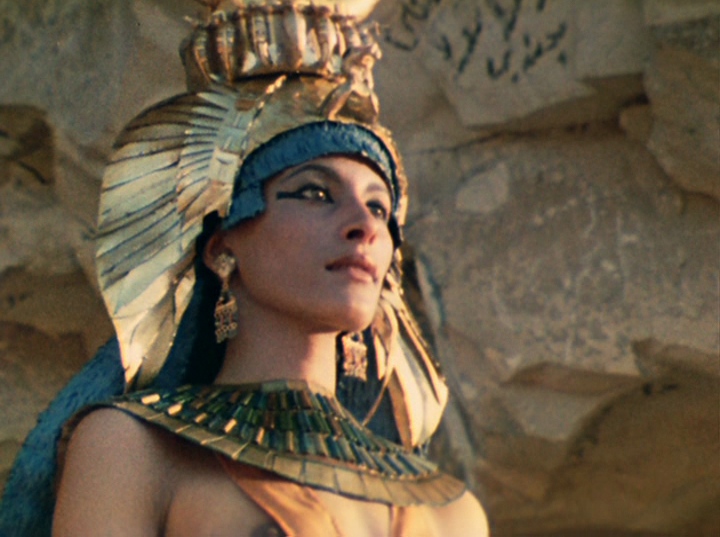
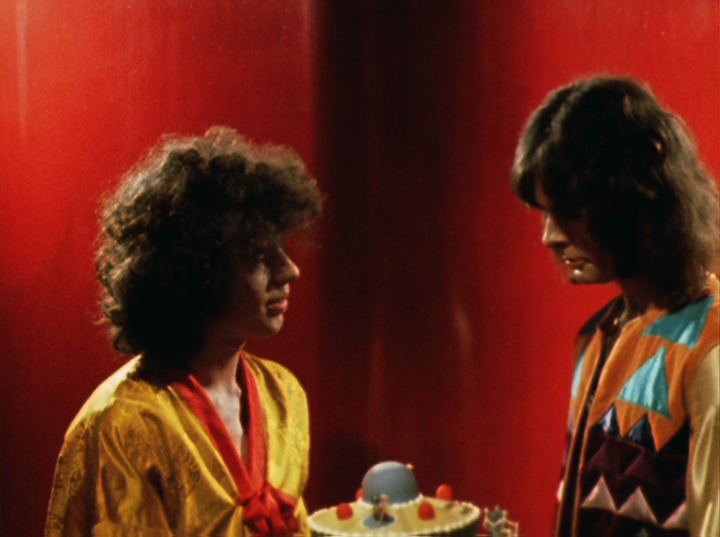
Donald Cammell (the director of Performance) portrays Osiris, the Egyptian god of the afterlife, whose presence connects Lucifer to an ancient solar mythology. Myriam Gibril plays Isis, the goddess of magic and motherhood, while Haydn Couts as The Adept represents the human seeker or initiate. Anger himself appears as The Magus, a magician invoking the celestial forces through ritual.
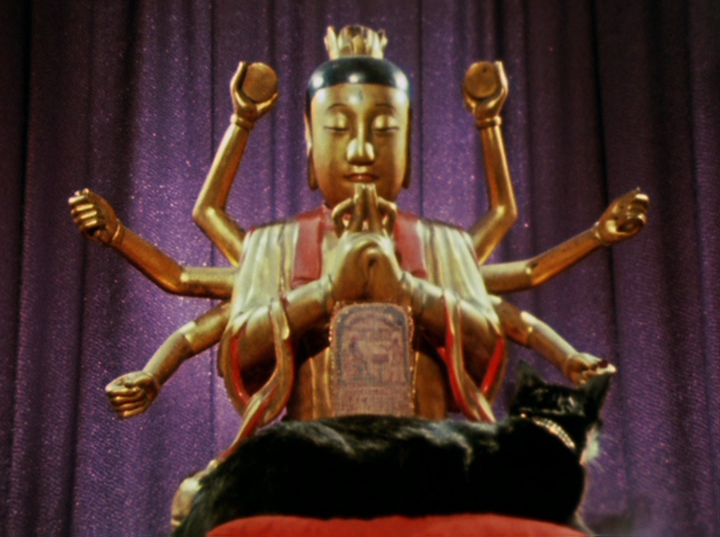
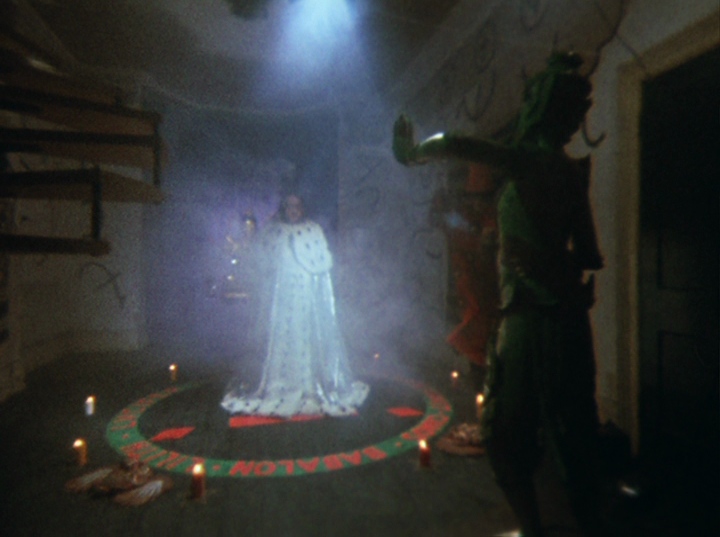
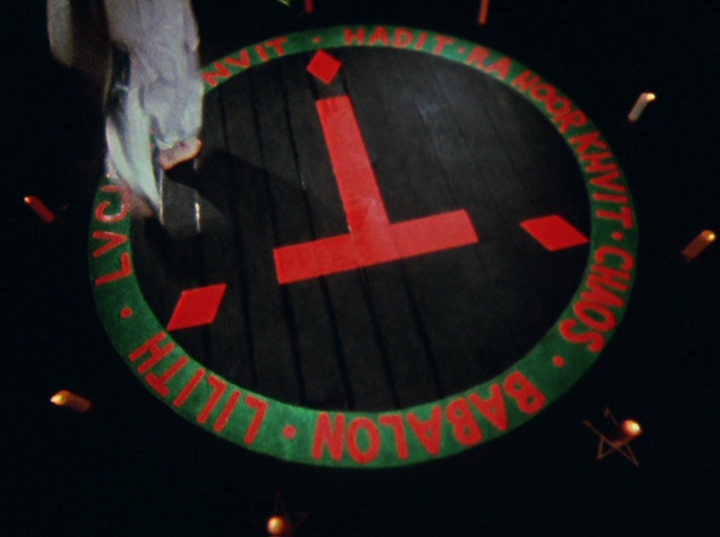
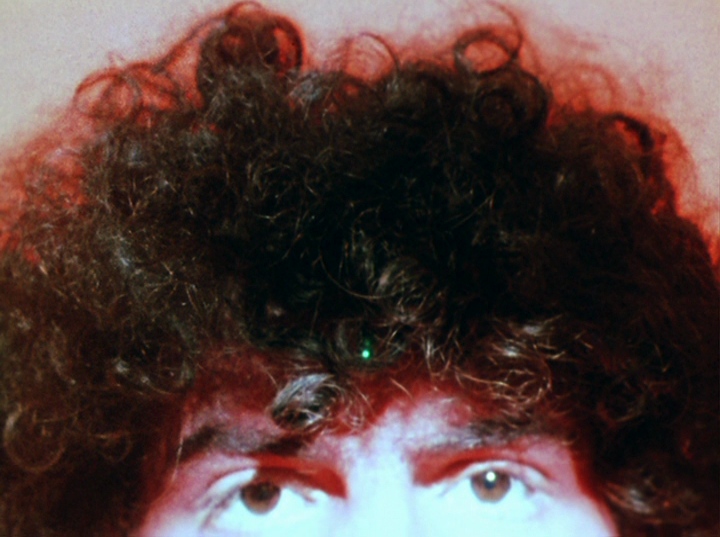
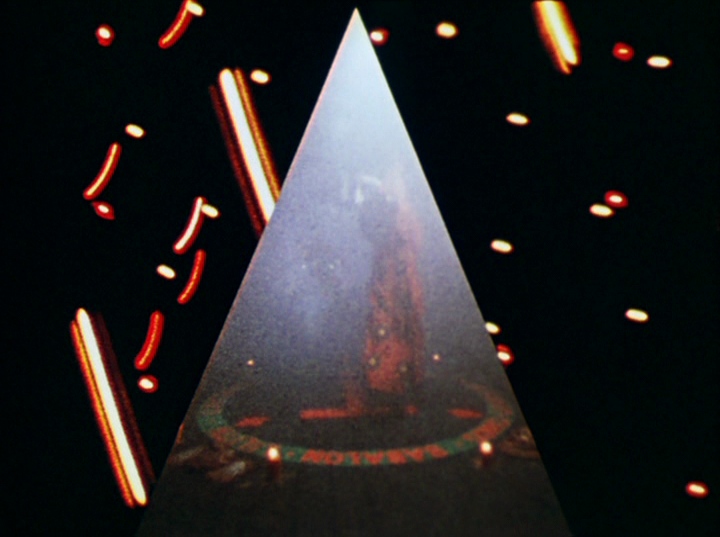
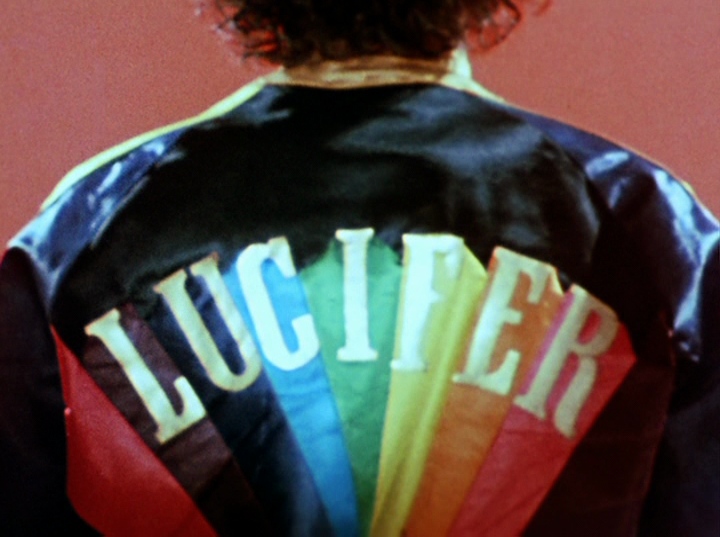
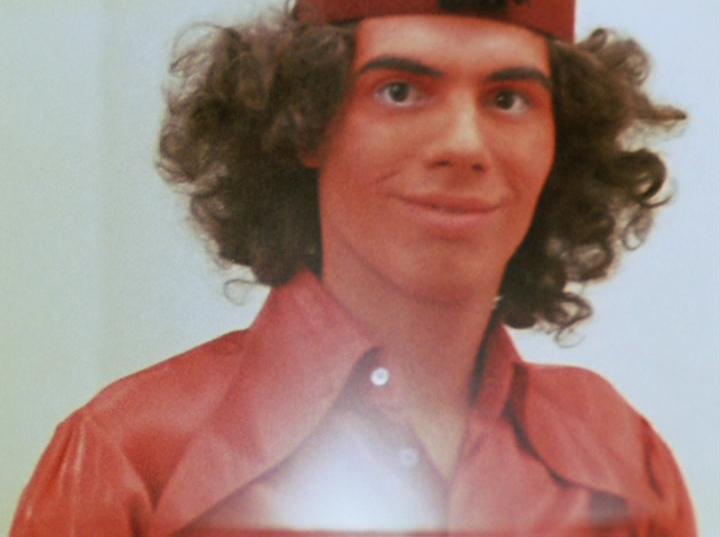
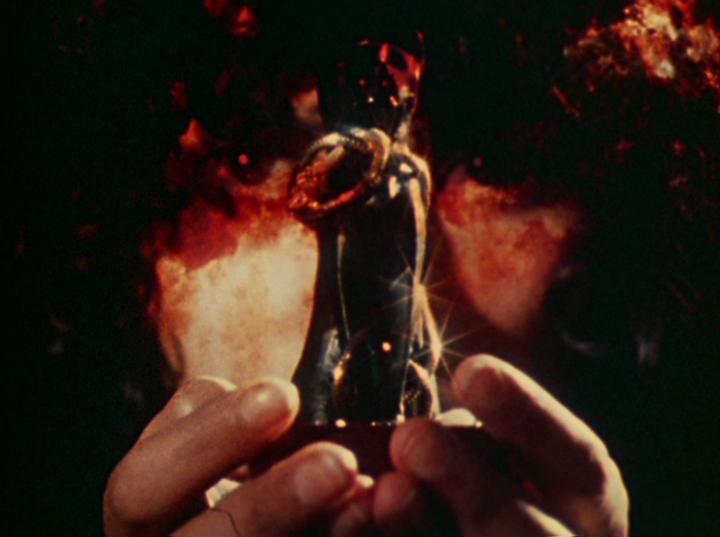
The visuals are meticulously composed and drenched in rich symbolism: flowing robes, sacred iconography, planetary alignments, solar flares, and ancient monuments. The editing and cinematography are dreamlike, evoking a trance-like state to induce altered perception.
The soundtrack, composed by Bobby Beausoleil (a former associate of the Manson Family who recorded the music while imprisoned for murder), is a crucial element. Unlike typical horror scoring, it is psychedelic, symphonic, and mystical, complementing the film’s goal of summoning a sense of esoteric revelation rather than dread.
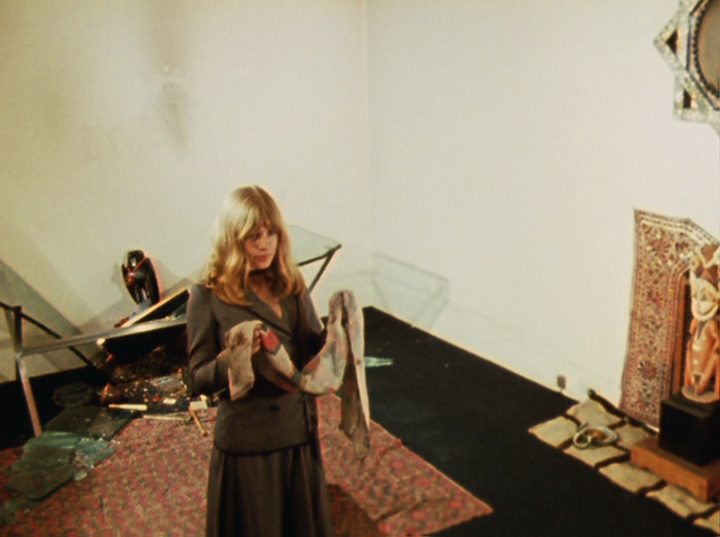
“Lucifer Rising” is a film of ritual and invocation. It seeks to reframe Lucifer as a symbol of artistic, spiritual, and cosmic awakening, in line with Crowley’s thelemic philosophy (“Do what thou wilt shall be the whole of the law”). Anger presents Lucifer as a divine rebel, ushering in the Aeon of Horus—a new spiritual era of individualism, magic, and enlightenment.
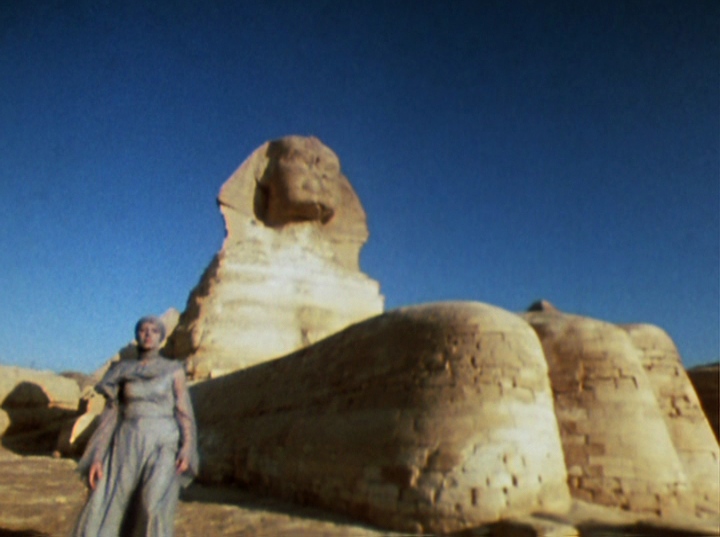
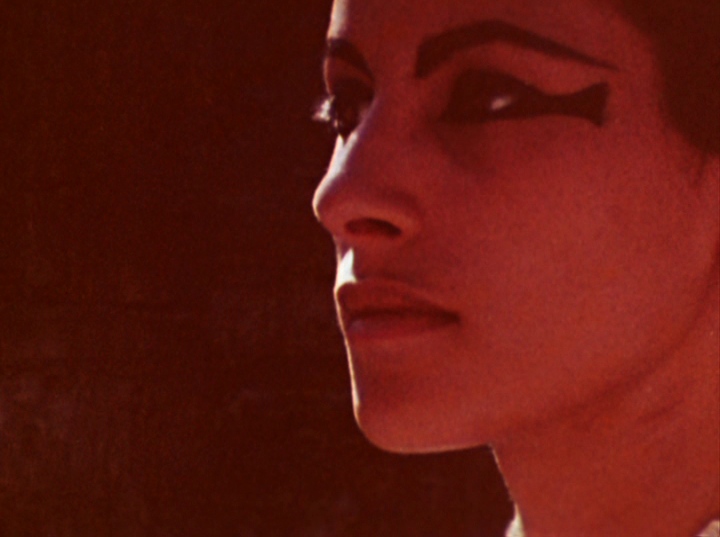
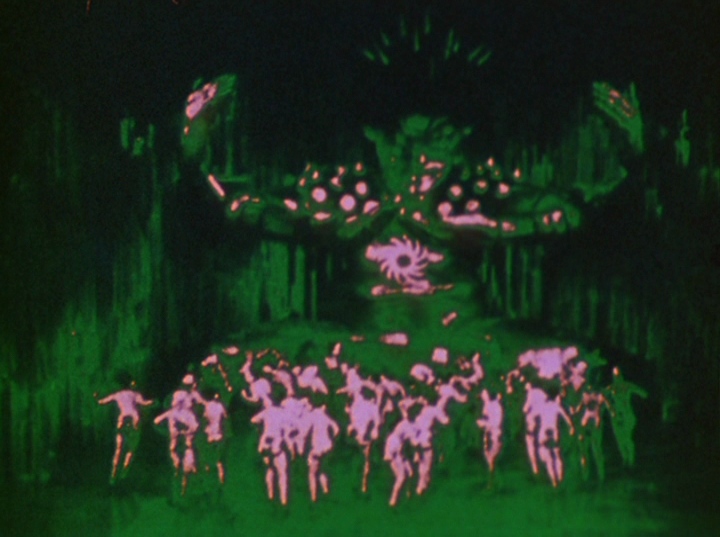
The film is also a manifesto of Anger’s lifelong interests: the occult, ceremonial magic, sacred sexuality, and the transformative power of cinema. It rejects mainstream morality and narrative conventions, favoring mysticism, beauty, and transcendence through art.
The making of “Lucifer Rising” was the stuff of legend, marked by chaotic collaborations, occult rituals, and legal troubles. Anger originally cast musician Mick Jagger and filmmaker Bobby Beausoleil, but both fell out with him. Beausoleil eventually served time for a Manson Family-related murder and composed the final soundtrack in prison. Anger reassembled the film with a new cast, traveling across the globe to complete his vision.
Despite (or because of) its turbulence, “Lucifer Rising” became an icon of avant-garde cinema, celebrated for its bold visuals, occult themes, and anti-conventional approach to filmmaking. It influenced countless film, music, and fashion artists, and remains one of the most important works in the American experimental film repertoire.
 The Other Cinema