

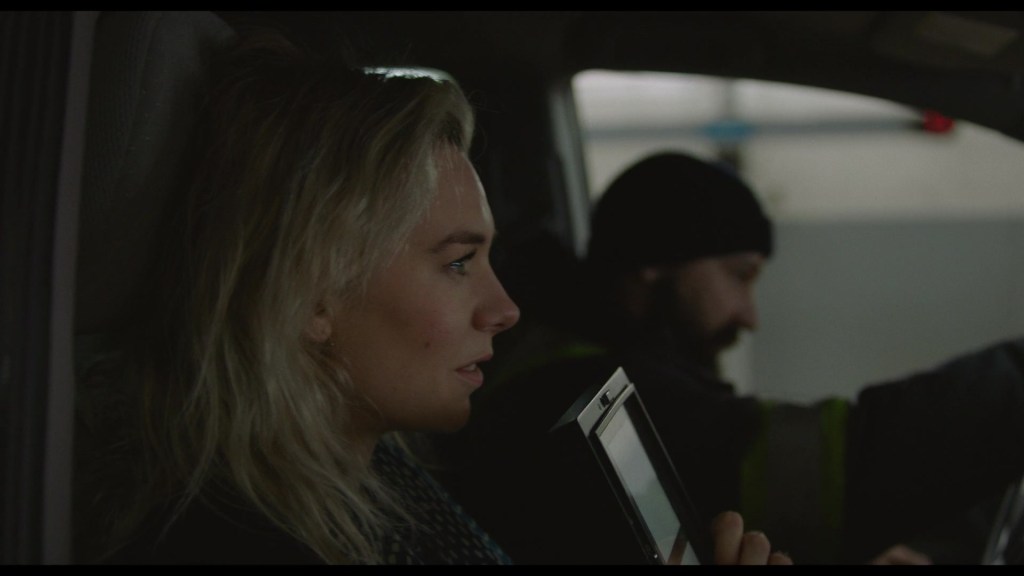

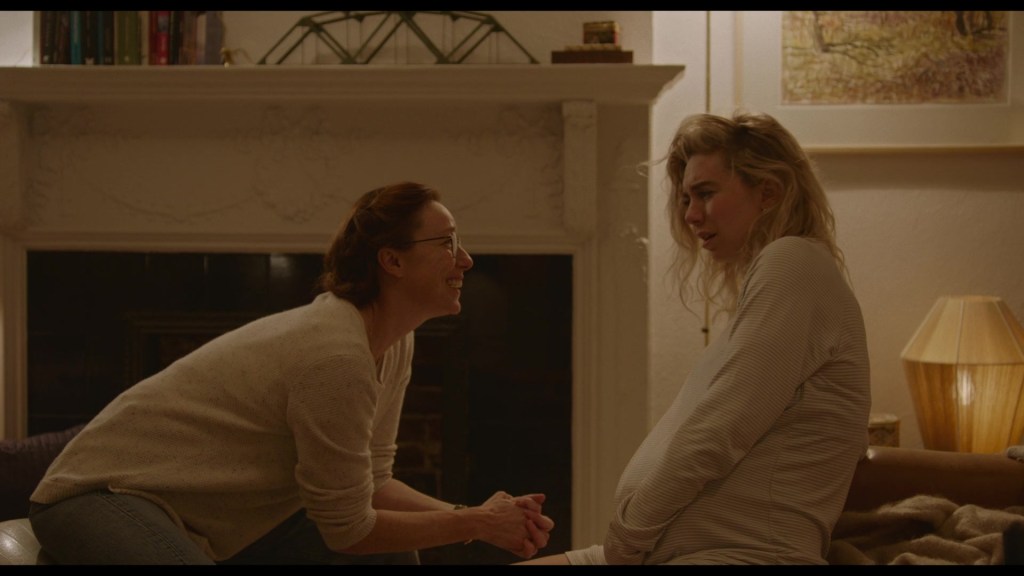
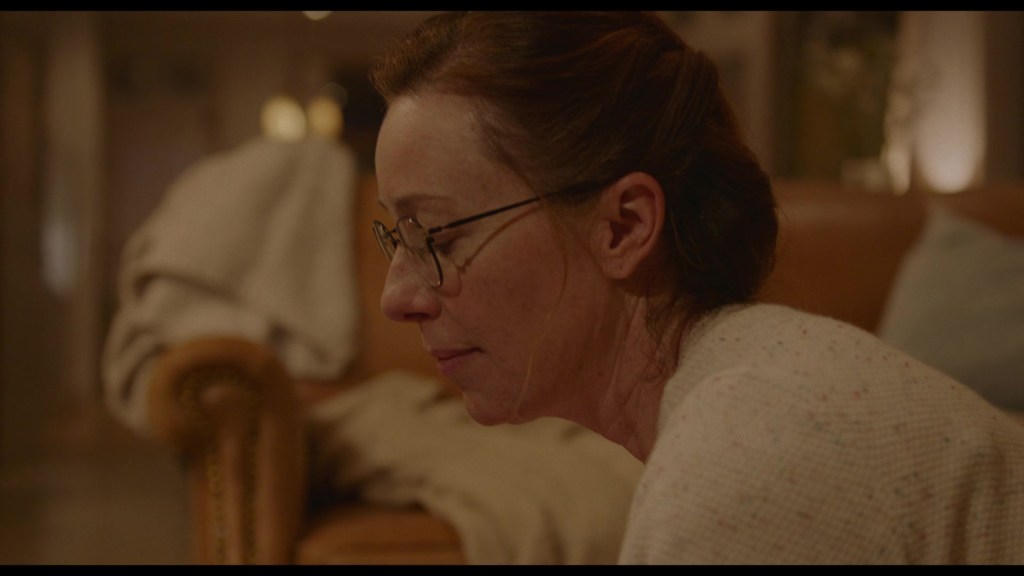
“Pieces of a Woman” is a powerful and raw drama that explores the devastating impact of personal tragedy on a woman’s life, relationships, and sense of self. Directed by Hungarian filmmaker Kornél Mundruczó and written by Kata Wéber, the film is an intimate character study centered on Martha Weiss (Vanessa Kirby), a woman living in Boston who experiences the shattering loss of her newborn daughter shortly after a home birth.
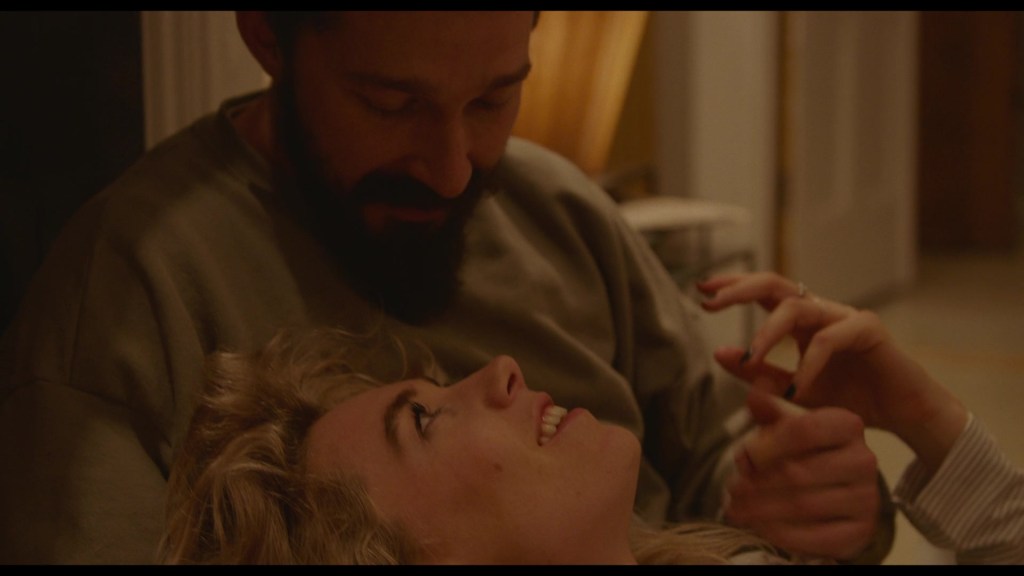
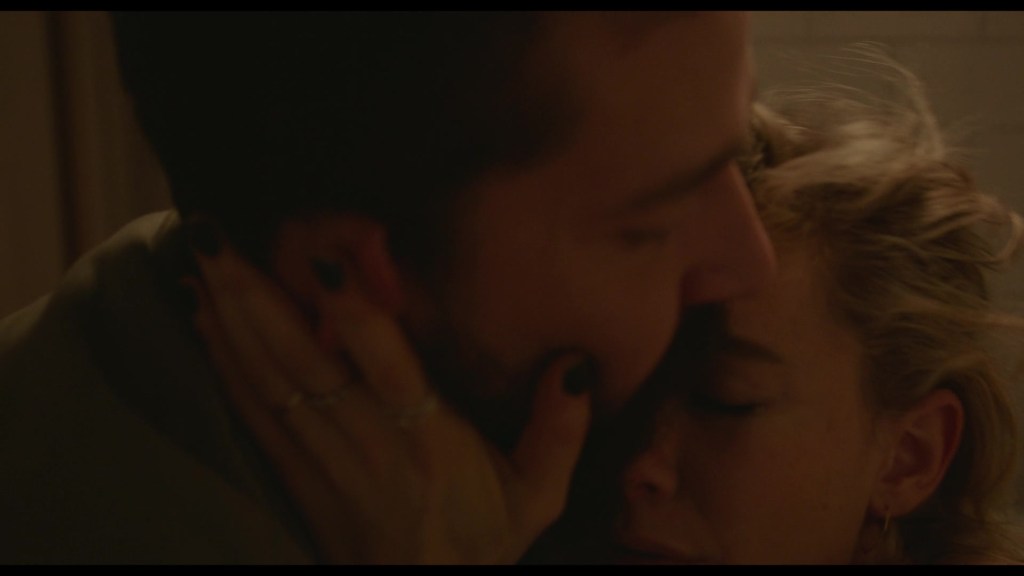
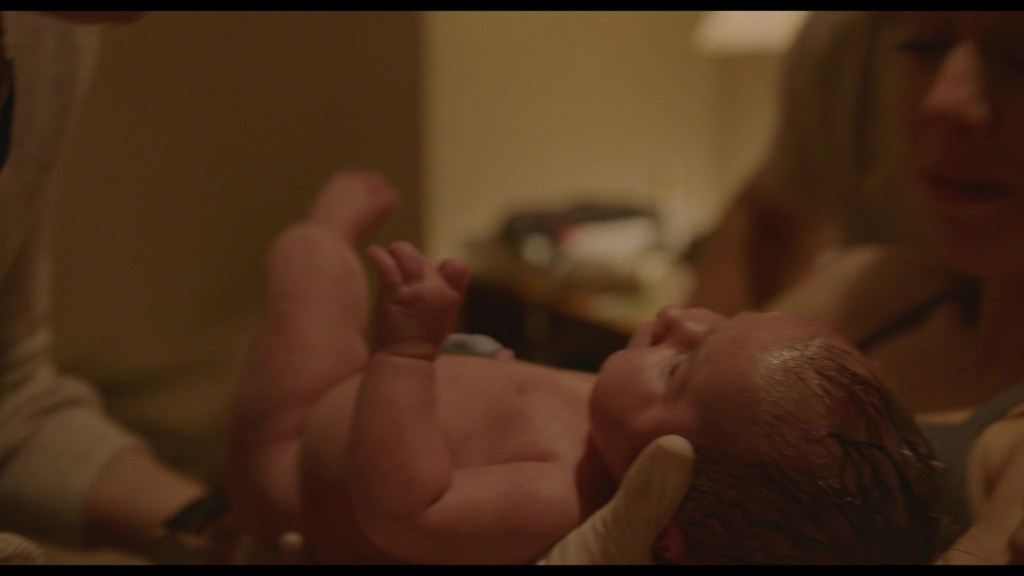
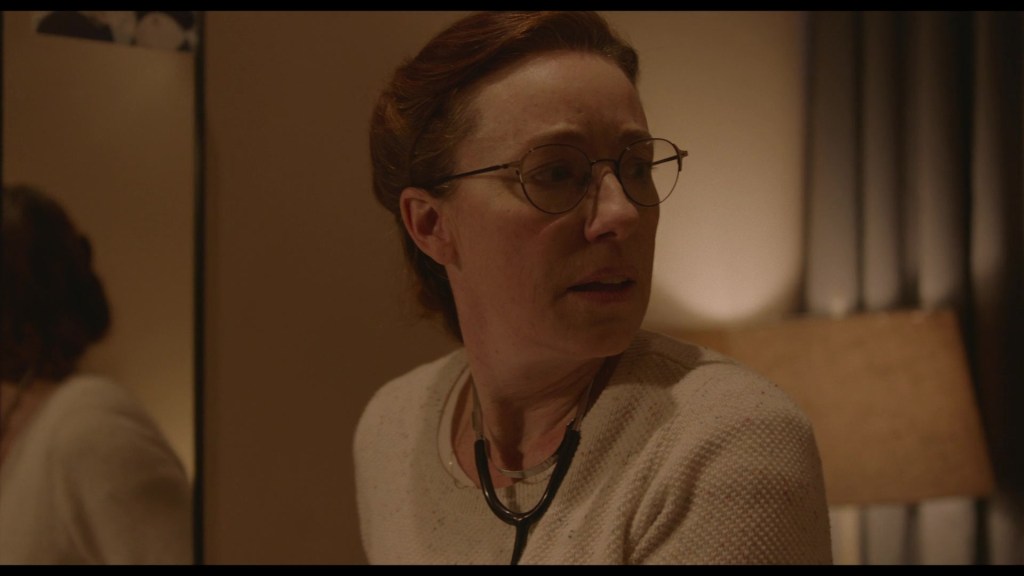
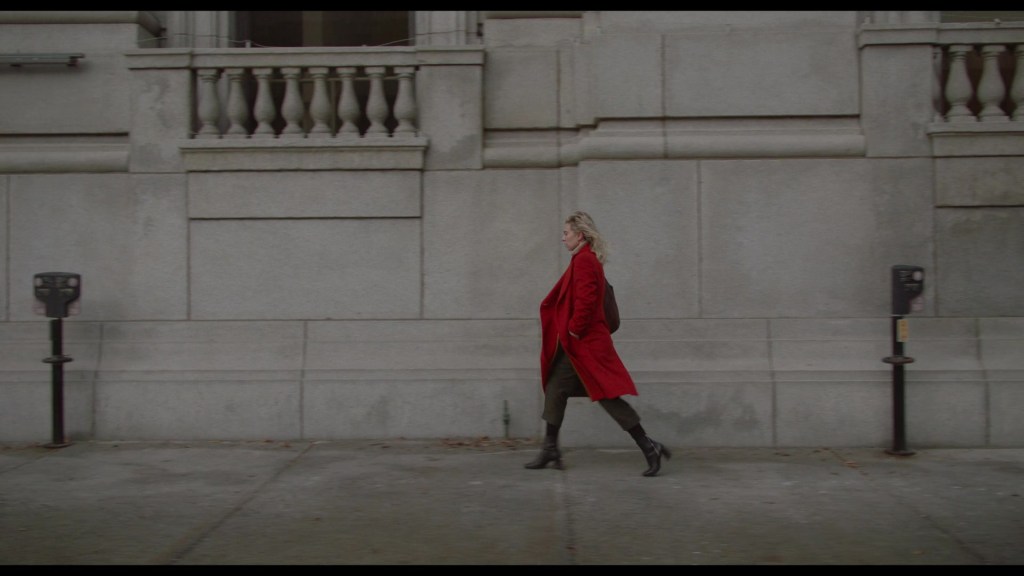
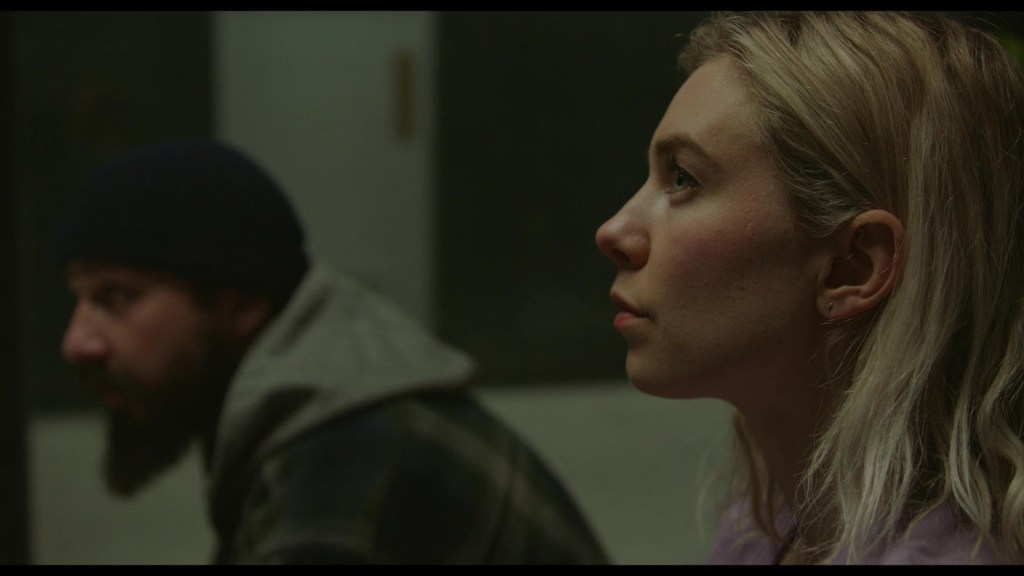
The film opens with a harrowing 24-minute one-take sequence showing Martha and her partner Sean Carson (Shia LaBeouf) as they attempt a home birth with the assistance of midwife Eva Woodward (Molly Parker). The delivery begins with tension and ends in trauma—the baby girl is born but dies minutes later, leaving Martha and Sean in shock and devastation. The scene sets the tone for the film’s unflinching, naturalistic approach to grief and emotional disintegration.
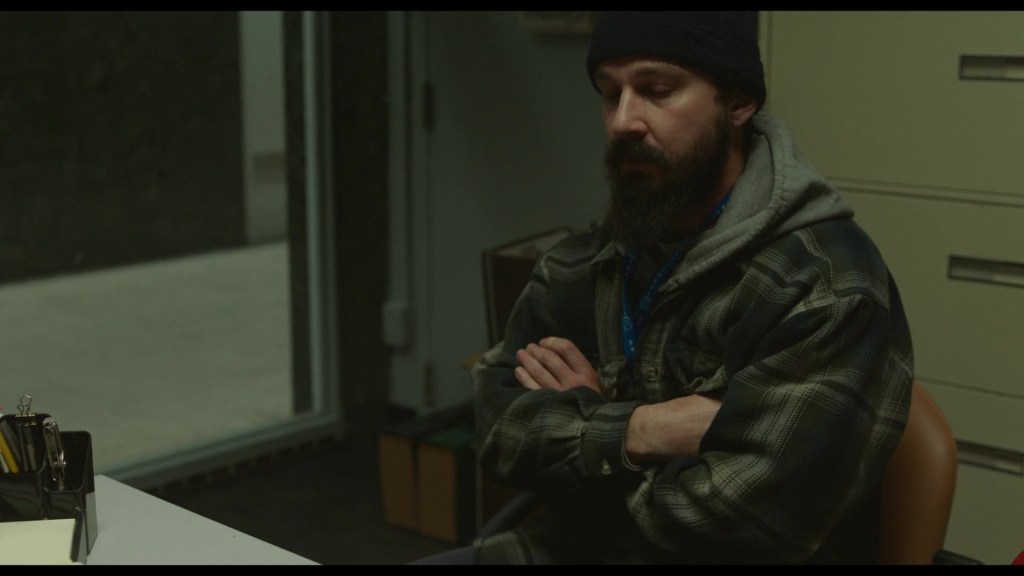
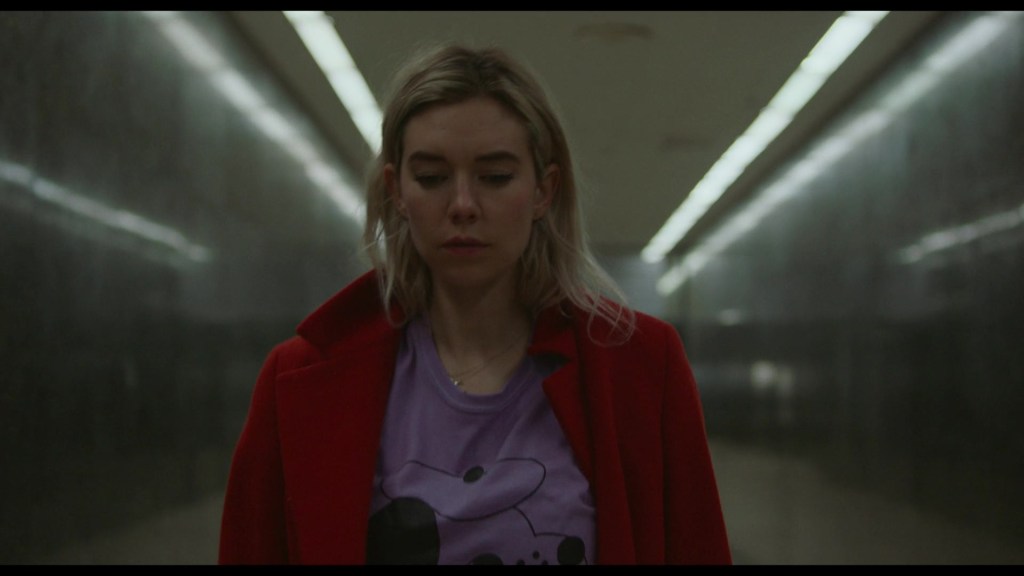
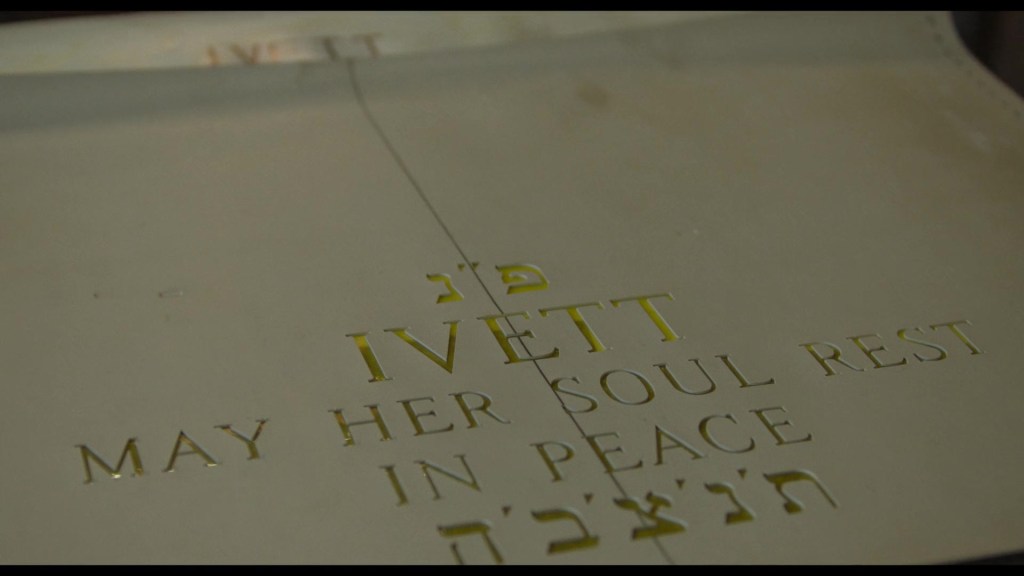
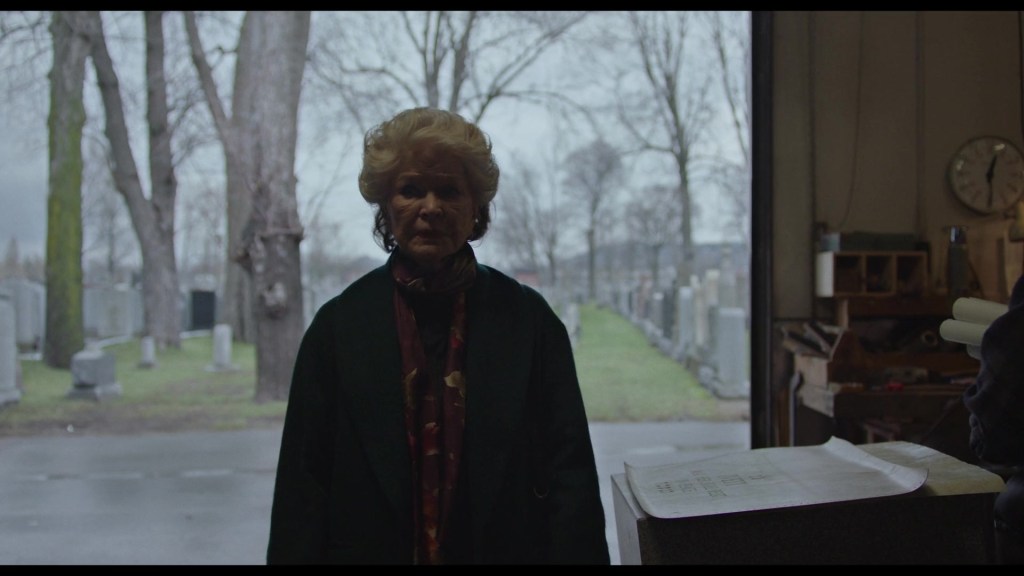
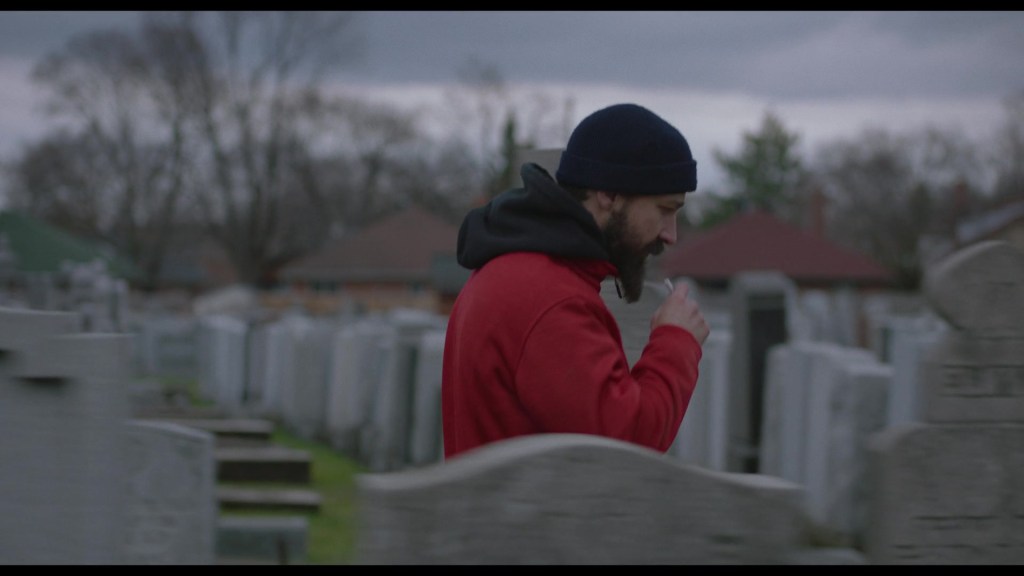
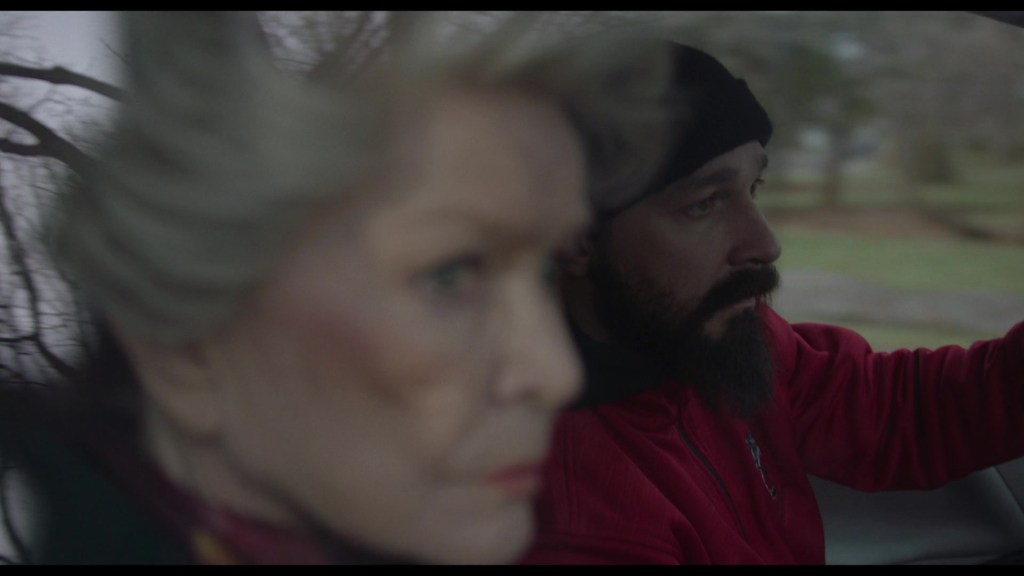
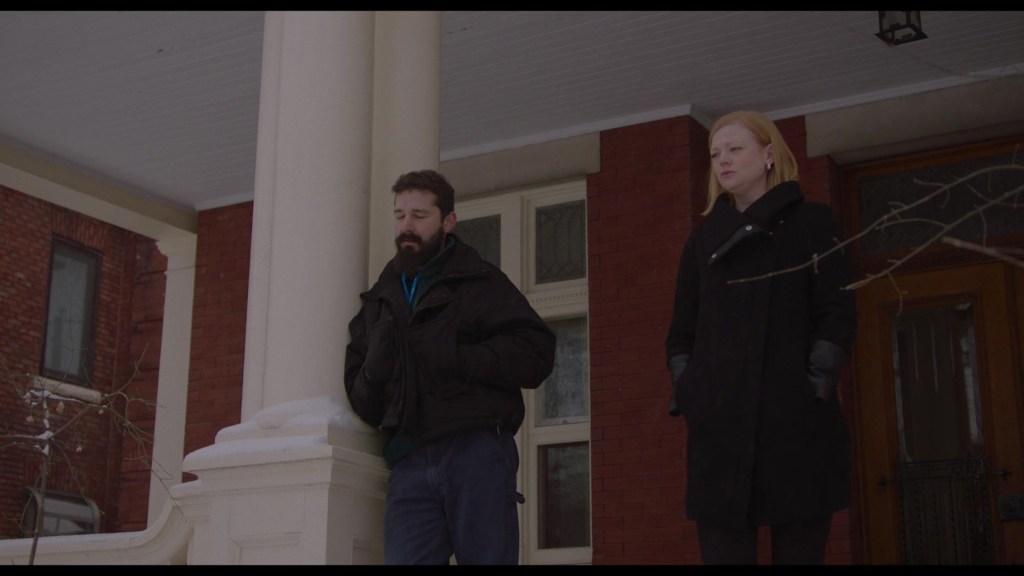
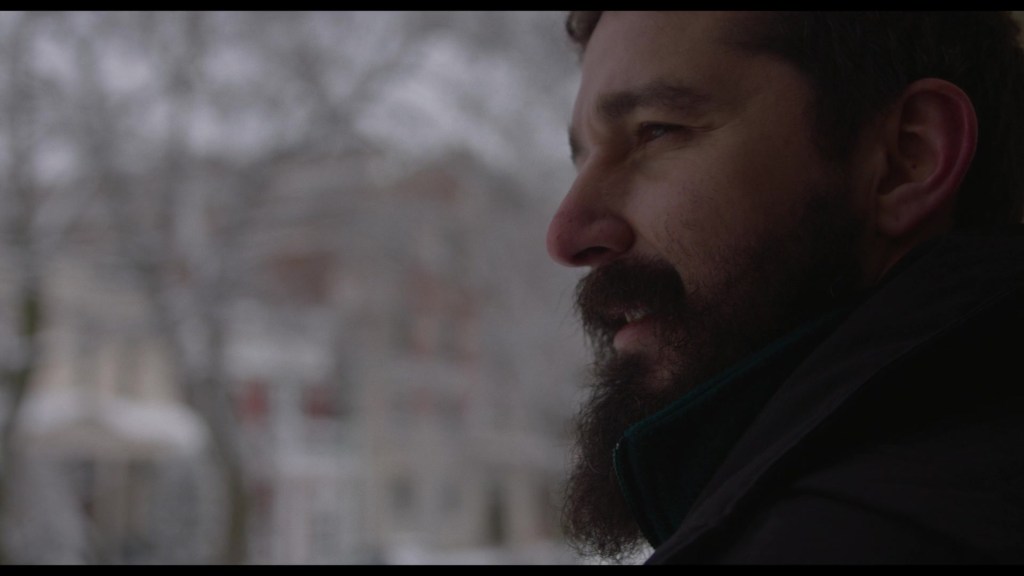
In the aftermath, Martha withdraws emotionally while Sean struggles with substance abuse and feelings of powerlessness. Their once-loving relationship begins to crumble under the weight of unspoken pain. Martha’s wealthy and domineering mother, Elizabeth (Ellen Burstyn), insists they pursue legal action against the midwife, pressuring Martha to seek justice that aligns with her values, not necessarily her daughter’s.
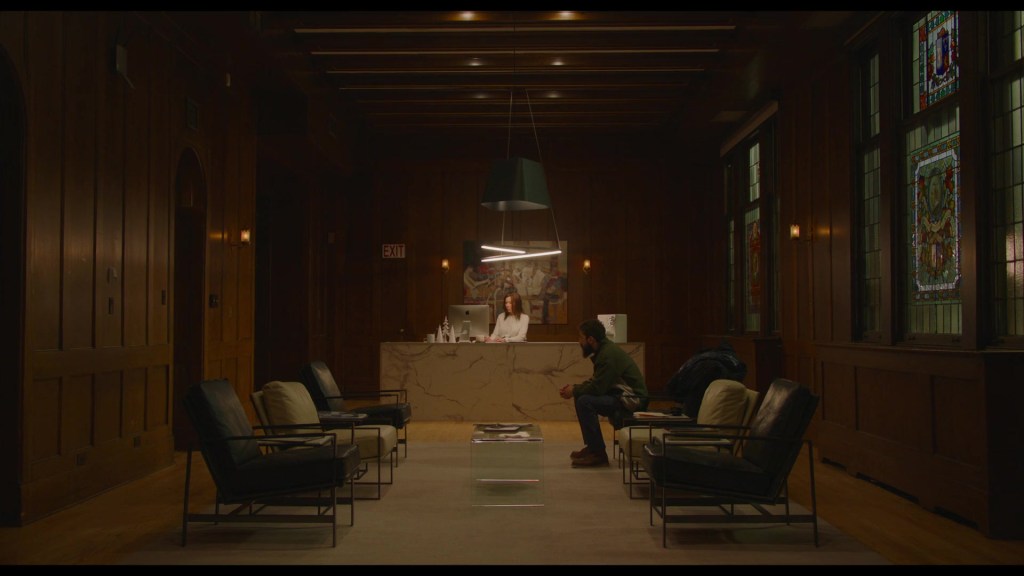
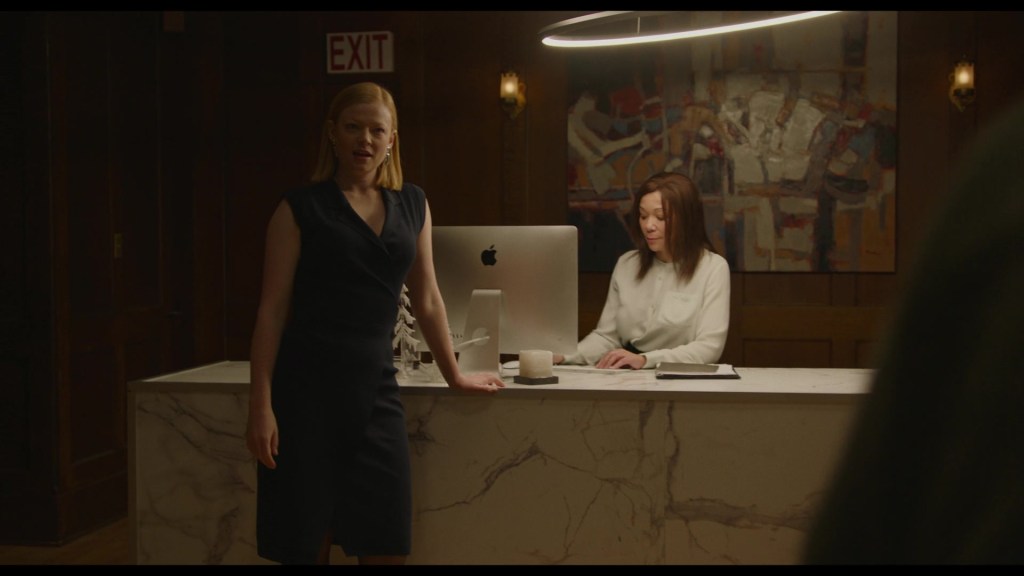

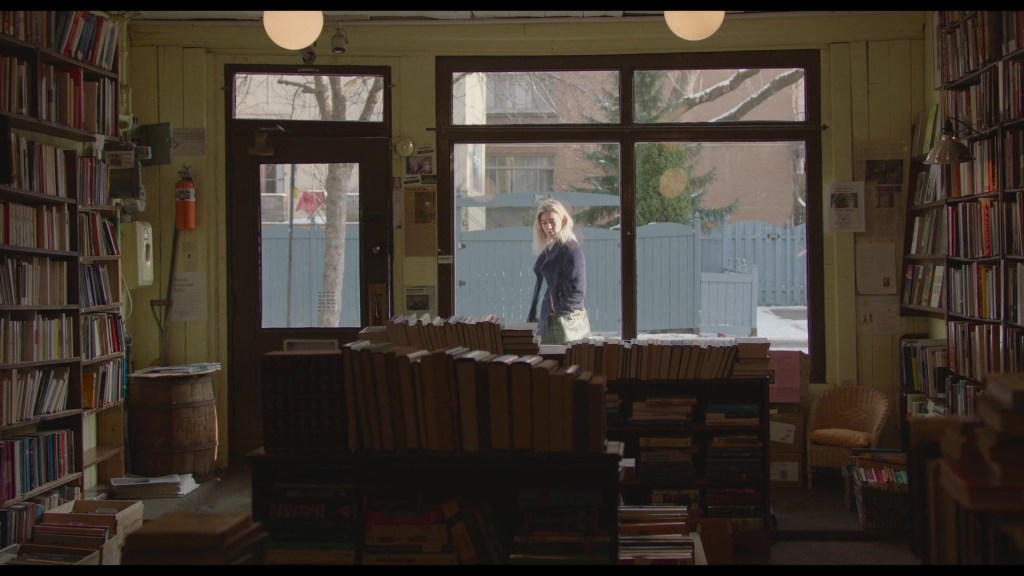
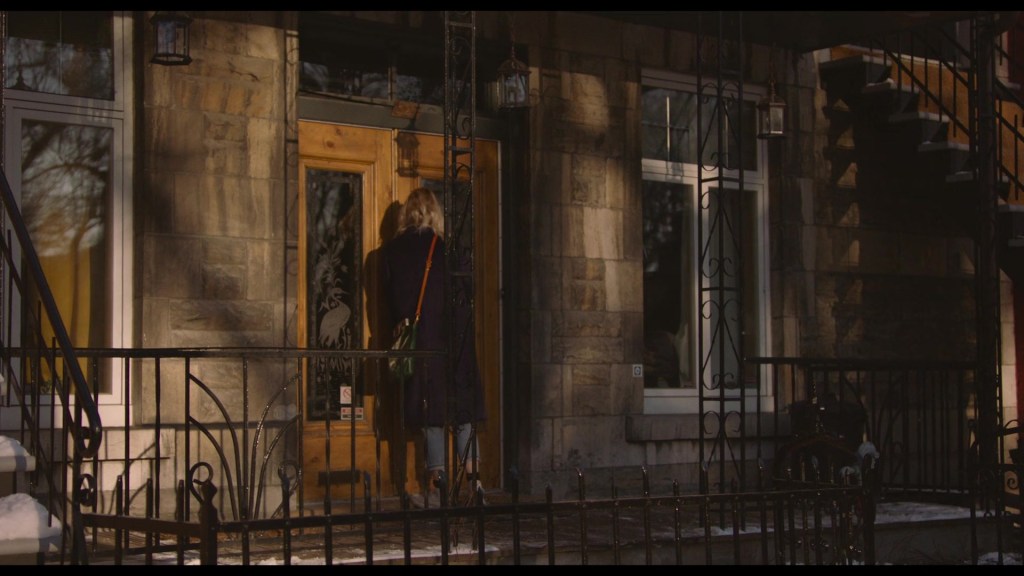
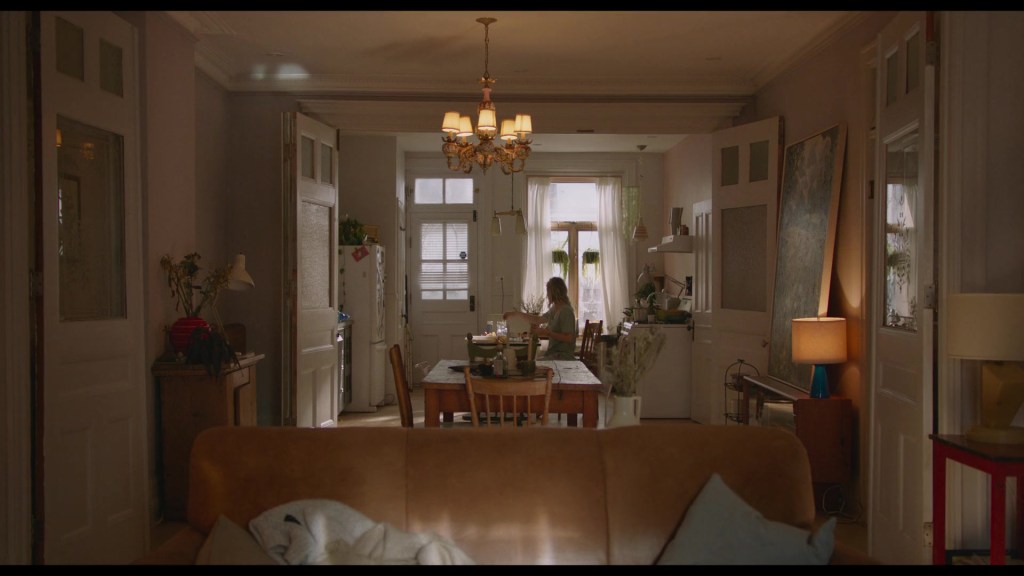
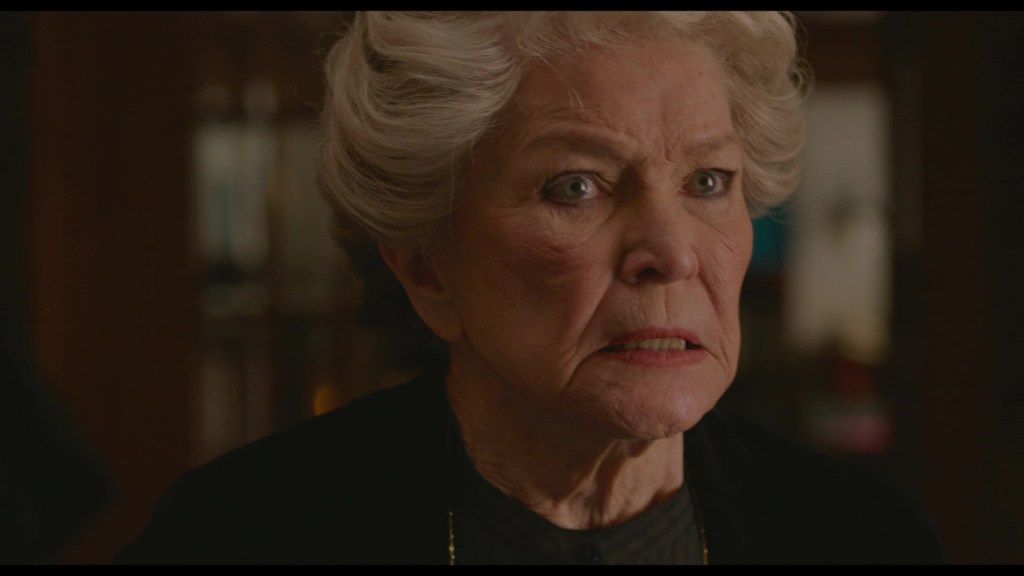
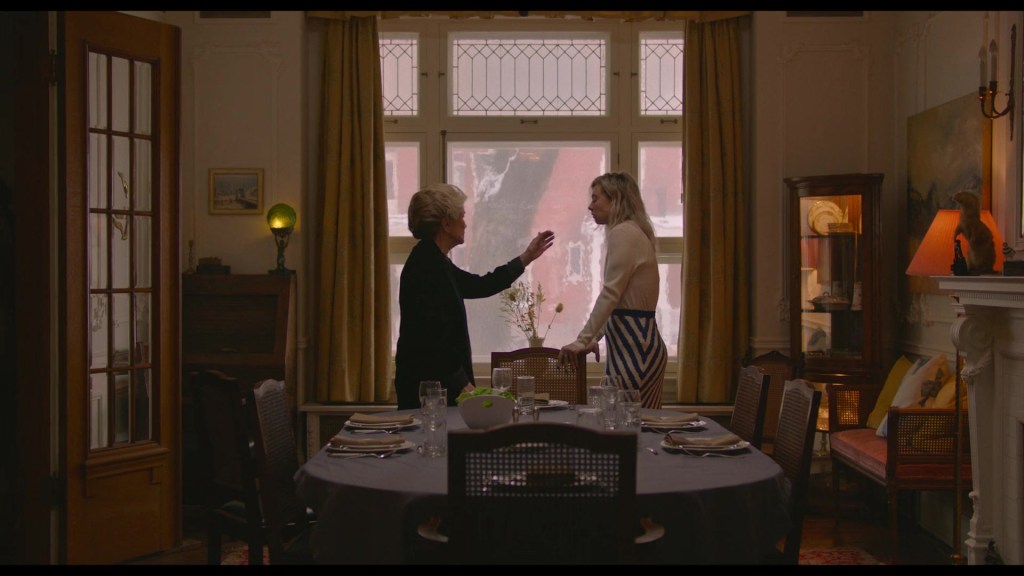
Elizabeth, a Holocaust survivor with a dominant character, firmly believes in perseverance and the importance of legacy. However, her approach ultimately exacerbates the rift between her and her daughter, Martha. In one of the film’s most emotionally charged scenes, Elizabeth tries to motivate Martha by confronting her with feelings of shame, unearthing generational trauma, and expressing her own anxieties about legacy and survival. Ellen Burstyn delivers a particularly noteworthy performance in this moment, earning significant critical acclaim.

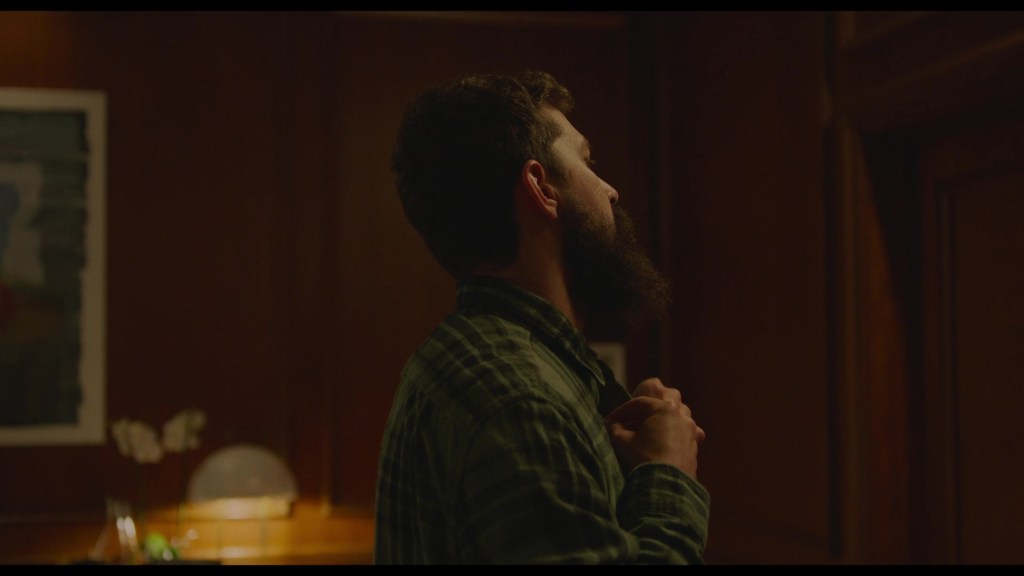
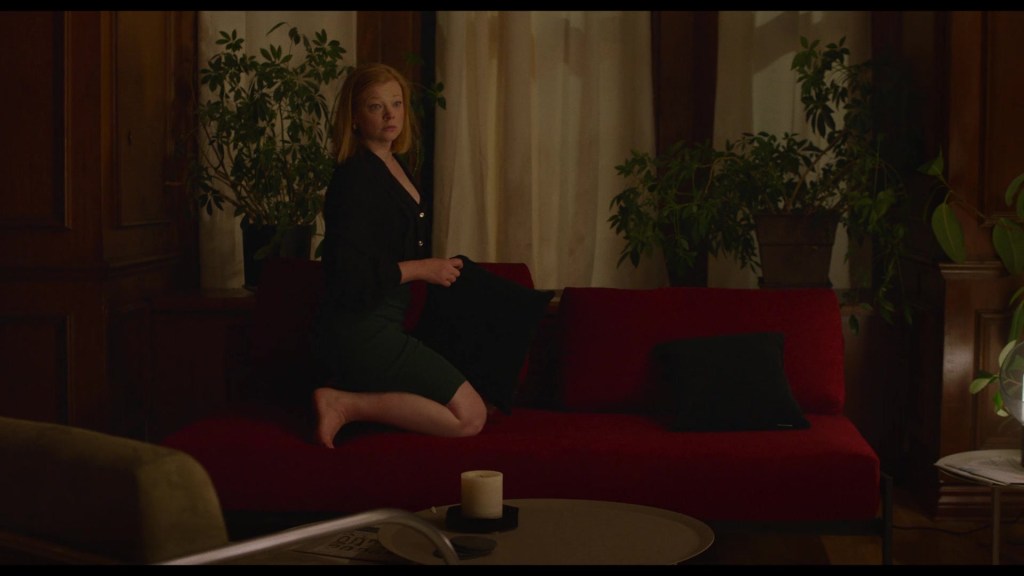
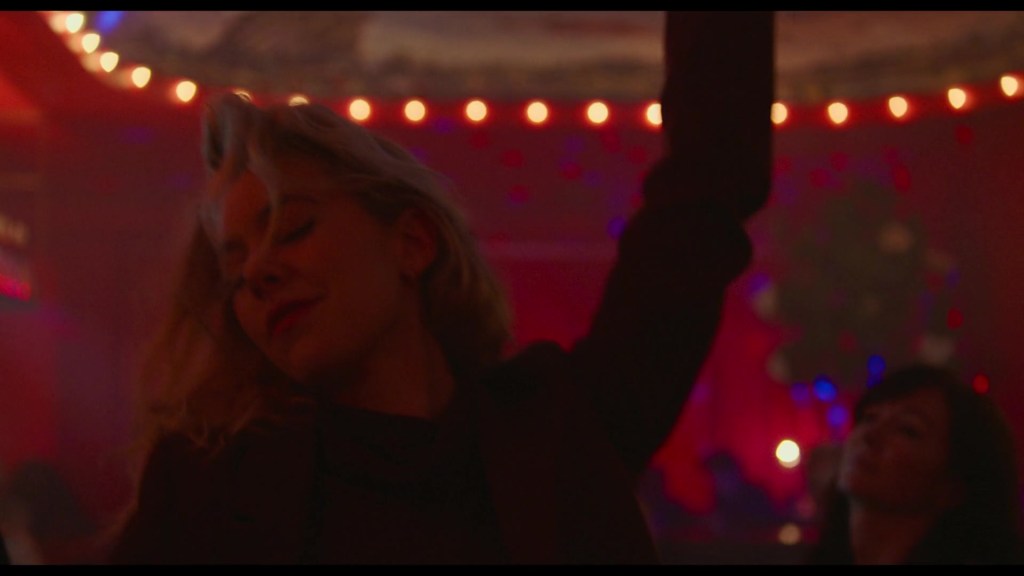
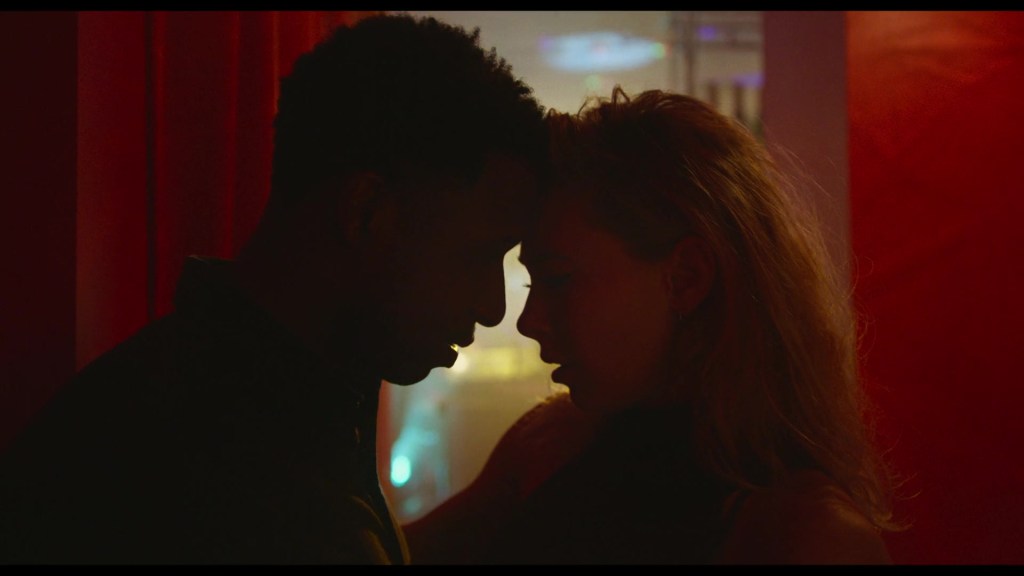
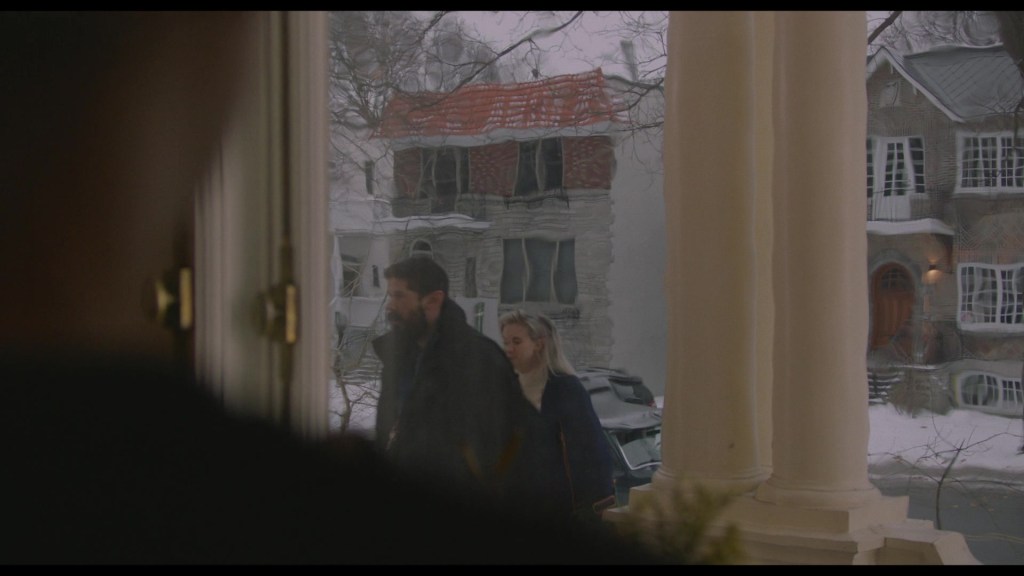
Martha, however, resists the performative aspects of grief, choosing instead to grieve privately and on her own terms. As the court case against Eva unfolds, Martha begins to reclaim her autonomy, culminating in a quiet but resolute moment in court where she refuses to assign blame. She acknowledges the tragedy and the situation’s complexity and ultimately chooses forgiveness over retribution.
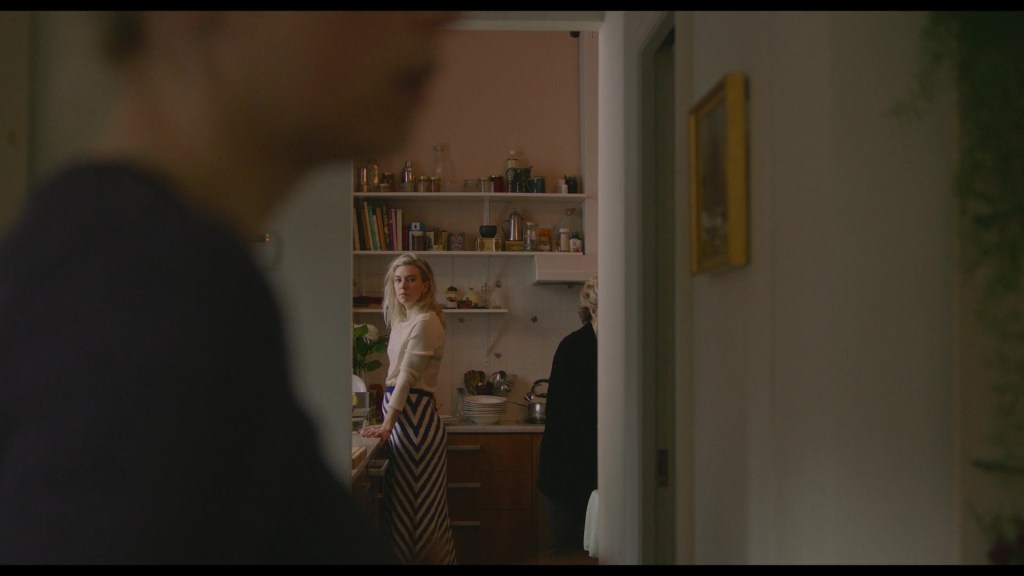
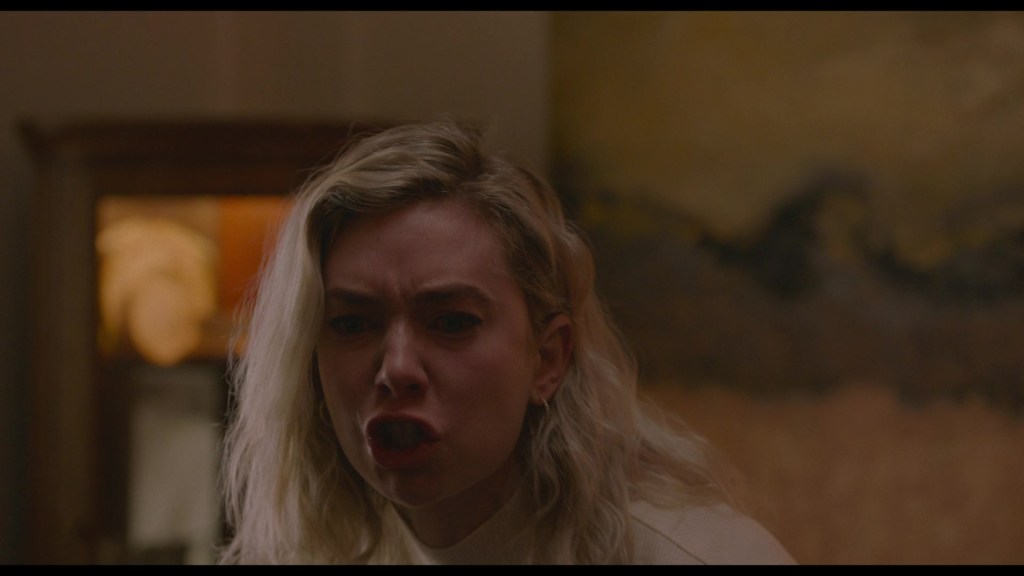
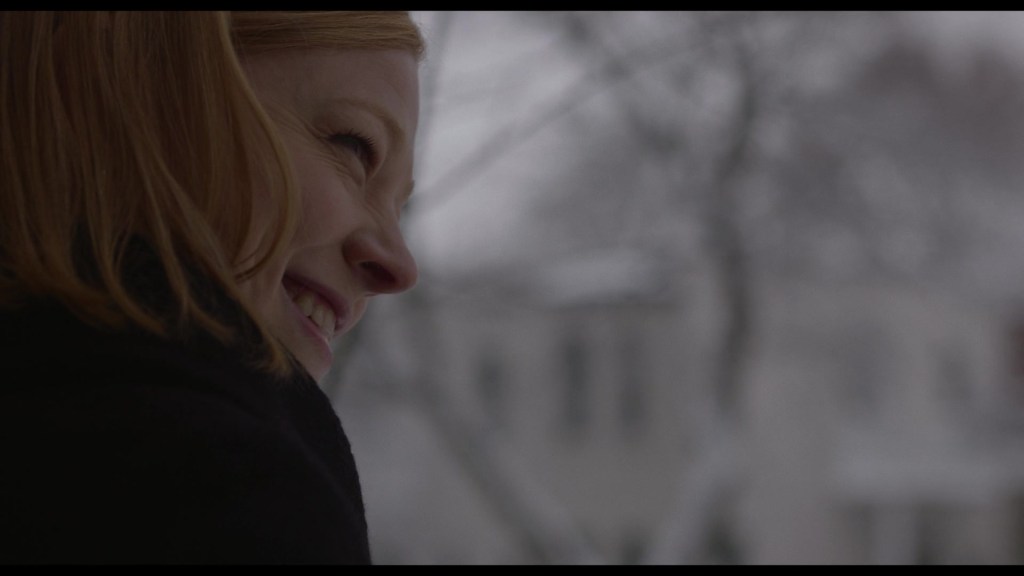
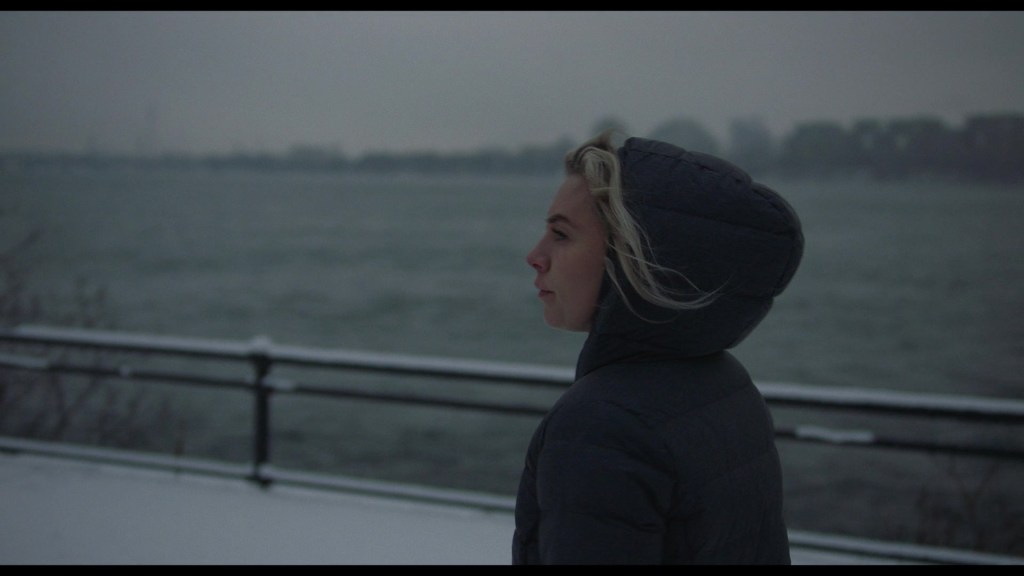
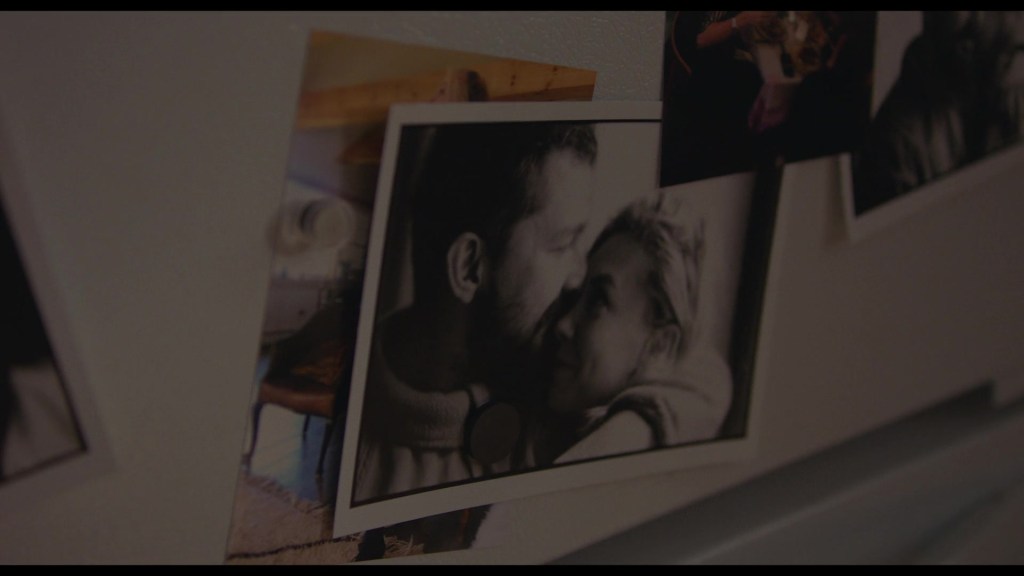
The film closes with a time jump: Martha is seen in the future, tending to an apple tree she planted earlier in the story—a symbol of renewal, continuity, and life. A young girl, implied to be her daughter or perhaps a relative, runs through the garden, hinting at healing and a future that exists beyond loss.
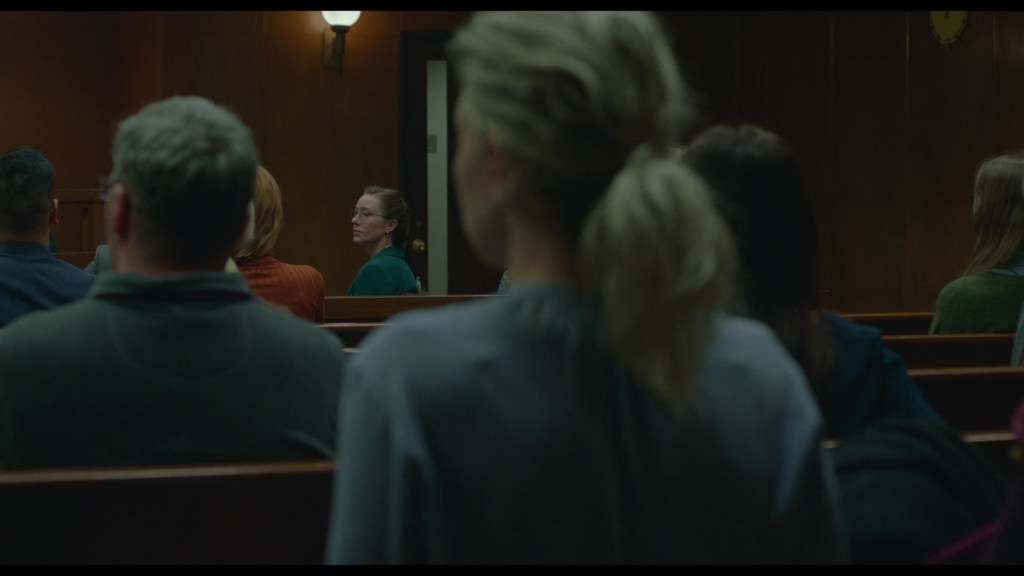
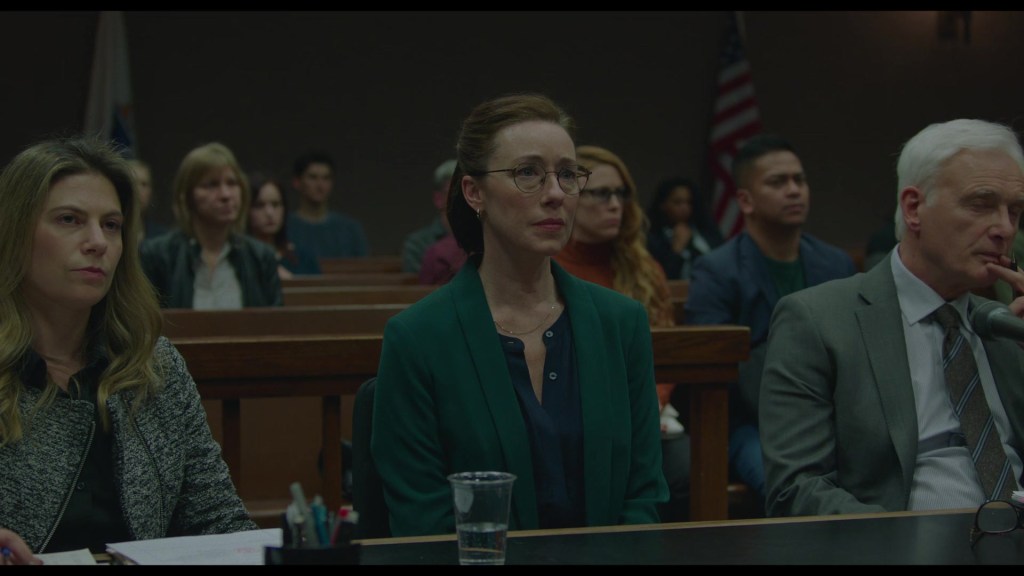
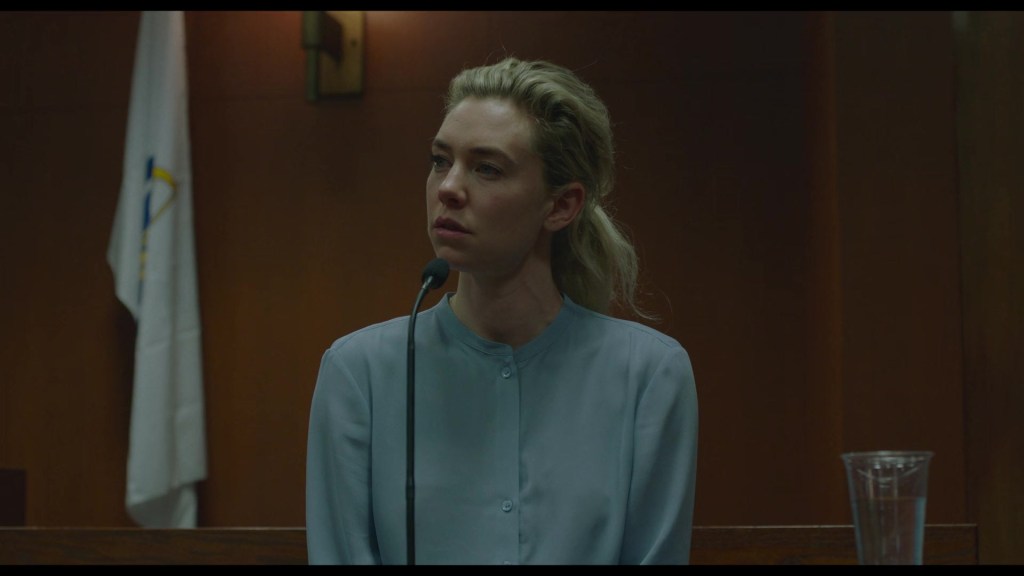
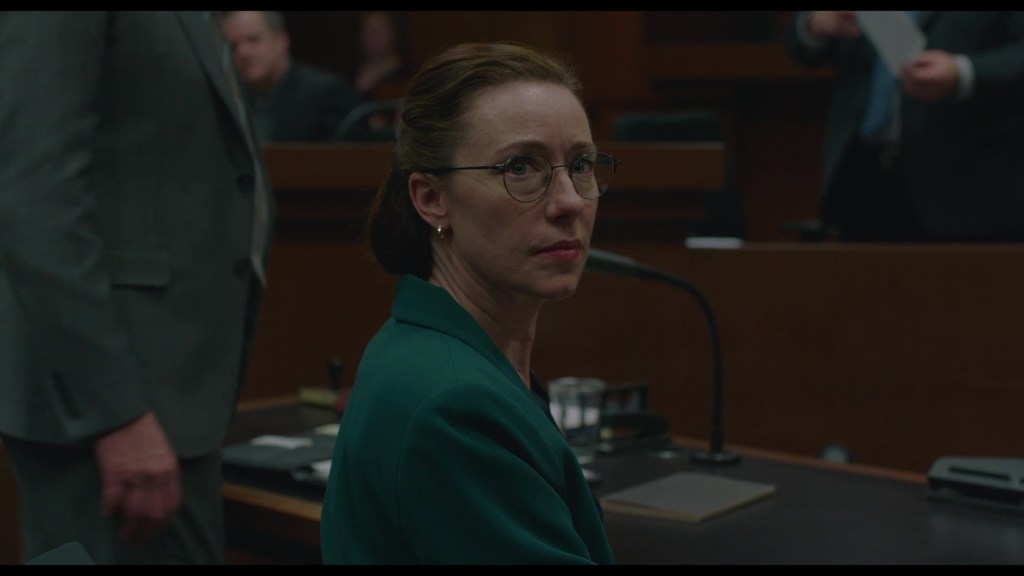
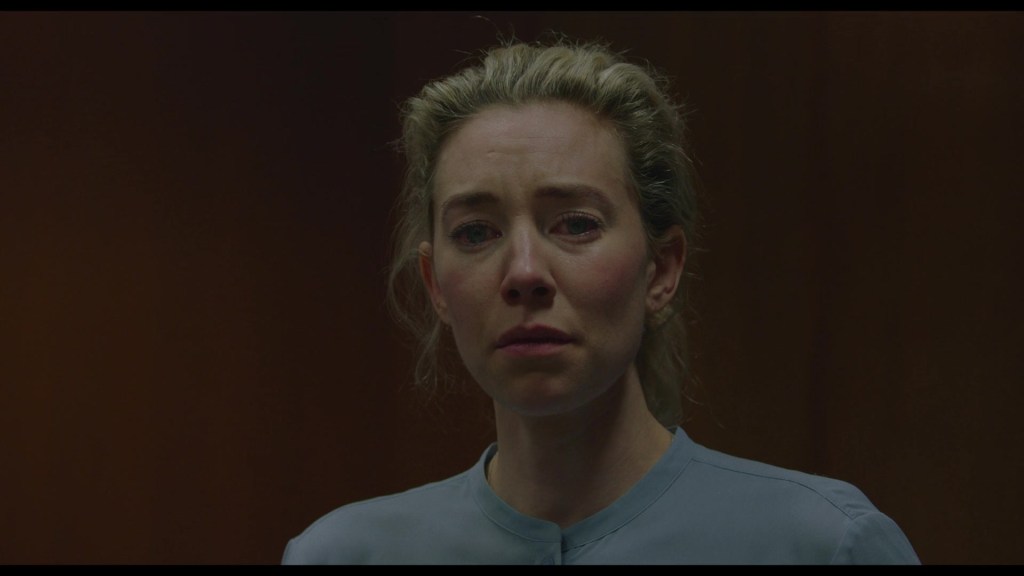
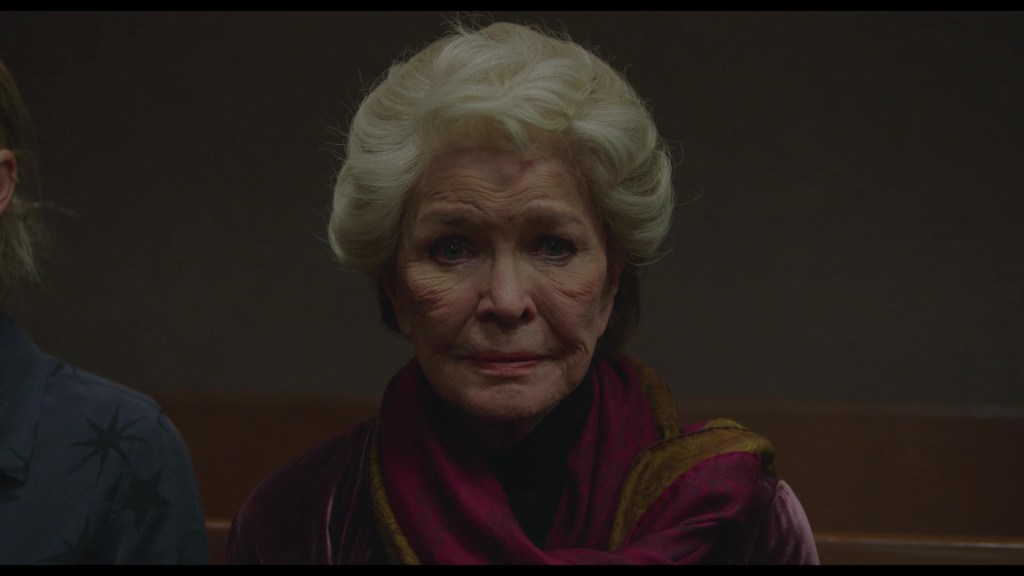
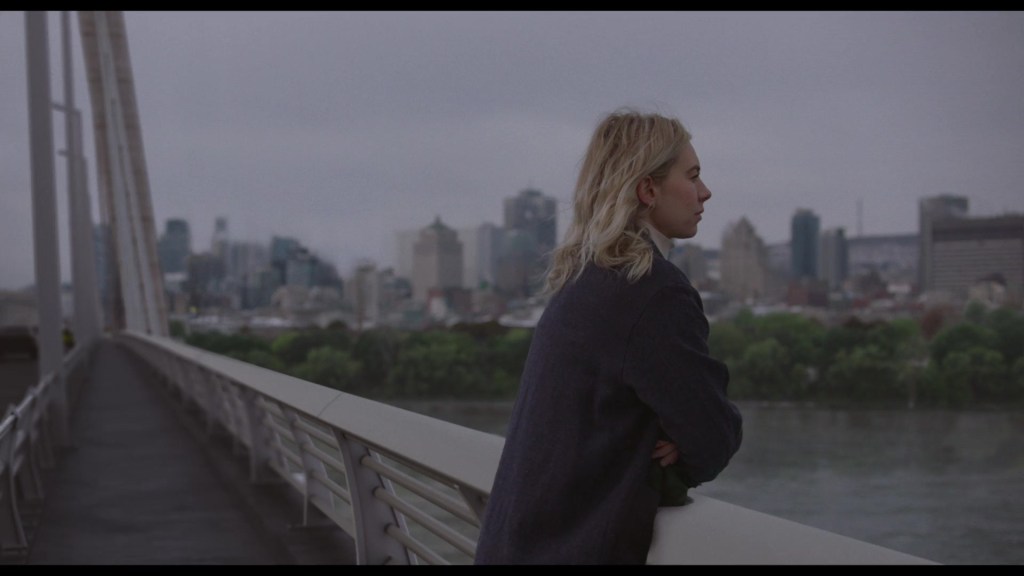
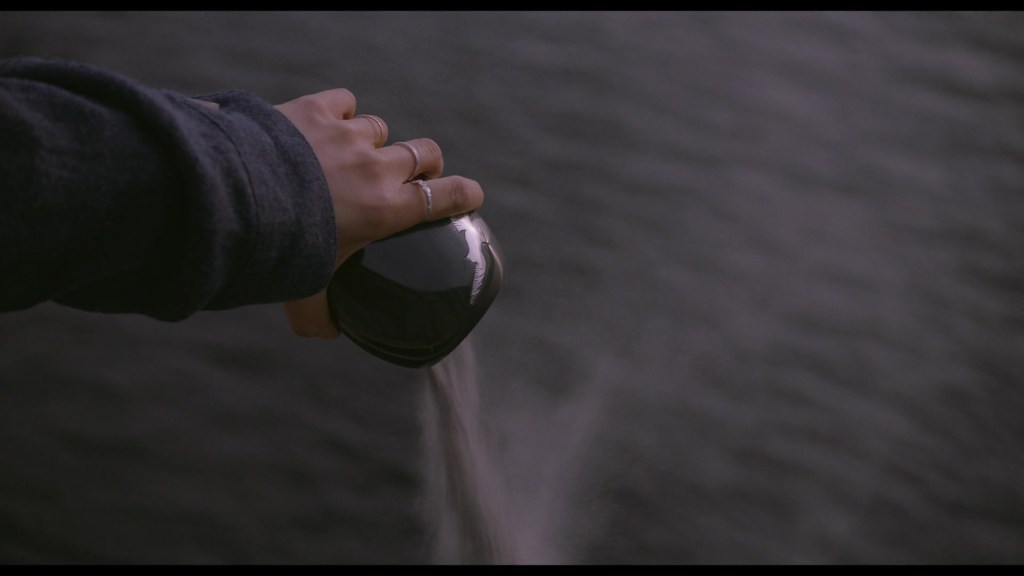
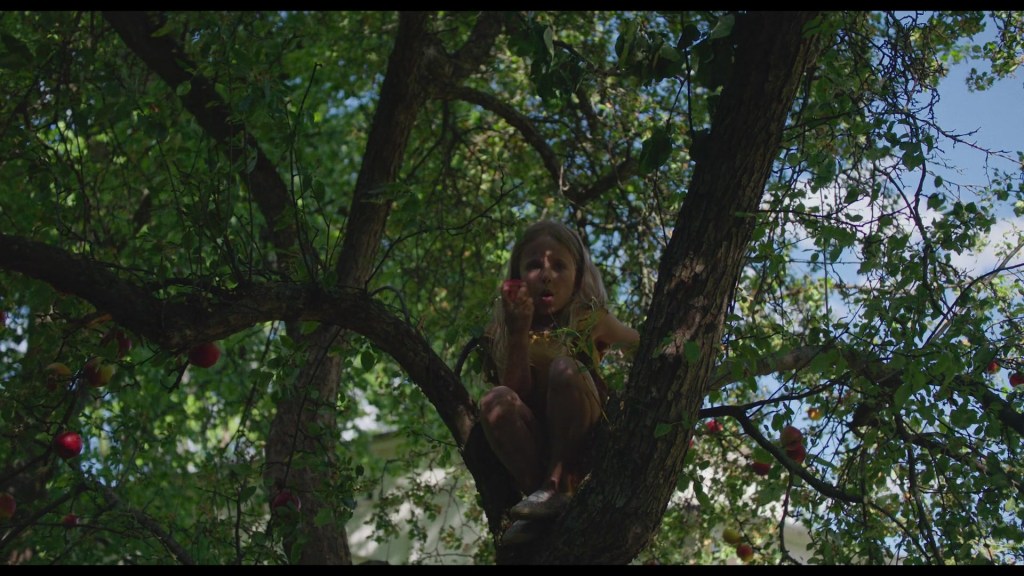
“Pieces of a Woman” delves into themes of grief, motherhood, generational trauma, and the complexities of justice and blame. The film intentionally avoids melodrama, focusing on the subtle and personal journey of a woman dealing with grief in a society that imposes socially acceptable ways to mourn.

 The Other Cinema