
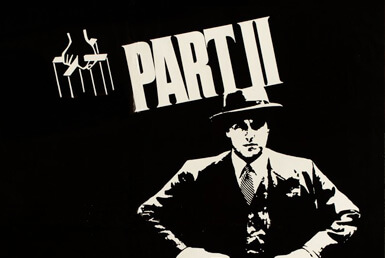
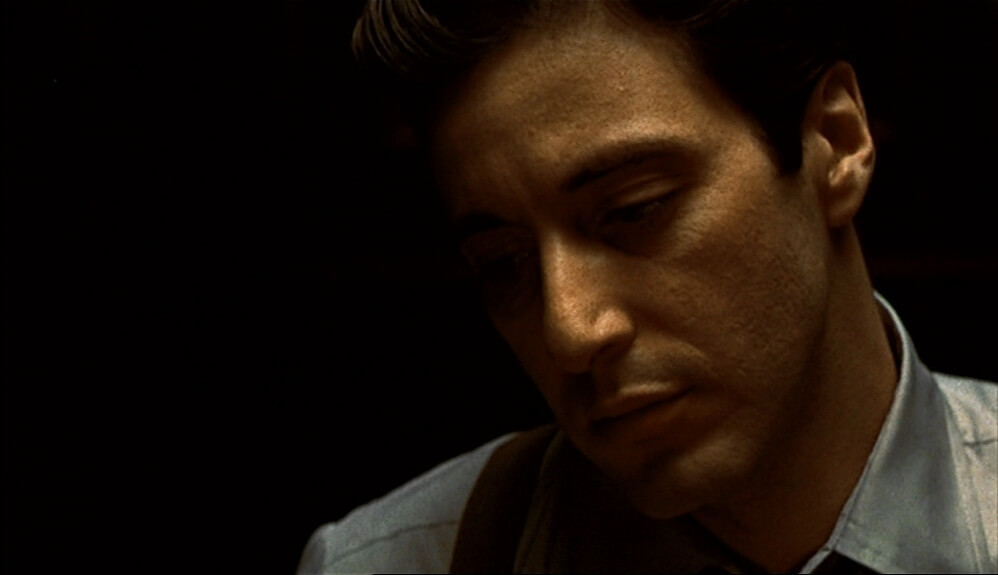
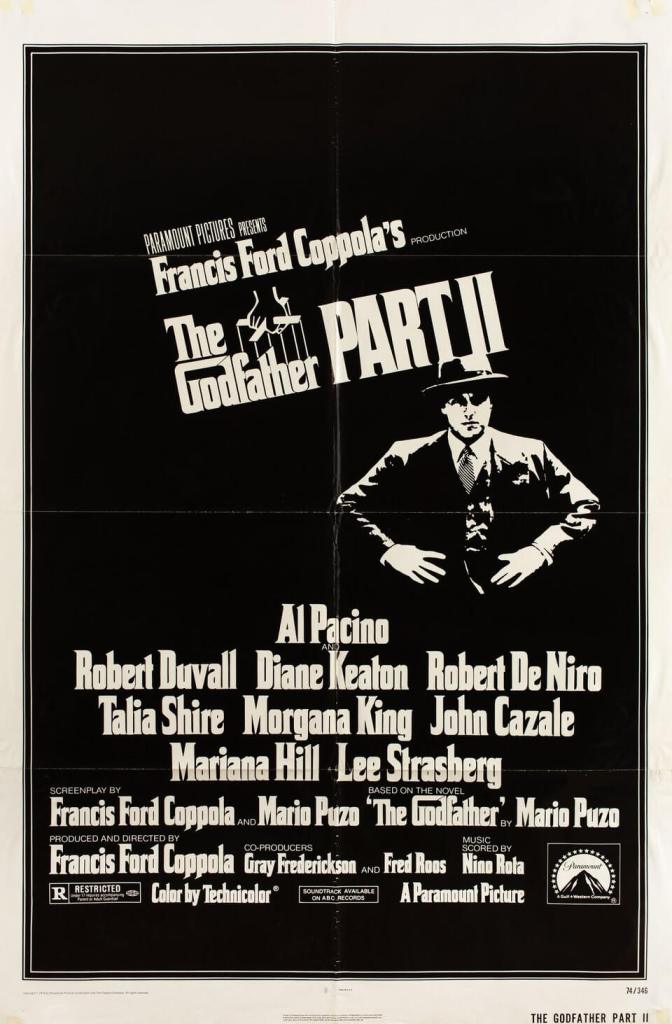
“The Godfather Part II” is a masterfully constructed dual narrative that serves as a sequel and a prequel to The Godfather (1972). Directed by Francis Ford Coppola, the film interweaves two parallel stories: the rise of young Vito Corleone in early 20th-century New York, and the descent of his son Michael Corleone into ruthless isolation as head of the Corleone crime family in the 1950s.
Storyline A: Michael Corleone’s Reign (1958)
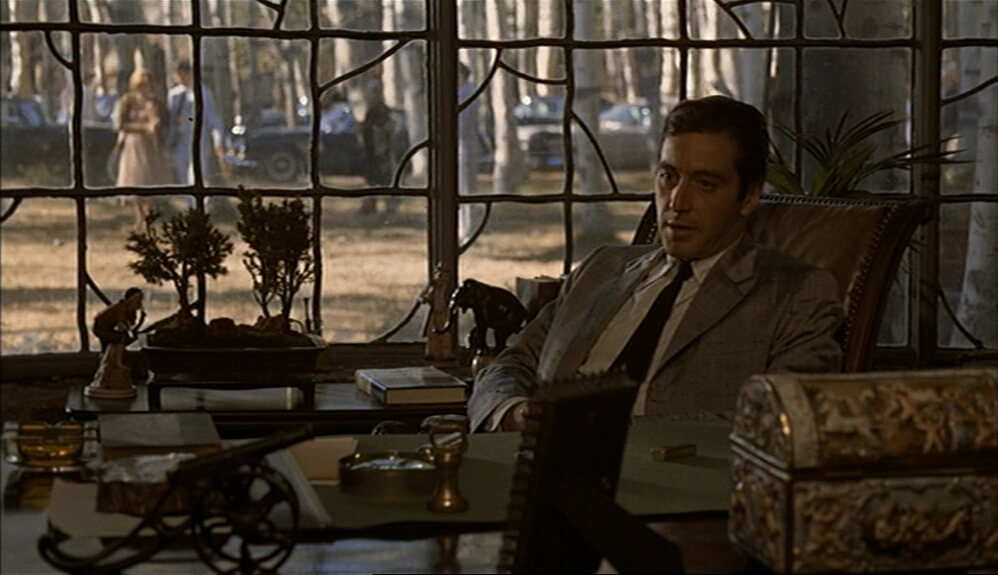
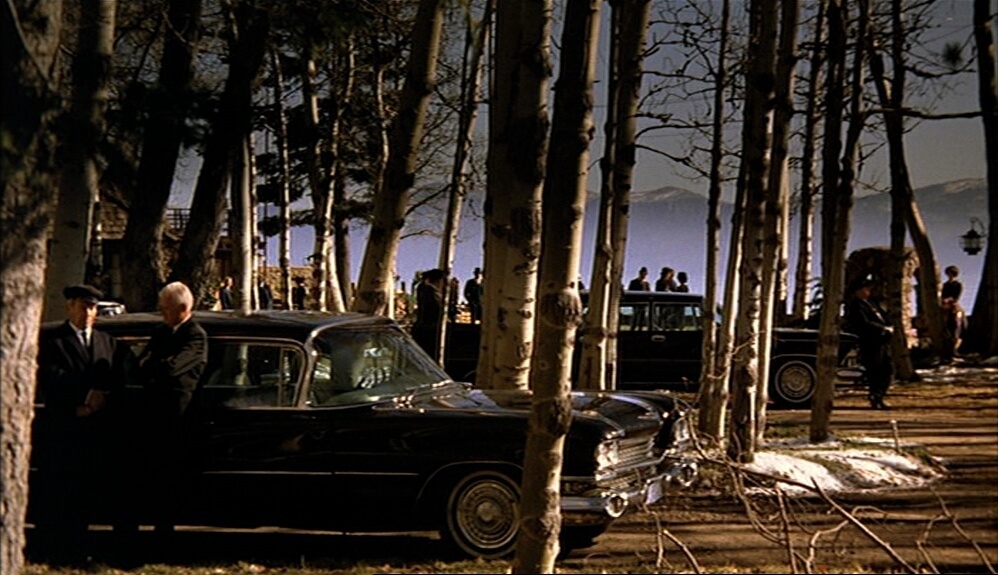
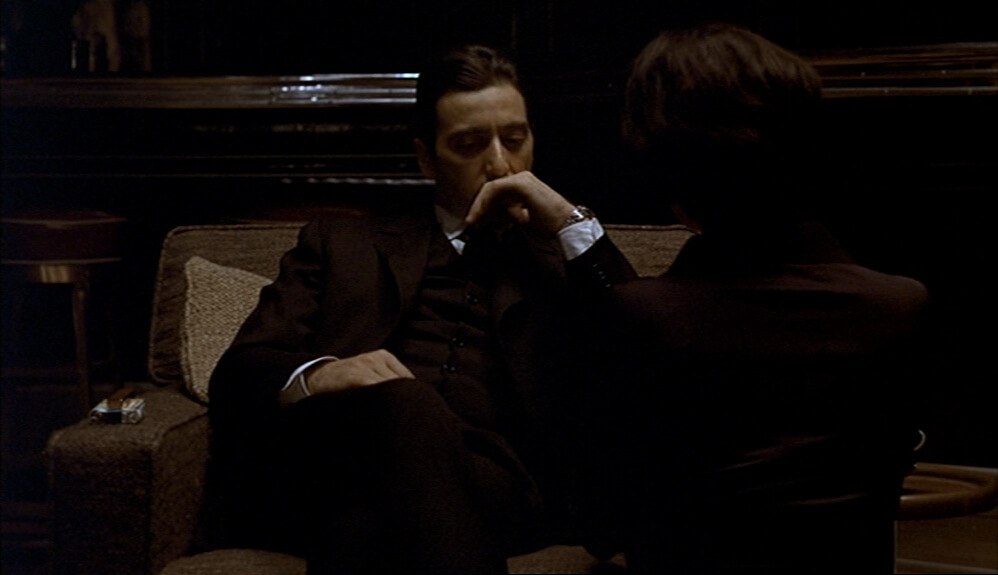
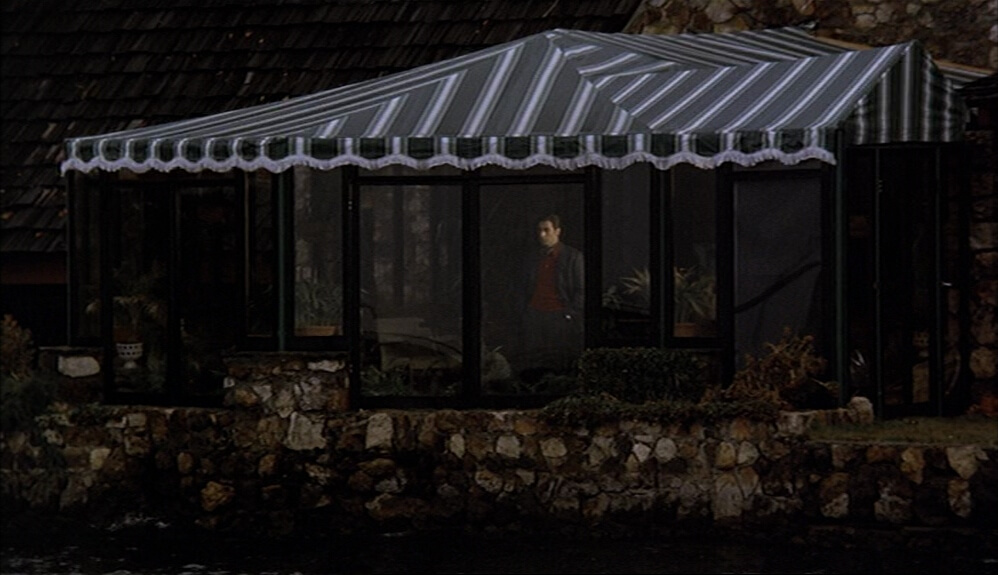
Following the events of The Godfather, Michael Corleone (Al Pacino) is firmly in control of the Corleone family, now headquartered at a lakefront compound in Nevada. His moral and emotional unraveling begins as he seeks to legitimize the family’s business and expand into Cuba.
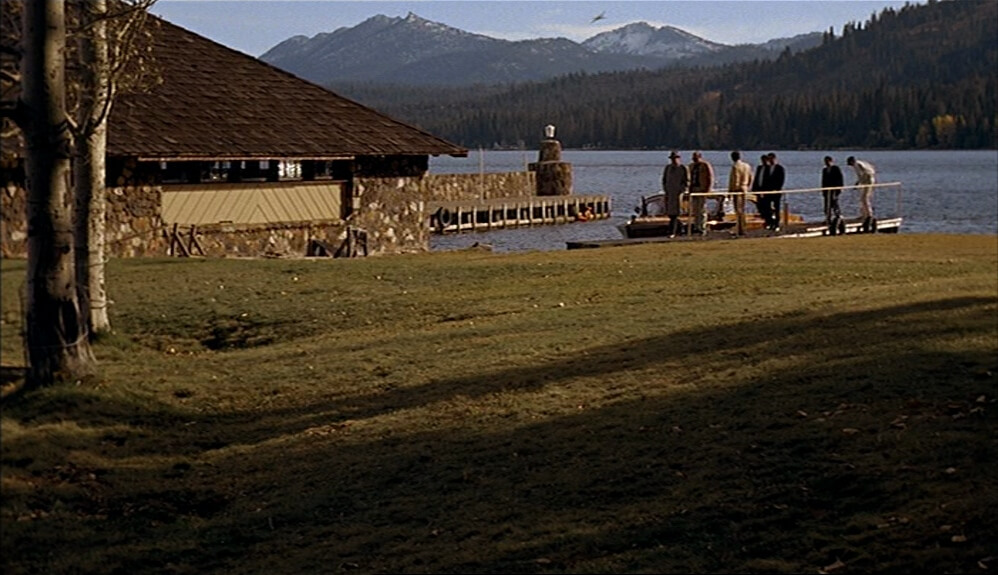
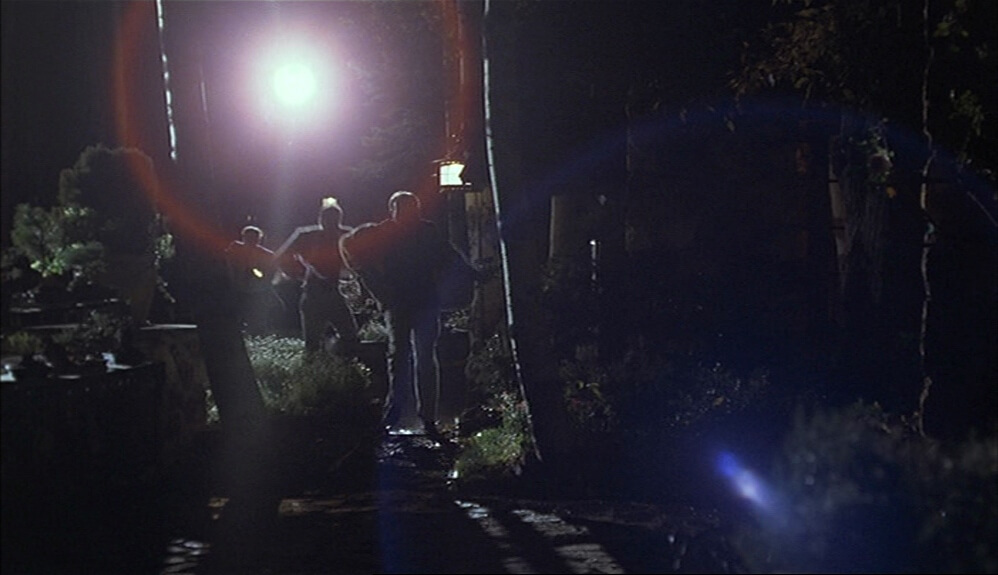
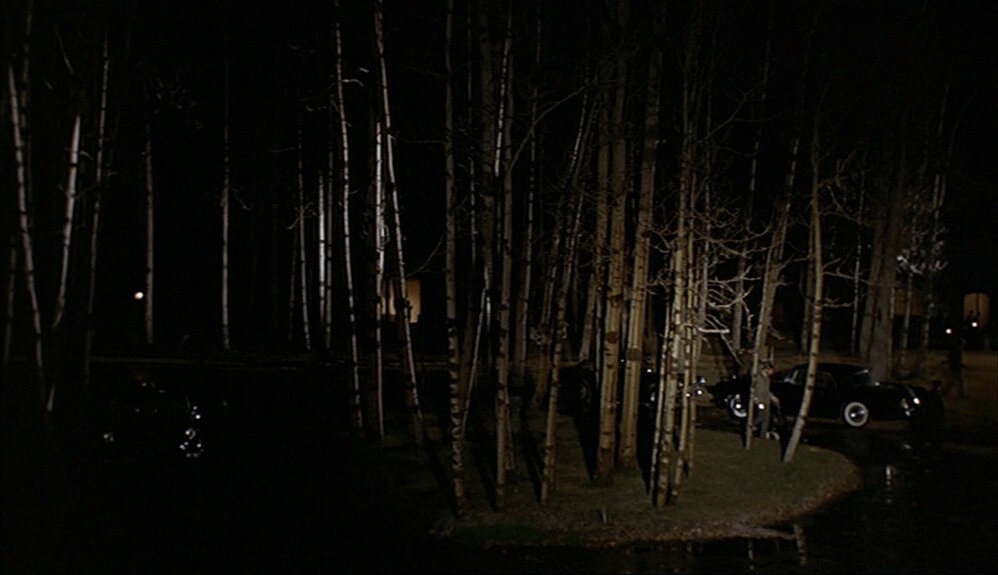
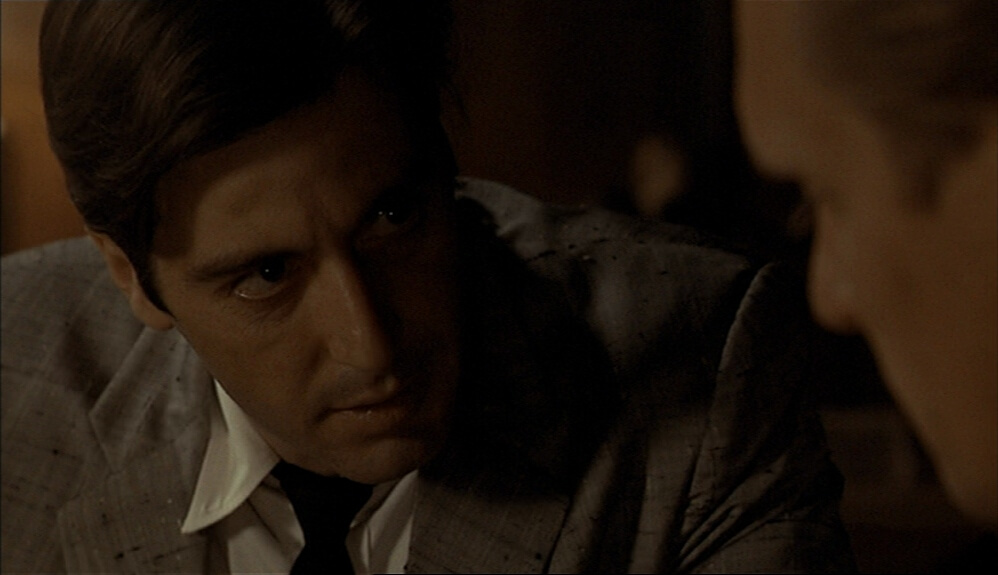
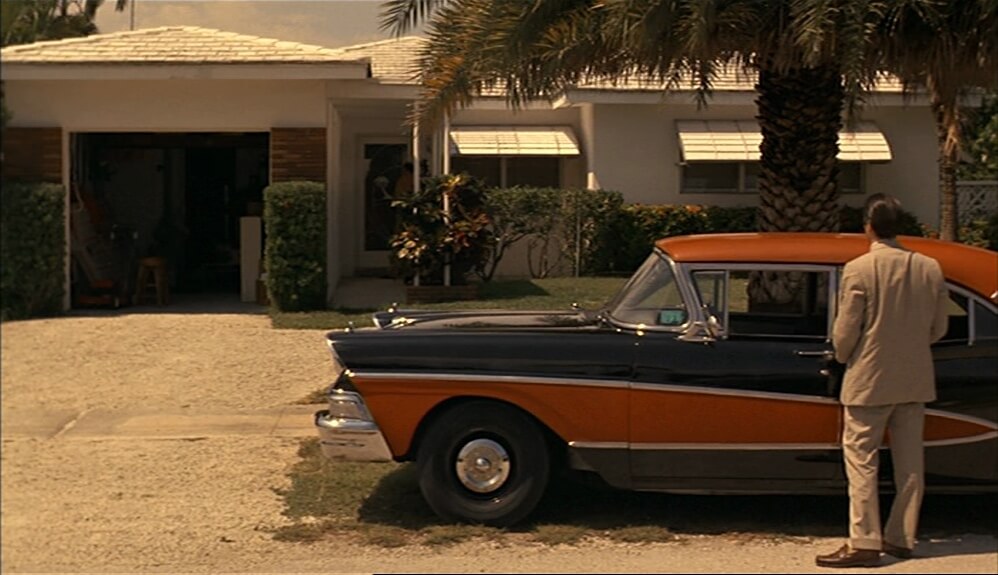
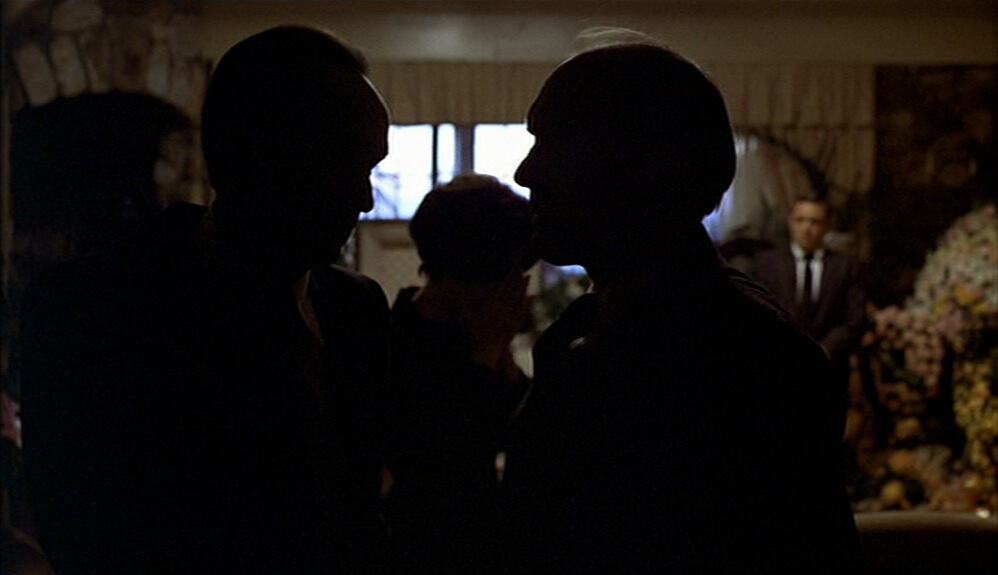
During his son’s First Communion celebration, Michael is approached by Senator Pat Geary (G.D. Spradlin), who attempts to extort the family. Michael coldly rebuffs him, showing the quiet menace that defines his leadership style. Meanwhile, Michael is working on a business deal with Hyman Roth (Lee Strasberg), an aging Jewish mobster with strong ties in Cuba. Roth is cordial but cunning, and Michael suspects a double-cross.
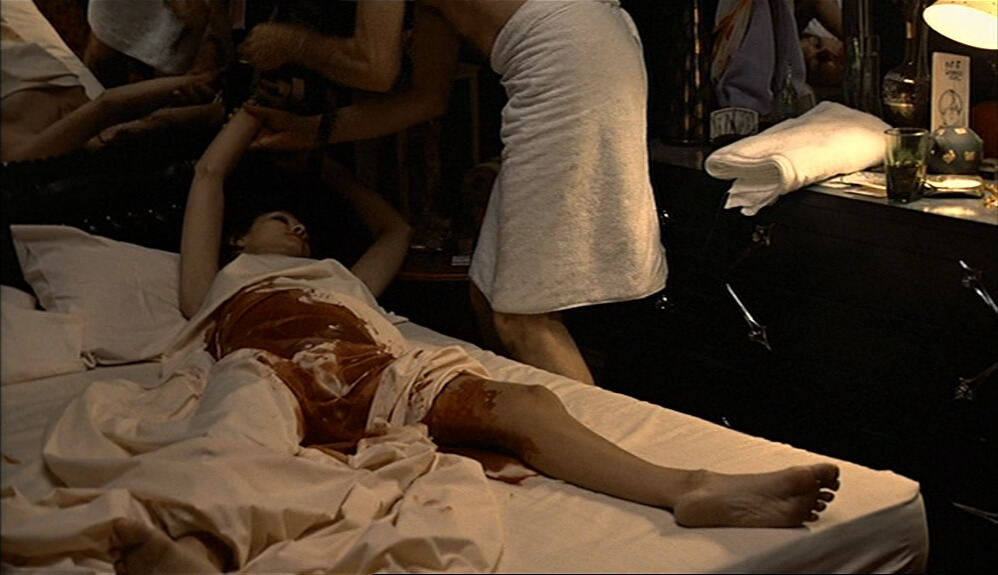
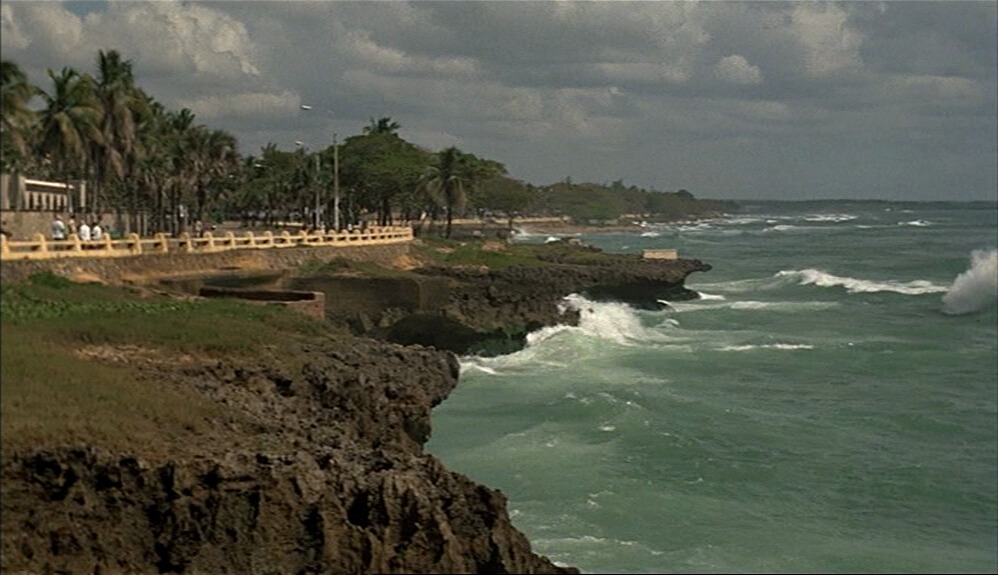
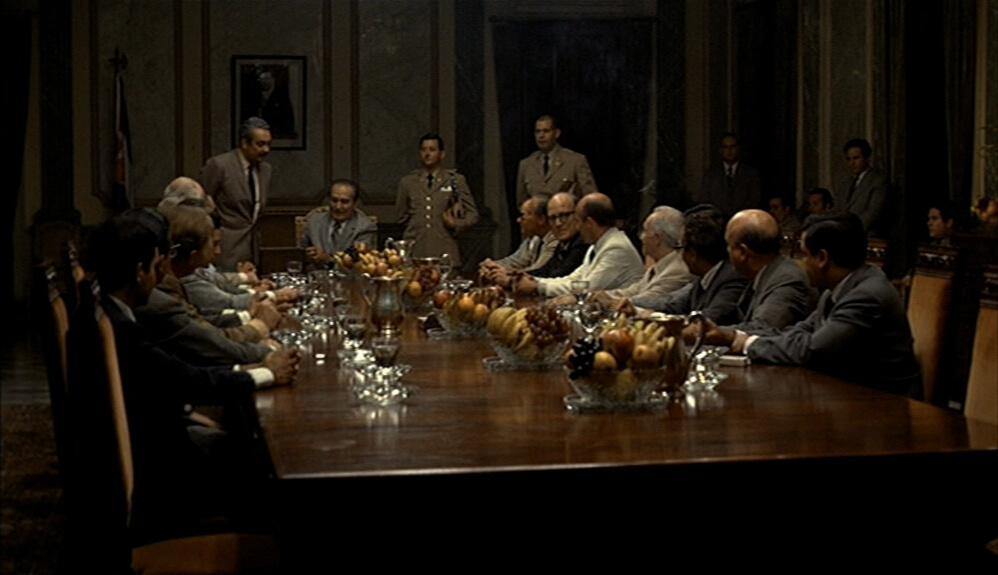
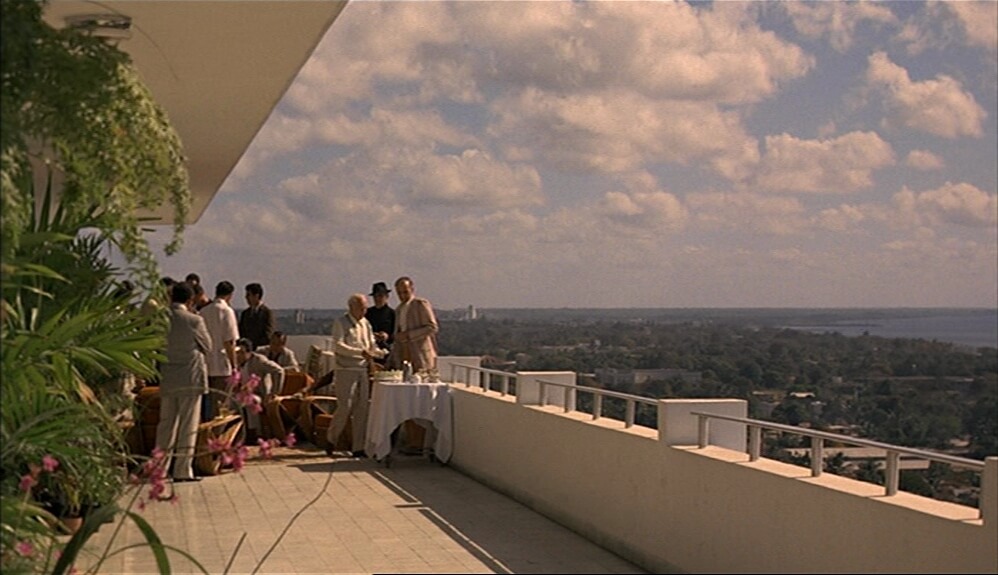
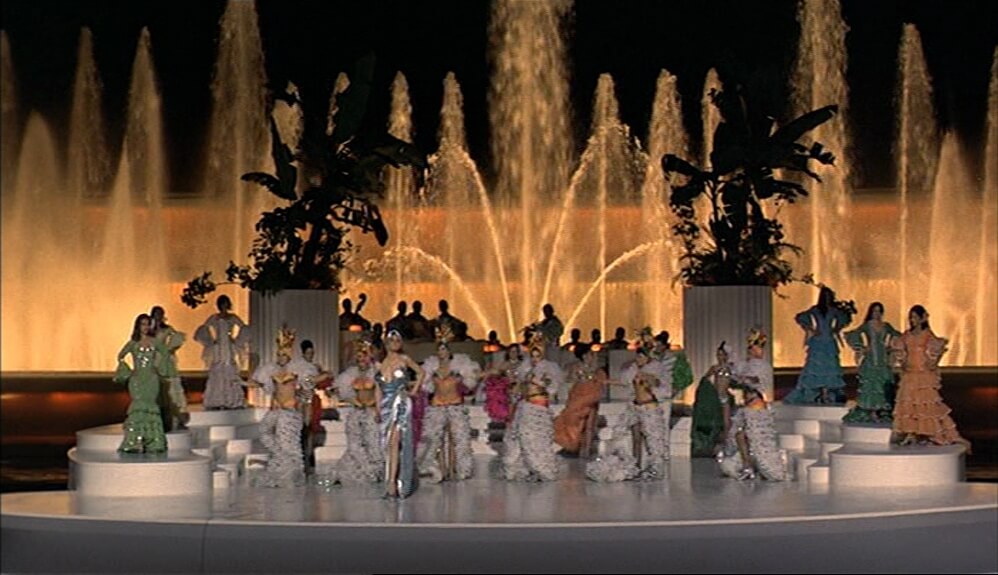
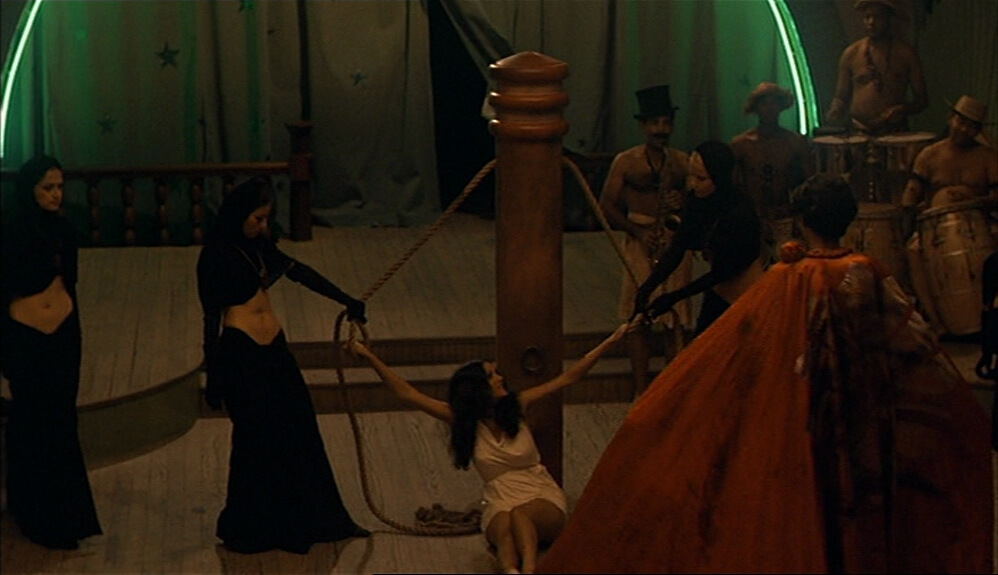
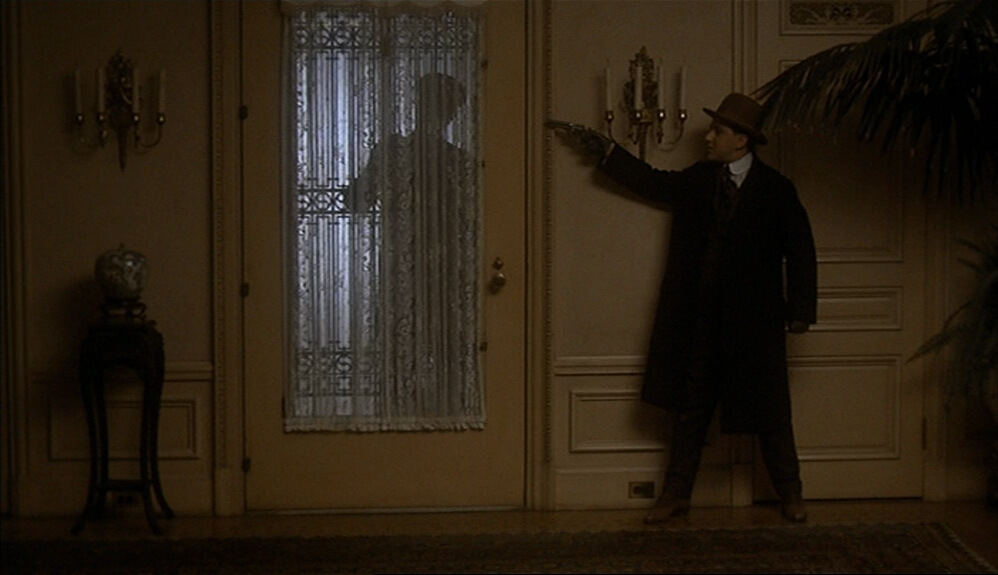
That night, Michael narrowly survives an assassination attempt at his home. He immediately suspects betrayal from within and begins a quiet, calculated investigation. Eventually, he discovers that his older brother Fredo (John Cazale) has been secretly in contact with Roth’s men—an act of betrayal that devastates Michael but does not yet prompt immediate revenge.
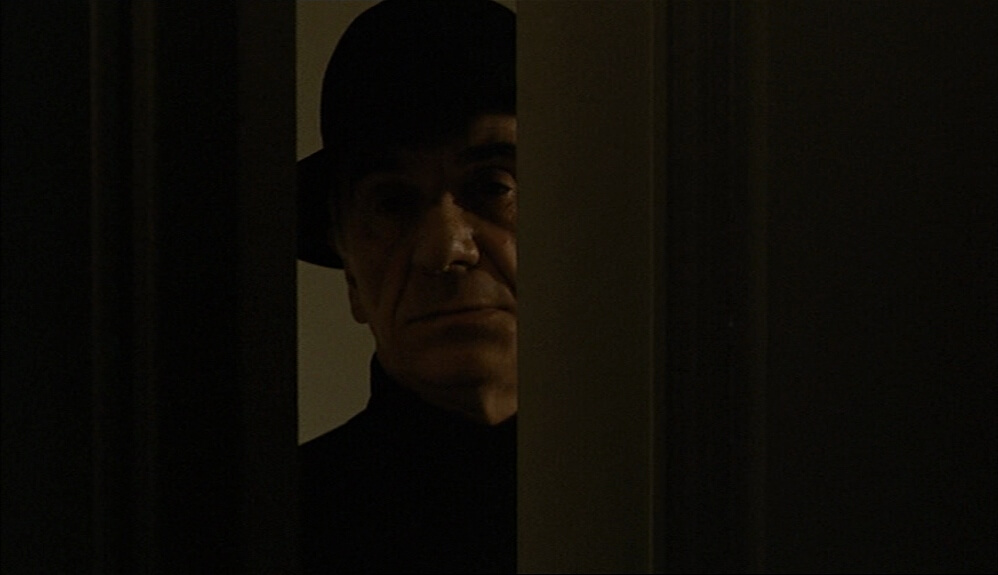
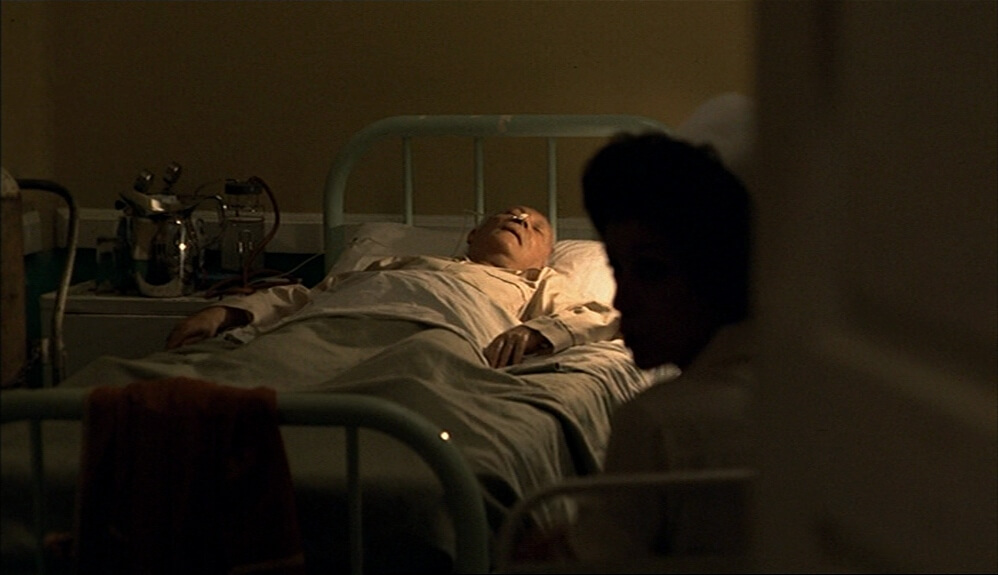
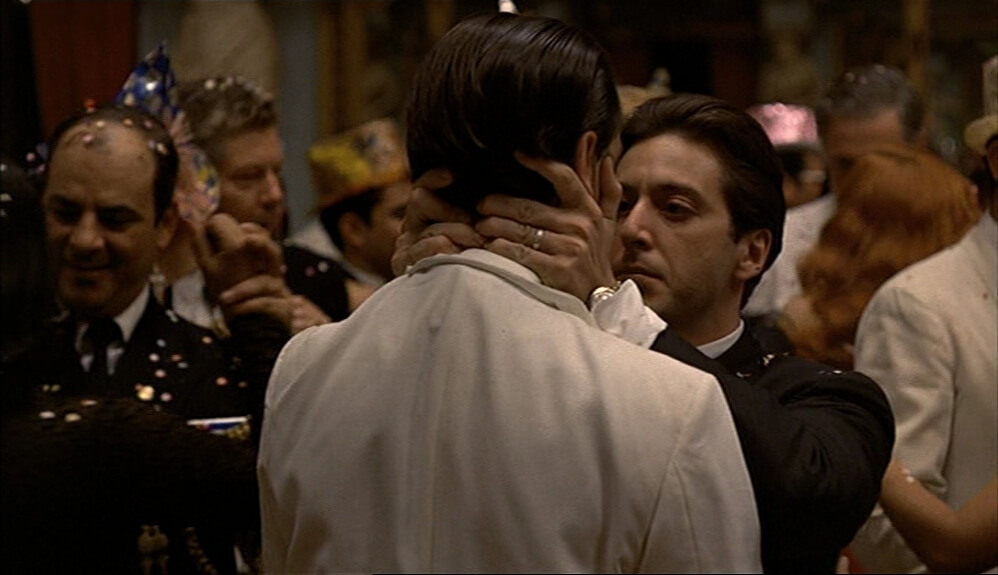
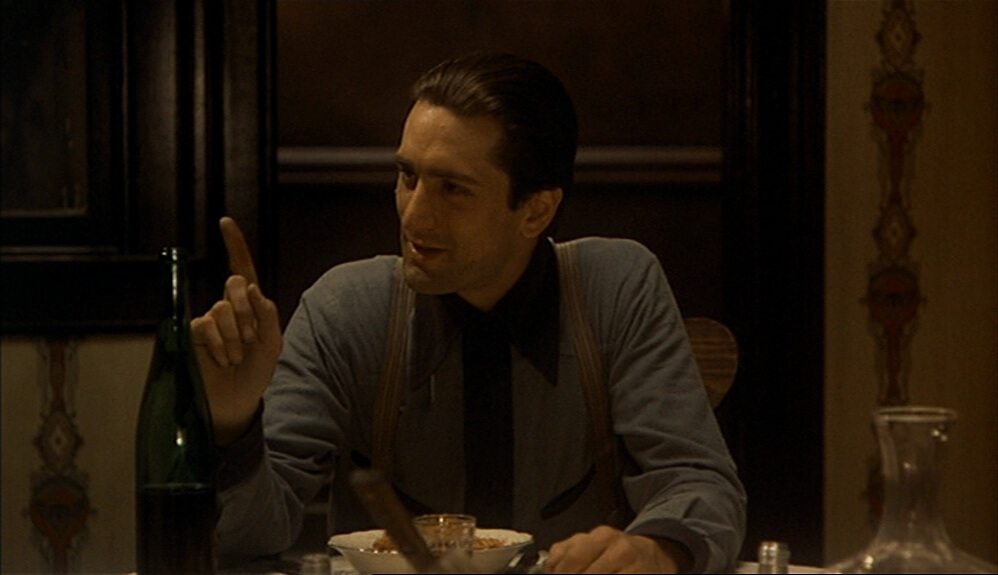
Simultaneously, Michael’s relationship with his wife, Kay Adams-Corleone (Diane Keaton), deteriorates. Kay, disillusioned with Michael’s lies and violent empire, ultimately confesses that she aborted their son out of despair. Enraged, Michael violently banishes her from his life.
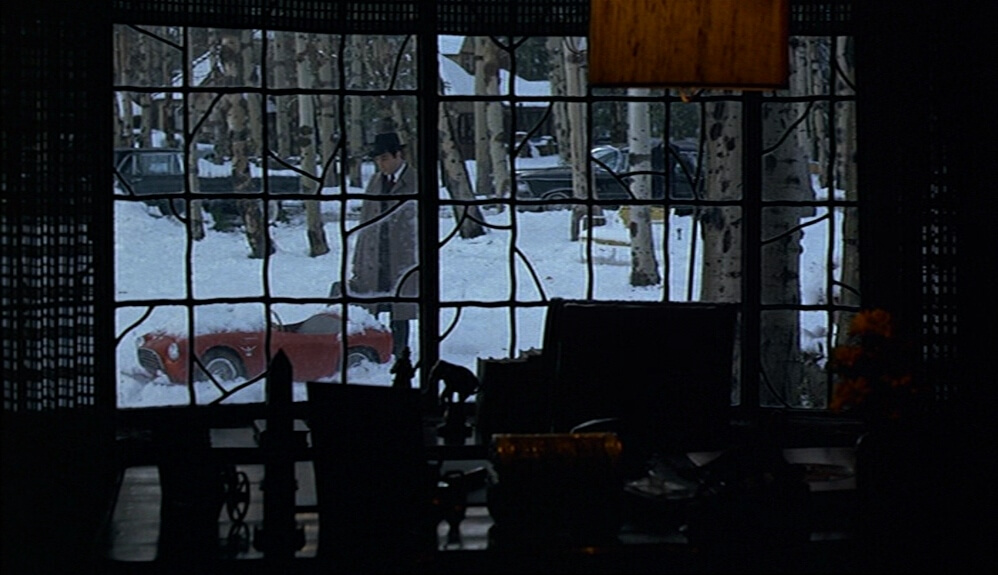
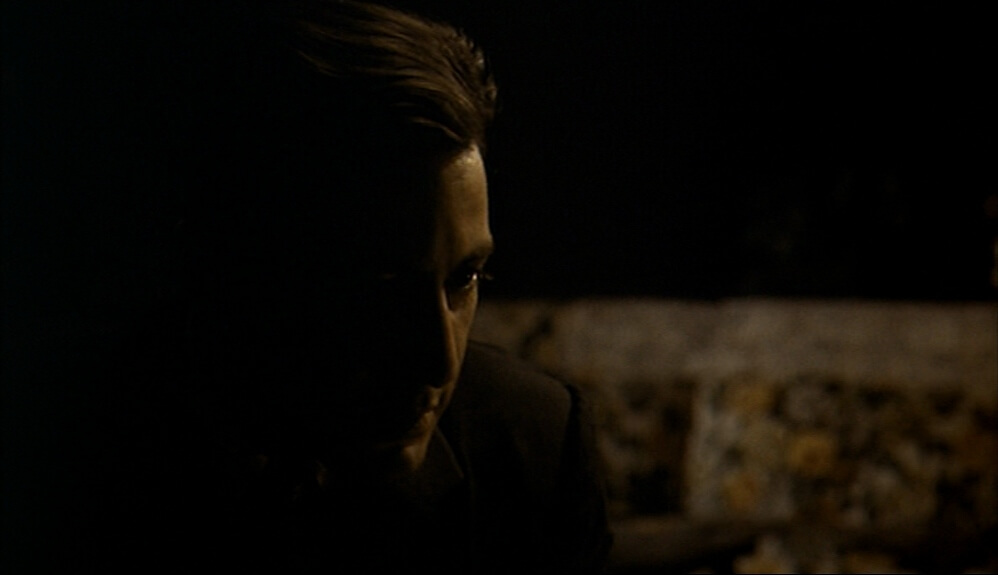
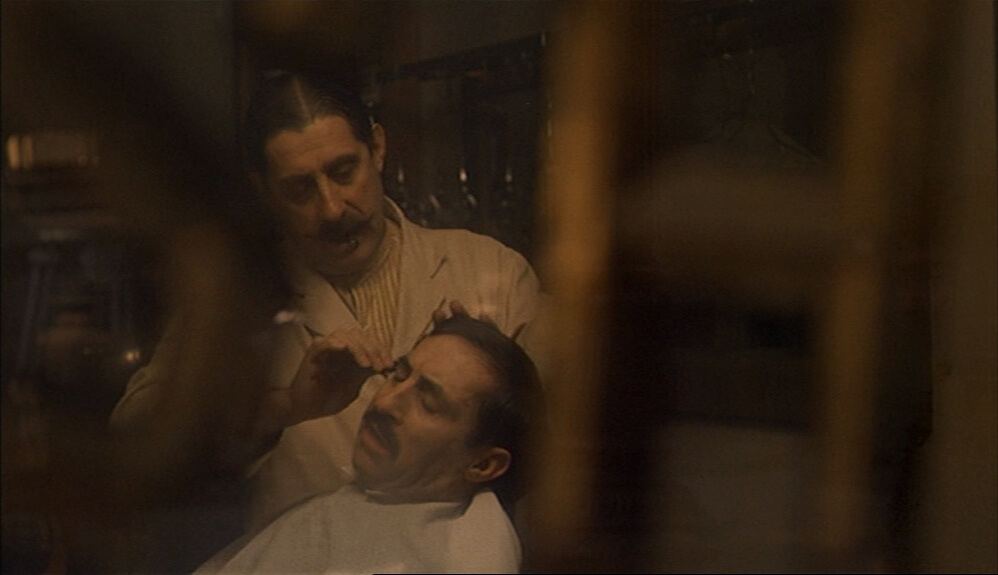
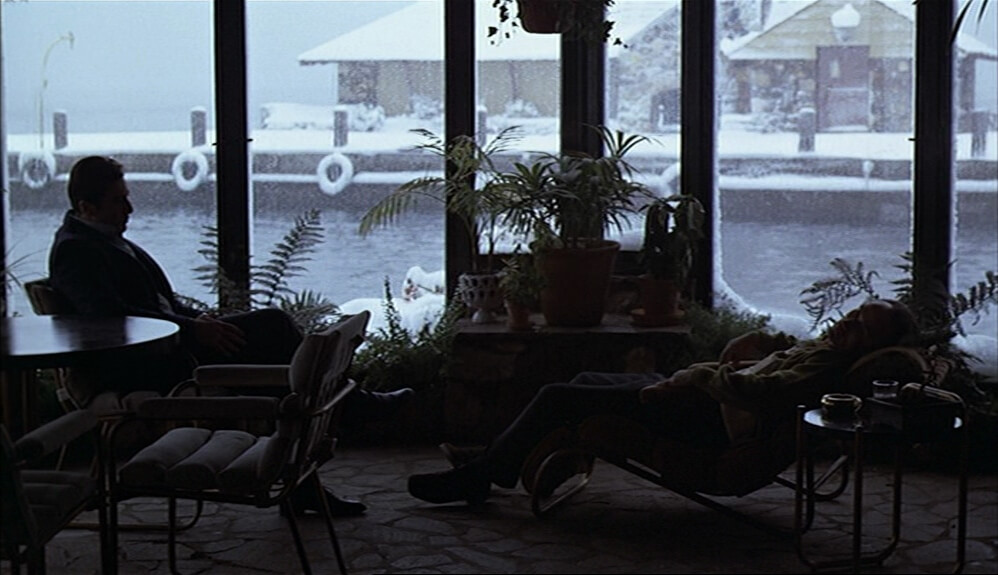
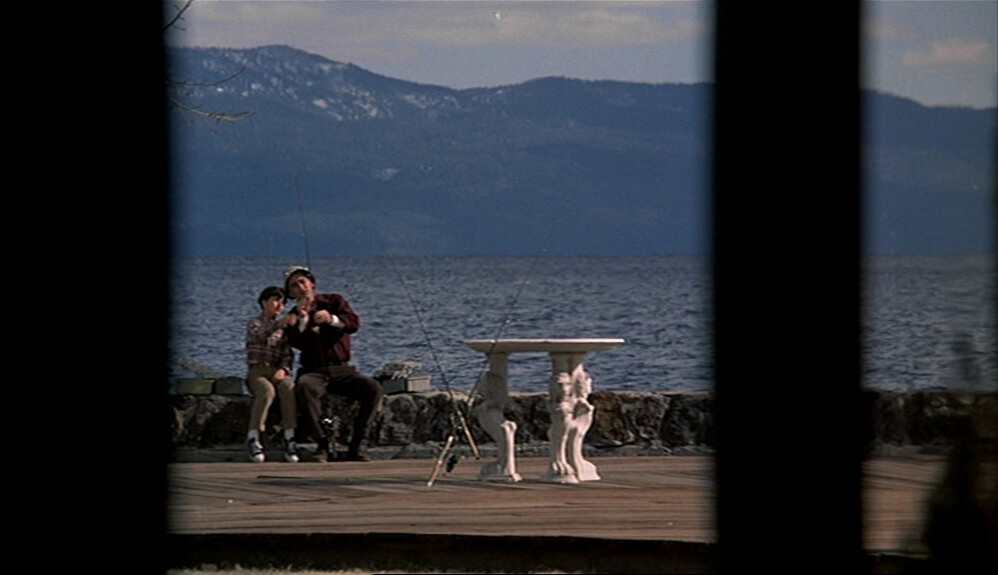
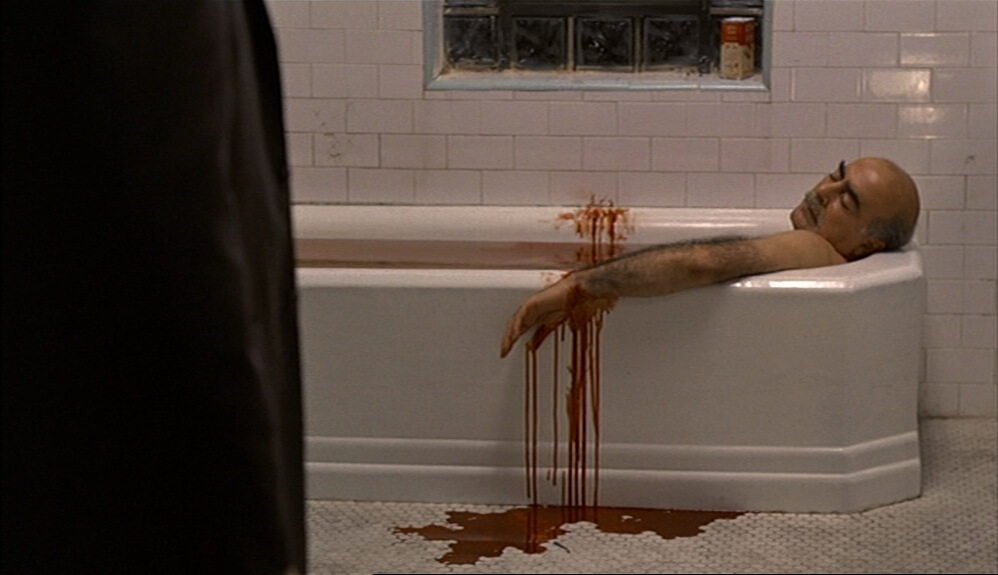
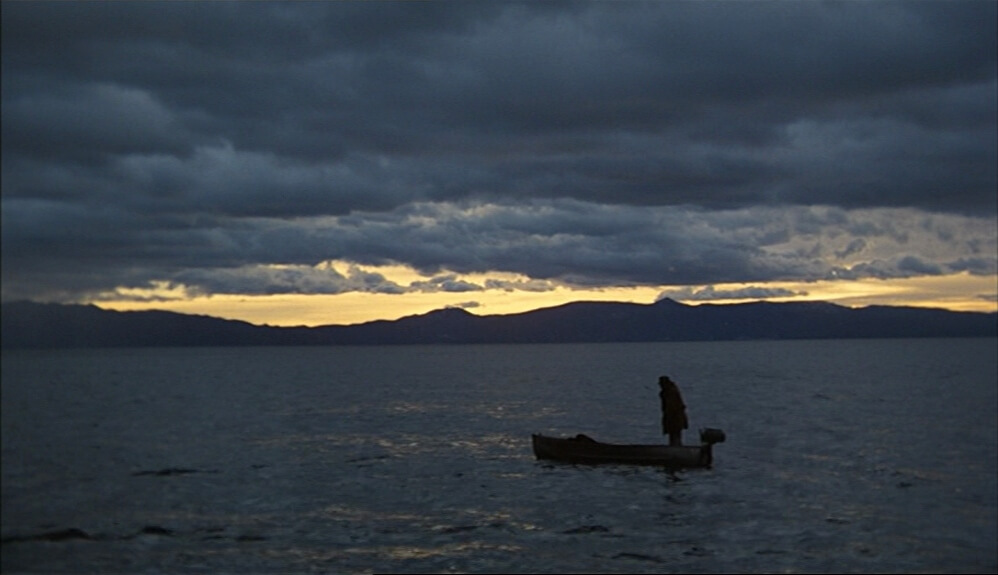
Michael’s consolidation of power comes through carefully orchestrated moves: One, He orchestrates the suicide of Frank Pentangeli (Michael V. Gazzo), a caporegime turned government witness, who is manipulated into taking his own life to protect his family and the Corleone name. Second, he ensures Hyman Roth’s assassination after Roth is denied asylum upon returning from Cuba. And thirdly and most chillingly, Michael orders the execution of Fredo, his own brother, for betrayal—carried out coldly on Lake Tahoe after their mother’s funeral.
Michael stands alone by the film’s end—powerful, feared, and utterly emotionally barren.
Storyline B: Young Vito Corleone’s Rise (1901–1920s)
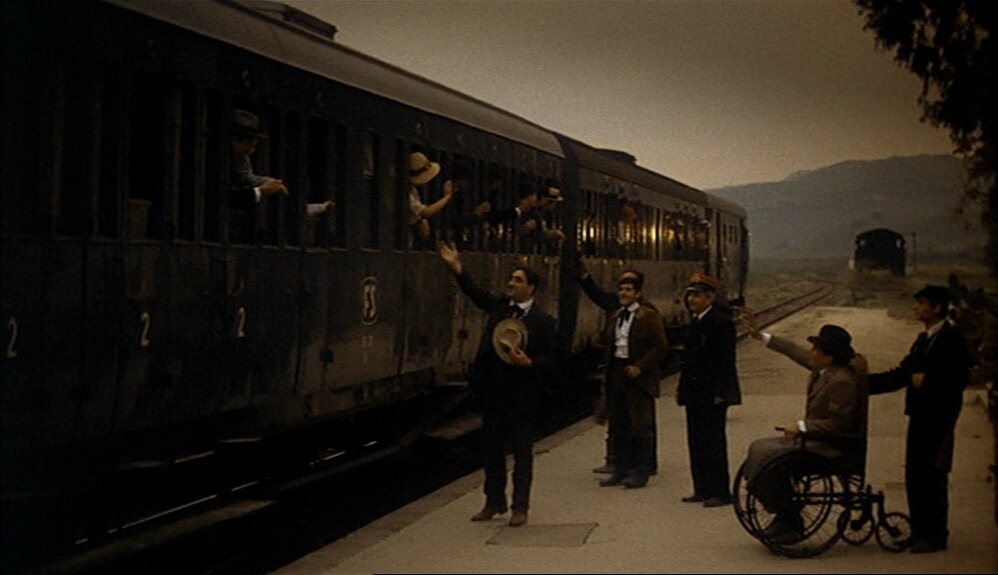
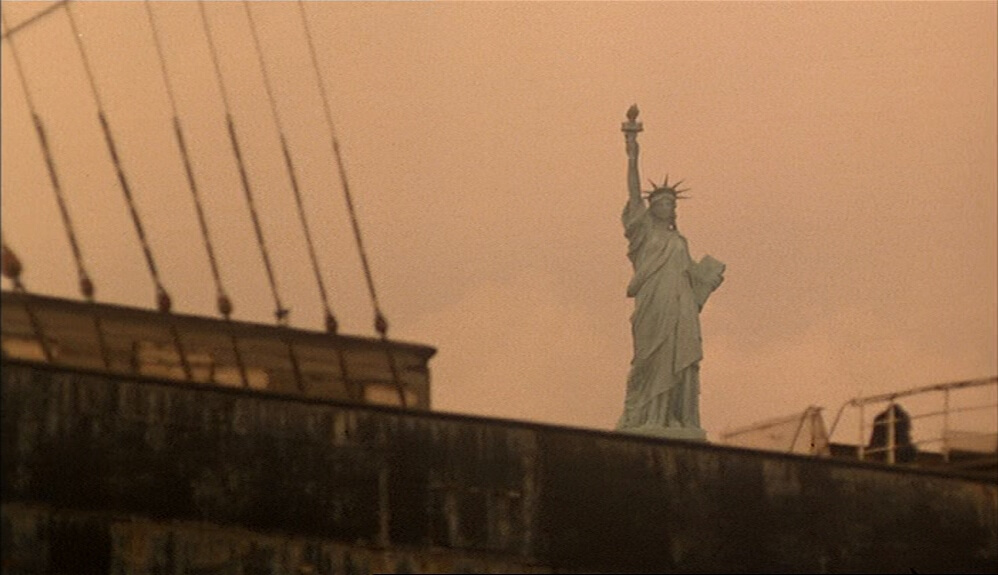
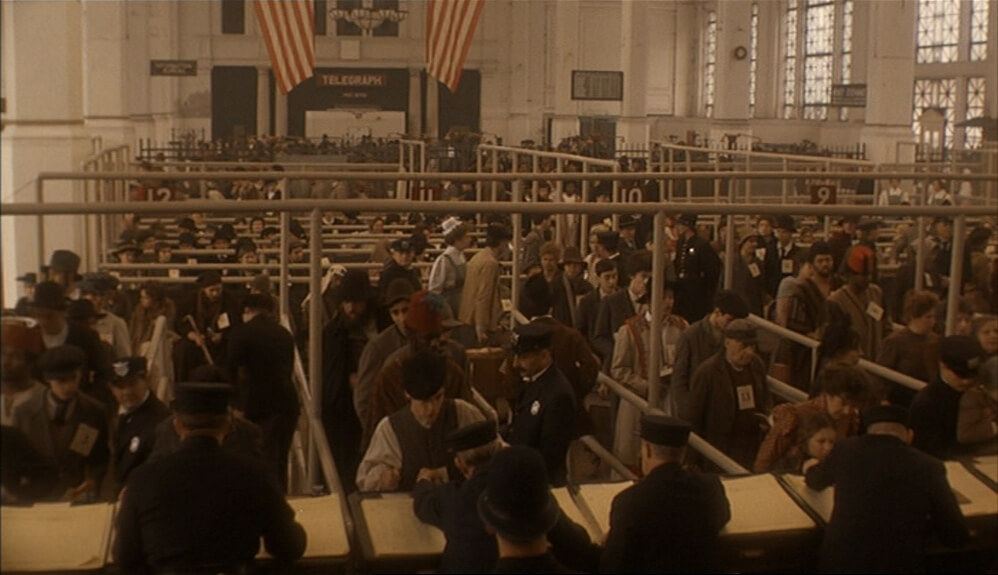
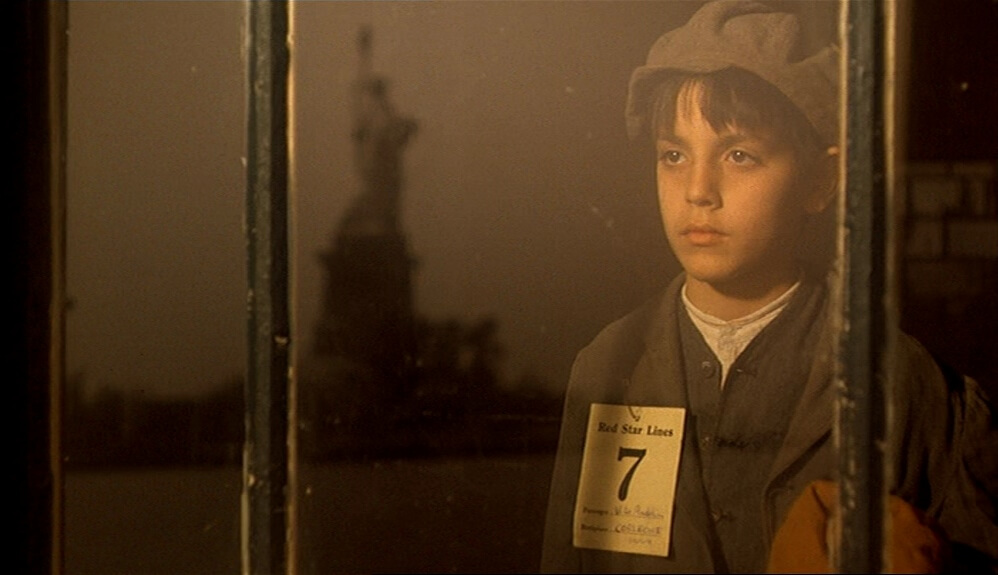
Parallel to Michael’s moral decay is the story of Vito Andolini Corleone, played by Robert De Niro in an Oscar-winning performance. The narrative begins in Sicily, where young Vito’s family is murdered by the local mafia boss, Don Ciccio. He escapes to America, arriving in New York through Ellis Island, where immigration officials rename him “Vito Corleone.”
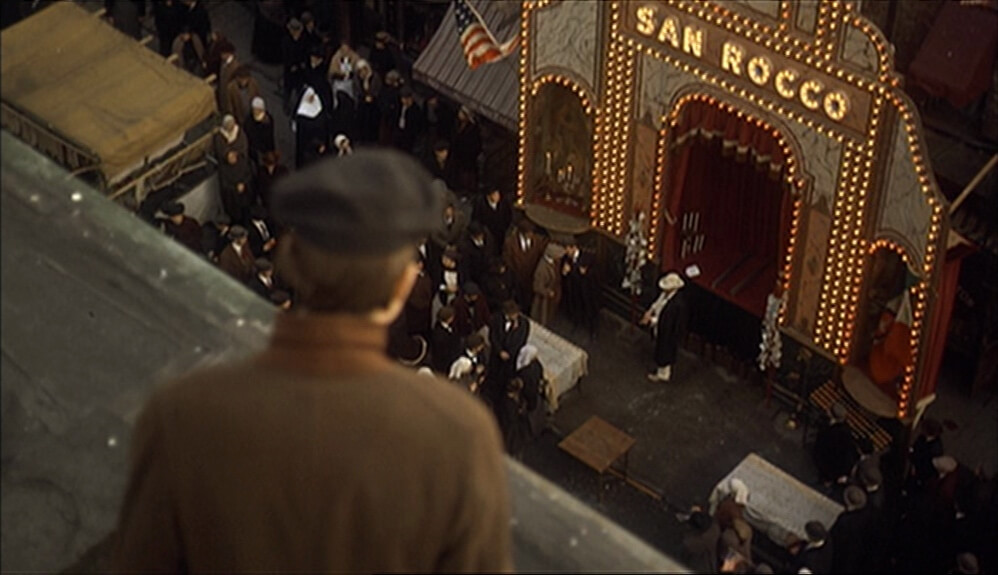
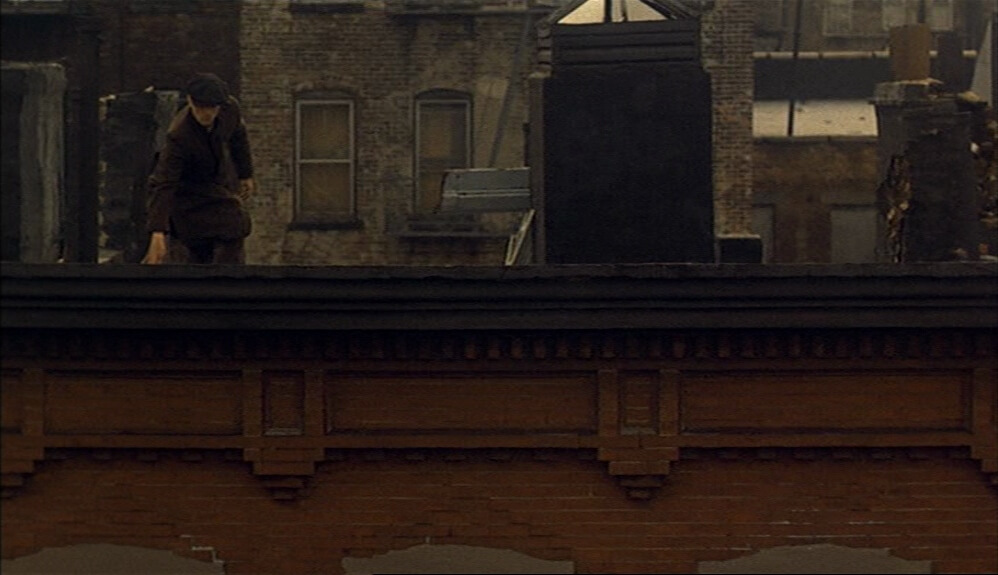
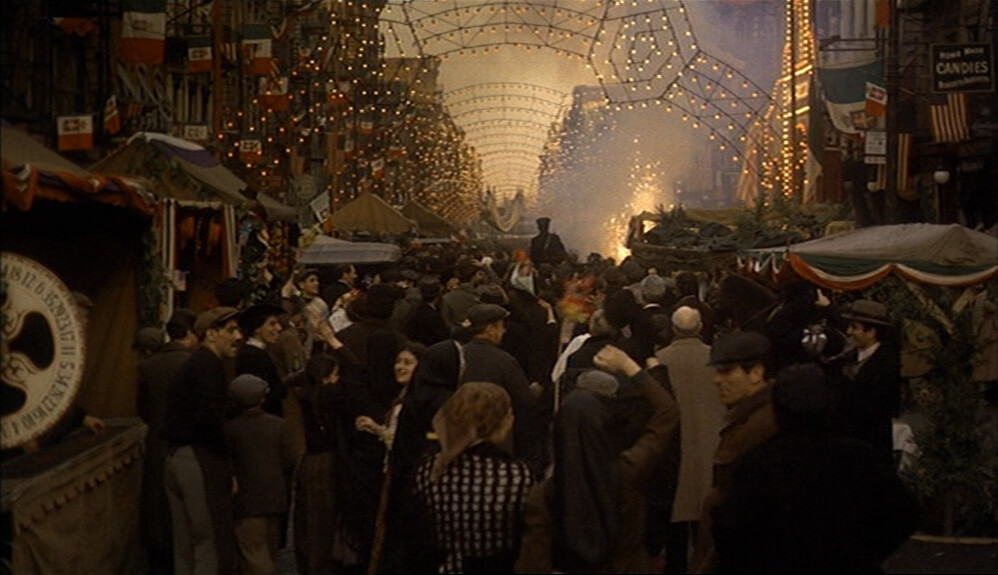
As a young man in Little Italy, Vito lives modestly with his wife and children. He quietly observes the criminal activity around him, particularly the oppression of neighborhood residents by the Black Hand extortionist Don Fanucci (Gastone Moschin). After befriending a young Clemenza and Tessio, Vito becomes involved in petty theft but eventually emerges as a community protector, earning respect for his calm, measured sense of justice.
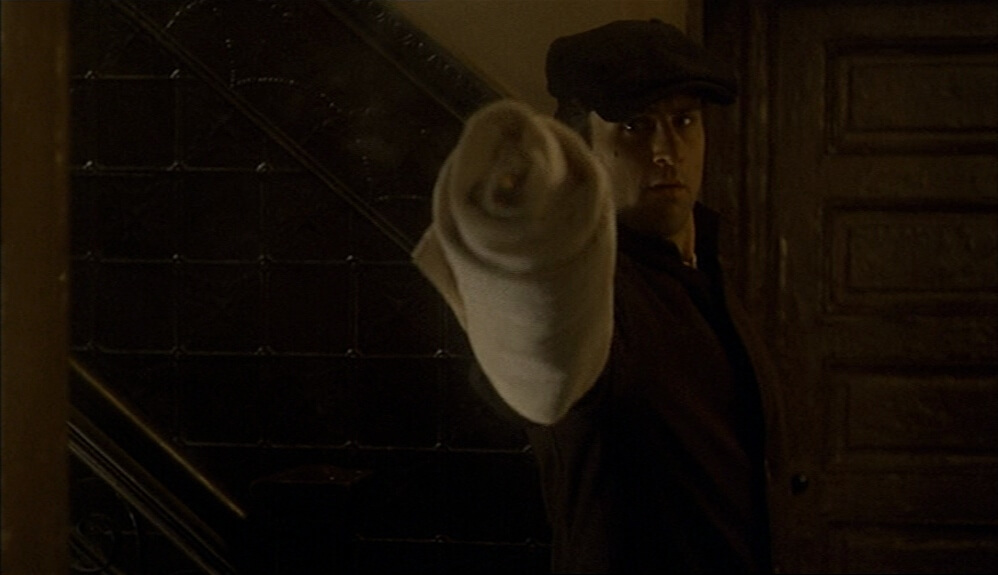
In a defining moment, Vito personally kills Don Fanucci in a bold, calculated act, marking the birth of his power. He soon builds a network of trust, loyalty, and fear, distinguishing himself from other crime bosses by offering help to the powerless. Later, he returns to Sicily to take revenge on Don Ciccio, slicing him open and completing the vengeance that began as a boy.
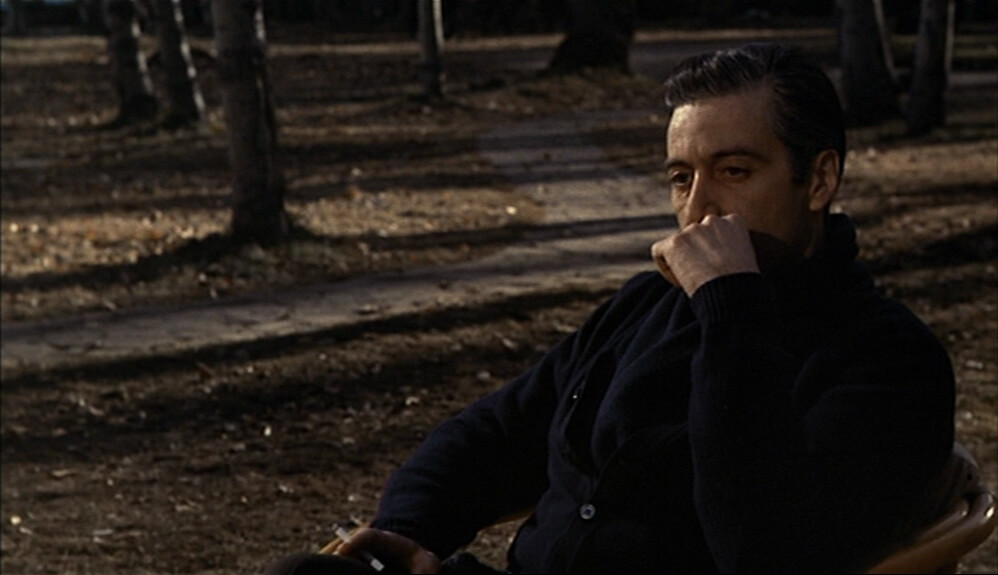
“The Godfather Part II” explores power, betrayal, loyalty, family, and identity themes. Where Vito’s arc is one of ascent through honor and necessity, Michael’s arc is one of moral corruption and disintegration. Coppola contrasts the immigrant experience rooted in survival and community with the modern understanding of alienation and ethical decay. The film questions the American Dream through the lens of organized crime, showing how success built on violence ultimately destroys the soul. Michael gains the world but loses his family, brother, wife, and sense of self.
 The Other Cinema