
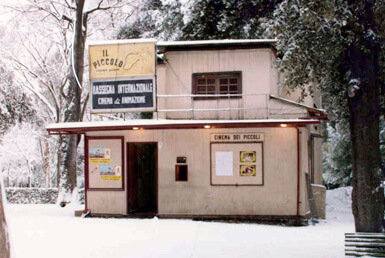
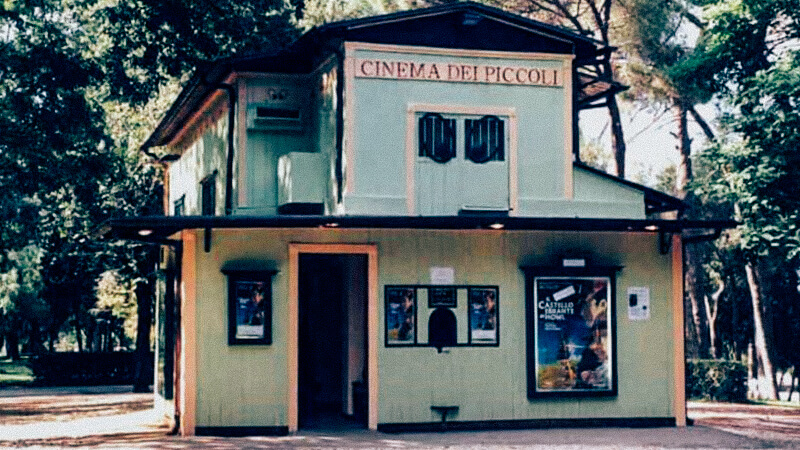
In this edition of the “Sacred Houses Series,” we pay homage to Cinema dei Piccoli in Rome, Italy, as we continue to honor notable movie theaters worldwide.
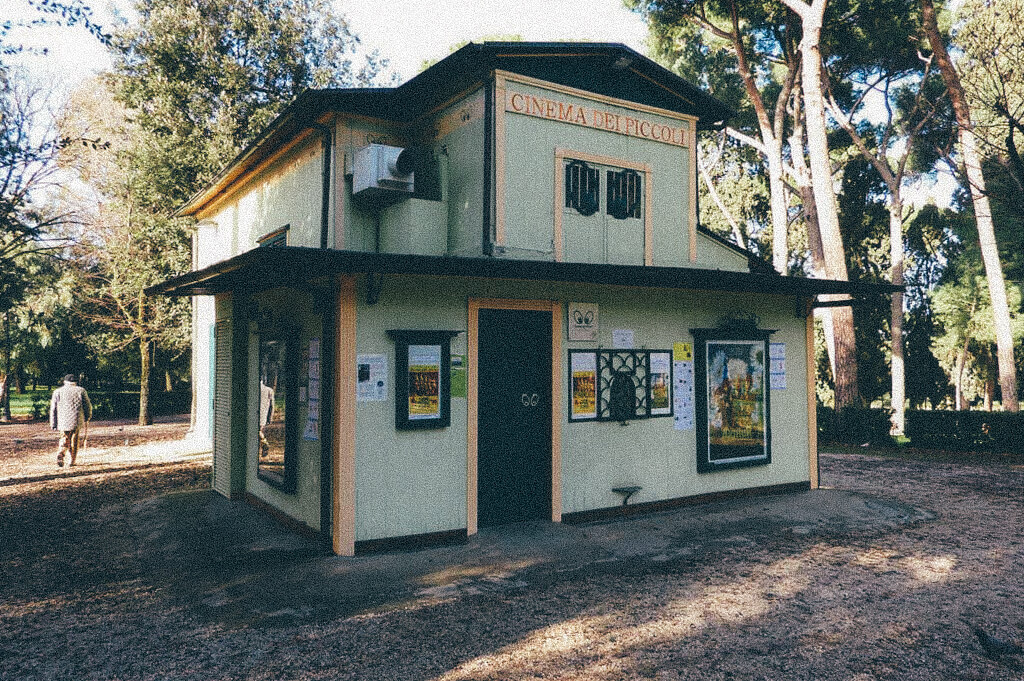
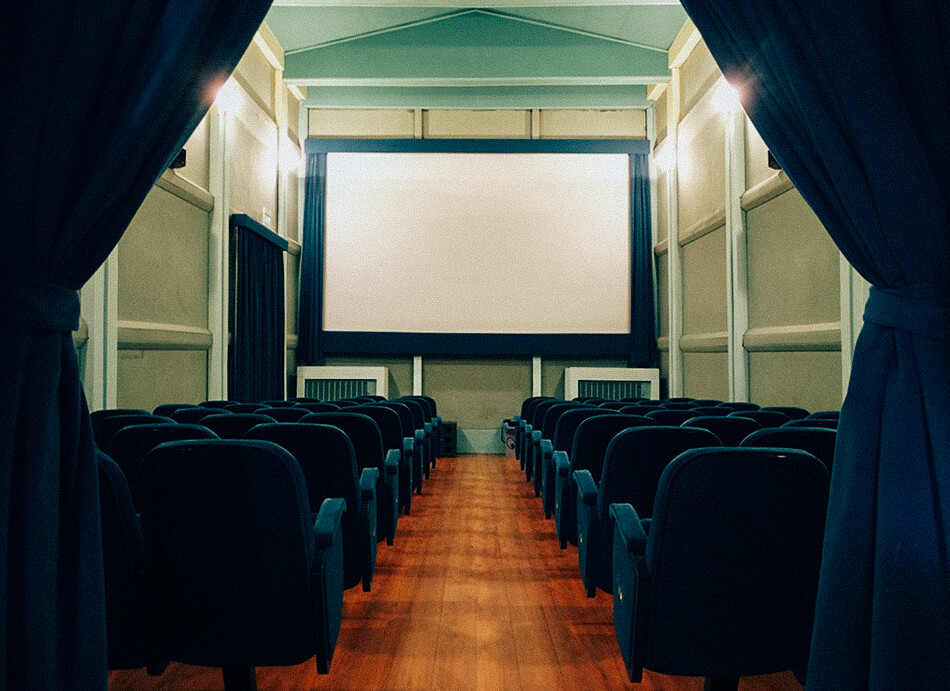
“The Cinema dei Piccoli” is situated in Rome’s Villa Borghese park and is the world’s smallest cinema, as recognized by Guinness World Records in 2005. With just 63 seats, it has been a beloved fixture in Rome’s cultural landscape since its inception in 1934.
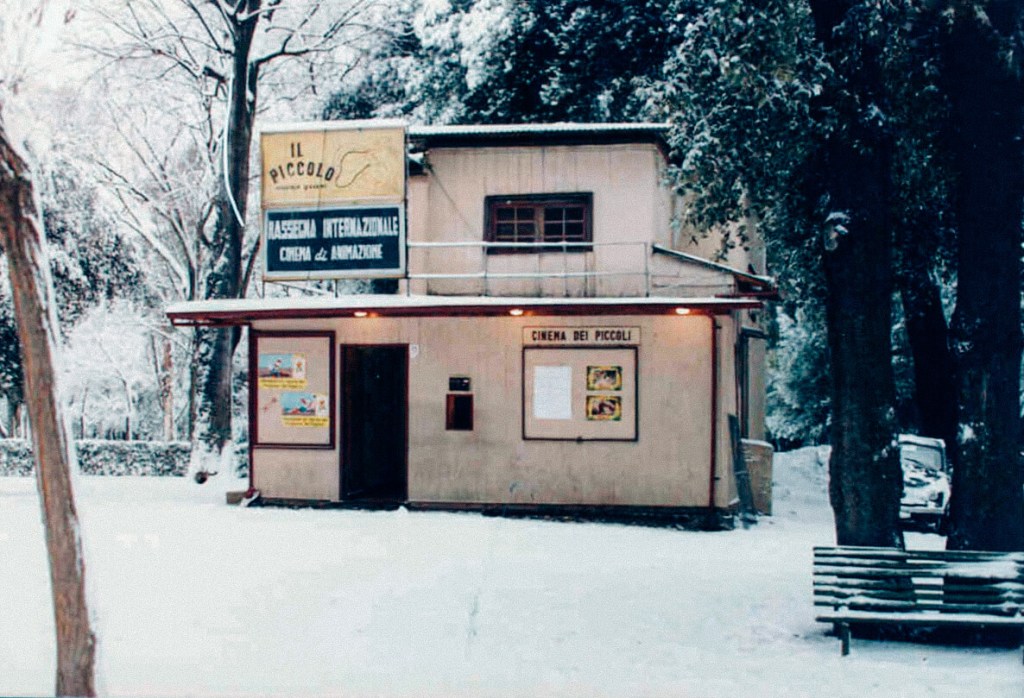
Alfredo Annibali established the cinema, inspired by Disney’s Mickey Mouse cartoons. Originally named “Cinema Topolino” (“Mickey Mouse Cinema”), it featured an image of Mickey Mouse with a film camera above its sign. However, Disney requested the removal of the name, though the image remained until the 1970s.
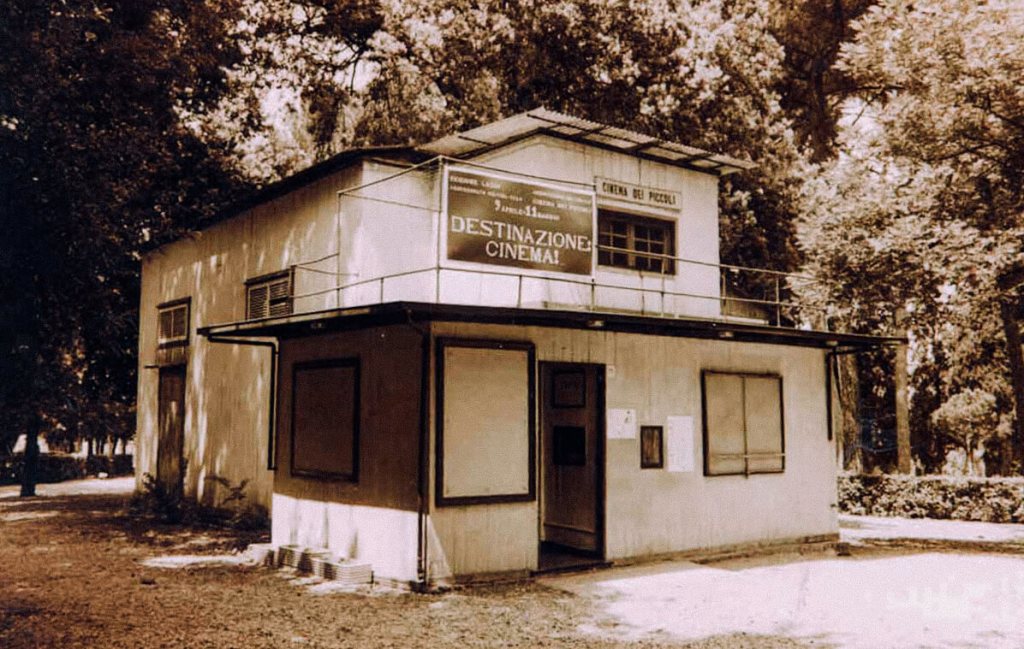
Initially, the cinema specialized in children’s programming, showcasing comedies and animated films.
In the 1970s, the closure of Villa Borghese to private traffic led to a decline in attendance. To revitalize the cinema, Giuliano Annibali, Alfredo’s son, entrusted its programming to Enzo Fiorenza, founder of the Italian Association of Friends of Art-House Cinema (AIACE). Fiorenza introduced art-house films to the lineup, broadening the cinema’s appeal.
In 1978, AIACE handed over management to Fulvio Wetzl and Titta Labonìa, who established the “Piccolo Officine,” an art-house cineclub that premiered films like Wim Wenders’ “Falsche Bewegung” (“Wrong Move”) in Italy.
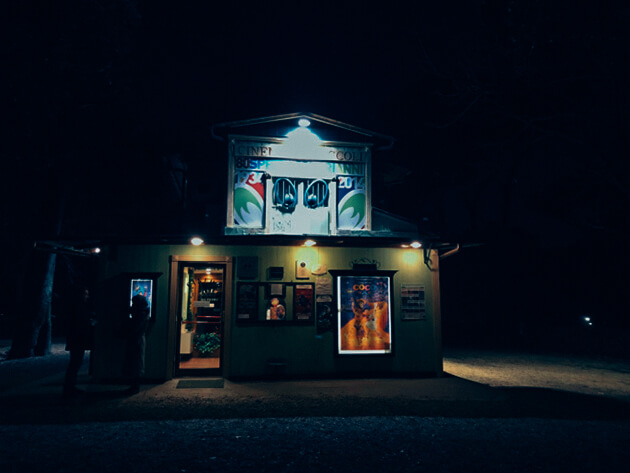
By 1980, Roberto Fiorenza (Enzo’s son) and Caterina Roverso took over management, continuing the tradition of diverse programming. A significant restoration in 1991 modernized the facility with a new screen, DTS stereo sound, and air conditioning.
Today, “Cinema dei Piccoli” offers a blend of children’s films during the day and original-language art-house films in the evening. In 2007, the cinema launched the “Dei Piccoli Film Festival,” supported by the Lazio Region to promote quality children’s cinema.
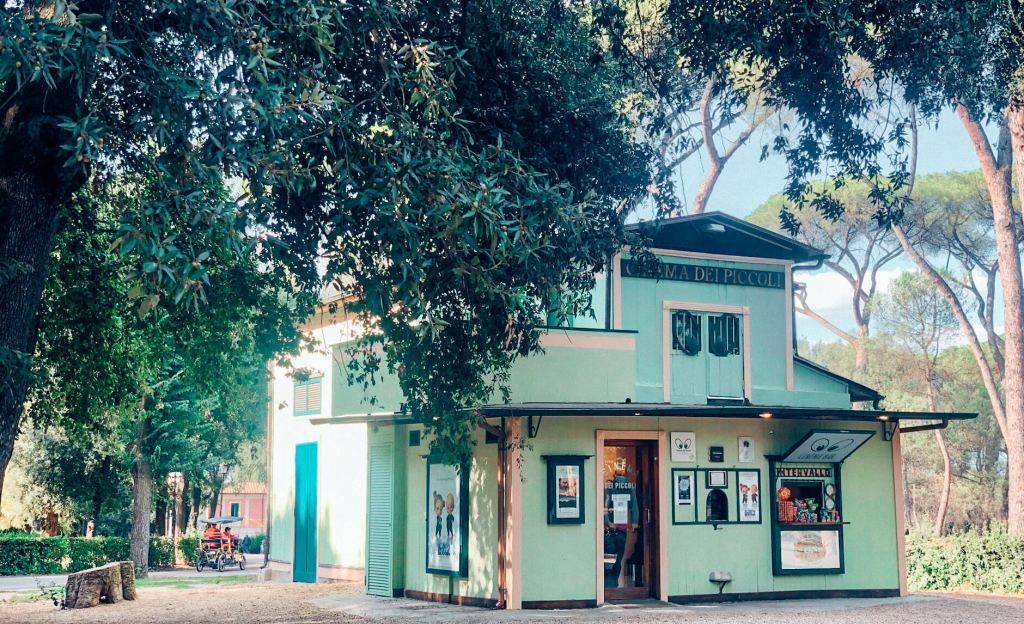
Located at Viale della Pineta 15 within Villa Borghese, the “Cinema dei Piccoli” remains a cherished cultural institution, celebrated for its unique size and enduring commitment to film. Visit the Cinema HERE.
If you know of a theater that deserves recognition in our “Sacred Houses” series, please contact us and provide details about its location, name, and significance to you or your community. We are passionate about supporting local theaters and believe they should be celebrated alongside the more well-known historic venues.
 The Other Cinema
Leave a comment