

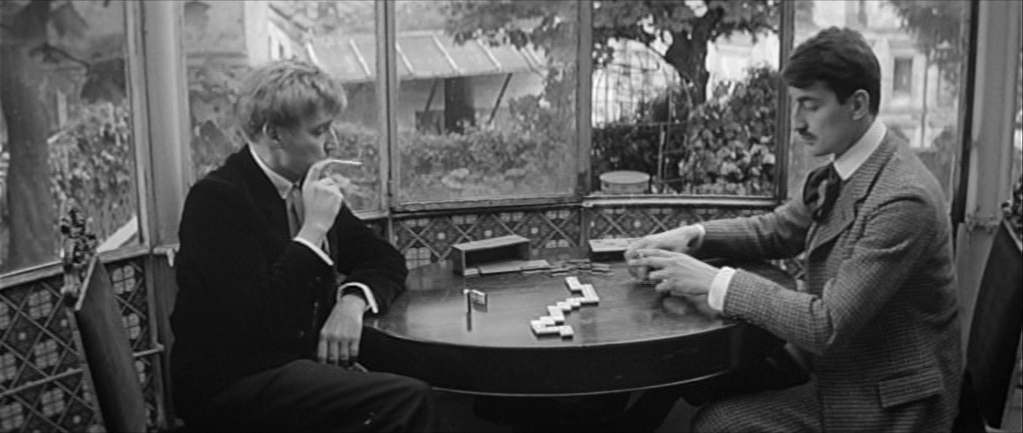
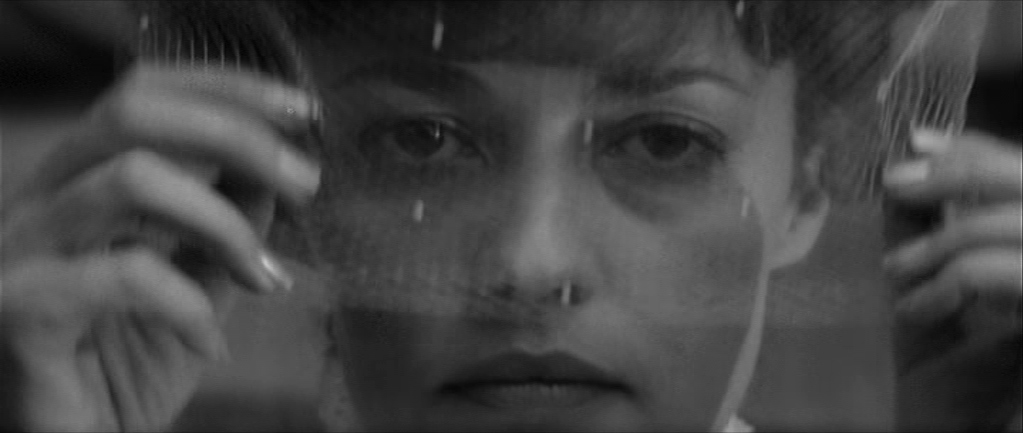
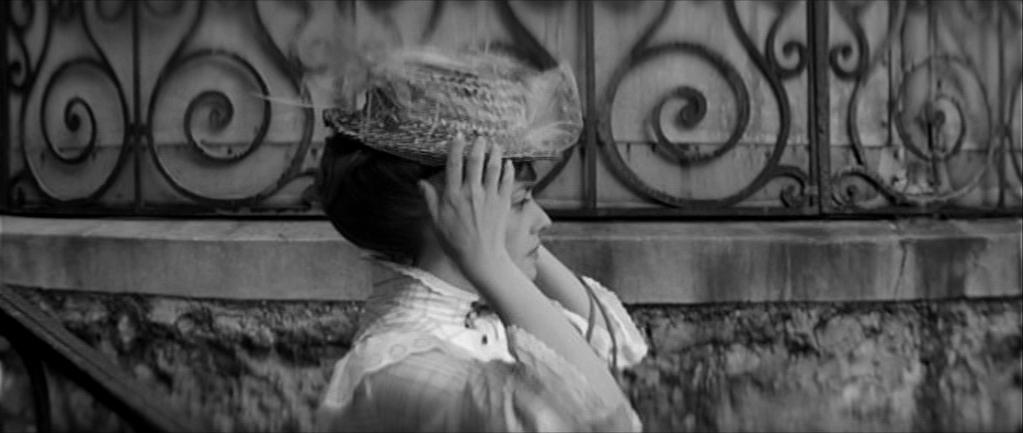
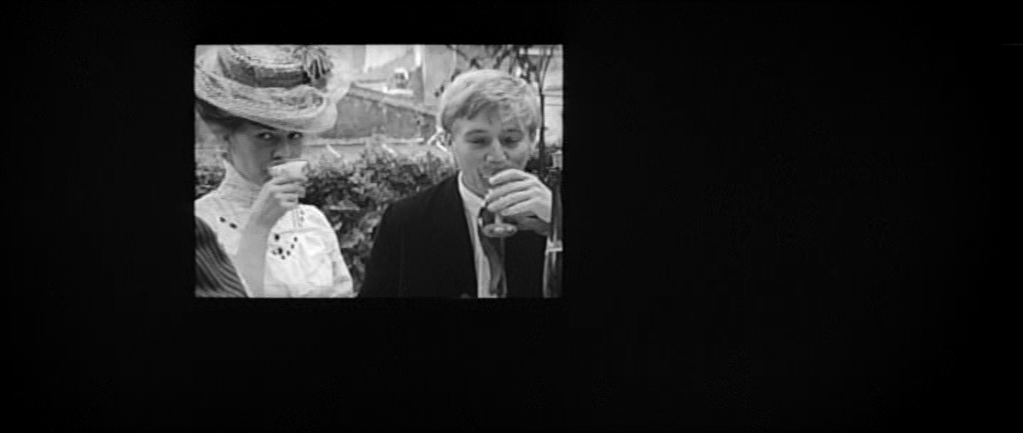
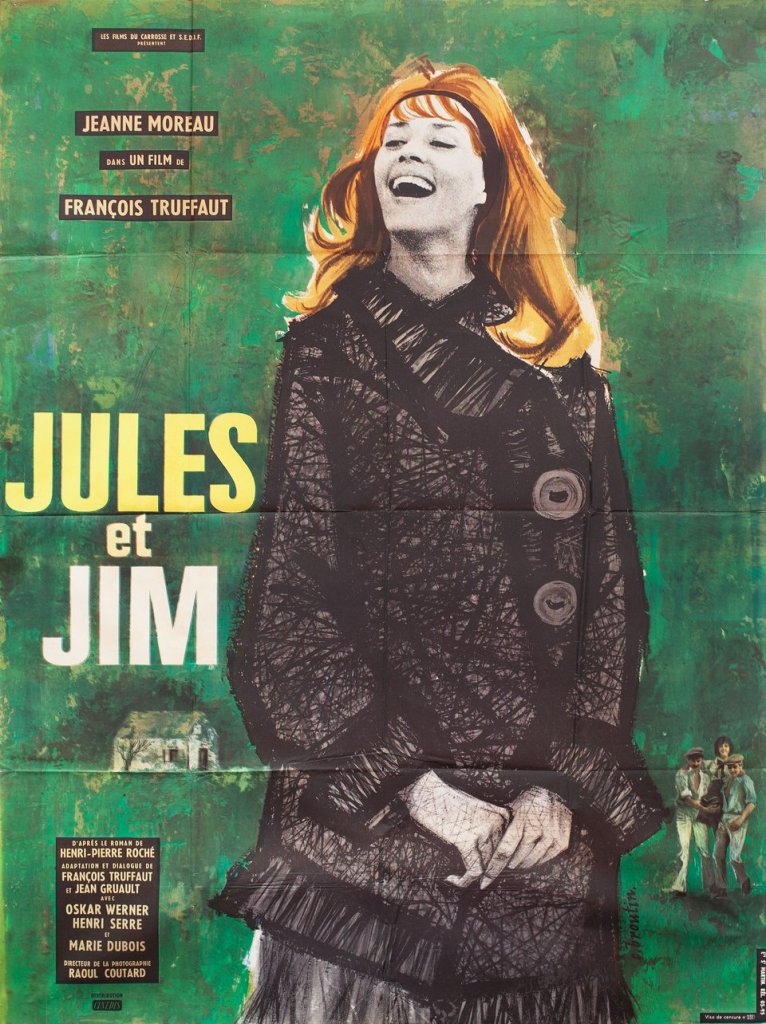
“Jules et Jim” is a 1962 Romantic drama and seminal film of the French New Wave directed by François Truffaut. It is based on the semiautobiographical novel by Henri-Pierre Roché and is renowned for its lyrical style, poetic narration, and emotional depth.
Set primarily in the years before, during, and after World War I, the story follows Jules, an Austrian writer (played by Oskar Werner), and Jim (played by Henri Serre), a Frenchman, who meet in pre-war Paris. They form a deep and affectionate friendship built on mutual respect, literary discussions, and a shared passion for art and beauty.
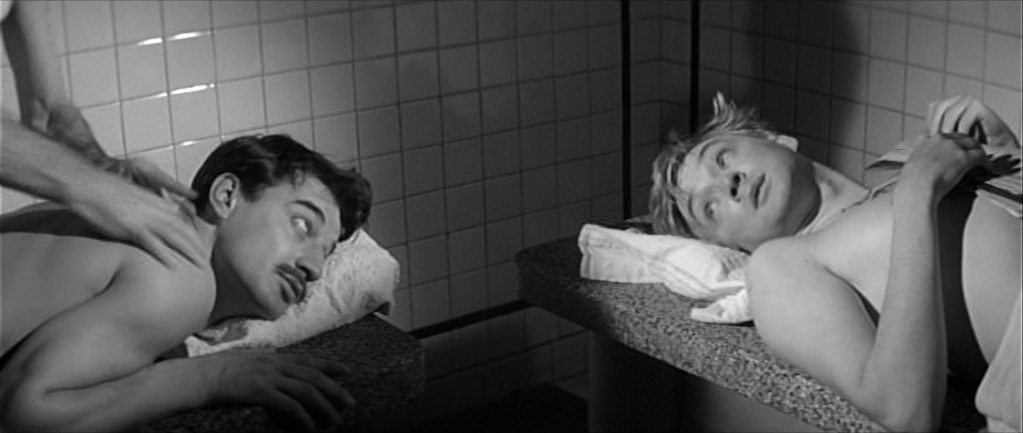
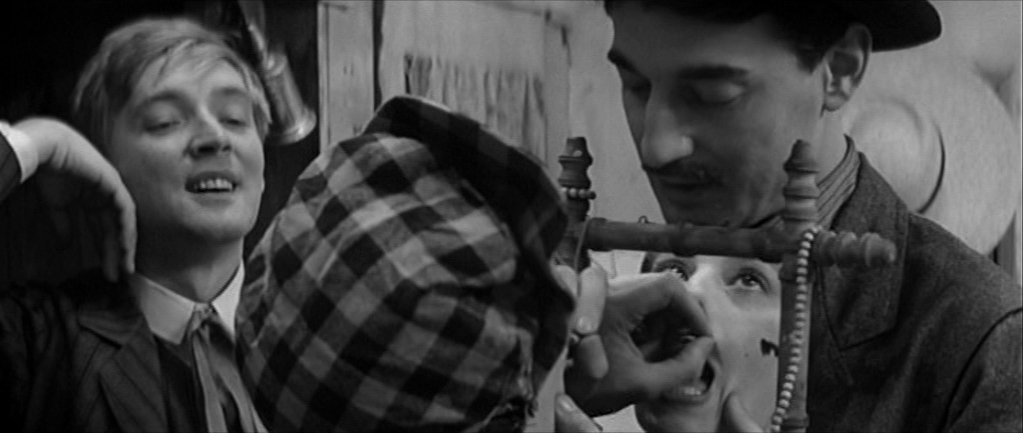
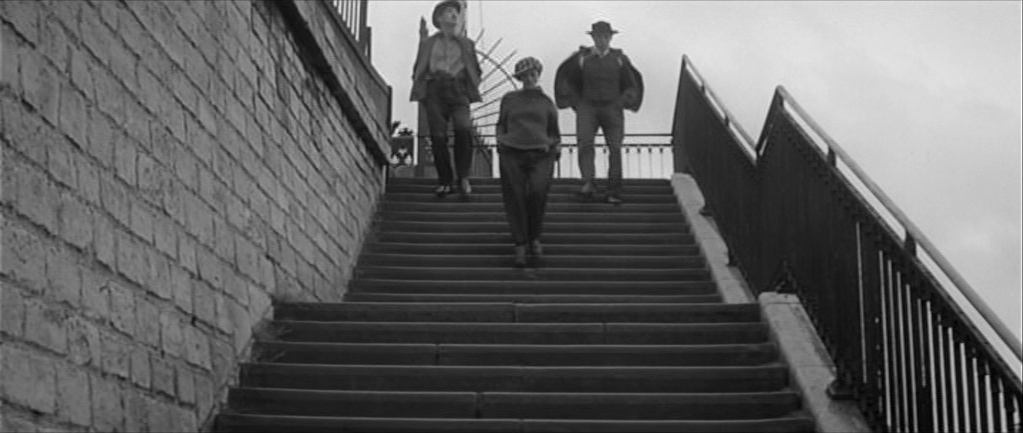
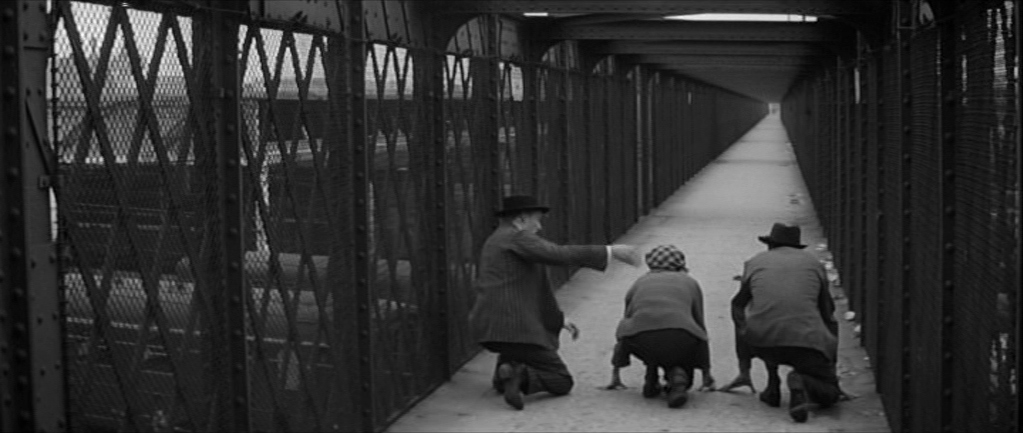
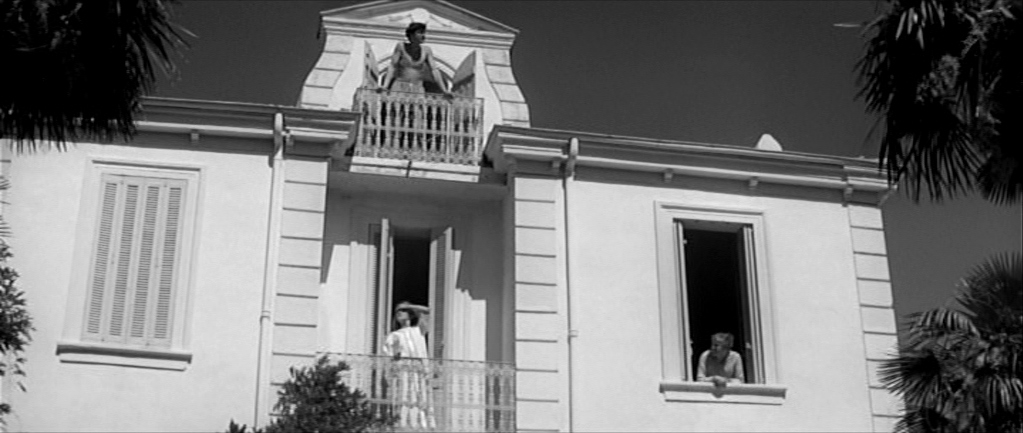
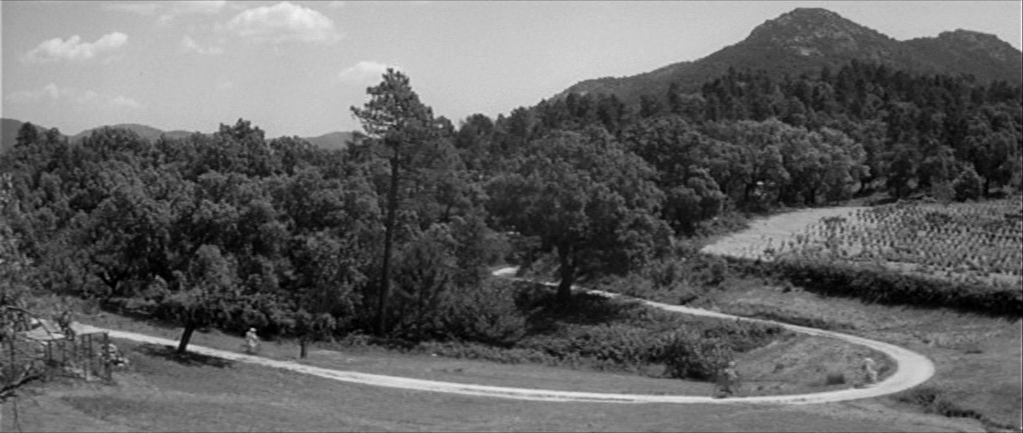
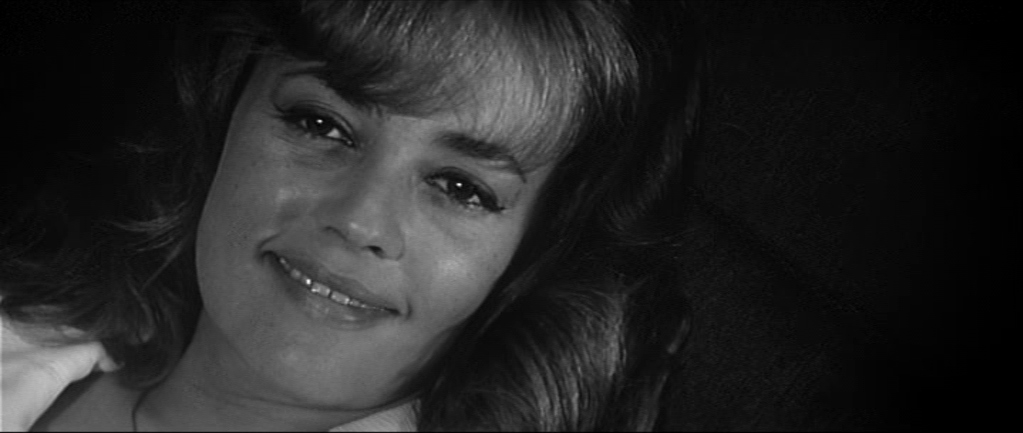
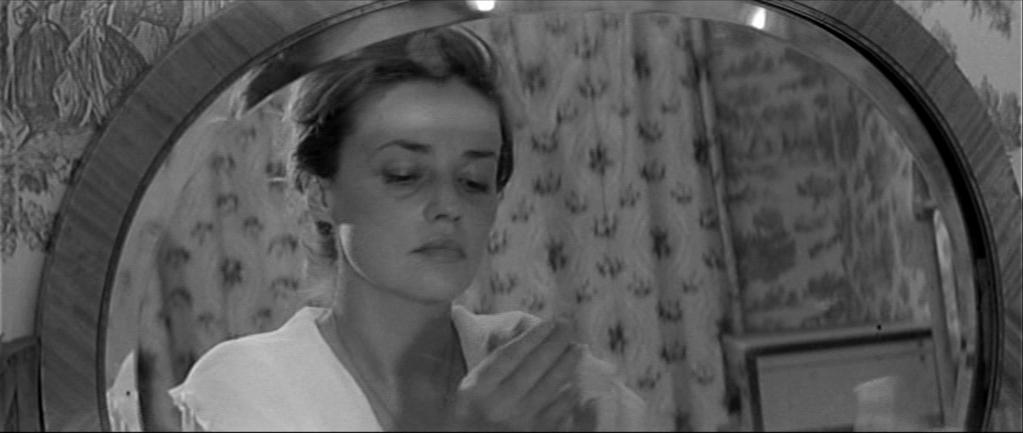
They are both romantics at heart, and their bond is characterized by a playful intellectual camaraderie. Their lives are irrevocably changed when they meet Catherine (Jeanne Moreau), a free-spirited, mercurial, and enigmatic young woman who captivates both men with her unconventional charm and radiant presence. Catherine resembles a statue of a smiling woman they had once admired together—a symbol of ideal beauty. Though unpredictable and emotionally volatile, she becomes the object of deep love for both men.
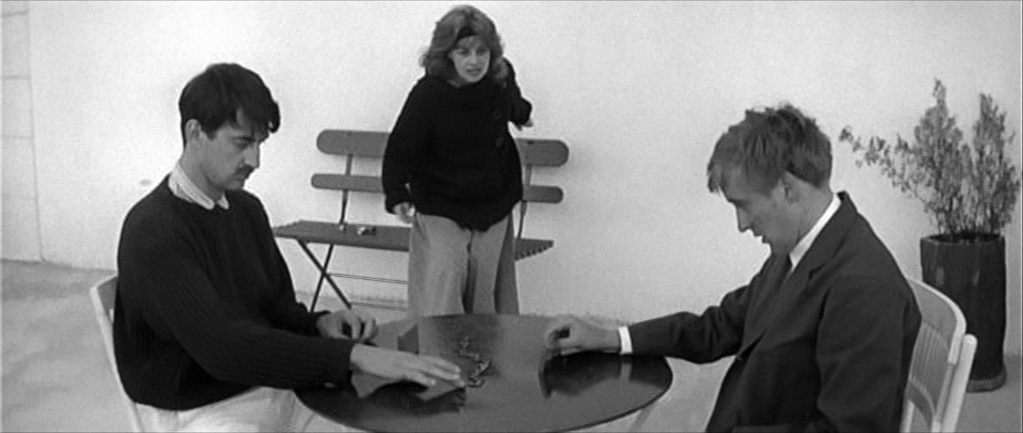
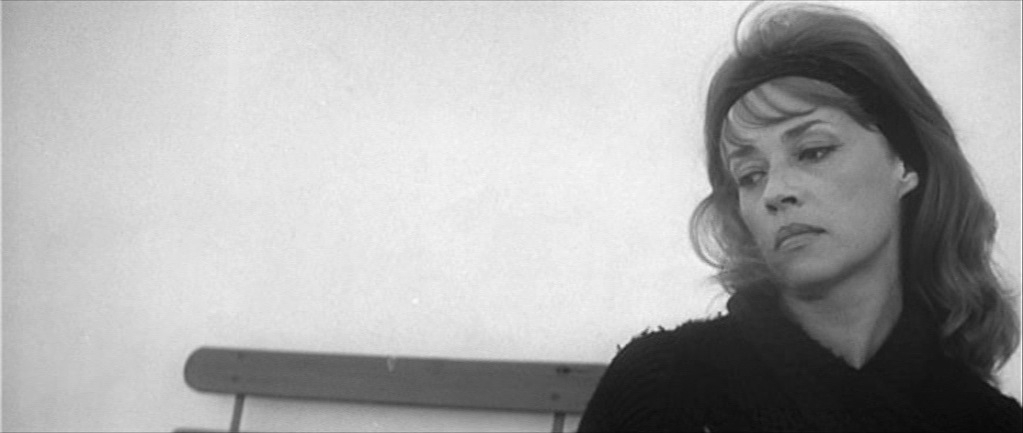
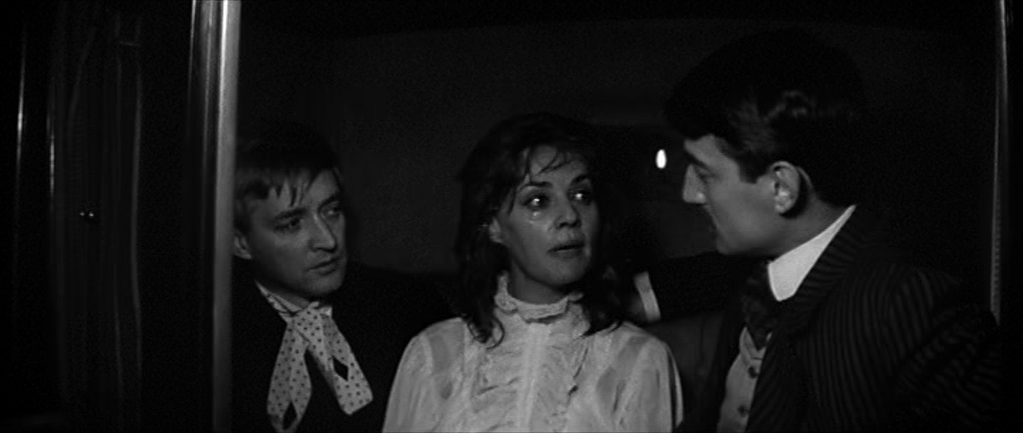
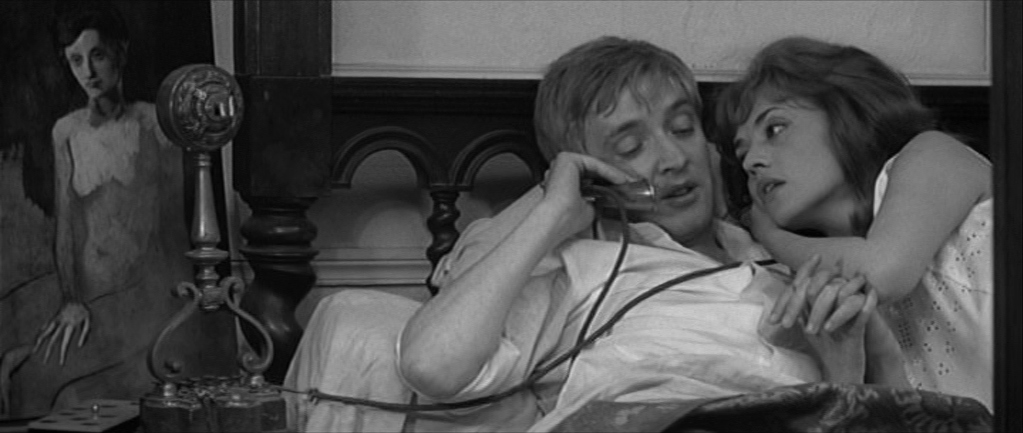
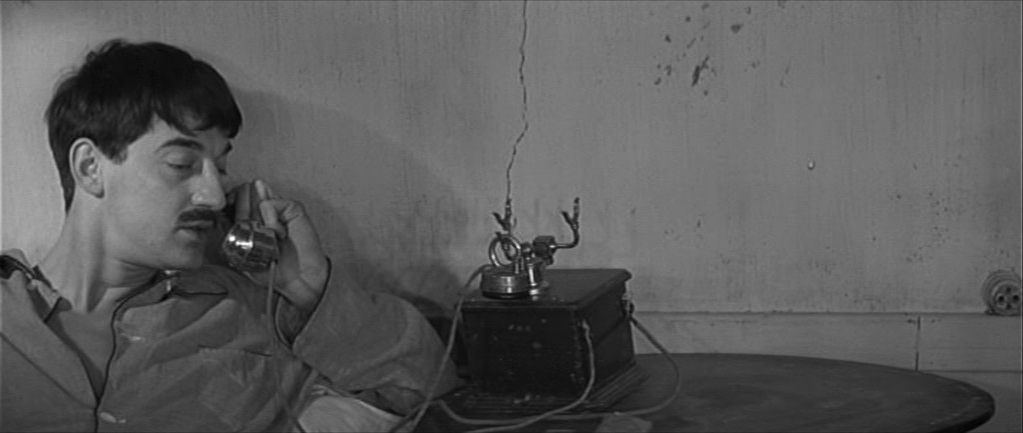
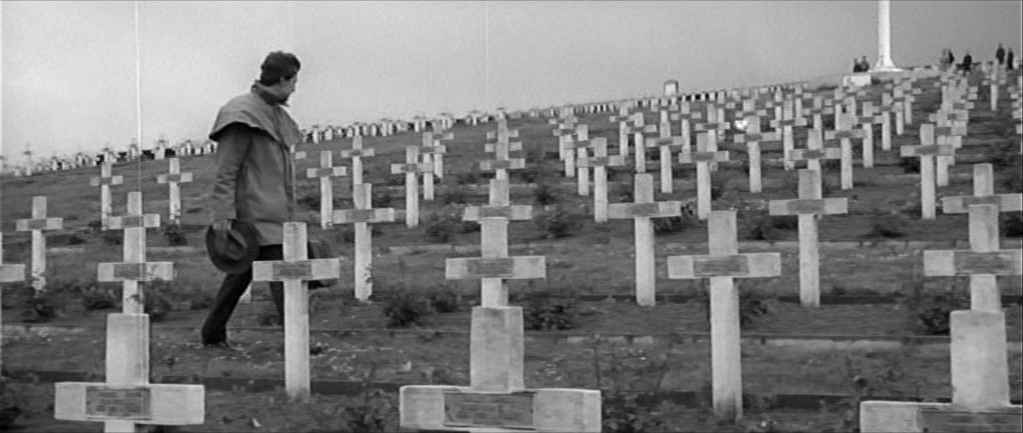
Jules, the gentler and more passive of the two, marries Catherine, and they move to the Austrian countryside. Jim, though heartbroken, remains a close friend to the couple. The war soon separates them, with Jules and Jim fighting on opposite sides, unsure if they will ever see each other again.
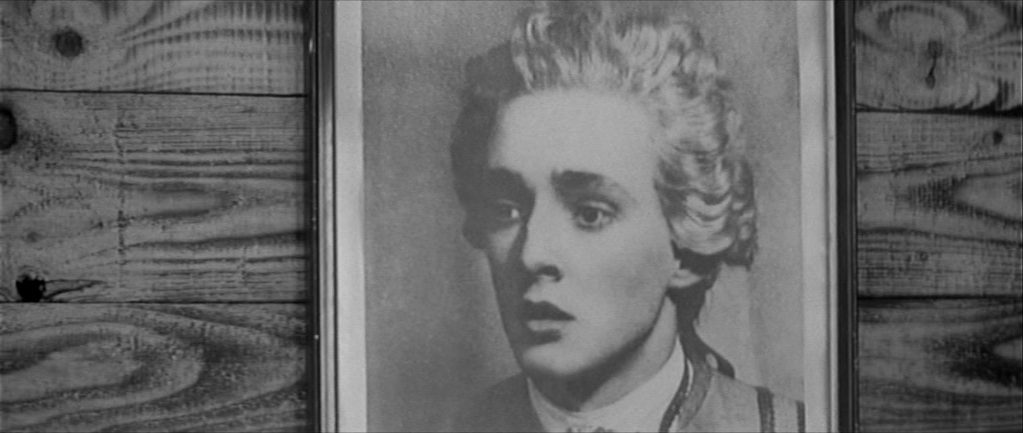
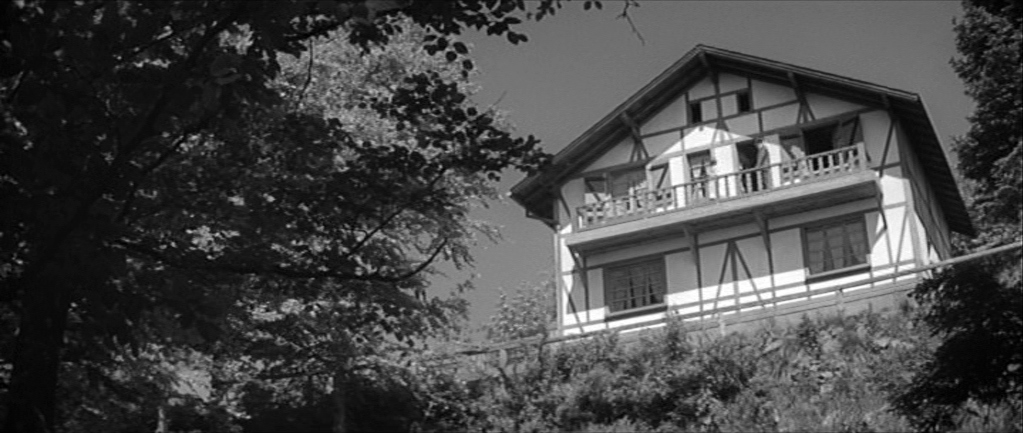
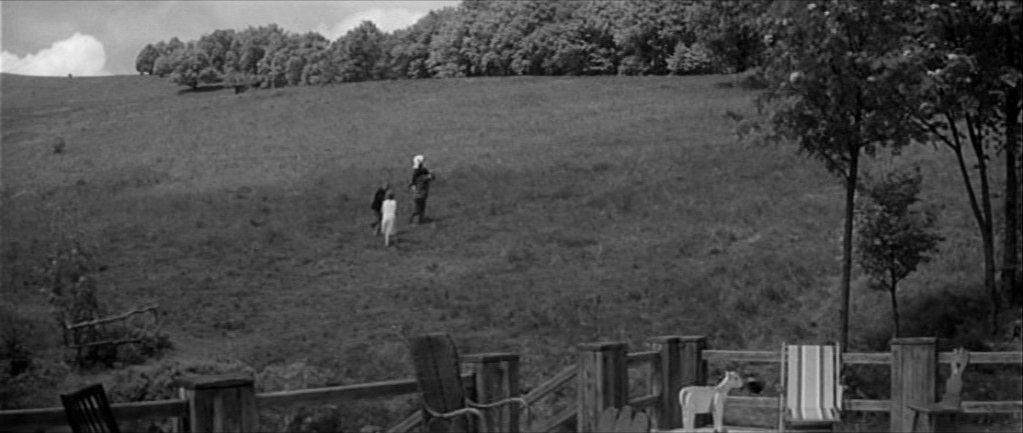
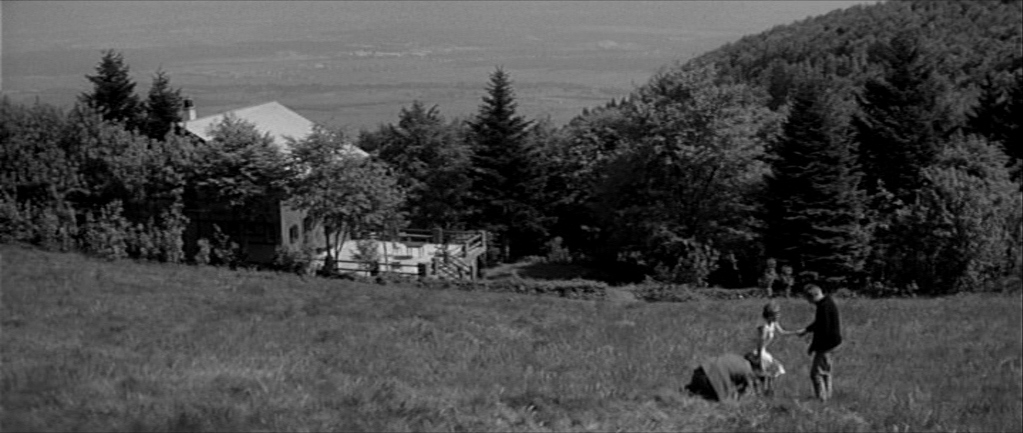
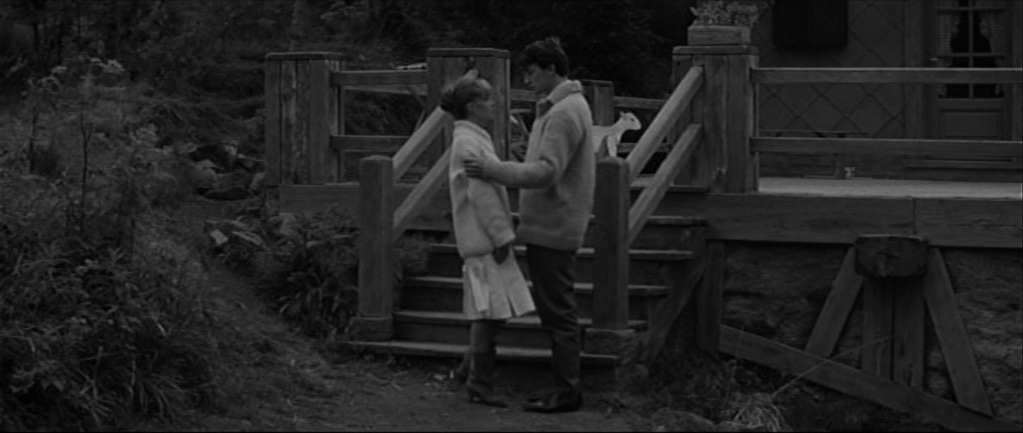
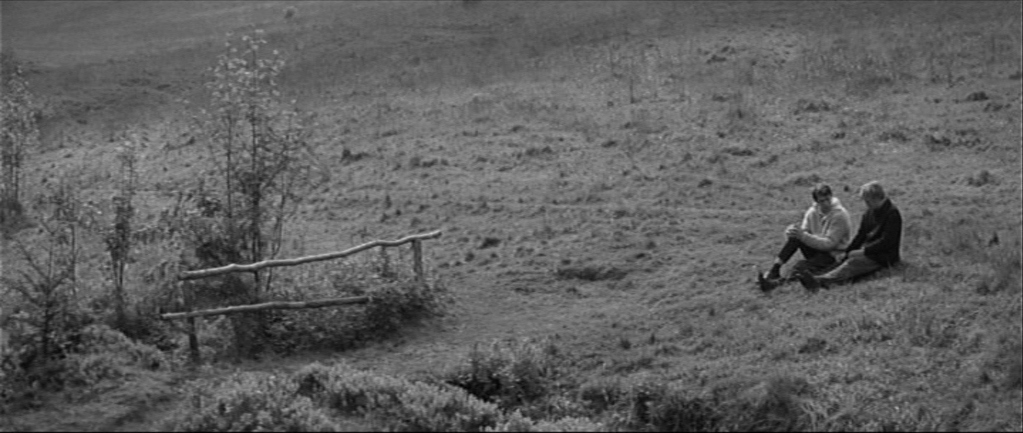
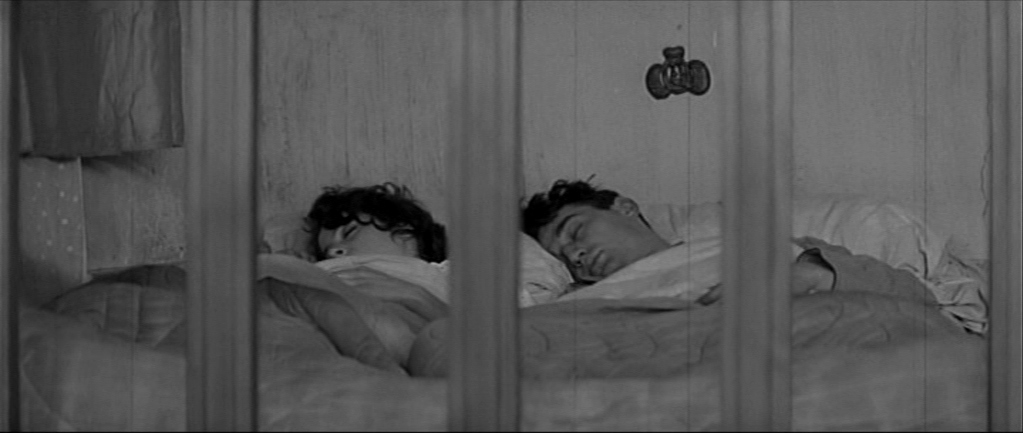
After the war, they reunite in Austria. It becomes clear that Catherine is unhappy in her marriage, having had several affairs and feeling stifled by domestic life. Jules, deeply in love with her, tolerates her infidelities, hoping to maintain peace and keep her close. When Catherine confesses to still loving Jim, Jules, desperate to preserve his marriage and friendship, proposes that Jim move in with them and become her lover.
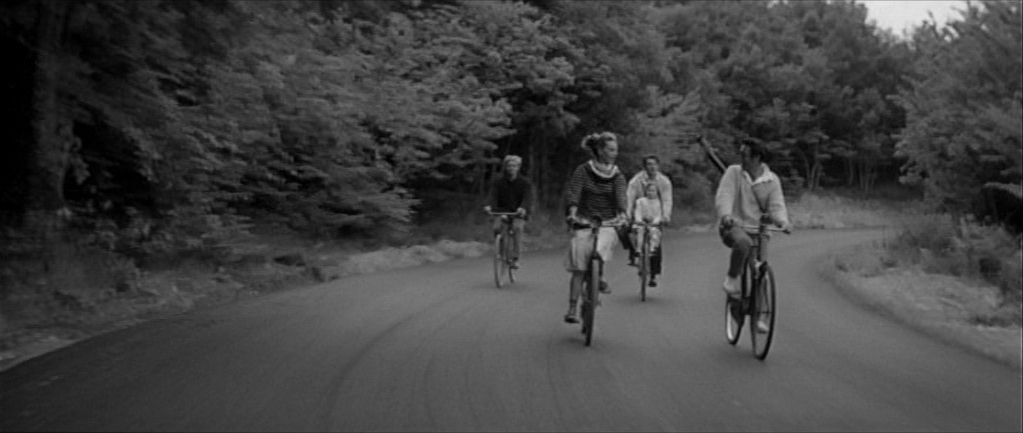
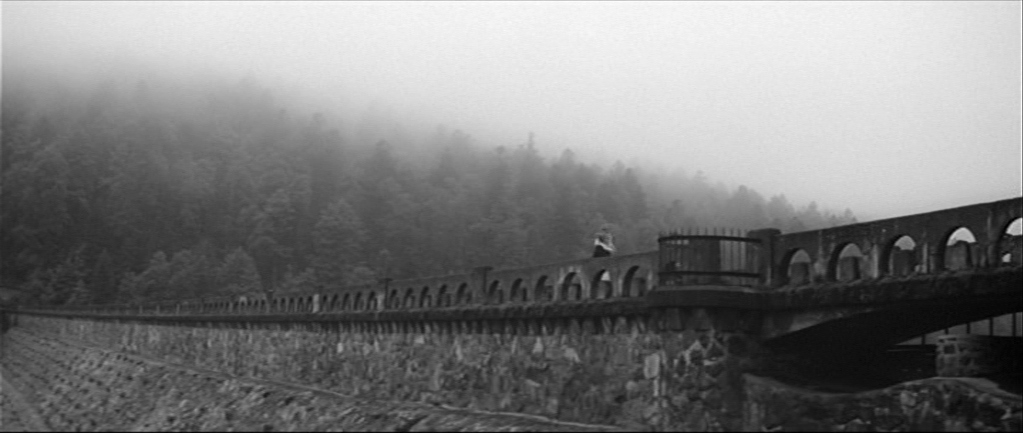
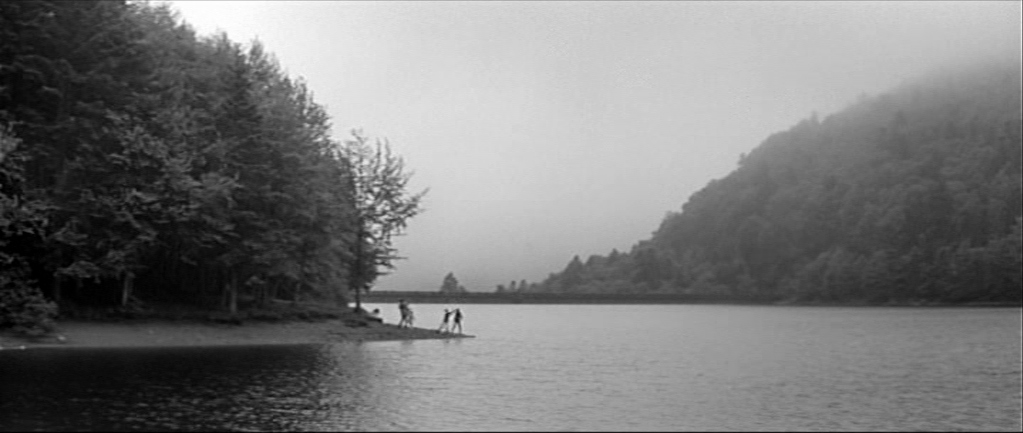
Jim hesitantly agrees, and the three attempt an unconventional arrangement that seems to work for a time, but emotional tensions simmer beneath the surface. Catherine’s behavior becomes more erratic and controlling as she grows increasingly possessive and despairing. Jim returns to Paris and considers marrying another woman, Gilberte (played by Marie Dubois), which pushes Catherine into a spiral of jealousy and emotional instability.
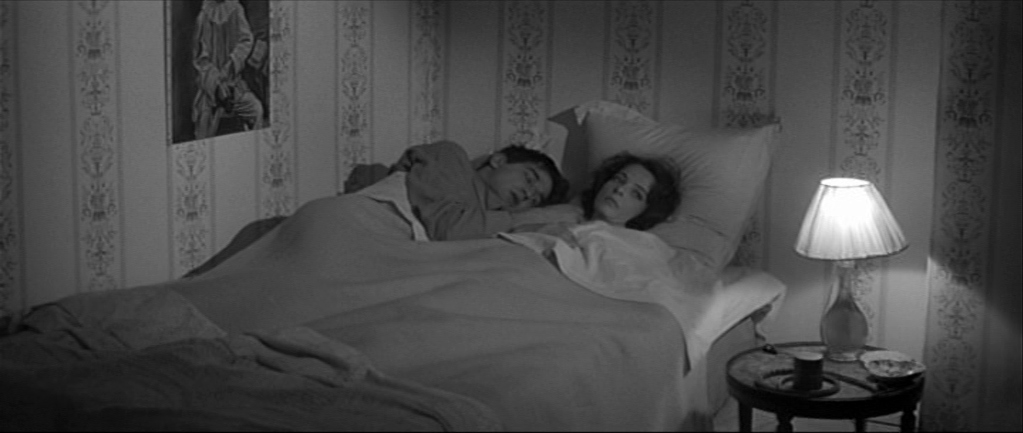
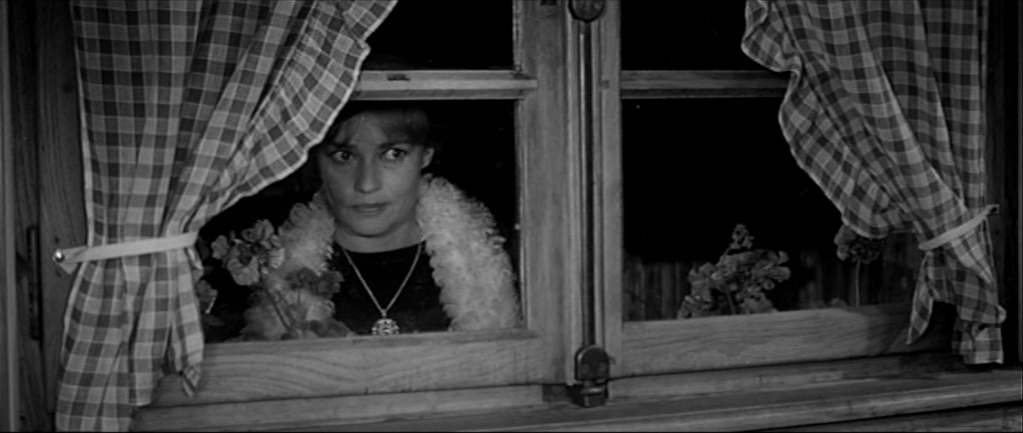
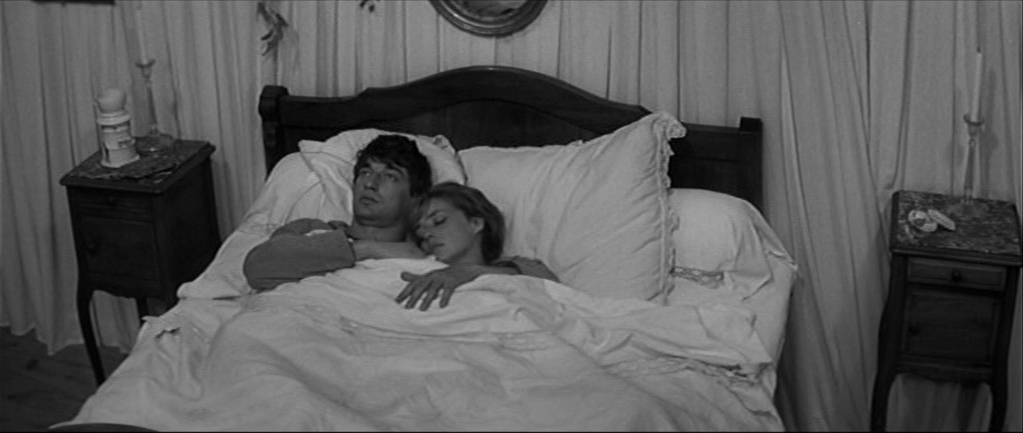
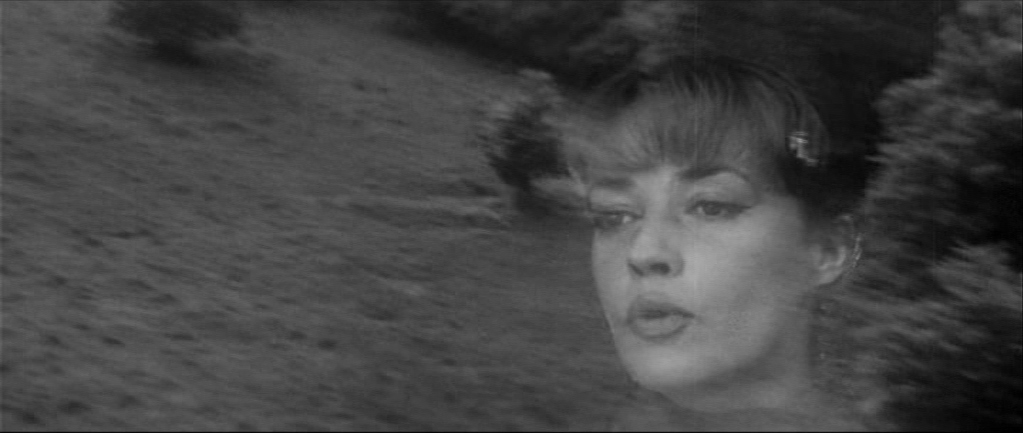
The film reaches its tragic conclusion when Catherine, unable to accept Jim’s departure and final rejection, lures him into her car under the pretense of reconciliation. As Jules watches helplessly from a distance, Catherine drives the car off a bridge, killing both herself and Jim.
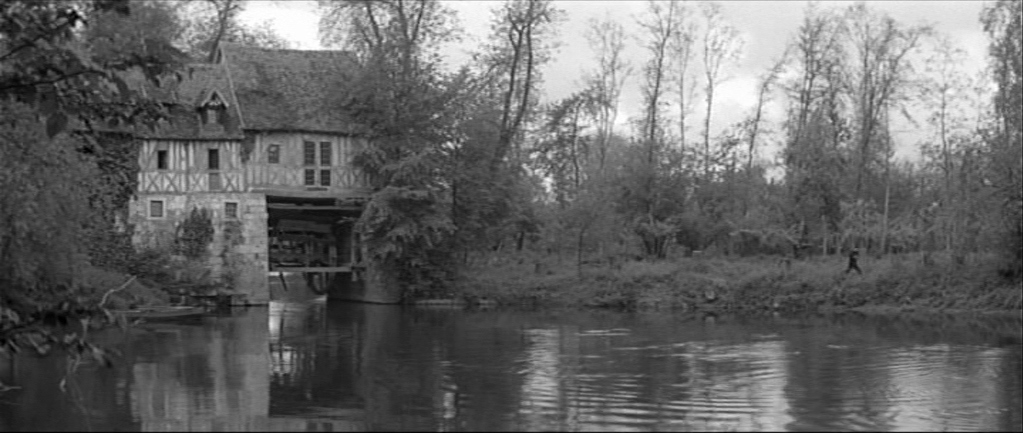
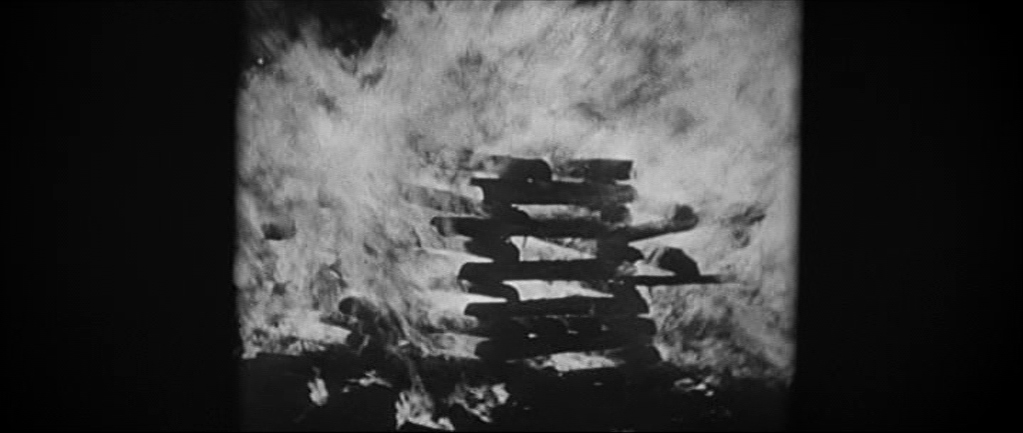
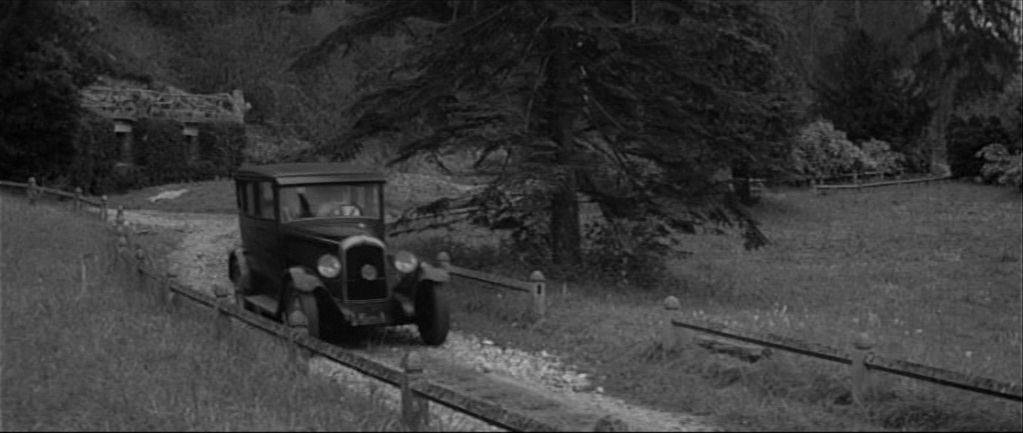
“Jules et Jim” mediates love, loyalty, the ephemeral nature of happiness, and the pain of freedom. Truffaut uses voiceover narration (spoken by Michel Subor), rapid editing, freeze frames, archival footage, and handheld camera work to create a lyrical, fluid narrative style that mirrors the characters’ emotional volatility.
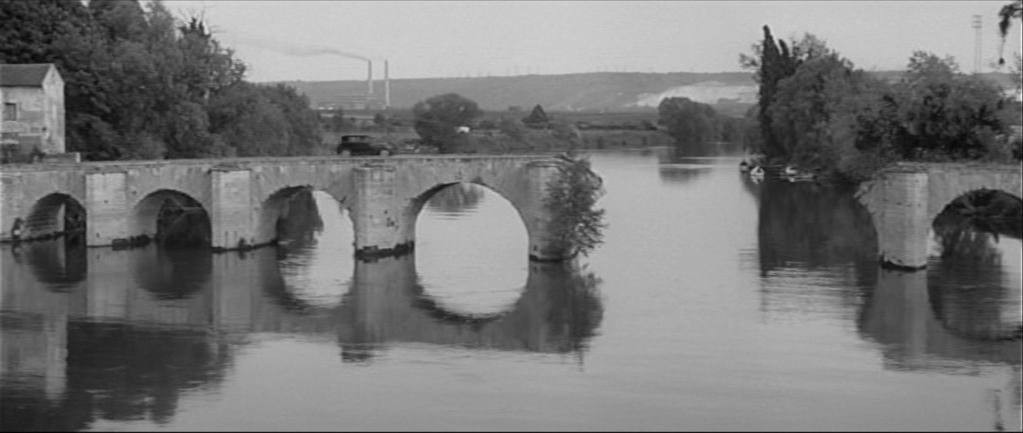
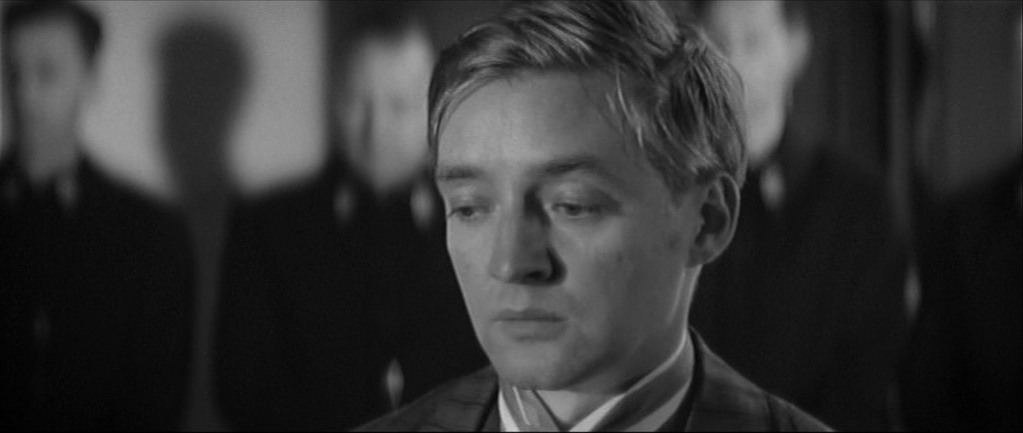
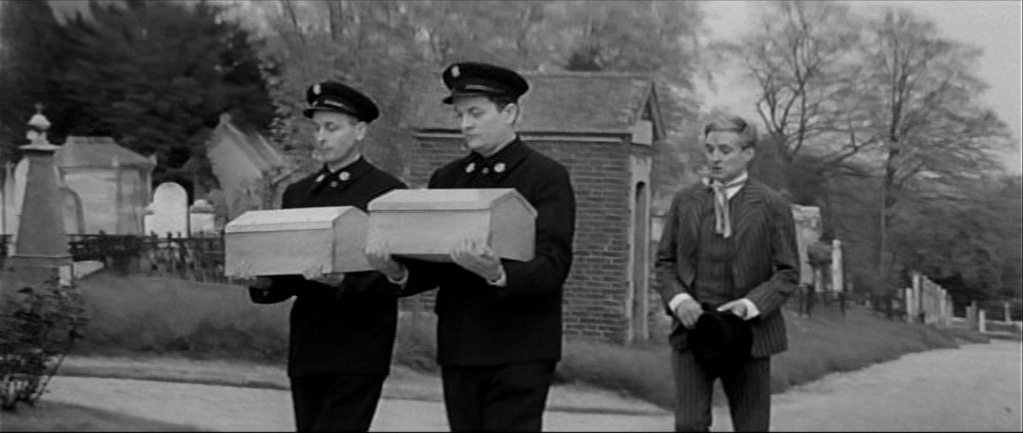
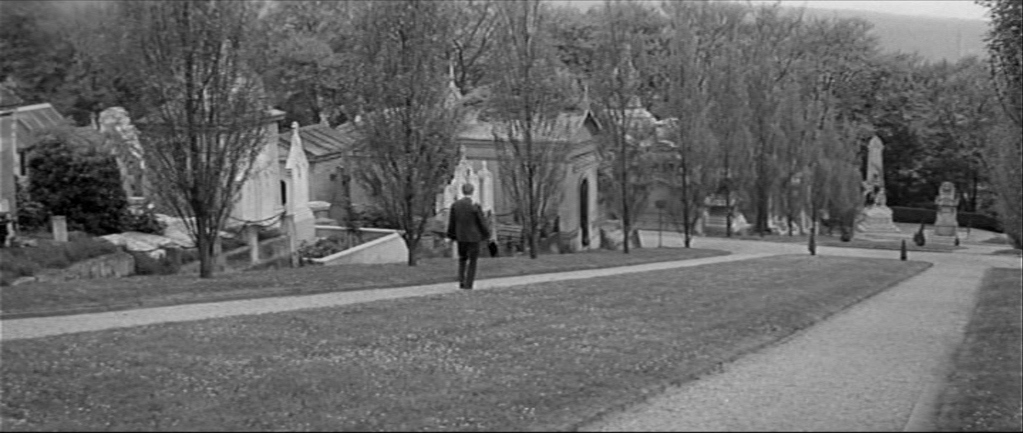
Catherine, played with iconic brilliance by Jeanne Moreau, is a central force in the film—a symbol of liberation, but also of chaos. She refuses to be owned or defined by societal norms, but this insistence on freedom has devastating consequences.
The film breaks traditional storytelling by refusing to moralize or resolve conflicts neatly. It challenges ideas of possession in love, suggesting that true love may require surrender, suffering, and sacrifice, and sometimes will still end in loss.
 The Other Cinema