

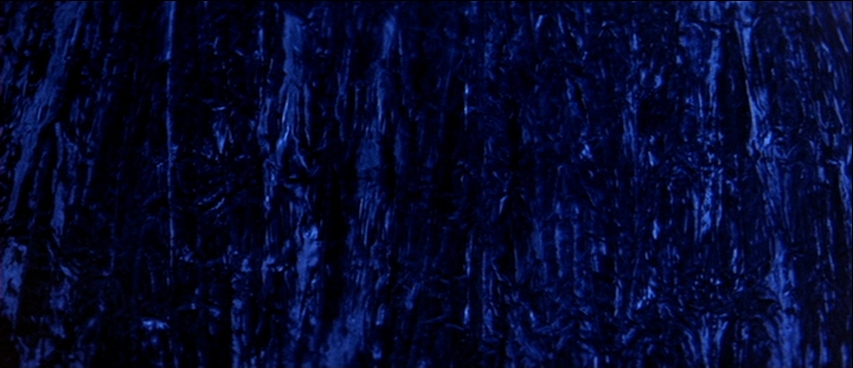
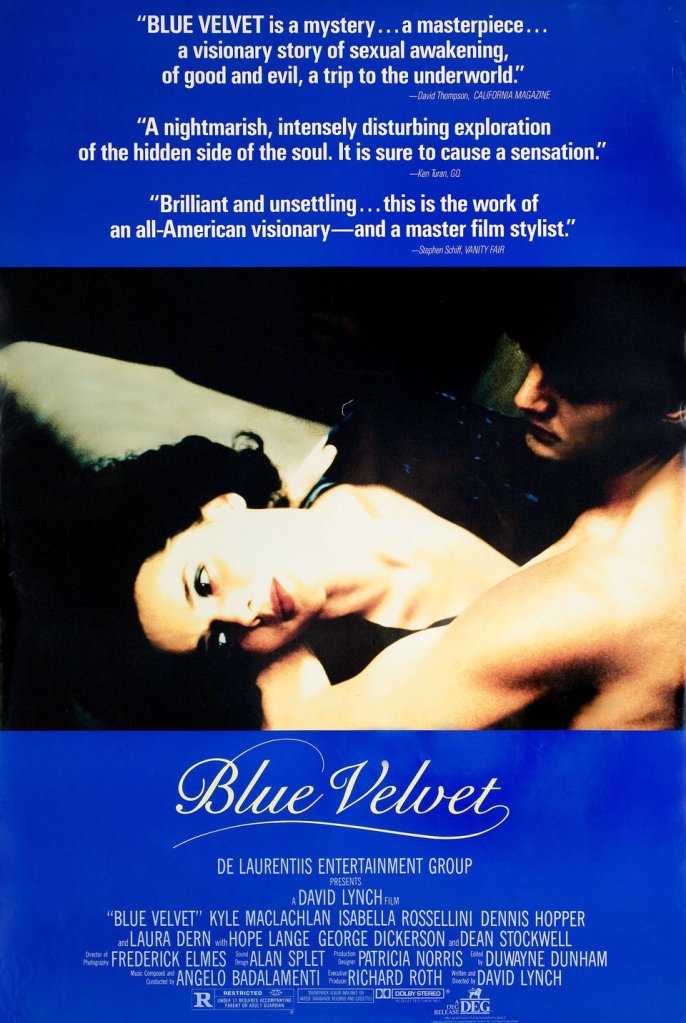
“Blue Velvet” is a 1986 surreal neo-noir mystery thriller directed by David Lynch that explores the sinister underbelly of suburban America, juxtaposing idyllic small-town life with graphic violence, psychological horror, and sexual deviance. The film is both a mystery and a disturbing coming-of-age journey, considered a landmark in American independent cinema for its bold style and controversial themes.
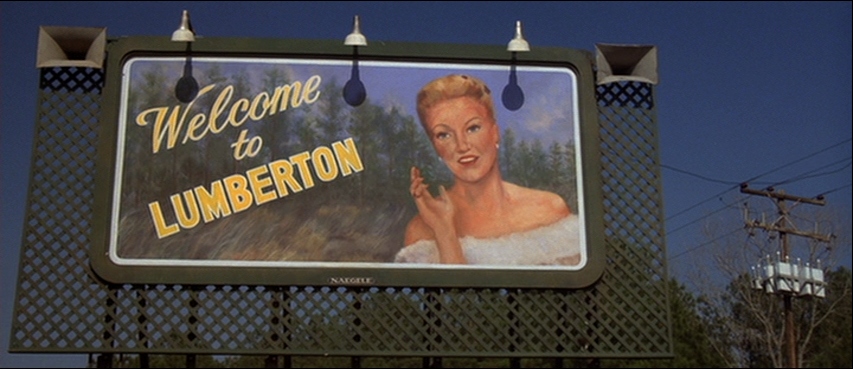
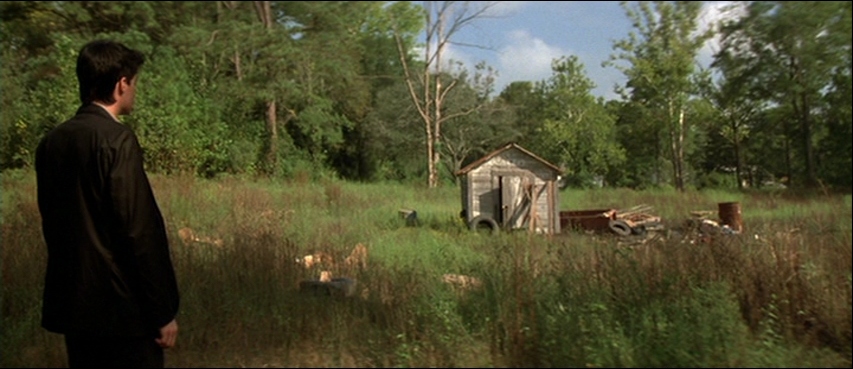
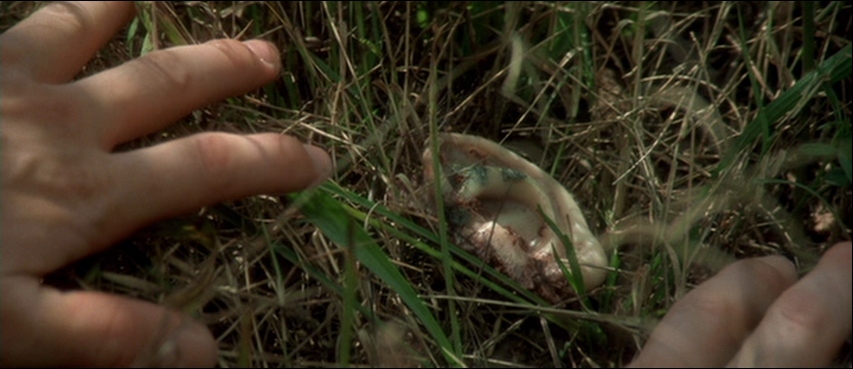
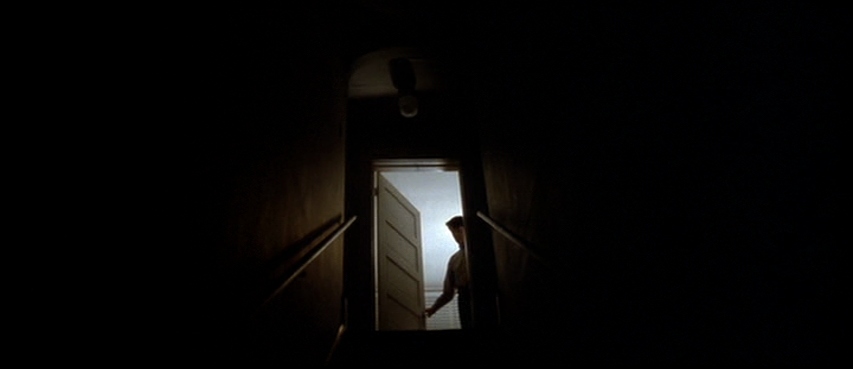
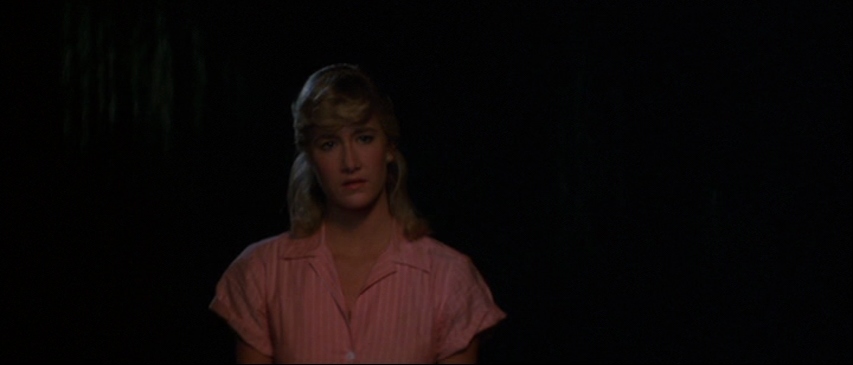
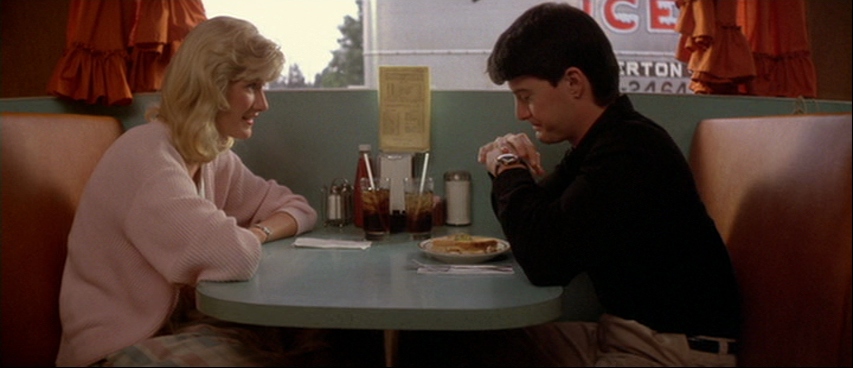
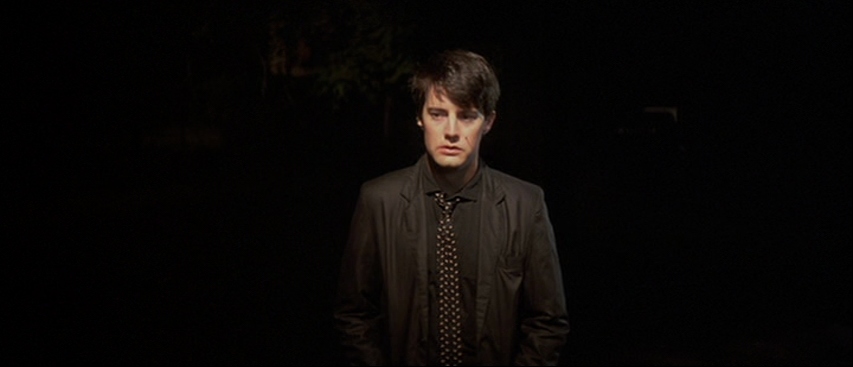
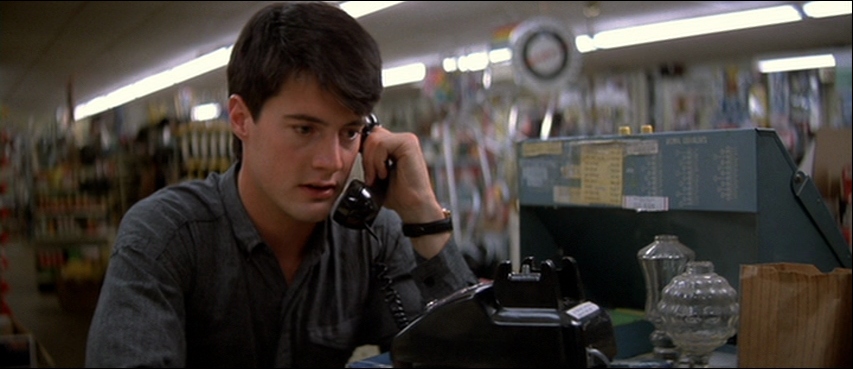
The story begins in the seemingly peaceful town of Lumberton, where young college student Jeffrey Beaumont (Kyle MacLachlan) returns home after his father suffers a stroke. One day, while walking through a field near his home, Jeffrey discovers a severed human ear lying in the grass. Intrigued and disturbed, he brings the ear to local police detective Williams.
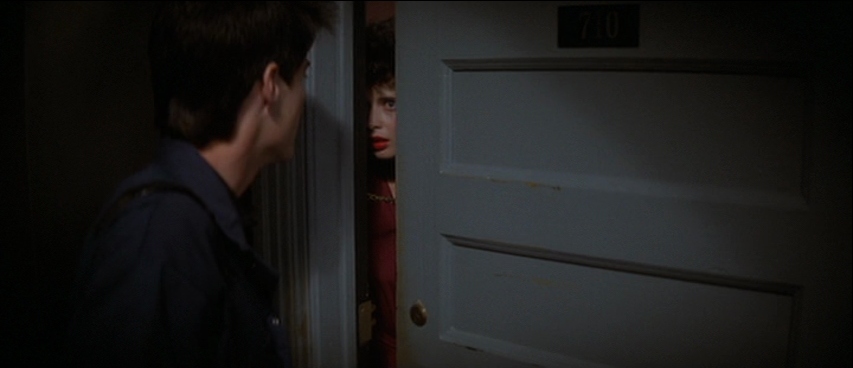
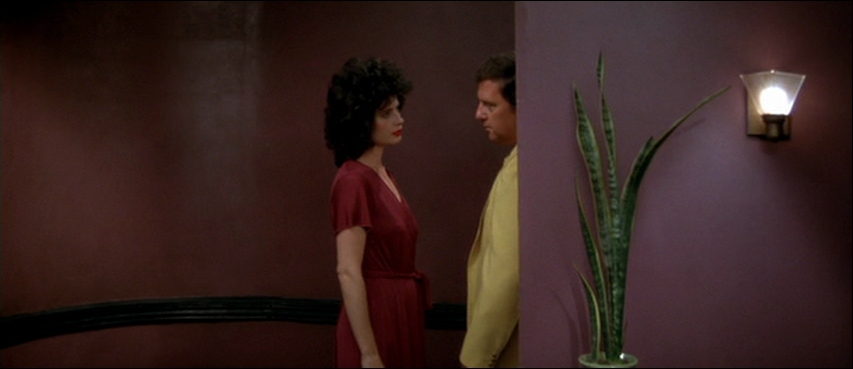
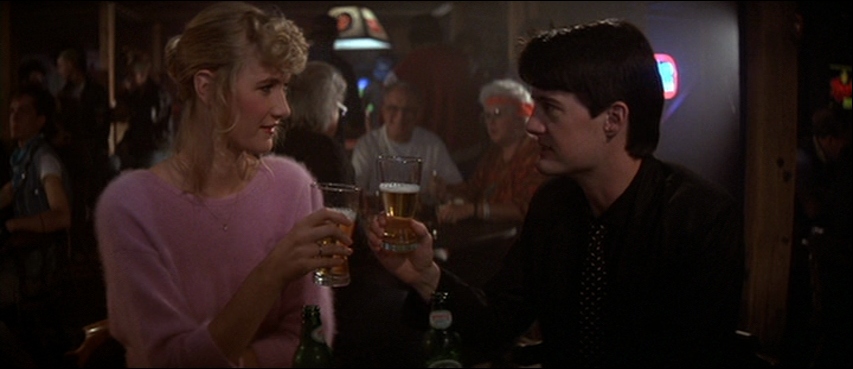
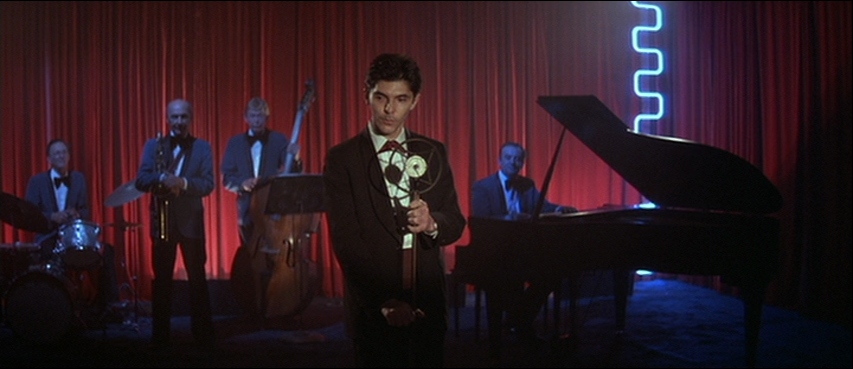
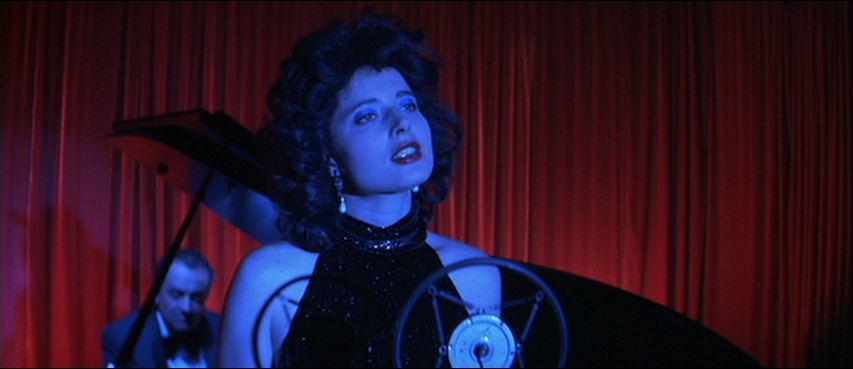
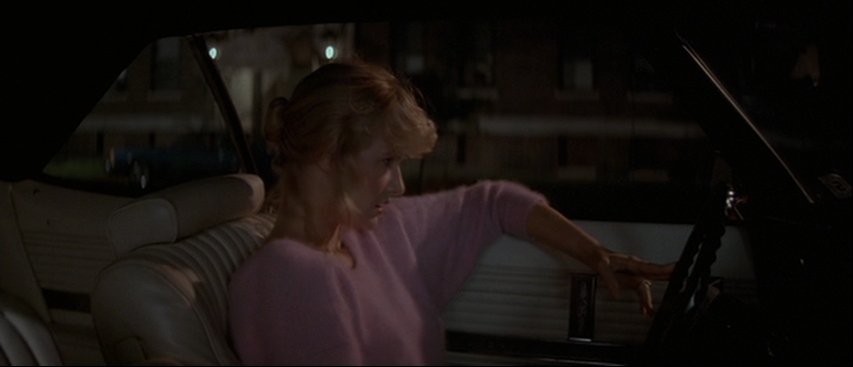
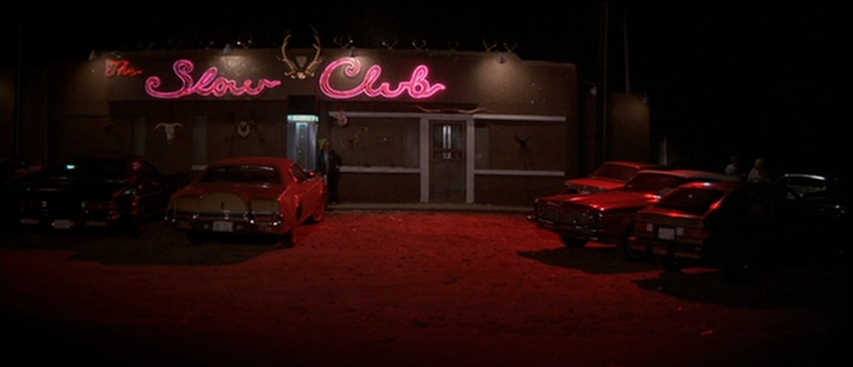
Unsatisfied with the pace of the police investigation, Jeffrey teams up with Sandy Williams (Laura Dern), the detective’s daughter, who feeds him bits of confidential information. Their sleuthing leads them to Dorothy Vallens (Isabella Rossellini), a nightclub singer whose husband and son have gone missing under mysterious circumstances.
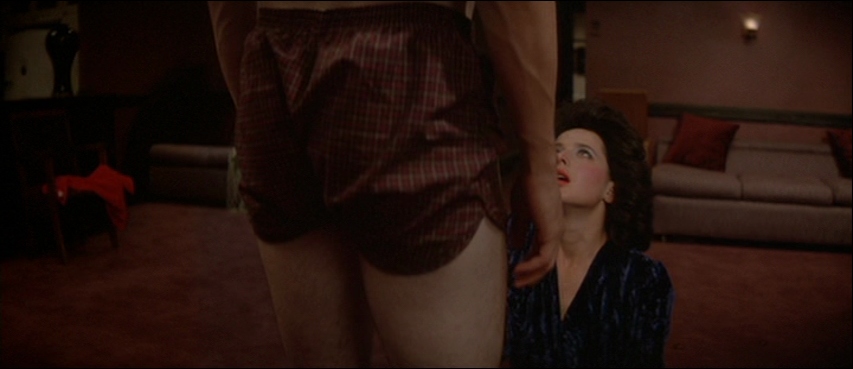
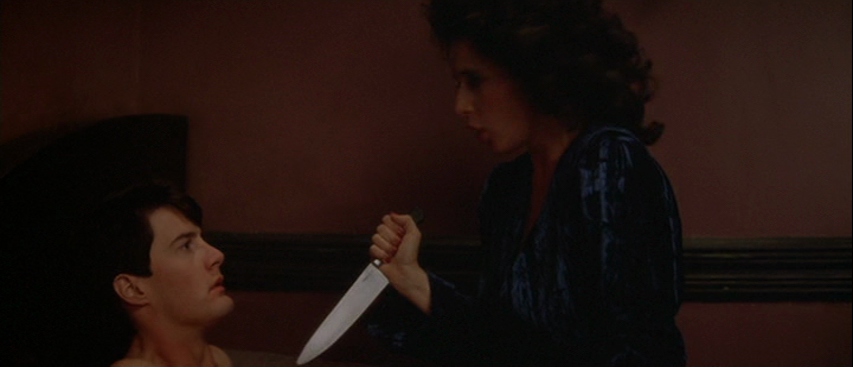
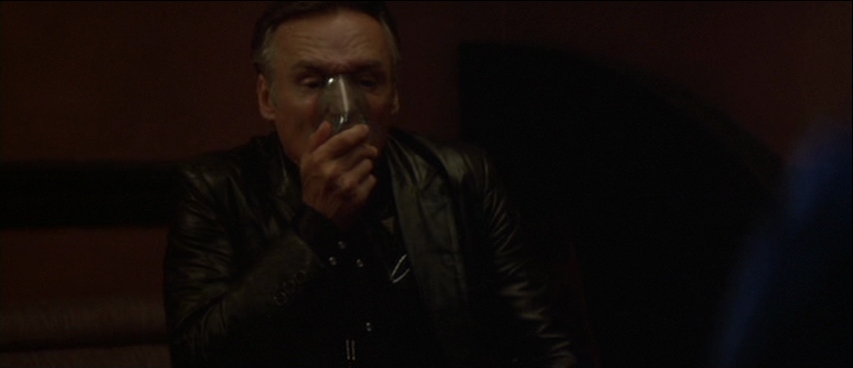
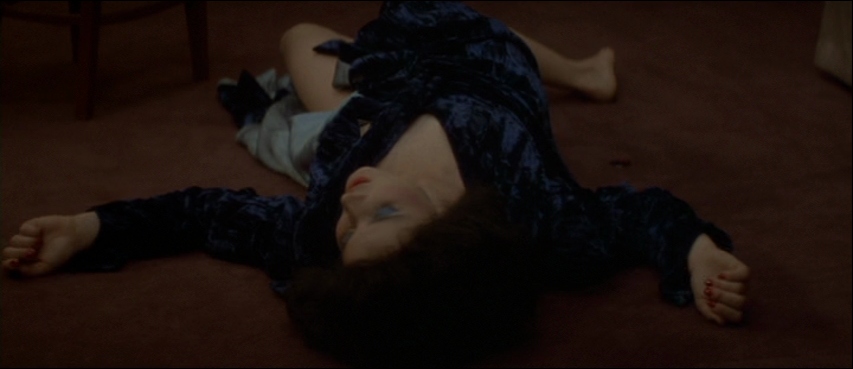
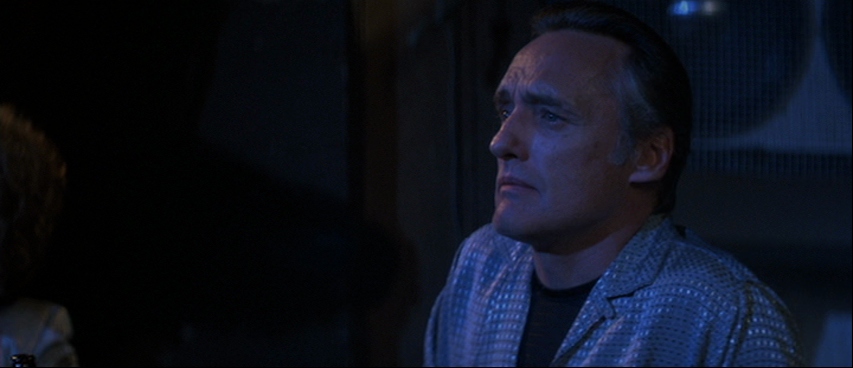
Jeffrey’s curiosity leads him to enter Dorothy’s apartment, where he hides in her closet and witnesses her secret life. He discovers that Dorothy is being terrorized and sexually exploited by Frank Booth (Dennis Hopper), a psychopathic, gas-huffing criminal with a penchant for extreme violence and sadomasochism. Frank has kidnapped Dorothy’s family and uses them as leverage to control her.
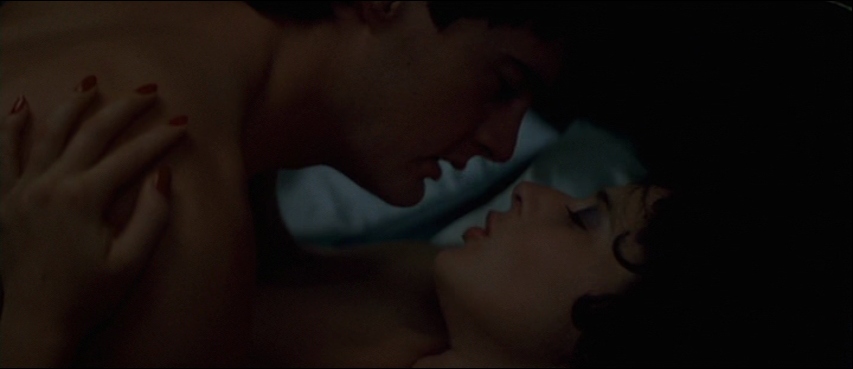
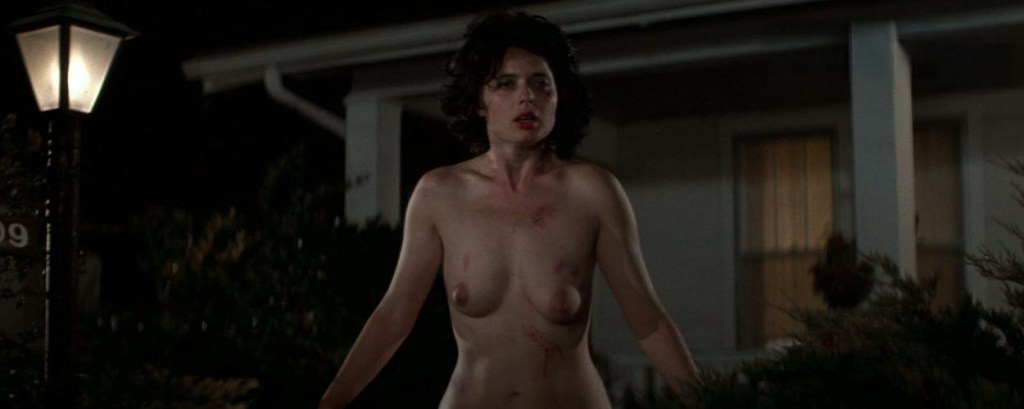
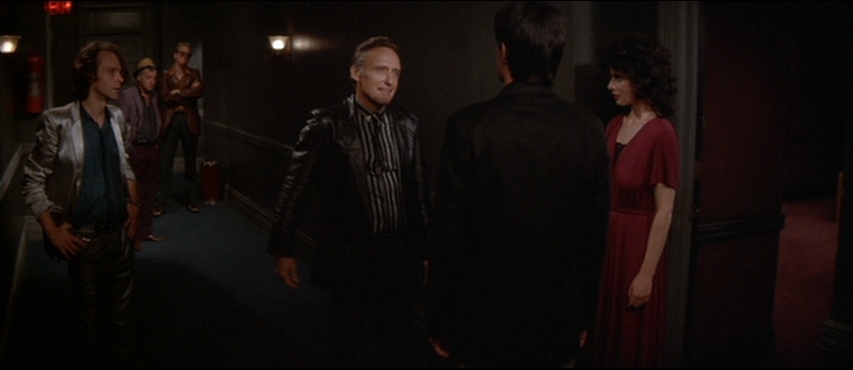
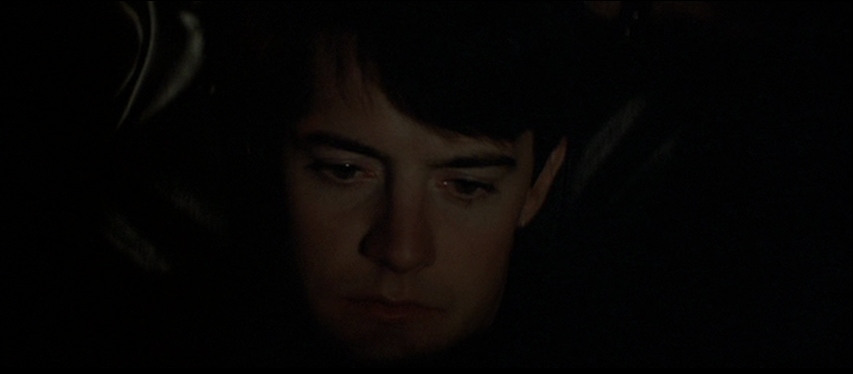
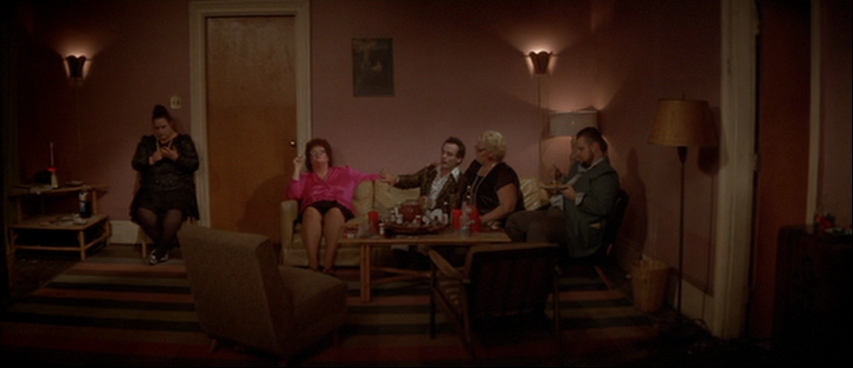
As Jeffrey becomes more involved, he enters a dangerous psychological spiral. Despite being repulsed by the situation, he becomes sexually entangled with Dorothy and fascinated by the dark world she inhabits. Meanwhile, his relationship with Sandy represents the innocence and safety of the life he’s leaving behind.
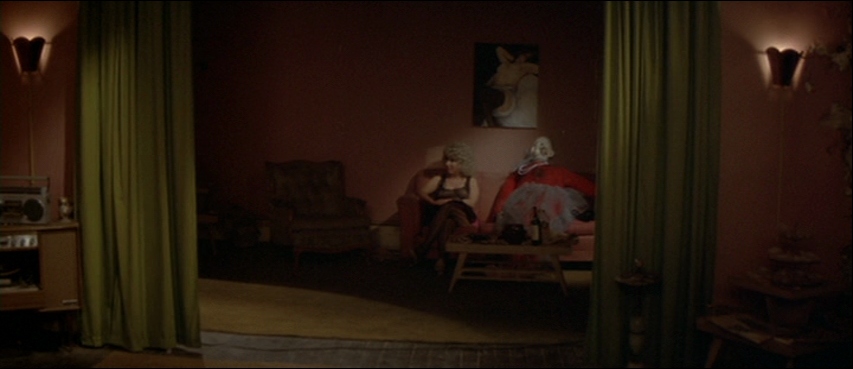
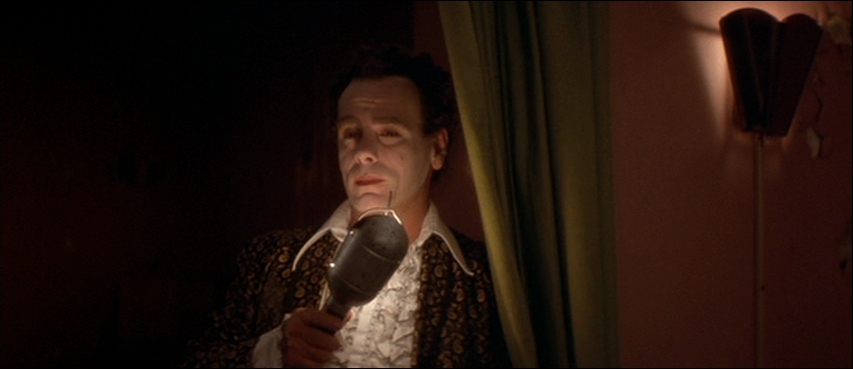
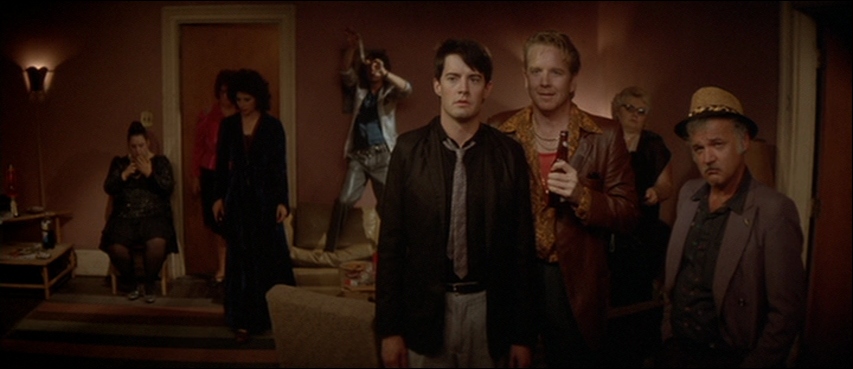
The narrative escalates as Jeffrey’s amateur investigation puts him directly in Frank’s path. He uncovers a complex web of criminal activity involving drug trafficking, murder, and police corruption. In a climactic confrontation, Jeffrey ultimately faces Frank in a life-or-death showdown in Dorothy’s apartment.
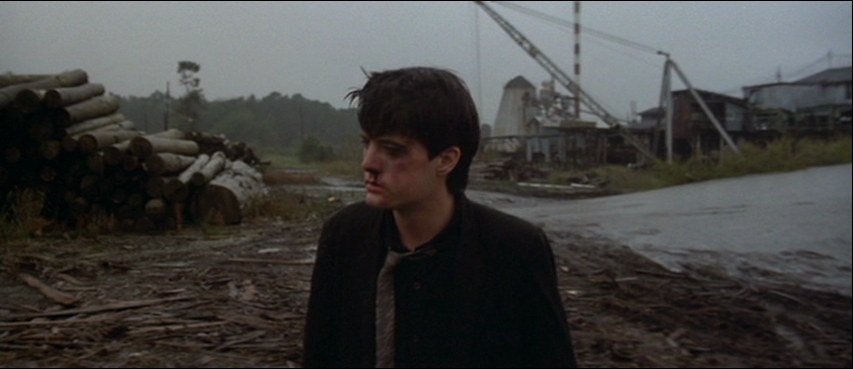
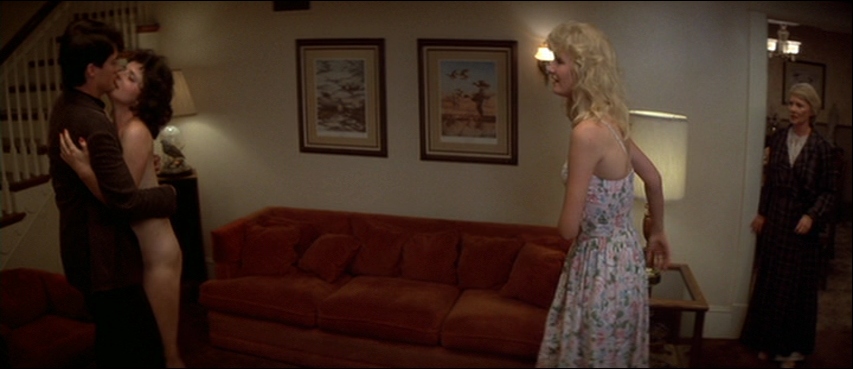
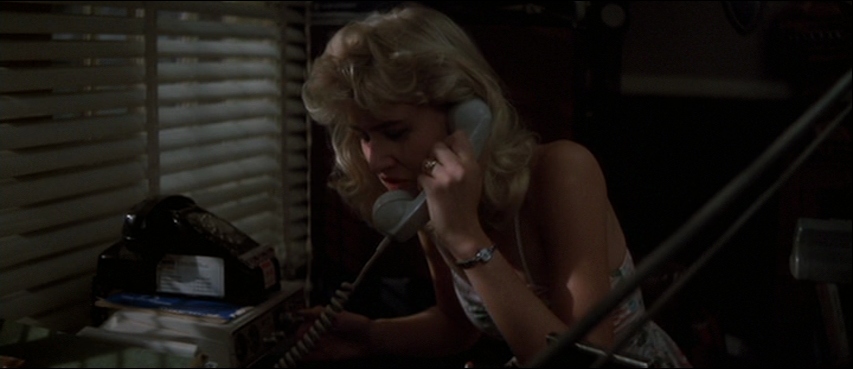
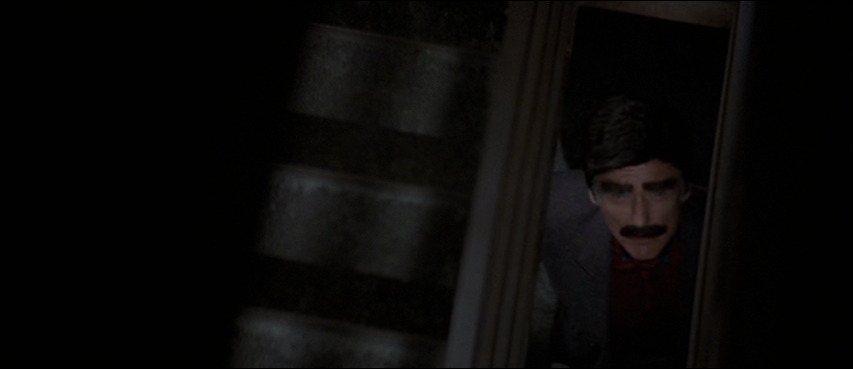
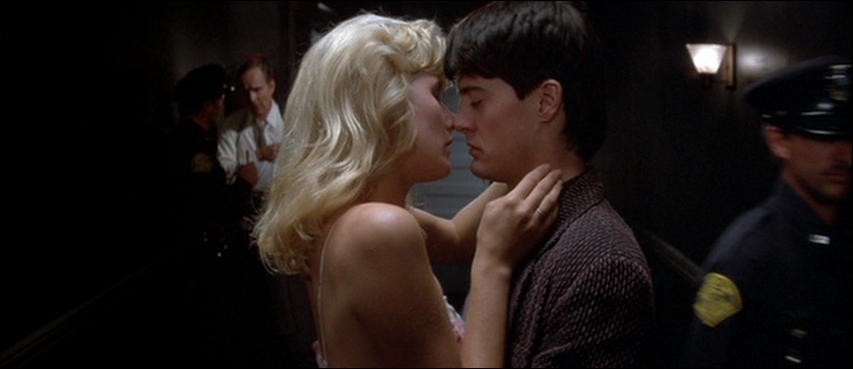
The film ends with a return to surface normality in Lumberton. Dorothy is reunited with her son, Jeffrey resumes his relationship with Sandy, and the town appears peaceful once more—but now with a deeper understanding of the darkness that exists just beneath the surface.
“Blue Velvet” is emblematic of Lynch’s signature style: dreamlike sequences, eerie sound design, disturbing juxtapositions, and symbolic storytelling. The film deals with themes such as voyeurism, innocence lost, the duality of human nature, sexual violence, and the illusion of suburban perfection.
 The Other Cinema