
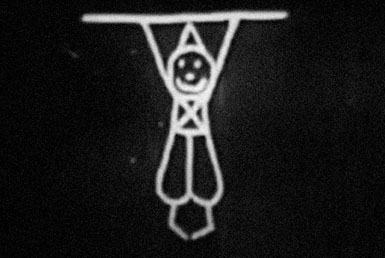
“Fantasmagorie” is widely considered the first fully animated film in history. It was created by French cartoonist and animator Émile Cohl in 1908 and runs for approximately one minute and forty five seconds .
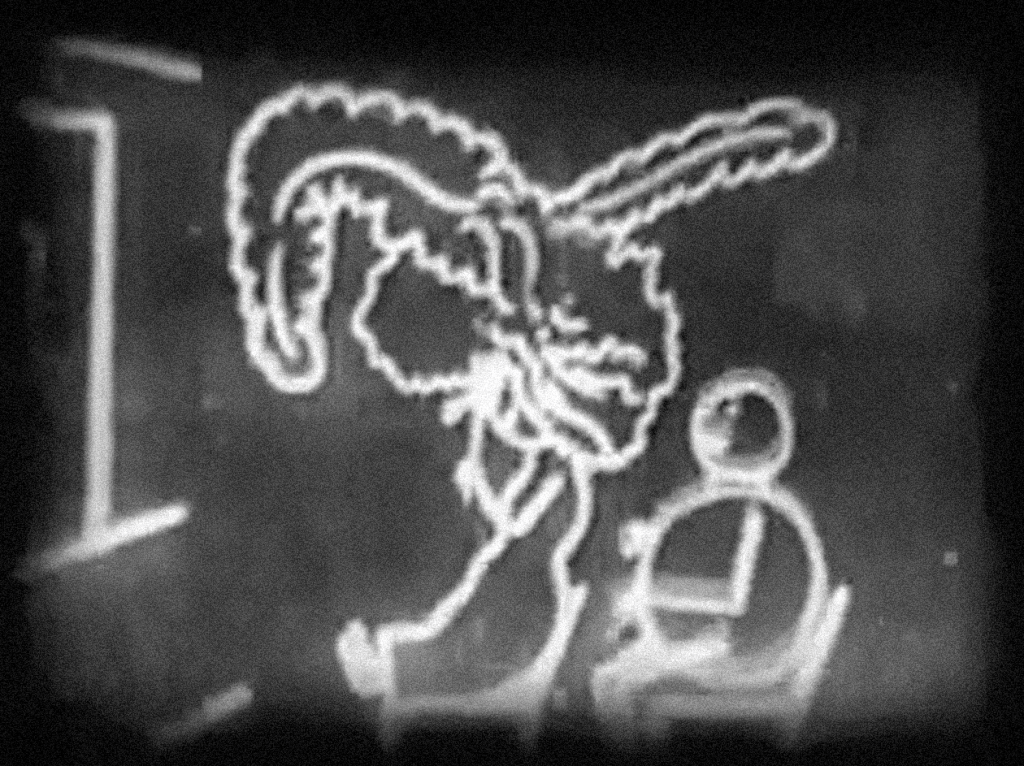
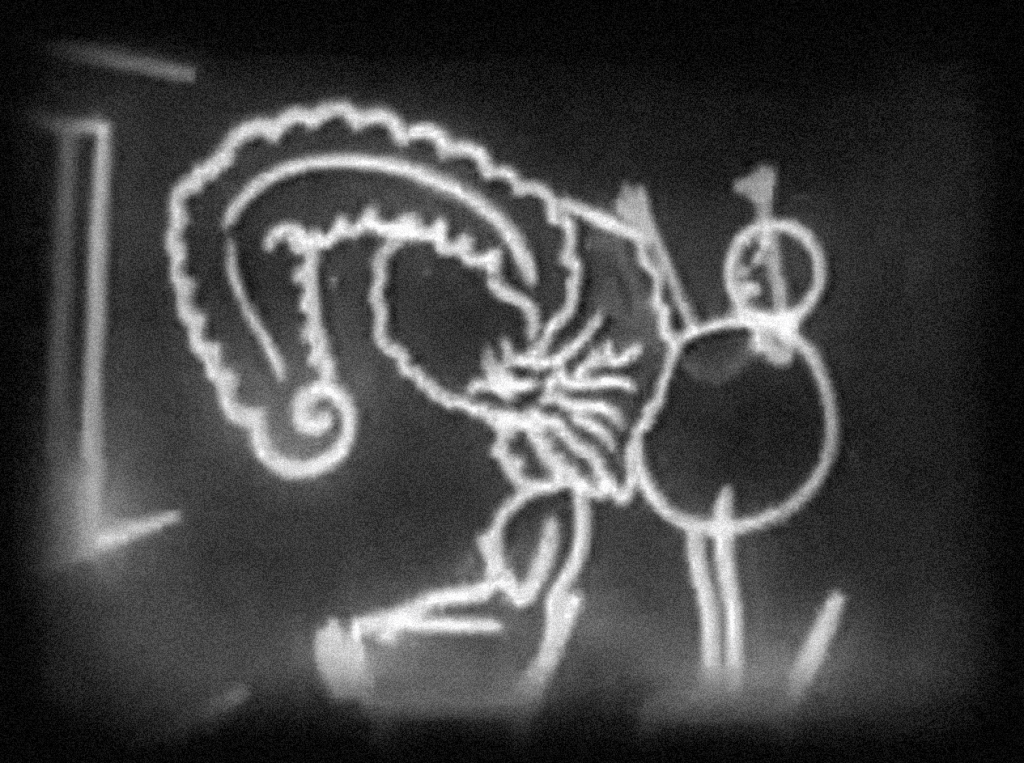
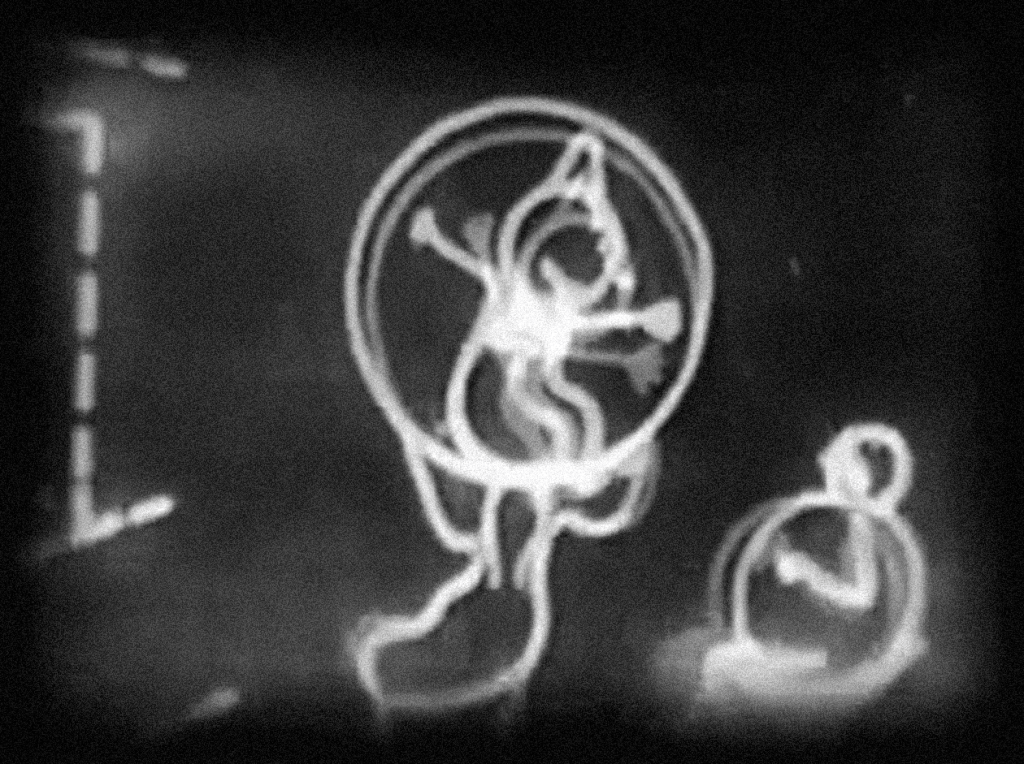
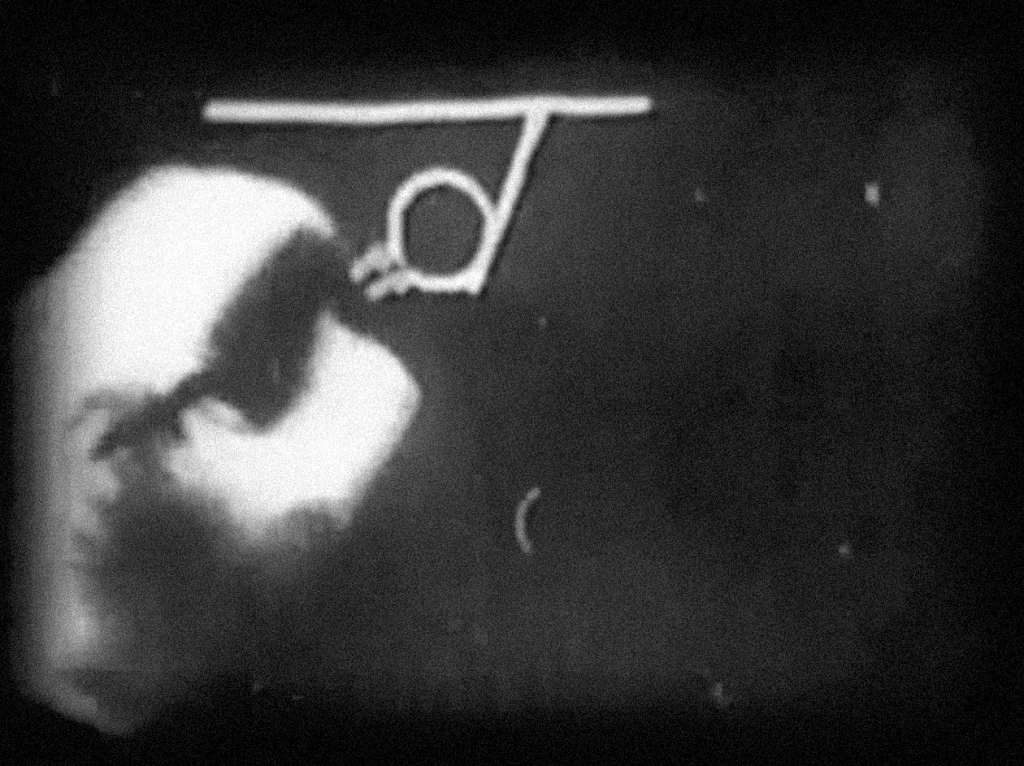
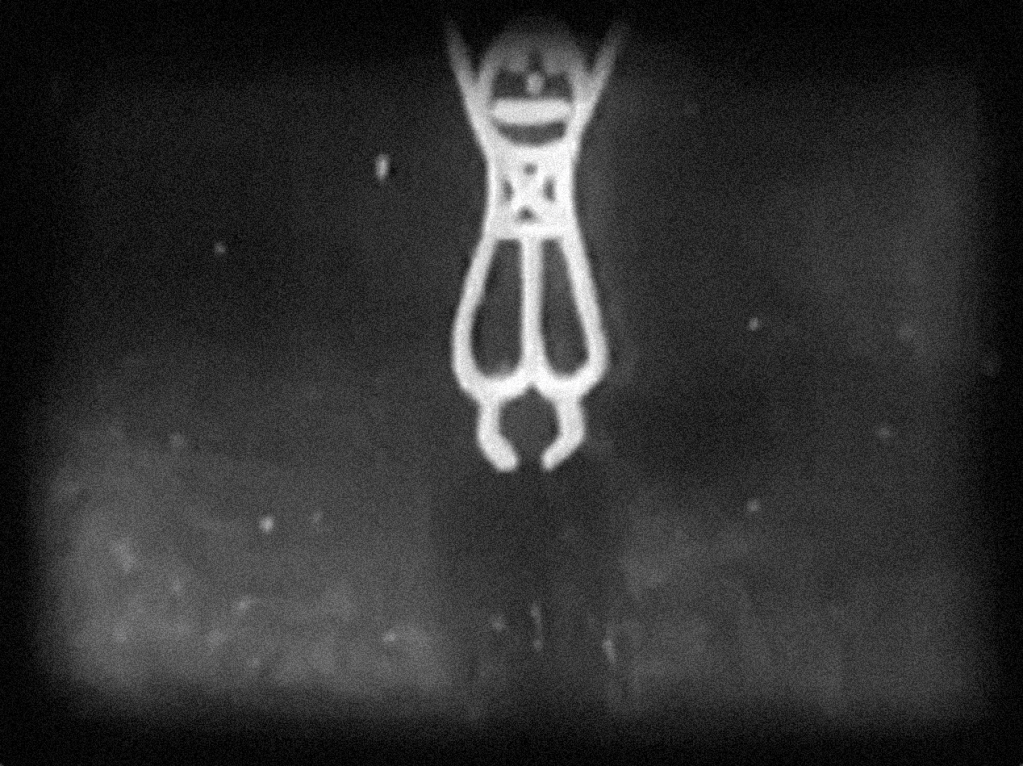
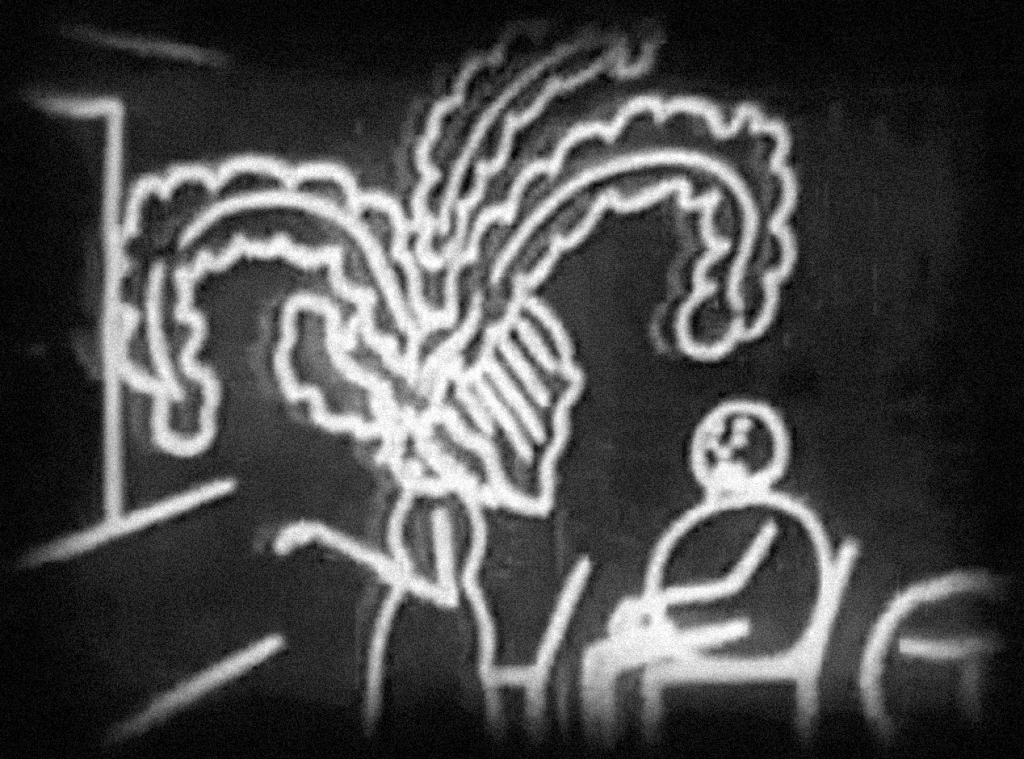
This silent, experimental short film is a pioneering work in hand-drawn animation and a landmark in early cinema. The film opens with the silhouette of a cartoonist’s hand drawing a simple stick figure. This figure quickly comes to life, beginning a surreal and constantly transforming journey through a dreamlike, ever-shifting landscape. Objects and characters morph fluidly: a wine bottle becomes a flower, a clown becomes a cannon, and abstract shapes evolve into recognizable forms, only to dissolve moments later into something entirely new.
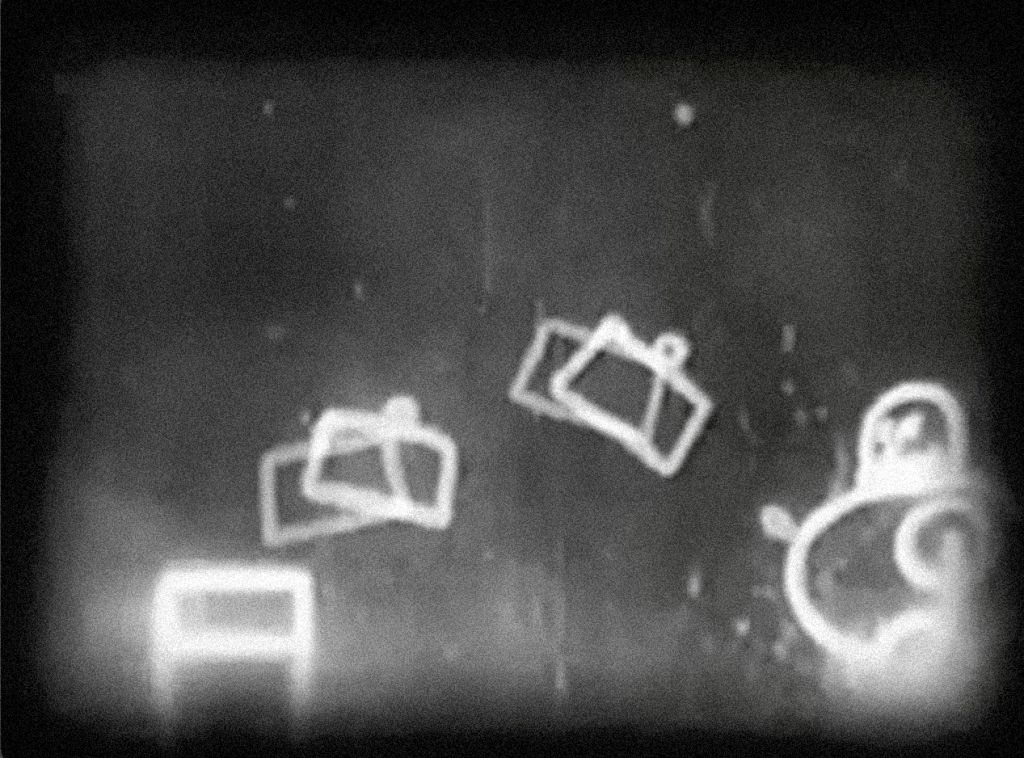
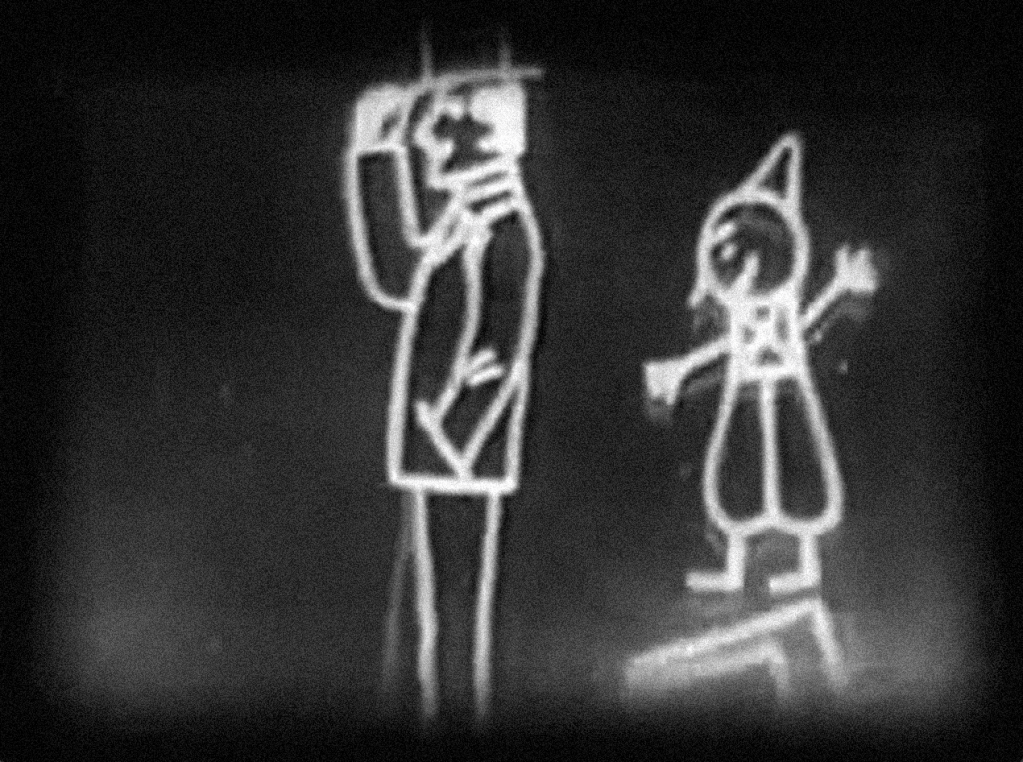
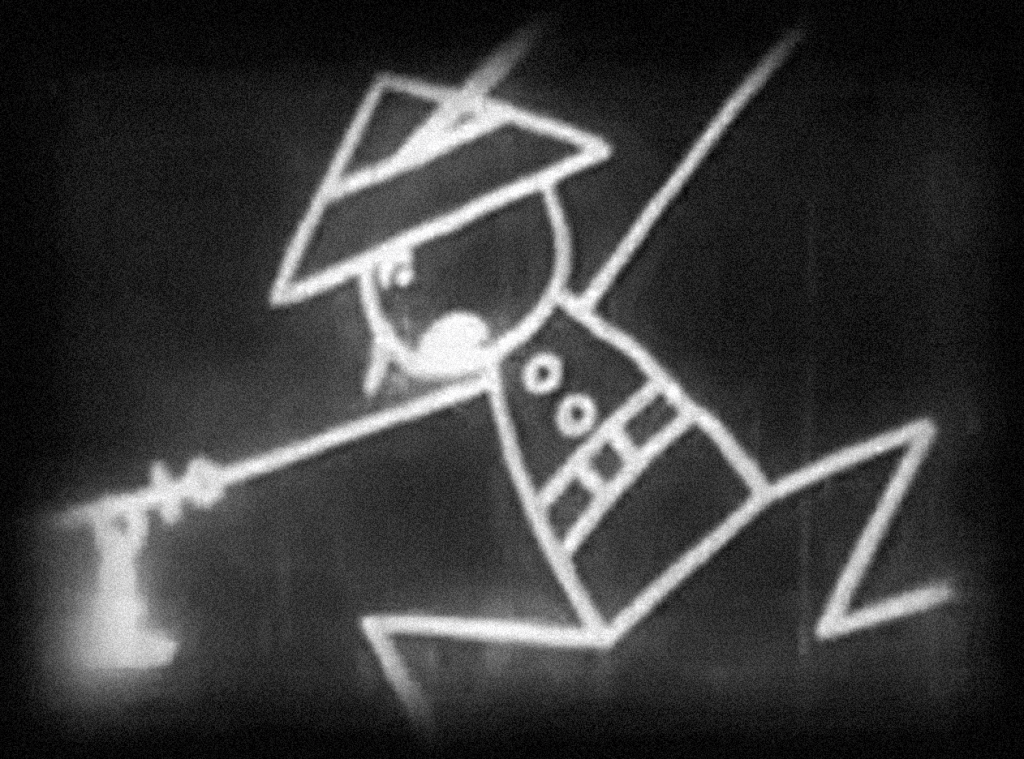
There is no conventional plot—”Fantasmagorie” is structured as a continuous visual stream of consciousness. The animation mimics the unpredictable logic of dreams and phantasmagoria (a term for ghostly illusions), with characters and scenes appearing and vanishing in a whimsical, chaotic sequence. The style draws inspiration from vaudeville, surrealist art, and the aesthetics of optical illusion.
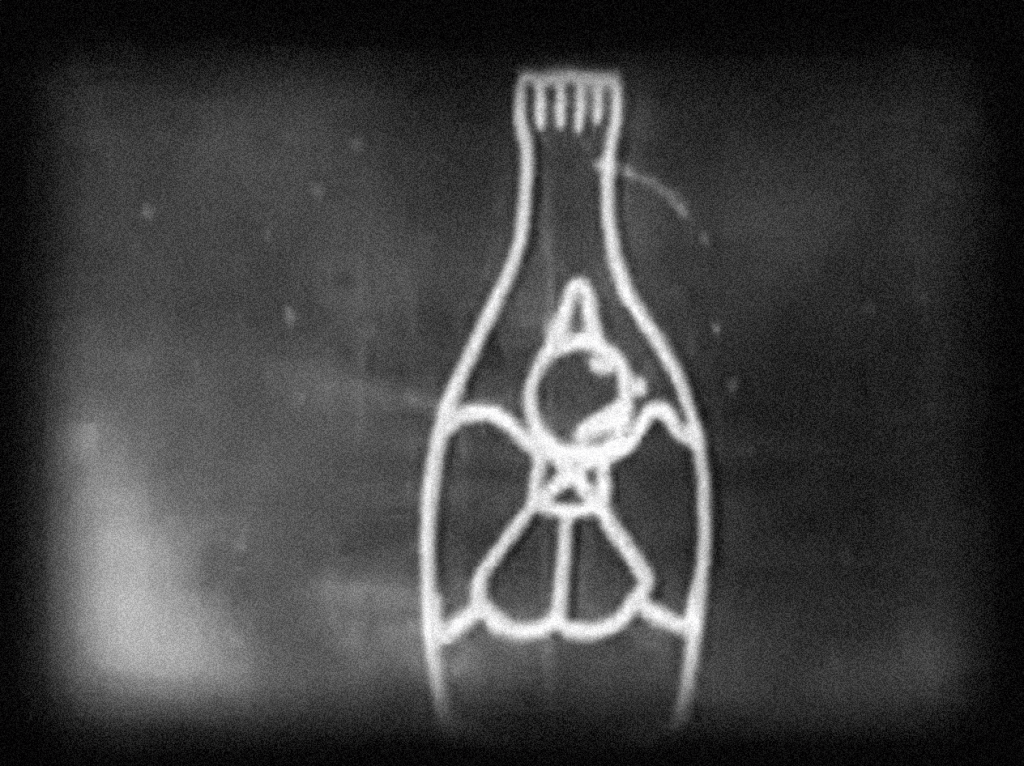
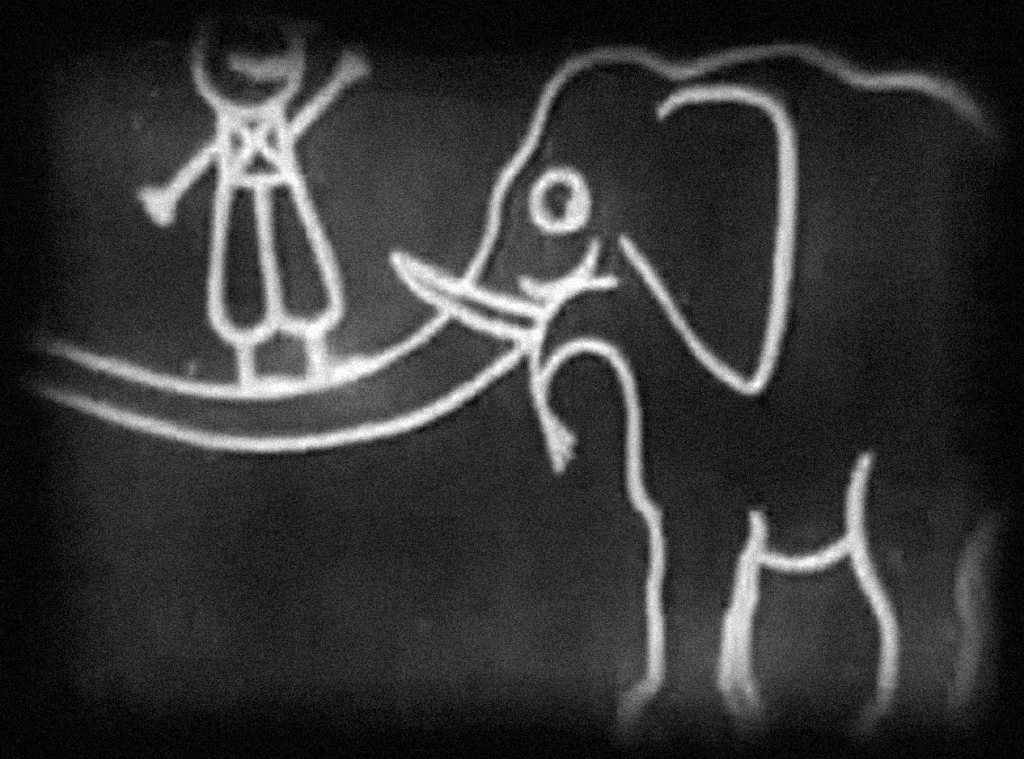
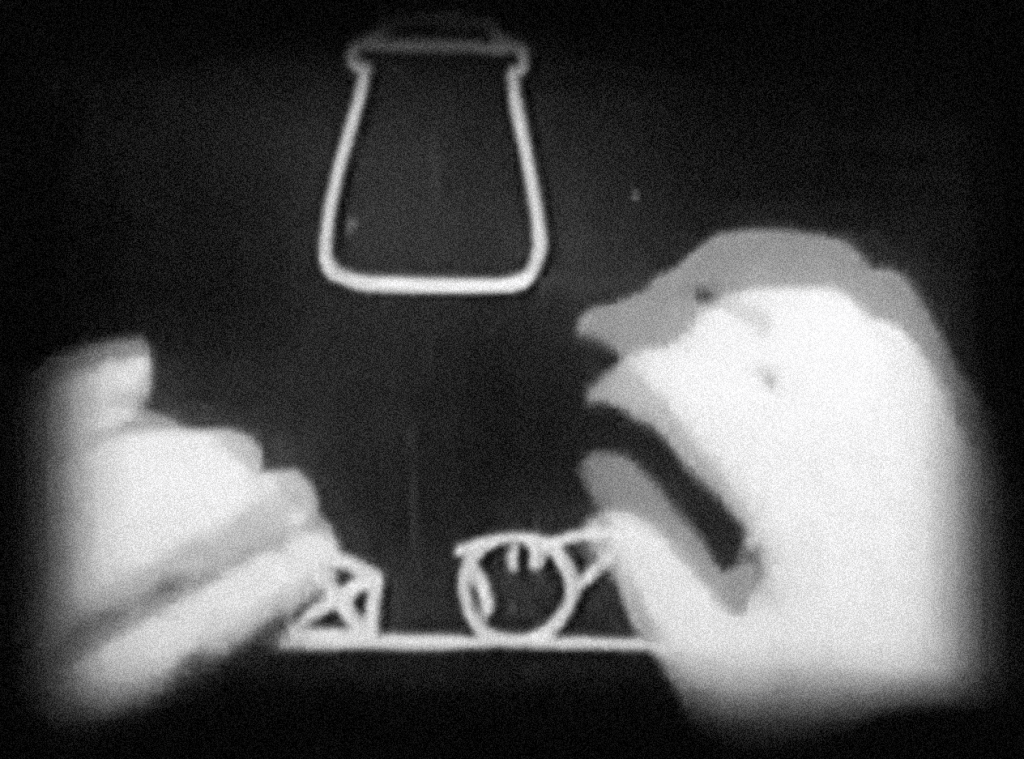
Émile Cohl drew approximately 700 drawings on paper, which were then photographed on negative film to create a chalkboard-like appearance—an innovation at the time. The result is a black-on-white animation emphasizing motion and transformation’s fluidity.
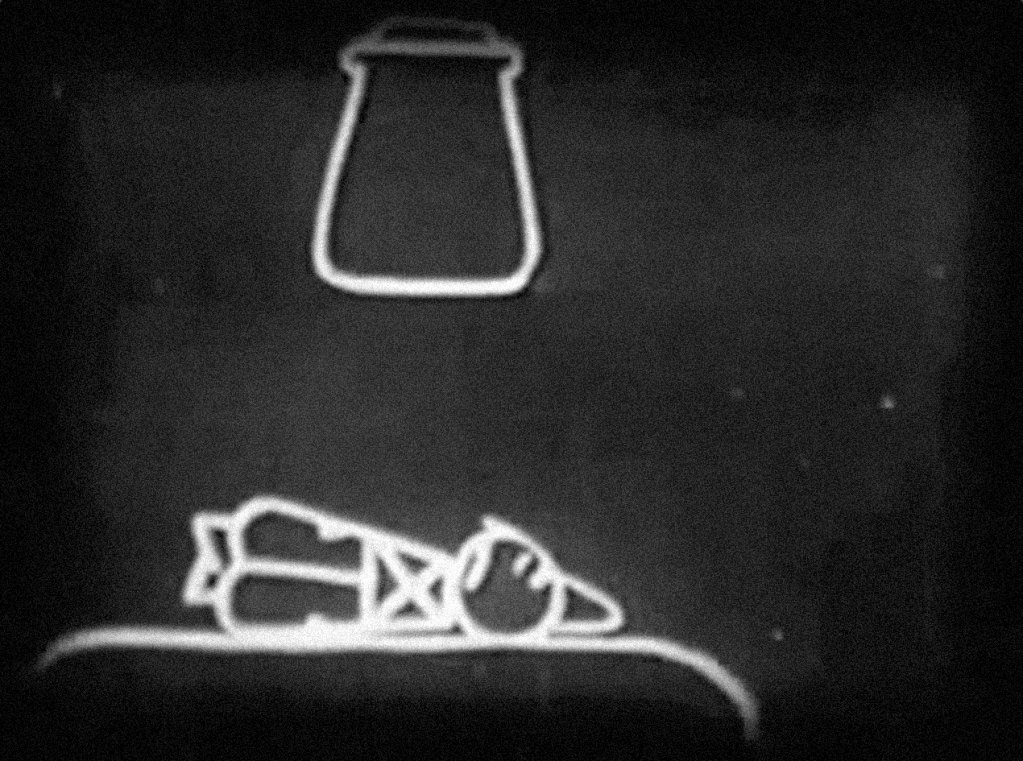
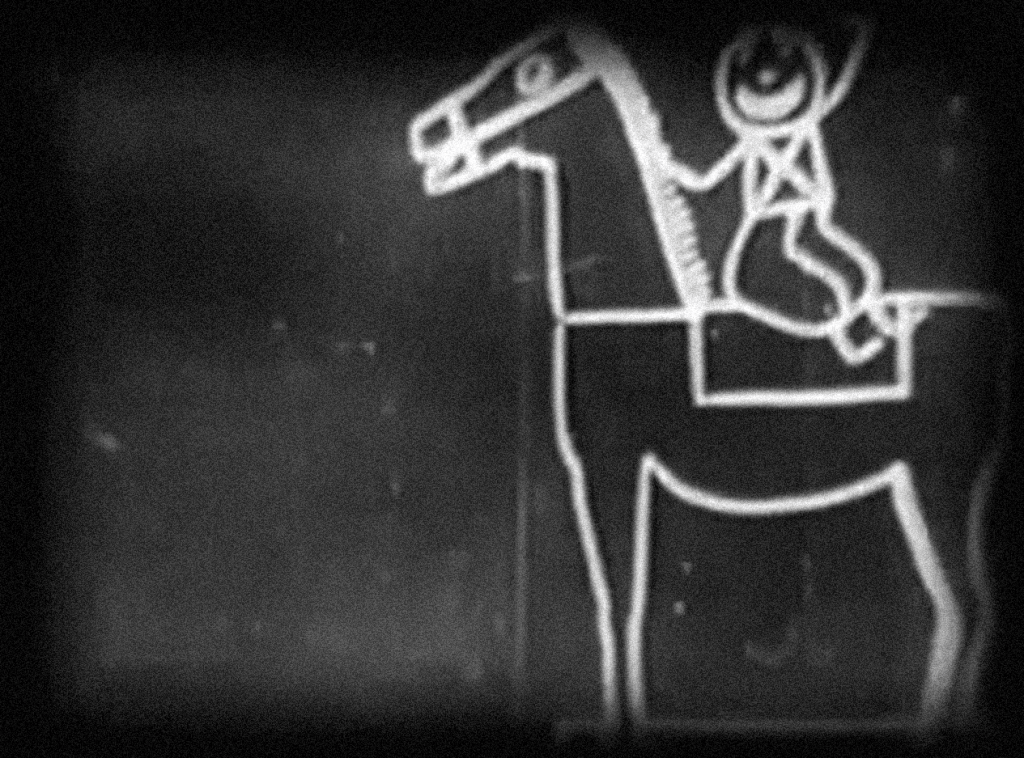
“Fantasmagorie” is a groundbreaking work that helped define the medium of animation. It established key techniques that are still used today and have influenced generations of animators and filmmakers.
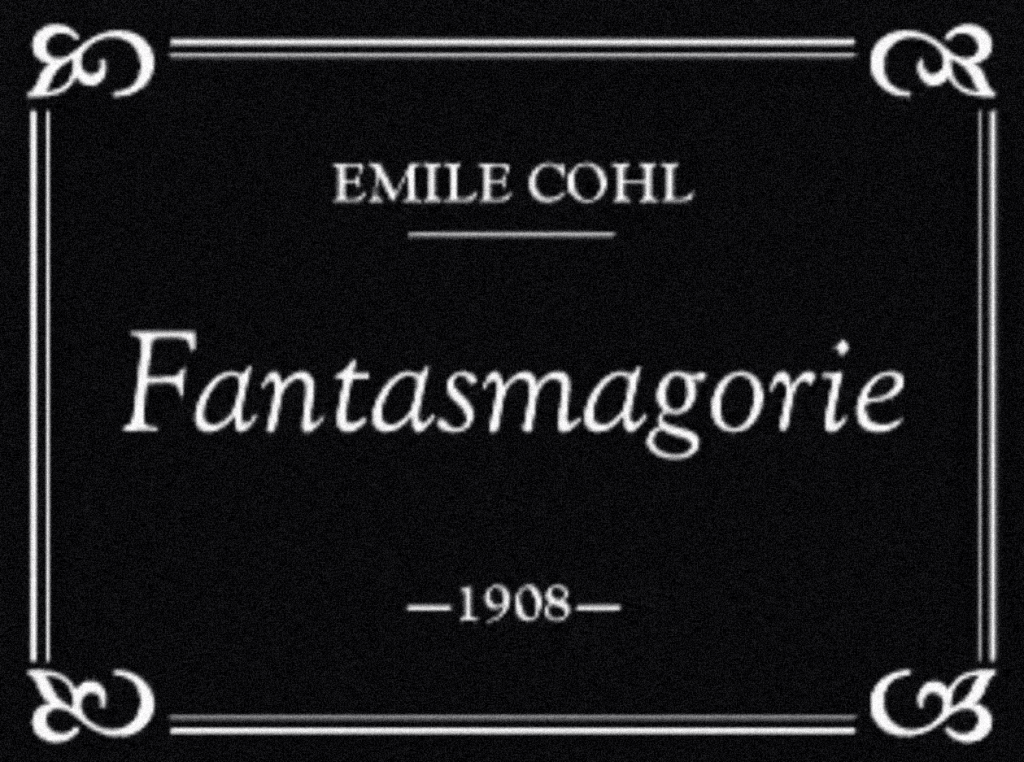
Watch it.
 The Other Cinema