
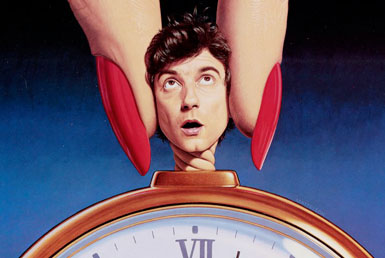
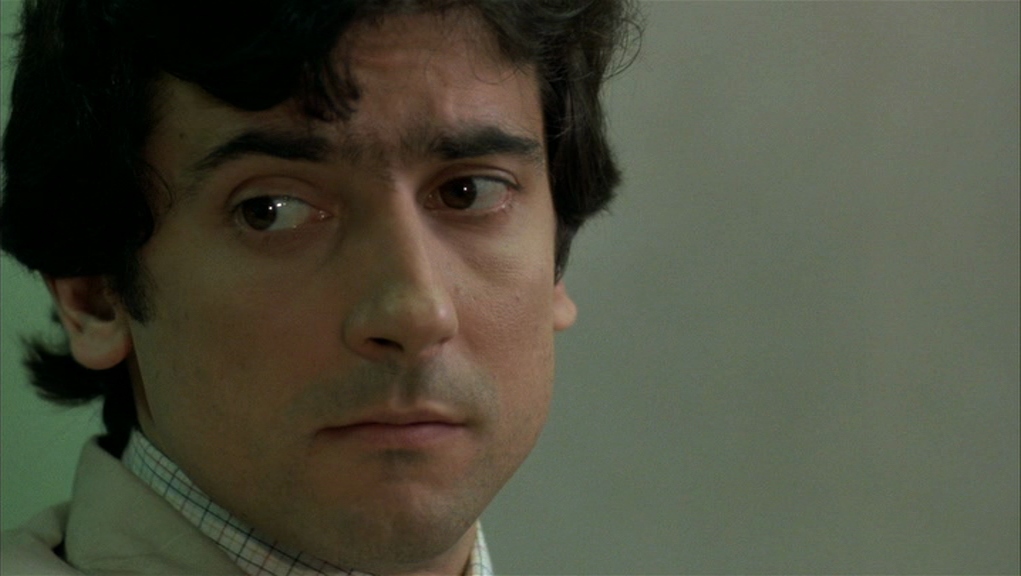
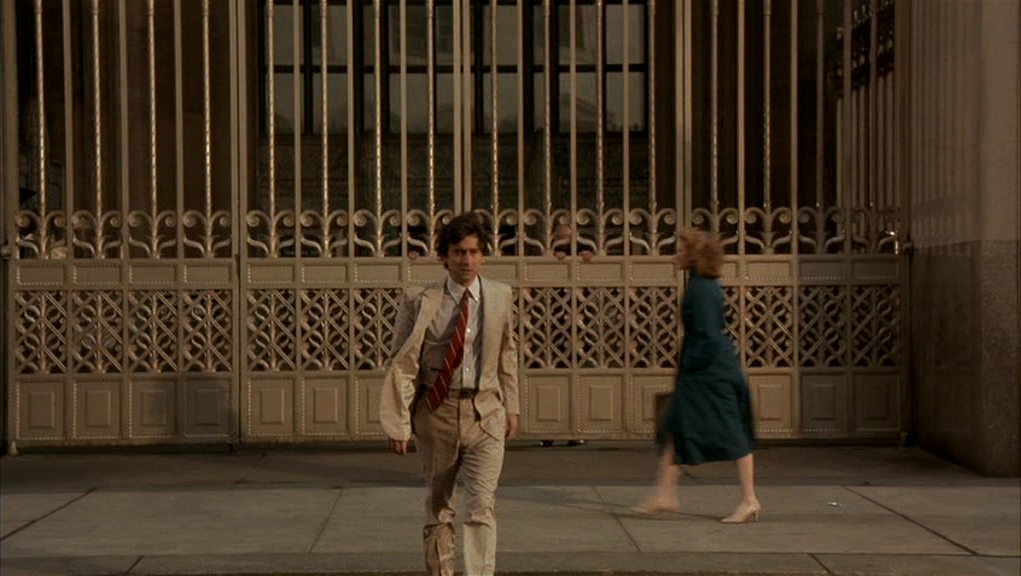
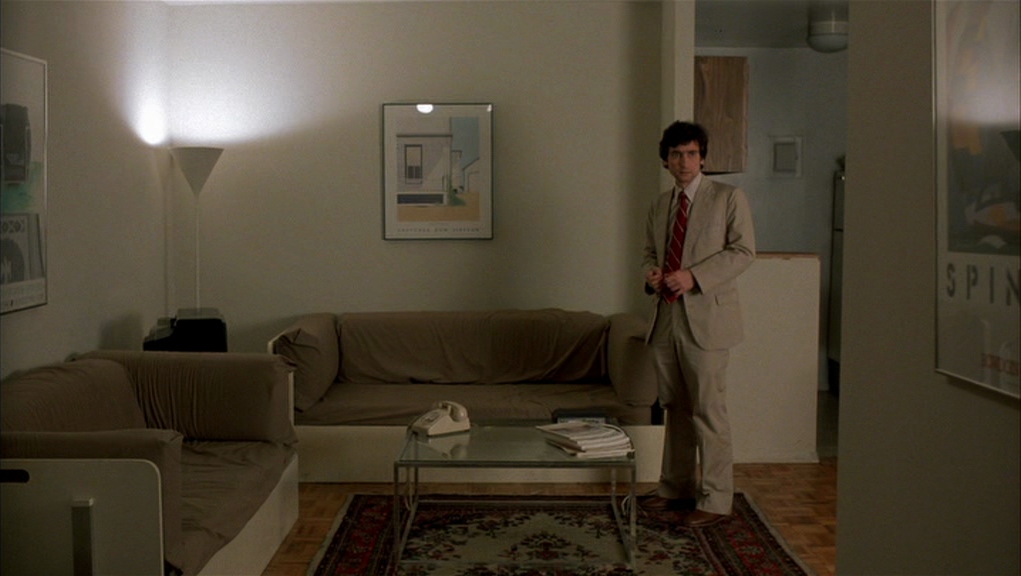
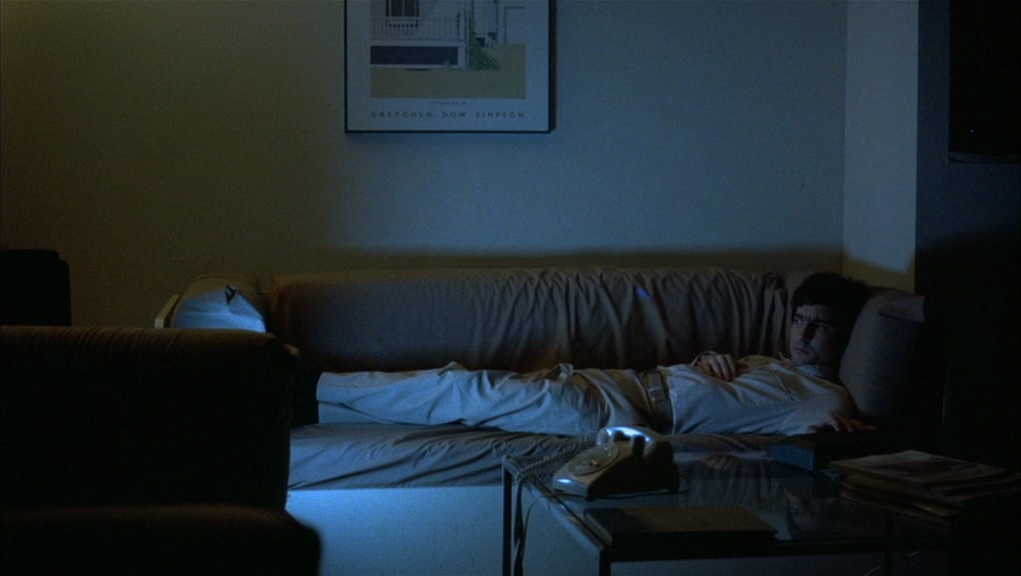
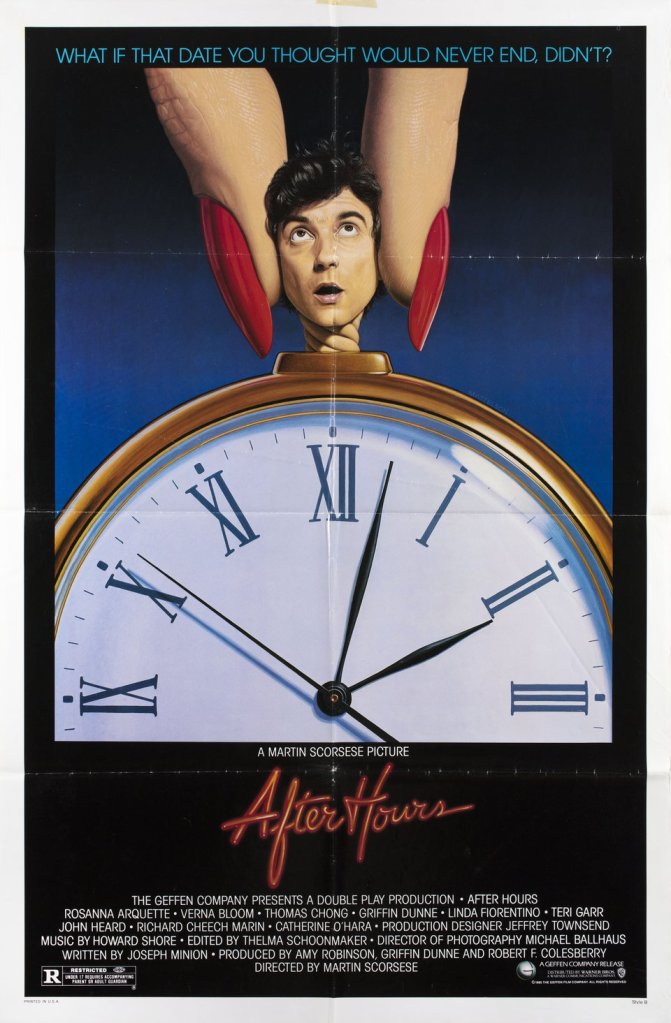
“After Hours,” a 1985 film directed by Martin Scorsese, is a darkly comedic and surreal exploration of urban anxiety and existential frustration. Set over the course of one harrowing night in New York City’s SoHo district, the film follows mild-mannered word processor Paul Hackett (Griffin Dunne), whose innocent quest for a casual date spirals into a nightmarish odyssey through the city’s bizarre and unpredictable underground.
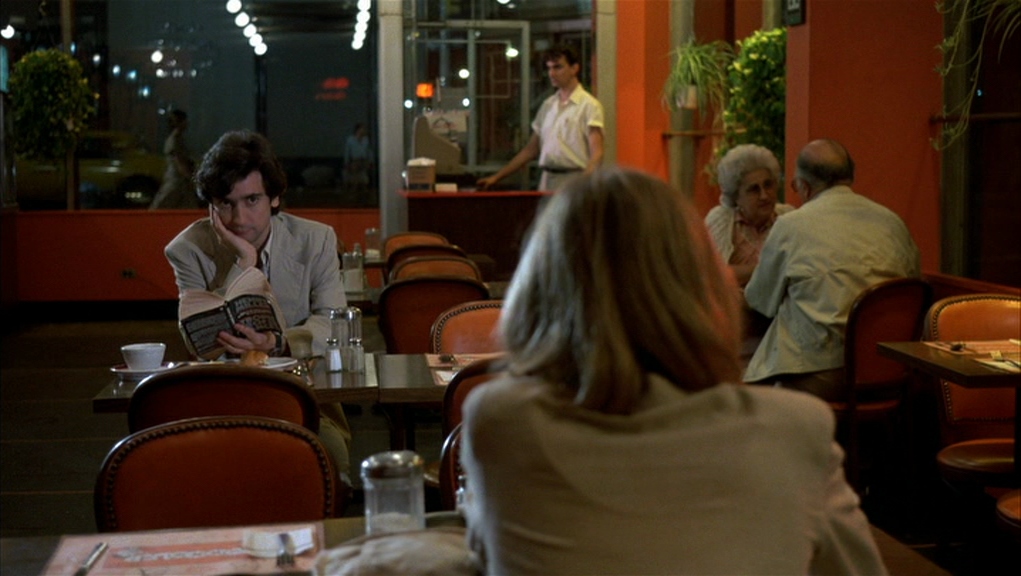
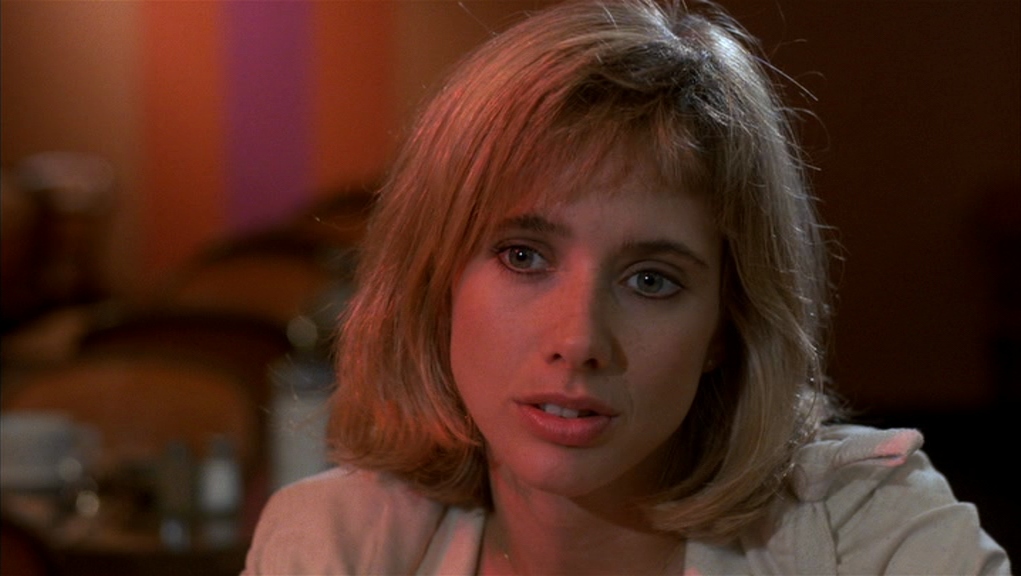
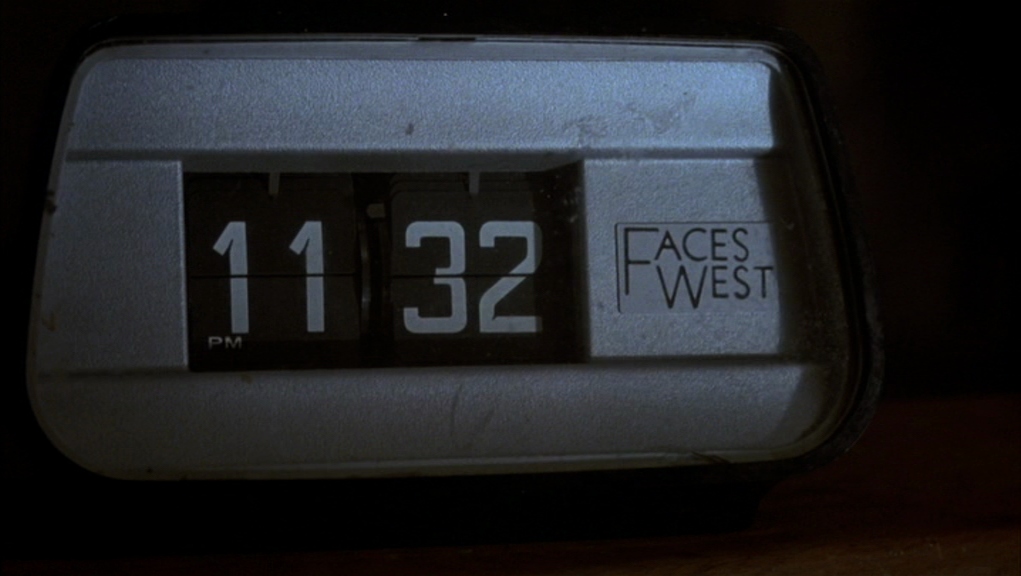
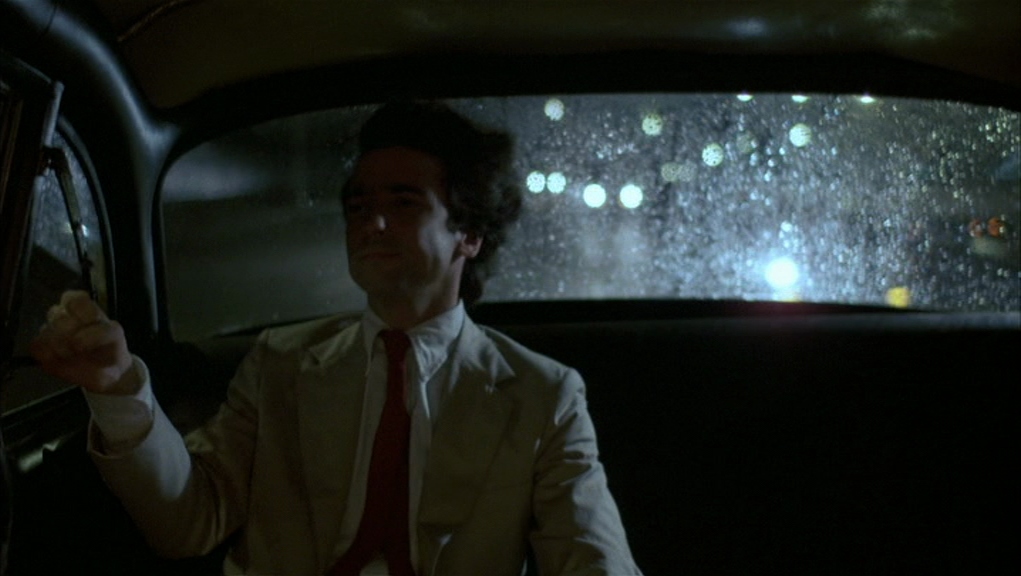
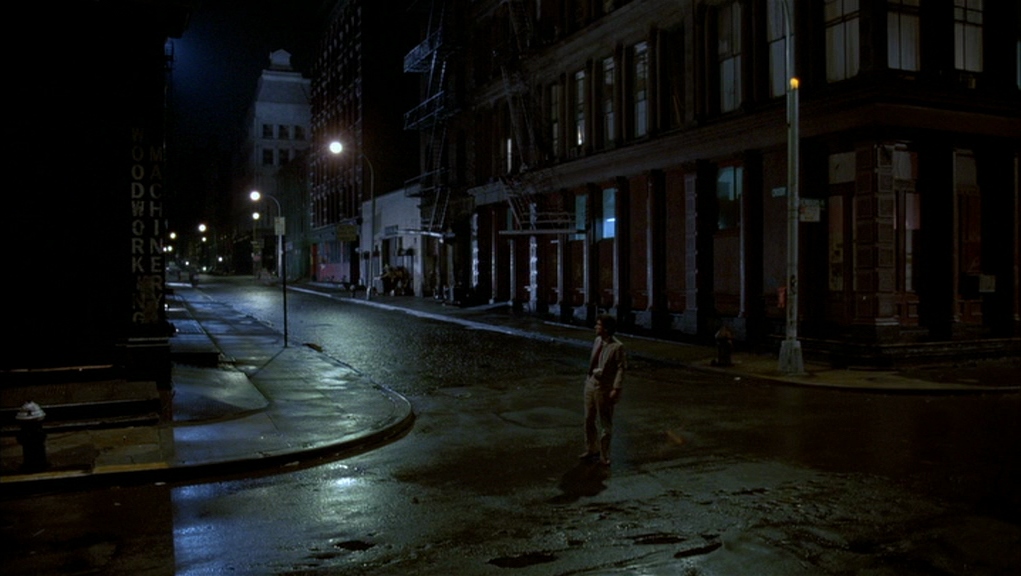
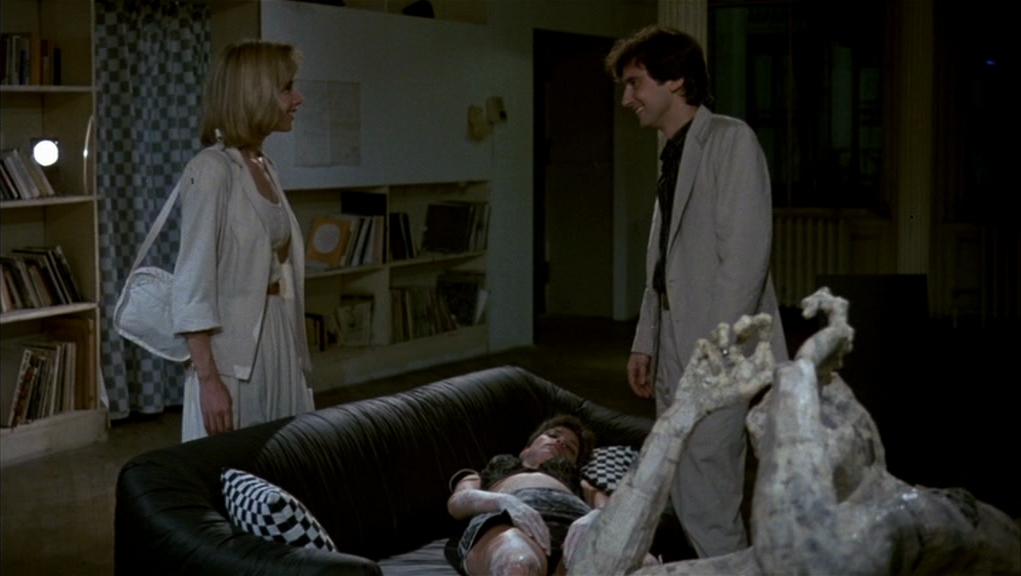
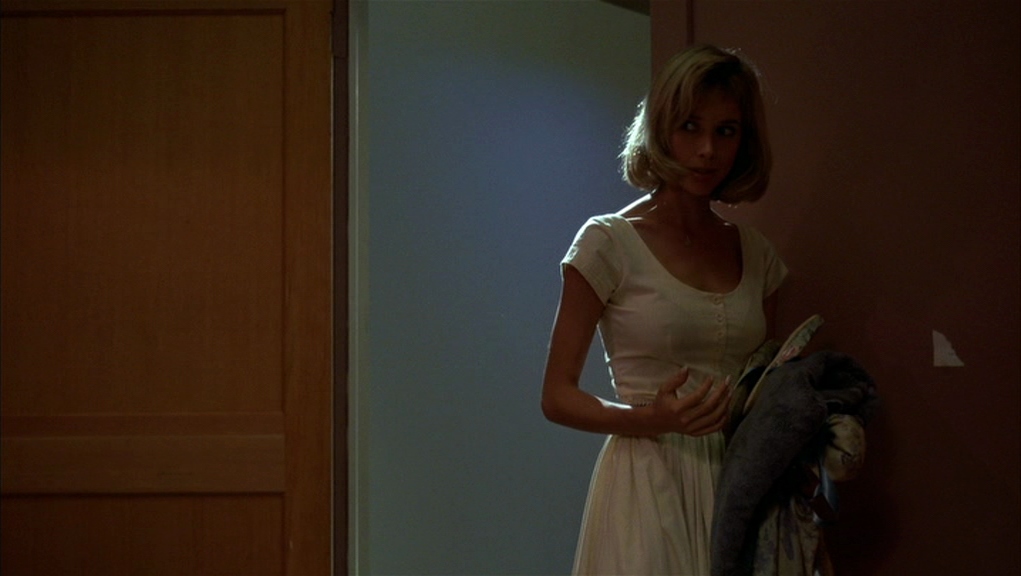
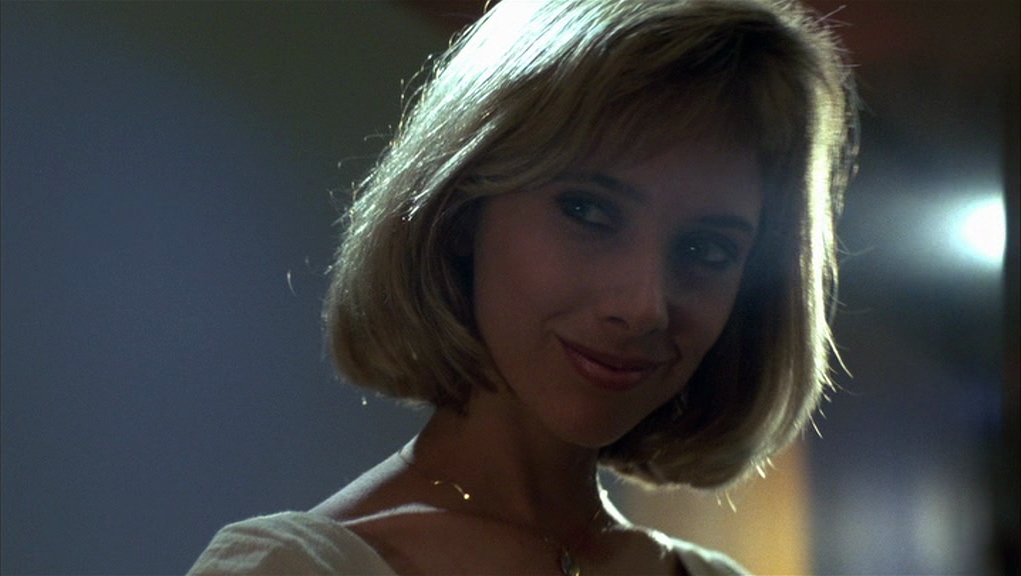
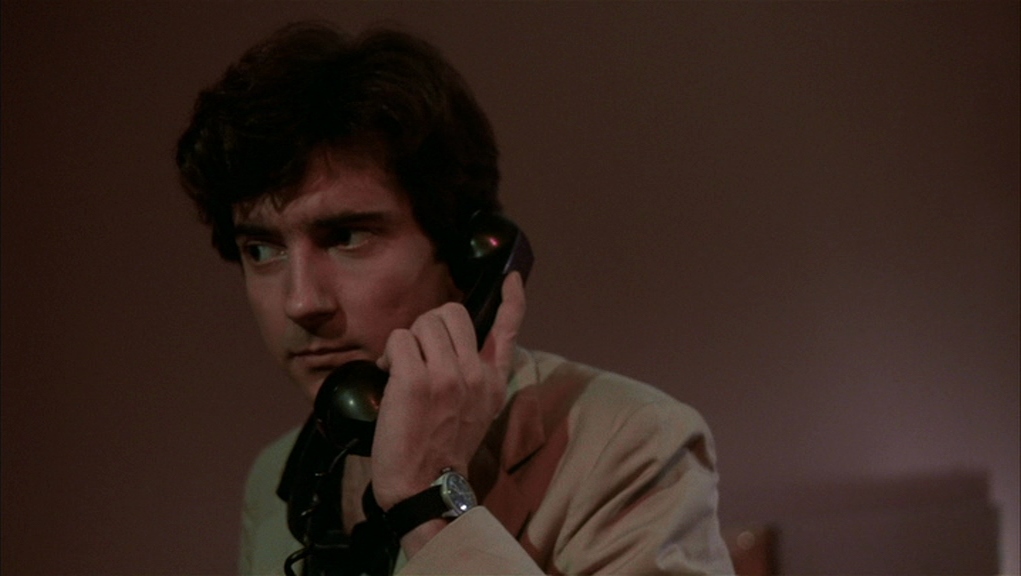
The story begins with Paul stuck in a monotonous office job. Seeking a break from his routine, he starts a conversation at a coffee shop with a quirky woman named Marcy Franklin (Rosanna Arquette), who gives him her number. That evening, Paul impulsively calls her and invites her to her loft in SoHo. Hoping for a romantic encounter, he sets off on what he expects to be a simple visit—but from the moment he arrives, things begin to unravel.
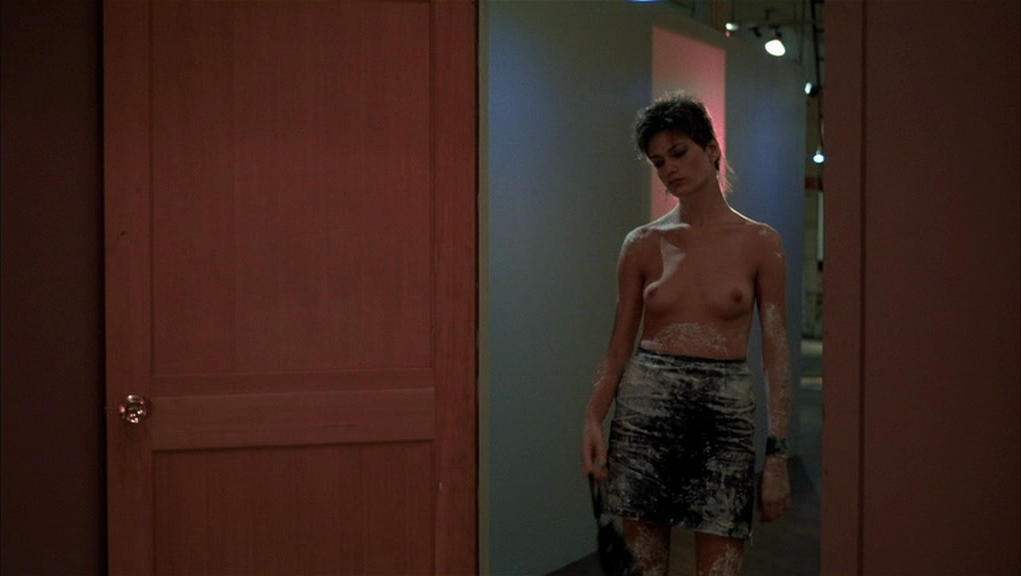
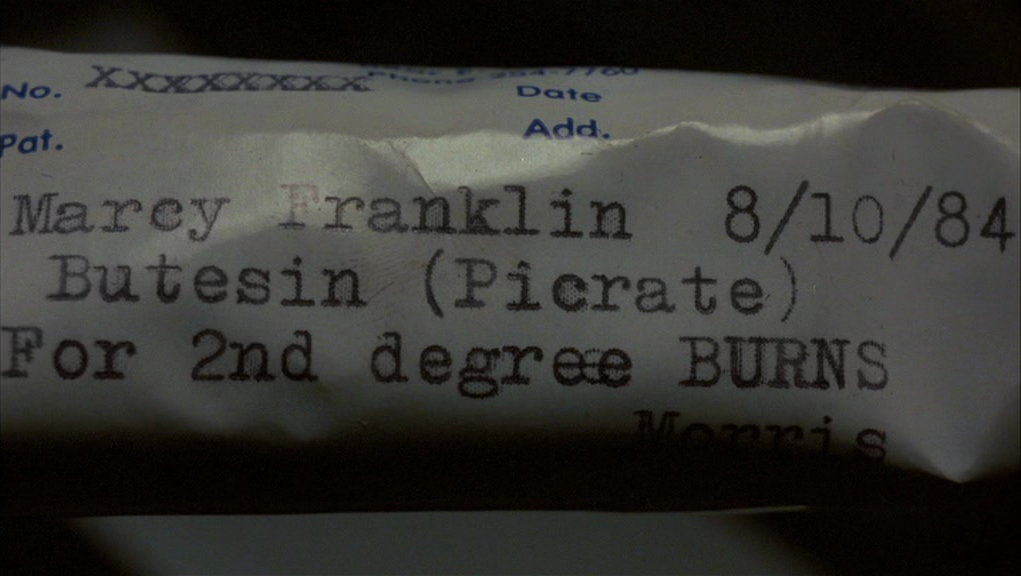
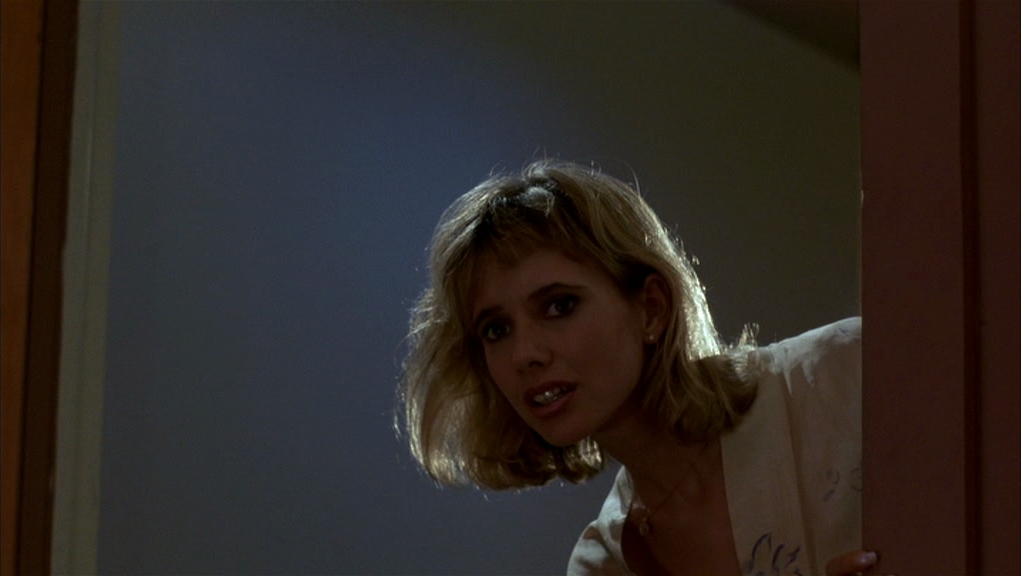
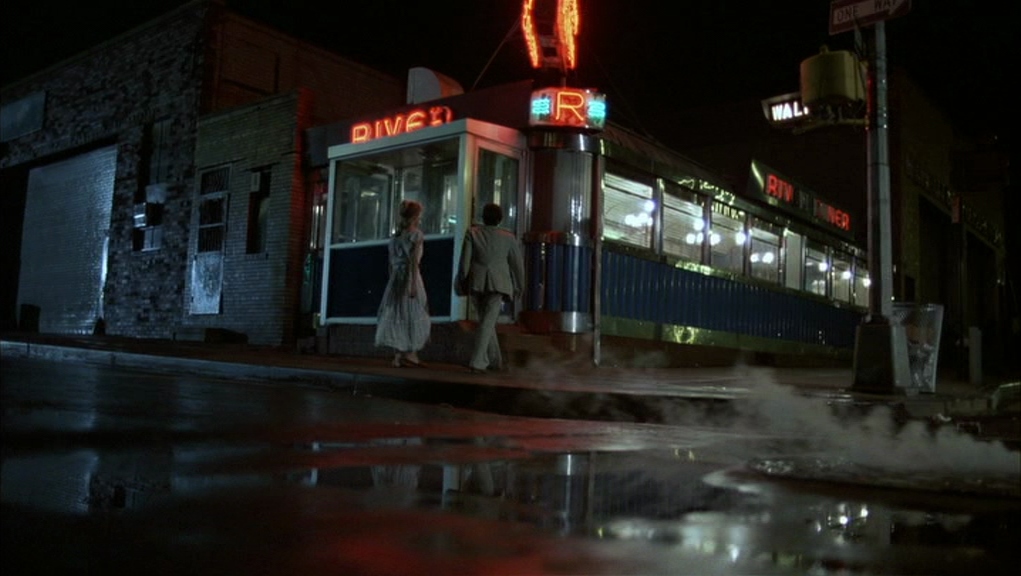
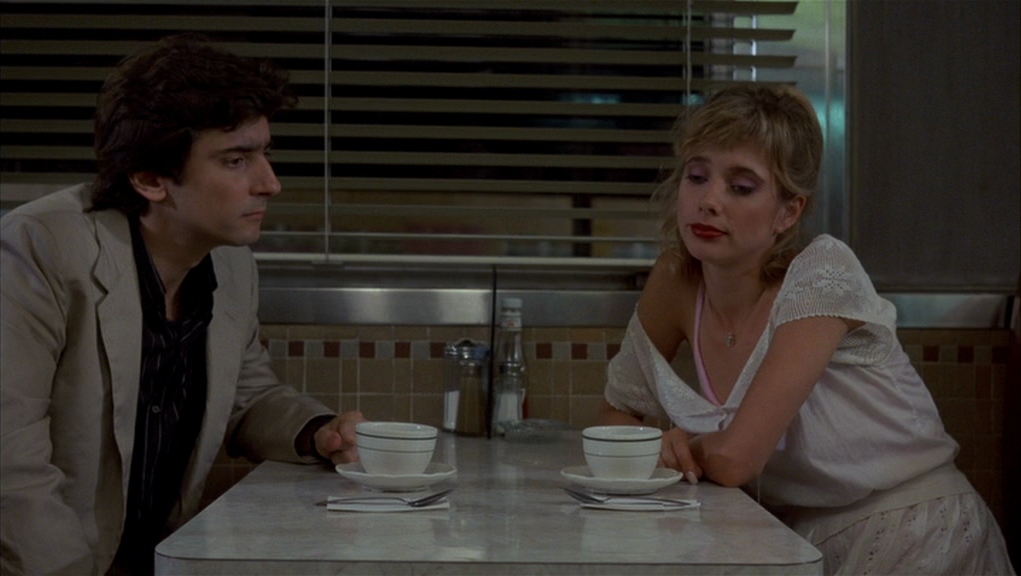
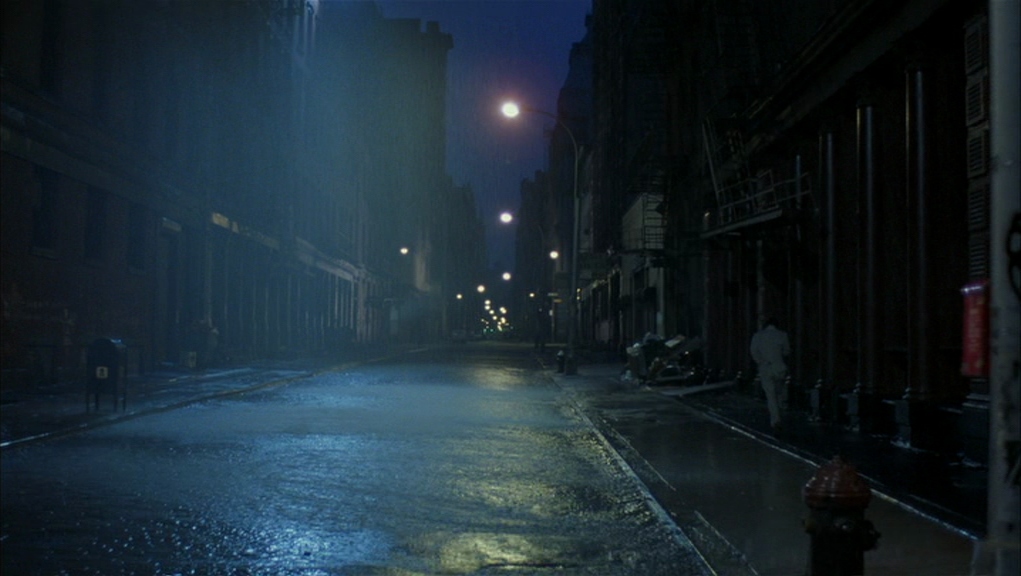
At Marcy’s loft, Paul meets her eccentric roommate Kiki (Linda Fiorentino), a punk artist who sculpts using plaster of Paris. The apartment exudes an unsettling atmosphere, and Paul soon realizes that Marcy is emotionally fragile and may be hiding disturbing truths about her past. Spooked, he tries to leave, but fate has other plans.
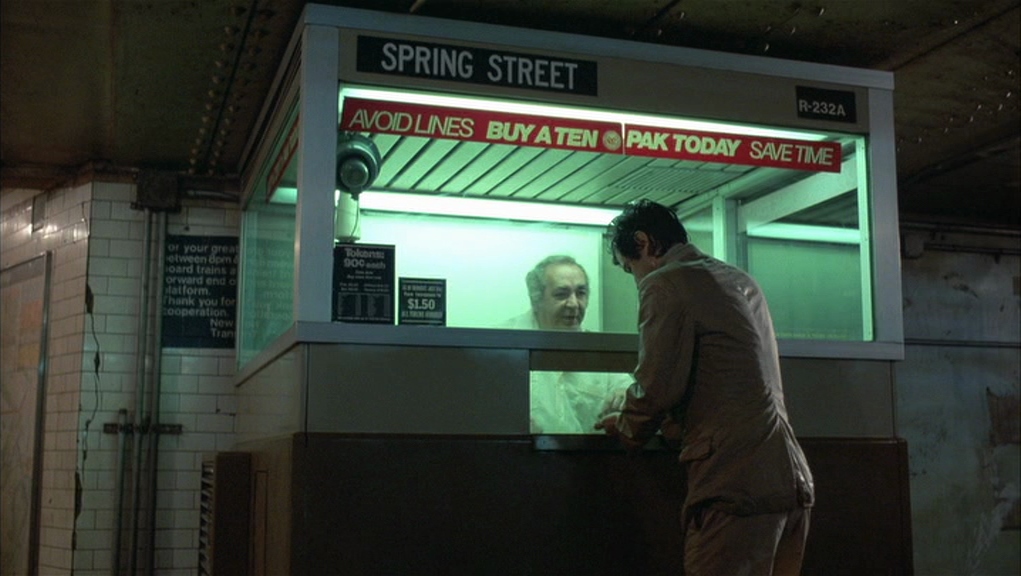
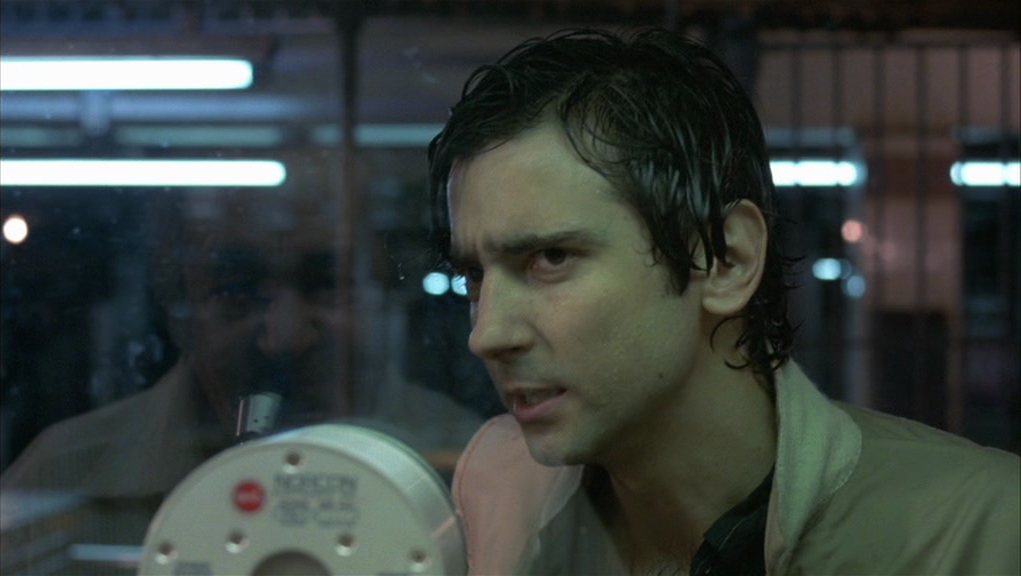
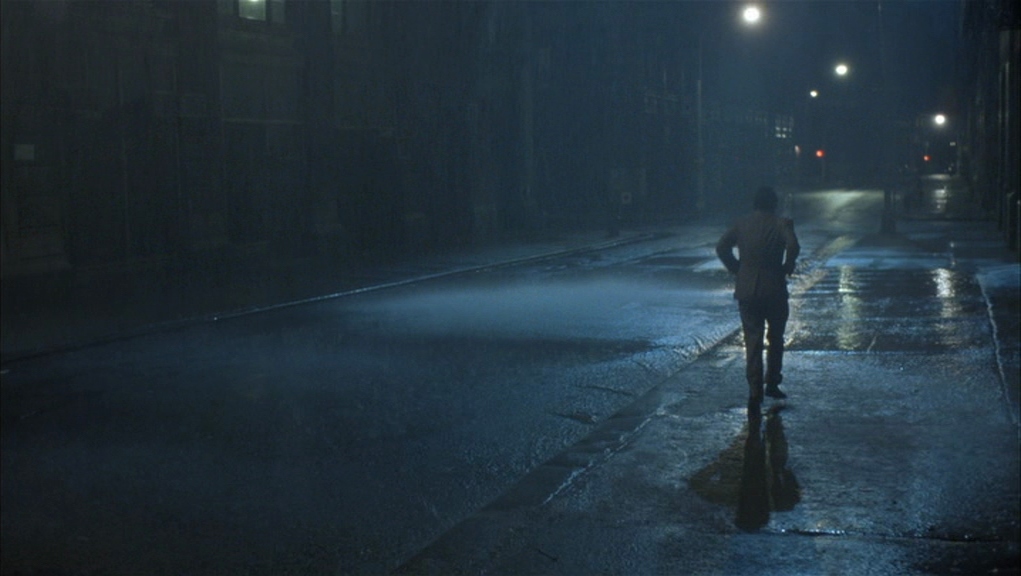
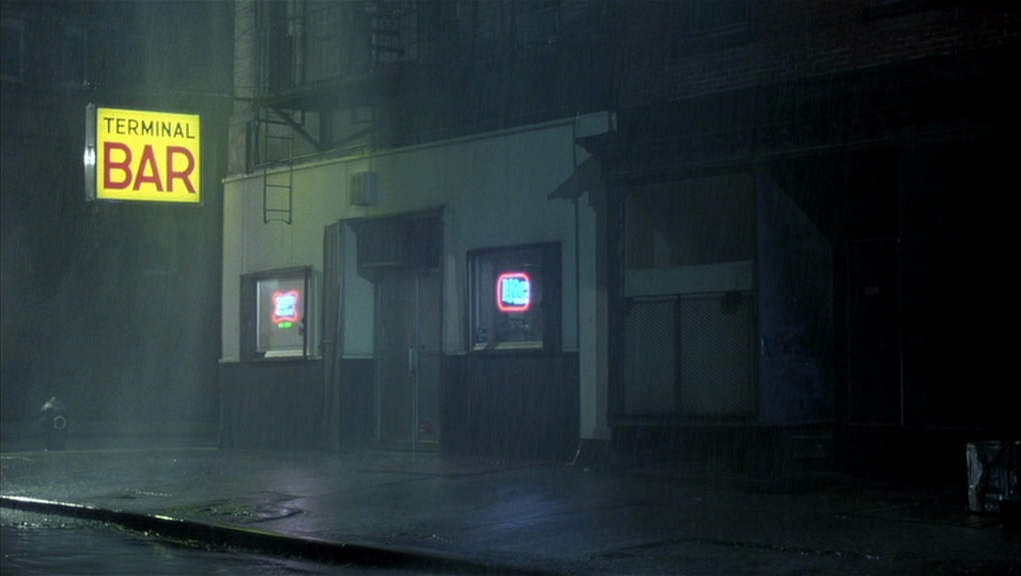
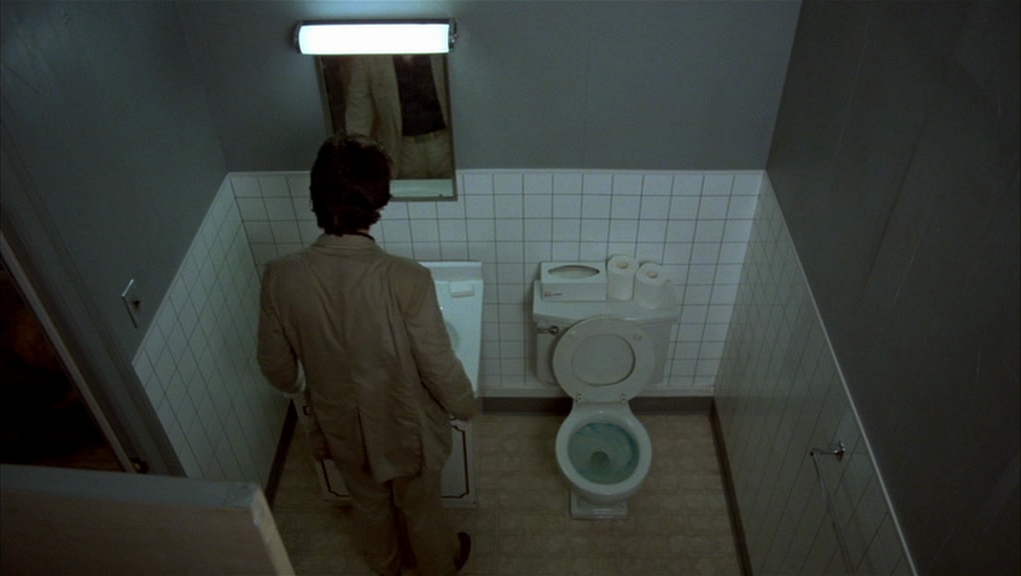
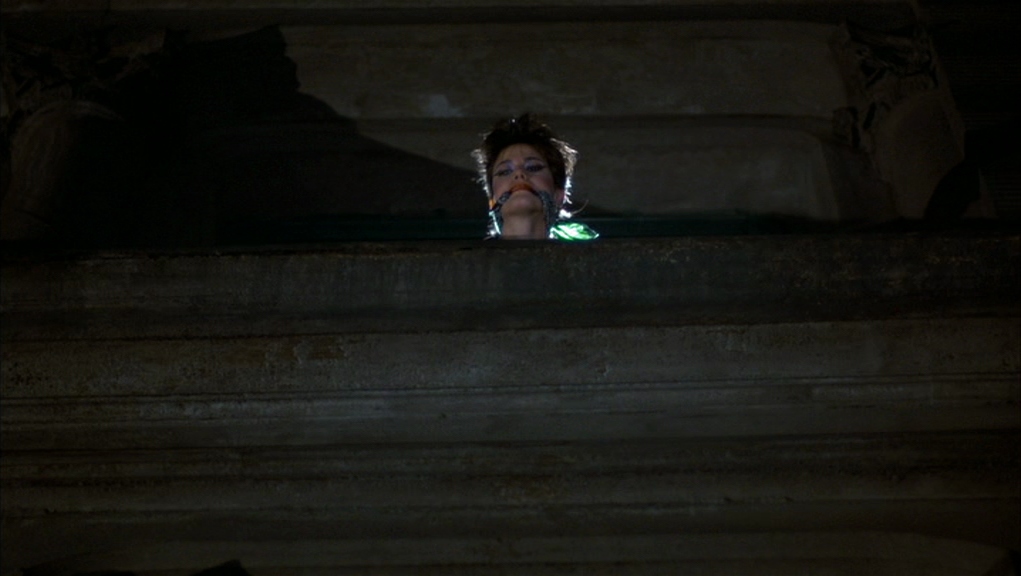
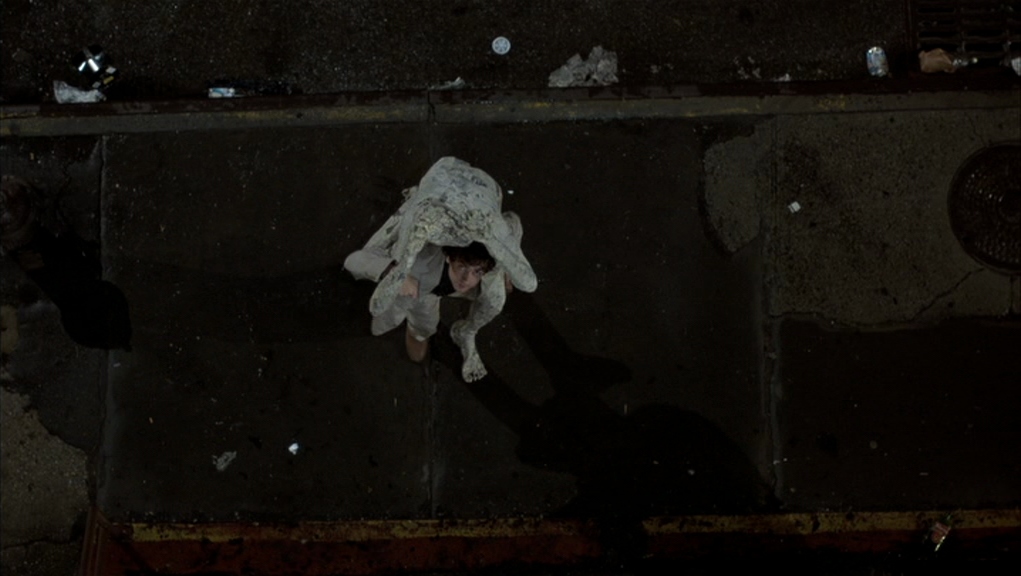
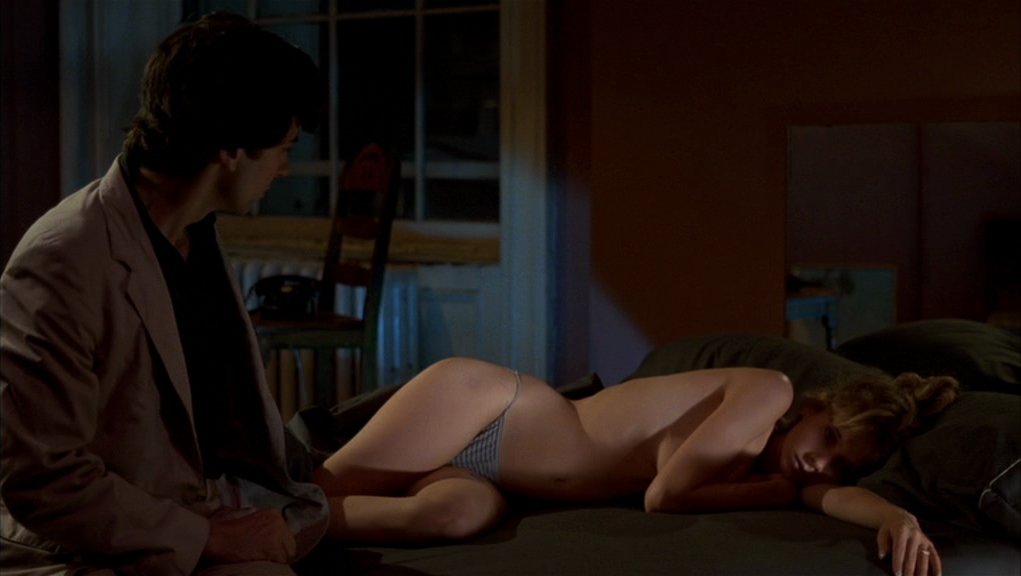
As the night unfolds, Paul finds himself repeatedly thwarted in his attempts to return home. He loses his money in a bizarre taxi incident, is mistaken for a burglar, chased by a vigilante mob, and caught in an escalating chain of strange and often threatening encounters. Each new person he meets—Julie, the lonely waitress (Teri Garr), June, the sculptor (Verna Bloom), and a variety of SoHo’s eccentric denizens—pulls him deeper into a surreal maze of confusion and danger.
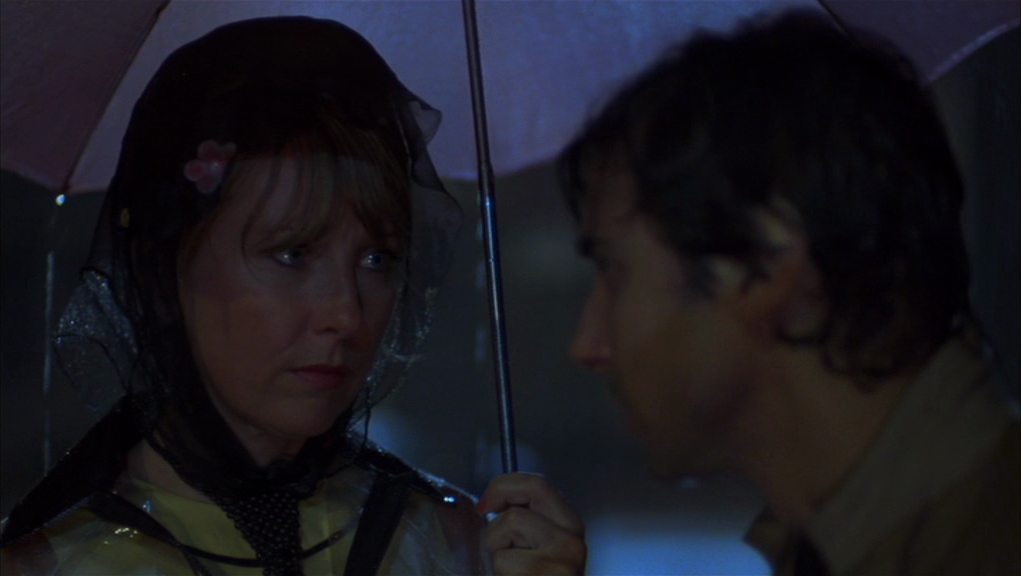
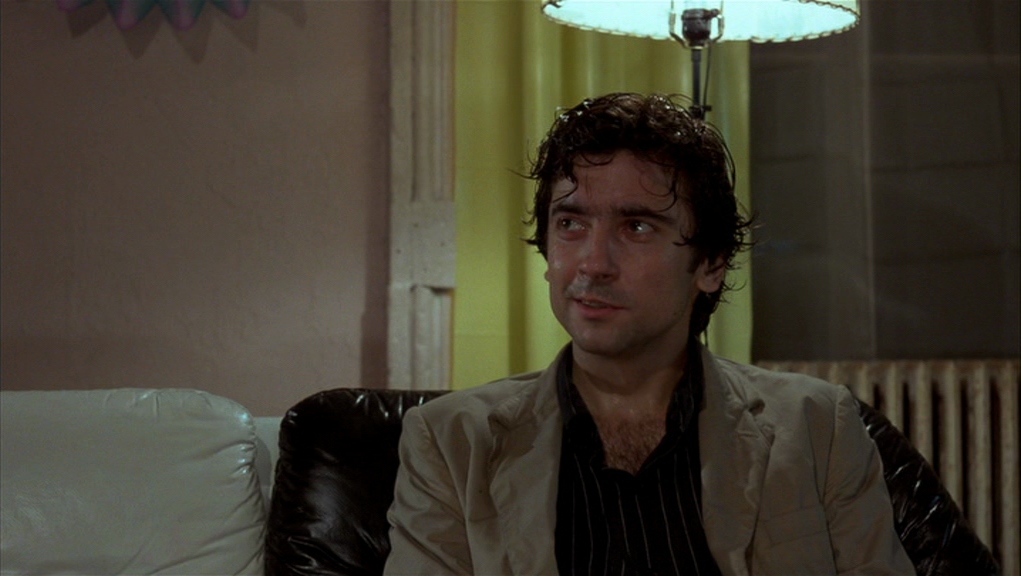
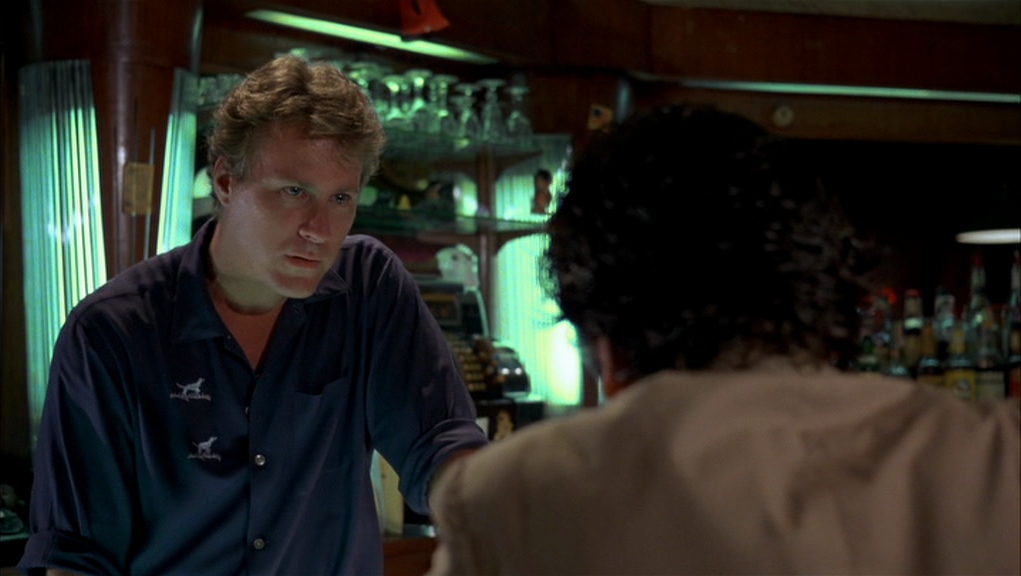
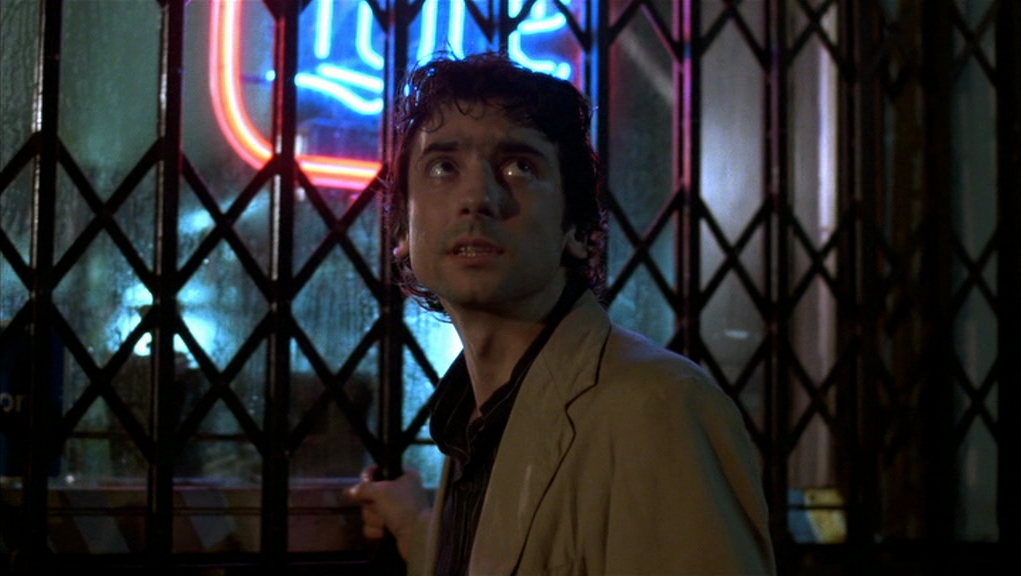
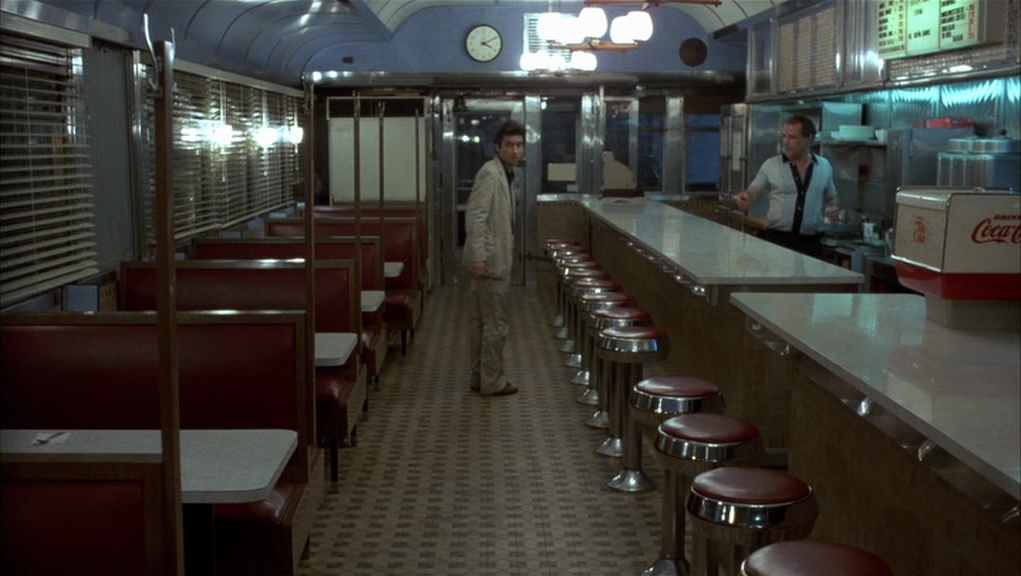
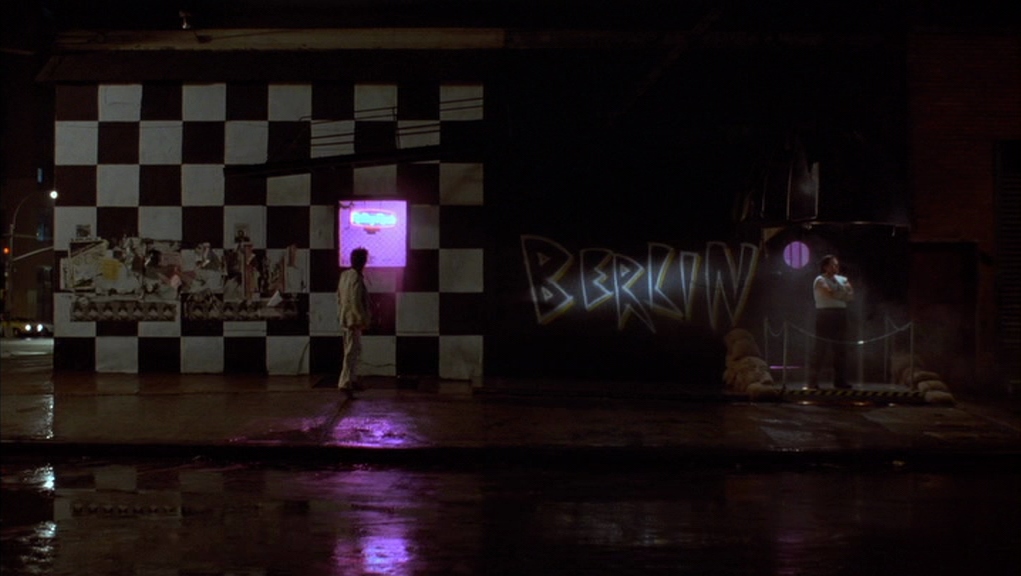
Paul is increasingly disoriented and desperate as the city becomes a Kafkaesque trap. He is accused of crimes he didn’t commit, painted into a plaster sculpture, and pursued by people who seem to know him for reasons he can’t comprehend. His journey turns from a comic misadventure to an existential nightmare as the boundaries of reality and reason begin to collapse.
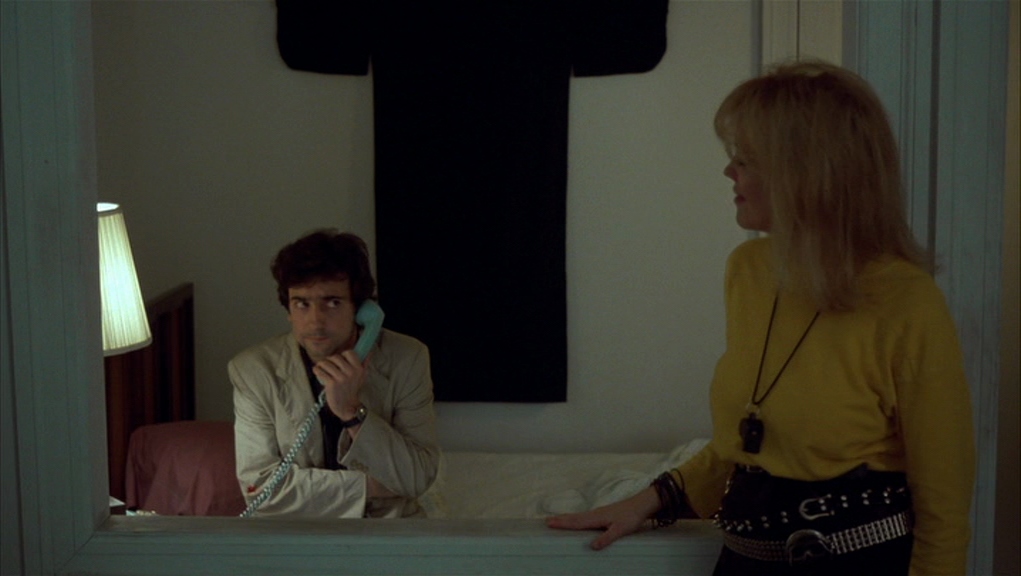
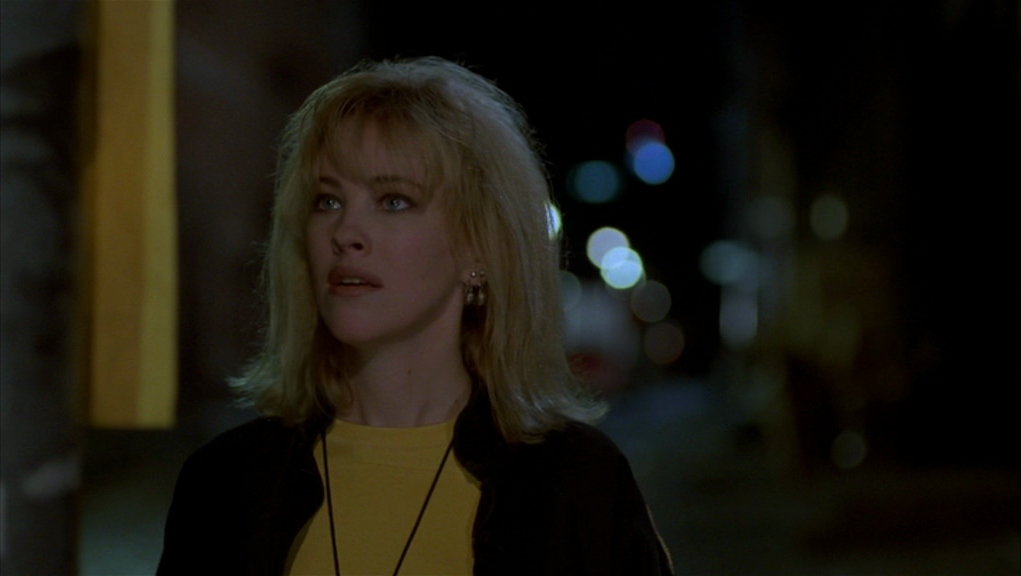
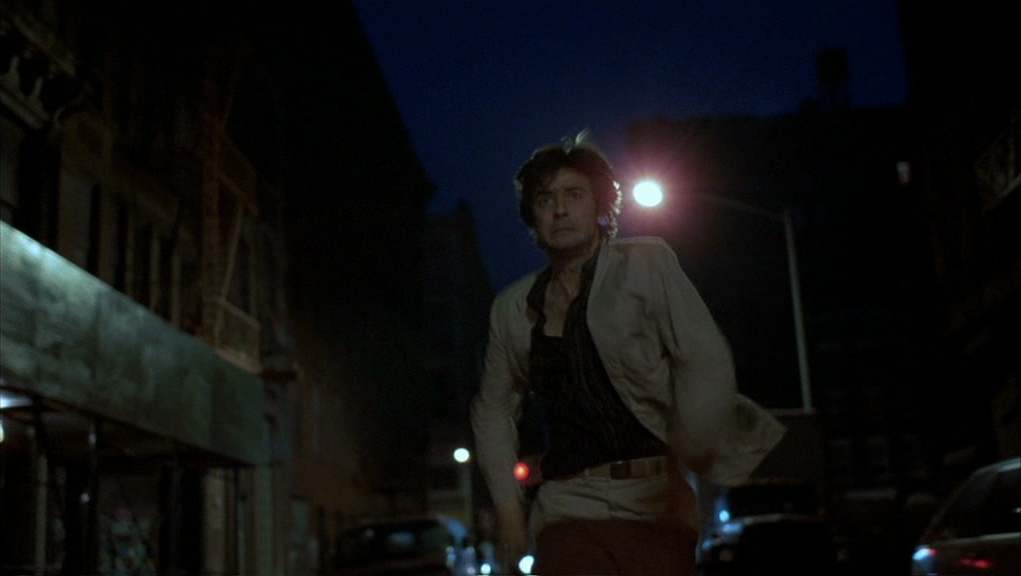
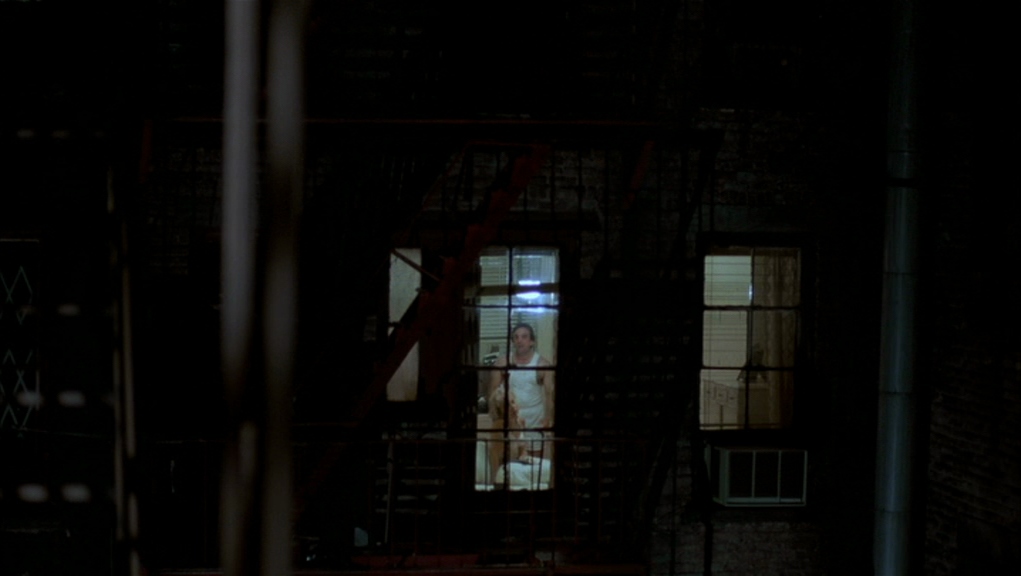
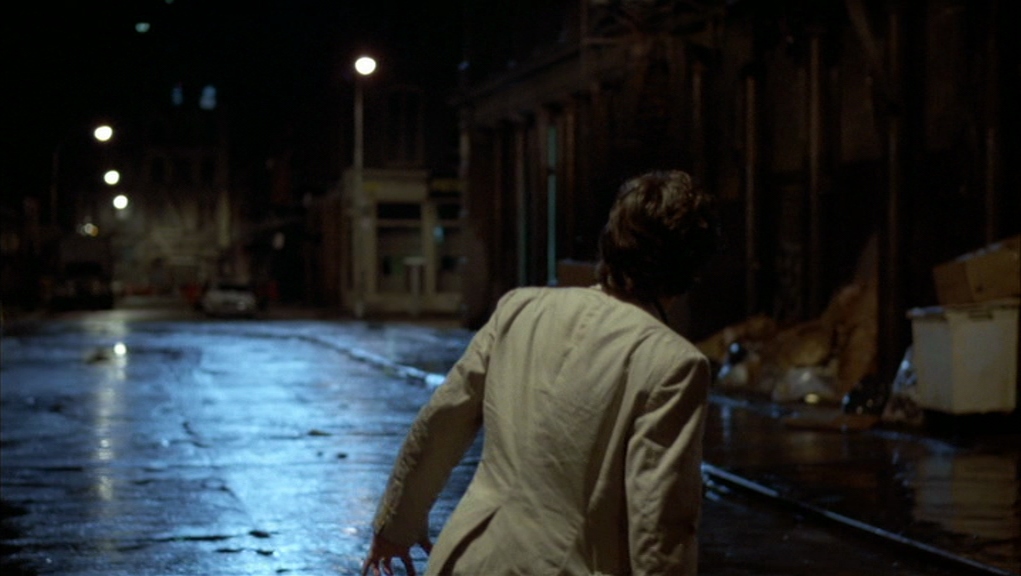
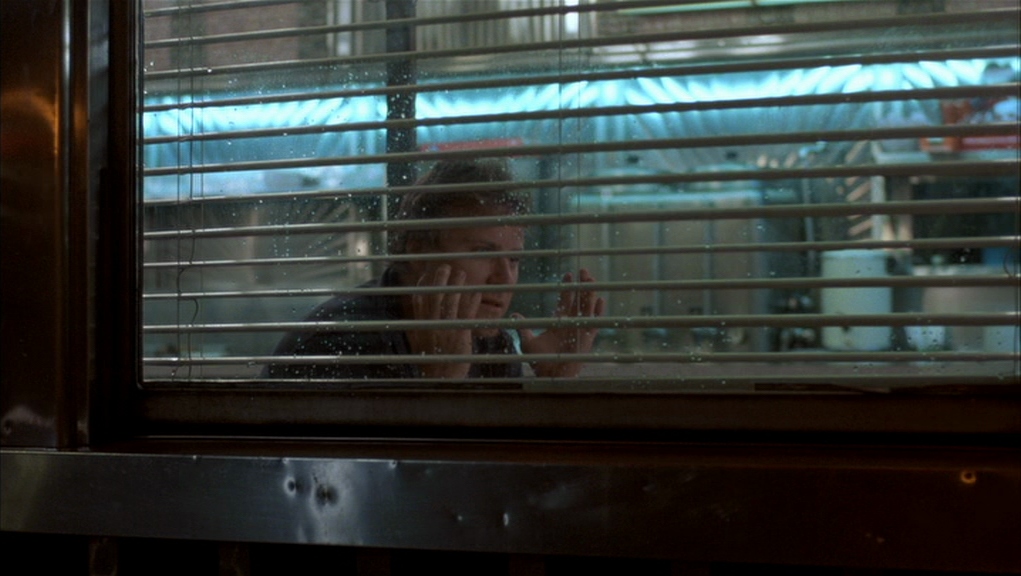
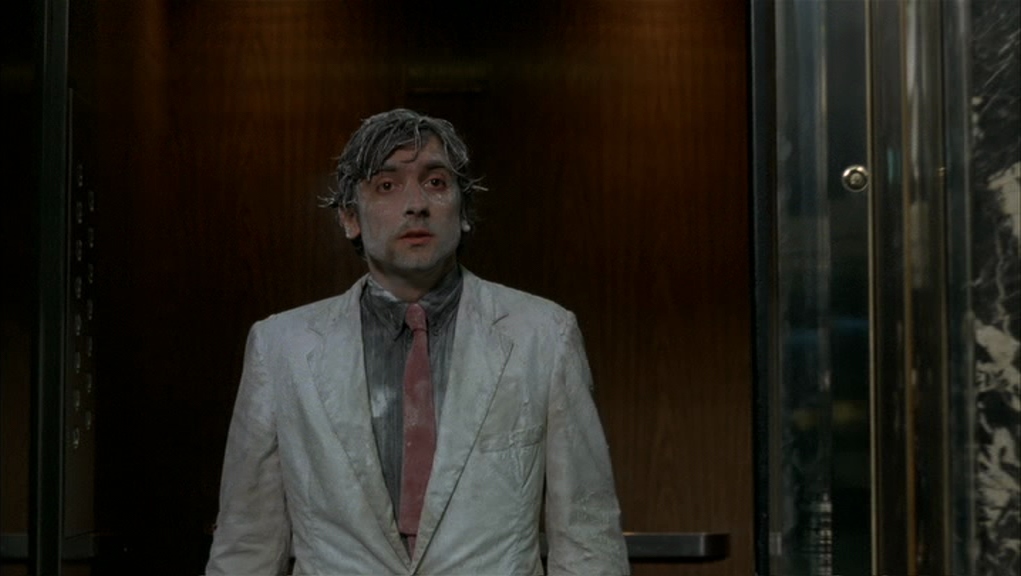
Eventually, just as mysteriously as it all began, Paul finds himself outside a building, where a burglar frees him from the plaster. As the sun rises, he stumbles back to his office, disheveled and wide-eyed, only to sit back down at his desk as if nothing had happened.
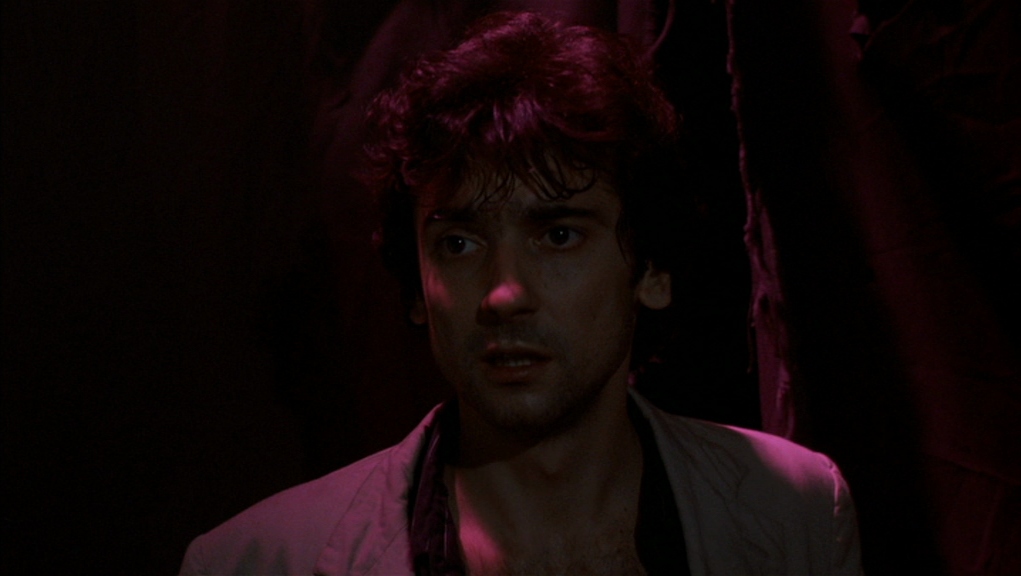
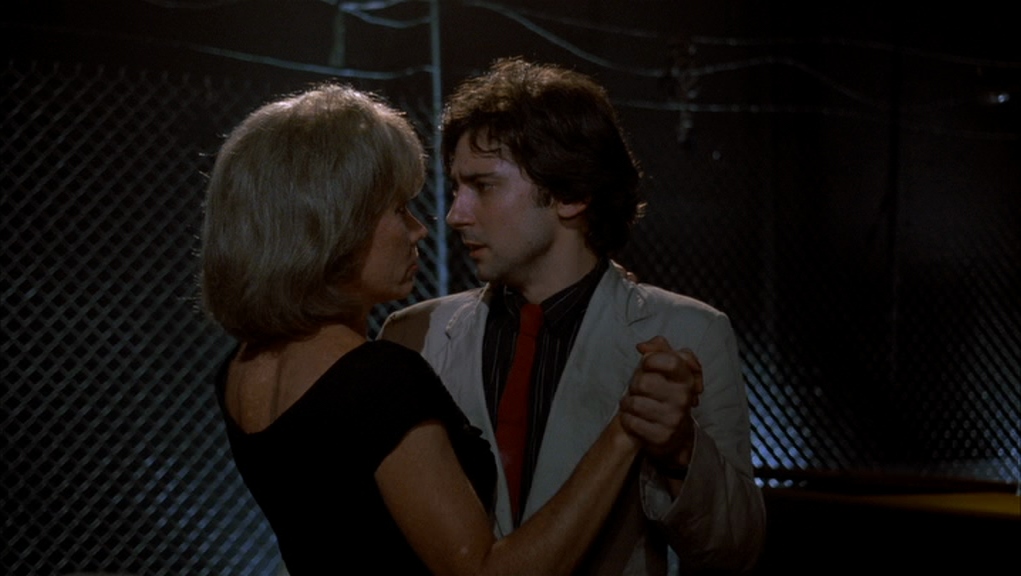
“After Hours” explores the absurdity of modern existence and the chaos that can emerge from the most mundane desires.
 The Other Cinema