

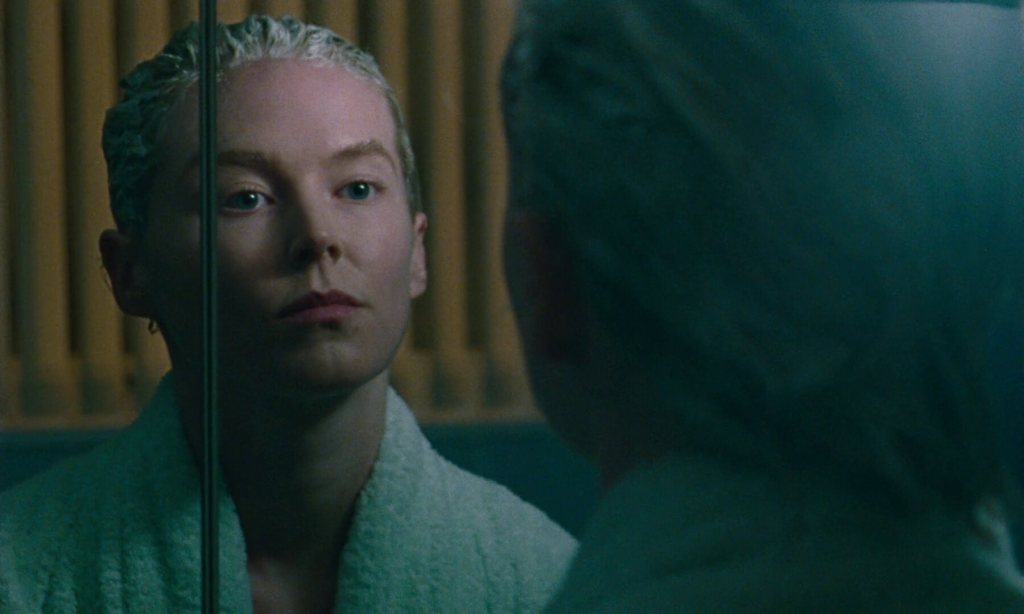



“Blue Jean” is the 2022 debut feature film by British director Georgia Oakley. The film is a poignant drama and quietly powerful character study set against the backdrop of Thatcher-era Britain in the late 1980s. The film explores themes of identity, secrecy, and resistance in a time of political oppression and widespread homophobia, particularly focusing on the infamous Section 28 legislation that prohibited the “promotion of homosexuality” in schools.
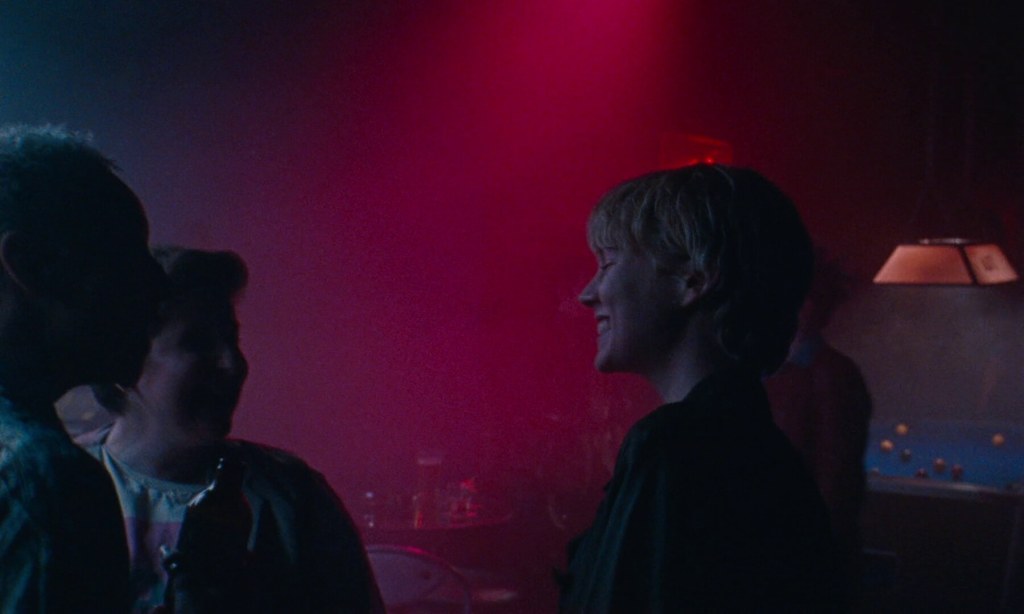
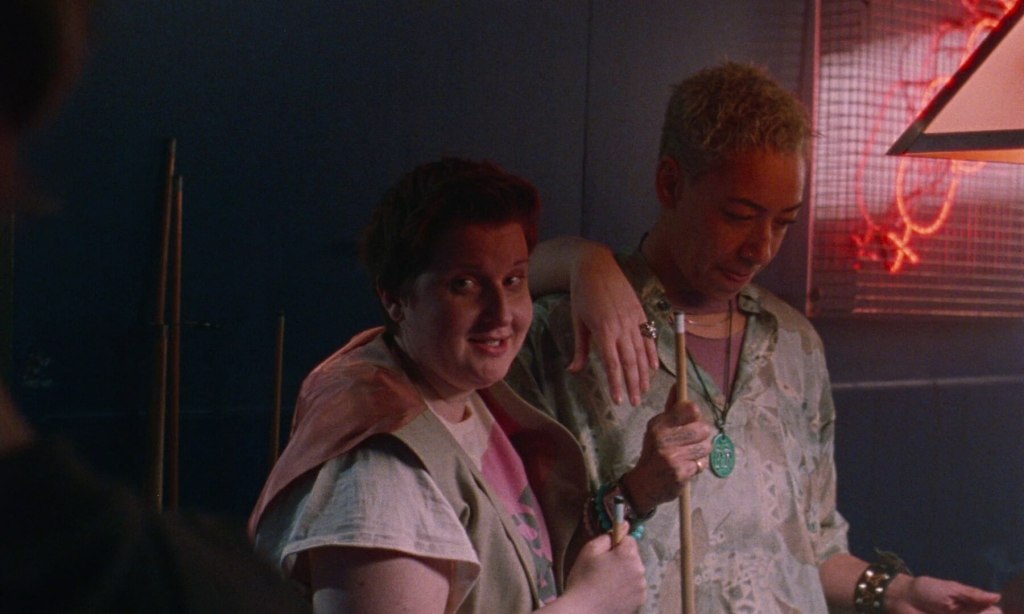







Jean (Rosy McEwen) is a reserved and dedicated physical education teacher living in Newcastle. At school, she maintains a conservative and professional persona, hiding her sexuality from her colleagues and students. Privately, however, she is a lesbian with a long-term partner, Viv (Kerrie Hayes), a confident and outspoken woman who is deeply involved in the local LGBTQ+ activist community.
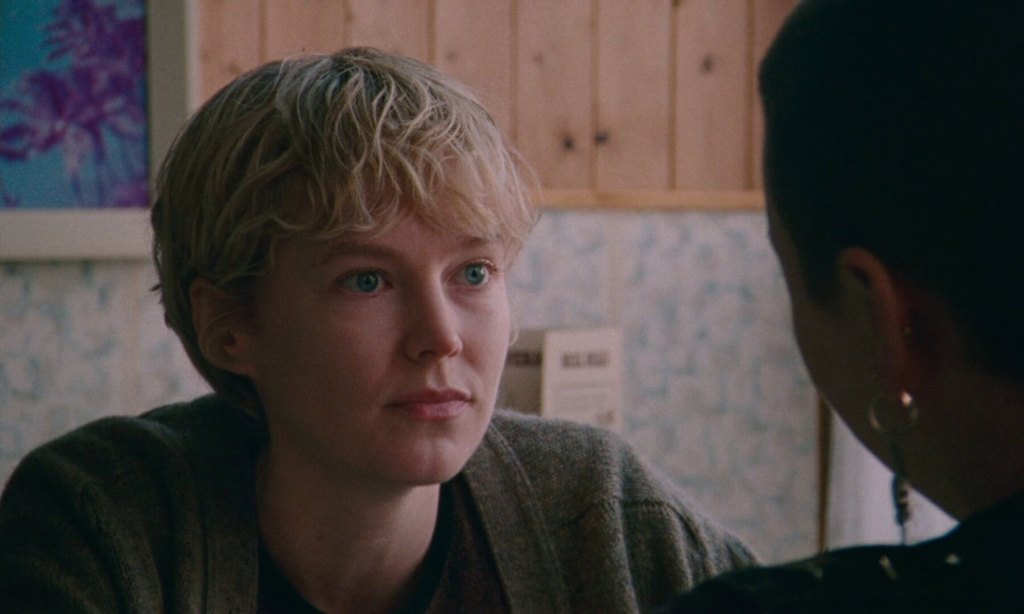
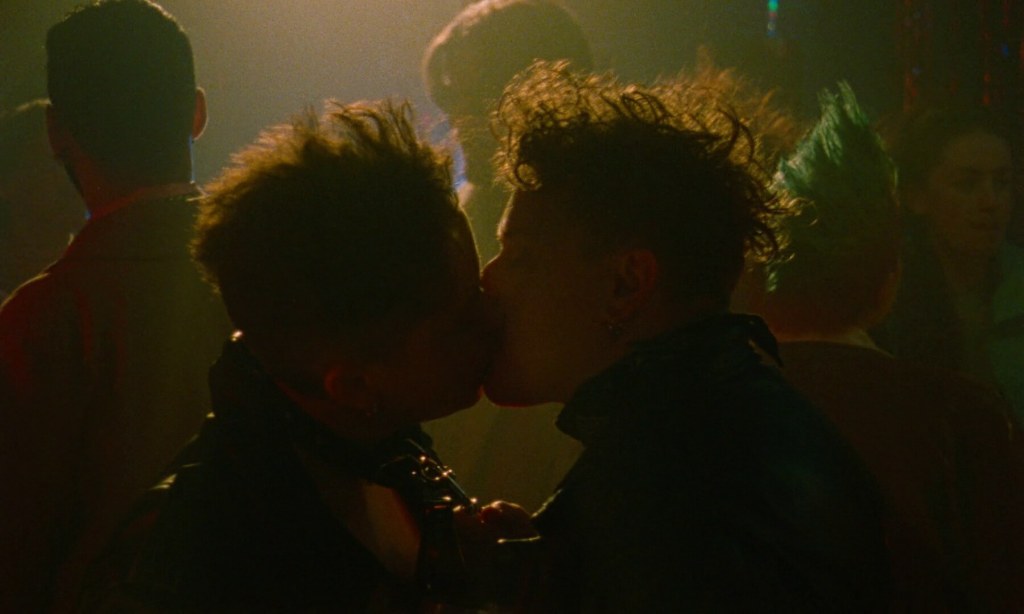
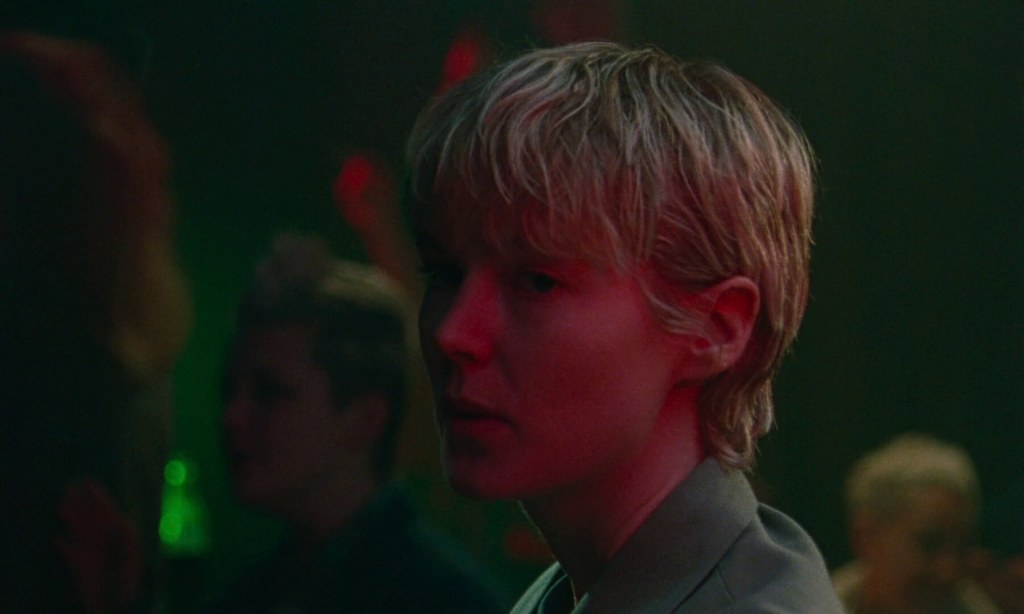


Jean’s carefully compartmentalized life begins to unravel with the arrival of a new student, Lois (Lucy Halliday), a quiet but perceptive teenager struggling with her identity. When Jean spots Lois in a lesbian bar one night, both are shocked—Jean by the threat this poses to her secret and Lois by the realization that her teacher might be someone she can relate to.
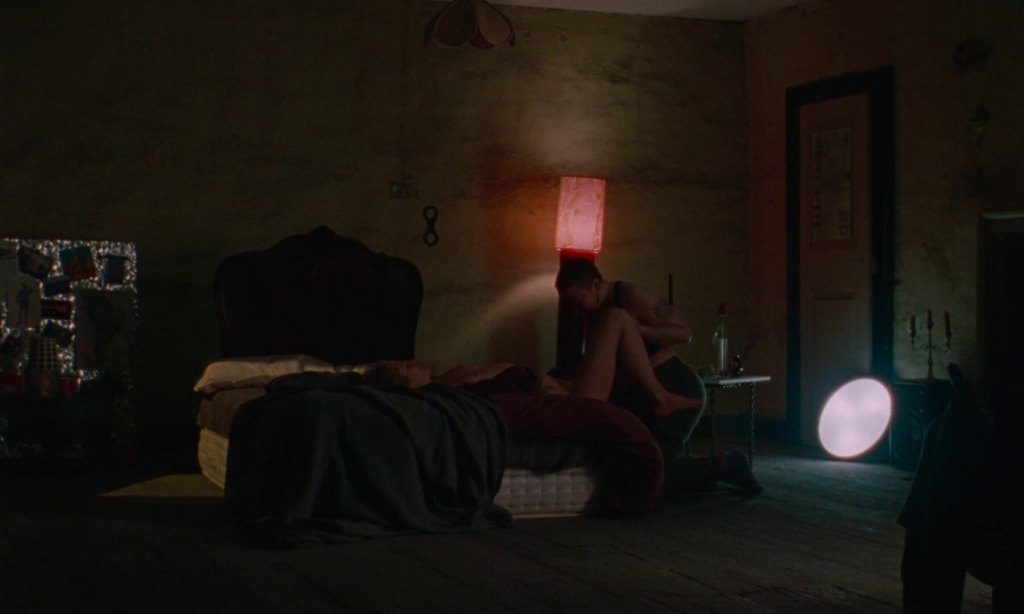
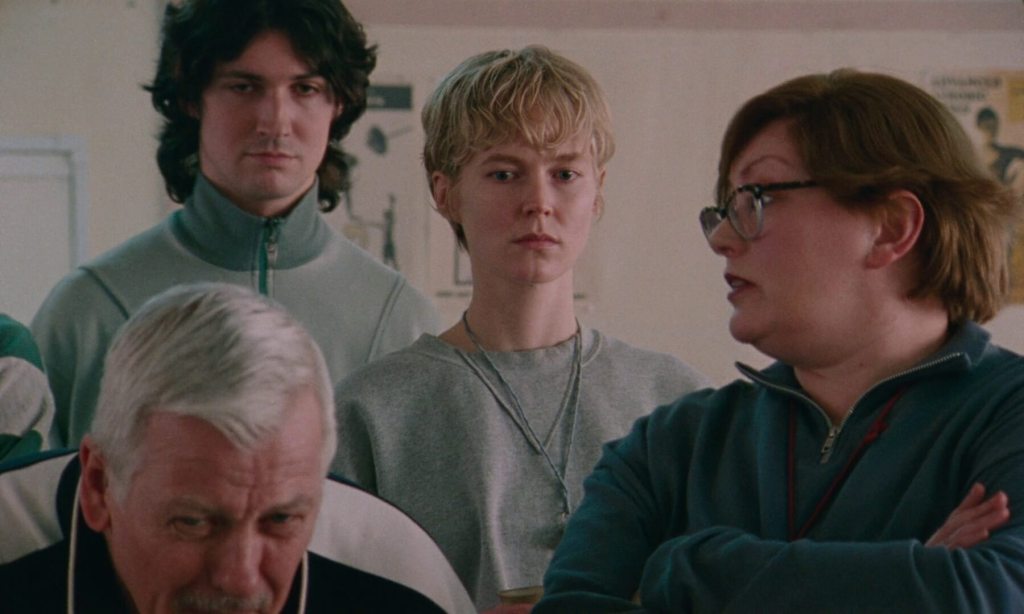

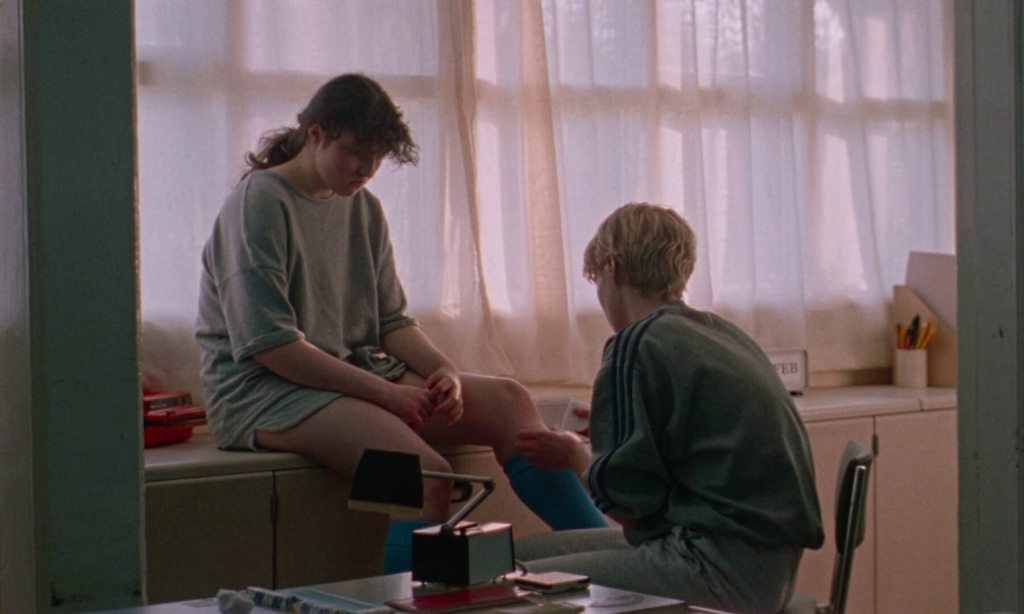

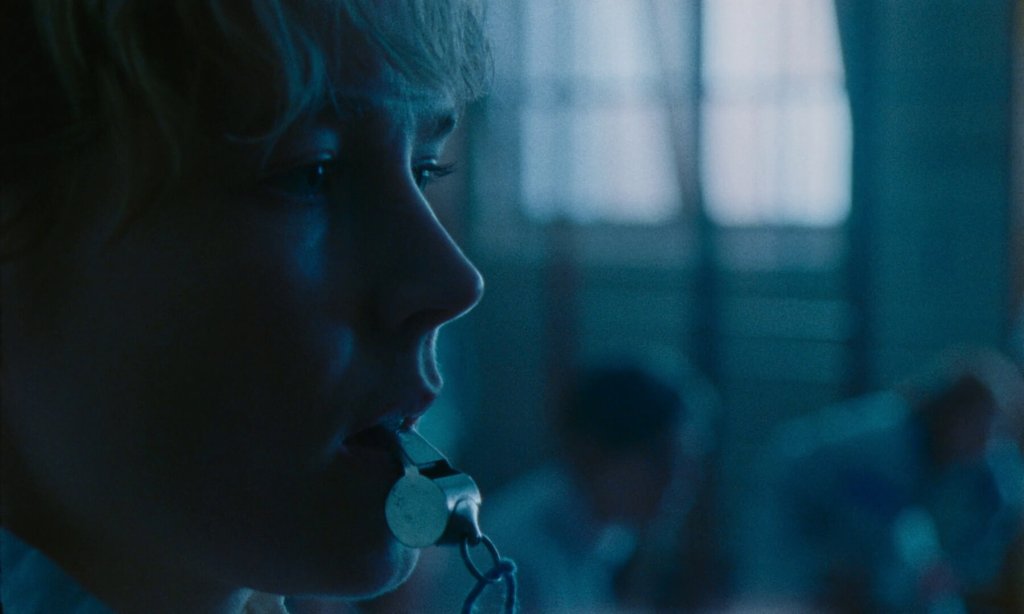
As the conservative government’s Section 28 policy begins to take hold in schools, Jean is faced with intense pressure to suppress any expression of her identity, both in and out of the classroom. This moral and emotional tension becomes unbearable when Lois is bullied and ostracized by peers after being outed. Jean must decide whether to continue protecting her safety and job by staying silent or risk everything by standing up for Lois and, by extension, herself.






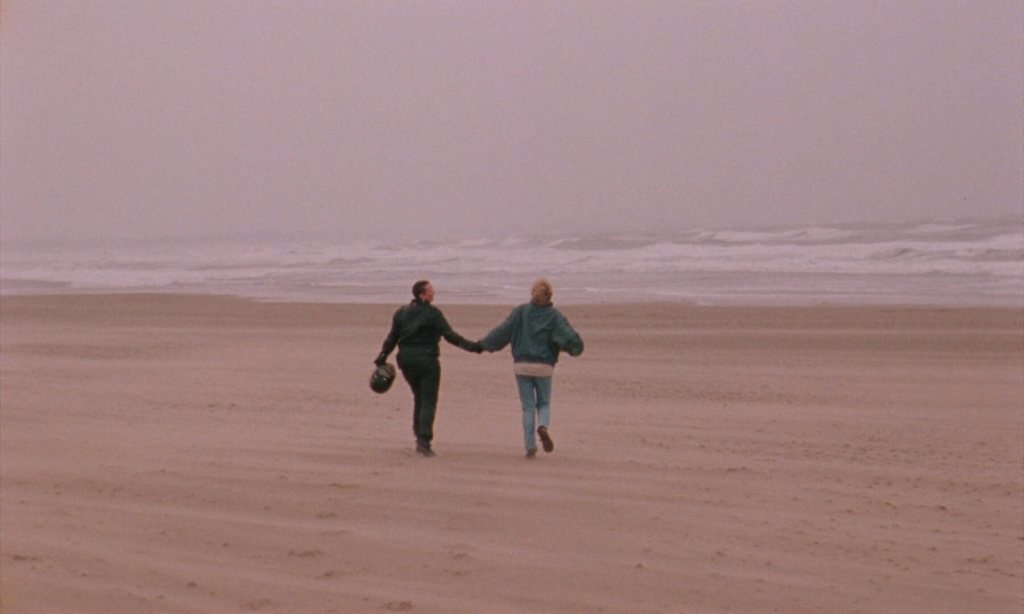
The film’s heart lies in Jean’s internal conflict: torn between the fear of persecution and the desire to live authentically. Her relationship with Viv also becomes strained, as Viv pushes Jean to stop hiding and be honest about who she is—not just with others, but with herself.



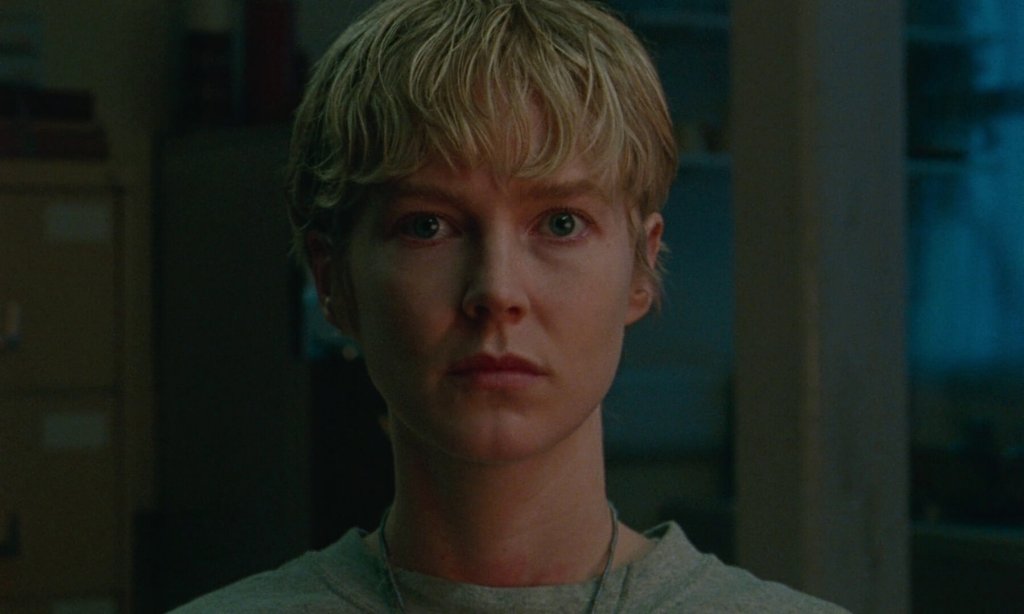
In a climactic and emotionally charged sequence, Jean finally confronts the consequences of her silence and makes a quiet but courageous act of solidarity that signals the beginning of a transformation, not only in how others see her but also in how she sees herself.

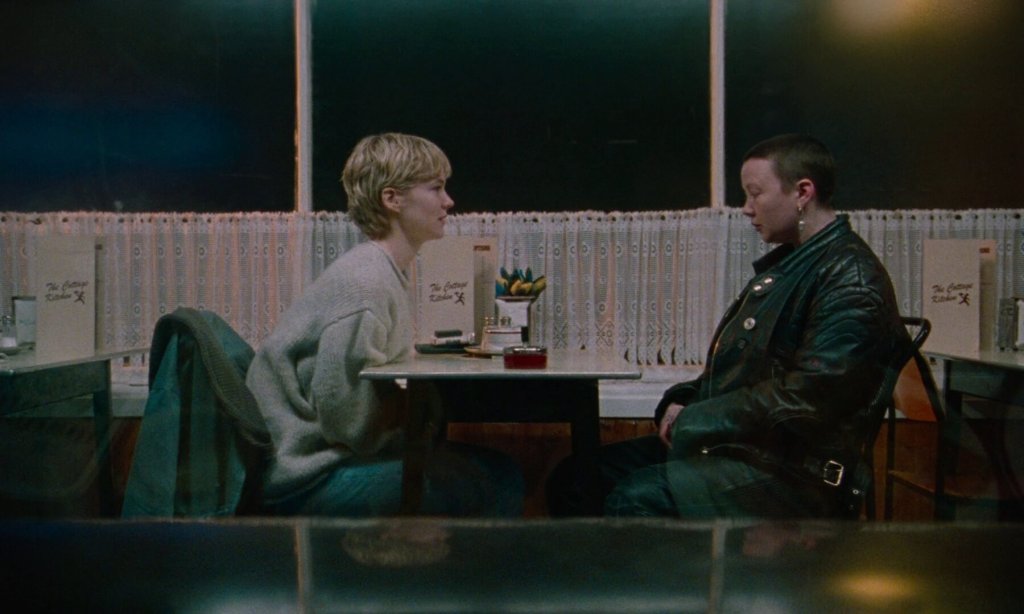

“Blue Jean” is an intimate, nuanced portrait of a woman living in a time of widespread institutional homophobia. Rosy McEwen’s performance as Jean is the film’s emotional anchor—quietly devastating, deeply human, and richly layered. The film deals with the emotional toll of living a double life and the quiet resistance required to survive in a hostile world.

 The Other Cinema